Fruits You Have Never Heard Of
The produce aisle at your local grocery store probably feels familiar. Apples, bananas, oranges—the usual lineup.
But the world grows thousands of fruit varieties that never make it to those refrigerated shelves. Some taste like chocolate pudding.
Others look like they belong in a science fiction movie. Many grow in remote regions where they’ve fed communities for centuries, yet remain completely unknown to the rest of us.
Rambutan: The Hairy Red Surprise

Picture a bright red sphere covered in soft, spiky hairs. That’s rambutan.
Peel away the fuzzy exterior and you’ll find translucent white flesh that tastes like a sweet grape with floral notes. The fruit grows throughout Southeast Asia, where street vendors sell them by the kilo.
The name comes from the Malay word for hair, which makes perfect sense once you see one.
Jabuticaba: The Trunk-Growing Wonder

Most fruits hang from branches. Jabuticaba breaks that rule completely.
These purple-black fruits grow directly on the trunk of the tree, creating a bizarre sight that looks photoshopped even when you’re standing right next to it. Native to Brazil, the fruit tastes like a cross between a grape and a plum, with a hint of something more complex that’s hard to pin down.
The trees can live for decades, and older specimens become prized possessions. You won’t find jabuticaba in stores because the fruit spoils within days of picking.
Brazilians turn them into jellies, wines, and liqueurs to preserve the flavor.
Horned Melon: Nature’s Alien Creation
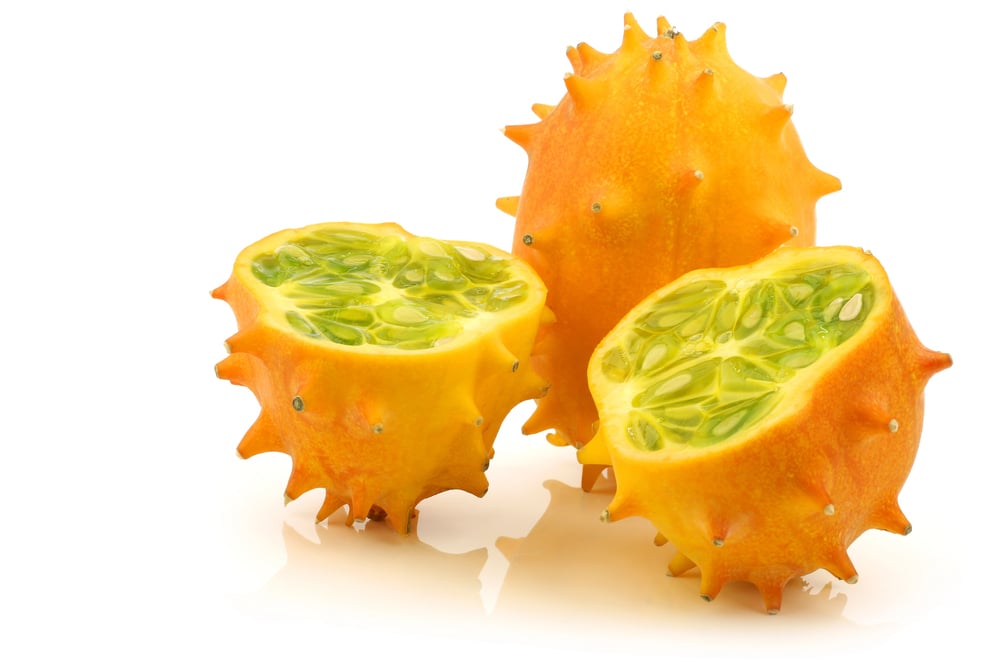
This fruit looks like it escaped from a sci-fi movie set. Bright orange skin covered in short, stubby horns protects a lime-green interior filled with seeds.
The texture feels slimy at first, which throws people off. But the taste delivers a refreshing blend of cucumber, lime, and banana that works surprisingly well together.
Originally from Africa, horned melon now grows in New Zealand and California too. Some people eat it straight from the shell with a spoon.
Others add it to smoothies or use it as a garnish because, honestly, it makes any dish look more interesting.
Mangosteen: The Queen of Fruits
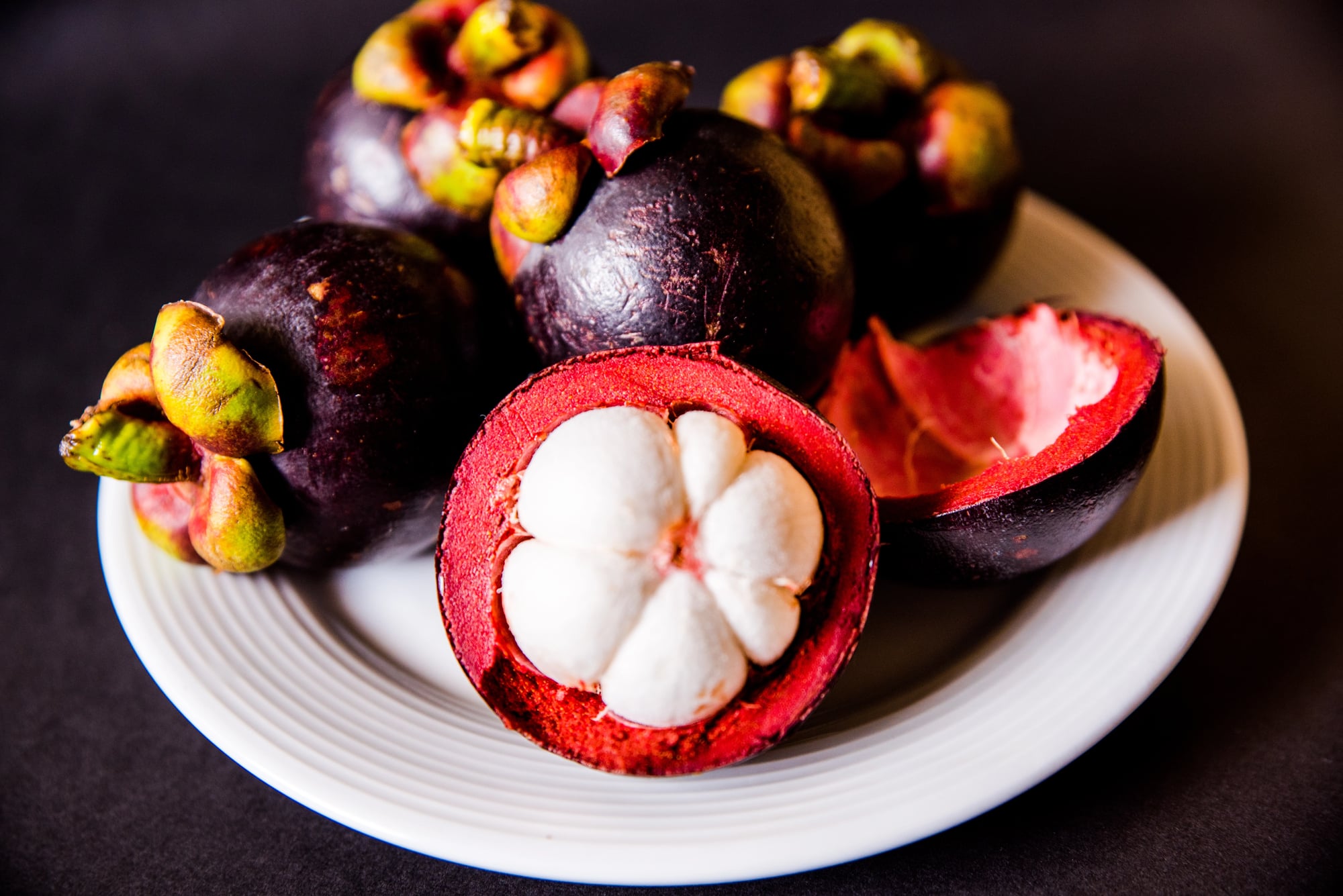
Southeast Asians call mangosteen the queen of fruits, and they’re not exaggerating. Crack open the thick purple rind to reveal white segments that taste like a combination of peach, strawberry, and vanilla cream.
The texture feels like the best part of a perfectly ripe peach—soft but not mushy, with just enough structure to feel substantial.
Queen Victoria supposedly offered a reward to anyone who could bring her a fresh mangosteen from Asia. The journey took too long, and the fruit always spoiled before reaching England.
Even today, importing fresh mangosteens remains tricky because they bruise easily and don’t last long after harvest.
Buddha’s Hand: The Fingered Citron
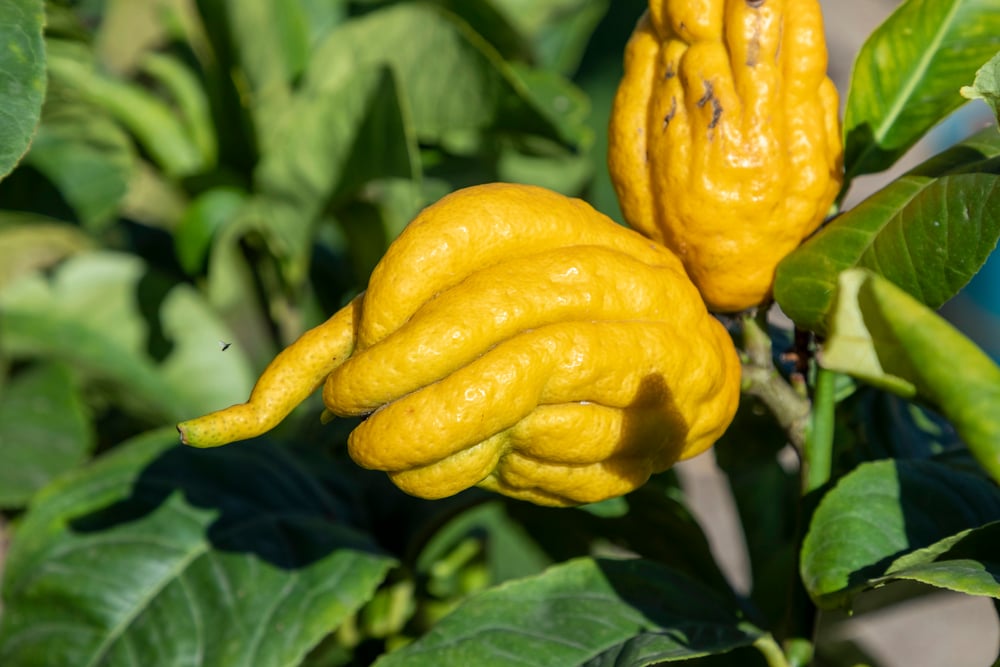
This citrus fruit grows finger-like sections that spread out like a hand reaching for something. The appearance alone makes it memorable.
But Buddha’s hand contains almost no flesh or juice—it’s nearly all fragrant peel. Chefs prize it for the intense lemon-lime aroma that can perfume an entire room.
You can candy the peel, zest it into dishes, or just keep one on your counter as the world’s most interesting air freshener. In China and Japan, people display Buddha’s hand in homes and temples because it symbolizes happiness and longevity.
The practical uses matter less than the incredible smell it brings to any space.
Durian: The Fruit People Love to Hate
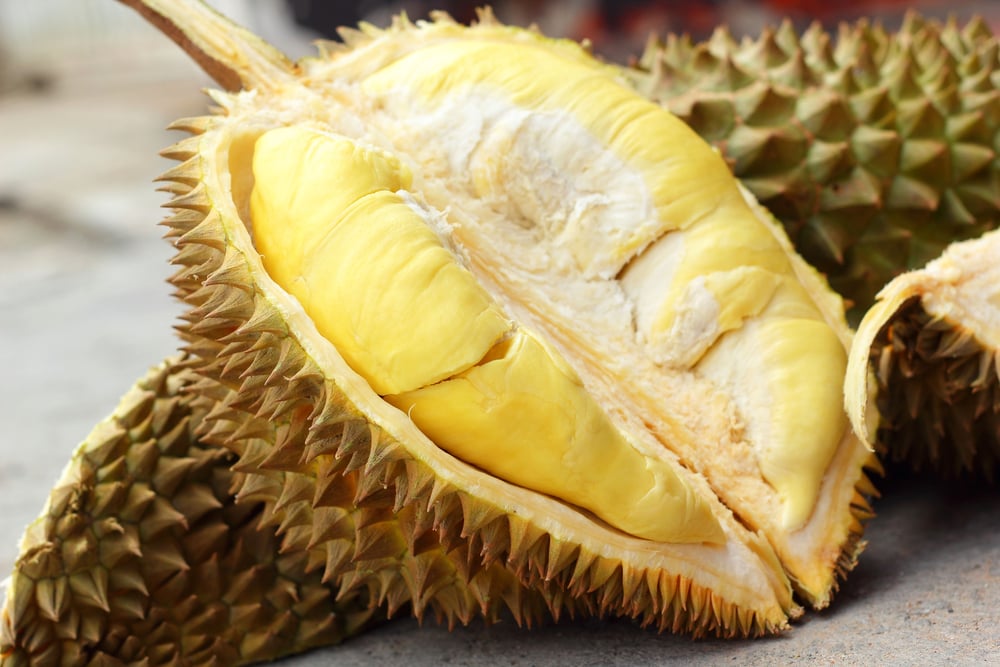
Durian divides people into two camps: those who think it tastes like heaven, and those who think it smells like a dumpster. Hotels in Southeast Asia ban it from rooms because the odor lingers for days.
But fans describe the creamy, custard-like flesh as tasting like almond cream mixed with hints of caramel and garlic.
The spiky exterior protects the fruit so effectively that people have died from durians falling on their heads during harvest season. Despite—or maybe because of—its controversial nature, durian inspires fierce loyalty among its devotees, who consider it the king of fruits.
Salak: The Snake Fruit Scaled in Mystery
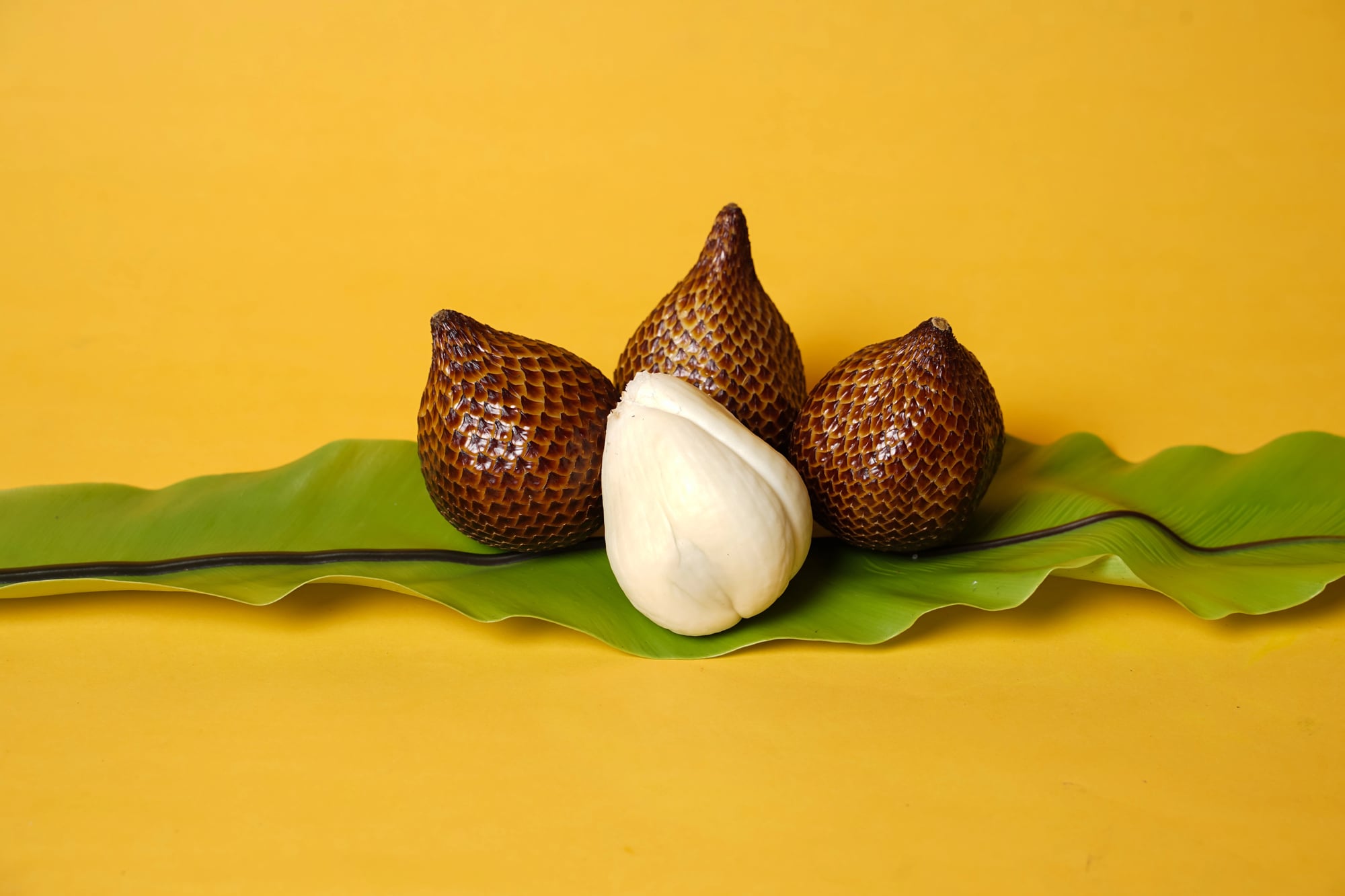
Reddish-brown scales cover this Indonesian fruit, creating a pattern that resembles snake skin. Peel away those scales and you’ll find segments of white flesh with a texture somewhere between an apple and a pear.
The taste combines sweet and sour notes with a slight astringency that makes your mouth pucker just a bit.
Different varieties of salak grow across Indonesia, each with its own flavor profile. Some taste sweeter, others more acidic.
Locals eat them fresh or pickle them for a tangy snack. The fruit grows on palm trees with thorns sharp enough to draw blood, which adds an element of danger to harvest time.
Ackee: Jamaica’s National Treasure
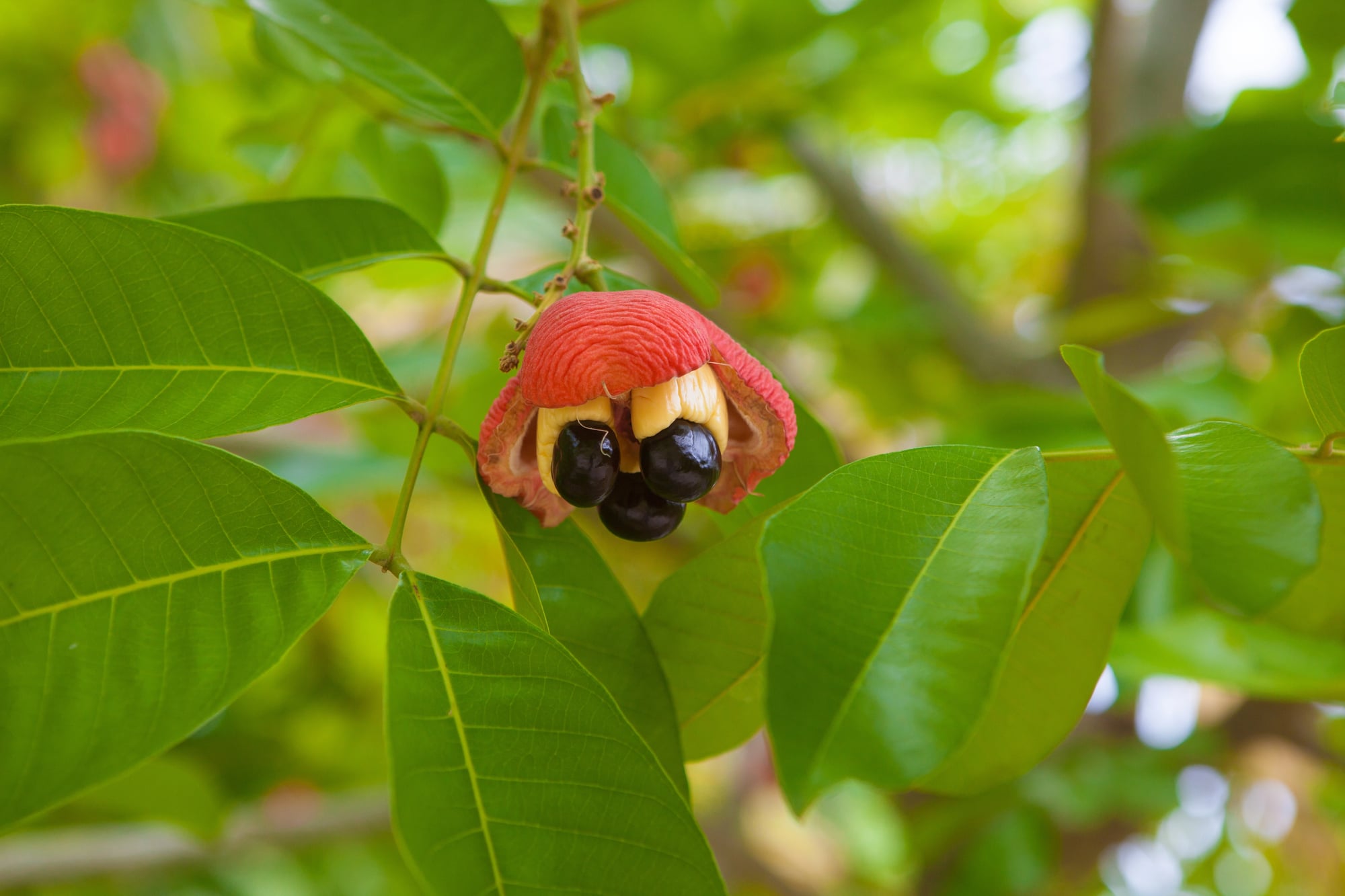
This bright red fruit splits open when ripe to reveal three large black seeds surrounded by soft yellow flesh. That flesh tastes mild and slightly nutty, with a texture similar to scrambled eggs.
Jamaicans cook it with saltfish to create their national dish, ackee and saltfish.
Here’s the catch: eating unripe ackee can kill you. The unripe fruit contains toxins that cause severe illness.
Once fully ripe and the fruit naturally opens, those toxins disappear and the flesh becomes safe to eat. Many countries ban the import of fresh ackee because of the risk, though canned versions make their way around the world.
Miracle Fruit: The Taste-Bending Berry
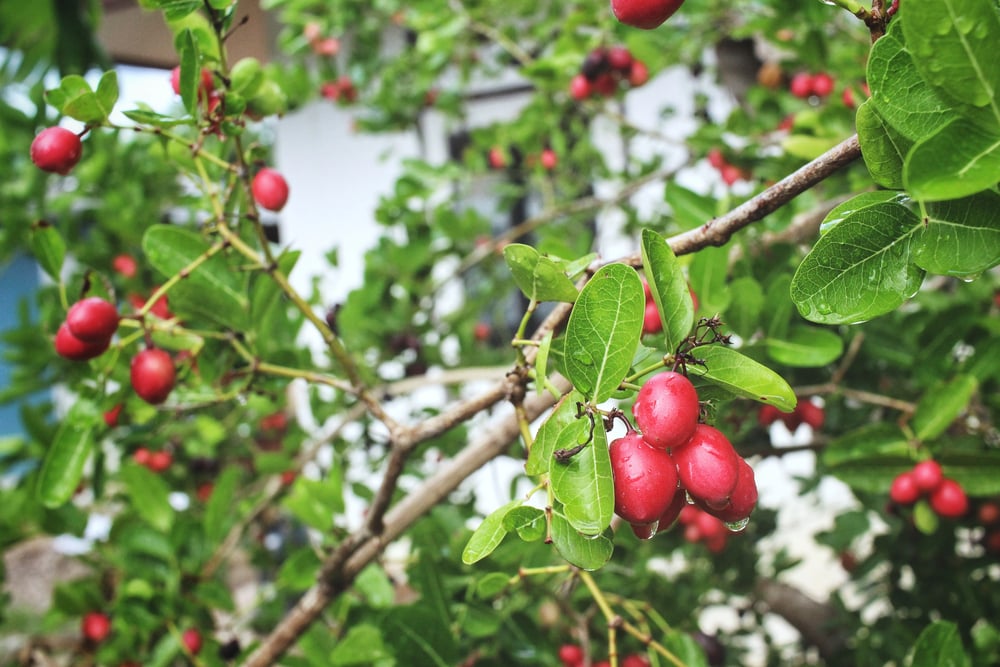
Pop one of these small red berries in your mouth and chew it slowly. Then bite into a lemon.
Instead of sour, the lemon tastes sweet as candy. This effect lasts for about an hour, turning everything acidic into something dessert-like.
Miracle fruit contains a protein called miraculin that binds to your taste buds and temporarily changes how they perceive sour flavors.
Scientists have explored using miracle fruit to help cancer patients whose treatments alter their taste perception. Some restaurants host “flavor-tripping parties” where guests eat the berries and then sample sour foods.
The experience feels surreal—your brain knows lemons shouldn’t taste sweet, but there’s no arguing with your taste buds.
Langsat: The Translucent Grape Impersonator
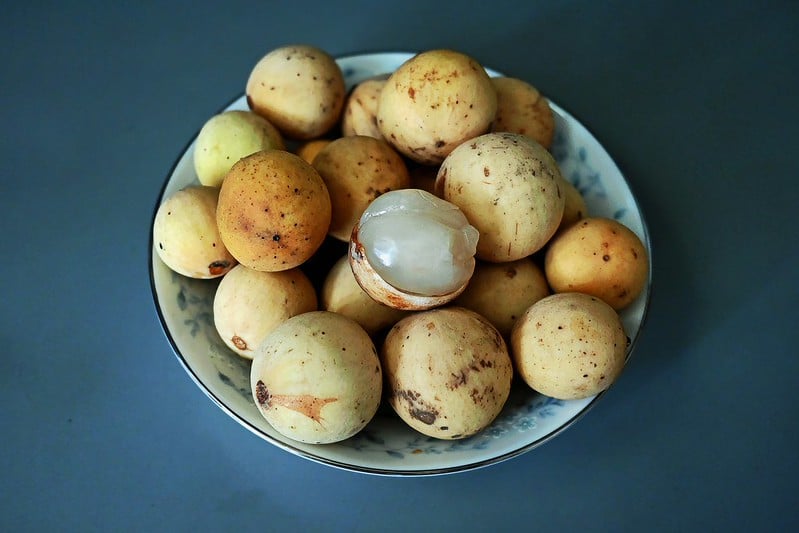
These small, round fruits grow in clusters that hang from trees like grapes. The thin, tan skin peels off easily to reveal translucent segments of white flesh.
The taste runs from sweet to slightly sour depending on ripeness, with a hint of something grape-like but more complex.
Langsat trees grow throughout Southeast Asia, where people snack on the fruits fresh or use them in desserts. Sometimes a seed tastes bitter, which reminds you to spit it out.
The fruit doesn’t travel well and spoils quickly, so it stays mostly within the regions where it grows.
Cupuacu: The Chocolate Fruit
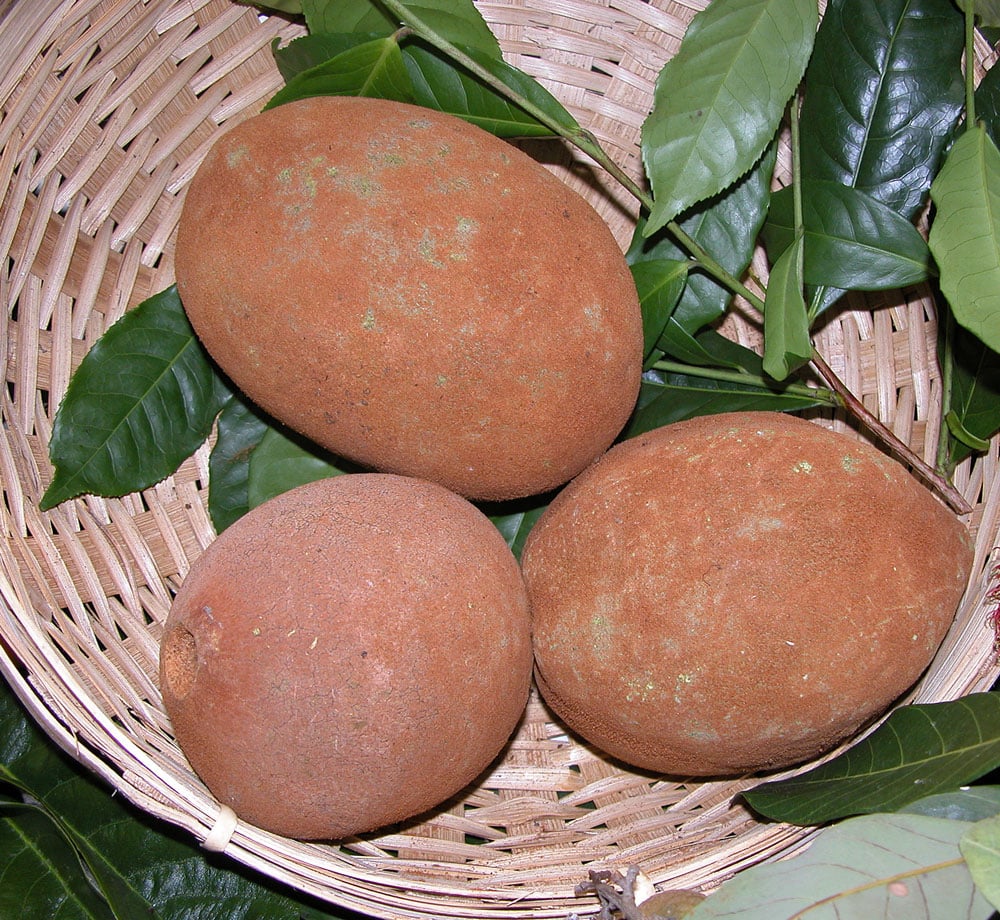
This large, brown fruit grows in the Amazon rainforest and tastes like a mix of chocolate and pineapple with hints of pear. The white pulp surrounds large seeds, and Brazilians use it to make juices, ice creams, and desserts.
Cosmetics companies have started using cupuacu butter in lotions and hair products because it hydrates skin better than many other natural ingredients.
The tree belongs to the same family as cacao, which explains some of the chocolate notes in the flavor. But cupuacu brings its own unique taste that doesn’t quite match any other fruit.
It’s creamy and tropical with that unmistakable hint of chocolate that makes it feel like nature’s dessert.
Chayote: The Vegetable Pretending to Be a Fruit
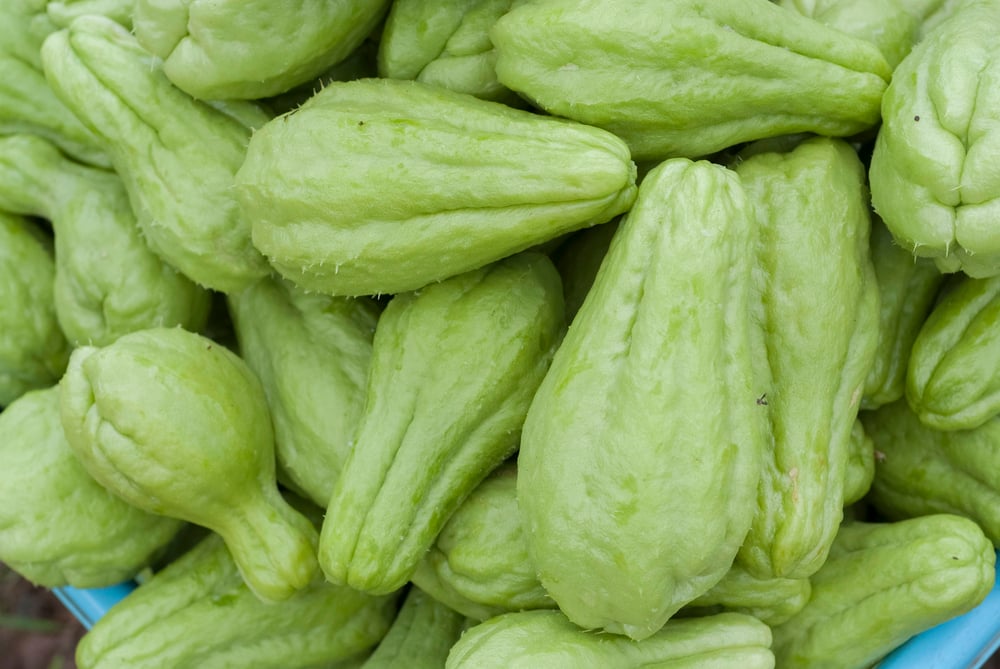
Technically a fruit, chayote gets treated like a vegetable in most kitchens. The pale green, pear-shaped fruits grow on vines and have a mild flavor similar to cucumber or summer squash.
You can eat them raw in salads, cook them in stir-fries, or stuff them like bell peppers.
Throughout Latin America and parts of Asia, chayote shows up in everything from soups to desserts. The plant grows so vigorously that one vine can produce hundreds of fruits.
Even the roots, young shoots, and leaves are edible, making chayote one of the most useful plants you can grow if you have space for it.
Kiwano: The Jelly-Filled Surprise
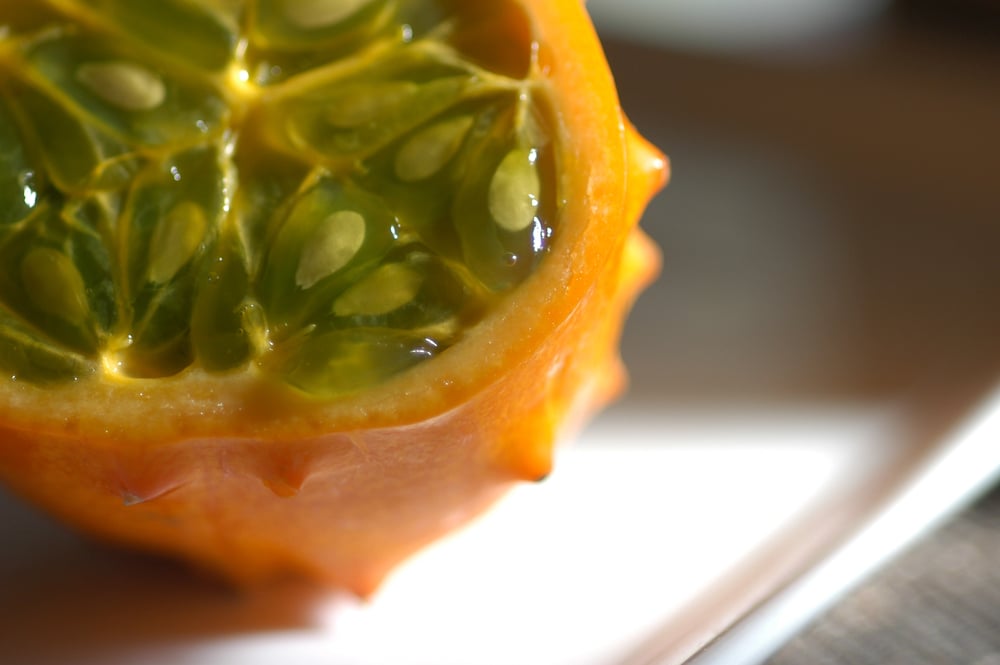
Also known as African horned cucumber, kiwano contains bright green jelly filled with seeds. Squeeze the fruit and the jelly slides out in one gooey mass.
The taste combines cucumber, kiwi, and lime with a hint of banana. Some people love the refreshing flavor.
Others find the texture off-putting.
The fruit keeps for months without refrigeration, which made it valuable for travelers in Africa long before modern preservation methods existed. Slice it in half and scoop out the insides with a spoon, seeds and all.
The seeds are perfectly edible and add a nice crunch to the otherwise soft interior.
Where Strange Fruits Still Grow
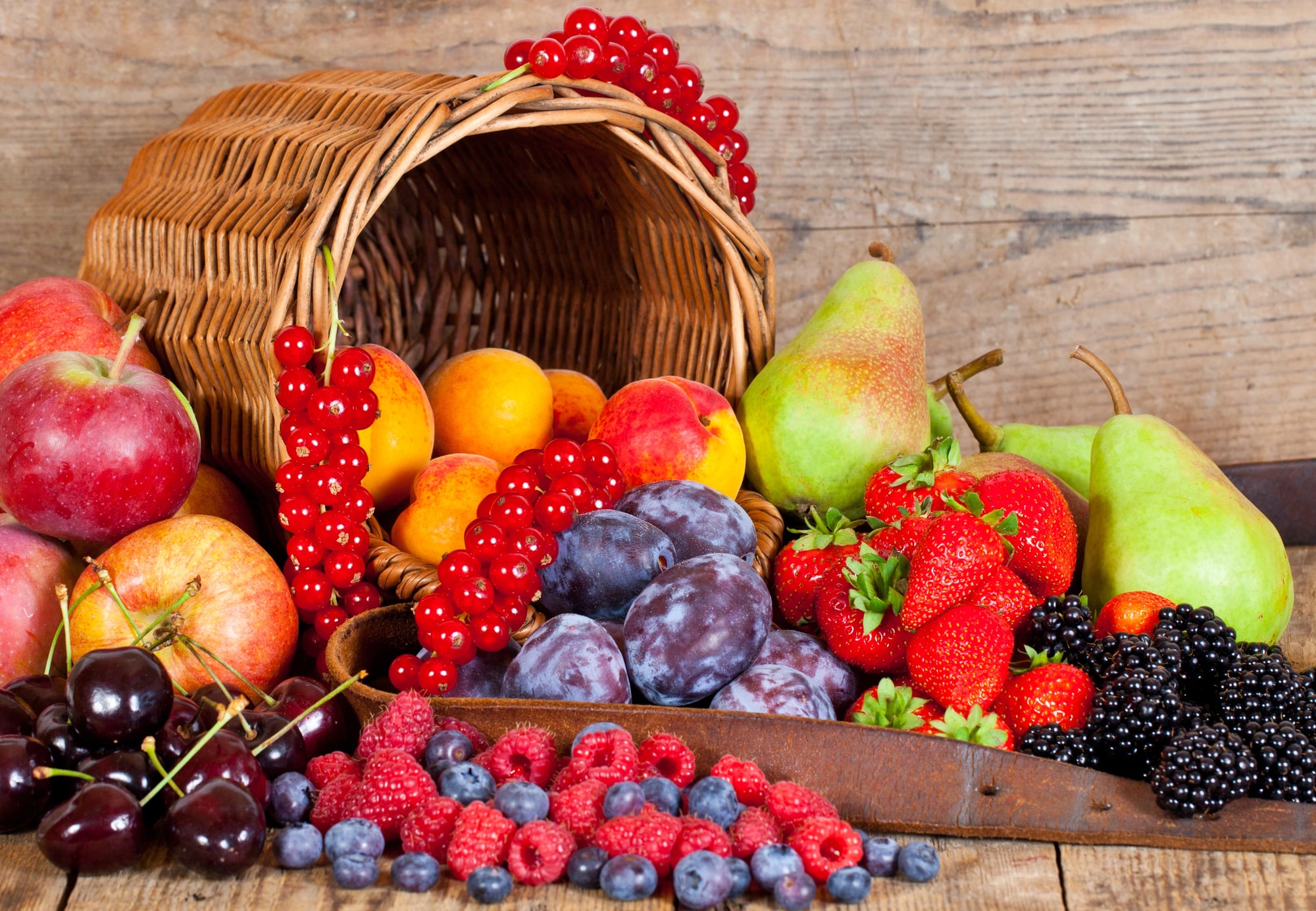
Most of these fruits will never line the shelves of your local supermarket. They don’t ship well, don’t store long, or simply look too weird for mass market appeal.
But in the places where they grow, these fruits feed communities, support local economies, and represent centuries of agricultural tradition.
The next time you travel somewhere tropical, ask around at local markets. You’ll find fruits with names you can’t pronounce and flavors you can’t quite describe.
That’s where the really interesting eating happens.
More from Go2Tutors!

- The Romanov Crown Jewels and Their Tragic Fate
- 13 Historical Mysteries That Science Still Can’t Solve
- Famous Hoaxes That Fooled the World for Years
- 15 Child Stars with Tragic Adult Lives
- 16 Famous Jewelry Pieces in History
Like Go2Tutors’s content? Follow us on MSN.



