21 Old Hospital Practices That Shock Us Today
Medicine has always been a mix of real insight and confident guesswork. Plenty of treatments that sound barbaric today were given by respected doctors who believed they were helping.
These 21 practices come from hospitals, asylums and operating rooms of the past. Some were quietly dropped as evidence piled up, while others persisted despite serious risks to patients.
Bloodletting

For centuries, doctors drained blood to treat fever, headaches and almost everything else. When George Washington fell ill with a throat infection in December 1799, his physicians removed more than 40 ounces of blood through several bleedings during his final illness.
He died on Dec. 14. Many historians believe the treatment may have weakened him further, although the exact amount of blood removed and its contribution to his death remain debated.
Lobotomies

Portuguese neurologist Egas Moniz won the Nobel Prize in 1949 for developing the lobotomy, a surgery that severed connections in the brain’s frontal regions. American physician Walter Freeman later popularized a faster version in which an instrument was driven through the eye socket, and he performed thousands of the procedures.
Rosemary Kennedy, sister of a future president, underwent one in 1941 and was left permanently disabled.
Mercury Cures
Mercury compounds such as calomel were prescribed to purge the body, and doctors like Benjamin Rush used heavy doses during the 1793 yellow fever outbreak in Philadelphia. Patients often developed loose teeth, drooling and sores in the mouth as signs of mercury poisoning.
The Lewis and Clark expedition carried Rush’s mercury-laden pills, and traces of mercury found at former expedition camps have helped researchers study the route the explorers took.
Medical Leeches
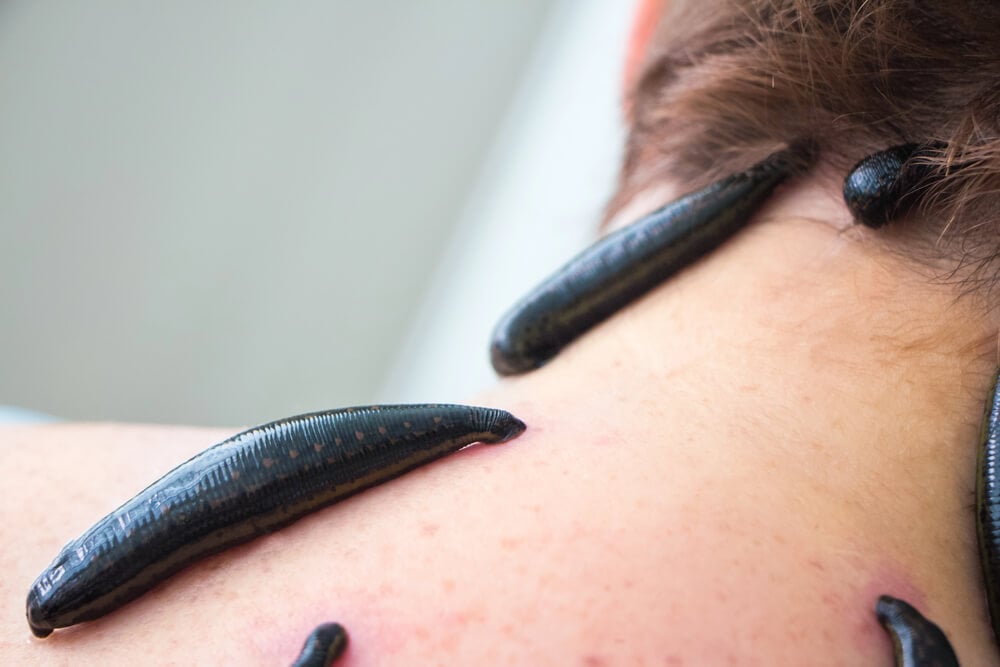
In the 19th century, leeches were applied to patients by the thousands to draw out blood. France alone imported tens of millions each year at the height of the craze, and leech collectors waded through ponds to gather them.
The animals are still used in some reconstructive surgeries, particularly when blood pools in tissue and needs to be drained to help restore circulation. Their use today is controlled and limited to specific medical situations.
Surgery Without Anesthesia
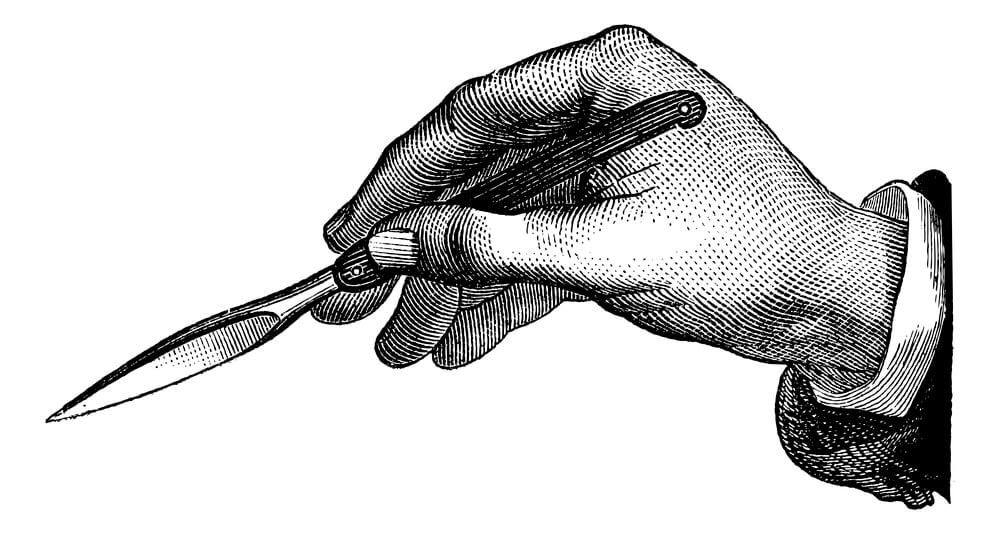
Before the mid-19th century, patients were often awake and held down while surgeons operated, which made speed a prized skill. Robert Liston of London was famous for removing a leg in under three minutes.
The first public demonstration of ether anesthesia took place at Massachusetts General Hospital in 1846, helping usher in a new era of surgery in which patients no longer had to endure operations fully conscious.
Skipping Handwashing

In 1847, Hungarian physician Ignaz Semmelweis noticed that women died far more often of childbed fever in Vienna General Hospital wards staffed by doctors than in those staffed by midwives. The doctors were coming straight from autopsies, and when he required handwashing in chlorinated lime, deaths fell sharply.
His colleagues rejected his idea, and he died before germ theory and the importance of infection control gained broad acceptance.
Laudable Pus
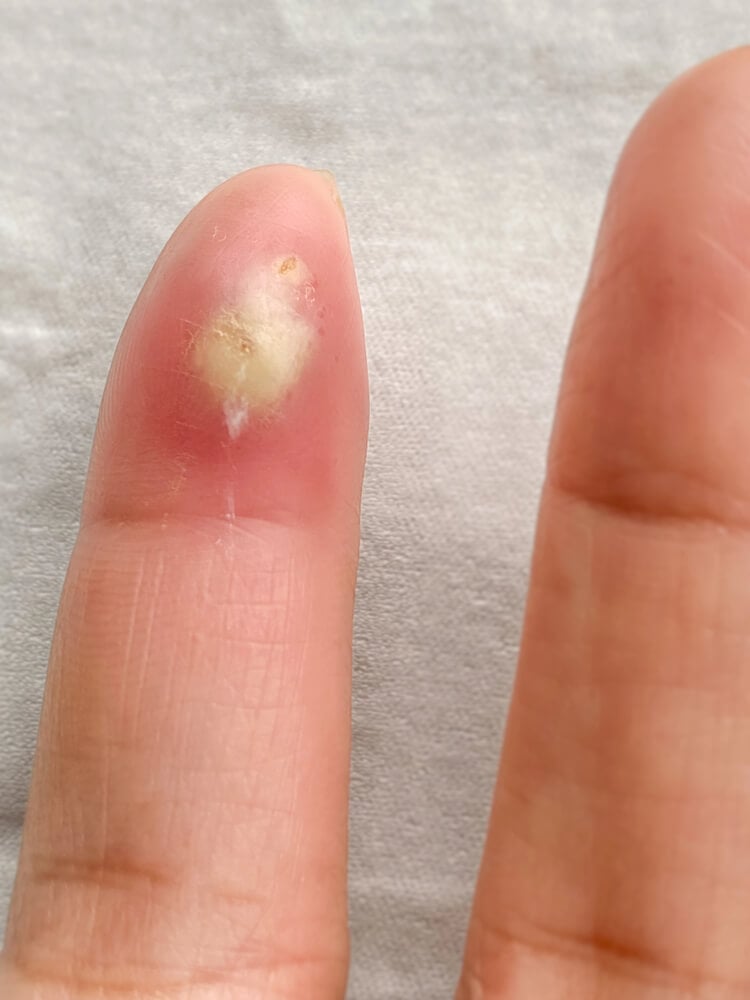
Surgeons once believed that pus in a wound could be a good sign, and they even called it laudable pus. That belief meant infections were sometimes accepted as part of healing.
In the 1860s, Joseph Lister began treating wounds and surgical instruments with carbolic acid, helping reduce infections and advance the development of antiseptic surgery.
Unmodified Electroconvulsive Therapy
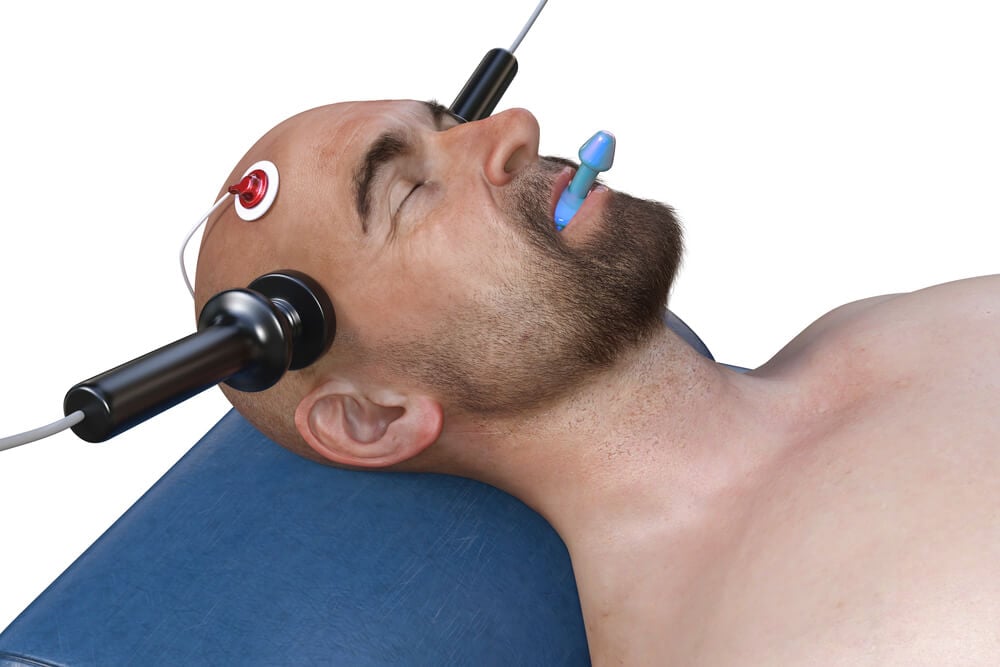
Electroconvulsive therapy was introduced in Italy in 1938 by Ugo Cerletti and Lucio Bini. In its early decades, patients were given electrical shocks without anesthesia or muscle relaxants, and the resulting convulsions could cause fractures and other injuries.
Modern treatment is done under anesthesia and with muscle relaxants, which greatly reduces the physical risks associated with the procedure.
Insulin Coma Therapy

Beginning in the 1930s, psychiatric hospitals deliberately put patients into comas with large doses of insulin, a method developed by Manfred Sakel. The treatment was used primarily for schizophrenia and continued into the 1950s and, in some settings, the 1960s.
Mathematician John Nash received insulin coma treatments during his psychiatric hospitalizations in the late 1950s and early 1960s. The method was eventually abandoned as safer and more effective treatments became available.
The Tranquilizer Chair
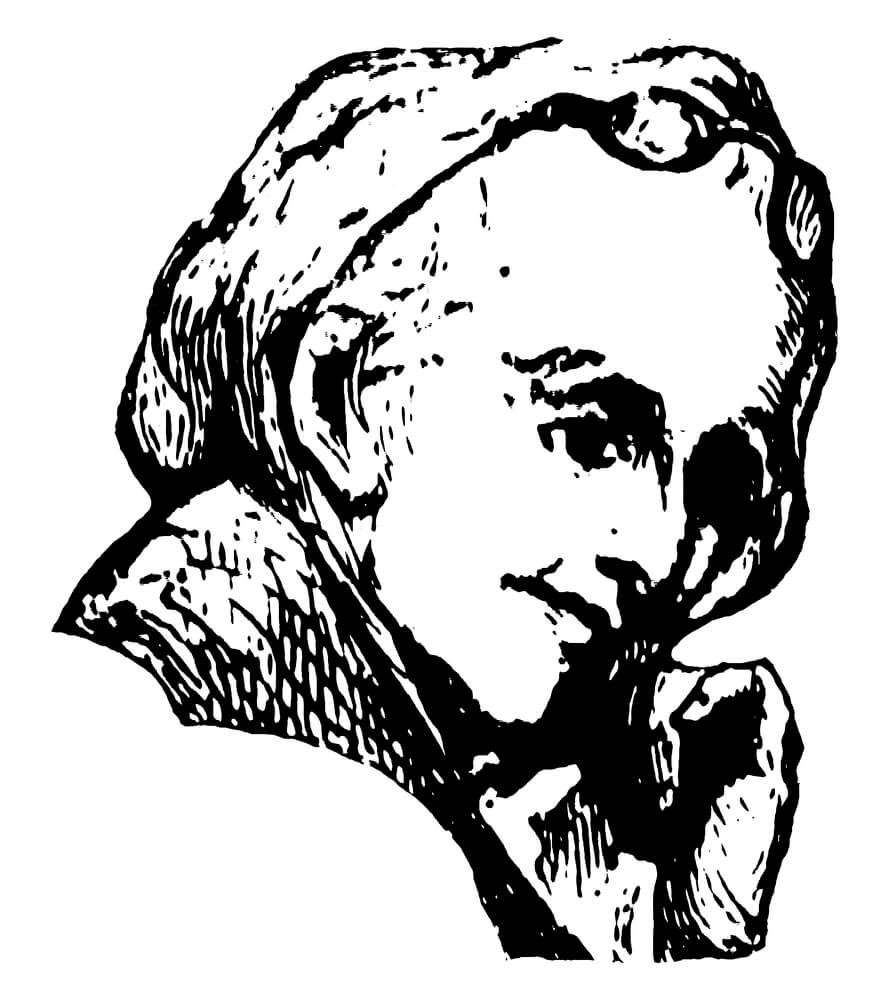
Benjamin Rush designed a restraint chair in the early 19th century that strapped a patient in place and used a wooden box to limit movement and stimulation. He believed restricting movement and sensory input could calm the mind.
Restraints and similar devices were used in psychiatric institutions for decades, reflecting an era when controlling patients’ behavior often took priority over understanding or treating the causes of their distress.
Visiting Bedlam
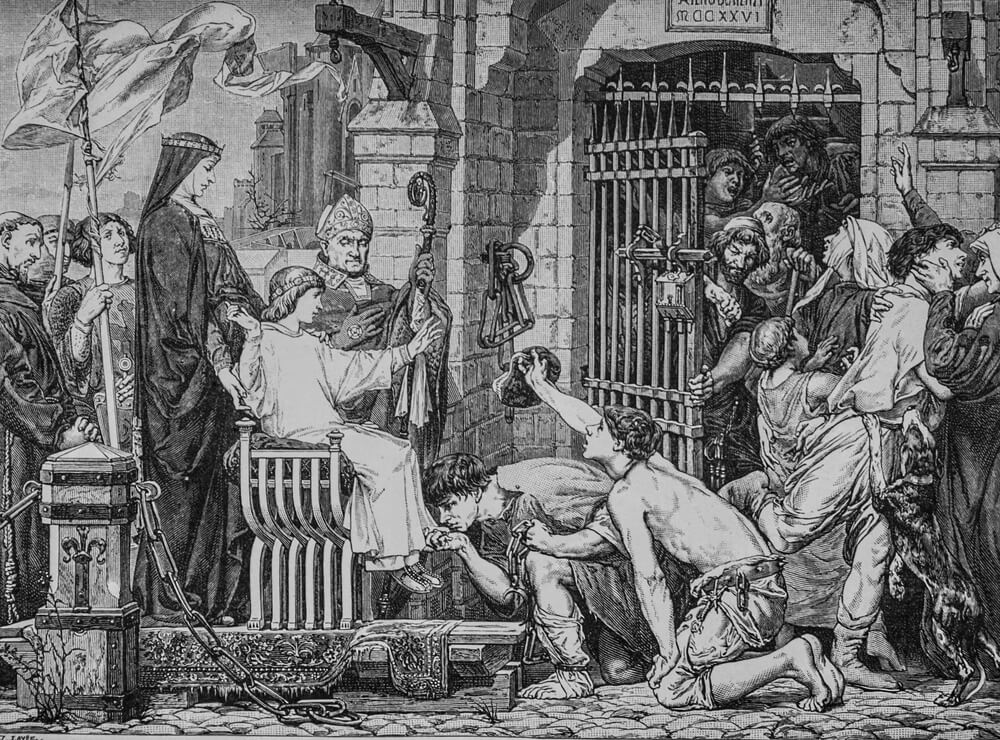
At London’s Bethlem Hospital, nicknamed Bedlam, members of the public could visit the wards and observe patients, sometimes paying an admission fee. The practice continued into the 18th century and was eventually stopped as attitudes toward the treatment and dignity of people with mental illness began to change.
The word bedlam, meaning chaos or uproar, comes from the hospital’s name.
Transfusions of Animal Blood

In 1667, French physician Jean-Baptiste Denys transfused sheep’s blood into a teenage boy, who survived the procedure. Other early animal-to-human transfusions had mixed outcomes, and a later patient death triggered a legal dispute.
In 1670, French authorities prohibited the practice without prior approval. Blood transfusions between humans did not become reliably safer until the discovery of blood groups in 1901 and subsequent advances in transfusion medicine.
Anatomy and Body Snatching

Medical schools needed cadavers, and the legal supply fell far short of demand. Gangs of so-called resurrection men dug up freshly buried bodies to sell to anatomists.
In 1828 in Edinburgh, William Burke and William Hare murdered 16 people and sold their bodies to anatomist Robert Knox. The scandal helped spur Britain’s Anatomy Act of 1832, which expanded the legal supply of bodies for medical education.
Twilight Sleep
In the early 1900s, women in labor in Germany and later the United States were given morphine and scopolamine, a combination intended to dull pain and erase memories of childbirth. The drugs did not reliably eliminate pain, and patients could become confused, agitated or physically restless.
Some hospitals restrained women in padded beds or enclosed beds to prevent injuries. The method fell out of favor as its risks and limitations became clearer and other approaches to childbirth pain relief developed.
Routine Tonsillectomies
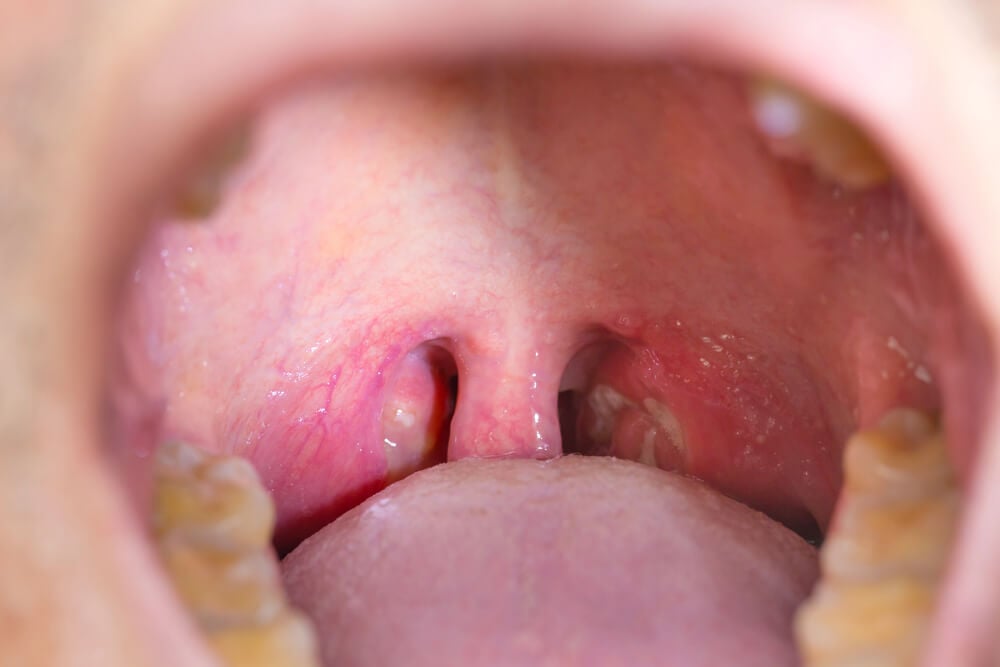
In the 1920s and 1930s, removing children’s tonsils was among the most common operations in America, and large numbers of children underwent the procedure. Doctors often believed that tonsils could harbor infections that affected the rest of the body.
The operation was sometimes recommended without strong evidence that it would help a particular child. Although concerns about overuse emerged by the 1930s, the procedure remained common for decades.
Tonsillectomy is still performed today when there is a clear medical reason.
Malaria as a Cure

Austrian physician Julius Wagner-Jauregg began infecting patients with malaria in 1917 to treat general paresis, a severe neurological complication of late-stage syphilis. He believed that the high fevers could help combat the infection.
He won the Nobel Prize in 1927 for the treatment. The introduction of penicillin and other effective treatments for syphilis eventually made malaria therapy obsolete, despite the serious risks involved in deliberately infecting patients.
Forced Sterilization

In the early 20th century, many U.S. states passed laws allowing institutions to sterilize people deemed unfit, often targeting those with disabilities or mental illnesses. The Supreme Court upheld compulsory sterilization in Buck v. Bell in 1927.
Tens of thousands of people were sterilized without meaningful consent in state hospitals and training schools. The policies were rooted in eugenics, a discredited movement that claimed society could be improved by controlling who was allowed to reproduce.
Several states have since formally apologized for their roles in these abuses.
Collapse Therapy for Tuberculosis

Before effective antibiotics, doctors sometimes treated tuberculosis by deliberately collapsing an infected lung, often by introducing air into the space around it. The theory was that restricting lung movement would give the diseased organ a chance to rest.
Patients also spent long periods in sanatoriums, where fresh air, nutrition and bed rest were considered important. Collapse therapy was used for decades, but its role declined as effective antibiotic treatment became available in the mid-20th century.
Surgery With Bare Hands

Sterile surgical gloves were not yet standard when many early surgeons operated without them. In 1889, William Halsted at Johns Hopkins arranged for rubber gloves to be made for his nurse, Caroline Hampton, whose skin reacted badly to the disinfectant used in the operating room.
The gloves proved useful for protecting both skin and patients, and their adoption grew. Hampton later married Halsted.
Hydrotherapy in Asylums

Psychiatric hospitals used baths and wet-sheet wraps to calm patients, and some patients spent long stretches in continuous warm tubs. Cold showers were also used in attempts to manage agitation.
Although some forms of hydrotherapy were intended as treatment, others functioned as coercive restraint and could be distressing or harmful. The use of these methods declined as psychiatric care changed and new treatments became available.
Maggot Therapy

Army surgeons noticed during wars that wounds infested with maggots sometimes healed better than wounds that were not. In the 1920s, surgeon William Baer at Johns Hopkins developed the idea into a formal treatment.
The U.S. Food and Drug Administration cleared medical maggots for use in wound care in 2004, and they are still used to clean stubborn wounds. Sterile medical larvae can consume dead tissue while generally leaving healthy tissue intact, making the treatment useful for certain difficult-to-heal wounds.
When Treatment Outran Evidence

The common thread in these stories is confidence. Doctors acted with authority, often using what they believed was the best available treatment, and patients trusted them because there were few alternatives.
When the evidence finally arrived, it often arrived slowly, as with Semmelweis, whose ideas were dismissed for years.
Some of the oldest treatments also circled back. Leeches and maggots both returned in tightly controlled forms, which shows that an unusual idea is not always wrong.
The lesson of old medicine is less about mocking the past and more about demanding proof before the next confident treatment becomes the next cautionary tale.
More from Go2Tutors!

- The Romanov Crown Jewels and Their Tragic Fate
- 13 Historical Mysteries That Science Still Can’t Solve
- Famous Hoaxes That Fooled the World for Years
- 15 Child Stars with Tragic Adult Lives
- 16 Famous Jewelry Pieces in History
Like Go2Tutors’s content? Follow us on MSN.