Traditional Crafts That Guide Modern Artisans
Every handmade skill that lasts ends up becoming part of tradition. Those sticking around endure simply because they’re useful – fixing real issues, bringing visual joy, or fulfilling roles tech hasn’t replaced.
Today’s creators go back to old ways not for sentimentality, yet due to outcomes machines struggle replicating, since some stuff reacts better when shaped by hand. These time-tested practices carry wisdom built slowly across lifetimes, where each generation fine-tunes what came before.
That depth continues guiding current builders who learn directly from past mastery.
Japanese Joinery
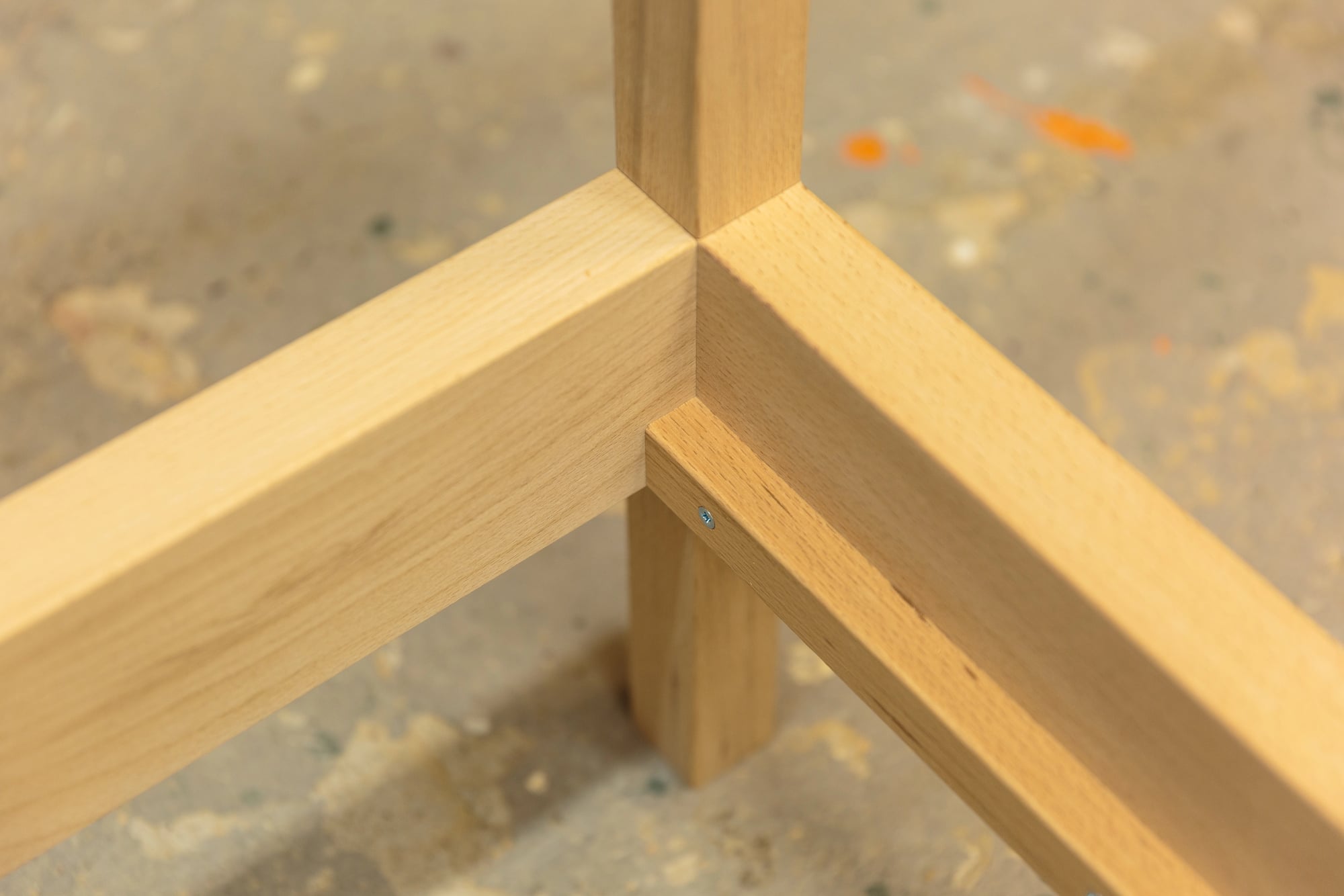
Japanese carpenters came up with tricky wood connections to avoid relying on metal bits. These fits need exact shaping so pieces lock together snug.
Though certain links add small sticks, pegs, or dowels for strength, the real support still comes from how well the parts mesh. Every kind works differently – one handles pulling force, another deals with squeezing, while some give space for timber to shift when air gets damp.
Furniture crafters today check out these joints – they’re sleek, can be taken apart, fixed when needed. This approach needs knowing how wood moves, how grain impacts durability, yet also handling the stuff without messing up.
Ceramic Glazing Chemistry
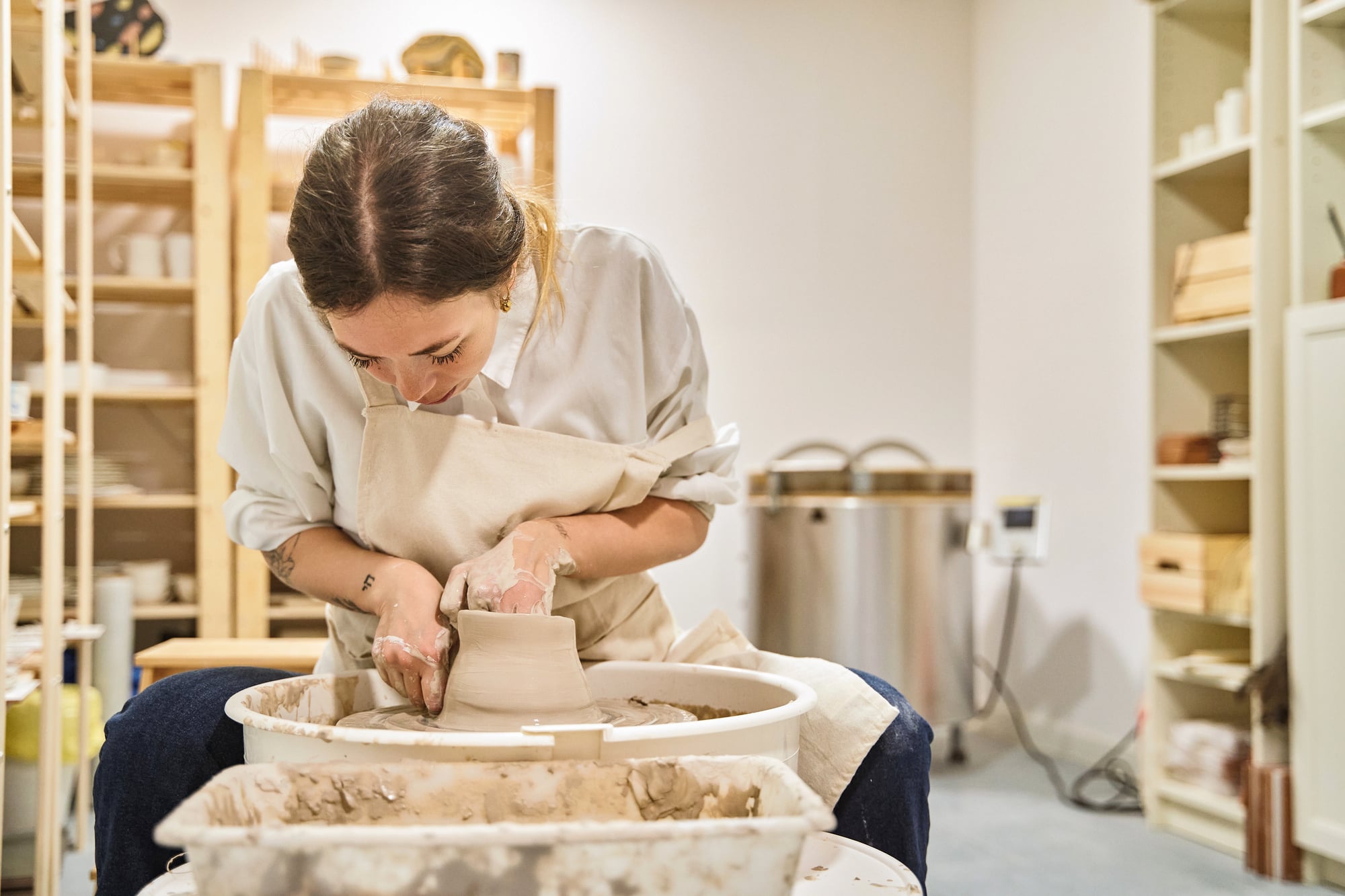
Traditional potters developed glazes through centuries of experimentation. They discovered which minerals create specific colors, how firing atmosphere affects results—copper oxide can produce blues and greens in oxidation firing or deep reds in reduction firing—and how temperature affects surface texture.
Modern ceramic artists still reference these formulas because the chemistry and physics haven’t changed. Contemporary potters build on this foundation, adjusting ratios and testing variations, but the traditional knowledge provides the starting point for understanding how glazes behave.
Natural Dyeing Techniques
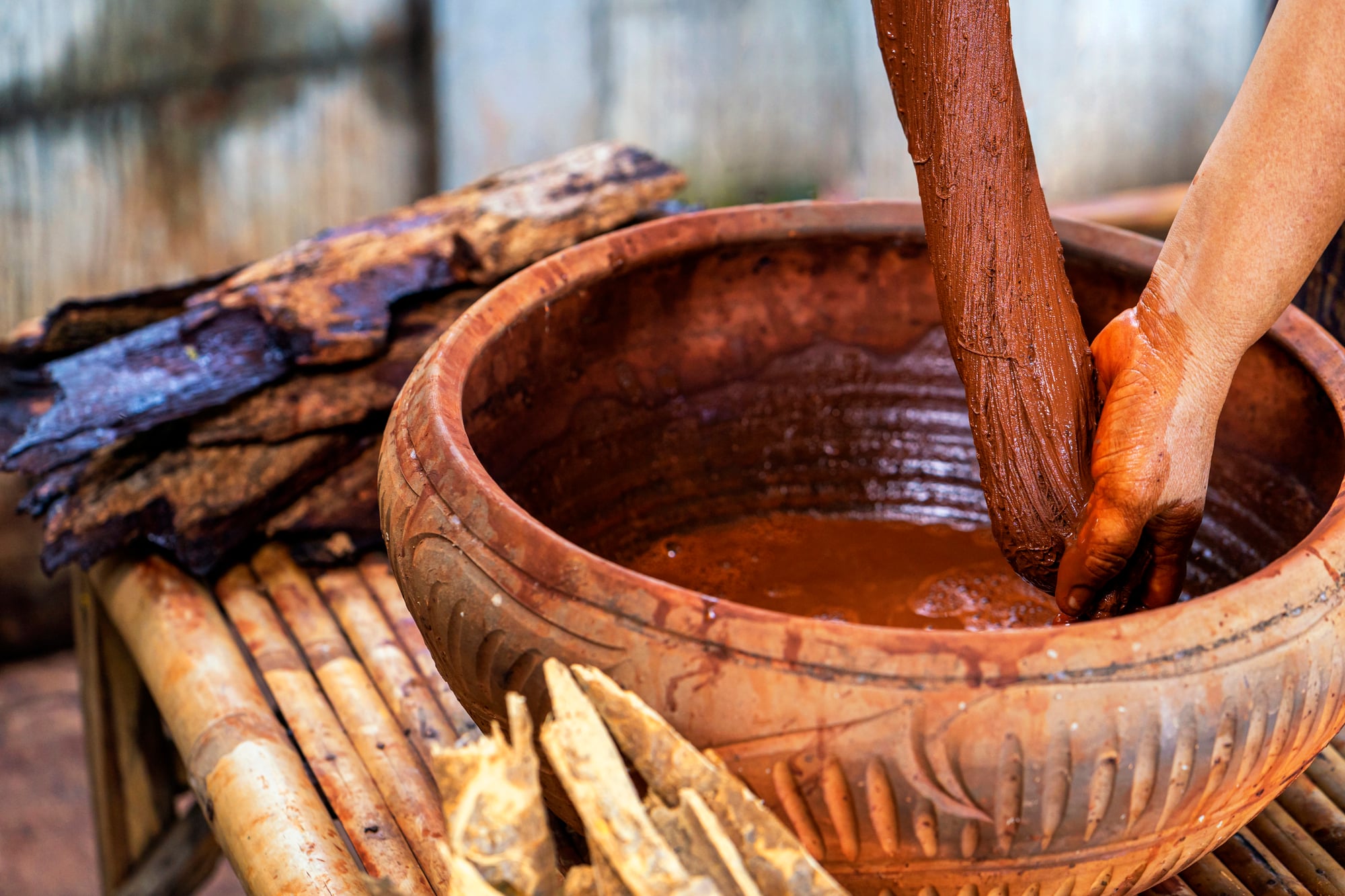
Before synthetic dyes, textile makers extracted color from plants, insects, and minerals. The processes varied significantly.
Indigo produces blue through a unique reduction-oxidation process where the dye must be reduced to become soluble, then oxidizes to blue when exposed to air. Other dyes like madder root for red or weld for yellow work through different mechanisms.
The process requires knowledge of mordants—substances that help color bind to fiber—and how different materials take dye differently. Modern textile artists return to these methods for the depth of color, reduced environmental impact, and how certain fibers respond to natural dyes.
The traditional knowledge includes which plants grow in which regions and how seasons affect color intensity.
Blacksmithing and Metal Forming
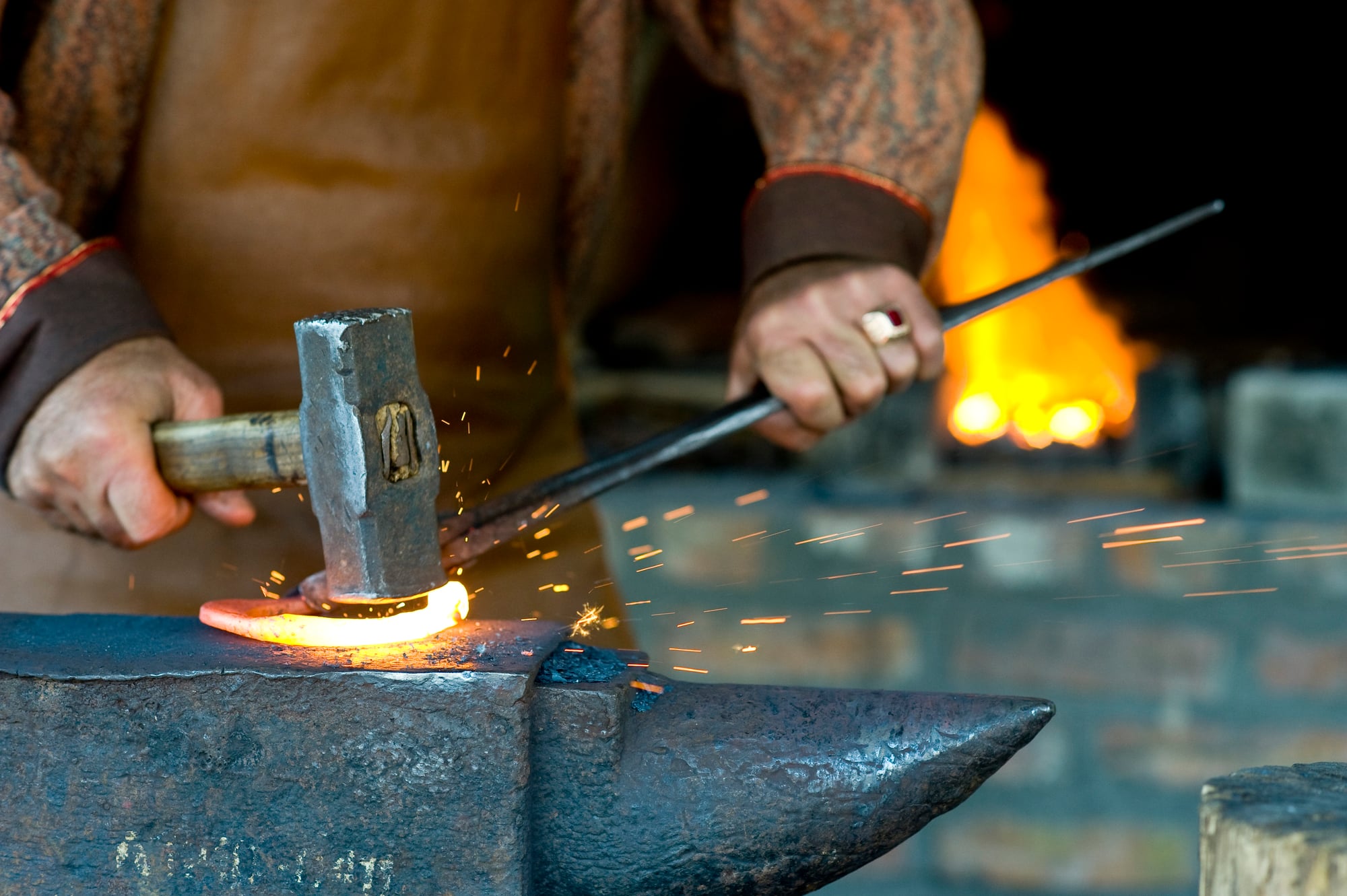
Blacksmiths shape metal by heating it and striking it with hammers. The technique requires reading the color of hot metal to know its temperature, understanding how different alloys respond to heat, and knowing how many strikes to use before reheating.
Modern metalworkers still use these methods because some shapes can’t be cast or machined—they need to be forged. Proper forging with correct heat treatment can strengthen metal by refining grain structure, but improper technique can weaken it.
Knife makers, sculptors, and architectural metalworkers all study traditional smithing because the fundamental principles remain unchanged.
Hand Papermaking
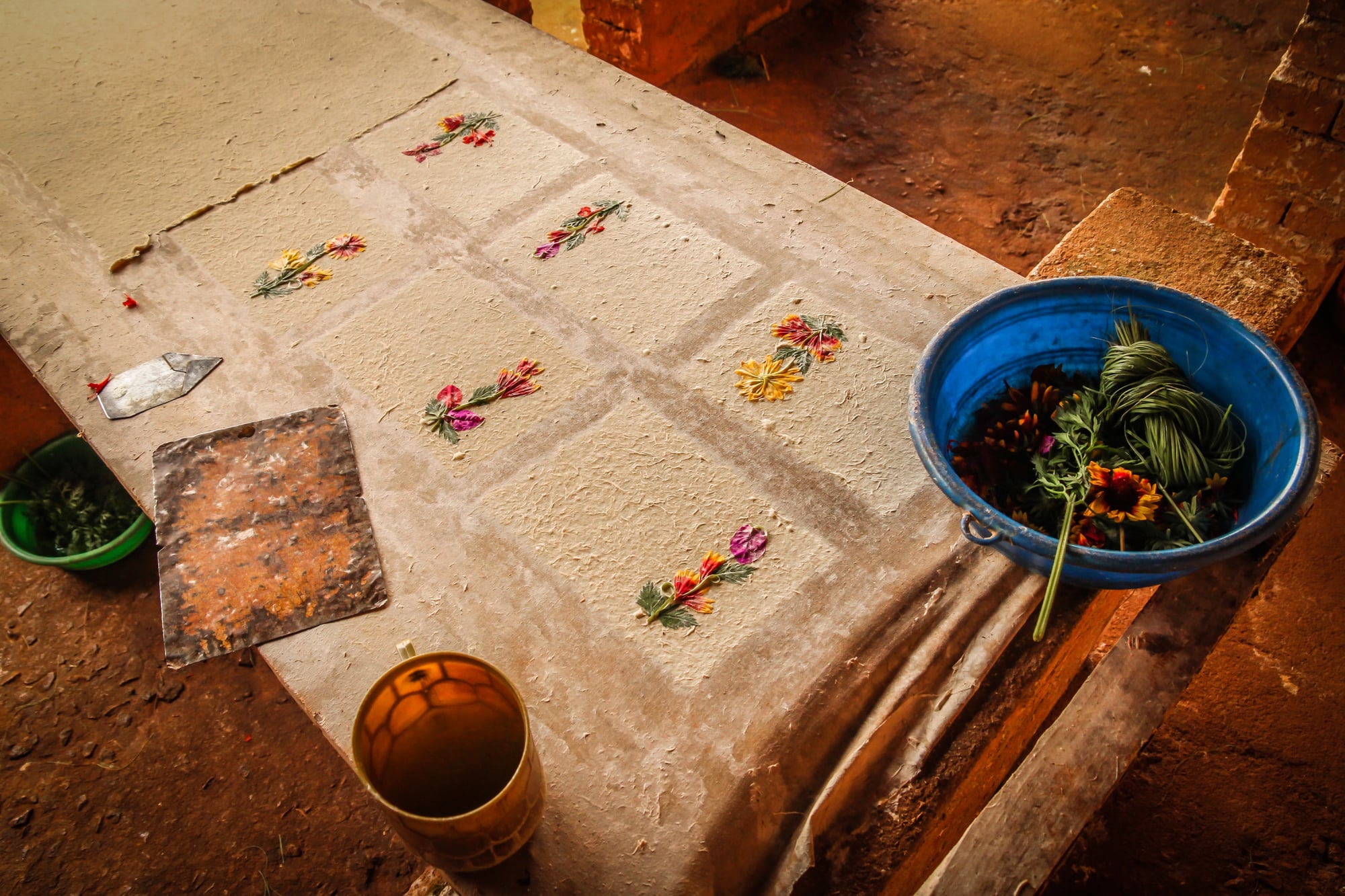
Traditional papermakers create sheets by suspending plant fibers in water, then lifting them on screens and pressing out moisture. Japanese washi papermaking specifically uses plants like kozo, gampi, and mitsumata, each producing distinct qualities.
The process produces paper with unique texture and strength characteristics. Modern papermakers use these techniques for art prints, book conservation, and specialty applications where machine-made paper doesn’t work.
The traditional method allows control over fiber length, sheet thickness, and surface texture. Different plants produce different paper qualities—kozo makes flexible sheets, gampi creates translucent paper, and cotton produces archival paper that lasts centuries.
Timber Framing

Traditional timber framers built structures using large wooden beams joined with mortise and tenon connections. While some traditions relied primarily on wooden pegs, others incorporated iron straps and braces.
These buildings stand for hundreds of years when the joints are well-made and the pegs swell with moisture to tighten connections. Modern builders reviving this technique create structures that showcase exposed beams as architectural features and can be disassembled and moved.
The method requires understanding wood selection, how to orient beams for maximum strength, and which joints work best for different loads.
Stone Carving and Masonry
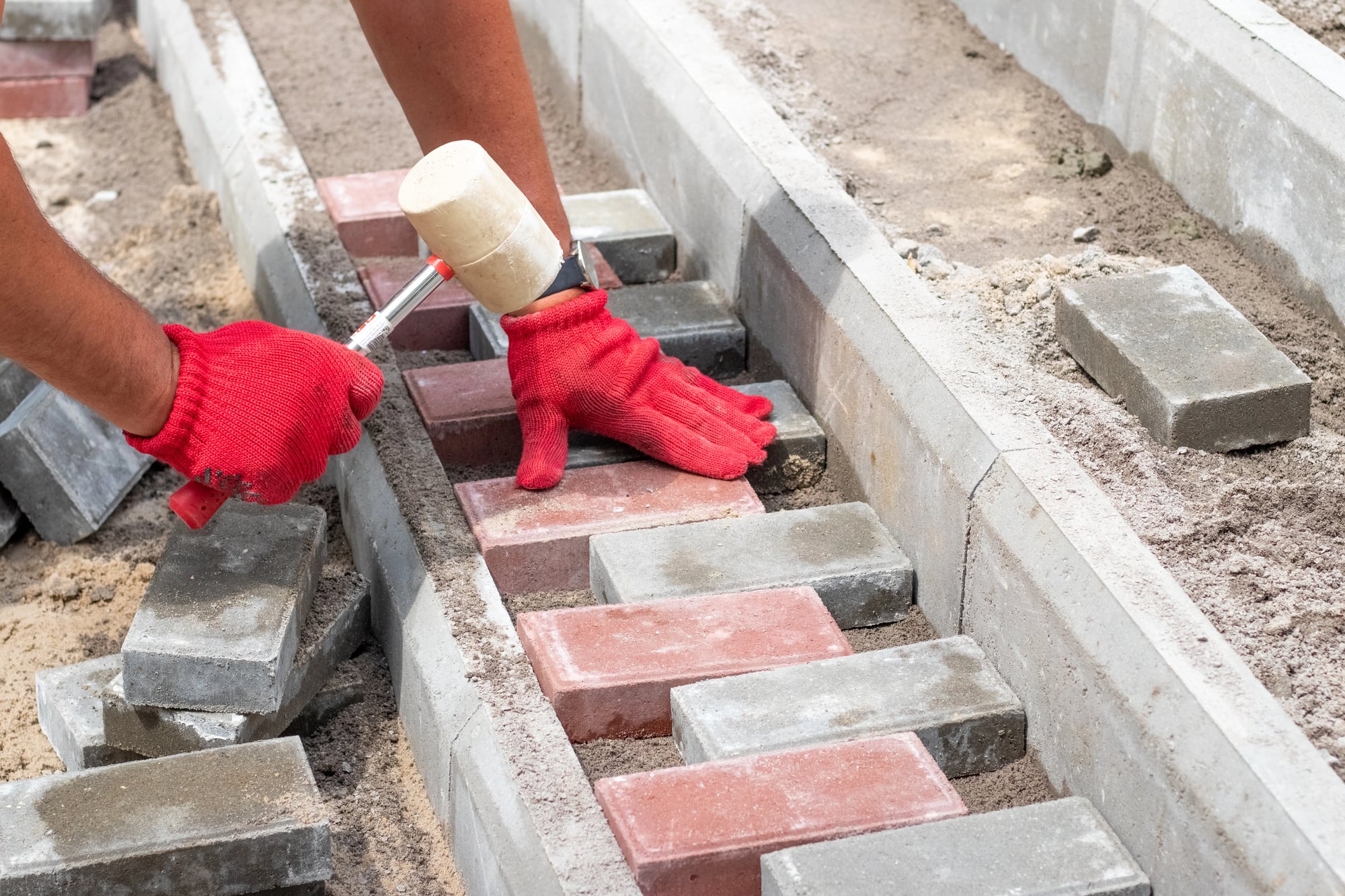
Stone masons developed techniques for cutting, shaping, and stacking stone that vary significantly by region and stone type. Different stones behave differently—slate splits along predictable planes while marble fractures unpredictably, granite requires entirely different approaches than limestone, and each type demands specific tools.
Modern stone workers study these traditional approaches because stone properties haven’t changed. The knowledge includes which stones work for foundations versus decorative elements, how to cut stone so water drains away, and how to create joints that distribute weight properly.
Leatherworking and Tanning
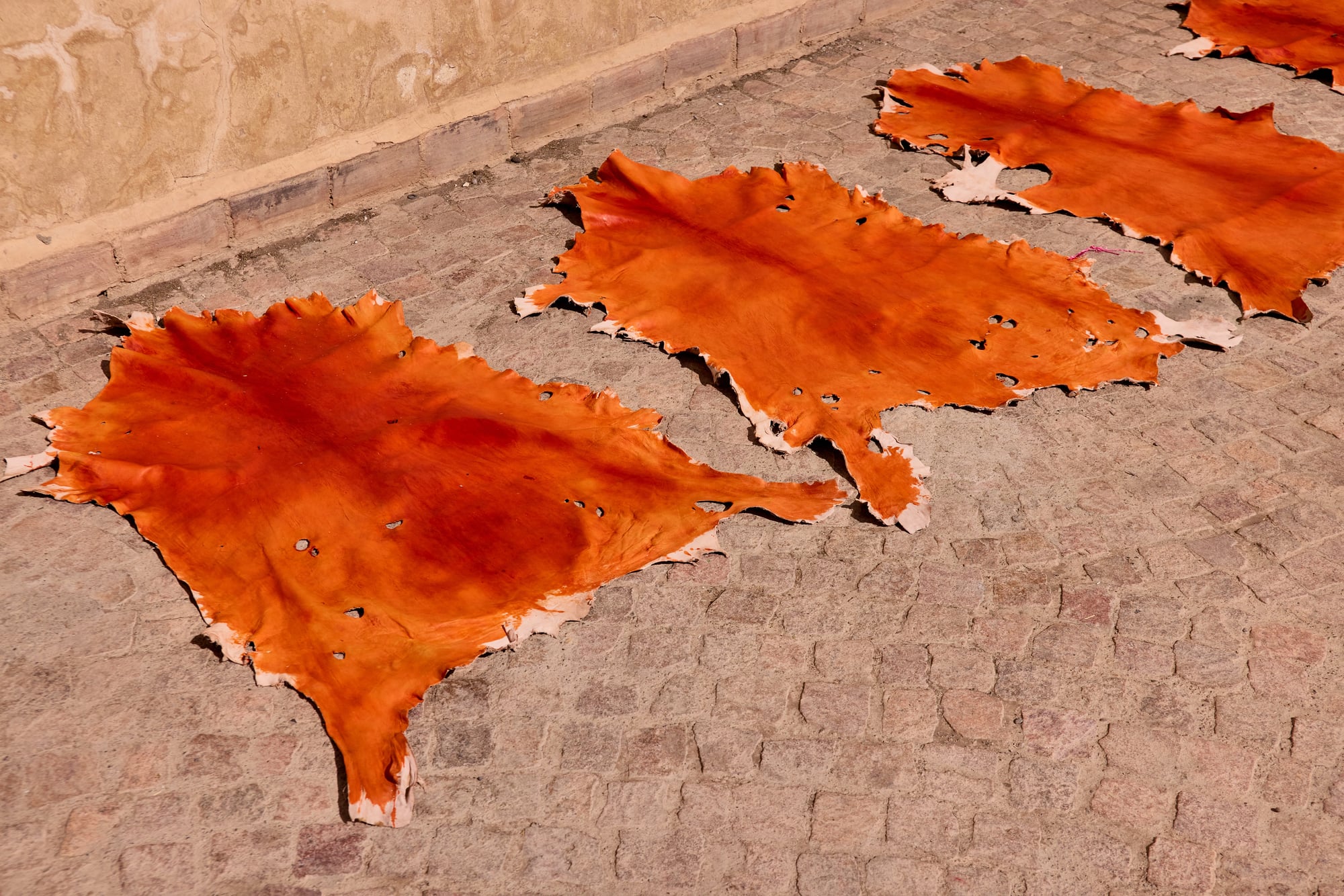
Traditional leather workers transformed animal hides into durable material through various tanning processes. Vegetable tanning uses plant tannins and can take months, creating leather that develops character as it ages.
Other cultures used brain tanning or smoke tanning, each producing leather with different qualities. Modern leather artisans study these varied methods because they produce distinct results—vegetable-tanned leather is firm and suitable for tooling, brain-tanned leather is soft and supple, smoke-tanned leather is water-resistant.
The traditional knowledge covers which hides work for which purposes, how thickness affects flexibility, and how different tanning methods suit different applications.
Basket Weaving and Fiber Arts
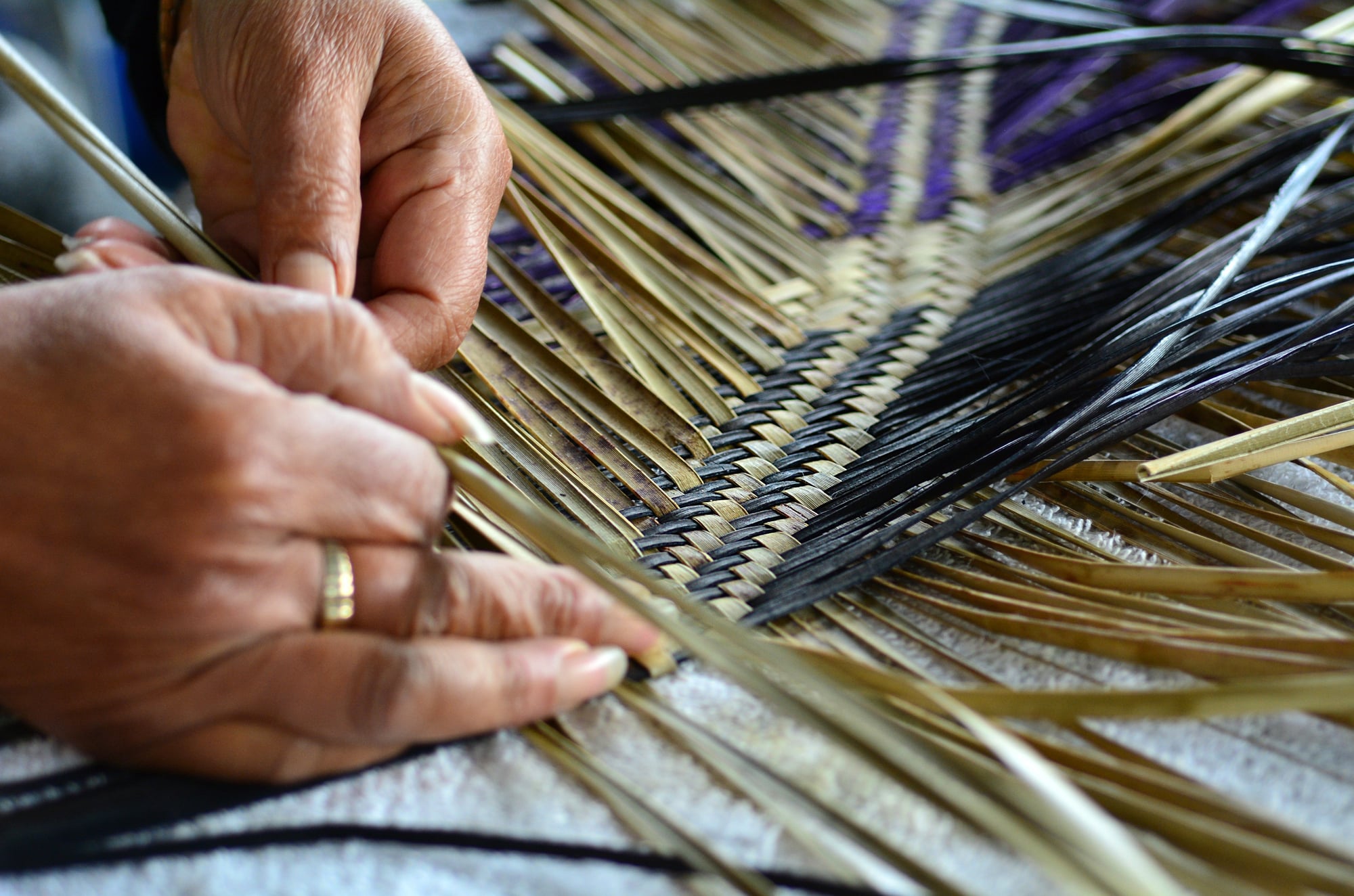
Basket makers weave flexible materials into containers. The techniques vary by region based on available materials—willow, reed, pine needles, bark.
Structural strength depends heavily on material choice and weaving technique. Some traditional forms were functional but fragile, while others proved remarkably durable.
Modern fiber artists study these patterns because they reveal how to create three-dimensional forms from linear materials. The traditional knowledge includes how to prepare materials, which weaving patterns provide the most strength for specific applications, and how to create different shapes for different functions.
The same principles apply whether working with traditional materials or contemporary alternatives.
Glass Blowing Fundamentals

Glassblowing emerged relatively late in craft history, around the 1st century BCE. Earlier glassworking relied on mold casting.
Blowing allowed artisans to shape molten glass using breath, gravity, and tools. The material responds to heat in specific ways—it flows when hot, hardens as it cools, and must be annealed slowly to prevent cracking.
Traditional glassblowers developed techniques for controlling these properties that modern glass artists still use. The knowledge includes how to gather glass on a pipe, how to maintain even heat, how rotation affects shape, and how to attach separate elements.
Studio glass artists may work with modern equipment, but the fundamental techniques remain those developed over two millennia ago.
Fermentation and Food Preservation

Traditional food preservation methods—fermenting vegetables, curing meats, aging cheese—developed through trial, error, and cultural inheritance passed down through generations. People learned which techniques worked long before understanding the microbiology behind them.
Modern food artisans return to these techniques for flavor and nutrition. Fermentation creates complexity that can’t be rushed, and the traditional methods provide templates for temperature, salt ratios, and timing.
The accumulated knowledge includes which conditions produce which flavors, how to create environments that encourage beneficial outcomes while discouraging spoilage, and how storage conditions affect the final product.
Bookbinding and Paper Conservation
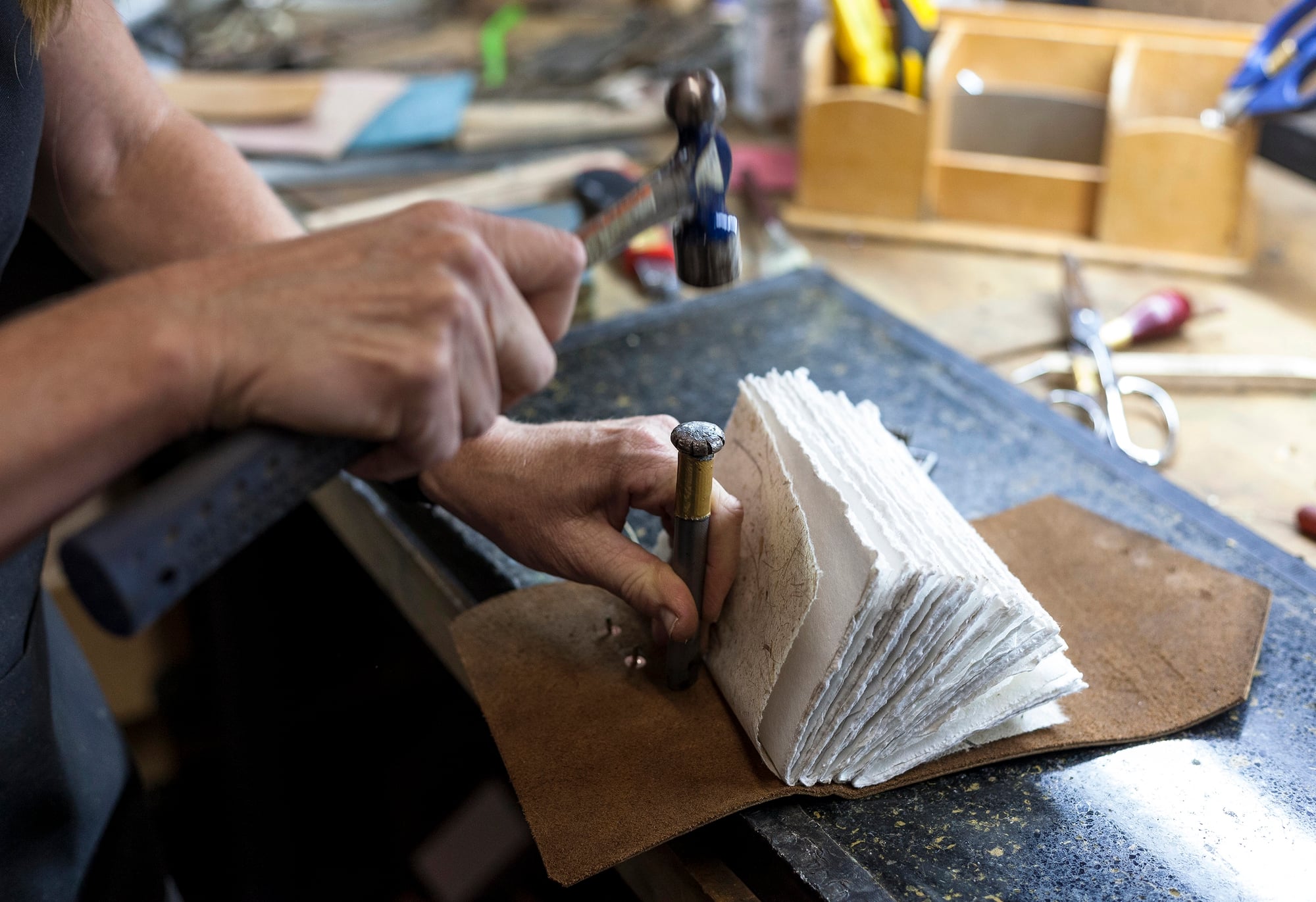
Traditional bookbinders created structures that protected pages while serving their intended use. The techniques use cloth, leather, and paper in combinations that accommodate the book’s specific needs.
Historical methods varied—some medieval bindings with tight sewing or wooden boards didn’t open fully, while others prioritized flexibility. Modern book artists and conservators study these varied methods to understand which structures work best for different purposes and how different materials age.
The knowledge covers how to sew signatures so pages stay secure, how different adhesives behave over time, which materials expand and contract together, and how to repair damaged books using reversible techniques.
Natural Building with Earth
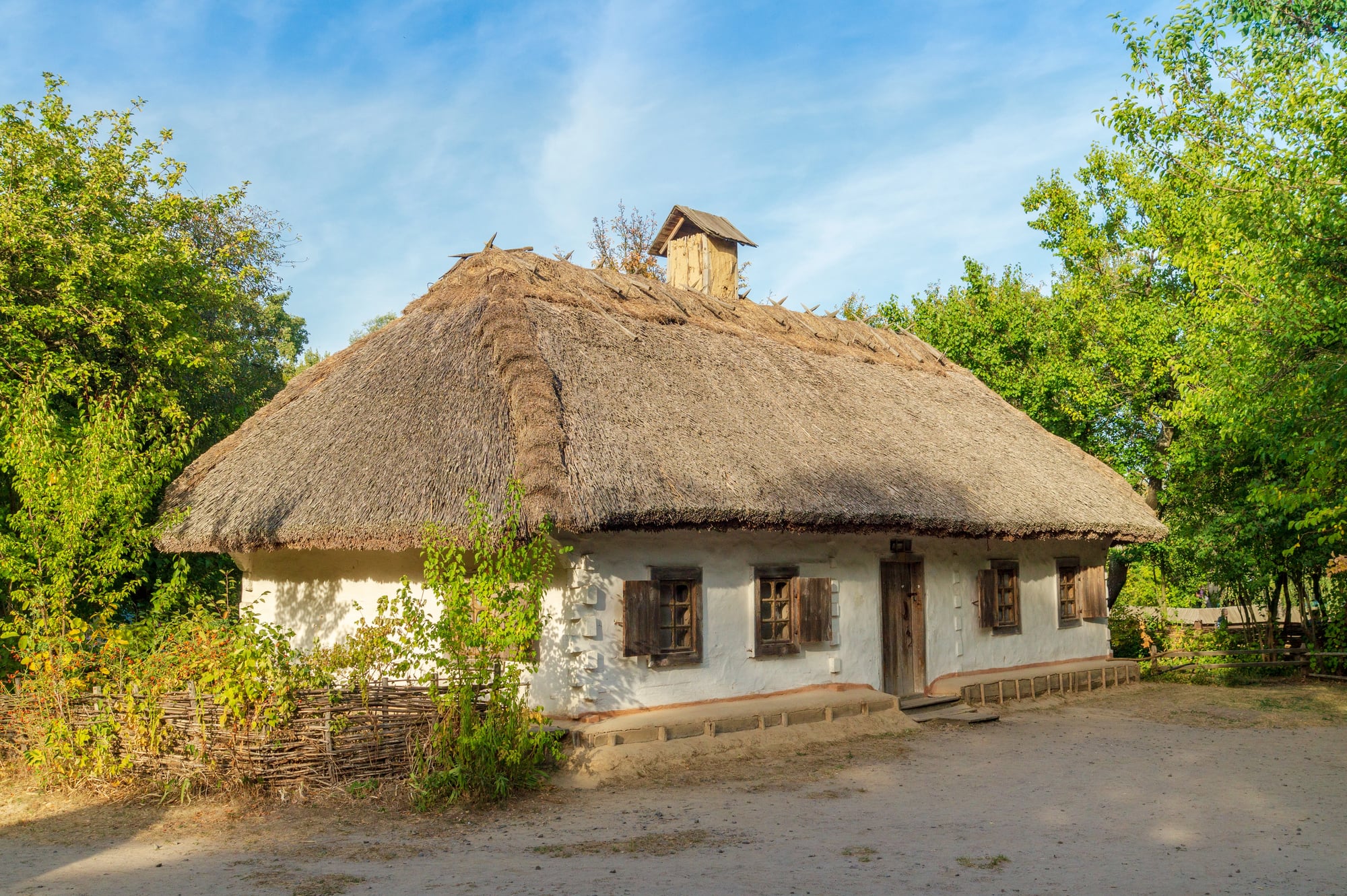
Traditional builders constructed with adobe, cob, and rammed earth—techniques that use local soil mixed with fiber or stabilizers. These buildings maintain comfortable temperatures and can last generations with proper maintenance.
Regular upkeep is essential—earth structures require protection from moisture and periodic repairs to remain durable. Modern natural builders revive these methods for sustainable construction.
The traditional knowledge includes soil testing, optimal clay-to-sand ratios, wall thickness for different climates, and how to protect earth walls from moisture. The techniques work because they respond to local conditions rather than imposing standard solutions.
Botanical Illustration and Natural Pigments
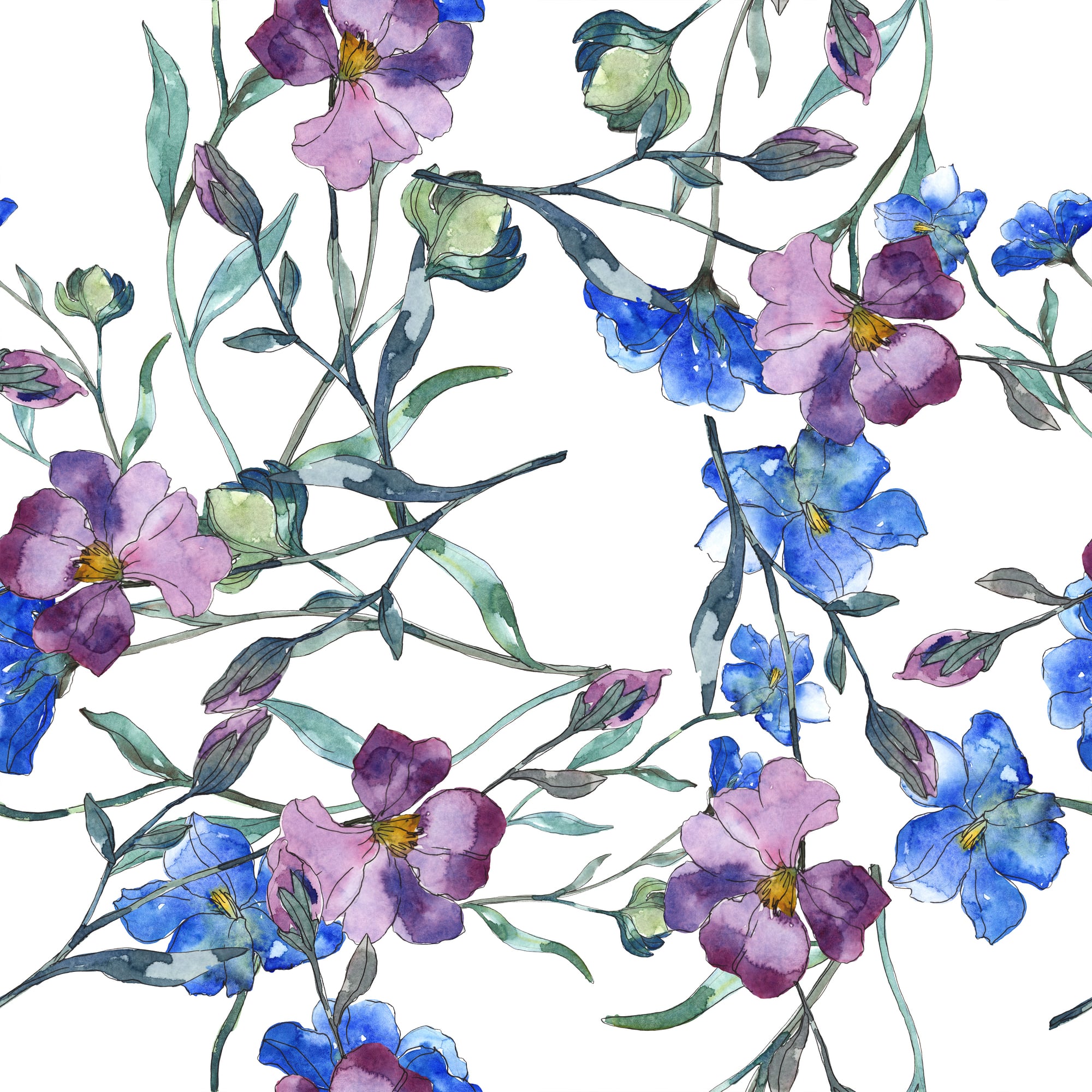
Old plant drawings were super precise – cameras only caught up lately. These artists mixed paints using rocks and leaves themselves.
Colors from stones usually last ages, but ones from plants, especially yellow or red, tend to vanish slowly. Today’s science drawers still learn this old-school way since it trains your eye and highlights stuff photos skip.
That wisdom covers making paint, knowing what color sticks around or fades away, also layering shades for realism and pop.
Rope and Cordage Making
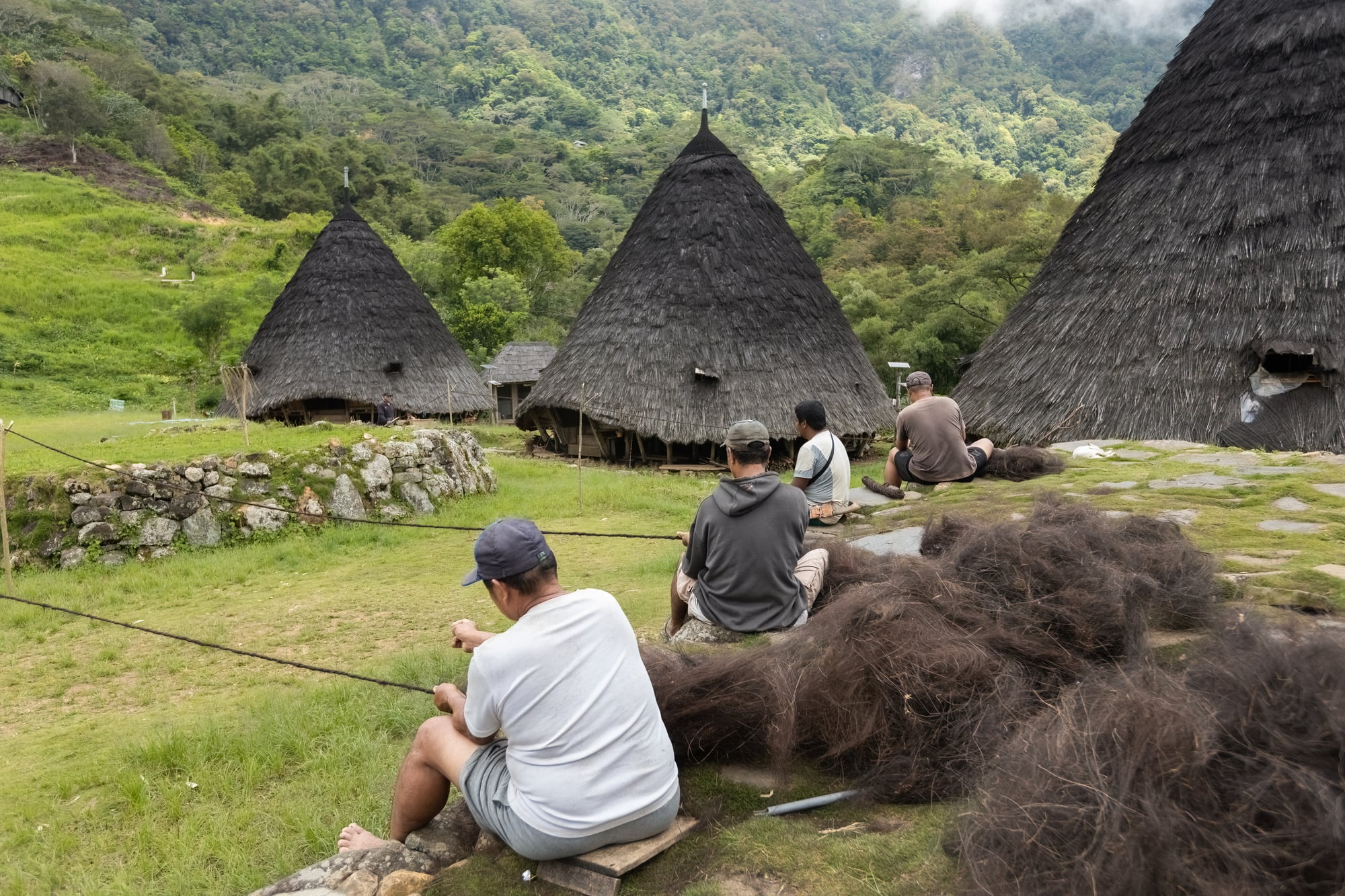
Folks who made old-style ropes spun plant strands together, each way serving its own role. Twisting them tight one way stops stretching, another keeps it bendy even soaked, while a third shrugs off scrapes.
These cords weren’t always meant to be super strong – some were built just for short jobs or tossed after use. Today’s crafters digging into ancient tricks learn which twist suits what job best.
Fiber prep, which way it’s twisted, strand count – these shape the outcome depending on tension used while twisting. No matter if you’re using old-style plant stuff or today’s lab-made fibers, the rules stay the same.
What Tradition Actually Teaches

Old ways stuck around since they just made sense. These built-in tricks? They got tested through years, again and again.
Today’s crafters going back to old-school styles aren’t saying no to new stuff – just admitting some answers were right from the start. Knowing how things behave comes from hands-on experience passed down slow and steady.
Right now, people can use those roots to shape better work, tweaking what worked before so it fits today – all without losing respect for what already proved strong.
More from Go2Tutors!

- The Romanov Crown Jewels and Their Tragic Fate
- 13 Historical Mysteries That Science Still Can’t Solve
- Famous Hoaxes That Fooled the World for Years
- 15 Child Stars with Tragic Adult Lives
- 16 Famous Jewelry Pieces in History
Like Go2Tutors’s content? Follow us on MSN.