Treasures Recovered From the Sea
The ocean has always been a keeper of secrets. Ships have sunk, civilizations have fallen, and countless valuable things have slipped beneath the waves over thousands of years.
Some stayed hidden for centuries while others were found by accident. Divers, treasure hunters, and even fishermen have pulled up artifacts worth millions, and each discovery tells a story about the people who lost them and the world they lived in.
These underwater finds range from ancient coins to entire ships loaded with gold. Some treasures sparked legal battles over who really owns them.
Others ended up in museums where anyone can see them. The search for lost riches continues today with better technology making it easier to explore deeper waters than ever before.
Let’s look at some of the most amazing things people have brought up from the ocean floor.
The Antikythera mechanism
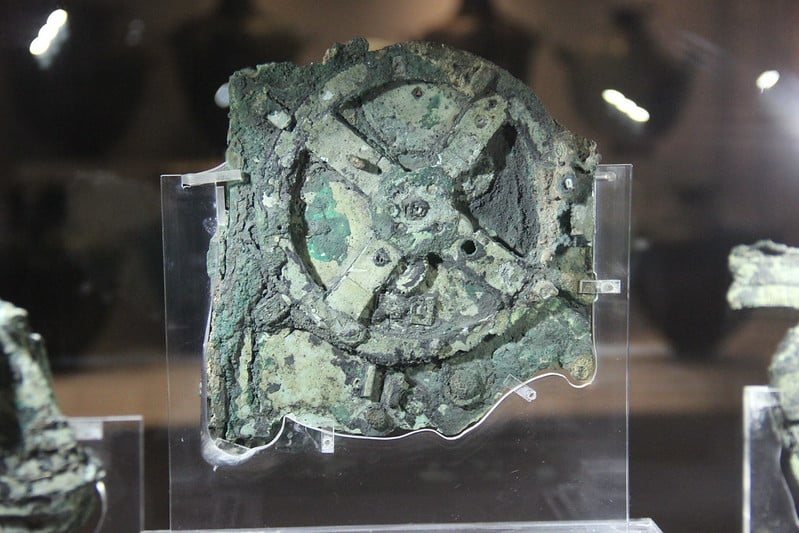
Greek sponge divers found this strange bronze device in a shipwreck off the coast of Antikythera island in 1901. At first, nobody knew what it was.
Scientists eventually figured out it was an ancient Greek computer built around 100 BC that could predict astronomical positions and eclipses decades in advance. The mechanism had dozens of bronze gears fitted together with incredible precision.
Nothing else like it appears in historical records for another thousand years. Modern researchers used X-ray technology to see inside the corroded chunks of bronze and discovered inscriptions that worked like an instruction manual.
The Spanish galleon Nuestra Señora de Atocha

Treasure hunter Mel Fisher spent 16 years searching for this ship before finding it off the Florida Keys in 1985. The Atocha sank during a hurricane in 1622 while carrying treasure from the New World back to Spain.
Fisher’s team recovered gold bars, silver coins, emeralds, and other valuables worth an estimated $450 million. The discovery came after years of legal fights with the government over who owned the treasure.
Fisher’s famous motto was ‘today’s the day,’ which he said every morning during the search. His persistence paid off when divers finally spotted a reef of silver bars on the ocean floor.
The Caesarea Sunken Treasure
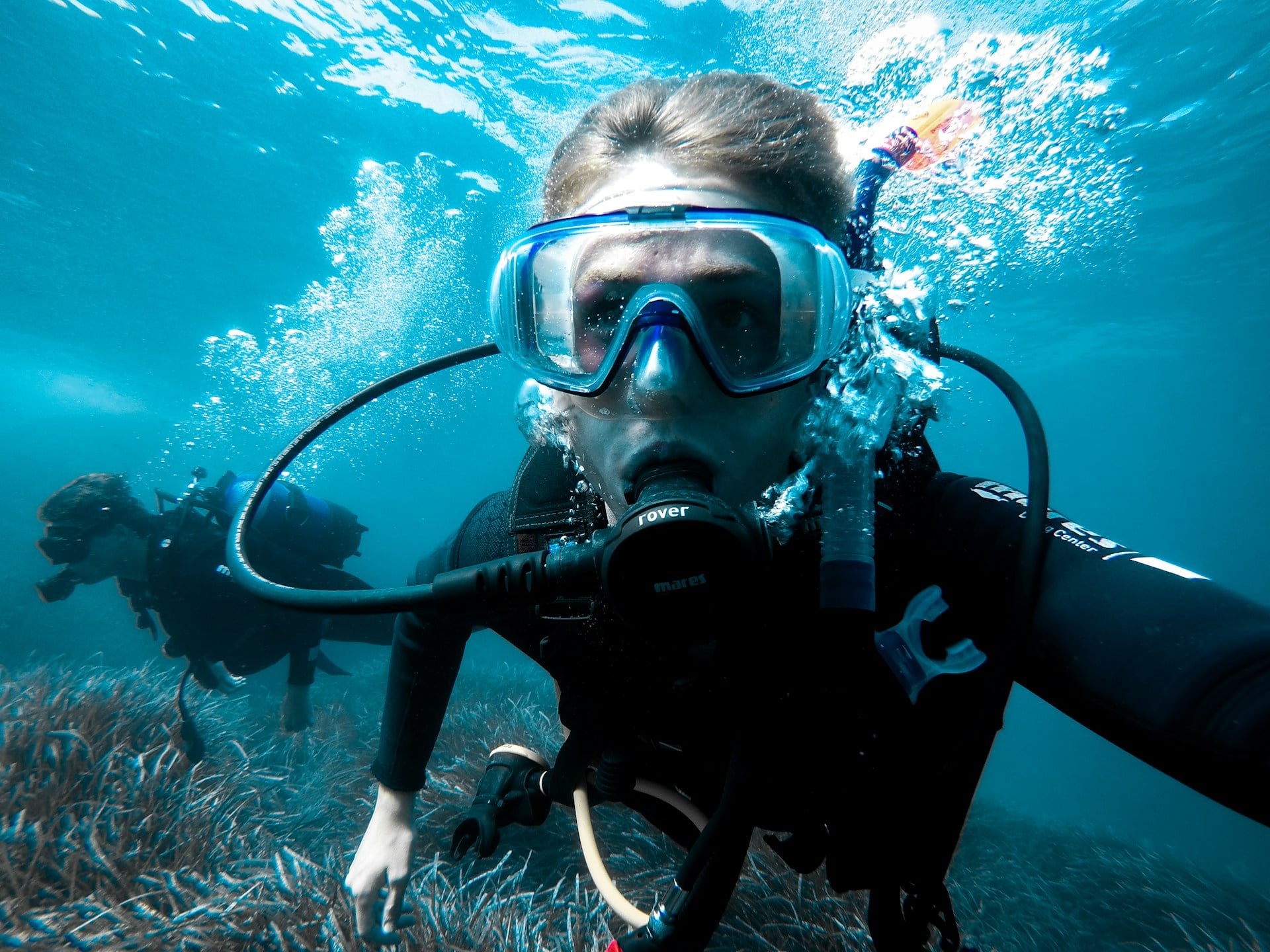
Scuba divers found this collection of gold coins by accident in 2015 while exploring the ancient harbor of Caesarea in Israel. They initially thought the coins were toys because they looked too perfect to be real.
The hoard contained nearly 2,000 gold coins dating back about a thousand years to the Fatimid period. Experts believe a treasure ship sank in the harbor during a storm.
The coins were in excellent condition because gold doesn’t corrode in seawater. Israeli authorities praised the divers for reporting the find instead of keeping it secret.
The SS Central America gold

This sidewheel steamer sank in a hurricane off the coast of South Carolina in 1857 with tons of California Gold Rush treasure aboard. The disaster killed 425 people and triggered a financial panic because so much gold was lost.
Tommy Thompson located the wreck in 1988 using a robot submarine in water more than a mile deep. His team recovered gold bars, coins, and nuggets worth millions.
Thompson later became a fugitive after investors sued him for not sharing the profits properly. The legal mess surrounding this treasure continues decades after its recovery.
The Belitung shipwreck treasures

Fishermen accidentally discovered this 9th-century Arab trading vessel off the coast of Indonesia in 1998. The ship carried more than 60,000 pieces of Tang Dynasty Chinese ceramics, gold, and silver.
It was the largest collection of Tang artifacts ever found in one place. The cargo showed that extensive trade routes connected China with the Middle East more than 1,100 years ago.
The wreck proved that Arab ships regularly sailed all the way to China centuries before European explorers started their voyages. Singapore’s government bought the entire collection for display in a museum.
The Whydah Gally pirate ship

Barry Clifford found the only verified pirate shipwreck ever discovered when he located the Whydah off Cape Cod in 1984. The ship belonged to pirate captain Samuel ‘Black Sam’ Bellamy and sank in a storm in 1717 with all its plundered treasure.
Divers recovered thousands of artifacts including gold coins, weapons, and the ship’s bell which confirmed its identity. The Whydah was originally a slave ship that Bellamy captured and converted for piracy.
The wreck site continues to produce artifacts decades after its initial discovery. Many items now sit in a museum dedicated to the ship and its pirate crew.
The Mahdia shipwreck
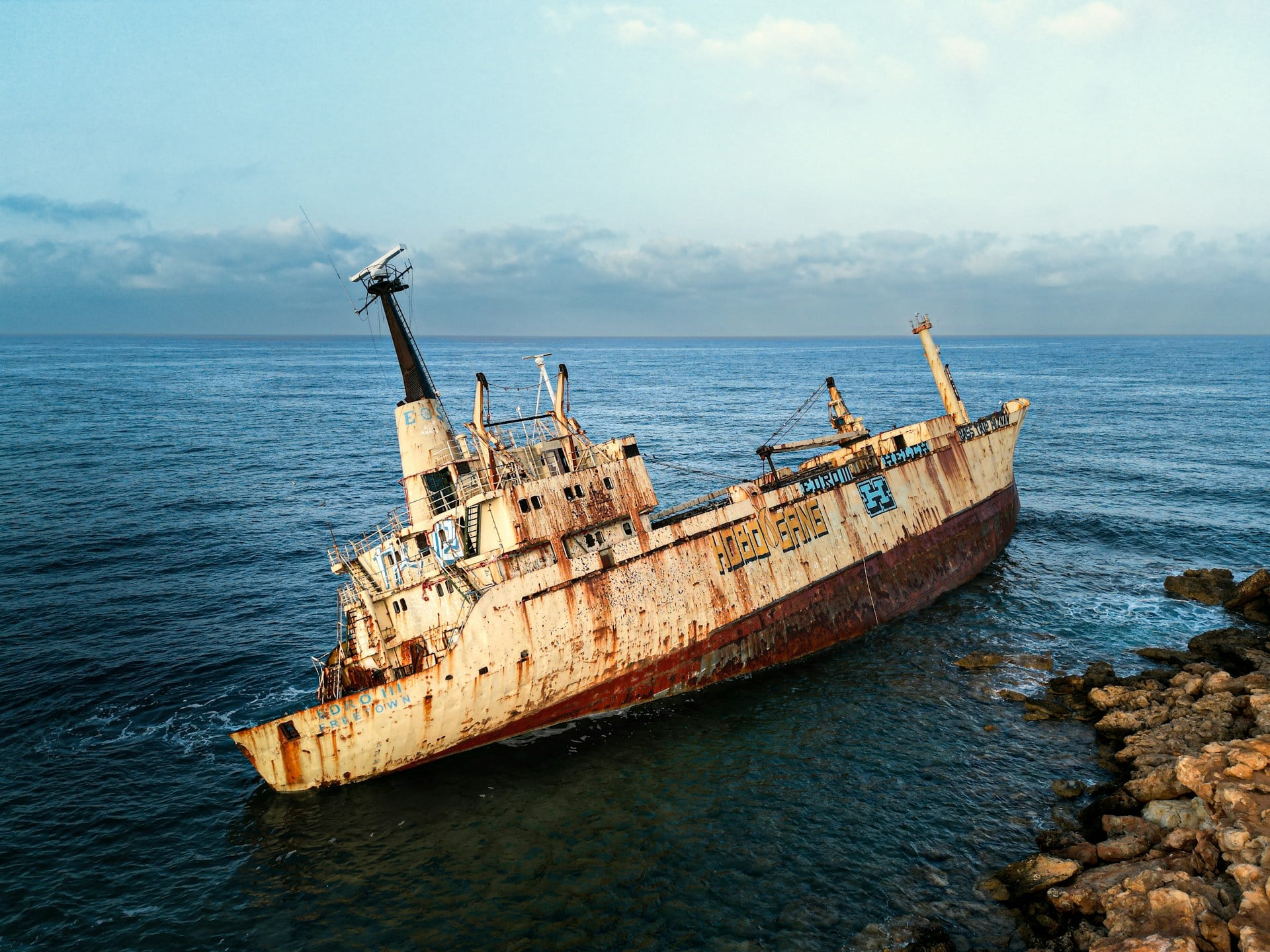
Sponge divers stumbled upon this ancient Greek ship off the coast of Tunisia in 1907. The vessel sank around 80 BC while carrying art and luxury goods from Greece to Rome.
Salvage operations recovered marble columns, bronze statues, and other valuable artifacts over many years. The recovery work was dangerous and several divers died during the effort.
One bronze statue of a Greek youth became particularly famous and now sits in a Tunisian museum. The ship’s cargo gave historians important insights into ancient art trade and Roman taste in Greek sculpture.
The San José galleon
Colombian officials announced the discovery of this Spanish treasure ship in 2015, though they kept the exact location secret. The San José sank during a battle with British ships in 1708 off the coast of Cartagena.
Historians estimate the treasure could be worth billions, making it potentially the most valuable shipwreck ever found. The cargo included gold, silver, and emeralds being shipped from South American colonies to Spain.
Legal disputes between Colombia, Spain, and a U.S. salvage company have prevented any recovery efforts. The wreck sits in waters more than 2,000 feet deep.
The Bajo de la Campana treasure

Spanish salvage workers found this collection of bronze cannons and other artifacts from a 17th-century shipwreck off the Philippines in the 1990s. The site contained remains of multiple ships that sank in the area over different time periods.
Divers recovered Chinese porcelain, bronze statues, and tons of other trade goods. The discovery showed how dangerous the trade routes between Asia and the Americas were during the Spanish colonial period.
Many ships never completed the journey across the Pacific. Some artifacts from the site ended up in private collections after controversial salvage operations.
The Black Swan treasure
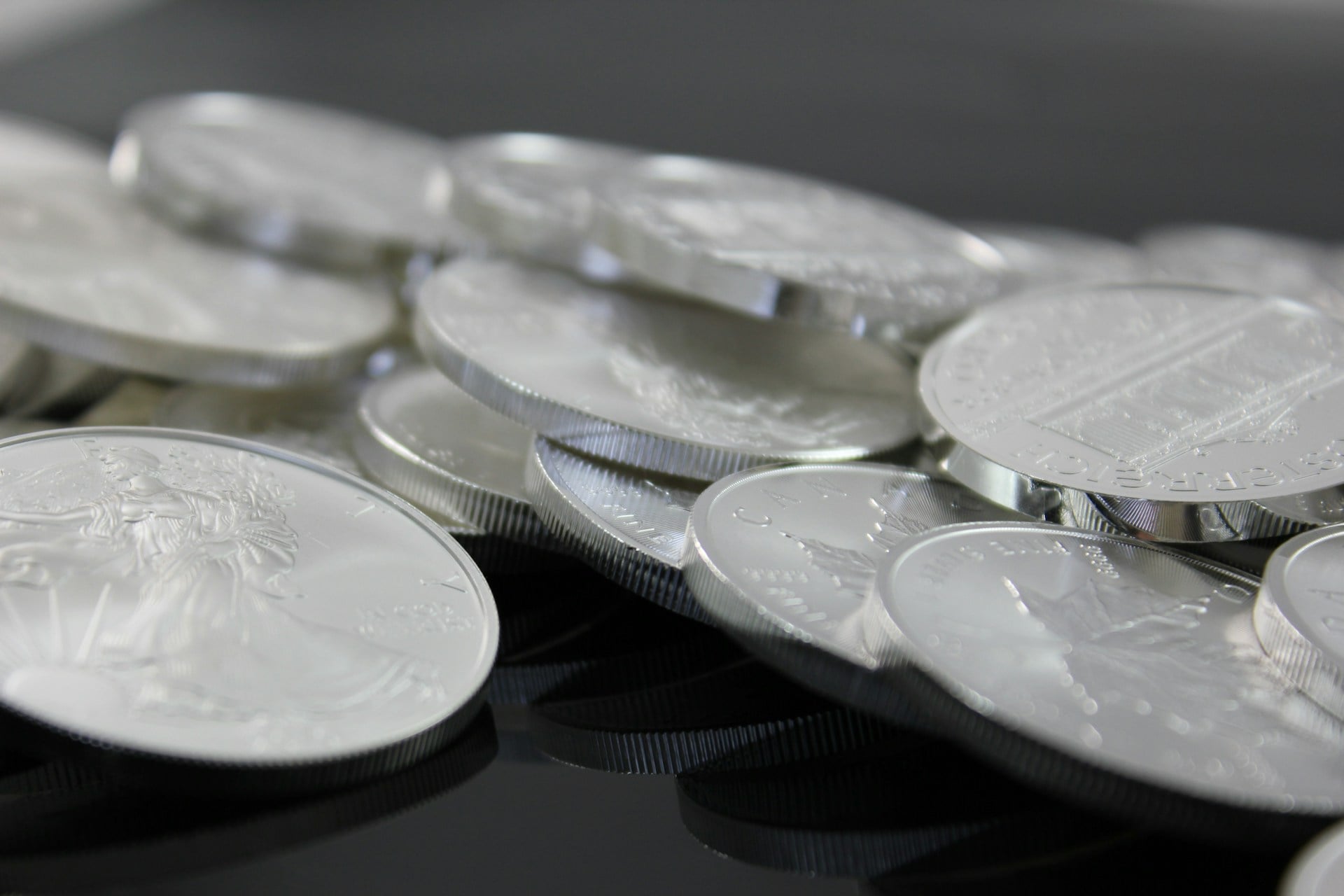
The company Odyssey Marine Exploration recovered $500 million worth of silver coins from this shipwreck in 2007. The salvage sparked an international legal battle when Spain claimed the ship was actually the Spanish frigate Nuestra Señora de las Mercedes.
Courts eventually ruled in Spain’s favor and ordered the treasure returned. The company had to fly 17 tons of coins back to Spain in military aircraft.
The case set important legal precedents about who owns historical shipwrecks. Spain argued that military vessels remain government property even after centuries underwater.
The Hoi An hoard

Fishermen discovered this 15th-century Vietnamese shipwreck in the 1990s near Hoi An. The vessel carried more than 250,000 pieces of ceramics intended for export markets.
The pottery stayed in remarkably good condition because it was protected by sand and silt. Salvage operations recovered plates, bowls, and other items that showed the high quality of Vietnamese craftsmanship.
Much of the recovered pottery was auctioned off internationally. The discovery provided valuable information about Southeast Asian trade networks before European colonization.
The Dokos shipwreck

This Bronze Age vessel off the Greek island of Dokos is one of the oldest known shipwrecks in the world. Divers found it in the 1970s and dated it to around 2700-2200 BC.
The ship carried ceramic pottery and millstones when it sank. Very little of the wooden hull survived after more than 4,000 years underwater.
The location of the wreck in deep water helped preserve what remained. The discovery pushed back the timeline for maritime trade in the Mediterranean.
Archaeologists continue to study the site for clues about ancient sailing technology.
The Vrouw Maria

This Dutch merchant ship sank in 1771 in the Baltic Sea while carrying art treasures to Catherine the Great of Russia. Finnish divers located the wreck in 1999 in remarkably good condition.
The cold, low-oxygen waters of the Baltic preserve wooden ships better than most oceans. The cargo included paintings and other artworks that Catherine had purchased.
Finnish and Dutch authorities have argued over who has rights to recover the treasure. The wreck sits in Finnish waters but was a Dutch ship carrying Russian property.
No salvage has occurred yet because of the legal complications.
The Uluburun shipwreck

Turkish sponge divers found this Late Bronze Age ship off the coast of Turkey in 1982. The vessel sank around 1300 BC while carrying one of the richest cargos ever discovered from that time period.
Archaeologists recovered ten tons of copper, one ton of tin, jewelry, ivory, and other luxury goods. The diversity of items showed how extensive trade networks were in the ancient Mediterranean.
Recovery took more than a decade because the wreck sat in deep water on a steep underwater slope. The artifacts now help scholars understand international trade 3,300 years ago.
The Port Royal treasure

The pirate city of Port Royal in Jamaica partially sank into the ocean during an earthquake in 1692. Archaeologists and treasure hunters have recovered countless artifacts from the submerged ruins over the years.
The site contains everything from cannons and anchors to pocket watches and pottery. Port Royal was one of the wealthiest and most notorious cities in the Caribbean before the disaster.
The sunken remains provide a snapshot of pirate life frozen in time. Recovery efforts continue today with better technology revealing more about the underwater ruins.
The Sadana Island shipwreck
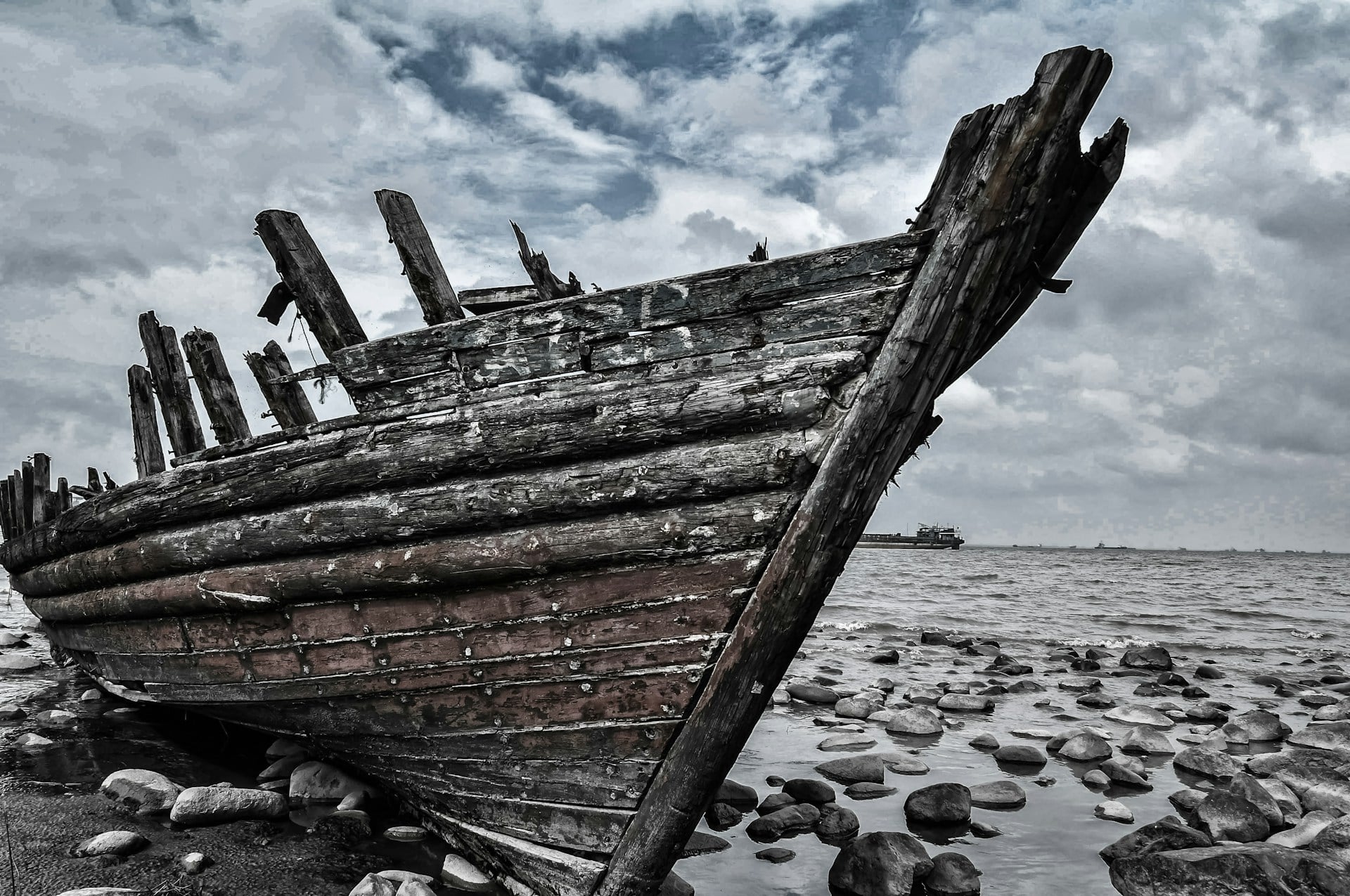
Divers discovered this 18th-century Ottoman ship off the coast of Egypt in the Red Sea in 1994. The vessel carried Chinese porcelain, coffee pots, and other trade goods between Asia and the Ottoman Empire.
The wreck showed how goods moved through multiple trading networks before reaching their final destinations. Egyptian authorities carefully documented the site before removing artifacts.
The ship’s cargo included items from several different cultures showing the international nature of trade during that period. The discovery added important information about Ottoman maritime commerce.
The Titanic artifacts
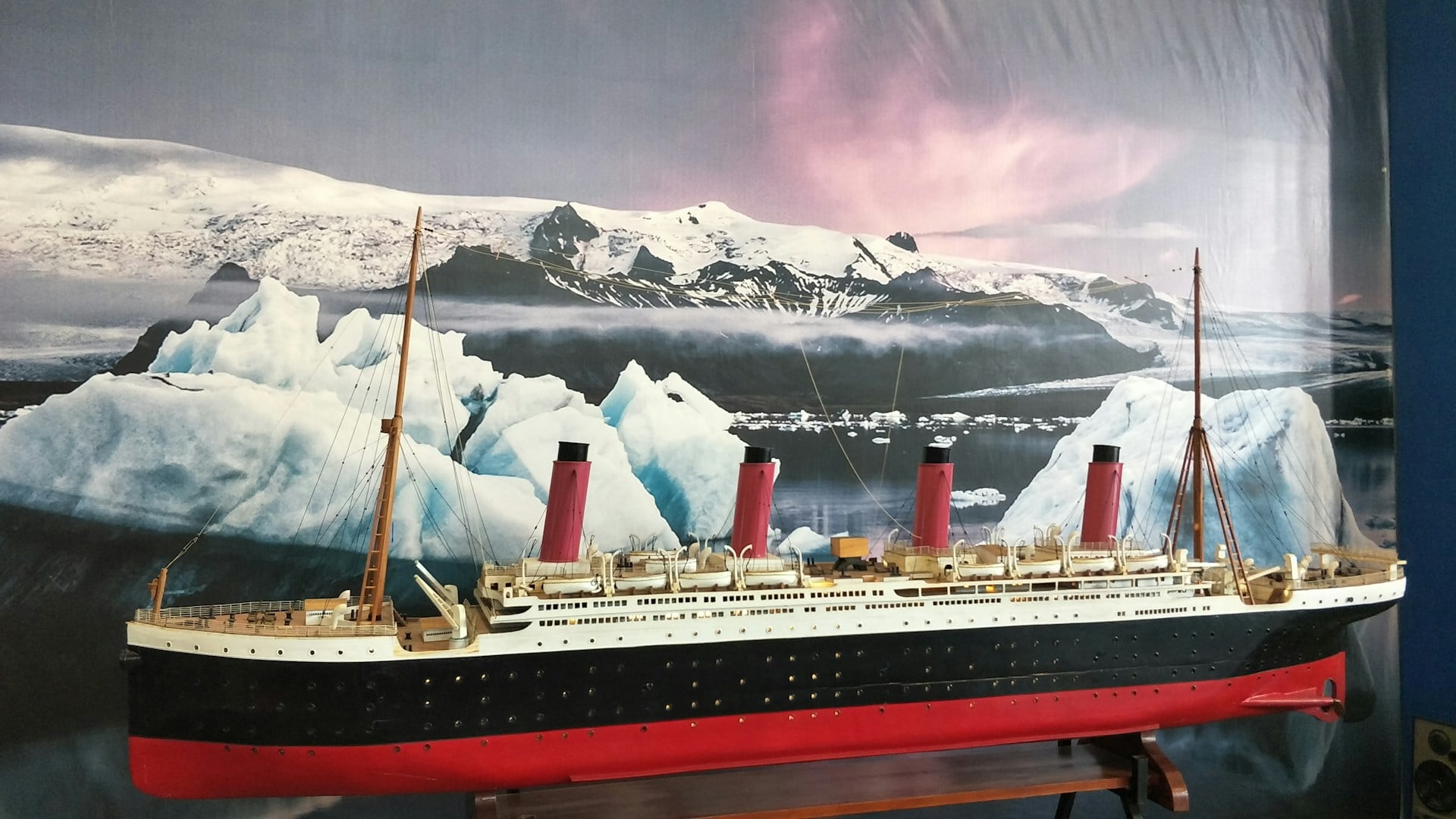
Robert Ballard located the RMS Titanic in 1985 sitting on the ocean floor more than two miles deep. Subsequent expeditions have recovered thousands of items from the debris field around the wreck.
Salvage companies brought up jewelry, china, luggage, and even a piece of the ship’s hull. The recovery operations sparked controversy about whether the site should be left as a grave memorial.
Many artifacts now tour in museum exhibitions worldwide. The discovery of the Titanic captivated global attention and spawned numerous documentaries and films.
The Phoenician shipwrecks

Archaeologists discovered two Phoenician ships from around 750 BC in deep water off the coast of Malta in 2007. The vessels carried amphorae and other cargo when they sank.
The discovery was significant because very few Phoenician ships have ever been found intact. These ships helped spread Mediterranean culture and trade throughout the ancient world.
The deep water preserved the wooden hulls better than shallow wrecks. Researchers used robots to explore the site because it sits too deep for regular diving.
What lies beneath
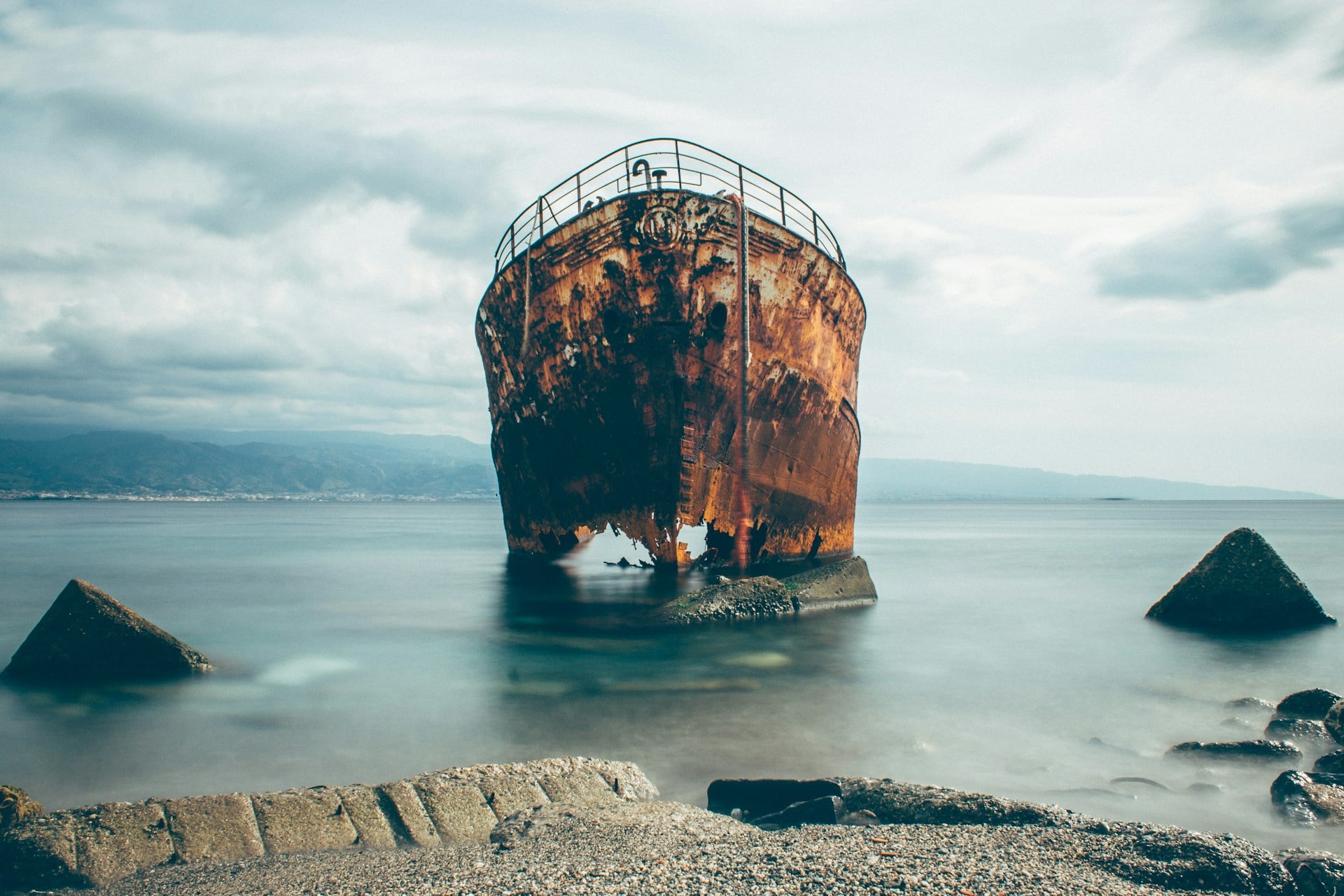
The ocean floor still holds countless treasures waiting to be found. Better technology makes it possible to search deeper waters and locate shipwrecks that were unreachable just decades ago.
Each discovery adds pieces to the puzzle of human history and shows how connected different cultures were through trade and travel. Legal questions about ownership will keep lawyers busy as more valuable finds emerge.
The excitement of treasure hunting balances against the need to preserve archaeological sites for future study. Whatever comes next from beneath the waves will surely capture imaginations just like these discoveries have done.
More from Go2Tutors!

- The Romanov Crown Jewels and Their Tragic Fate
- 13 Historical Mysteries That Science Still Can’t Solve
- Famous Hoaxes That Fooled the World for Years
- 15 Child Stars with Tragic Adult Lives
- 16 Famous Jewelry Pieces in History
Like Go2Tutors’s content? Follow us on MSN.



