Unusual Landscapes That Influenced Housing
People create houses based on where they live. If nature hits hard – scorching sun, icy soil, rising water, steep rocks – you change your ways or struggle to stay alive.
Through generations, folks in tough spots came up with home designs that look odd from the outside yet fit perfectly with local demands. These structures aren’t trendy ideas or bold expressions.
They’re smart fixes shaped by real-world pressure.
Cave Dwellings in Cappadocia’s Volcanic Rock
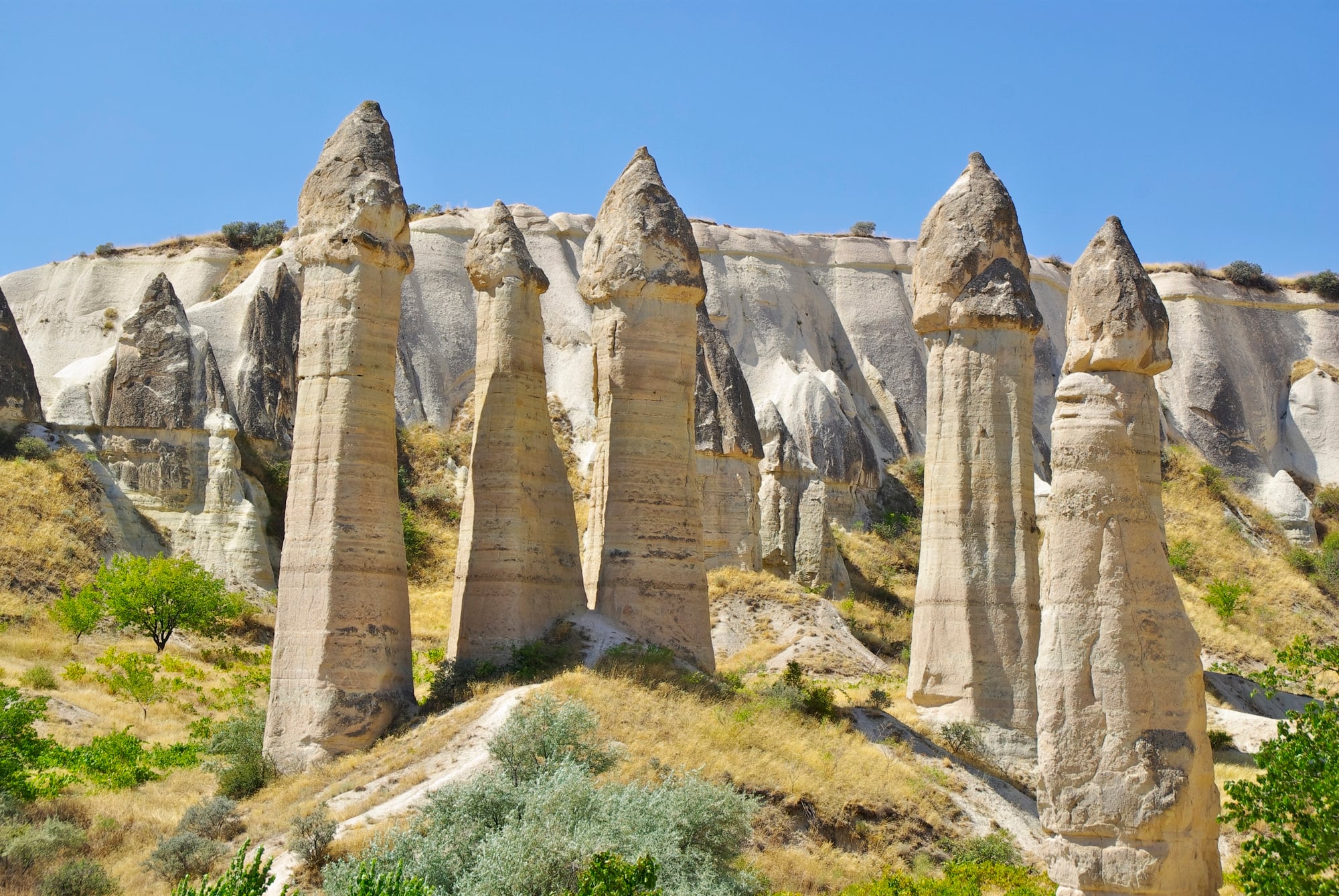
Cappadocia in central Turkey feels like stepping onto some far-off world. Long-ago volcanic blasts dropped layers of soft stone, forming odd spire-like towers shaped by wind and rain over time.
These rocks were just right – not too hard to cut, yet strong enough for shelter. Many of the old cave houses we see now came from Byzantine times, around the 4th to 13th centuries AD, when folks dug whole villages, chapels, even hidden multi-level towns straight into the cliffs.
The stone acts like a built-in thermostat, so rooms stay cozy when it’s cold + comfy when it heats up. A few of these dug-out houses? People still live in them now.
Pile Dwellings Over Southeast Asian Waters

Coastal communities throughout Southeast Asia built their homes on stilts over water. This made sense for several reasons.
Floods regularly swept through low-lying areas during monsoon season. Building over water protected homes and possessions.
The design also kept homes cooler by allowing air to circulate underneath. In places like Brunei’s Kampong Ayer, entire neighborhoods extend over the water, connected by wooden walkways.
Residents could fish directly from their homes. Modern sanitation has changed how these communities manage waste, but the stilt houses remain.
Turf Houses Under Iceland’s Treeless Plains
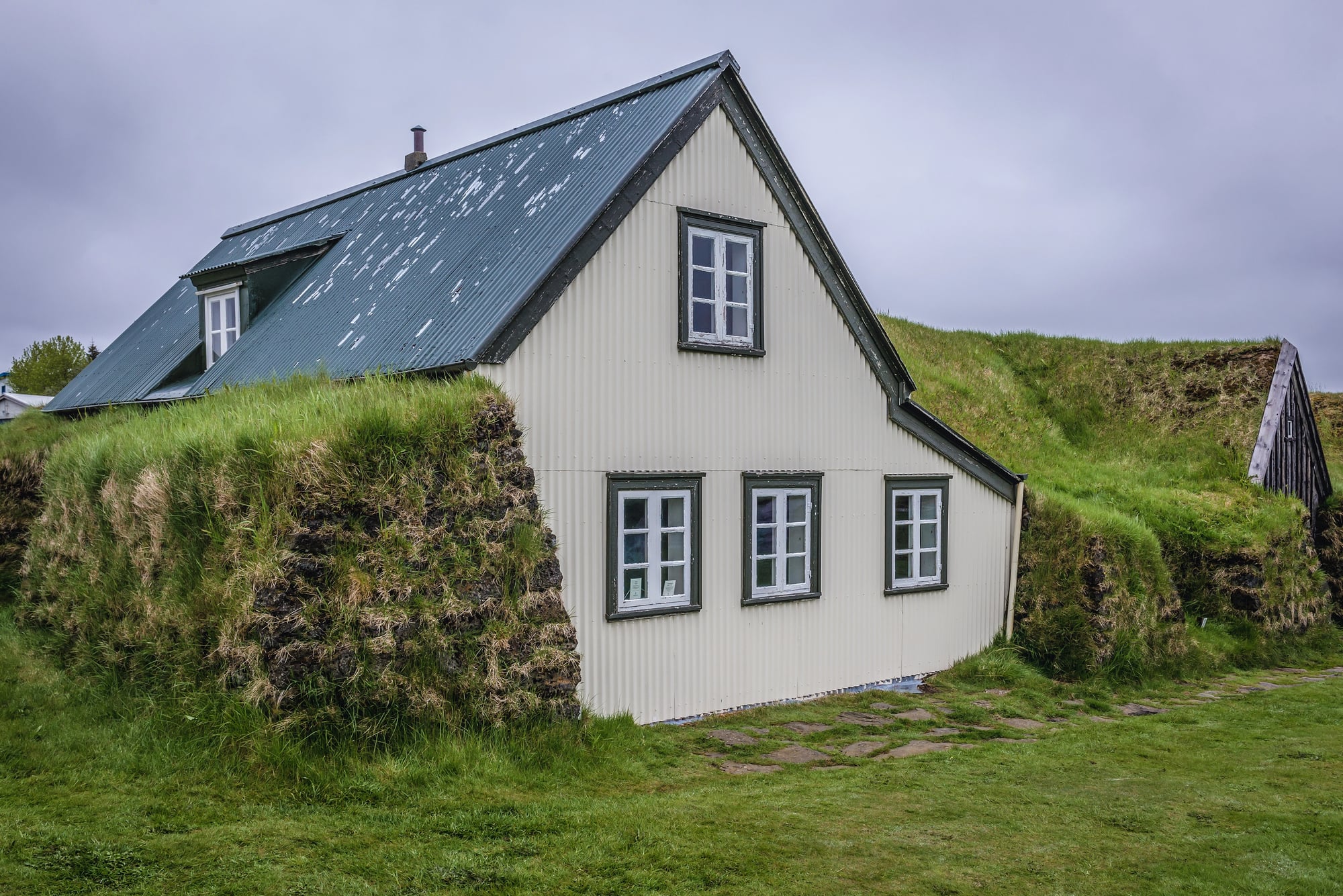
Iceland has very few trees today. Birch forests once covered up to 40% of the island, but early settlers cut them down, and the harsh northern climate prevented regrowth.
Without timber for construction, Icelanders turned to the materials they had: stone, turf, and whatever driftwood washed ashore. They built thick walls from stacked stone and turf, creating homes that were essentially grass-covered mounds.
These houses blended into the landscape completely. The thick walls and roof provided excellent insulation against brutal winters.
The design was so effective that Icelanders continued building turf houses into the 20th century.
Cliff Dwellings in American Southwest Canyons
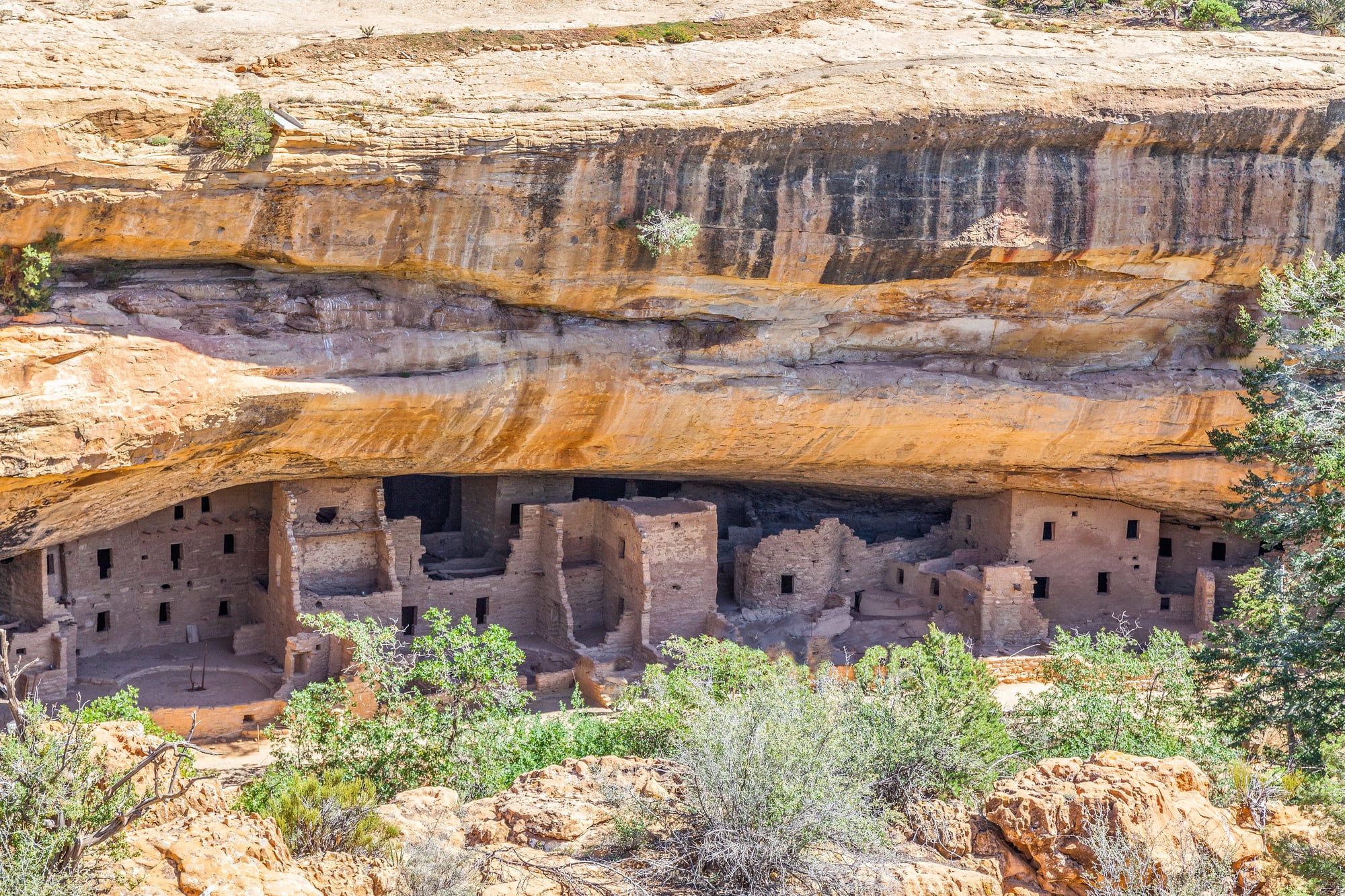
The Ancestral Puebloans built entire villages into cliff faces throughout what’s now the American Southwest. Mesa Verde in Colorado contains some of the most impressive examples.
These weren’t simple caves—people constructed elaborate multi-story buildings under natural rock overhangs. The cliff location offered protection from weather and enemies.
The rock overhang acted like a roof, keeping out rain and snow. The southwest-facing orientation captured winter sun for warmth while the overhang provided shade in summer.
Water sources in the canyons below made these locations even more valuable in an arid landscape.
Floating Reed Islands on Lake Titicaca
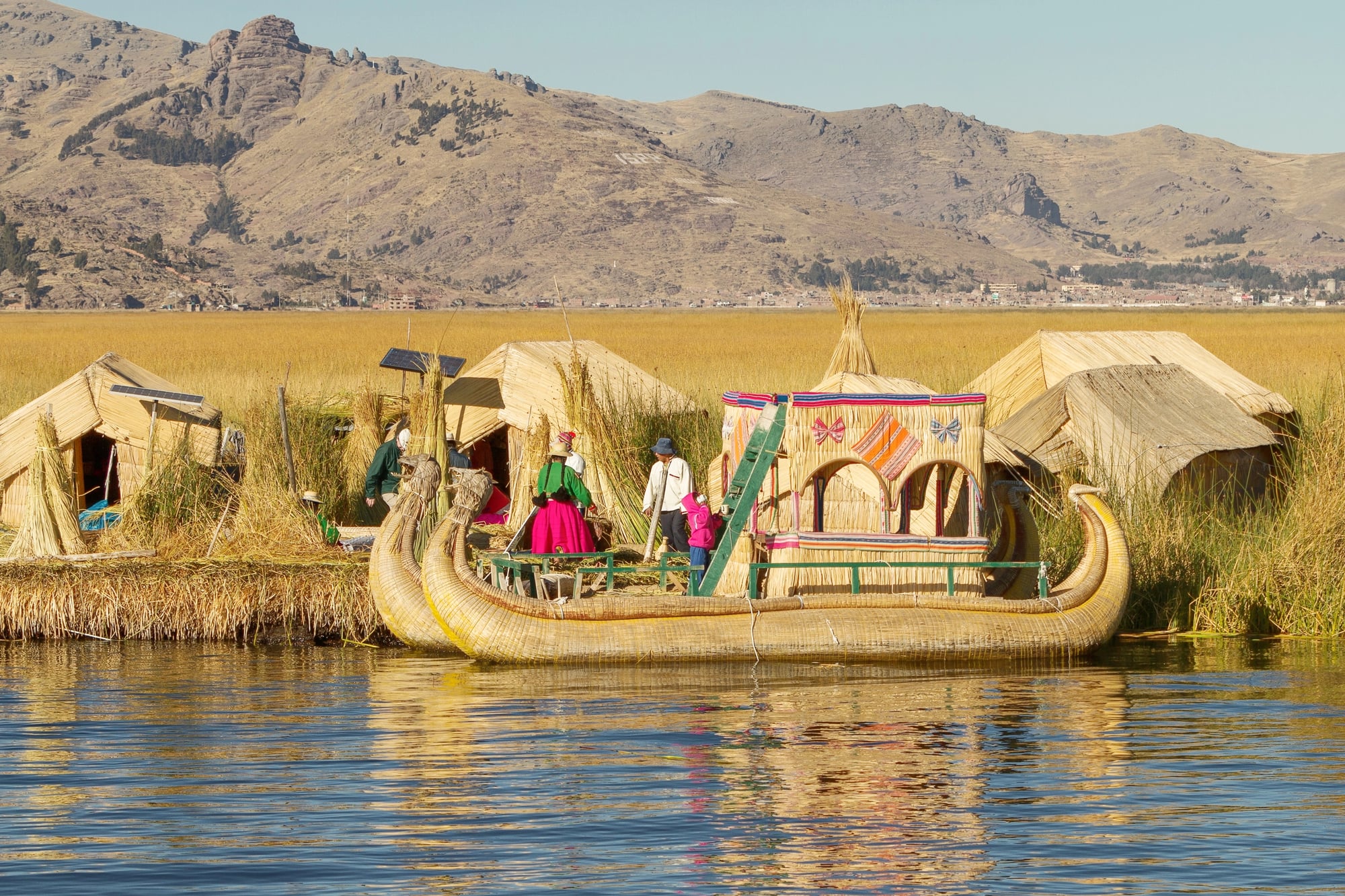
The Uru people of Lake Titicaca in Peru and Bolivia don’t just build houses on unusual terrain—they build the terrain itself. They construct floating islands from dried totora reeds that grow in the lake shallows.
They layer the reeds in thick mats, anchoring them to the lake bottom with ropes and stakes. On top of these floating platforms, they build reed houses.
The islands require constant maintenance because the reeds at the bottom rot and need replacing. This lifestyle’s origins are debated, but it gave the Uru direct access to fish and waterfowl while maintaining a distinct way of life on the water.
Underground Homes in Australian Opal Fields
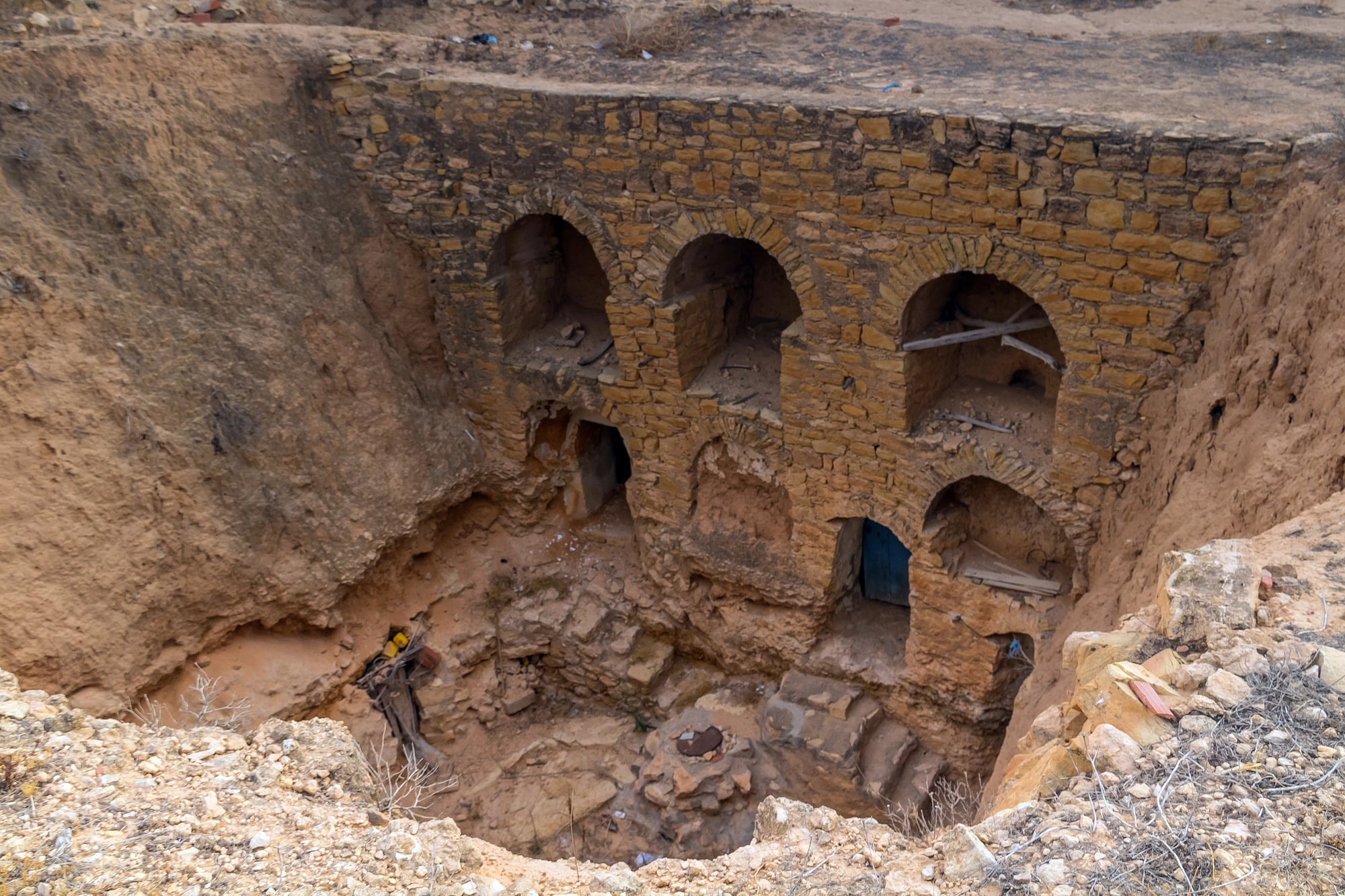
Coober Pedy in South Australia experiences extreme heat—summer temperatures regularly exceed 100°F. Most of the town lives underground.
Early opal miners in the 1900s discovered that digging homes into the hillsides kept them cool without any air conditioning. The underground temperature stays around 72–75°F year-round regardless of surface conditions.
Residents carved out bedrooms, living rooms, kitchens, and even churches in the soft sandstone. Some underground homes are quite spacious and comfortable.
The town became famous for this unusual housing solution born from an unforgiving climate.
Rondavel Huts on Southern African Highlands
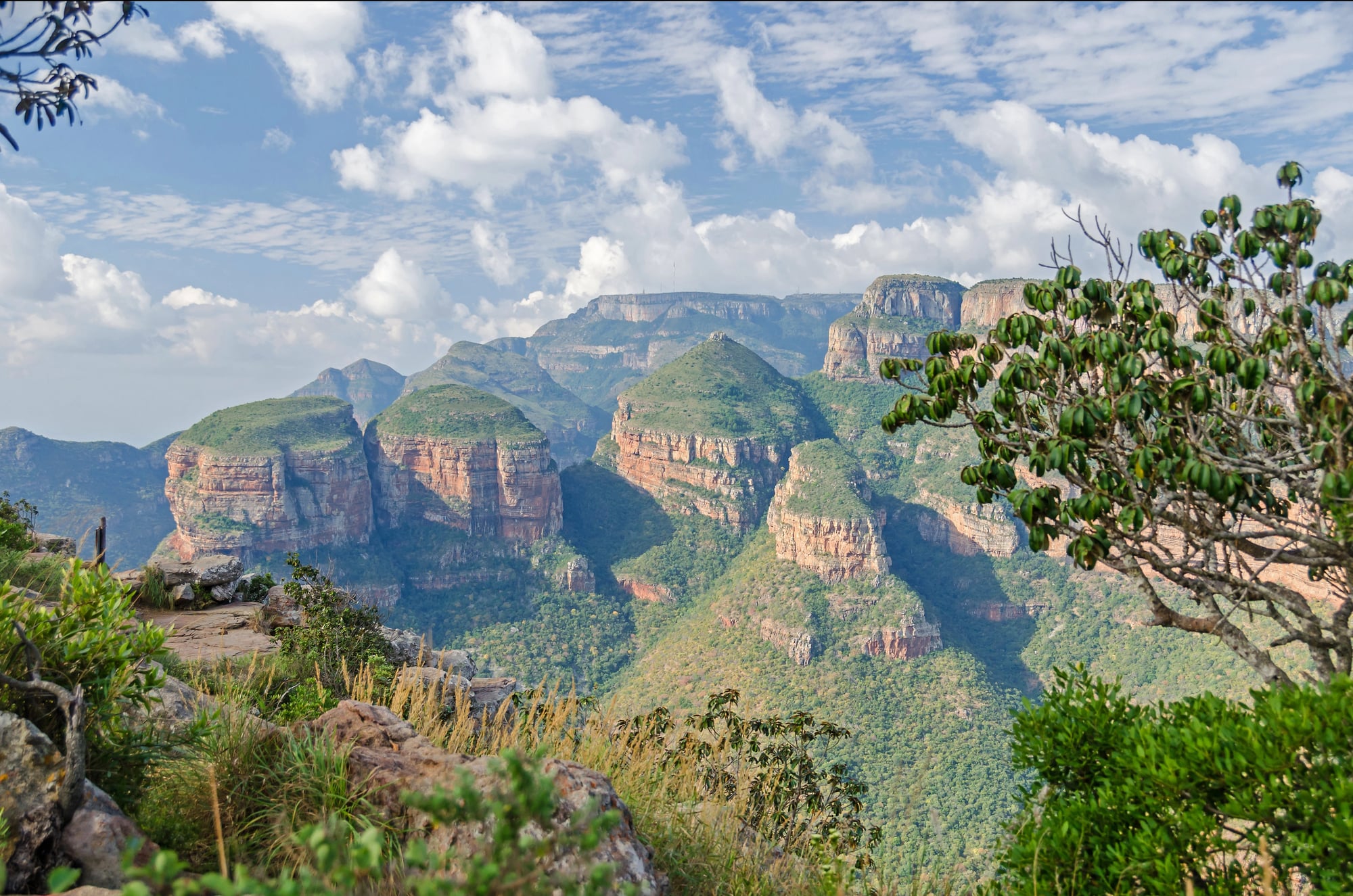
The cylindrical thatched houses called rondavels appear throughout southern Africa, particularly in South Africa, Lesotho, and Swaziland. The round design serves practical purposes in windy areas.
Wind flows around circular structures more easily than it batters rectangular ones. The conical thatched roof sheds rain effectively and the thick thatch provides insulation.
Stone or mud brick walls with small windows help maintain interior temperature. The design has remained popular because it works so well for the local climate and available materials.
Yaodong Cave Houses in China’s Loess Plateau

The Loess Plateau in northern China consists of thick deposits of windblown soil that compact into soft cliffs. For centuries, people carved homes called yaodongs directly into these cliffs.
A typical yaodong looks like a series of arched rooms dug into the hillside, with only the facades visible. The thick earth walls provide excellent insulation in a region with harsh winters and hot summers.
Many people still live in yaodongs because they’re inexpensive to construct and maintain comfortable temperatures without heating or cooling systems.
Stilt Houses in West African Floodplains
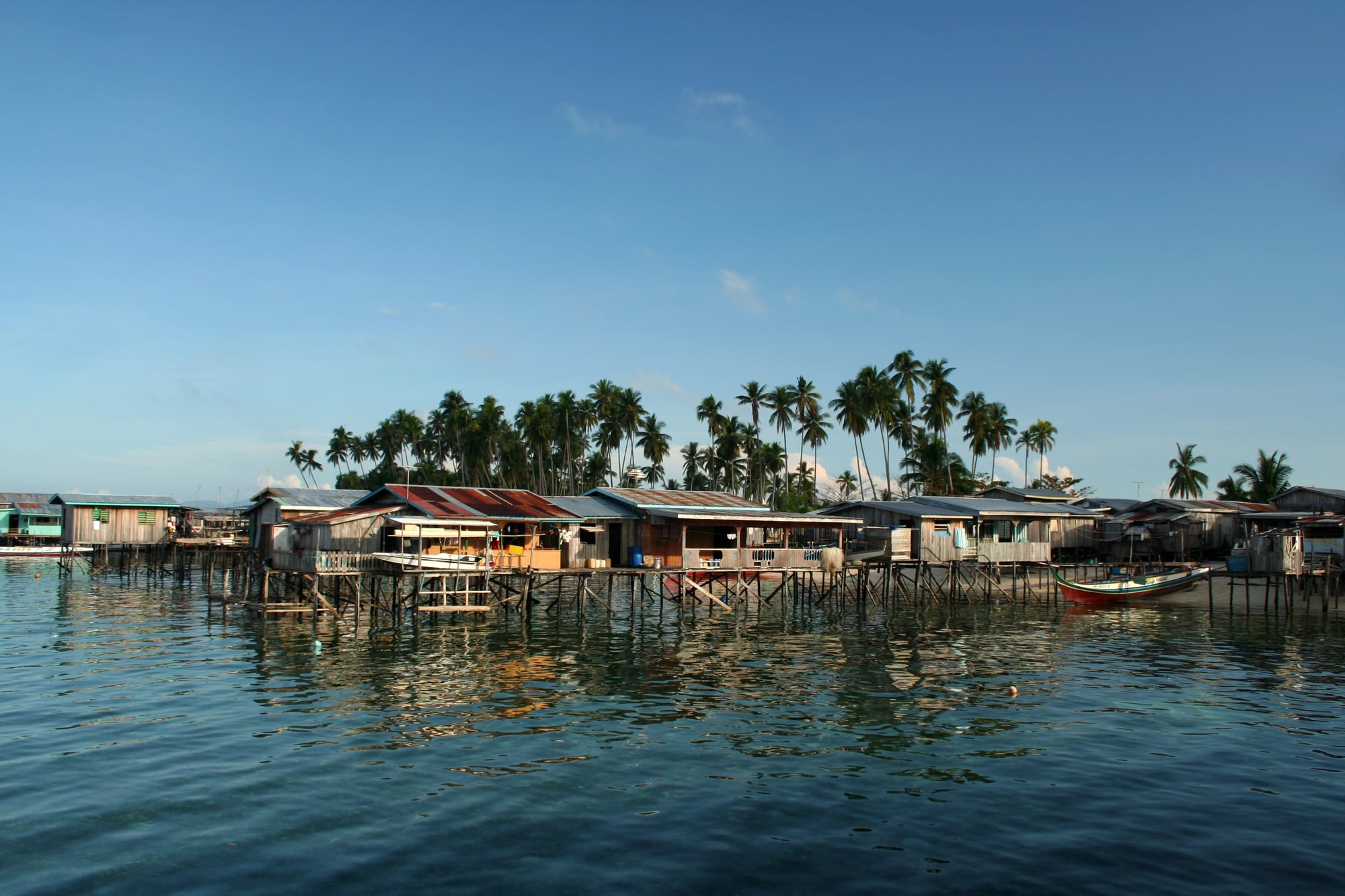
The Ganvie village in Benin sits entirely on stilts in the middle of Lake Nokoué. According to oral tradition, the Tofinu people built this water village centuries ago, though the exact historical motivations remain unclear.
The entire community adapted to aquatic life. Houses stand on wooden stilts driven into the lakebed.
Residents travel by canoe between homes, markets, and schools. The design protects against seasonal flooding while allowing the community to fish directly from their homes.
Similar stilt villages appear throughout West Africa’s lagoons and floodplains.
Sod Houses on North American Prairies

European settlers arriving on the American Great Plains faced a landscape with almost no trees but plenty of thick prairie grass with deep root systems. They cut rectangular blocks of sod—grass and soil held together by roots—and stacked them like bricks to build houses.
These “soddies” had walls two to three feet thick. Roofs varied depending on available materials—some used sod while others incorporated timber or other materials when they could get them.
The thick sod walls stayed cool in summer and relatively warm in winter. Rain sometimes caused roofs to leak mud, and snakes or insects might emerge from the walls, but sod houses sheltered thousands of families until they could afford better construction.
Trulli Houses in Italy’s Limestone Region
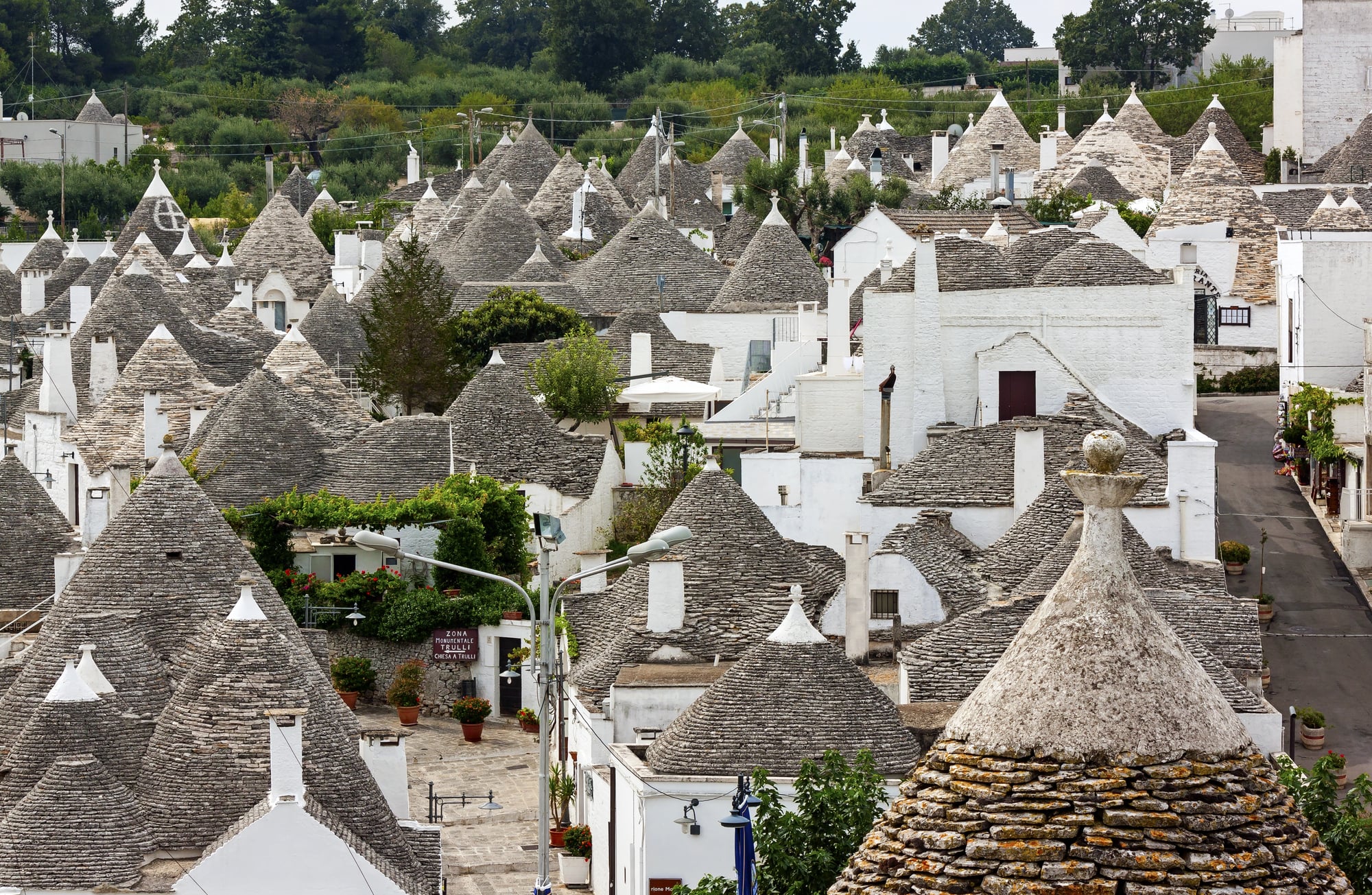
The Puglia region of southern Italy contains thousands of trulli—small, white-washed houses with conical stone roofs. These distinctive buildings use local limestone stacked without mortar in a corbelled dome technique.
The thick stone walls and domed roofs provide excellent insulation in a region with hot, dry summers. Folk tales claim farmers built trulli without mortar so they could quickly dismantle them to avoid property taxes, but historians dismiss this explanation as unproven.
The design suited the limestone-rich landscape and climate perfectly.
Blackhouses in Scotland’s Hebrides

The Hebrides islands off Scotland’s west coast face relentless wind and rain. Traditional blackhouses evolved to handle these conditions.
They had thick double walls filled with earth or peat for insulation. The roof consisted of thatch tied down with ropes weighted with stones to prevent wind from ripping it off.
Early blackhouses lacked chimneys due to construction limitations—smoke from the central fire filtered up through the thatch, which helped preserve it. Chimneys were introduced in later versions.
The design kept the interior dry and relatively warm despite brutal weather outside. People and livestock sometimes shared the space for extra warmth.
Pit Houses in Northern Climates
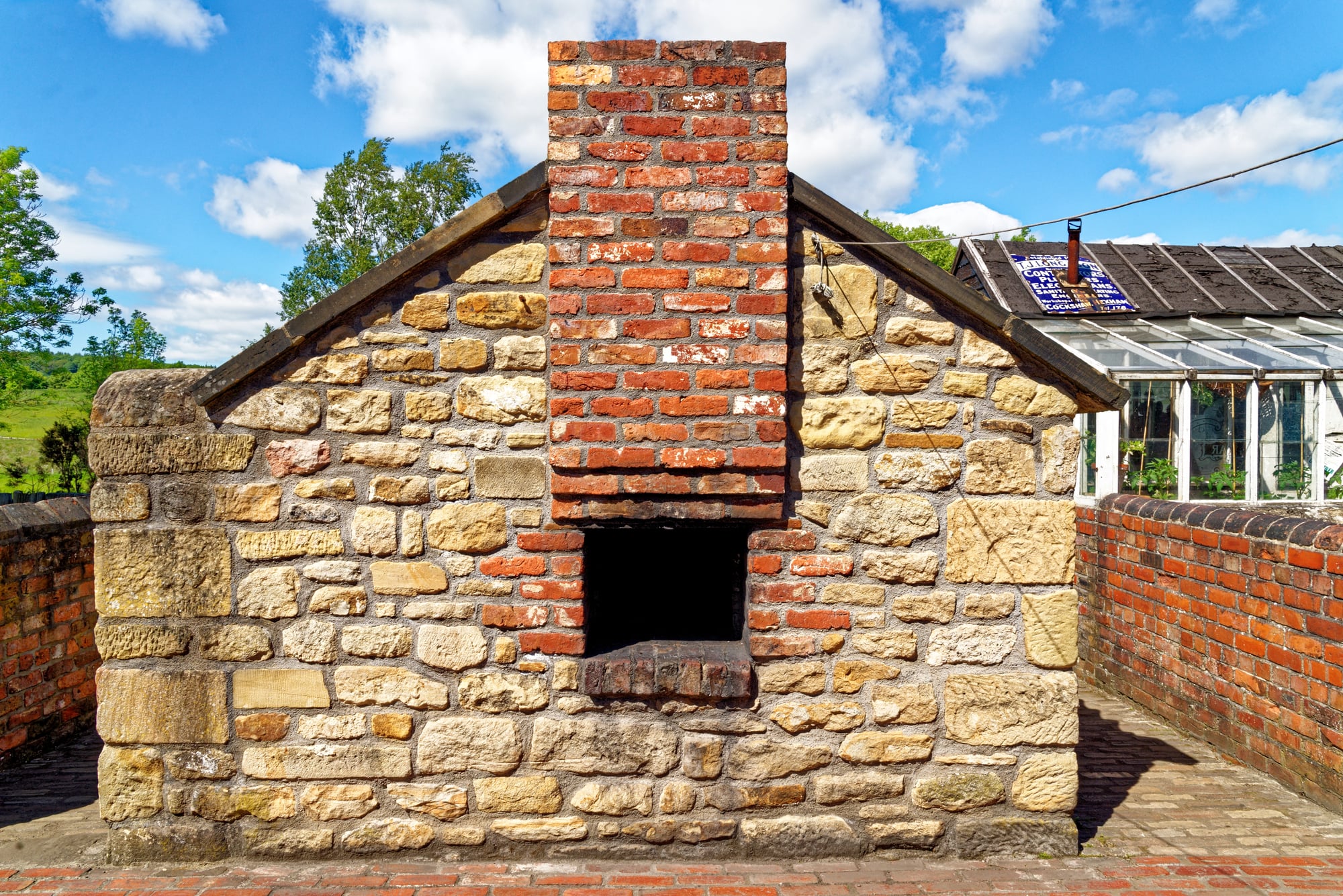
People from different chilly areas came up with pit houses to survive harsh winters – homes partly below ground, using soil to trap heat. In places like North America, northern Europe, and Siberia, native groups scooped out openings a few feet down.
On top of those, they set up timber structures, then piled dirt and grass all over. Being lower helped block freezing winds.
Because it was buried under earth, the space stayed warmer. A fire in the middle, with smoke escaping through an opening in the roof, kept things warm.
Because they needed less fuel compared to regular houses, these builds held heat better during cold months – so people used them when figuring out how to stay warm in winter.
Where Function Shaped Everything

You can follow how each house style came from the land. Because rock is soft, people carved into it.
When floods happen, living higher makes sense. On empty flatlands, folks had to get clever with what they could find.
In brutal heat or icy chill, thick protection matters most. No blueprints or experts shaped these shelters.
Over time, folks figured things out by testing what worked, since homes had to survive harsh conditions. Out there, odd terrains didn’t merely shape buildings – they demanded them.
More from Go2Tutors!

- The Romanov Crown Jewels and Their Tragic Fate
- 13 Historical Mysteries That Science Still Can’t Solve
- Famous Hoaxes That Fooled the World for Years
- 15 Child Stars with Tragic Adult Lives
- 16 Famous Jewelry Pieces in History
Like Go2Tutors’s content? Follow us on MSN.