22 Baseball Customs Older Fans Remember Fondly
Long before scoreboards played video clips and speakers blasted pop hits between batters, a trip to the ballpark came with its own unwritten program. Fans dressed for the occasion, followed the action with a pencil, and knew exactly when to rise from their seats.
Some of these habits trace back to the 1880s, and others lingered into the 1980s. A good many faded so quietly that nobody can say when they happened for the last time.
The Seventh-Inning Stretch and Its Rival Origin Stories
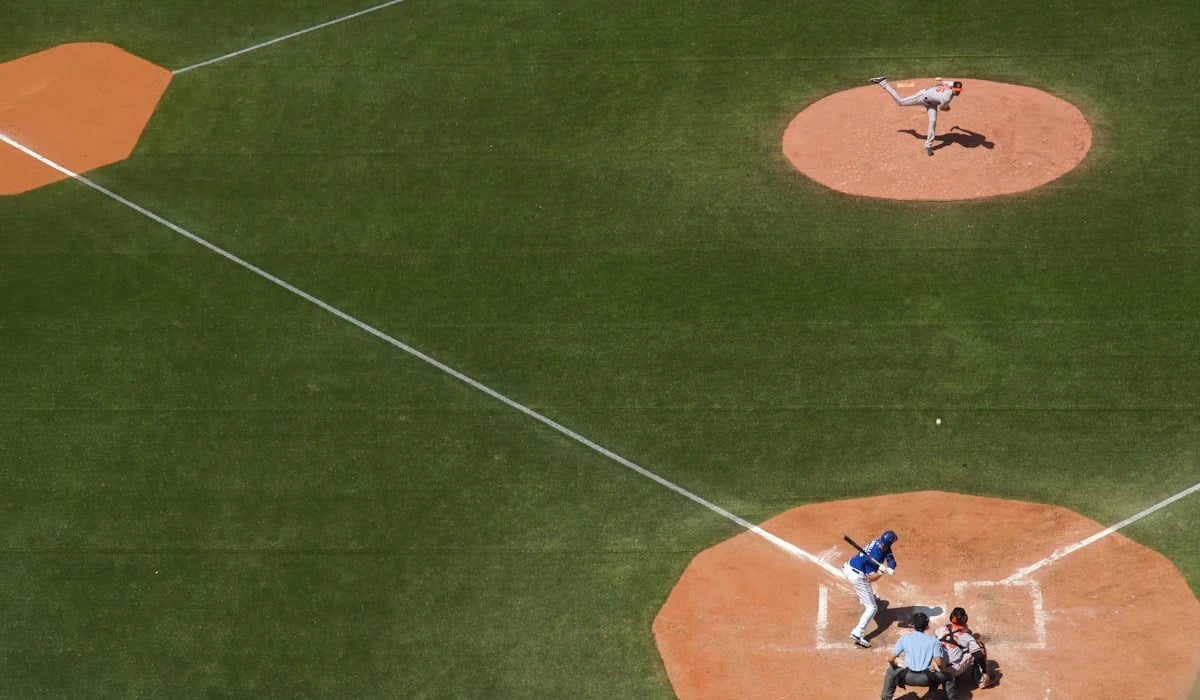
Manhattan College traces the tradition to 1882, when Brother Jasper, a prefect and baseball enthusiast, reportedly told restless students to stand and stretch during a sweltering game. A competing tale gives the credit to President William Howard Taft, who supposedly rose from his seat in the seventh inning in 1910 and prompted the crowd to stand with him.
However, an 1869 account describes spectators standing and stretching at a baseball game, suggesting the practice may predate both stories. The exact origins remain uncertain, which has not stopped the familiar tales from being repeated for generations.
The pause itself outlived every theory about where it came from.
Presidents Throwing Out the First Pitch
Taft is the president most often credited with making the presidential first pitch an Opening Day tradition, and the date was April 14, 1910, at National Park in Washington. The Washington Senators faced the Philadelphia Athletics that afternoon, and Walter Johnson pitched a one-hit shutout in a 3-0 win.
The ritual caught on so completely that presidents of both parties kept returning to it for generations. Few ceremonies in sports have been repeated by so many different men with such little change.
Ladies’ Day and the Free Seat With an Escort

Ladies’ Day promotions began in the 1880s, as clubs tried to make the ballpark look more respectable. Women were typically admitted free or at a discount, often when escorted by a man.
Owners reasoned that a ballpark with women in the stands would be less rowdy and would draw a wider crowd. Older fans remember the afternoon as a social occasion, and plenty of women who attended became lifelong supporters of their home teams.
The Doubleheader That Felt Like a Bargain
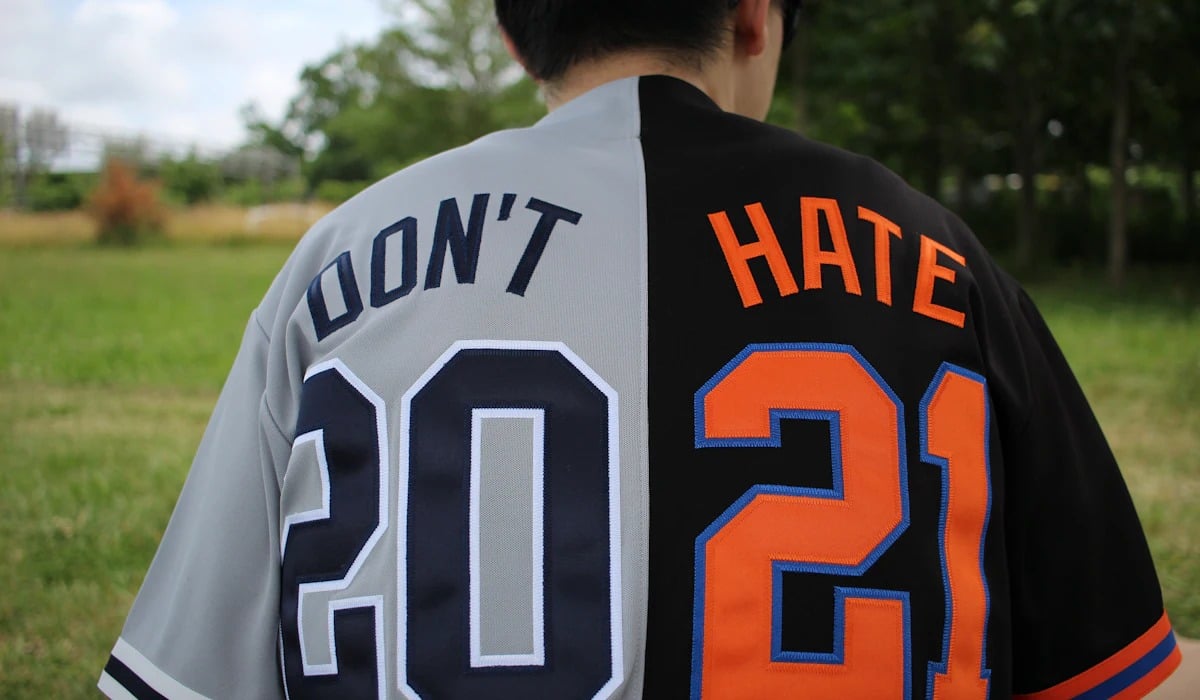
Two games for one admission was once a routine part of the schedule, and pitchers sometimes covered both ends. In August 1903, Joe McGinnity of the New York Giants pitched and won both games of three separate doubleheaders in a single month, living up to his nickname, Iron Man.
The feat remains unmatched in major league history. Fans who sat through a twin bill were rewarded with a long afternoon, a lot of peanuts, and a sunburn.
Keeping Score by Hand With a Pencil
The modern box score owes its shape to Henry Chadwick, an English-born journalist who borrowed ideas from cricket scoring and refined them for baseball in the nineteenth century. His system gave the sport the letter K for a strikeout, a mark that scorekeepers still draw.
Fans in the stands filled in their own scorecards, one square at a time, and many kept the finished sheets in drawers for decades. A completed card could settle an argument about who made an error more reliably than anyone’s memory.
Kids’ Gangs and the Pregame Show at Ebbets Field
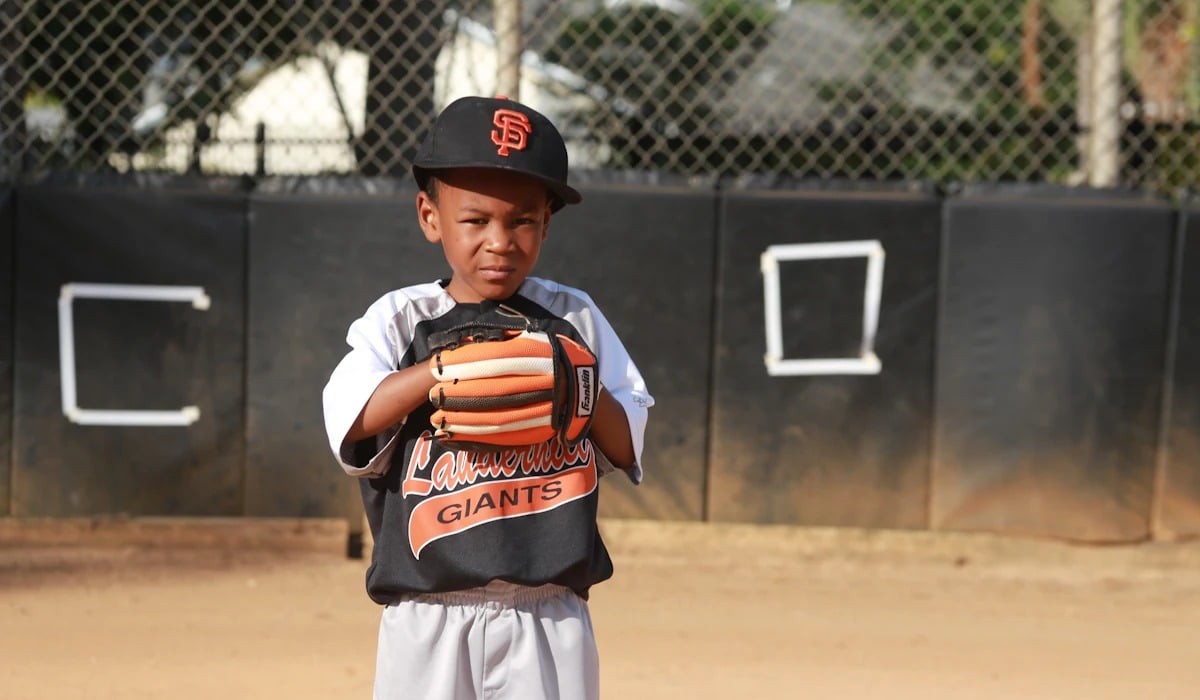
Boys who could not afford a ticket once watched through gaps in outfield fences, and clubs eventually turned the idea into organized youth programs with cheap or free bleacher seats. The Brooklyn Dodgers took the concept a step further in the 1950s.
Happy Felton hosted a pregame show at Ebbets Field in which youngsters from local teams spent time with Dodger players on the field. For a child in Brooklyn, a few minutes on the grass beside a big leaguer could outweigh an entire summer of games.
Keeping the Foul That Landed in Your Lap
Early in the twentieth century, fans who kept a foul souvenir risked being thrown out of the park, and some were even threatened with arrest. Cubs owner Charles Weeghman changed the rule in 1916 by allowing fans to take home whatever landed in the stands.
He was one of the first major league owners to allow the practice, which other clubs gradually adopted. Older fans still recall the scramble when a foul sailed into the upper deck and half a section stood up at once.
Singing About Peanuts and Cracker Jack
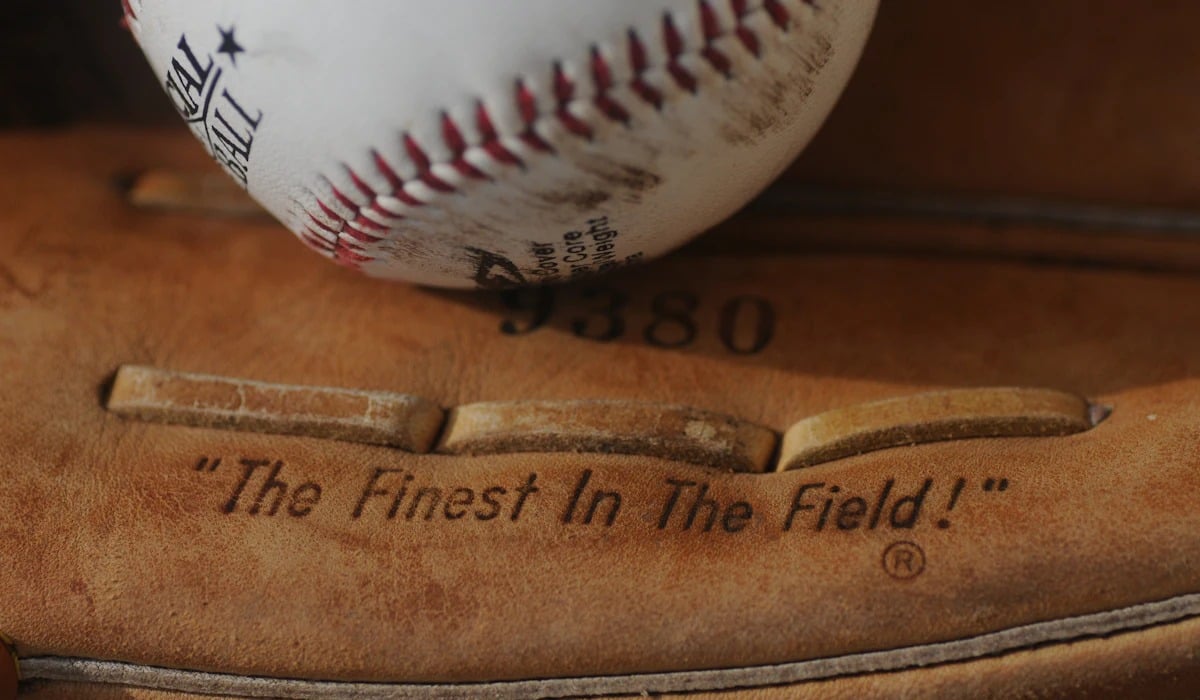
The sing-along about peanuts and Cracker Jack was written in 1908 by Jack Norworth and Albert Von Tilzer, neither of whom had attended a major league game at the time. It became the soundtrack of the stretch, but the modern version of the tradition owes much to broadcaster Harry Caray.
He began leading the crowd in 1976 at Comiskey Park under owner Bill Veeck and carried the habit to Wrigley Field in 1982. Caray was famously a poor singer, which seemed to be part of the appeal.
Waiting for Night Baseball to Arrive
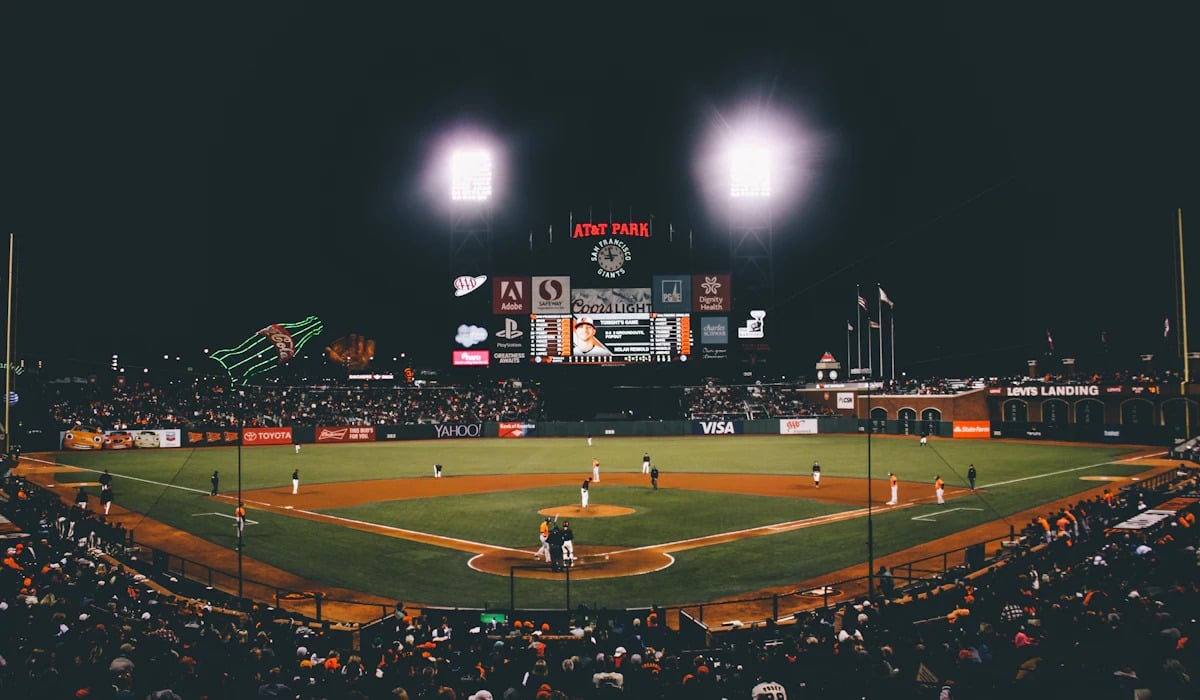
Major league baseball’s first regularly scheduled night game took place on May 24, 1935, when the Cincinnati Reds hosted the Phillies at Crosley Field under lights. President Franklin Roosevelt flipped the ceremonial switch from Washington, and the Reds won 2-1.
Wrigley Field resisted the change for more than half a century, installing lights only in 1988. Older fans remember a time when a ticket meant a sunny afternoon and the workday had to be negotiated.
Radio Re-Creations Built From Telegraph Reports
Before every road game was broadcast live, announcers in the 1930s re-created games from terse telegraph reports and added sound effects. Ronald Reagan did this at WHO in Des Moines, Iowa, calling Chicago Cubs games from a studio far from the ballpark.
He later told of a day when the wire went dead and he had a batter foul off pitch after pitch until the transmission returned. Listeners at home never knew they were hearing a performance built from a few lines of text.
The Ballpark Organist Behind the Home Plate Mood
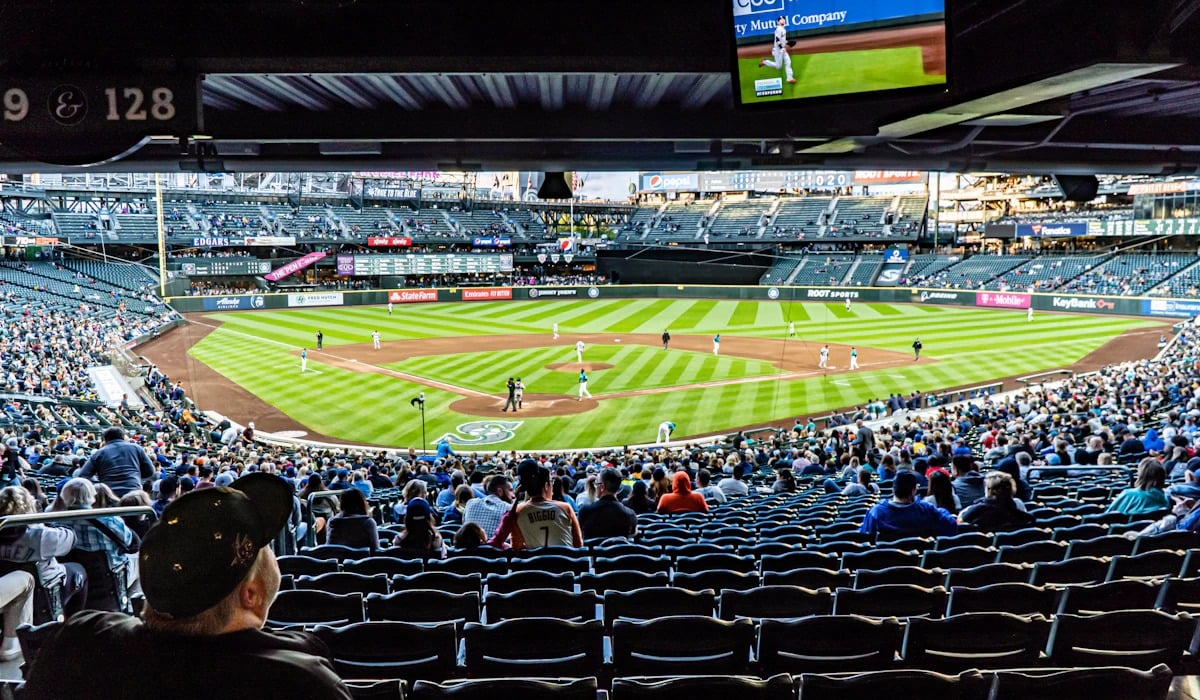
Gladys Goodding became a fixture at Ebbets Field in 1942 and played the organ there until the Dodgers left Brooklyn after the 1957 season. Known as the Organ Queen, she also worked at Madison Square Garden.
Her music filled the pauses between pitches, and fans came to expect a tune for every occasion. Organists gave baseball a sound of its own that no recording could replicate.
Bat Day and the Walk Out With a Souvenir
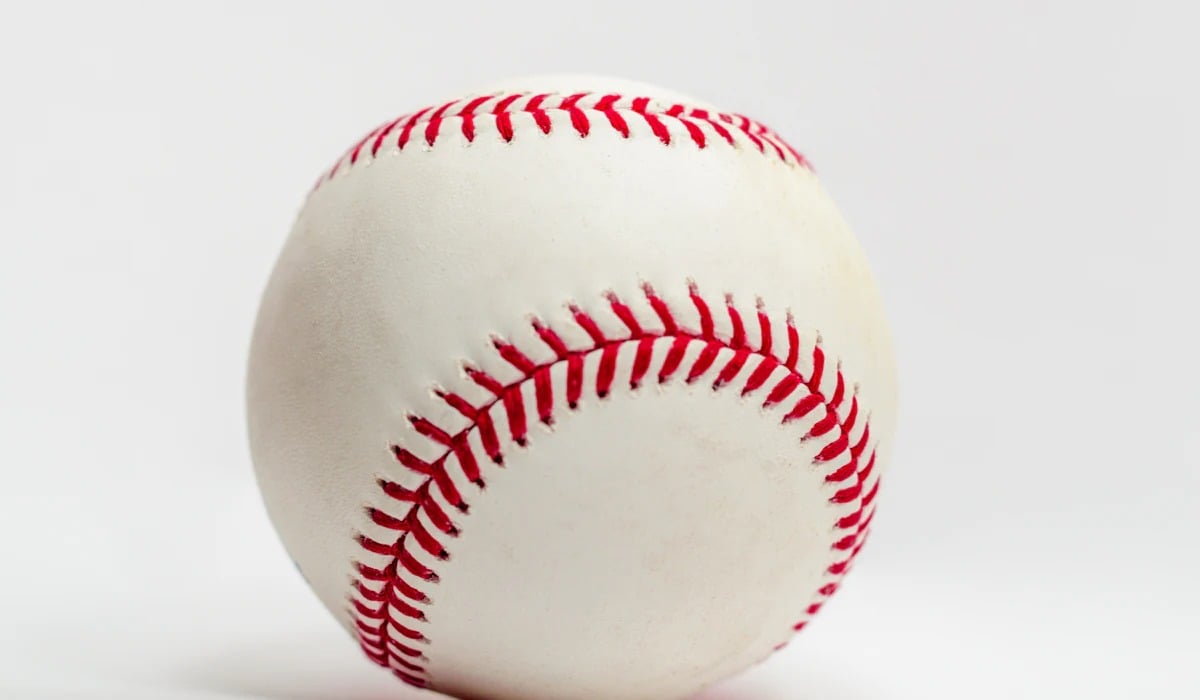
Bat Day gave youngsters a free wooden bat at the gate, and clubs across both leagues held them well into the 1960s and 1970s. Today the bats are collectible, though prices depend heavily on condition and whether the bat remains unused.
Thousands of children carried them home on the subway and swung at nothing in the living room.
Old-Timers’ Day and the Parade of Pinstripes
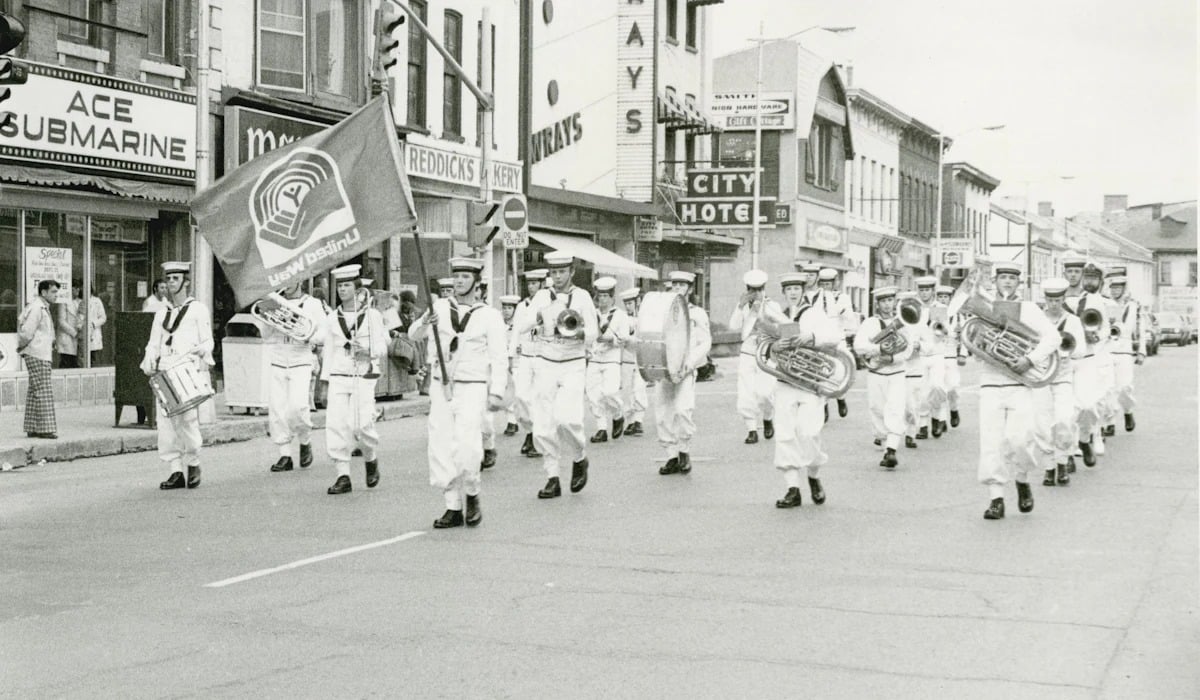
Yankee Stadium made the tradition a summer ritual, bringing back retired stars in uniform for a ceremony before the game. Its emotional template may have been Babe Ruth Day on April 27, 1947, when a raspy-voiced Ruth addressed the crowd not long before his death.
The introductions were saved for the biggest names last, so applause grew as the afternoon went on. Older fans remember the thrill of seeing a hero who looked a little older than expected but still carried himself like a champion.
Transistor Radios in the Stands
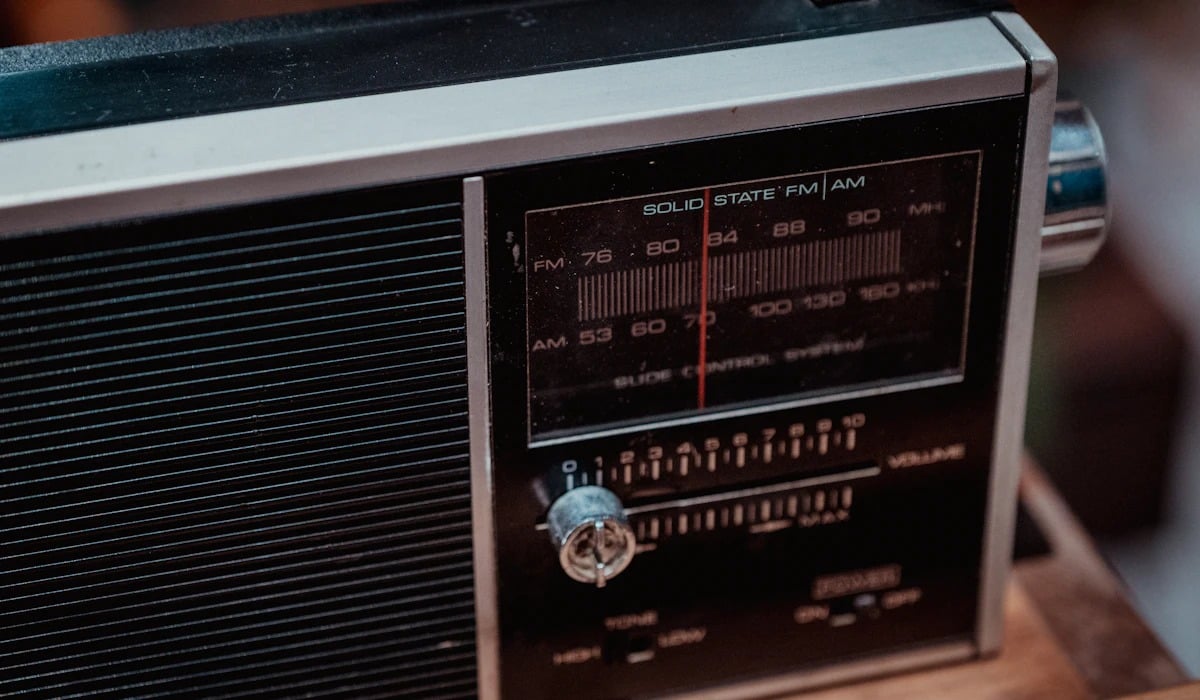
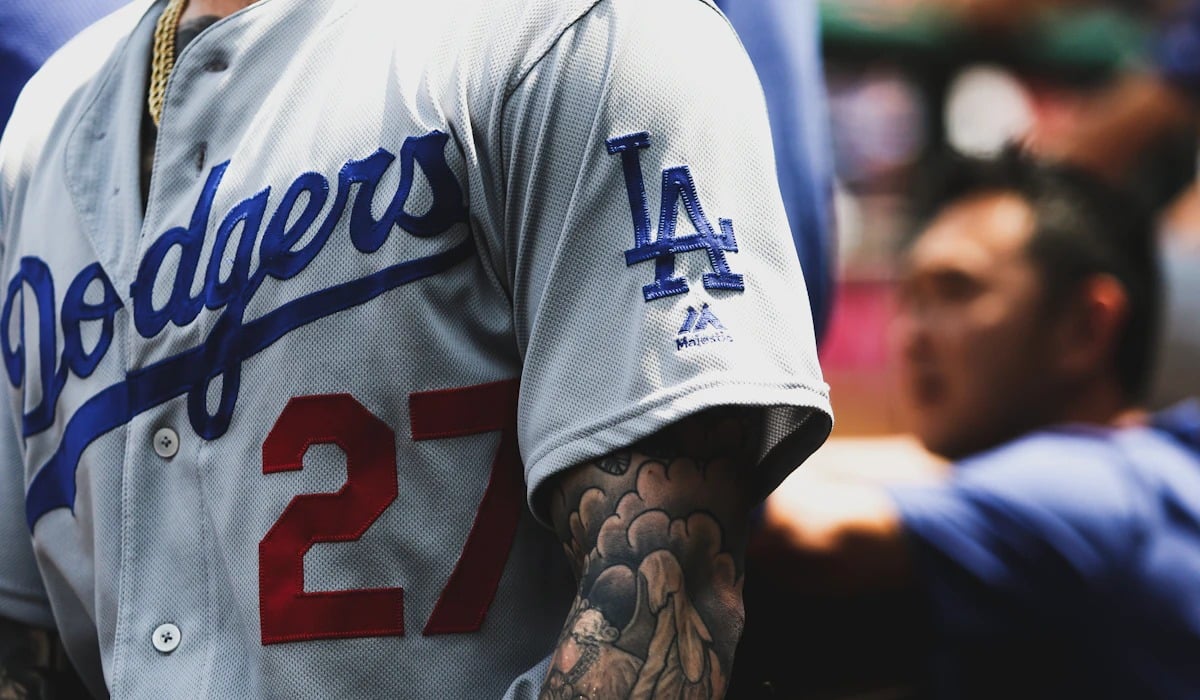
When the Dodgers moved to Los Angeles in 1958 and played at the vast Coliseum, many fans sat so far from the field that they brought portable radios to hear Vin Scully describe what they could barely see. The habit followed the team to Dodger Stadium.
Scully became, in effect, a voice that traveled with the crowd.
Hilda Chester and the Dodgers Sym-Phony
Ebbets Field had a noisy corner of fandom, and it was dominated by Hilda Chester, a bleacher regular who rang a cowbell and bellowed encouragement to the Dodgers. Nearby was the Dodgers Sym-Phony, a ragtag band of fans who played instruments in the seats and serenaded visitors who struck out.
The group included Shorty Laurice and Brother Lou Soriano. Together they created a sound that managers and umpires recognized at once.
The Findlay Market Opening Day Parade in Cincinnati
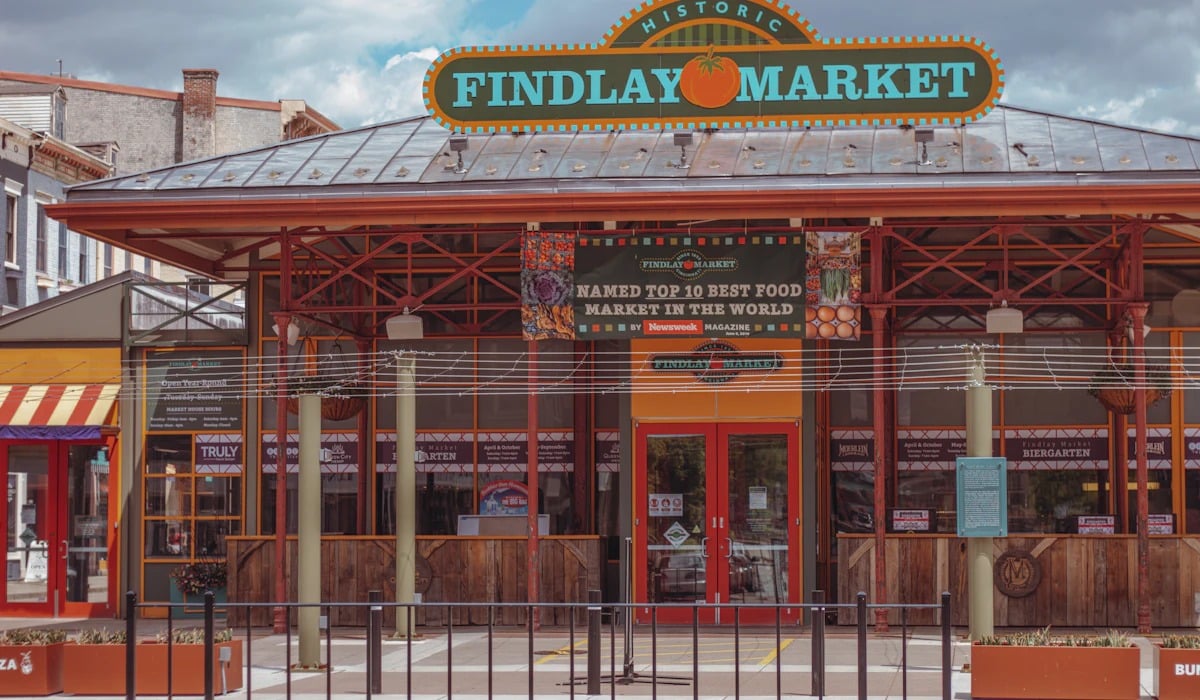
Cincinnati has held an Opening Day parade tradition since the late 19th century, with the Findlay Market group joining the festivities in 1920. The city has a special claim to baseball history, since the Cincinnati Red Stockings of 1869 were the first fully professional team.
The procession of floats, bands, and local businesses gave the home opener the feel of a civic holiday. Residents who grew up there tend to remember the parade as clearly as the game.
The Anthem Before the Game Became Routine
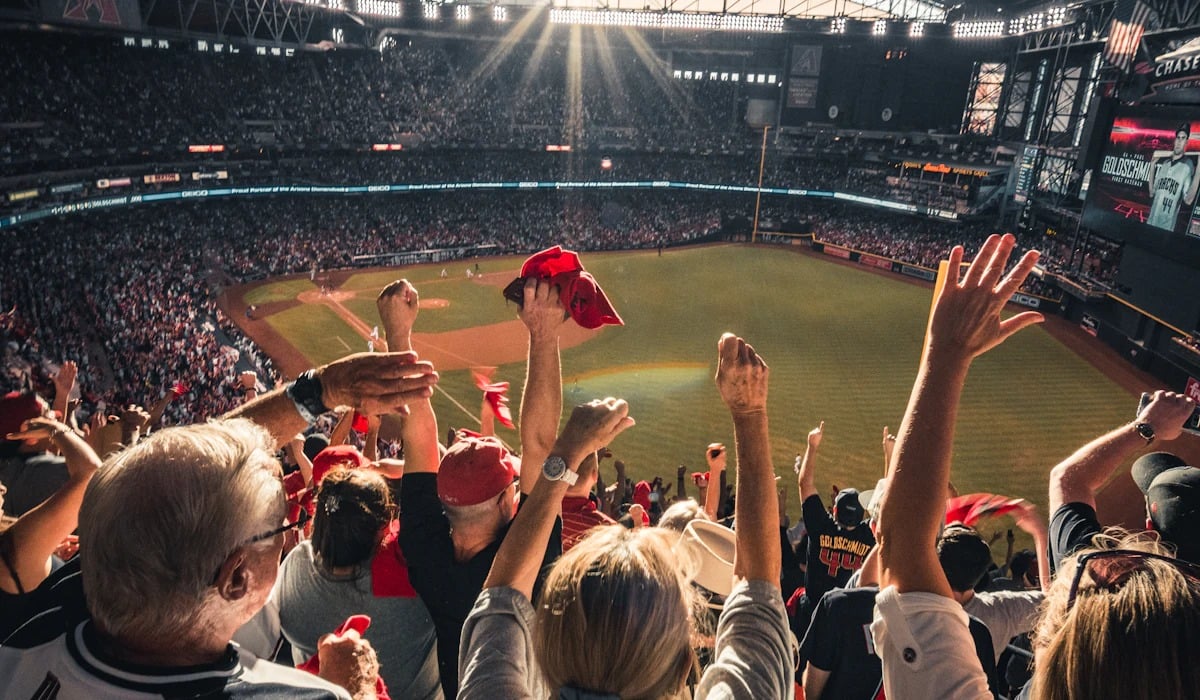
The Star-Spangled Banner at baseball games is often traced to Game 1 of the 1918 World Series, played in Chicago. A U.S.
Navy band played the song during the seventh-inning stretch, and Red Sox third baseman Fred Thomas, who was serving in the Navy, turned to face the flag and saluted. The crowd rose and sang along as the pitchers waited.
Babe Ruth won that game for Boston, 1-0, and the anthem soon became a fixture of ballpark ceremony.
Fenway Park’s Hand-Operated Scoreboard
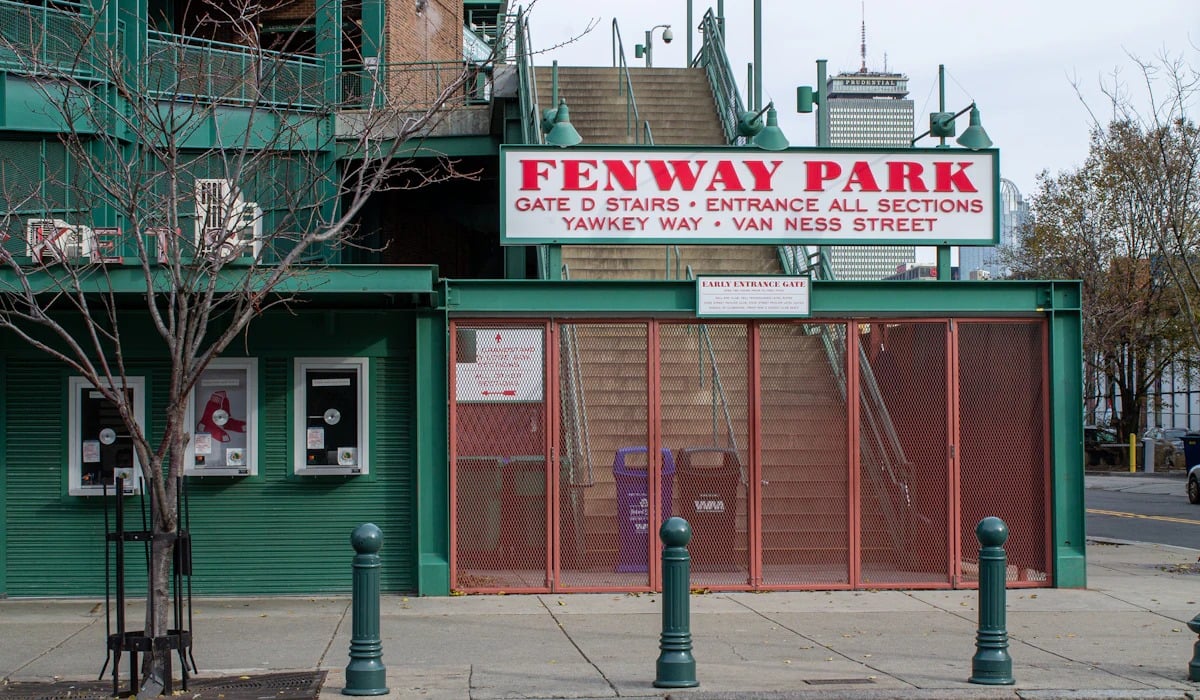
Behind the Green Monster in left field, workers still slide metal numbers into slots by hand to update the line score and other games. The manually operated scoreboard has become one of Fenway Park’s best-known features.
Generations of fans learned to check the numbers from the bleachers. The system has stayed manual because it does the job without fuss.
When Pennsylvania Finally Allowed Sunday Baseball
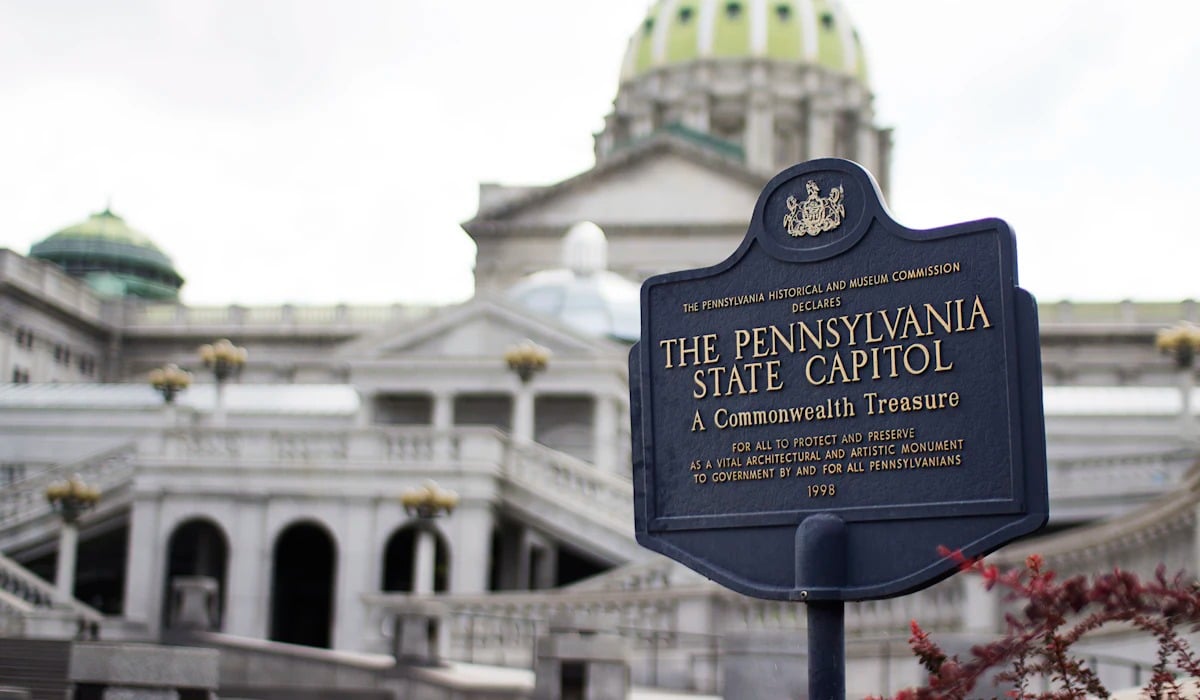
Pennsylvania barred Sunday games under old blue laws until a 1933 law change paved the way for games in 1934. Philadelphia and Pittsburgh fans had watched other cities enjoy a day that was closed to them.
Once the law changed, the day of rest became the natural day for a family outing. Sunday twin bills turned the afternoon into an all-day event.
Older fans recall putting on good clothes for the trip.
Baseball Cards in Bicycle Spokes
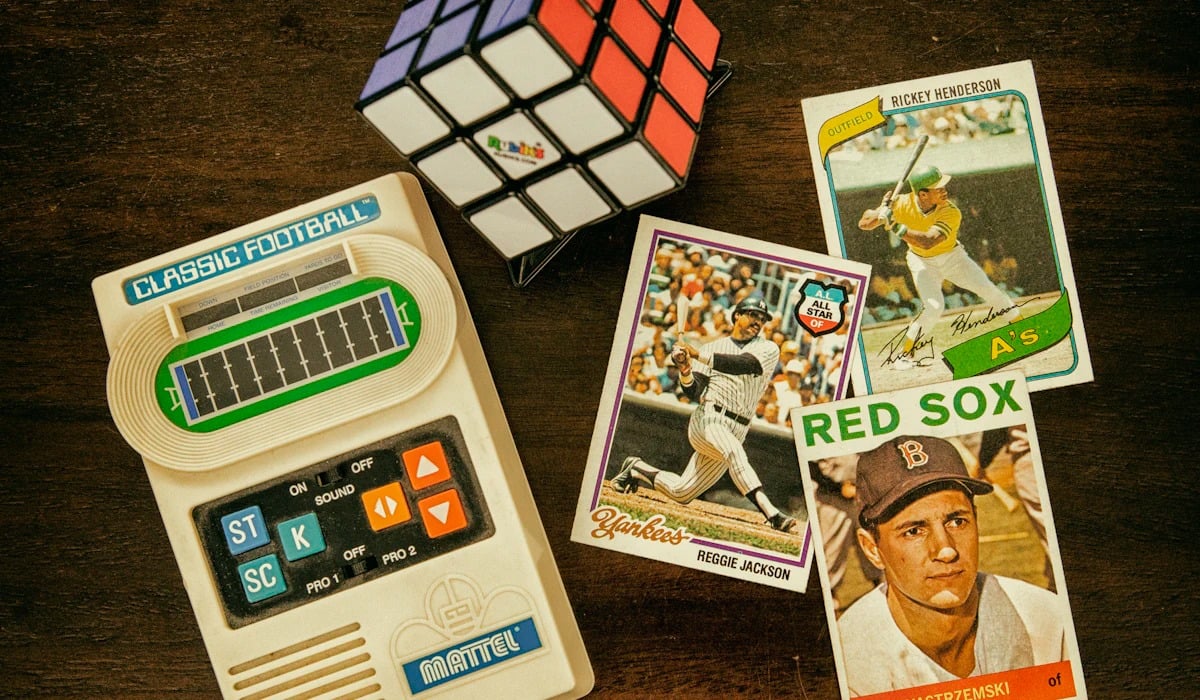
Topps released its first big baseball set in 1952, with 407 cards, and it included the famous Mickey Mantle card numbered 311. Children traded and flipped the cards, and many clothespinned them to bicycle frames to make a motorcycle rattle.
Decades later, the Mantle card sold for $12.6 million at auction in 2022, though condition is the main factor in any such price. Most ordinary copies, creased and bent, ended up as playthings.
Waiting Years for a World Series Night Game
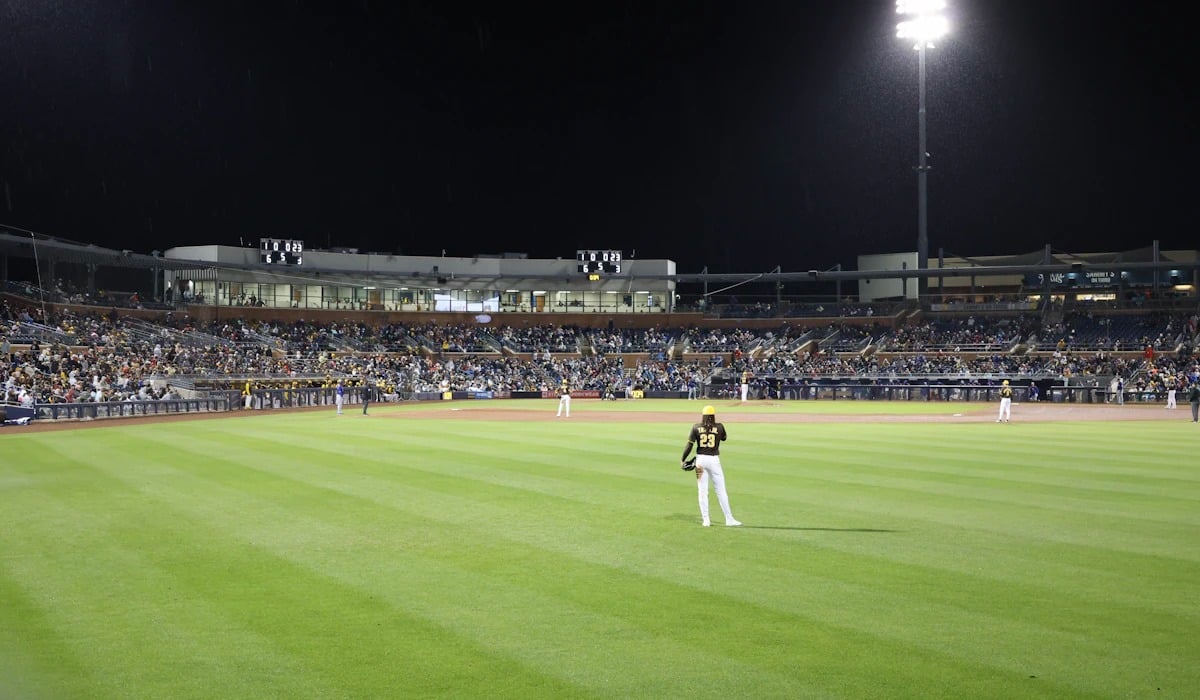
The World Series was played in daylight for most of its history, so school kids smuggled radios into class and workers drifted toward televisions in break rooms. That changed on October 13, 1971, when Game 4 between the Pirates and Orioles at Three Rivers Stadium became the first Series game played at night.
The Pirates won 4-3 to tie the Series at two games apiece, and Luke Walker started for them. Prime time was now a part of the October calendar, and the daytime ritual faded.
Vendors, Scorecards, and the Sound of the Stands
Harry M. Stevens, an English immigrant, began selling scorecards in Columbus, Ohio, in 1887 and later built a concession empire at major ballparks.
His programs carried advertising that paid for printing, and vendors walked the aisles with trays and crates. The cries of the sellers formed their own kind of background music.
Older fans can still describe the voice of a favorite vendor.
What the Customs Had in Common
Nearly every ritual on this list was low-tech, shared, and a little awkward. A pencil, a radio, a bat, or a cowbell was all the equipment needed to feel part of the game.
Most of the traditions depended on being in the same place at the same time as strangers.
The customs that survived tend to be the ones that cost nothing and required no instructions. Standing in the seventh inning or tossing a foul back to the field needs no screen and no special app.
Older fans remember them fondly because they belonged to everyone in the stands at once.
MORE FROM GO2TUTORS!

- The Romanov Crown Jewels and Their Tragic Fate
- 13 Historical Mysteries That Science Still Can’t Solve
- Famous Hoaxes That Fooled the World for Years
- 15 Child Stars with Tragic Adult Lives
- 16 Famous Jewelry Pieces in History
Like Go2Tutors’s content? Follow us on MSN.