21 Most Influential Dancers in History
Dance has always been more than movement.
It’s rebellion.
It’s storytelling.
It’s innovation wrapped in rhythm and grace.
Throughout history, certain dancers haven’t just mastered their craft.
They’ve fundamentally changed what dance means, how it’s performed, and who gets to perform it.
From the rigid courts of classical ballet to the improvisational freedom of modern dance, these artists shattered expectations and built new worlds with their bodies.
Some became household names through Hollywood musicals.
Others worked in relative obscurity, teaching techniques that would outlive them by generations.
A few crossed racial and gender barriers that once seemed impenetrable.
What unites them is simple.
They each took dance somewhere it had never been before, and the art form never went back.
Here’s a closer look at the dancers who didn’t just perform — they transformed.
Anna Pavlova

The Russian ballerina who danced from the late 19th into the early 20th century essentially redefined what a ballet dancer could look like.
Before Pavlova, ballerinas were expected to have a certain body type.
She was small and thin, which wasn’t the preference at the time.
She danced anyway, and the world adjusted its standards around her.
Her signature piece, ‘The Dying Swan,’ remains one of the most emotionally resonant performances in ballet history.
Pavlova became the first ballerina to embark on a global tour, bringing classical ballet to audiences who had never seen it performed live.
She didn’t just dance for elite circles in European capitals.
She took ballet to smaller cities, to people who’d never imagined attending a performance.
That democratization changed everything.
Vaslav Nijinsky
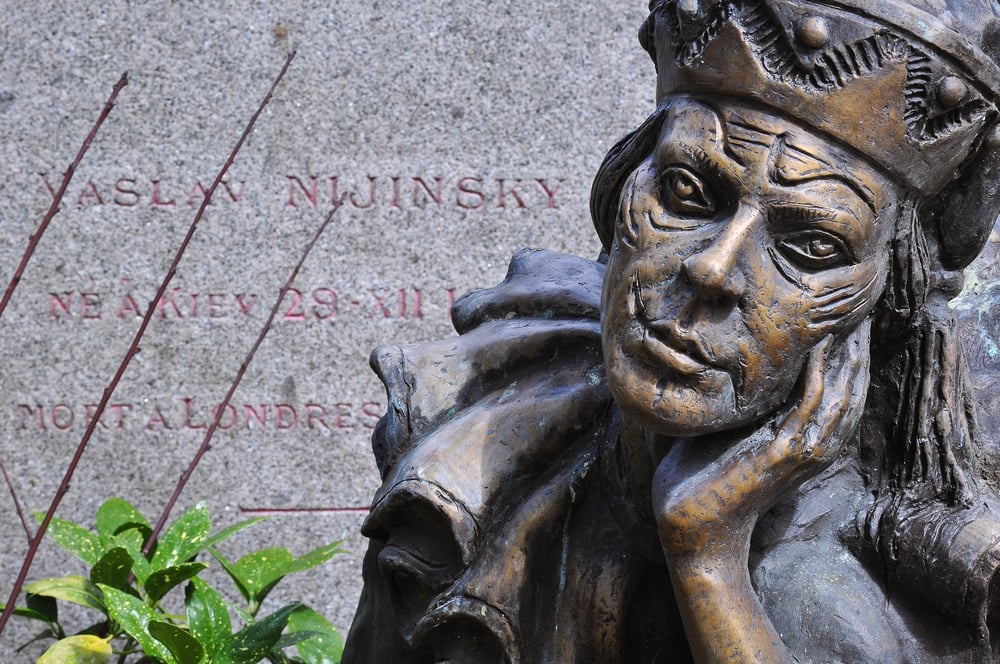
Through the Ballets Russes tours between 1909 and 1929, Western audiences got their first real taste of Russian ballet.
Nijinsky embodied its brilliance more than anyone.
The Polish-Russian dancer and choreographer became celebrated for his virtuosity and the depth of his characterizations.
He could leap higher and land softer than seemed physically possible.
His performances weren’t just technical showcases.
They were emotionally raw in ways ballet hadn’t been before.
Nijinsky’s artistry represented something extraordinary in both technique and emotional expression.
His career was brief and ended tragically with mental illness.
His impact on male ballet dancing created a template that dancers still reference today.
Isadora Duncan

In 1900, Duncan arrived in Europe from America with her family and quickly became a cult figure.
She performed barefoot in a loose-flowing tunic, offering audiences a highly individual vision of dance.
Some thought she was a goddess.
Others just thought she was strange.
Duncan is widely considered the creator of modern dance, rejecting ballet’s strict movement vocabulary and restricted clothing for freer expression.
She made two lasting contributions.
She liberated dancers from corsets, petticoats, and heavy skirts.
She established that dance could be individual expression.
Her philosophy was simple.
Movement should come from inside the body, from the solar plexus, from genuine emotion.
Duncan’s approach meant finding the ‘initial movement’ from which all human emotions are expressed.
Modern dance as we know it begins with her defiance.
Martha Graham

If Duncan opened the door to modern dance, Graham built the house and wrote the instruction manual.
TIME magazine named her ‘Dancer of the Century.’
She created 181 ballets along with a dance technique compared to ballet in its scope and magnitude.
Her technique reshaped American dance and is still taught worldwide.
Graham developed her style from the natural rhythm of inhaling and exhaling, creating movement based on contraction and release.
She believed ballet was too artificial, too un-American, and that dance needed emotional depth.
Graham was born in Pennsylvania in 1894.
Her work was eccentric, modern, and absolutely uncompromising in its artistic vision.
She created a language of movement that was deeply expressive and often emotionally intense.
Modern dance owes her everything.
Margot Fonteyn

The English ballerina spent her entire career with the Royal Ballet and was appointed prima ballerina assoluta by Queen Elizabeth II.
She defined the image of the ballerina for most of the 20th century.
Fonteyn’s partnership with Rudolf Nureyev elevated her status to legendary status, leading to acclaimed performances in iconic productions like ‘Giselle’ and ‘Swan Lake.’
Together, Fonteyn and Nureyev became one half of the most famous partnership ballet has ever seen.
Her technical brilliance was matched by her musicality and grace.
She represented classical ballet at its most refined, yet she remained approachable, elegant without being cold.
Generations of young dancers grew up wanting to move the way Fonteyn moved.
Rudolf Nureyev

Nureyev’s defection to the West in 1961 represented the ‘second coming’ of Russian dancers and set new standards.
Born in 1938, the Russian dancer was characterized by charisma, extravagance, and his suspended jumps and fast turns.
His expressive skills provided a new role for the male dancer, who had previously served primarily as support to the women.
Before Nureyev, male ballet dancers were often treated as glorified stage hands whose job was to lift the ballerinas and look presentable.
He changed that completely.
His performances demanded attention.
He brought raw energy and masculinity to roles that had been performed with restraint.
Nureyev proved male dancers could be the main event, not just the supporting act.
Mikhail Baryshnikov

Born in Latvia in 1948, Baryshnikov was the preeminent male classical dancer of the 1970s and 1980s.
He became renowned for his exceptional ballet performances and awe-inspiring high jumps.
Baryshnikov blended athleticism with emotional depth in ways that had never been seen before.
He could execute technically demanding moves with apparent ease while maintaining complete artistic integrity.
After defecting from the Soviet Union in 1974, he worked with both American Ballet Theatre and New York City Ballet.
His impact extends beyond traditional ballet as he has also made significant strides in contemporary dance styles.
Baryshnikov showed that dancers could be complete artists — actors, interpreters, innovators — not just bodies executing steps.
Fred Astaire

Born in 1899 in Omaha, Nebraska, Astaire is broadly acknowledged as the ‘greatest popular-music dancer of all time.’
He left an indelible mark by seamlessly merging ballroom and tap dance, crafting a sophisticated and refined style that reshaped the dance landscape.
Astaire insisted on capturing his dance scenes in a single take with a wide camera angle, an innovative approach that became the standard for filming dance.
His partnership with Ginger Rogers produced some of Hollywood’s most memorable musicals.
Throughout his 76-year career, he played a central part in 10 Broadway musicals and 31 Hollywood musicals.
Astaire made dancing look effortless, which is the hardest trick of all.
His influence stretched beyond dance into how movement is captured on film.
Gene Kelly

Kelly is remembered for his highly energetic and athletic dancing style.
He became one of the biggest stars during Hollywood’s golden age of musicals.
Kelly’s approach was distinctly different from Astaire’s — he brought a more powerful, physically demanding style to tap.
Kelly considered his style a hybrid of various approaches, including modern, ballet, and tap.
He brought dance to theaters, utilizing every inch of his set, every possible surface, every sweeping camera angle.
His most famous sequence — dancing in the rain in ‘Singin’ in the Rain’ — showed how dance could interact with environment and weather, turning a downpour into pure joy.
Kelly proved that tap could be athletic, masculine, and emotionally complex all at once.
Katherine Dunham

Often referred to as the ‘matriarch and queen mother of Black dance,’ Dunham helped establish Black dance as an art form in America.
She was an anthropologist, dancer, and choreographer who studied dance forms in the Caribbean.
Dunham became best known for incorporating African American, Caribbean, African, and South American movement styles into her ballets, influencing dancers like Alvin Ailey.
She created the Dunham technique, characterized by simple lines, torsos that move in different ways, and a greater variety of tempos than most Western dance styles of that time.
Dunham was the first to introduce body isolationism and syncopated rhythms to jazz dance.
She didn’t just perform — she researched, documented, and preserved dance forms that might have been lost.
Her school in New York trained actors like Marlon Brando and James Dean, spreading her influence far beyond the dance world.
Alvin Ailey

Ailey was an African-American dancer and choreographer remembered by many as a modern dance genius who founded the Alvin Ailey American Dance Theater in New York City in 1958.
His spiritual and gospel background, along with his desire to enlighten and entertain, formed the backbone of his unique choreography.
He is credited with revolutionizing African-American participation in 20th-century concert dance.
Ailey’s choreography often explored themes of African American culture and identity, inspiring generations of dancers.
His company became a powerhouse of modern dance, and his work ‘Revelations’ is performed more than any other modern dance piece in the world.
Ailey proved that modern dance could be spiritual, joyful, and deeply rooted in Black culture while appealing to universal human experiences.
Bob Fosse

Fosse was an American choreographer, dancer, actor, filmmaker, and stage director, arguably the most influential figure in jazz dance in the twentieth century.
He won nine Tony Awards for choreography, more than anyone else.
Fosse’s style was characterized by precise movements, isolations, turned-in knees, rolled shoulders, and the distinctive use of hats, gloves, and jazz hands.
Fosse turned a spotlight on jazz by incorporating his unique style into popular shows like ‘The Pajama Game,’ ‘Cabaret,’ ‘Sweet Charity,’ and ‘Chicago.’
His choreography was sensual, sharp, and utterly distinctive.
You can spot Fosse choreography within seconds — those angular arms, those bowler hats, that controlled yet loose movement.
He elevated jazz dance from entertainment to high art.
Gregory Hines
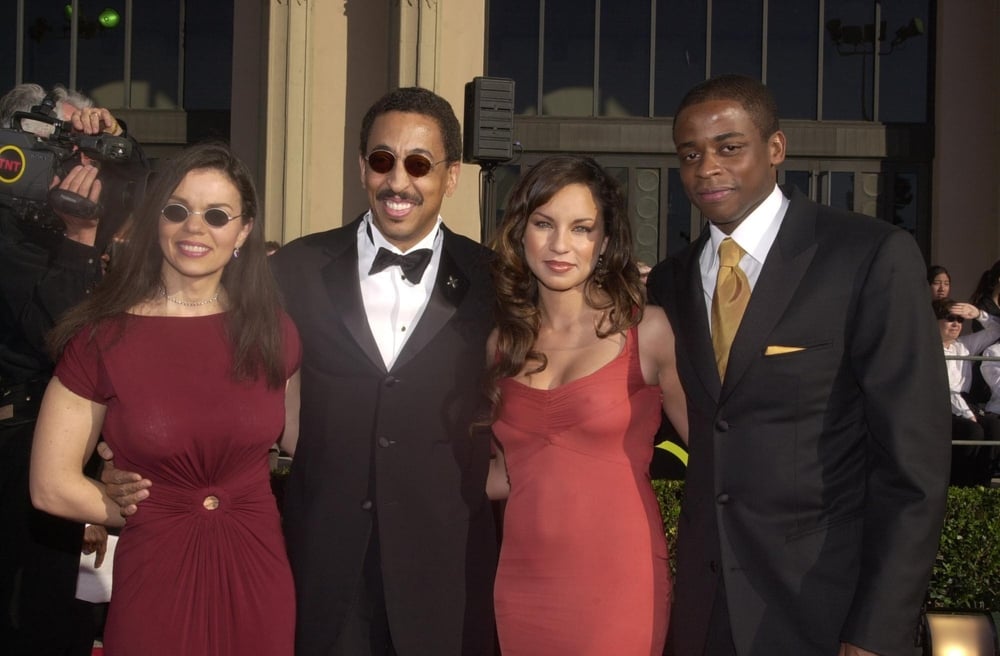
Born in 1946 in New York, Hines played a pivotal role in the resurgence of tap dancing during the late 20th century.
Before Hines, tap dancing was declining, relegated to Las Vegas variety shows and occasional TV mentions.
He breathed new life into the genre.
He was recognized for creating improvised tap choreography, highlighting his exceptional skill and creativity.
Hines could improvise tap steps, rhythms, and sounds like a drummer playing solo, varying his steps based on the sounds produced.
Hines also created a miked portable stage that amplified tap sounds, ensuring the tap dancer’s presence matched the intensity of accompanying loud music.
He didn’t just keep tap alive — he modernized it, made it relevant to new generations, and trained the dancers who would carry it forward.
Merce Cunningham

Cunningham knew Martha Graham’s work well, having performed in her company for several years.
He eventually rebelled against her definition of modern dance.
For Graham, movement was full of meaning.
For Cunningham, it was simply movement.
He rejected the early developments of modern dance to find something more pure and abstract, using a choreographic method he created called Chance Method Choreography.
Cunningham created movement but didn’t dictate what the music or set should be — the music was often unknown to dancers until performance night.
His collaborations with avant-garde artists like John Cage, Robert Rauschenberg, and Andy Warhol pushed dance into conceptual territory.
Cunningham proved that dance didn’t need narrative or emotion to be profound.
It could be about pure movement, space, and time.
Savion Glover

Born in 1973, Glover is best known for his role in the Broadway hit ‘The Tap Dance Kid’ and seamlessly blends classic moves with his contemporary style.
Glover is known for his innovative and dynamic style, which has helped push the boundaries of tap dance.
Many performers, including Hines himself, called the young Glover the ‘Michael Jordan of Tap.’
Glover has the ability to take old-school moves and upgrade them to fit his unique style, with an outstanding ability to learn quickly.
He approached tap as percussion, as music made with feet.
His powerful, rhythmically complex style brought tap into the hip-hop era.
Glover represents the new generation of tap dancers who honor the tradition while refusing to be bound by it.
Misty Copeland

In 2015, Copeland made history as the first African American woman promoted to principal dancer at American Ballet Theatre in the company’s 75-year history.
Unlike most dancers, she began her training at the age of thirteen.
Her talent, resilience, and advocacy have inspired countless aspiring dancers and shattered barriers within the ballet community.
Copeland established the Misty Copeland Foundation in 2022 to promote diversity and inclusion in dance.
Her visibility matters enormously.
She proved that ballet’s rigid standards about body type and race could be challenged and changed.
Young dancers of color now have someone who looks like them performing at the highest levels of classical ballet.
That representation is revolutionary.
The Nicholas Brothers
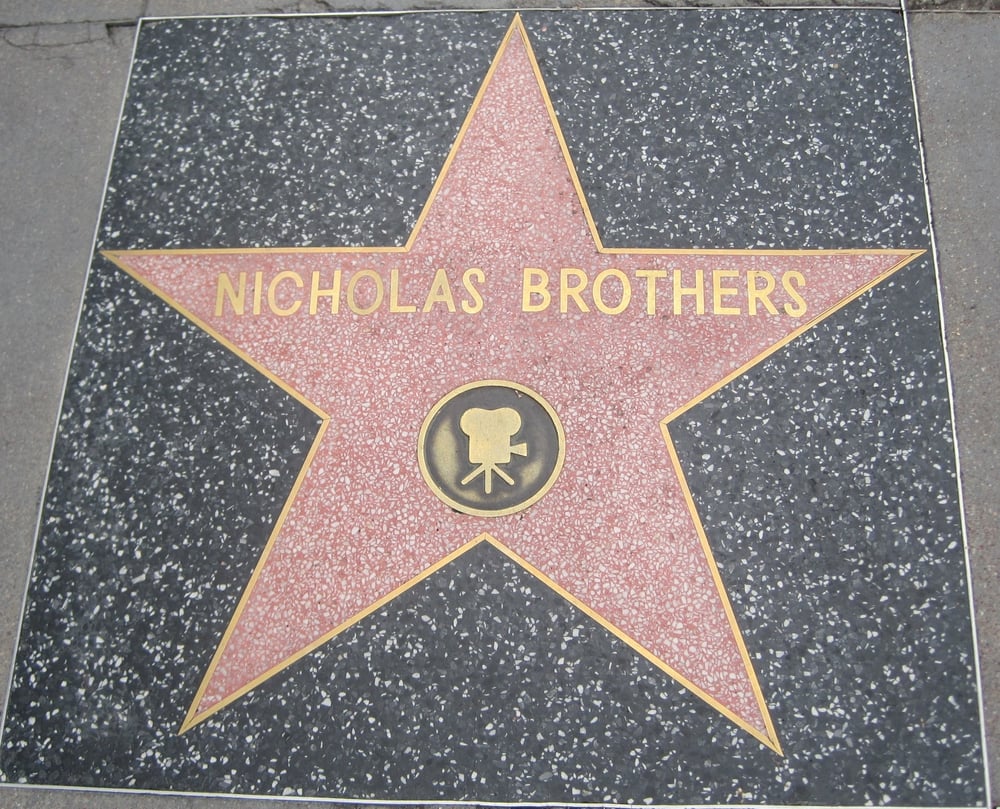
Fayard and Harold Nicholas, hailing from Philadelphia, were widely acclaimed as the greatest tap dancers of their era.
Excelling in a range of techniques, particularly during the 1930s and 1950s, they were celebrated for their highly acrobatic technique and extraordinary artistry.
Fred Astaire himself credited their mind-blowing performance in ‘Stormy Weather’ as one of the greatest dance numbers ever filmed.
Their signature move — leaping down stairs in splits while landing in perfect rhythm — defied both gravity and belief.
Their distinctive style was characterized by flexibility, strength, and fearlessness.
The Nicholas Brothers made tap athletic and acrobatic in ways that seemed impossible.
They maintained elegance throughout.
They’re proof that technical virtuosity and showmanship can coexist perfectly.
Sylvie Guillem

Guillem broke the mould and redefined what a ballerina could be, post-Fonteyn.
She excelled in classical repertoire then forged new pathways with contemporary choreographers.
She joined Paris Opera Ballet at age 16 and became the company’s youngest-ever étoile.
In 2001, she was the first-ever winner of the Nijinsky Prize for the world’s best ballerina.
Guillem’s willingness to work outside traditional ballet companies, collaborating with contemporary choreographers, expanded what ballet dancers could do.
She moved between classical and contemporary work with equal mastery, refusing to be categorized.
Her career showed that dancers could have artistic freedom and still reach the highest technical levels.
Carlos Acosta

The Cuban-British ballet director and retired dancer, born in 1973 in Havana, is renowned as one of the greatest classical dancers of the modern age.
Despite being the 11th child in a poor family, Acosta’s talent and dedication propelled him to success.
At the remarkable age of 16, Acosta won the prestigious Prix de Lausanne in 1990.
He became the Royal Ballet’s first Black principal dancer, breaking barriers in British ballet.
Acosta has captivated audiences worldwide with his exceptional talent and magnetic stage presence.
His combination of technical brilliance, charisma, and his mission to make ballet more diverse has inspired countless dancers.
He’s now focused on creating opportunities for young dancers in Cuba.
He ensures the next generation has the chances he fought for.
Ginger Rogers

Born in 1911 in Missouri, Rogers was an iconic figure during Hollywood’s Golden Age.
She was renowned for her versatility as an actress, dancer, and singer.
She achieved widespread fame as the cherished partner of Fred Astaire in a series of timeless movie musicals.
Fred Astaire and Ginger Rogers were the King and Queen of Hollywood dance productions.
They created a blockbuster sensation in their nine films together.
Rogers wasn’t a natural tap dancer.
She had to observe Astaire’s technique to improve hers, showing that even the best have to start somewhere.
That makes her achievement even more impressive.
She matched Astaire step for step, backward and in heels, while acting and singing.
Rogers proved that dancers could be complete entertainers.
She showed that hard work could match natural talent.
Maya Plisetskaya

Born in Moscow in 1925, Plisetskaya became a principal dancer with the Bolshoi Ballet and gained worldwide acclaim for her performances.
Her artistry transcended traditional norms, embracing innovation and experimentation while staying true to the essence of ballet.
Her interpretations of roles such as Carmen and Swan Lake’s Odette/Odile remain etched in ballet history.
Plisetskaya performed well into her 70s, defying age expectations for dancers.
She was a versatile talent esteemed as a ballet dancer, choreographer, ballet director, and actress.
Her dramatic flair and exceptional technique made every performance memorable.
She represented Soviet ballet at its peak, yet her artistry spoke universally.
Where They Lead Us

These twenty-one dancers span centuries, continents, and countless styles, but they share something fundamental.
Each one refused to accept dance as they found it.
They pushed against technique, tradition, and expectation until something new emerged.
Ballet became more athletic, more diverse, more emotionally honest.
Modern dance developed vocabulary and depth.
Tap moved from vaudeville entertainment to concert stage.
Jazz evolved from nightclubs to Broadway to cultural commentary.
What matters isn’t just what these dancers achieved in their own careers, though those achievements were extraordinary.
It’s what they made possible for everyone who came after.
Every dancer today who breaks a barrier, who creates a new style, who refuses to fit into predetermined categories — they’re walking paths these pioneers cleared.
Dance keeps evolving because these artists proved it could, and should, and must.
The story isn’t finished.
Somewhere right now, a young dancer is watching videos, taking class, working on something that might change everything.
That’s the real legacy.
More from Go2Tutors!

- The Romanov Crown Jewels and Their Tragic Fate
- 13 Historical Mysteries That Science Still Can’t Solve
- Famous Hoaxes That Fooled the World for Years
- 15 Child Stars with Tragic Adult Lives
- 16 Famous Jewelry Pieces in History
Like Go2Tutors’s content? Follow us on MSN.