22 Machines That Changed Factory Work Forever
Factory work has been reinvented several times over, and almost every reinvention traces back to a single machine that made the old way of doing things suddenly look slow, wasteful, or unsafe by comparison. Some of these inventions triggered riots among workers who saw their livelihoods threatened.
Others quietly automated tasks nobody missed. All of them changed what a factory floor actually looked like.
The Spinning Jenny
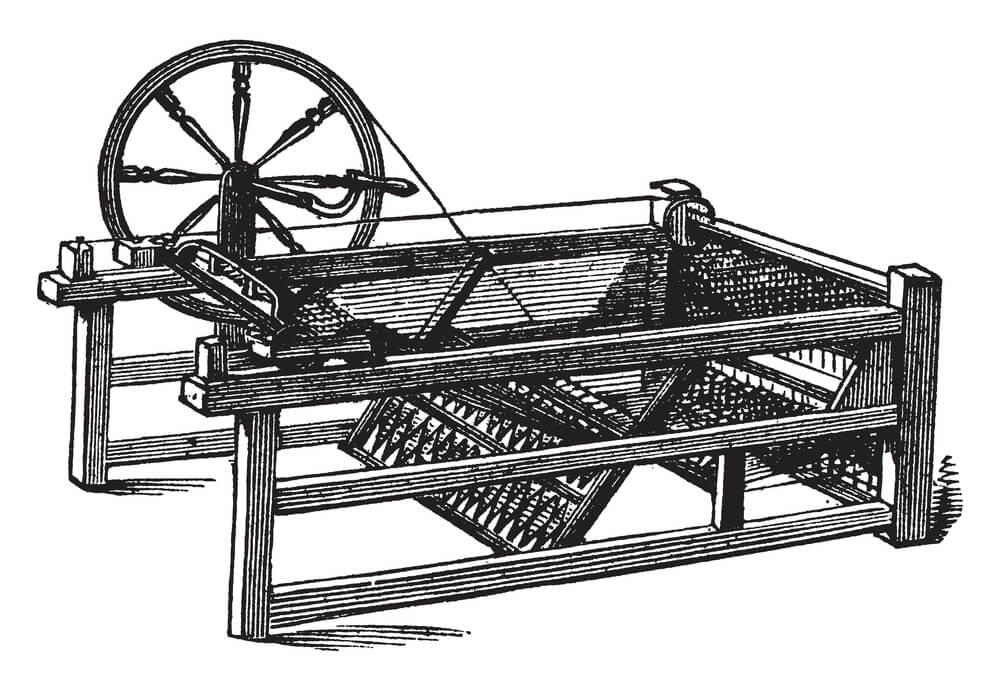
James Hargreaves introduced the spinning jenny in 1764, a hand-powered frame that allowed a single worker to spin multiple threads of yarn simultaneously instead of just one, multiplying textile output dramatically without requiring new sources of power. The device was compact enough to use in a home workshop, which meant its early impact was felt in cottage industry before factories fully absorbed the technology.
Handspinners in Lancashire, threatened by the sudden surge in productivity, reportedly broke into Hargreaves’s home and destroyed several of his machines, an early sign of the labor tension mechanization would keep producing for centuries.
The Water Frame
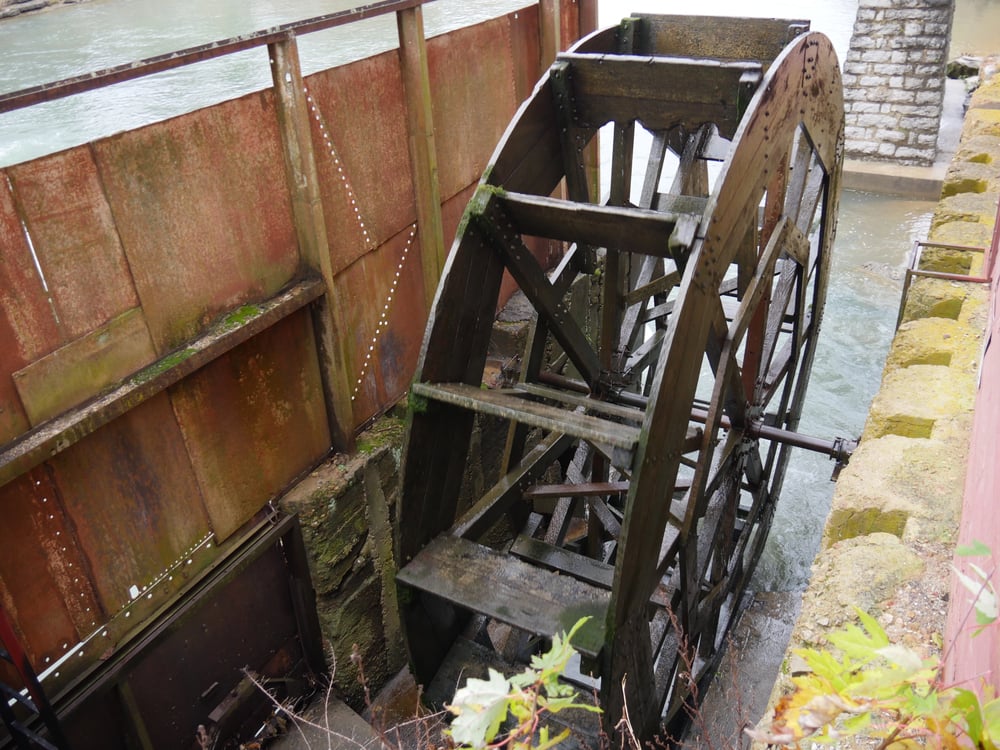
Richard Arkwright patented the water frame in 1769, a spinning machine powered by a water wheel rather than human effort, which made it far too large and expensive for home use and effectively forced textile production into centralized factory buildings built near rivers. Arkwright’s Cromford Mill, opened in 1771, is widely considered one of the first true factories in the modern sense, organizing workers around a continuously running machine rather than the machine adapting to individual craftsmen.
The shift from home-based piecework to centralized, machine-paced factory labor that began here reshaped the entire structure of industrial employment.
The Power Loom

Edmund Cartwright patented a mechanized loom in 1785 that used external power to weave cloth automatically, a direct challenge to hand-loom weavers who had previously controlled the pace and quality of their own work. Early versions were unreliable and required years of refinement before power looms could match hand weavers on quality, but by the 1820s improved designs had made mechanized weaving dramatically faster and cheaper.
The transition displaced tens of thousands of hand-loom weavers across Britain, fueling social unrest that included organized machine-breaking by workers known as Luddites.
James Watt’s Steam Engine
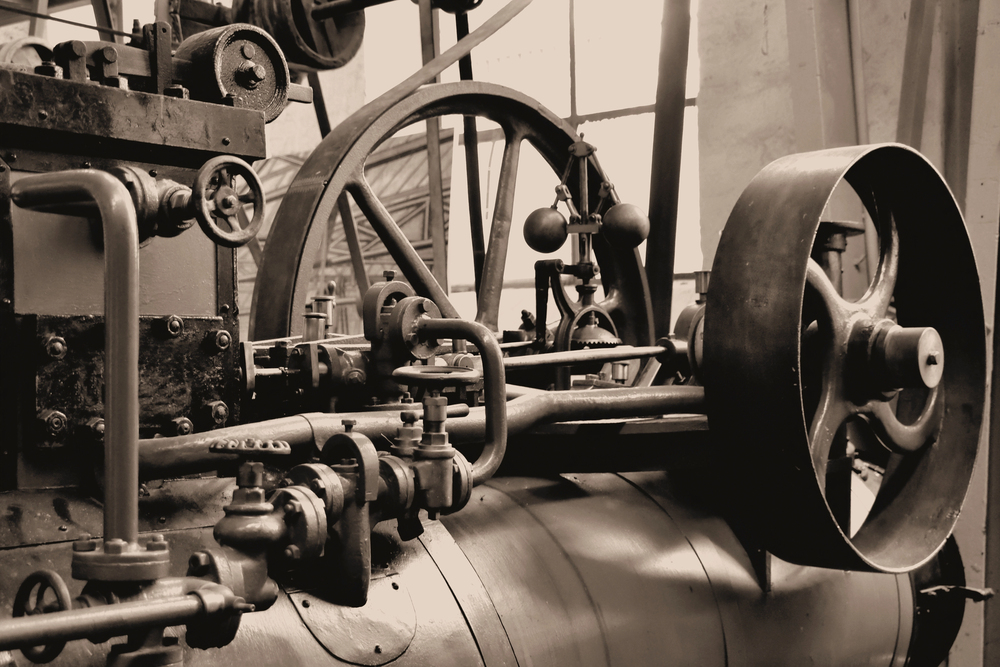
Watt’s improvements to the steam engine, patented in 1769 and refined over the following decades, produced an efficient, reliable power source that did not depend on a factory’s location near flowing water, unlike earlier water-powered machinery. This freed factory owners to build wherever labor and transportation made sense rather than wherever a strong river current happened to exist, accelerating the concentration of industry in growing urban centers.
Steam power became the dominant energy source for factories throughout the nineteenth century, driving everything from textile mills to ironworks.
The Jacquard Loom
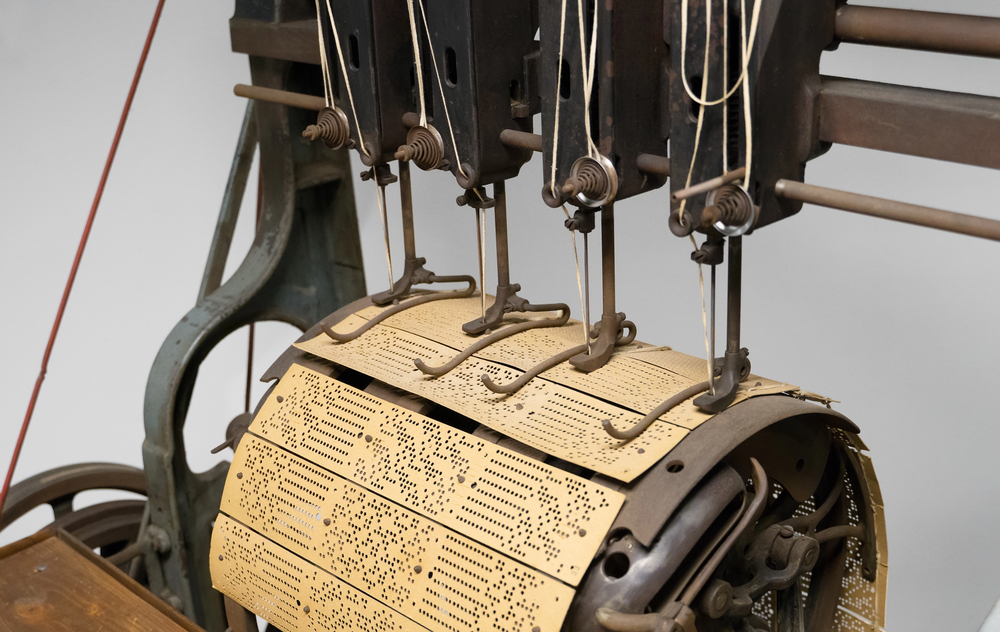
Joseph Marie Jacquard introduced his automated loom in 1804, using a chain of punched cards to control which threads were raised or lowered, allowing complex woven patterns to be reproduced automatically without a skilled weaver manually tracking the design. The punch card control mechanism proved so influential outside textiles that early computer pioneers, including Charles Babbage, directly credited the Jacquard loom’s card system as inspiration for programmable computing machines decades later.
Silk weavers in Lyon, France, rioted against the invention out of fear it would eliminate their trade, foreshadowing automation anxieties that would resurface repeatedly in the centuries following.
The Cotton Gin
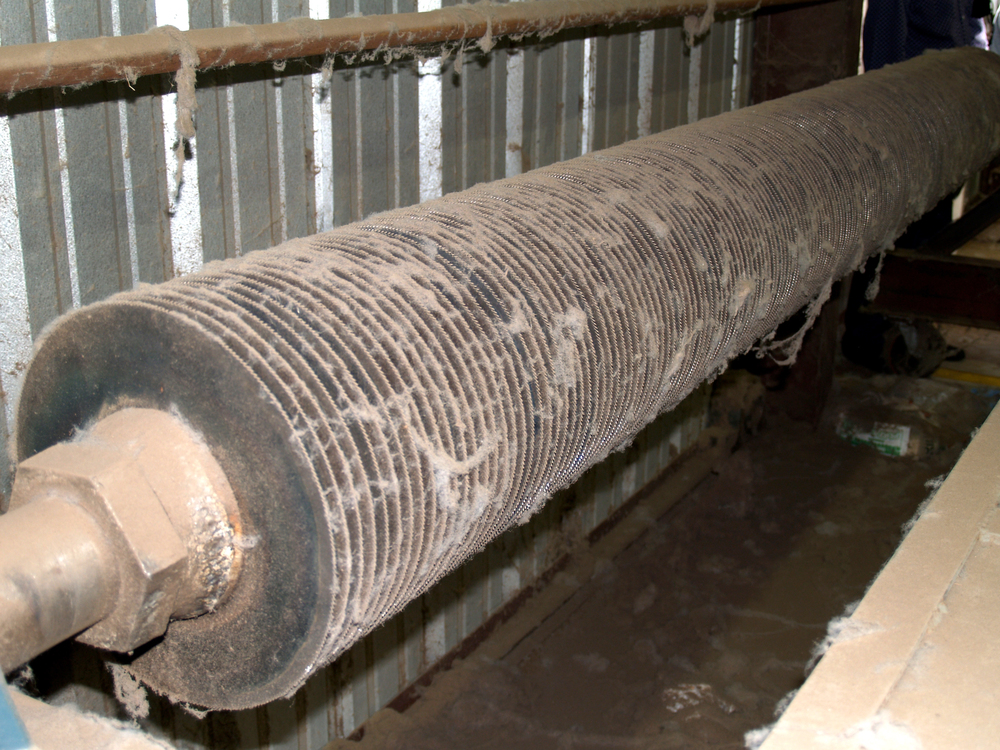
Eli Whitney patented the cotton gin in 1793, a machine that mechanically separated cotton fibers from their seeds far faster than manual processing, transforming cotton into an enormously profitable crop across the American South. The invention dramatically increased demand for enslaved labor to plant and harvest the expanded cotton acreage the gin made economically viable, deepening and entrenching American slavery rather than reducing the need for forced labor as some had predicted.
The gin stands as a stark example of how a single machine’s downstream economic effects can outweigh its immediate mechanical function.
Interchangeable Parts Manufacturing
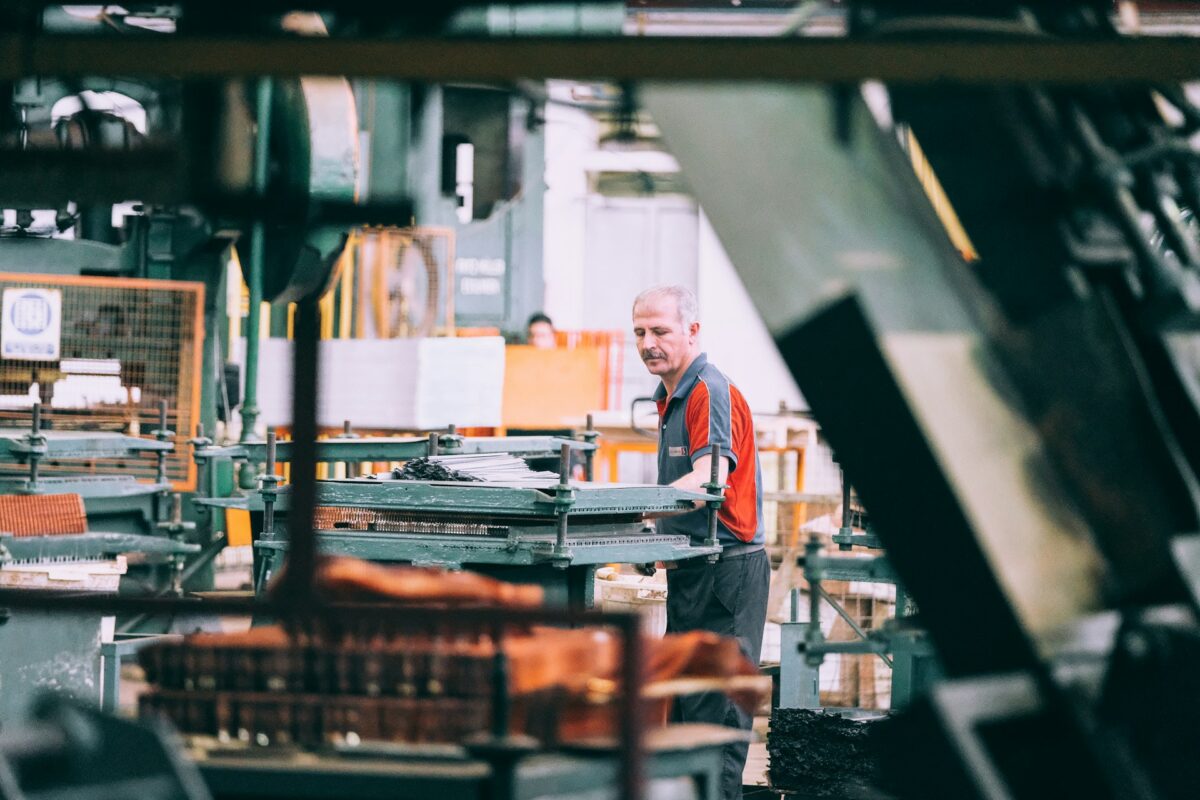
Manufacturers including Eli Whitney in the United States and earlier French gunsmith Honoré Blanc pursued the idea of producing machine parts precise and standardized enough that any unit could be swapped with another without custom fitting, a principle that took decades of refined machine-tool technology to achieve reliably. Once precision machining made true interchangeability practical by the mid-nineteenth century, factories could assemble complex products, first firearms, then eventually almost everything, from stockpiled standardized components rather than hand-fitting each item individually.
The principle became foundational to virtually all modern mass production.
The Bessemer Converter

Henry Bessemer patented his steelmaking process in 1856, using a blast of air through molten iron to burn off impurities and produce steel in a fraction of the time earlier methods required, cutting production costs dramatically. The process turned steel from an expensive specialty material into an affordable industrial staple, enabling the railroad expansion, skyscraper construction, and heavy machinery boom of the following decades.
Factories that had relied on scarce, costly steel components suddenly had access to a cheap, abundant supply, reshaping what industrial equipment could realistically be built from.
The Industrial Sewing Machine
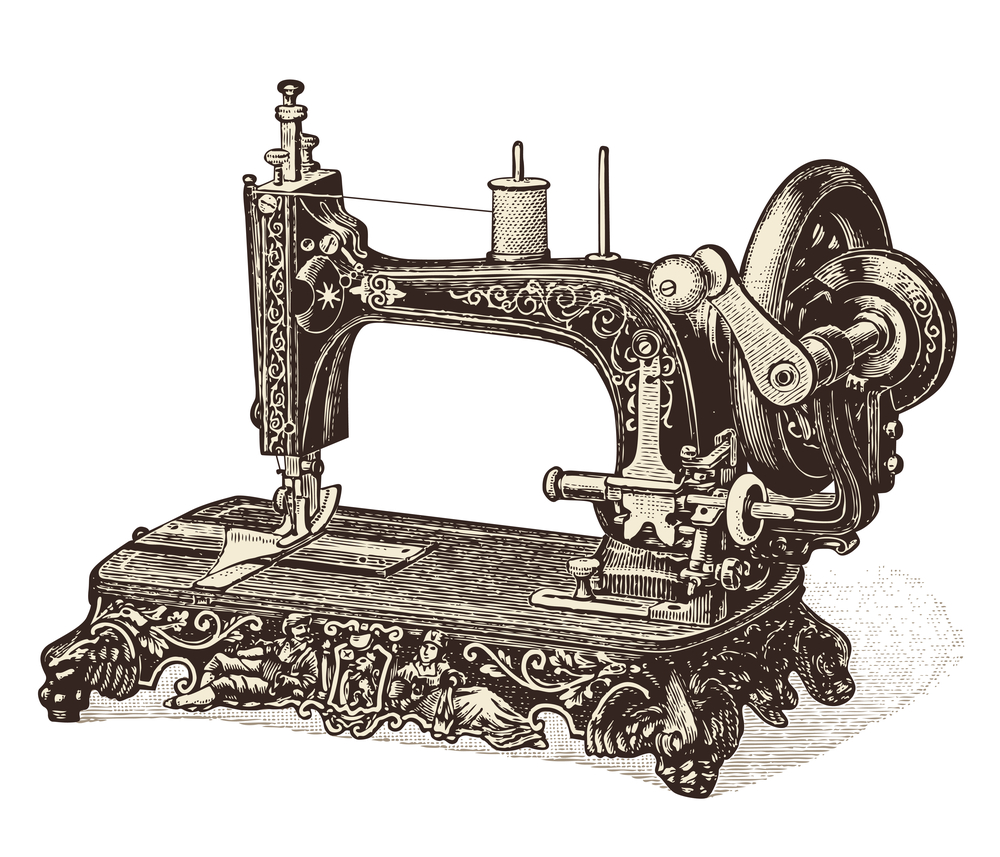
Elias Howe patented a practical lockstitch sewing machine in 1846, and Isaac Singer’s improved, more reliable design brought the technology into widespread commercial use through the 1850s, mechanizing a task that had previously required painstaking hand stitching. Garment factories adopted the machines rapidly, since a single operator could produce finished clothing many times faster than by hand, giving rise to the modern ready-to-wear clothing industry.
The sewing machine also became one of the first complex machines widely marketed for installment payment plans, changing how manufacturers sold industrial equipment to smaller workshops.
Oliver Evans’s Automated Flour Mill
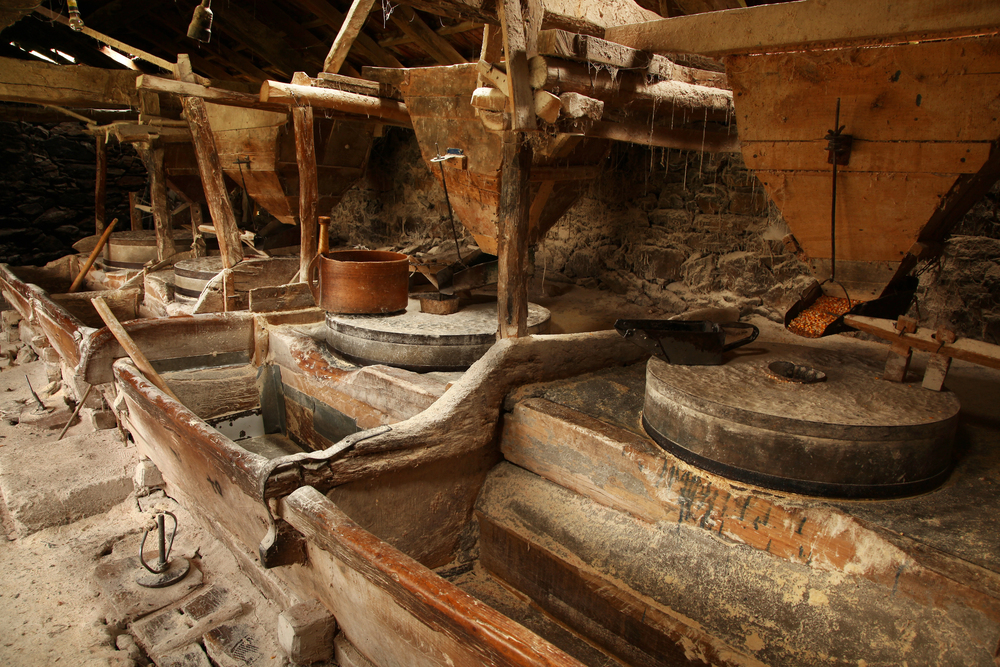
American inventor Oliver Evans designed a flour mill in the 1780s that used a connected system of conveyors, elevators, and hoppers to move grain automatically through every stage of processing, from unloading a wagon to bagging finished flour, without workers manually carrying material between steps. Historians consider it the first fully automated continuous production process in American manufacturing, decades before the concept became common elsewhere.
Evans’s system demonstrated a principle that would eventually define modern manufacturing: that material handling between machines, not just the machines themselves, could be automated.
The Nasmyth Steam Hammer
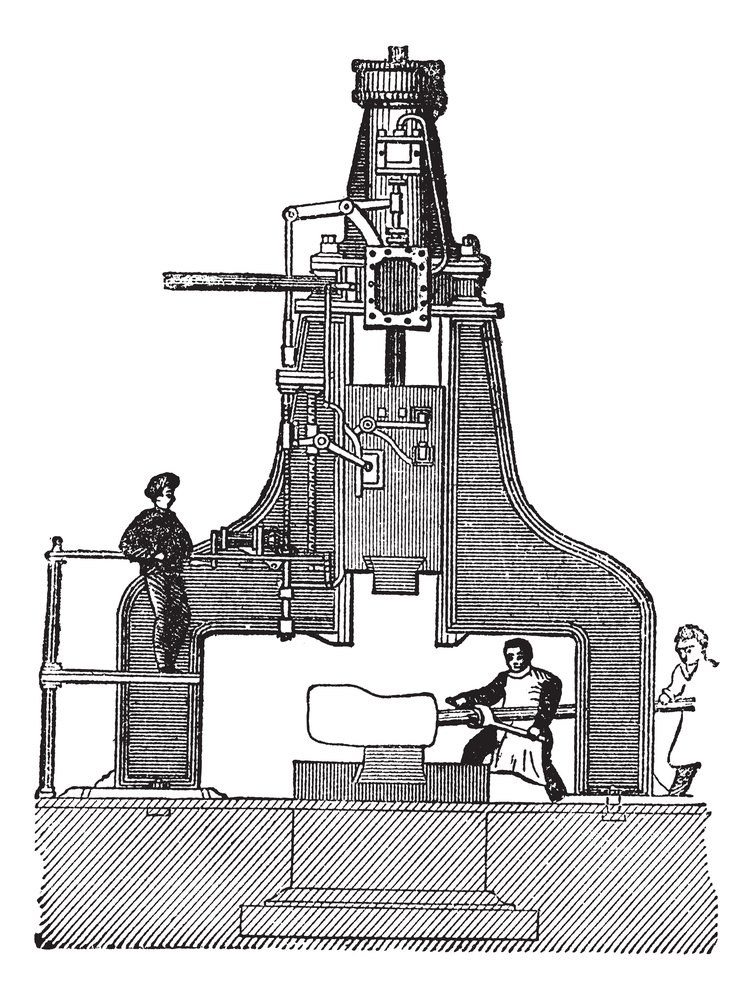
James Nasmyth patented the steam hammer in 1842 after being asked to solve the problem of forging an enormous iron paddle shaft too large for any existing hammer to strike with sufficient force, and his design used steam pressure to raise and drop a massive hammerhead with far greater control than earlier water-powered trip hammers. The machine could deliver anything from a gentle tap to a devastating blow depending on how much steam pressure the operator applied, a level of precision control unheard of in heavy forging equipment before.
Steam hammers became essential to producing the large iron and steel components needed for railroads, ships, and heavy industrial machinery throughout the following century.
Electric Motors on the Factory Floor
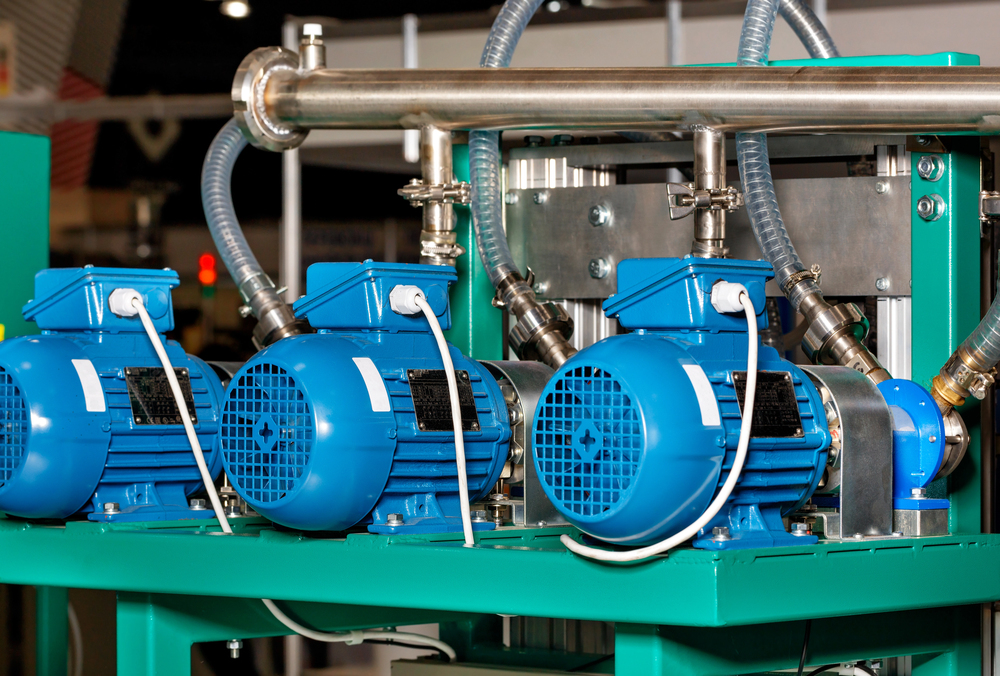
Factories throughout the nineteenth century relied on a single central steam engine connected to every machine on the floor through a complex system of overhead shafts, pulleys, and belts, meaning the entire factory had to run or stop together. The introduction of individual electric motors for each machine, which became practical and affordable by the 1890s and early 1900s, let factory owners power equipment independently and arrange machinery based on workflow rather than proximity to a central drive shaft.
This shift toward what engineers call unit drive fundamentally reorganized factory floor layouts and is considered one of the most significant productivity gains in industrial history.
The Moving Assembly Line

Henry Ford’s Highland Park plant introduced the moving assembly line for automobile production in 1913, using a continuously moving conveyor to bring a chassis to stationary workers, each performing one specific task repeatedly rather than moving between different parts of the vehicle. The innovation cut the time needed to assemble a Model T chassis from roughly twelve hours to about ninety minutes, and it allowed Ford to lower prices enough to make automobile ownership realistic for ordinary American workers for the first time.
The technique became the defining template for large-scale manufacturing throughout the twentieth century, well beyond the automotive industry.
The Conveyor Belt

Continuous conveyor systems saw early large-scale use in Chicago’s meatpacking industry starting in the 1860s and 1870s, where carcasses moved along an overhead rail past stationary workers performing specific cutting tasks, a disassembly line that Henry Ford later credited as a direct inspiration for his own assembly line concept. The basic principle of moving material past fixed workstations, rather than having workers move to the material, proved adaptable across an enormous range of industries.
Conveyor systems remain a fundamental fixture of manufacturing and logistics facilities today, essentially unchanged in concept from their nineteenth-century origins.
Unimate, the First Industrial Robot
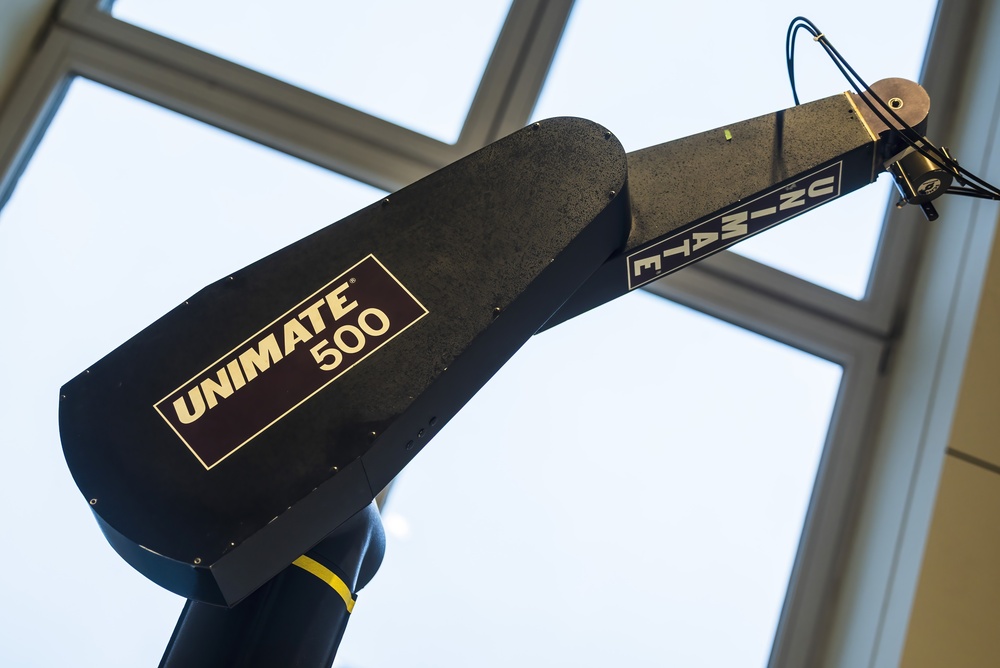
General Motors installed the first Unimate industrial robot on an assembly line in 1961, a hydraulically powered robotic arm designed by inventor George Devol to handle hot metal die-castings too dangerous or uncomfortable for human workers to manage repeatedly. The machine could be programmed to perform a sequence of movements and repeat them indefinitely with consistent precision, a capability no earlier factory equipment offered.
Unimate’s success launched the industrial robotics industry, and robotic arms performing welding, painting, and assembly tasks are now standard equipment across automotive and electronics manufacturing worldwide.
Computer Numerical Control Machining
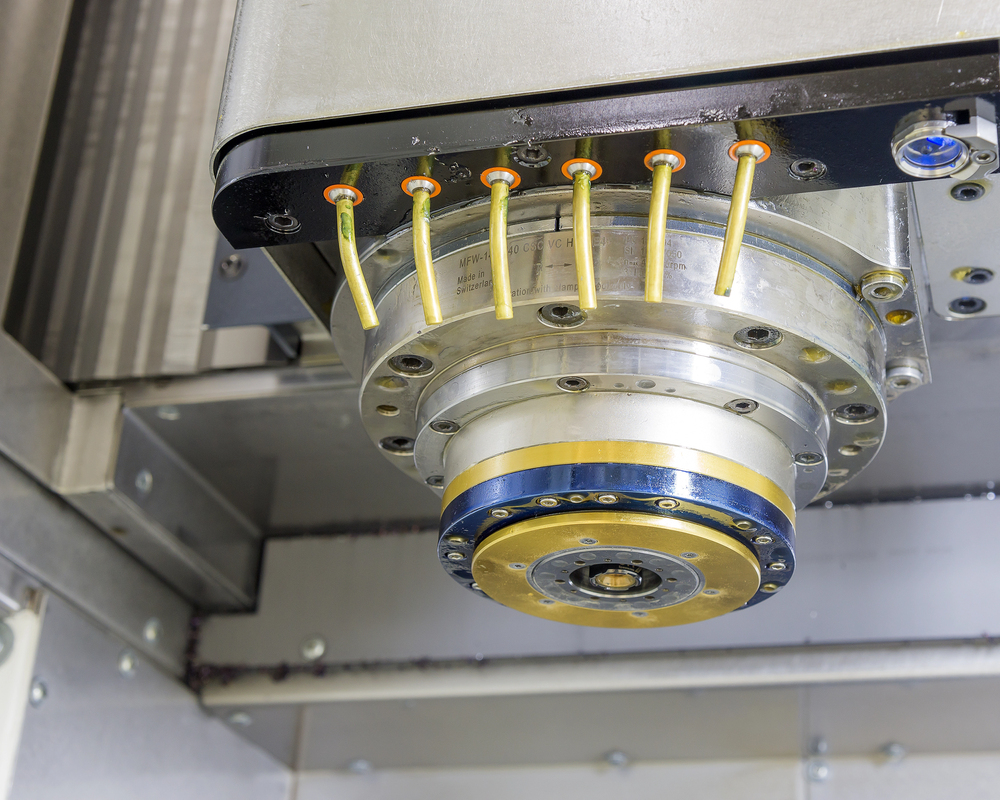
Researchers at MIT, working with manufacturer John Parsons in the early 1950s, developed the first numerically controlled milling machine, which used punched paper tape to direct cutting tools through complex shapes automatically rather than relying on a machinist manually guiding the cut. As computing technology advanced, this evolved into modern CNC, or computer numerical control, machining, which now directs cutting tools with a precision and repeatability no human operator could reliably match by hand.
The technology transformed how complex metal and plastic components are manufactured across aerospace, automotive, and general industrial production.
The Linotype Machine
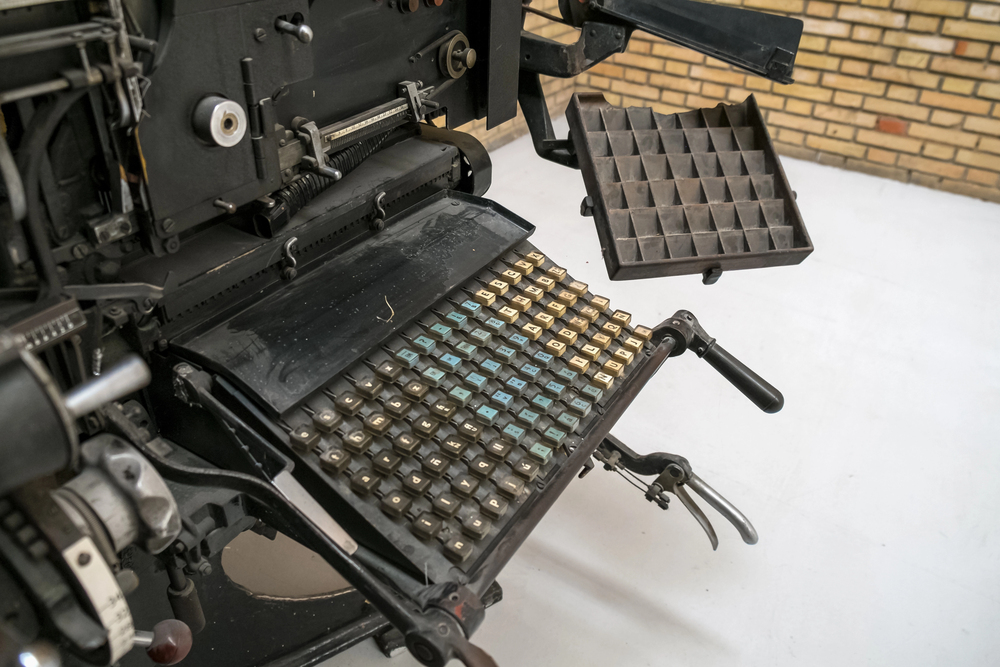
Ottmar Mergenthaler introduced the Linotype machine in 1884, a mechanical typesetting device that allowed an operator to cast an entire line of type at once from molten metal using a keyboard, replacing the painstakingly slow process of setting individual metal letters by hand. Newspaper production speed increased so dramatically that publishers could print far larger editions with far fewer typesetters, reshaping the economics of the printing industry almost overnight.
The machine remained the dominant typesetting technology for printing plants for nearly a century before phototypesetting and digital methods eventually replaced it.
The Hollerith Tabulating Machine
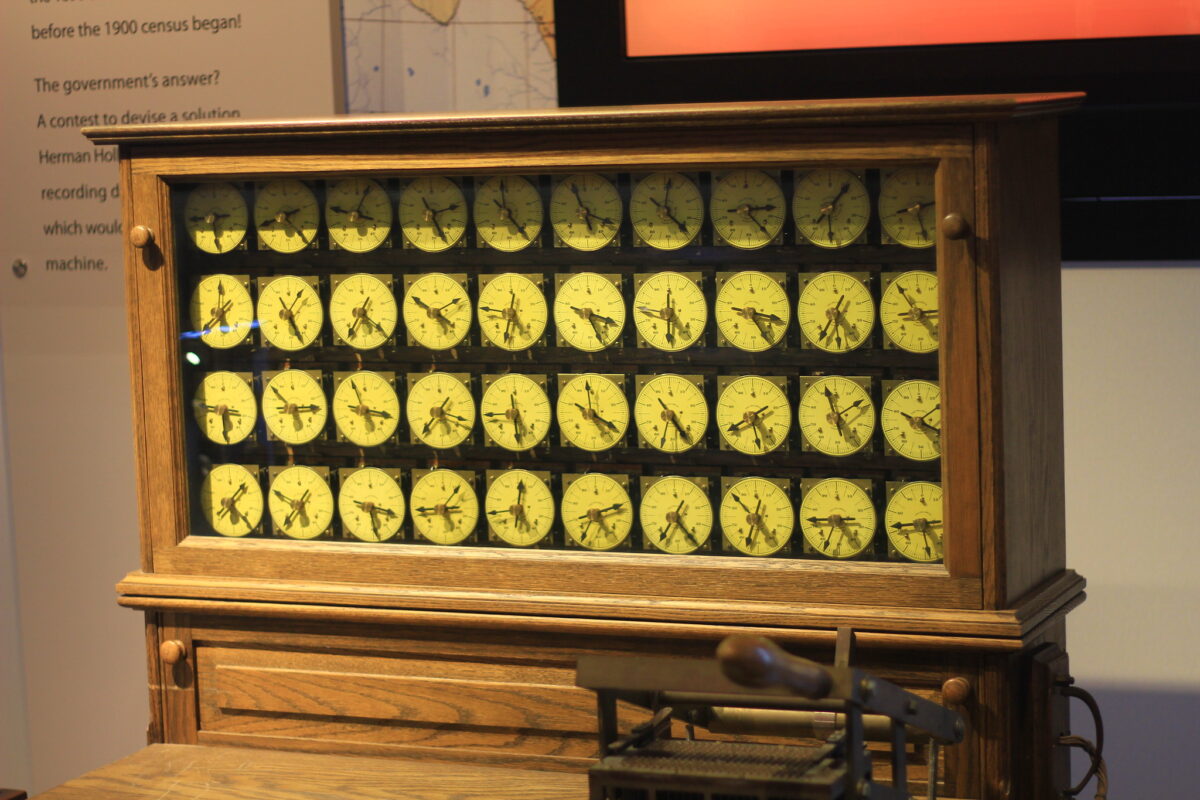
Herman Hollerith designed a punch-card tabulating machine to process the 1890 United States census, using electrically read punched cards to count and sort data far faster than clerks tallying results by hand, cutting the processing time for the massive dataset from years down to months. Businesses quickly recognized the machine’s potential for tracking inventory, payroll, and production data at industrial scale, and Hollerith’s company eventually became part of what evolved into IBM.
Factories adopted punch-card data systems widely through the twentieth century to track production output, a direct precursor to the digital manufacturing data systems used today.
The Diesel Engine
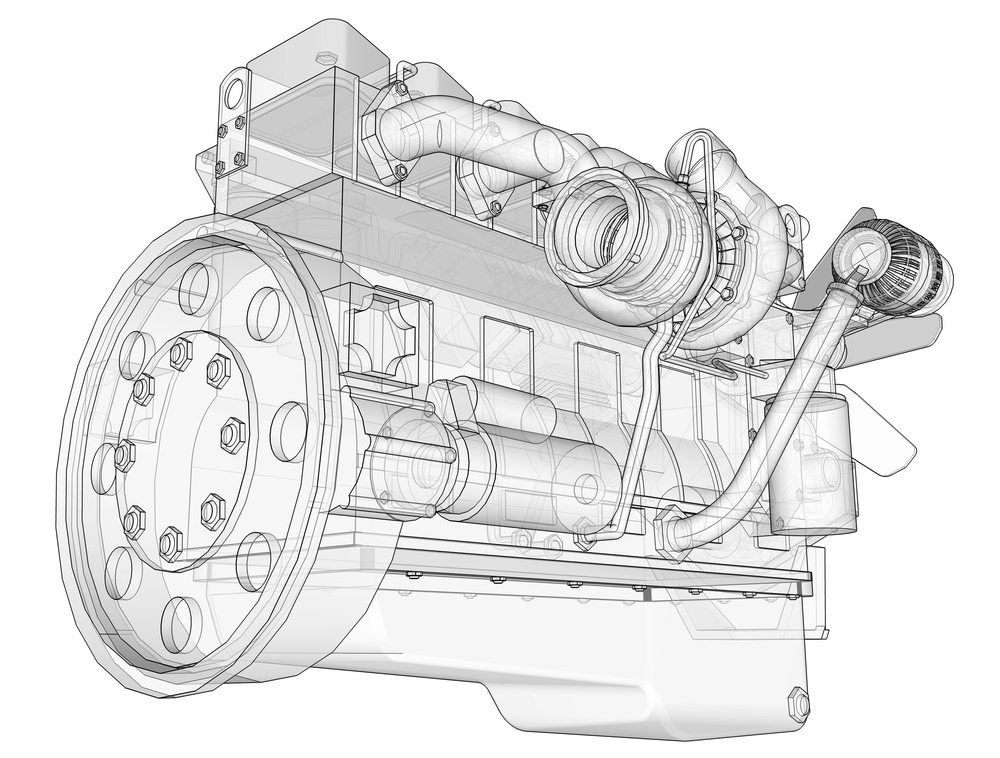
Rudolf Diesel patented his compression-ignition engine design in 1893, and by the time practical versions reached industrial use around the turn of the century, the diesel engine offered significantly better fuel efficiency than the steam engines and early gasoline engines it competed against. Factories and heavy equipment manufacturers adopted diesel power for its reliability and lower operating costs, particularly for stationary power generation and heavy machinery that needed to run for long, continuous stretches.
Diesel engines remain the standard for heavy industrial equipment and machinery that requires sustained, high-torque power output.
The Hydraulic Press
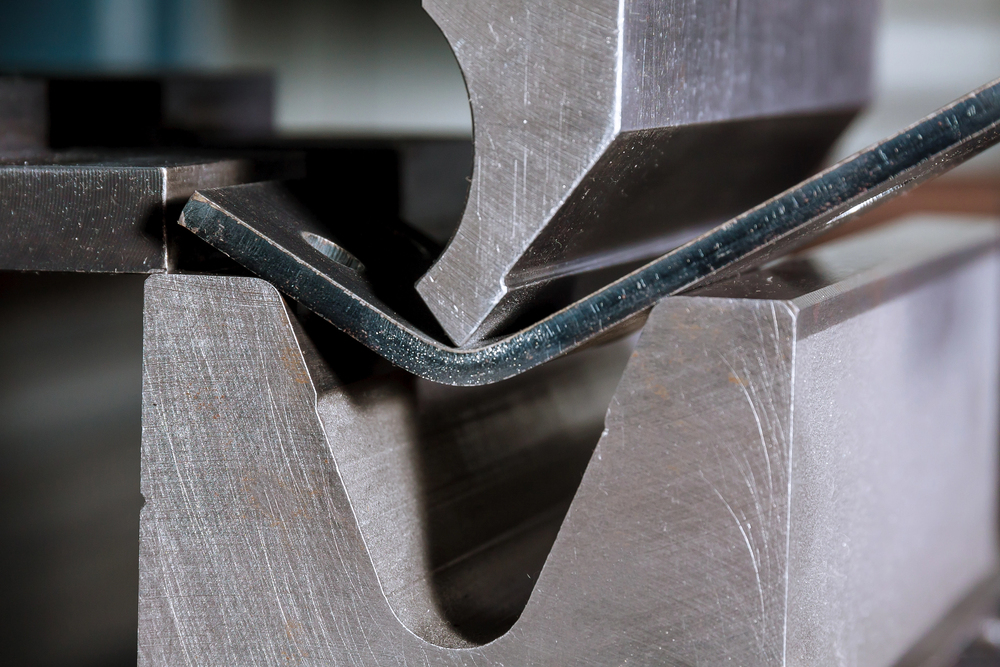
Joseph Bramah patented the hydraulic press in 1795, applying Pascal’s principle of fluid pressure to generate enormous mechanical force from a comparatively small input, using a fluid-filled cylinder to multiply pressure applied at one end into far greater force at the other. The design made it possible to shape, stamp, and forge metal with a level of controlled force that earlier mechanical presses could not match, particularly for large or thick material.
Hydraulic presses became essential equipment across metalworking, automotive stamping, and heavy manufacturing, and the basic Bramah design principle still underlies hydraulic presses built today.
The Programmable Logic Controller
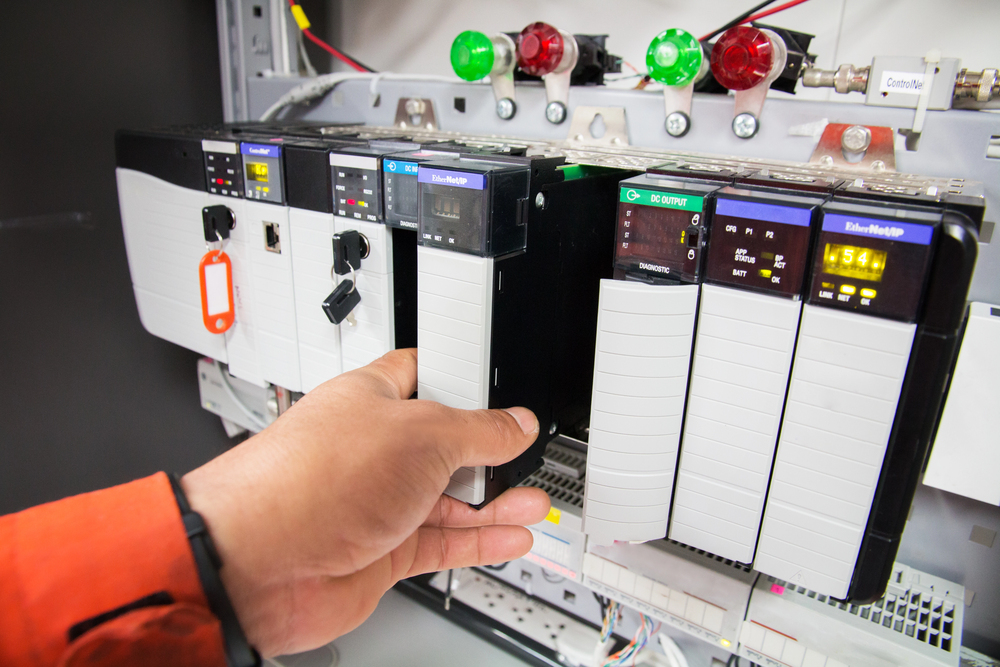
Engineer Morley developed the first programmable logic controller in 1968 for the Modicon company, responding to an automotive manufacturer’s request for a rugged, reprogrammable alternative to the hardwired relay control panels then used to sequence factory machinery, which required a costly manual rewiring job every time a production line changed. The new controller could be reprogrammed through software instead, letting factories adjust automated processes in hours rather than the weeks a relay panel rewiring project typically demanded.
Programmable logic controllers remain the standard system controlling automated machinery across manufacturing plants worldwide.
Industrial Additive Manufacturing
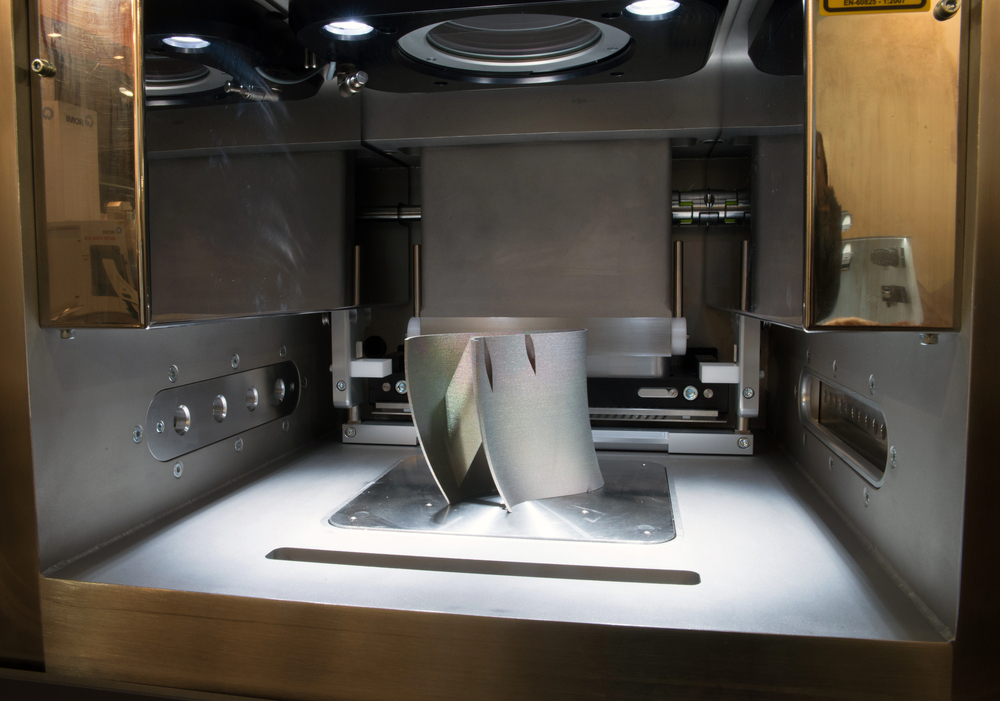
Charles Hull patented the first practical 3D printing process, stereolithography, in 1986, using a laser to cure liquid resin into solid layers that built up into a complete three-dimensional object without requiring a mold or subtractive machining. Manufacturers initially used the technology mainly for rapid prototyping, but improvements in speed, material strength, and cost over subsequent decades have pushed additive manufacturing into direct production of finished parts, particularly in aerospace and medical device manufacturing.
The technology represents a genuine departure from every prior manufacturing method on this list, building objects up rather than cutting, casting, or assembling them from separate components.
The Machine That Never Finishes Arriving
Every entry on this list solved a specific, narrow problem: a bottleneck in spinning thread, a shortage of skilled typesetters, a factory that could not run two machines at different speeds. None of the inventors were trying to redefine the entire concept of industrial labor.
They were trying to fix the thing directly in front of them, and the broader transformation followed almost as a side effect. That pattern has not stopped.
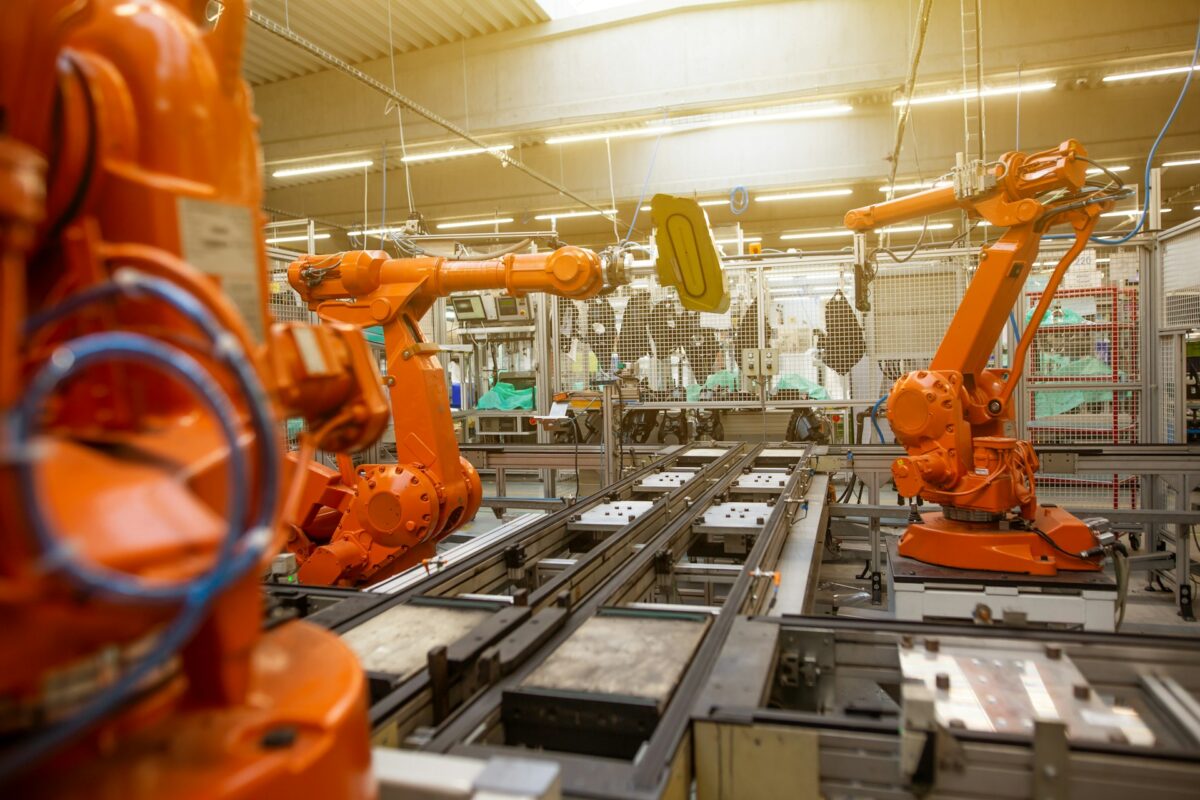
Robotics, programmable controllers, and additive manufacturing are simply the most recent chapter in a process that began with a hand-cranked spinning frame in a Lancashire cottage. Factory work keeps getting reorganized around whatever machine just made the previous arrangement look unnecessarily slow, and there is no obvious reason to think that pattern is anywhere near finished.
More from Go2Tutors!

- The Romanov Crown Jewels and Their Tragic Fate
- 13 Historical Mysteries That Science Still Can’t Solve
- Famous Hoaxes That Fooled the World for Years
- 15 Child Stars with Tragic Adult Lives
- 16 Famous Jewelry Pieces in History
Like Go2Tutors’s content? Follow us on MSN.