27 Old Watches Worth an Appraisal Before Selling
A drawer of inherited watches often gets sold together as a single lot, priced by an estimate of the gold or silver content and nothing else. That approach misses a category of watches where the movement, the maker, or a specific production detail is worth considerably more than the case metal alone, which is exactly why an appraisal before selling matters.
Rolex Submariner References from the 1960s and 1970s
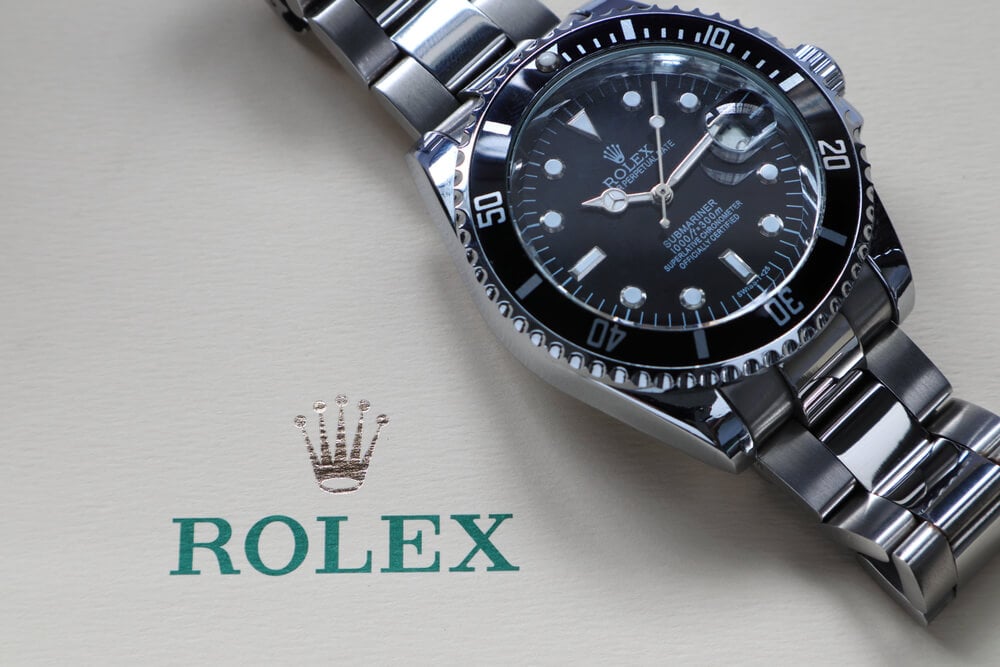
Early Rolex Submariner references, particularly ones with their original dial configuration and unpolished case edges intact, are among the most actively appraised watches in the secondhand market, since even minor variations in dial text or bezel design shift the value substantially. A Submariner with clearly matched serial and reference numbers should always be professionally verified before any sale.
Omega Speedmaster Professional
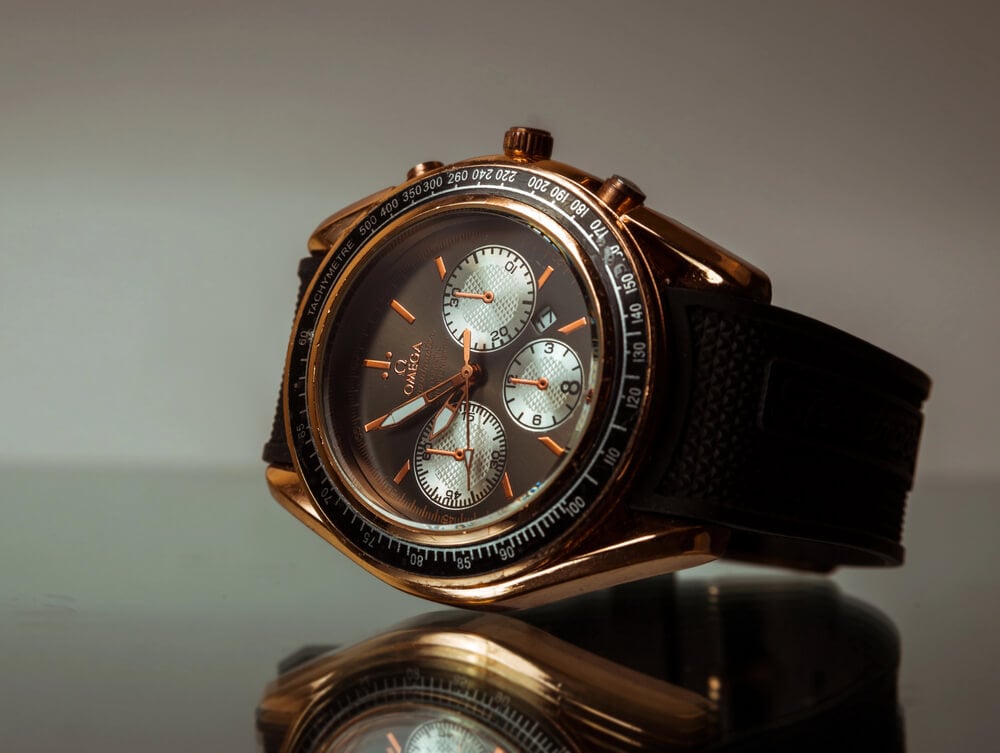
The Omega Speedmaster Professional, worn on NASA missions including the Apollo moon landings, carries strong collector demand for examples from before later production changes to the movement and case design. A pre-moon or early moon-landing-era Speedmaster with its original bracelet intact should be appraised specifically for its reference number and movement generation.
Elgin Railroad Grade Pocket Watches
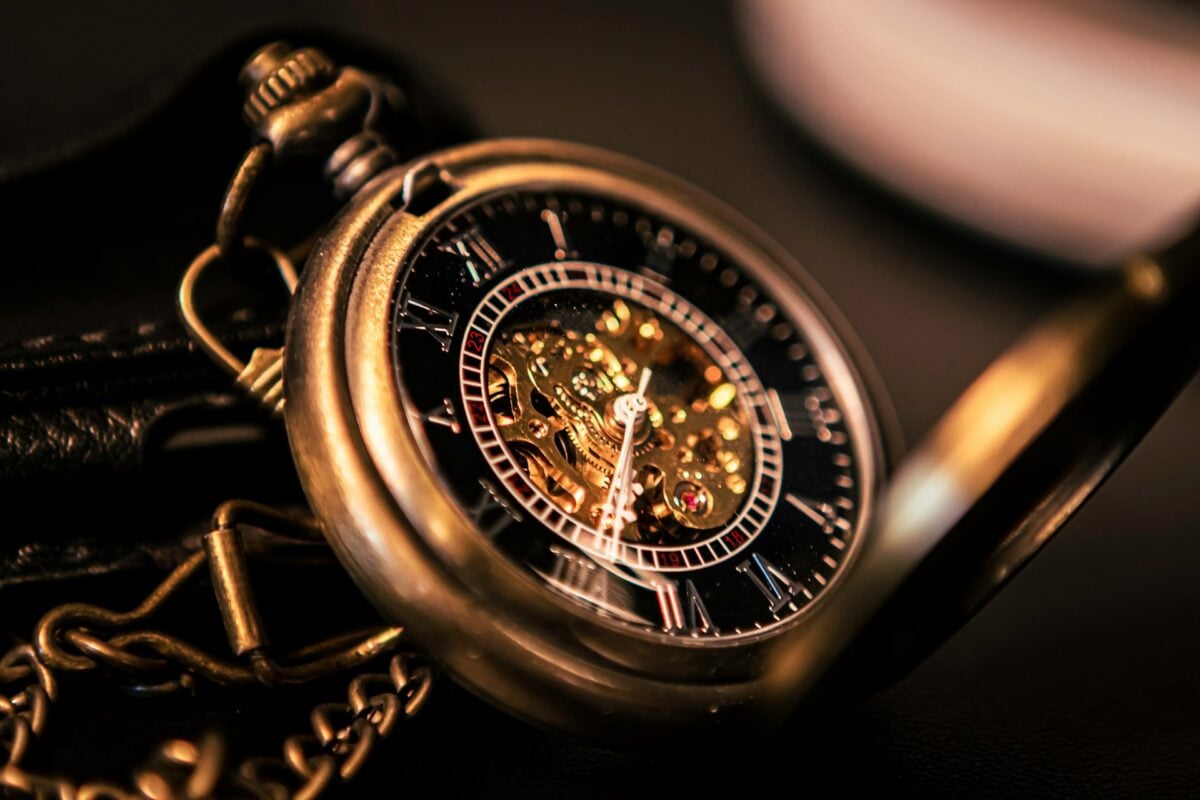
Elgin’s railroad-grade pocket watches, built to strict accuracy standards required for railway timekeeping through the early twentieth century, remain functional timepieces and are sought by collectors of American railroad history. A movement with its original railroad-approved serial number and undamaged case deserves appraisal before being sold as scrap gold-filled material.
Hamilton Military Field Watches
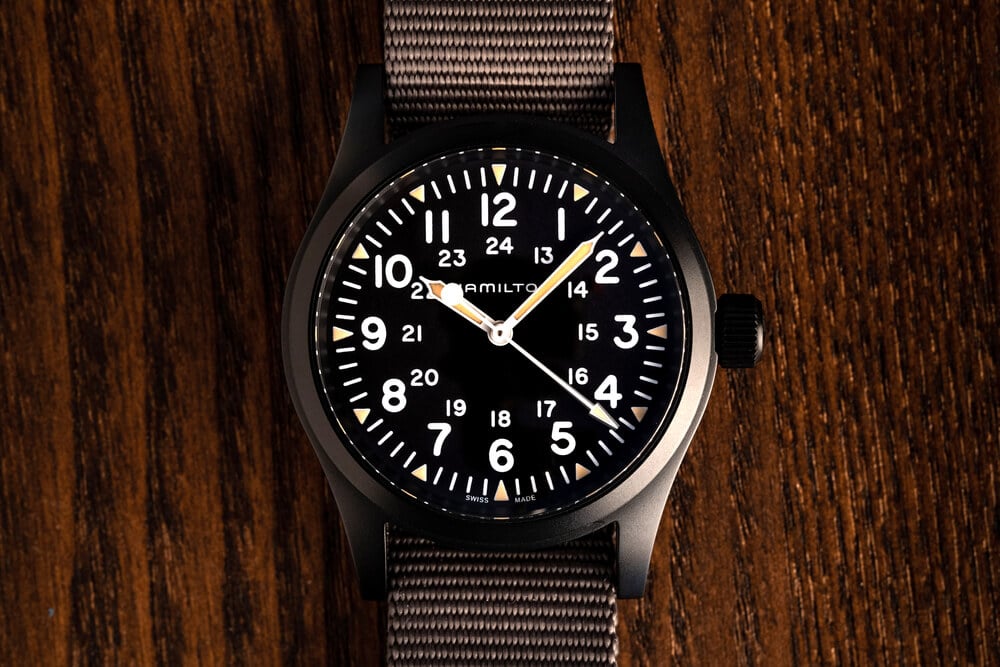
Hamilton produced field watches under government contract for American servicemembers through both World Wars, and surviving examples with their original military case-back markings intact are sought by both watch collectors and militaria specialists. A watch with legible ordnance markings should be appraised separately from an unmarked civilian model of similar age.
Longines Chronographs from the Early Twentieth Century
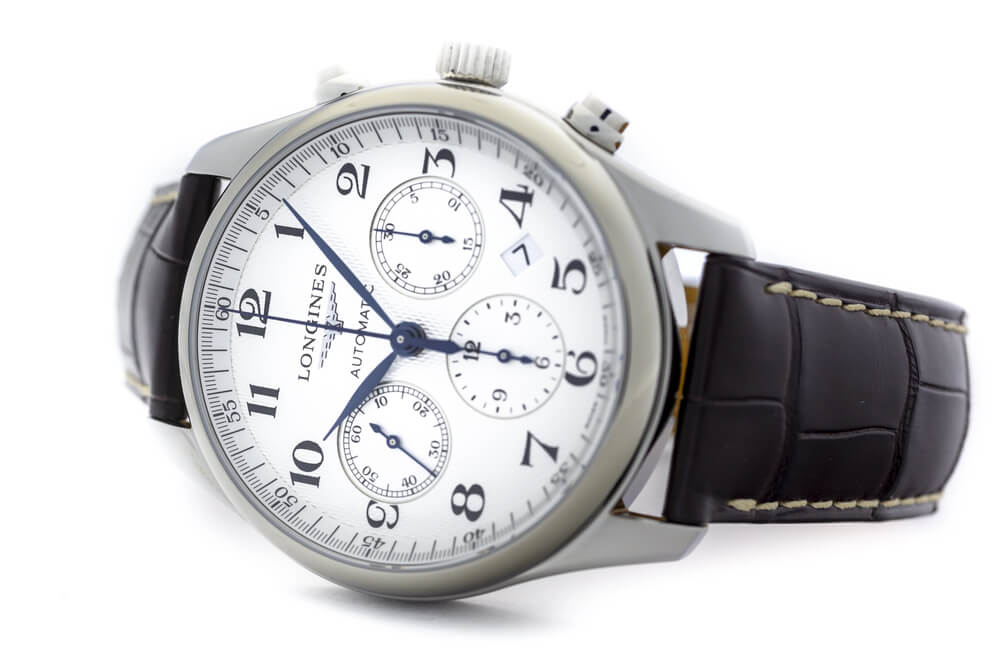
Longines chronograph movements from the early to mid-twentieth century are respected among watchmakers for engineering that predates the company’s later mass-market positioning, and specific early references draw serious collector interest. A chronograph with its original pushers and dial configuration intact should never be sold without a specialist reviewing the reference number first.
Waltham Pocket Watches with Multicolor Gold Cases
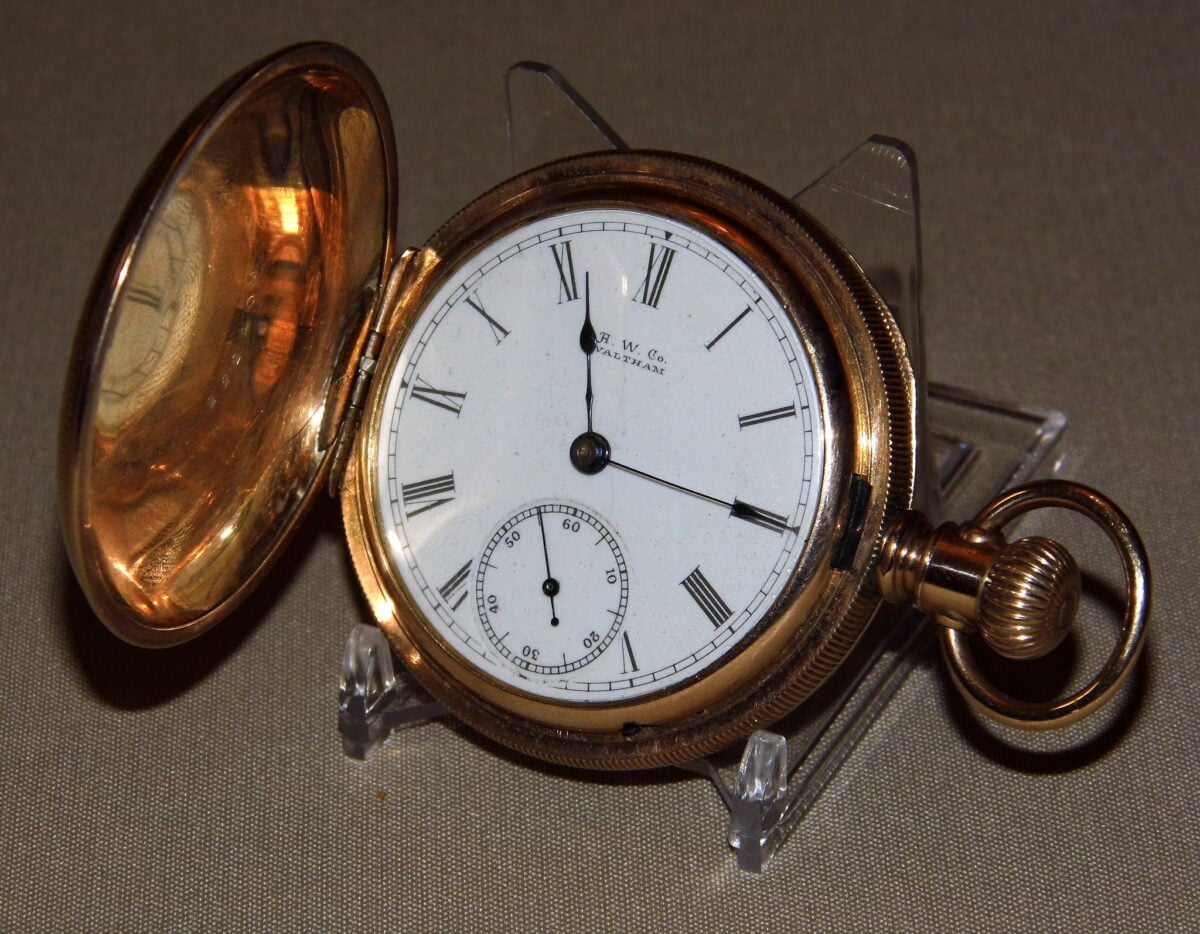
Waltham pocket watches housed in elaborately engraved multicolor gold cases, a decorative technique less common in later production, are valued by collectors for the casework independent of the movement inside. A case with clearly defined engraving and undamaged hinges should be appraised by someone familiar with period casework before being valued purely on gold weight.
Cartier Tank Watches
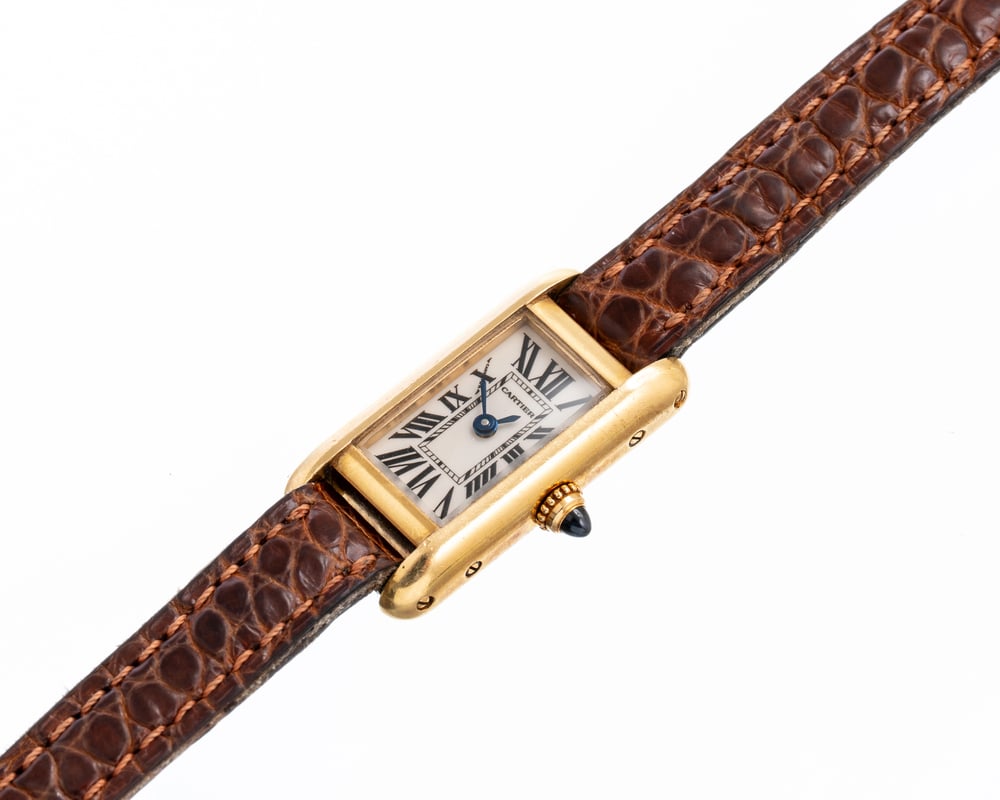
The Cartier Tank, introduced in 1917 and continuously produced with design variations since, is sought across a wide range of production eras, with early examples carrying particularly strong collector premiums. A Tank watch’s specific case shape and movement generation should be confirmed by an appraiser, since visually similar models from different decades vary considerably in value.
Illinois Watch Company Pocket Watches
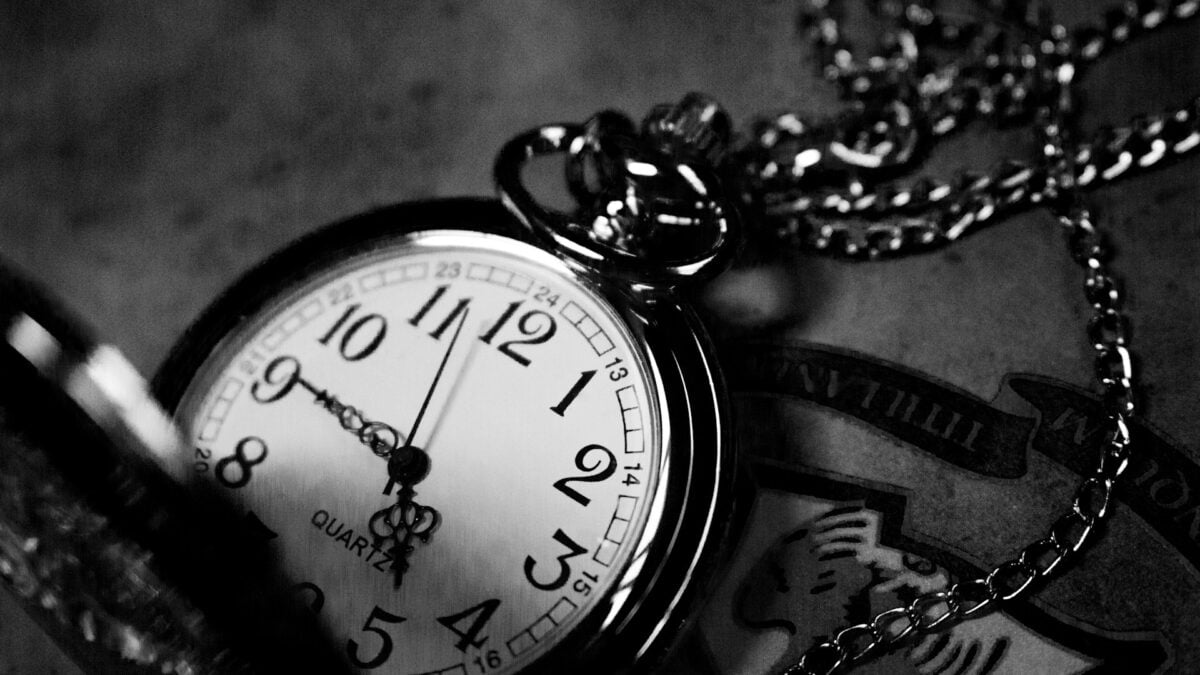
The Illinois Watch Company, based in Springfield before ceasing independent production in the 1920s, produced railroad-grade movements respected for their accuracy, and surviving examples in running condition are sought by American pocket watch collectors. A movement with a legible serial number allows an appraiser to date it precisely against factory production records.
Patek Philippe Calatrava
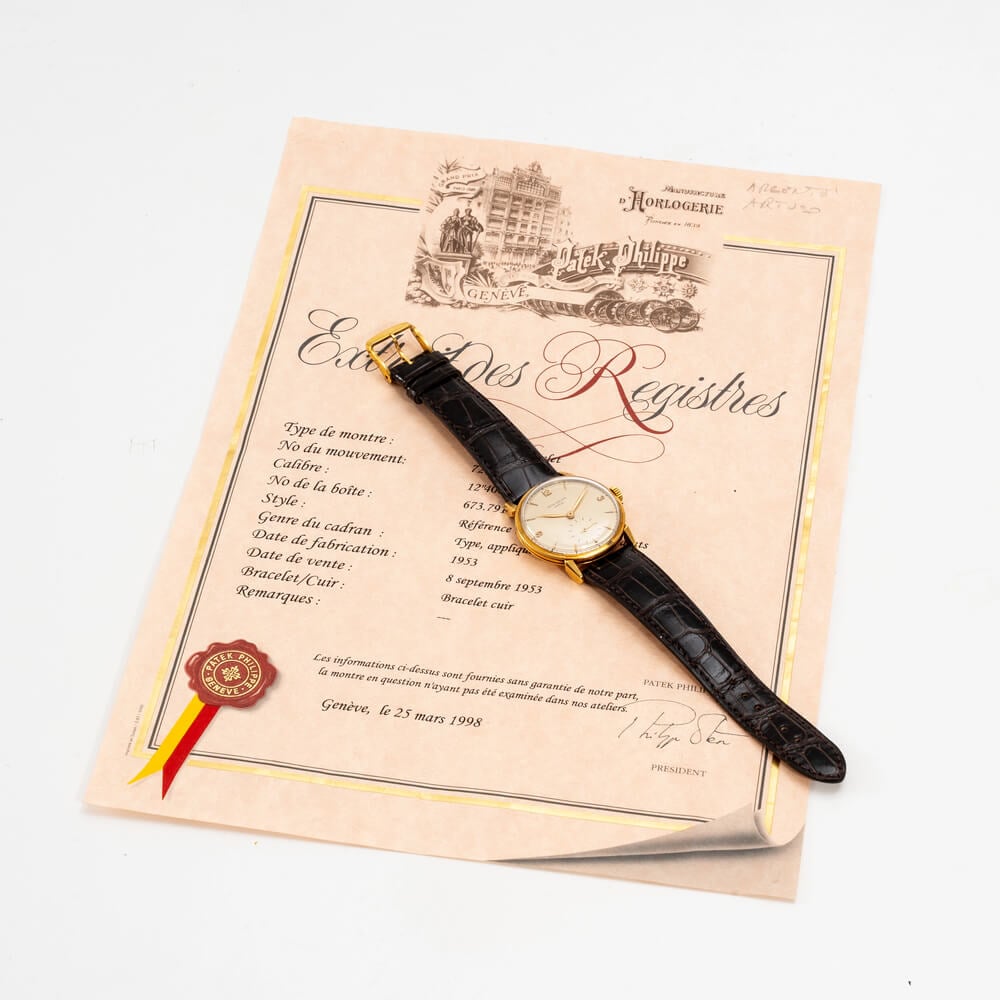
The Patek Philippe Calatrava line, in continuous production since the 1930s, represents one of the most consistently valuable watch families in the secondhand market, with even well-worn examples carrying significant value based on the movement alone. Any Calatrava should be professionally appraised before sale, since case condition and dial originality shift the price dramatically.
Bulova Accutron Tuning Fork Watches
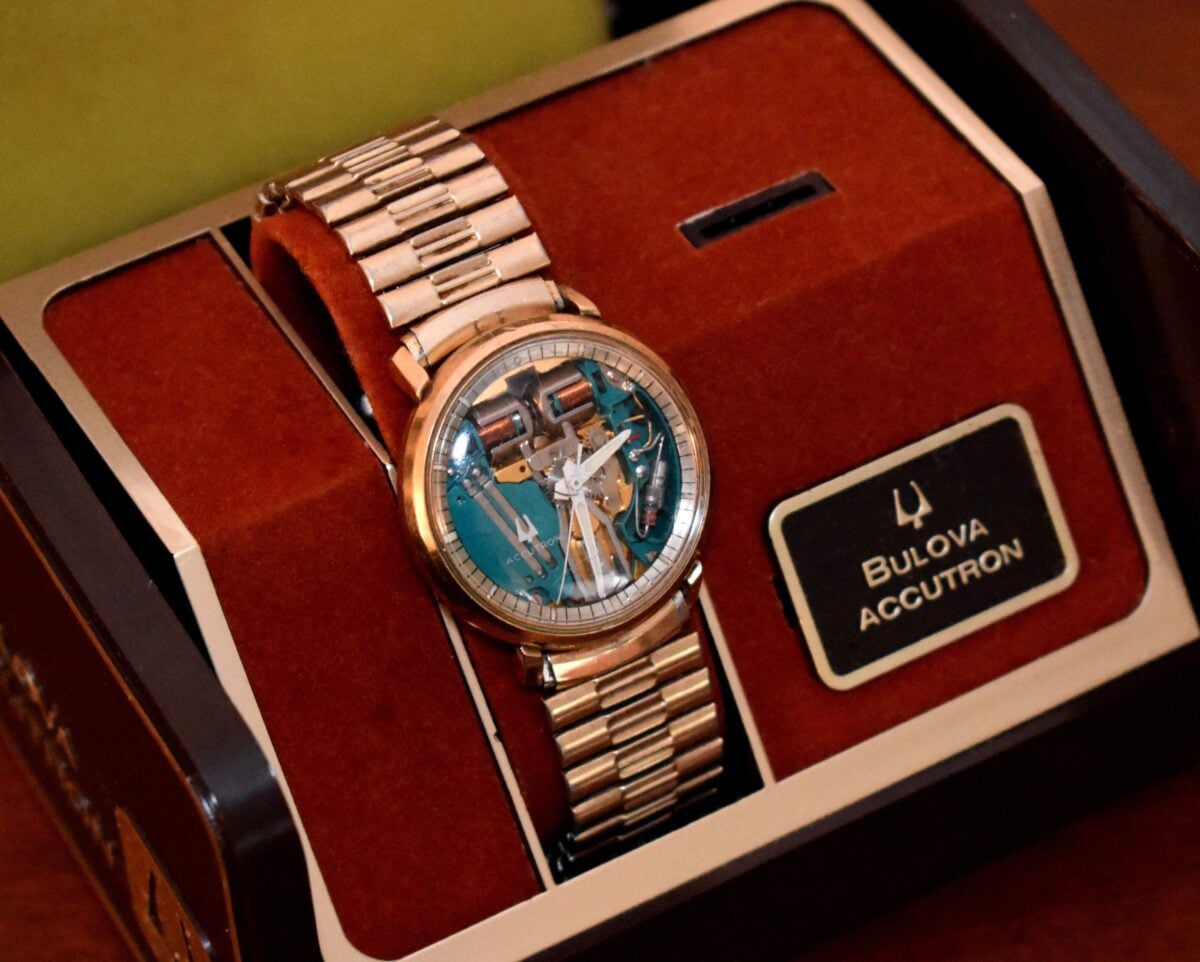
The Bulova Accutron, introduced in 1960 as one of the first electronic watches to use a tuning fork movement instead of a traditional mechanical escapement, represents a genuine engineering milestone that collectors of horological history specifically seek out. A functioning Accutron with its original tuning fork movement intact should be appraised rather than sold as ordinary vintage electronics.
Zenith El Primero Chronographs
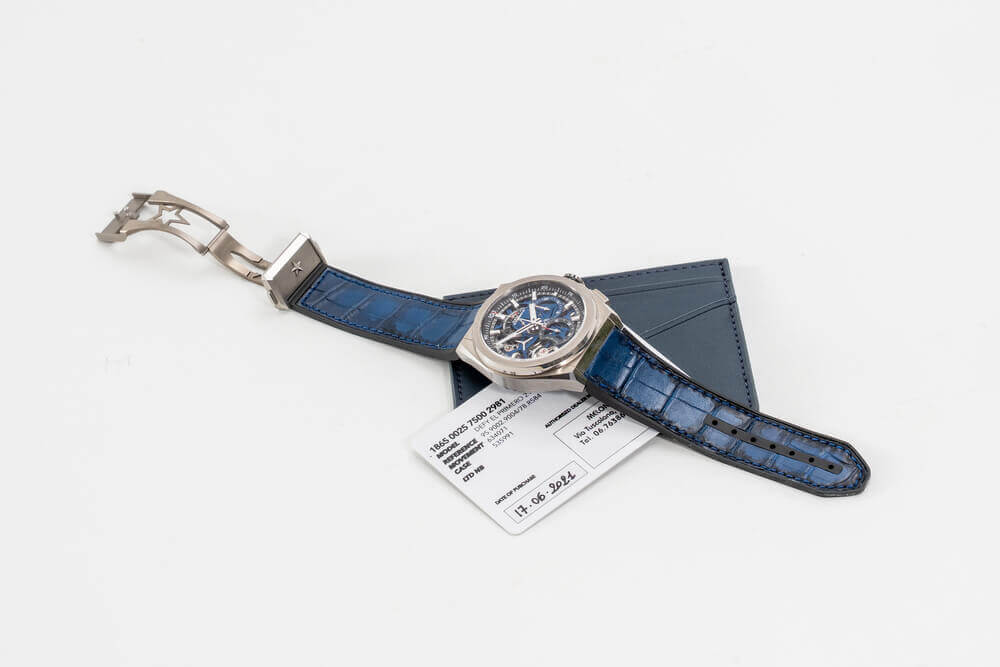
The Zenith El Primero movement, introduced in 1969 as one of the first automatic chronograph movements developed, remains respected among watchmakers for its high-frequency accuracy, and early production examples are sought by mechanical watch specialists. A chronograph confirmed to house an original El Primero movement should be appraised before being valued as a generic vintage chronograph.
Gruen Curvex Watches
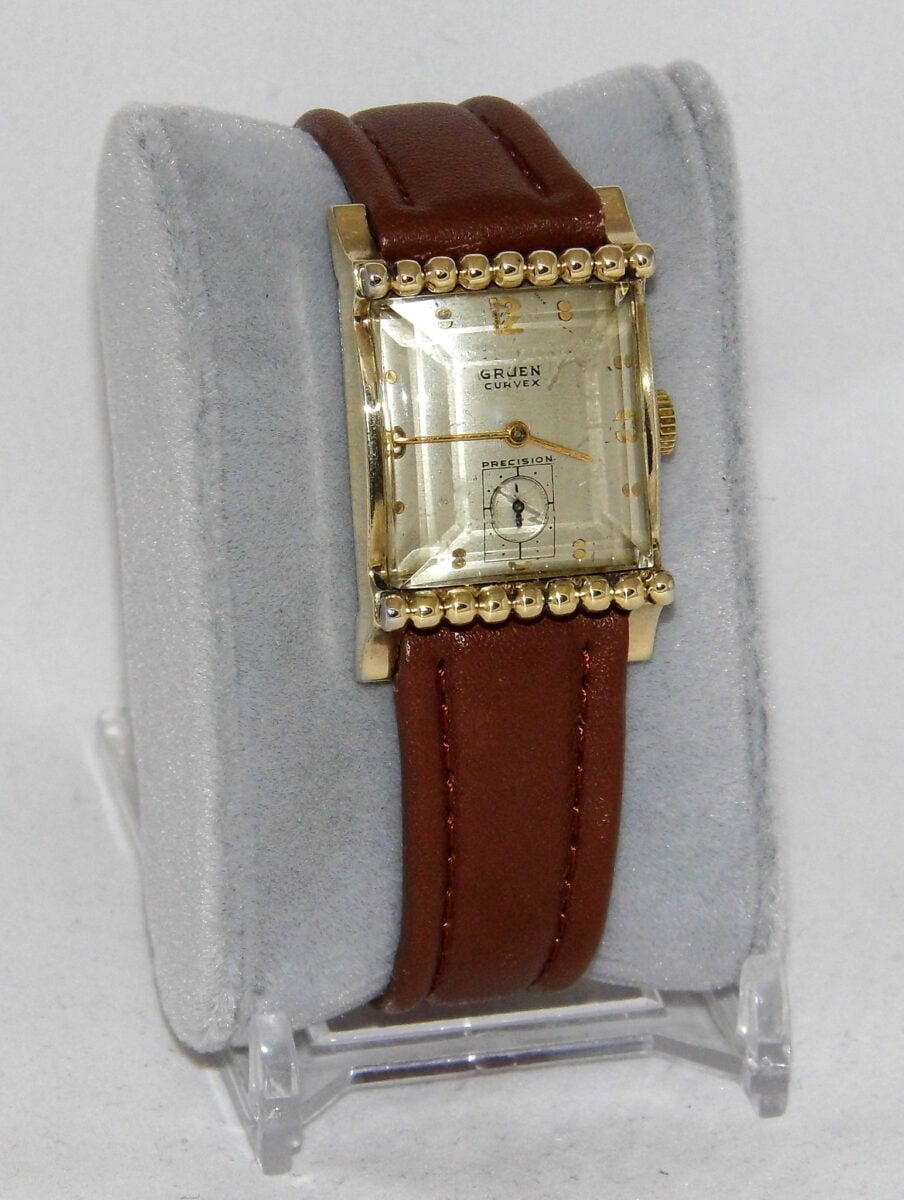
The Gruen Curvex line, known for cases curved to fit the wrist rather than sitting flat, represents a design innovation from the 1930s that collectors of American watchmaking history specifically seek. A Curvex with its original curved crystal intact, rather than a later flat replacement, should be appraised by someone familiar with the line’s various case shapes.
Jaeger-LeCoultre Reverso
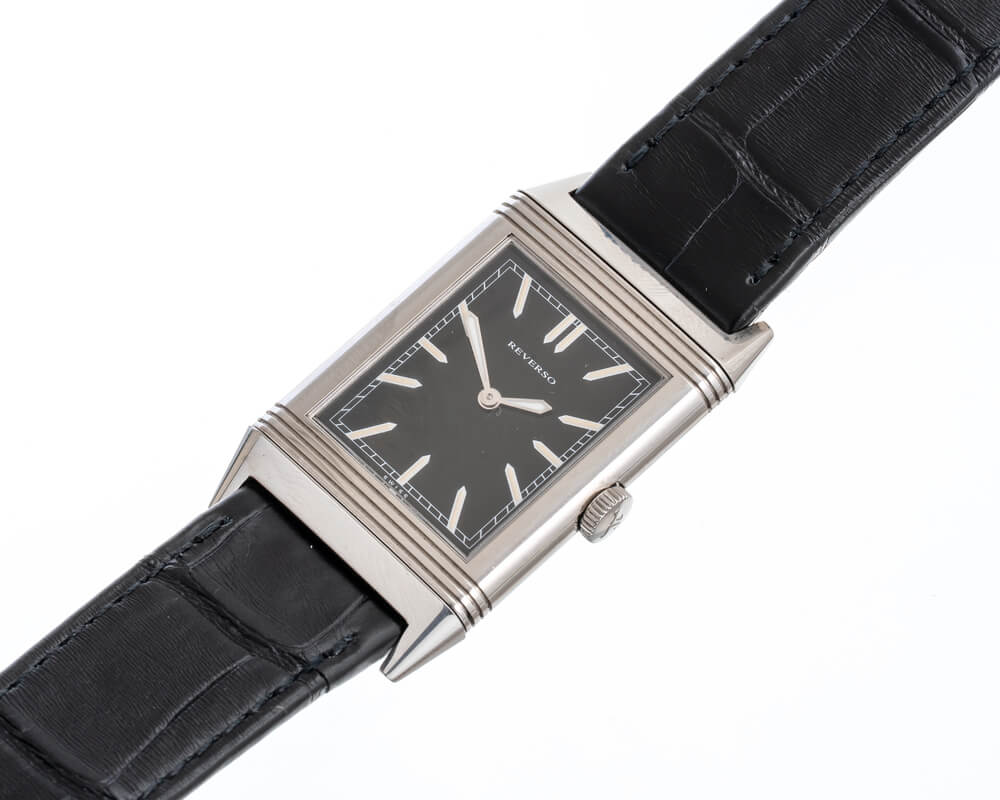
The Jaeger-LeCoultre Reverso, designed in 1931 with a case that flips to protect the crystal, was originally developed for polo players and remains a distinctive design within the company’s history. A Reverso with its original flipping mechanism functioning smoothly should be professionally appraised, since the case’s mechanical condition significantly affects overall value.
Seth Thomas Pocket Watches
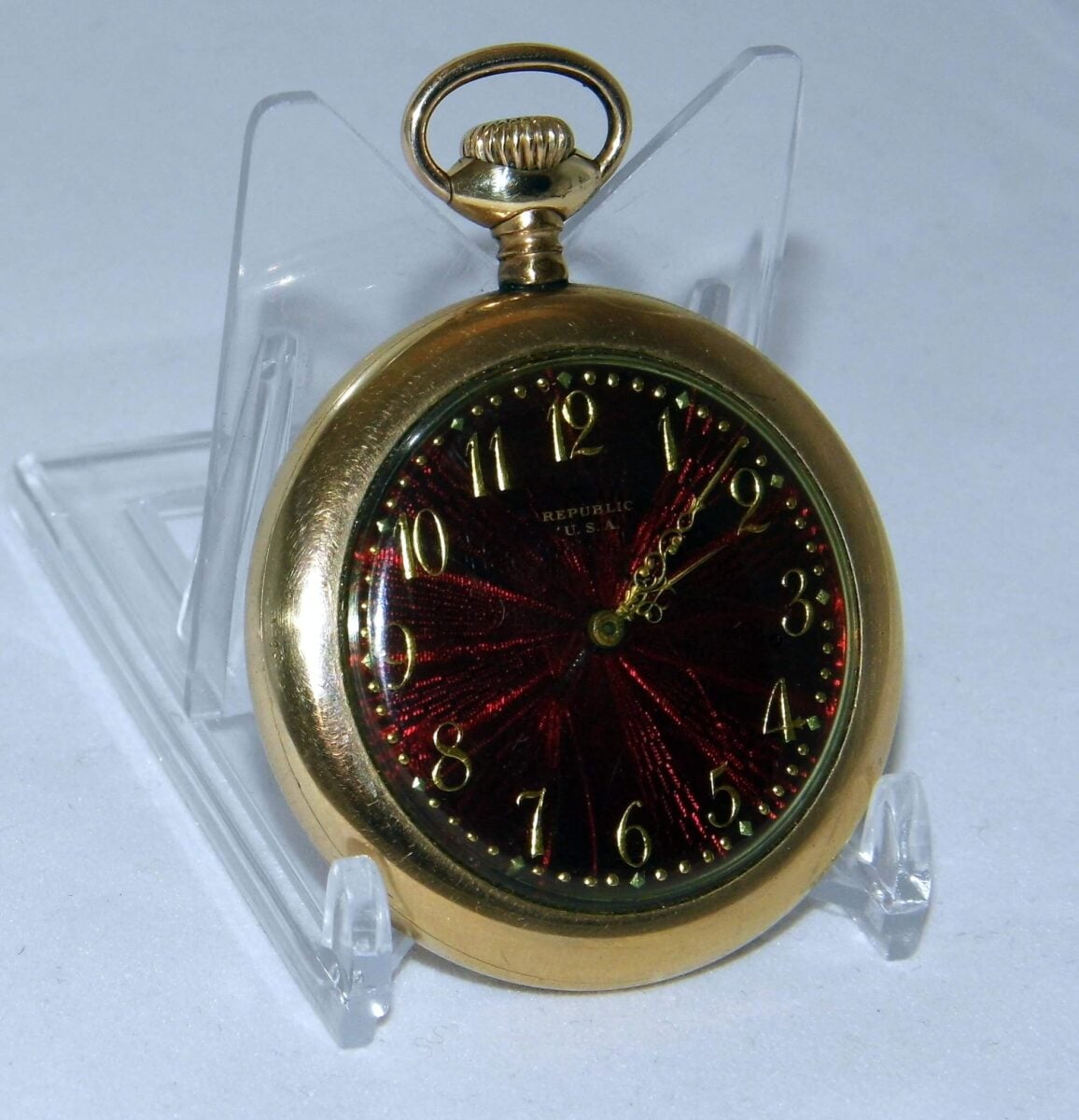
Seth Thomas, better known for clocks, also produced pocket watch movements through the late nineteenth and early twentieth centuries, and surviving examples in running condition are sought by collectors specializing in American watch and clock manufacturing history. A movement with a legible serial number should be dated against factory records before being sold based on case metal alone.
Rolex Daytona References from the 1960s
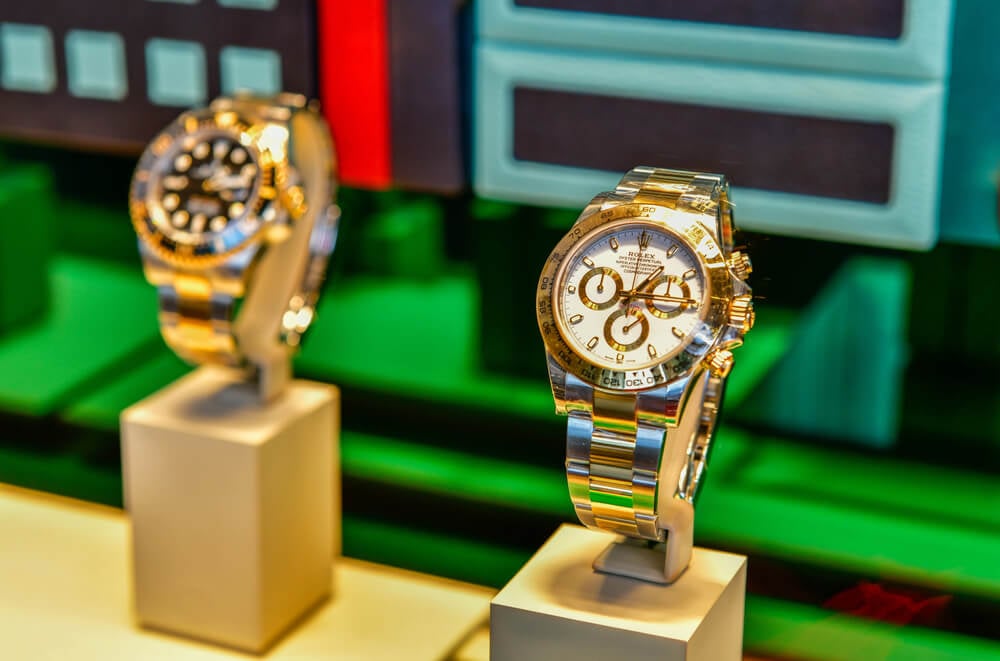
Early Rolex Daytona references, particularly ones with specific dial configurations that later became associated with a well-known actor’s personal watch, are among the most actively appraised vintage watches on the current market. A Daytona of this era should never be sold without a specialist confirming the dial and movement match the case reference number.
Movado Museum Watch
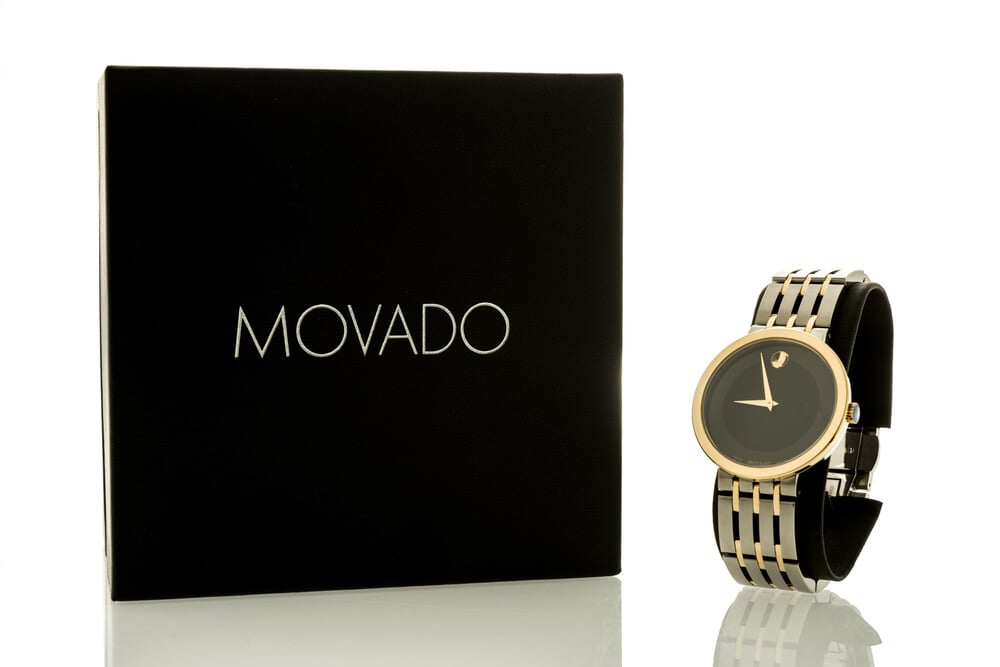
— Photo by homank76
The Movado Museum Watch, designed in 1947 with a single gold dot marking twelve o’clock on an otherwise unmarked dial, was recognized for its minimalist design by major design institutions and remains a distinctive collector category within twentieth-century watchmaking. An early production example with the original dial finish intact should be appraised separately from later reissues of the same design.
Vacheron Constantin Vintage Dress Watches
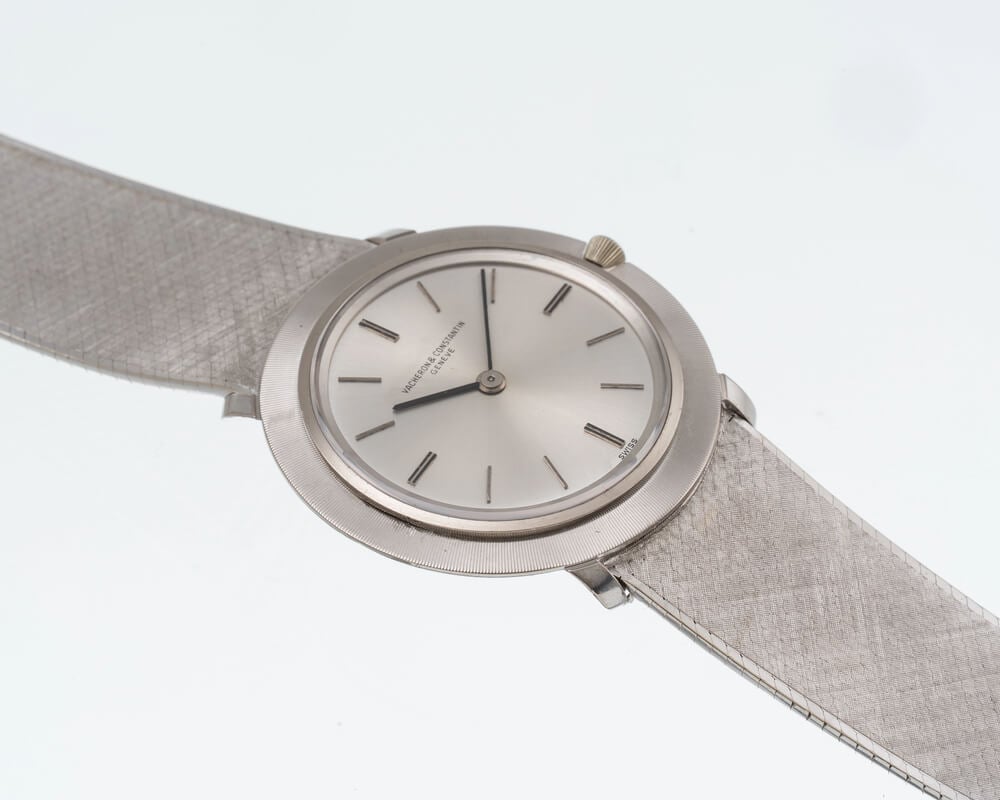
Vacheron Constantin, among the oldest continuously operating watch manufacturers, produced dress watches through the twentieth century that carry significant collector value based on movement complexity and case originality. Any Vacheron Constantin timepiece should be professionally appraised before sale, given the wide range of values across the company’s long production history.
Benrus Military Watches
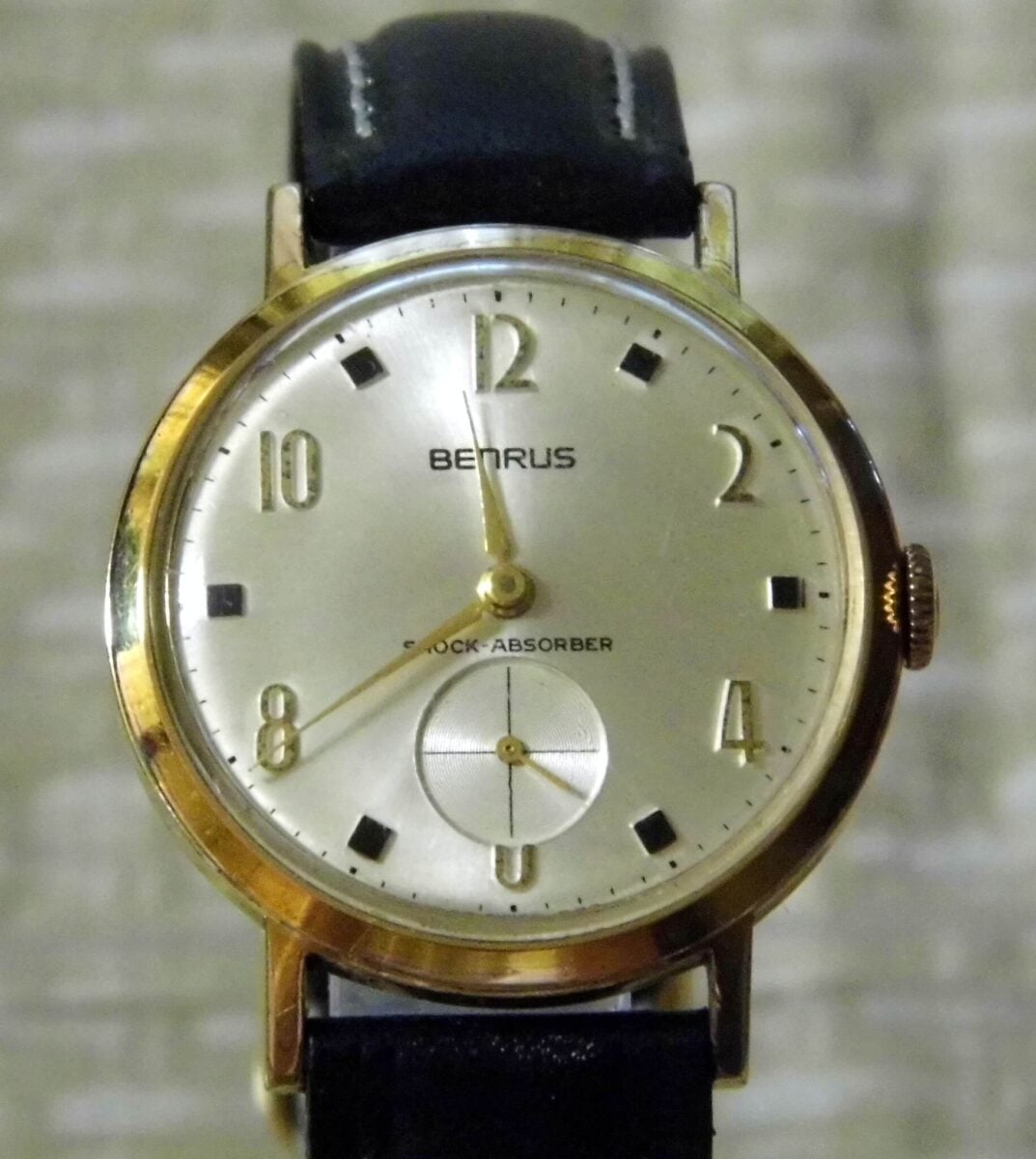
Benrus produced watches under military contract for American servicemembers, particularly during the Vietnam War era, and surviving examples with intact government contract markings are sought by militaria and watch collectors alike. A watch with legible contract case-back stamps should be appraised separately from a civilian Benrus model of similar age.
Audemars Piguet Royal Oak
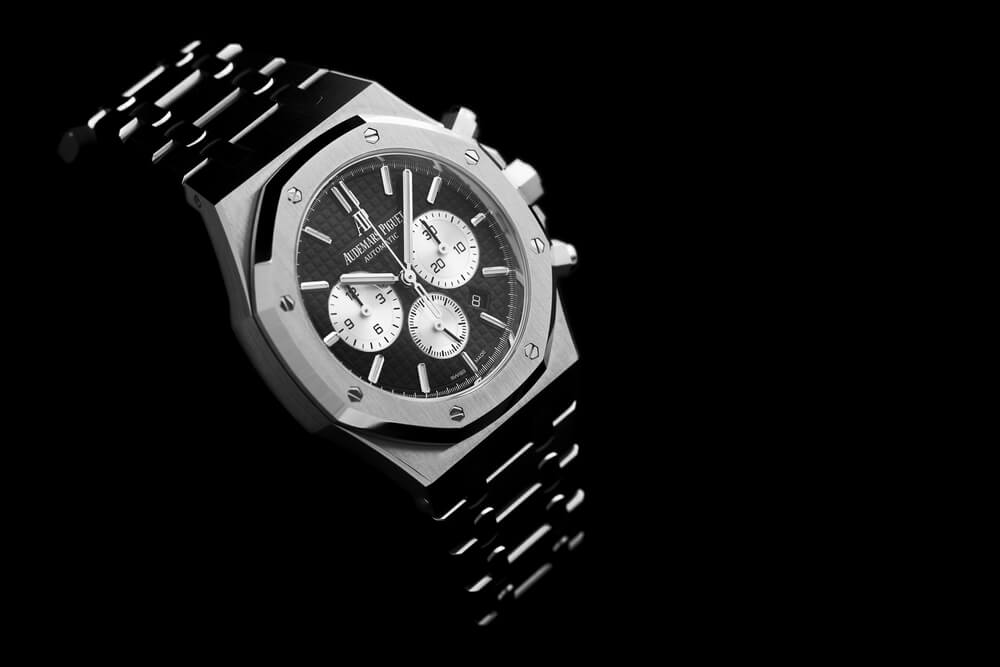
The Audemars Piguet Royal Oak, introduced in 1972 with an unconventional stainless steel luxury case design that was considered risky at the time, has become one of the most collected watches in the modern secondhand market. Early production examples in particular should always be professionally appraised, since specific reference numbers within the line vary enormously in value.
Bulova Watches with Presentation Engravings
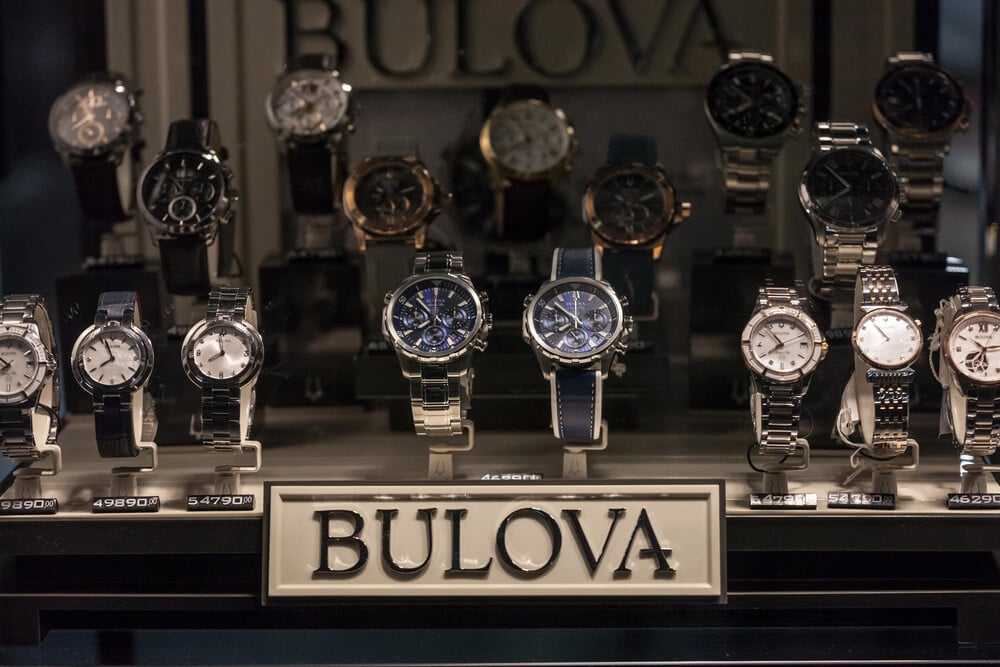
Bulova watches presented as retirement or service award gifts, often engraved on the case back with a company name and years of service, are occasionally sought by collectors researching corporate and labor history rather than the watch mechanism itself. A watch with a legible, dated presentation engraving should be appraised with that provenance specifically considered.
Wittnauer Chronographs
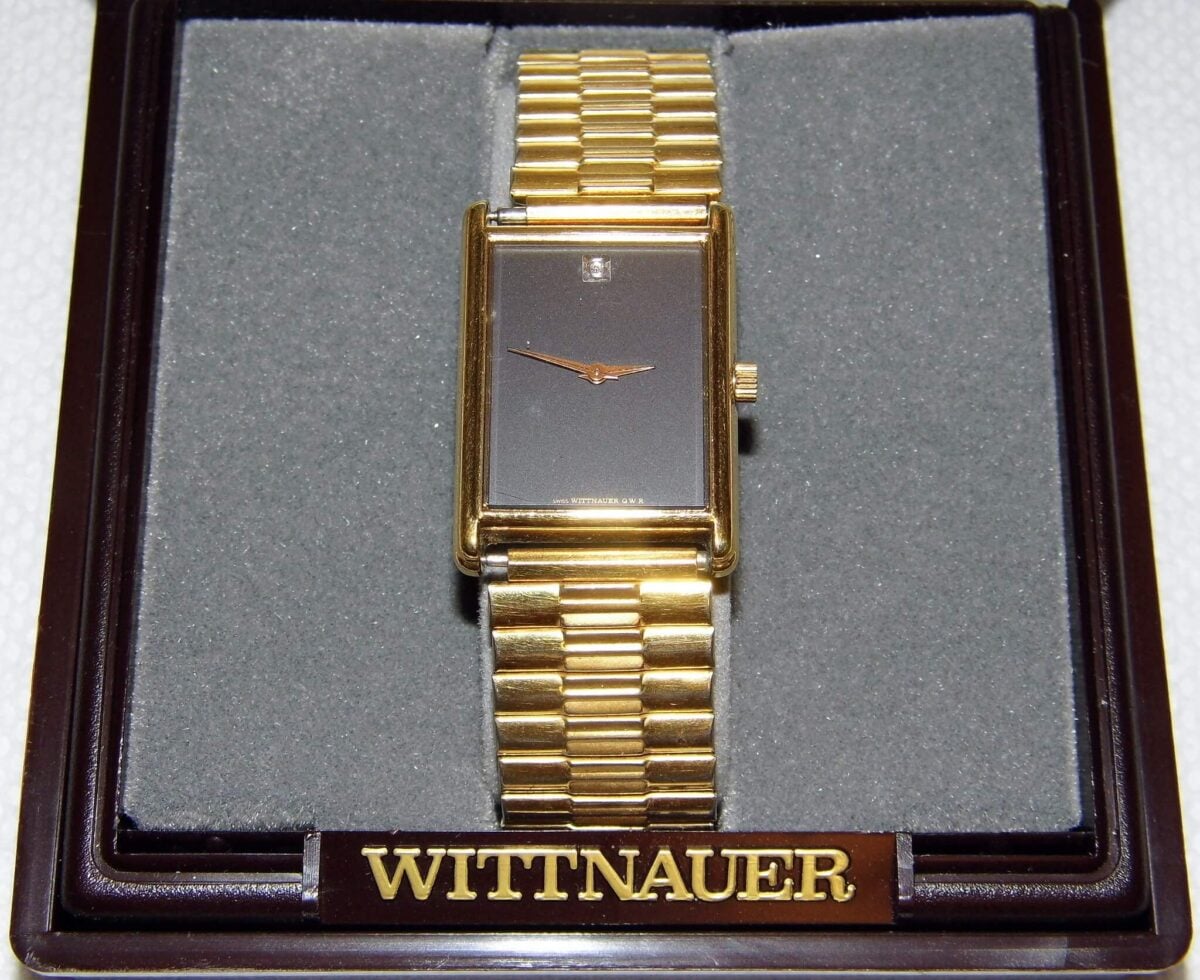
Wittnauer, closely associated historically with Longines through shared ownership, produced chronograph movements respected for their engineering quality relative to the brand’s more modest market positioning. A Wittnauer chronograph in running condition with its original dial configuration should be appraised rather than assumed to carry only modest secondhand value.
Tiffany-Signed Watches from Other Manufacturers
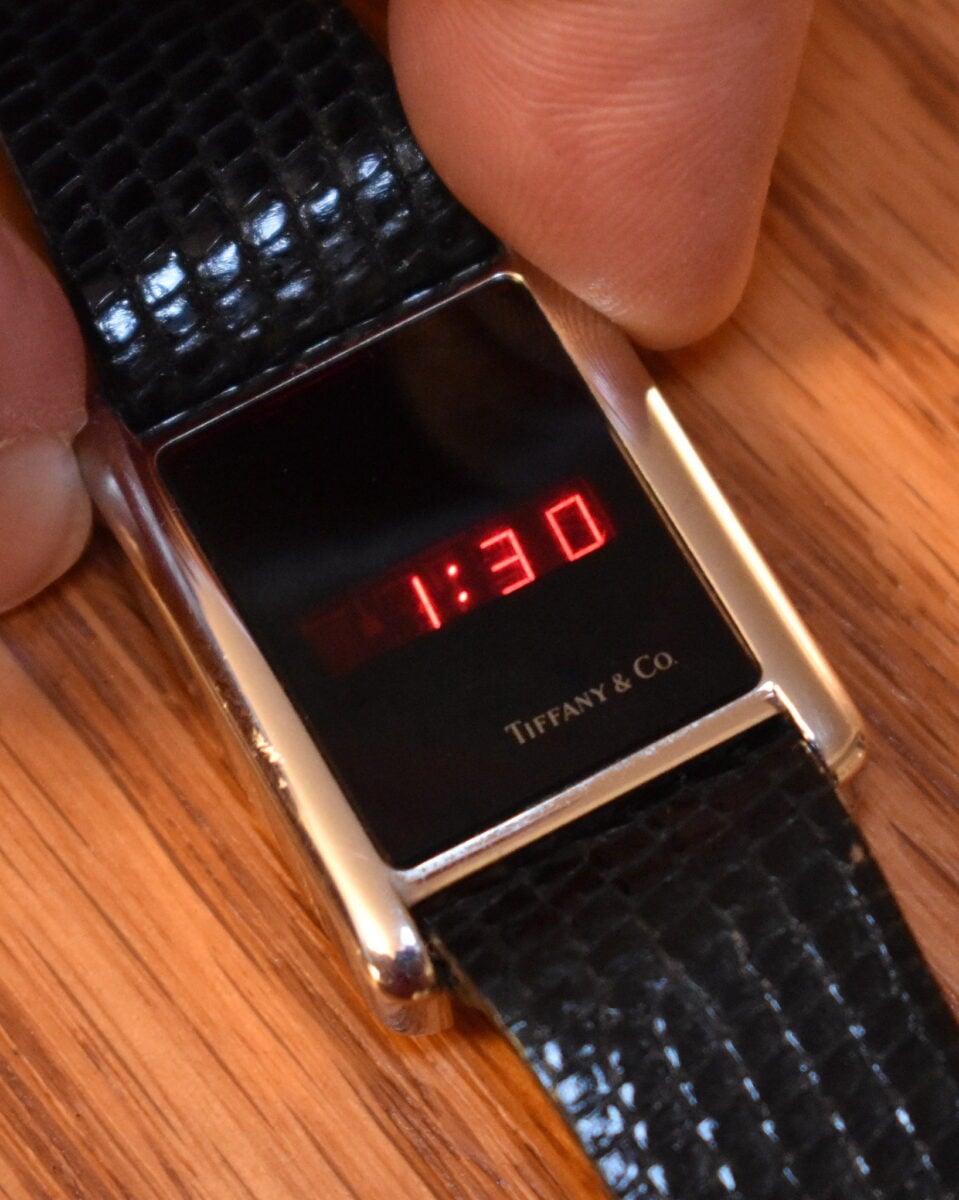
Watches produced by established manufacturers but retailed and signed by Tiffany and Co. on the dial, a common practice through much of the twentieth century, often carry a premium over an identical unsigned model from the same maker. A Tiffany-signed dial should be verified as original rather than a later addition before an appraisal is finalized.
Girard-Perregaux Vintage Chronometers
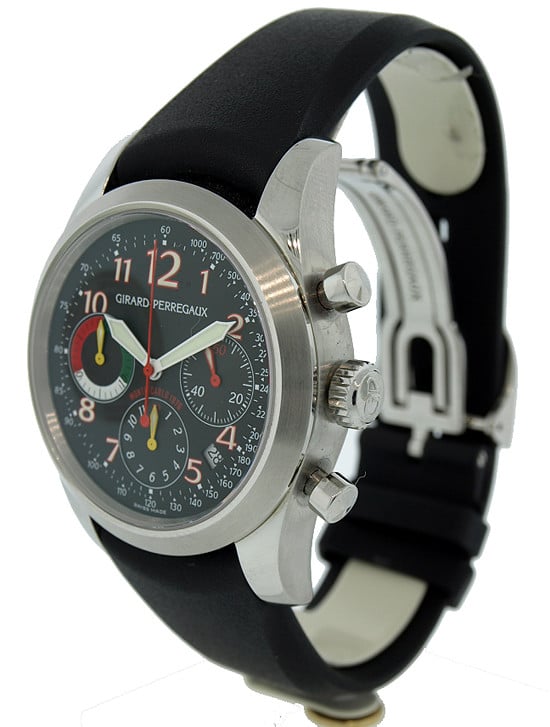
Girard-Perregaux produced chronometer-grade movements through the twentieth century respected for their accuracy testing standards, and surviving examples in running condition are sought by collectors focused on precision watchmaking history. A movement confirmed to carry original chronometer certification markings should be appraised separately from an uncertified model of similar age.
South Bend Watch Company Pocket Watches
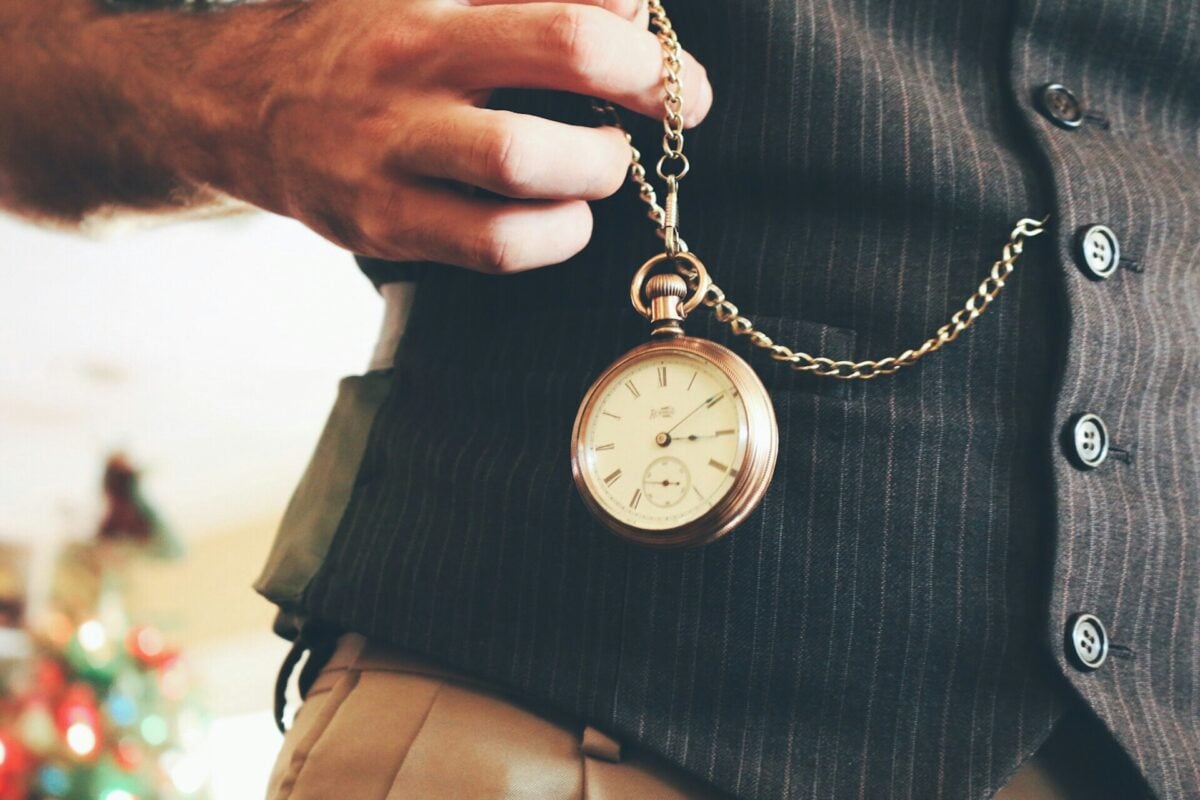
The South Bend Watch Company, a shorter-lived American manufacturer active in the early twentieth century before ceasing production, produced movements now sought specifically because the company’s relatively brief operating history limited total production compared to larger competitors. A running example with a legible serial number should be dated and appraised against the company’s limited surviving production records.
Rolex Explorer References from the 1950s and 1960s
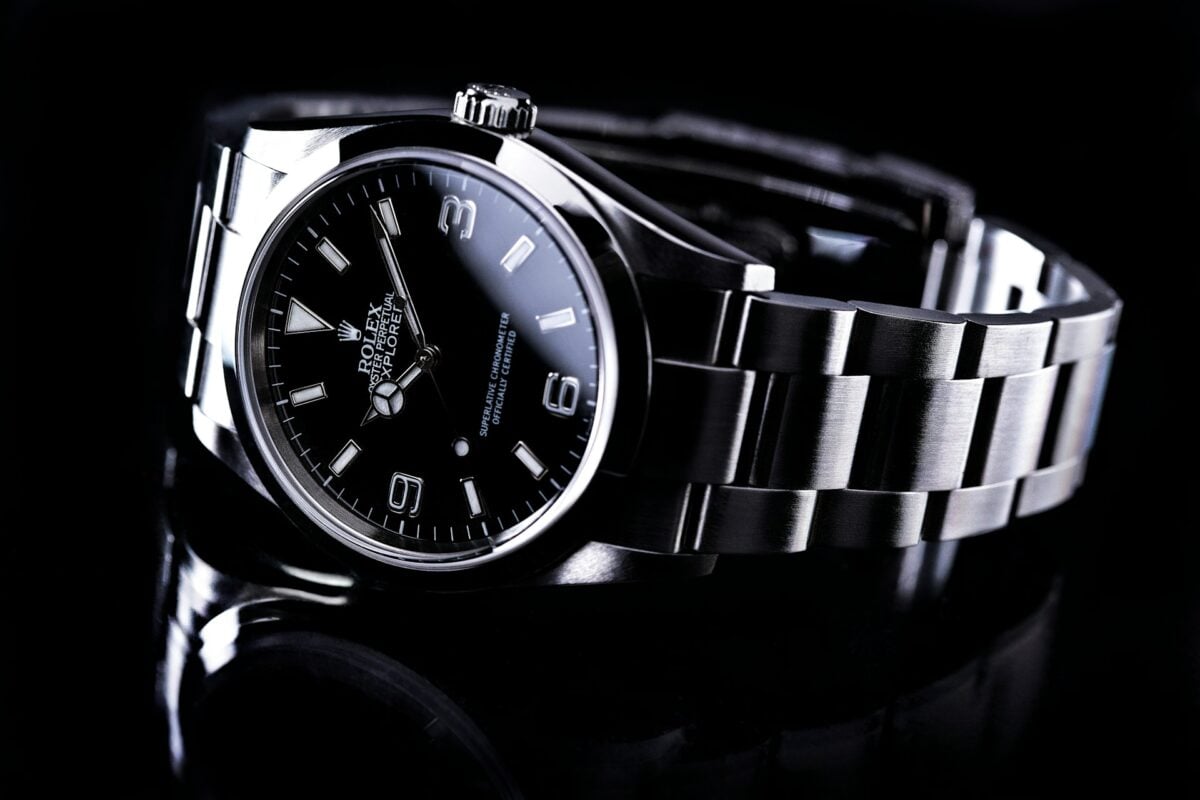
Early Rolex Explorer references, developed alongside the brand’s association with mountaineering expeditions of the era, carry strong collector interest for examples with original dial and hand configurations intact. An Explorer of this era should be appraised by a specialist familiar with the model’s specific dial variations before any sale is finalized.
International Watch Company Vintage Pilot Watches
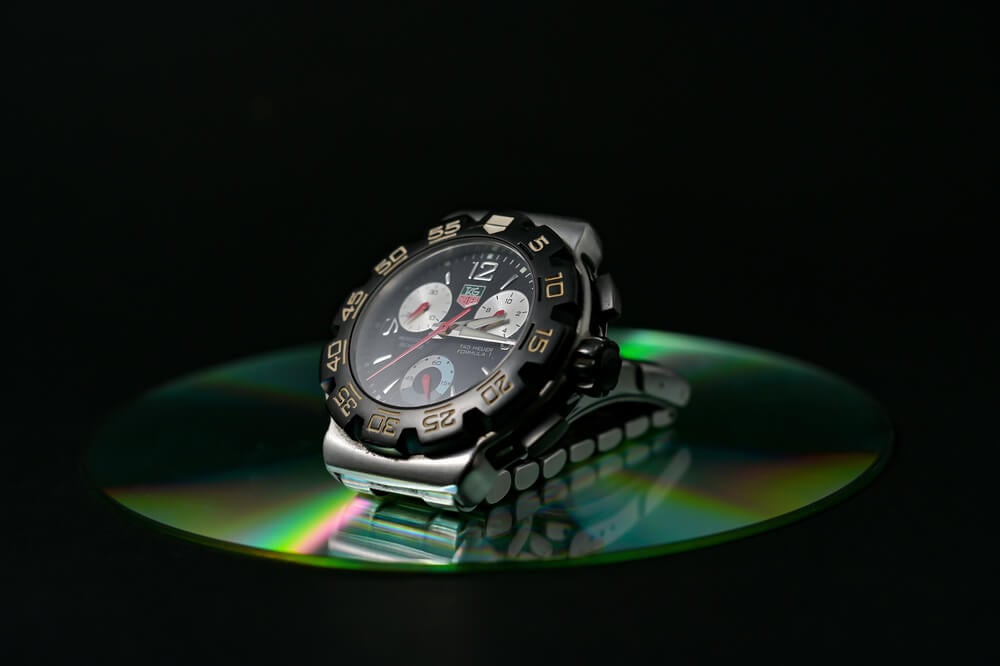
IWC’s pilot watch line, developed with input from aviation requirements through the mid-twentieth century, produced examples with oversized cases and high-legibility dials that remain distinctive within the company’s broader catalog. A pilot watch with its original case dimensions and dial markings intact should be professionally appraised given the wide value range across different production eras.
Elgin National Watch Company Wristwatches
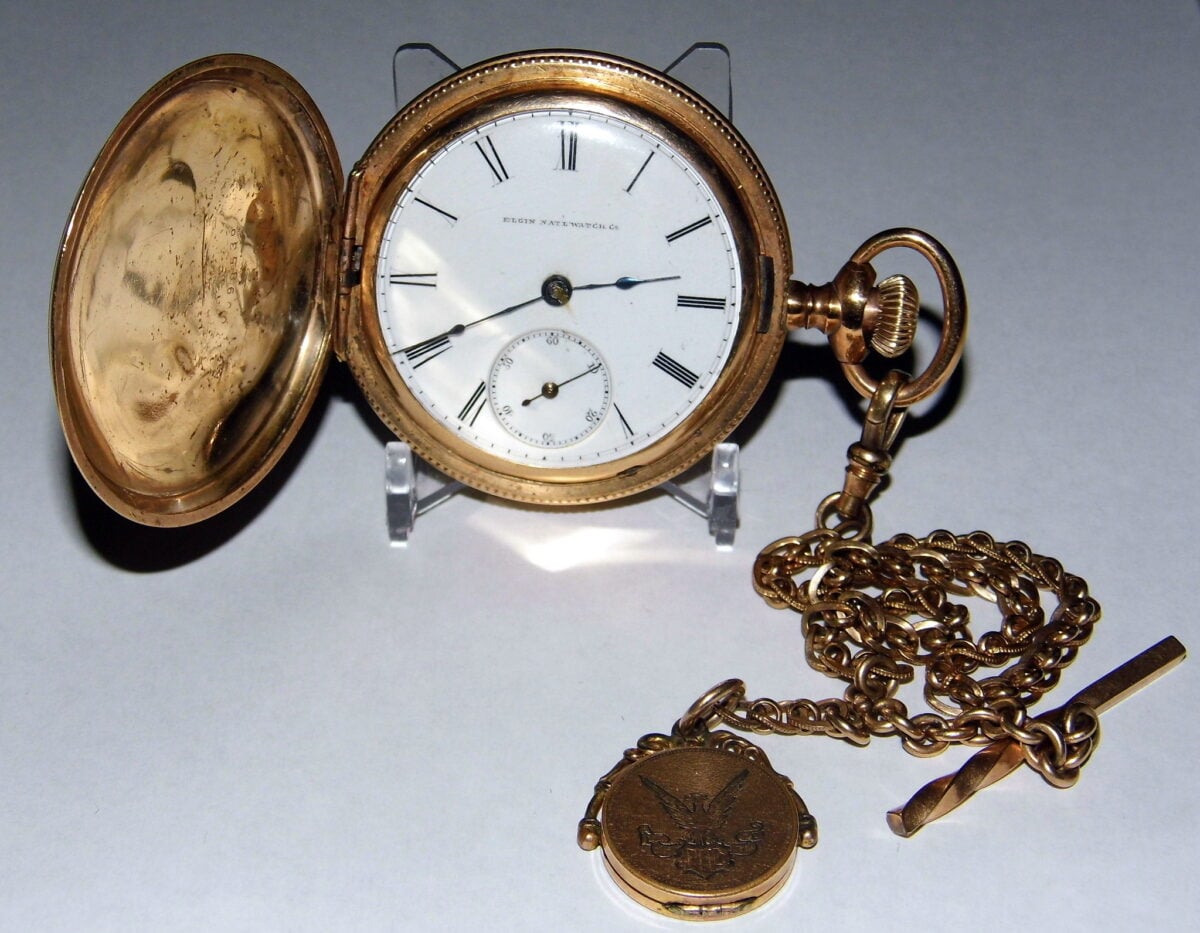
Beyond its well-known pocket watch production, the Elgin National Watch Company also produced wristwatches through the early to mid-twentieth century that are sought by collectors specifically researching the company’s transition from pocket to wrist formats. A wristwatch with a legible, datable serial number should be appraised against factory records rather than valued purely on case metal.
What a Ticking Movement Is Actually Worth
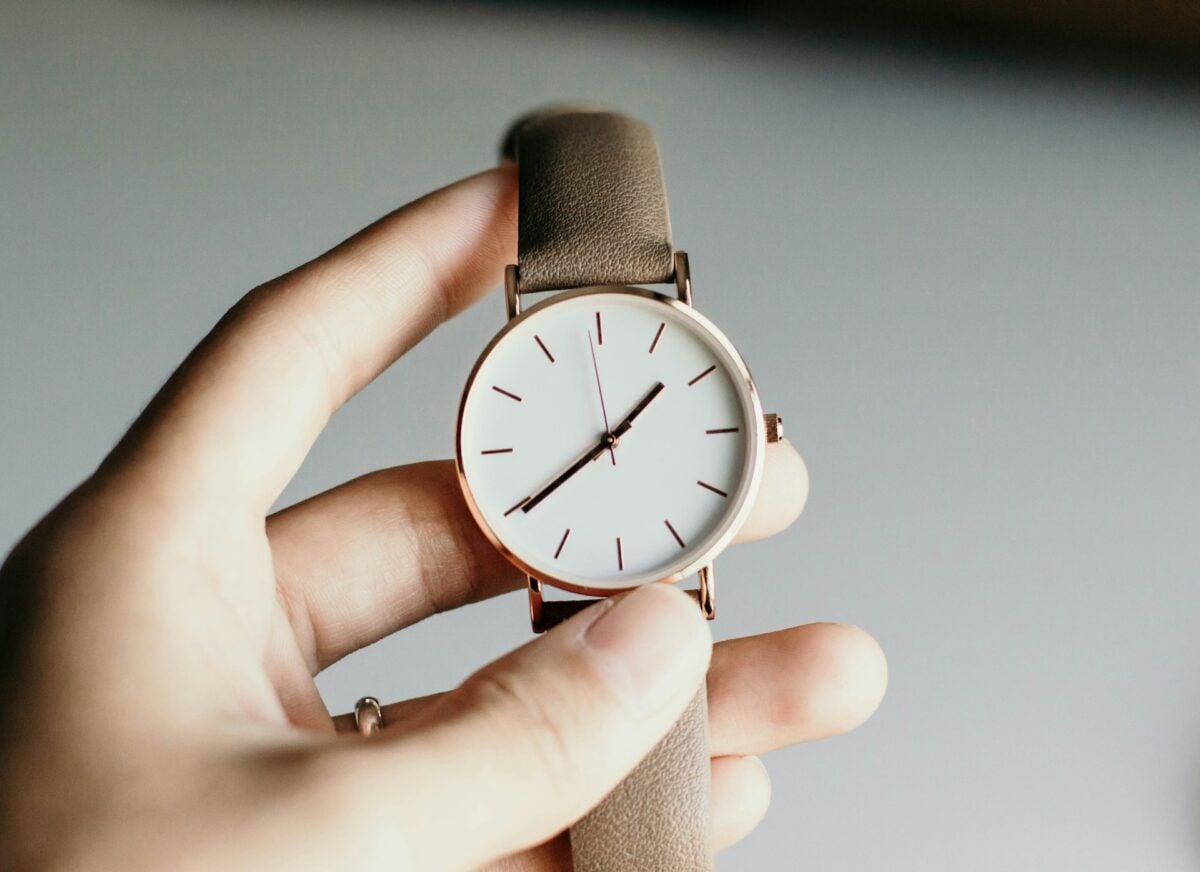
A watch that still keeps accurate time decades after it was made represents genuine engineering, built by hand at a level of precision that most current mass-produced watches were never designed to match. That difference is invisible from the outside, which is exactly why case metal alone tells such an incomplete story about what a watch is worth.
An appraisal exists to separate the watches where history and craftsmanship carry real weight from the ones that are, honestly, just gold or silver shaped like a timepiece. Selling before that distinction is made means gambling with money that a specialist could have identified in a single afternoon.
More from Go2Tutors!

- The Romanov Crown Jewels and Their Tragic Fate
- 13 Historical Mysteries That Science Still Can’t Solve
- Famous Hoaxes That Fooled the World for Years
- 15 Child Stars with Tragic Adult Lives
- 16 Famous Jewelry Pieces in History
Like Go2Tutors’s content? Follow us on MSN.