23 Books Pulled from Library Shelves and the Reasons Given
Book banning and removal from library shelves reveals how communities attempt to control information and protect what they define as acceptable knowledge. Reasons given for removal often reflect broader cultural anxieties about politics, religion, violence, and language.
Some books were removed for containing accurate but uncomfortable historical information. Others were deemed “inappropriate” for reasons that changed over time.
The following books were pulled from library shelves with stated justifications ranging from intimate content to political ideology to perceived threats to morality. Many have since become recognized as important literary or historical works, their removal now viewed as censorship of valuable expression.
The Catcher in the Rye
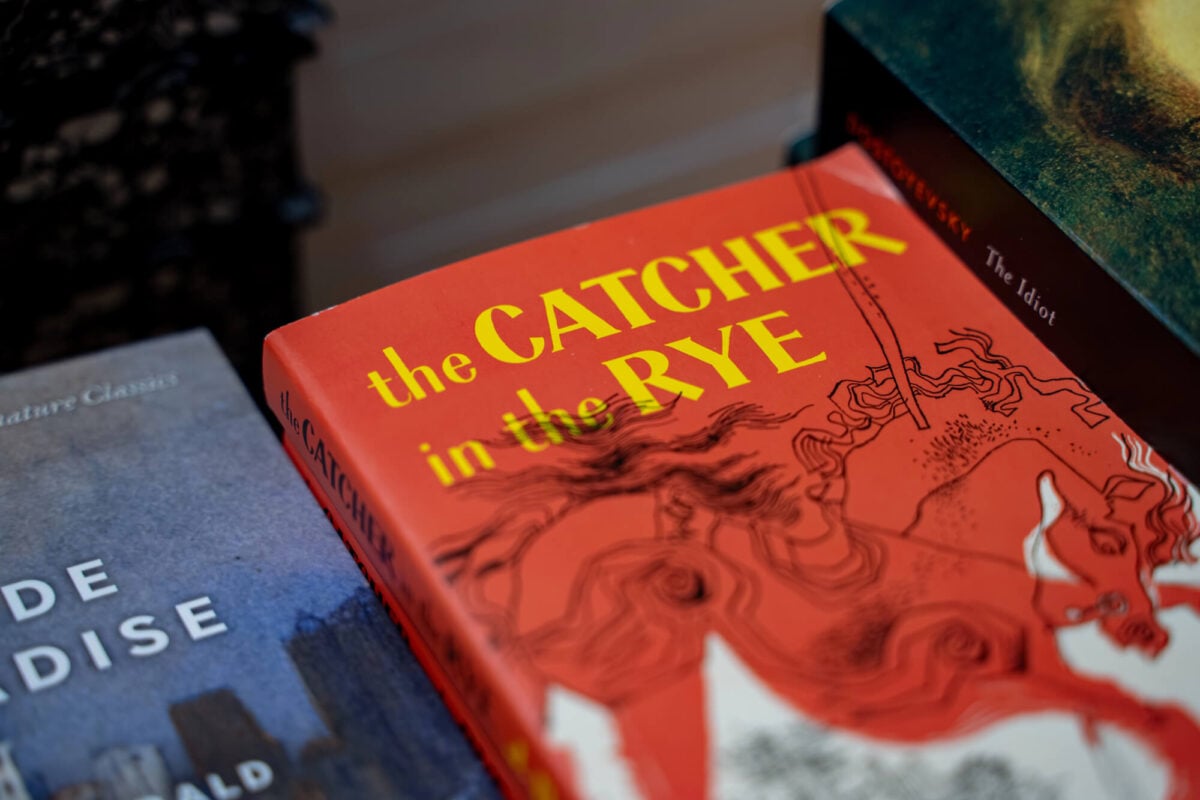
J.D. Salinger’s novel was removed from libraries and schools for containing profanity and intimate references. The book was challenged for its protagonist’s rejection of societal conventions and his apparent mental instability.
Despite—or because of—these elements, the novel is now recognized as a classic exploration of adolescent alienation.
To Kill a Mockingbird
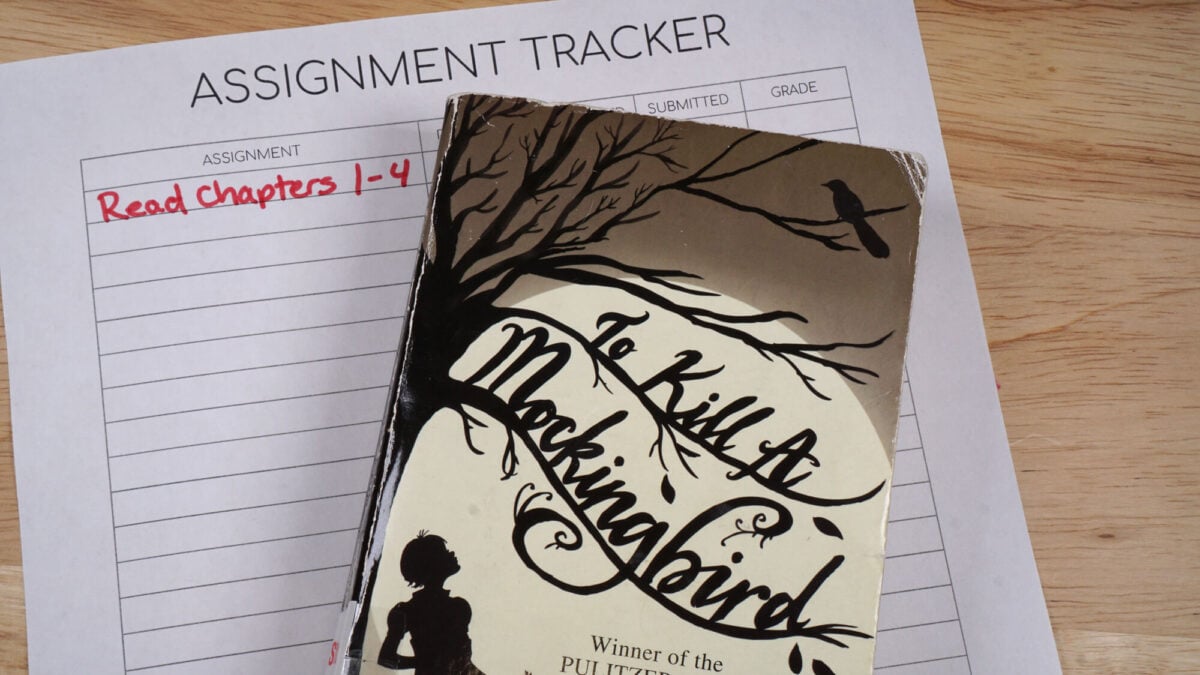
Harper Lee’s novel was pulled from some library shelves for containing the racial slur used by characters in the book. Some objected to its portrayal of rape and violence.
The book’s actual critique of racism was sometimes overshadowed by objections to its language.
The Color Purple
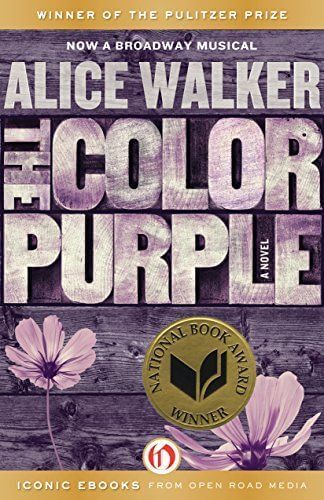
Alice Walker’s novel was removed for its graphic intimate content, its depiction of incestuous relationships, and its portrayal of African American women’s experiences with abuse and violence. Religious groups particularly objected to its critique of patriarchal religion.
The book is now recognized as a major work of American literature.
Beloved
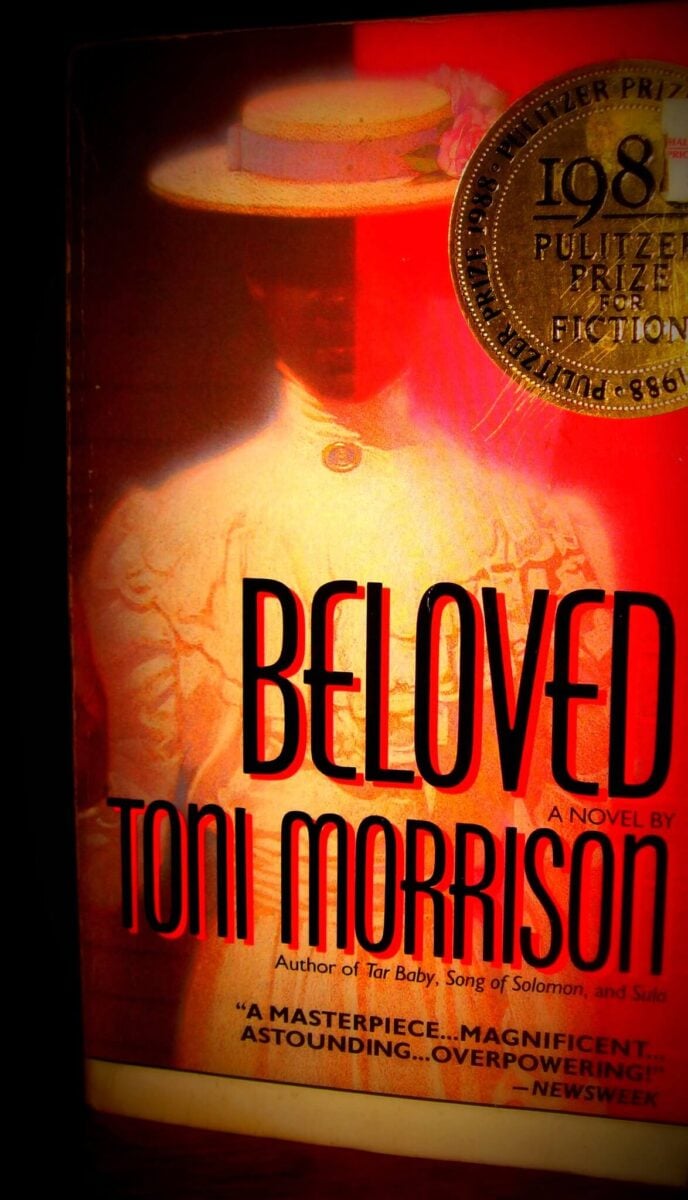
Toni Morrison’s novel was removed for containing graphic depictions of slavery’s violence, infanticide, and traumatic memory. Some libraries deemed it too disturbing for young readers.
The book won the Pulitzer Prize and is now recognized as a canonical American novel.
The Handmaid’s Tale
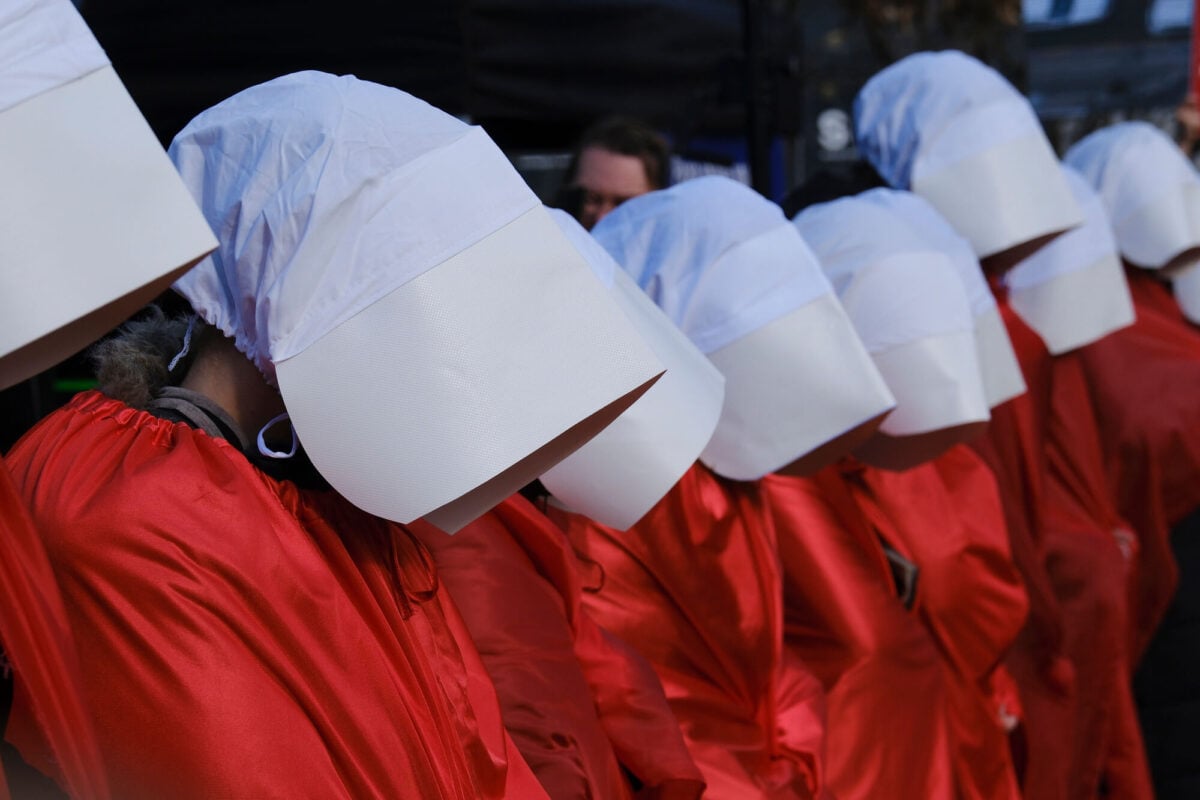
Margaret Atwood’s dystopian novel was removed for containing violence, profanity, and anti-religious themes. Some religious communities objected to its critique of fundamentalism.
The book’s prescient exploration of authoritarianism has made it increasingly relevant.
1984
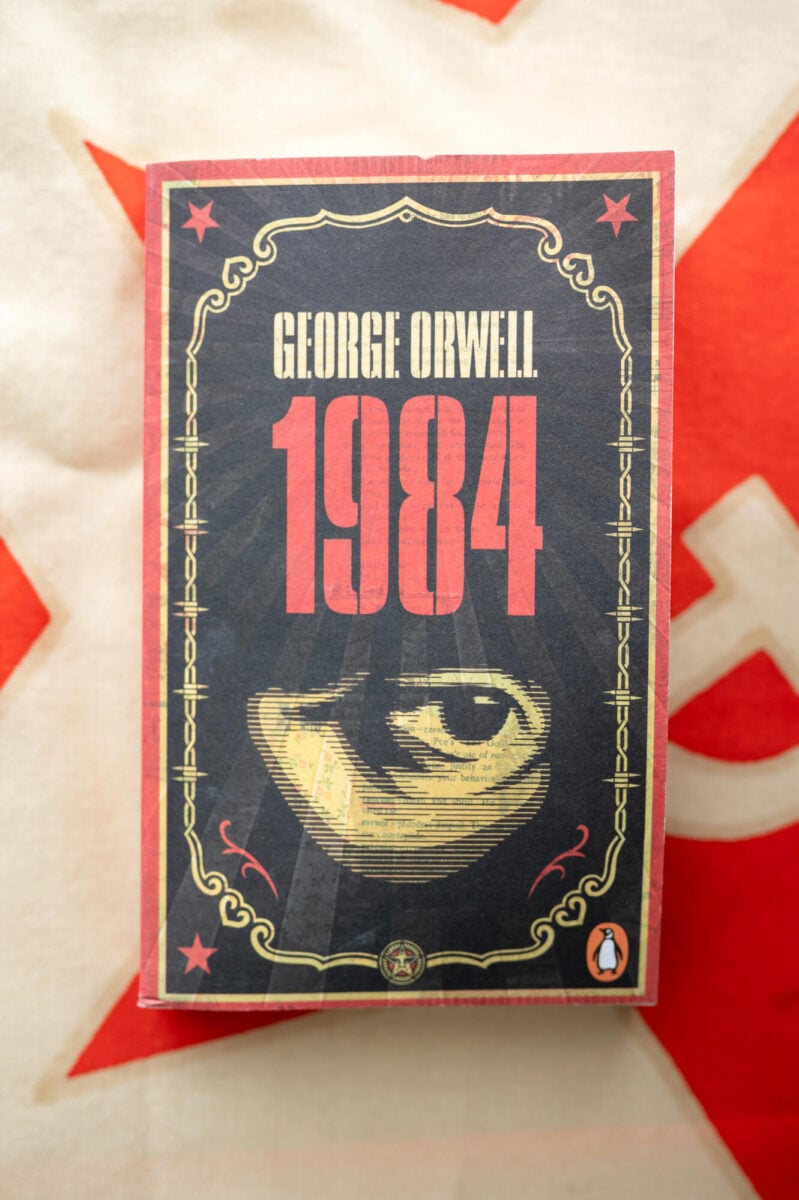
George Orwell’s dystopian novel was removed from some libraries for its intimate content and its political messages. Both conservative and communist organizations challenged the book, each seeing it as critique of their ideology.
The book is now widely taught in schools and universities.
Brave New World
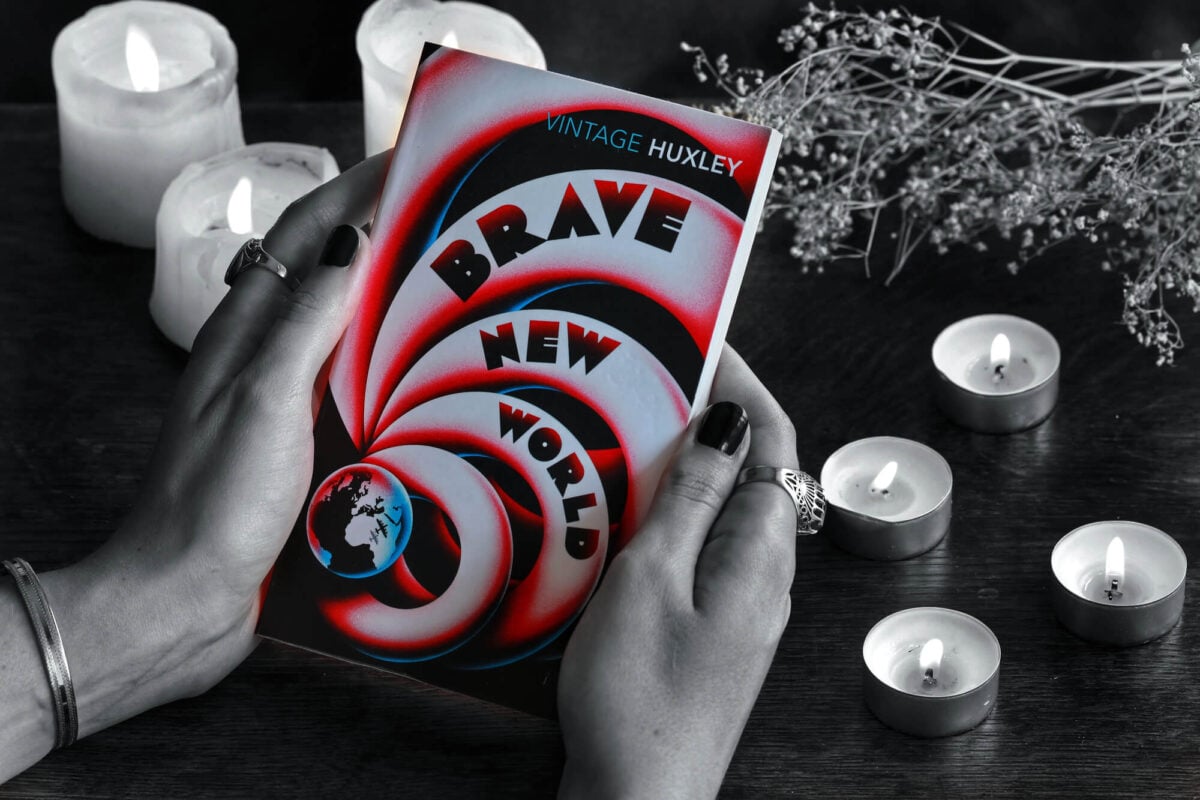
Aldous Huxley’s novel was removed for containing drug use, intimate content, and its critique of social control. Religious groups particularly objected to its dismissal of traditional values.
The book is now recognized as a prophetic exploration of technology and human freedom.
Lord of the Flies
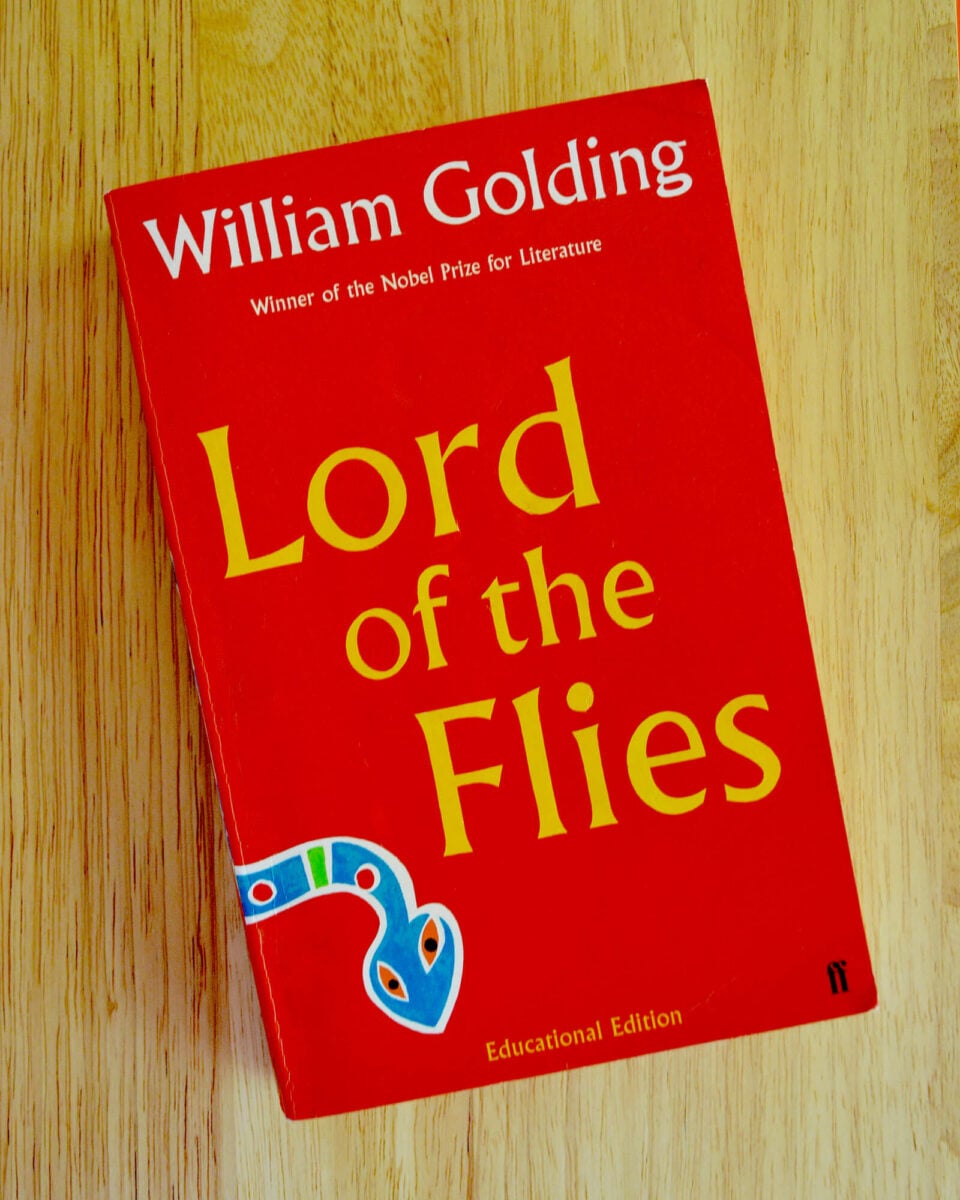
William Golding’s novel was removed for containing violence, including the murder of children. Some educators deemed it too disturbing for younger students.
The book explores fundamental questions about civilization and human nature.
The Great Gatsby
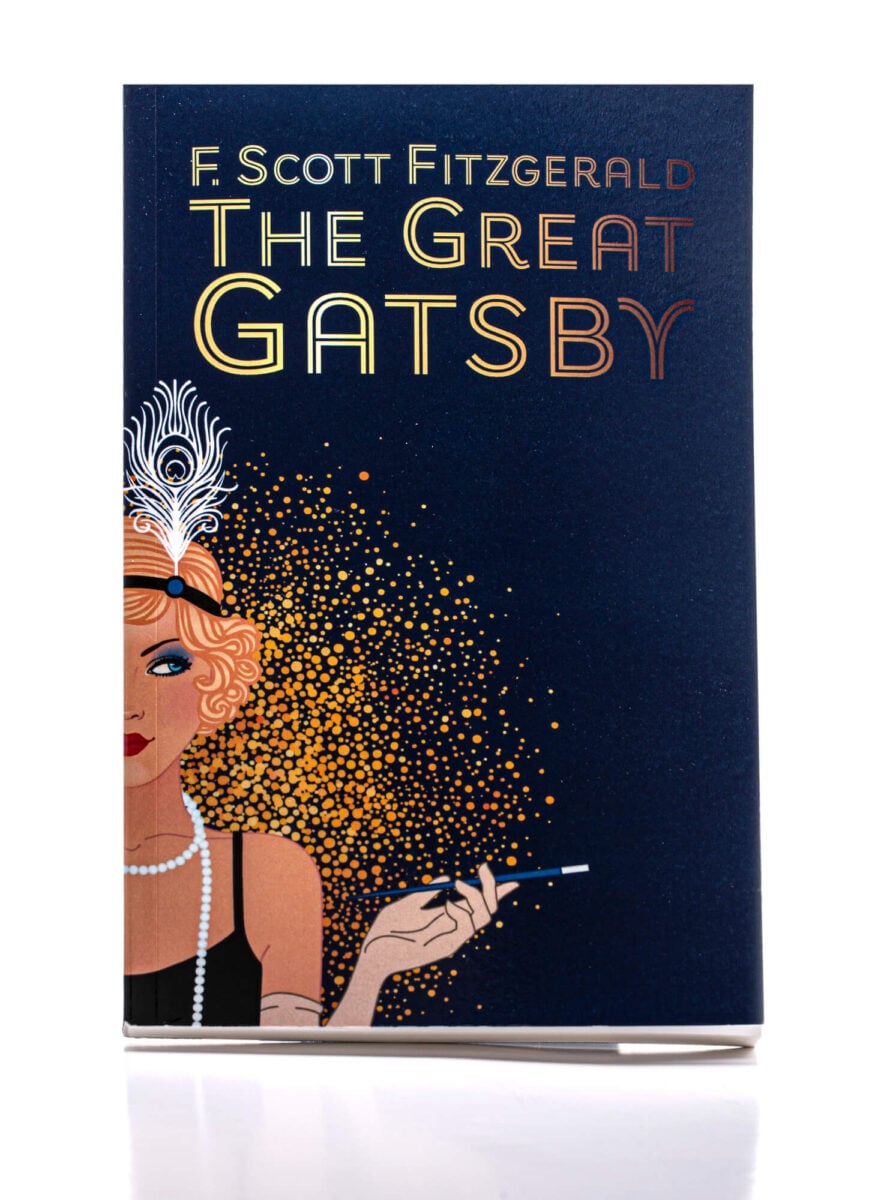
F. Scott Fitzgerald’s novel was removed from some libraries for containing adultery, alcohol use during Prohibition, and immorality. The book’s critique of American wealth and materialism was sometimes overshadowed by objections to its moral content.
Slaughterhouse-Five
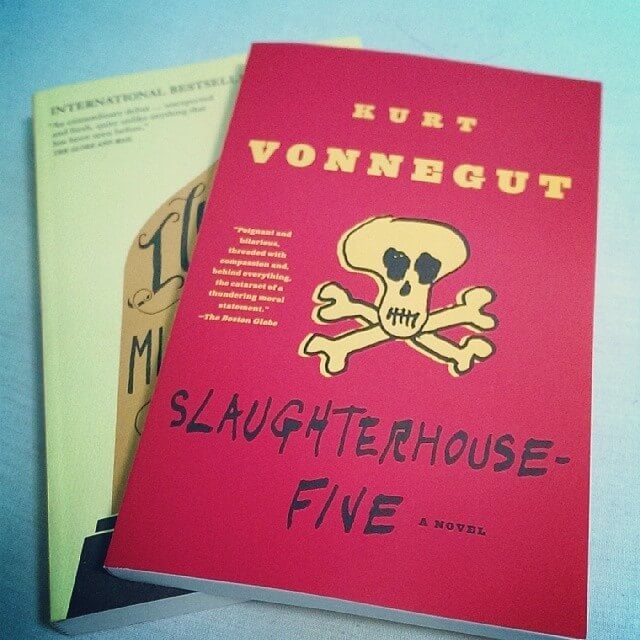
Kurt Vonnegut’s novel was removed for containing graphic depictions of war violence, intimate content, and profanity. The book’s anti-war message and its dark humor were sometimes dismissed as obscene rather than recognized as critique.
The Bluest Eye
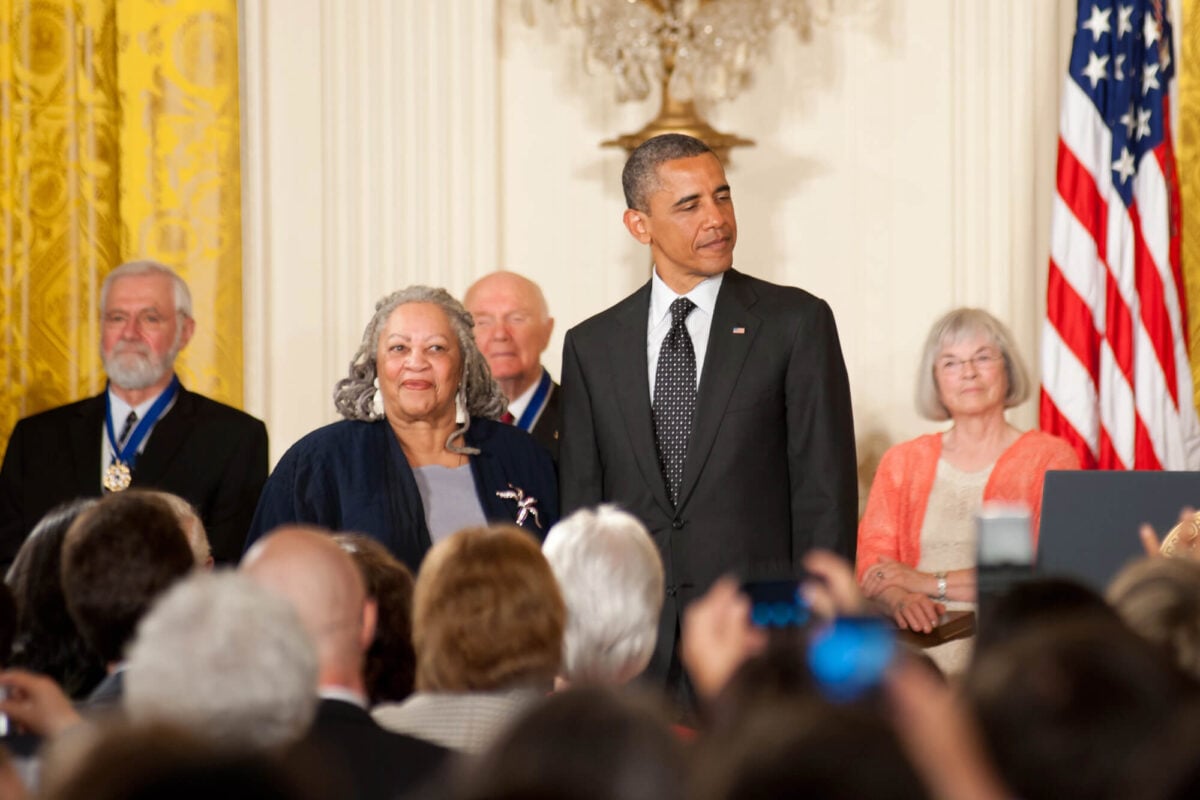
Toni Morrison’s novel was removed from schools for containing child rape, incestuous relationships, and graphic violence. The book’s exploration of internalized racism and trauma was sometimes dismissed because of its disturbing content.
In Cold Blood
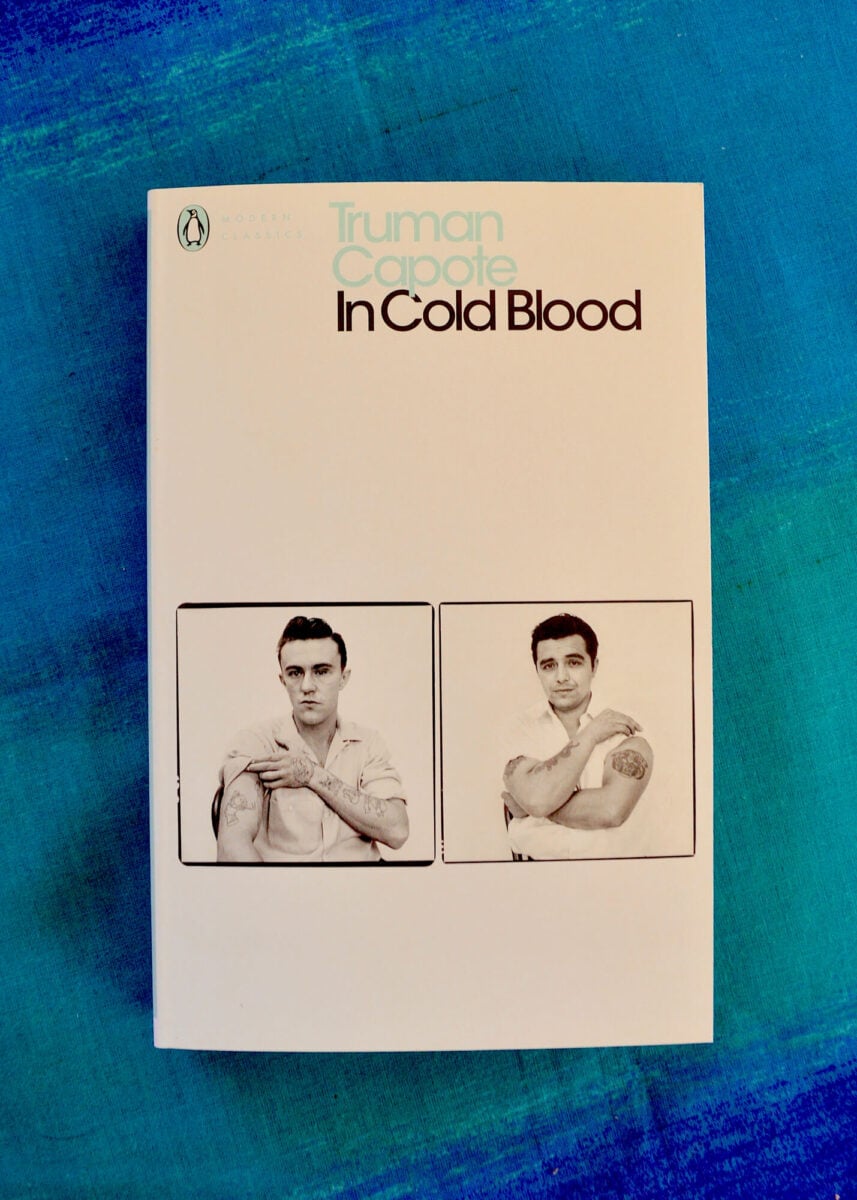
Truman Capote’s true crime narrative was removed for its graphic depiction of murder. Some communities deemed the detailed crime accounts inappropriate for readers.
The book pioneered the true crime genre and is now recognized as important literary journalism.
The American Heritage Dictionary
This dictionary was removed from some school libraries for containing the definition of the word used as a racial slur and other terms deemed offensive. The inclusion of accurate definitions and their origins was treated as advocacy rather than information.
Our Bodies, Ourselves
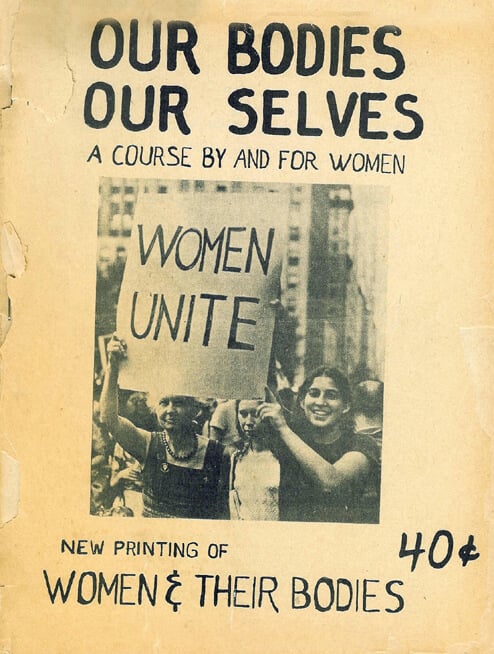
This intimate education and women’s health manual was removed for containing information about contraception, abortion, and female reproductive health. Religious and conservative groups objected to its advocacy for women’s reproductive autonomy.
The book was influential in women’s health education.
Are You There God? It’s Me, Margaret
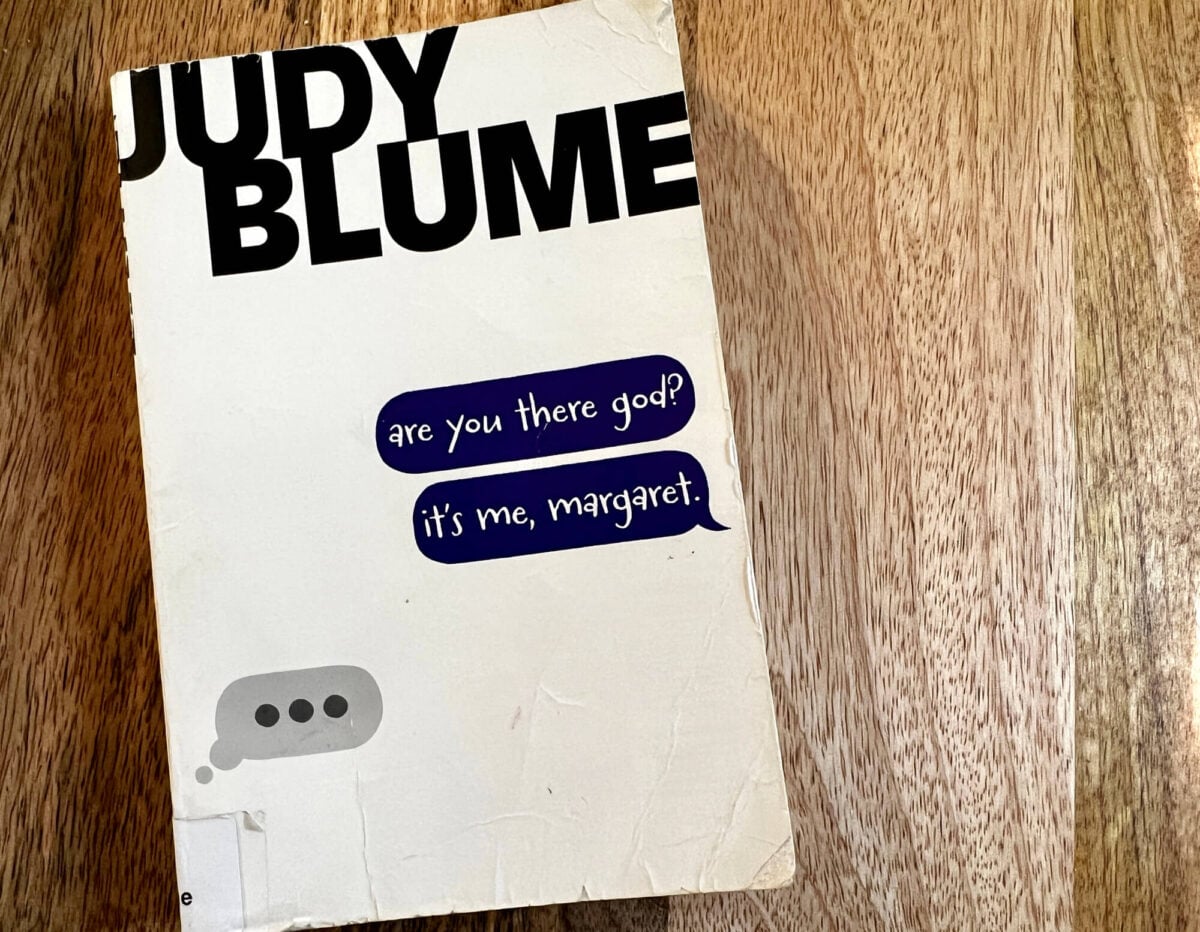
Judy Blume’s young adult novel was removed for its frank discussion of menstruation, breast development, and teenage identity. Some religious groups objected to its portrayal of religious doubt.
The book is now recognized as an important coming-of-age novel.
Forever
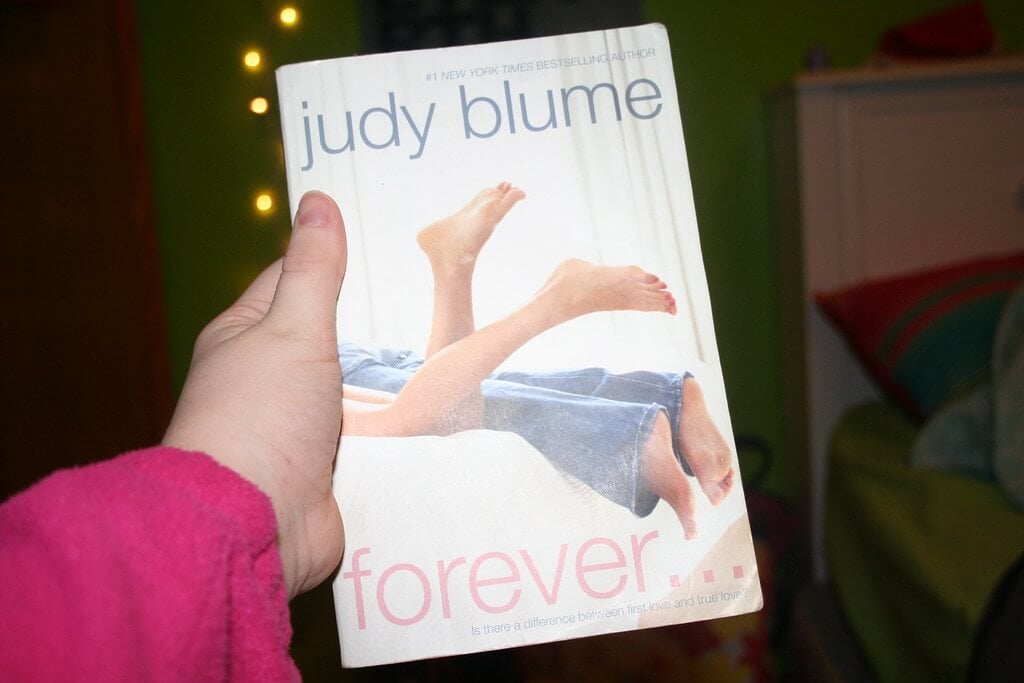
Another Judy Blume novel was removed for its depiction of teenage activity. The book’s realistic portrayal of adolescent identity was deemed inappropriate by schools and libraries seeking to protect young readers from adult content.
Gossip Girl Series
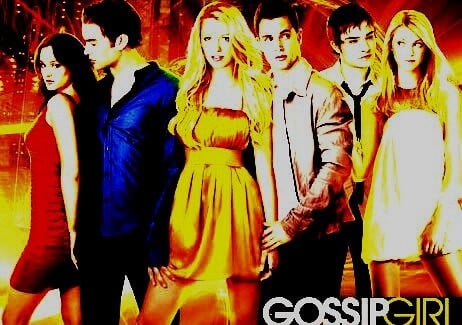
The book series was removed for containing intimate content, drug use, and morally ambiguous characters. The series’ portrayal of wealthy teenagers engaging in risky behavior troubled parents and educators.
Looking for Alaska
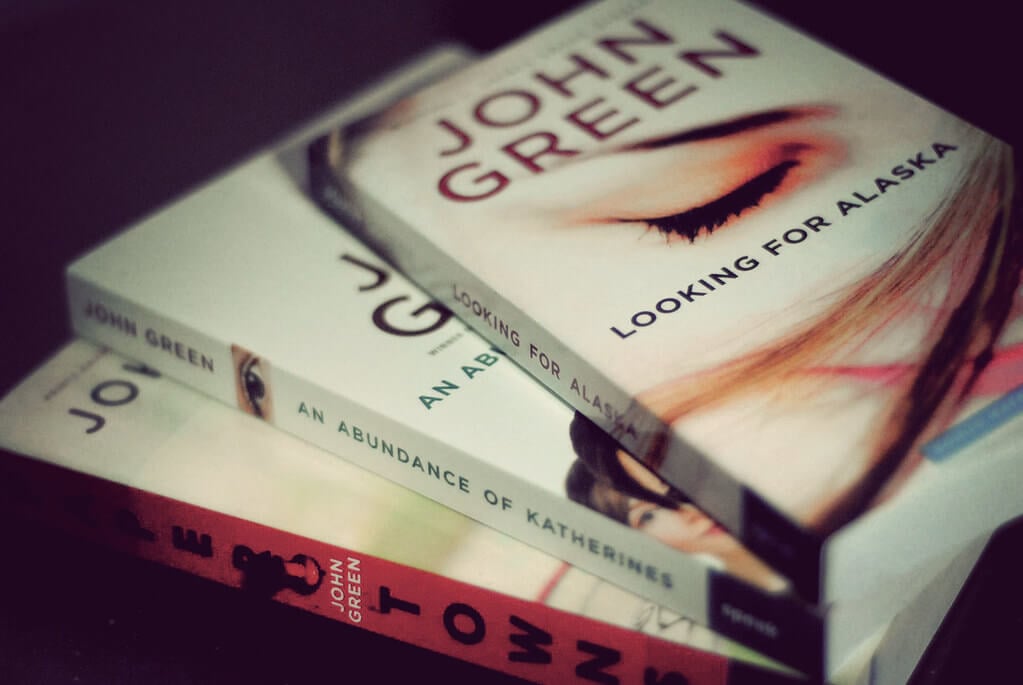
John Green’s young adult novel was removed for containing intimate content, drug use, and teen cig puffing. The book’s exploration of identity and mortality was sometimes overshadowed by objections to its depiction of youthful risk-taking.
Thirteen Reasons Why
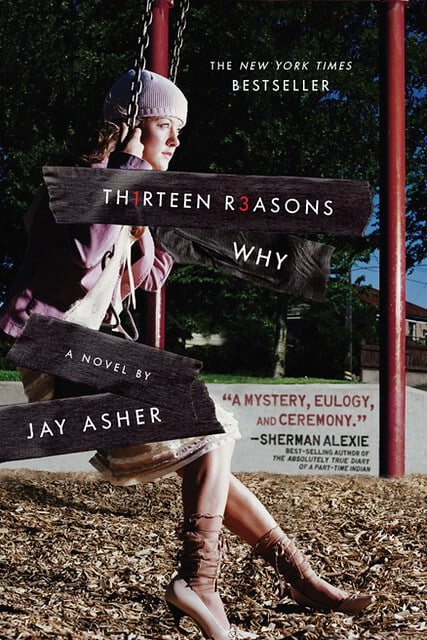
Jay Asher’s novel was removed from some libraries and schools for its depiction of teen self-harm and graphic assault. Controversy surrounding the novel’s portrayal of self-harm risk became more intense after its adaptation into a television series.
The Absolutely True Diary of a Part-Time Indian
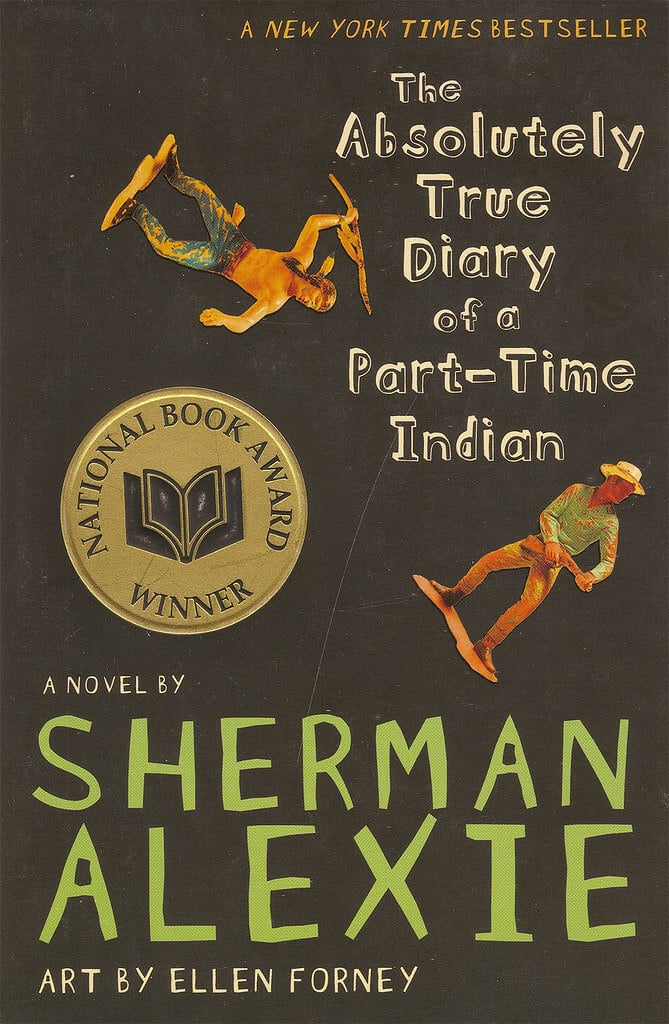
Alexie’s novel was challenged for using Native American slurs and discussing abuse within Native American communities. Defenders argued the book’s authenticity required accurate language and acknowledgment of real community problems.
Gender Queer
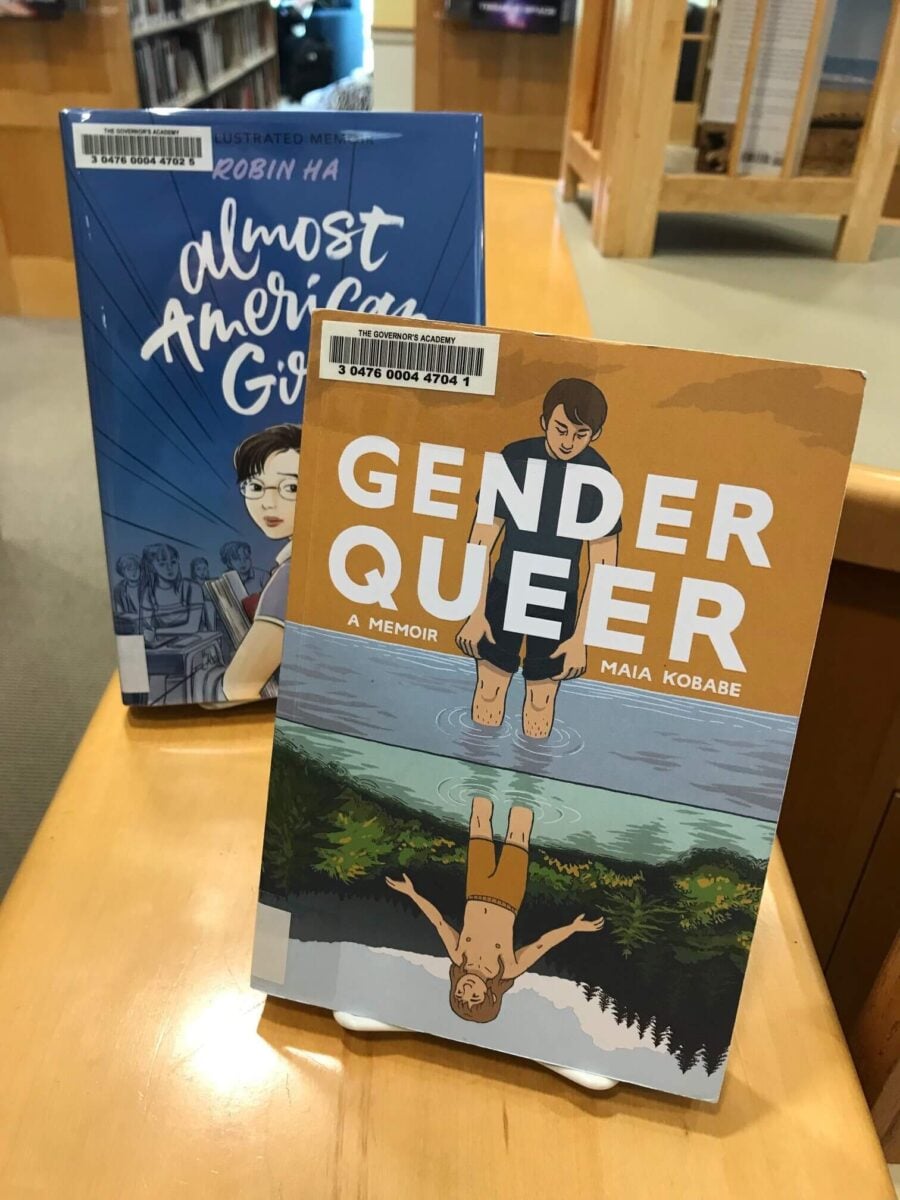
Maia Kobabe’s illustrated memoir was removed from libraries for containing explicit illustrations of intimate activity and anatomy. Controversy centered on whether the book belonged in school libraries versus public libraries serving adults.
The New Oxford Annotated Bible
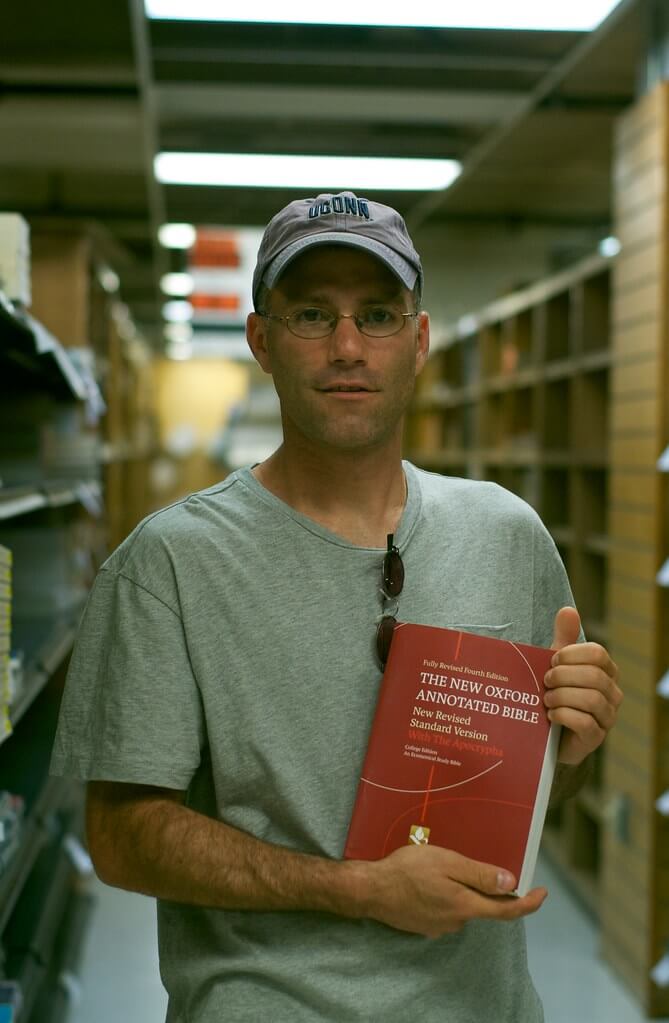
This scholarly biblical commentary was removed from some school libraries for containing historical and scientific notes that contradicted literal biblical interpretation. The inclusion of historical context was treated as critique rather than scholarly annotation.
Fahrenheit 451
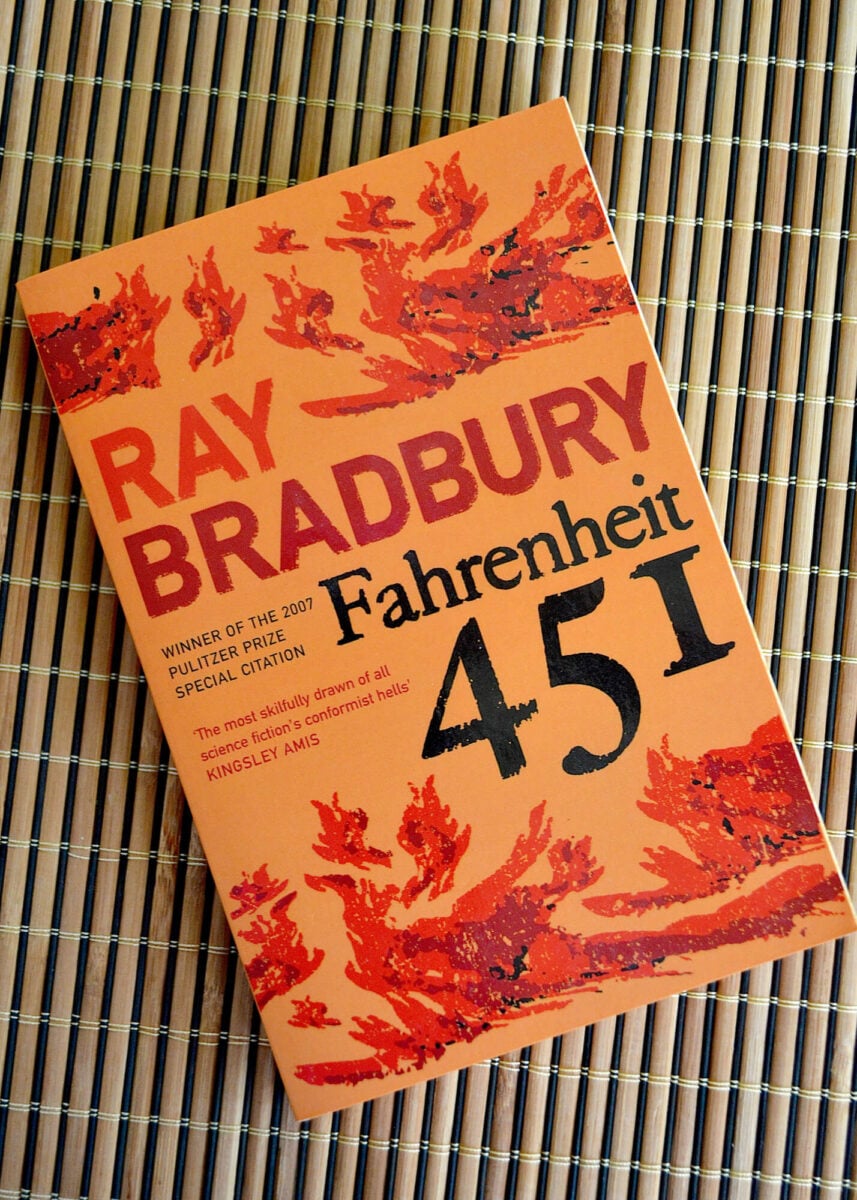
Ray Bradbury’s dystopian novel about book burning is itself frequently challenged and removed from libraries for containing profanity, intimate references, and anti-religious themes. The irony of removing a book about censorship has been widely noted.
The Censorship Pattern
These removals reveal that censorship often targets books that challenge prevailing assumptions about politics, religion, or social hierarchy. Reasons given for removal frequently obscure deeper objections to the ideas presented.
Many removed books are now recognized as important literary works whose removal represented suppression of valuable expression.
More from Go2Tutors!

- The Romanov Crown Jewels and Their Tragic Fate
- 13 Historical Mysteries That Science Still Can’t Solve
- Famous Hoaxes That Fooled the World for Years
- 15 Child Stars with Tragic Adult Lives
- 16 Famous Jewelry Pieces in History
Like Go2Tutors’s content? Follow us on MSN.



