26 Garage Sale Finds That Turned Into Five-Figure Paydays
There’s something almost embarrassing about how much money has changed hands at folding tables in suburban driveways. Someone hauls a box of old junk to the end of their driveway, slaps a “$2” sticker on something they’ve been meaning to throw away for years, and a stranger walks off with what turns out to be a small fortune.
It happens more often than most people would expect — not because garage sale shoppers are particularly lucky, but because they’re paying attention in places where most people stopped looking. These are twenty-six real finds that started as pocket change and ended as life-changing paydays.
Action Comics No. 1
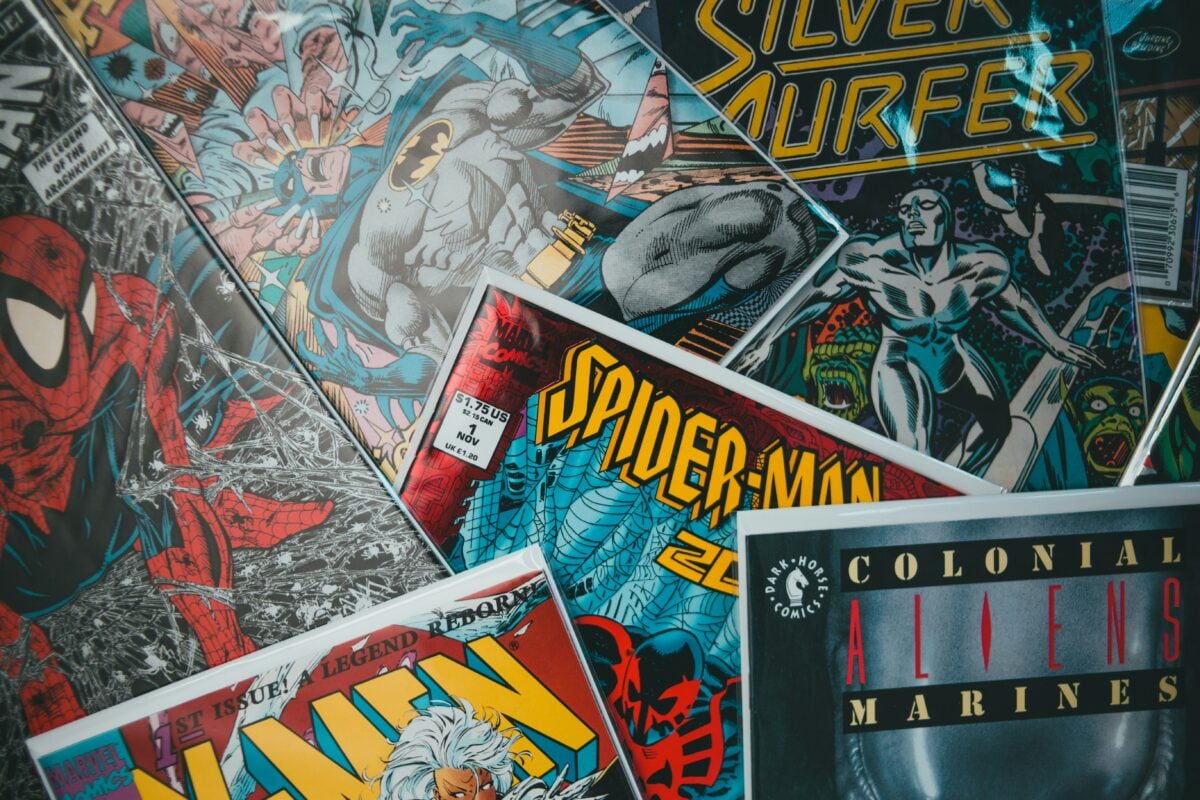
Superman’s first appearance showed up at a garage sale in 2013, tucked inside a bag of old comics a Minnesota man bought for a few dollars. The copy — creased, incomplete, barely holding together — still sold at auction for $175,000.
Comics in that condition aren’t supposed to exist outside of climate-controlled storage, and yet there it was, sitting in someone’s basement for decades.
A Fabergé Egg

A scrap metal dealer in the American Midwest bought what he thought was a golden trinket for $13,000, planning to melt it down for profit. It turned out to be one of only eight missing Fabergé Imperial Easter eggs, crafted for the Russian royal family in 1887.
It sold for $33 million — which is the kind of outcome that makes you reconsider every decorative object you’ve ever walked past at a flea market.
A Painting by Renoir

There’s a particular quality to the way significant things hide in plain sight — sitting in a cardboard box at a Virginia estate sale, wrapped loosely in newspaper, indifferent to their own importance. A woman paid $7 for a small painting at a flea market in 2012, and that painting turned out to be a Renoir riverscape worth an estimated $100,000.
The painting had actually been stolen from the Baltimore Museum of Art in 1951, which added a layer of legal complexity that the original buyer probably hadn’t anticipated when she handed over those seven dollars.
A Double-Sided Jackson Pollock
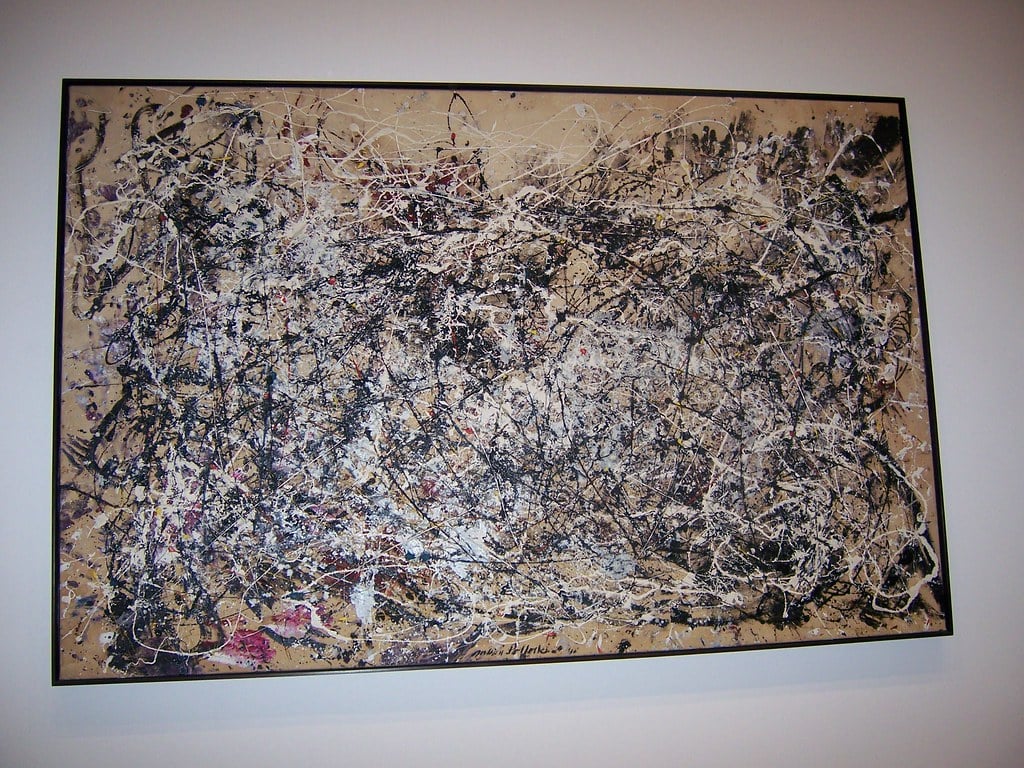
Jackson Pollock’s work isn’t the kind of thing that turns up at a garage sale — and yet that’s exactly what happened when a man in Wainscott, New York paid $5 for a canvas he bought in 1992. The painting, double-sided, was authenticated by experts after years of research and estimated to be worth up to $50 million.
So the man lived with a potential $50 million canvas for over a decade before anyone told him what it was.
An Original Declaration of Independence
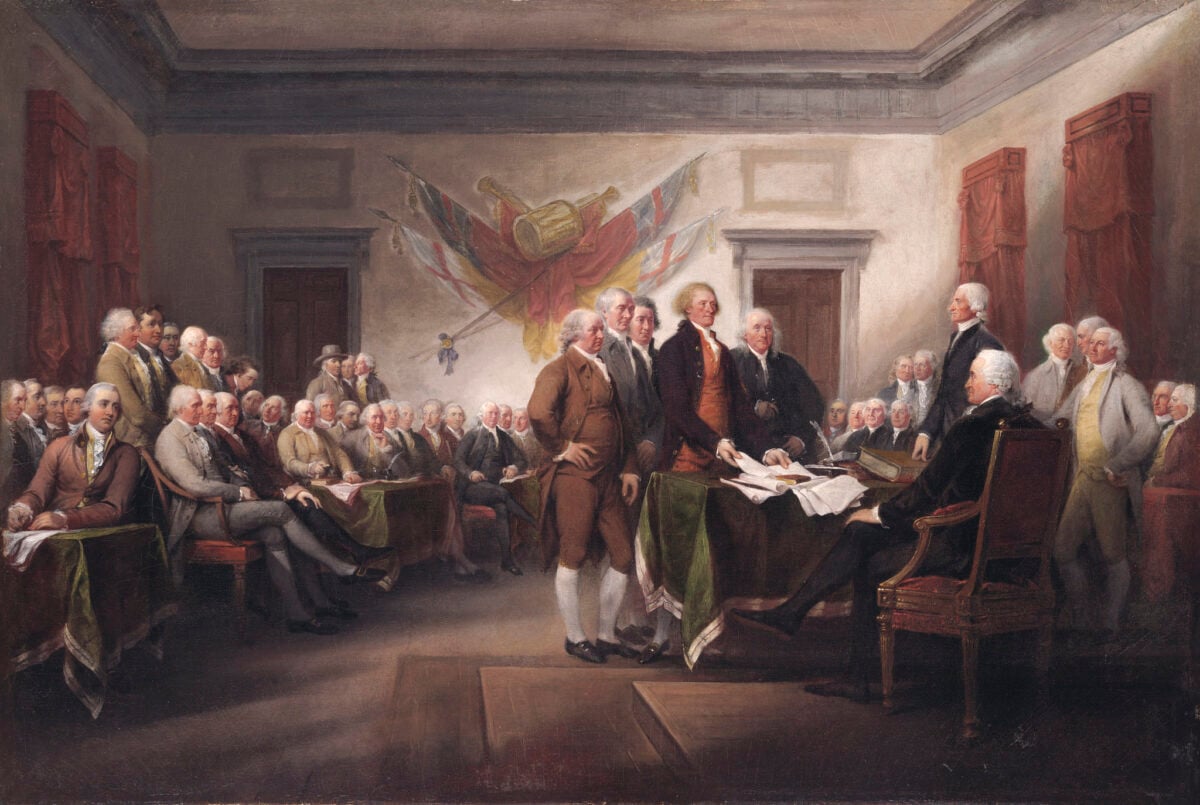
The Declaration of Independence is the kind of document you’d expect to find in a museum, not a dusty frame purchased for $4 at a Pennsylvania flea market in 1989. The buyer only wanted the frame, and the document was folded behind the original backing like an afterthought.
It sold at Sotheby’s in 1991 for $2.42 million — which says something about the importance of looking at what’s already inside the frame before you throw it away.
A Chinese Ming Dynasty Bowl

This one is almost cruel in its simplicity. A Connecticut woman paid $35 for a small bowl at a garage sale, used it to hold her keys for years, and eventually brought it to Sotheby’s out of mild curiosity. The bowl dated to the Ming Dynasty, likely the 15th century, and sold at auction in 2013 for $2.2 million.
It had been holding car keys.
Baseball Cards
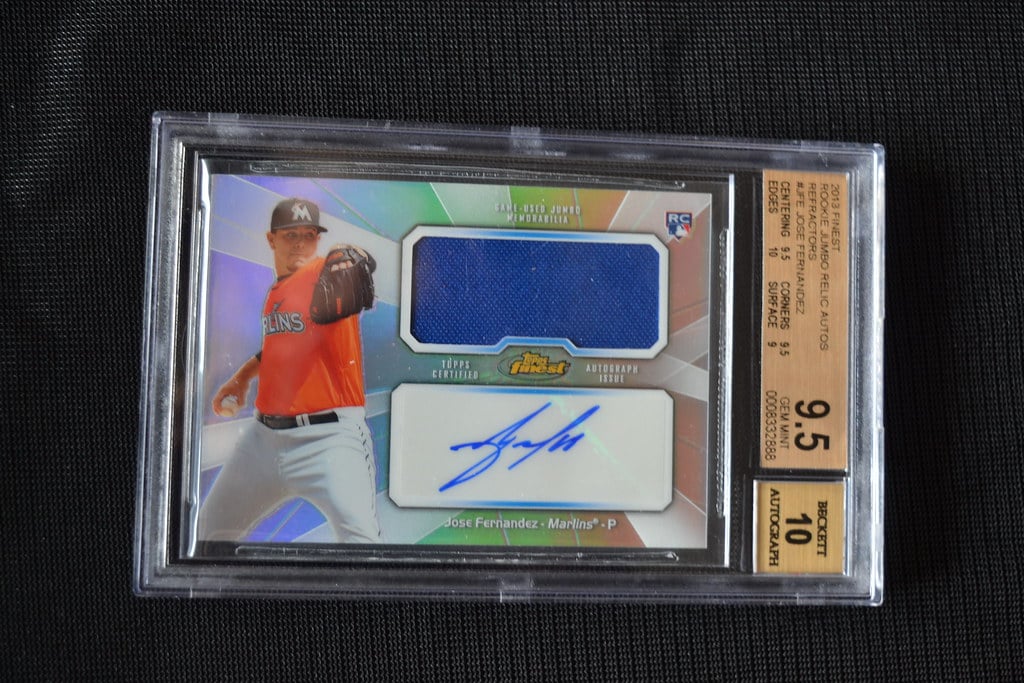
Vintage baseball cards from the early 1900s have a habit of appearing in garages and attics, usually bundled in rubber bands or stuffed in old cig boxes — discovered in exactly the kind of careless condition that makes collectors wince. A collection including cards from Honus Wagner and other early stars has surfaced at estate sales for a few dollars and sold for tens of thousands.
The cards themselves aren’t rare because they were made that way; they’re rare because most of them were destroyed by children who actually used them.
An Original Andy Warhol
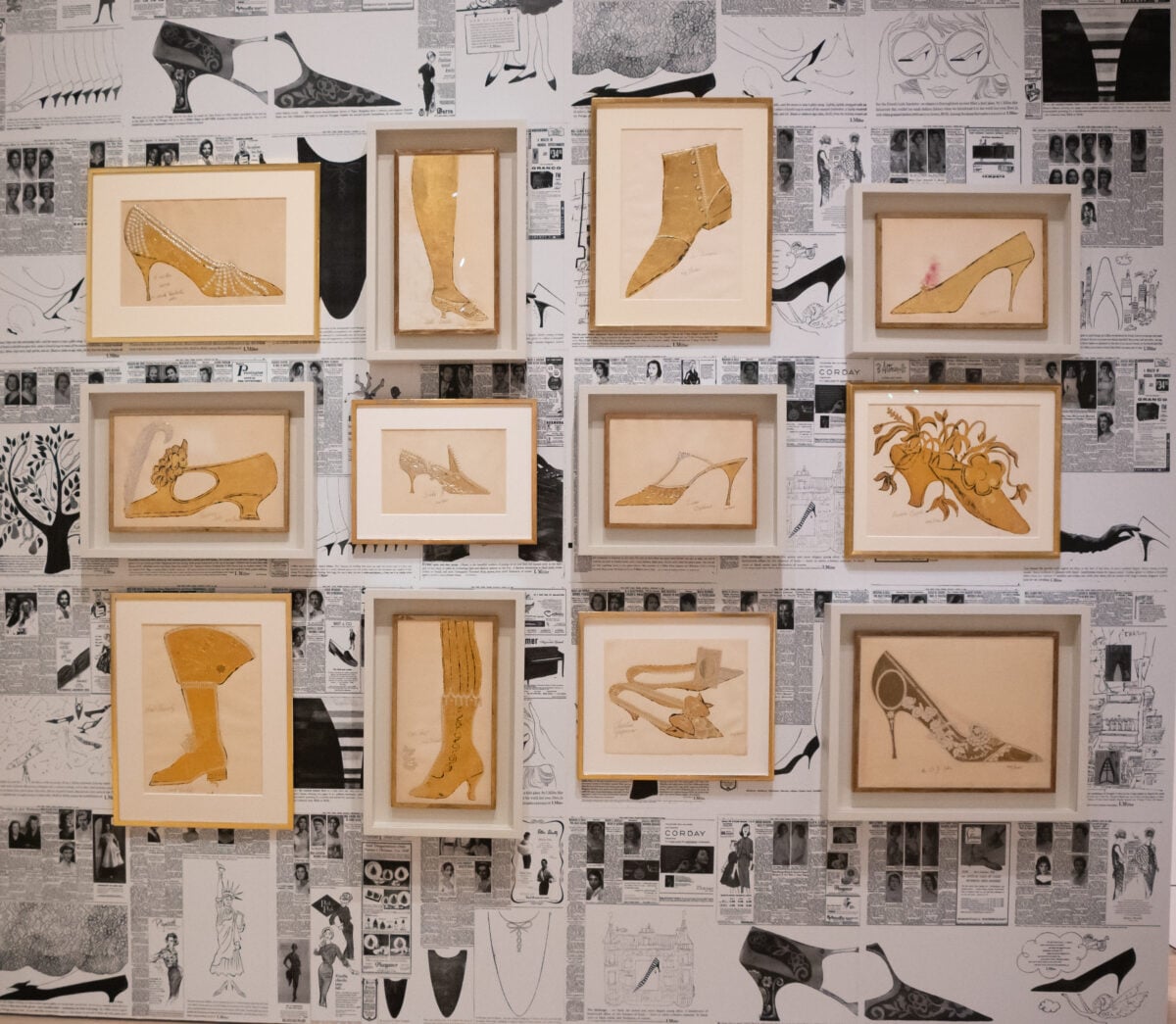
Andy Warhol’s commercial work was produced in such volume that pieces surface in unexpected places, but finding an original drawing at a garage sale still stretches credibility — and yet a shopper in the 1990s did exactly that. The piece, authenticated through the Andy Warhol Foundation, sold for well over $10,000.
To be fair, Warhol himself was famously indifferent to where his work ended up, so in some sense the garage sale felt appropriate.
A Stradivarius Violin

Violins don’t announce themselves. An old one sitting in a battered case on a folding table looks exactly like an old violin sitting in a battered case on a folding table — dusty, silent, holding its history the way old wood holds weather. A violin bearing the label of Antonio Stradivari was purchased for under $50 at an estate sale in the United States and later authenticated, with its value estimated in the hundreds of thousands.
The instrument had apparently been in a private home for decades, played occasionally, never identified.
A First Edition of “The Hobbit”
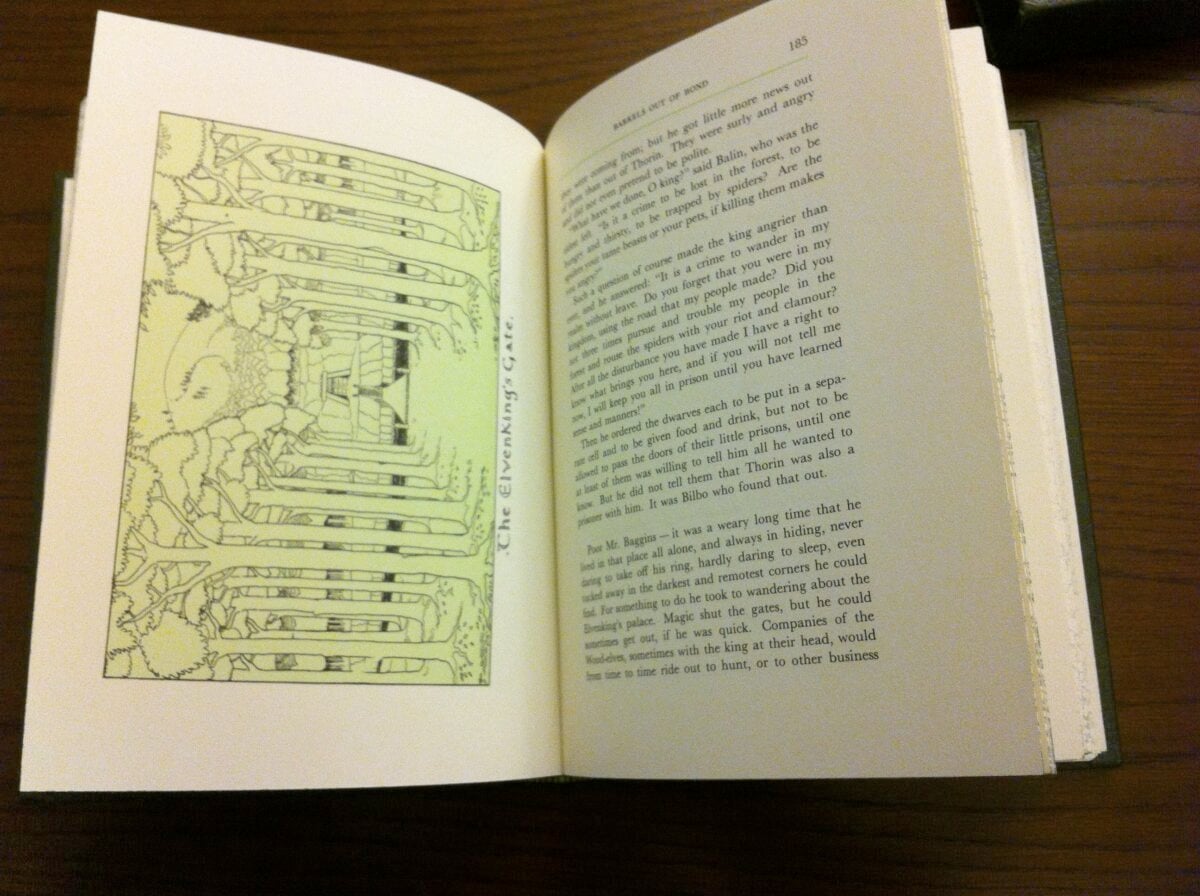
First editions of J.R.R. Tolkien’s “The Hobbit” from 1937 are not common, and the ones in good condition command extraordinary prices. A copy purchased at an estate sale for a few dollars sold at auction for over $65,000.
The tell is in the publisher’s name on the spine — Allen & Unwin — and the specific binding details that most people don’t know to look for.
A Civil War-Era Photograph
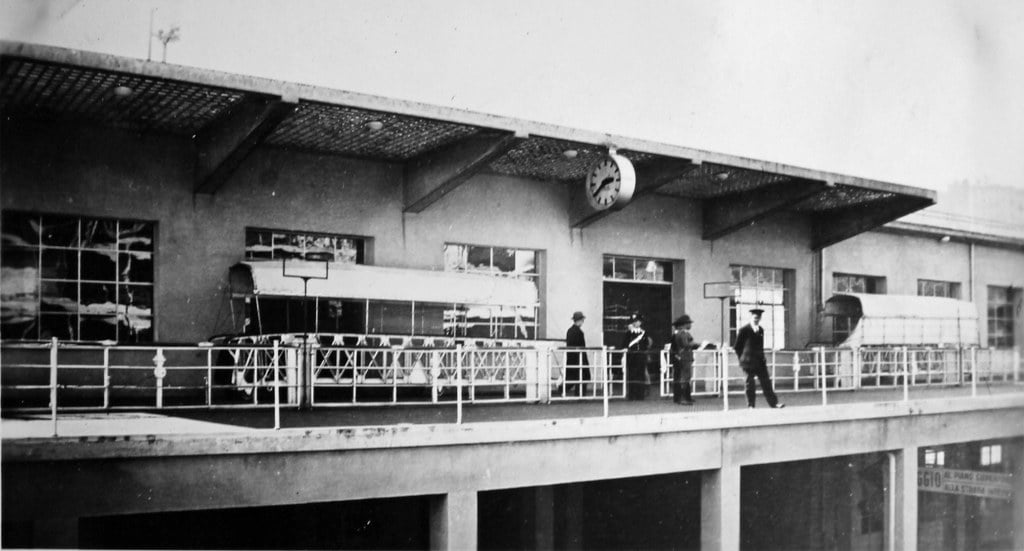
Civil War photographs are genuinely significant historical objects — not decorative reproductions, but glass-plate images of real people standing in real fields before or after real battles. A cased photograph of what appeared to be a soldier sold at a garage sale for $5 in the early 2000s and later identified as a rare image worth thousands.
These objects survived a hundred and fifty years of attics and moves and water damage to end up on a folding table with a masking tape price tag.
A Pocket Watch by Abraham-Louis Breguet
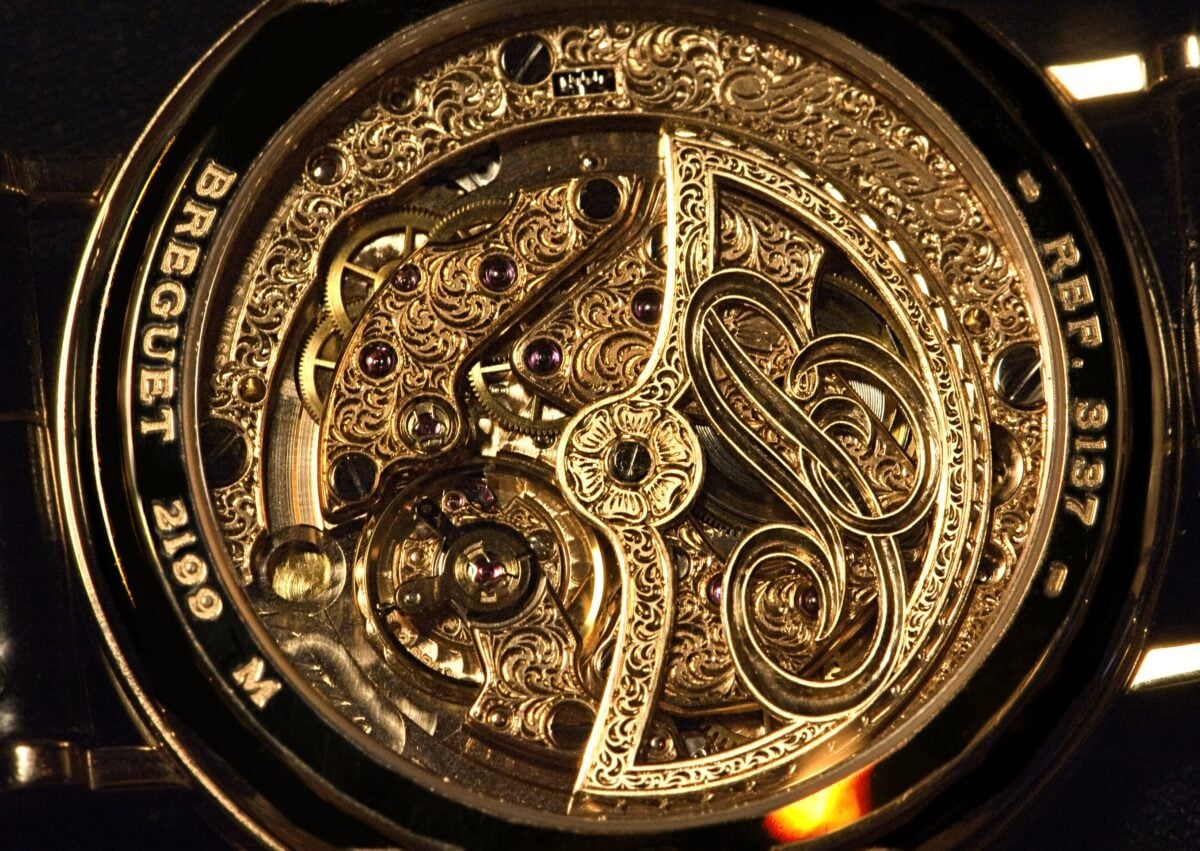
Breguet is one of the most revered names in watchmaking, and a pocket watch bearing the maker’s hallmark is not the kind of object that belongs in a shoe box at an estate sale — but that’s where one turned up. The watch, sold for under $100, was later authenticated and valued at over $15,000. Turns out the previous owner had no idea what they’d inherited.
A Pair of Nike “Moon Shoes”

The Nike “Moon Shoe” from 1972 is one of the rarest sneakers in existence — hand-stitched, made for the Munich Olympics, produced in a run of roughly twelve pairs. One pair surfaced at a garage sale in the Pacific Northwest for a few dollars and eventually sold at Sotheby’s first sneaker auction in 2019 for $437,500.
The shoes were still in unworn condition, which at that point felt less like preservation and more like prophecy.
A Piece of Lunar Meteorite

Someone sold what they thought was an unusual rock at an Arizona garage sale for $25, and the buyer — suspicious of its weight and surface texture — had it tested. It was a lunar meteorite, a fragment of the moon’s surface that had traveled through space and ended up in someone’s yard sale.
Authenticated lunar meteorites sell for roughly $1,000 per gram, making that $25 rock worth somewhere in the neighborhood of $50,000.
A Tiffany Lamp
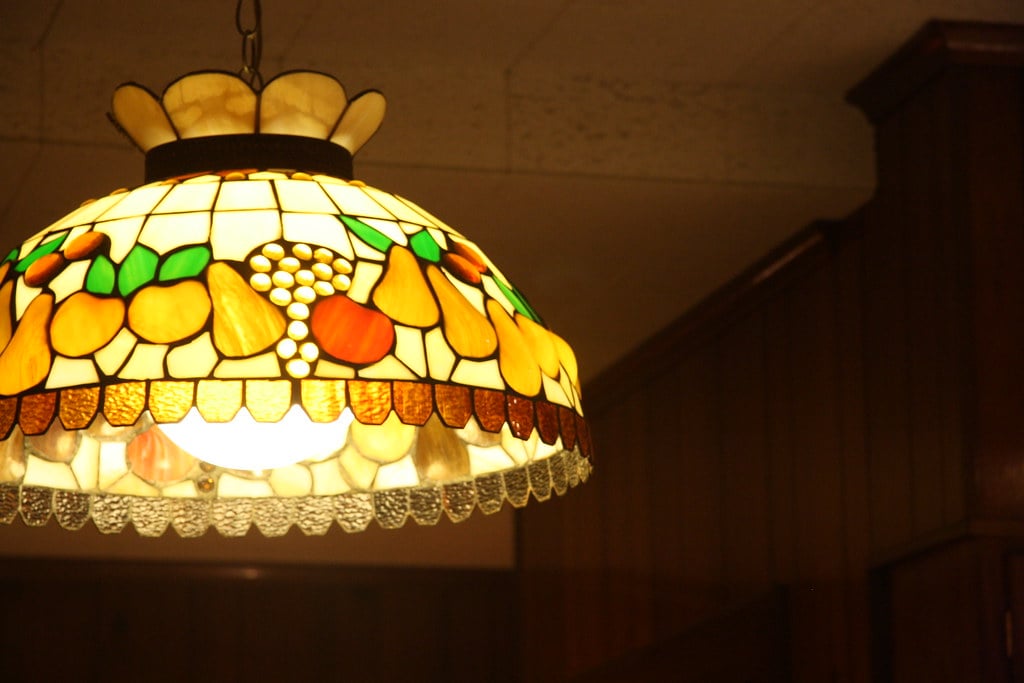
Tiffany lamps occupy that uncomfortable category of objects that were once so widely imitated that people stopped trusting the real ones. A woman bought a lamp at a garage sale in New England for $25 in the 1990s, kept it in her living room for years, and eventually had it appraised.
It was a genuine Tiffany Studios piece, and it sold for $130,000.
An Original Superman Comic
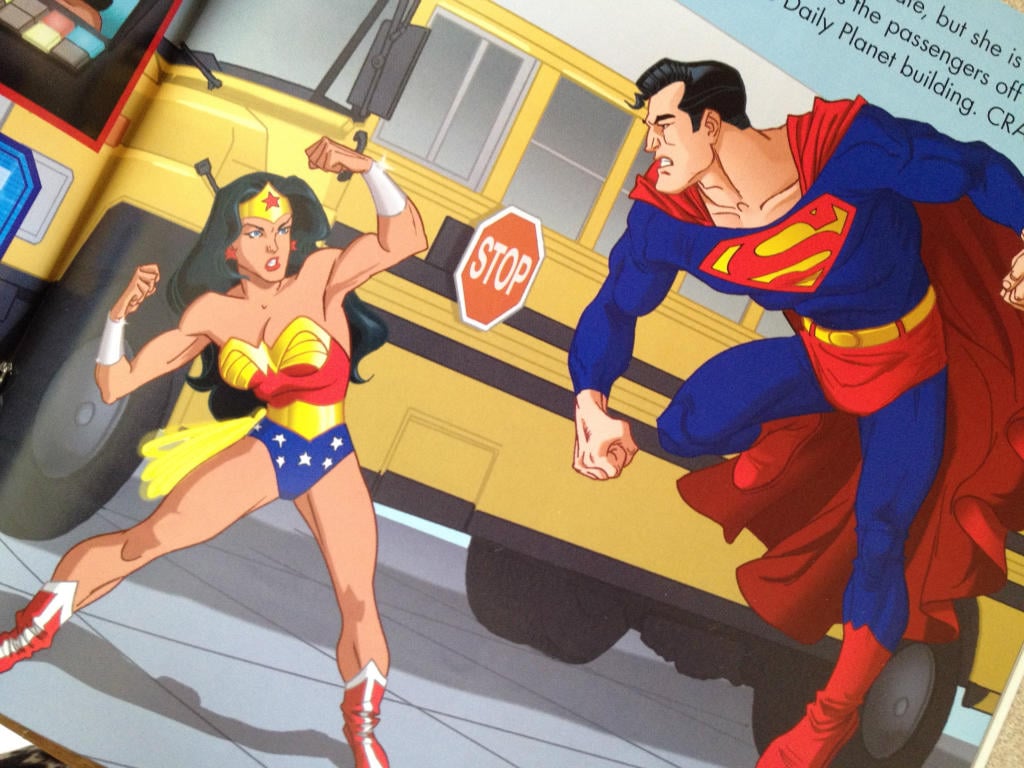
Action Comics No. 1 isn’t the only Superman-related find to land on this list — a collection of early DC comics discovered in the walls of a home in Elbow Lake, Minnesota in 2012 included several near-mint issues from the late 1930s and early 1940s. The find, which passed through garage sale and estate sale channels before reaching collectors, was valued at over $500,000.
Near-mint condition comics from that era are so rare that their existence in that state feels less like luck and more like a small miracle of negligence.
A Signed Hemingway First Edition

Ernest Hemingway’s signature on a first edition of “A Farewell to Arms” is the kind of find that seems like it should have been recognized immediately — and yet a copy signed by Hemingway turned up at an estate sale in the American South, purchased for $1, and later sold through a rare book dealer for over $10,000. The buyer had a habit of reading the title pages of any book before deciding whether to buy it.
A German Expressionist Painting

German Expressionist paintings from the early 20th century carry serious market weight, especially work connected to well-documented artists with authenticated provenance. A painting purchased for $50 at a California estate sale in the early 2000s was later attributed to a significant German Expressionist painter and sold for over $100,000.
The previous family had displayed it in a hallway for forty years.
A Wristwatch by Patek Philippe
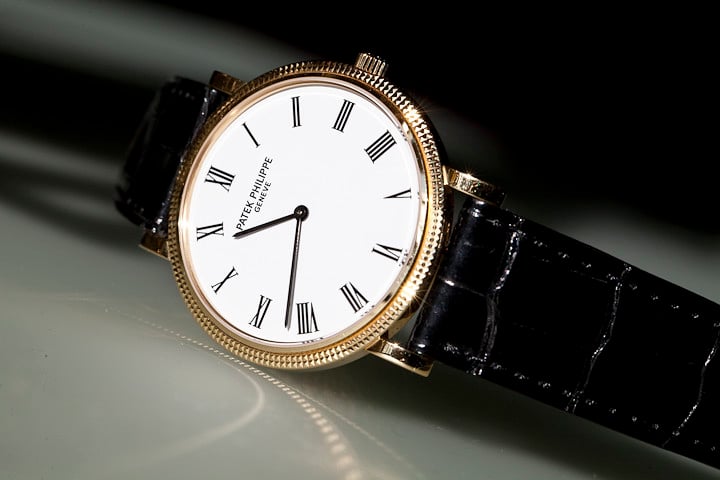
Patek Philippe makes the kind of watches that serious collectors track across decades — each reference number documented, each auction result memorized, each dial variation catalogued in books that cost more than most watches. A Patek Philippe reference purchased at a garage sale for under $200 sold at auction for over $20,000 after a collector recognized the case back.
The seller had priced it as a “pretty old watch.”
A 17th-Century Dutch Oil Painting
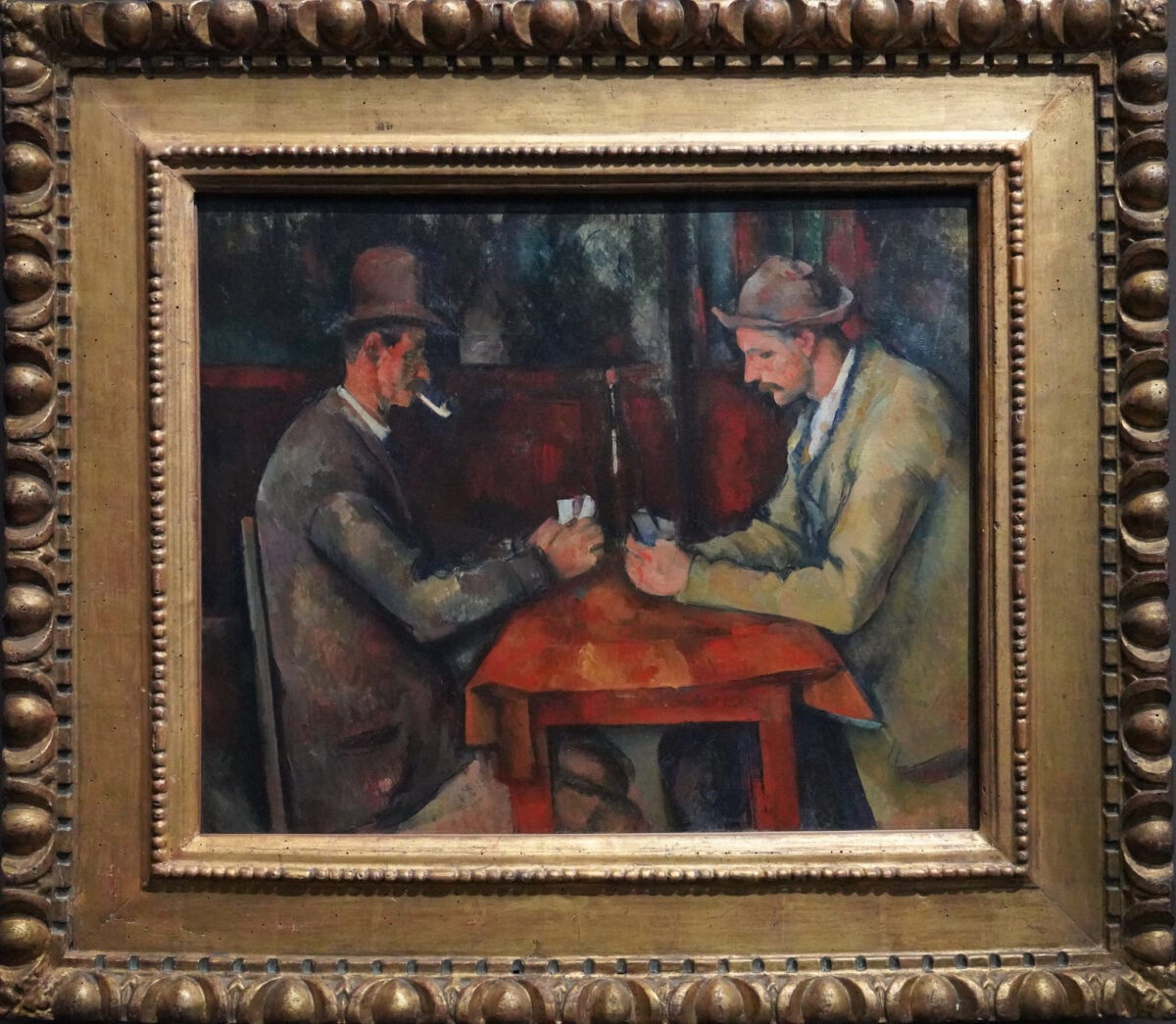
Old Dutch masters have a specific look — dark grounds, careful light, subjects rendered with the kind of patience that belongs to a different century. A painting purchased at a New England estate sale for $30 was later attributed to a 17th-century Dutch artist and valued at over $25,000 after cleaning and expert examination.
And the cleaning alone, which revealed details invisible under a century of grime, is what made the attribution possible.
A Set of Original Ansel Adams Prints
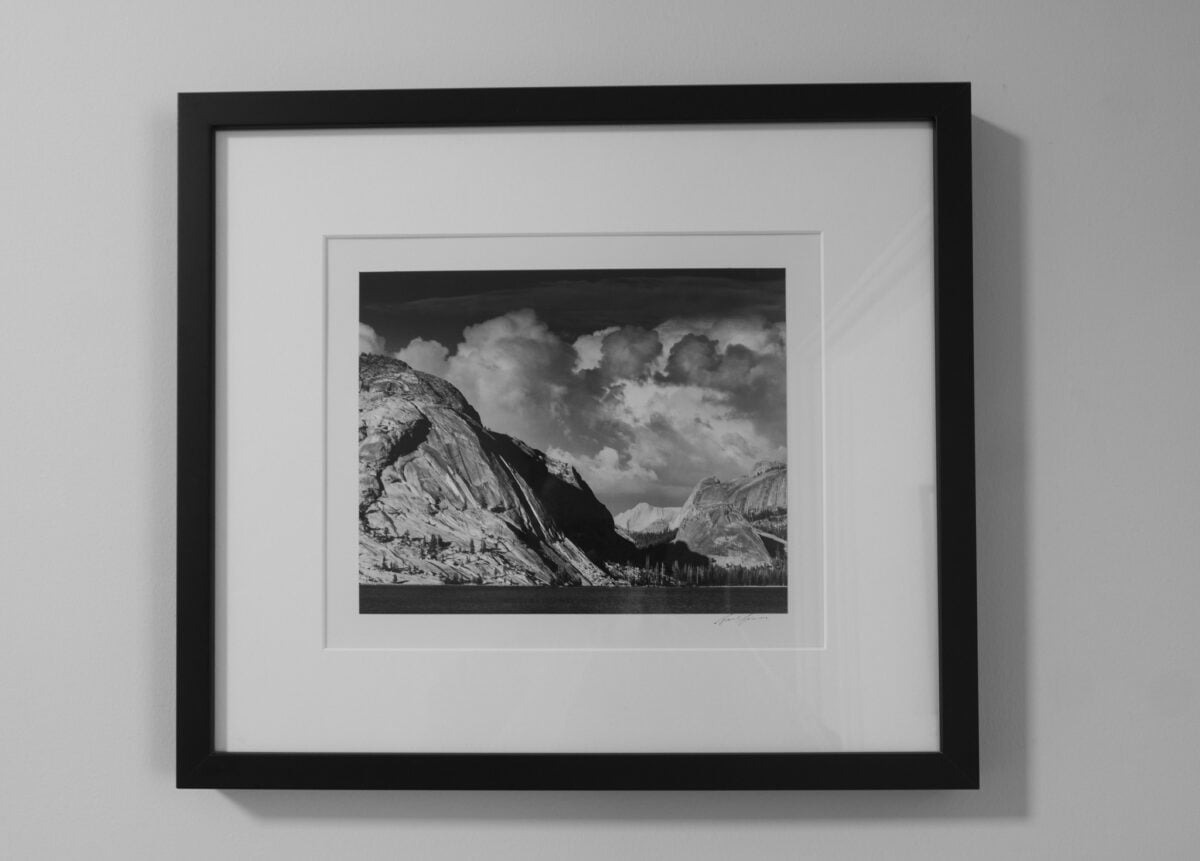
Ansel Adams photographs in their original print form are museum objects, full stop. A collection of 65 prints discovered at a garage sale in California in 2000 — purchased for $45 from a man selling the contents of a deceased friend’s home — was later authenticated as original Adams prints and valued at approximately $200 million.
The buyer was an amateur photographer who bought them because he liked the mountains.
A Rookwood Pottery Vase
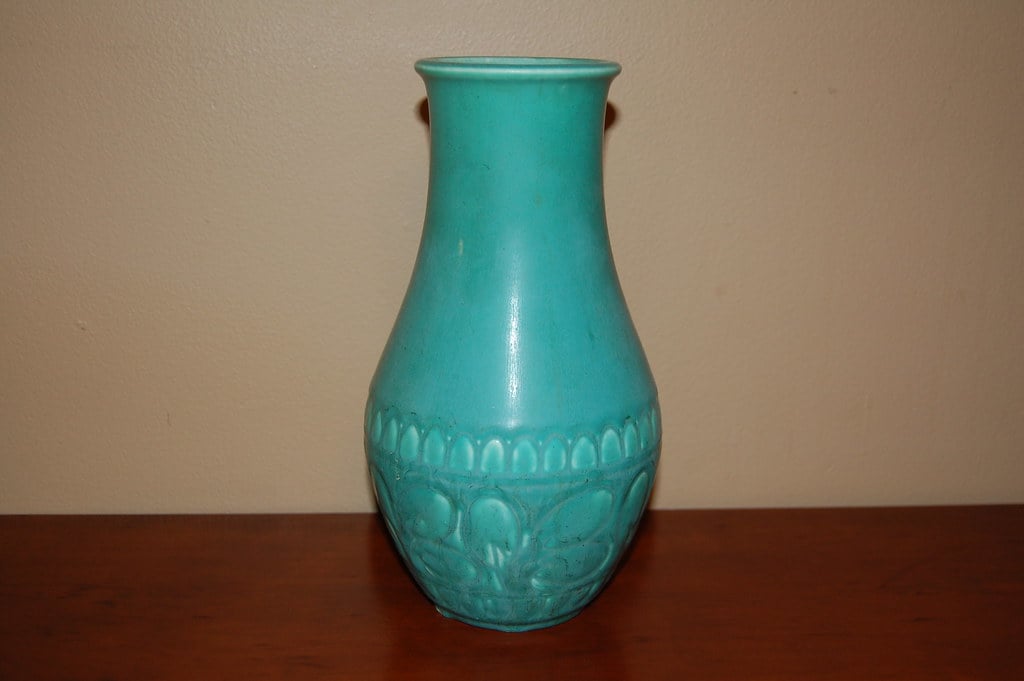
Rookwood Pottery from Cincinnati produced some of the most significant American art pottery of the late 19th and early 20th centuries — pieces that now appear in major museum collections alongside European work. A vase purchased at a Midwestern garage sale for $8 turned out to be a rare Rookwood piece from 1900 and sold at auction for $12,000.
The glaze color was the giveaway, but only if you already knew what you were looking at.
A Buffalo Bill Poster
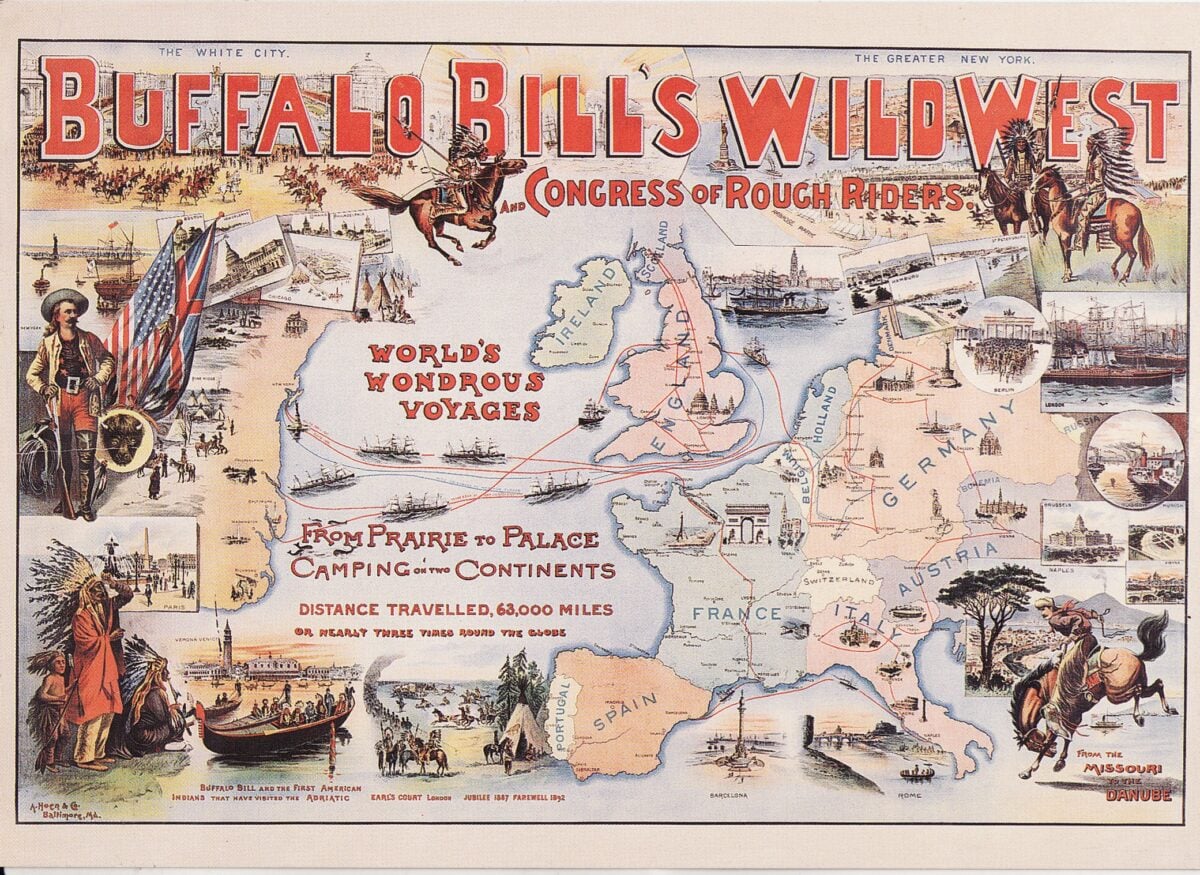
Original lithographic circus and Wild West show posters from the late 1800s are extraordinary survivors — printed on fragile paper, posted outdoors, expected to last two weeks. A Buffalo Bill Wild West show poster purchased at a Pennsylvania garage sale for $2 was later sold through a Western Americana dealer for $18,000.
The poster had been folded in quarters and stored in a steamer trunk for most of its life.
A Martin Guitar

Martin guitars built before 1960 are legitimate collector’s items — the pre-war ones especially, with their particular spruce tops and scalloped bracing that modern production doesn’t replicate. A 1940s Martin D-28 purchased at an estate sale for $100 was later sold through a vintage instrument dealer for $35,000.
The buyer played it for two years before anyone told him what it was worth, which is arguably the best two years it had seen since the Eisenhower administration.
A Sèvres Porcelain Vase

Sèvres porcelain made for the French royal court in the 18th century carries a specific mark — the interlaced LL cipher — that most people haven’t been trained to recognize. A vase bearing that mark was purchased at a Connecticut estate sale for $40 and later sold through a European ceramics specialist for $22,000.
The estate executor had priced it based on how it looked next to everything else on the table.
An Antique Navajo Blanket

First-phase Navajo chief’s blankets from the early 19th century are among the most significant textiles produced on the North American continent — woven before commercial dyes, before the railroad changed the Navajo world entirely, before most of the blankets were traded away and lost. One such blanket, purchased at a garage sale in the American Southwest for $20, was brought to a major auction house and sold for $1.5 million.
The buyer had folded it over a chair in her bedroom for three years.
The Table at the End of the Driveway
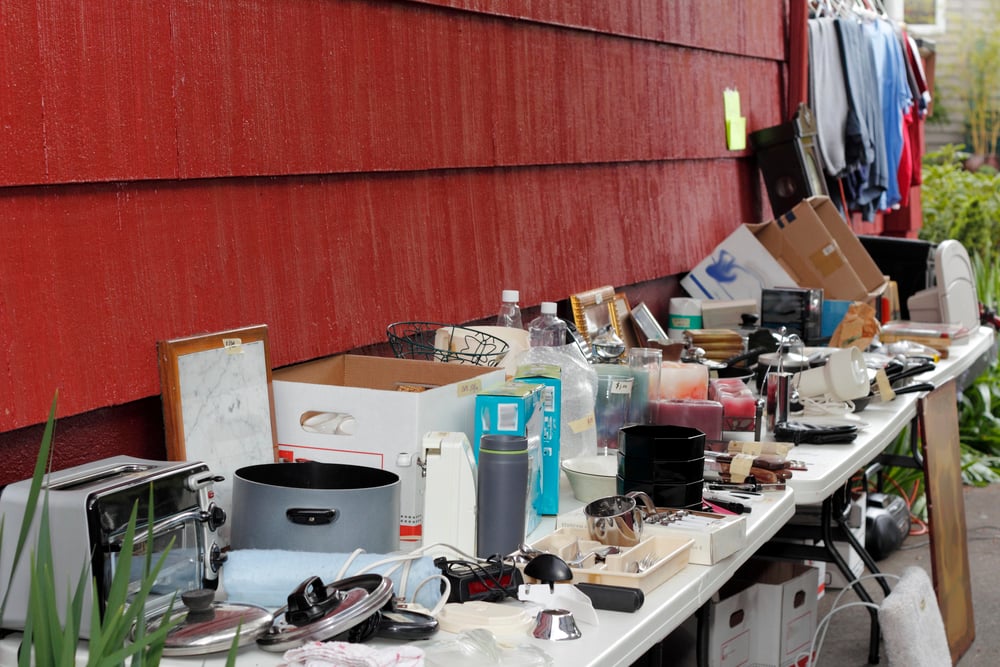
The strangest part of all these stories isn’t the money — it’s the gap between how these objects were held and what they actually were. A Roman coin in a mason jar.
A Ming bowl holding car keys. A potential Pollock leaning against a garage wall for a decade.
The objects didn’t change; the attention around them did. And that’s the quiet argument every single one of these stories is making: that the world is full of significant things waiting in ordinary places, and the only real difference between the person who bought that $2 painting and everyone else who walked past it is that one of them stopped.
More from Go2Tutors!

- The Romanov Crown Jewels and Their Tragic Fate
- 13 Historical Mysteries That Science Still Can’t Solve
- Famous Hoaxes That Fooled the World for Years
- 15 Child Stars with Tragic Adult Lives
- 16 Famous Jewelry Pieces in History
Like Go2Tutors’s content? Follow us on MSN.