23 Books The Powerful Tried To Ban, Burn, Or Suppress
For as long as there have been books, there have been authorities who wished certain books didn’t exist. Sometimes that meant the spectacle of a public burning; far more often it meant quieter tools—bans, censorship, official lists of forbidden works, the prosecution of printers. What unites these cases isn’t the flame but the fear: someone in power recognizing that a set of words might change how people thought.
The books below span centuries and were targeted for very different reasons—religious, political, moral. What follows tries to be accurate about what actually happened to each, because the difference between “burned in the square,” “banned from sale,” and “placed on the Index” is part of the story.
The Talmud
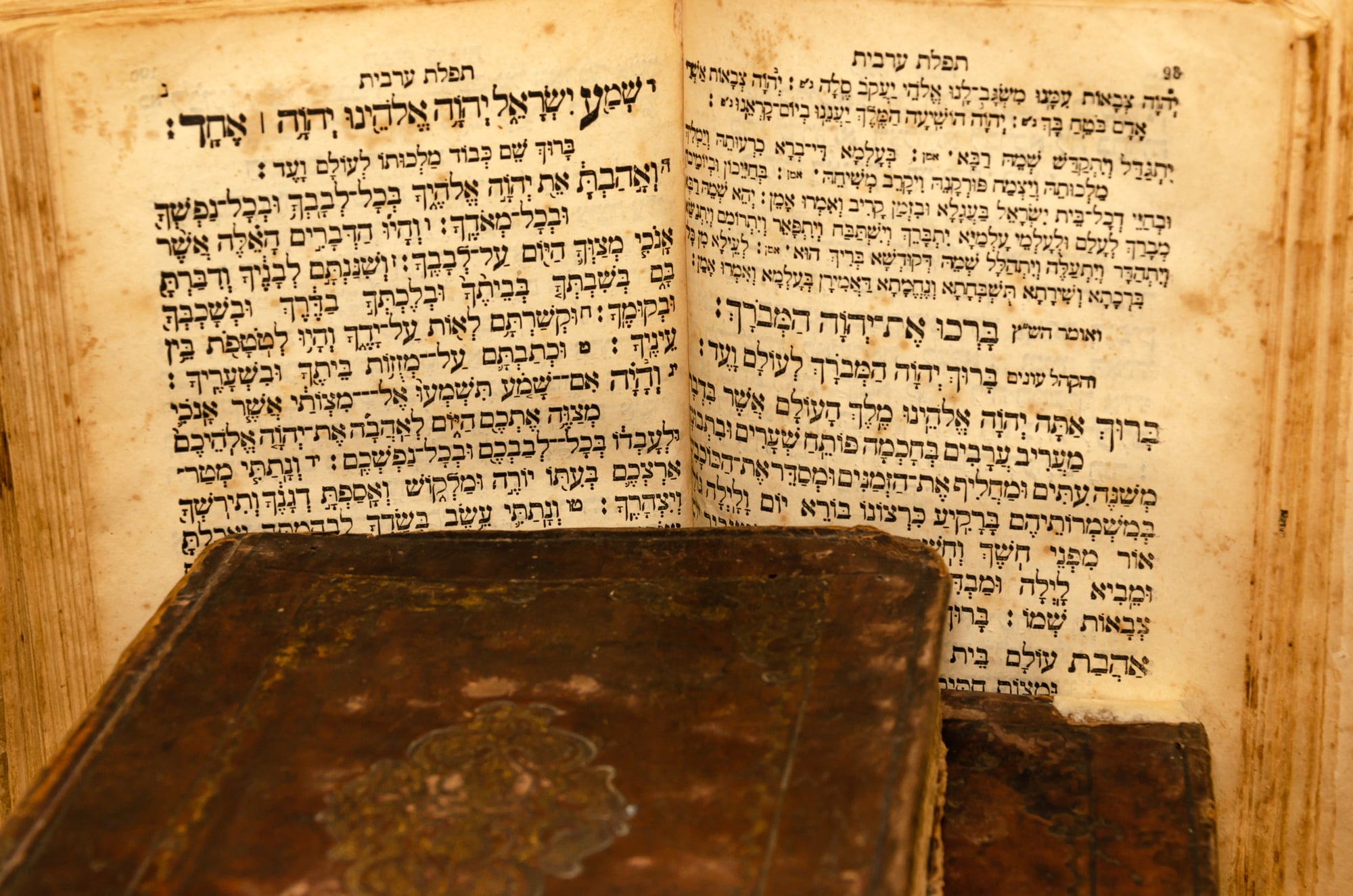
In medieval Europe, Jewish texts were repeatedly targeted by Christian authorities, and the Talmud suffered some of the worst of it. The most infamous episode followed the Disputation of Paris: in 1242, on the orders of the French crown and with church backing, cartloads of hand-copied Talmud manuscripts—by traditional accounts around two dozen wagonloads—were burned in a Paris square.
The Talmud represented what those authorities feared most: a sophisticated, self-governing intellectual tradition, full of debate and legal reasoning, that flourished entirely outside their control. Because every volume was copied by hand, each burning destroyed irreplaceable centuries of commentary. It was an attempt not merely to censor a book but to erase a way of thinking.
The Works of Galileo Galilei
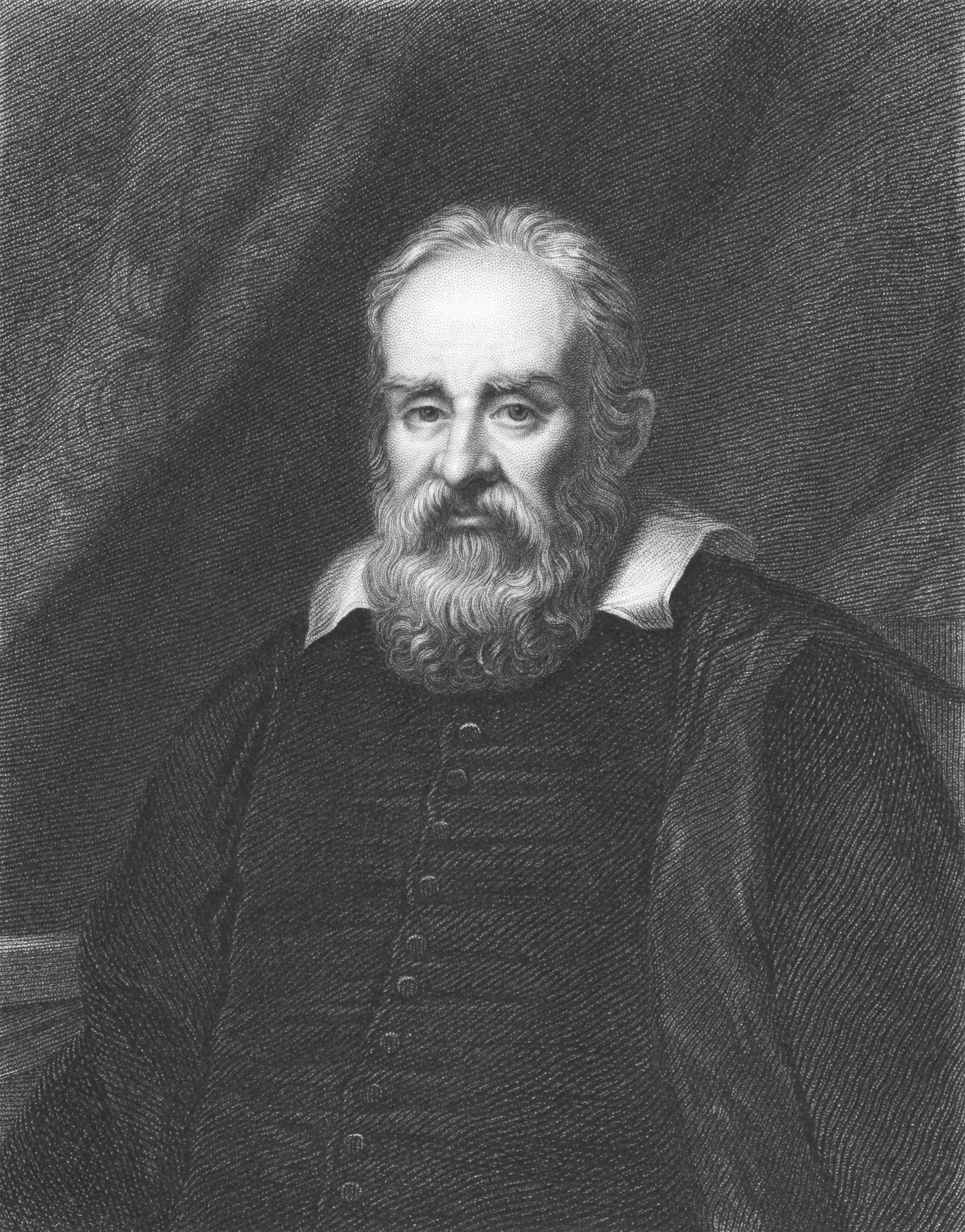
The Catholic Church’s conflict with Galileo is one of history’s most famous collisions between authority and inquiry. In 1633 the Inquisition condemned his Dialogue Concerning the Two Chief World Systems, forced him to recant his support for a sun-centered cosmos, and placed his work on the Index of Forbidden Books, where it remained for generations. Galileo himself spent his final years under house arrest.
Part of what alarmed the church was that Galileo wrote in vigorous Italian, not scholarly Latin, making his ideas accessible far beyond the university. His heliocentric astronomy didn’t just revise a scientific model; it dislodged the Earth, and humanity, from the center of creation. The suppression slowed the spread of his ideas but, famously, could not stop them—the church formally conceded the point only centuries later.
Areopagitica By John Milton
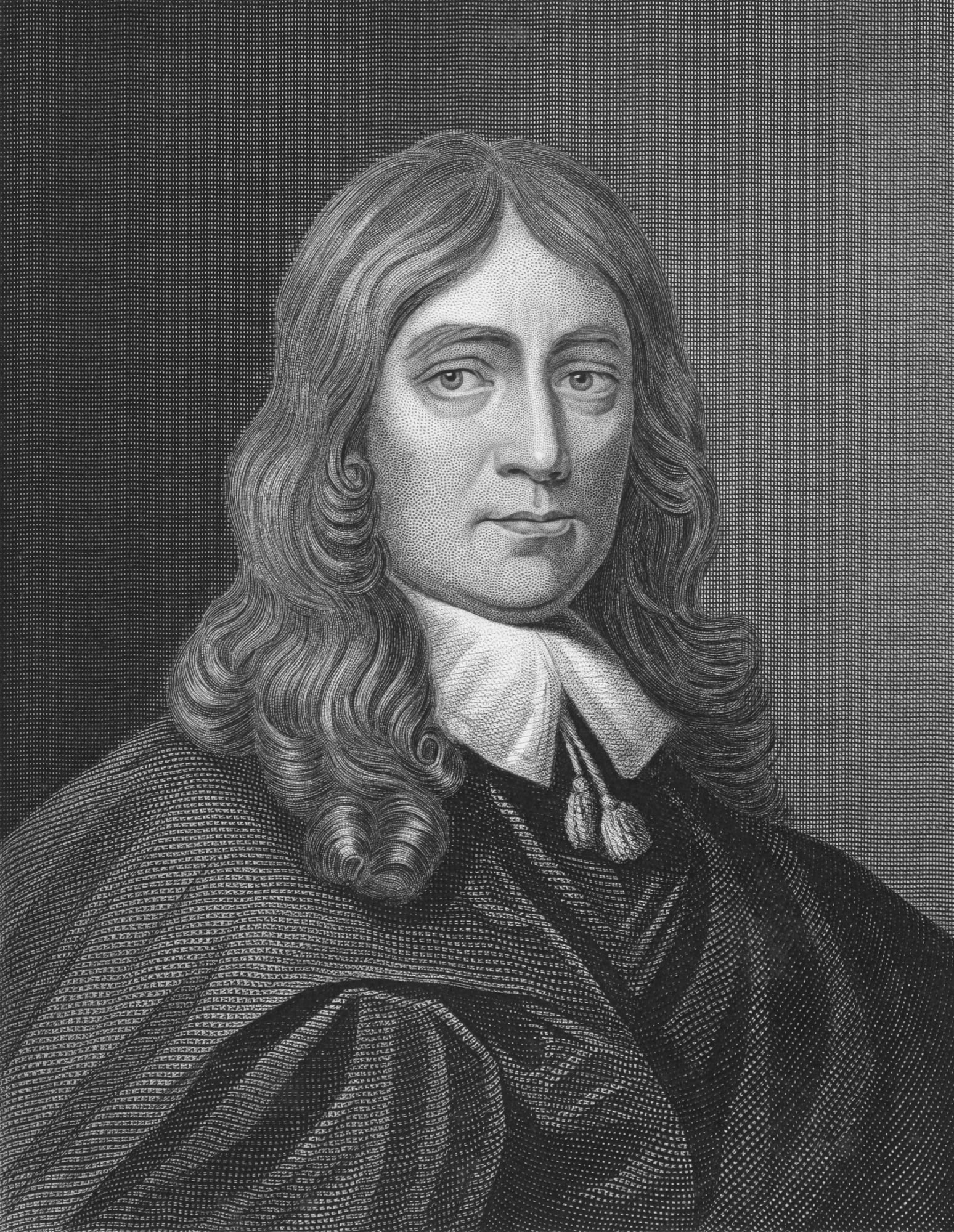
Milton published Areopagitica in 1644 as an impassioned argument against a parliamentary order requiring government licensing of books before publication. Its case is one of the most enduring ever made for free expression: that truth emerges from open debate rather than official decree, and that censorship insults a people’s capacity to judge for themselves.
Famously, the pamphlet was largely ignored in its own moment and Parliament did not lift its licensing rules. But Milton’s argument outlived the system it criticized, becoming a foundational text for later defenders of press freedom—an irony worth savoring, given that a tract against censorship had little immediate effect yet shaped centuries of thinking about it.
The Rights Of Man By Thomas Paine
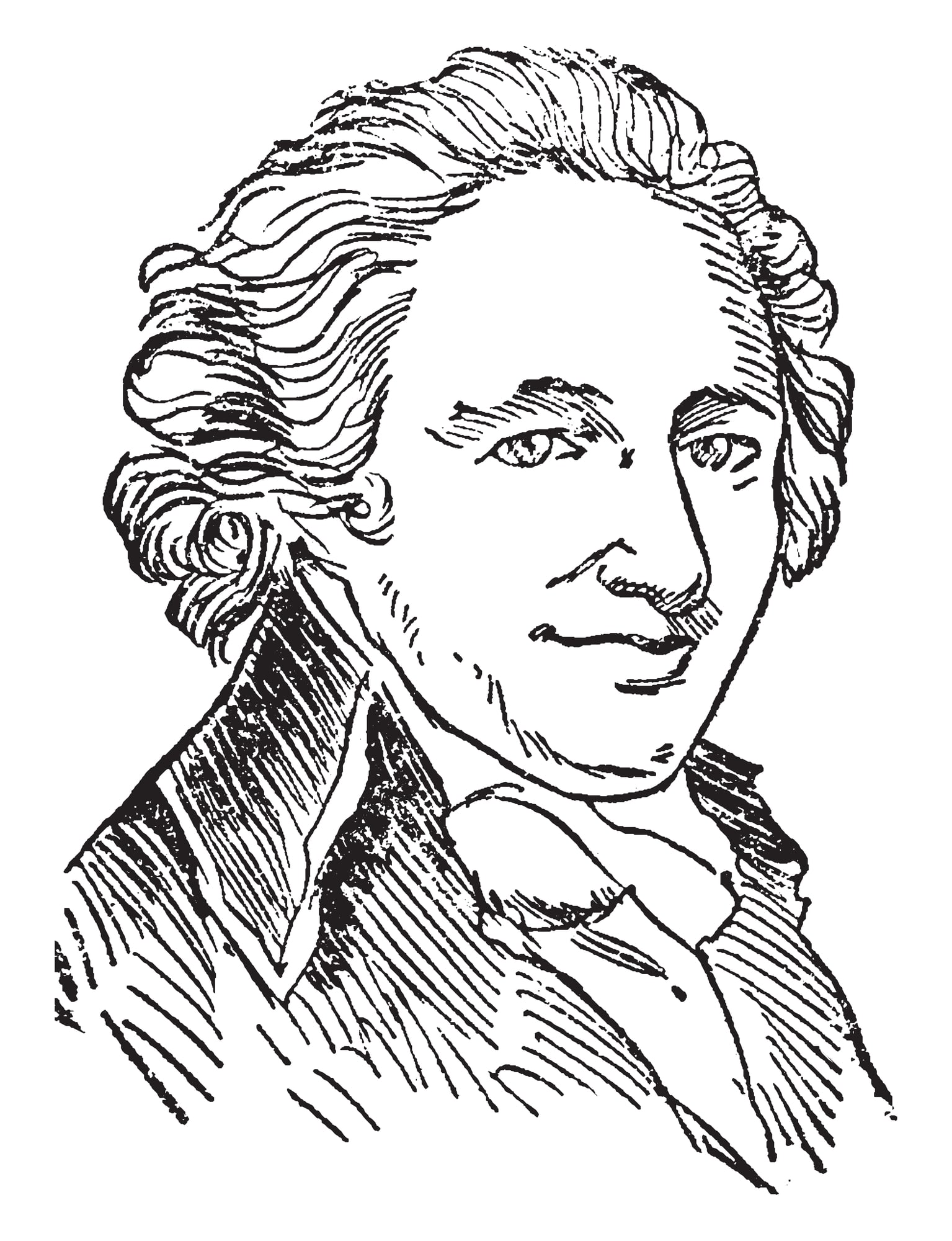
Paine had a genius for making radical ideas sound like plain common sense, and The Rights of Man (1791–92), his ringing defense of the French Revolution and of democratic government, terrified the British establishment. Paine was tried in absentia and convicted of seditious libel, and in the loyalist backlash that followed, effigies of him and copies of his book were burned at public gatherings across Britain.
Appearing just as French nobles were losing their heads, the book’s plain, confident prose carried natural-rights philosophy to ordinary readers. To authorities watching revolution spread, that accessibility was the danger. The campaign against Paine was less about a single treasonous line than about keeping persuasive ideas away from people who might act on them.
Uncle Tom’s Cabin By Harriet Beecher Stowe
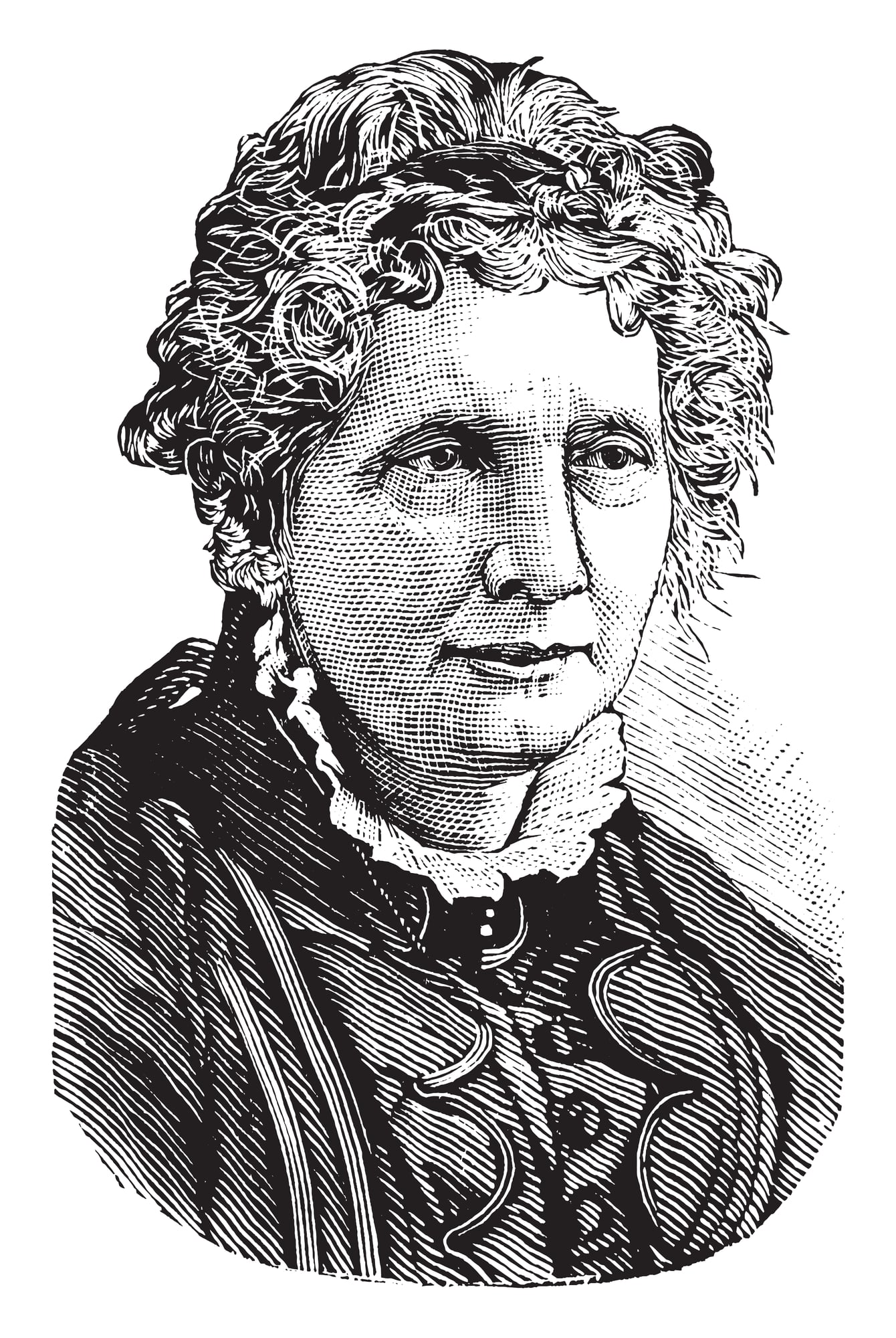
Stowe’s 1852 novel did something political tracts could not: it made the cruelty of American slavery personal and unbearable, dramatizing families torn apart and human beings treated as property. In the pro-slavery South the book was condemned, banned, and in places burned, and merely possessing it could be dangerous.
Its power lay in empathy rather than argument—forcing readers to see enslaved people as fully human, with the same loves and fears as themselves. That emotional force was exactly what defenders of slavery found intolerable. The famous remark attributed to Lincoln, greeting Stowe as “the little woman who wrote the book that made this great war,” is almost certainly apocryphal, but it captures the novel’s outsized cultural impact.
The Communist Manifesto By Marx And Engels
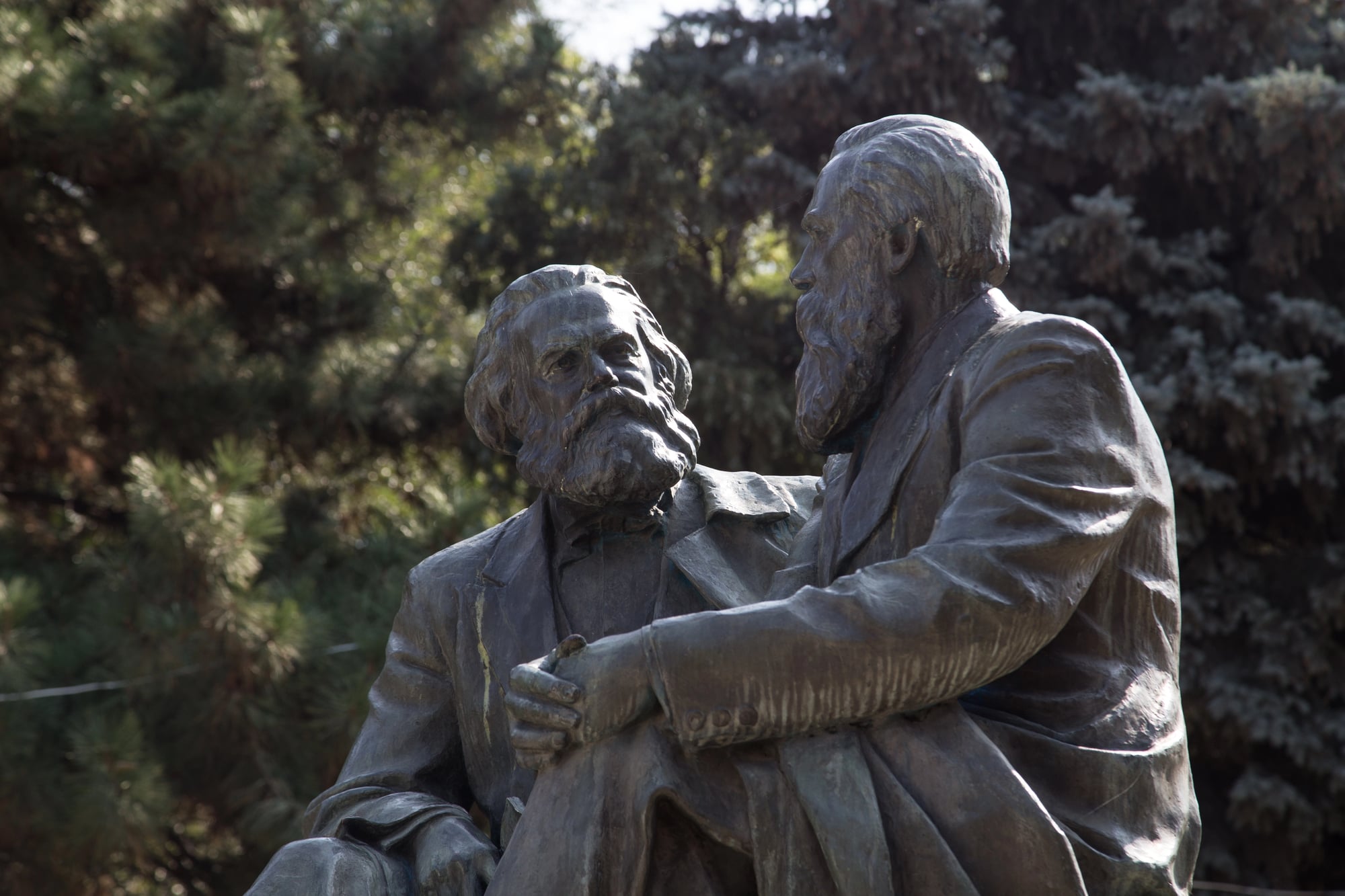
Few short books have frightened more governments than the 1848 Manifesto. It didn’t merely describe inequality; it offered a sweeping framework that claimed to explain why inequality existed and to predict capitalism’s downfall, handing workers a vocabulary for their discontent.
Across many regimes it was banned, censored, and burned—most spectacularly by the Nazis, who consigned Marxist literature to the bonfires of 1933. Authorities found its confident, analytical tone especially threatening: this was not a cry of anger but a systematic argument, and arguments are harder to dismiss than complaints. Suppression became the substitute for refutation.
On The Origin Of Species By Charles Darwin
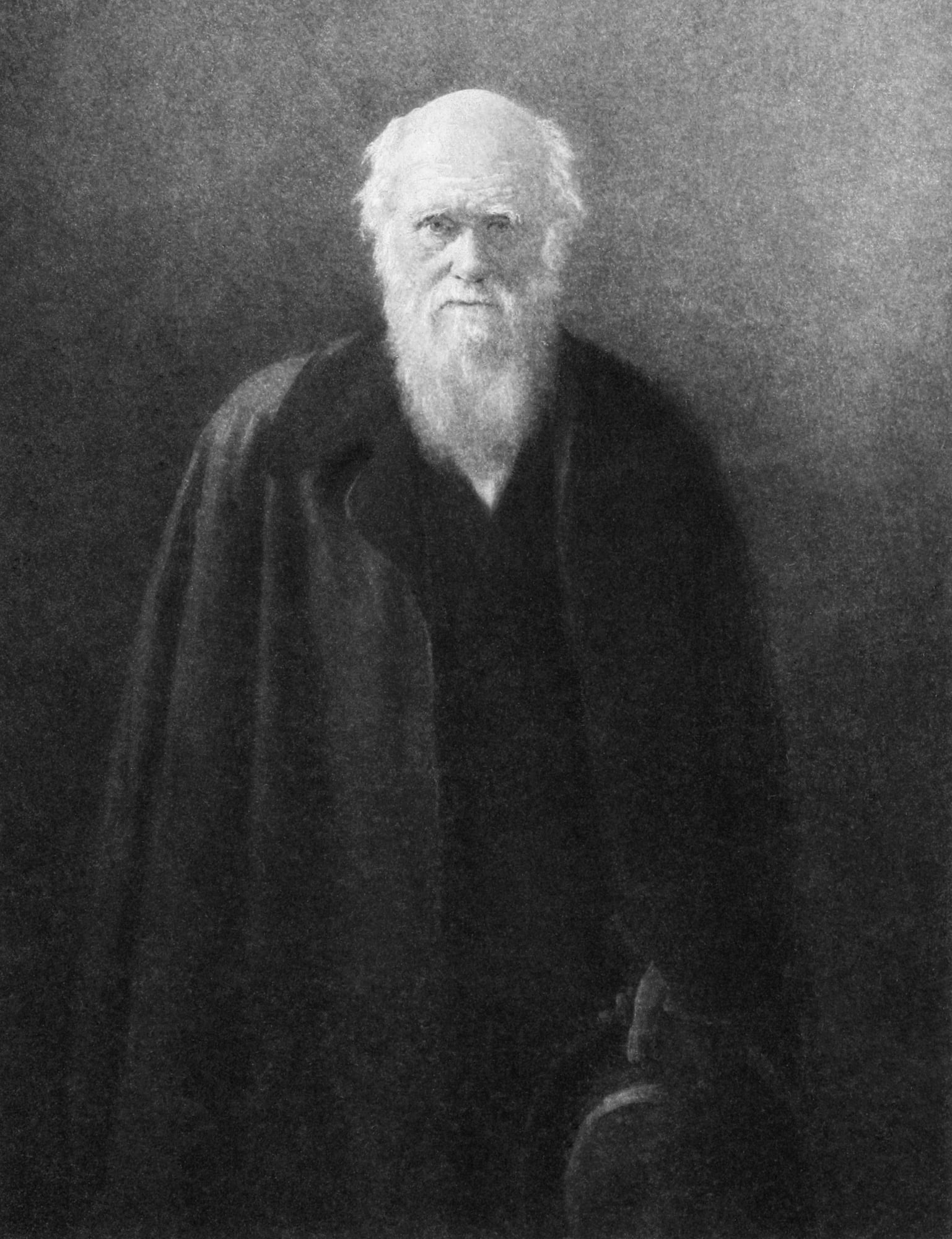
Darwin’s 1859 work met fierce religious and social resistance, and over the decades it has been banned from schools and libraries, restricted in various countries, and burned by groups who saw it as an assault on scripture—including among the works targeted by Nazi book burnings. Its argument was quietly devastating: that humans are subject to the same natural processes as every other living thing.
What made Darwin so hard to fight was his method. He made no grand declarations; he simply followed evidence about finches and barnacles and breeding toward conclusions that left human beings looking less central and less specially favored. The battle over teaching evolution in schools, still alive today, is a direct descendant of that first wave of alarm—a sign of how durably the idea unsettled inherited certainties.
The Decameron By Giovanni Boccaccio
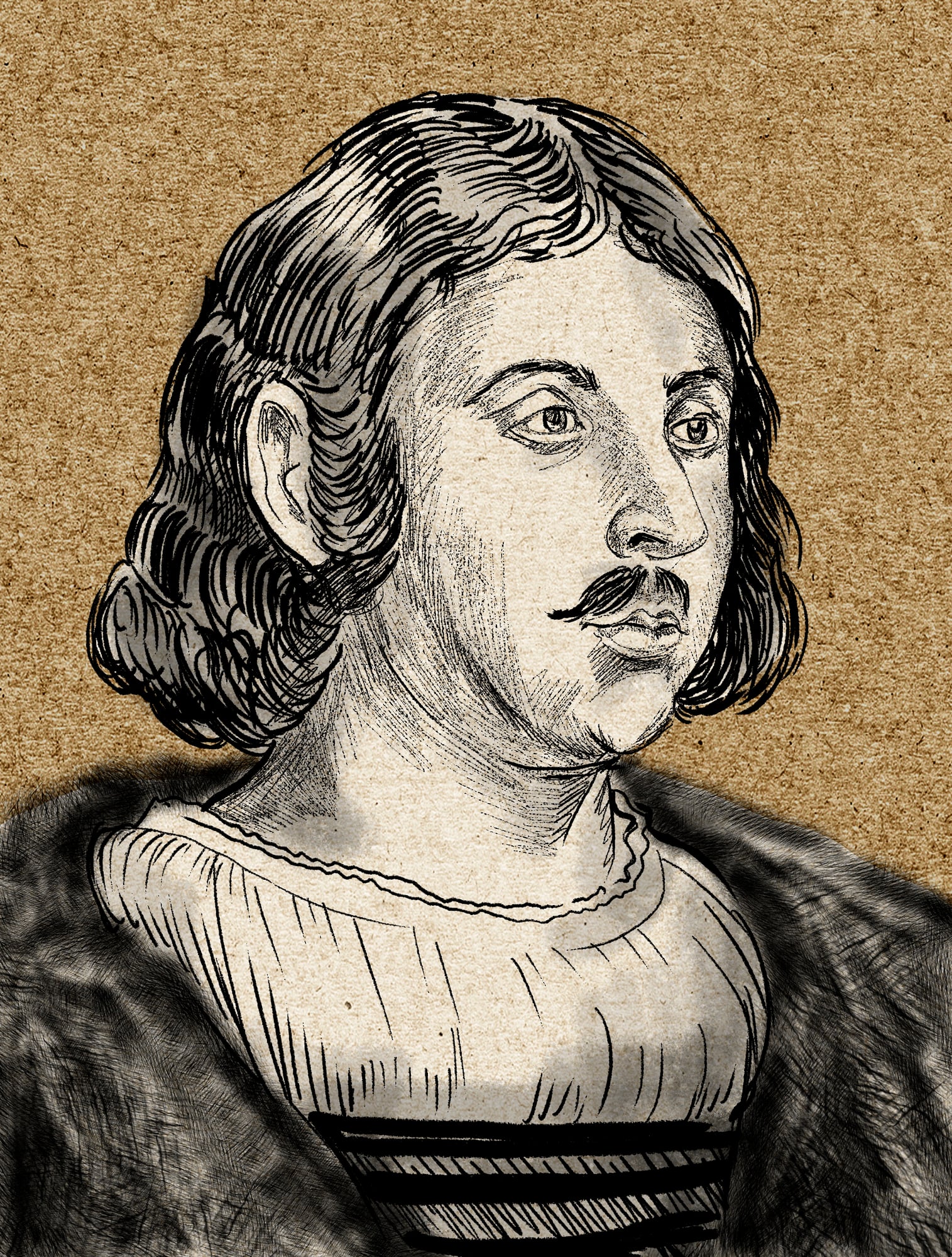
Boccaccio’s 14th-century collection of tales scandalized authorities less for open heresy than for portraying priests, monks, and nuns as ordinary people ruled by lust, greed, and vanity. It was repeatedly censored, expurgated, and placed on the Index, and copies were among the “vanities” fed to bonfires during Savonarola’s purges in Renaissance Florence.
The book’s weapon was humor. Boccaccio didn’t denounce church hypocrisy with thunder; he made it funny, and laughter is corrosive to authority in a way that outrage is not. Once people chuckled at the clergy rather than revering them, a pillar of social order quietly weakened—which is exactly what the censors hoped to prevent.
Institutes Of The Christian Religion By John Calvin
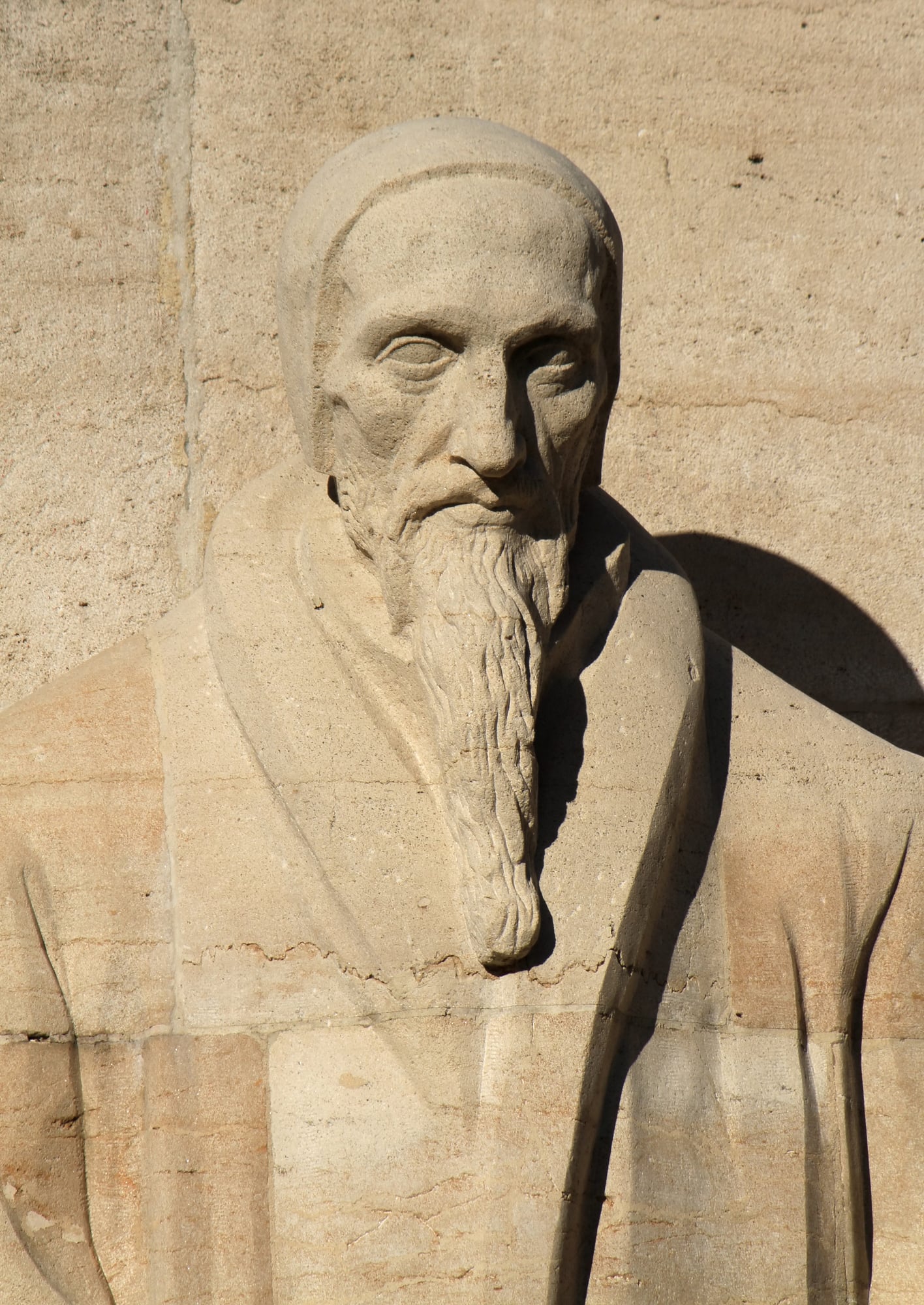
Calvin’s systematic theology, first published in 1536, became the intellectual backbone of Reformed Protestantism, and Catholic authorities banned and burned it as the Reformation tore Europe apart. Calvin wasn’t rejecting Christianity; he was proposing a rival understanding of it—and that was precisely the threat.
His arguments about predestination, church governance, and the believer’s direct relationship to scripture offered a coherent alternative to Rome, one that implied individuals might interpret the Bible without priestly mediation. Catholic authorities grasped that theological competition would breed institutional competition, and that a persuasive book could cost them congregations.
Philosophical Dictionary By Voltaire
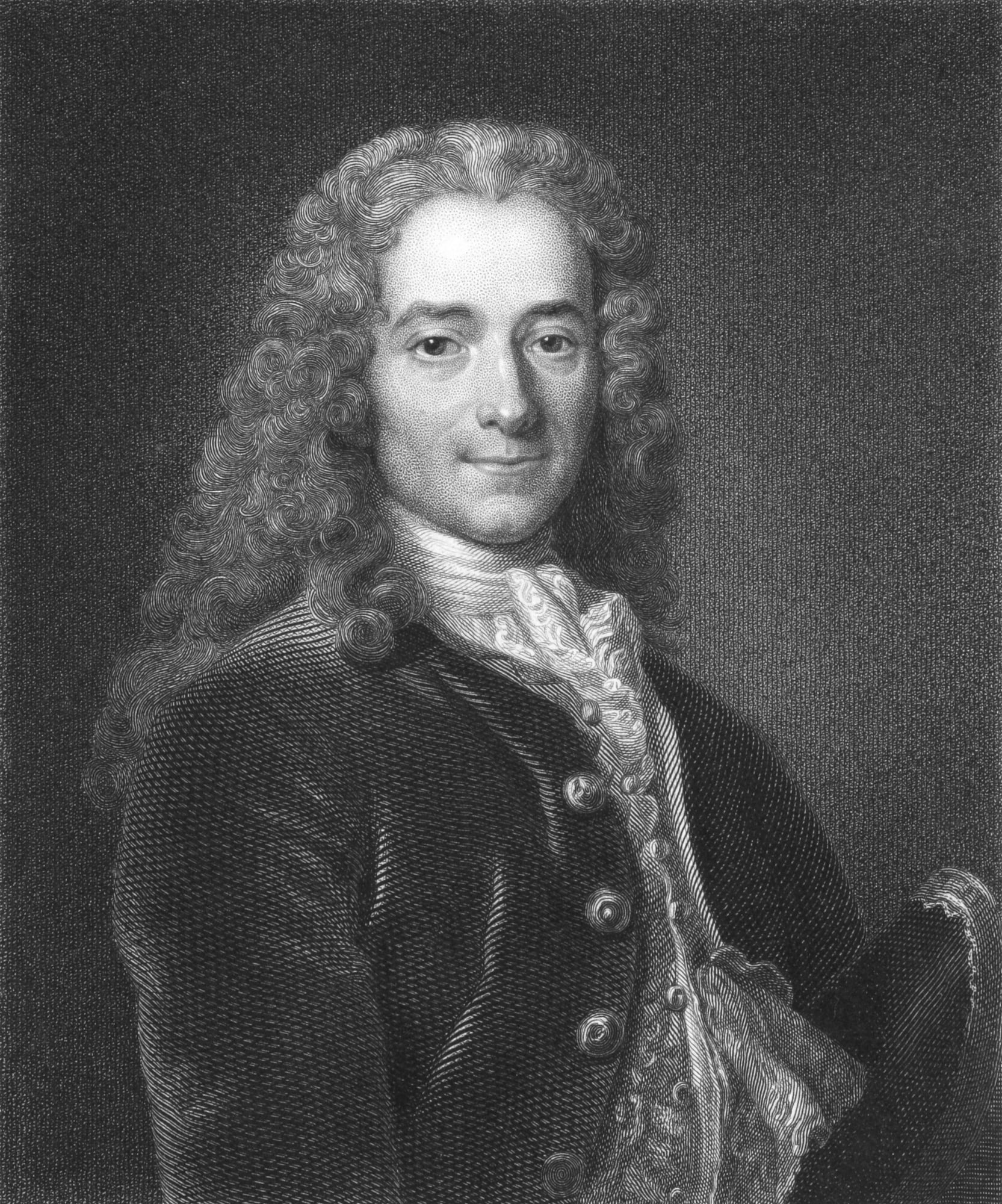
Voltaire’s Dictionnaire philosophique (1764) disguised Enlightenment dynamite as a tidy alphabetical reference work, its entries sliding from innocent definitions into sharp attacks on religious fanaticism and intolerance. Published anonymously for good reason, it was promptly condemned and ordered publicly burned in Geneva, Bern, and Paris—and a copy was even thrown onto the pyre with the body of a young man, the Chevalier de la Barre, executed in 1766 in a case that became infamous.
Voltaire’s method was to hold institutions to their own professed principles and expose the gap between preaching and practice—wielding ridicule, which he understood could be more corrosive than any solemn argument. Burning the book, as he might have noted, rather proved his point about the intellectual weakness of intolerance.
Leaves Of Grass By Walt Whitman
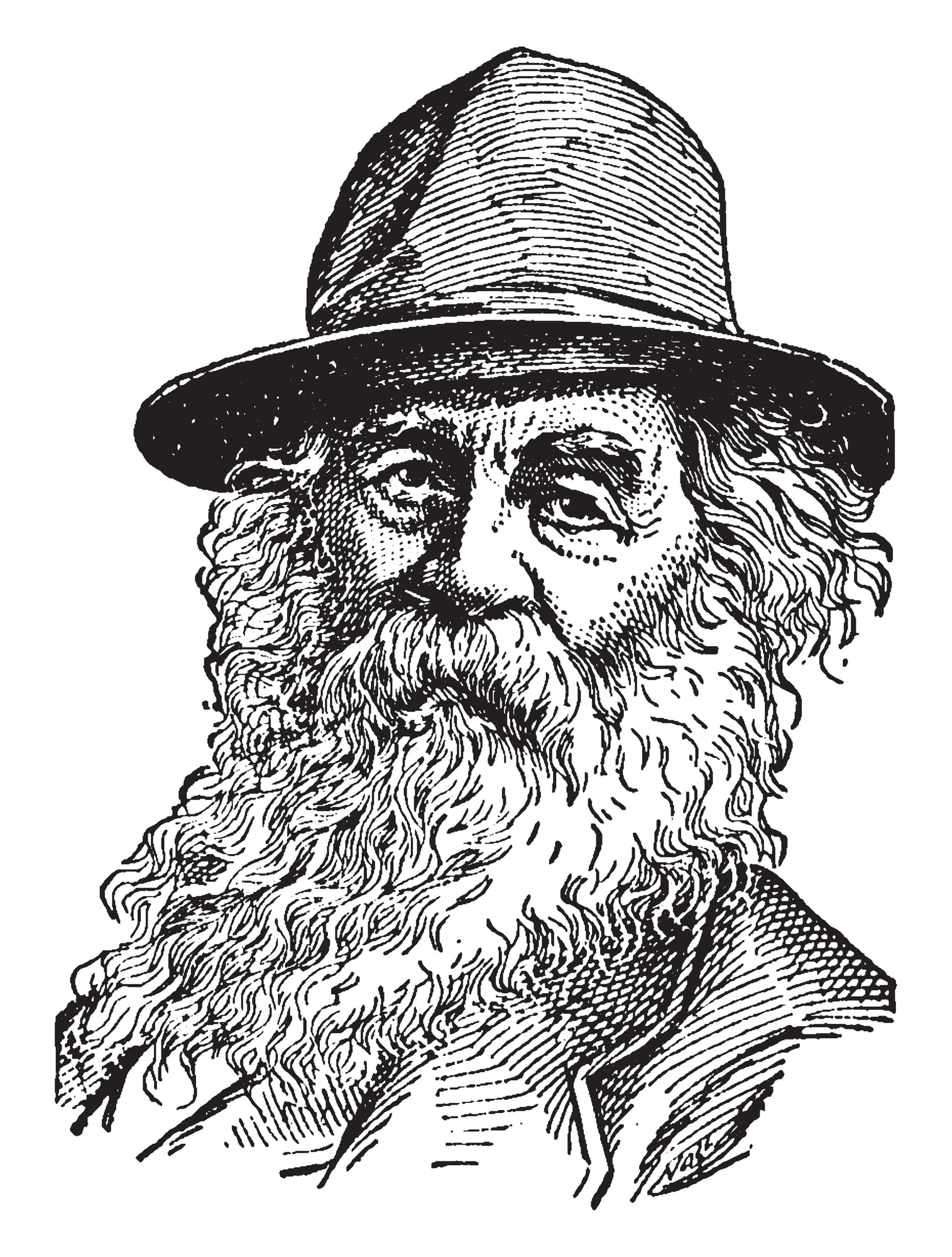
Whitman’s 1855 poetry collection celebrated the body, desire, and the equal dignity of ordinary people with a frankness that affronted Victorian morality. It was denounced as obscene, and over the years it was banned—most notably suppressed in Boston—and pulled from shelves; Whitman even lost a government job when an official was scandalized by it.
The poems insisted that farmers, laborers, and immigrants possessed the same worth as anyone above them, and treated physical existence as natural rather than shameful. To guardians of social hierarchy and propriety, that vision of universal dignity was quietly subversive: readers who accepted it might start asking why some people ruled and others served.
The Social Contract By Jean-Jacques Rousseau
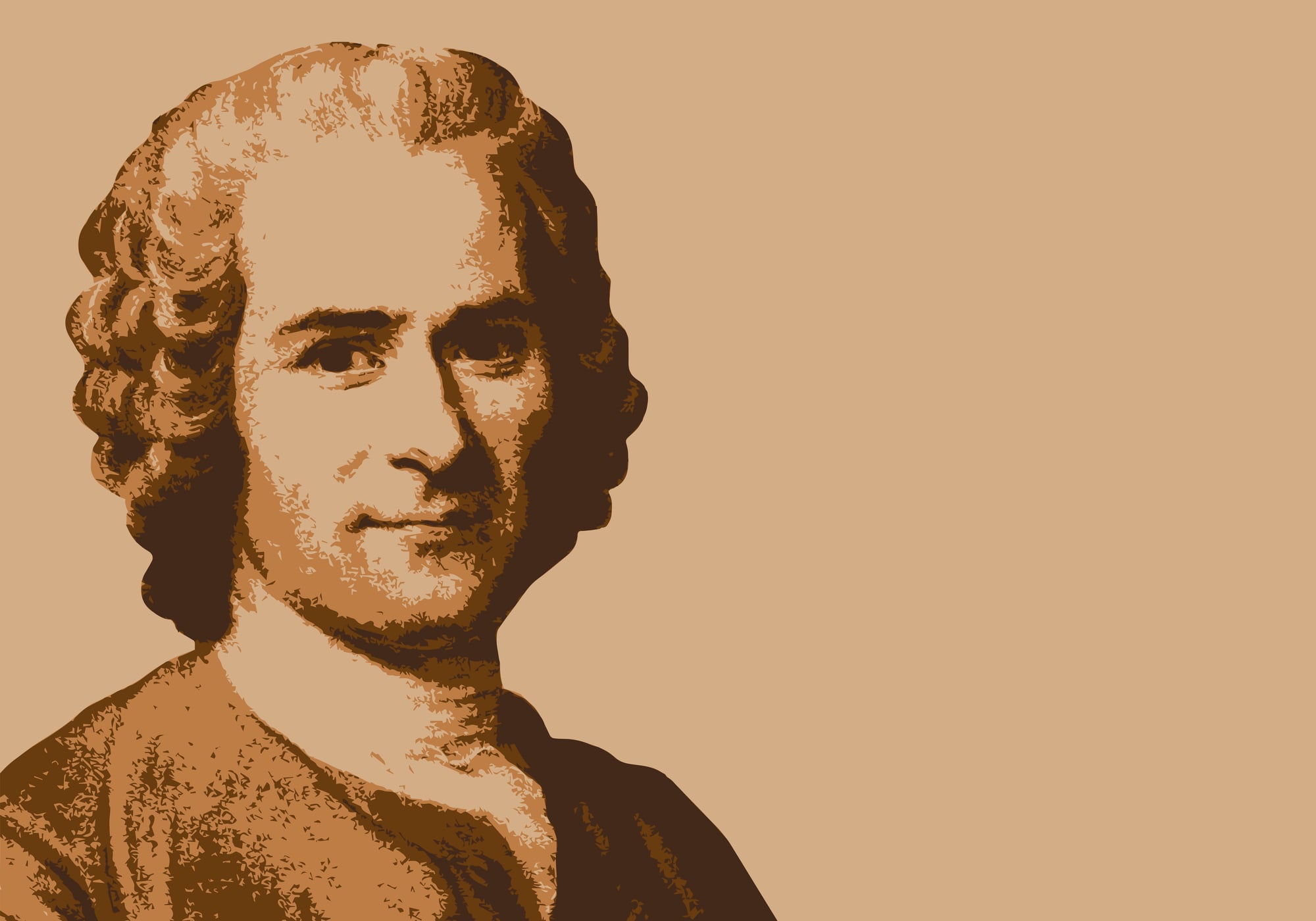
Rousseau’s 1762 declaration that “man is born free, and everywhere he is in chains” gave revolutionaries an unforgettable rallying cry. The book argued that legitimate authority rests on the consent of the governed—an idea that struck directly at the foundations of monarchy. It was banned and burned in places including Geneva and Paris, and Rousseau was forced to flee.
He wasn’t proposing tweaks to existing kingdoms; he was offering entirely different principles for organizing society. Rulers across Europe recognized the revolutionary potential and tried to choke off the book before it could reach audiences who might find it persuasive—a fear later events would more than justify.
Candide By Voltaire
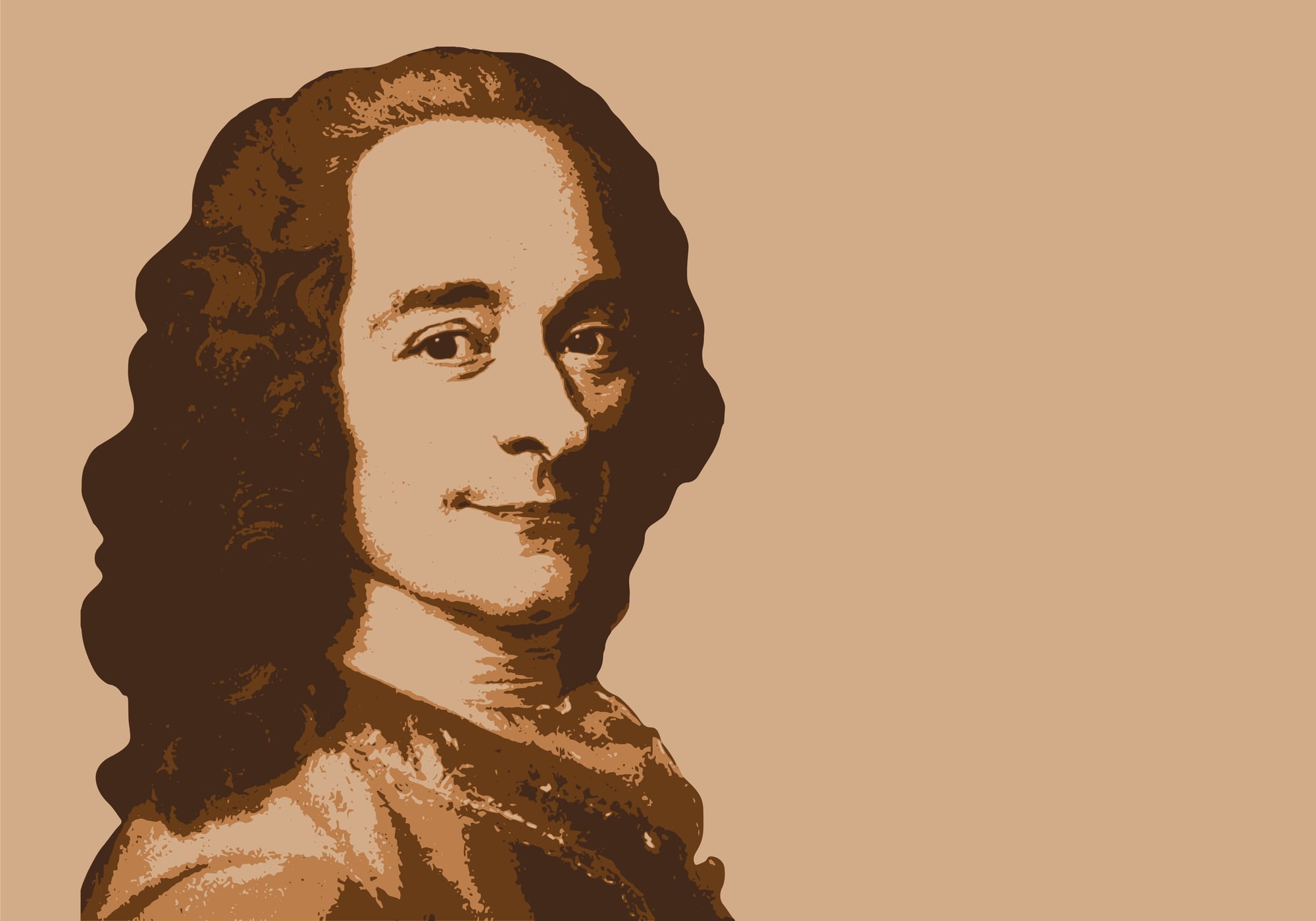
Voltaire’s 1759 satire smuggled its subversion inside a breezy, fast-moving adventure, using the misfortunes of its naive hero to skewer religious optimism, war, and the pretensions of the powerful. It was swiftly banned and condemned, placed on the Index, and seized and burned in several cities for blasphemy and sedition.
The danger lay in how delightful it was. People read Candide for pleasure and absorbed its demolition of comfortable pieties almost without noticing. Authorities could ban it, but they couldn’t compete with its wit—and a joke that lodges in the memory outlasts a sermon that doesn’t.
Two Treatises Of Government By John Locke
Locke’s Two Treatises (published 1689) laid intellectual foundations for limited government, natural rights, and the principle that legitimate authority depends on the consent of the governed—ideas that would echo through the American and French revolutions. Locke published anonymously and cautiously, well aware of the risk; political works of this kind were genuinely dangerous in his era, and the era’s authorities did burn seditious political books, as Oxford notoriously did in 1683.
By arguing that government exists to protect individual rights rather than to enforce obedience, Locke undercut the divine right of kings at its root. His ideas proved impossible to contain, supplying later democratic movements with much of their core vocabulary of rights and consent.
The Prince By Niccolò Machiavelli
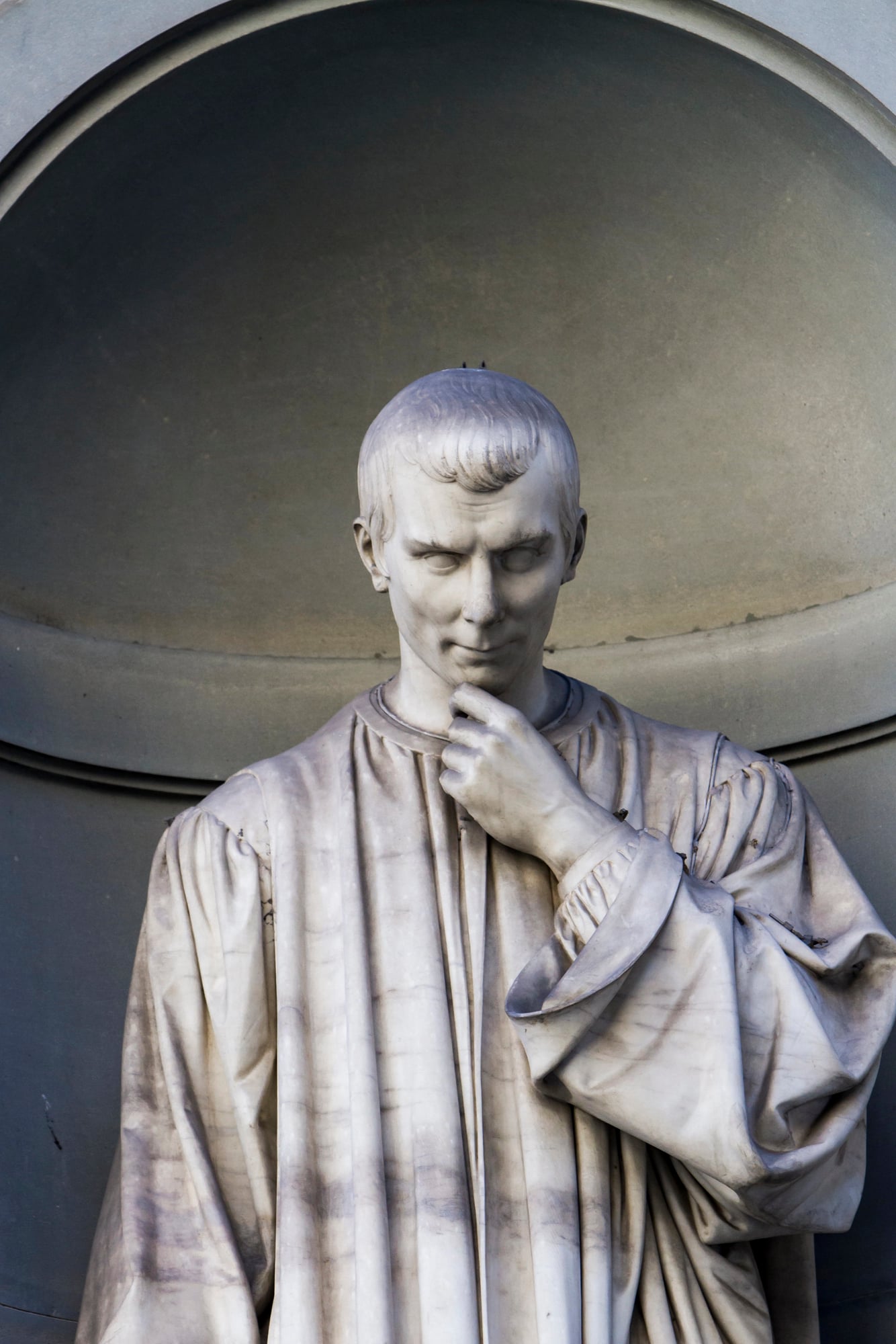
Machiavelli’s early-16th-century handbook on power was condemned by religious and political authorities and placed on the Index—not because its observations were wrong but because they were uncomfortably accurate. The Prince described, with cold clarity, how rulers actually gain and hold power beneath their noble rhetoric.
Its real offense was to treat political power as a learnable human skill rather than a sacred trust or divine gift. Once leadership could be analyzed and taught, the mystique surrounding hereditary rule began to dissolve. To burn or ban The Prince was, in effect, to try to suppress the unsettling idea that power is just another human activity—an idea so durable that “Machiavellian” remains in daily use five centuries later.
Émile By Jean-Jacques Rousseau
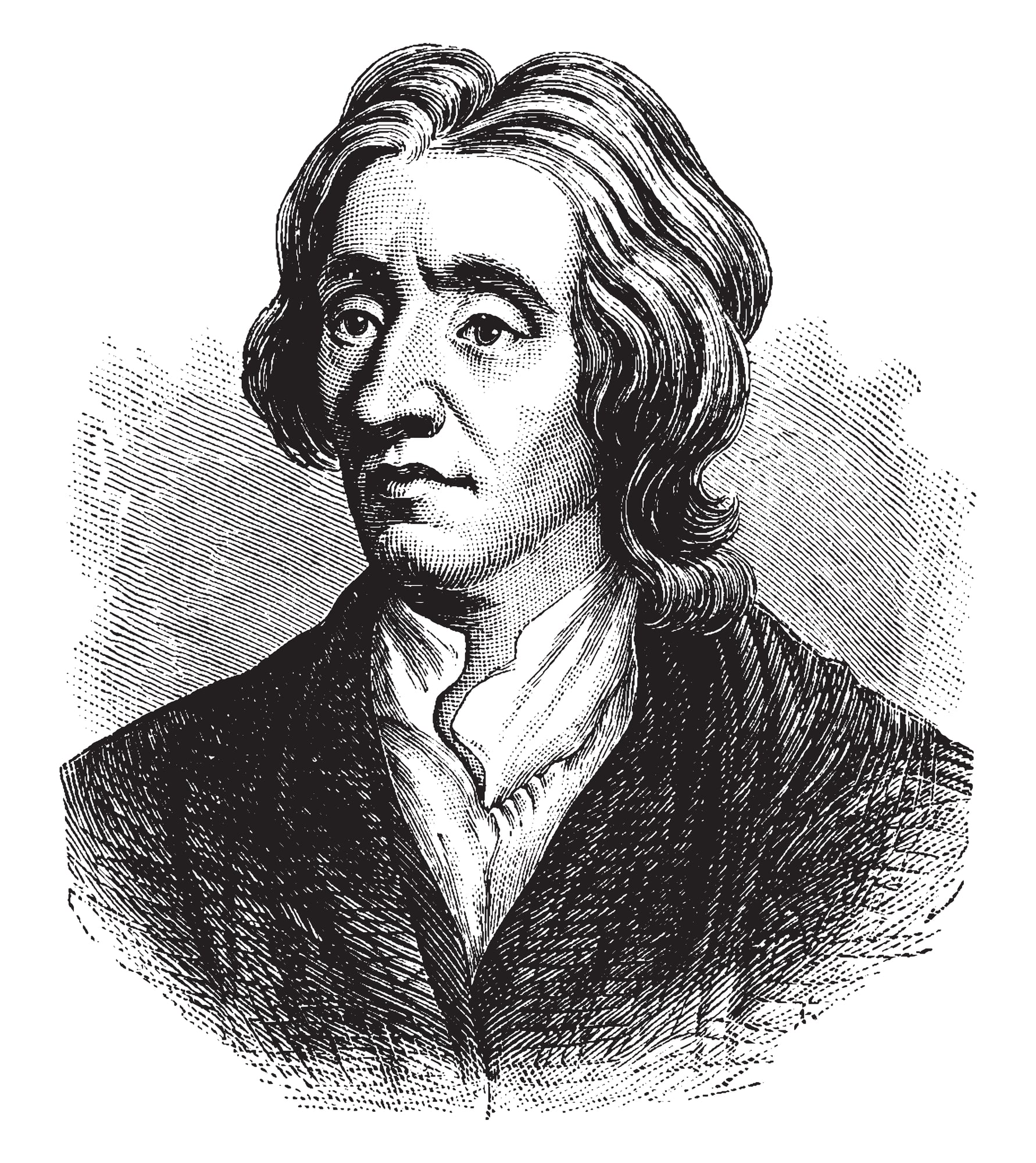
Rousseau’s 1762 treatise on education was condemned even more sharply than his political writing. Émile was banned and publicly burned in Paris and Geneva, and its religious passages—especially a section voicing natural religion over church doctrine—triggered the order for Rousseau’s arrest, sending him into exile.
The book argued that children are naturally good and corrupted by society, and that education should nurture individual development rather than enforce conformity through memorization and punishment. Authorities understood that pupils taught to think independently about their own growth might, in time, think just as independently about religion and politics—which was precisely the worry.
Leviathan By Thomas Hobbes
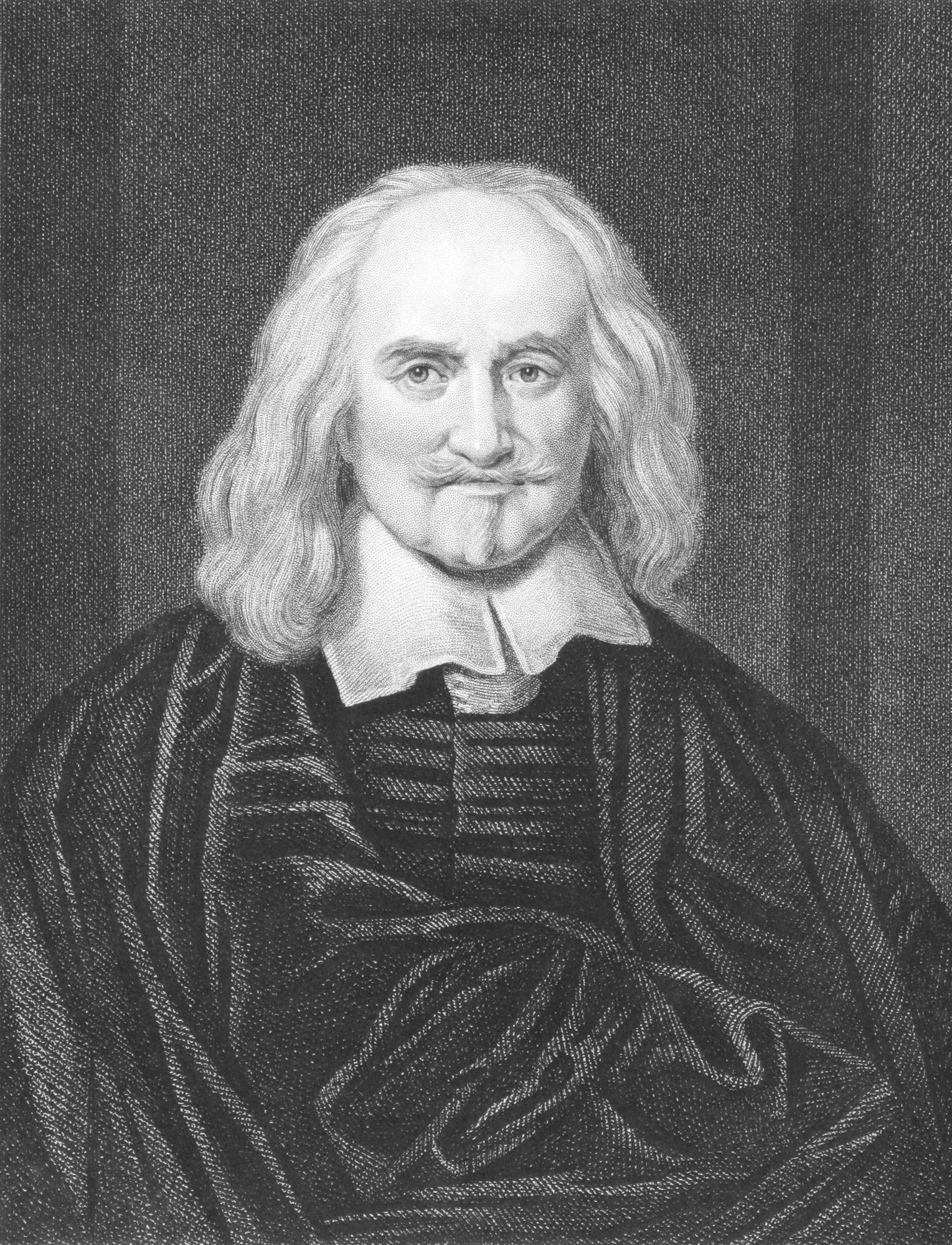
Hobbes’s 1651 masterwork managed the rare feat of offending nearly everyone. Royalists, republicans, and clergy all found reasons to attack it, and it was among the books condemned and burned at Oxford in 1683 and long viewed with deep suspicion. Religious authorities recoiled at its materialism; political readers bristled at its case for near-absolute state power.
Hobbes tried to ground political authority in reason and the practical need to escape chaos rather than in divine will or sacred tradition. That rational approach was itself the threat: if authority rested on necessity rather than God’s command, then both religious justifications for power and romantic ideals of natural freedom looked shakier. His logic cut in too many directions for anyone’s comfort.
The Age Of Reason By Thomas Paine
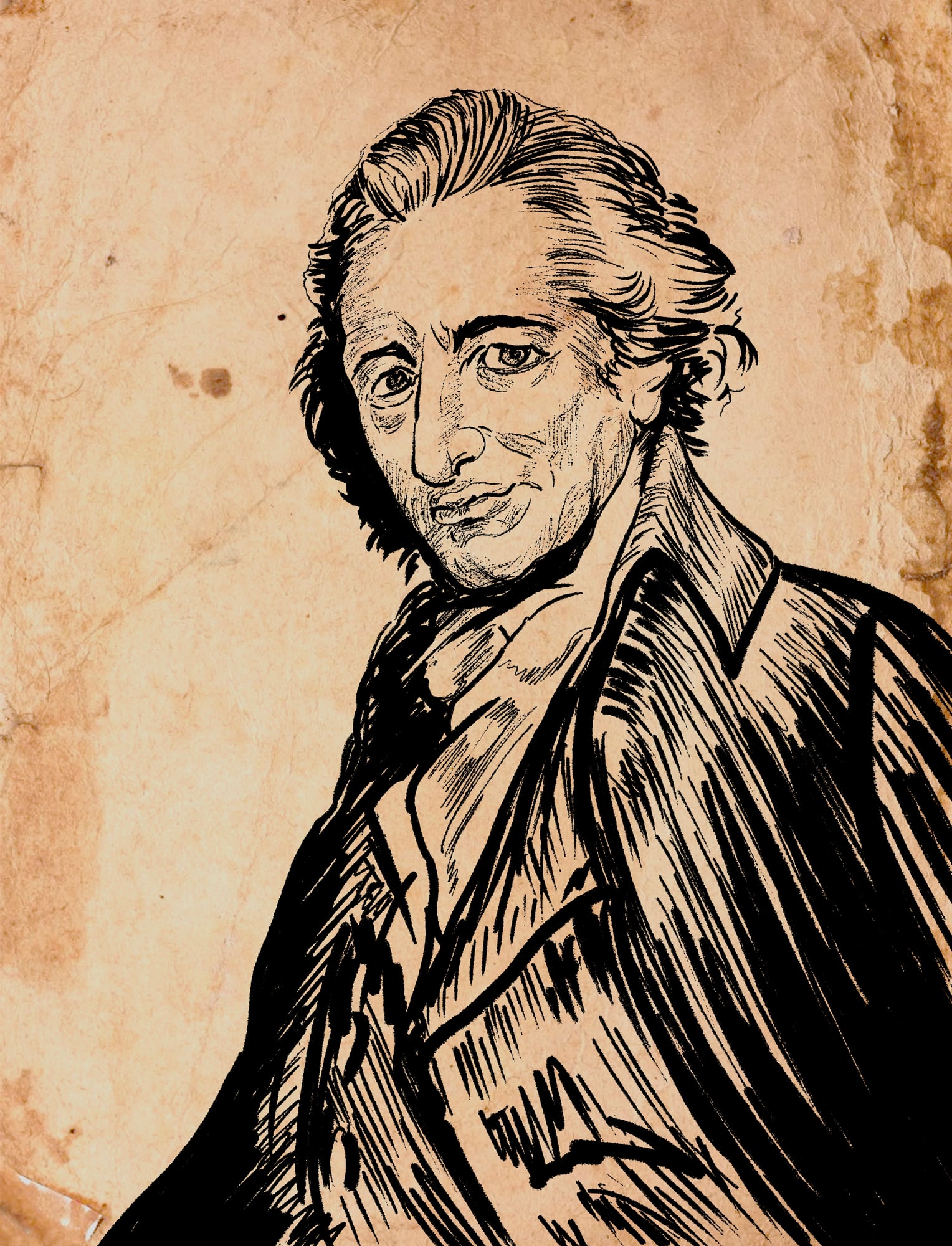
Paine’s The Age of Reason (1794–95) brought his plain-spoken radicalism to religion itself, subjecting organized Christianity and biblical authority to blunt appeals to reason and evidence. It was widely condemned as blasphemous; in Britain its publishers were prosecuted, and the book was suppressed and burned in various places.
Arriving amid the revolutionary ferment of the 1790s, Paine’s religious skepticism paired naturally with his political radicalism, implying that both church and crown rested on questionable foundations. Religious authorities struggled to answer him, because engaging his reason-and-evidence approach on its own terms would have legitimized exactly the mode of inquiry they feared.
On Liberty By John Stuart Mill
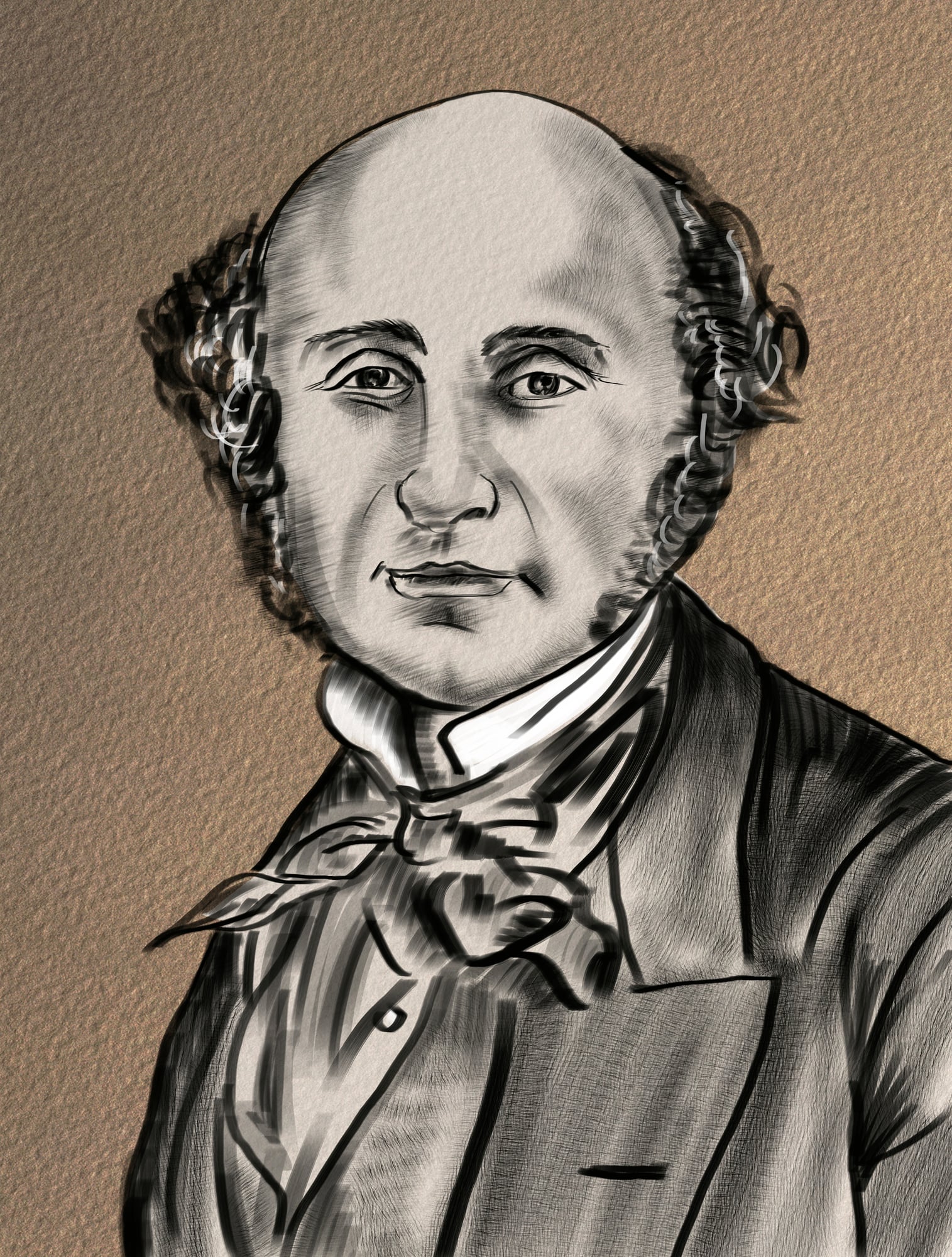
Mill’s On Liberty (1859) is among the most influential defenses of individual freedom ever written. Its “harm principle”—that authority may restrict a person’s liberty only to prevent harm to others—placed the burden of justification on those who would limit freedom rather than on those who would exercise it, and it was attacked and suppressed in various quarters as a threat to moral and social order.
Mill’s careful reasoning was especially awkward for authorities who preferred to justify restrictions by appealing to tradition, morality, or stability. He had built a logical framework under which a great many existing limits on speech and behavior became hard to defend on rational grounds—which is exactly why those who relied on such limits found the book so inconvenient.
A Vindication Of The Rights Of Woman By Mary Wollstonecraft
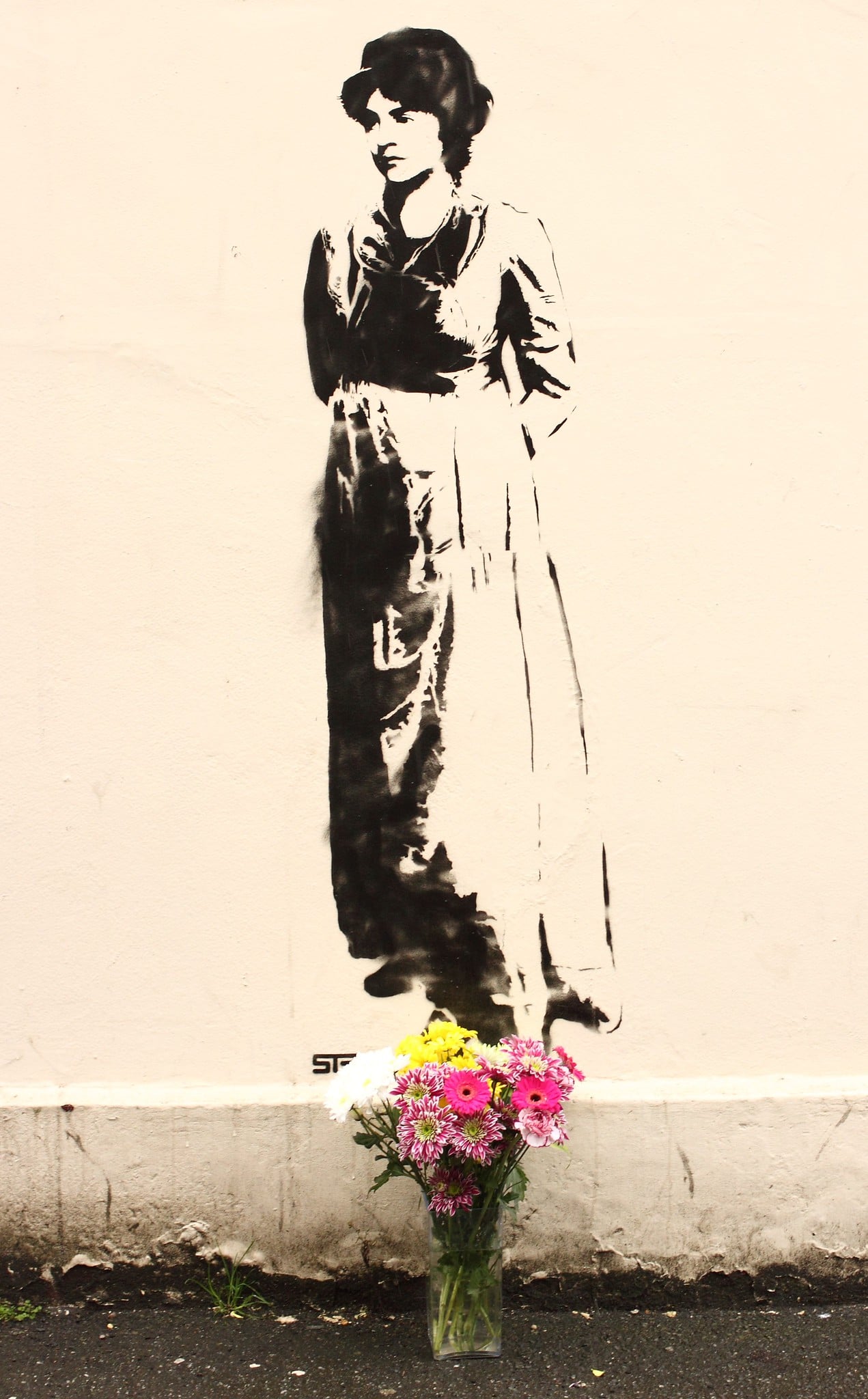
Wollstonecraft’s 1792 work made a systematic, logical case for women’s equality, arguing that women appeared inferior only because they were denied education and opportunity, not by any natural deficiency. It provoked fierce hostility and ridicule, and her reputation was later savaged—especially after her widower’s candid memoir exposed her unconventional life, which opponents used to discredit her ideas for generations.
Appearing amid revolutionary debates that were already questioning hierarchies of class and crown, the book extended that questioning to gender, and that was its offense. Genuine equality of education and economic opportunity would have required reorganizing society from the household up—an implication its critics grasped and recoiled from, even when they couldn’t refute the argument.
Common Sense By Thomas Paine
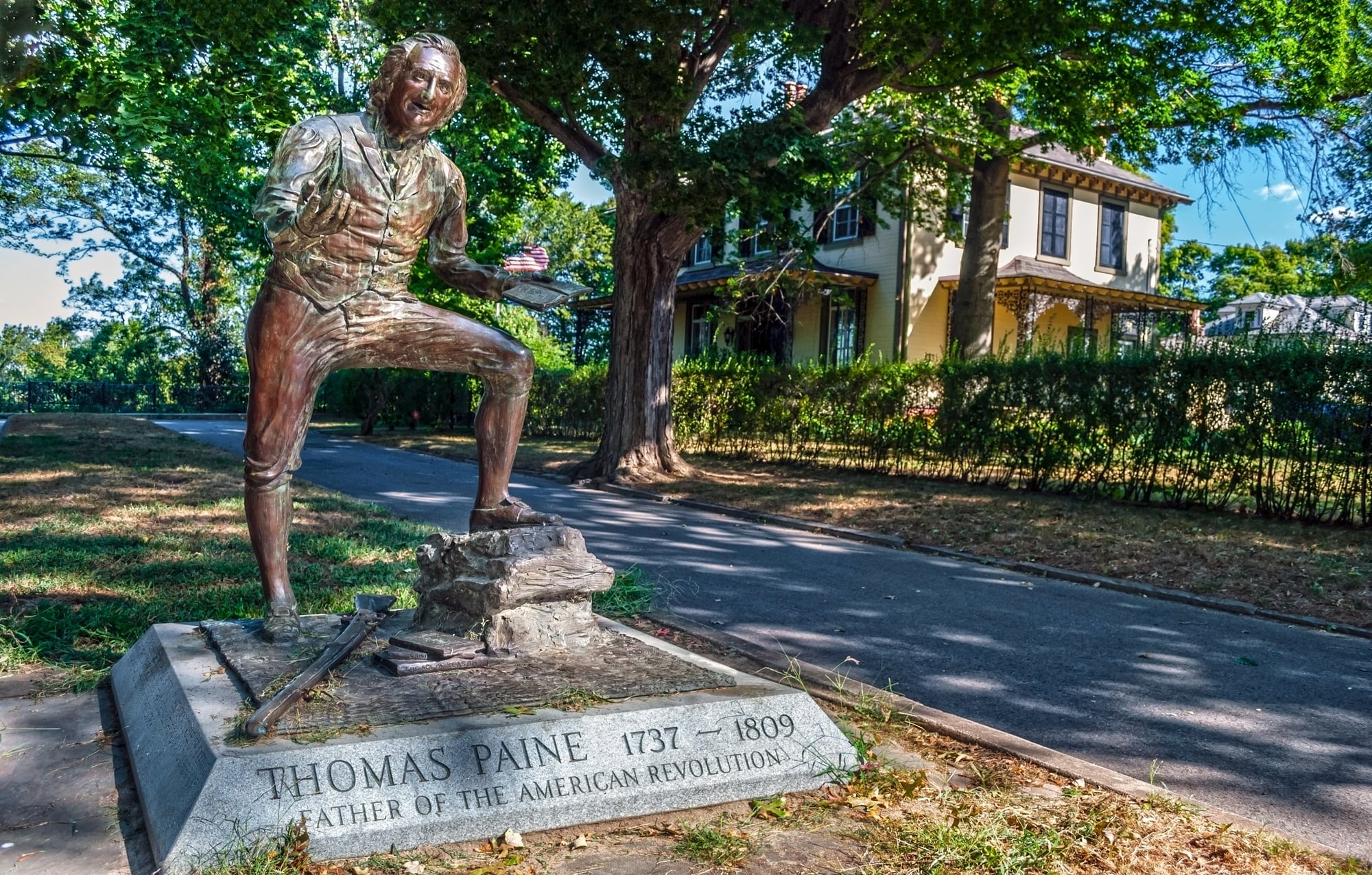
Paine’s 1776 pamphlet Common Sense helped turn a colonial tax dispute into a full-throated argument for independence and against monarchy itself. Written in clear, rousing language for ordinary colonists, it sold in staggering numbers and was burned by loyalists who saw, correctly, that it was changing minds.
Its timing was everything—it appeared as colonial resentment peaked and gave that resentment a moral and philosophical justification for complete separation from Britain. To imperial authorities, the alarming part wasn’t only the American argument but the possibility that such reasoning against kingship might travel to other colonies, and eventually home.
The Wealth Of Nations By Adam Smith
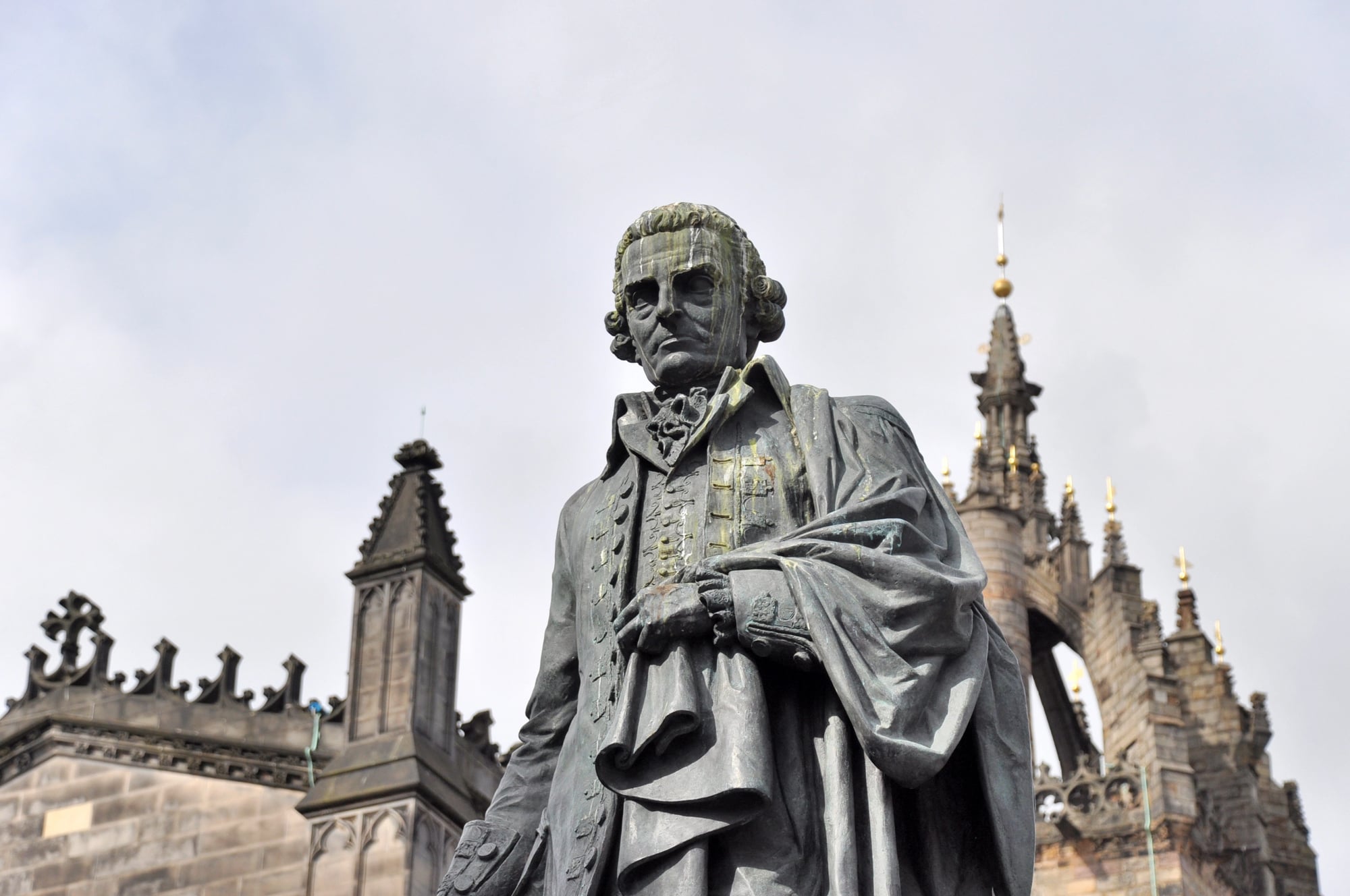
Adam Smith’s 1776 economic treatise belongs on this list with an important caveat: unlike most entries here, it was broadly celebrated rather than burned, swiftly becoming one of the most influential books in the history of economics. Its presence here marks a different kind of threat—not one met with bonfires, but one that quietly undermined an entrenched economic order.
Smith’s arguments against mercantilism—against the web of monopolies, tariffs, and state-granted privileges that propped up aristocratic and commercial elites—were genuinely subversive to those who profited from the old system. The book demonstrated that policies justified by “tradition” or “national interest” often enriched a privileged few at everyone else’s expense. Its revolution came not through suppression but through persuasion, which may be the more durable kind.
Lady Chatterley’s Lover By D.H. Lawrence
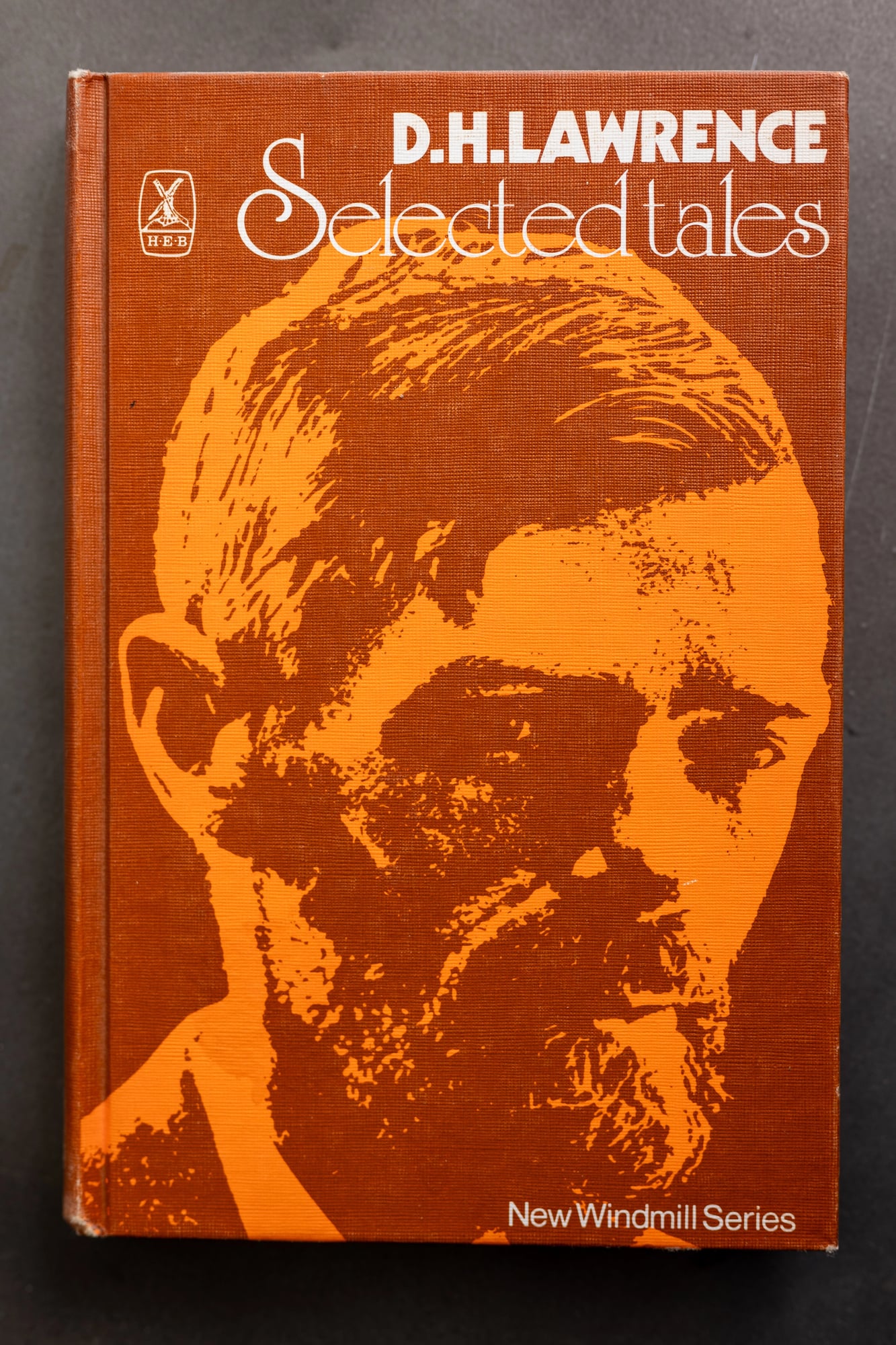
Lawrence’s 1928 novel, with its explicit sex and its love affair across class lines, was banned for obscenity in country after country and could not be published in full in Britain or the United States for decades. The 1960 obscenity trial of Penguin Books in London, which ended in acquittal, became a landmark moment in the collapse of literary censorship.
The authorities framed their objection as one of decency, but the book’s frank treatment of desire and its scorn for class boundaries unsettled more than just prudish sensibilities. The trial’s outcome helped open the door for far freer expression in literature, making the attempt to suppress the book a turning point in the opposite direction.
What The Flames Reveal
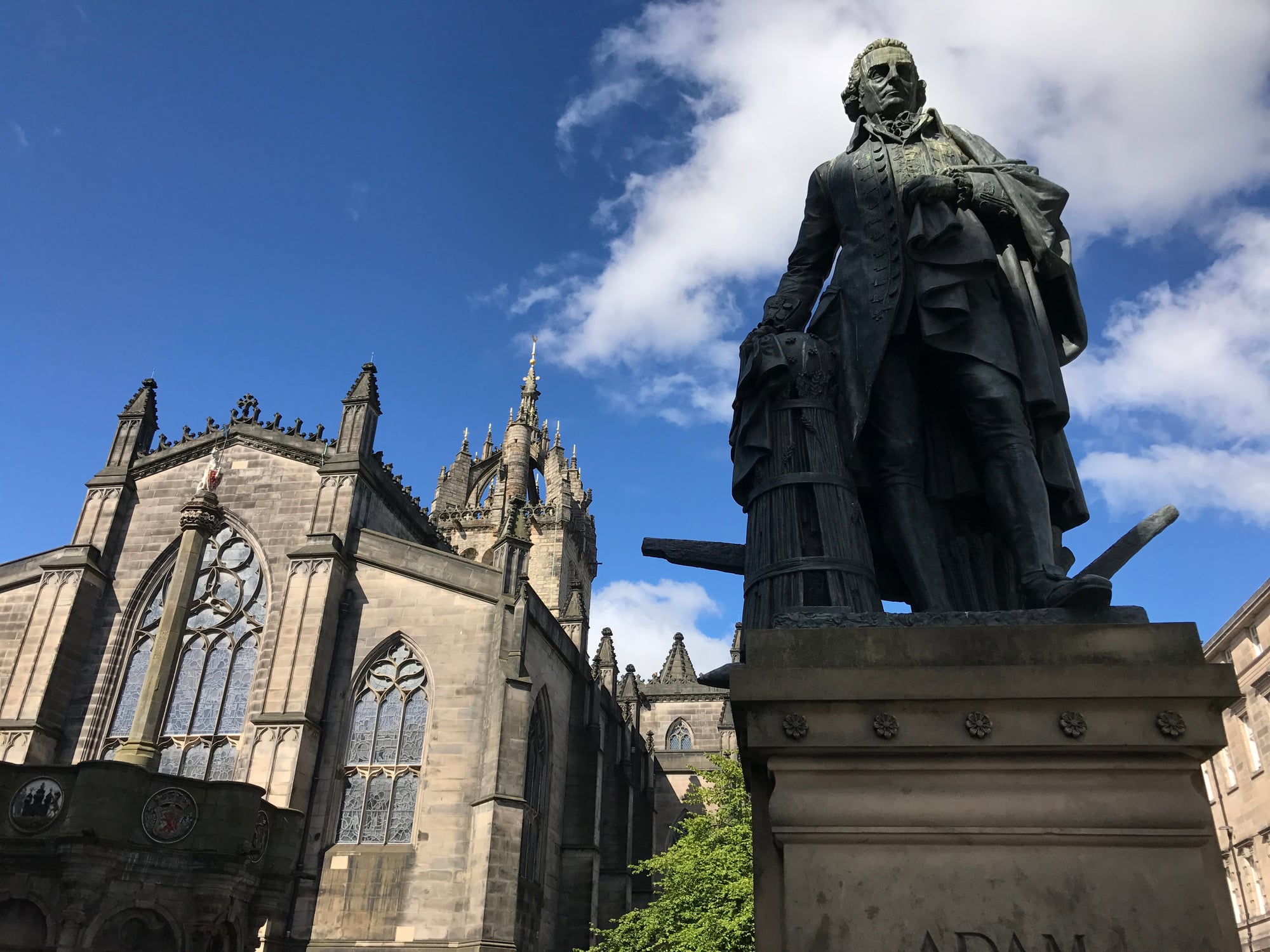
Looked at together, these cases say less about the books than about the people who tried to suppress them. There’s a confession buried in every ban and bonfire: an admission that the words couldn’t be answered, only silenced. You don’t burn a book you can refute. The fire is what authority reaches for when argument fails.
It’s also striking how rarely it worked. The Talmud was copied again; Galileo was vindicated; Paine, Rousseau, Locke, and Mill became the intellectual furniture of the modern democratic world. Suppression tends to advertise the very ideas it targets, lending them the glamour of the forbidden. Real harm was done along the way—careers ruined, exiles forced, lives threatened, manuscripts lost, and in the gravest modern cases actual violence. But the longer pattern offers a stubborn hope: ideas, once written down and shared, prove remarkably hard to kill. The powerful have burned books for as long as books have existed, and they have almost never gotten the silence they were after.
More from Go2Tutors!

- The Romanov Crown Jewels and Their Tragic Fate
- 13 Historical Mysteries That Science Still Can’t Solve
- Famous Hoaxes That Fooled the World for Years
- 15 Child Stars with Tragic Adult Lives
- 16 Famous Jewelry Pieces in History
Like Go2Tutors’s content? Follow us on MSN.