31 Foods People Eat in Other Countries That Sound Strange but Taste Amazing
The names alone would make most people hesitate: fermented shark, maggot cheese, fried tarantula. Yet in kitchens and street markets across the globe, these dishes are loved for genuine reasons—complex flavors, delicate textures, or simple resourcefulness turned into tradition.
Once you get past the initial reaction, the taste often surprises you. What sounds horrifying on paper can transform the moment you taste it.
These thirty-one foods have earned their place at tables around the world, proving that the strangest-sounding meals can deliver the most memorable eating experiences.
Surströmming

This Swedish fermented herring is cured in lye and salt for up to half a year, creating the most notoriously pungent smell among all fermented foods—ranked 17 times more potent than Japanese natto. The fish is typically eaten outdoors because the odor can linger in homes for days, yet those who enjoy it praise its sharp, salty tang and rich umami depth.
Locals serve it with thin flatbread, diced onions, and beer or schnapps to balance the intensity.
Balut
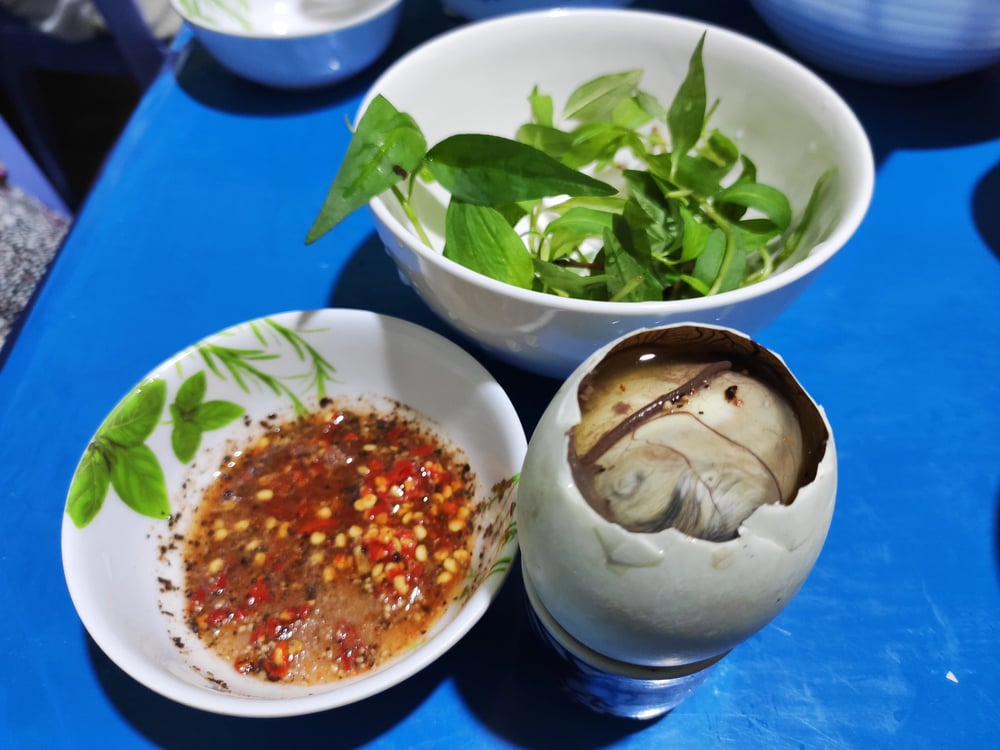
The Philippines’ famous street snack is a duck embryo boiled inside its shell, complete with tiny bones, beak, and feathers visible when you crack it open. Despite its appearance, balut is high in protein and offers a surprisingly savory flavor with a buttery yolk texture.
The experience is as much about embracing culinary bravery as it is about taste, making it a rite of passage for adventurous eaters visiting Manila.
Hákarl
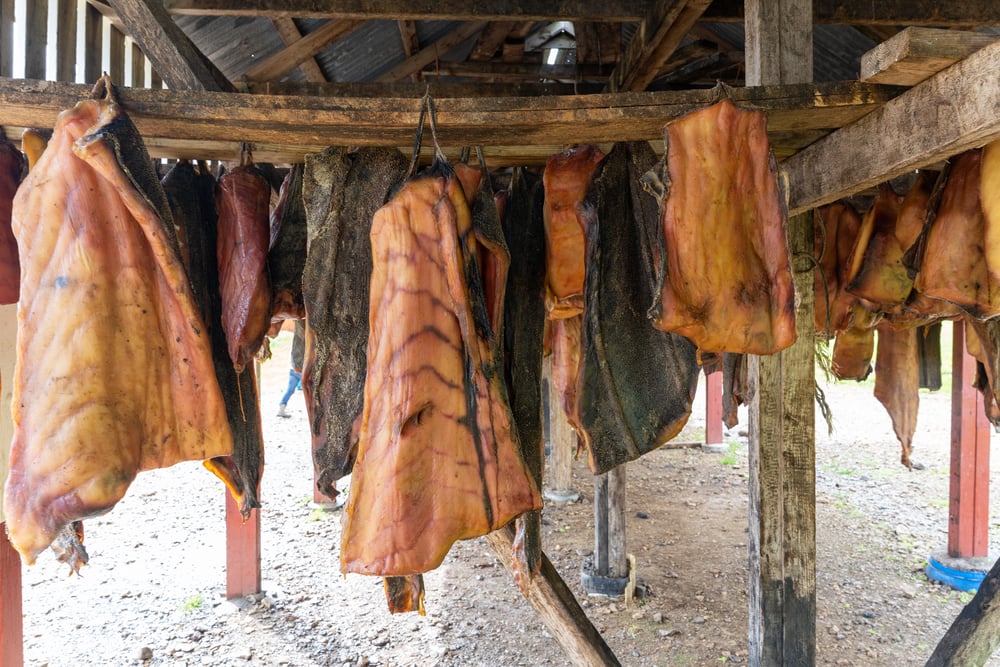
Iceland’s national dish takes Greenland shark—which is toxic when raw—and cures it through fermentation and months of air-drying, neutralizing the poison in the process. The result is a firm, pungent meat that tastes nothing like conventional fish, with notes that some describe as aged cheese.
Locals serve it with small beer chasers and consider it a point of cultural pride.
Casu Marzu
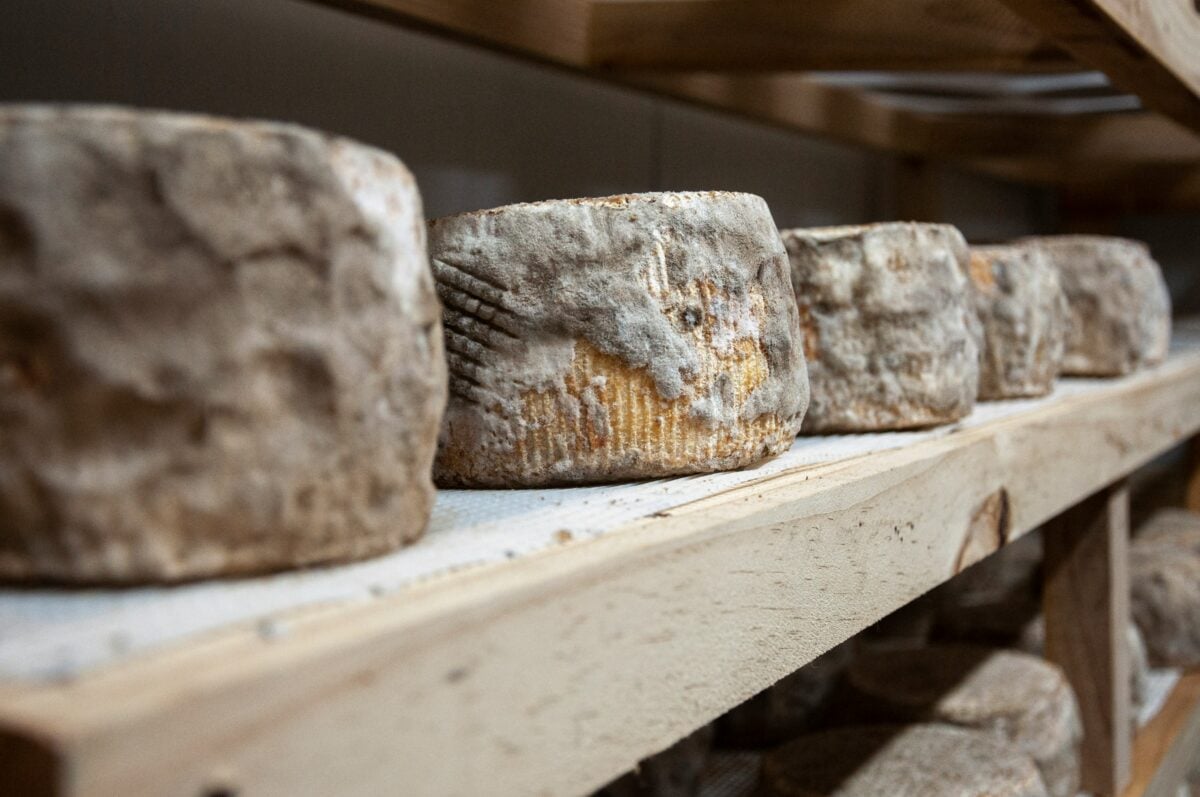
Sardinia’s infamous “rotting cheese” is Pecorino infested with live cheese fly larvae that break down the fats, softening the texture into something almost liquid. The larvae, still wriggling when served, create intense umami flavors with a slight burn on the tongue.
While technically banned across Europe, Sardinian artisans continue making it as a protected traditional food.
Natto
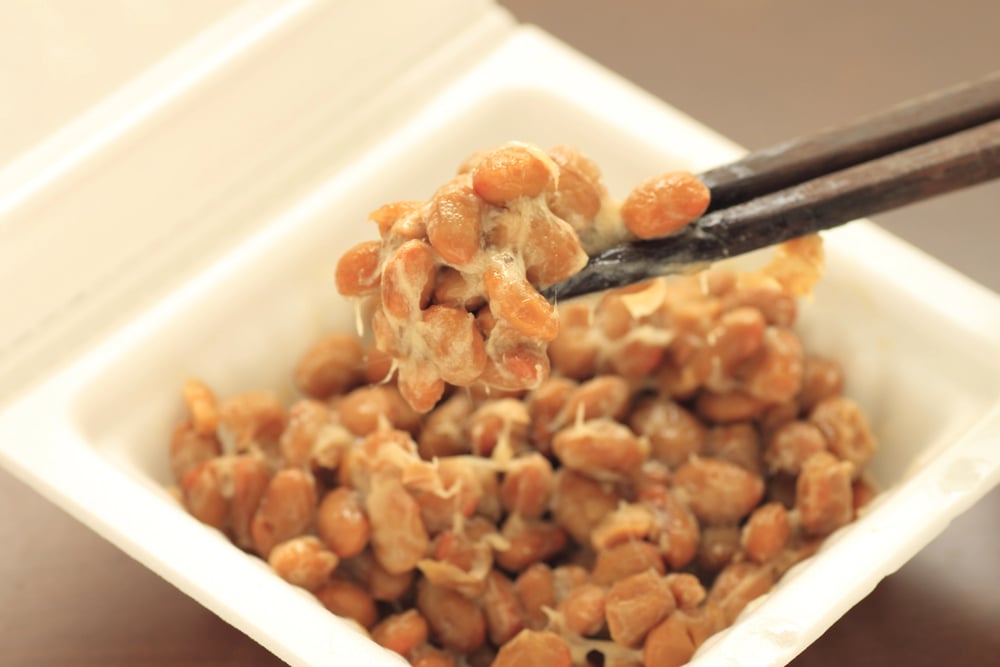
Japanese fermented soybeans develop sticky, stringy strands when stirred and emit an aroma that divides even Japan itself—yet more than 70 percent of Japanese find it delicious. The flavor is earthy and deep, packed with probiotics and served over rice with soy sauce and mustard as a breakfast staple.
What looks like bacterial mucus is actually one of Japan’s healthiest breakfast options.
Fugu
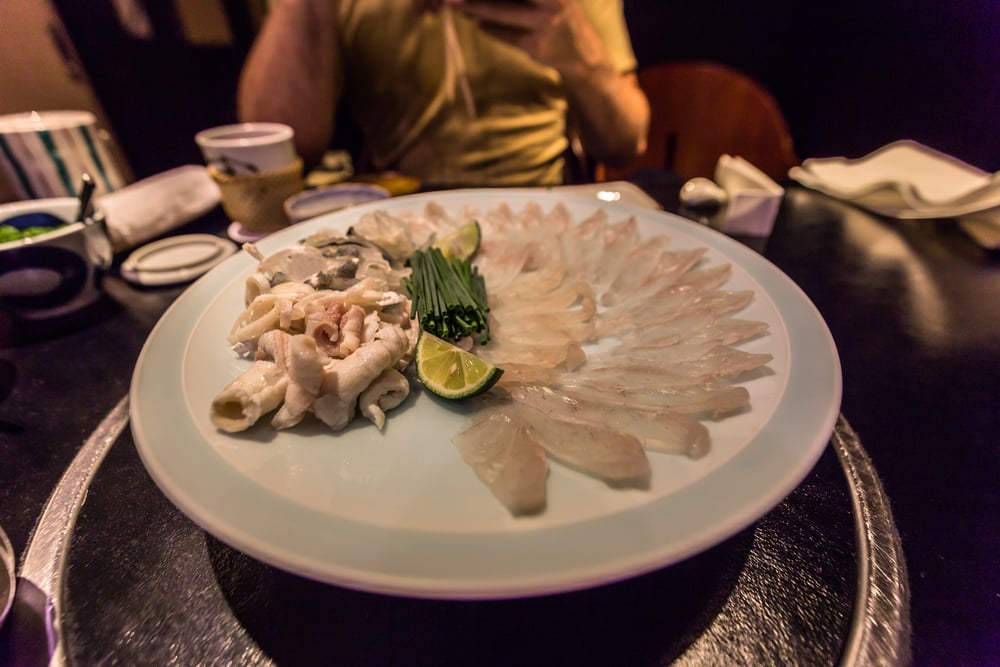
Japan’s legendary pufferfish contains a deadly toxin in its organs, making the preparation one of the world’s most regulated cuisines. Chefs train for ten years minimum and must pass rigorous exams before earning the right to serve it.
The delicate, slightly sweet flesh justifies the effort, and the danger adds to the mystique of the experience.
Uni
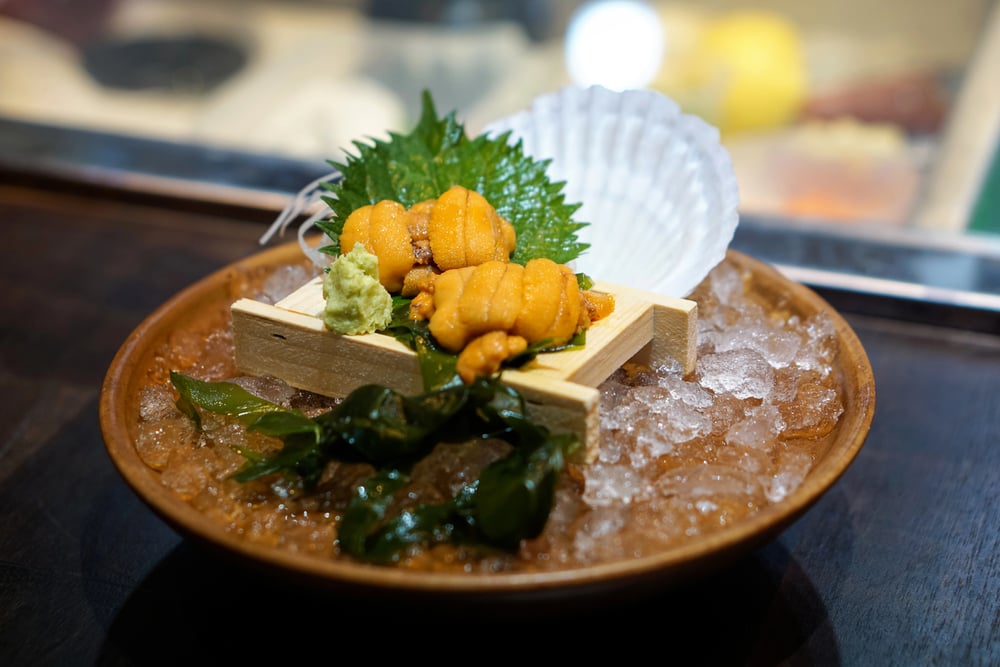
Sea urchin gonads are prized across Japan, Scandinavia, and Europe for their creamy, briny intensity and umami richness. Each urchin contains five gonads shaped like curved tongues, harvested and served raw on sushi or tossed into pasta.
The flavor is pure ocean—sweet, salty, and complex enough to overshadow nearly everything else on the plate.
Escamoles
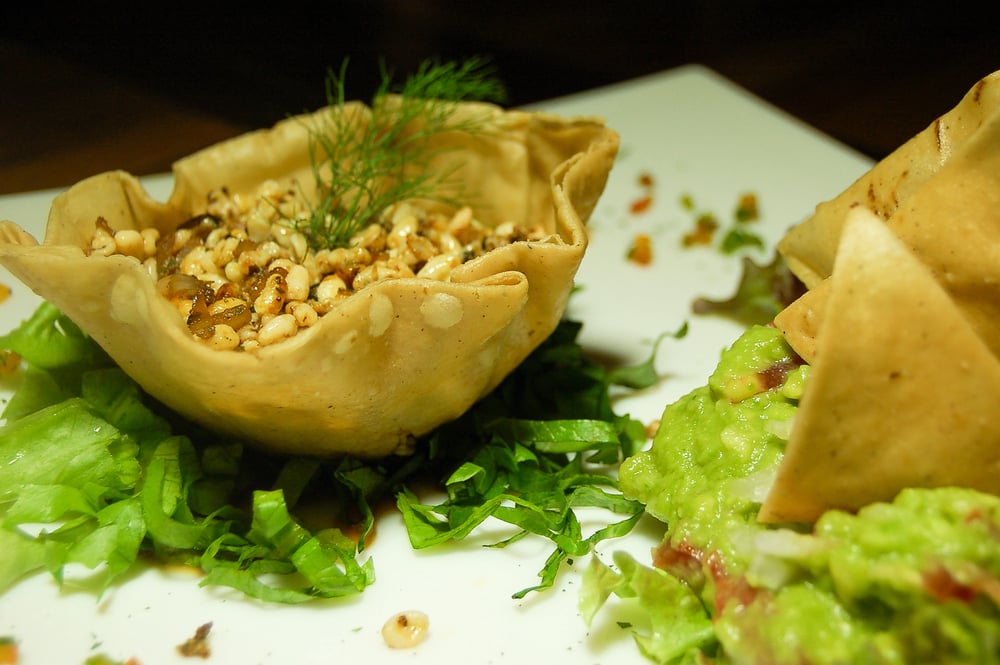
Mexico City’s street markets sell ant larvae harvested from agave plant roots as “insect caviar,” sautéed in butter and served in tacos. The texture is buttery and crunchy, with a nuttiness that makes the comparison to caviar surprisingly apt.
They’re rich in protein and considered a delicacy worth traveling for among those in the know.
Kopi Luwak
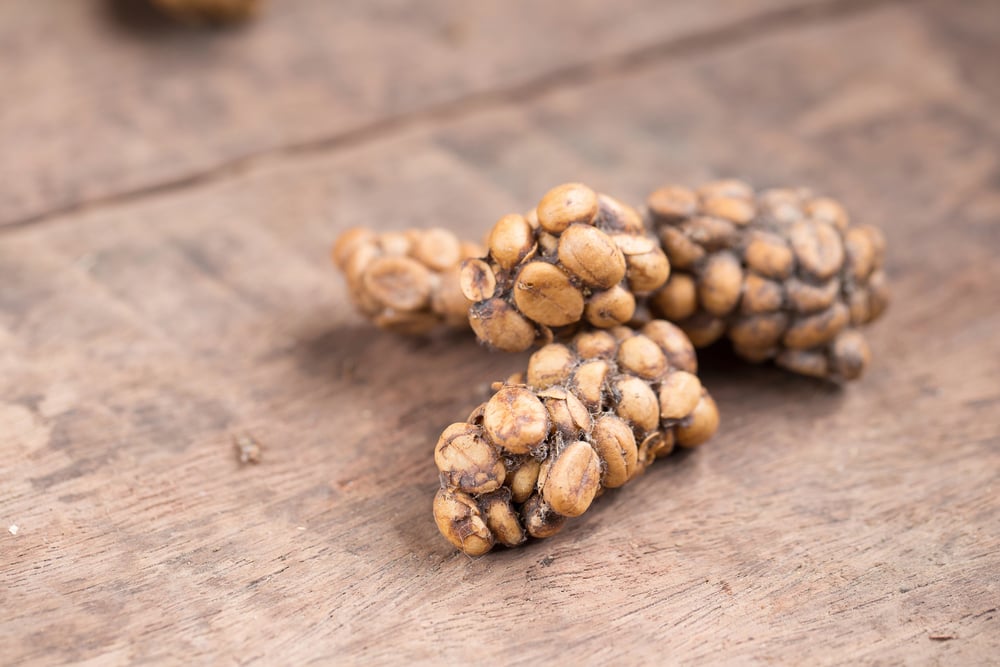
Indonesia’s famous coffee beans have been eaten and excreted by Asian palm civets, with the fermentation process in their digestive systems supposedly improving flavor and reducing bitterness. The resulting brew is smooth, complex, and commands prices up to $53 per ounce.
Whether the civets truly improve the coffee or it’s mostly marketing, the taste is undeniably refined.
Bird’s Nest Soup

Southeast Asia’s most expensive soup is made from swiftlet bird saliva, which hardens into nests attached to cave walls. Harvesters risk their lives scaling bamboo ladders to retrieve the nests, then clean and simmer them into a delicate, gelatinous broth.
The flavor is subtle, so chefs add chicken stock and rock sugar, with the real value in the soup’s silky mouthfeel and supposed health benefits.
Century Eggs
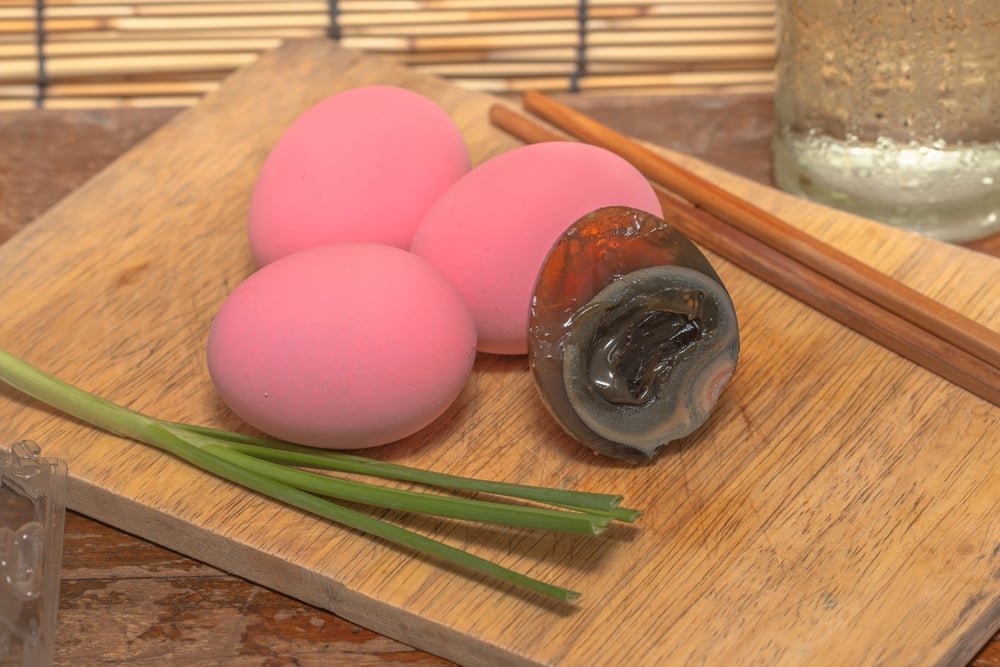
Chinese preserved eggs are submerged in an alkaline solution of lye, lime, and ash for weeks or months until the yolks turn greenish-black and develop a savory, creamy texture. The whites become translucent and gelatinous with an ammonia tang balanced by complexity.
They’re sliced thin and served with congee or alongside pickled ginger and rice to cut through the intensity.
Stinky Tofu
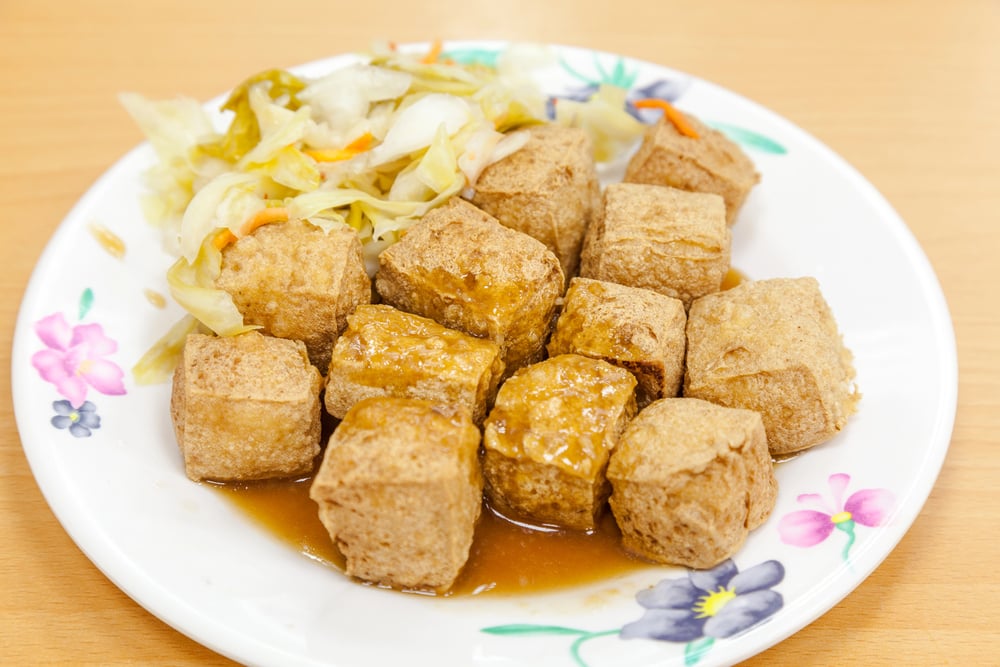
This Chinese street food smells like open sewage but tastes mildly savory and umami-rich after fermentation. It can be eaten raw, fried, or in soups, with the odor actually masking a fairly subtle flavor.
The contrast between its notorious reputation and mild taste makes it surprisingly approachable for the mentally prepared.
Sannakji
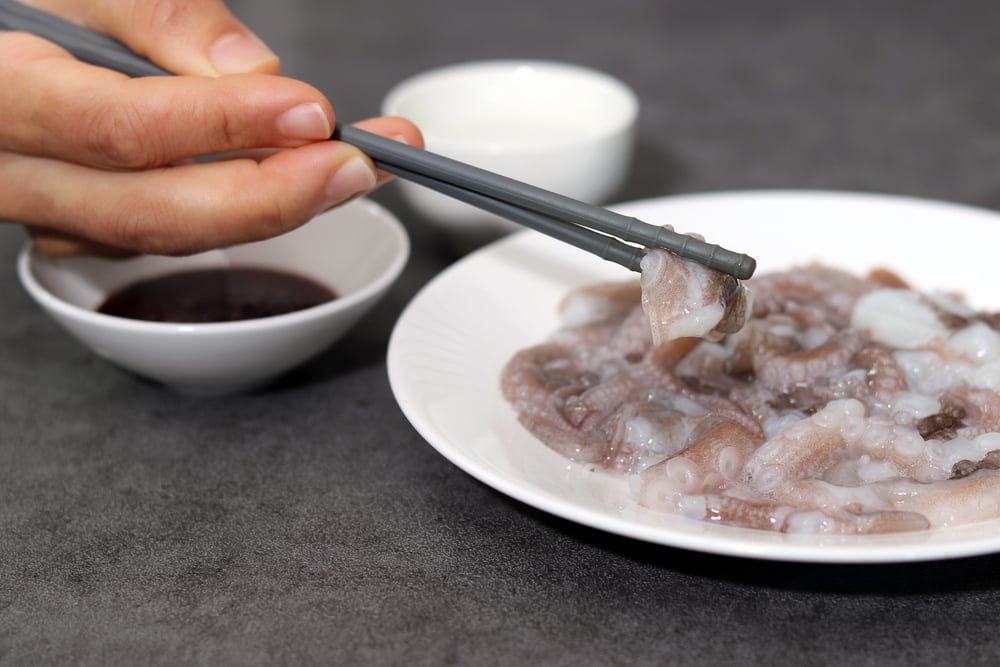
South Korea’s raw octopus tentacles are cut into bite-sized pieces and served while still moving, coated in sesame oil and seeds. The sesame adds nuttiness to the slightly chewy, sweet octopus meat.
Eating something that visibly writhes on the plate becomes less shocking once you taste the tender delicacy underneath.
Kimchi
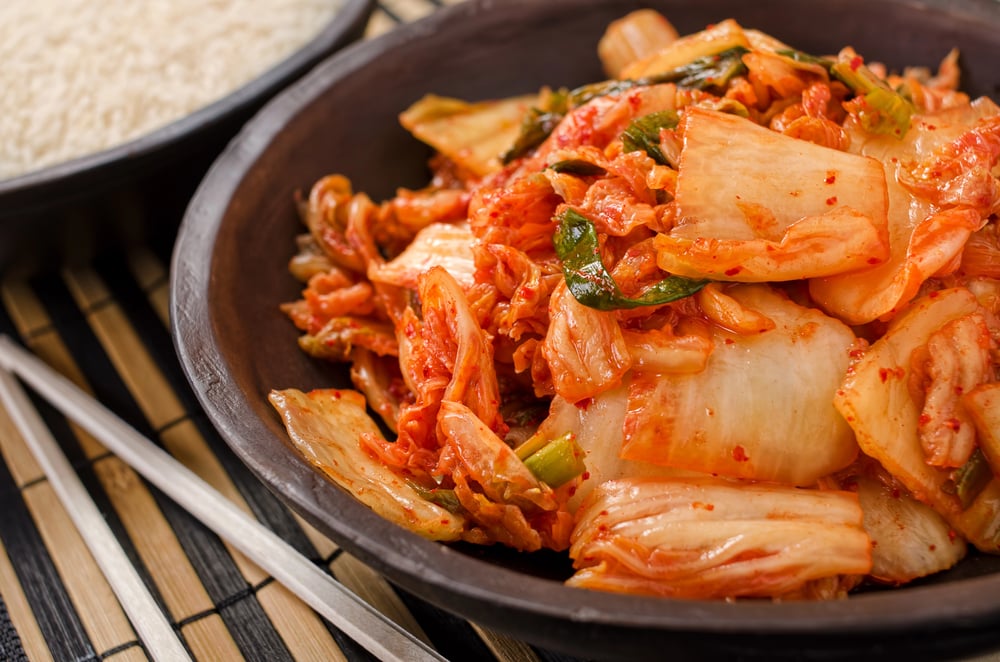
This fermented Korean vegetable side dish combines cabbage, chili peppers, garlic, and fish sauce in a spicy-sour preparation that’s been made for thousands of years. Beyond its probiotic benefits, kimchi’s deep umami and heat make it endlessly versatile—eaten with nearly every Korean meal and increasingly found in global cuisines.
The fermentation process makes each batch slightly different.
Durian
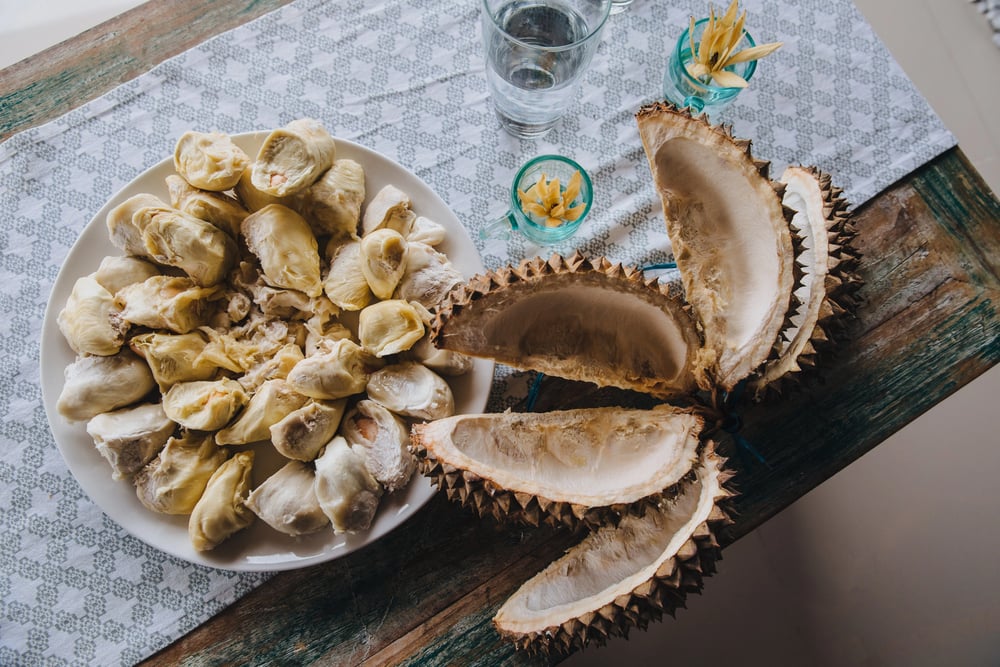
Southeast Asia’s “king of fruits” is banned from public transportation for its overwhelming smell of rotting onions and gym socks, yet devotees describe the creamy flesh inside as custard-like with complex sweetness. Once you push past the odor barrier, the flavor becomes luxurious and rich.
The fruit’s popularity in Thailand and Malaysia proves that a terrible first impression can hide something truly delicious.
Kusaya
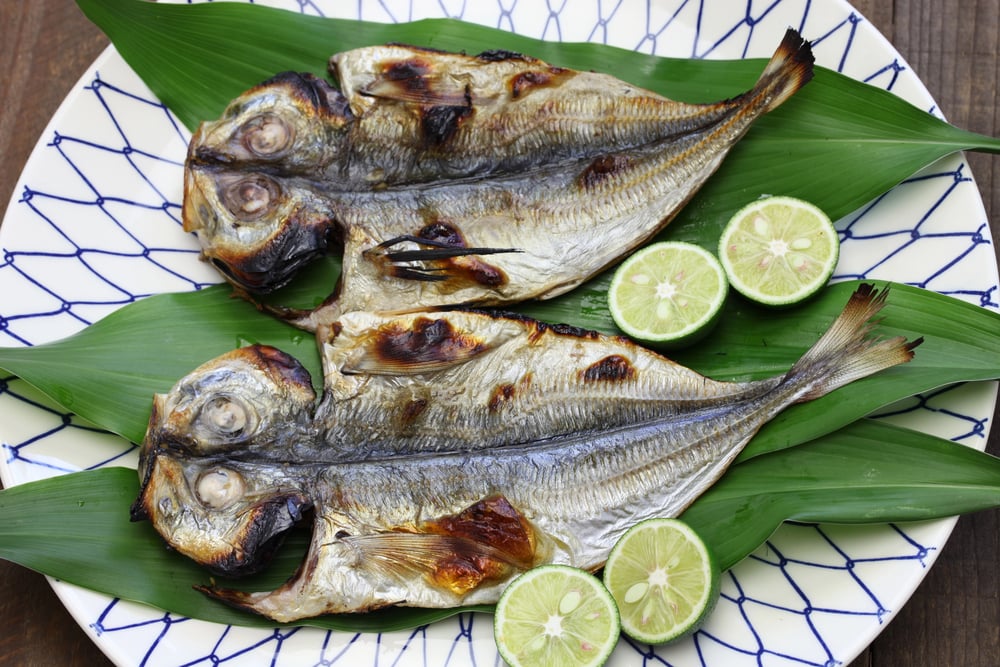
This Japanese dried fish from Tokyo’s remote islands is fermented until it’s edible and then grilled or simmered. Despite its ammonia-like aroma that rivals even the pungent surströmming, kusaya tastes surprisingly mild and delicate.
Locals say the smell is the price of admission to a delicate, umami-forward eating experience.
Cuy
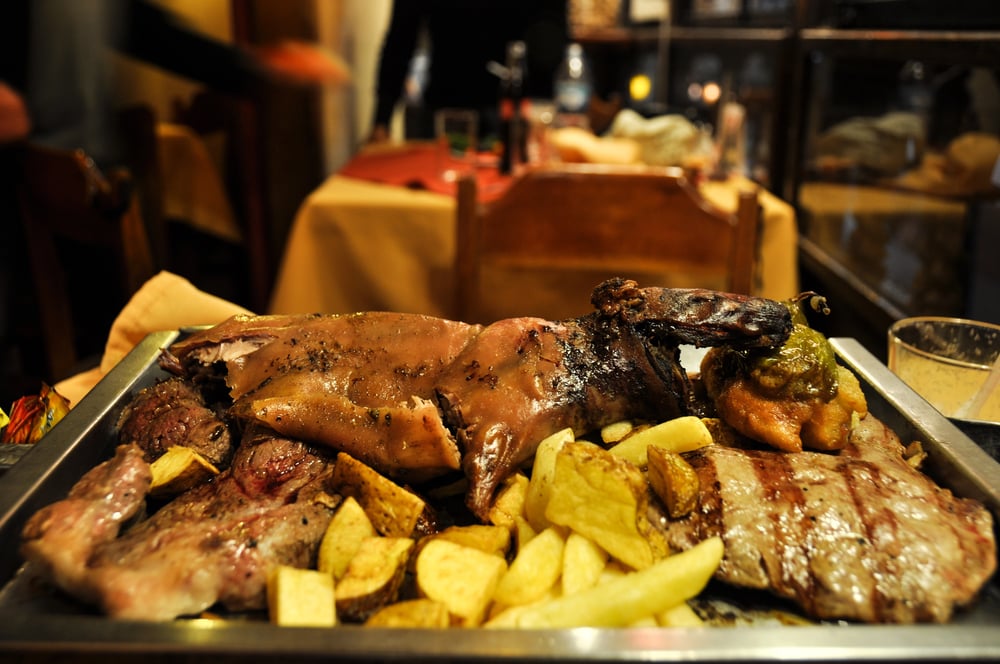
Peru’s roasted guinea pig has tender, rabbit-like meat with crispy skin when fried whole or roasted in traditional clay ovens. Seasoned with native chili peppers and garlic, it’s served at celebrations and considered a staple protein in the Andes.
The emotional resistance outsiders feel dissolves quickly once you taste how well the meat takes on spice.
Jellied Eels
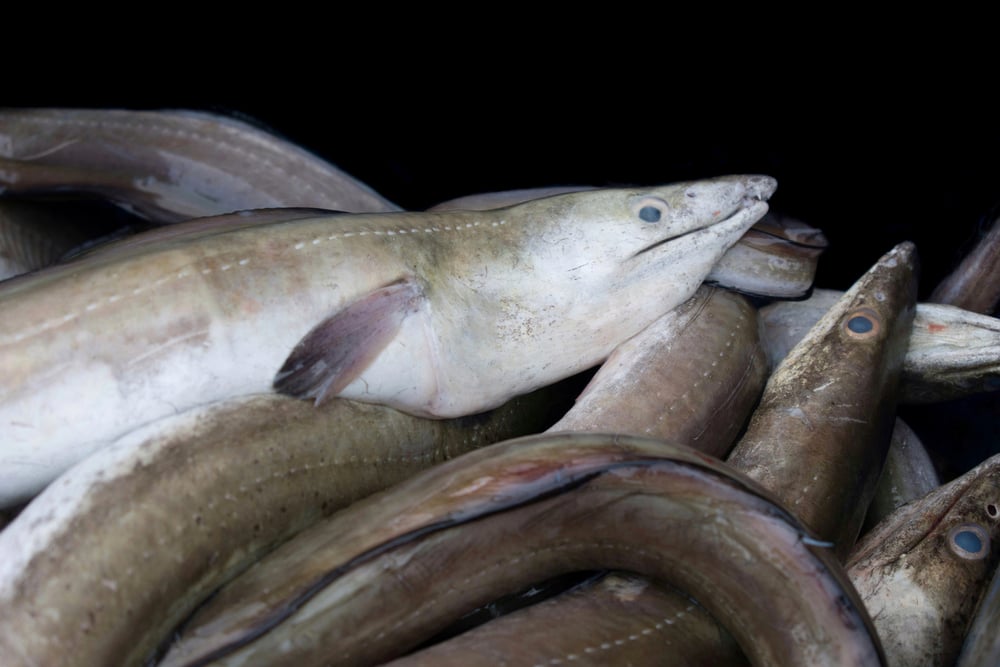
This London working-class dish dates to the 18th century, when eels from the Thames were chopped and boiled in spiced stock until the natural gelatin set into a savory aspic. The texture is soft and slightly jiggly, with a mild, salty flavor closer to pickled herring than to anything else.
Served cold with chili vinegar or hot with pie and mash, it’s a window into Victorian street food culture.
Basashi
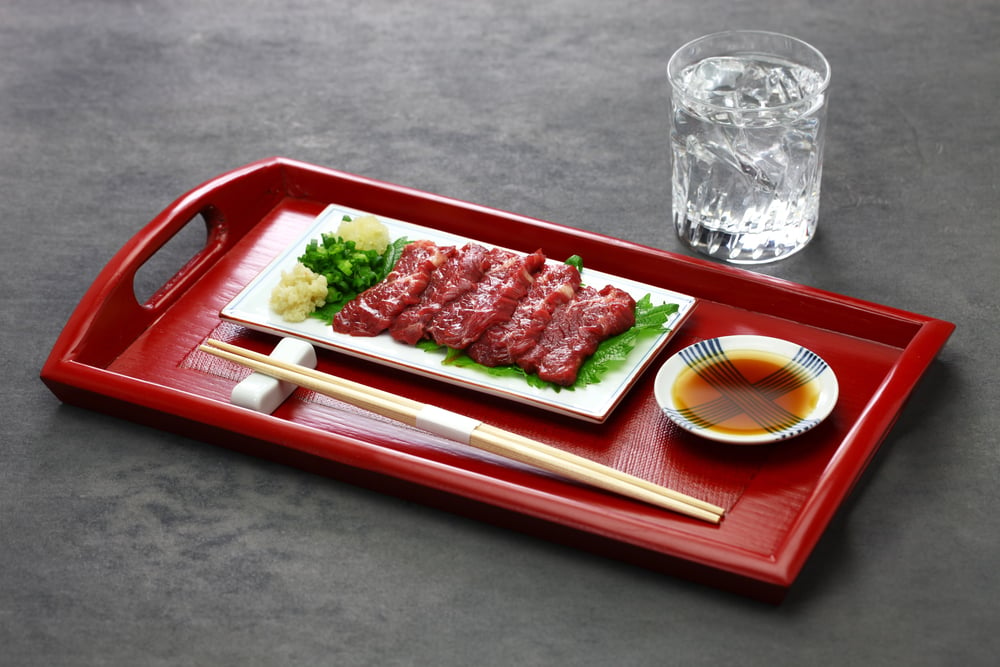
Japan’s raw horse meat, called “cherry blossom meat” for its deep red color, is sliced thin and served sashimi-style with soy sauce and ginger. The flavor is lighter than beef but more substantial than fish, with a clean, slightly sweet quality that melts on the tongue.
Kumamoto Prefecture produces 40 percent of Japan’s horse meat and takes pride in the traditions around this delicacy.
Haring
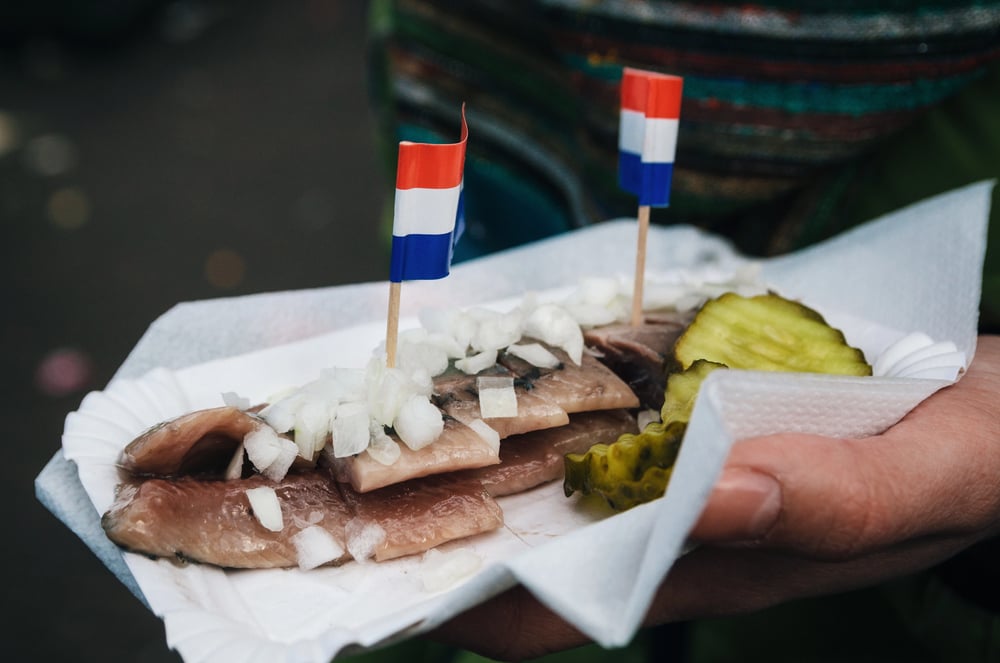
Netherlands’ traditional pickled herring is lightly cured in salt brine and served with diced raw onions and pickles as a street food. The fish is mild and buttery, falling somewhere between raw sashimi and kipper in texture.
Held by the tail and eaten by tilting the head back is the traditional Amsterdam way, though broodje haring sandwiches work for the less committed.
Fried Tarantula
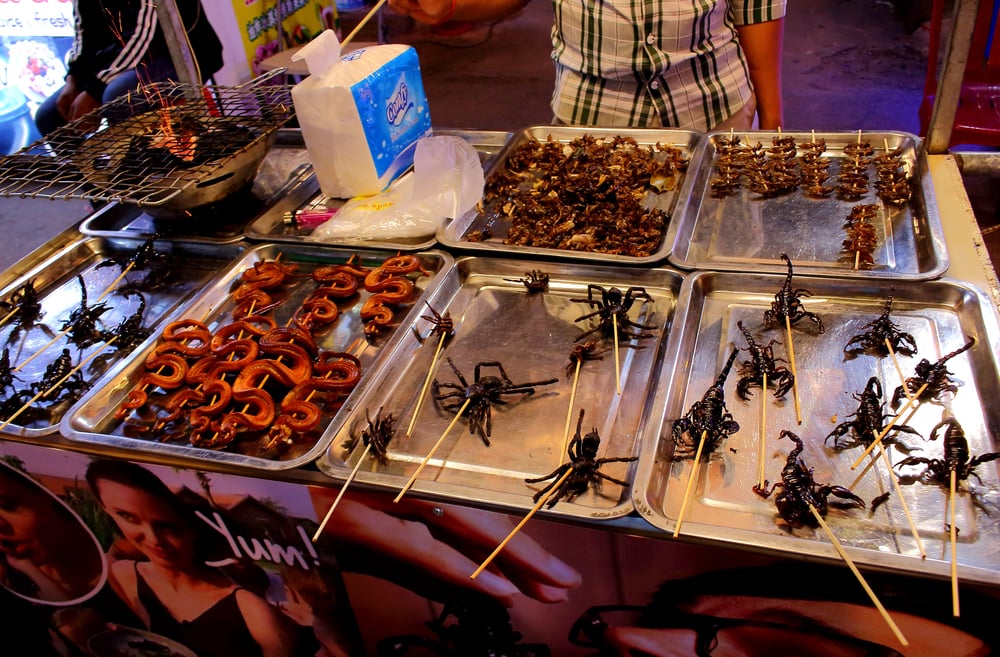
Cambodia’s street markets sell deep-fried tarantulas, often breaded and served with tamarind sauce or eaten whole with the gooey innards exposed. The legs are crispy while the body remains soft, and the meat tastes vaguely nutty and earthy.
The psychological barrier of eating an arachnid is higher than the actual barrier posed by the flavor.
Fried Cricket
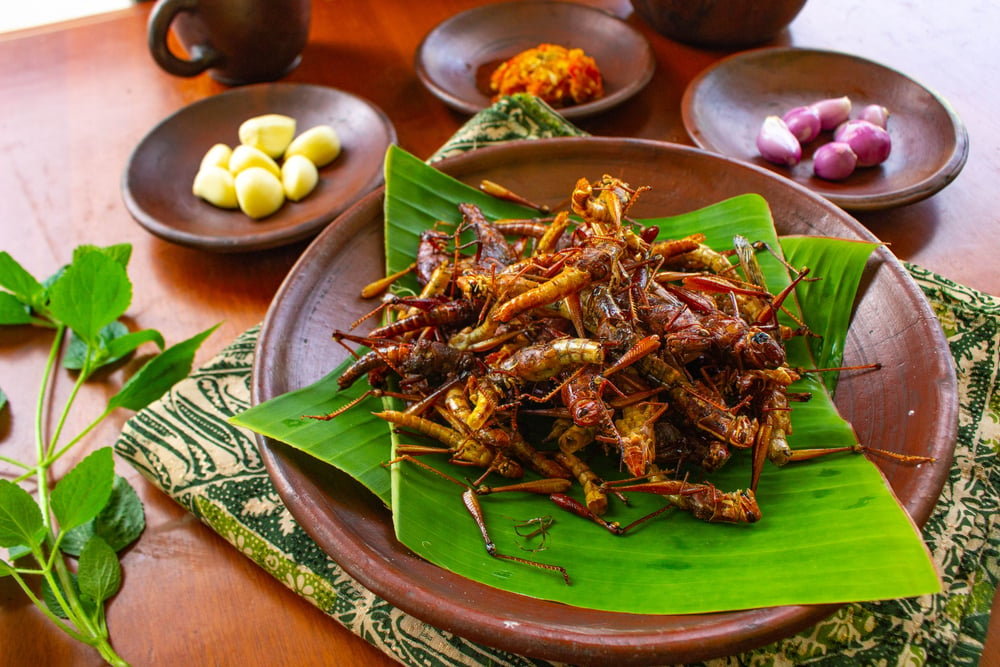
Cambodian fried crickets are cooked with chili and garlic or prepared Szechuan-style with Mediterranean herbs at restaurant locations like Bugs Café. The texture is crunchy, comparable to shrimp, with a slightly earthen flavor that absorbs whatever sauce accompanies it.
As an arthropod, they’re nutritionally closer to their aquatic cousins than most people realize.
Marinated Scorpion
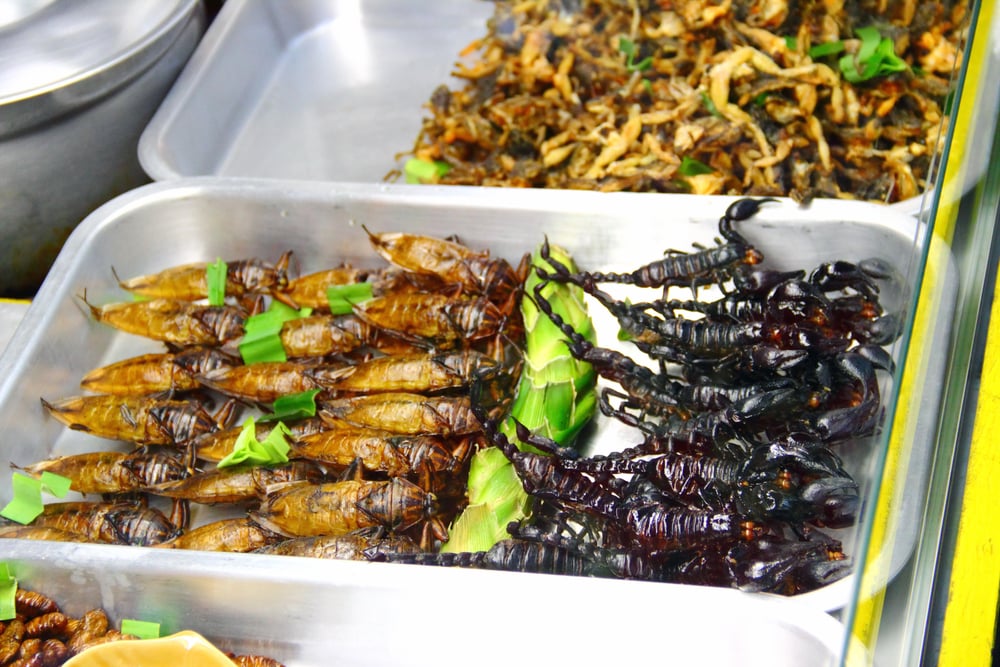
Cambodia’s pan-fried scorpions are cooked whole with cashews, garlic, parmesan, and basil in fusion preparations that bridge Khmer and Western techniques. The whole arachnid is edible once cooked, providing a crunchy shell and tender interior.
The flavor is mild and pairs well with umami-forward seasonings.
Lutefisk
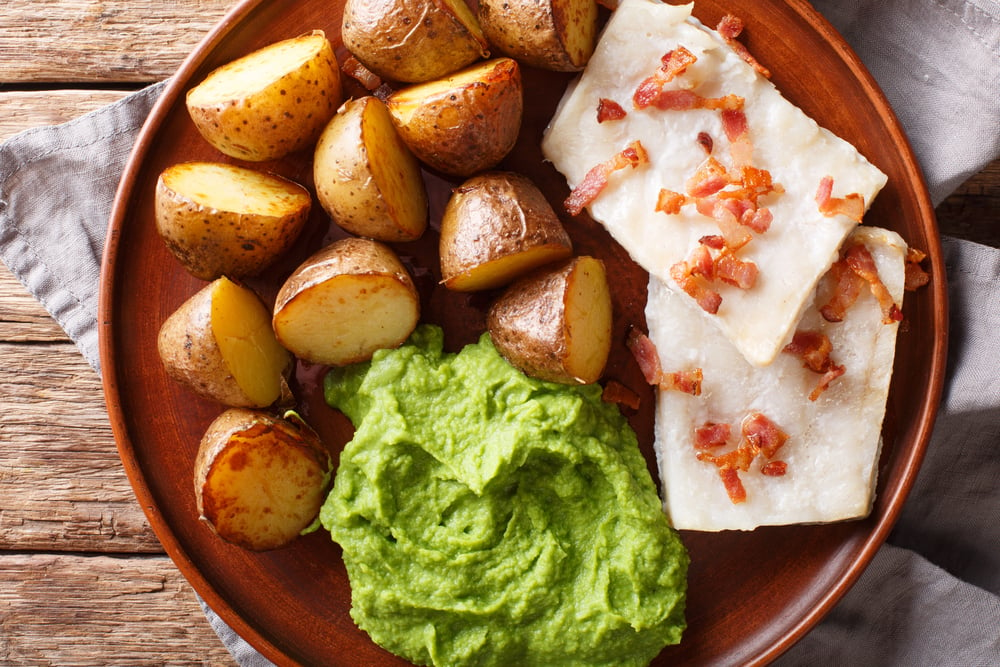
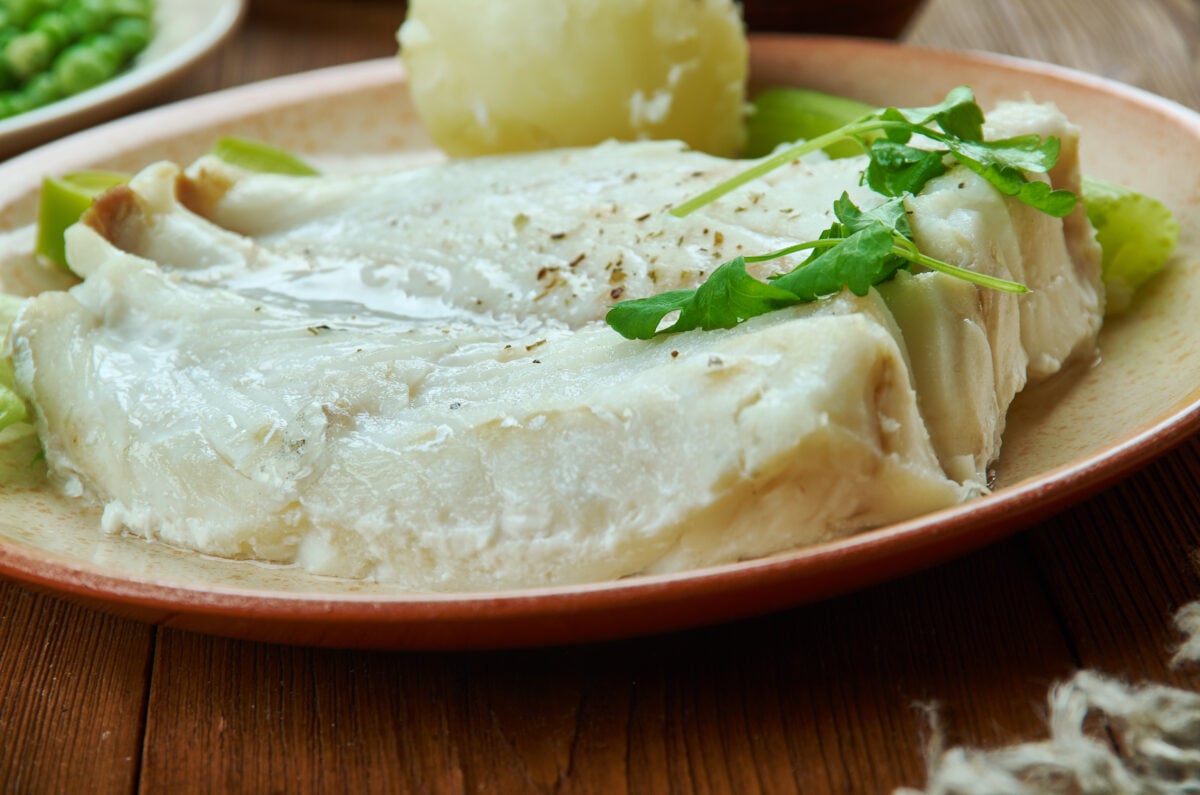
Scandinavia’s Christmas tradition starts with dried stockfish rehydrated in lye—the same chemical used to clean drains—which creates a gelatinous texture described as either sublime or rubbery depending on who’s eating. The flavor is subtle and requires butter and accompaniments like potatoes and peas to shine.
More lutefisk is eaten in Minnesota’s church basements than in Norway itself today.
Stewed Tripe
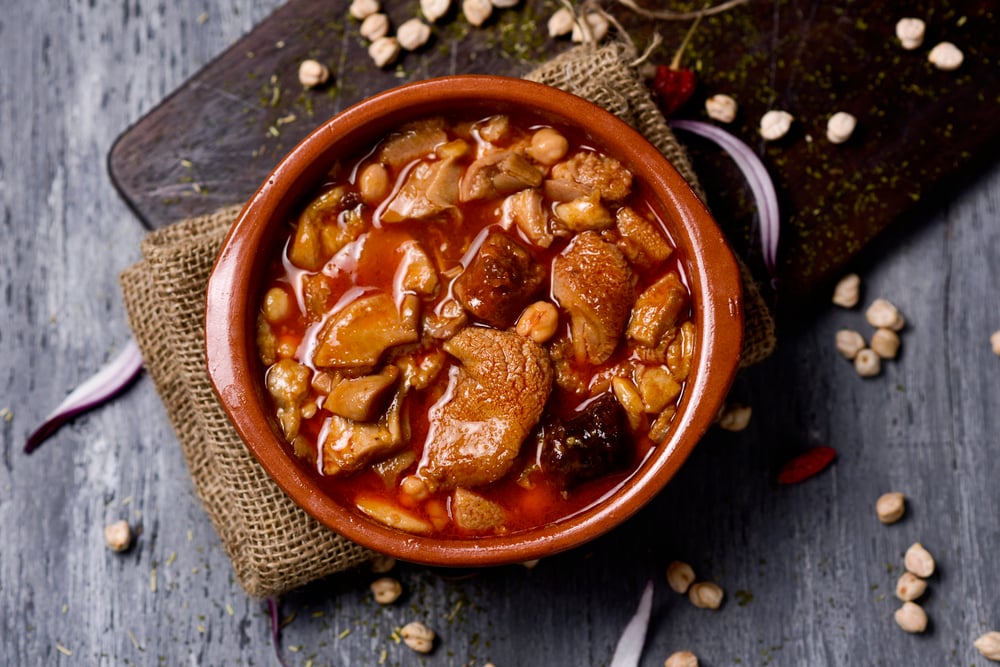
This Latin American dish of boiled beef stomach lining is cooked slowly until tender, then finished in a rich, spiced broth with chili peppers and lime. Tripe’s texture when properly prepared is tender and almost delicate, absorbing the complex flavors of the cooking liquid.
It’s economical, ancient, and deeply comforting in cultures worldwide.
Nori Seaweed
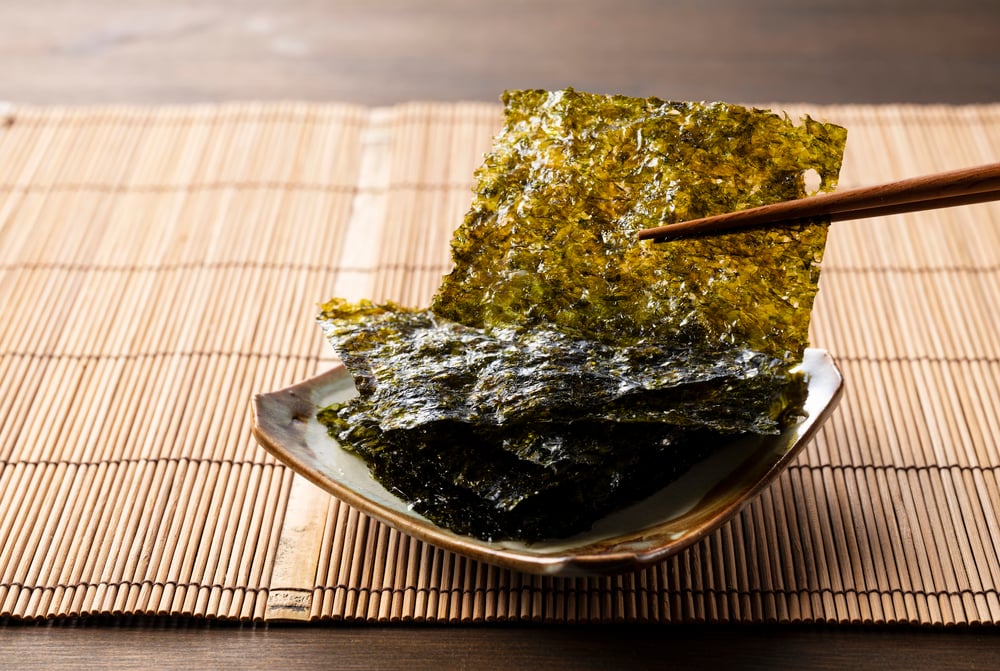
Japan’s dried seaweed sheets wrap sushi and offer umami punch through a tissue-thin bite of ocean. The flavor is briny and mineral-rich, completely transformed from the bitter raw seaweed most outsiders expect.
Sheets toasted and salted become crispy, almost snack-like in their appeal.
Fermented Skate
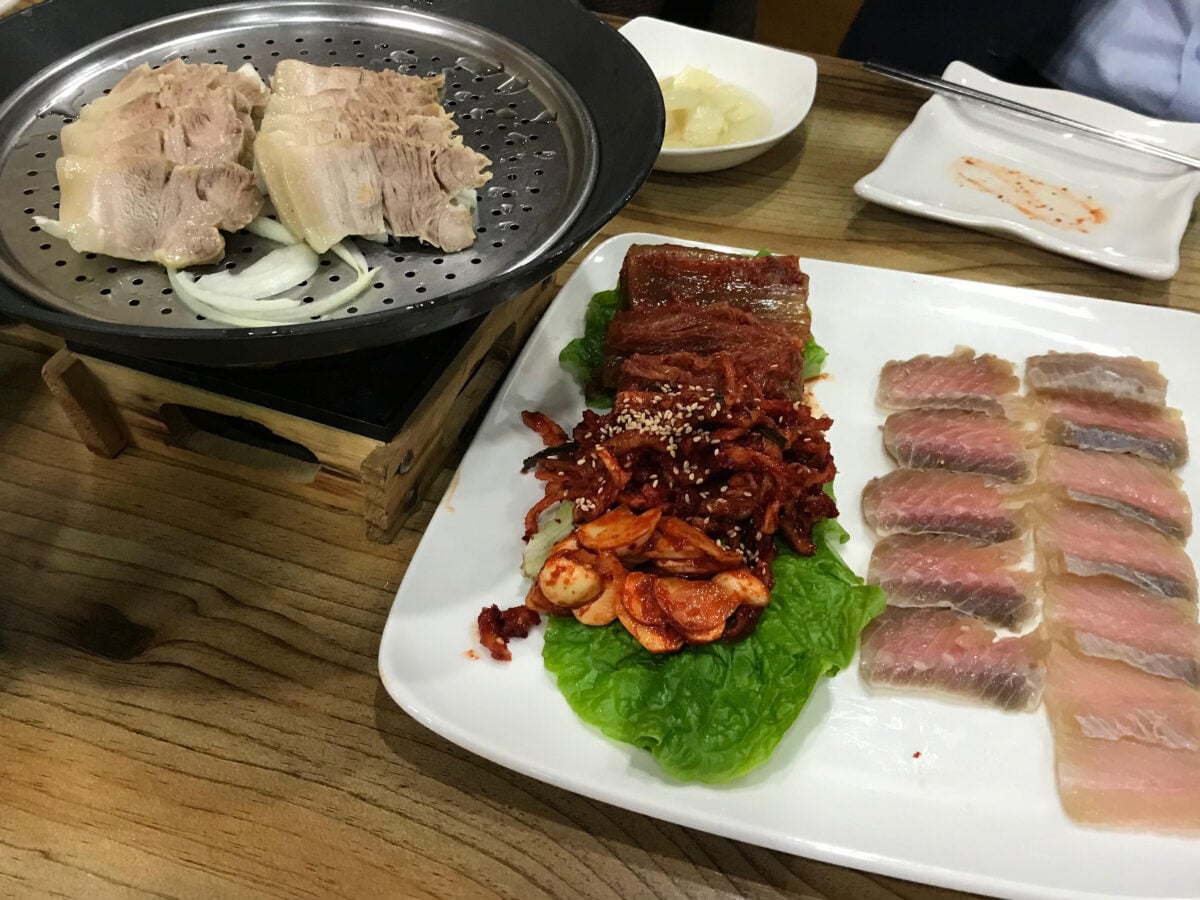
Korea’s hoeneohoe is fermented skate served raw with a pungent ammonia smell that indicates proper preparation. The flesh is tender and slightly sweet when properly prepared, ranking second only to surströmming in terms of offensive odor.
Seasoning with spicy mustard paste helps tame the intensity.
Ant Egg Soup
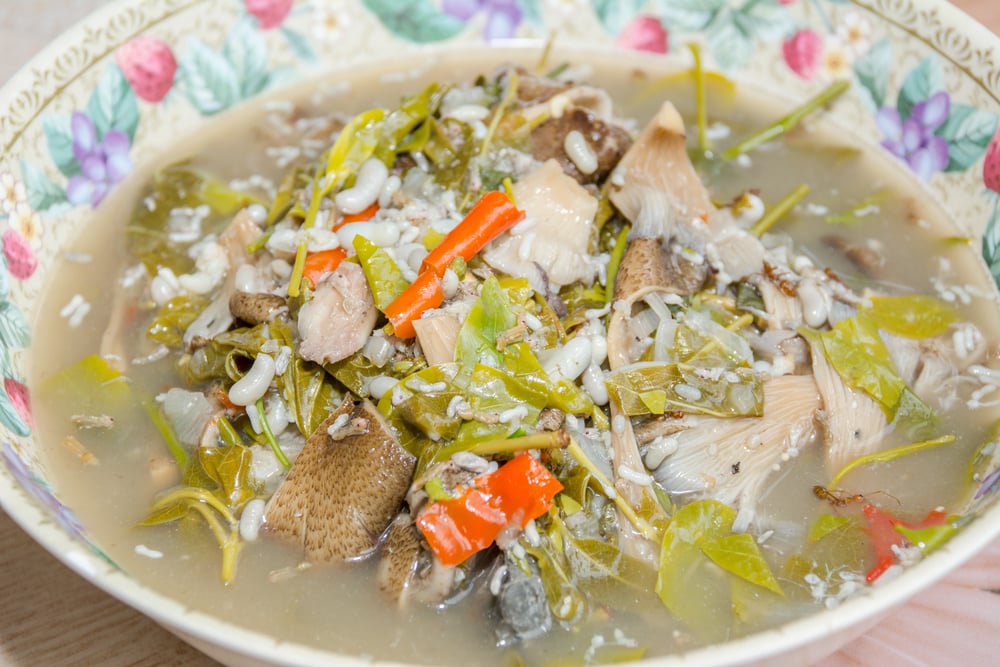
Thailand’s soups sometimes include tiny ant eggs harvested from termite mounds, delivering pops of tangy flavor and slight crunchiness. The eggs add textural interest and mild sourness without dominating the dish.
They’re high in protein and considered a delicacy in rural Southeast Asian communities.
Chicken Feet
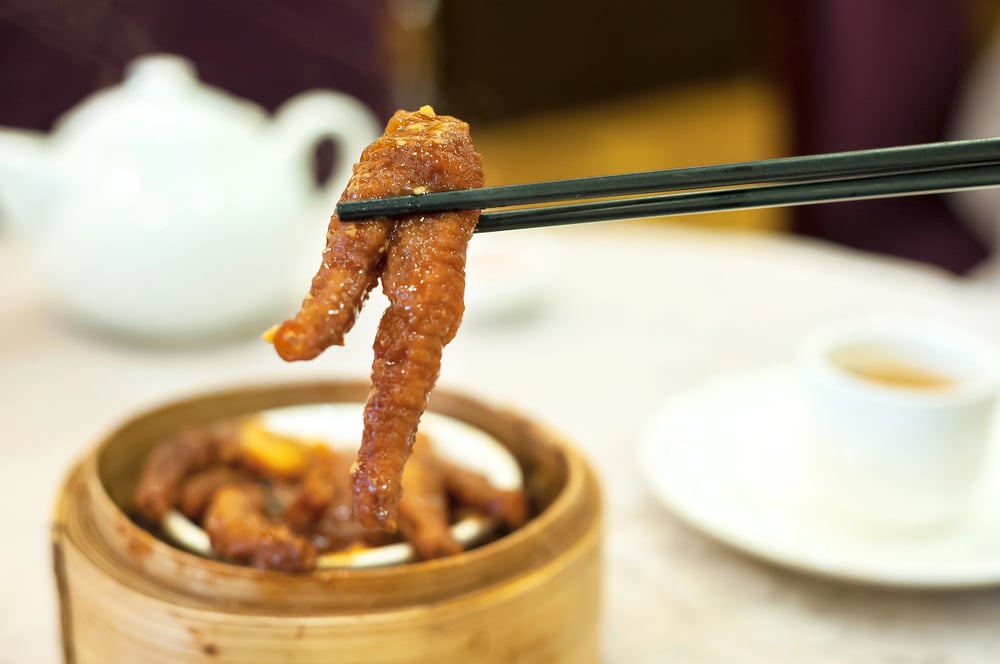
This Chinese dim sum staple is braised or steamed until the skin becomes tender and gelatinous, then seasoned with fermented black beans or chili sauce. The collagen-rich skin provides a unique chewy texture and silky mouthfeel.
Despite their alarming appearance, they’re umami-rich and regarded as a specialty requiring proper technique to prepare.
Lutefisk Through Centuries
These thirty-one foods represent more than just shock value—they’re evidence of human ingenuity in preserving protein, celebrating seasons, and transforming what’s available into something treasured. Every culture on earth has “weird” foods that made perfect sense at some point in history, whether for preservation, resourcefulness, or ritual.
The gap between revolting and delicious often closes the moment you take that first brave bite and realize the smell, texture, or appearance bears no relationship to the actual taste. What sounds disgusting on a podcast becomes dinner in someone else’s home, prepared with generations of technique and served with genuine pride.
More from Go2Tutors!

- The Romanov Crown Jewels and Their Tragic Fate
- 13 Historical Mysteries That Science Still Can’t Solve
- Famous Hoaxes That Fooled the World for Years
- 15 Child Stars with Tragic Adult Lives
- 16 Famous Jewelry Pieces in History
Like Go2Tutors’s content? Follow us on MSN.