16 Animals That Survived Mass Extinction
Mass extinctions are nature’s ultimate reset button. When these catastrophic events hit, they wipe out most life on Earth—sometimes taking out up to 96% of all species. Yet somehow, certain animals manage to survive the apocalypse and keep going like nothing happened. These survivors aren’t necessarily the biggest or strongest creatures around. They’re the ones with just the right combination of luck, adaptability, and sheer stubbornness.
Throughout Earth’s history, there have been five major mass extinction events, each one reshaping life as we know it. While countless species vanished forever, some remarkable animals found ways to endure the chaos and emerge on the other side.
Here is a list of 16 animals that somehow managed to survive when most everything else didn’t.
Sharks

Sharks have been cruising Earth’s oceans for over 400 million years, surviving multiple mass extinctions that wiped out countless other marine species. These apex predators made it through the Permian extinction—the worst one yet—that killed 96% of marine life.
Their secret weapon seems to be incredible adaptability; when food sources disappeared, sharks simply changed their diets and hunting strategies. Modern sharks are basically living fossils that figured out the survival game long before dinosaurs even existed.
Crocodilians
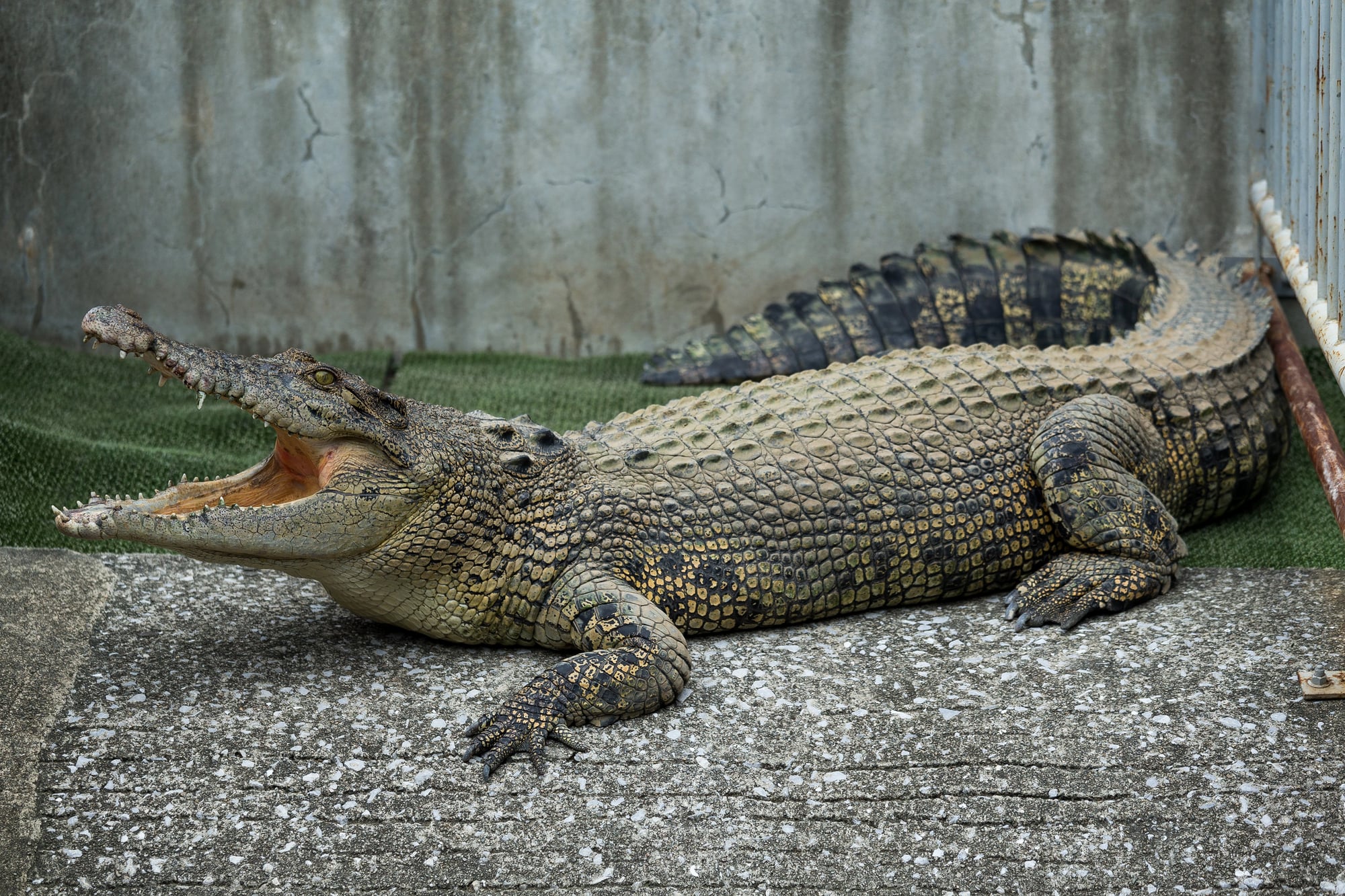
Crocodiles and their relatives have been around for about 240 million years, somehow surviving every single mass extinction event since they first appeared. During the asteroid impact that killed the dinosaurs 66 million years ago, crocodilians kept doing their thing while their archosaur cousins went extinct—they could slow their metabolism way down and survive on almost nothing for months.
Their semi-aquatic lifestyle and ability to eat practically anything that moves made them incredibly resilient when ecosystems collapsed around them.
Cockroaches

These resilient insects have been scurrying around for roughly 300 million years, proving that sometimes being small and adaptable beats being big and powerful. Cockroaches survived the Permian extinction and every other major catastrophe since then by being incredibly flexible about what they eat—decaying organic matter, other insects, even book bindings work just fine.
Their ability to reproduce quickly and adapt to almost any environment has made them nearly indestructible survivors.
Horseshoe Crabs

Horseshoe crabs are living time capsules that have barely changed in 450 million years, earning them the nickname ‘living fossils.’ These armored arthropods survived multiple mass extinctions by sticking to shallow coastal waters and being incredibly efficient scavengers—they’ll eat basically anything they can find on the seafloor.
Their blue, copper-based blood and primitive immune system have proven remarkably effective at fighting off diseases and parasites throughout countless environmental upheavals.
Tardigrades
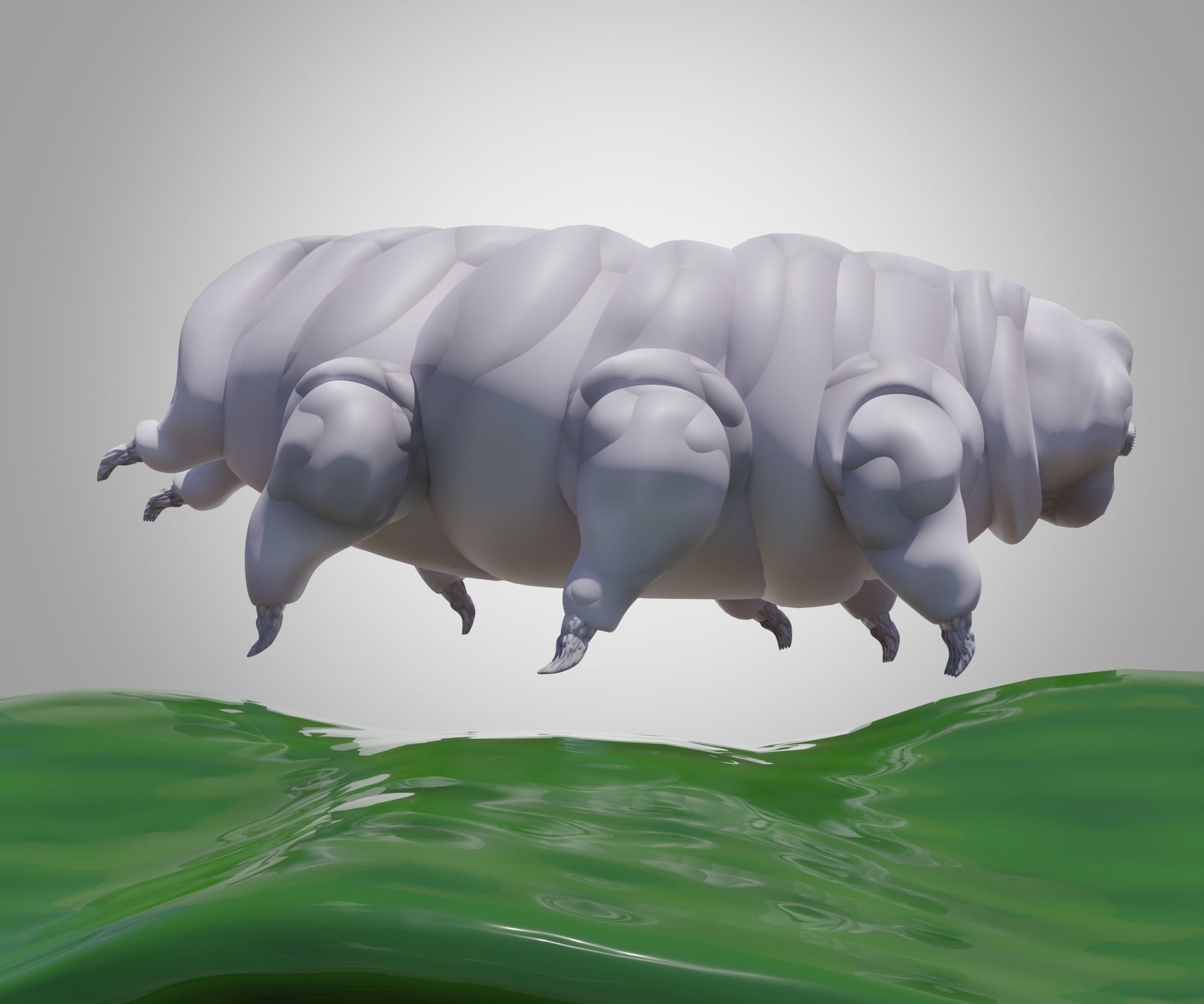
Also known as water bears, tardigrades are microscopic animals that can survive pretty much anything the universe throws at them. These tiny creatures have been around for at least 530 million years, enduring multiple mass extinctions by entering a state called cryptobiosis—basically shutting down all biological processes until conditions improve.
They can survive extreme temperatures, radiation levels that would kill most life forms, and even the vacuum of space for extended periods.
Coelacanths

Scientists thought coelacanths went extinct 66 million years ago along with the dinosaurs, until fishermen caught a living one off South Africa in 1938—talk about a surprise comeback. These lobe-finned fish have survived multiple extinction events by retreating to deep ocean environments where they could avoid whatever catastrophes were happening at the surface.
Their primitive body plan and slow metabolism helped them persist in stable deep-water habitats while most other ancient fish lineages disappeared.
Tuataras

Tuataras look like ordinary lizards but they’re actually the last survivors of an ancient reptile group called rhynchocephalians that thrived alongside early dinosaurs. These living fossils survived multiple extinction events by adapting to New Zealand’s unique island environment—their slow metabolism and ability to live for over 100 years helped them weather long-term environmental changes.
They’re basically reptilian time travelers that give us a glimpse into what life looked like 200 million years ago.
Nautiluses
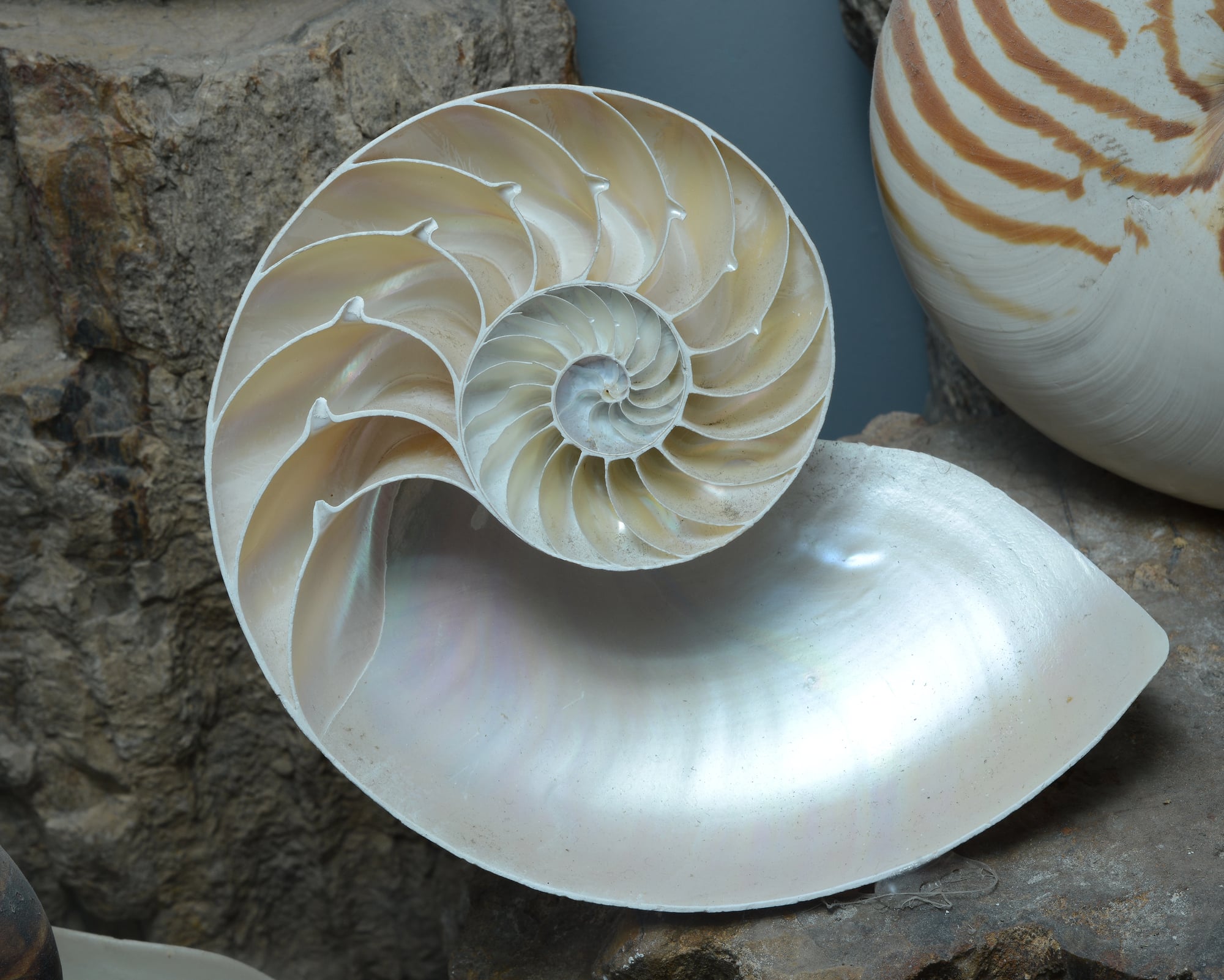
Nautiluses are the sole survivors of a once-diverse group of shelled cephalopods that dominated ancient seas for hundreds of millions of years. While their relatives like ammonites went extinct 66 million years ago, nautiluses survived by sticking to deep tropical waters and maintaining their simple yet effective lifestyle—they migrate vertically in the water column each day, avoiding predators and finding food.
Their external shell and primitive jet propulsion system have worked so well they’ve barely needed to evolve.
Lungfish

These remarkable fish can literally drown if they can’t reach the surface to breathe air, which sounds like a design flaw but actually helped them survive multiple extinction events. Lungfish have been around for about 400 million years, making it through various catastrophes by being able to survive in both water and on land when needed—during dry periods, they can burrow into mud and enter a dormant state for months.
Their dual respiratory system gave them options when aquatic environments became uninhabitable.
Ginkgo Trees
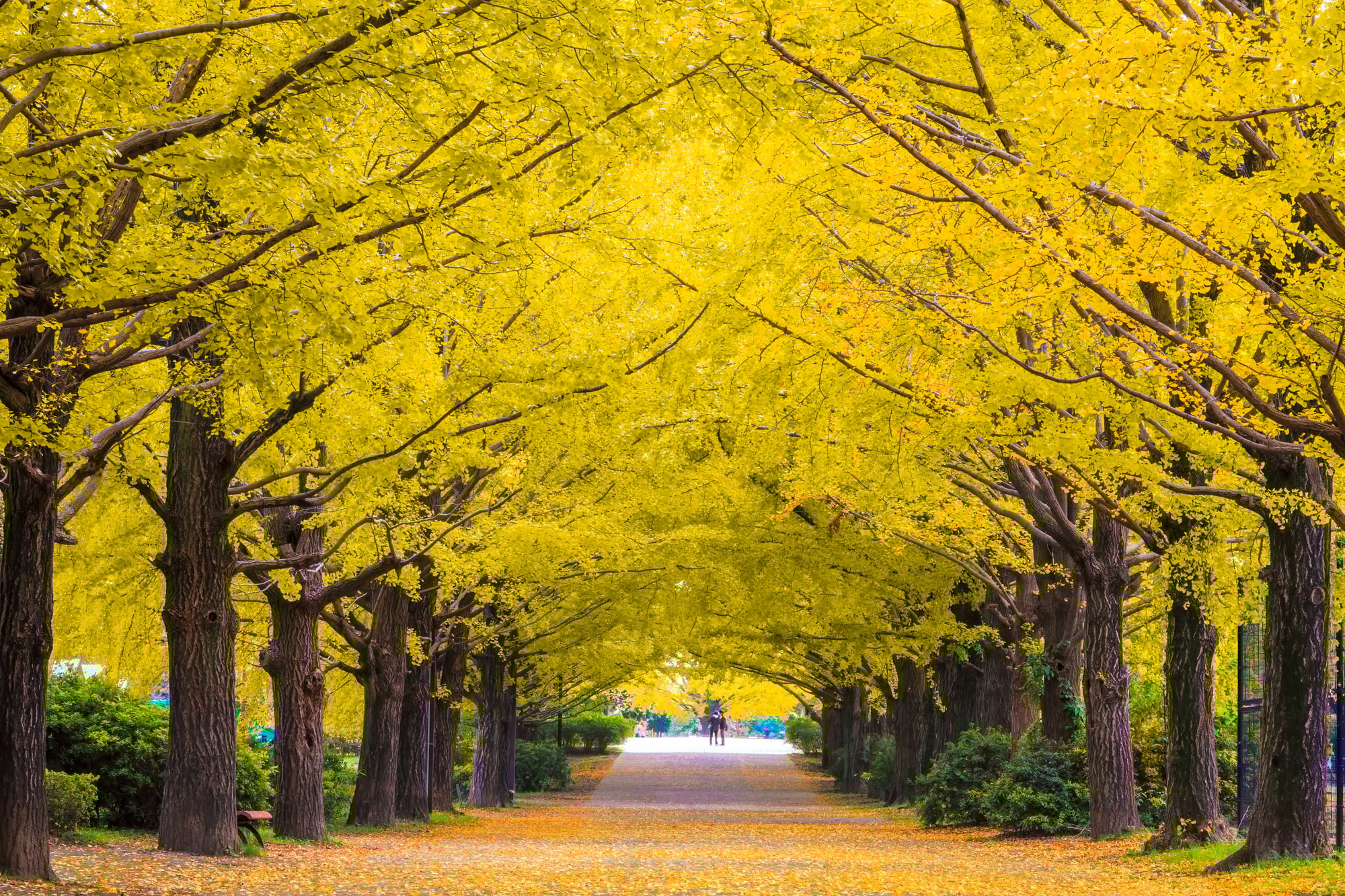
Ginkgo trees are often called living fossils because they’ve remained virtually unchanged for over 200 million years—these ancient plants survived multiple mass extinctions while most of their relatives disappeared. During the asteroid impact that ended the Cretaceous period, ginkgos somehow managed to hang on while many other plant species went extinct.
Their incredible longevity and resistance to disease, pollution, and environmental stress has made them nearly indestructible survivors that can live for over 1,000 years.
Brachiopods

These marine animals look like clams but are actually quite different, and they’ve been filtering ocean water for food for over 500 million years. Brachiopods survived multiple mass extinctions by being incredibly efficient filter feeders—they could survive on tiny amounts of plankton and organic particles when food became scarce.
While they were once among the most common marine animals, they’ve managed to persist in smaller numbers by adapting to deeper waters and specialized habitats.
Cycads

Cycads are ancient seed plants that dominated landscapes during the age of dinosaurs, somehow surviving the mass extinction that wiped out their giant neighbors 66 million years ago. These palm-like plants made it through multiple catastrophes by growing extremely slowly and being incredibly hardy—some species can survive droughts, fires, and poor soil conditions that would kill most other plants.
Their ability to live for hundreds of years and reproduce when conditions are right has kept them going for over 280 million years.
Lamprey

Lampreys might look like nightmarish sea snakes, but these jawless fish represent one of the oldest vertebrate lineages still alive today. They’ve survived for over 360 million years by being parasitic specialists—attaching to larger fish and feeding on their blood and bodily fluids.
During mass extinctions when large marine animals died off, lampreys could switch to different hosts or even survive as filter feeders, making them incredibly adaptable survivors.
Sturgeon
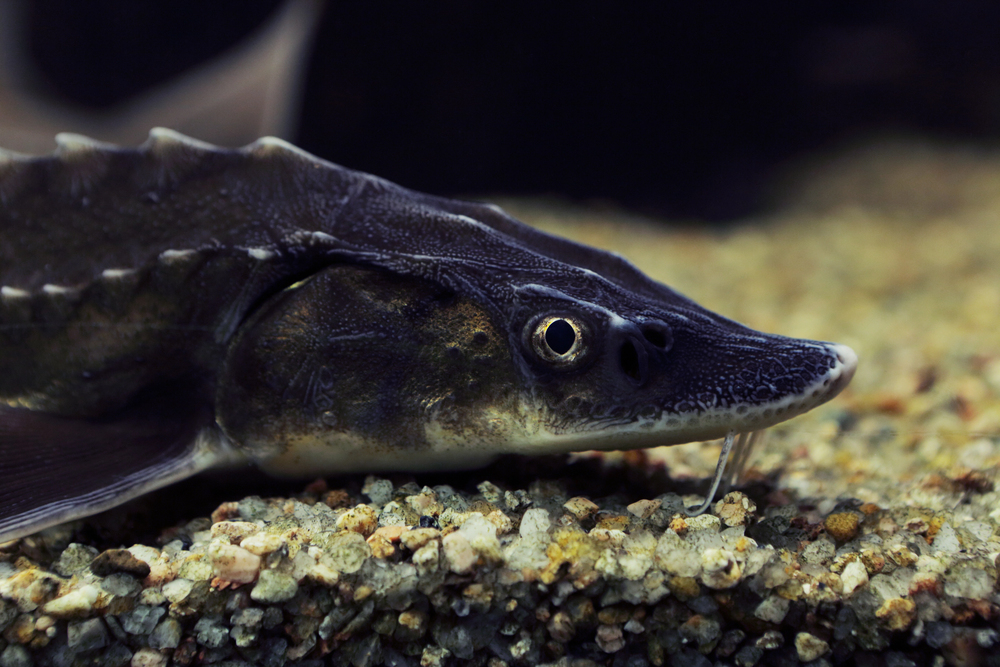
Sturgeons are living relics from the age of dinosaurs that have survived multiple mass extinctions through sheer toughness and adaptability. These armored fish can live for over 100 years and grow to massive sizes, but more importantly, they’re incredibly flexible about where they live and what they eat.
Some species can survive in both freshwater and saltwater, while others can fast for months during migrations—this versatility helped them weather environmental catastrophes that wiped out less adaptable fish.
Sea Turtles

Sea turtles have been swimming Earth’s oceans for over 220 million years, surviving multiple mass extinctions including the one that ended the age of dinosaurs. These marine reptiles made it through various catastrophes by being incredibly adaptable—they can survive in different ocean temperatures, eat various types of food, and migrate vast distances to find suitable conditions.
Their ability to hold their breath for hours and dive to great depths gave them options when surface environments became hostile.
Stromatolites
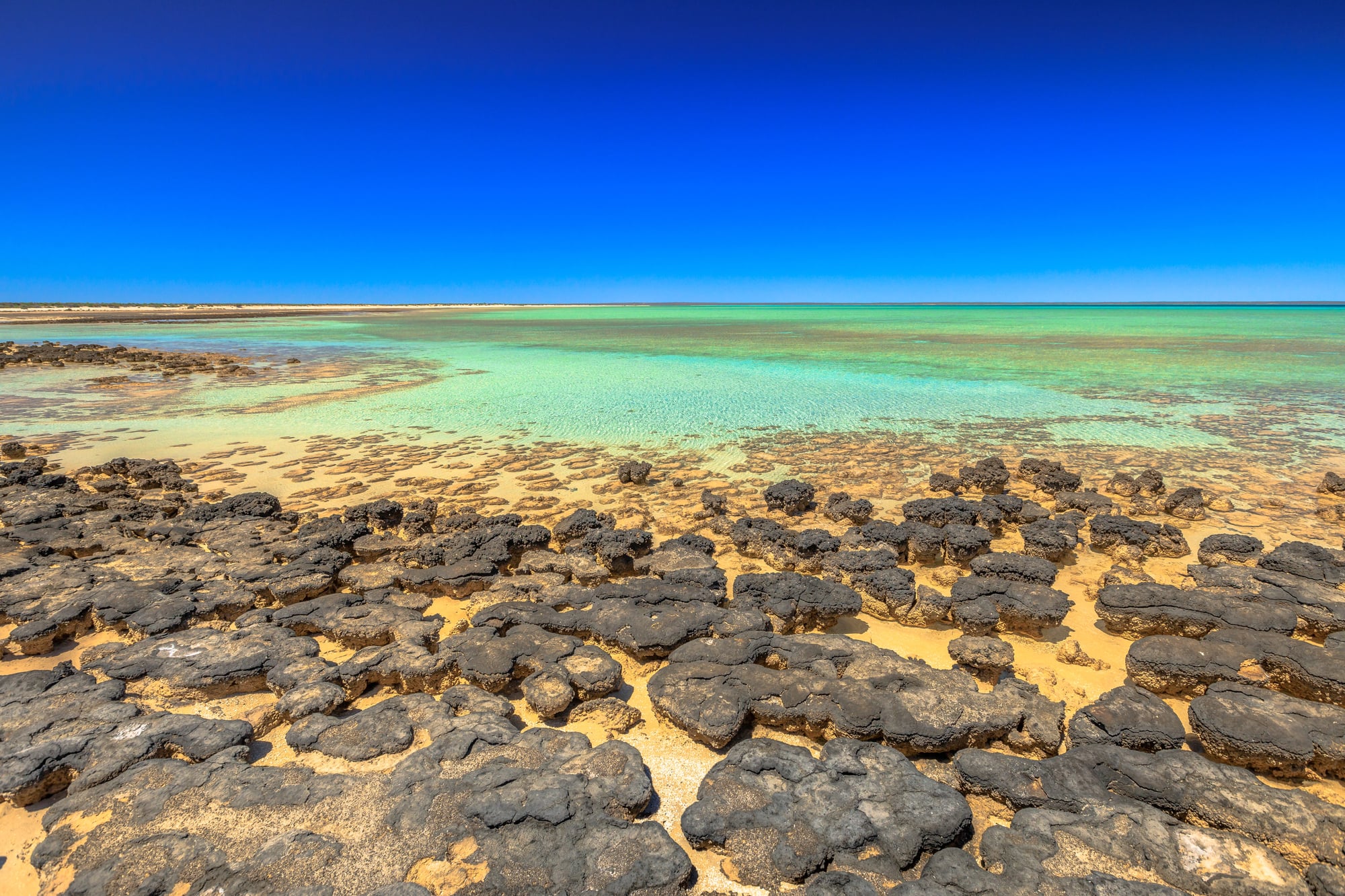
While not exactly animals, stromatolites are layered structures built by ancient cyanobacteria that represent some of the earliest evidence of life on Earth. These microbial communities have survived for over 3.5 billion years, enduring every single mass extinction event by being incredibly simple and adaptable—they can survive in extreme environments that would kill most other life forms.
Modern stromatolites still exist in a few locations around the world, making them arguably the most successful survivors in Earth’s history.
The Ultimate Survival Champions

These remarkable survivors prove that success isn’t always about being the biggest or most advanced creature around. The animals that made it through Earth’s worst catastrophes share common traits: flexibility, efficiency, and the ability to adapt quickly when everything goes wrong.
Some survived by retreating to stable environments like deep oceans or isolated islands, while others made it through by being generalists who could eat almost anything and live almost anywhere. Their stories remind us that evolution favors the adaptable over the specialized, and sometimes the best strategy for survival is simply being tough enough to keep going when everyone else gives up.
More from Go2Tutors!

- The Romanov Crown Jewels and Their Tragic Fate
- 13 Historical Mysteries That Science Still Can’t Solve
- Famous Hoaxes That Fooled the World for Years
- 15 Child Stars with Tragic Adult Lives
- 16 Famous Jewelry Pieces in History
Like Go2Tutors’s content? Follow us on MSN.