25 Everyday Superstitions and the Strange Origins Behind Them
Somewhere between your grandmother’s warnings and the automatic flinch you feel when a black cat crosses the street, superstition still runs the show more than most people care to admit. Nobody actually believes tossing salt over a shoulder blinds the devil, and yet the arm still moves.
These habits didn’t come from nowhere — they came from plague years, ancient courts, medieval churches, and a whole lot of people trying to make sense of bad luck before science existed to explain it away. Here’s where twenty-five of the most common ones actually started, and why they’ve refused to die.
Walking Under a Ladder

A ladder against a wall forms a triangle, and to the ancient Egyptians, triangles were sacred. Breaking that shape by walking through it meant defying the gods themselves.
Christianity later layered on its own version, tying the triangle to the Holy Trinity and the ladder to the one used at the crucifixion. Either way, the message stuck: don’t walk through something sacred just because it’s in your way.
Black Cats Crossing Your Path
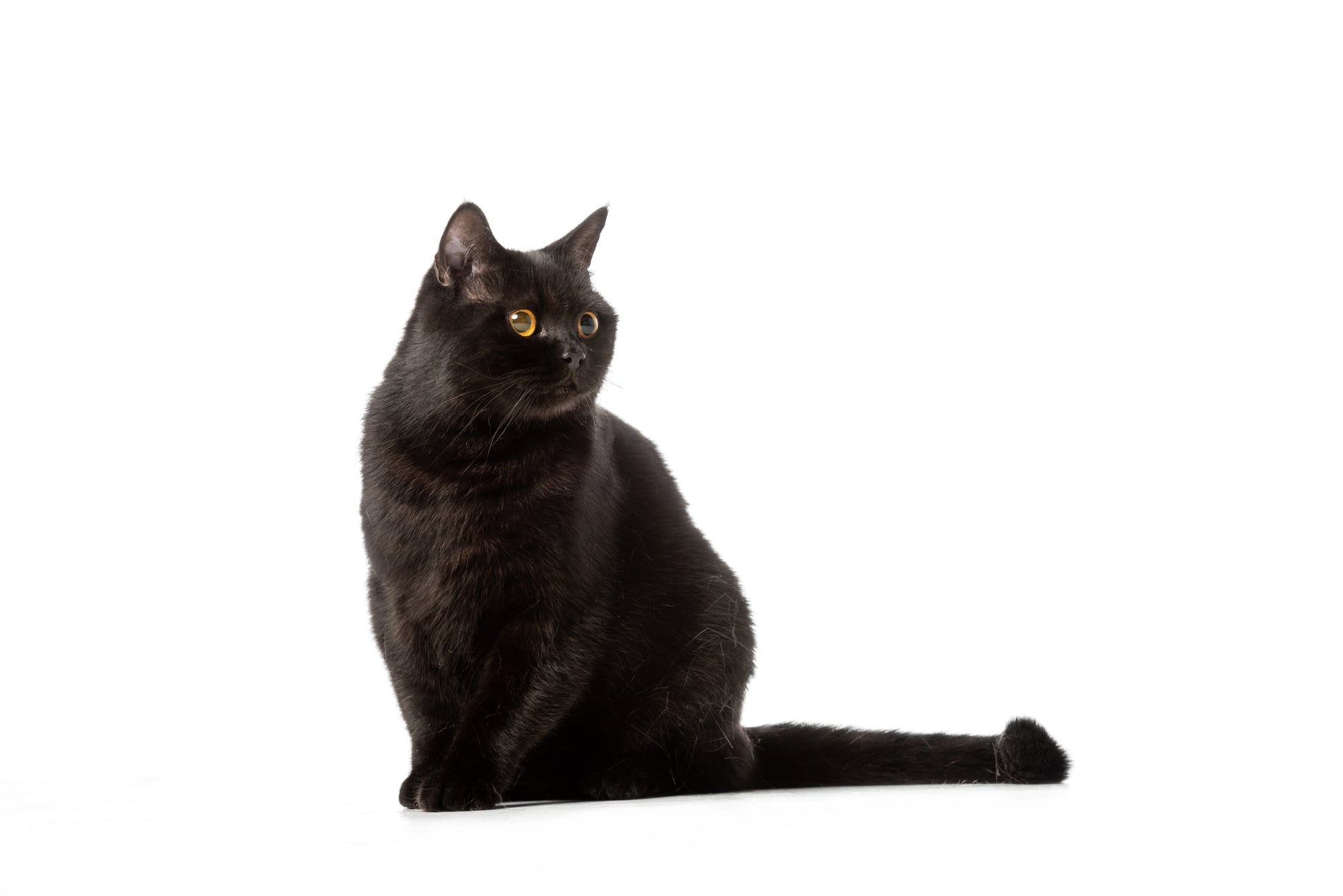
Here’s the thing nobody expects: black cats used to be lucky. Sailors’ wives kept them at home believing it would keep their husbands safe at sea, and in parts of medieval Europe they were simply pets — until the witch trials turned that affection into evidence of guilt.
Once cats got tied to witches (and witches got tied to the devil), the color black stopped being neutral and started being a warning. So a cat crossing your path went from a good omen to a bad one almost overnight, depending entirely on which country you happened to be standing in.
Broken Mirrors

A cracked mirror doesn’t just startle you, it unsettles something older than the glass itself. Ancient cultures believed a reflection held a piece of the soul, a small, silvery hostage of who you actually were, so shattering that image meant shattering something real.
The Romans added a timeline to the fear, deciding the soul renewed itself every seven years, which is where the seven years of bad luck comes from. It’s a strange leap of logic that somehow made perfect sense to people who saw their own faces as fragile things.
Knocking on Wood
Saying something out loud invites trouble — that’s the entire premise, and it’s older than most religions currently practiced. Pagan Europeans believed spirits lived inside trees, and knocking on the wood was a way of waking a protector before fate could hear your good news and ruin it out of spite.
To be fair, the logic holds up better than most superstitions on this list. You say something hopeful, you knock twice, and the universe supposedly looks the other way.
Friday the 13th
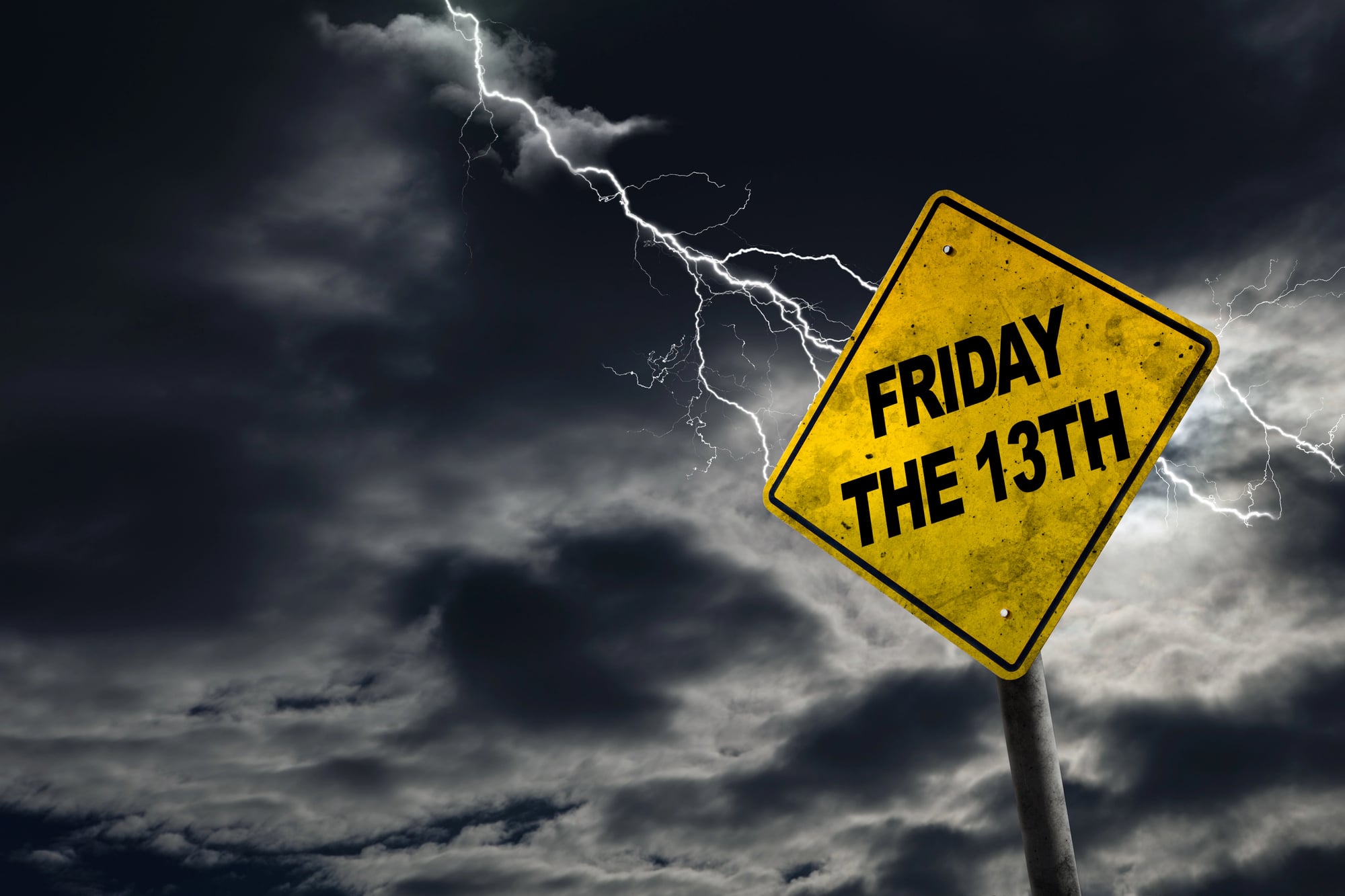
Two separate fears fused into one here, and neither started as a single event. Friday carried a bad reputation in Christian tradition long before anyone paired it with a number, tied to the day of the crucifixion.
The number 13 had its own reputation problem, largely from the Last Supper’s thirteen guests and the death that followed. Combine an unlucky day with an unlucky number and you get a date that still makes airlines skip a row of seats.
Opening an Umbrella Indoors

An umbrella opened inside used to be a genuine hazard before it became a superstition. Victorian-era umbrellas had stiff metal spokes and springs that could seriously injure someone in a cramped room, or knock over something breakable without much effort.
The superstition outlived the actual danger, the way most of these do, sticking around long after the umbrellas themselves got safer. Now it’s just a rule nobody remembers arguing with.
Spilling Salt

Salt used to cost real money, expensive enough that Roman soldiers were partly paid in it, which is where the word “salary” comes from. Wasting it wasn’t just careless, it was borderline offensive to the household budget.
The devil got dragged into the story later, supposedly lurking behind your left shoulder waiting for exactly this kind of mistake, and tossing salt over that shoulder became the fix. It’s one of the rare superstitions where the origin is almost entirely economic, dressed up afterward in something more dramatic.
Four-Leaf Clovers

Rarity is the whole engine behind this one. Clovers naturally grow three leaves, so a fourth is a genetic fluke, showing up in roughly one out of every ten thousand plants.
Ancient Celtic druids apparently believed the extra leaf let a person see fairies and ward off evil, which is a strange kind of magic for something you’d find by accident in a backyard. Christian tradition later reassigned each leaf a meaning — faith, hope, love, and luck — because nearly everything eventually gets a Christian reassignment.
Horseshoes
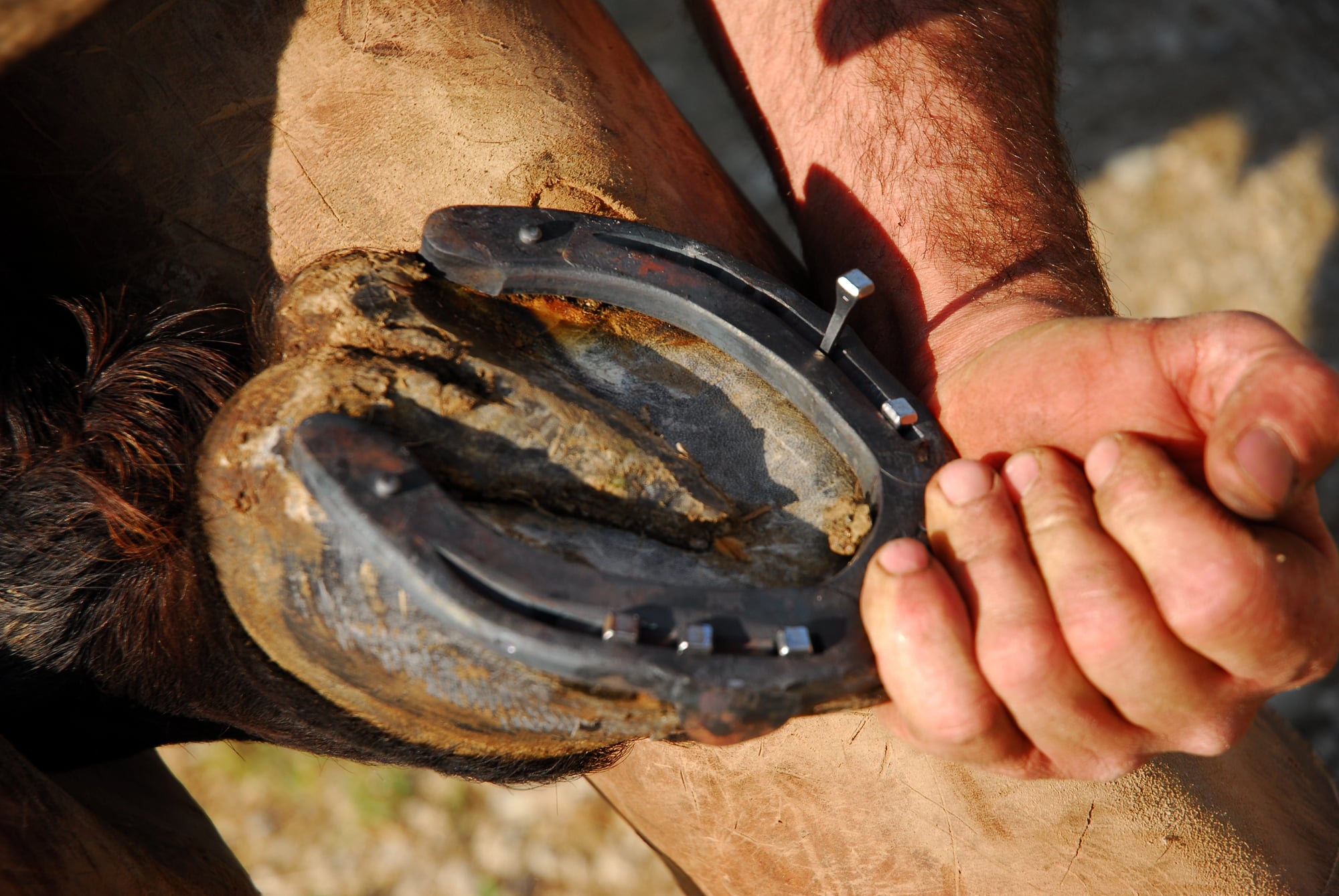
Iron itself was once considered protective, believed to repel evil spirits simply by existing. Add in the shape of a crescent moon, another ancient symbol of good fortune, and a horseshoe becomes doubly loaded before anyone’s even nailed it to a door.
There’s an old debate about which way it should point — ends up to hold the luck in, or ends down to pour it onto whoever walks beneath. Nobody’s ever really settled it, and somehow that’s part of the charm.
Rabbit’s Foot

Rabbits reproduce fast, and fast reproduction reads as fertility, vitality, life refusing to quit. Some traditions go further, tracing the belief to old Celtic ideas that rabbits burrowed underground and were thought to commune with the spirit world.
The foot specifically had to be the left hind one, taken under oddly specific conditions depending on which folklore you’re reading. It’s a superstition built on someone else’s very bad day, which is a detail people tend to skip.
Crossing Fingers

The gesture predates the phrase, going back to early Christians who used it as a discreet way to invoke protection during a time when open worship could get someone killed. Two people would cross index fingers, forming a small cross between them, asking for luck or safety without saying a word.
Eventually one finger did the job alone, and the second person dropped out of the ritual entirely. So the gesture survived long after its original meaning quietly disappeared.
Stepping on Cracks

Cracks in pavement earned their reputation from something closer to a children’s rhyme than ancient dread — “step on a crack, break your mother’s back” did most of the heavy lifting here. Before that, though, some 19th-century beliefs tied cracks to boundaries between the living world and whatever lay beneath it.
Stepping on one supposedly disturbed the dead resting underground. Kids kept the habit going long after anyone remembered the reasoning, which tends to be how superstitions survive best — through repetition, not belief.
Sneezing and Bless You

A sneeze used to look like a small medical emergency instead of a minor annoyance. Ancient beliefs held that a sneeze could expel the soul from the body, or that it left a person briefly vulnerable to whatever evil happened to be passing by.
Pope Gregory the Great supposedly encouraged the blessing during a plague outbreak, when a sneeze was reasonably terrifying and not just rude at dinner. Saying it now is mostly reflex, but the reflex has a genuinely dark backstory.
Itchy Palms

Money and skin have been linked for centuries, and it’s a strangely literal metaphor once you trace it back. An itchy right palm supposedly meant money coming in, while the left meant money going out — though which hand meant what flipped depending on the country and century.
Some tie it to old beliefs about silver having healing properties, imagined to prickle the skin when wealth was near. It’s a superstition that essentially turned an itch into a fortune-telling device.
Wishbones

Breaking a wishbone traces back to the Etruscans, who used chicken bones for divination long before anyone thought to snap one for luck. Bones were laid out to dry in the sun, believed to still hold something of the bird’s life force.
The Romans picked up the practice and simplified it into the tug-of-war version, splitting the bone between two people instead of just reading it. Whoever ends up with the bigger piece gets the wish — a system with genuinely ancient roots hiding behind a Thanksgiving table ritual.
New Shoes on the Table

Northern English mining communities take partial credit for this one, where new shoes on a table reportedly echoed the unsettling image of a corpse laid out for viewing, boots included. Death imagery aside, shoes on a table also just felt disrespectful in households where the table was the center of daily life.
The superstition traveled well beyond mining towns and stuck around in general households. It’s oddly practical too — shoes carry dirt, and a table holds food, so avoiding the combination never needed superstition to justify itself.
Birds in the House

A bird flying indoors unsettled people for a reason that has nothing to do with feathers and everything to do with what birds have symbolized for centuries: messengers, omens, small couriers between the living and whatever comes after. Many cultures treated a bird entering a home as a sign that death was on its way to visit next.
It’s an old fear, and an oddly specific one, considering how often birds just wander in through an open window looking confused. The dread outlasted the logic by a wide margin.
Whistling at Night
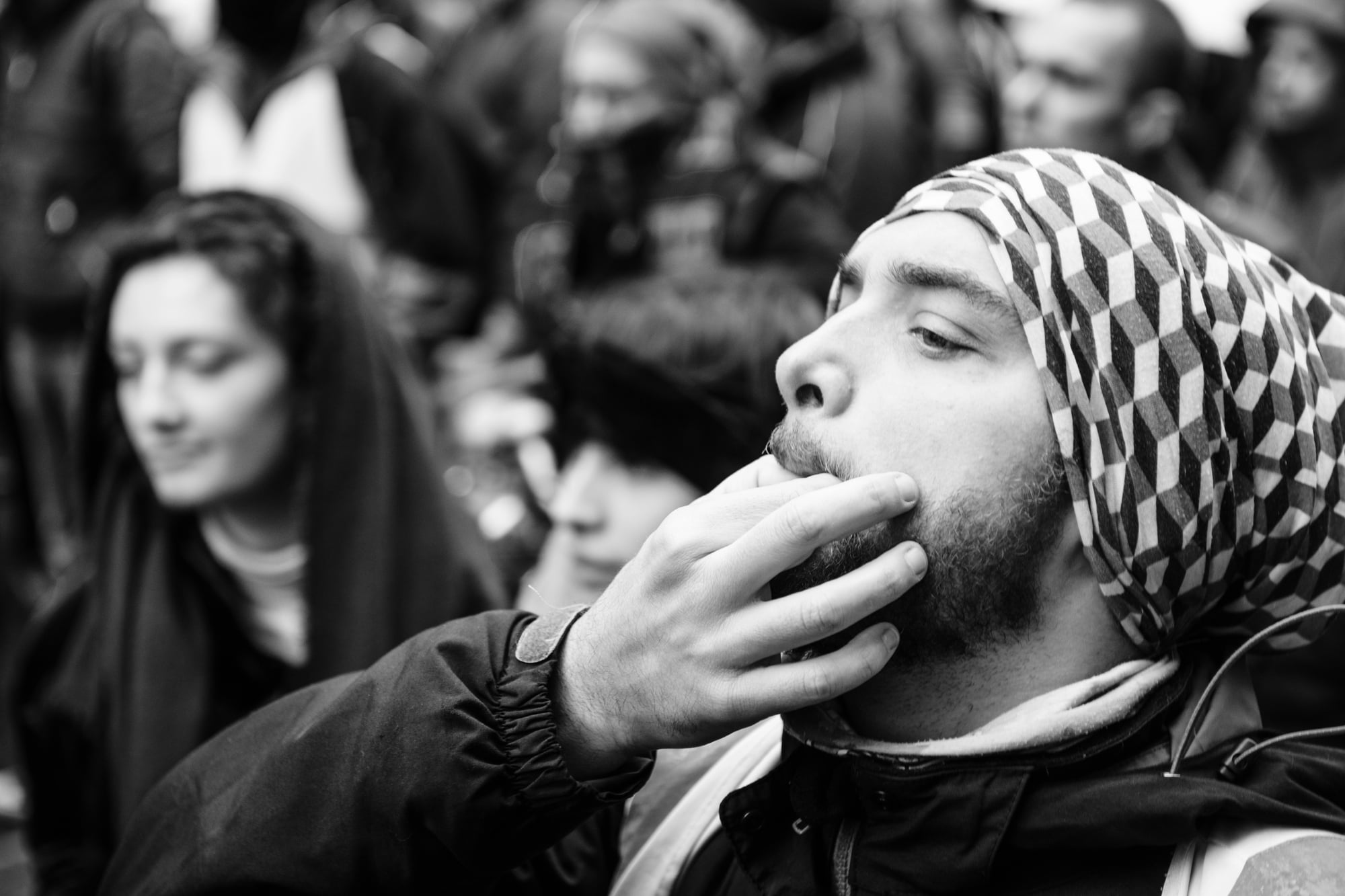
Sailors get credit for much of this superstition, believing that whistling on a ship could summon storms strong enough to sink it. On land, the belief shifted slightly, with some cultures warning that whistling after dark could call spirits, or worse, invite something that had no business being invited.
Japanese folklore specifically ties nighttime whistling to attracting snakes or spirits drawn by the sound. Whatever version you grew up hearing, the instruction was always the same: keep it quiet after sunset.
The Evil Eye
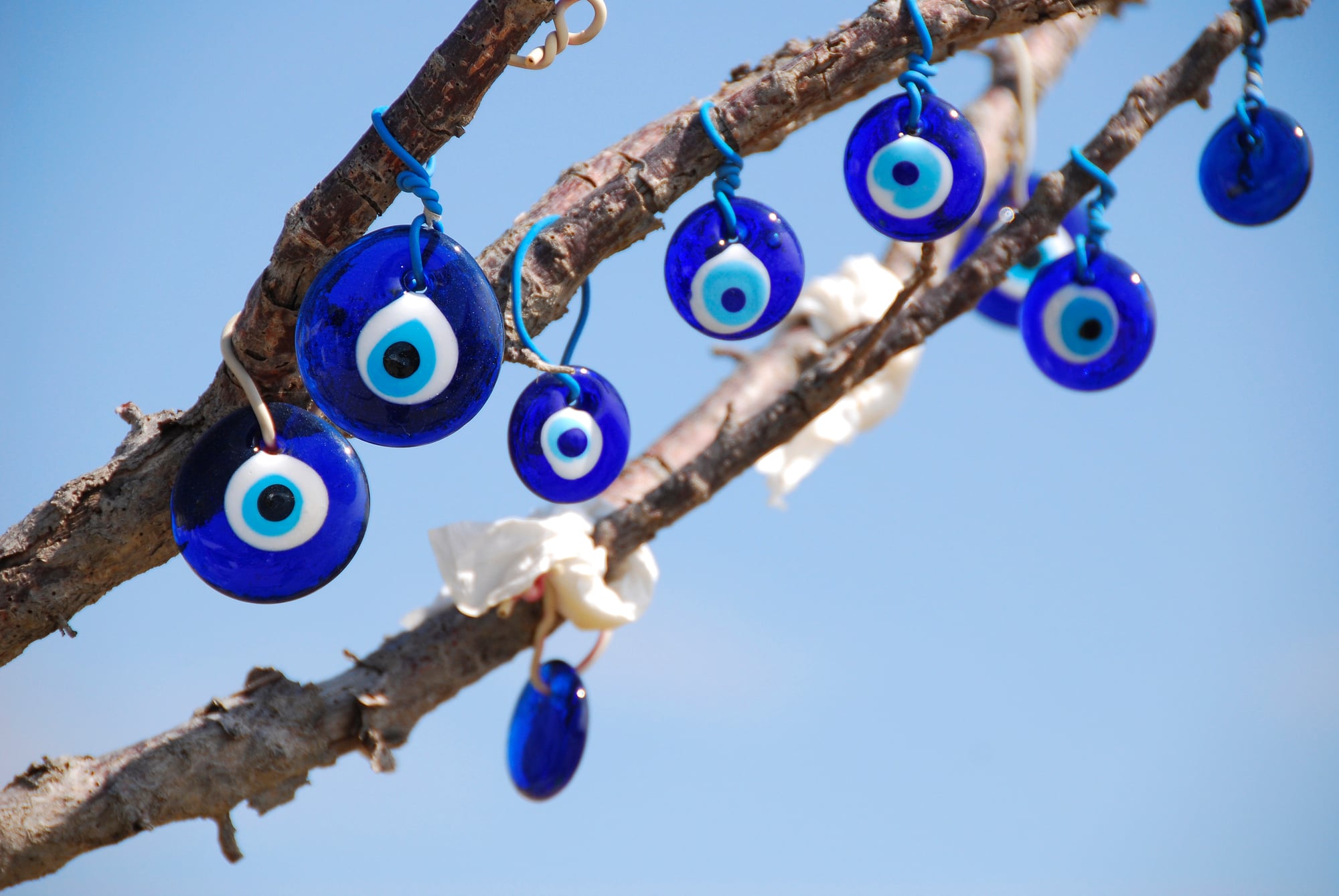
Few superstitions have traveled as far as this one, showing up independently across Mediterranean, Middle Eastern, and South Asian cultures with strikingly similar logic. Envy, the belief goes, can curse a person just by being directed at them, no spell or ritual required beyond a jealous glance.
Blue-eyed amulets, the kind seen dangling from bracelets and doorways from Istanbul to Athens, exist specifically to reflect that glare back where it came from. It’s a superstition built entirely on the idea that admiration and hostility can look identical from the outside.
Purses on the Floor

Feng shui traditions treat this one seriously, tying a purse resting on the floor to wealth quite literally being dragged down and drained away. The belief holds that a purse represents financial energy, and setting it on unclean ground disrespects that energy at its source.
Some Western retellings simplify it further, framing it as a basic matter of hygiene rather than fortune. Either explanation lands in the same place — the purse stays on a chair, not the floor, no exceptions.
Something Borrowed, Something Blue

This one comes from an old English rhyme, and it’s worth noting it originally had more lines than survive today. The borrowed item represents good fortune passed from a happily married friend, while blue ties back to purity and fidelity in older Western traditions.
New shoes, meanwhile, quietly disappeared from the rhyme somewhere along the way, mostly because nobody wanted to walk down an aisle in someone else’s footwear. What’s left is a wedding checklist people still follow without fully knowing why.
Groom Not Seeing the Bride

Arranged marriages get the credit here, going back to eras when the match was often finalized without either party’s full consent — and keeping the couple apart beforehand prevented anyone from backing out at the sight of the other. Bad luck got layered onto the practice later, once arranged marriages faded and the tradition needed a new reason to survive.
Now it’s framed as sentimental, building anticipation instead of preventing a canceled contract. The origin is far less romantic than the modern excuse suggests.
Covering Mirrors After a Death

Grief and mirrors have an old, uneasy relationship. Several cultures believed a soul lingering near a mirror after death could get trapped inside it, or worse, pull a living person’s reflection in alongside it.
Jewish mourning tradition still includes covering mirrors during shiva, rooted in the idea that grief shouldn’t be spent checking one’s own appearance. It’s a practice that quietly asks mourners to stop looking outward, even at themselves, for just a little while.
Hats on the Bed

Several explanations circle this one, and none of them agree completely, which is fairly common for superstitions this old. One version ties it to old barber practices, where hats set down after treating lice-ridden customers occasionally spread the infestation onto bedding.
Another leans spiritual, framing the head as sacred ground and the bed as a place that shouldn’t absorb whatever energy the hat carried in from outside. Whichever version gets told, the hat still ends up on a hook instead.
Finding a Penny
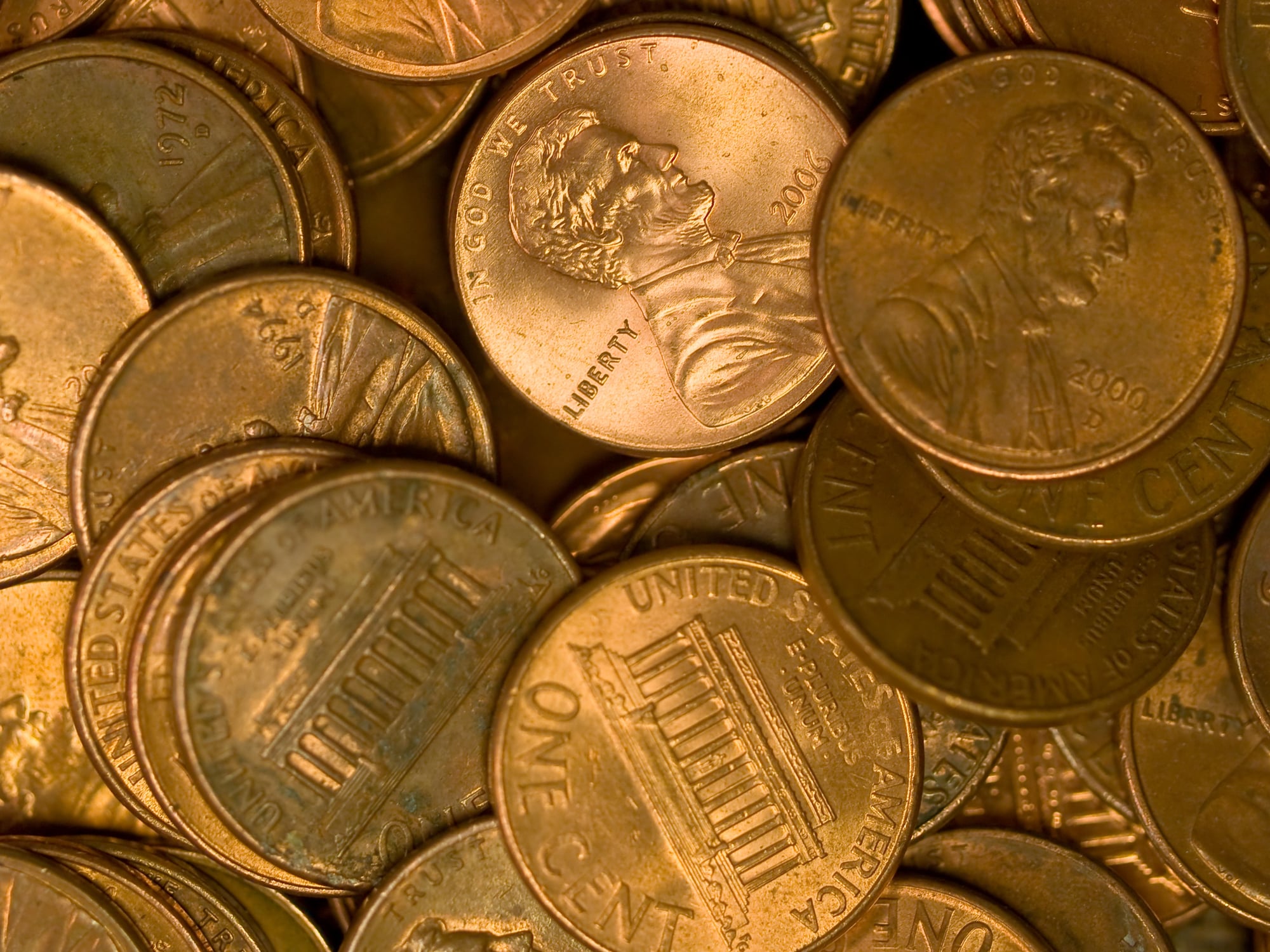
Copper gets the credit here, once believed to ward off evil and bring protection to whoever carried it. “Find a penny, pick it up, all day long you’ll have good luck” wasn’t just a rhyme parents repeated absentmindedly, it reflected a genuine belief that a stray coin crossed your path for a reason.
Some versions insist it only counts if the penny lands heads up, tails apparently reversing the entire effect. It’s a small ritual, cheap by definition, and somehow still satisfying every single time it happens.
Old Fears, New Habits
None of these superstitions survived because anyone proved them true. They survived because they’re specific, strange enough to remember and small enough to repeat without much effort — a knock on a table, a penny flipped over in the street, a hat left on a hook instead of a bed.
Somewhere between the plague years and the age of split-second search results, these habits stopped being belief and started being muscle memory instead. And maybe that’s the actual trick behind all of them: you don’t have to believe a single word of it for the habit to outlive the reason it started.
More from Go2Tutors!

- The Romanov Crown Jewels and Their Tragic Fate
- 13 Historical Mysteries That Science Still Can’t Solve
- Famous Hoaxes That Fooled the World for Years
- 15 Child Stars with Tragic Adult Lives
- 16 Famous Jewelry Pieces in History
Like Go2Tutors’s content? Follow us on MSN.



