23 Islands Governments Keep Under Guard
Most islands are guarded by nothing more than distance and bad weather. The ones on this list have something more deliberate standing between them and a visitor: a permit system, a naval patrol, or a flat legal prohibition on setting foot there at all.
The reasons vary from genuine safety concerns to military secrecy to simple conservation, but the effect is the same. These are places that remain, officially, off the map for anyone without the right authorization.
North Sentinel Island
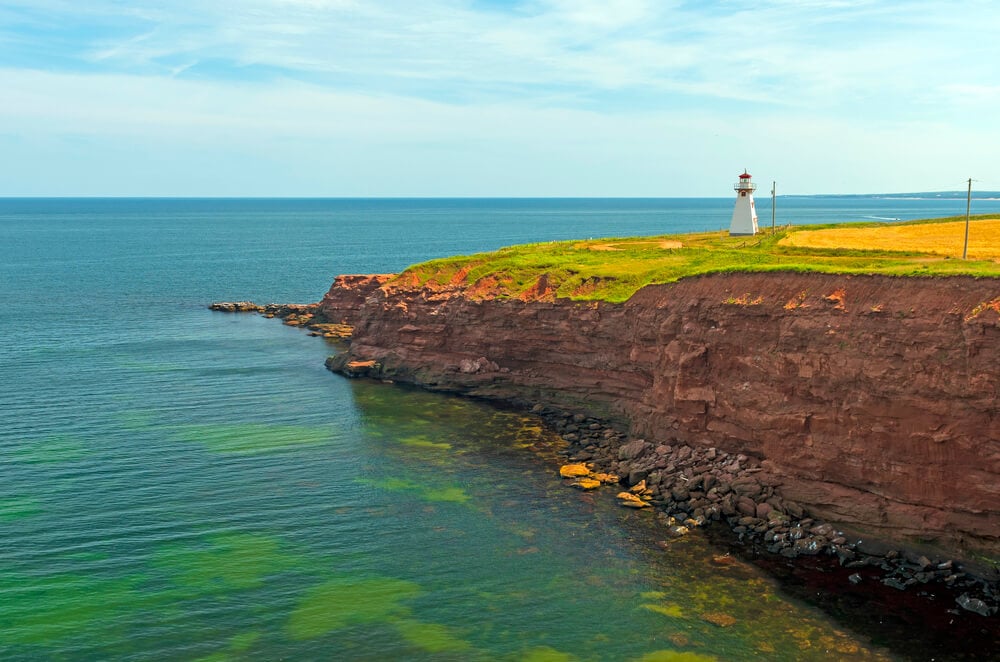
Part of India’s Andaman Islands, North Sentinel is home to the Sentinelese, one of the world’s last uncontacted peoples, who have repeatedly resisted outside contact with hostility. The Indian government enforces an exclusion zone around the island by law, both to protect the islanders from diseases they have no immunity to and to prevent further violent encounters.
Anyone attempting to land faces criminal prosecution under Indian law regardless of intent.
Diego Garcia
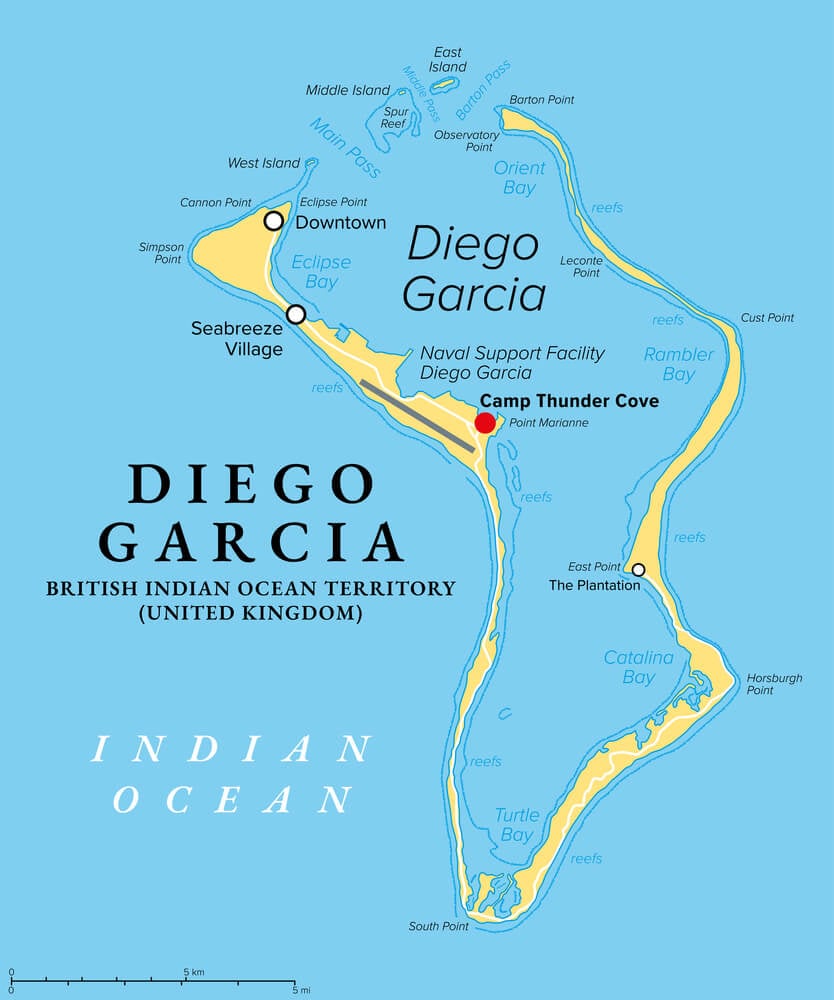
The largest island in the Chagos Archipelago in the Indian Ocean, Diego Garcia hosts a major joint American and British military base and has no civilian population at all. The United Kingdom forcibly removed the island’s original Chagossian inhabitants in the late 1960s and early 1970s to establish the base, a decision that remains the subject of ongoing legal and diplomatic disputes.
Access today is restricted entirely to authorized military personnel.
Kaho’olawe
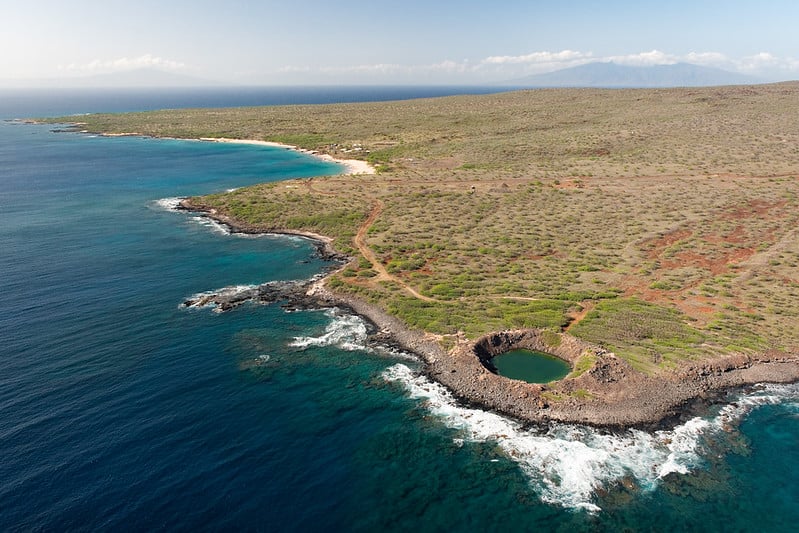
The smallest of Hawaii’s eight main islands, Kaho’olawe served as a United States Navy bombing and training range for roughly fifty years, leaving the island littered with unexploded ordnance. Public access remained tightly restricted even after the Navy formally ceased its use of the island in the 1990s, pending a lengthy cleanup effort that continues today.
Visits now require special permission and are typically limited to cultural and restoration groups.
The Farallon Islands
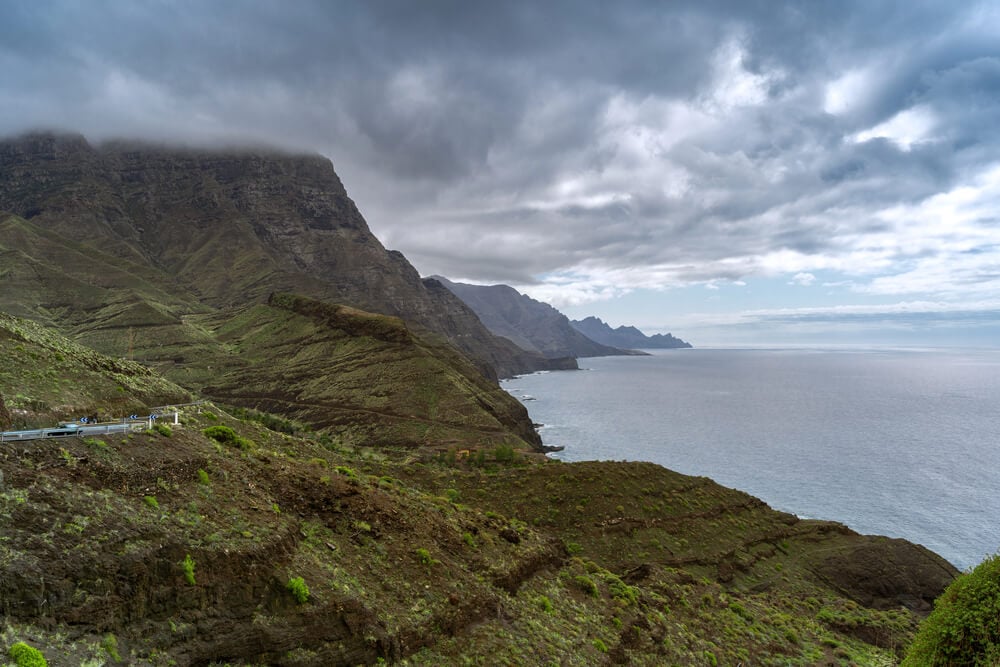
A rugged cluster of islets off the coast of San Francisco, the Farallon Islands host one of the largest seabird breeding colonies on the American Pacific coast and fall under the protection of the United States Fish and Wildlife Service. Public landing is prohibited entirely to protect nesting seabirds and a resident population of elephant seals.
Only researchers with specific federal authorization are permitted ashore.
Surtsey
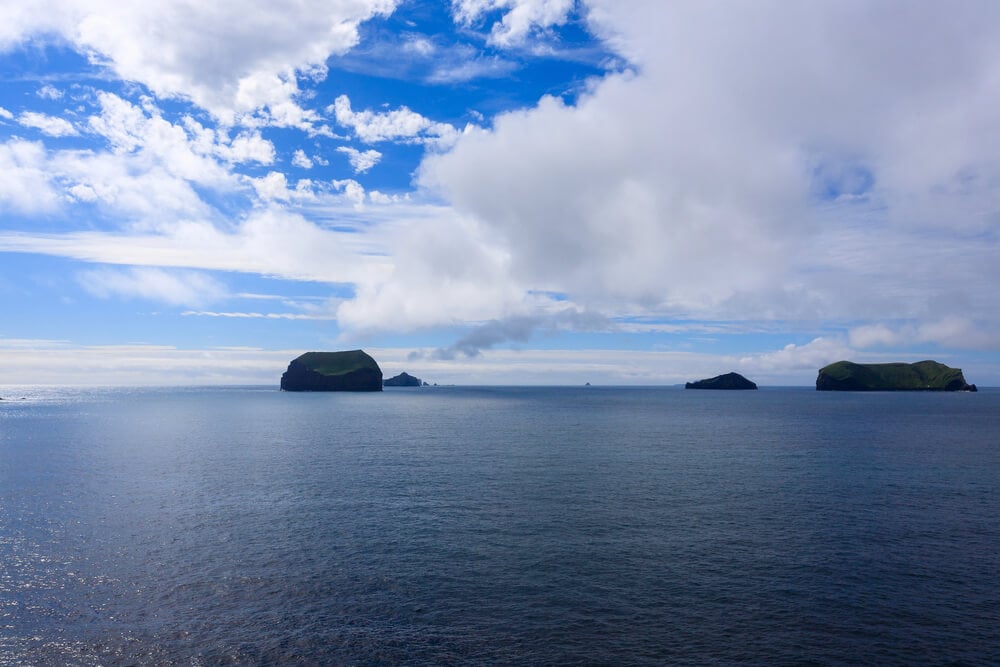
Formed by a volcanic eruption off the coast of Iceland in 1963, Surtsey has been restricted to scientific researchers since the moment it appeared above the waves, giving biologists a rare chance to study how life colonizes entirely new land from the very outset. Iceland enforces the restriction by law, and even most Icelandic citizens have never set foot on the island.
A small number of scientists are permitted ashore each year under strict conditions.
Poveglia
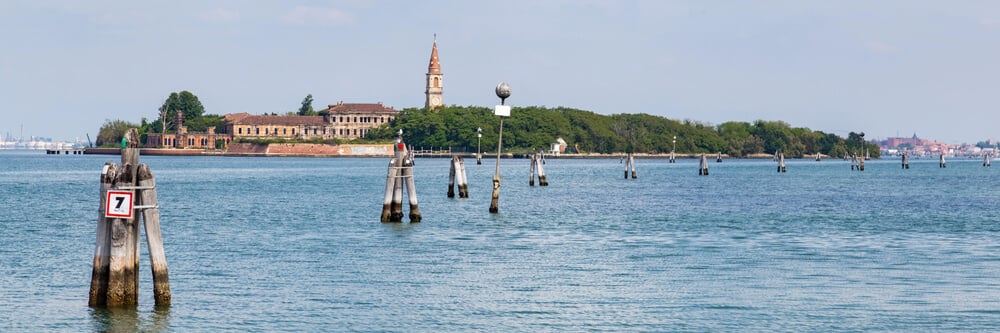
A small island in the Venetian Lagoon, Poveglia served historically as a quarantine station for plague victims and later as a psychiatric facility before being abandoned entirely in the late twentieth century. The Italian government restricts public access to the island, citing structural safety concerns in its crumbling buildings rather than any official ghost-story reputation the island has picked up internationally.
Occasional guided tours have operated with special permission, though general visitation remains prohibited.
Runit Dome
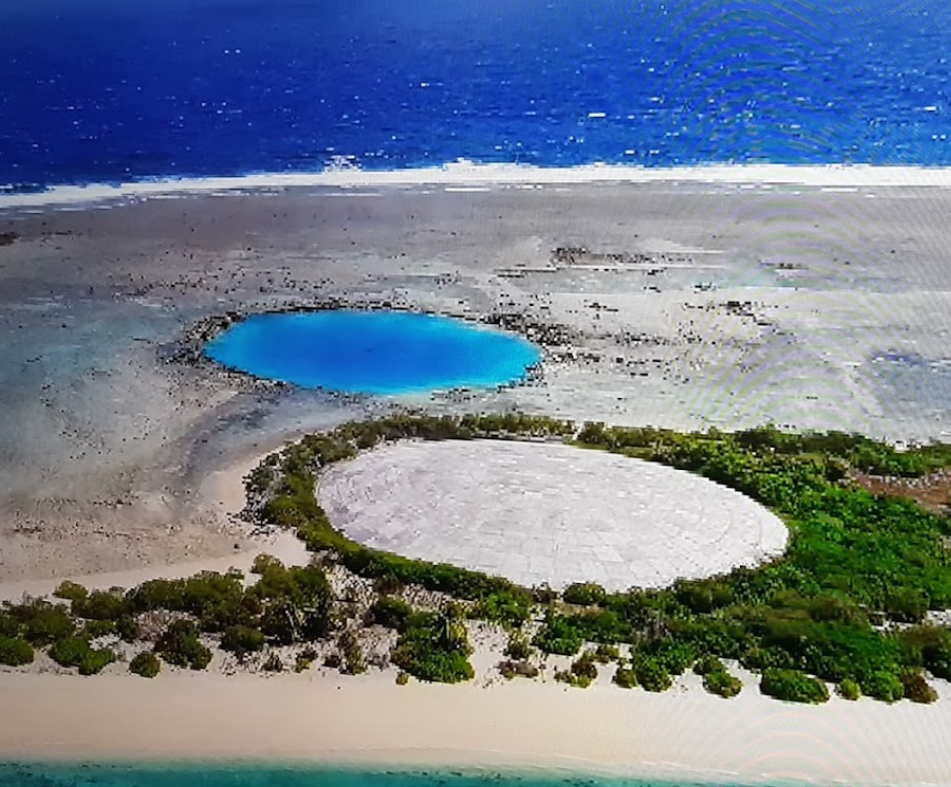
Part of Enewetak Atoll in the Marshall Islands, Runit Dome is a concrete containment structure built over radioactive debris left from nuclear testing, covering what amounts to an entire crater filled with contaminated material. The surrounding area remains under restricted access due to contamination concerns, and the dome itself shows signs of cracking that have raised alarm about potential leakage.
The Marshall Islands government continues to press the United States for responsibility over the site’s long-term maintenance.
Vozrozhdeniya Island
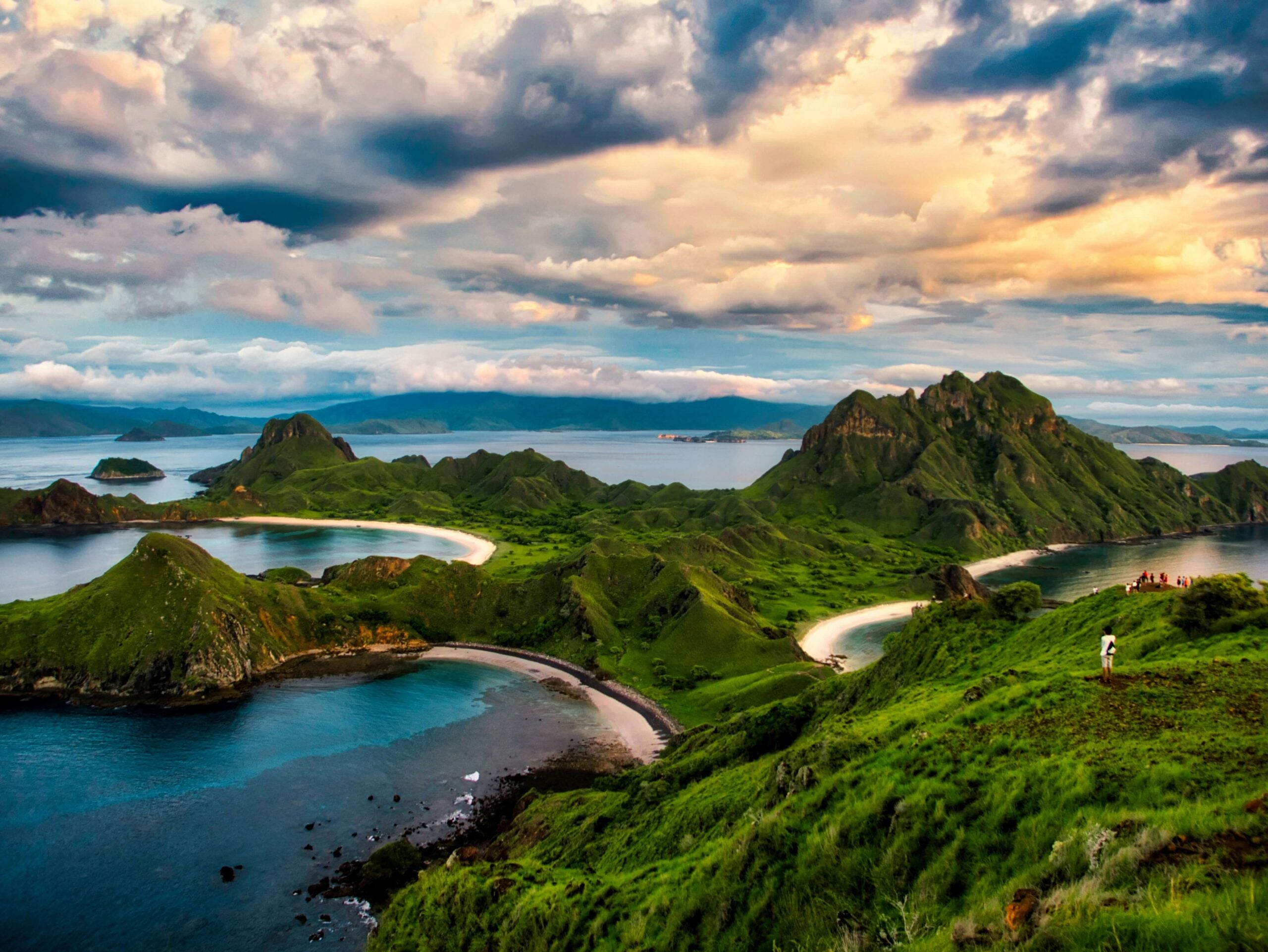
Once used by the Soviet Union as a testing ground for biological weapons, this island in the former Aral Sea became landlocked as the sea itself shrank dramatically in the late twentieth century, connecting it to the mainland. The governments of Uzbekistan and Kazakhstan, which now share the former island’s territory, restrict access due to concerns about lingering pathogen contamination at the old test sites.
Decontamination efforts by international teams have been conducted, though full public access has never been restored.
Gruinard Island
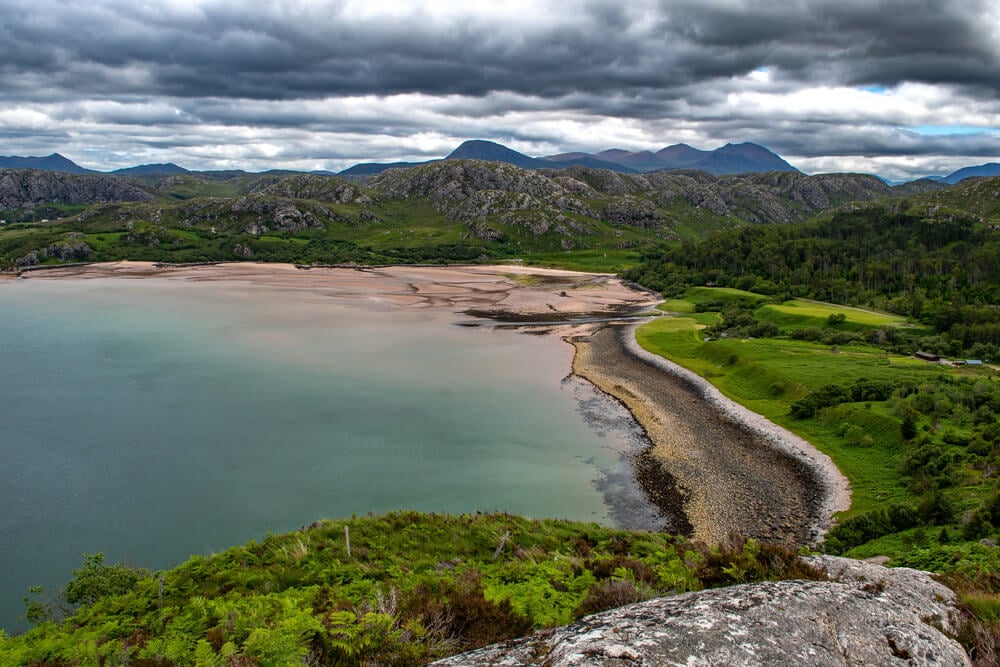
The United Kingdom used this small island off the Scottish coast to test anthrax as a biological weapon during the Second World War, contaminating the soil so thoroughly that it remained officially off-limits for nearly fifty years afterward. A lengthy decontamination effort in the late 1980s finally allowed the government to declare the island safe, and the restriction was formally lifted in 1990.
It stands as one of the longest sustained access bans imposed by any government for public-safety reasons.
Ilha da Queimada Grande
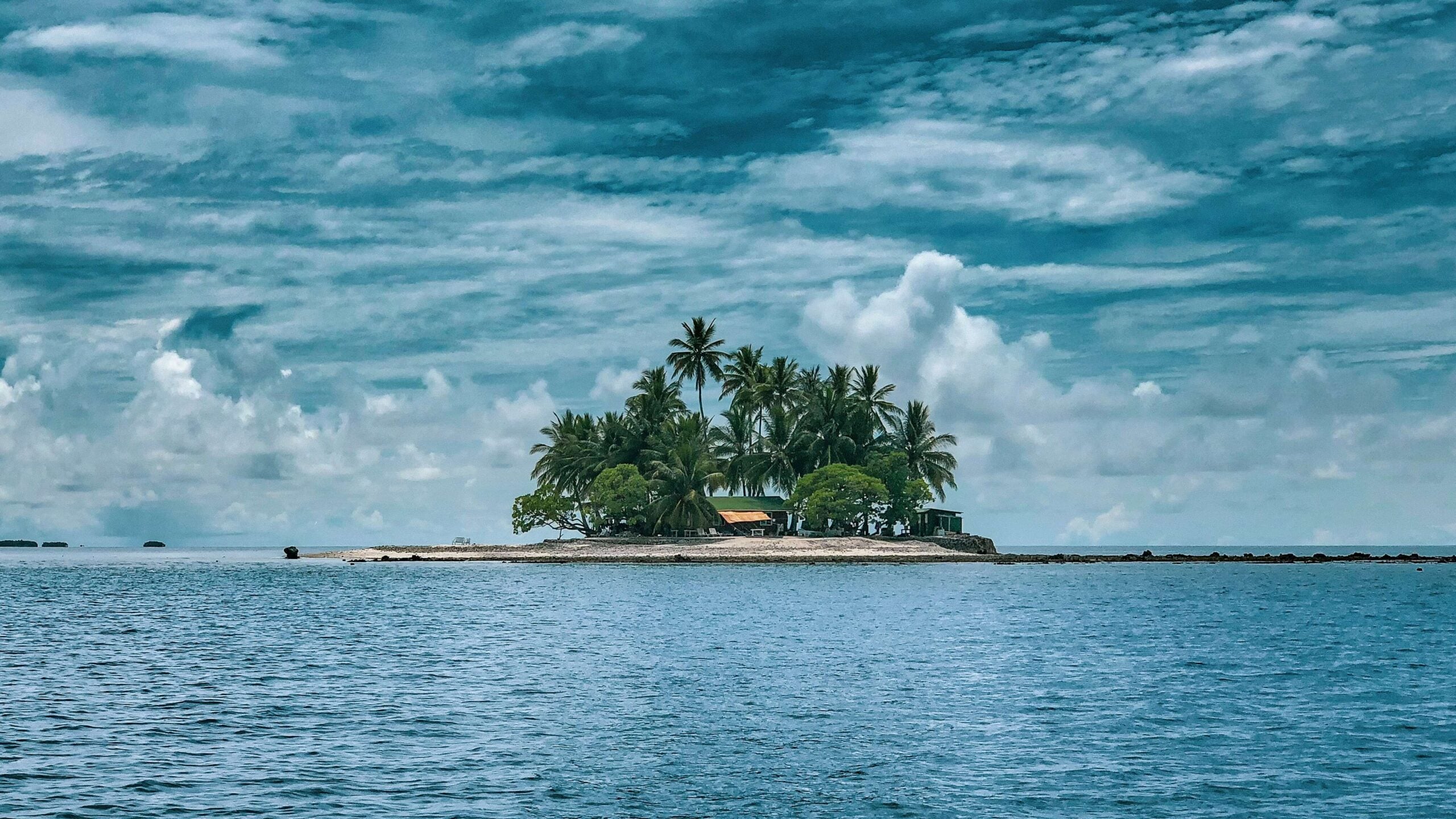
Known internationally as Snake Island, this small landmass off the coast of Brazil hosts an extremely dense population of a venomous pit viper found nowhere else on Earth. The Brazilian Navy strictly controls access and generally permits only scientific researchers to land, citing the serious risk the snake population poses to any untrained visitor.
Illegal collection of the snakes for the exotic animal trade has added an additional enforcement concern for authorities.
Little Diomede Island
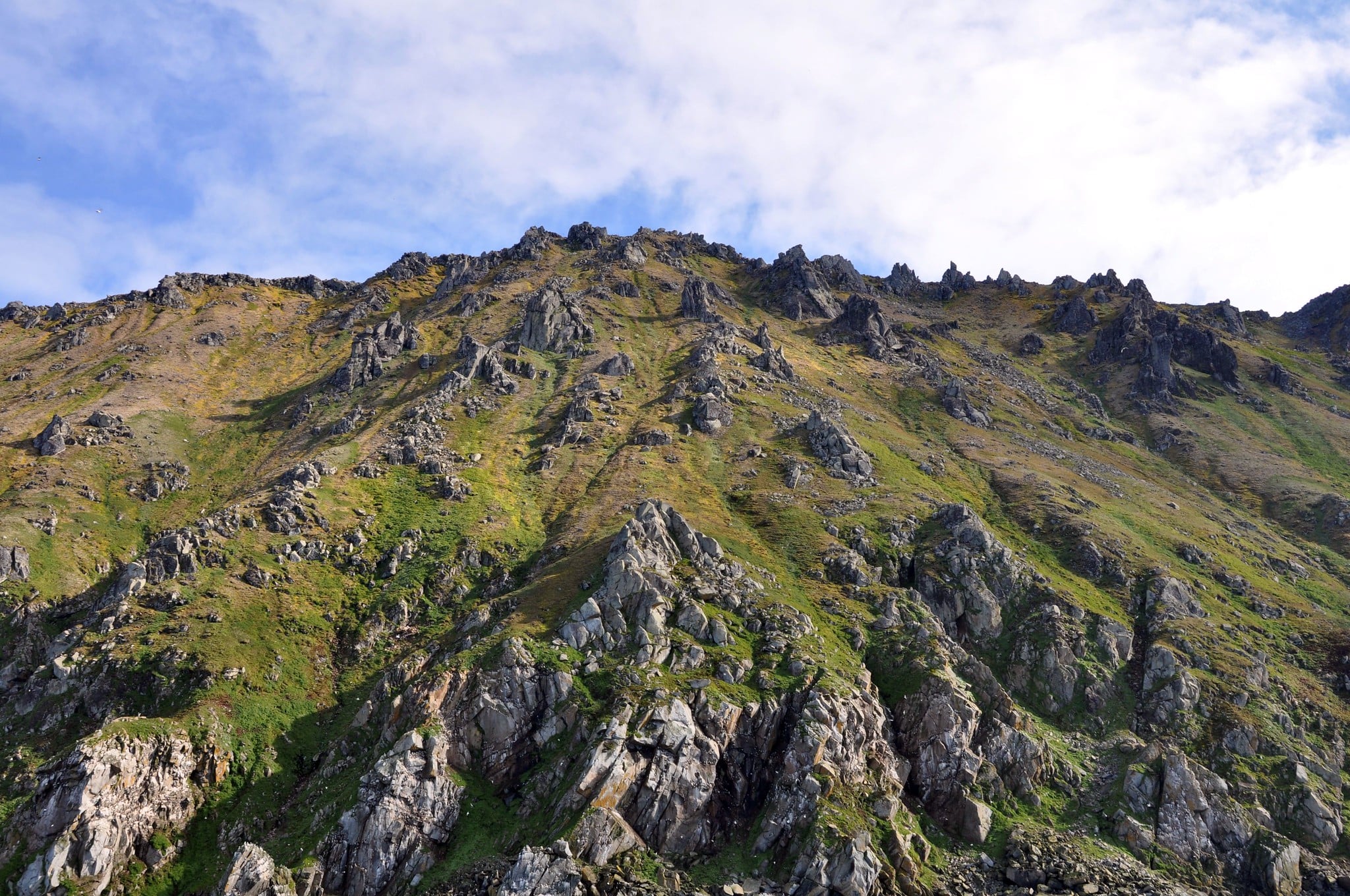
Situated in the Bering Strait just over two miles from Russian territory, Little Diomede belongs to the United States and hosts a small Indigenous community, while the larger Big Diomede across the international boundary belongs to Russia and has been depopulated and restricted since the Cold War. Travel between the two islands is effectively impossible without government authorization from both countries.
The narrow strait separating them has been called the closest distance between the United States and Russia anywhere in the world.
Ascension Island
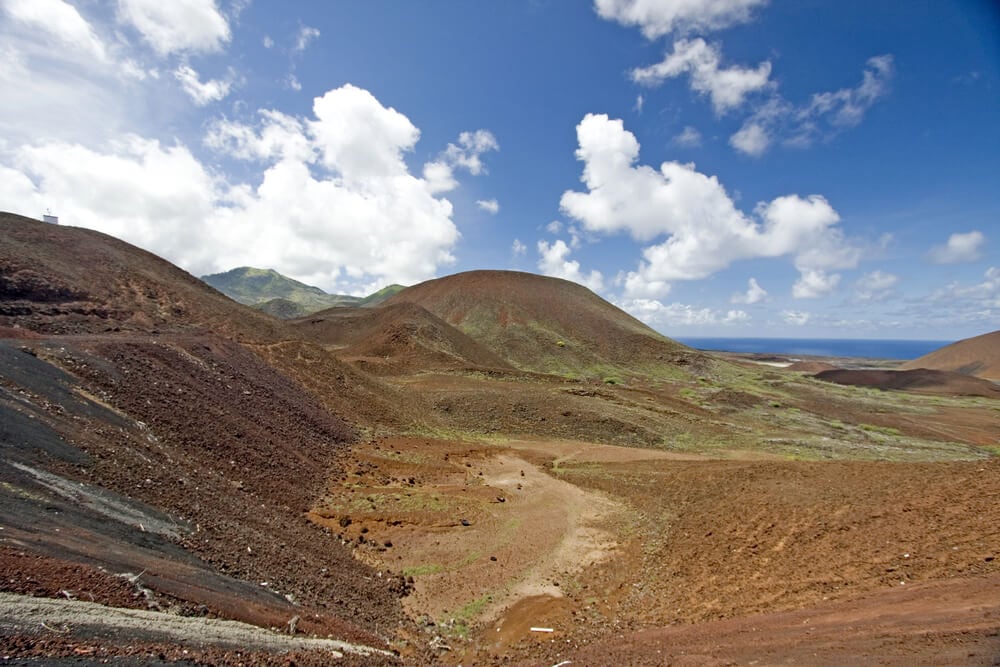
A remote volcanic island in the South Atlantic, Ascension hosts British and American military and communications installations and has no indigenous population, having been settled entirely for strategic purposes. Civilian visitors require advance permission, and much of the island remains off-limits due to its ongoing military function.
Its extreme isolation, roughly a thousand miles from the nearest other landmass, reinforces the restrictions in practice as much as any formal policy.
South Georgia
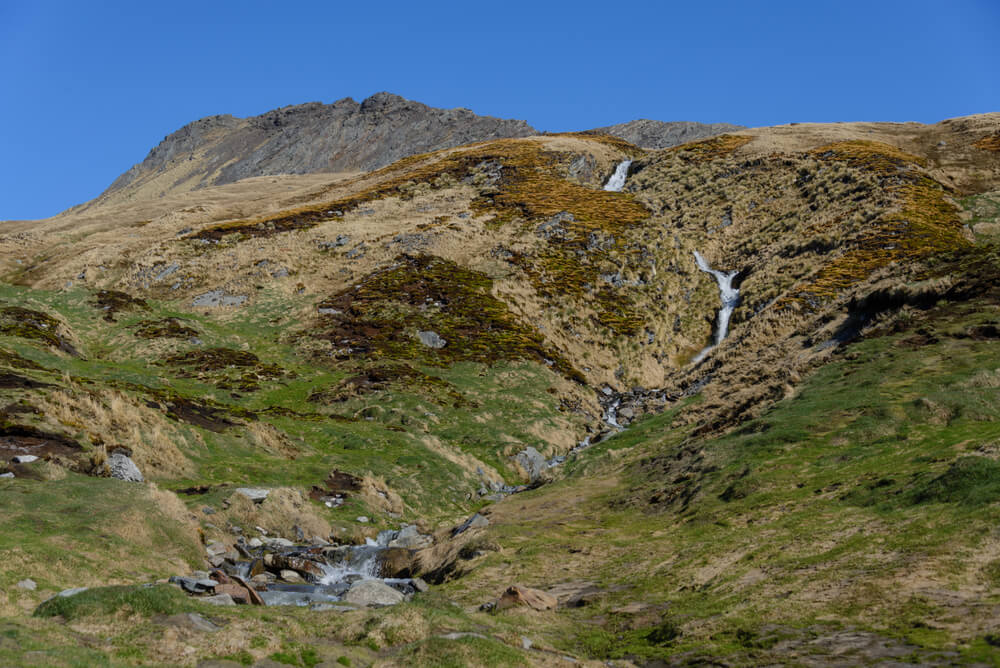
A British overseas territory in the South Atlantic, South Georgia requires visitors to obtain permits in advance and comply with strict biosecurity measures designed to protect its enormous seabird and seal colonies from introduced diseases and species. The island has no permanent civilian population beyond a small number of government and scientific staff.
Cruise ship landings are tightly regulated and can be canceled entirely if biosecurity conditions are not met.
Clipperton Island
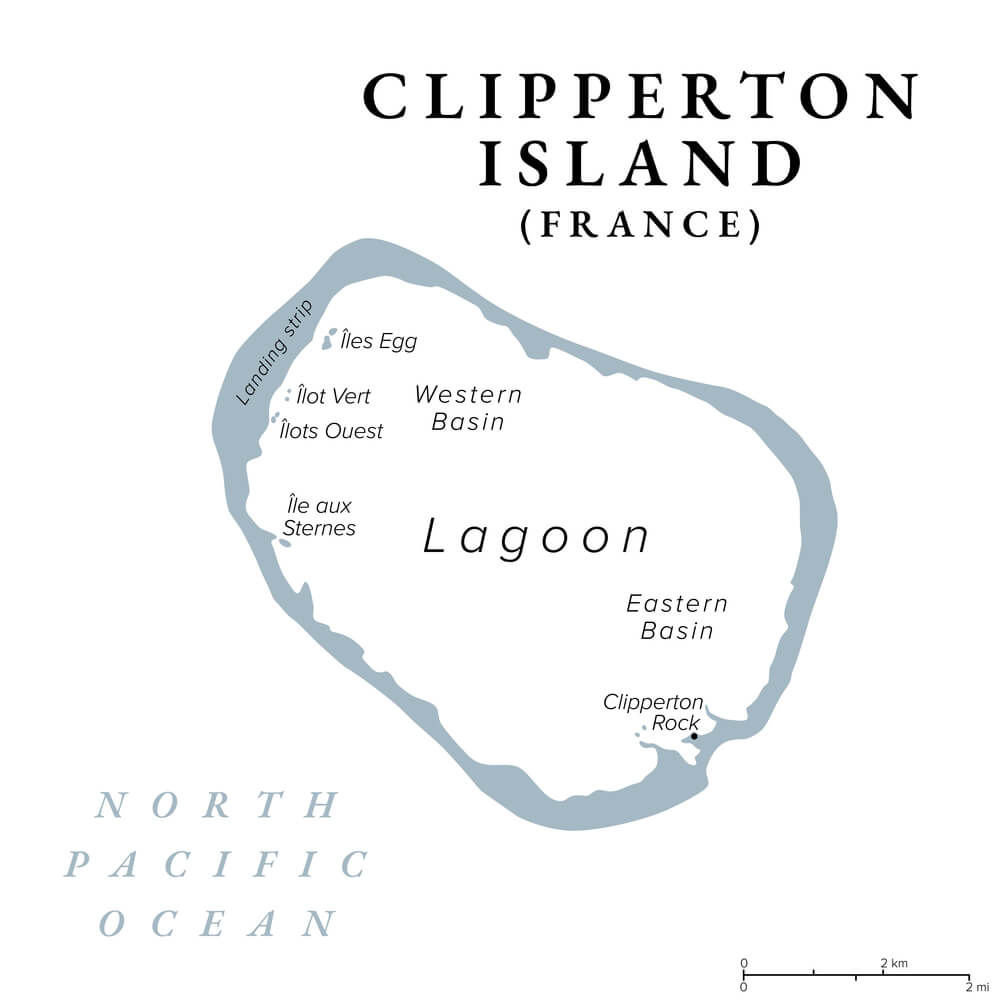
An uninhabited coral atoll in the eastern Pacific belonging to France, Clipperton lies roughly a thousand miles from the nearest coastline and has no permanent population of any kind. French authorities restrict landing to authorized scientific expeditions, partly due to the island’s isolation and partly to protect its seabird colonies.
Its lagoon, unusually, is entirely enclosed and disconnected from open ocean circulation.
North Brother Island
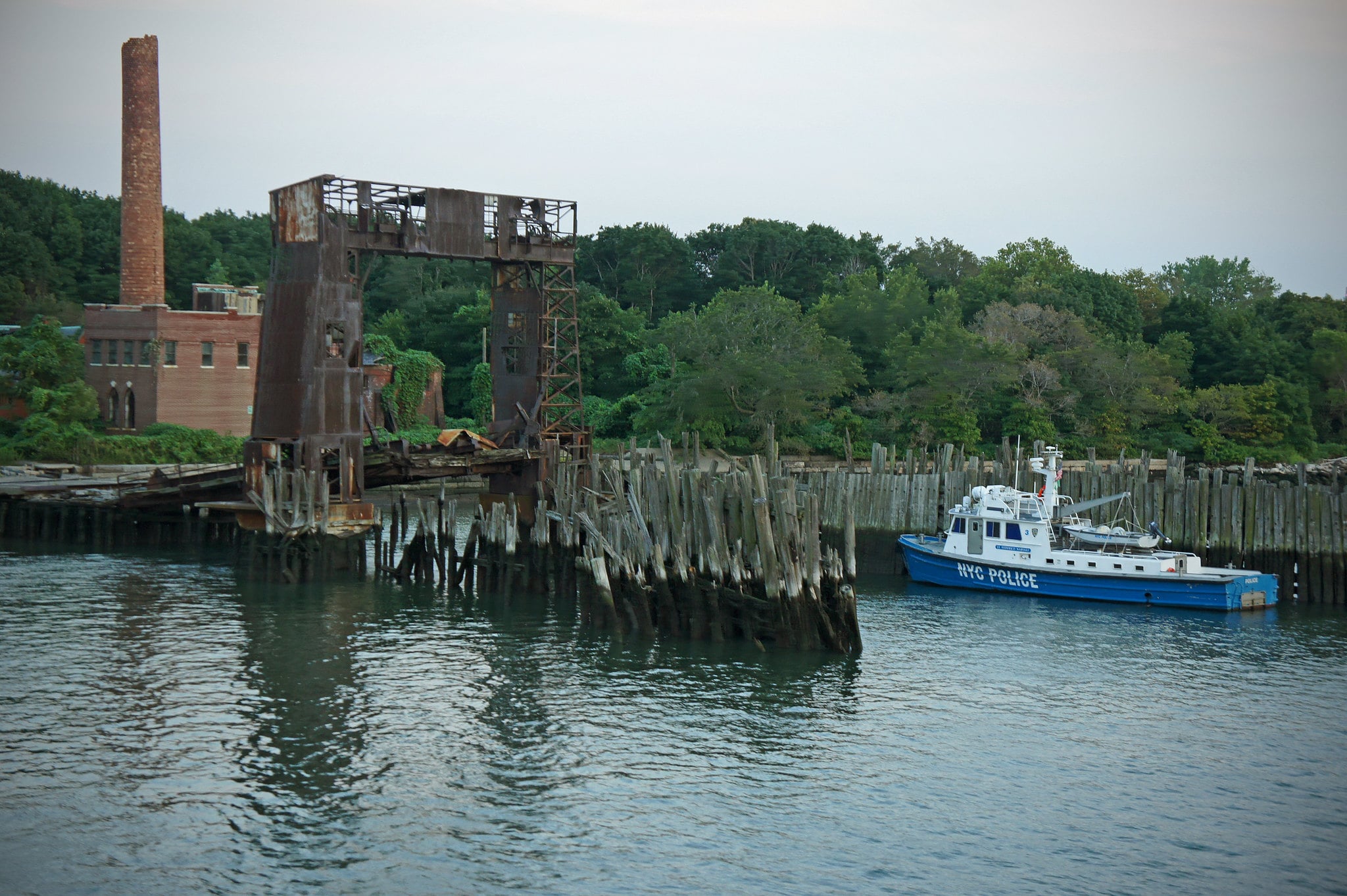
Located in New York City’s East River, North Brother Island once housed a hospital that isolated patients with infectious diseases before falling into complete abandonment by the mid-twentieth century. The city now manages it as a bird sanctuary and prohibits public landing to protect nesting herons and other waterbirds.
Its crumbling buildings remain visible from passing boats but entirely inaccessible without special city permission.
Rockall
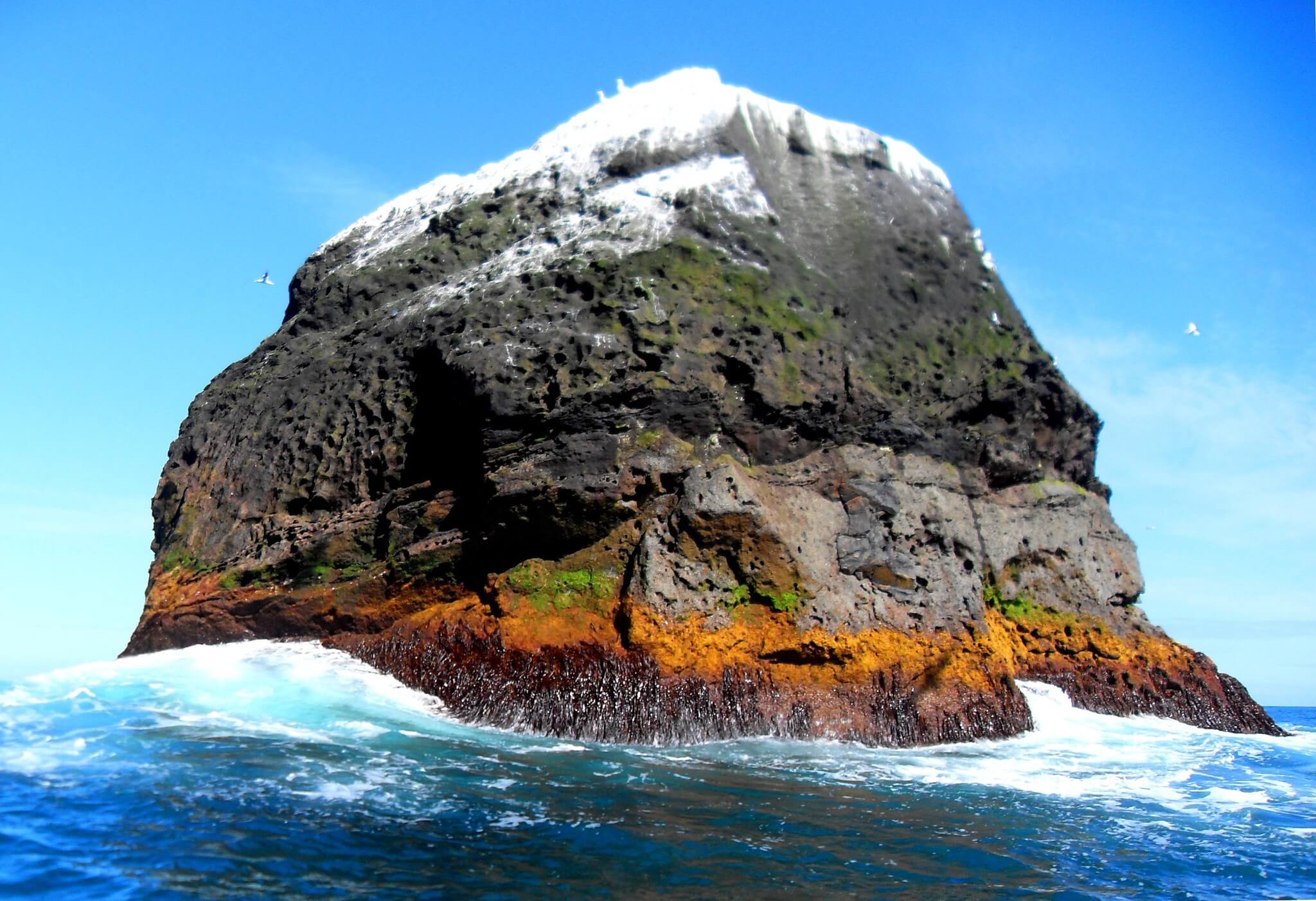
A tiny, uninhabitable granite islet in the North Atlantic, Rockall is claimed by the United Kingdom, though Ireland, Denmark, and Iceland have all disputed aspects of the surrounding maritime boundary at various points. British authorities have periodically stationed personnel there specifically to reinforce the sovereignty claim, and unauthorized landings have drawn official objection.
Its extreme remoteness and lack of any safe landing point make the guarding largely symbolic rather than physically enforced.
Henderson Island
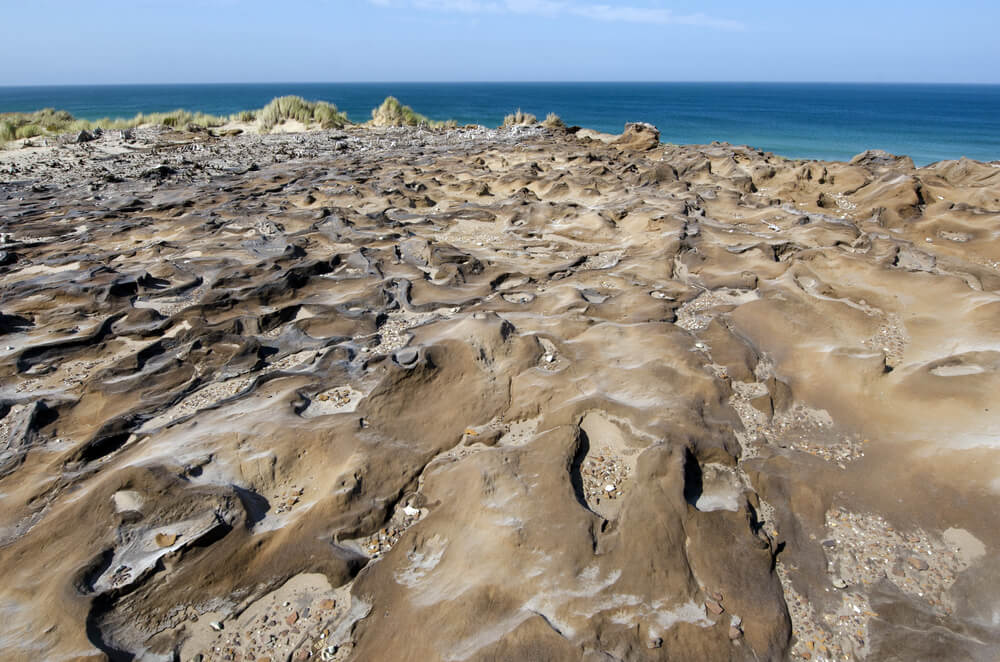
A UNESCO World Heritage site in the South Pacific, Henderson Island has no permanent population and is administered as part of the Pitcairn Islands, a British overseas territory. Access is restricted to scientific research permits due to the island’s near-pristine ecosystem, one of the few remaining raised coral islands largely undisturbed by human settlement.
Its remoteness, roughly three thousand miles from the nearest major landmass, does much of the enforcement work on its own.
Palmyra Atoll
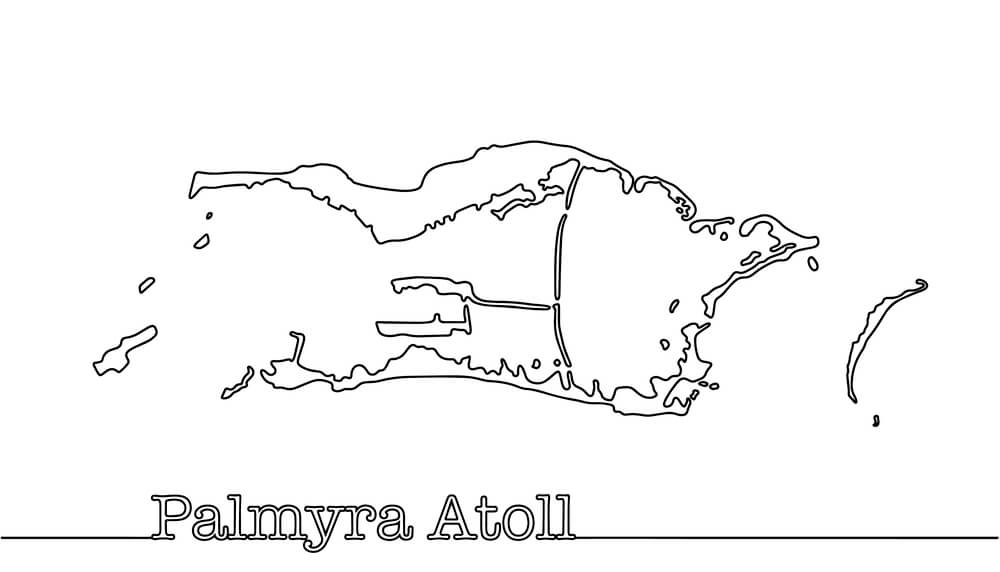
An unincorporated United States territory in the Pacific, Palmyra Atoll is managed jointly by the Fish and Wildlife Service and a private conservation organization, with public access essentially prohibited outside of approved research visits. The atoll has no permanent civilian residents.
Its coral reef system, considered among the healthiest in the Pacific, is the primary reason authorities have kept general tourism off the table entirely.
Midway Atoll
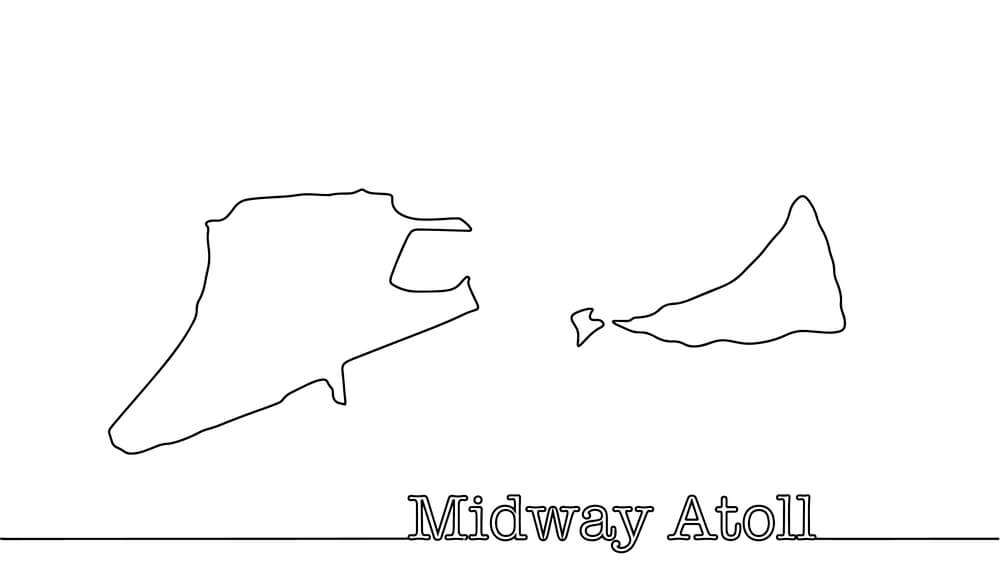
The site of a pivotal Second World War naval battle, Midway Atoll is now managed as a National Wildlife Refuge, and general public access has been sharply limited since the United States Fish and Wildlife Service took over administration from the Navy. The atoll hosts one of the largest albatross colonies on Earth, a population authorities cite directly when justifying continued restrictions.
A small ecotourism program has opened and closed multiple times depending on federal budget conditions.
Wake Island
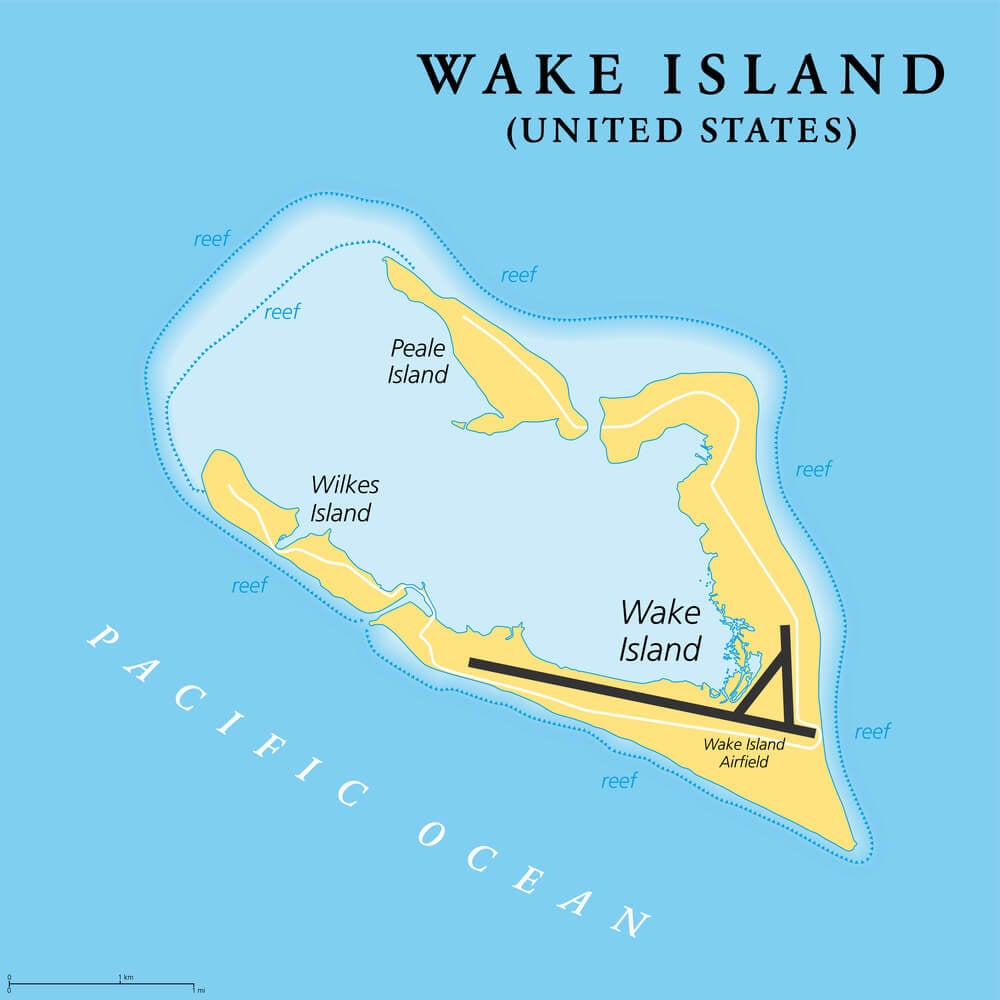
A remote Pacific atoll under United States military jurisdiction, Wake Island has no permanent civilian population and remains closed to public visitors entirely, functioning as an active airfield and missile testing support facility. Access is limited strictly to military and authorized contractor personnel.
Its wartime history as the site of a prolonged Japanese siege in 1941 adds a layer of historical weight to a place almost no member of the public will ever see in person.
Navassa Island
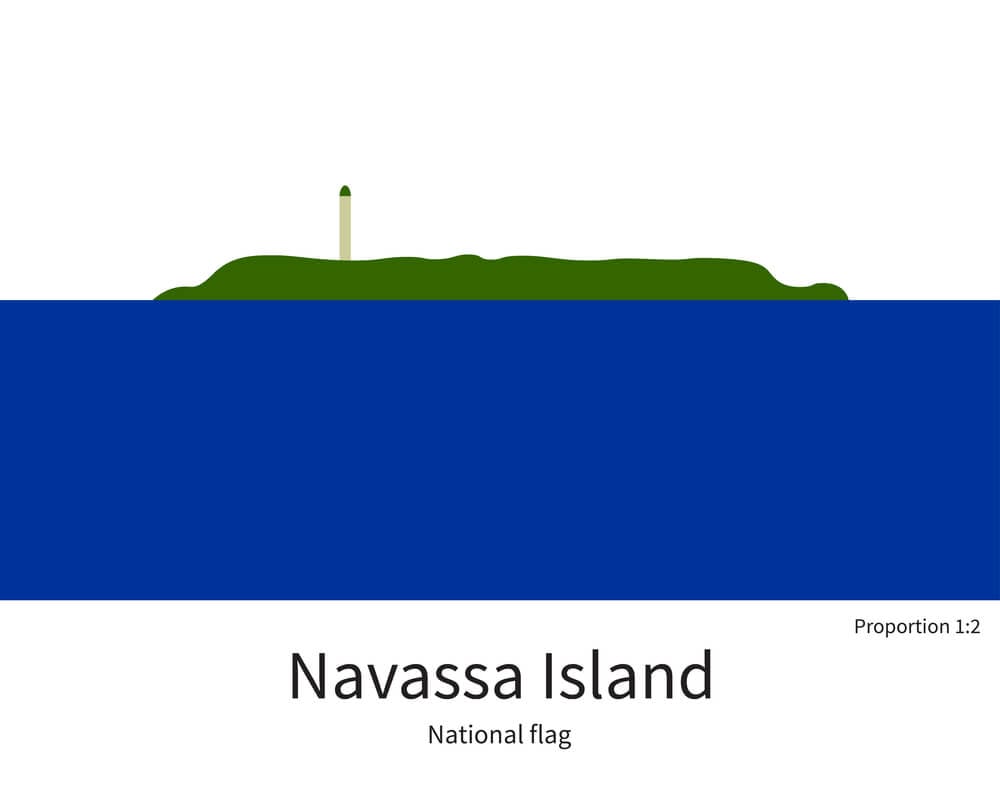
A small, uninhabited island in the Caribbean claimed by the United States and administered as a National Wildlife Refuge, Navassa is also claimed by Haiti, which disputes American sovereignty over the territory. The United States Fish and Wildlife Service restricts landing to permitted scientific expeditions, citing the island’s largely undisturbed reef and seabird populations.
Its rugged, cliff-lined coastline makes unauthorized landing difficult even for those willing to try.
The Spratly Islands
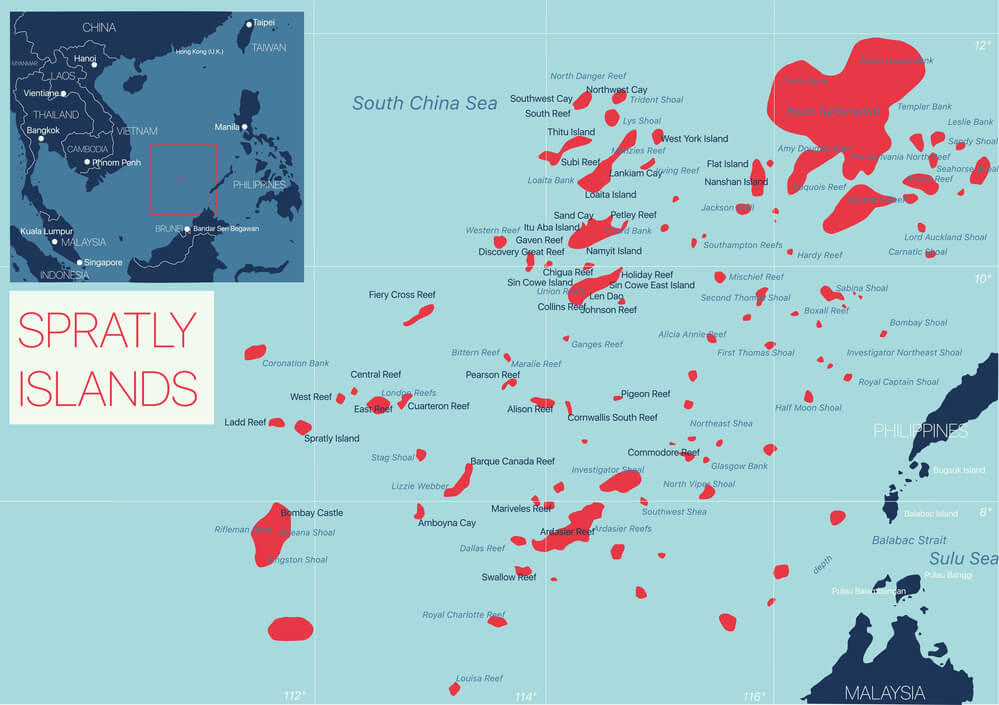
A scattered group of reefs and small islands in the South China Sea, the Spratlys are claimed in part or in full by six different governments, several of which maintain armed outposts on the features they control. Civilian access to most of the contested islets is effectively prohibited by whichever government physically holds them at a given time.
The dispute has turned a group of otherwise minor reefs into one of the most militarized stretches of ocean anywhere in the world.
Great Diomede Island
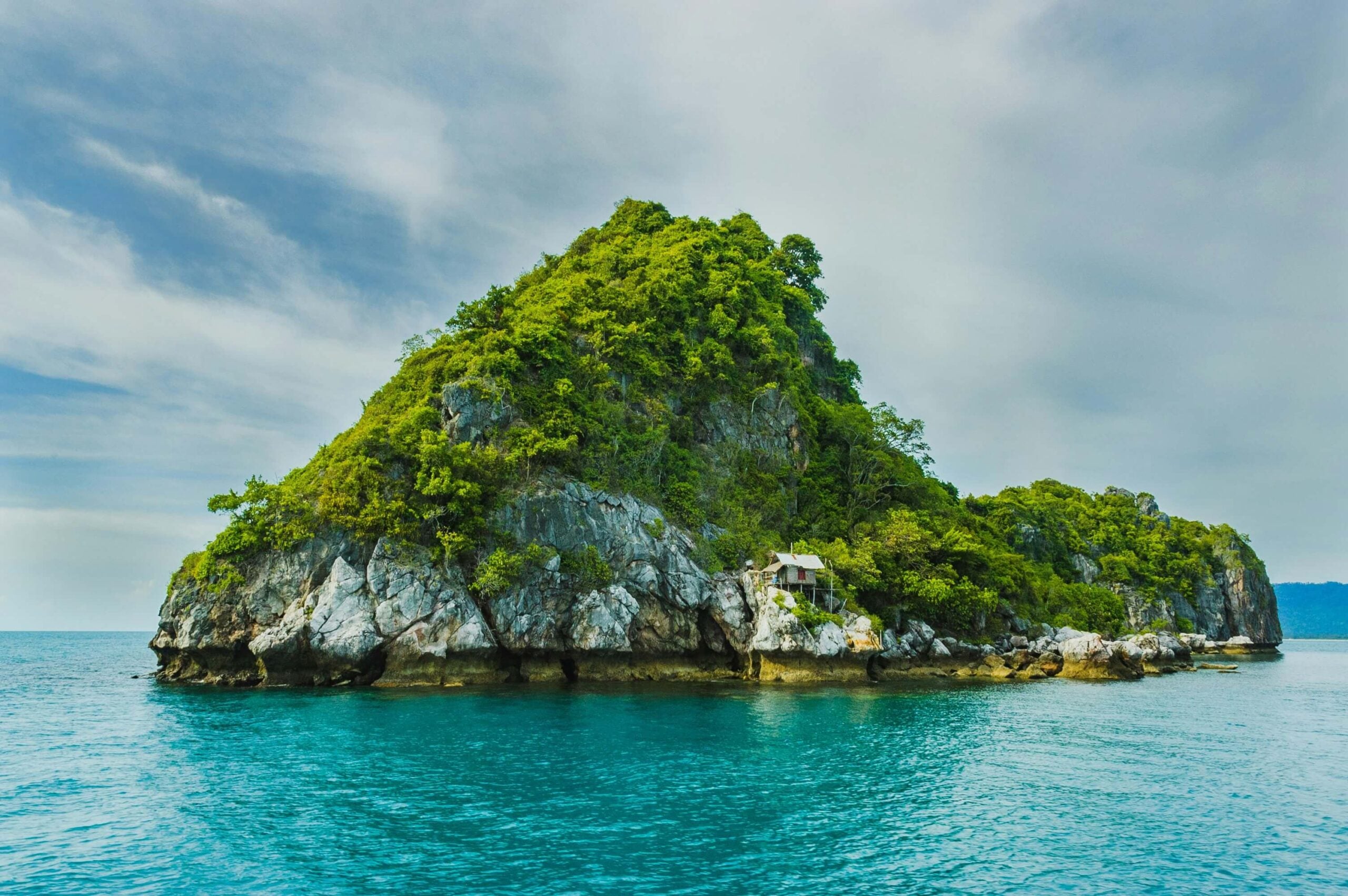
Directly across the Bering Strait from its American counterpart, Russia’s Great Diomede Island once held a small Indigenous village before Soviet authorities relocated its population and turned the island into a restricted military border post during the Cold War. It remains closed to civilian visitors today, patrolled by Russian border guards.
The international date line runs through the strait between the two Diomede islands, meaning the guarded Russian island is, technically, always a full day ahead of its American neighbor.
The Logic of a Locked Gate
An island already does most of the work of isolation on its own, surrounded by water that discourages casual visitors better than any fence could. Adding a government guard on top of that natural barrier says something about how much a place is worth protecting, or how much it is worth hiding.
Some of these islands are guarded to protect what is on them. Others are guarded to protect the rest of the world from what happened there.
Either way, the fence line runs straight through the water, and it holds.
More from Go2Tutors!

- The Romanov Crown Jewels and Their Tragic Fate
- 13 Historical Mysteries That Science Still Can’t Solve
- Famous Hoaxes That Fooled the World for Years
- 15 Child Stars with Tragic Adult Lives
- 16 Famous Jewelry Pieces in History
Like Go2Tutors’s content? Follow us on MSN.



