Essential 1980s Computer Games You Missed
The 1980s weren’t just about Pac-Man and Super Mario Bros. While those games grabbed headlines and dominated arcades, home computer owners were experiencing a completely different gaming revolution.
Platforms like the Commodore 64, Apple II, and early DOS machines hosted incredible titles that never got the mainstream attention they deserved. These games pushed boundaries, created entire genres, and offered experiences you simply couldn’t find anywhere else.
Here is a list of essential 1980s computer games you probably missed.
M.U.L.E.
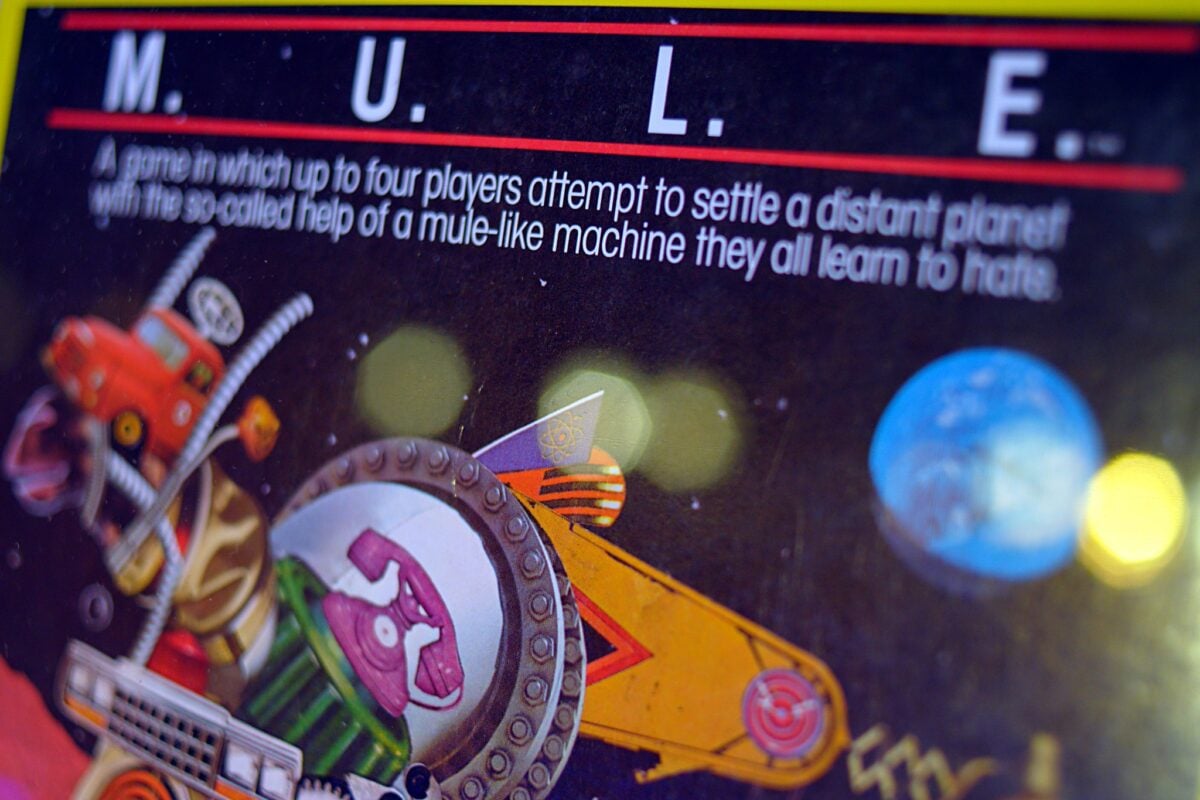
M.U.L.E. stands for Multiple Use Labor Element, and this 1983 game was way ahead of its time. Created by Danielle Bunten Berry for Electronic Arts, it dropped up to four players onto a distant planet where they had to cooperate and compete simultaneously to build a functioning economy.
You’d acquire land, deploy robotic mules to harvest resources, and then wheel and deal with other players in real-time auctions. The genius was in how it forced you to balance self-interest with the colony’s survival, since everyone lost if the economy collapsed.
Elite

Released in 1984, Elite crammed an entire galaxy into home computers that had less memory than a modern toaster. This space trading simulator gave you a spaceship and basically said ‘go do whatever’ decades before open-world games became standard.
You could be a legitimate trader hauling cargo between star systems, turn to piracy and attack other ships, or become a bounty hunter. The wireframe 3D graphics were revolutionary for the time, and the procedurally generated universe meant you’d never see everything the game had to offer.
The Seven Cities of Gold
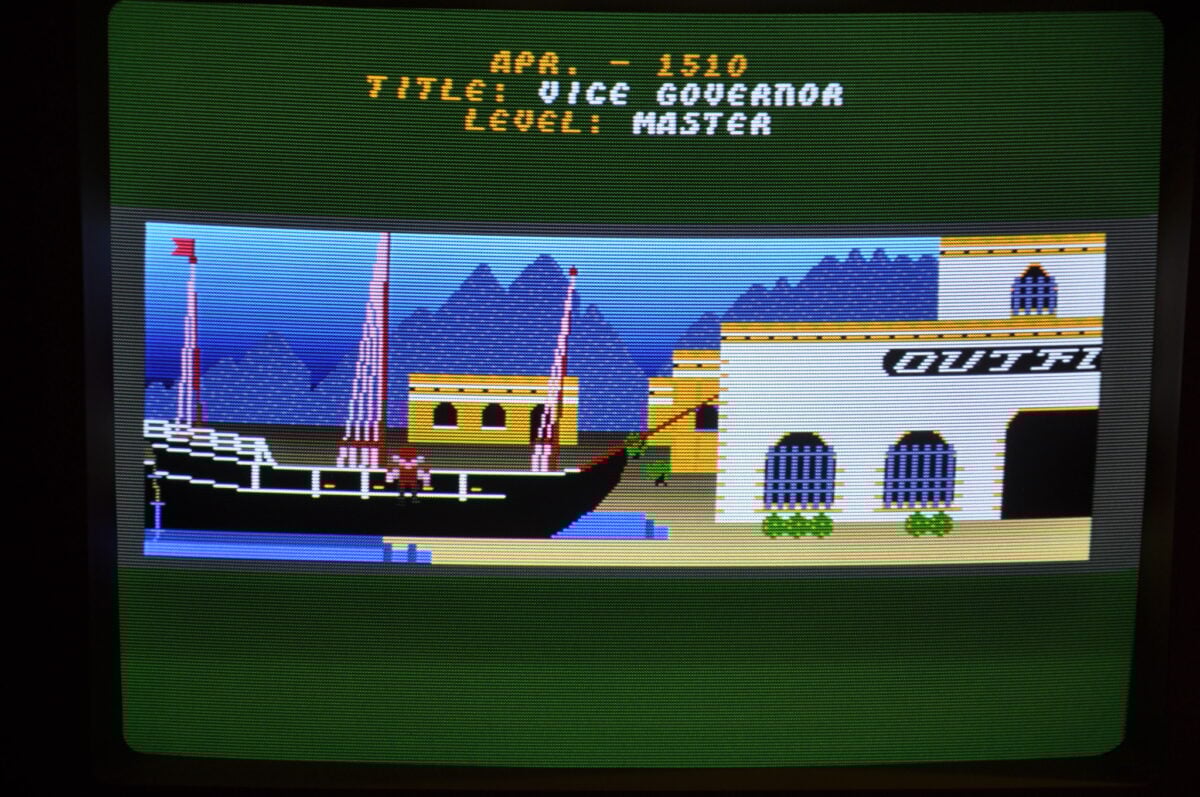
This 1984 gem from Ozark Softscape lets you play as a Spanish conquistador exploring a randomly generated New World. You’d sail across oceans, encounter indigenous peoples, establish missions and forts, and search for legendary treasures.
The game didn’t hold your hand or tell you what to do, which made every discovery feel genuinely exciting. It’s essentially the grandfather of exploration games, offering the kind of freedom that wouldn’t become common until decades later.
Archon

Think chess, but the pieces actually fight when they land on the same square. Released in 1983 by Electronic Arts, Archon took the basic structure of chess and added real-time combat sequences where skill mattered as much as strategy.
Light and dark pieces had different strengths that changed depending on whether they fought on light or dark squares. The game worked brilliantly as a two-player competition and showed that strategy games didn’t have to be slow and methodical.
Karateka
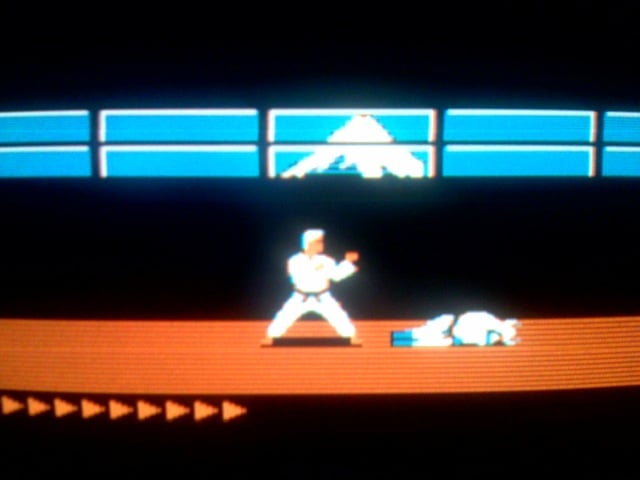
Jordan Mechner created this 1984 masterpiece before he went on to make Prince of Persia. Karateka told a simple story about rescuing a princess from an evil warlord, but it did so with cinematic flair that was unheard of at the time.
The animation was incredibly fluid, and the game used camera cuts between scenes to build dramatic tension. One particularly memorable detail: if you forgot to bow and enter combat stance before fighting, you’d get knocked out instantly.
Wizardry

Released in 1981, Wizardry brought the tabletop RPG experience to home computers with brutal effectiveness. You’d create a party of six adventurers and explore a massive dungeon filled with monsters, traps, and treasure.
The game was famous for its difficulty and the permanent death of characters who couldn’t be resurrected. Those wireframe dungeons and turn-based combat became the template that Japanese RPGs would follow for years.
The Bard’s Tale
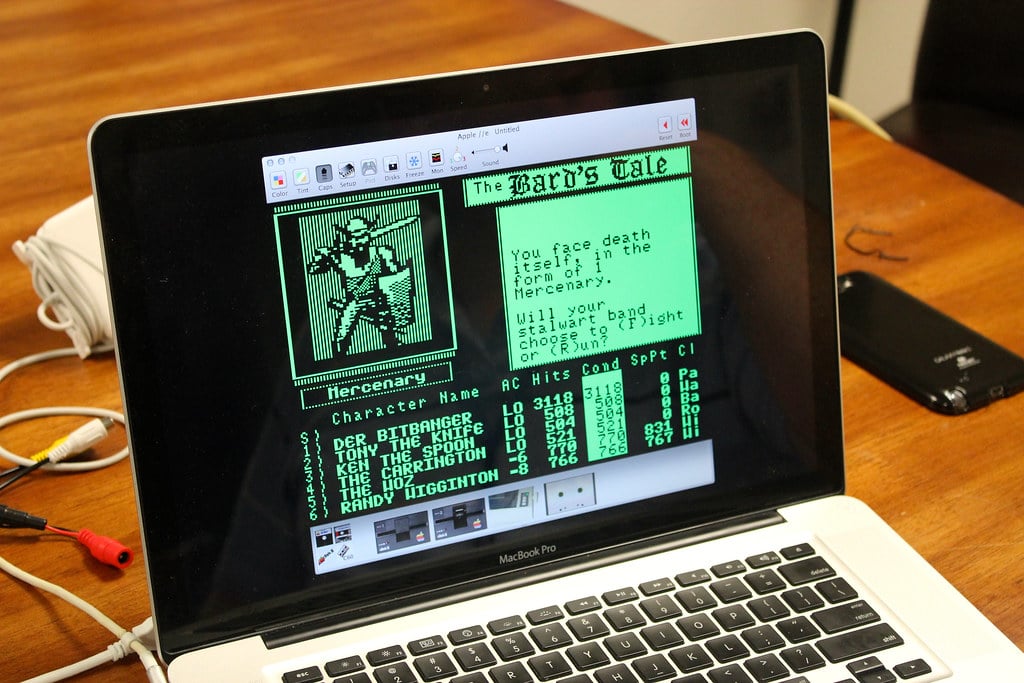
This 1985 dungeon crawler improved on Wizardry’s formula by adding better graphics and a unique musical mechanic. The bard character could play songs that buffed your party or debuffed enemies, and some puzzles required specific tunes to solve.
The game featured a sprawling city to explore above ground and multiple dungeons below. It struck a nice balance between being challenging and actually letting you feel like you were making progress.
Lode Runner
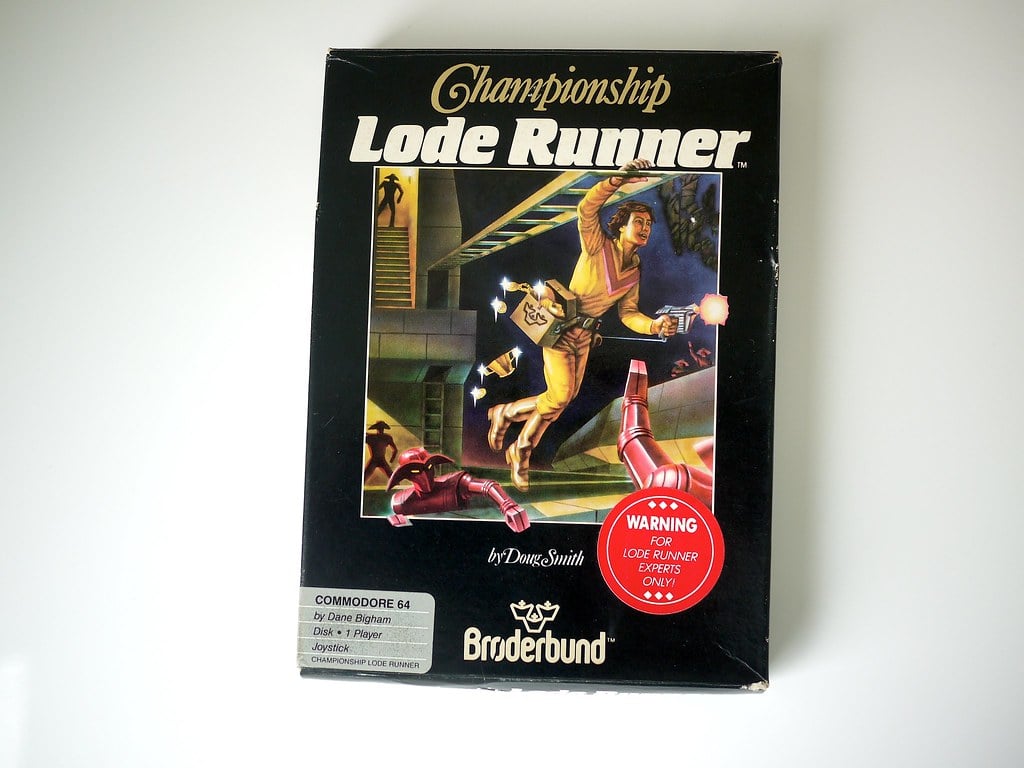
Broderbund released this puzzle-platformer in 1983, and it became one of those games that was easy to learn but nearly impossible to master. You’d run around collecting gold while avoiding guards, and your only tool was the ability to dig temporary pits in the floor to trap enemies or create paths.
The game included 150 levels and a level editor, which was practically unheard of at the time. Players are still creating new Lode Runner levels today.
Transylvania
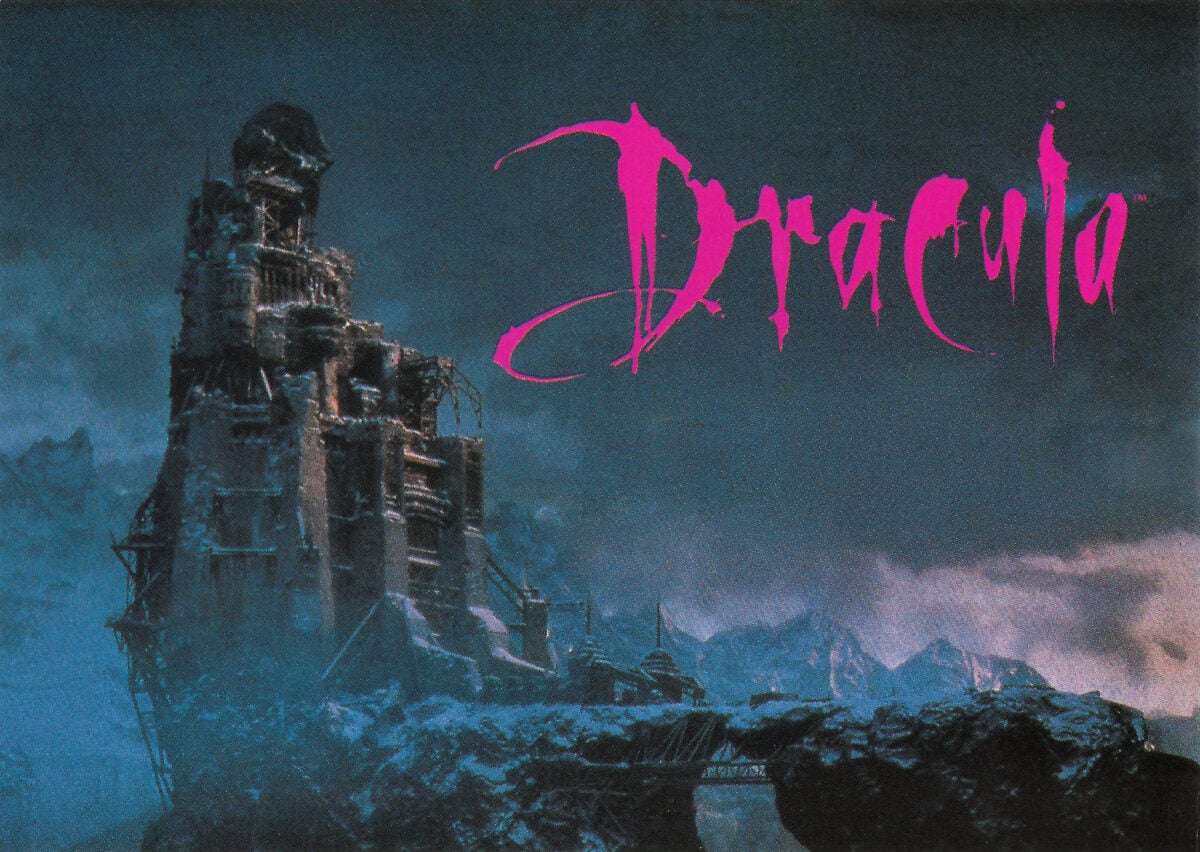
This 1982 adventure game from Penguin Software combined text commands with illustrated graphics, putting you on a quest to rescue Princess Sabrina before dawn. The game threw werewolves, vampires, goblins, and even an alien spaceship at you as you explored the countryside.
It had a real-time element where you actually had to finish before sunrise, adding genuine tension to your puzzle-solving. The parser was relatively forgiving compared to other adventure games of the era.
Choplifter
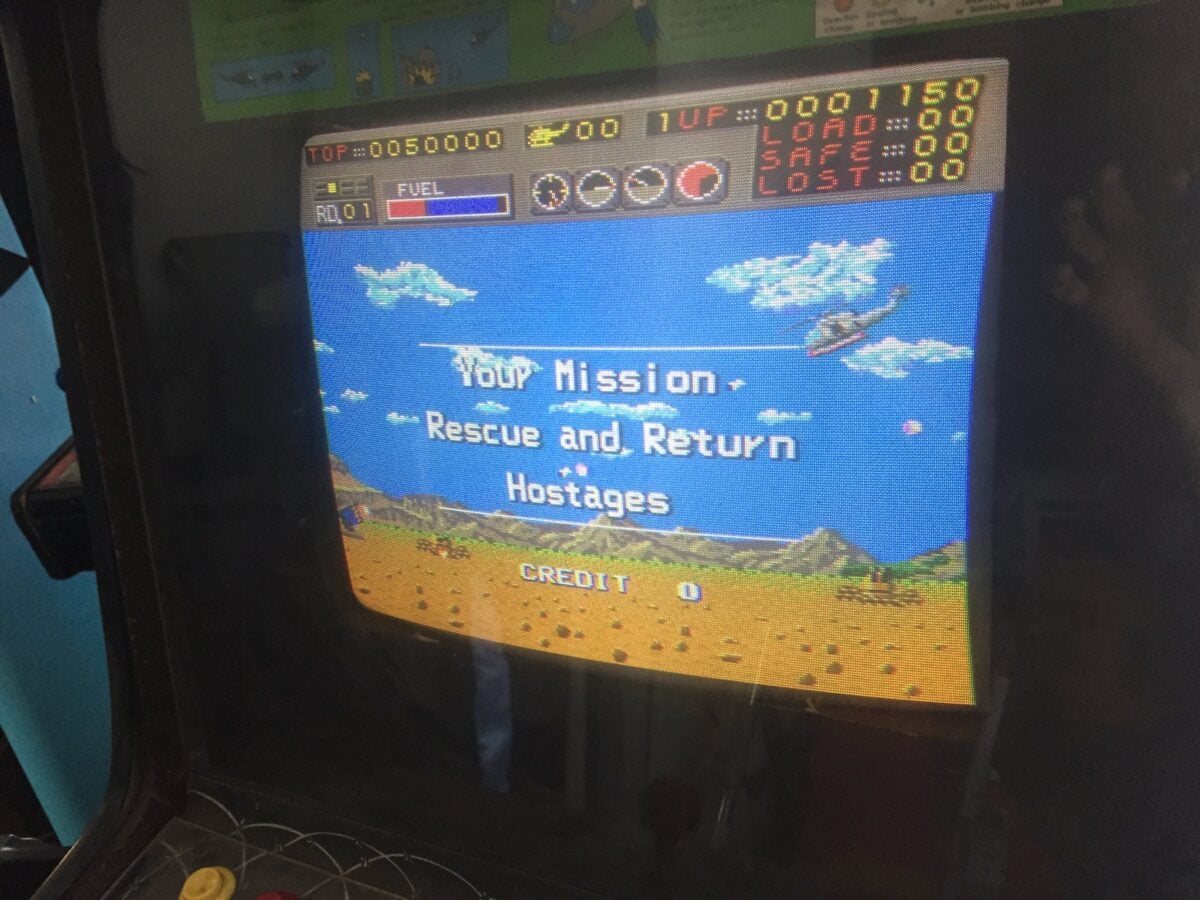
Dan Gorlin created this 1982 helicopter rescue game that was simple in concept but addictive in execution. You piloted a helicopter behind enemy lines to rescue hostages from buildings, then flew them back to safety while dodging tanks and jets.
The game scrolled smoothly in multiple directions, which was technically impressive for the Apple II. It also let you accidentally shoot the hostages you were supposed to save, adding a layer of challenge most games avoided.
Hard Hat Mack
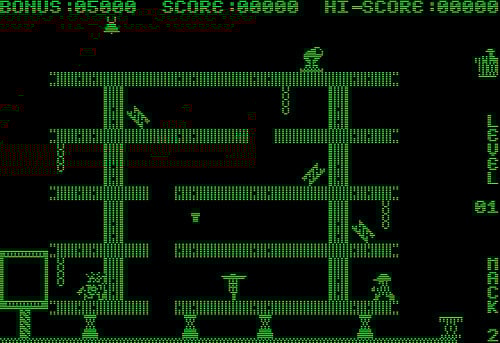
Released in 1983, this construction-themed platformer had you working across three different building sites collecting lunchboxes and completing tasks. The game featured conveyor belts, jackhammers you had to catch, and even OSHA inspectors who’d shut down your work if they caught you.
It was remarkably creative in how it turned mundane construction work into engaging gameplay challenges. The physics felt satisfying in a way that made you want to keep trying even after repeated failures.
Mountain King
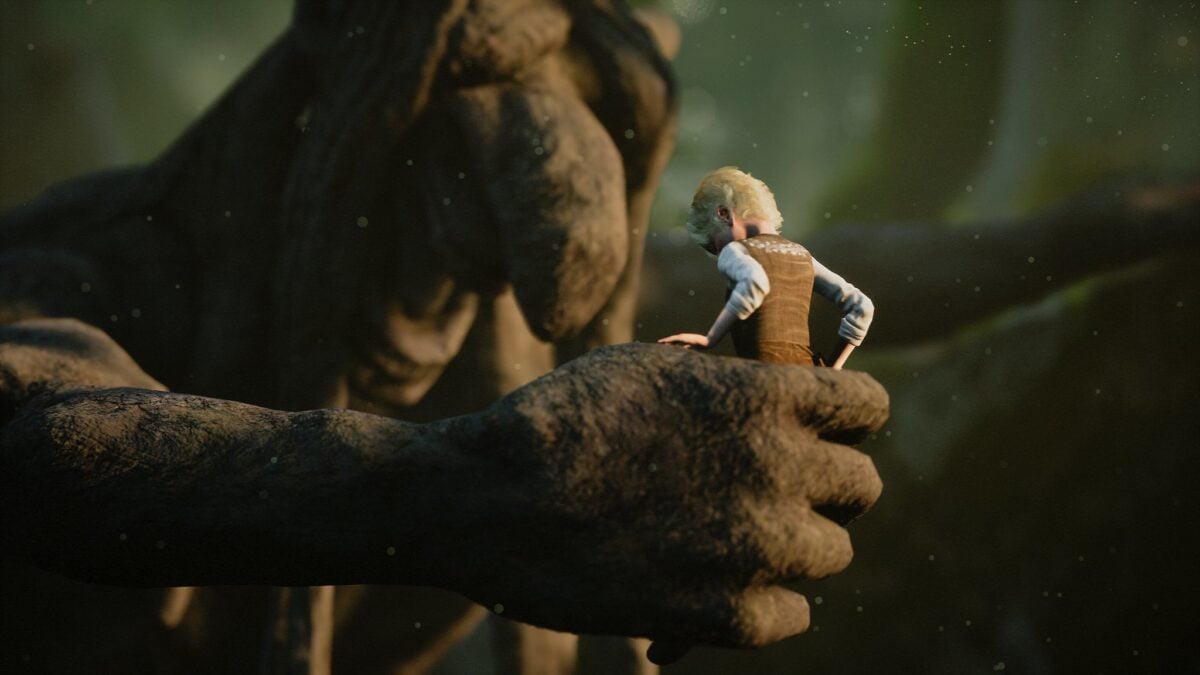
This 1983 game for the Commodore 64 and Atari 2600 tasked you with exploring a mountain filled with caves to find a crown guarded by a flame spirit. You’d collect diamonds worth 1,000 points while avoiding bats that could steal your crown once you got it.
The game had no combat system, forcing you to rely on clever movement and timing. That memorable musical theme that played when you grabbed the crown is still stuck in the heads of people who played it 40 years ago.
Dino Eggs
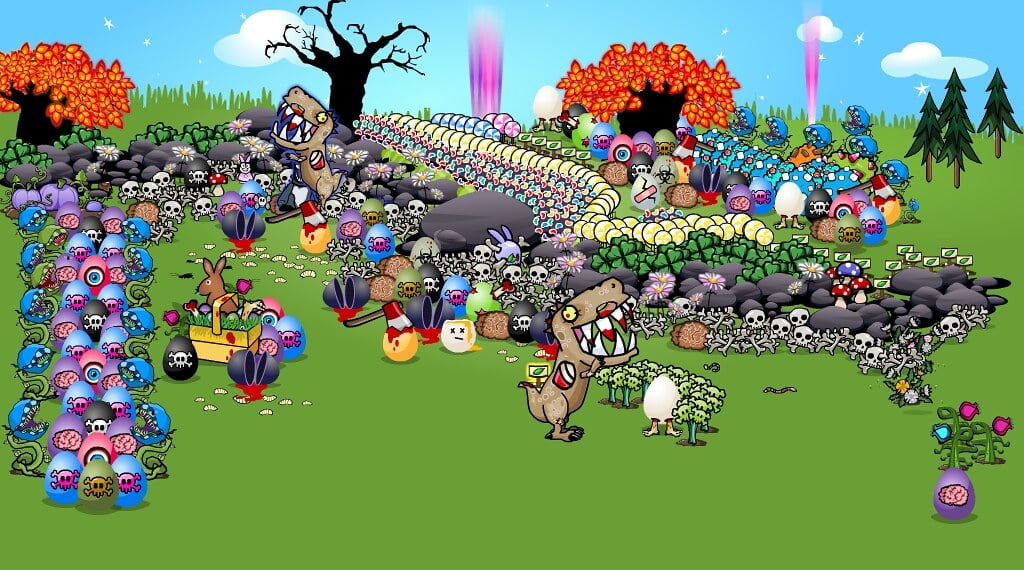
Micro Fun released this 1983 platformer that had an absolutely bonkers premise: you’re a time-traveling dinosaur keeper collecting eggs before they hatch while cavemen try to club you. The game combined action with light puzzle-solving as you figured out how to reach eggs in tricky locations.
The level design was genuinely clever, and the game had a goofy charm that made it stand out from more serious titles of the era.
Beyond Castle Wolfenstein

The 1984 sequel to Castle Wolfenstein took everything that worked in the original and cranked it up. Your mission was to infiltrate a Nazi bunker and assassinate Hitler himself by planting a bomb at a specific time.
The game featured multiple floors to explore, more complex guard AI, and even more tension since you were working against a deadline. It proved that stealth games could tell compelling stories while keeping players on the edge of their seats.
The Legacy Lives On

These games didn’t just entertain people in the 1980s; they established ideas and mechanics that modern games still use. The economic simulation of M.U.L.E. influenced city builders and strategy games, Elite’s open universe paved the way for games like No Man’s Sky, and Castle Wolfenstein’s stealth mechanics evolved into entire franchises.
Many of these titles are now available through emulation or official re-releases, which means there’s never been a better time to discover what you missed the first time around.
More from Go2Tutors!

- 16 Historical Figures Who Were Nothing Like You Think
- 12 Things Sold in the 80s That Are Now Illegal
- 15 VHS Tapes That Could Be Worth Thousands
- 17 Historical “What Ifs” That Would Have Changed Everything
- 18 TV Shows That Vanished Without a Finale
Like Go2Tutors’s content? Follow us on MSN.