24 Animals That Outsmart Predators Using Strategies Scientists Still Study Today
The conventional image of the food chain places predators at the top on the basis of speed, strength, or numbers. But for every formidable hunter, there are prey animals that have spent millions of years evolving strategies that are anything but passive.
Some fake their own deaths with theatrical precision. Some fire boiling chemicals from their bodies.
Some impersonate more dangerous animals with accuracy convincing enough to fool creatures far larger than themselves. The ones that couldn’t pull it off were eaten.
The ones that could are still here.
What makes these strategies interesting beyond their spectacle is that many of them remain imperfectly understood. Evolutionary biologists, neuroscientists, biomaterial researchers, and animal behaviorists are still working out why specific defenses work as well as they do — and whether the answers might have applications in fields as different as textile manufacturing and military technology.
The Mimic Octopus
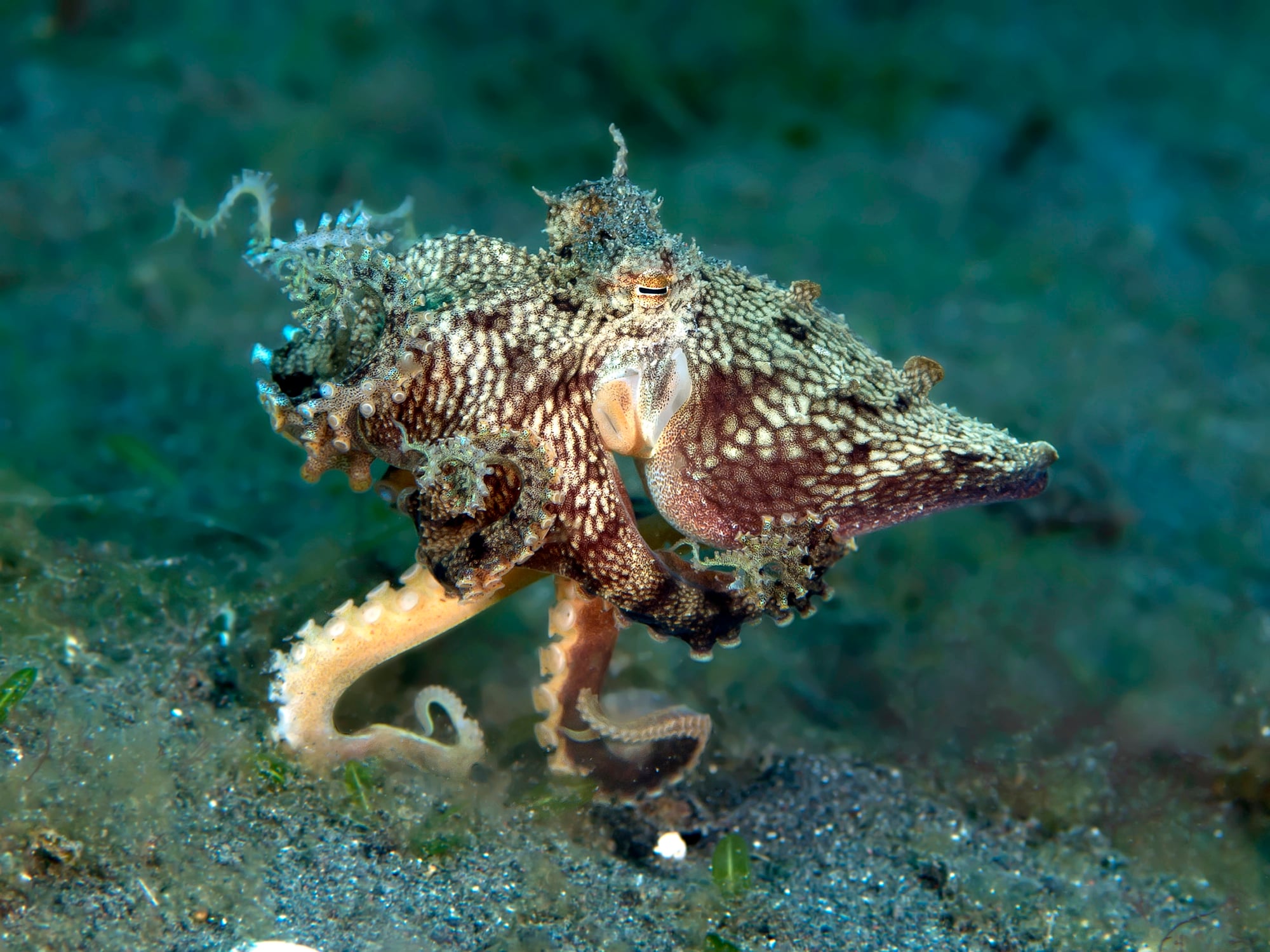
Discovered in 1998 in the waters of Southeast Asia, the mimic octopus goes beyond conventional camouflage and actively impersonates other marine species. It can reproduce the shape, coloring, and movement of lionfish, flatfish, and sea snakes — all of which are dangerous to different potential predators.
The octopus appears to choose which animal to mimic based on the specific predator it faces, suggesting not just imitation but strategic assessment. Scientists are still investigating the cognitive mechanisms that allow it to make these assessments in real time.
The Hagfish
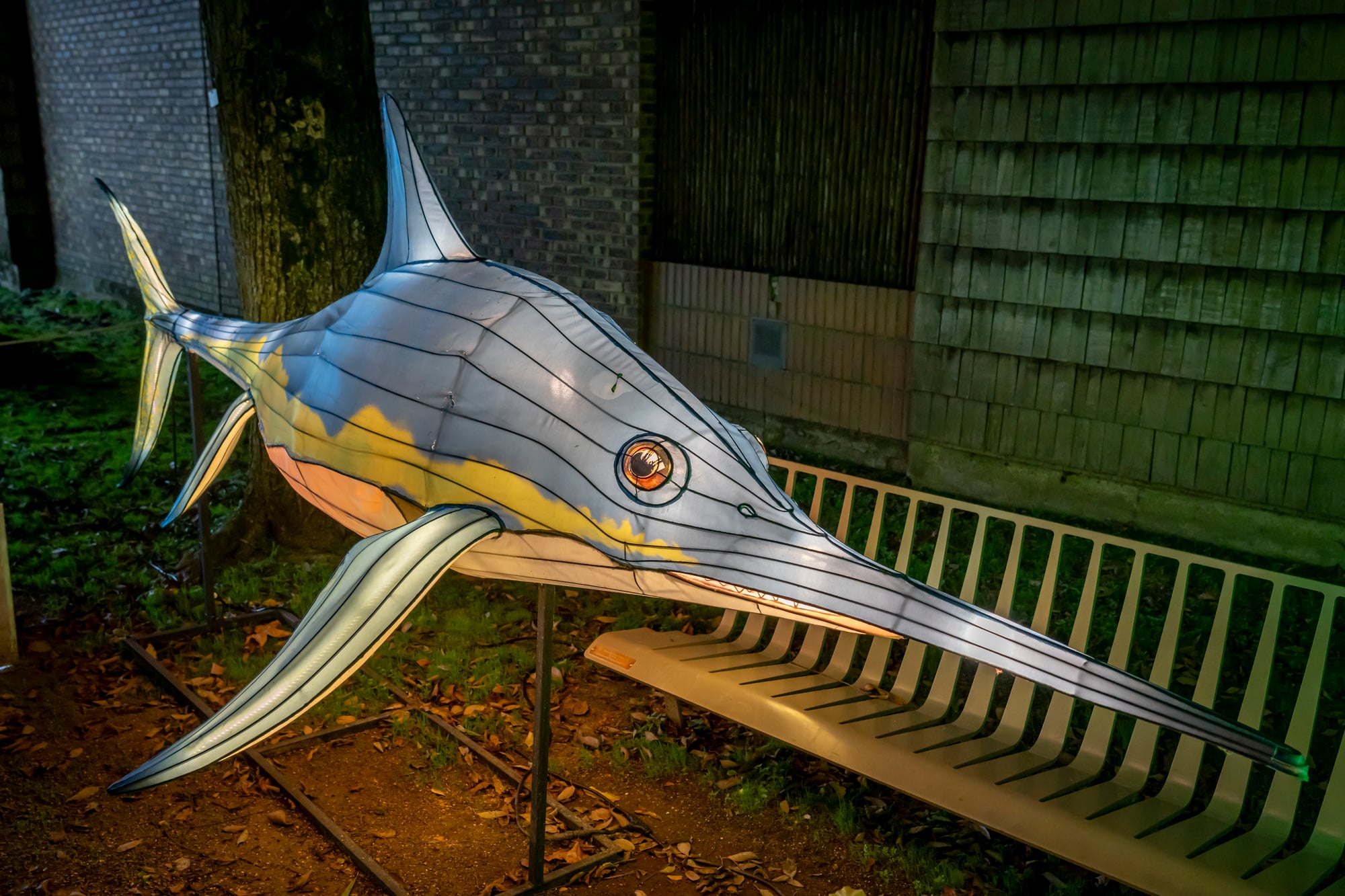
When threatened, the hagfish releases up to 5.5 liters of slime in under half a second — a material that expands rapidly on contact with seawater into a fibrous gel that clogs the gills of predators. Its expansion mechanism has attracted sustained research attention from biomaterial scientists studying it for applications in sustainable textiles and defense materials.
The hagfish then removes its own slime by tying itself into a knot and sliding the knot from head to tail.
The Bombardier Beetle
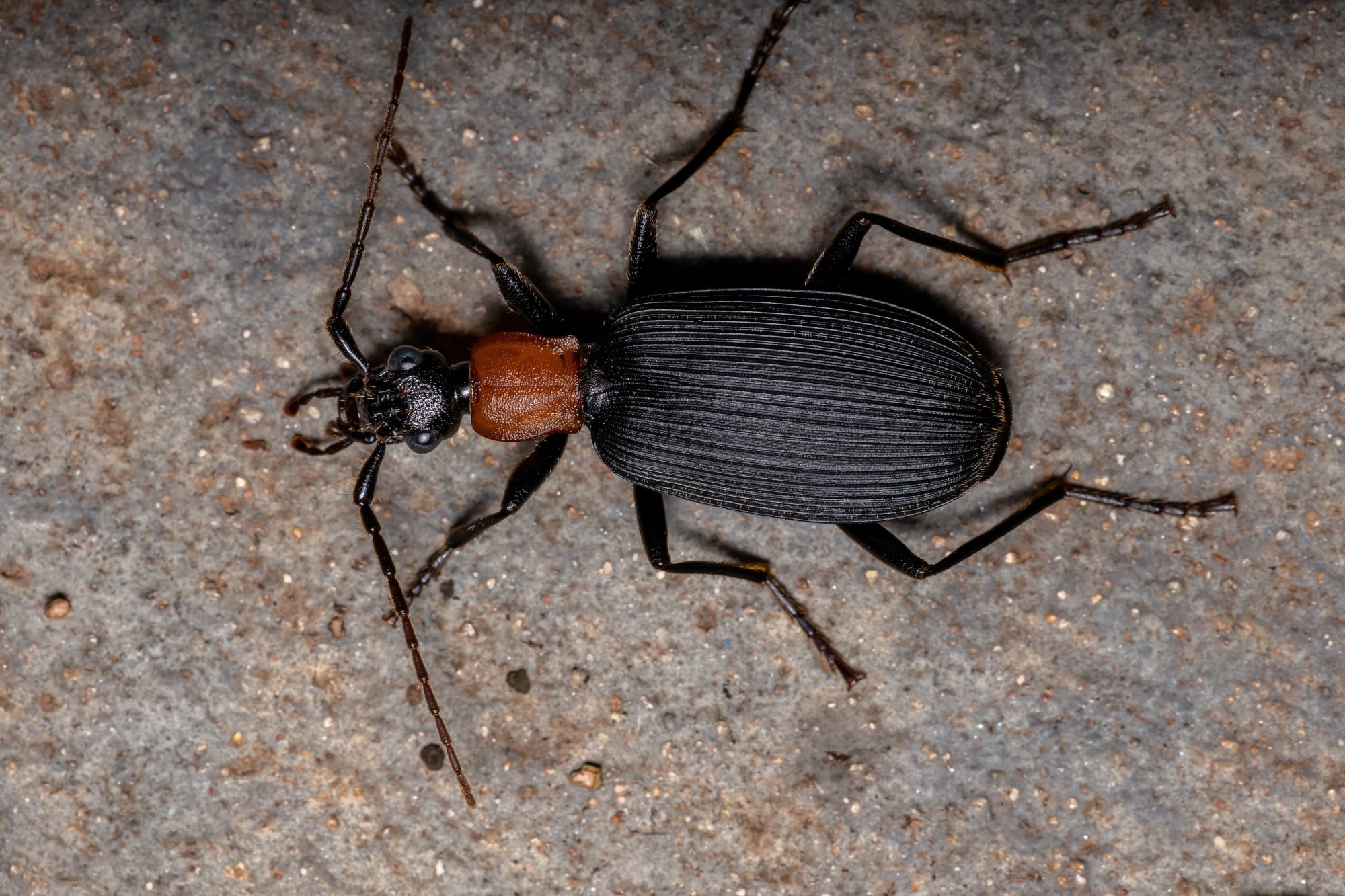
The bombardier beetle is roughly the size of a thumbnail and chemically armed in a way that has fascinated scientists for decades. When threatened, it mixes hydrogen peroxide and hydroquinones stored in separate abdominal chambers, producing a spray at approximately 100°C that is expelled with an audible pop and can be aimed with precision in virtually any direction.
The chemistry is sufficiently complex that engineers have studied it as a model for combustion injection systems.
The Opossum
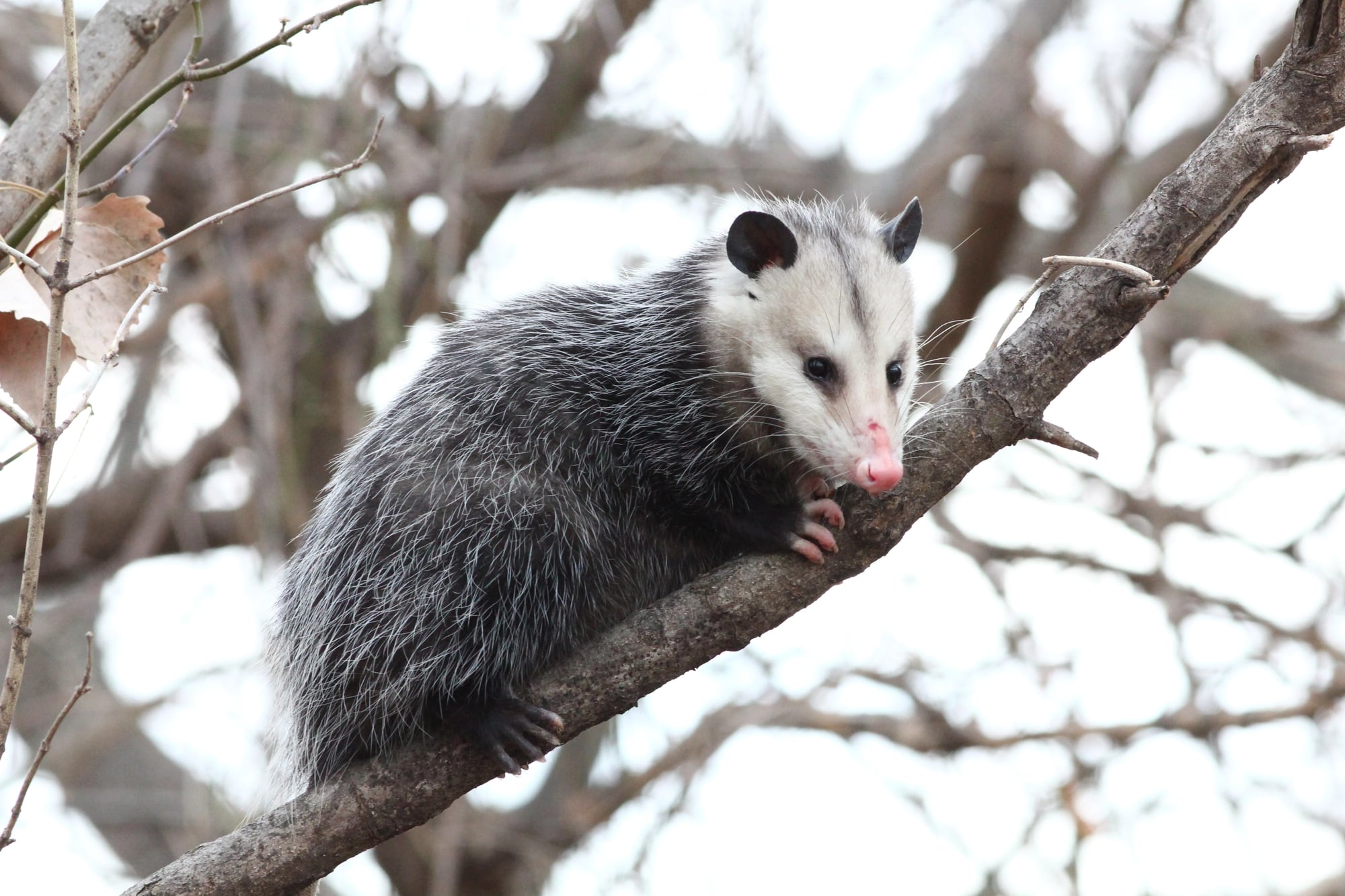
When threatened beyond flight, an opossum enters what appears to be an involuntary comatose state: it collapses, remains motionless, and emits a foul-smelling fluid that mimics the odor of a decomposing body. The performance can last for hours.
Most predators lose interest in apparently dead prey that smells like it’s been dead long enough to be a health risk — a behavioral rule the opossum has learned to weaponize.
The Killdeer
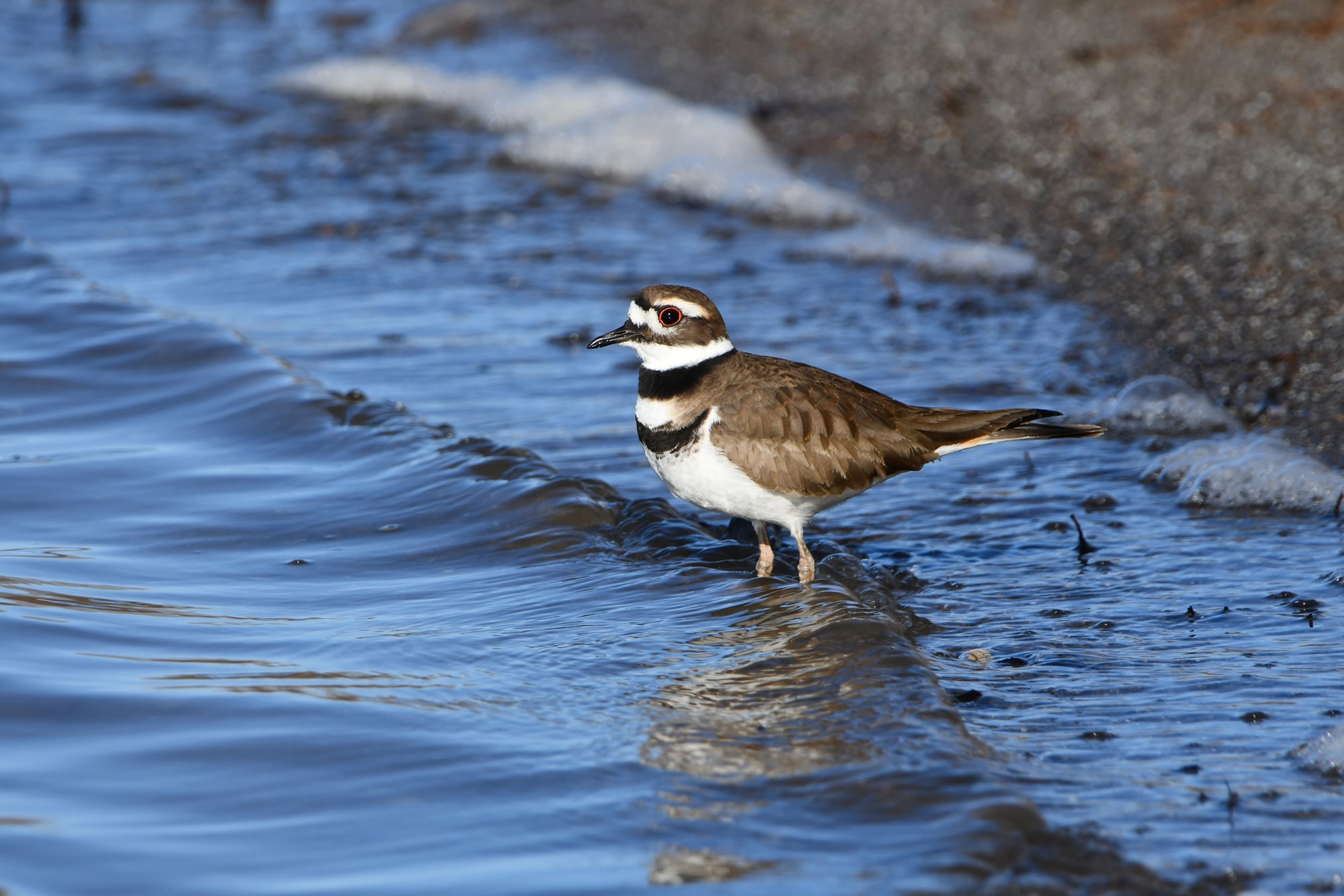
The killdeer performs one of the most recognizable deception behaviors in the animal kingdom when its nest is threatened: it drags one wing along the ground while calling repeatedly, simulating injury convincingly enough that most predators follow what appears to be easy prey.
The bird calibrates its performance to the predator — spending more time leading away large and persistent predators and abandoning the display more quickly against smaller or less dangerous ones.
The Cuttlefish
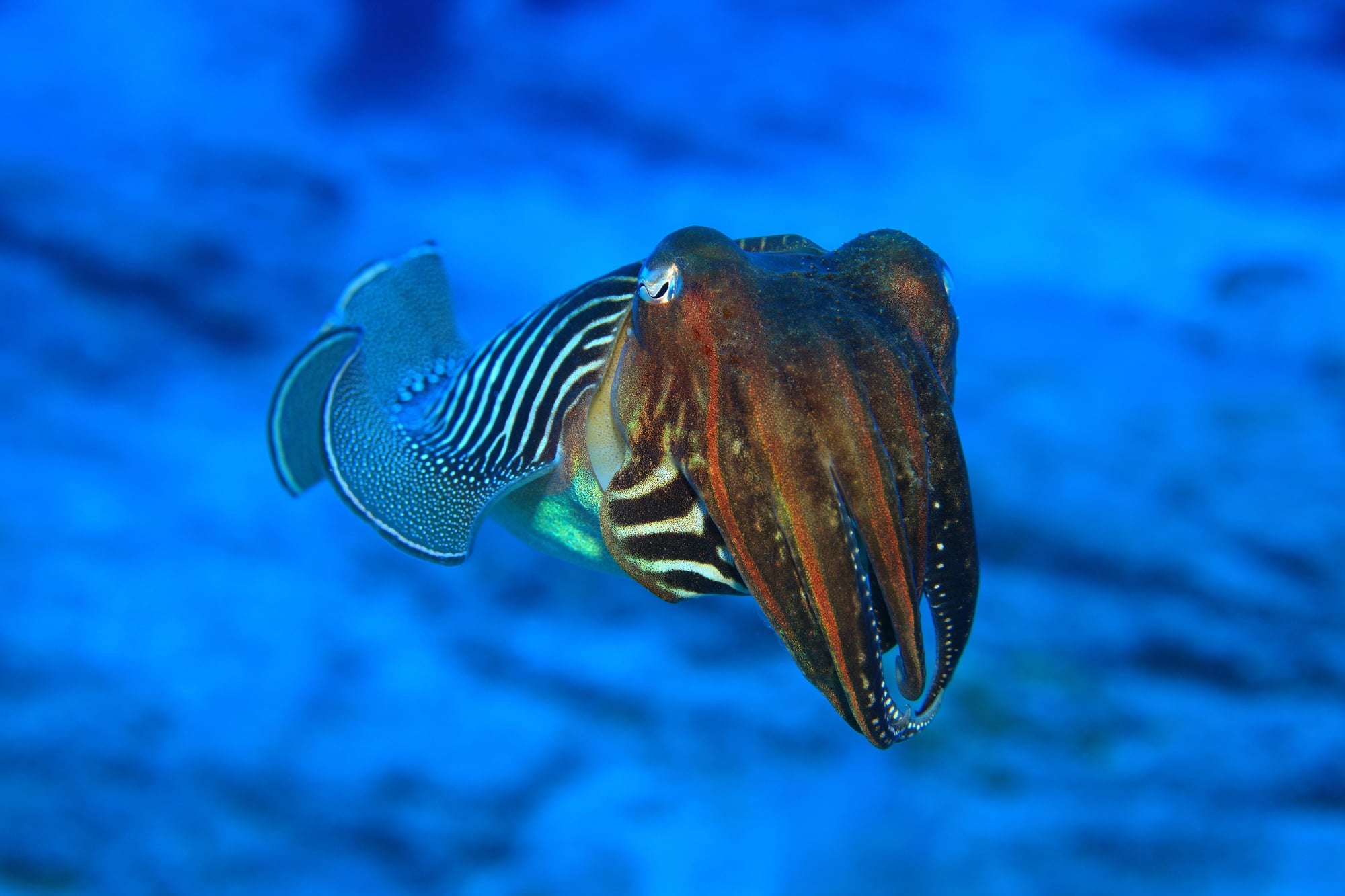
Cuttlefish can change not just color but texture and pattern in milliseconds. Studies at the Marine Biological Laboratory in Woods demonstrated that cuttlefish don’t simply match their background — they analyze its visual characteristics and reconstruct them with accuracy sufficient to fool predators despite being colorblind.
They can simultaneously display different patterns on different parts of their bodies, presenting one display to a predator on one side while showing a different pattern to a potential mate on the other.
The Horned Lizard
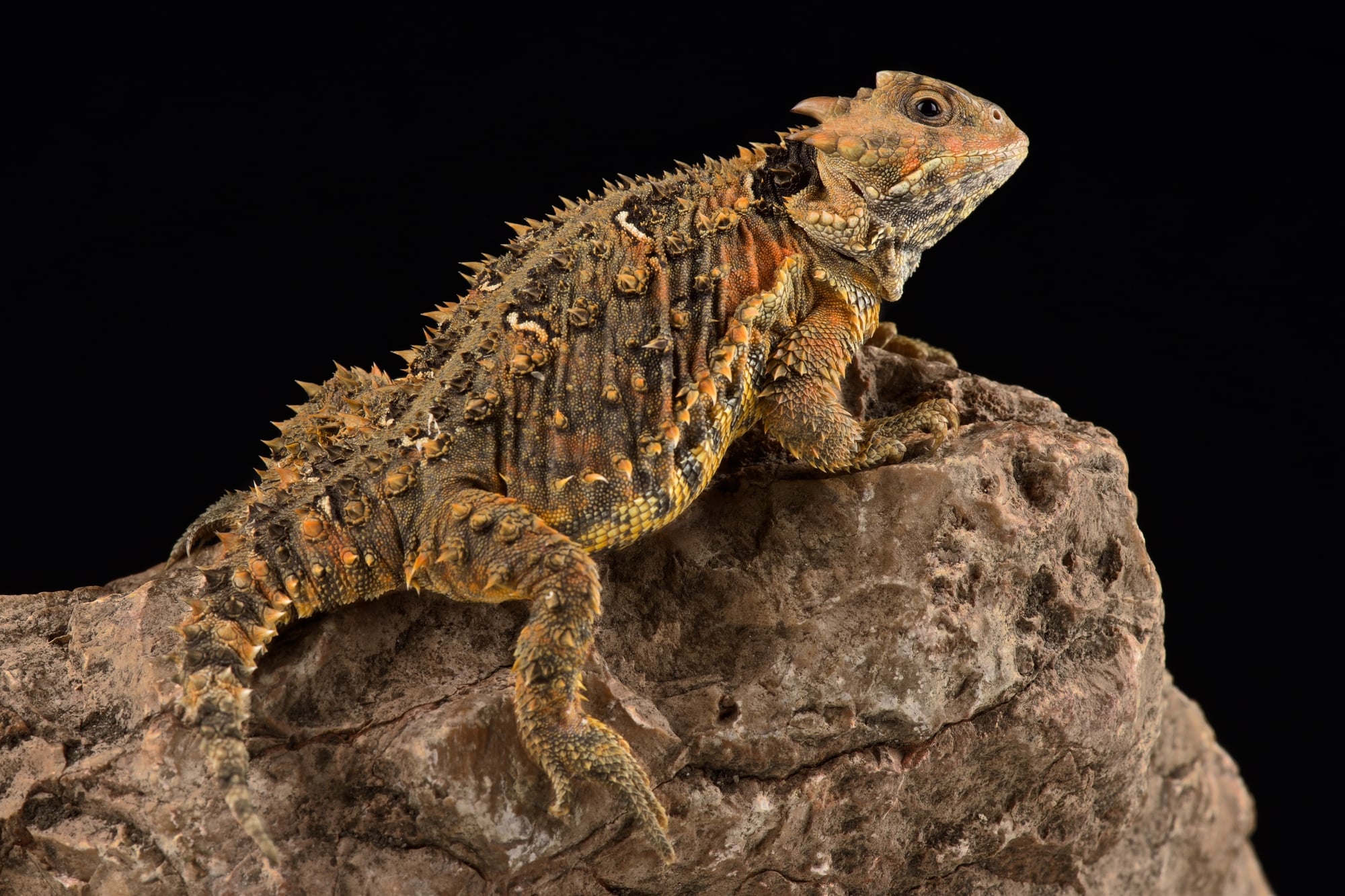
Several species of horned lizards can squirt blood from their eyes by restricting blood flow from the head and increasing pressure in the ocular sinus until it ruptures, sending a stream up to five feet. The blood appears to contain chemicals from the lizard’s ant diet that are specifically repellent to canid predators — coyotes and wolves — but not to birds of prey.
Research into why it targets specific predator groups while leaving others apparently unaffected is ongoing.
The Puffer Fish
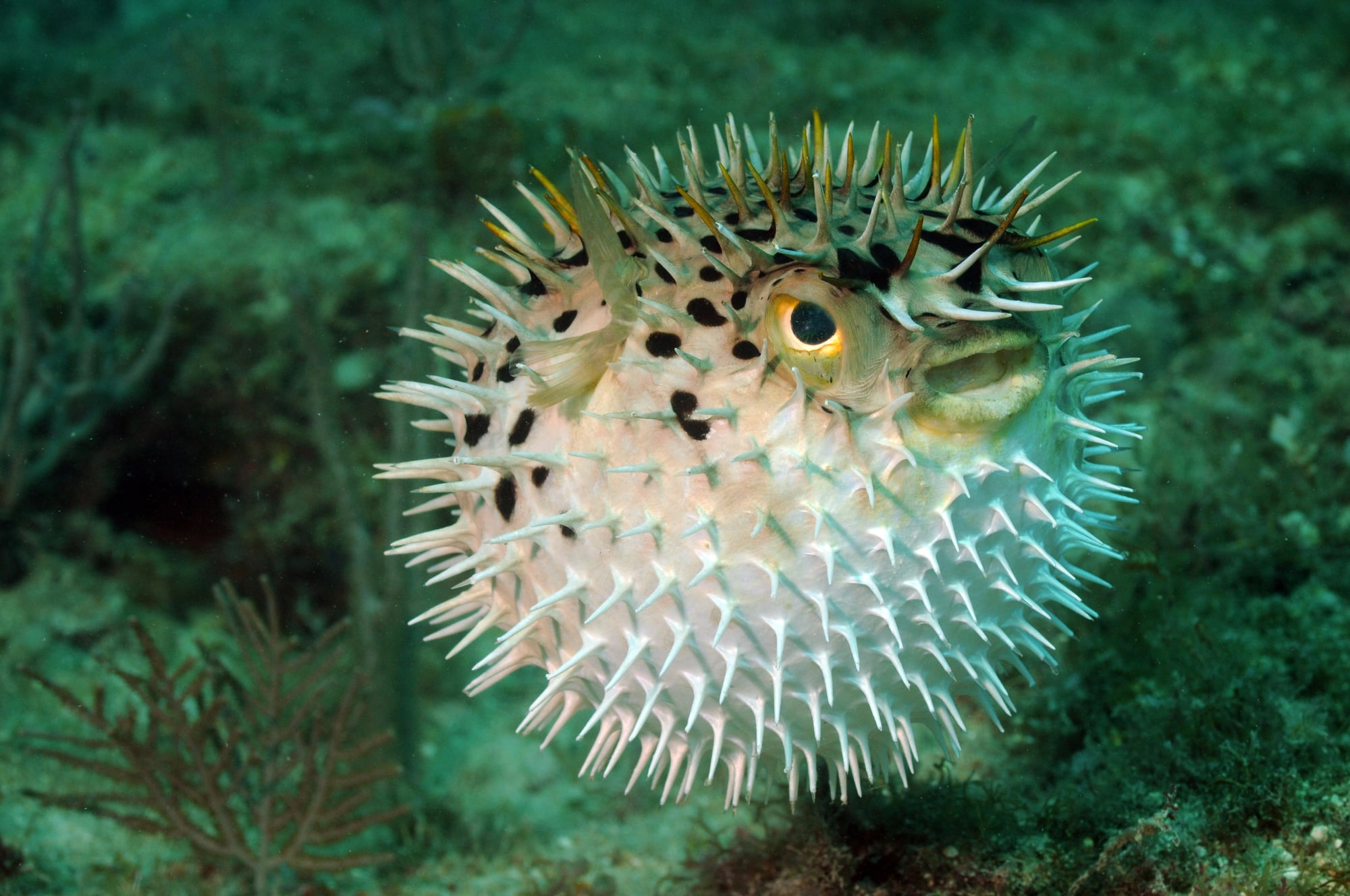
The puffer fish’s ability to inflate its body to several times its resting size by rapidly ingesting water is a defense against swallowing. Many puffer fish species also contain tetrodotoxin, one of the most potent neurotoxins known — produced not by the fish but by symbiotic bacteria living within it.
This raises research questions about how the fish became resistant to a toxin that would be lethal to most vertebrates, and how the relationship between the fish and its toxin-producing bacteria evolved.
The Decorator Crab
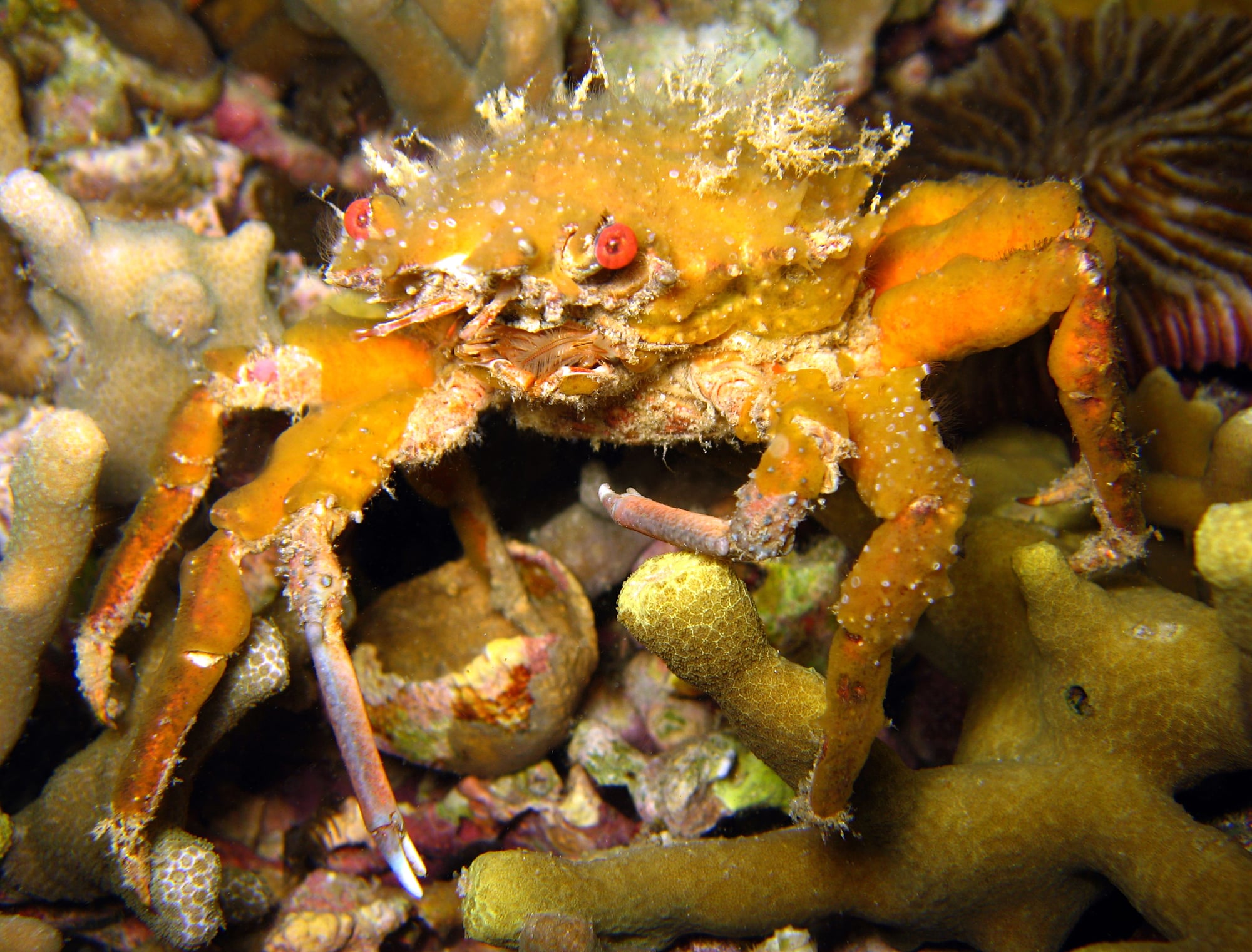
The Pacific decorator crab actively selects materials from its environment and attaches them to its shell using hooked setae that act like natural velcro. It doesn’t just choose visually matching material; it selects functionally useful material, including stinging hydroids and toxic algae, adding chemical defenses to its camouflage.
When moved to a new environment, a decorator crab replaces its camouflage material with species from the new location, demonstrating active adaptation rather than a fixed behavioral program.
The Monarch Butterfly
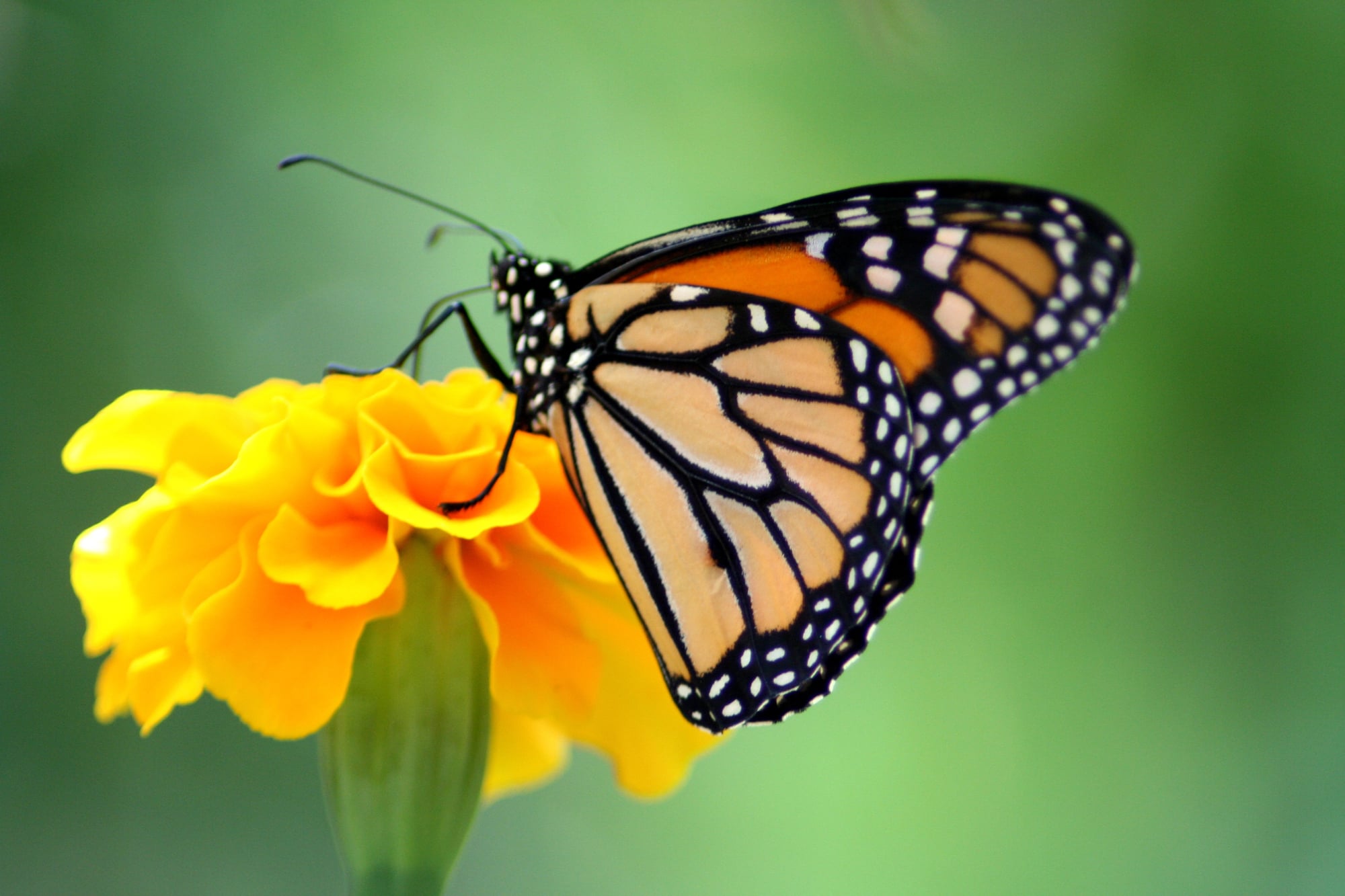
The monarch butterfly accumulates toxic cardenolides from the milkweed it eats as a caterpillar and retains them throughout its life, making it unpalatable to most bird predators. The more scientifically interesting story involves the viceroy butterfly, which mimics the monarch’s coloring — a classic example of Batesian mimicry that still generates research questions about how predators learn to avoid a specific color pattern and how quickly that learned avoidance generalizes to mimics.
Prairie Dogs
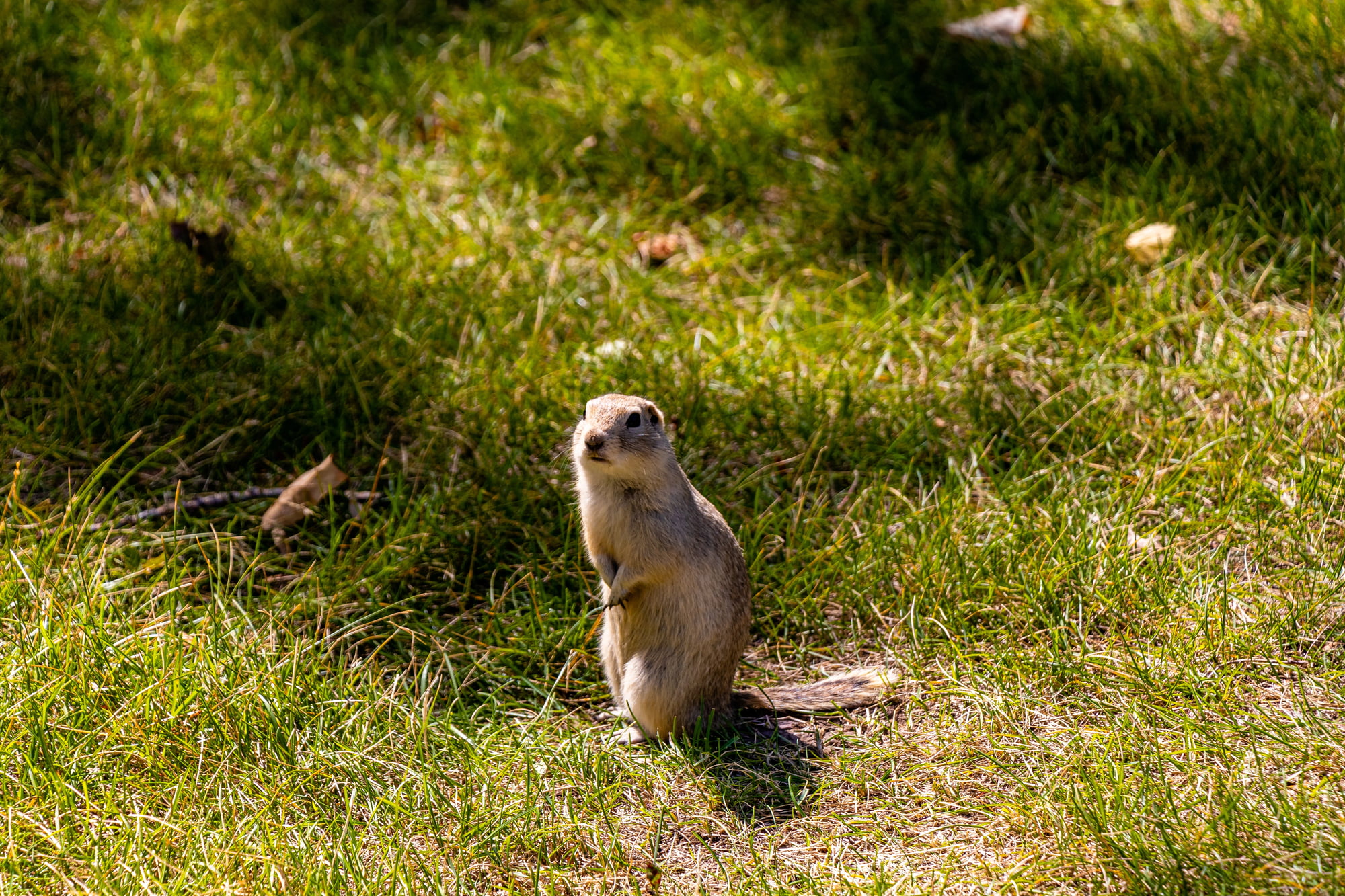
Prairie dogs have developed one of the most sophisticated warning communication systems documented in non-human animals. Their alarm calls contain information not just about the presence of a predator but about the predator’s type, size, speed, shape, and color.
Researcher Con Slobodikoff’s work over decades demonstrated that prairie dogs use fundamentally different call structures to describe a coyote, a hawk, a human, and a domestic dog — one of the most robust cases of referential communication outside of human language.
The Ground Squirrel
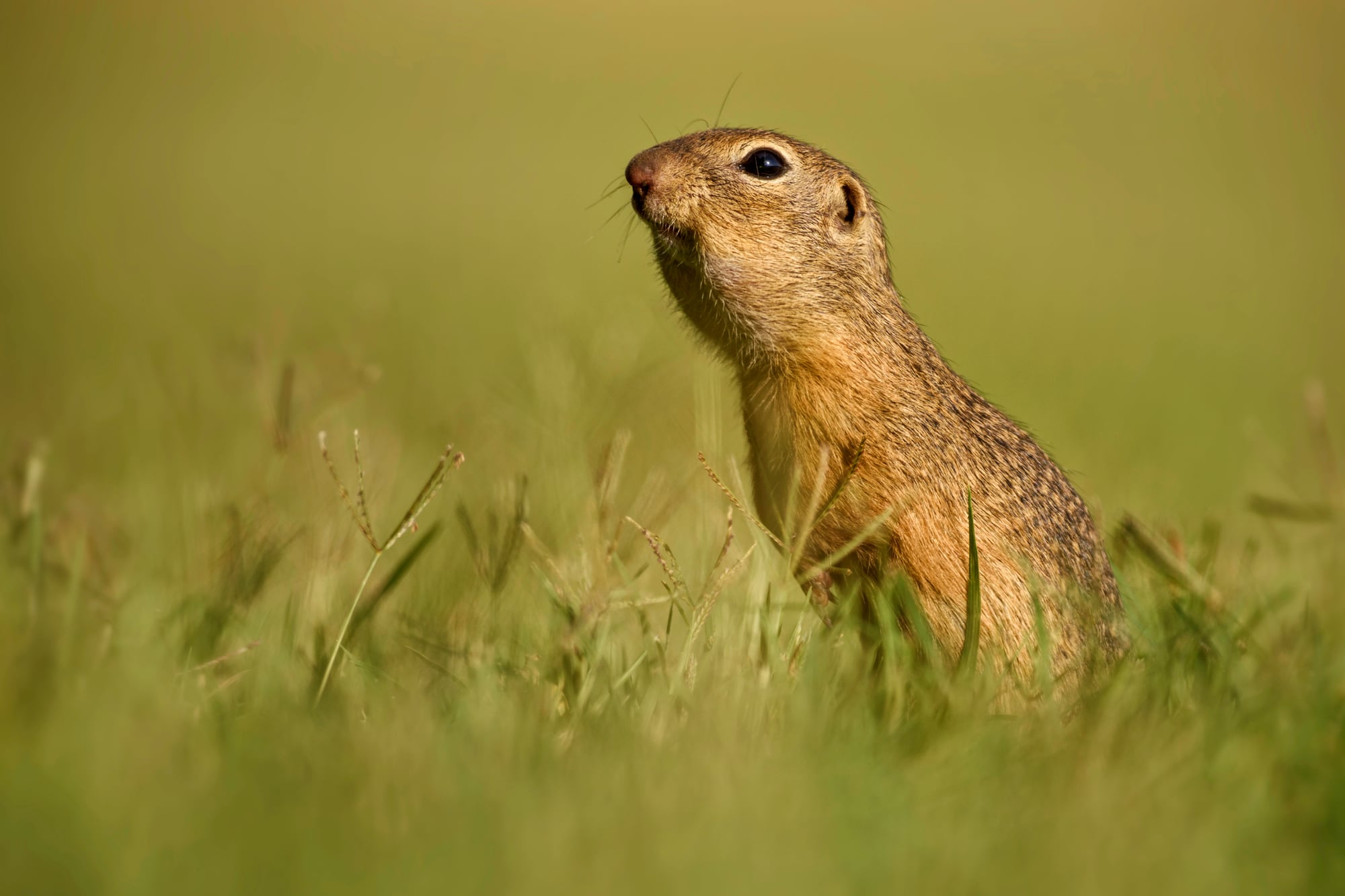
California ground squirrels have evolved a specific defense against rattlesnake predation that involves heating their own tails. When confronting a rattlesnake — which hunts using heat-sensing organs — the squirrel warms its tail by pumping extra blood into it, making it appear hotter to the snake’s infrared sensors.
Infrared video studies confirmed that tail flagging directed at rattlesnakes produces significantly more heat signal than flagging directed at gopher snakes, which lack heat-sensing organs.
The Western Scrub Jay
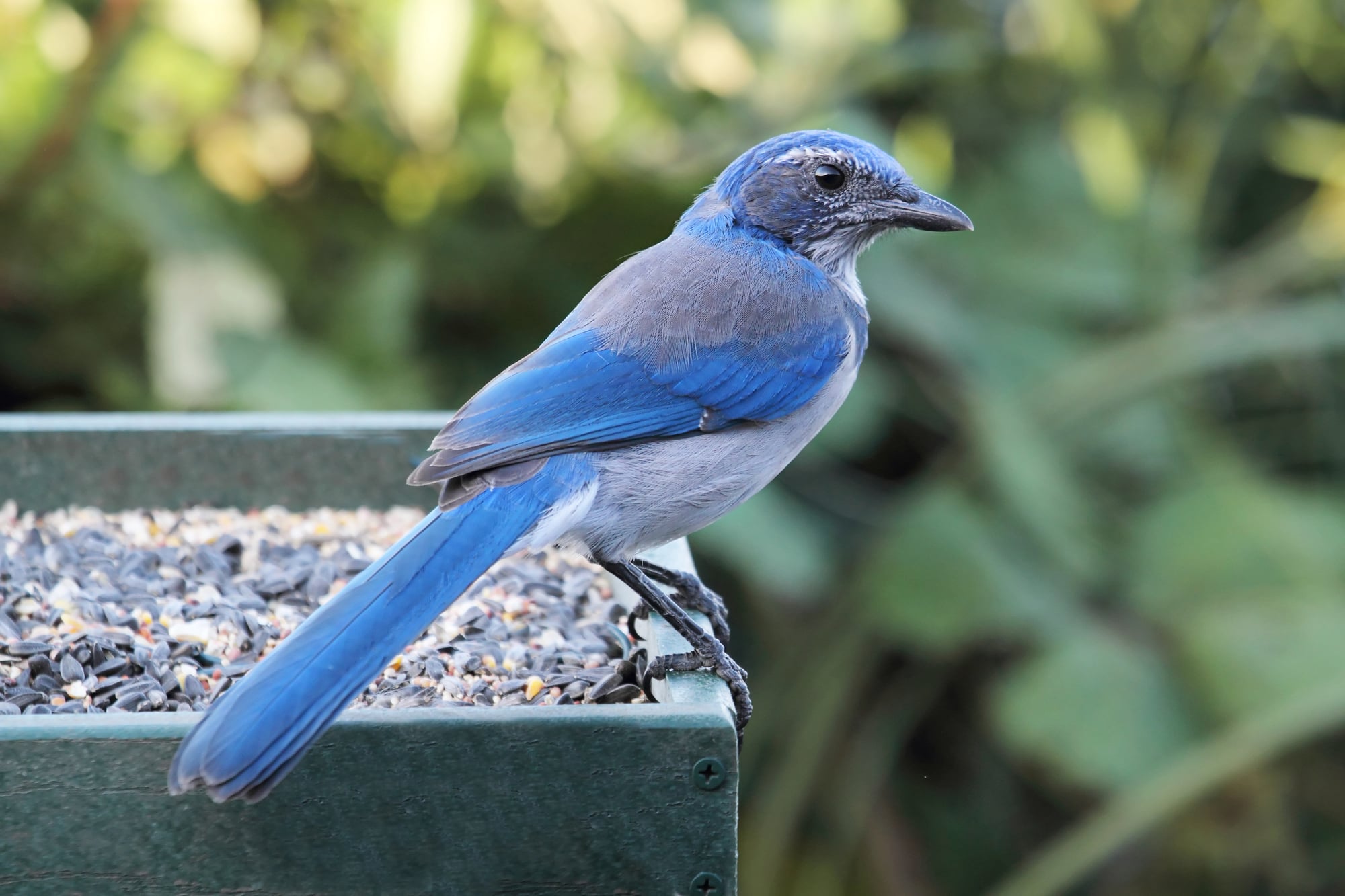
When one jay dies, other jays gather at the site and produce loud alarm calls for an extended period. Researchers at the University of Washington have proposed these gatherings function as information-sharing about predation risks, with observing jays subsequently showing increased vigilance in the area where the death occurred.
The behavior satisfies several criteria for a form of cultural information transmission about danger locations.
The Octopus (General)
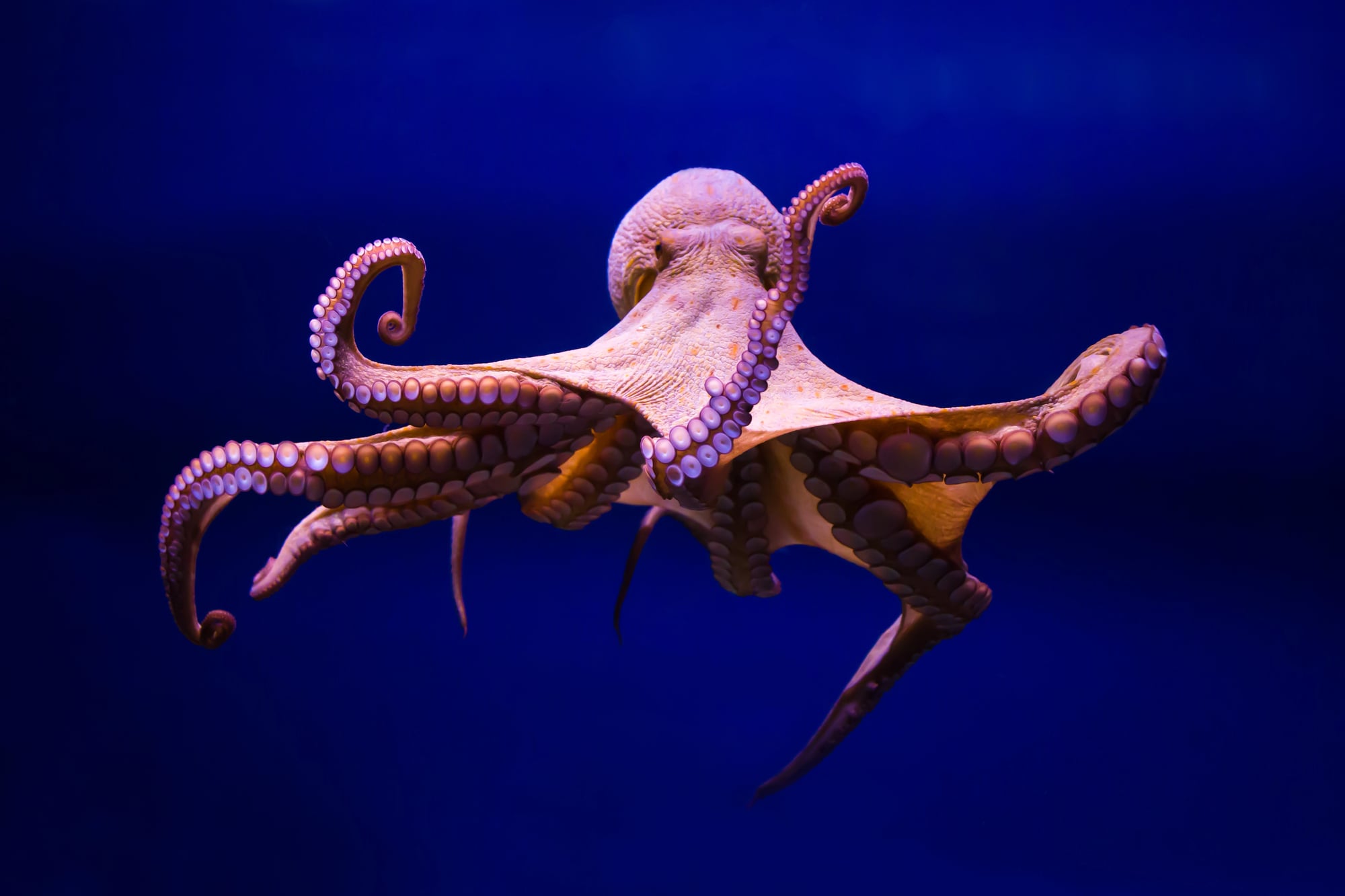
Octopuses have demonstrated problem-solving abilities that challenge assumptions about the relationship between intelligence and brain architecture. About two-thirds of their neurons are distributed throughout their eight arms rather than centralized in a brain.
They solve puzzle boxes, navigate mazes, open jars from the inside, and appear to play. Researchers studying octopus cognition are working to understand how distributed neural processing produces behavior that looks, from the outside, like deliberate strategic thinking.
The Meerkat
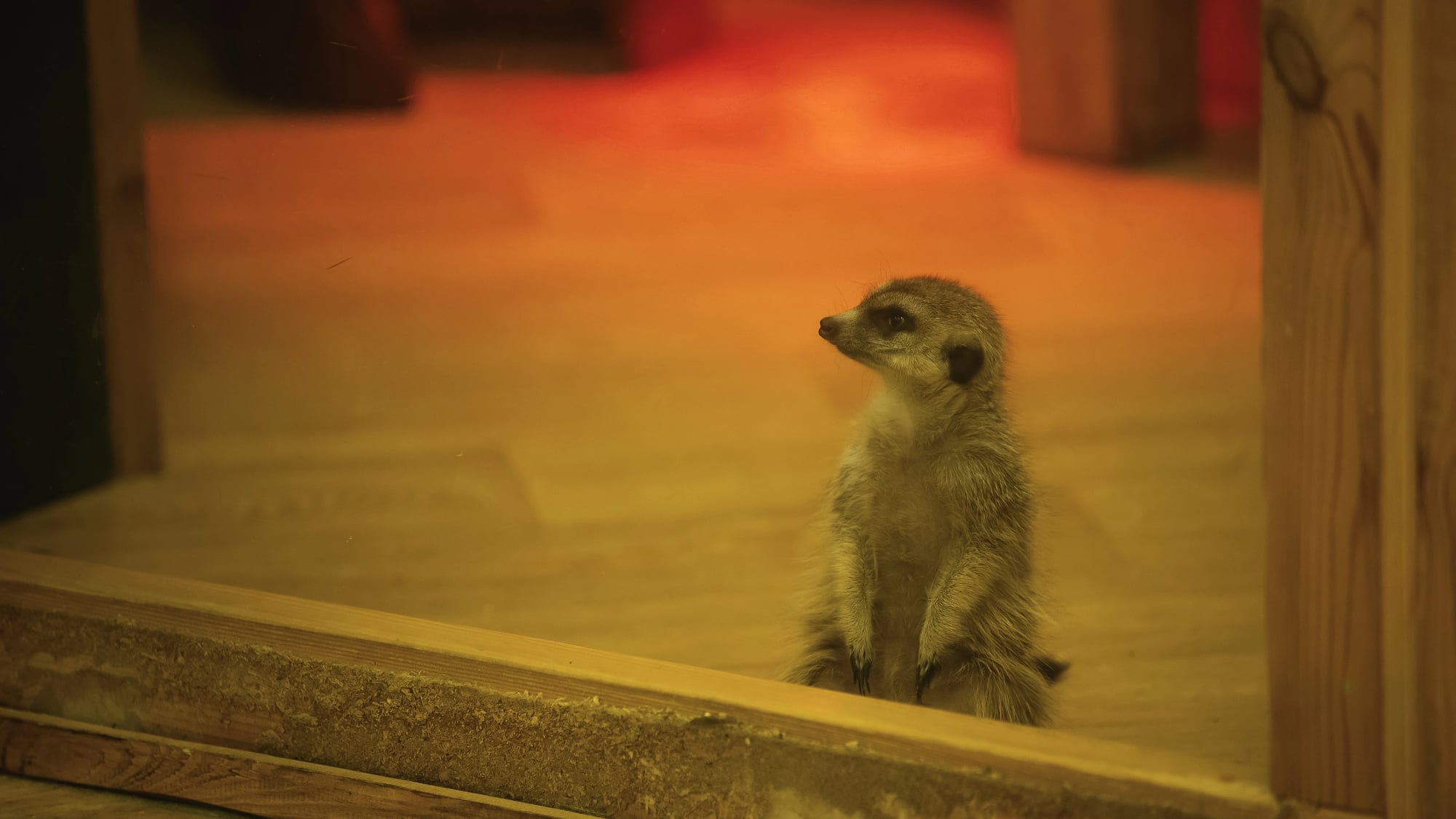
Individual meerkats take turns standing watch in elevated positions while the rest of the group forages, issuing specific alarm calls that encode predator type and urgency. Research has investigated the evolutionary stability of this arrangement — why sentinels don’t simply stop doing it — and found evidence that sentinels are themselves safer because their elevated, alert posture makes them harder to surprise and their own alarm calls give them first information about an incoming threat.
The Mantis
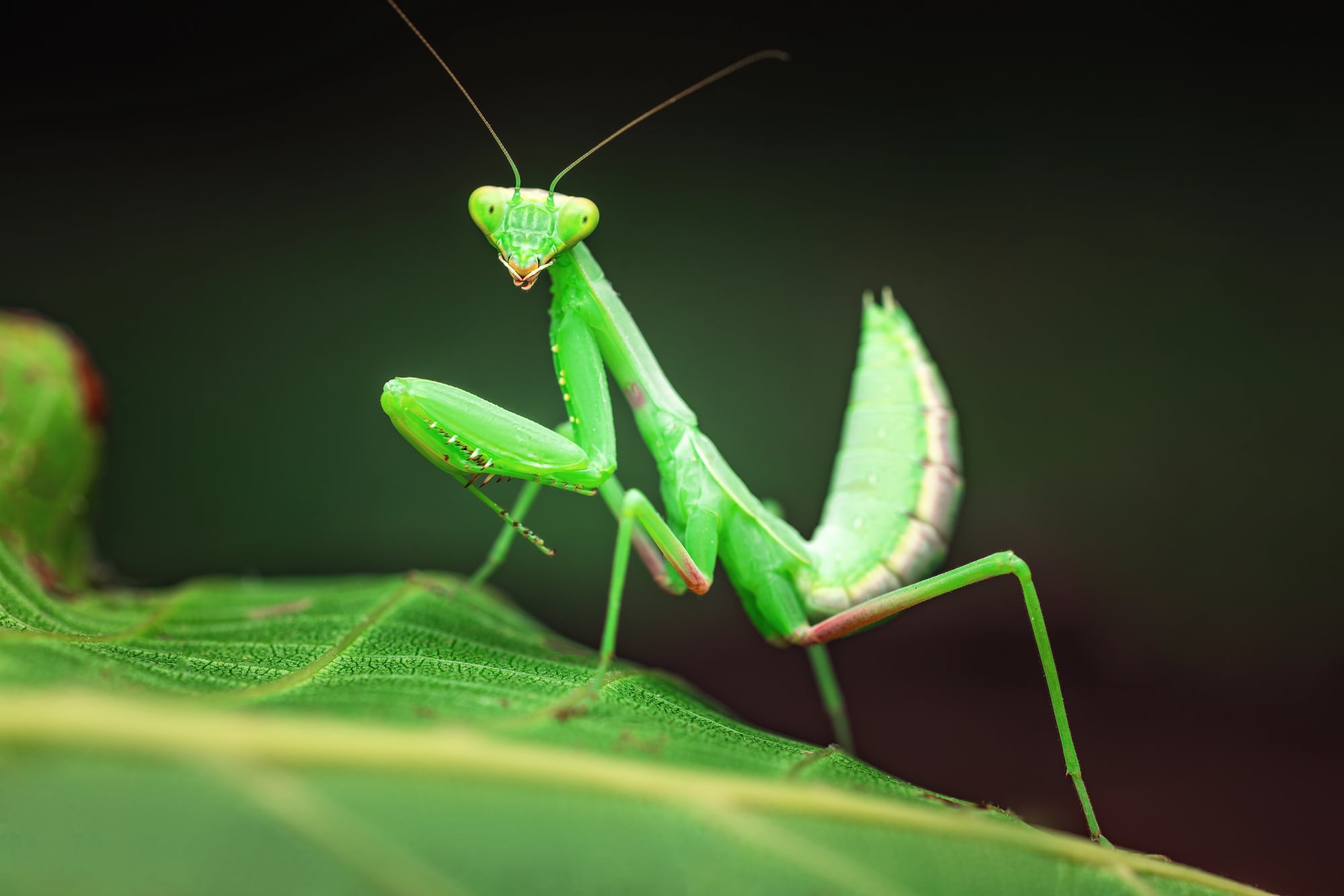
The praying mantis combines two independently effective defenses into a sequential strategy. When resting, it relies on camouflage so precise that many species are indistinguishable from the plant stems, leaves, or flowers they inhabit.
If discovered and approached, many species deploy a deimatic display — suddenly spreading their wings to reveal bright warning colors, sometimes accompanied by hissing sounds. The two-stage system exploits the limits of predator perception: the first defense relies on camouflage failing only when the predator is close enough for the second defense to be effective.
The Sea Hare
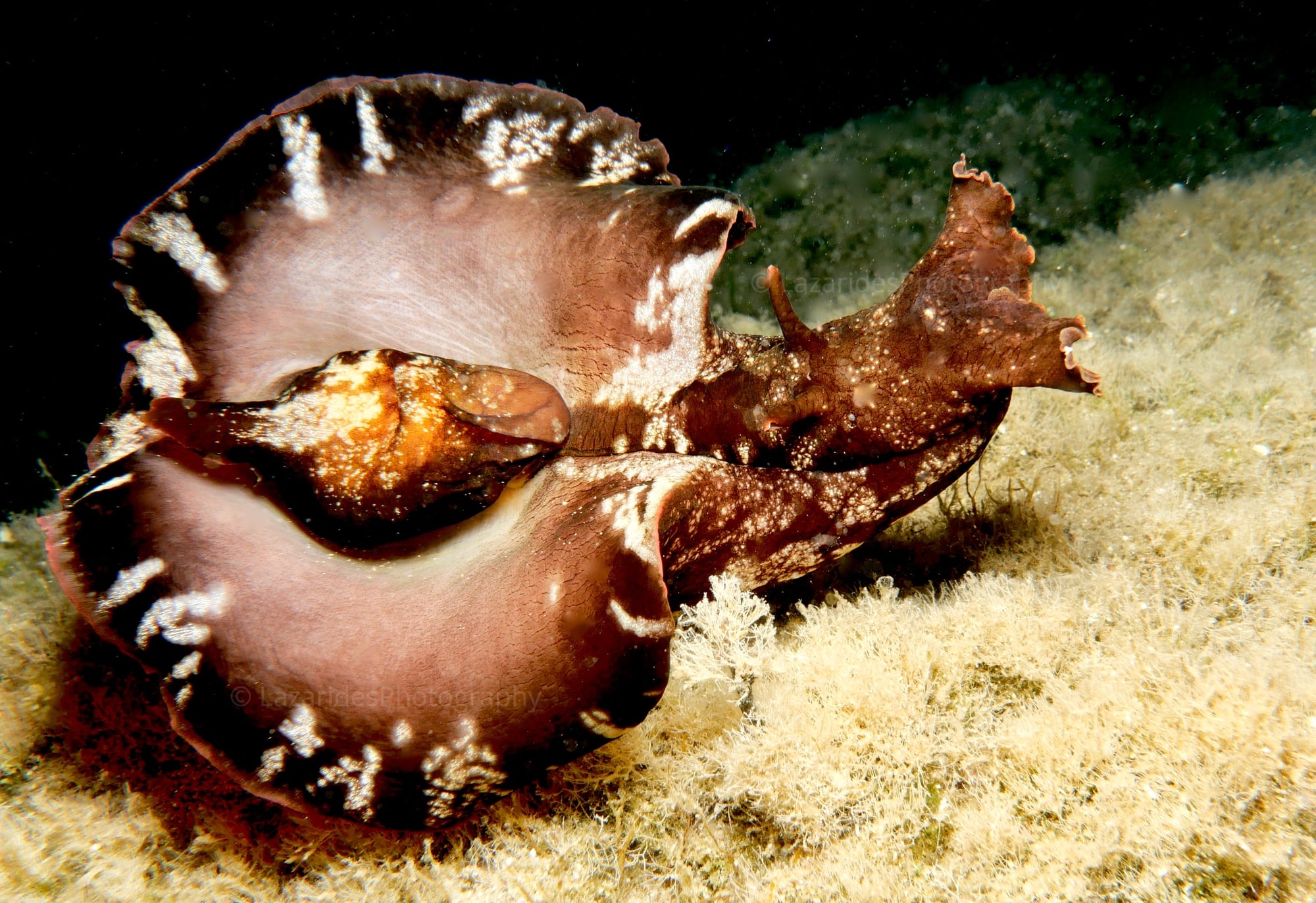
Sea hares — large marine slugs — release a mixture of ink and opaline when attacked. The combination is not merely a visual smoke screen; it appears to chemically interfere with the predator’s olfactory system, reducing its ability to track the sea hare after the cloud is deployed.
Research into the precise mechanism by which opaline disrupts predator tracking has produced findings with potential applications in understanding chemosensory interference more broadly.
The Zebra
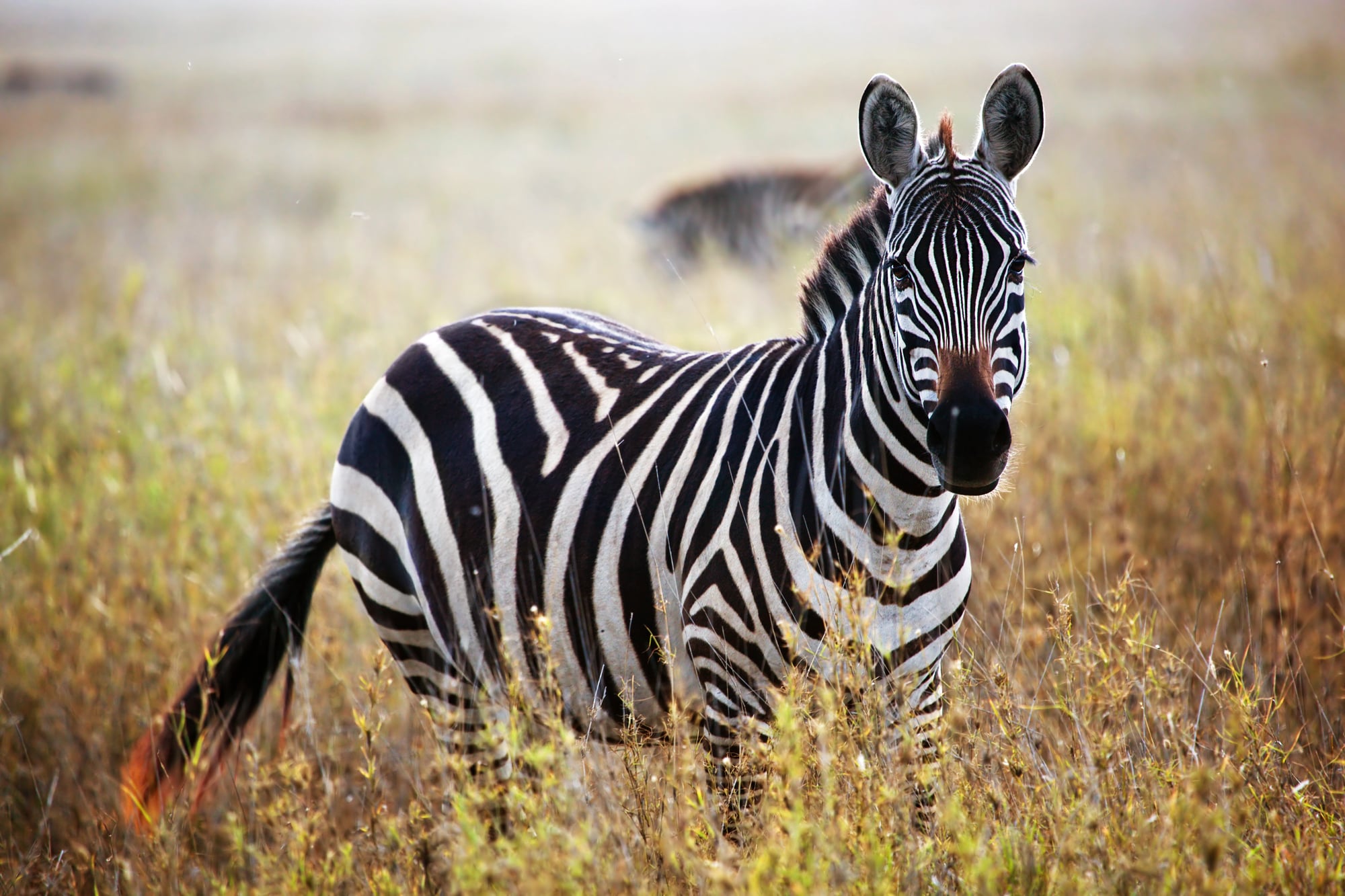
A modeling study published in 2019 proposed that as zebras move, their stripes create contradictory optical signals about the direction of movement that confuse the visual tracking of predators at medium distance.
The hypothesis remains contested — other researchers have proposed thermoregulation, parasite deterrence, and social signaling as alternative explanations — and the jury is still genuinely out on which function (or combination of functions) drove the evolution of zebra stripes.
The Snowshoe Hare
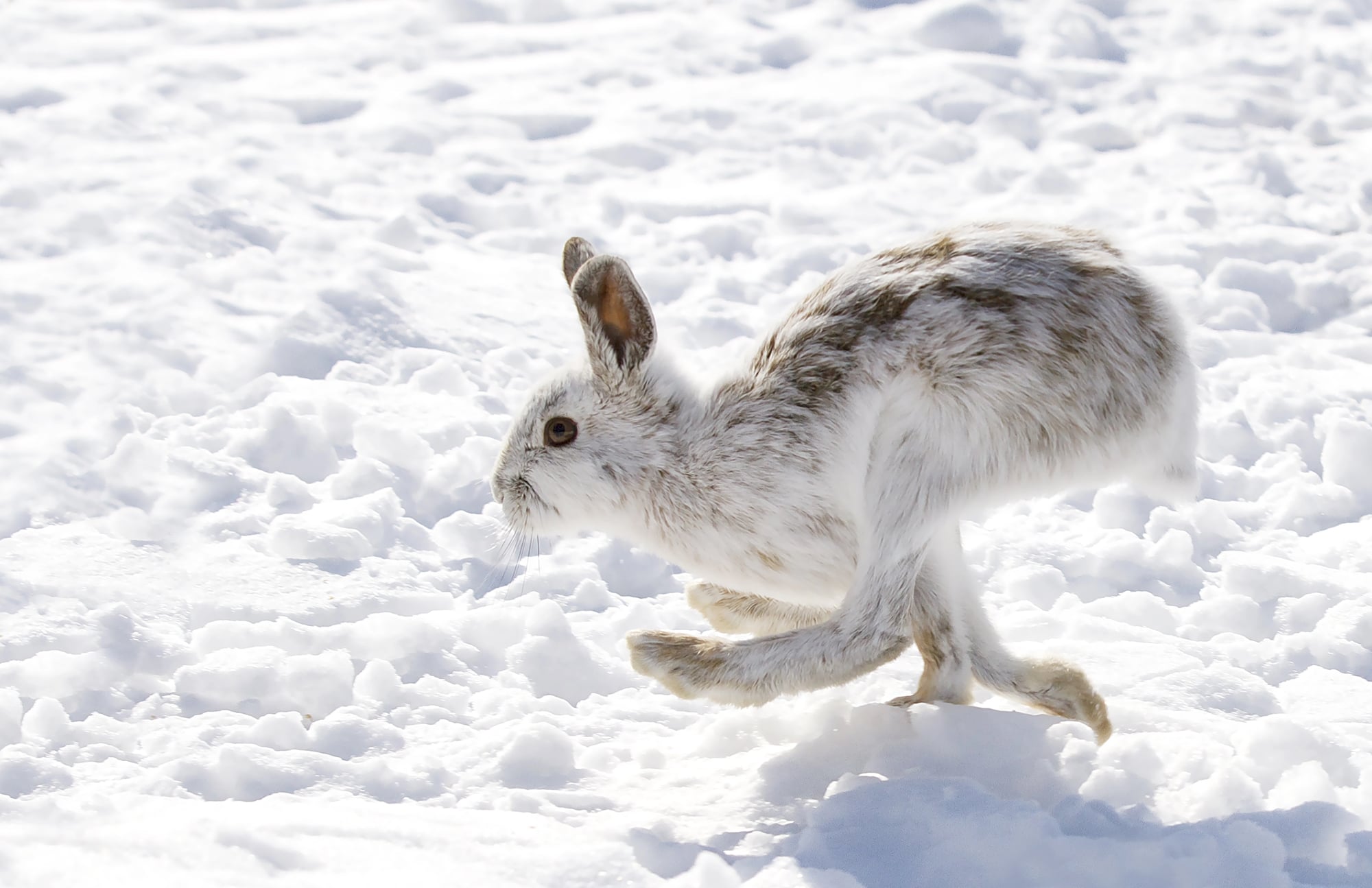
The snowshoe hare changes coat color seasonally — brown in summer, white in winter — through a hormonal response triggered by day length rather than temperature or snow presence.
The coat change is calibrated to average winter conditions rather than actual snow cover in any given year, which means climate change is producing documented mismatches between coat color and background.
Researchers are investigating both the evolutionary constraints that prevent faster adjustment and the population-level consequences of reduced camouflage effectiveness.
The Poison Dart Frog
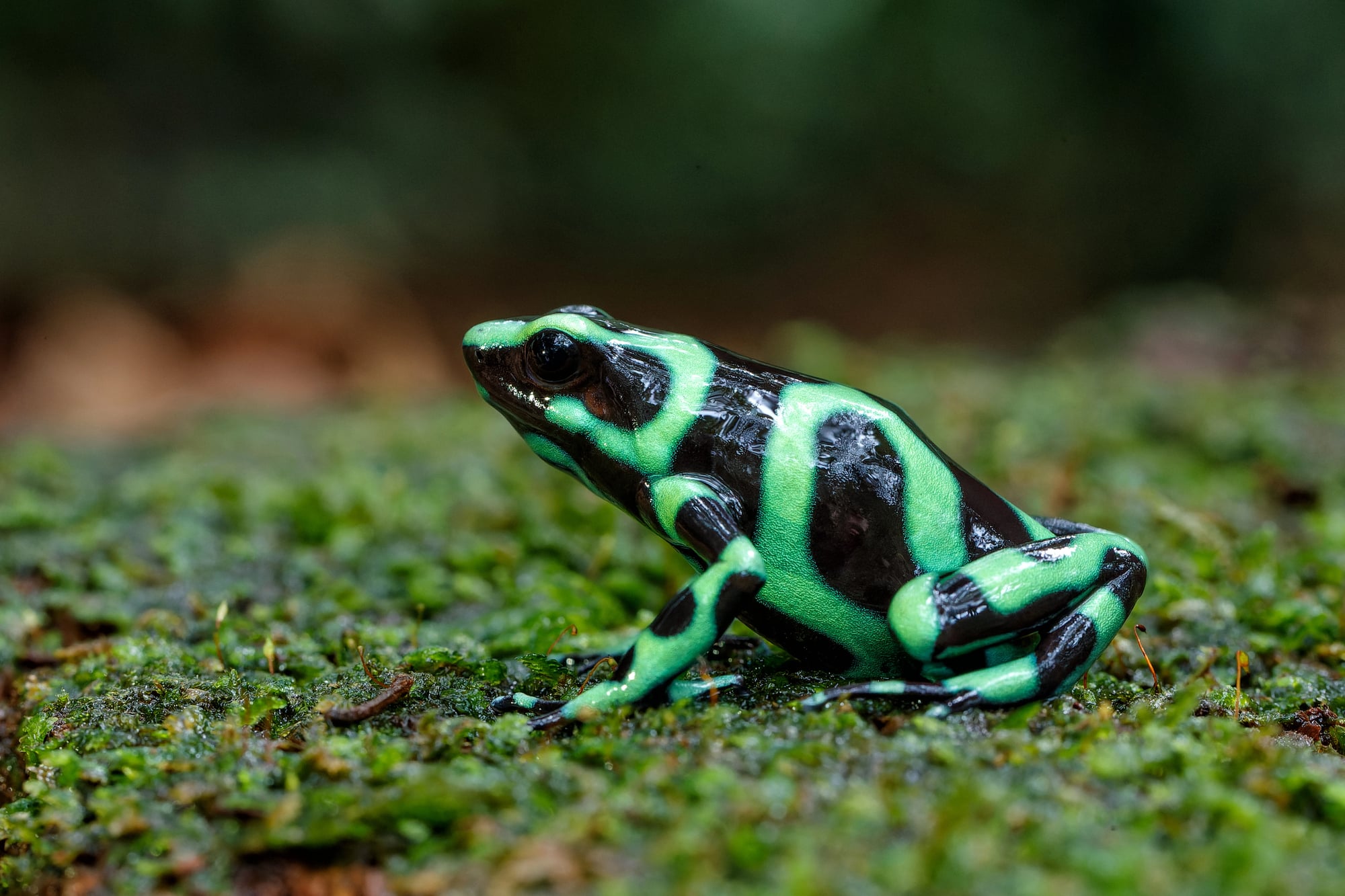
Poison dart frogs advertise their toxicity with the most vivid coloring in the amphibian world — a strategy called aposematism.
The toxins are sequestered from arthropod prey rather than produced by the frog itself: frogs raised in captivity without access to toxic prey become non-toxic.
The question of how these frogs became resistant to the batrachotoxins they accumulate — toxins that would kill other vertebrates — remains an active area of study.
The Lyrebird
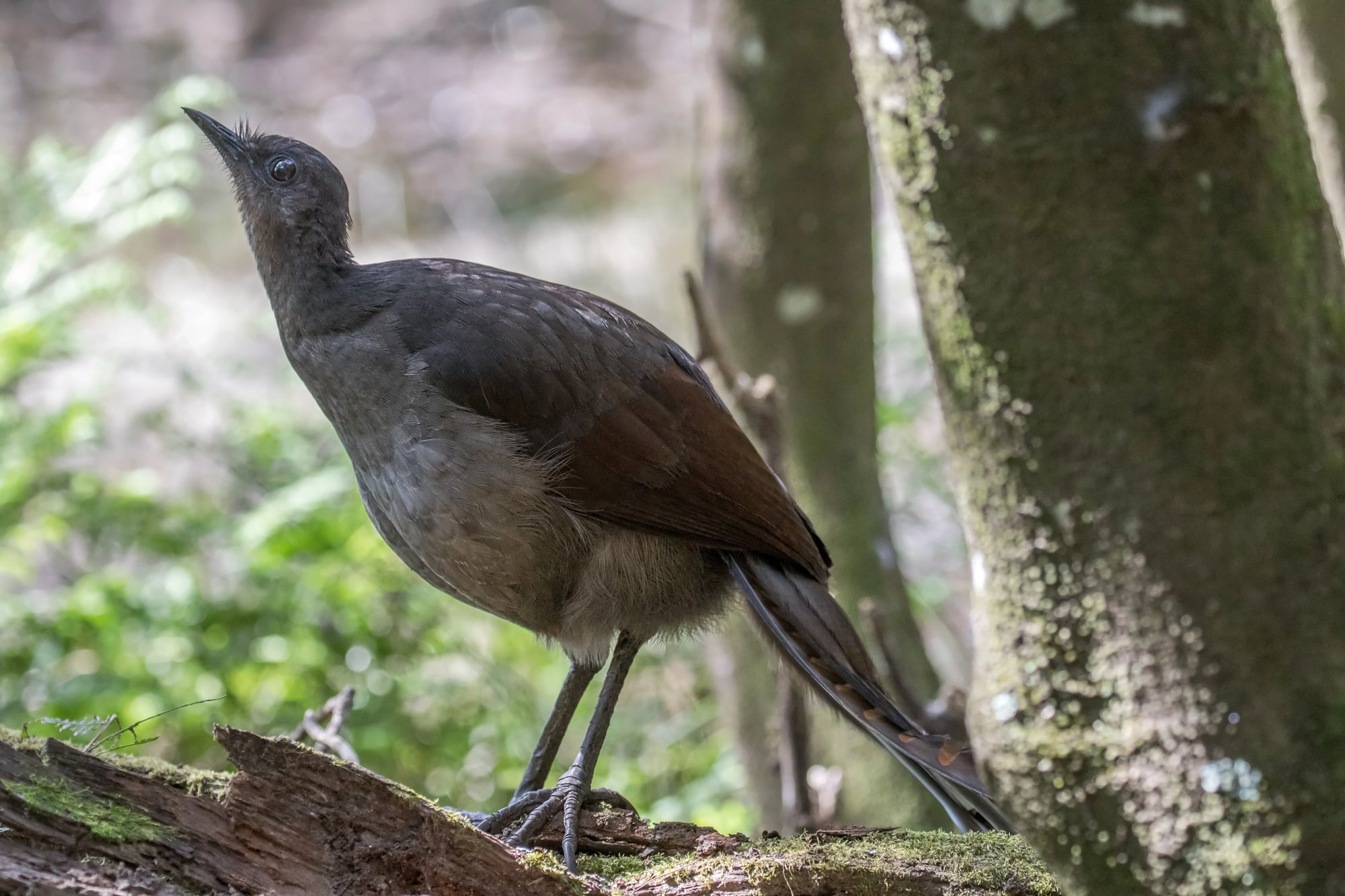
Australia’s lyrebird can accurately replicate the alarm calls of other bird species, triggering alarm responses in the surrounding animal community.
Research published in 2021 suggested that male lyrebirds use mimicked alarm calls to prevent females from leaving during courtship — demonstrating the cognitive capacity to use vocal deception instrumentally, in a context unrelated to predator avoidance but revealing about the sophistication of the behavior.
The Archerfish
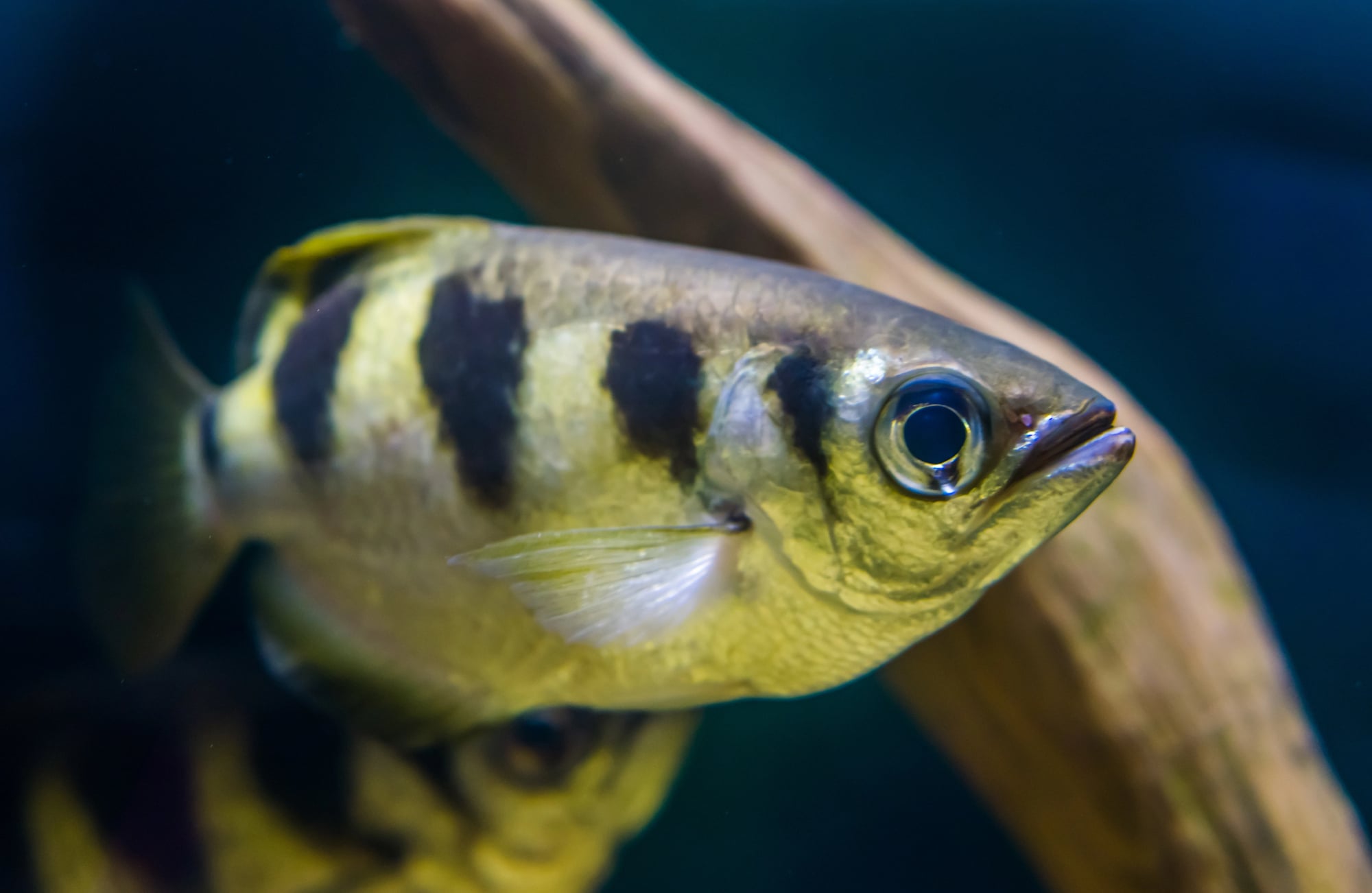
The archerfish shoots streams of water from its mouth with enough accuracy and force to knock insects from branches above the water’s surface.
Research into its visual processing has revealed that it can accurately adjust for the refraction of light at the water surface when targeting — a real-time geometric correction that most animals cannot make, and one that functions equally well when the fish directs the same mechanism defensively against predators above the waterline.
The Electric Eel
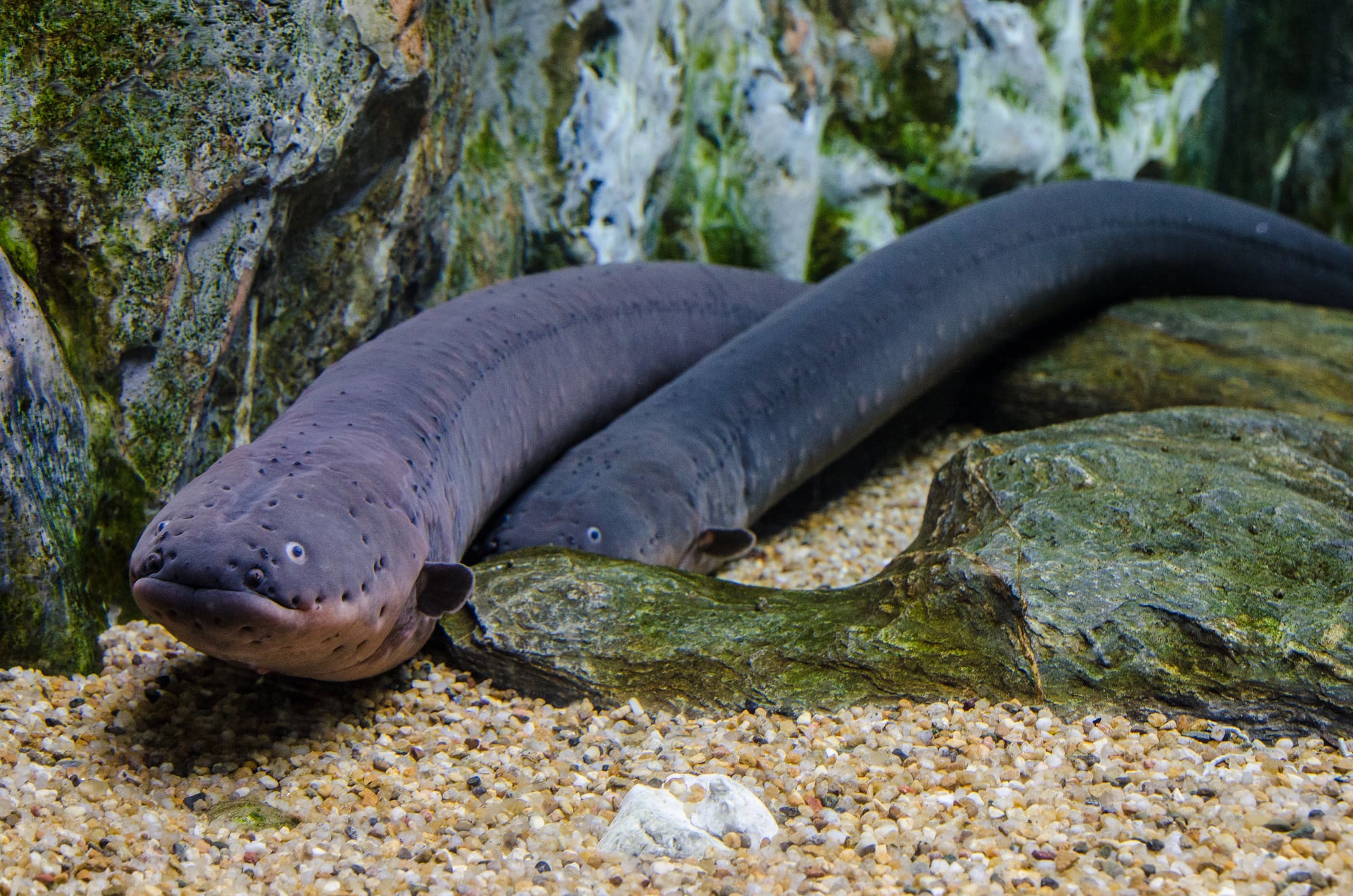
Work published in Science showed that the electric eel’s high-voltage discharge remotely activates the motor neurons of prey animals, causing their muscles to contract involuntarily — effectively paralysing the prey without direct contact.
The same mechanism functions against predators that approach the eel. Understanding how the eel targets its discharge with sufficient precision to trigger specific neural responses is an active research question with implications for non-contact bioelectric stimulation.
The Bolas Spider
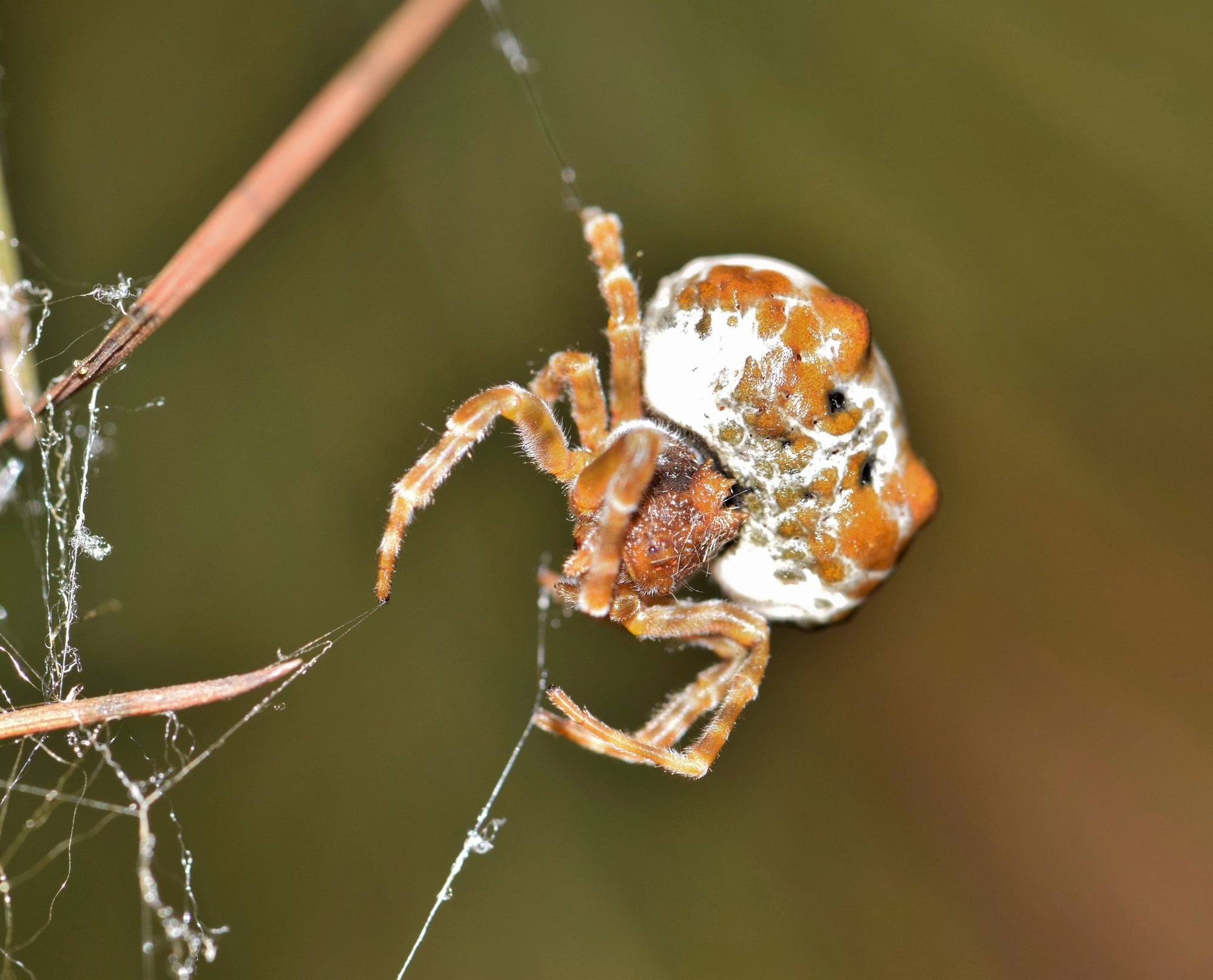
The bolas spider eliminates web-spinning in favor of a targeted chemical lure: a sticky glob on a single line of silk that it swings toward male moths, attracting them by releasing chemicals that mimic the pheromones of female moths of specific species.
The spider can produce different chemical blends at different times of night, matching the flight periods of different moth species. Research into its ability to synthesize specific pheromone compounds has revealed novel insect-attractant chemistry.
What Evolution Figured Out That We Didn’t
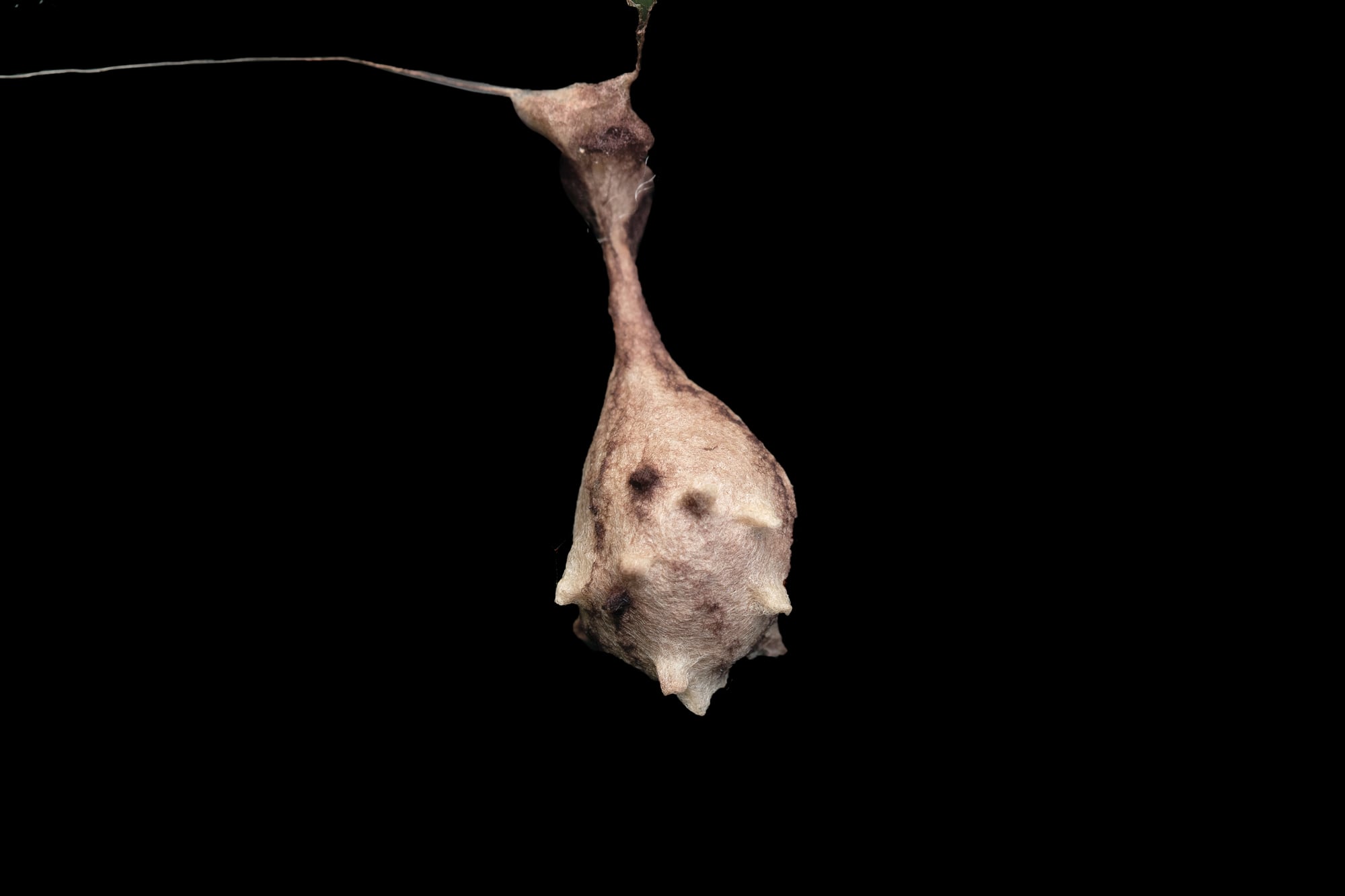
Every strategy in this list is the product of millions of years of selection pressure, trial and error conducted at a scale and duration that no human research program could replicate.
The bombardier beetle’s internal chemistry, the hagfish’s slime architecture, the cuttlefish’s distributed visual processing, the ground squirrel’s infrared tail — none of these were designed.
They emerged from the simple logic of differential survival: the individuals whose defenses worked well enough had descendants, and those descendants refined the mechanisms further.
What scientists study when they examine these strategies is not just animal behavior. They’re looking at solutions to engineering problems — materials science, optical illusion, chemical synthesis, distributed computing — that biology solved long before human technology posed the question.
That’s what makes the predator-prey arms race one of the most productive research frontiers in all of natural science: the answers are already out there.
Most of them are still alive. Some of them are genuinely hard to find.
More from Go2Tutors!

- The Romanov Crown Jewels and Their Tragic Fate
- 13 Historical Mysteries That Science Still Can’t Solve
- Famous Hoaxes That Fooled the World for Years
- 15 Child Stars with Tragic Adult Lives
- 16 Famous Jewelry Pieces in History
Like Go2Tutors’s content? Follow us on MSN.



