15 Ways Recess Was Completely Different in the ’70s
Today’s schoolyards with their safety-focused equipment, structured activities, and adult supervision at every turn would be nearly unrecognizable to children of the 1970s. That bygone era of recess featured a wild west approach to playtime that gave kids tremendous freedom but also came with its fair share of risks.
Before we dive into the specifics, remember that these differences aren’t just nostalgic curiosities. Here is a list of 15 ways recess was completely different for kids growing up in the groovy decade of bell-bottoms and disco.
Metal Playground Equipment
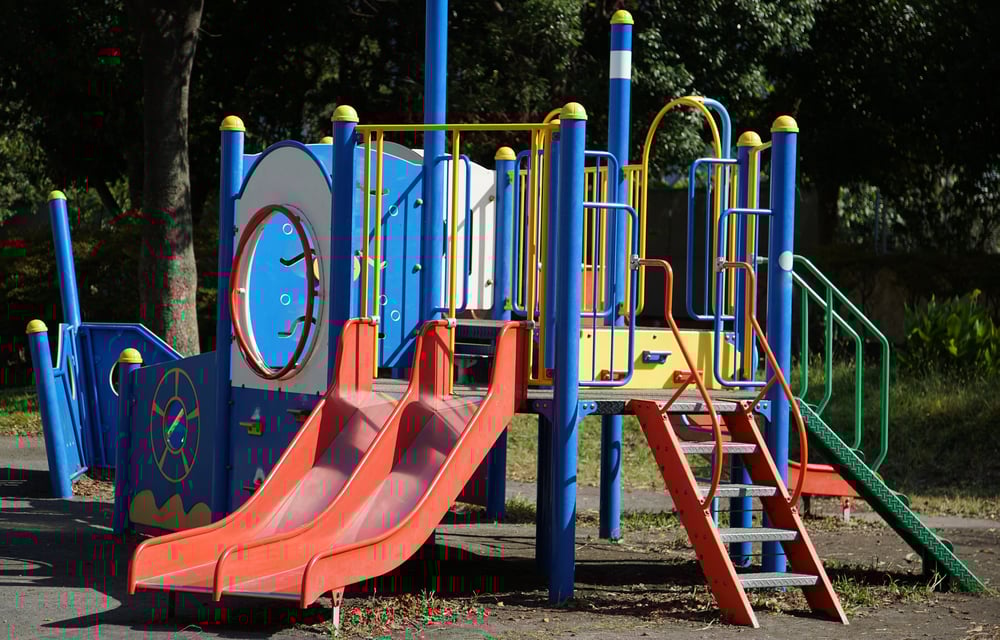
The playground equipment of the ’70s was almost exclusively metal—and it got scorching hot in the summer sun. Children routinely burned their legs on slides that had been baking in 90-degree heat, yet somehow this was considered a normal part of the playground experience.
The monkey bars, merry-go-rounds, and jungle gyms were all constructed from industrial-strength metal that could withstand decades of use.
No Safety Surfaces
Concrete, asphalt, or hard-packed dirt formed the landing surfaces beneath most playground equipment. There were no rubber mats, wood chips, or specialized impact-absorbing materials to cushion falls.
Kids who took a tumble from the monkey bars had a direct introduction to the unforgiving ground below, often resulting in scraped knees and elbows that were considered badges of honor.
Dizzying Merry-Go-Rounds
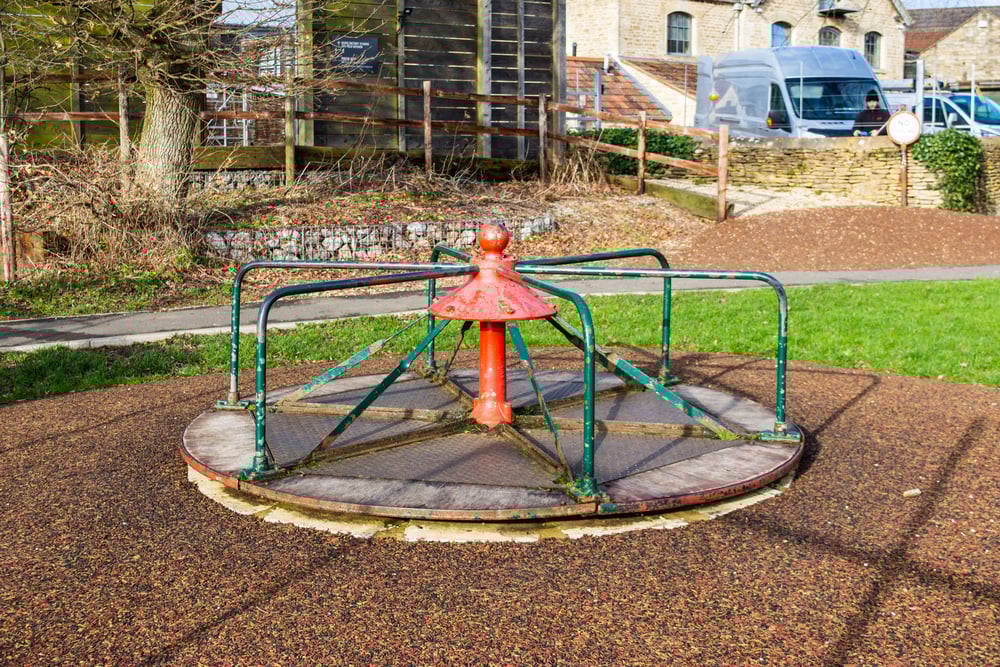
These spinning metal platforms were playground staples that would make today’s safety experts faint. Children would push them to dizzying speeds, jump on and off while in motion, and occasionally get thrown several feet when centrifugal force overcame their grip.
The experience taught kids about physics in the most immediate way possible—through the sensation of being flung across the playground.
Sky-High Jungle Gyms
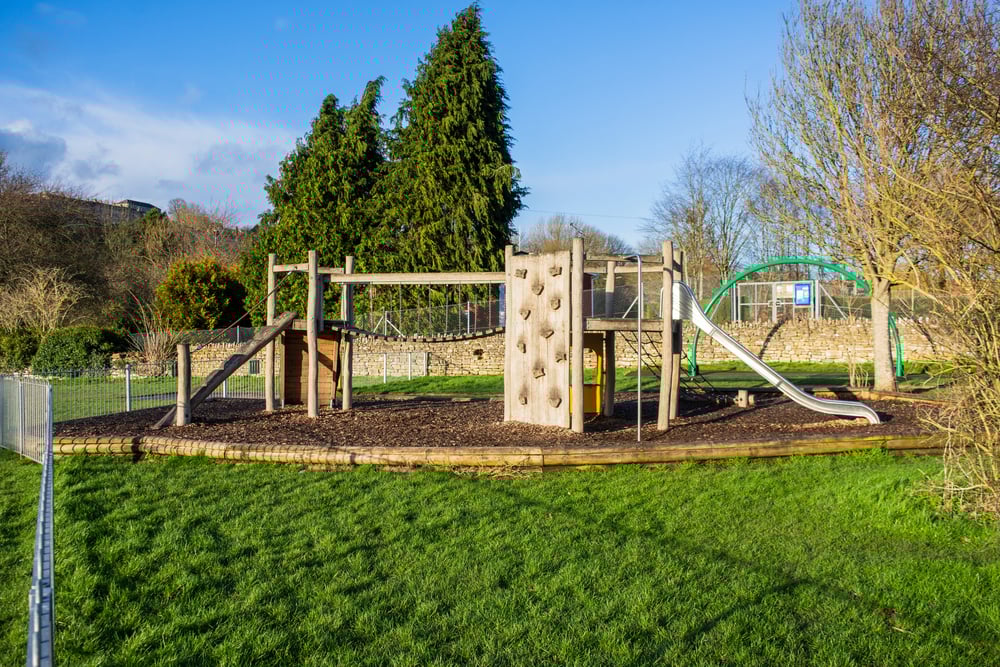
Jungle gyms in the ’70s seemed designed for young mountain climbers rather than elementary school children. These towering metal structures often reached heights of 10 feet or more with no safety nets below.
Kids would scale them fearlessly, hanging upside down from the top bars or playing games of tag across the metal framework, all while teachers casually observed from a distance.
Dodgeball Dominance
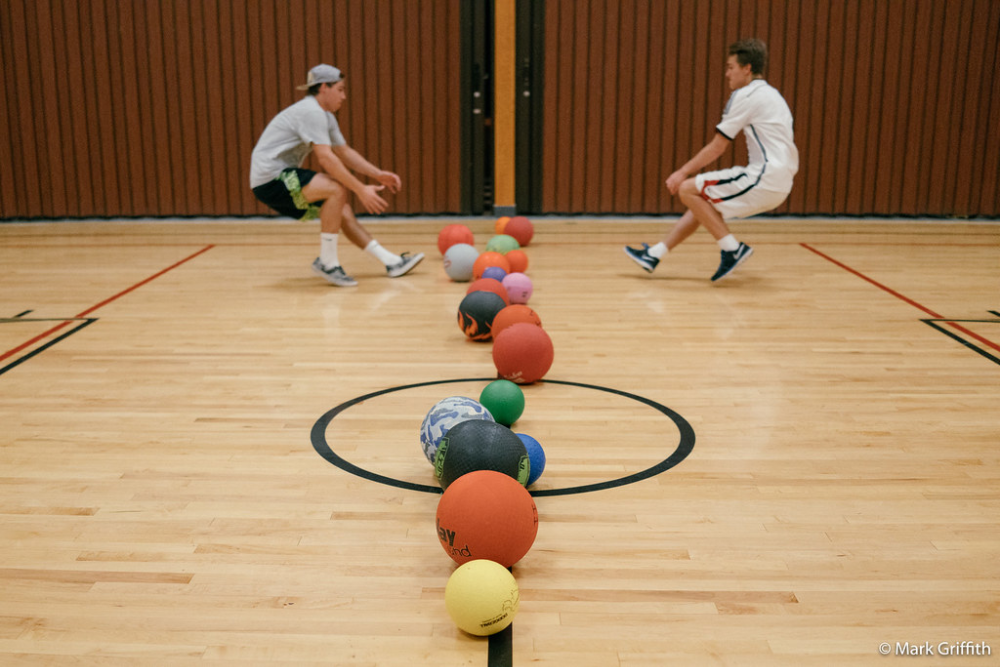
Dodgeball reigned supreme as a recess activity, played with hard rubber balls that left marks when they connected. The game was often played with minimal rules and maximum intensity, teaching children the art of ducking, dodging, and occasionally taking a hit with dignity.
Unlike today’s versions with soft foam balls, getting pegged in the ’70s meant feeling a genuine sting that could leave a lasting impression.
Minimal Adult Supervision
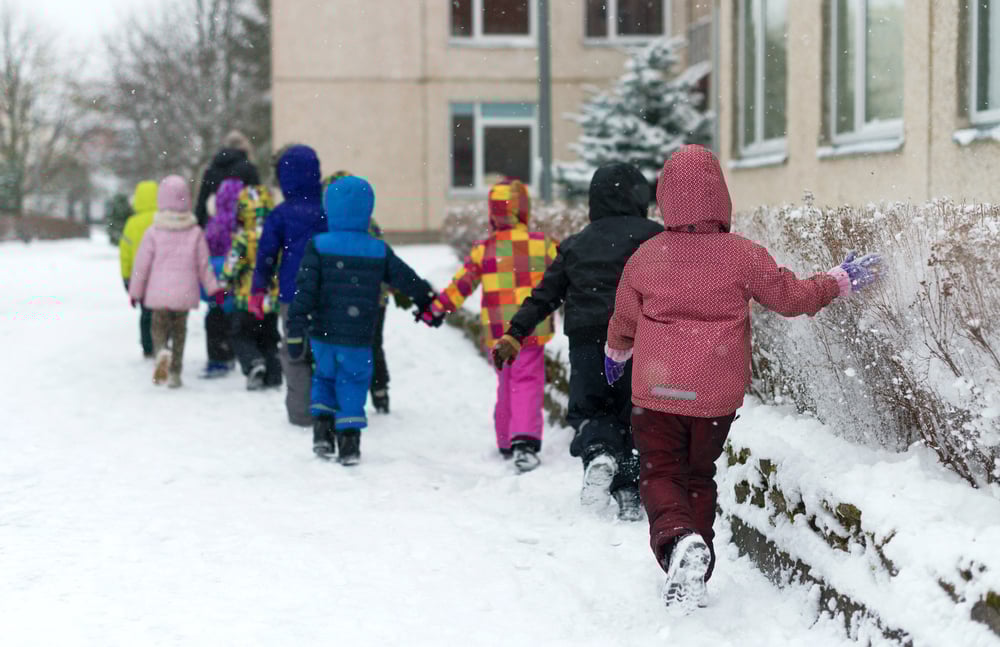
Teachers on recess duty in the ’70s typically took a hands-off approach, intervening only for serious injuries or major conflicts. They might be seen chatting with other teachers, reading a newspaper, or simply watching from afar while sipping coffee.
This freedom from constant adult oversight allowed children to resolve their own disputes and create their own entertainment without interference.
No Scheduled Activities

Recess wasn’t programmed with organized games or educational objectives. It was pure, unstructured free time where kids decided what to do, who to play with, and how to spend their precious minutes away from the classroom.
This freedom fostered creativity, social negotiation skills, and the ability to make decisions independently without adult guidance.
Red Rover and Rough Games
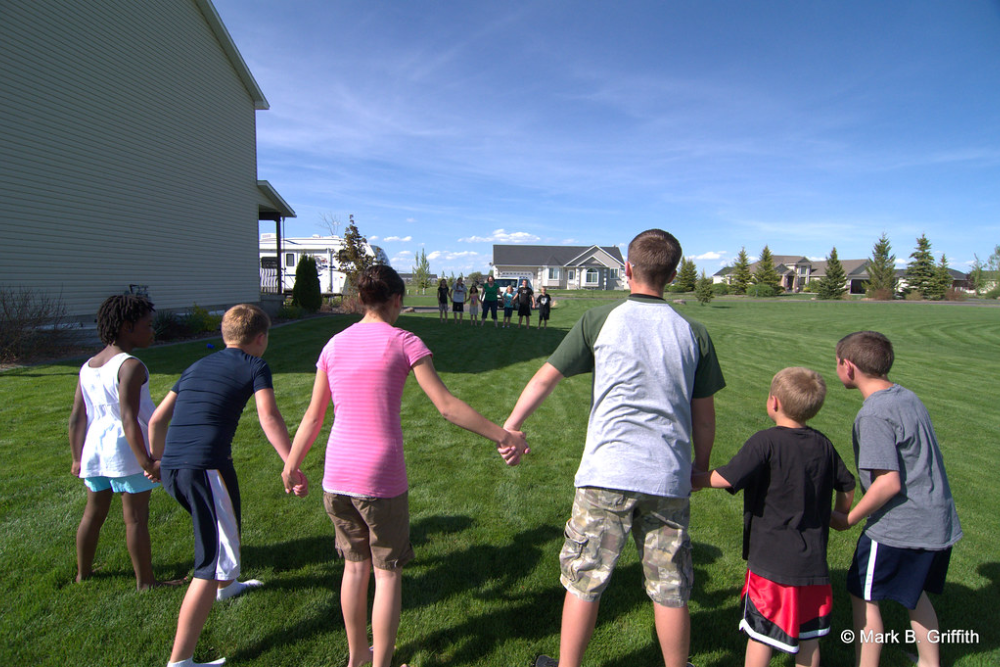
Physical contact games like Red Rover—where children locked arms and challenged others to break through their human chain—were standard recess fare. These games involved collision, strength contests, and occasional minor injuries that were considered part of growing up.
The phrase ‘Red Rover, Red Rover, send Johnny right over’ would send a child charging full-speed into a line of linked arms, sometimes resulting in spectacular breakthroughs.
Tetherball Battles
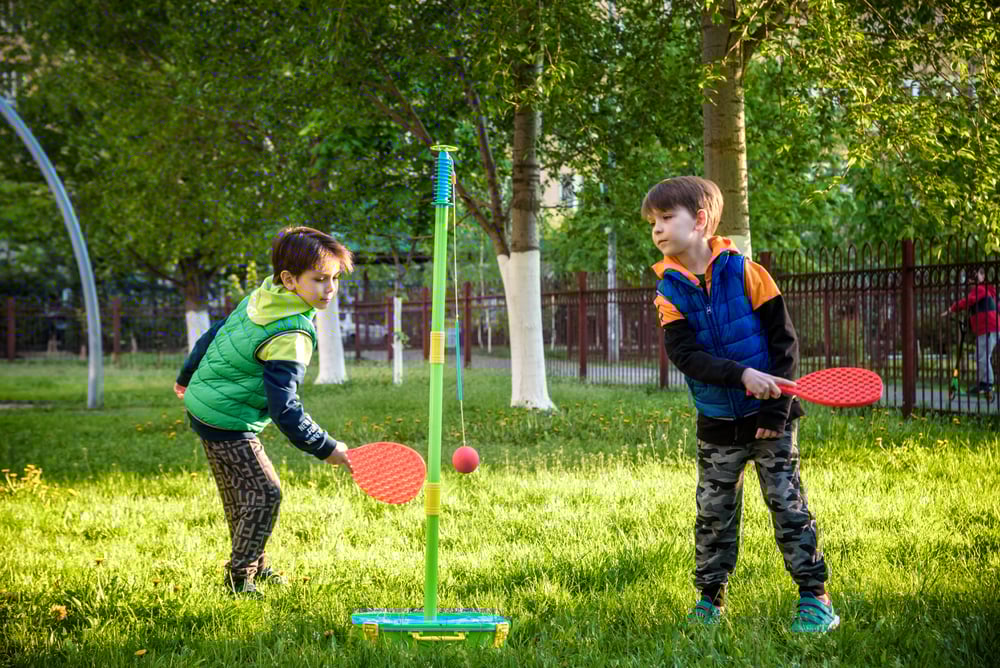
Tetherball courts were fixtures in ’70s schoolyards, featuring a metal pole with a ball attached by a rope. Competitors would hit the ball in opposite directions, trying to wrap the rope completely around the pole.
These games often became intensely competitive, with children developing signature moves and techniques. Tetherball champions earned serious playground status and defended their titles with fierce determination.
No Weather Restrictions

Unless it was thundering, lightning, or absolutely pouring rain, recess happened outdoors. Cold weather, light rain, or scorching heat rarely moved playtime indoors.
Children were expected to dress appropriately for the elements and would build snow forts in winter or seek shade in summer without complaint. This exposure to the elements was considered character-building rather than an inconvenience.
Jump Rope and Clapping Games

Elaborate jump rope routines and rhythmic clapping games passed down through generations were playground mainstays. Girls (and some boys) would perform complex Double Dutch jumping patterns while chanting traditional rhymes.
These activities required coordination, rhythm, and memorization of sometimes lengthy verses that contained cultural references going back decades.
Trading Card and Marble Competitions

Children brought treasured collections of trading cards and marbles to school, engaging in serious games of skill and chance during recess. Winners could accumulate impressive collections while losers might go home empty-handed.
These games taught kids about negotiation, value assessment, and learning to be gracious in both victory and defeat—sometimes the hard way.
No Cell Phones or Electronics
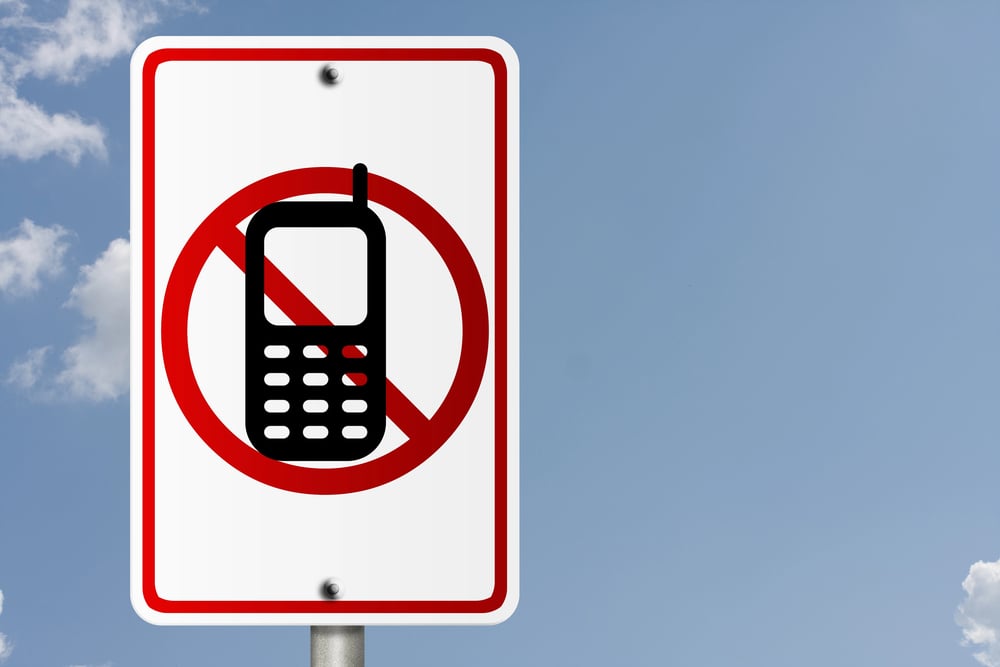
The absence of electronic devices meant children engaged directly with each other and their physical environment. Face-to-face social skills developed naturally through conversation, negotiation, and cooperation.
Without the option to retreat into a digital world, kids had to work through boredom and social challenges in real-time with the people physically present.
Schoolyard Boundaries
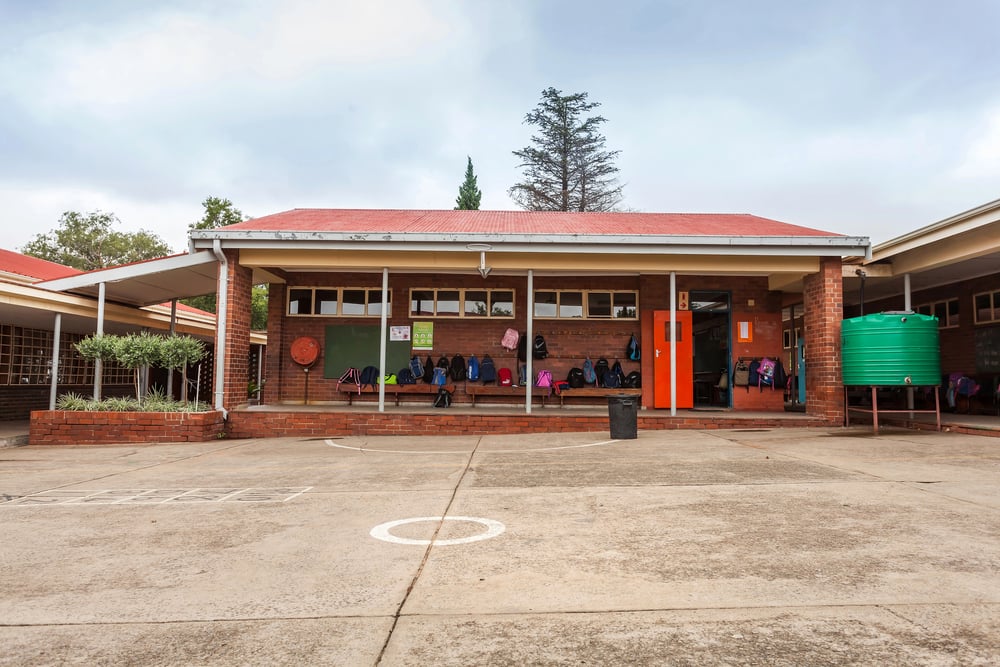
The boundaries of where children could play during recess were often expansive and somewhat ambiguous. Kids might disappear behind buildings, play in wooded areas at the edge of school property, or find hidden spots to build forts and establish ‘club headquarters.’
This contrasts sharply with today’s clearly defined and easily monitored play areas designed with security in mind.
Walking Home for Lunch

For many children in the ’70s, recess extended into lunchtime as they were permitted to leave school grounds and walk home for their midday meal. This independence allowed kids to briefly escape the school environment, enjoy home-cooked food, and experience a sense of autonomy rare among today’s students.
The journey home and back was itself an adventure, with shortcuts through neighbors’ yards and stops at corner stores for candy.
The Freedom to Fall and Rise Again

Looking back at ’70s recess reveals something fundamental about childhood that has gradually disappeared from modern schoolyards. Those seemingly dangerous playgrounds and minimal supervision provided children with essential opportunities for risk assessment, physical challenge, and social navigation.
Today’s adults who survived the metal slides and concrete landings often look back with a mixture of nostalgia and amazement. The scrapes and bruises healed long ago, but the lessons learned during those wild, unsupervised recesses—resilience, independence, and joy in simple physical play—have lasted a lifetime.
Perhaps there’s a balance to be found between protecting our children and allowing them the freedom to discover their own limits, just as their bell-bottom-wearing predecessors once did.
More from Go2Tutors!

- The Romanov Crown Jewels and Their Tragic Fate
- 13 Historical Mysteries That Science Still Can’t Solve
- Famous Hoaxes That Fooled the World for Years
- 15 Child Stars with Tragic Adult Lives
- 16 Famous Jewelry Pieces in History
Like Go2Tutors’s content? Follow us on MSN.



