24 Books Banned in American Schools That Are Now Assigned Reading
Books pulled from school libraries by parents scandalized by language or subject matter later became required reading in the same institutions. The cycle repeats: controversy leads to banning, cultural attitudes shift, and administrators eventually recognize the literary and educational value.
Teachers now assign books that their predecessors risked their jobs defending. The reasons for banning reveal more about the era’s anxieties than about the books themselves.
What shocked 1970s parents seems quaint to modern readers. What was considered inappropriate for teenagers today shapes curricula tomorrow.
The Catcher in the Rye
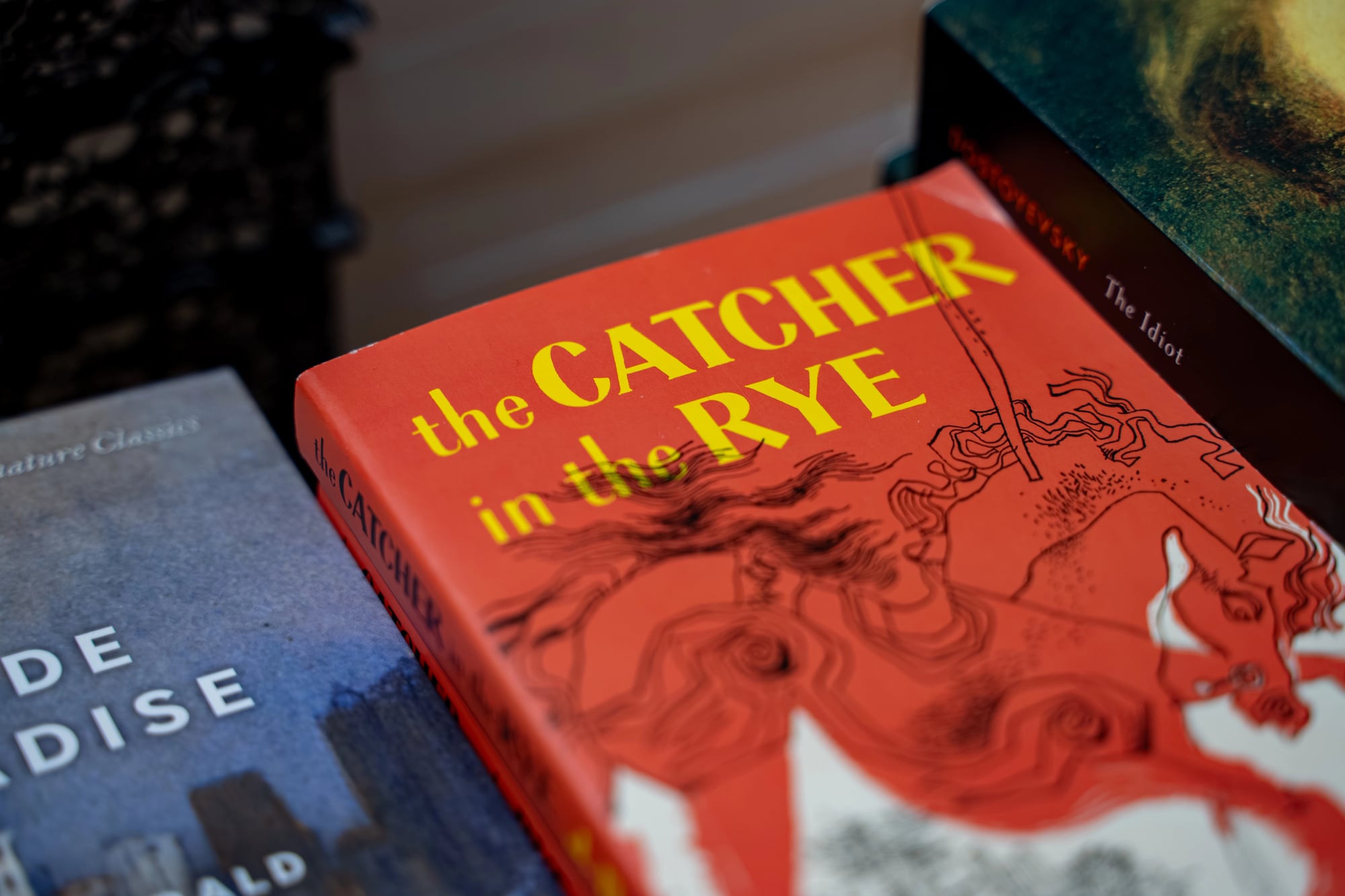
J.D. Salinger’s novel faced bans for Holden Caulfield’s profanity and intimate references. Schools eventually recognized its value in teaching adolescent alienation and now assign it widely in high school curricula despite ongoing objections.
To Kill a Mockingbird
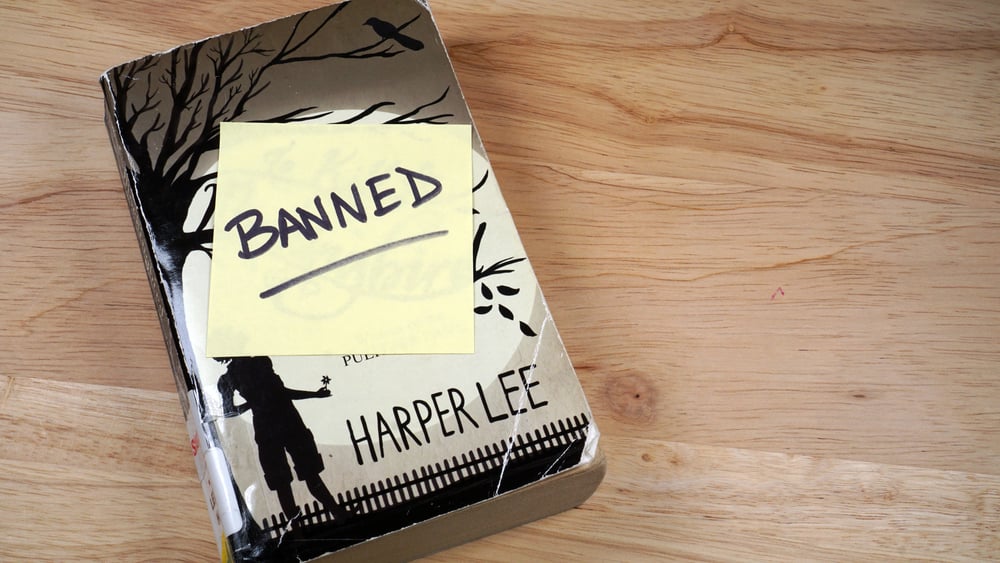
Harper Lee’s examination of racism faced challenges for its use of racial slurs and disturbing content. The novel is now a standard assigned text in American high schools nationwide.
The Great Gatsby
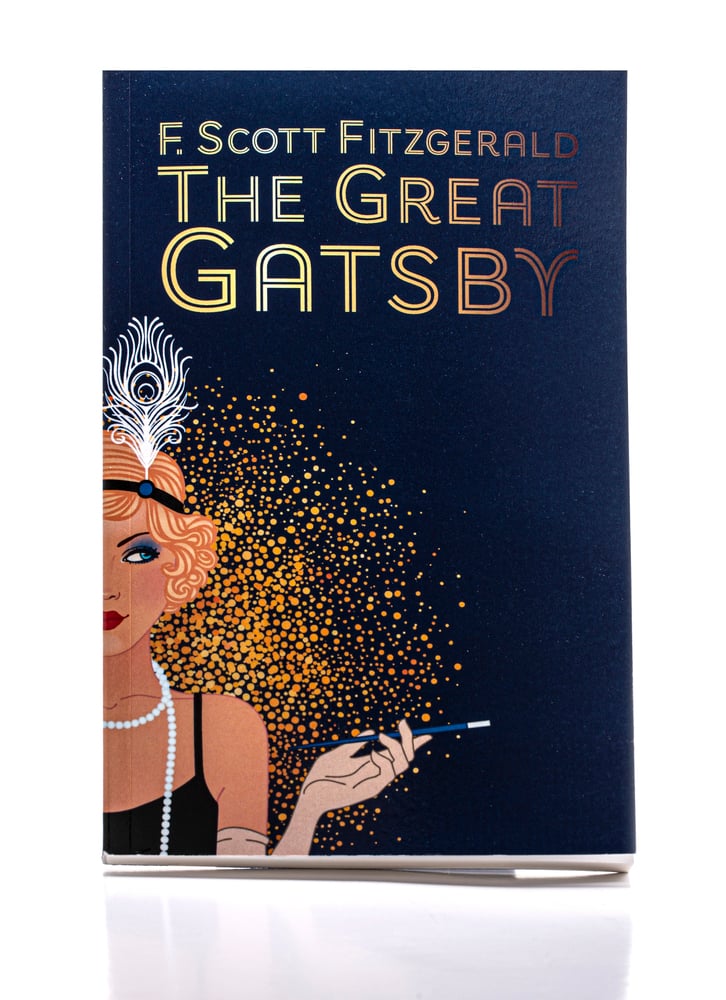
F. Scott Fitzgerald’s American classic faced bans for intimate content and alcohol use. It’s now considered essential literature and required reading in most American high schools.
1984
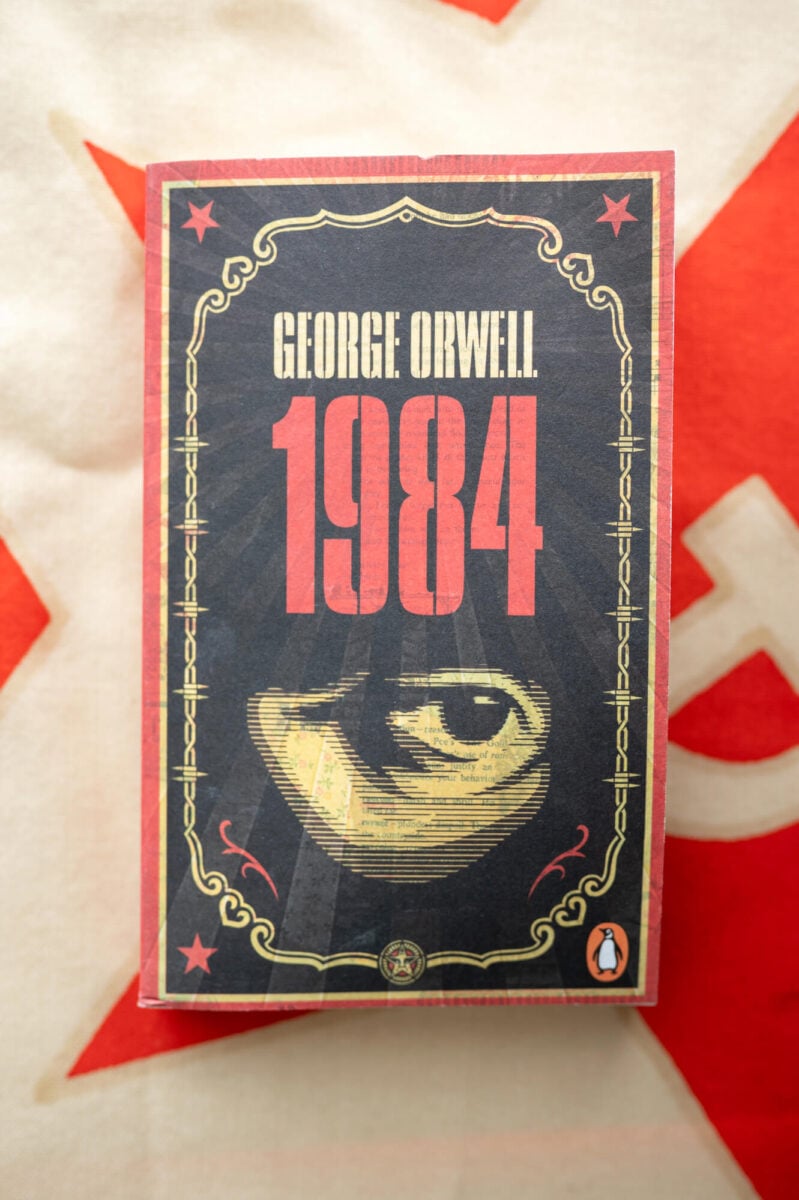
George Orwell’s political dystopia faced bans in some districts for its intimate content and political messaging. It’s now widely assigned as essential reading about totalitarianism.
The Color Purple
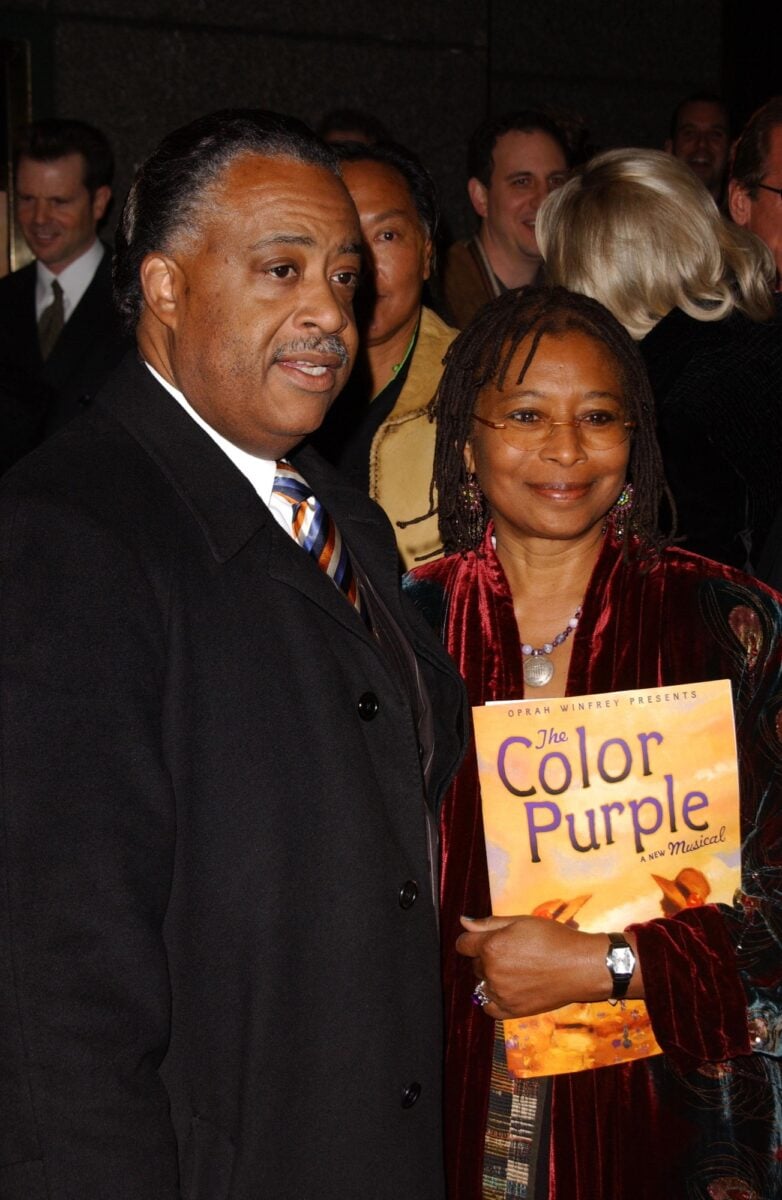
Alice Walker’s novel faced challenges for graphic intimate content, violence, and language. It’s now assigned in college and advanced high school courses as crucial African American literature.
The Handmaid’s Tale
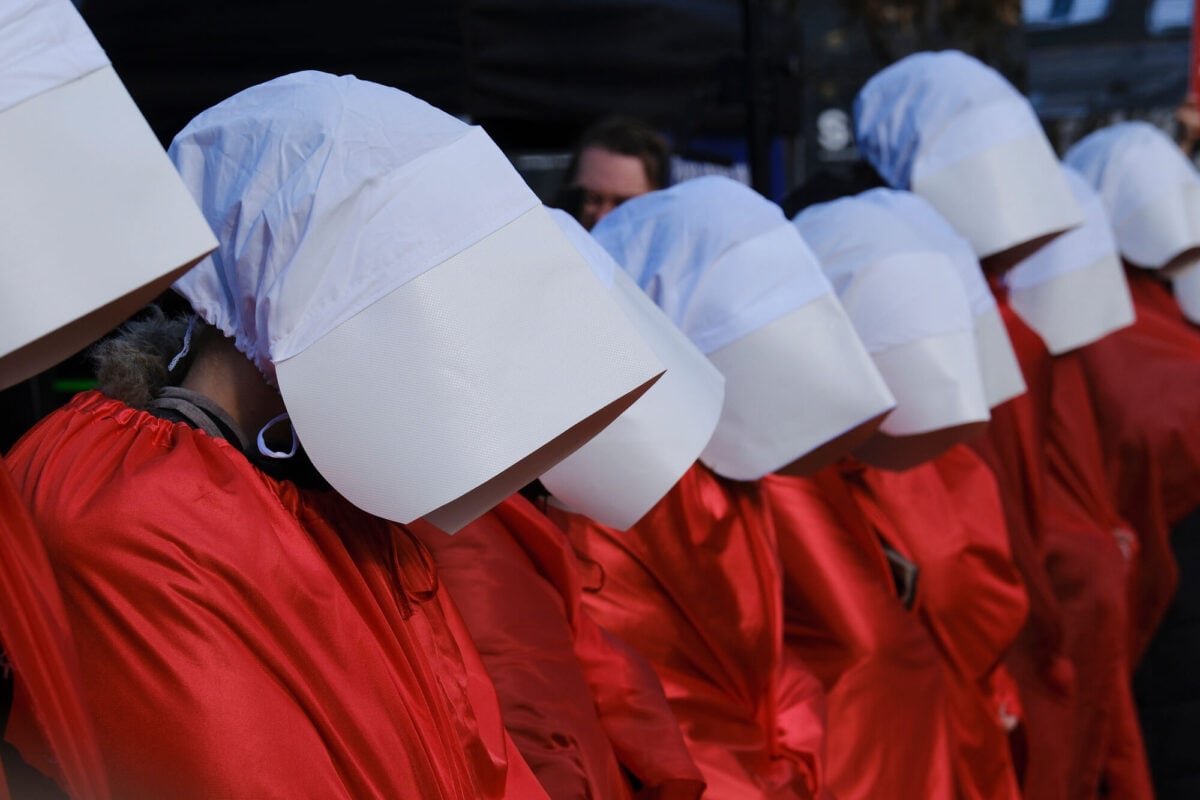
Margaret Atwood’s feminist dystopia faced bans for intimate content. It’s now taught in universities and assigned in high school literature courses examining reproductive rights and power.
Beloved
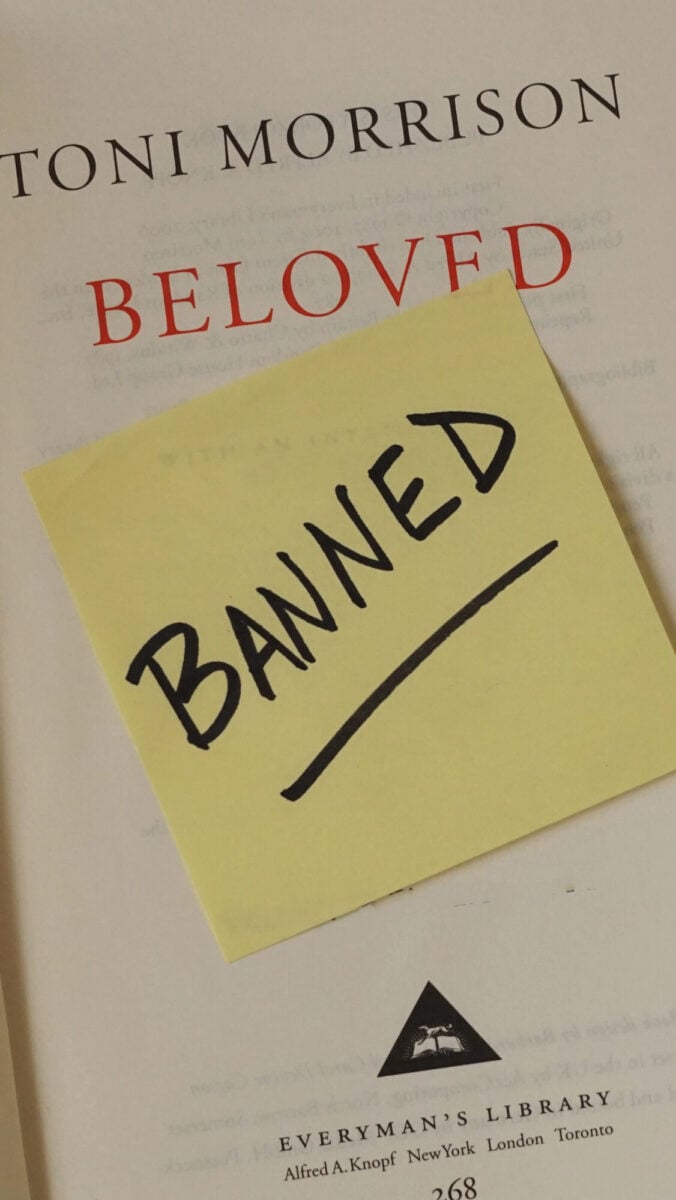
Toni Morrison’s novel faced challenges for graphic violence, assault, and infanticide. It’s now assigned in high school AP courses and college curricula as essential American literature.
The Bluest Eye
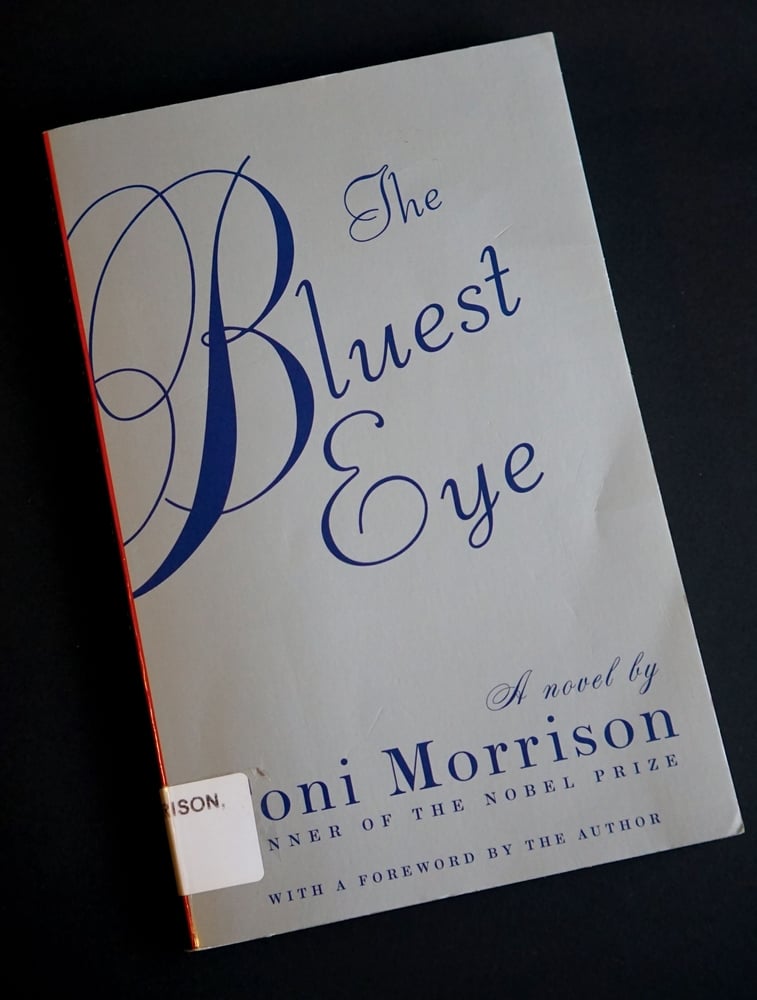
Morrison’s debut faced bans for violence and pedophilia. Universities and colleges now assign it for examining racism and internalized oppression.
Of Mice and Men
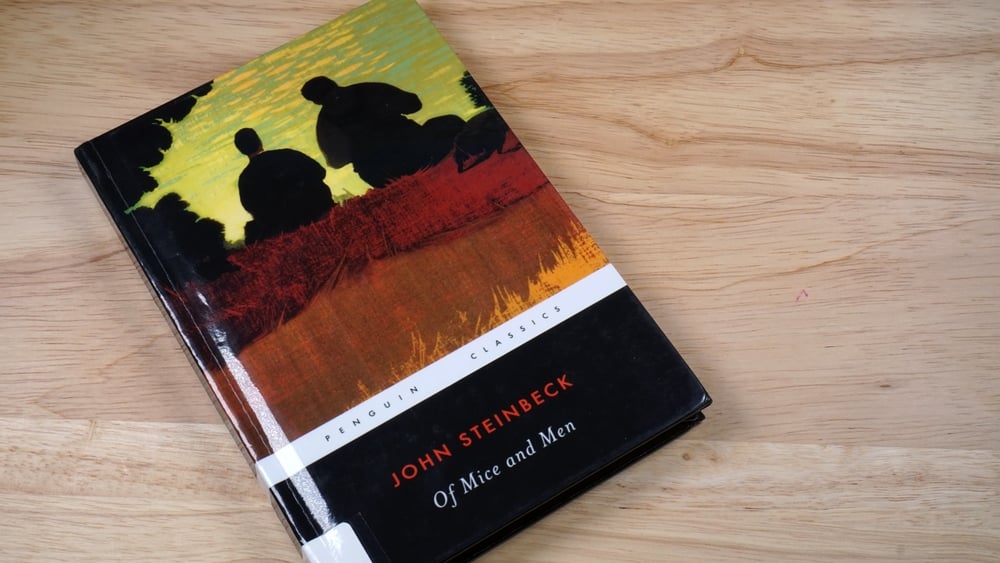
John Steinbeck’s novella faced challenges for language, disability portrayal, and violence. It remains a standard high school assignment nationwide despite ongoing objections.
The Lord of the Flies
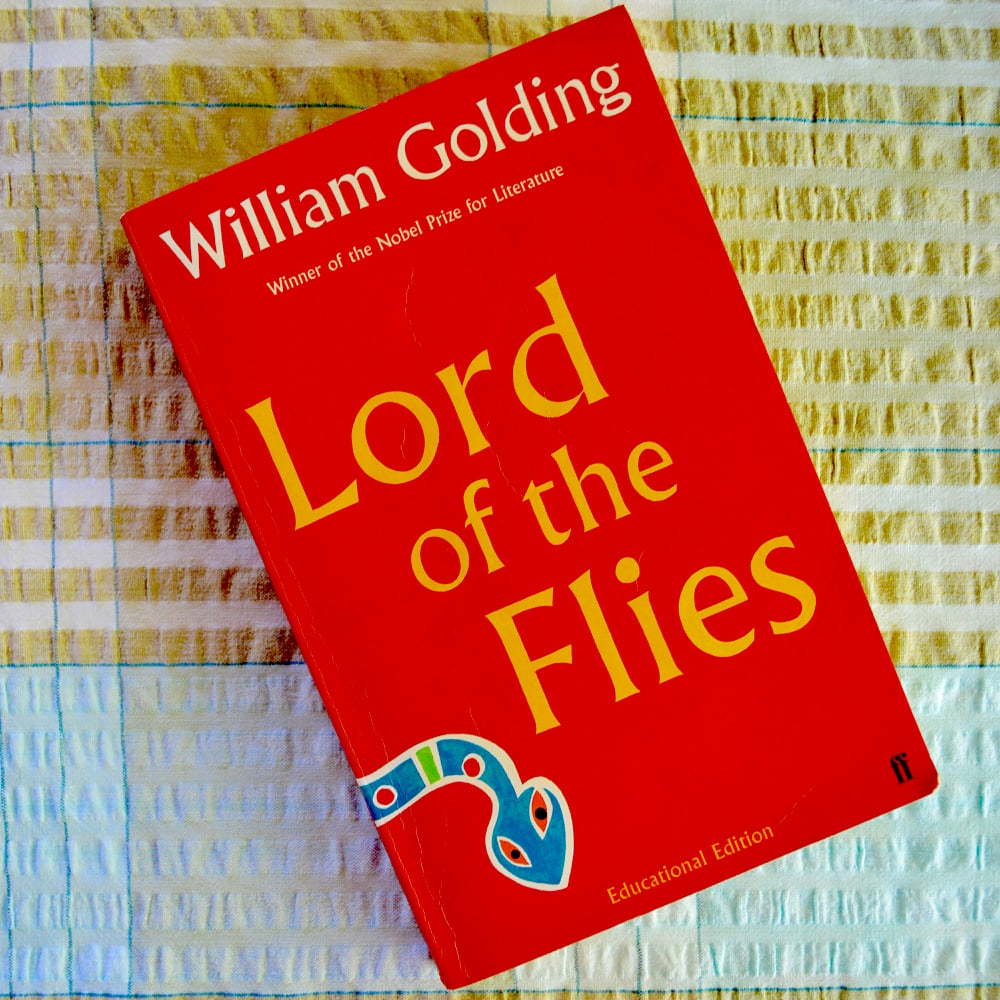
William Golding’s novel was challenged for violence and its negative portrayal of human nature. Schools now widely assign it for examining civilization and savagery.
Invisible Man
Ralph Ellison’s masterpiece faced bans for intimate content and race-related language. It’s now standard reading in college American literature courses.
Slaughterhouse-Five
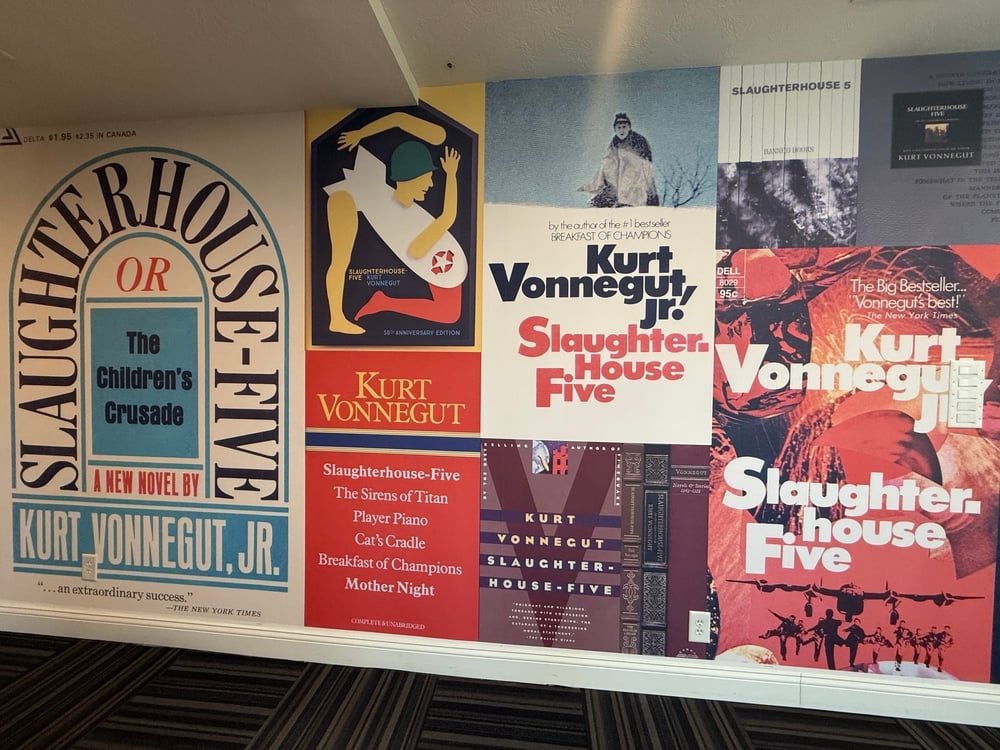
Kurt Vonnegut’s anti-war novel faced challenges for intimate content and irreverent religious commentary. It’s now assigned in high schools for examining trauma and war’s impact.
Fahrenheit 451
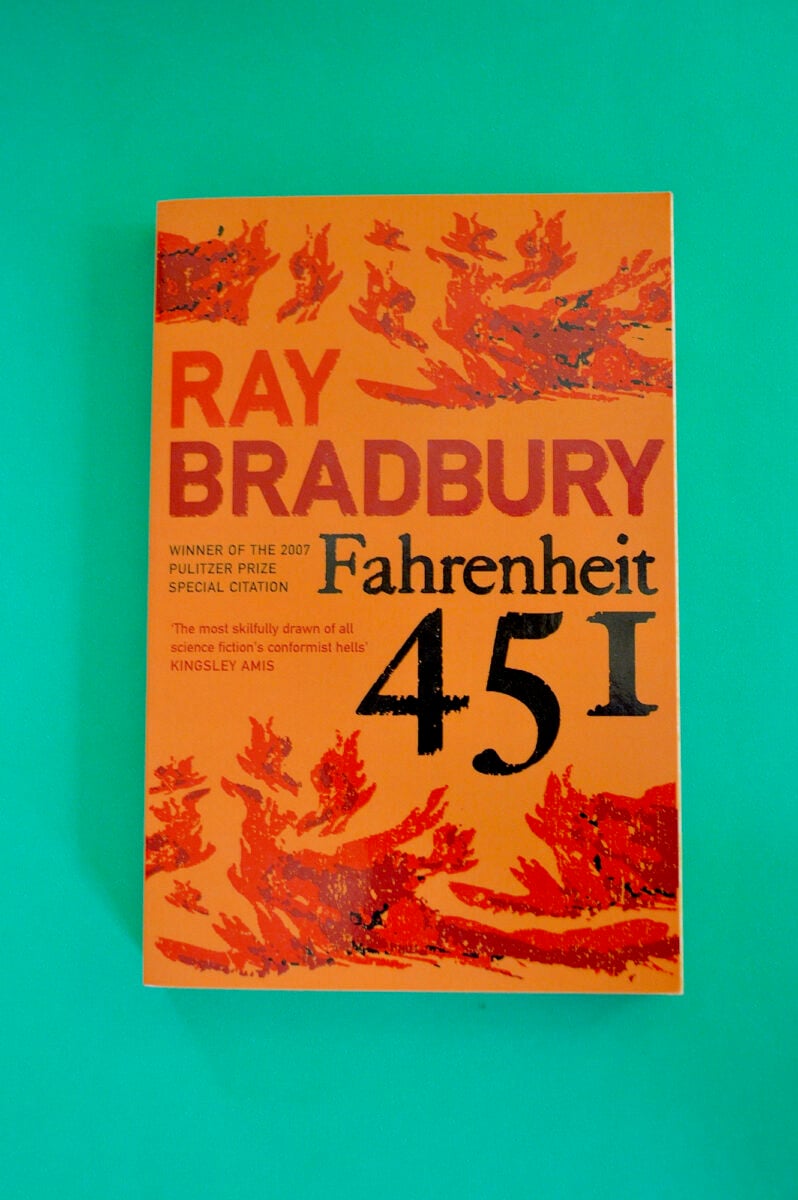
Ray Bradbury’s novel about book burning paradoxically faced challenges from those wishing to suppress it. It’s now taught as essential commentary on censorship itself.
The Scarlet Letter
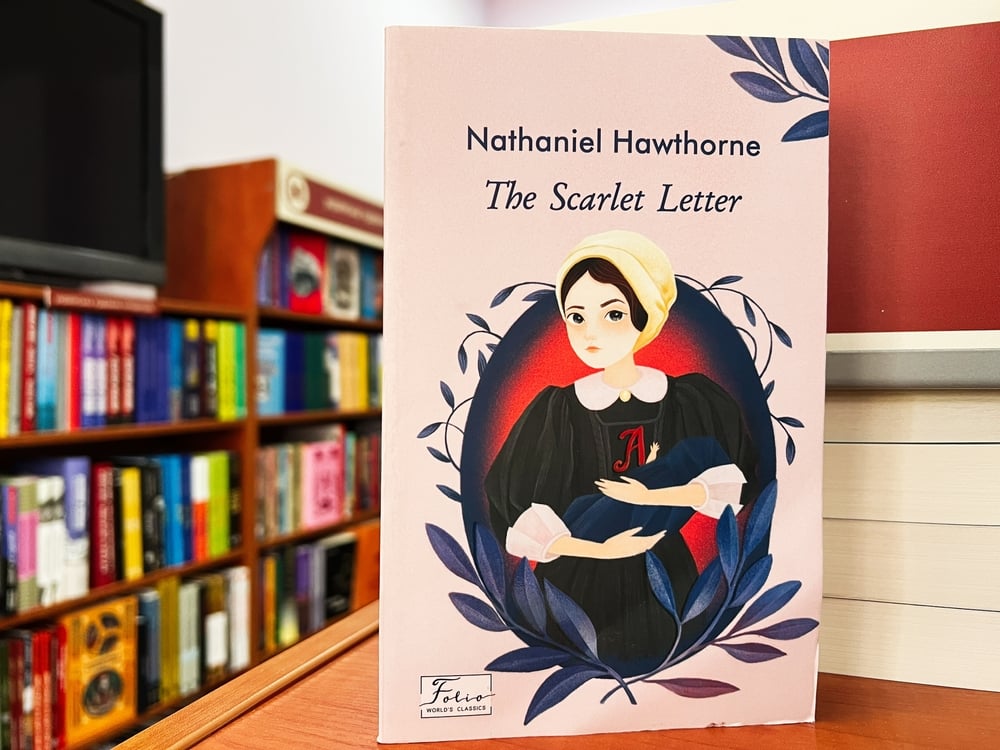
Nathaniel Hawthorne’s examination of adultery faced prudish objections from communities uncomfortable with intimate themes. It’s now assigned universally in American high schools.
Pride and Prejudice
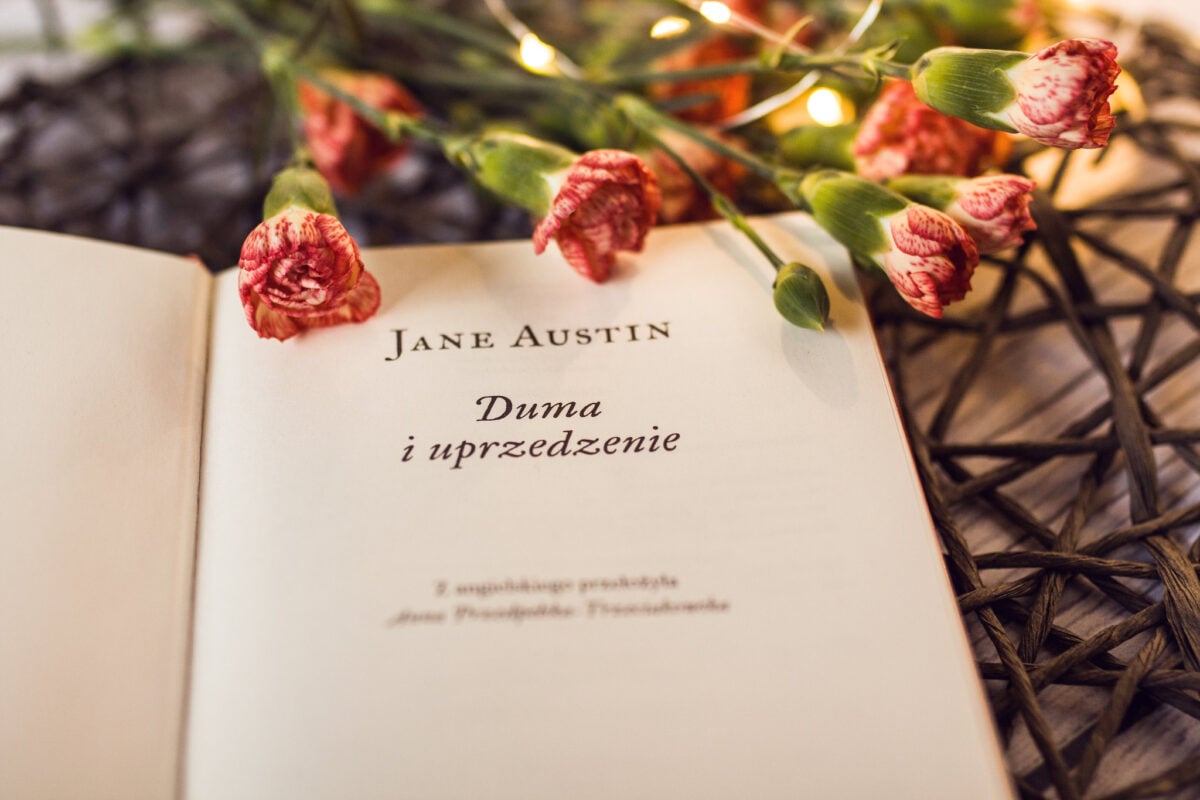
Jane Austen’s romantic comedy faced objections for intimate innuendo and female independence. It’s now assigned in high school English classes worldwide.
Jane Eyre
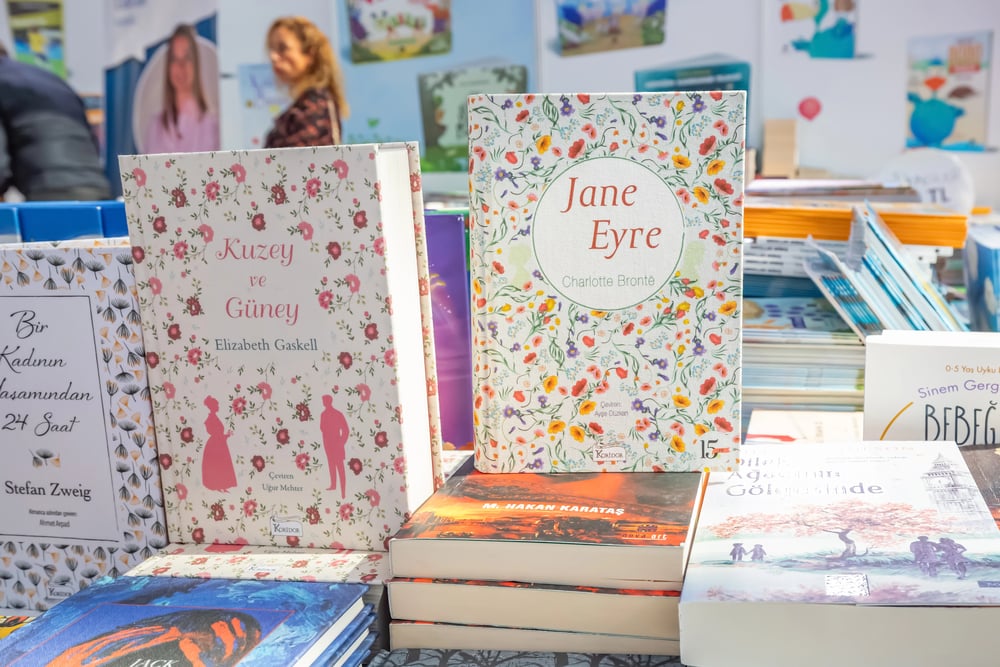
Charlotte Brontë’s novel faced bans for its heroine’s intimate passion and defiance of social convention. Universities now assign it as essential feminist literature.
Wuthering Heights
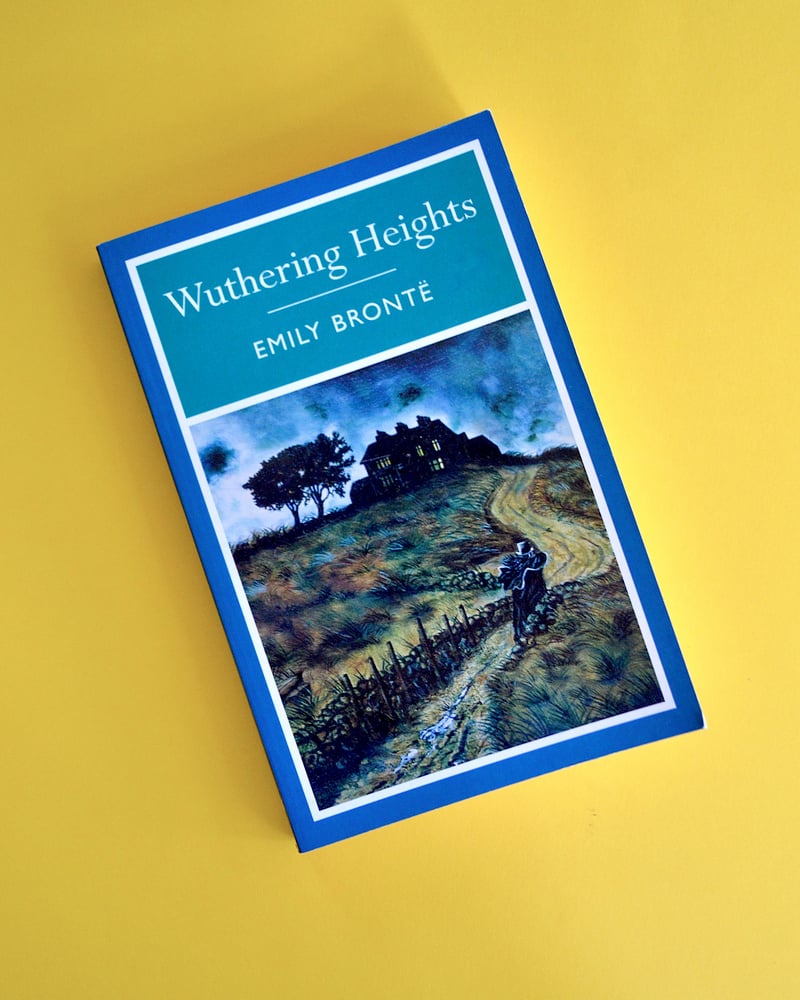
Emily Brontë’s dark romance faced objections for violence and emotional brutality. It’s now standard reading in college literature programs.
I Know Why the Caged Bird Sings
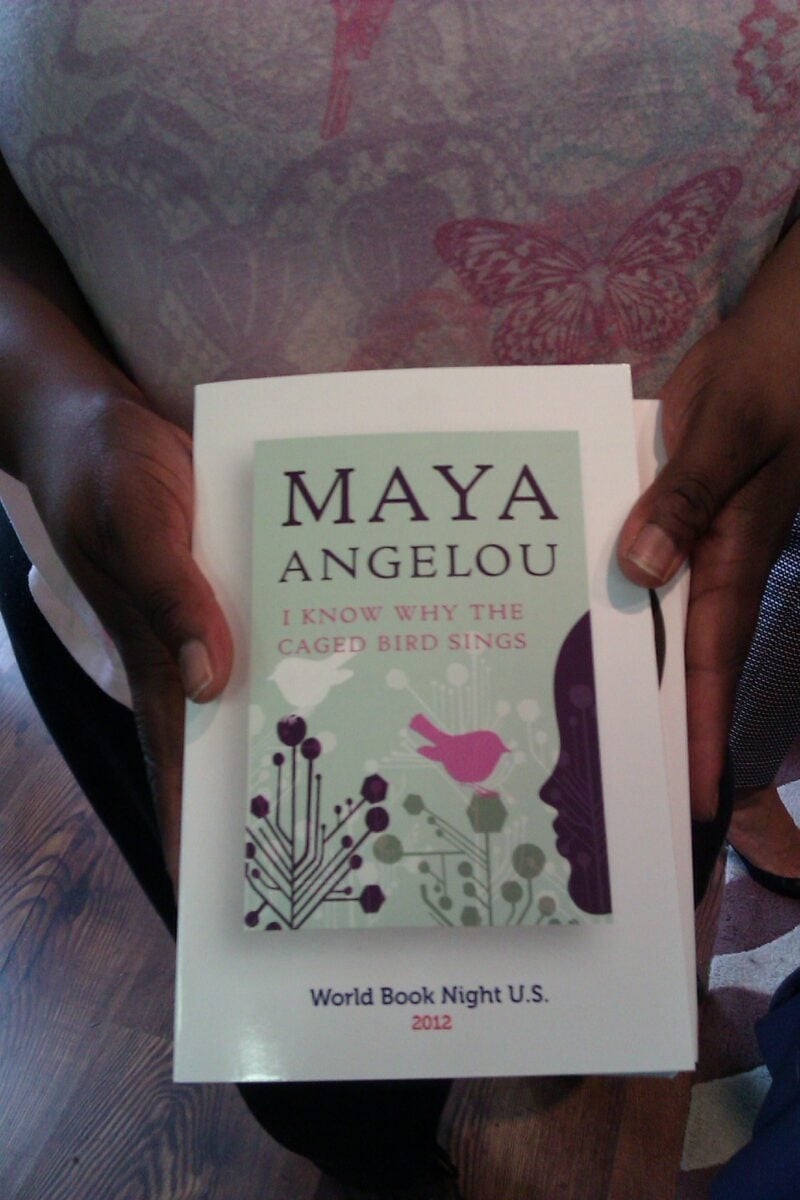
Maya Angelou’s autobiography was challenged for depictions of rape and childhood trauma. It’s now widely assigned in schools examining resilience and racism.
Speak
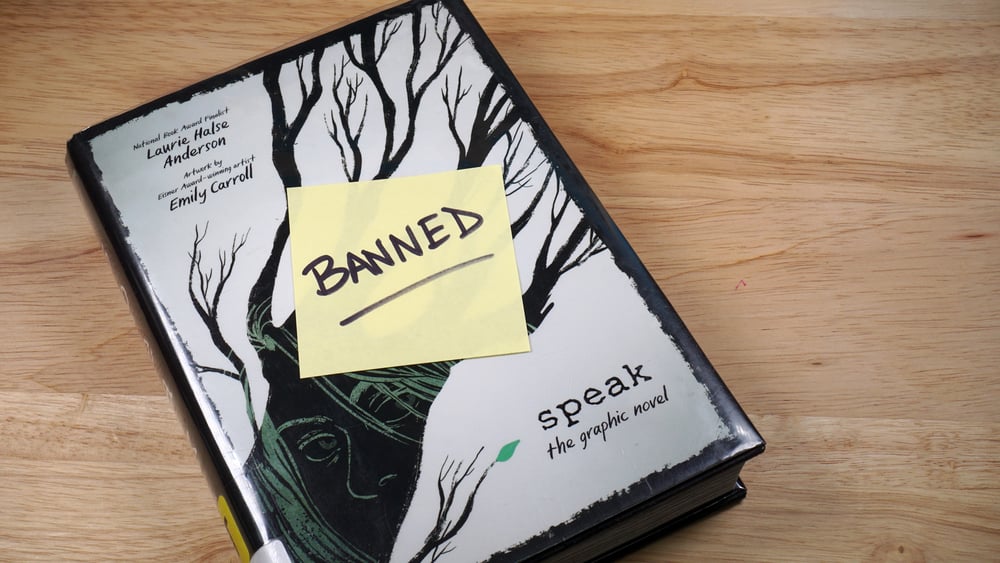
Laurie Halse Anderson’s young adult novel faced bans for rape depiction and language. It’s now assigned in middle and high schools for addressing trauma and silence.
The Perks of Being a Wallflower
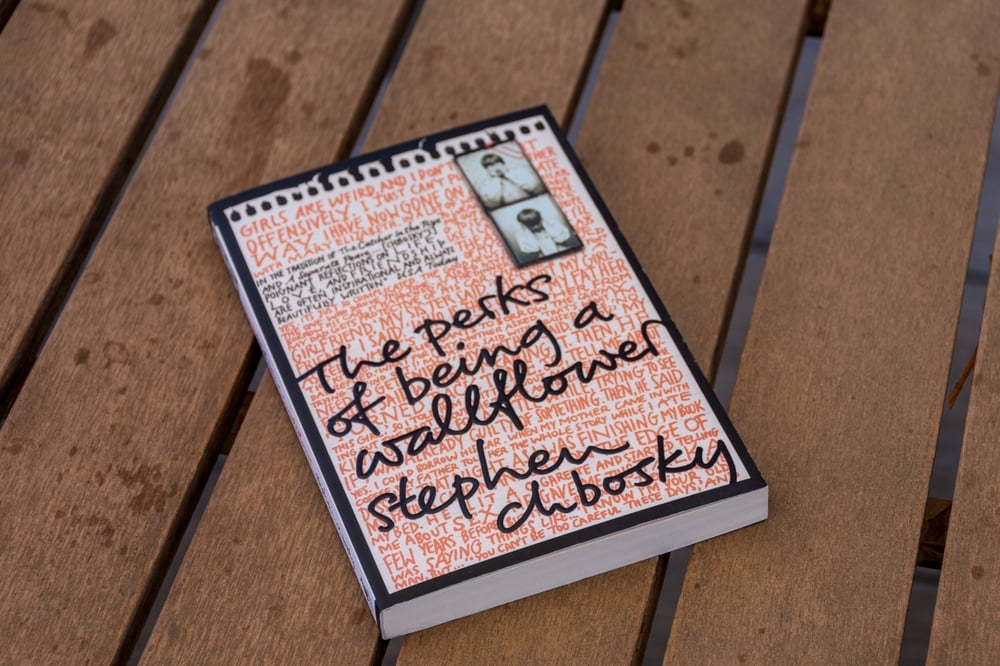
Stephen Chbosky’s novel was challenged for intimate content and drug use. High schools now assign it for examining adolescent mental health and belonging.
Brave New World
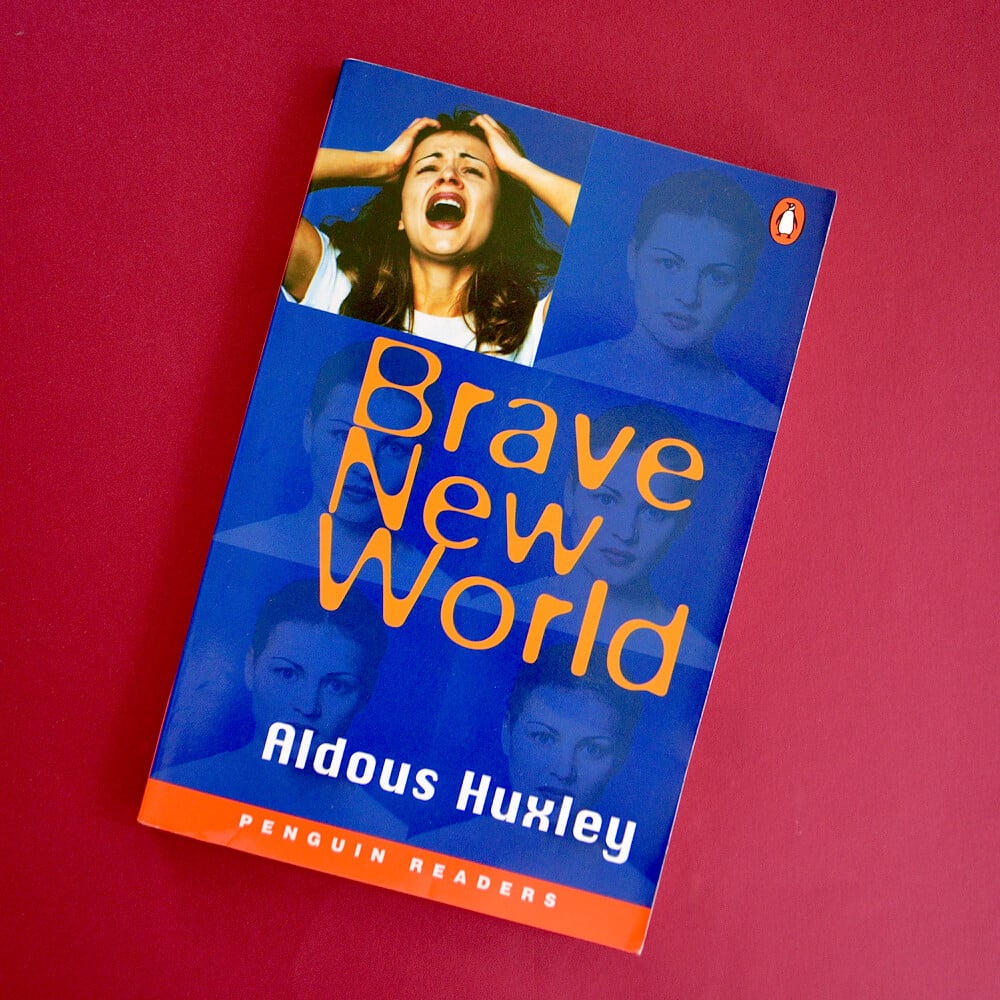
Aldous Huxley’s dystopia faced objections for intimate content and drug use. Universities assign it as essential science fiction exploring control and happiness.
It’s Perfectly Normal
Robie Harris’s intimate education book for teenagers faced bans from parents uncomfortable with frank discussion. Schools now use it in health curricula for age-appropriate instruction.
The Absolutely True Diary of a Part-Time Indian
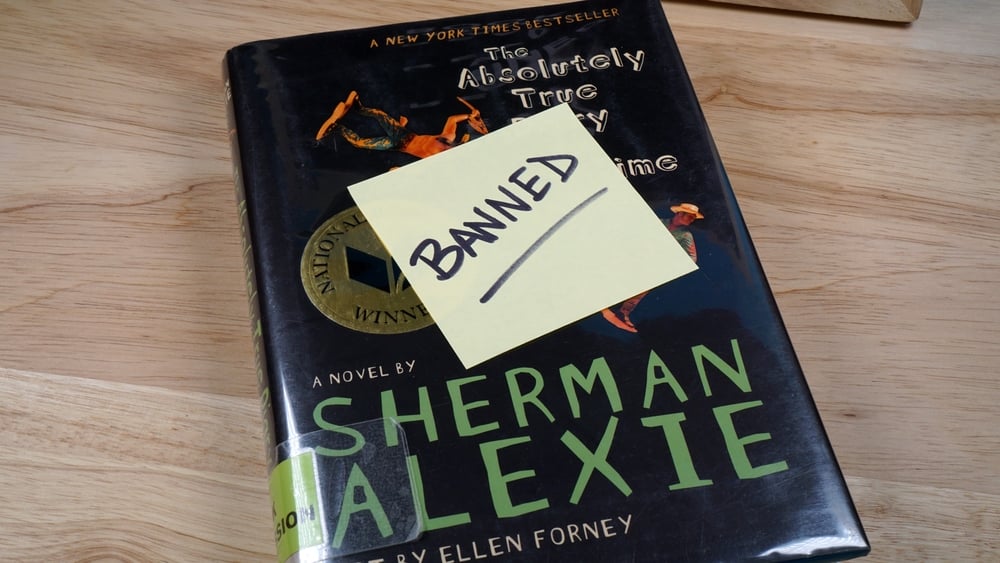
Sherman Alexie’s novel faced challenges for profanity and frank discussions of poverty and alcoholism. Schools now assign it for authentic Native American perspectives.
Thirteen Reasons Why
Jay Asher’s novel about teen self-harm faced bans for its explicit content. Schools debate its assignment while recognizing its impact on discussions of mental health.
The Book is Never Really Closed
Bans and challenges continue today, targeting books about LGBTQ+ issues, racial justice, and reproductive rights. The pattern suggests these books too will eventually become standard reading as cultural values shift again.
What’s considered dangerous today becomes tomorrow’s curriculum.
A Constant Pattern
Communities that fought to ban The Great Gatsby and To Kill a Mockingbird now assign them as required reading. The same anxieties that provoked suppression—fear of challenging ideas, discomfort with difficult topics, resistance to changing values—repeat with new targets.
Future generations will likely assign today’s most controversial books as essential reading, wondering why they ever caused controversy at all.
Literature as Progress
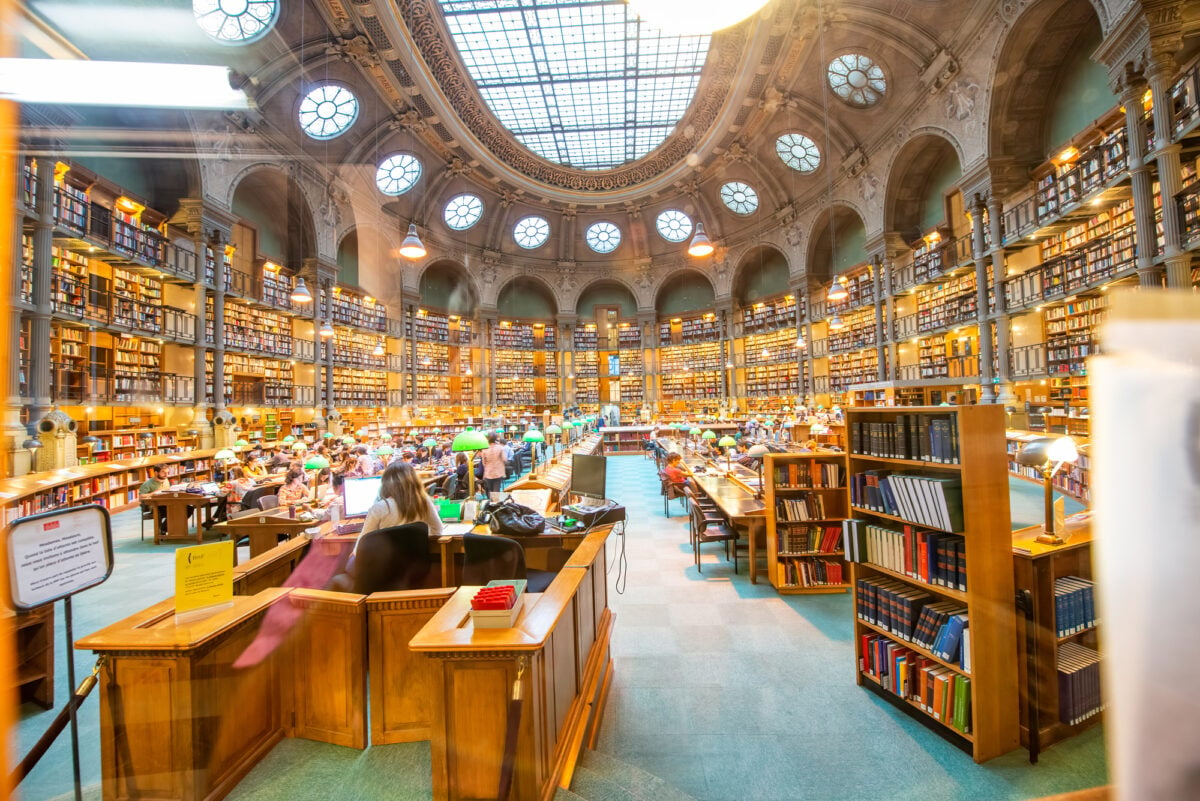
The shift from banning to assigning books reflects cultural growth and trust in young readers. Schools eventually recognize that engaging with difficult material builds critical thinking and empathy.
The banned books that became classics were never truly dangerous—they simply demanded that readers think more deeply and feel more fully.
More from Go2Tutors!

- The Romanov Crown Jewels and Their Tragic Fate
- 13 Historical Mysteries That Science Still Can’t Solve
- Famous Hoaxes That Fooled the World for Years
- 15 Child Stars with Tragic Adult Lives
- 16 Famous Jewelry Pieces in History
Like Go2Tutors’s content? Follow us on MSN.