24 Everyday Objects With Military Origins
Most people assume their kitchen drawer, closet, and backpack are full of civilian inventions. A surprising number of them were actually developed to solve a battlefield problem first, then found a much larger market once the war ended.
The connection is not always obvious from the product itself, but the paper trail back to a military contract or a wartime laboratory is usually easy to follow.
Duct Tape
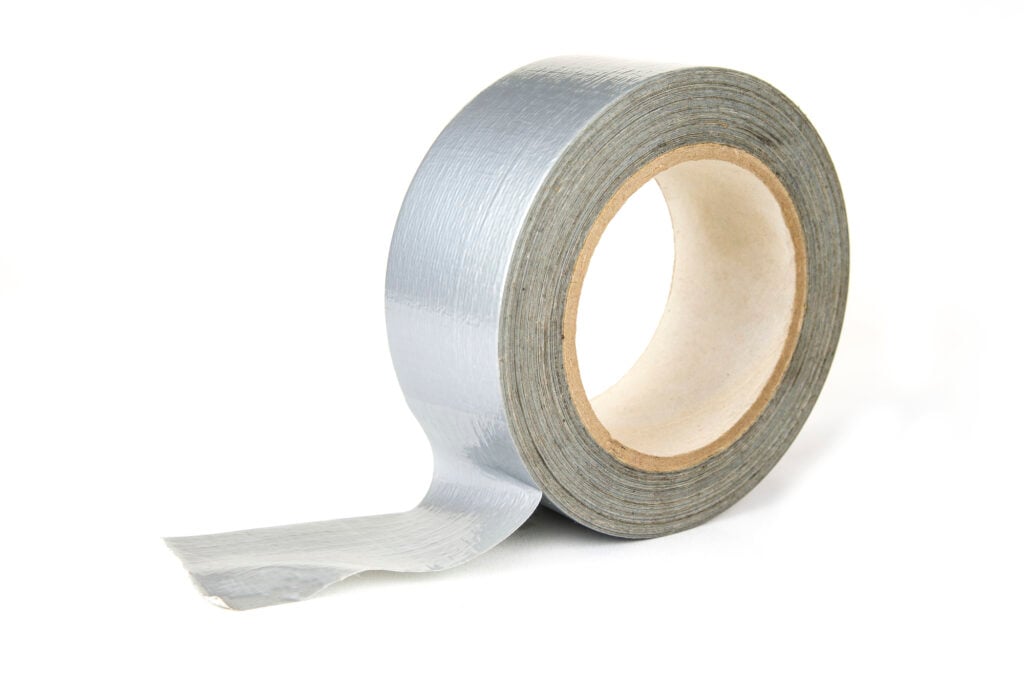
The US military developed a waterproof, cloth-backed tape during the Second World War so soldiers could reseal ammunition cases quickly in the field without tools. Nicknamed duck tape for its water-resistant backing, it proved so useful for quick repairs of jeeps, tents, and equipment that soldiers kept using it for tasks far beyond its original purpose.
After the war, the tape entered the civilian hardware market and gradually shifted color from military green to the silver duct-colored version sold today, becoming a household staple for repairs it was never designed to handle.
Superglue
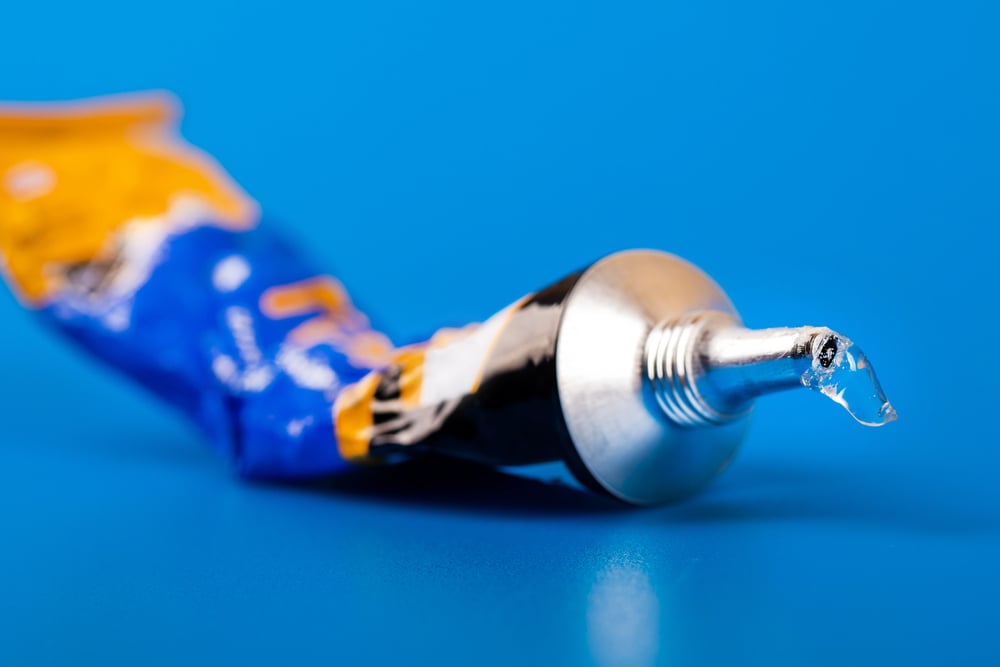
Chemist Harry Coover was researching clear plastic gunsights for the US military in 1942 when he discovered a cyanoacrylate compound that bonded almost instantly to anything it touched, which made it useless for optics but impossible to ignore. Years later, during renewed testing for military applications, researchers realized the same instant-bonding property could seal wounds in the field without stitches.
That medical application eventually led to the commercial adhesive sold in tiny tubes, still built on the same chemistry that ruined a batch of gunsights decades earlier.
The Microwave Oven
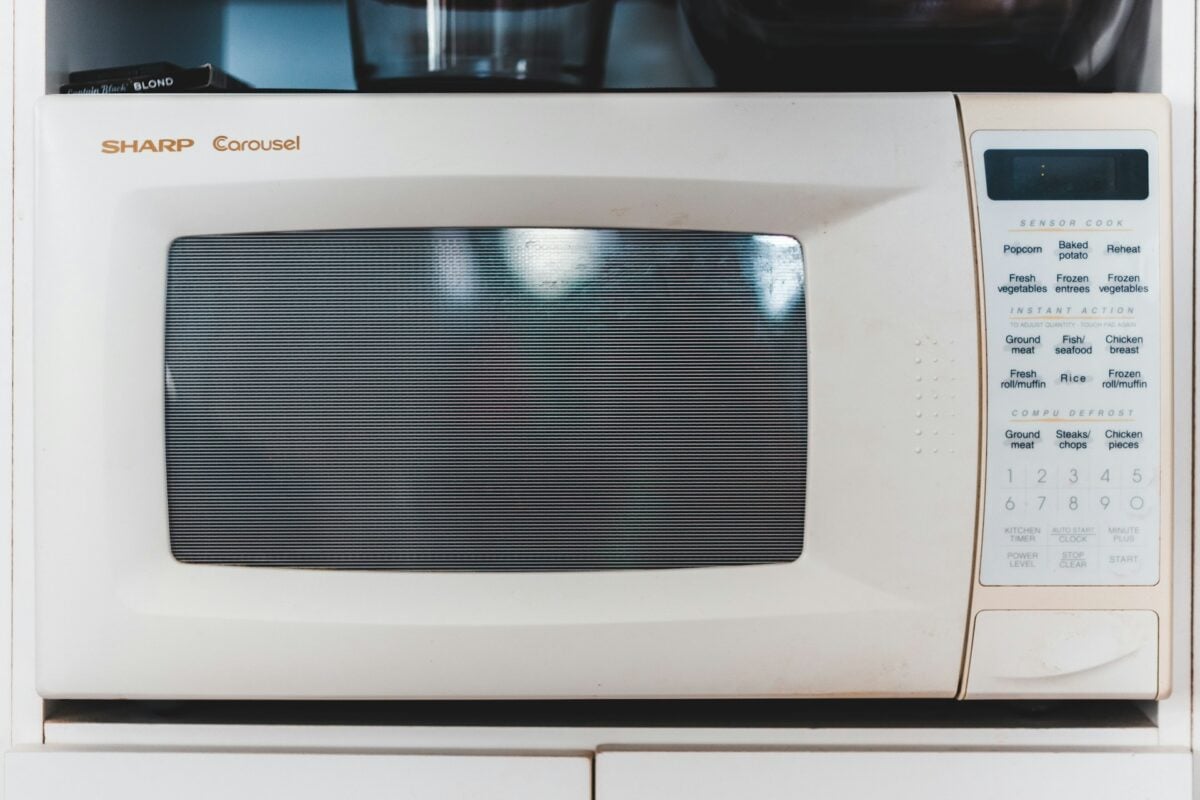
Engineer Percy Spencer was working with radar magnetrons for Raytheon during the Second World War when he noticed a chocolate bar in his pocket had melted while he stood near an active radar set. Curious, he tested the effect on popcorn kernels and then an egg, both of which cooked rapidly from the microwave energy the equipment produced.
Raytheon patented the discovery and released the first commercial microwave oven in 1947, a refrigerator-sized unit that took decades to shrink into the countertop appliance found in most kitchens today.
GPS Navigation

The Global Positioning System began as a Cold War military project, launched by the US Department of Defense to give ships, aircraft, and eventually missiles a precise way to determine their location anywhere on Earth. The system remained restricted to military use with intentionally degraded civilian accuracy until President Bill Clinton ordered that limitation switched off in 2000, instantly making consumer GPS devices dramatically more precise.
Every turn-by-turn direction on a modern phone still runs on satellites originally launched to guide bombers and submarines.
Canned Food

Napoleon Bonaparte offered a cash prize in 1795 to anyone who could devise a reliable way to preserve food for his armies on long campaigns, since spoiled rations were killing as many soldiers as combat. Nicolas Appert won the prize by sealing food in glass jars and heating them, a process later adapted to tin canisters by British inventor Peter Durand.
The technique spread through European and American militaries for feeding troops on the move long before canned goods became a fixture of ordinary grocery shopping.
Modern Wristwatches
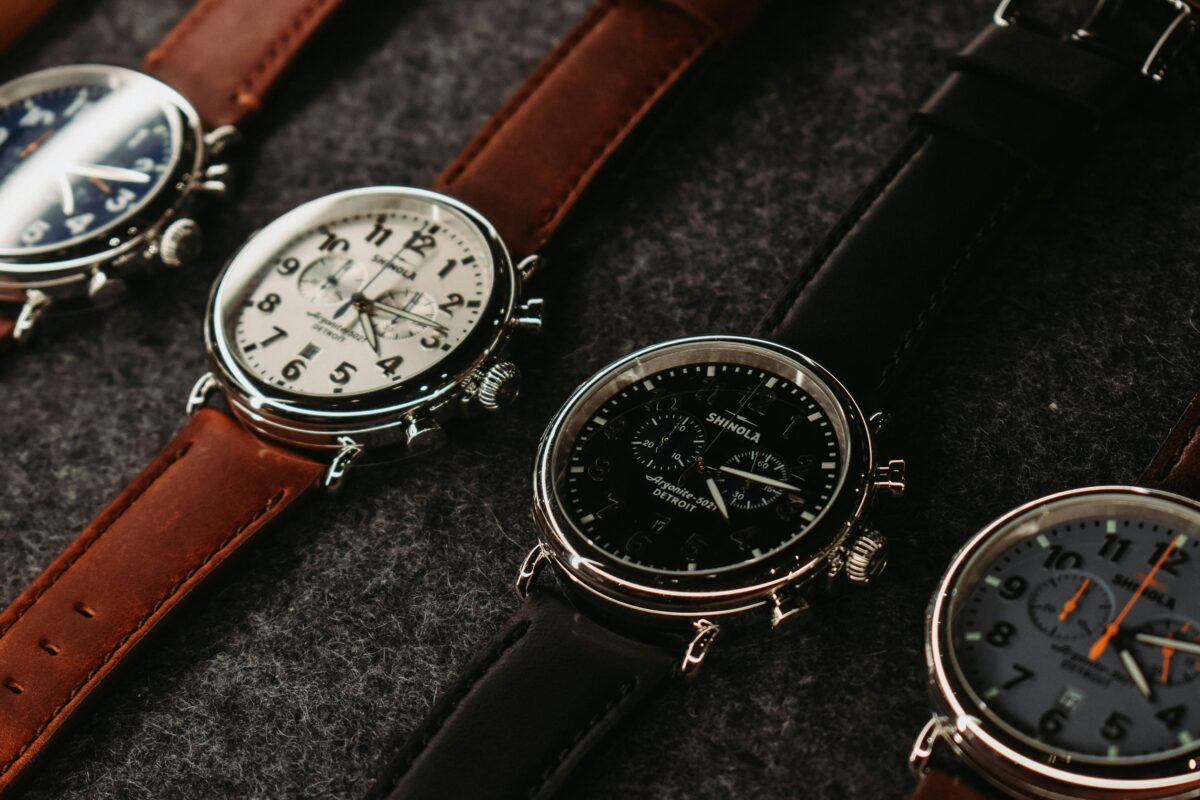
Pocket watches were standard for most of the nineteenth century, but soldiers coordinating artillery barrages and trench assaults in the First World War needed both hands free while checking the time precisely with their allies. Officers began strapping pocket watches to their wrists with leather cuffs, and manufacturers soon started producing purpose-built wristwatches for military use.
The style carried a stigma as effeminate in civilian fashion before the war, but returning soldiers normalized it so thoroughly that wristwatches became the standard timepiece within a generation.
Sanitary Pads
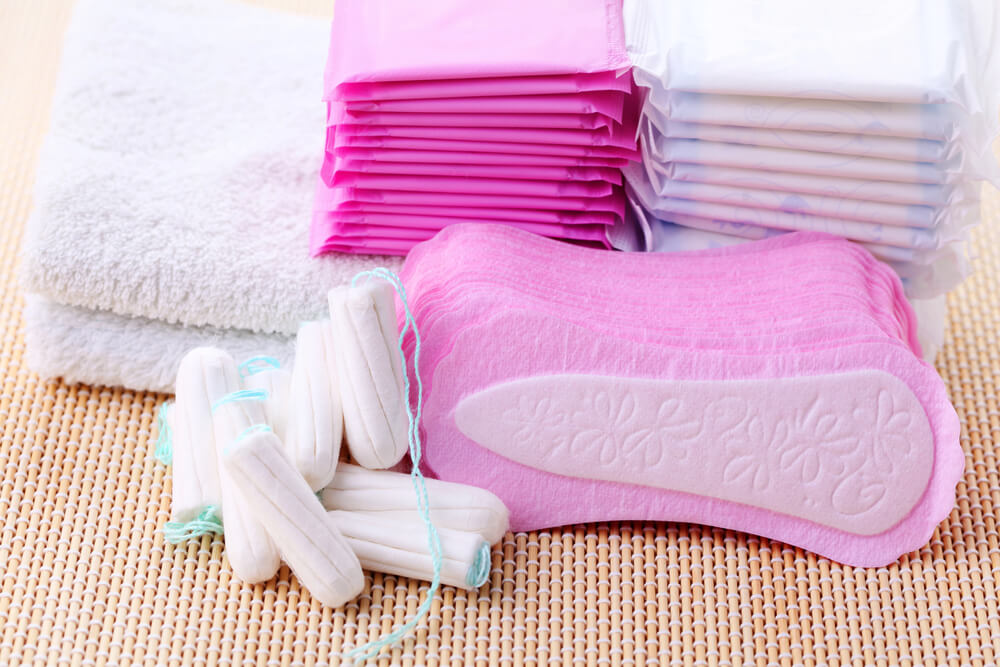
During the First World War, the Kimberly-Clark company developed a highly absorbent material called Cellucotton as a substitute for cotton bandages, which were in short supply. Army and Red Cross nurses treating wounded soldiers noticed the material worked better for personal use than the disposable products then available, and word spread among nursing staff.
Kimberly-Clark repurposed the wartime material after the war ended, launching it commercially as Kotex, one of the first mass-marketed disposable sanitary pads.
Aviator Sunglasses
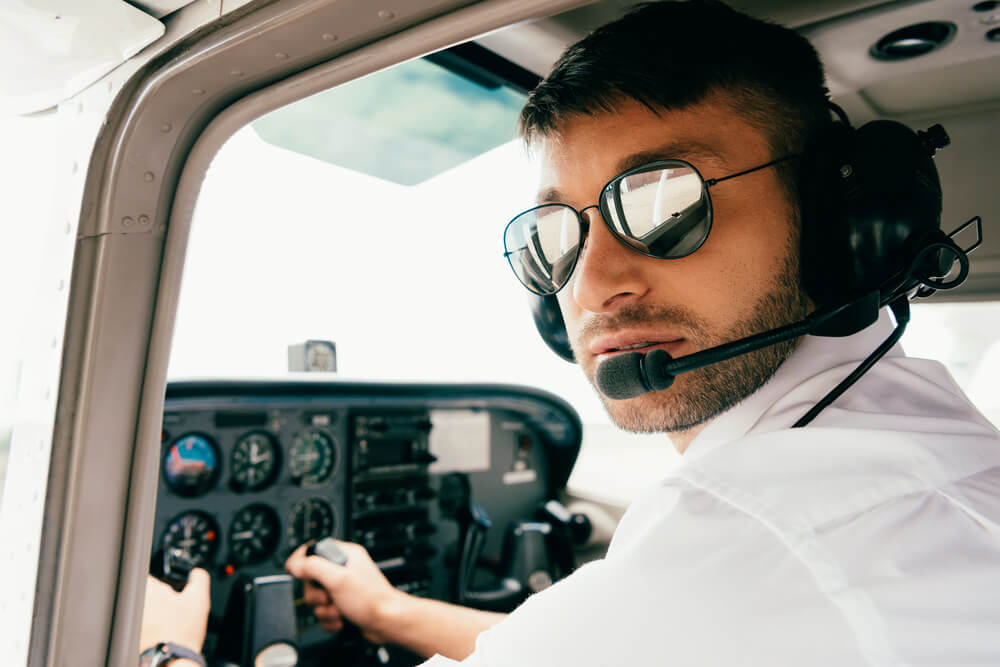
Bausch and Lomb developed the teardrop-shaped, gold-framed sunglasses in 1936 at the request of the US Army Air Corps, whose pilots suffered headaches and altitude sickness partly attributed to intense glare at high elevation. The green-tinted lenses cut brightness without distorting vision, and the design was issued to airmen under the Ray-Ban name, short for its ability to ban harsh rays.
General Douglas MacArthur was famously photographed wearing a pair while wading ashore in the Philippines, and the style crossed into mainstream fashion within a decade.
The Trench Coat
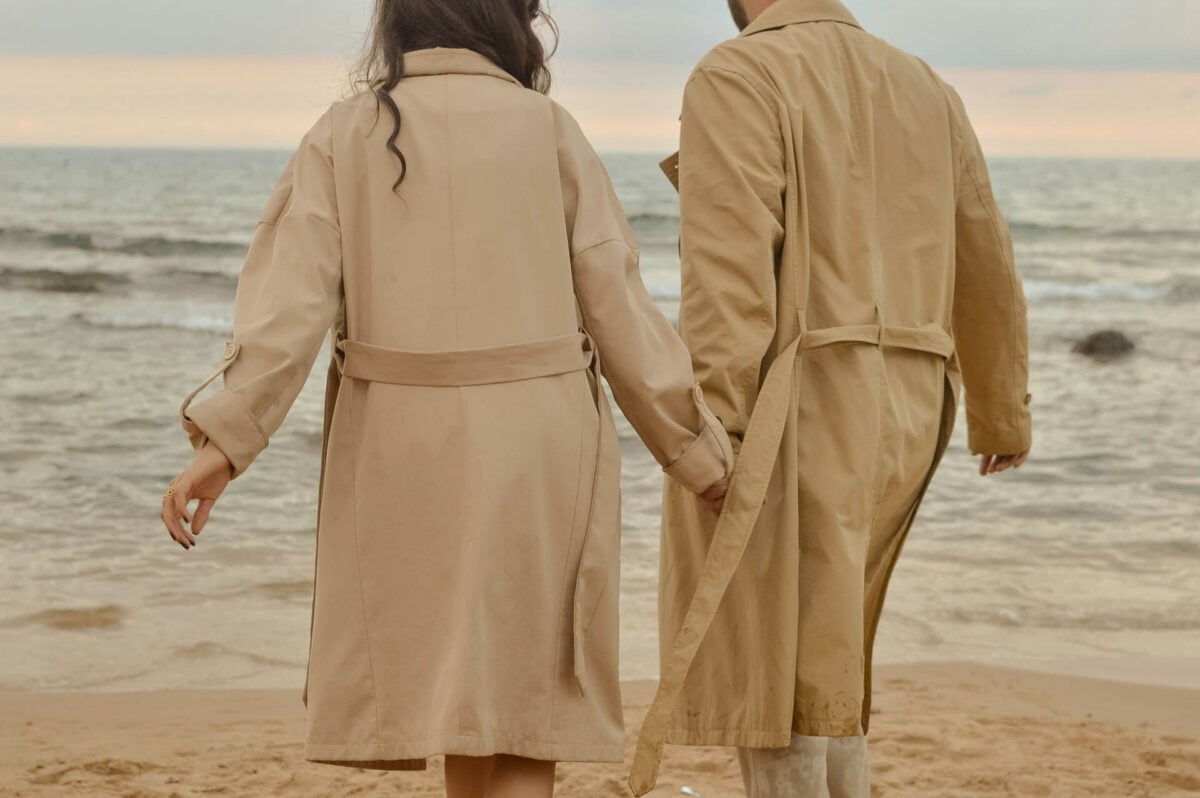
Officers in the First World War needed outerwear that could handle mud, rain, and cold without the weight of a traditional wool greatcoat, leading British firms including Burberry to adapt earlier waterproof designs into a lighter coat with epaulettes, D-rings for equipment, and a storm flap across the chest. The garment took its name directly from the trenches where it was worn.
After the war, returning officers kept wearing their coats in civilian life, and fashion houses picked up the silhouette, turning wartime outerwear into a lasting menswear staple.
Walkie-Talkies
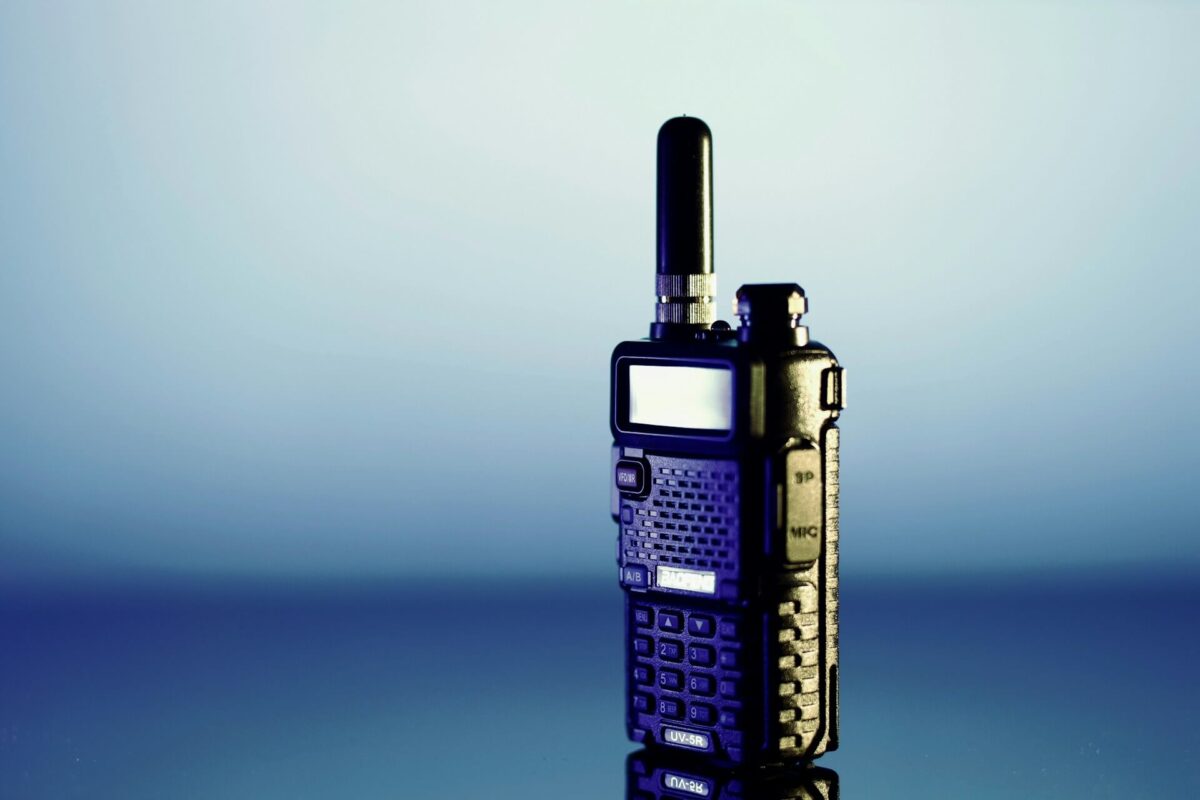
Motorola engineer Donald Hings and a team at Galvin Manufacturing developed portable two-way radios for the US Army during the Second World War, allowing infantry units to coordinate over distances that outpaced runners or field telephone lines. The backpack-mounted SCR-300 model became standard equipment for American forces by 1943.
Civilian versions followed within a decade, first for police and emergency services and later for hikers, construction crews, and children’s toy aisles.
Silly Putty
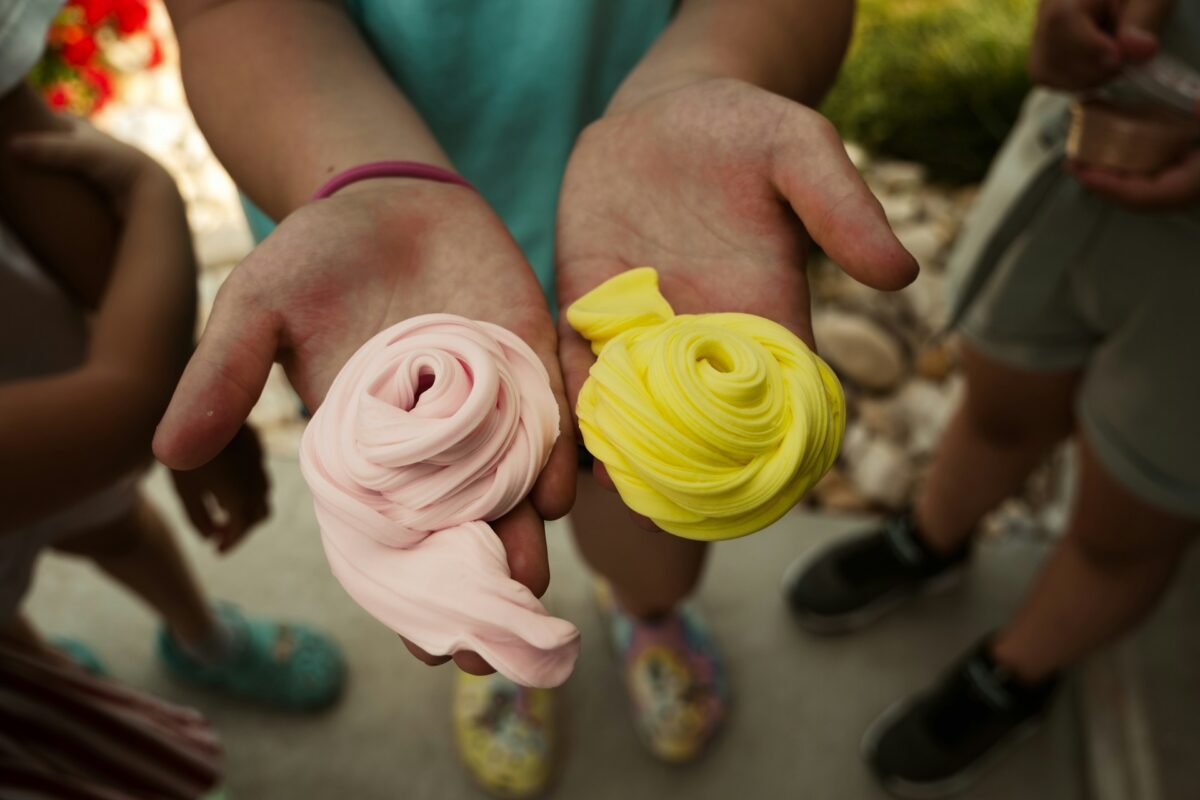
Engineer James Wright was working for General Electric during the Second World War, trying to develop a synthetic rubber substitute for the military after Japan’s occupation of rubber-producing regions in Southeast Asia disrupted supply. He produced a bouncy, stretchy silicone polymer that had no practical use as rubber, since it would not hold a fixed shape.
The compound sat mostly forgotten until a toy store owner recognized its novelty appeal, packaged it in plastic eggs, and turned a failed wartime rubber experiment into a bestselling toy.
Freeze-Dried Food
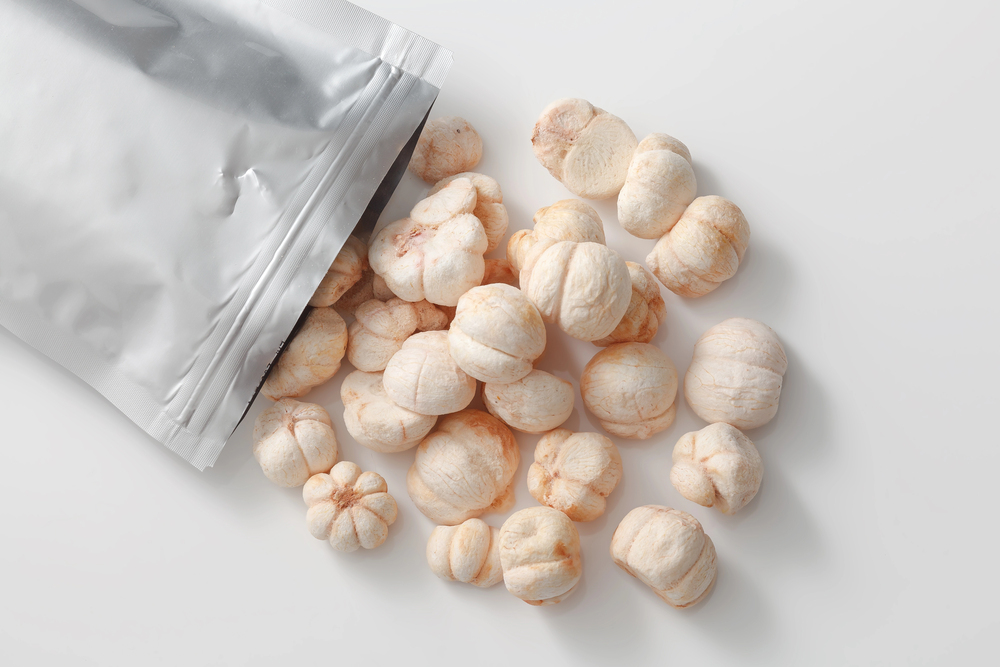
The US Army developed large-scale freeze-drying techniques during the Second World War to preserve blood plasma and later expanded the process to food, aiming to create rations that were lightweight and stable without refrigeration. The process removes water from food while it is frozen, preserving nutritional value and flavor far better than heat-based dehydration.
Freeze-drying moved into civilian markets through camping and backpacking suppliers, and later into supermarket instant coffee and astronaut ice cream sold as a novelty.
Teflon
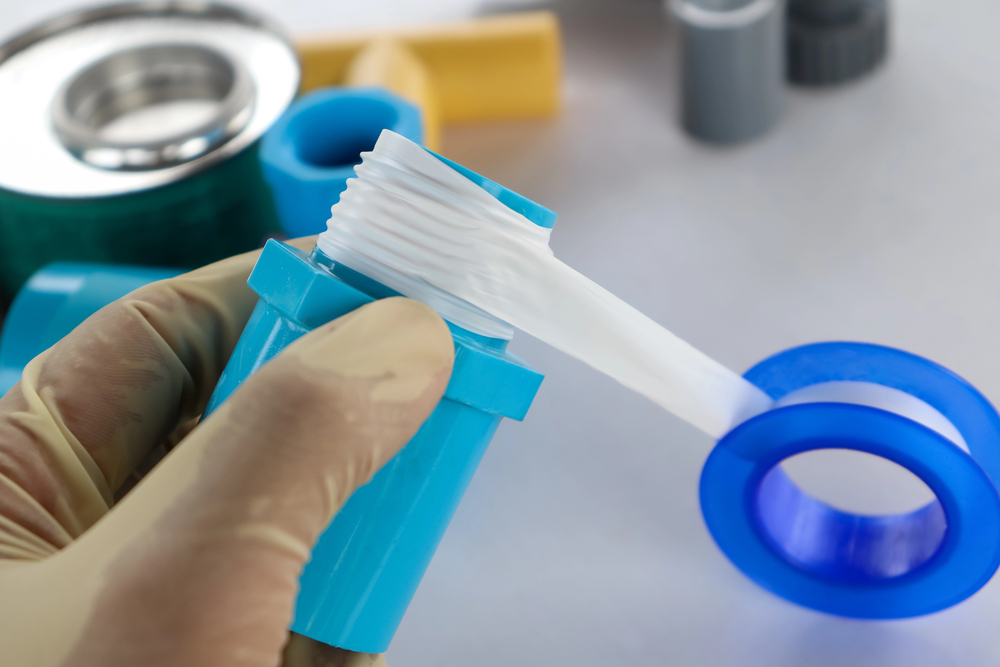
Chemist Roy Plunkett discovered polytetrafluoroethylene by accident in 1938 while working for DuPont, but the compound found its first major application during the Manhattan Project, where its extreme chemical resistance made it ideal for handling corrosive uranium hexafluoride gas in the enrichment process. The material remained classified alongside the broader atomic weapons program through the war.
Once declassified, its nonstick, heat-resistant properties made it valuable for cookware, and Teflon-coated pans reached kitchens by the early 1960s.
M&M’s Candy Shell
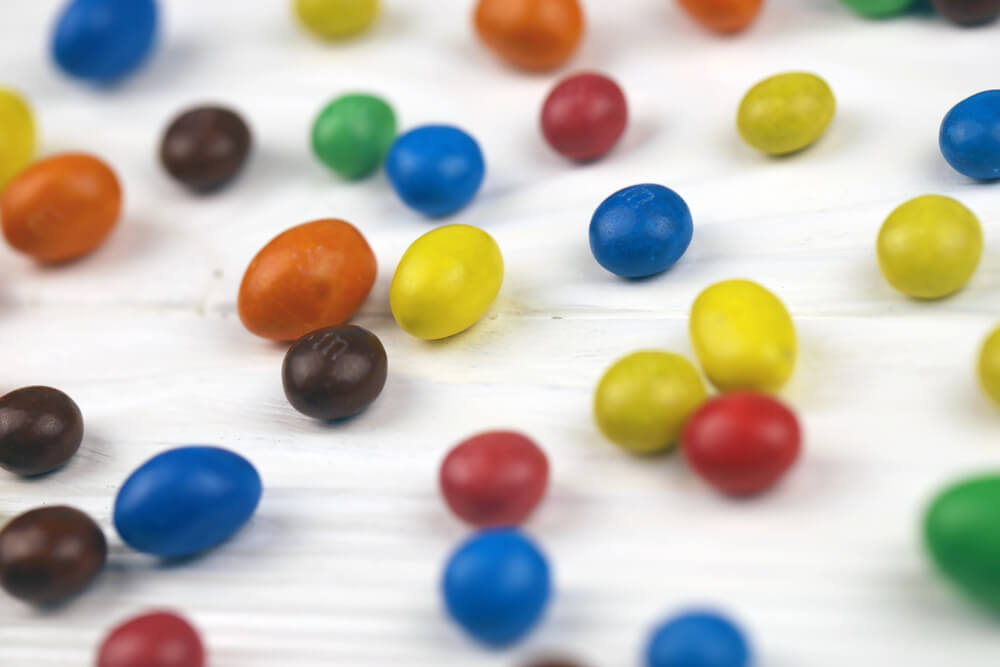
Forrest Mars Sr. reportedly got the idea for a hard candy shell after observing soldiers during the Spanish Civil War eating chocolate pellets coated in a sugar shell that kept the chocolate from melting in their hands. He partnered with Bruce Murrie, and their company won a contract to supply the resulting candy to American soldiers during the Second World War, since it traveled well in hot climates without melting into a mess.
The candies proved so popular with troops that Mars kept the product in production for the civilian market once the war ended.
Bomber Jackets
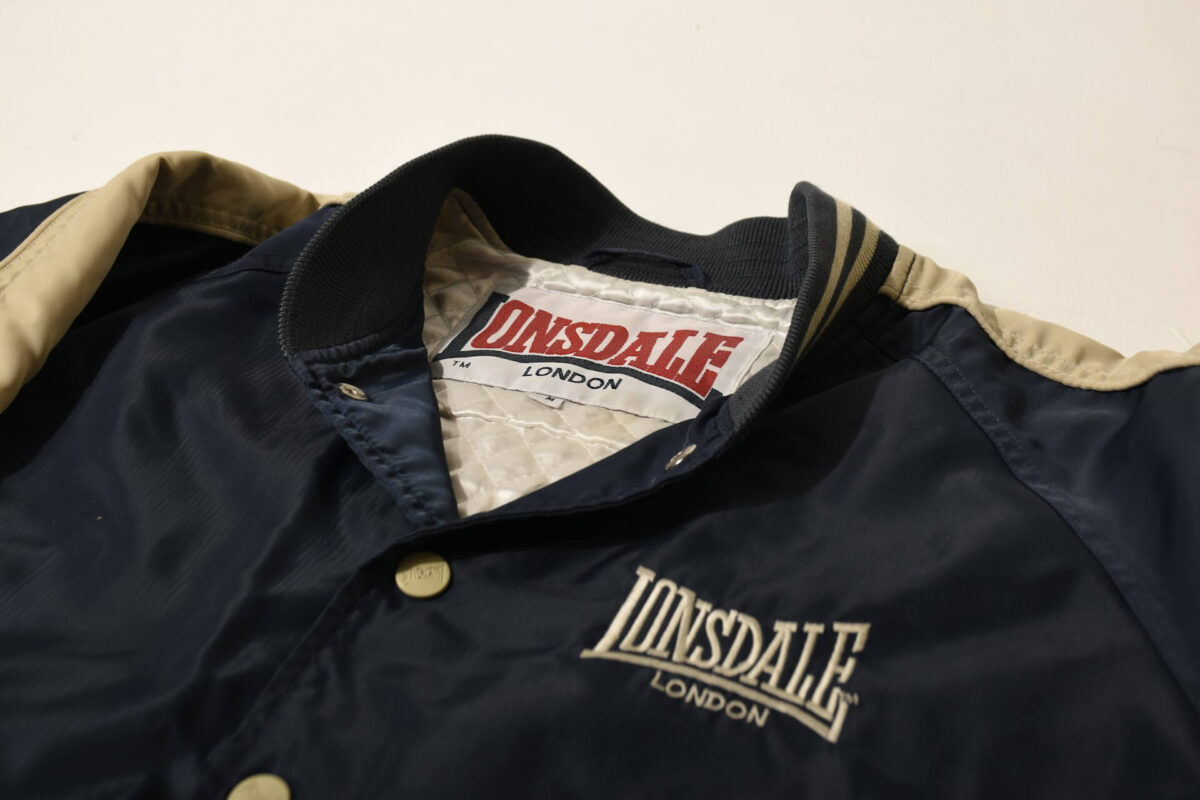
Military aviators in open cockpits during the First World War needed insulated jackets that could handle extreme cold at altitude, leading to fitted leather and later sheepskin-lined designs with snug cuffs and waistbands to block wind. The style evolved through the interwar years and reached its most recognizable form with the American A-2 and British Irvin jackets of the Second World War.
Hollywood war films and returning pilots popularized the look in civilian fashion, and variations of the original design remain a staple outerwear style.
Pea Coats
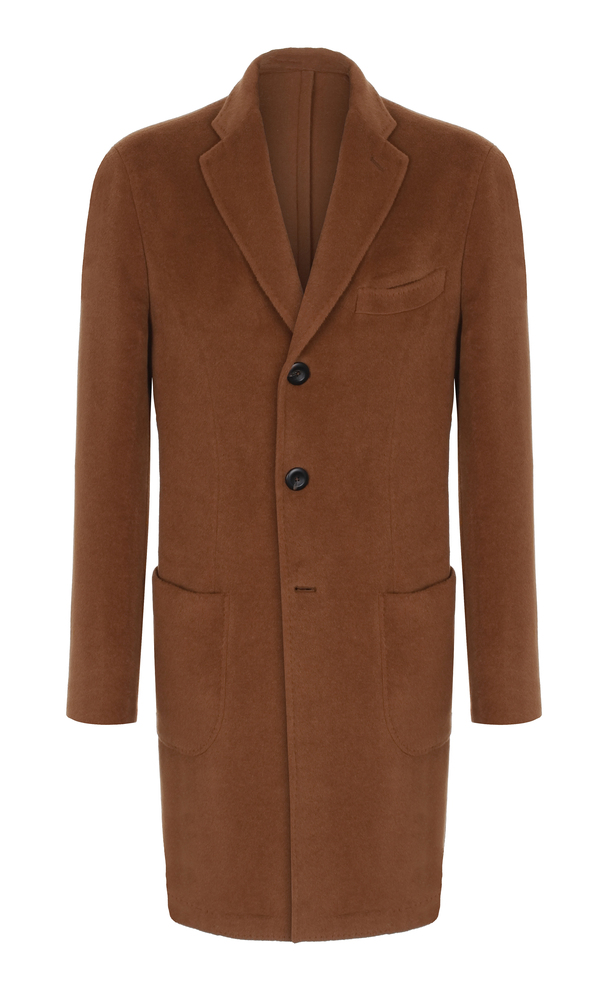
Sailors in European and later American navies wore short, double-breasted wool coats designed to withstand wind and spray on open decks, with a wide collar that could be turned up for extra warmth. The heavy, coarse wool fabric used was sometimes called pilot cloth, which some historians trace as the origin of the coat’s name.
Naval surplus stores sold decommissioned coats cheaply after both World Wars, and the boxy, functional silhouette became a recognizable piece of civilian winter fashion by the mid-twentieth century.
Khaki Fabric
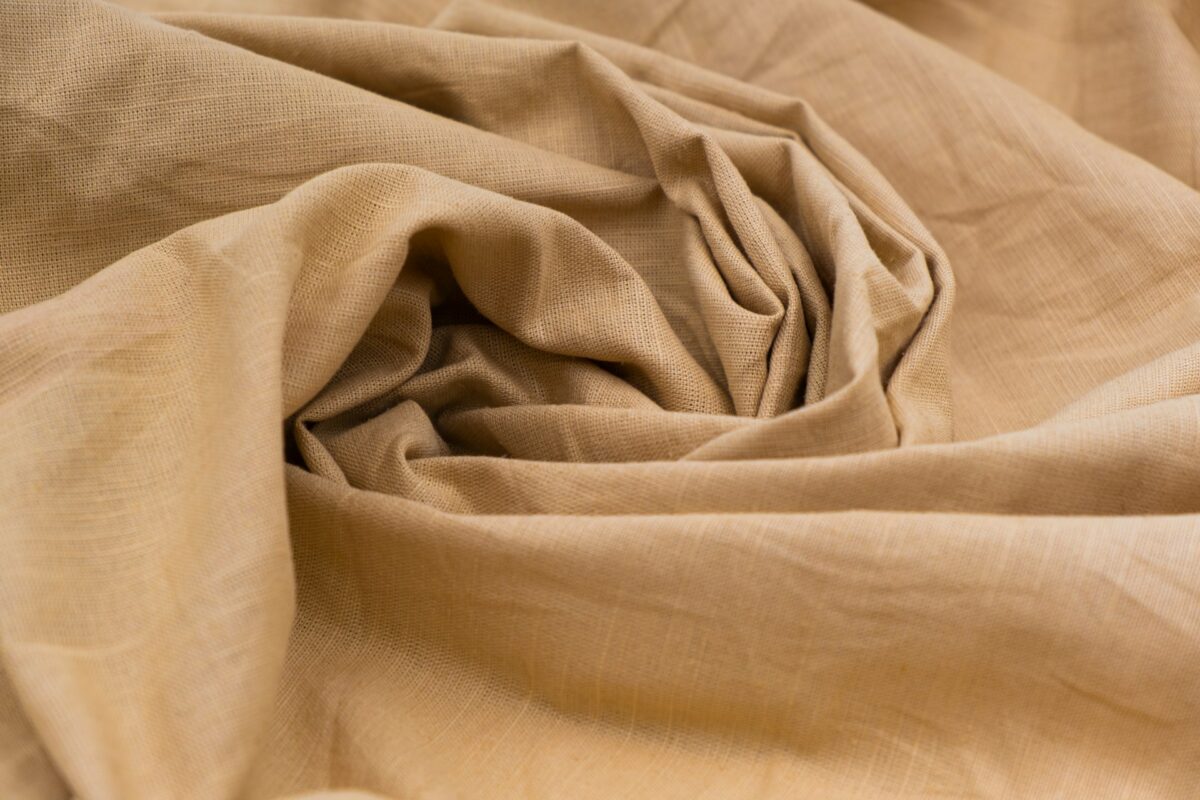
British colonial forces stationed in India during the mid-nineteenth century found that their traditional bright red uniforms made them dangerously visible targets, so officers began dyeing their white cotton uniforms with local materials to produce a dusty tan color, taking the name khaki from the Urdu and Persian word for dust colored.
The British Army officially adopted khaki uniforms for expeditions by the 1880s, and other colonial and national armies followed within decades. The color and its associated twill fabric later became a standard in civilian workwear and casual trousers.
The Modern Rucksack
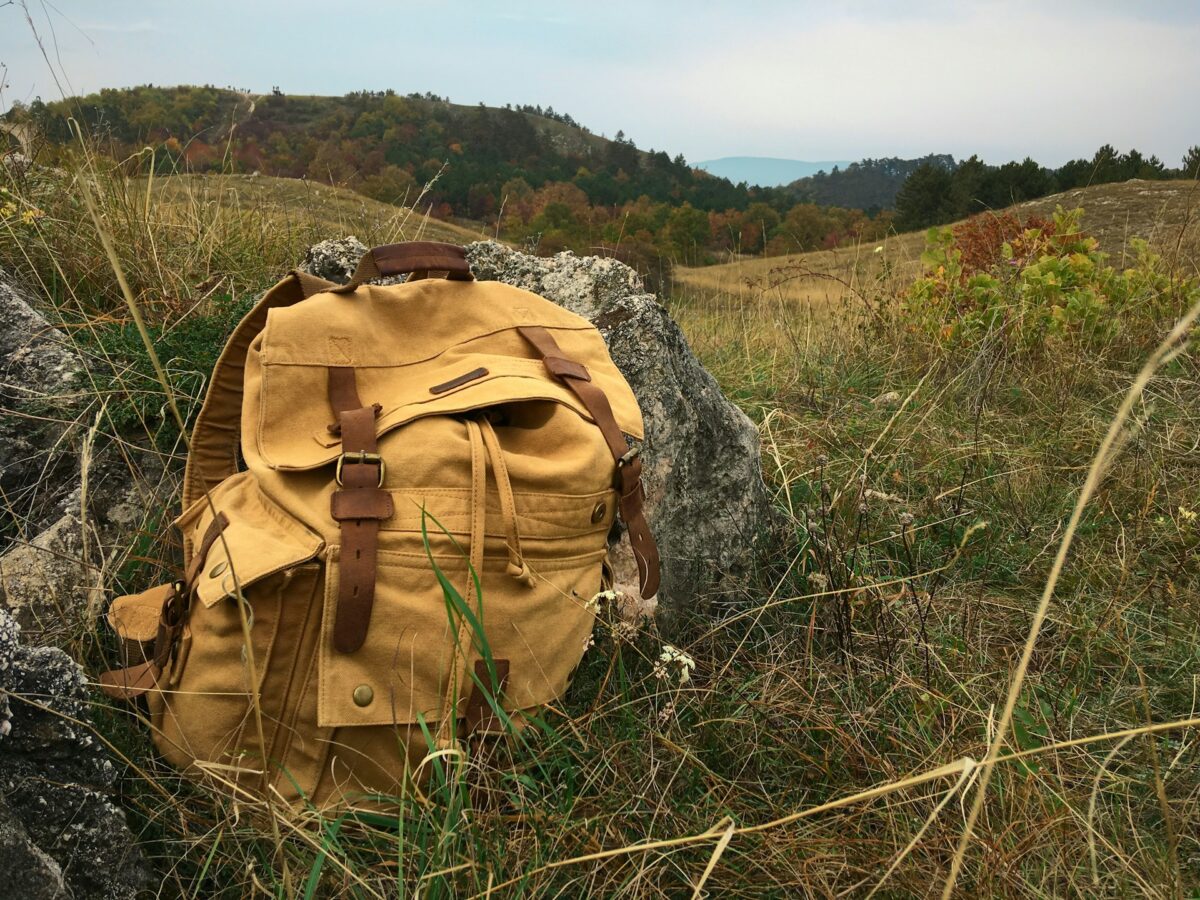
Backpack designs used by hikers and students trace much of their structure to military load-bearing equipment, particularly the internal and external frame packs the US Army developed through the ALICE system introduced in the 1970s, which distributed weight across the hips rather than the shoulders alone.
Outdoor equipment companies adapted the frame and strap engineering for civilian hikers seeking to carry heavier loads over long distances. The padded hip belt now standard on hiking backpacks descends directly from that military load-distribution research.
The Ballpoint Pen
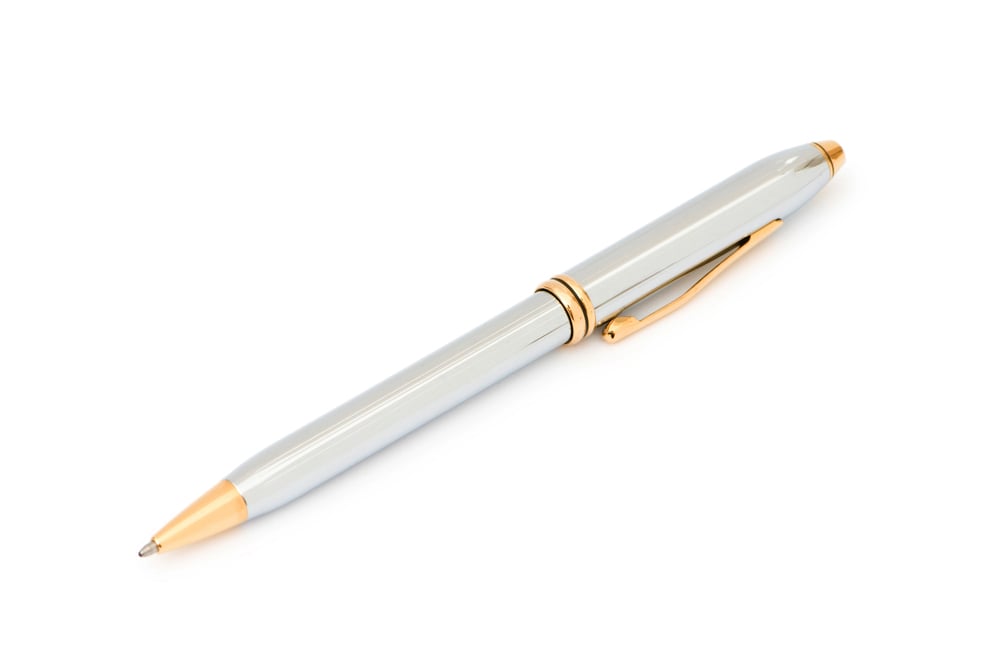
Fountain pens leaked and skipped at high altitude, a serious problem for Royal Air Force navigators filling out flight logs during the Second World War. The British government purchased the rights to a new ballpoint design from Hungarian inventor László Bíró specifically to solve the problem, since the thicker ink and rolling round tip performed reliably under changing air pressure.
The RAF contract gave the pen its first major production run, and postwar manufacturers marketed the same design to offices and schools worldwide.
Instant Coffee

Soluble coffee existed in crude forms before the twentieth century, but the US military drove its mass production during the Second World War, shipping enormous quantities of instant coffee to soldiers who needed a quick, lightweight way to prepare a hot drink without brewing equipment in the field. Nescafé and other manufacturers scaled up production dramatically to meet military contracts.
When the war ended, factories built for army orders shifted to supermarket shelves, and instant coffee became a permanent, if debated, fixture of civilian kitchens.
Consumer Drones
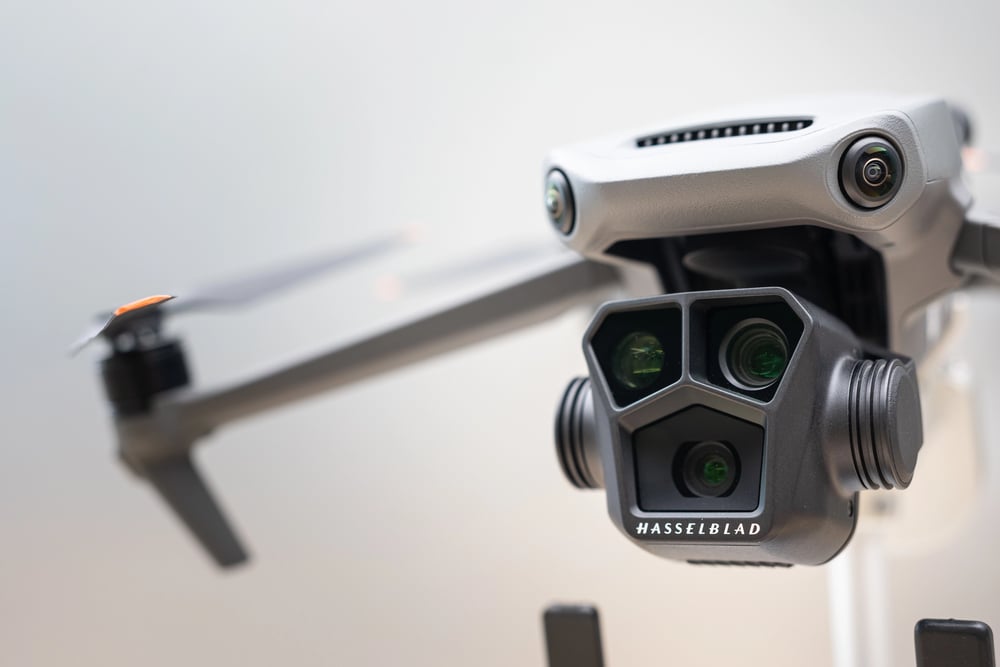
Unmanned aerial vehicles were developed by military agencies for reconnaissance and, later, targeted strikes, with programs stretching back to remote-controlled target aircraft used for anti-aircraft training in the 1930s. The core technologies of stabilized flight control, GPS-guided navigation, and live video transmission all matured inside defense budgets long before hobbyists could buy anything similar.
Falling component costs eventually let companies package the same navigation and camera technology into consumer quadcopters, turning a reconnaissance tool into a device sold at electronics stores for aerial photography.
Insect Repellent

The active ingredient in most insect repellents, DEET, was developed by the US Army following the Second World War after jungle combat in the Pacific exposed how severely insect-borne disease could disable a fighting force. Army researchers tested thousands of compounds before settling on DEET for its effectiveness against mosquitoes and other biting insects in tropical conditions.
The Army released the compound for public use in 1957, and it has remained the most common active ingredient in commercial repellents ever since.
The Swiss Army Knife
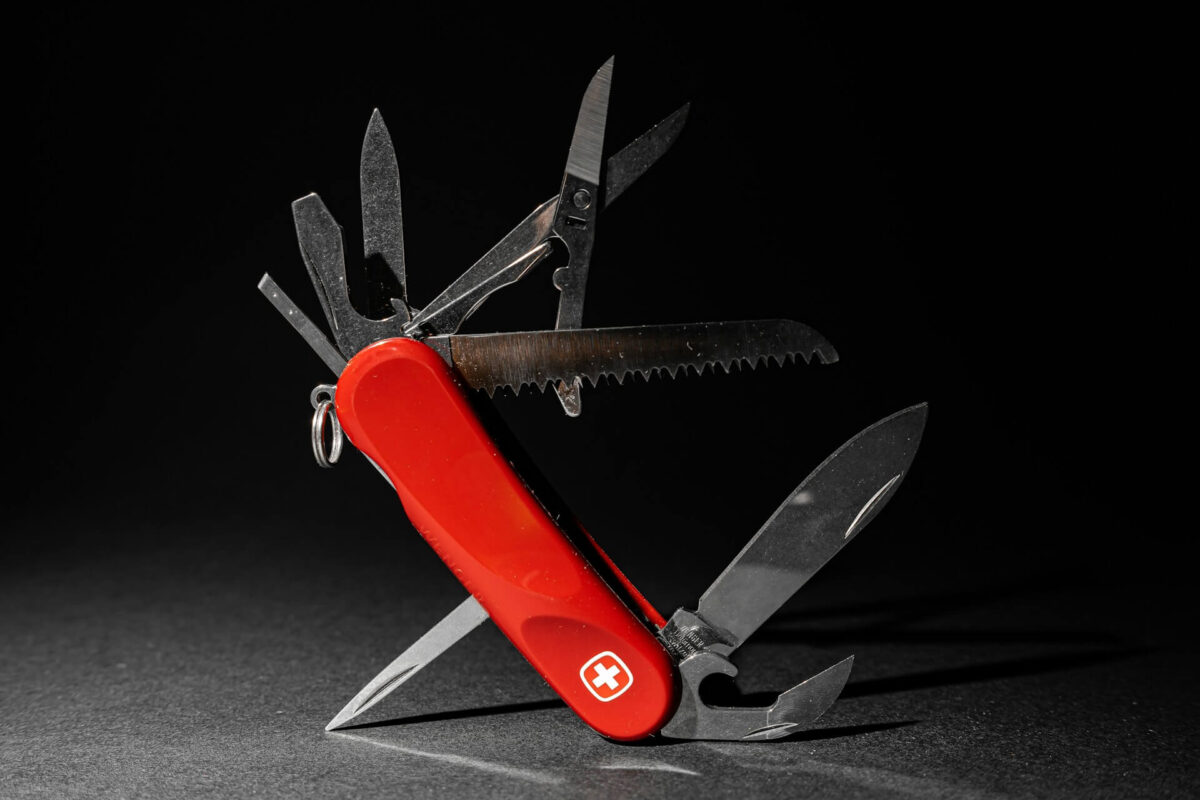
Swiss authorities in the 1880s wanted a single folding knife that soldiers could use to open canned rations and disassemble their service rifles, tasks that required both a blade and a screwdriver in one compact tool. Cutler Karl Elsener won the military contract in 1891 and later added a corkscrew and second blade for officers, creating the version that became internationally famous.
The tool’s reputation as an all-purpose gadget grew steadily among civilians long after its original battlefield function became largely irrelevant.
Robotic Vacuum Cleaners
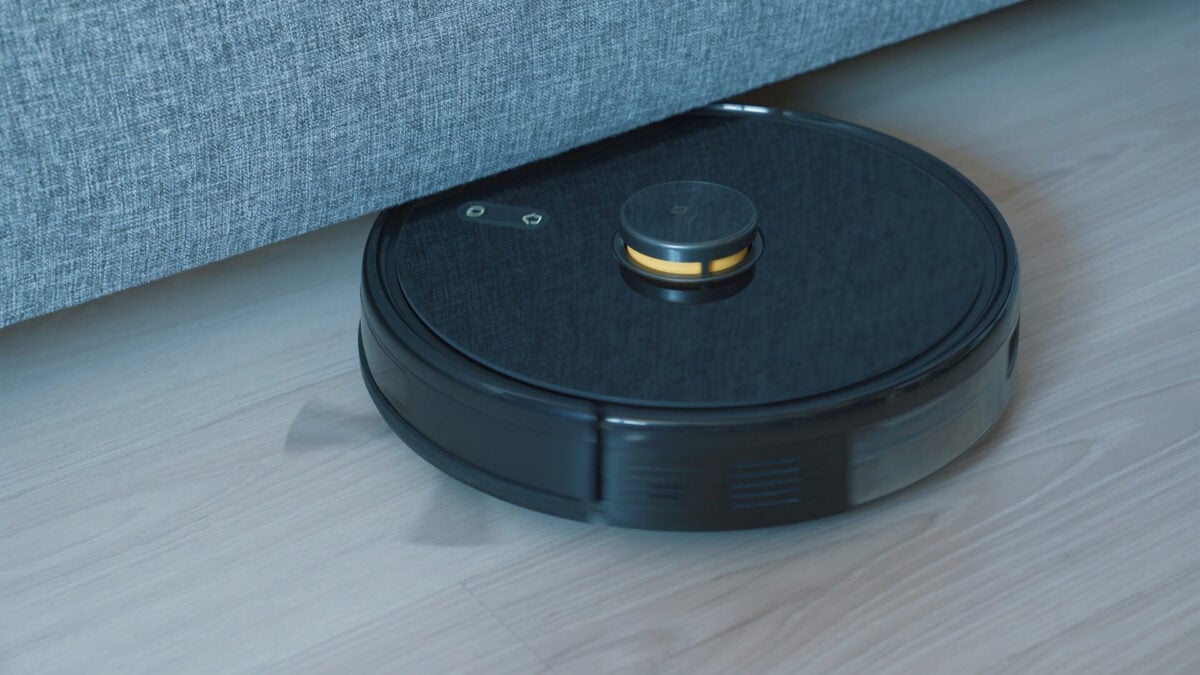
The engineers who founded iRobot spent years building robots for the US military and NASA, including systems designed to clear land mines and perform reconnaissance in hazardous environments where sending a soldier was too dangerous. That research into low-cost sensors, obstacle navigation, and autonomous movement directly informed the company’s later consumer product, the Roomba, released in 2002.
The same navigation logic that once guided robots through minefields now guides a small disc-shaped vacuum around a living room couch.
What the Battlefield Leaves Behind
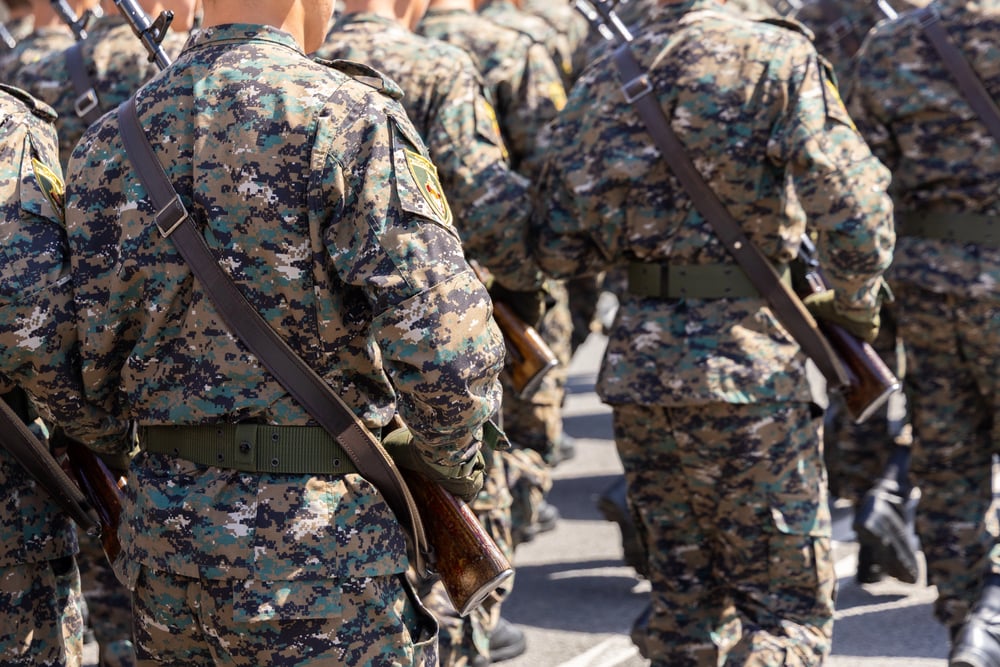
Military research budgets solve narrow, urgent problems, but the technology rarely stays contained to its original purpose once a war ends and the patents, engineers, and manufacturing capacity are suddenly available for something else. A compound meant to seal a wound becomes a household glue. A radar component becomes a kitchen appliance.
A navigation system built to guide missiles becomes an app telling someone where the nearest coffee shop is. The pattern holds because militaries fund research at a scale and urgency civilian markets rarely match on their own, especially during major wars when entire industries reorganize around a single mission.
Peace does not erase that investment. It just redirects it, and the objects on this list are what happens when battlefield engineering runs out of battlefields and finds its way into ordinary life instead.
More from Go2Tutors!

- The Romanov Crown Jewels and Their Tragic Fate
- 13 Historical Mysteries That Science Still Can’t Solve
- Famous Hoaxes That Fooled the World for Years
- 15 Child Stars with Tragic Adult Lives
- 16 Famous Jewelry Pieces in History
Like Go2Tutors’s content? Follow us on MSN.