24 Famous Novels First Published in Newspaper Installments
Before paperbacks, readers met many of the great novels one slice at a time, over breakfast, in a daily paper. Editors learned that a good cliffhanger sold subscriptions, and writers learned to end each installment on a hook.
Some books grew far longer than planned because readers kept buying the next issue.
The practice shaped plots, pacing and even endings. These twenty-four novels first reached the public in newspapers, from Paris and Warsaw to Tokyo, Hong Kong and San Francisco.
The Count of Monte Cristo
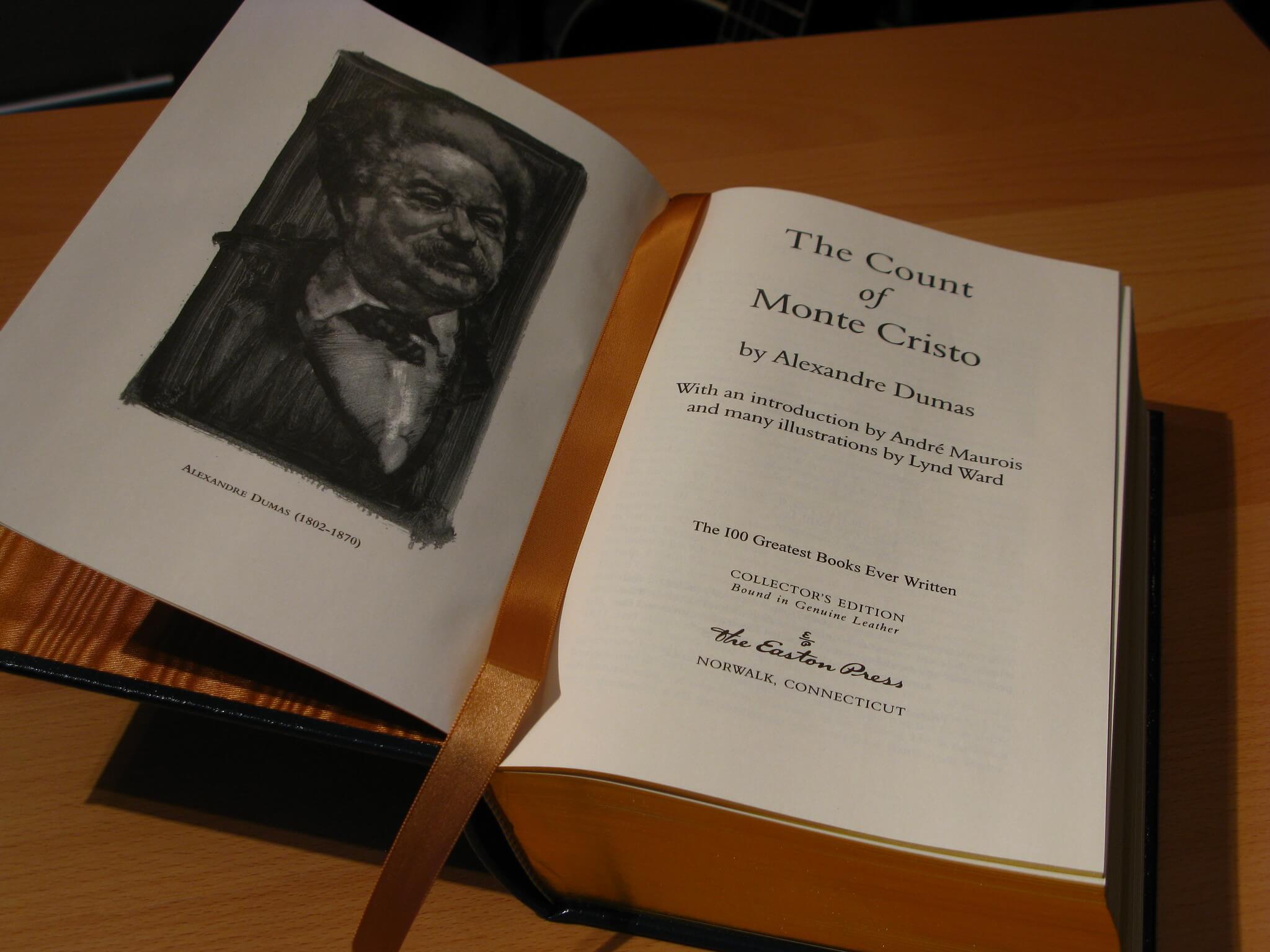
Alexandre Dumas’s novel ran in the Journal des Débats from August 28, 1844, to January 15, 1846. Its long, twisting revenge plot was well suited to a serial that kept readers returning for seventeen months.
The newspaper format helped turn a prison escape into a national obsession.
The Mysteries of Paris
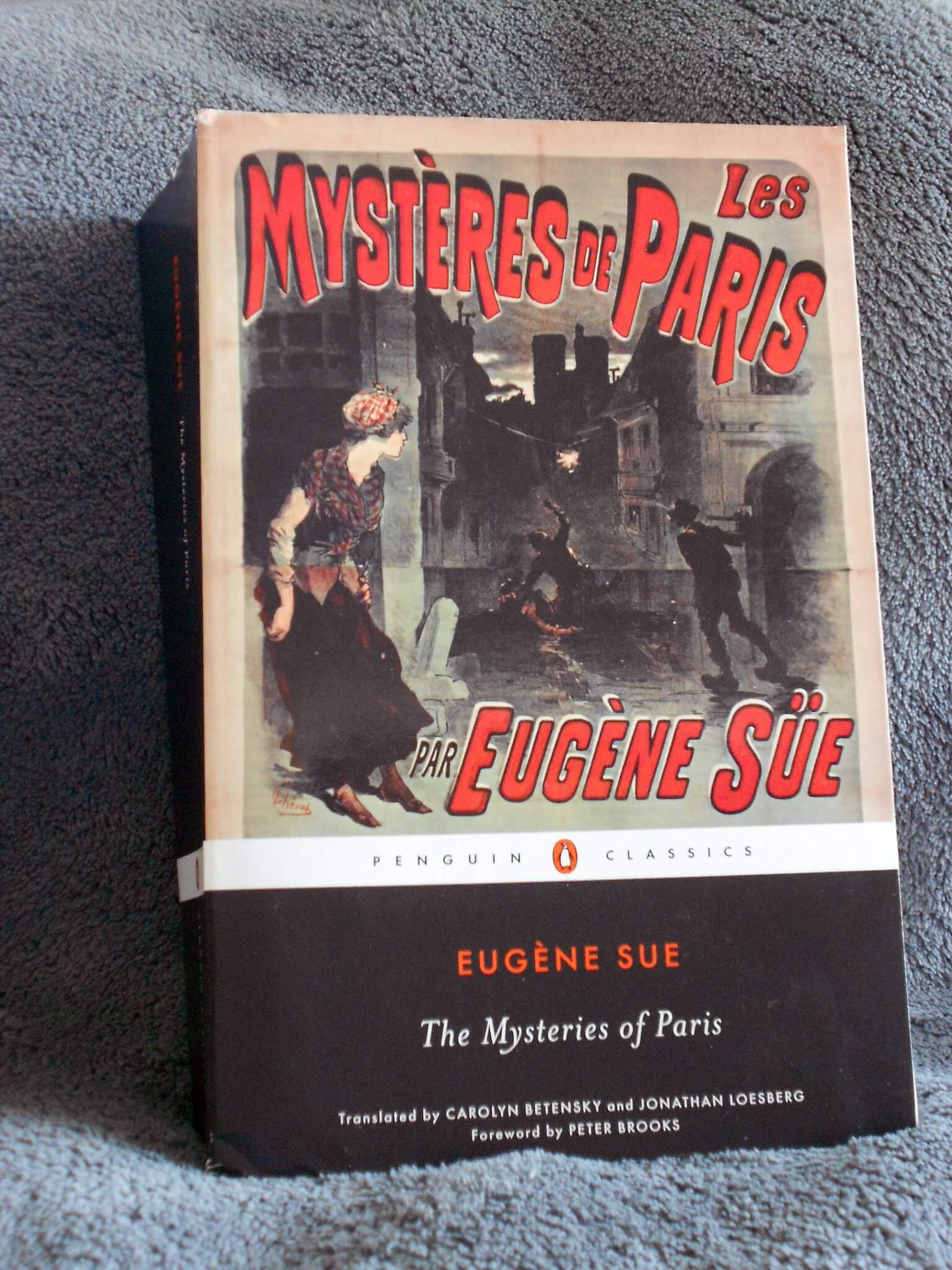
Eugène Sue’s novel appeared in the Journal des débats from June 19, 1842, to October 15, 1843, in 90 parts. It sent readers into the city’s underworld and helped set the template for the popular serial.
Its success showed publishers how much a daily story could be worth.
The Wandering Jew

Sue’s later serial appeared in Le Constitutionnel, and the paper’s circulation reportedly rose from 3,600 to 25,000 during its run. Few novels have ever moved a newspaper’s sales so sharply.
The figure explains why editors chased serial fiction so eagerly.
The Three Musketeers
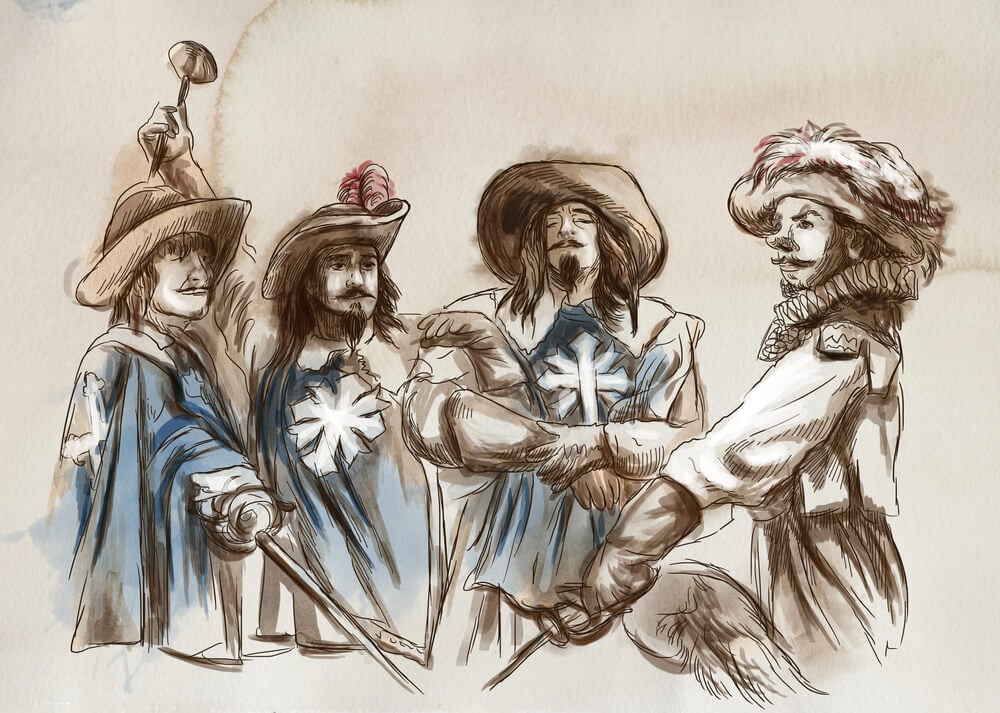
Dumas’s swashbuckler ran in Le Siècle from March 14 to July 14, 1844. A four-month serial gave the story its brisk, episodic rhythm.
Each chapter’s ending pushed readers toward the next issue.
La Vieille Fille
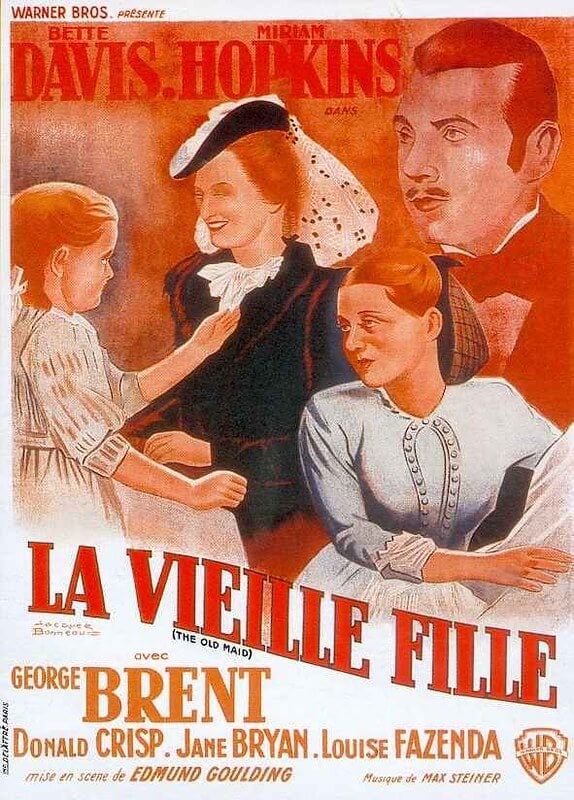
Honoré de Balzac’s novel began in La Presse on October 23, 1836, and ran into late November. It is often described as the first serialized novel.
Its appearance in a daily paper marked a turning point in how fiction reached readers.
Germinal
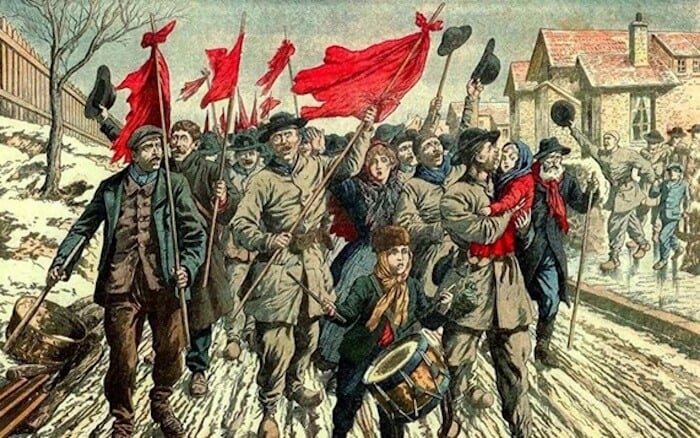
Émile Zola’s mining epic appeared in Gil Blas from November 26, 1884, to February 25, 1885. When the editor objected to a passage, Zola replaced it with 16 rows of ellipses in the January 28, 1885, issue.
The line of dots remains one of the stranger edits in literary history.
Bel-Ami
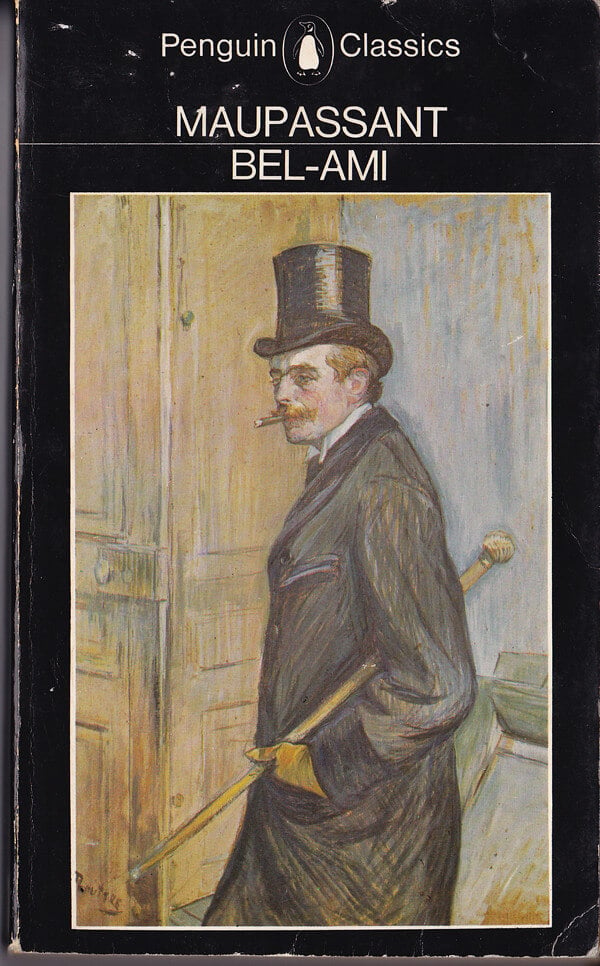
Guy de Maupassant’s novel ran in Gil Blas in 1885. The paper also serialized several other Zola novels, including L’Argent and Au Bonheur des Dames.
Gil Blas had become a key outlet for the leading French realists.
The Phantom of the Opera
Gaston Leroux’s novel ran in Le Gaulois from September 23, 1909, to January 8, 1910. A mystery set inside the Paris Opera suited the format perfectly.
Readers followed the story for over three months.
Around the World in Eighty Days
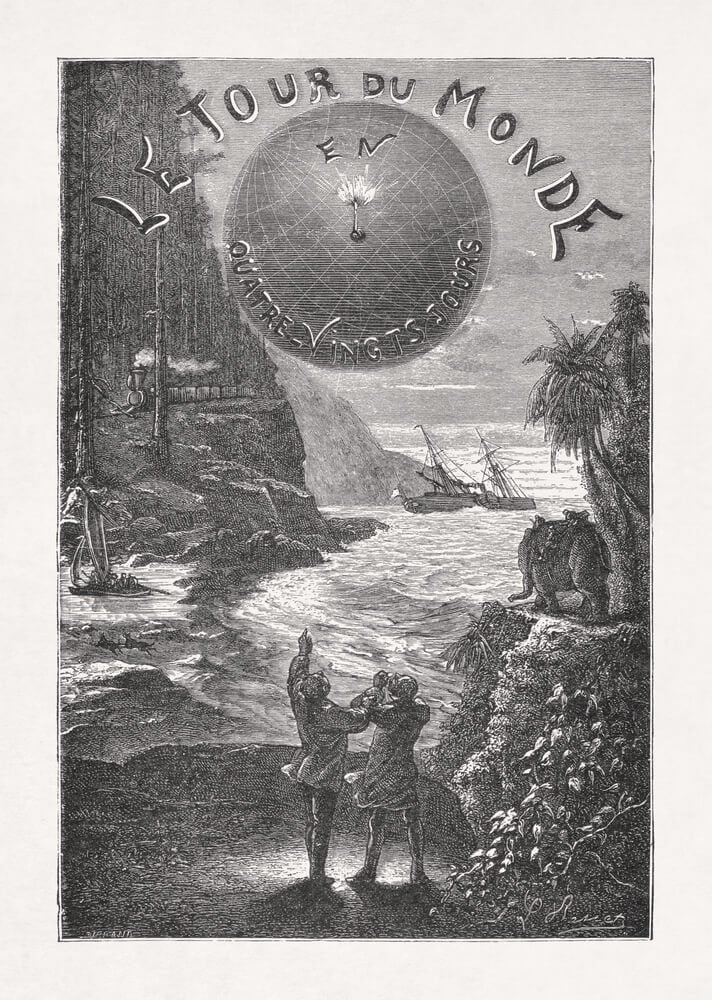
Jules Verne’s novel ran in Le Temps from November 6 to December 22, 1872. The ending was timed to the real-world deadline in the story, which gave the serial an unusual sense of suspense.
Readers could count the days along with the hero.
Quo Vadis
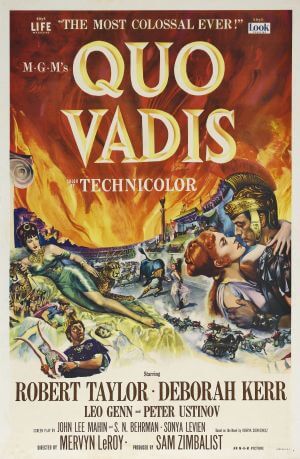
Henryk Sienkiewicz’s novel ran in the Gazeta Polska from March 26, 1895, to February 29, 1896, and also appeared in Czas and Dziennik Poznański. It reached readers across Polish lands through several papers at once.
Its serialization helped build an enormous audience before the book came out.
In Desert and Wilderness

Sienkiewicz’s adventure novel ran in the Kurier Warszawski in 1910 and 1911. It was written for younger readers and sent them across Africa in weekly stretches.
Serialization made it a shared experience for Polish families.
The Doll

Bolesław Prus’s novel ran in the Kurier Codzienny from September 29, 1887, to May 24, 1889. It stretched across nearly twenty months.
The slow pace allowed Prus to build a detailed portrait of Warsaw society.
The Jungle

Upton Sinclair’s novel ran in the socialist weekly Appeal to Reason from February 25 to November 4, 1905. The paper advanced him $500, and the ending was never printed in the paper itself.
Its exposé of the meatpacking industry reached a huge working-class audience.
Uncle Tom’s Cabin
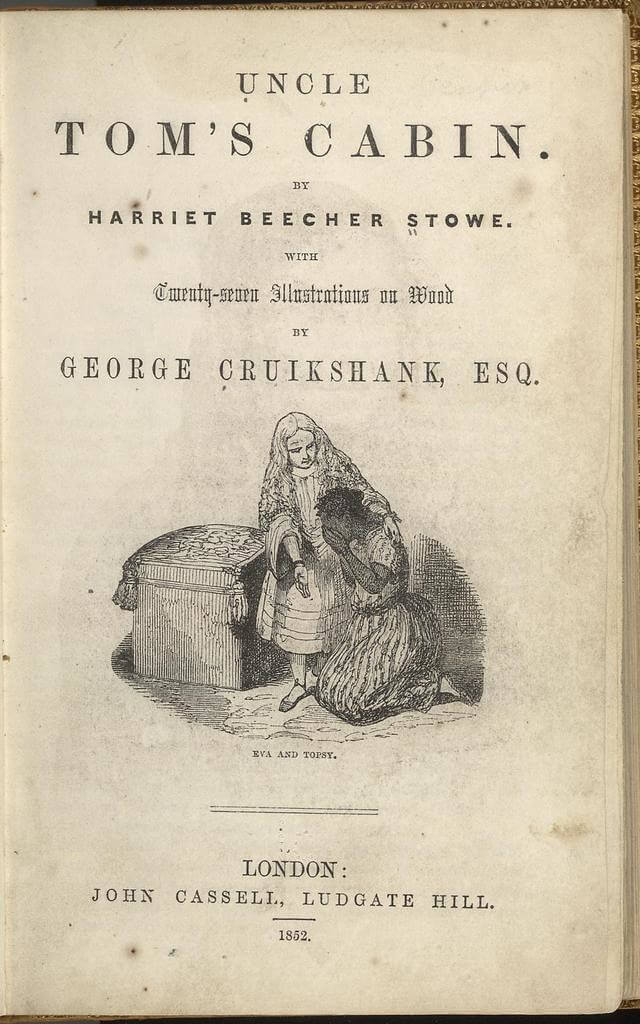
Harriet Beecher Stowe’s novel began in The National Era on June 5, 1851, and ran for 40 installments over 39 weeks. The weekly format made the antislavery story a recurring topic of conversation.
It reached readers long before it appeared as a book.
Robbery Under Arms

Rolf Boldrewood’s bushranging novel ran in the Sydney Mail from July 1, 1882, to August 11, 1883. It became one of the best-known Australian adventure stories.
The serial gave colonial readers a story set in their own landscape.
Sanshirō
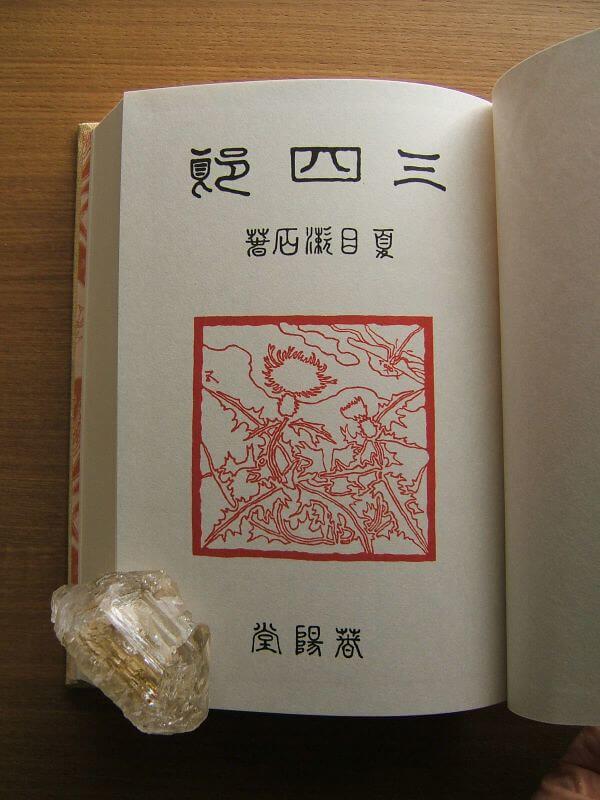
Natsume Sōseki joined the Asahi Shimbun in 1907, and Sanshirō ran in the paper from September 1 to December 29, 1908. It followed a young man’s arrival in Tokyo.
The newspaper became Sōseki’s main platform for his major novels.
And Then

Sōseki’s Sorekara, known in English as And Then, ran in the Asahi Shimbun from June 27 to October 14, 1909. It continued the writer’s run of serial novels for the paper.
Readers followed it through the summer and into autumn.
Kokoro
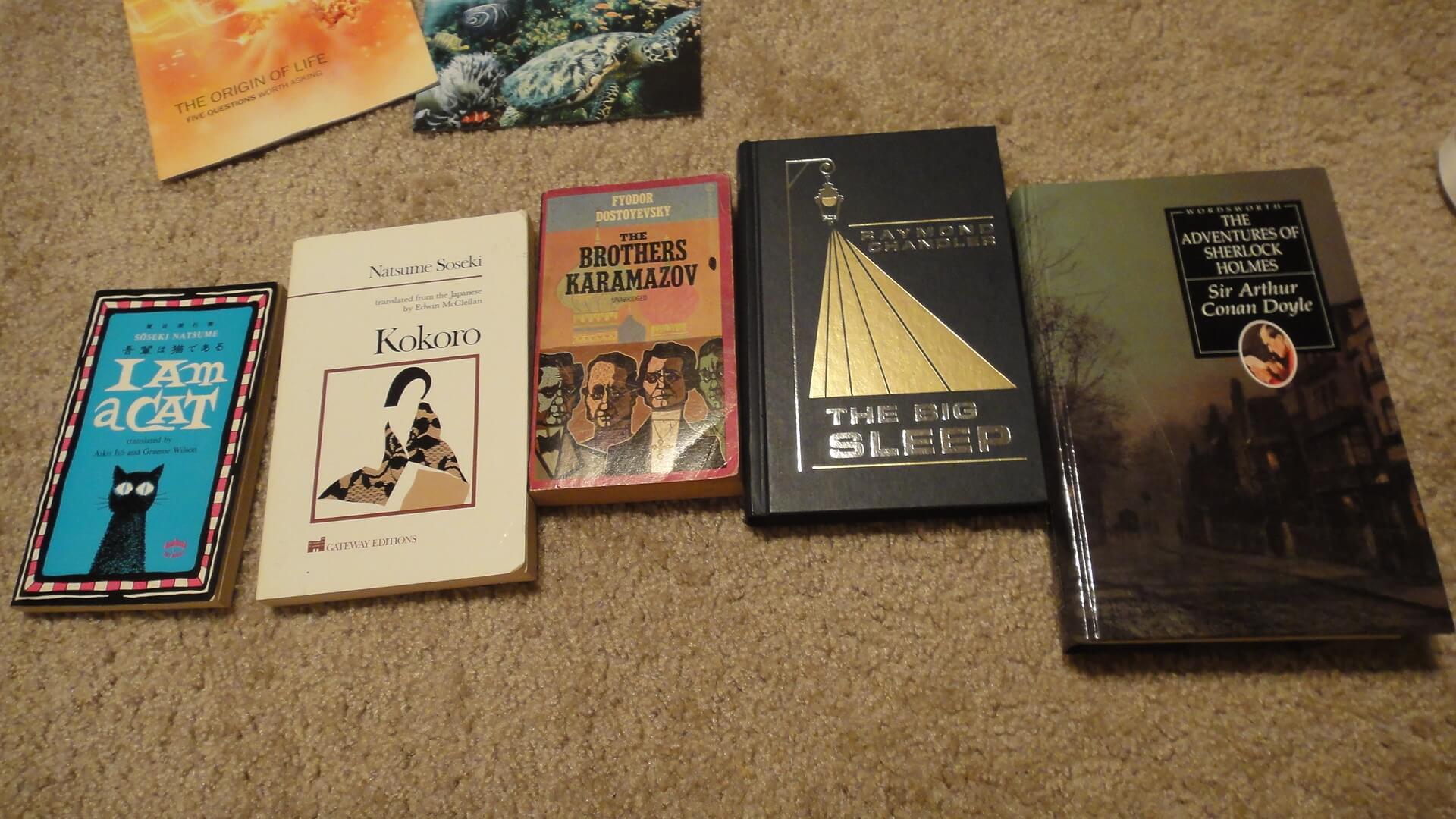
Kokoro ran in the Asahi Shimbun from April 20 to August 11, 1914. It remains one of the most widely read novels in Japanese literature.
Its serial origin is easy to forget in a book now so firmly canonical.
Light and Darkness
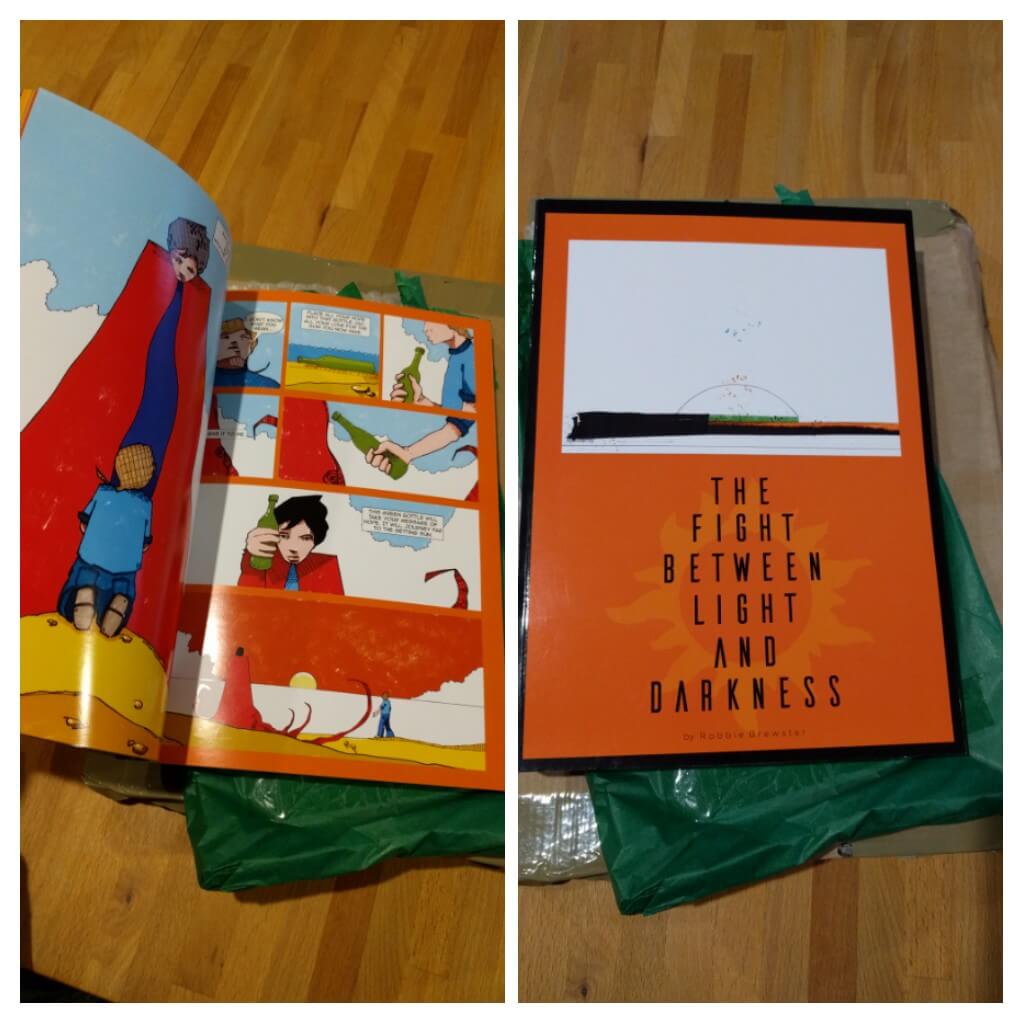
Sōseki’s Meian, or Light and Darkness, ran in the Asahi Shimbun from May 26 to December 14, 1916. He died before finishing it, and the last installment printed was the 188th.
The novel remains unfinished.
Konjiki Yasha
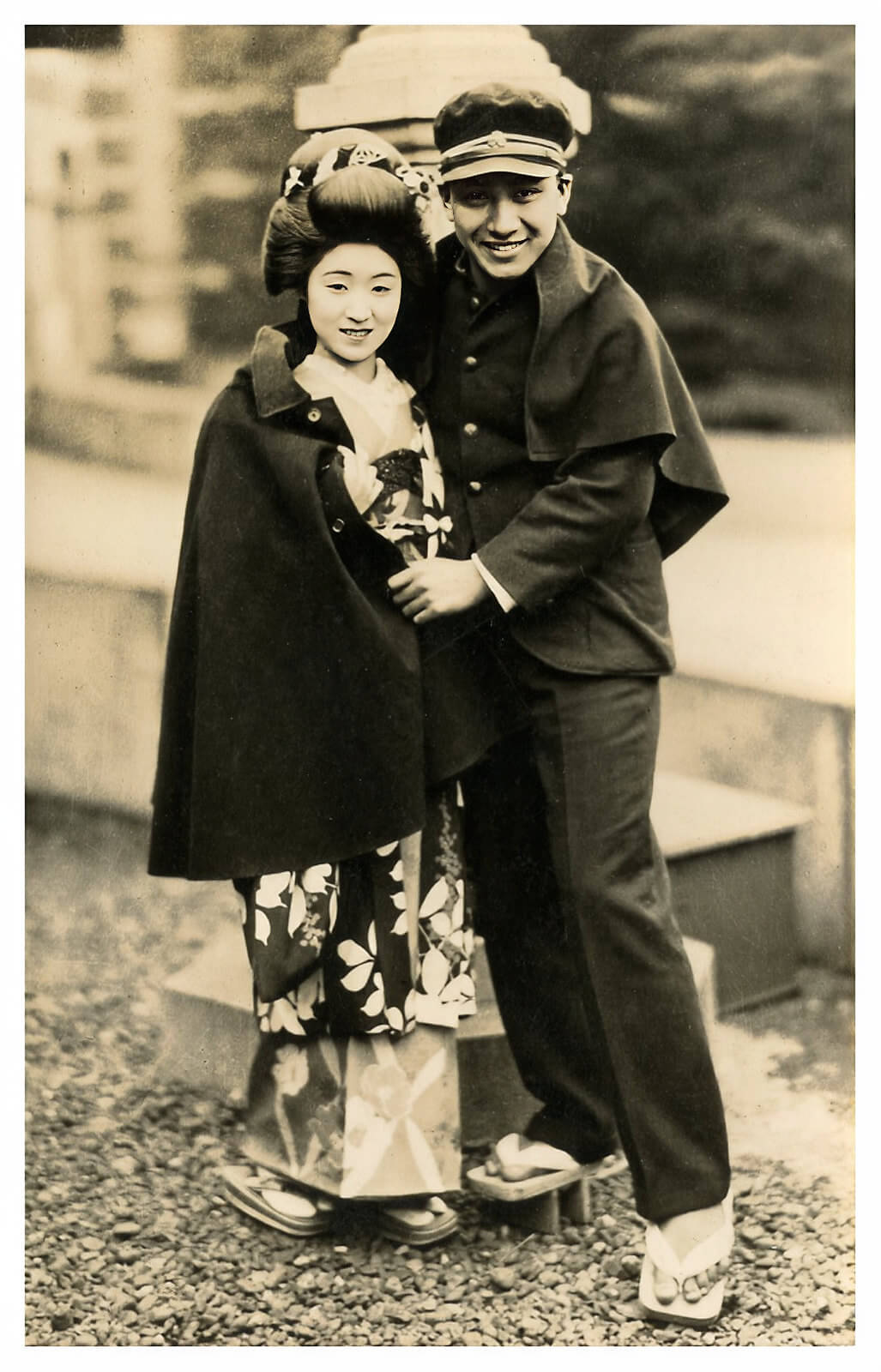
Ozaki Kōyō’s Konjiki Yasha ran in the Yomiuri Shimbun from 1897 to 1903. Its six-year span meant the story outlasted its author’s health.
It became one of the best-loved popular novels of Meiji-era Japan.
Tales of the City

Armistead Maupin’s Tales of the City began in San Francisco newspapers in 1976, including the Chronicle. Its short, frequent installments captured the city’s social world in real time.
The serial format shaped the book’s brisk, gossipy tone.
44 Scotland Street

Alexander McCall Smith’s 44 Scotland Street began in The Scotsman on January 26, 2004, and ran for 110 chapters as a daily serial for six months. A modern novel in the old format proved the idea still worked.
The book followed the residents of an Edinburgh tenement.
The Legend of the Condor Heroes

Jin Yong’s martial arts epic ran in the Hong Kong Commercial Daily from January 1, 1957, to May 19, 1959. It helped establish the wuxia novel as a mass-market form.
Readers followed it daily for more than two years.
The Return of the Condor Heroes

The sequel began in the first issue of Ming Pao on May 20, 1959. Ming Pao had been founded that same year, so the novel launched alongside the paper.
A serial was an investment in the paper’s identity as well as its sales.
The Slow Burn of the Daily Hook

Serial publication forced writers to think like editors. Each installment needed to satisfy and tease at once, and the best of them learned to end on a question.
The structure still shows in the pacing of the books these papers produced. The newspaper novel faded as radio and television took over the daily habit of waiting for the next chapter.
Yet its habits survive in streaming series and weekly releases. The appetite for a story told in pieces never went away.
More from Go2Tutors!

- 27 Silver Dollars and Half Dollars Worth Keeping
- 28 Restaurant Menu Items Nobody Orders Anymore
- 17 Places Built in Seemingly Impossible Spots
- 27 Vintage Rings Worth More Than They Look
- 25 Restricted Sites Tourists Can’t Enter
Like Go2Tutors’s content? Follow us on MSN.