17 Wedding Traditions That Started as Business Deals
Think your wedding is all about love and romance? Think again. Most of the traditions we consider sacred and meaningful today actually started as cold, hard business transactions.
From the dress you wear to the ring on your finger, nearly every wedding custom has roots in money, property deals, or political negotiations. It’s pretty wild when you realize that what we see as the most romantic day of our lives was once basically a corporate merger with fancy clothes.
Here is a list of 17 wedding traditions that began as purely business arrangements.
White Wedding Dress

Queen Victoria didn’t wear white to look angelic—she wore it to show off her wealth. Before 1840, brides wore their best dress in any color they owned.
White fabric was expensive and impractical since it couldn’t be worn again for everyday tasks. When Victoria chose white silk for her wedding to Prince Albert, she was making a statement about British textile manufacturing and her ability to afford a one-time-use garment.
Diamond Engagement Rings
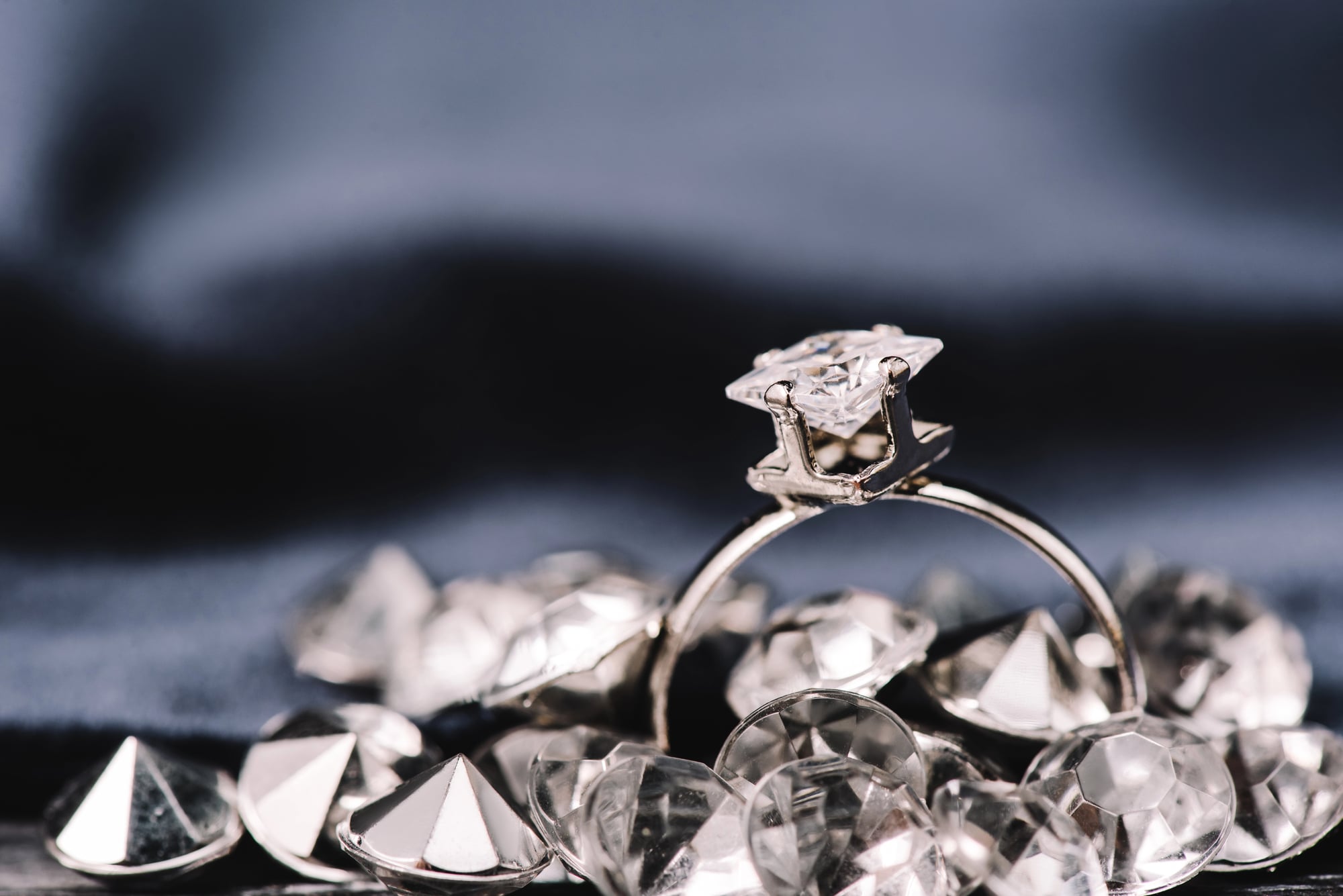
De Beers diamond company invented this ‘tradition’ in the 1930s with their ‘A Diamond is Forever’ campaign. Before then, engagement rings were often simple bands or featured other gemstones.
The company needed to create demand for their product, so they convinced Americans that diamond rings were an ancient tradition essential for true love. It worked so well that diamond engagement rings became standard practice within a generation.
Like Go2Tutors’s content? Follow us on MSN.
Wedding Rings on the Fourth Finger
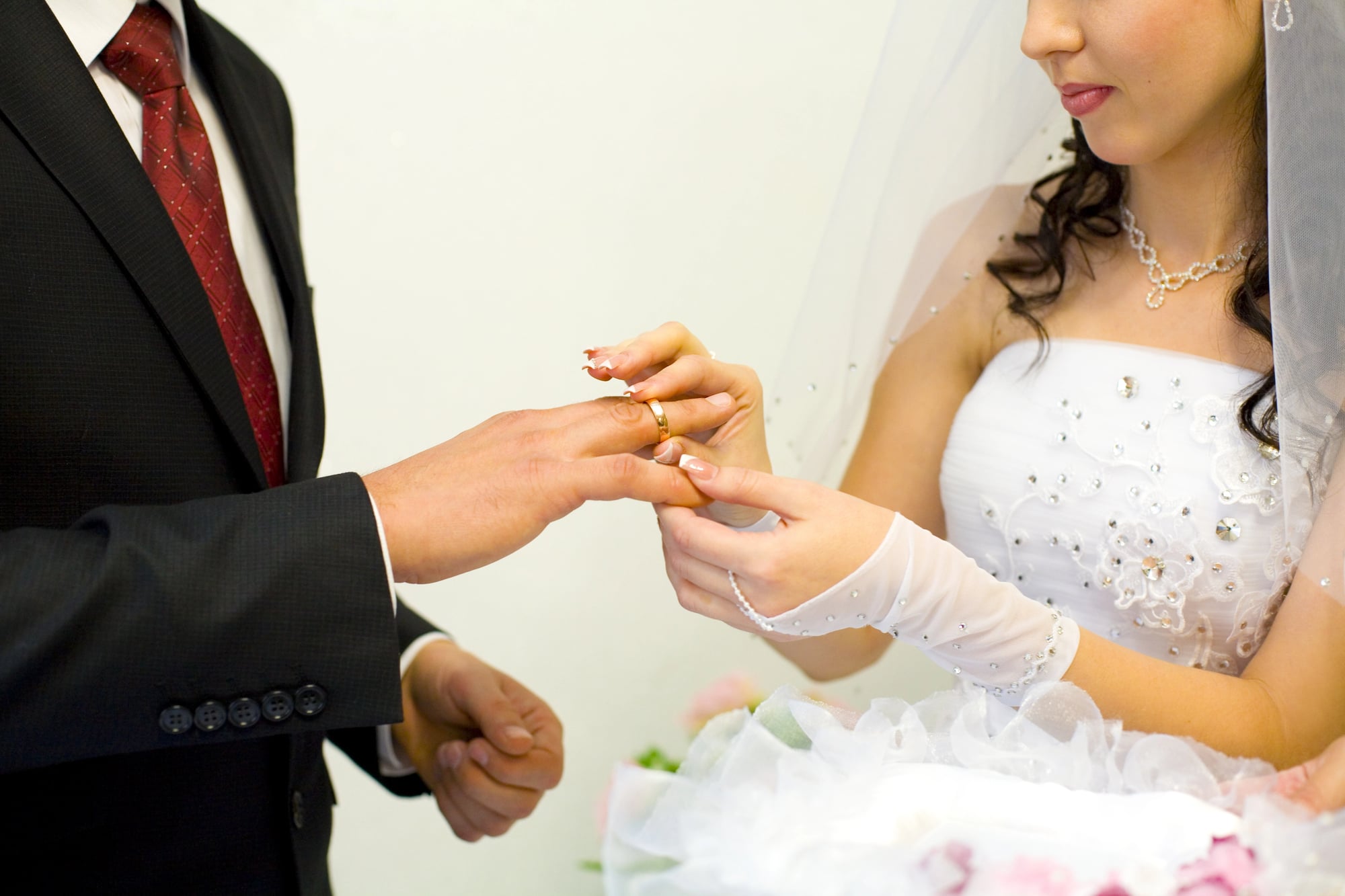
Ancient Romans believed a vein ran directly from the fourth finger to the heart, but the real reason was much more practical. This finger was chosen because it’s the hardest to use independently, making it difficult to lose or damage an expensive ring during daily work.
For wealthy families, the ring represented a significant investment that needed protection from the wear and tear of manual labor.
Bridal Veil
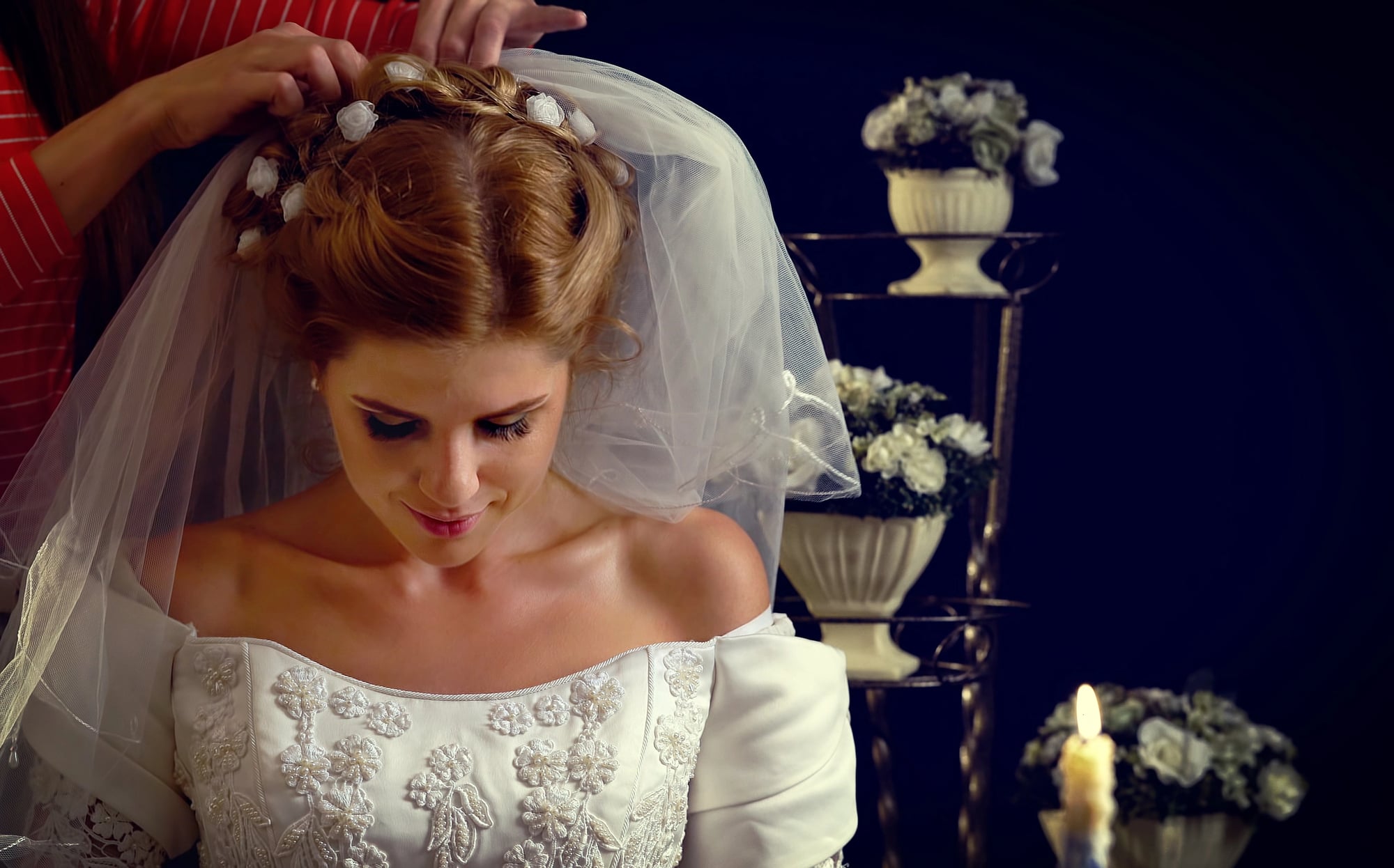
The veil wasn’t about modesty—it was about preventing buyer’s remorse. In arranged marriages, the groom often hadn’t seen his bride before the wedding day.
The veil ensured he couldn’t back out of the deal once he saw her face. It also symbolized the bride’s virginity and purity, which directly affected her family’s negotiating power and the dowry amount.
Bridesmaids
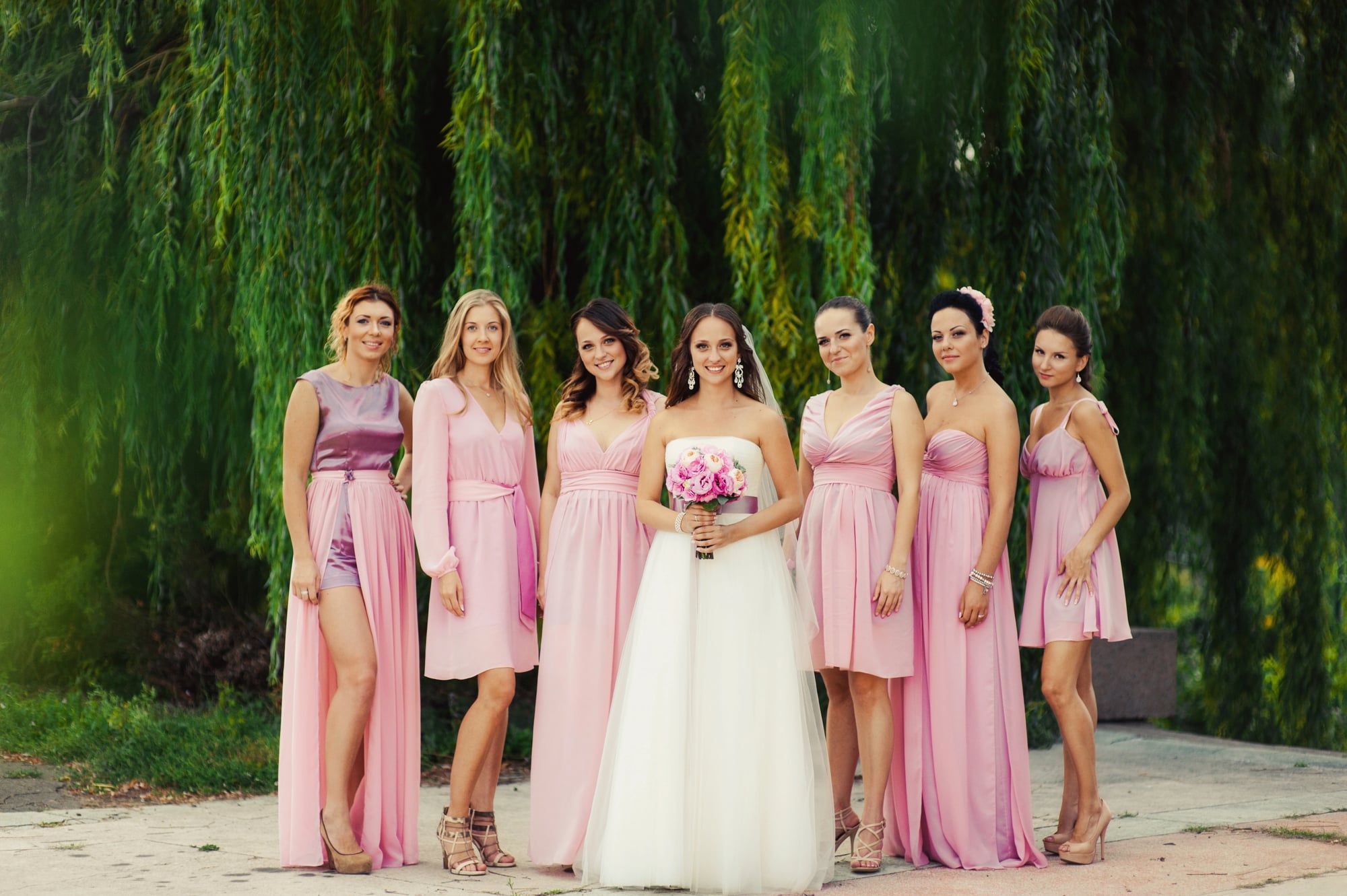
Roman law required ten witnesses for a wedding to be legally binding, but the real purpose was protection. Bridesmaids and groomsmen dressed similarly to the bride and groom to confuse evil spirits and jealous suitors who might try to disrupt the ceremony.
This was essentially an ancient security detail disguised as a fashion statement, protecting the families’ financial investment in the union.
Like Go2Tutors’s content? Follow us on MSN.
Wedding Cake
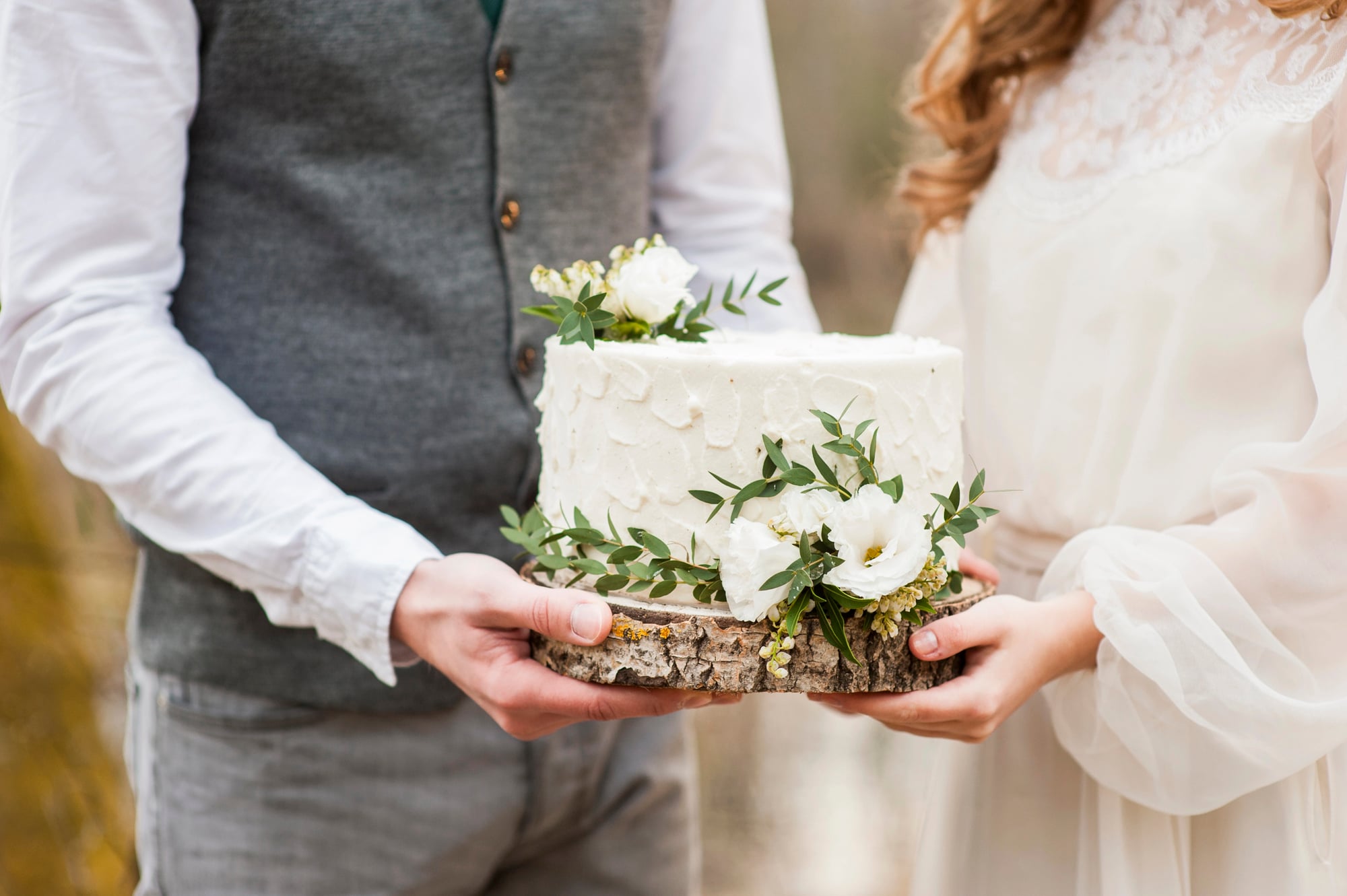
The wedding cake started as a business contract made edible. In ancient Rome, the groom would break a loaf of bread over the bride’s head to symbolize his dominance and her fertility.
Guests scrambled for crumbs because they believed it brought good luck. As weddings became more elaborate, wealthy families used increasingly expensive cakes to display their social status and financial power.
Throwing Rice
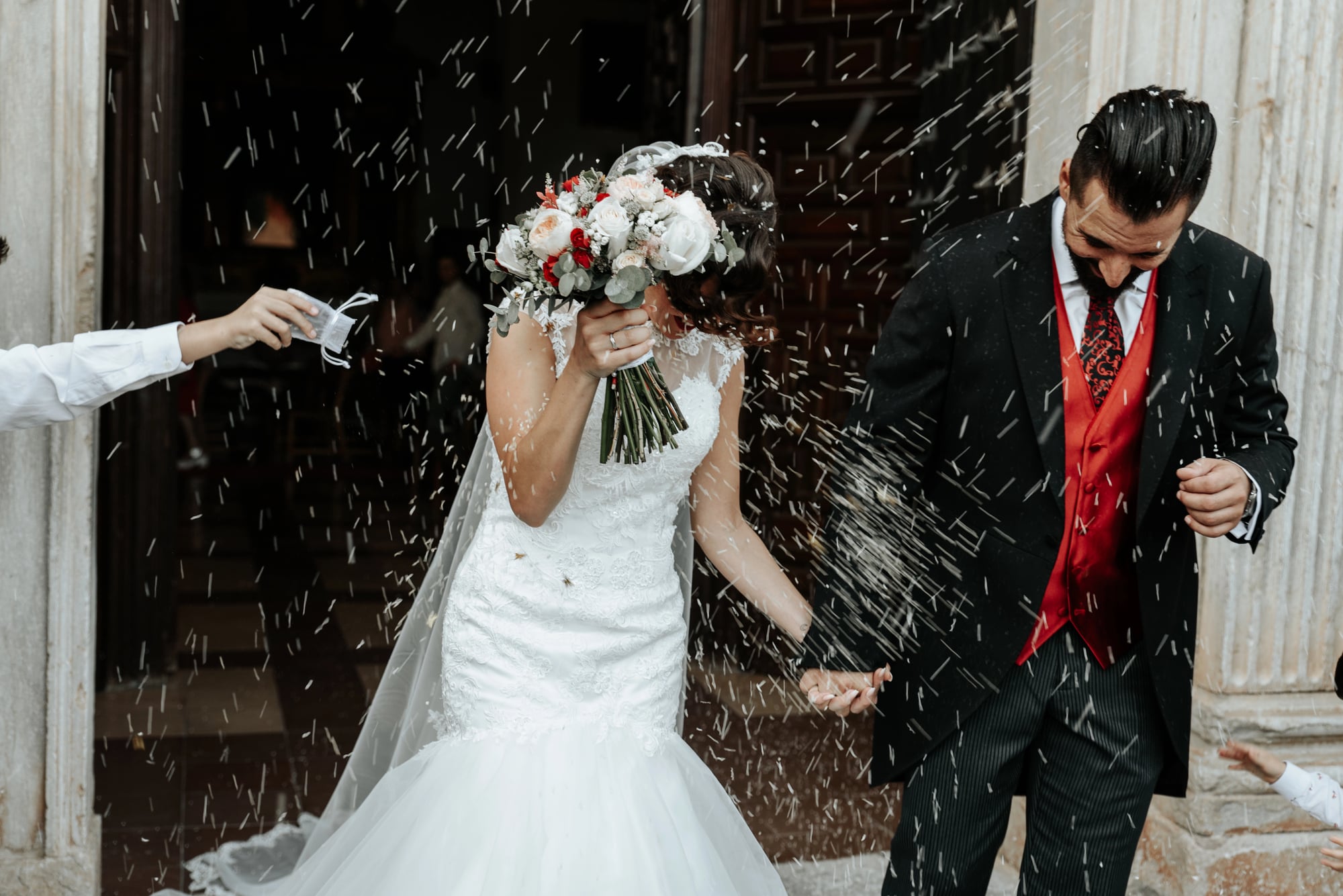
Rice throwing was agricultural advertising in disguise. The practice symbolized fertility and prosperity, but it also showcased the family’s wealth and their connection to successful farming.
Rice was expensive and throwing it away demonstrated that the family had so much abundance they could literally toss money into the air. It was a very public display of agricultural success and financial stability.
Carrying the Bride Over the Threshold

This tradition comes from ancient Rome, where it protected the family’s investment in marriage. If the bride tripped while entering her new home, it was considered bad luck that could doom the union.
Since marriages were business arrangements between families, they couldn’t risk supernatural interference with their carefully negotiated deal. The groom carrying his bride eliminated this potential problem entirely.
Like Go2Tutors’s content? Follow us on MSN.
Wedding Favors
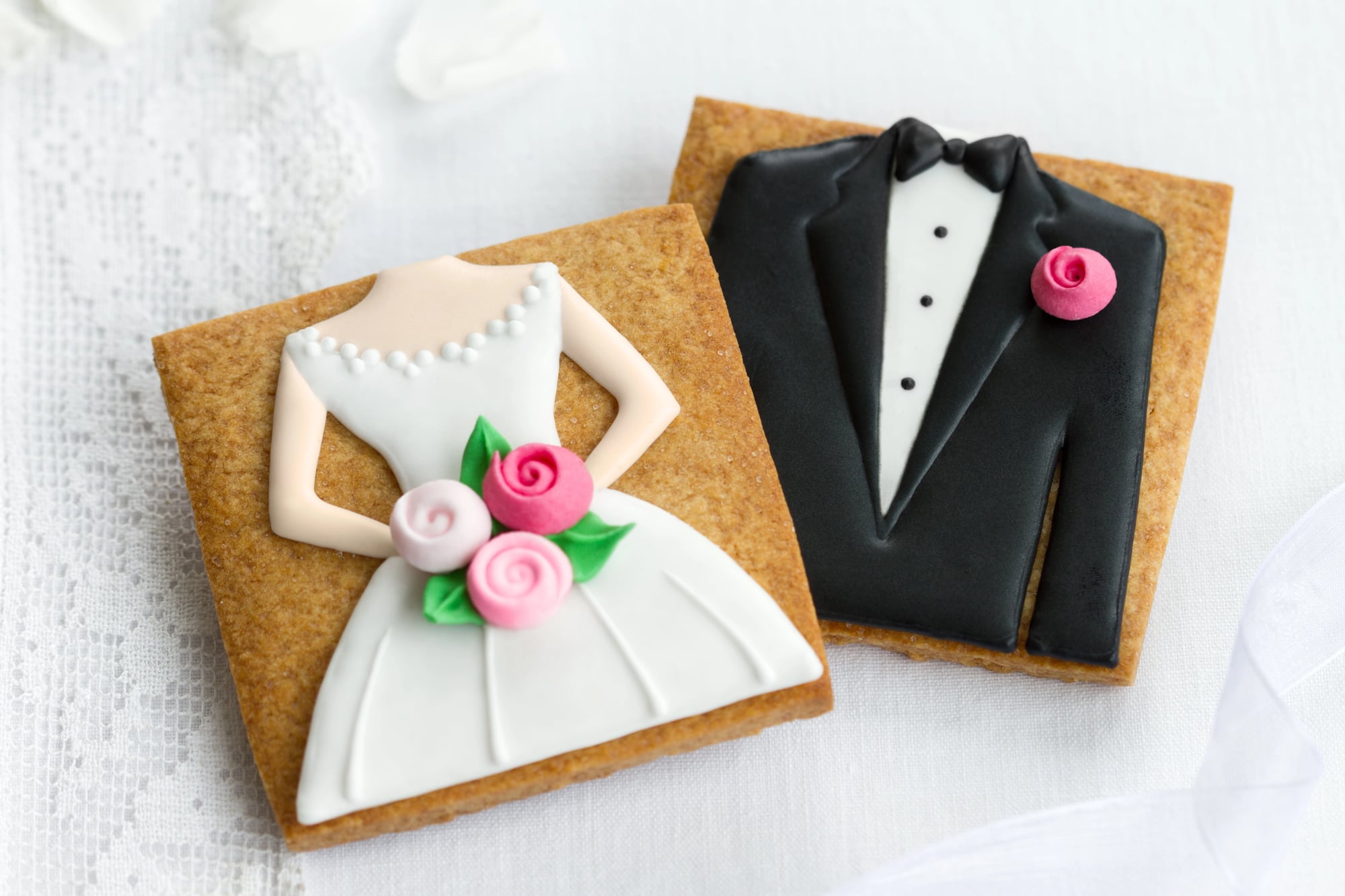
Medieval wedding favors were essentially medieval business cards. Wealthy families gave guests small trinkets or pieces of fabric from the bride’s dress to remind them of the family’s status and generosity.
These favors served as networking tools, helping families maintain business relationships and political alliances. The more expensive the favor, the more powerful the family appeared to their guests.
Wedding Processional
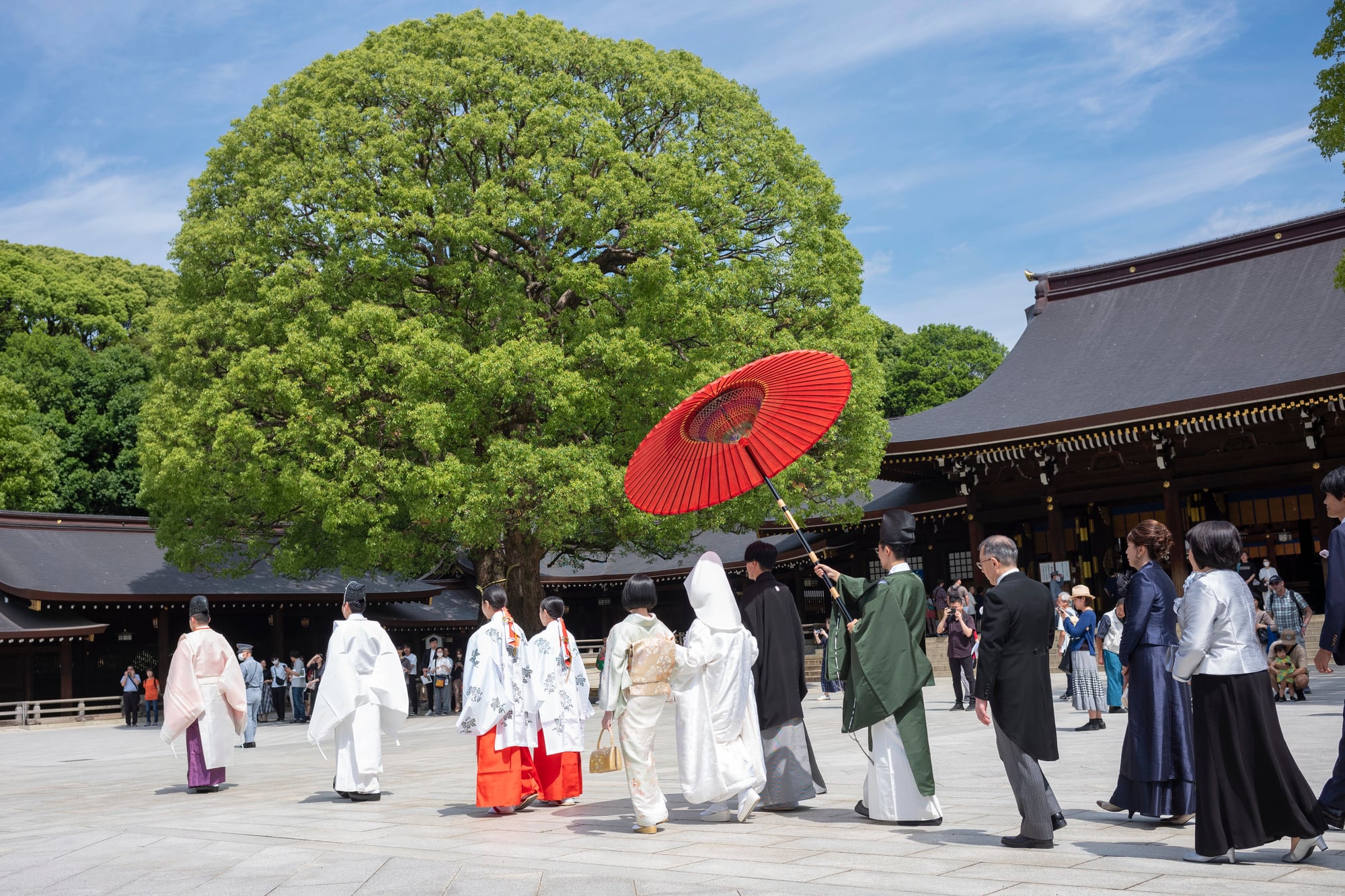
The processional wasn’t about grand entrances—it was about displaying inventory. The bride’s slow walk down the aisle gave guests time to observe her dress, jewelry, and overall appearance, which reflected her family’s wealth and social position.
This was particularly important in arranged marriages where the bride’s family needed to prove they were delivering on their promises about her value and upbringing.
Wedding Bouquet
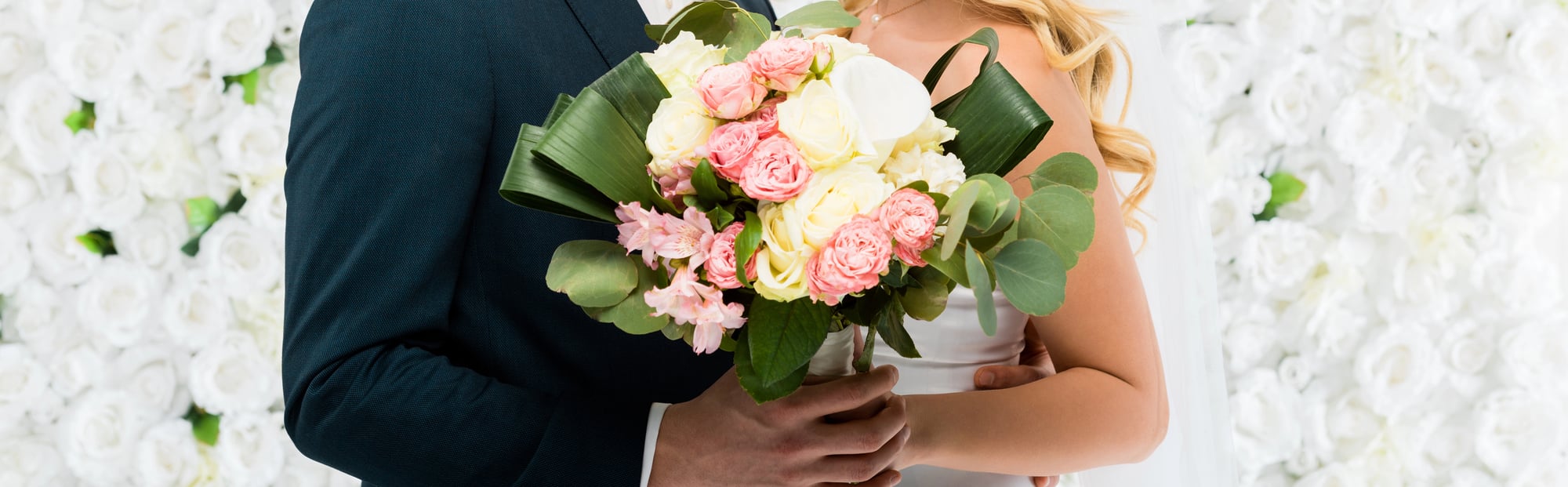
Brides originally carried herbs and spices, not flowers. These plants served multiple business purposes: they masked body odor (important for first impressions), were believed to ward off evil spirits that could ruin the deal, and demonstrated the family’s access to expensive imported spices.
The bouquet was basically a medieval status symbol that showed off the family’s trade connections and wealth.
Like Go2Tutors’s content? Follow us on MSN.
Wedding Reception
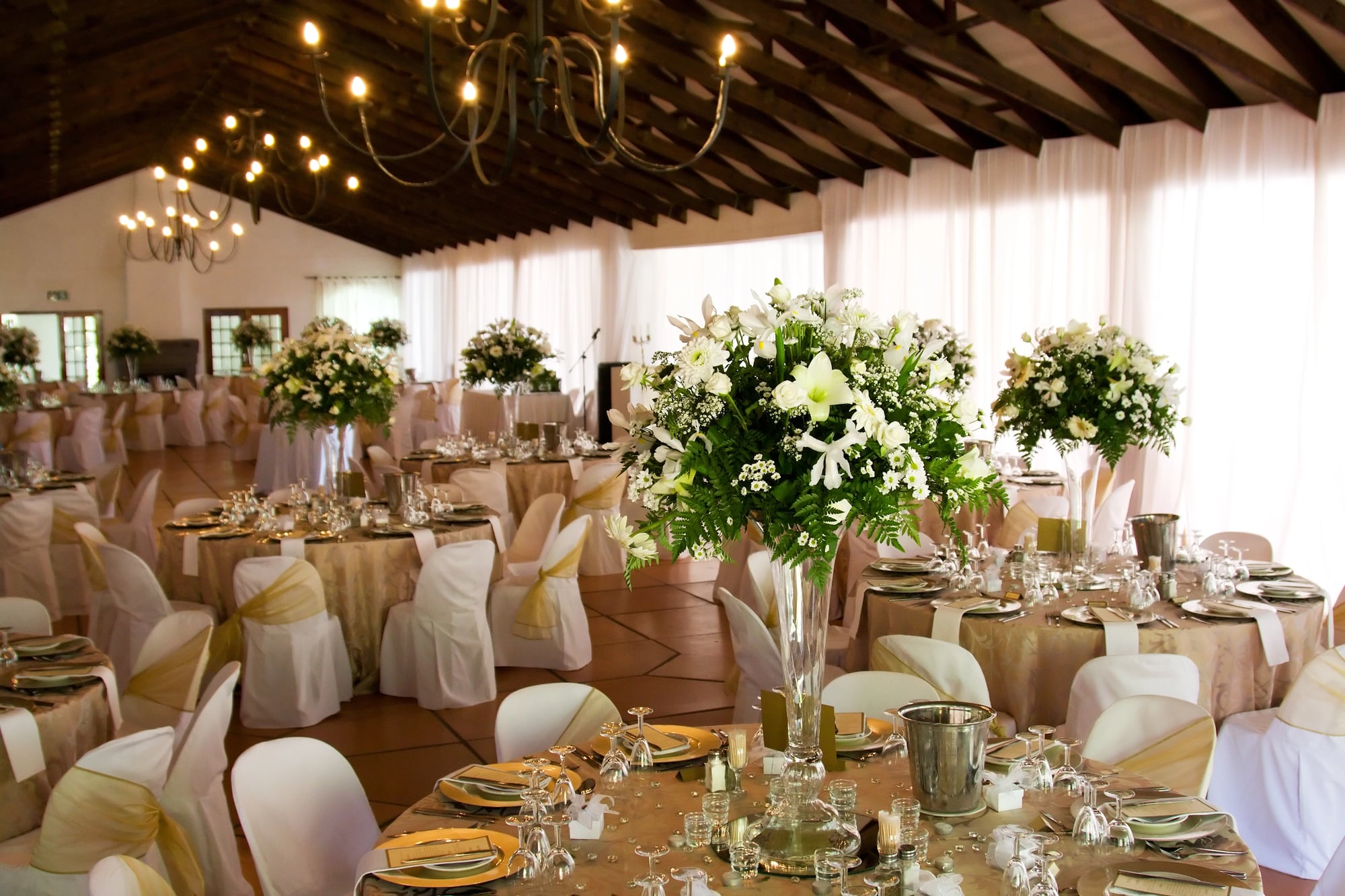
The reception started as a business networking event with food. Families used the gathering to conduct other business deals, arrange future marriages, and strengthen political alliances.
The more elaborate the feast, the more powerful the family appeared to potential business partners. These weren’t celebrations—they were carefully orchestrated business conventions disguised as parties.
Wedding Rings Exchange
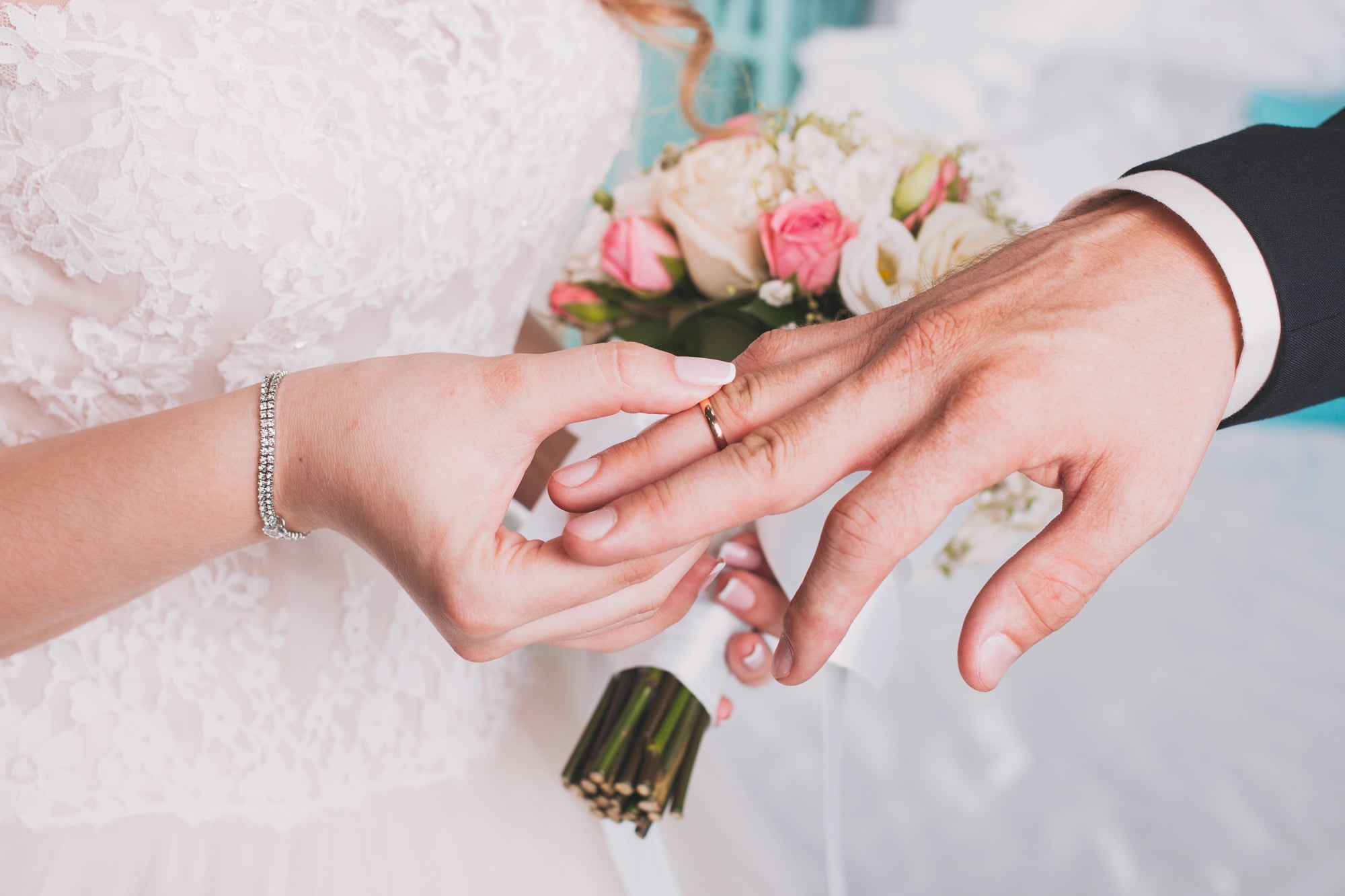
The ring exchange was a property transfer ceremony. The circular shape symbolized a binding contract with no beginning or end, while the precious metal represented the monetary value of the agreement.
When couples exchanged rings, they were essentially signing a business contract in front of witnesses. The rings served as portable proof of the legal and financial arrangement between the families.
Wedding Speeches
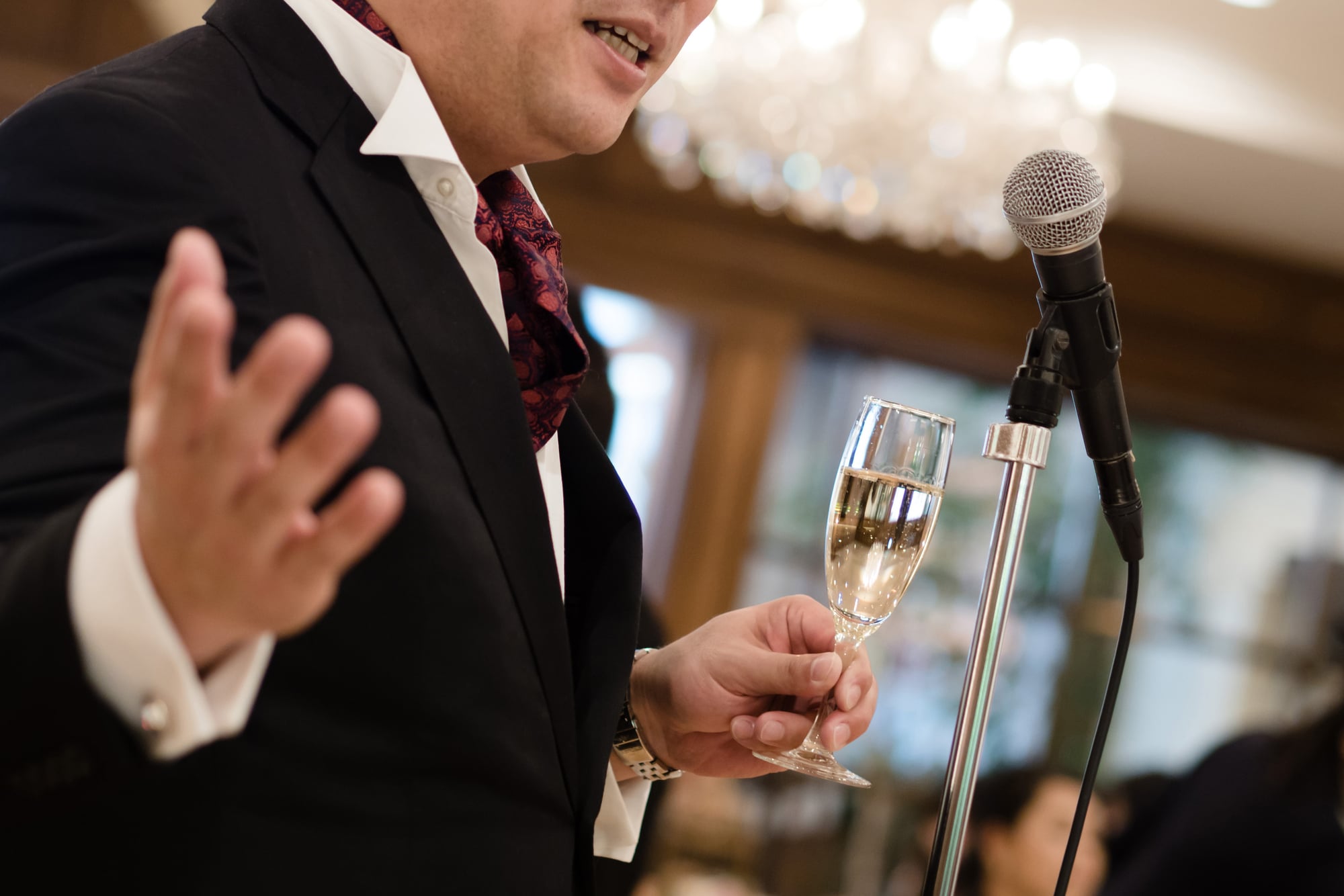
Wedding toasts originated as quality control measures. In ancient times, the host would drink first to prove the wine wasn’t poisoned, then guests would ‘toast’ the couple’s health.
This protected the families’ investment by ensuring everyone survived the celebration. The speeches that followed were opportunities for families to publicly announce business partnerships and political alliances formed through the marriage.
Like Go2Tutors’s content? Follow us on MSN.
Wedding Music
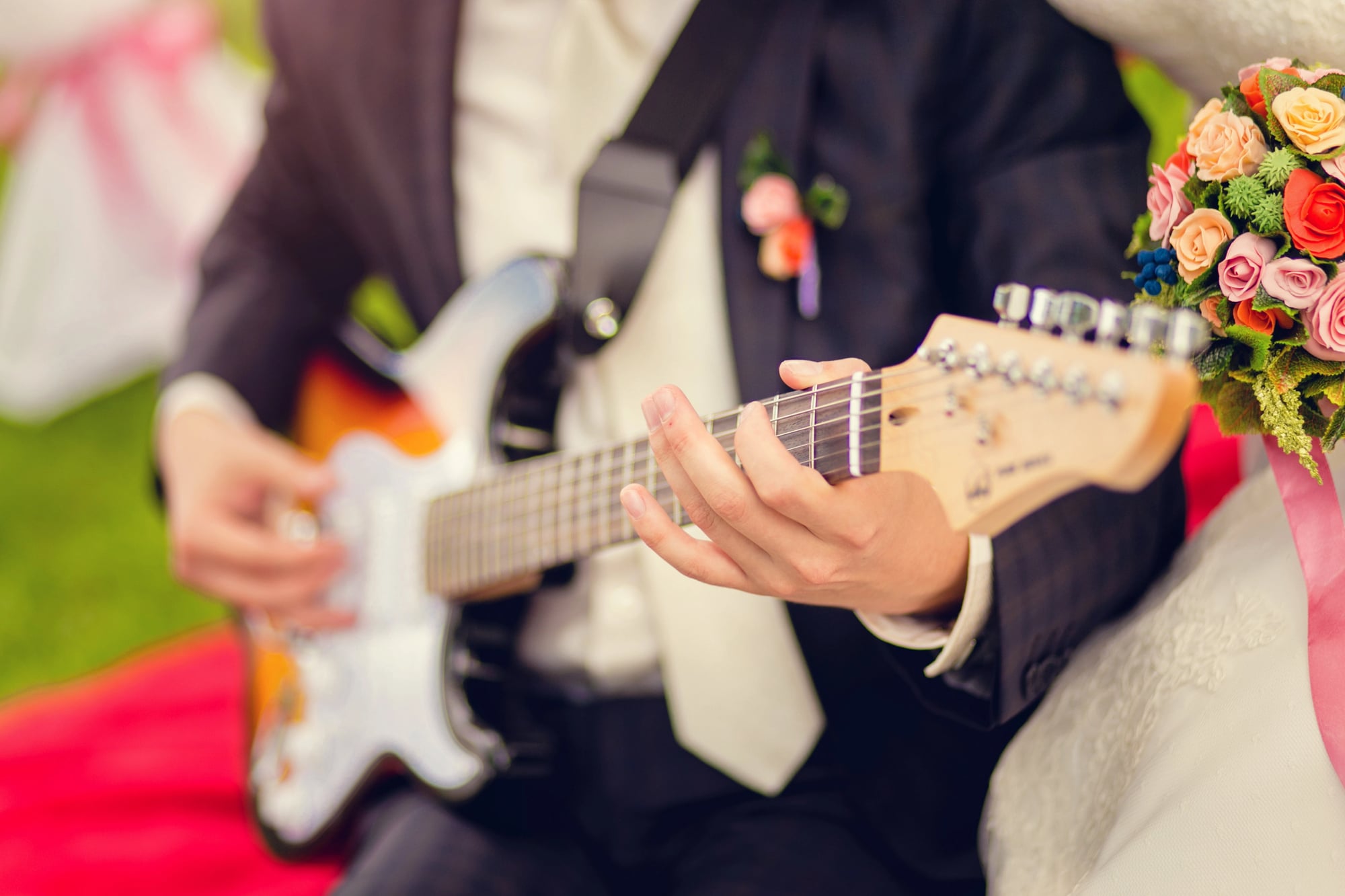
Musical entertainment wasn’t about romance—it was about showing off disposable income. Hiring musicians was expensive, so families used wedding music to demonstrate their wealth and cultural sophistication.
The better the musicians, the more impressive the family appeared to potential business partners. Live music was essentially a medieval version of conspicuous consumption.
Wedding Photography

Early wedding photography was business documentation. These weren’t romantic keepsakes—they were legal proof that the ceremony occurred and that both families fulfilled their obligations.
Wedding photos served as evidence for inheritance disputes, business partnerships, and social standing. The formal, stiff poses reflected the serious business nature of the occasion rather than joyful celebration.
Honeymoon

The honeymoon was a business transition period. Newlyweds would disappear for a month (one moon cycle) to finalize the marriage and hopefully conceive an heir, which was crucial for inheritance and business succession.
The term ‘honeymoon’ comes from the ancient practice of drinking honey wine during this period, which was believed to promote fertility and ensure the business arrangement would produce the desired outcome.
Like Go2Tutors’s content? Follow us on MSN.
When Business Became Romance

These traditions persist today because they’ve been completely rebranded as expressions of love rather than business transactions. What started as cold calculations about property, inheritance, and social climbing gradually transformed into symbols of romance and commitment.
The irony is that modern couples spend enormous amounts of money recreating these ancient business practices while believing they’re celebrating something purely emotional. Perhaps the most successful business deal of all was convincing us that these commercial traditions represent the opposite of commerce.
More from Go2Tutors!

- 18 Unexpectedly Valuable Collectibles You Might Have Lying Around
- 20 Little-Known Historical Battles That Had Huge Consequences
- 20 Historical Artifacts That Scientists Can’t Explain
- 15 Inventions That Were Immediately Banned After Being Created
- 20 Actors Who Were Almost Cast in Iconic Roles
Like Go2Tutors’s content? Follow us on MSN.