17 Bourbon Distilleries That Started in Basements
The bourbon industry might seem dominated by massive corporate operations with gleaming facilities and century-old traditions, but many of today’s most respected distilleries started with nothing more than a passion for whiskey and a basement space. These weren’t glamorous beginnings—just determined entrepreneurs experimenting with mash bills and fermentation in cramped underground spaces, often while keeping their day jobs. What started as weekend hobbies and side projects eventually grew into legitimate businesses that compete with established brands. The basement origin story has become almost legendary in craft bourbon circles, proving that great whiskey doesn’t require fancy equipment or perfect conditions. Here is a list of 17 bourbon distilleries that transformed basement experiments into thriving operations.
Wilderness Trail Distillery
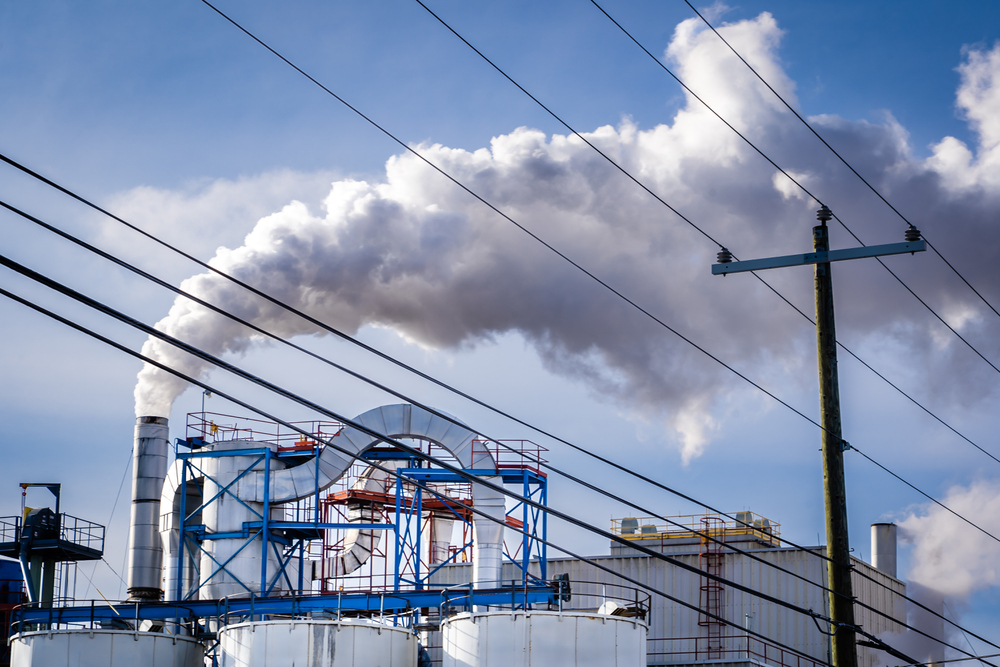
Shane Baker and Pat Heist started their bourbon journey in Baker’s basement in Danville, Kentucky, perfecting their sweet mash process through countless small batches. Their scientific approach to fermentation and distillation began with laboratory-style precision in cramped quarters before they could afford proper facilities.
The basement years taught them to maximize every square foot and focus on quality over quantity, principles that still guide their operation today.
New Riff Distilling
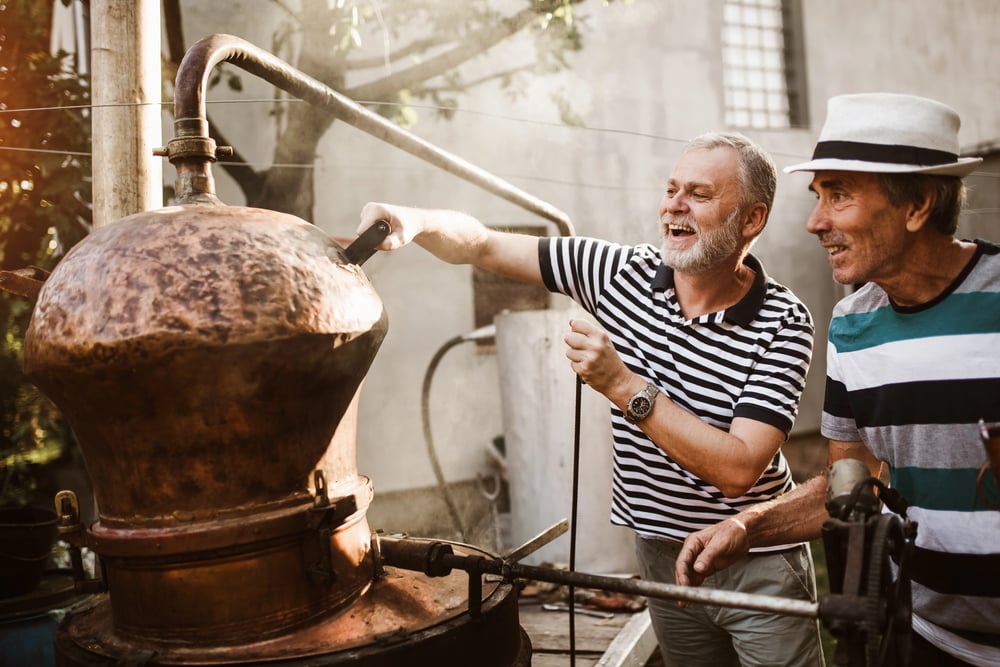
Ken Lewis spent years developing recipes in his basement before opening New Riff in Newport, Kentucky, using his underground laboratory to perfect the high-rye bourbon formula that would become their signature. The confined space forced him to be creative with equipment placement and process flow, lessons that influenced the efficient design of their eventual commercial facility.
Those basement experiments with bottled-in-bond specifications became the foundation for their entire product line.
Like Go2Tutors’s content? Follow us on MSN.
Chattanooga Whiskey
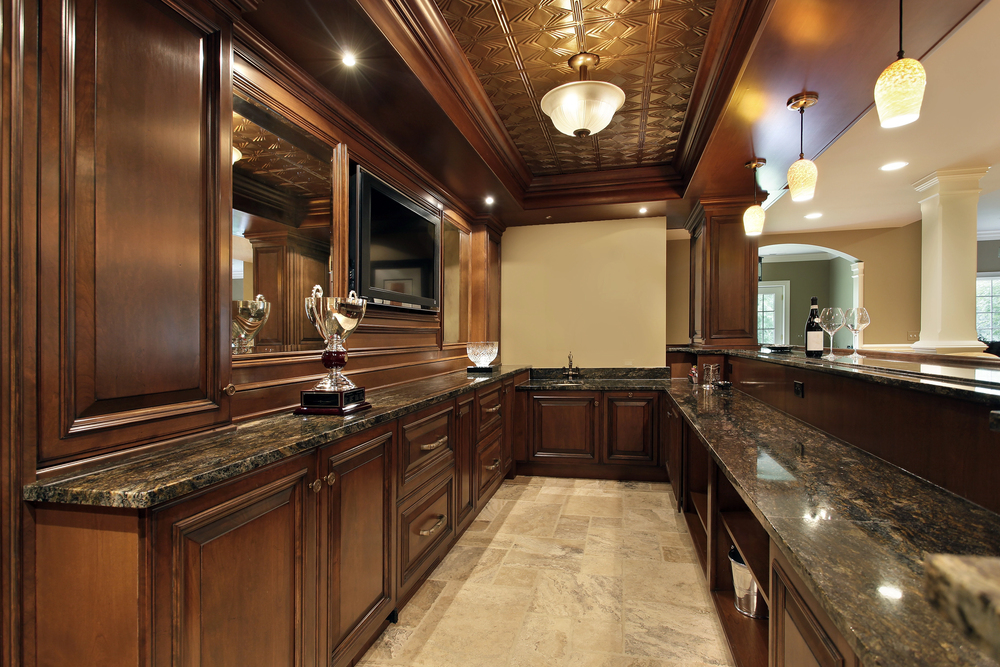
Tim Piersant and Joe Ledbetter started their Tennessee whiskey operation in a basement in Chattanooga, working to revive bourbon production in a city that hadn’t seen legal distilling in decades. Their underground setup was equal parts laboratory and speakeasy, where they developed the unique malt-forward mash bill that sets their bourbon apart from traditional Tennessee whiskeys.
The basement phase lasted longer than planned due to regulatory hurdles, but those extra months of experimentation refined their process beyond what they’d originally envisioned.
Barrell Craft Spirits
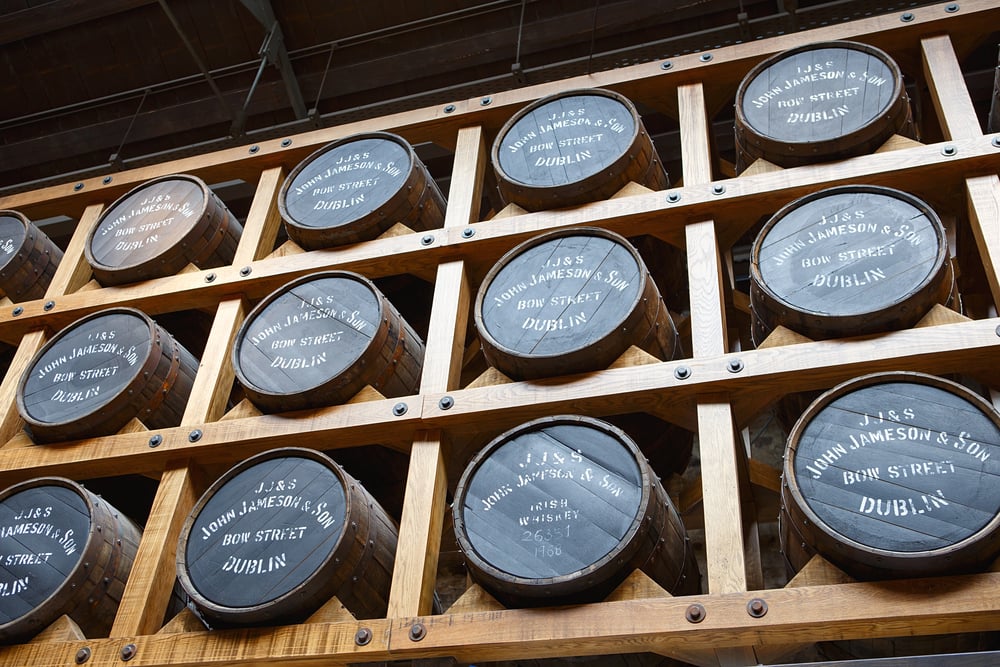
Joe Beatrice began blending and finishing whiskeys in his basement, creating small batches that caught the attention of bourbon enthusiasts long before Barrell became a recognized brand. His underground operation focused on sourcing exceptional barrels and experimenting with different finishing techniques that would become their trademark approach.
The basement setup allowed him to test countless combinations without the pressure of commercial production schedules.
Smooth Ambler Spirits
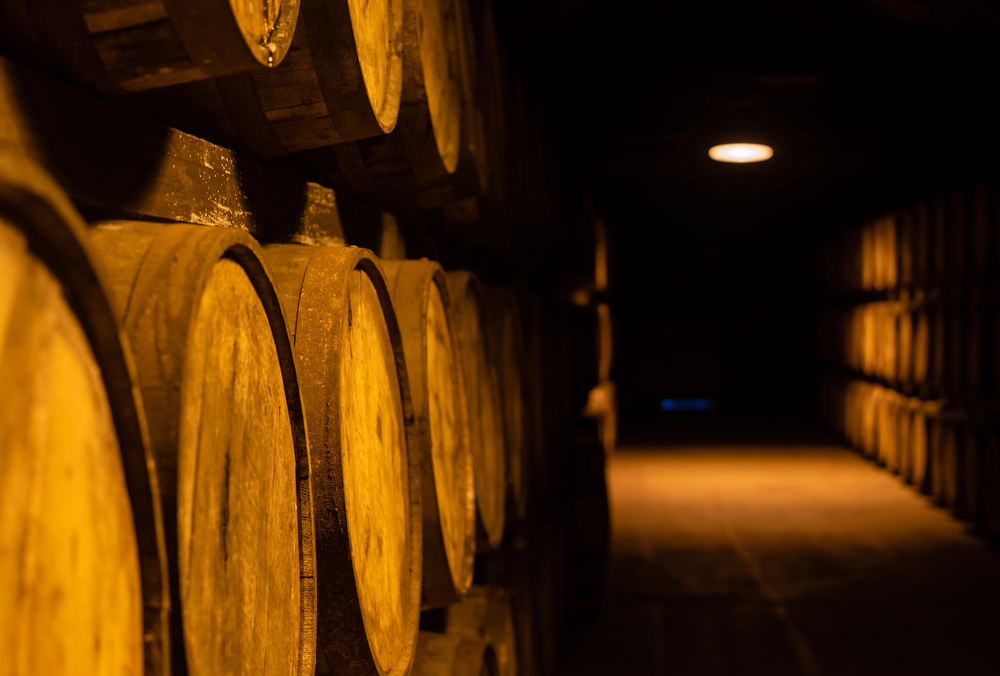
John Little started his West Virginia distillery with basement experiments that led to their acclaimed Old Scout bourbon selections. His underground workspace became a testing ground for both distillation and sourcing strategies that would define the company’s dual approach to bourbon production.
The confined quarters taught him to evaluate whiskey with intense focus, skills that proved invaluable when selecting barrels from other distilleries.
Like Go2Tutors’s content? Follow us on MSN.
Laws Whiskey House
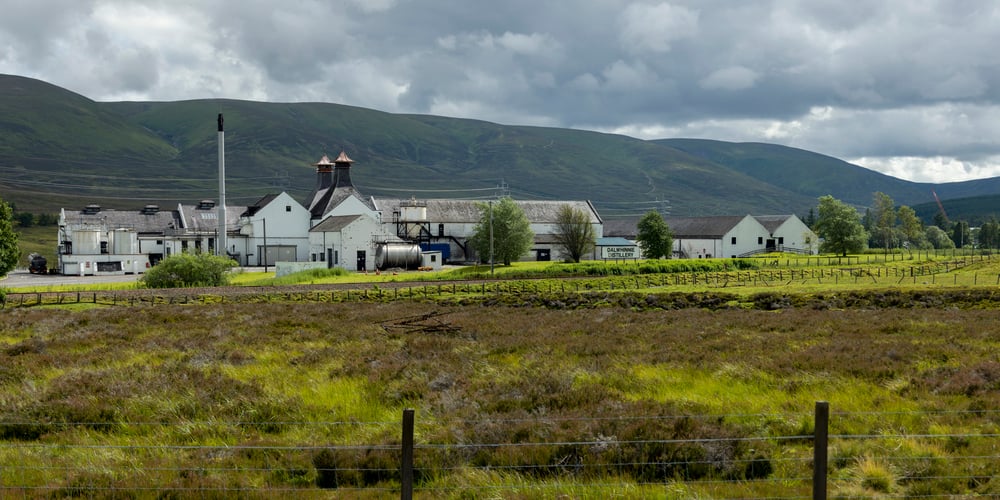
Al Laws transformed his Denver basement into a laboratory for high-altitude bourbon production, experimenting with how Colorado’s climate affected fermentation and aging. The basement experiments revealed unique characteristics that elevation brought to bourbon making, insights that became central to their marketing and product development.
His underground setup proved that bourbon could thrive outside Kentucky’s traditional climate zones.
Corsair Distillery
Darek Bell and Andrew Webber started their experimental bourbon operation in a Nashville basement, pushing boundaries with unconventional grains and flavor infusion techniques that established distillers wouldn’t dare attempt. Their underground laboratory became famous for wild experiments with quinoa, spelt, and other alternative grains that challenged traditional bourbon definitions.
The basement’s intimate scale encouraged creativity that might have been stifled in a larger facility.
High West Distillery
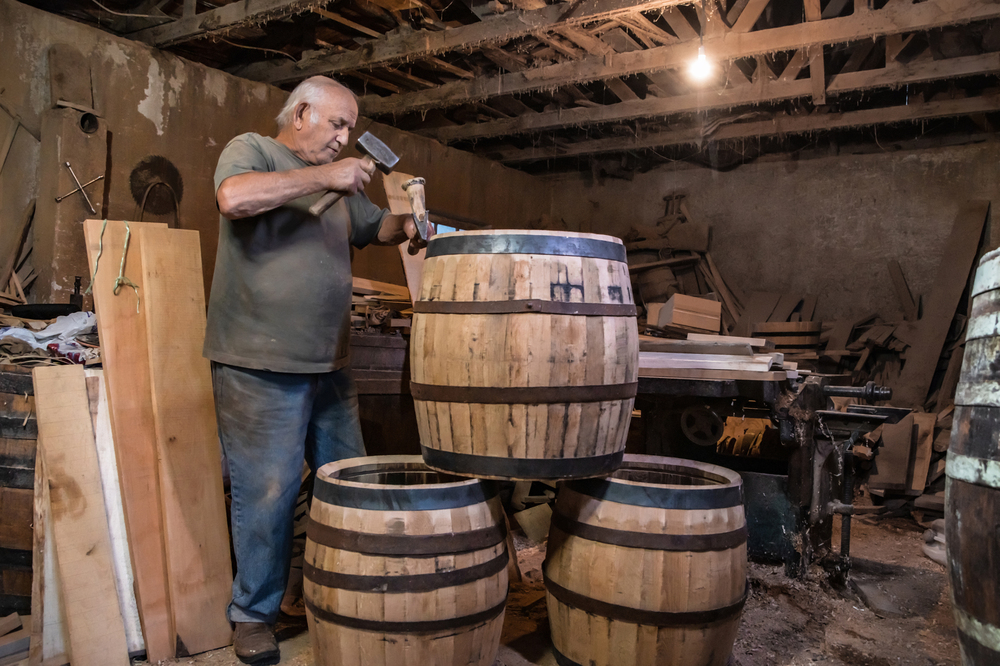
David Perkins began his Utah bourbon journey in a basement before opening what would become one of the most successful craft distilleries in America. His underground experiments focused on blending techniques and understanding how different bourbon profiles could complement each other in innovative ways.
The basement phase taught him to taste with precision and develop the blending skills that made High West famous for their complex, layered whiskeys.
Like Go2Tutors’s content? Follow us on MSN.
Balcones Distilling
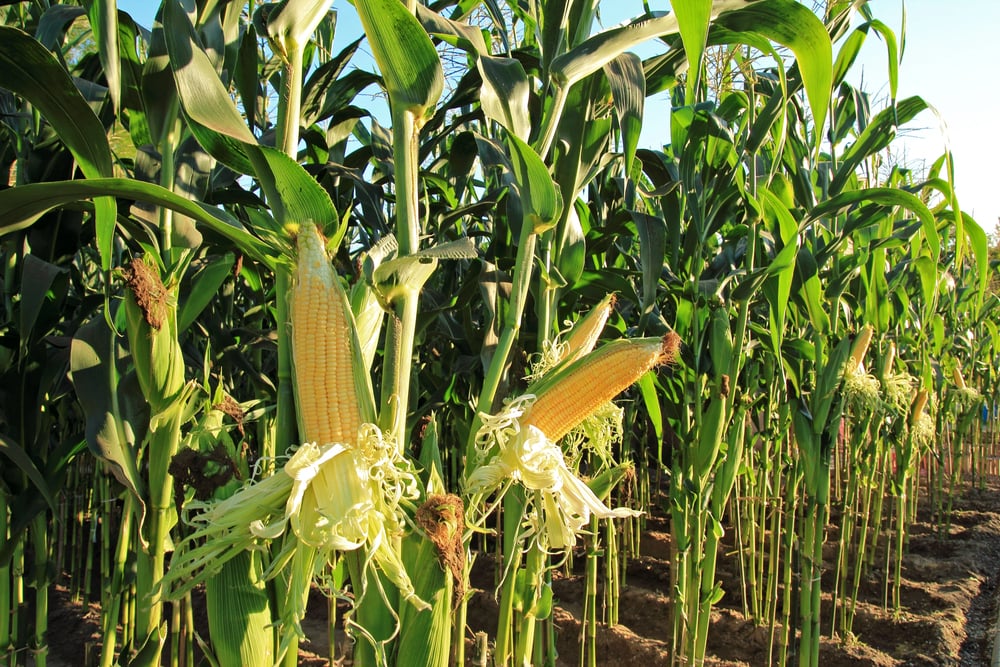
Chip Tate started experimenting with Texas bourbon in a basement workshop, developing techniques for dealing with extreme heat that would later define their approach to rapid aging. His underground laboratory became a testing ground for understanding how temperature swings could accelerate maturation without destroying flavor balance.
The basement experiments with blue corn and other regional ingredients created the foundation for their distinctive Texas style.
Few Spirits
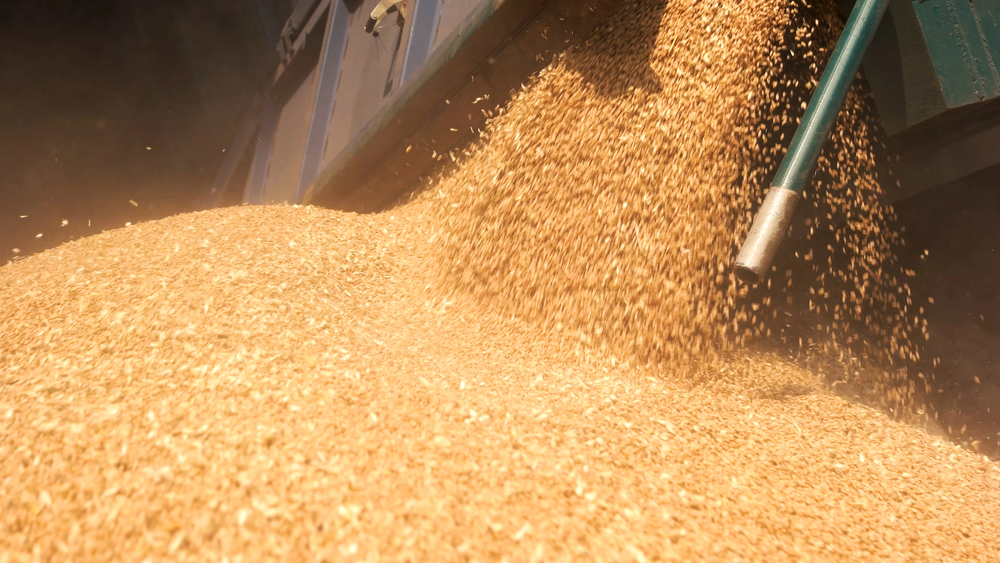
Paul Hletko began his Illinois bourbon operation in a basement, working to revive grain-to-glass distilling in the Chicago area after decades of industrial-only production. His underground setup focused on small-batch experimentation with local grains and understanding how urban environments affected the aging process.
The basement years taught him to work within strict space constraints while maintaining quality standards that would scale to commercial production.
Wyoming Whiskey
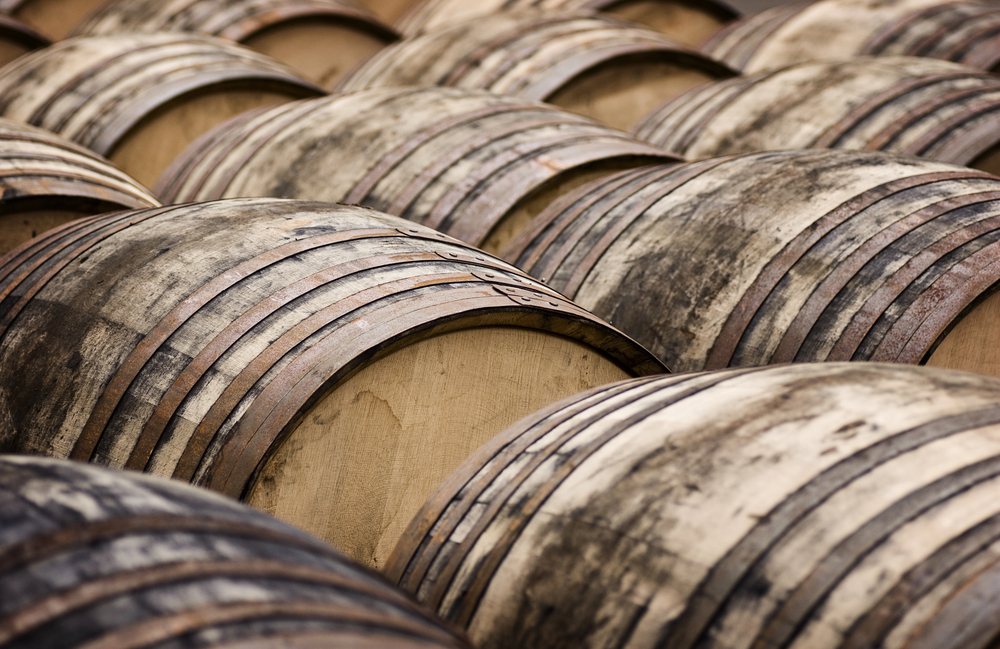
Brad and Kate Mead started their ambitious bourbon project in a basement, planning what would become Wyoming’s first legal distillery since Prohibition. Their underground experiments focused on high-altitude distillation and understanding how Wyoming’s extreme weather patterns would affect aging bourbon in new oak.
The basement phase allowed them to perfect their process before investing in the large-scale facility that opened in Kirby.
Like Go2Tutors’s content? Follow us on MSN.
Michter’s Revival
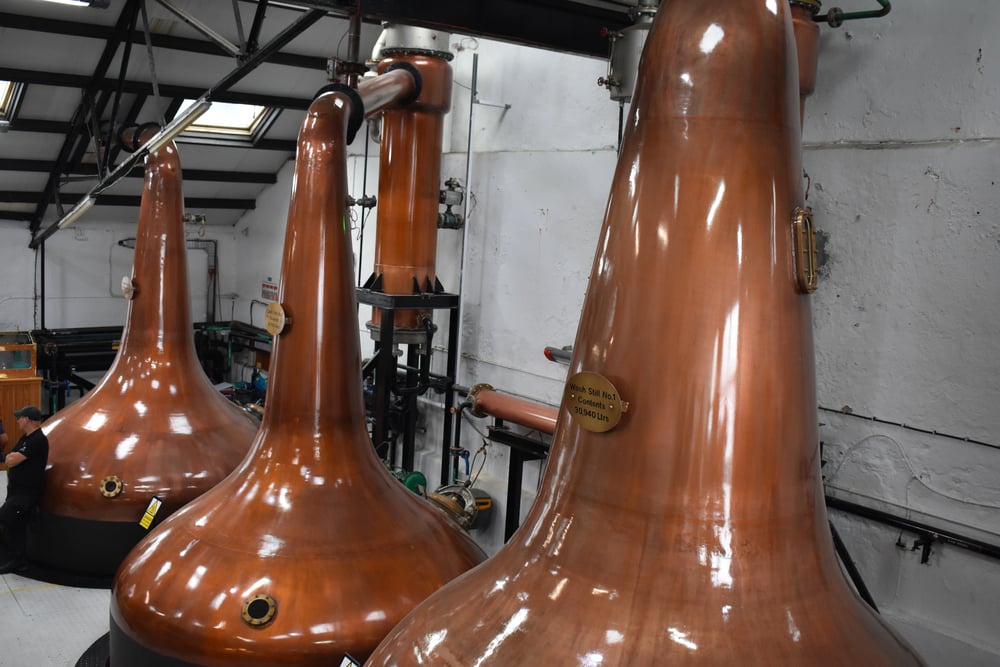
When Michter’s was revived, the initial experiments happened in basement facilities as the team worked to recreate historical recipes and develop their modern approach to American whiskey. The underground laboratory phase focused on understanding traditional pot still distillation and developing the quality standards that would define the reborn brand.
Those basement experiments established the foundation for what became one of America’s most respected whiskey companies.
Old Forester Warehouse Experiments
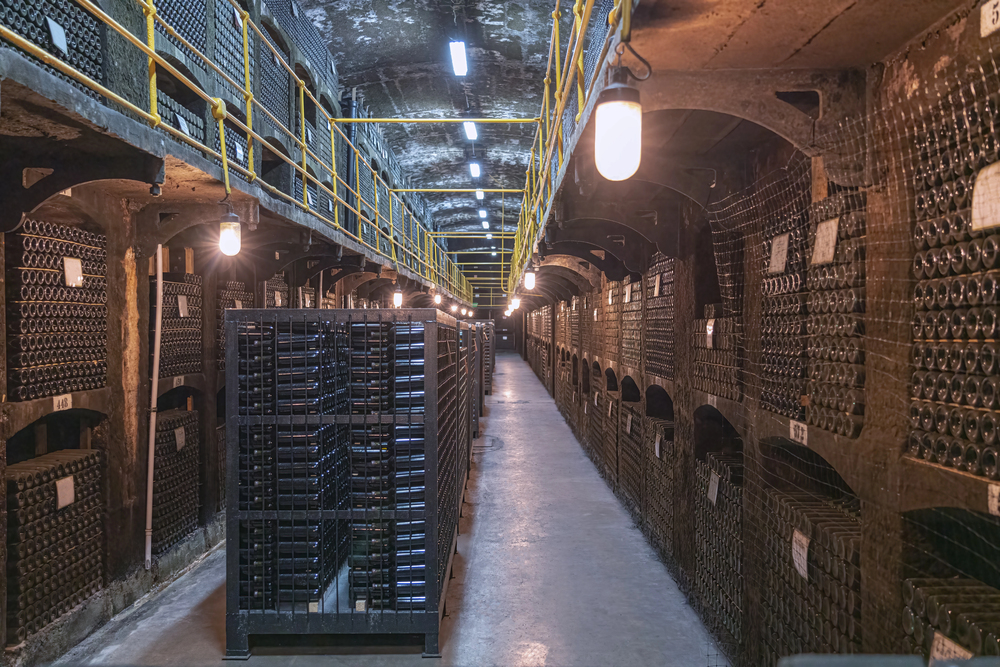
While Old Forester has ancient roots, their modern innovations often start in basement-level facilities where master distillers experiment with new expressions and limited releases. The underground spaces provide controlled environments for testing how different warehouse conditions affect bourbon development over time.
These basement laboratories have produced some of their most acclaimed special releases and informed decisions about warehouse management across their operation.
Angel’s Envy Basement Blending
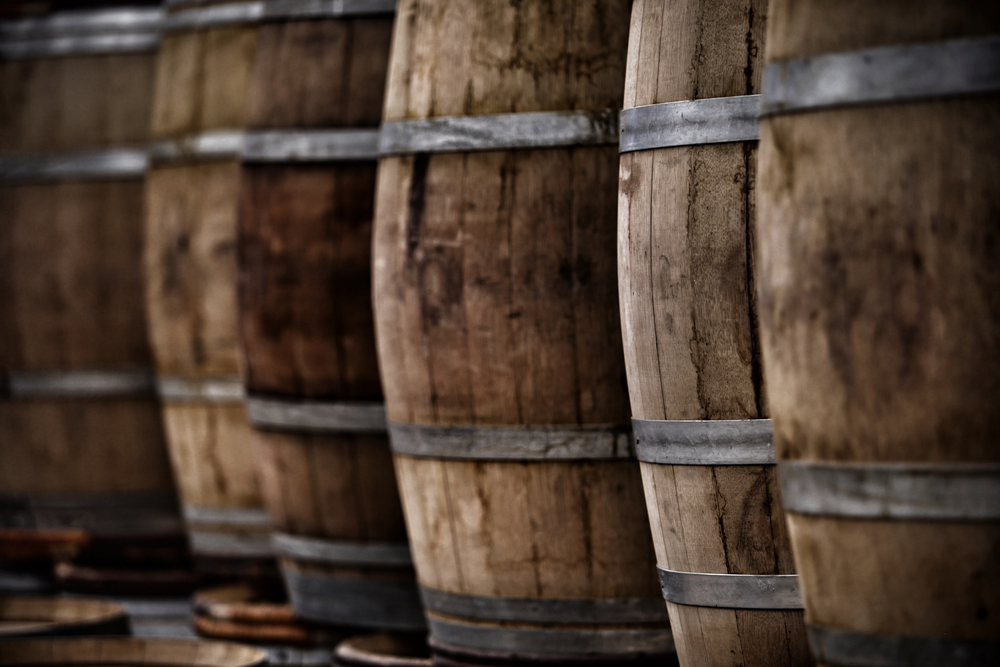
Before Angel’s Envy became a major brand, the Henderson family perfected their port cask finishing process in basement facilities, experimenting with different wine barrel types and aging periods. The underground workshop allowed them to test numerous finishing combinations without the costs associated with full-scale production.
Those basement experiments created the signature finishing process that made Angel’s Envy a pioneer in flavored bourbon innovation.
Like Go2Tutors’s content? Follow us on MSN.
Copper Fox Distillery
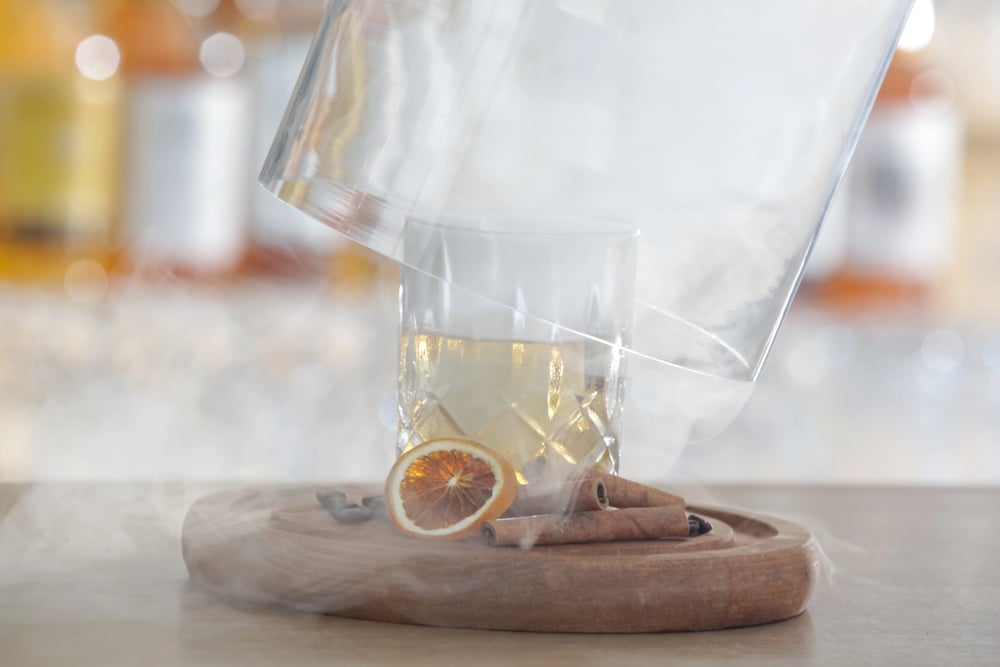
Rick Wasmund began his Virginia bourbon experiments in a basement, developing his unique approach to using fruit wood smoke in the mashing process rather than just aging. His underground laboratory became a testing ground for understanding how different wood types affected flavor development throughout the entire production process.
The basement setup allowed him to experiment with unconventional techniques that established distilleries might have considered too risky.
Woodinville Whiskey
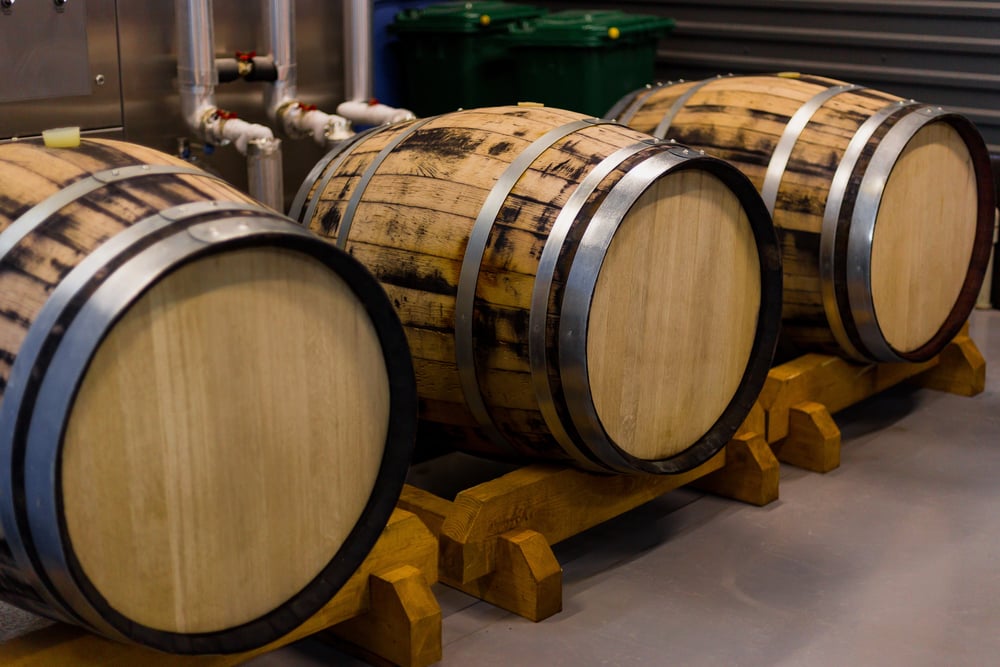
Orlin Sorensen and Brett Carlile started their Washington state bourbon operation in a basement, learning to work with local grains and understanding how Pacific Northwest climate would affect their whiskey. Their underground facility became a laboratory for developing relationships with local farmers and testing how different grain varieties performed in bourbon production.
The basement experiments established the farm-to-bottle approach that became central to their brand identity.
Hillrock Estate Distillery
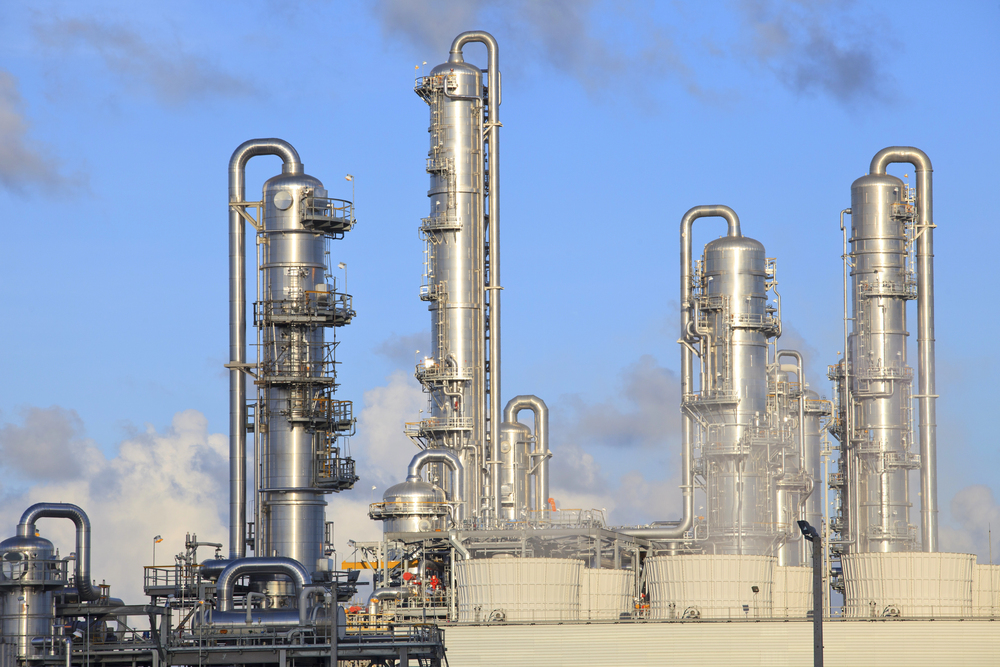
Jeffrey Baker’s basement experiments with field-to-glass bourbon production laid the groundwork for what would become New York’s first bourbon distillery since Prohibition. His underground laboratory focused on understanding every step from growing estate grains to bottling finished whiskey, developing processes that integrated farming with distillation.
The basement phase allowed him to perfect techniques before building the comprehensive facility that produces their acclaimed estate bourbon.
Like Go2Tutors’s content? Follow us on MSN.
From Underground to Outstanding
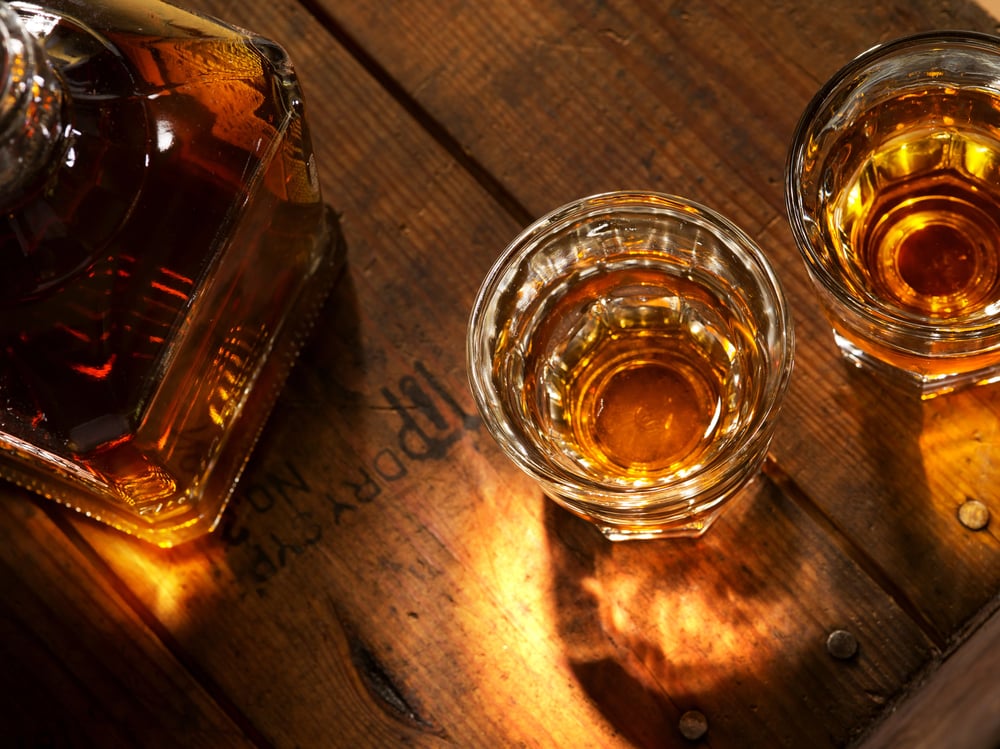
These basement origins prove that exceptional bourbon doesn’t require perfect conditions or unlimited budgets—just dedication, creativity, and willingness to learn through experimentation. The constraints of working underground forced these distillers to focus on fundamentals, developing skills and insights that served them well as their operations expanded.
Many still maintain basement laboratories for ongoing experimentation, recognizing that innovation often happens in cramped spaces where every decision matters. The basement-to-boardroom journey has become a defining characteristic of American craft bourbon, showing that the industry’s future continues to emerge from the most humble beginnings.
More from Go2Tutors!

- 16 Historical Figures Who Were Nothing Like You Think
- 12 Things Sold in the 80s That Are Now Illegal
- 15 VHS Tapes That Could Be Worth Thousands
- 17 Historical “What Ifs” That Would Have Changed Everything
- 18 TV Shows That Vanished Without a Finale
Like Go2Tutors’s content? Follow us on MSN.