24 Gadgets From the ’80s That Felt Futuristic at the Time
There’s a specific kind of wonder that defined the 1980s — the feeling that the future had quietly arrived in a cardboard box under the Christmas tree. Shoulder pads and neon aside, the decade was genuinely electric with invention. Gadgets that seem quaint now were, at the time, the kind of thing you’d bring to school just to watch your friends’ faces. Some of them worked brilliantly.
Some of them barely worked at all. All of them felt like a glimpse at something that wasn’t supposed to exist yet. Here are 27 that earned that feeling.
Sony Walkman
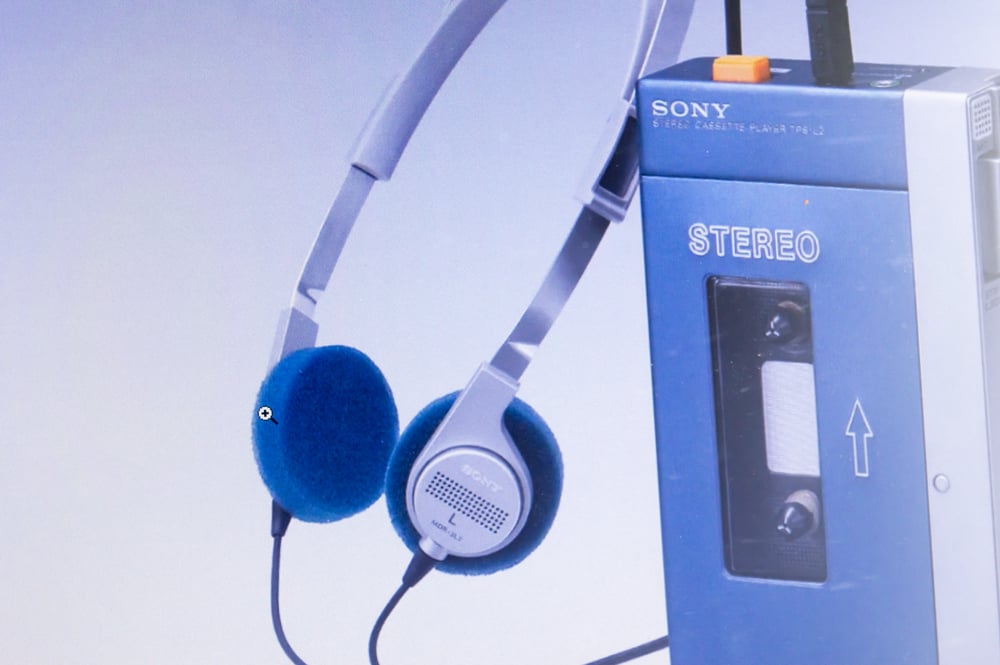
The Walkman didn’t just play music — it relocated music entirely, pulling it out of living rooms and into the pockets of anyone willing to suffer a tangled headphone cord. Before 1980, portable audio meant a tiny transistor radio with one earpiece and questionable reception.
The Walkman handed you a private concert wherever you went, and that felt genuinely radical.
Atari 2600

The Atari 2600 is the reason an entire generation developed an unreasonable attachment to a joystick with a single orange button. It turned the television — your parents’ television — into something that belonged to you for a few hours after school.
Go figure, that negotiation of ownership was maybe the real revolution.
Commodore 64
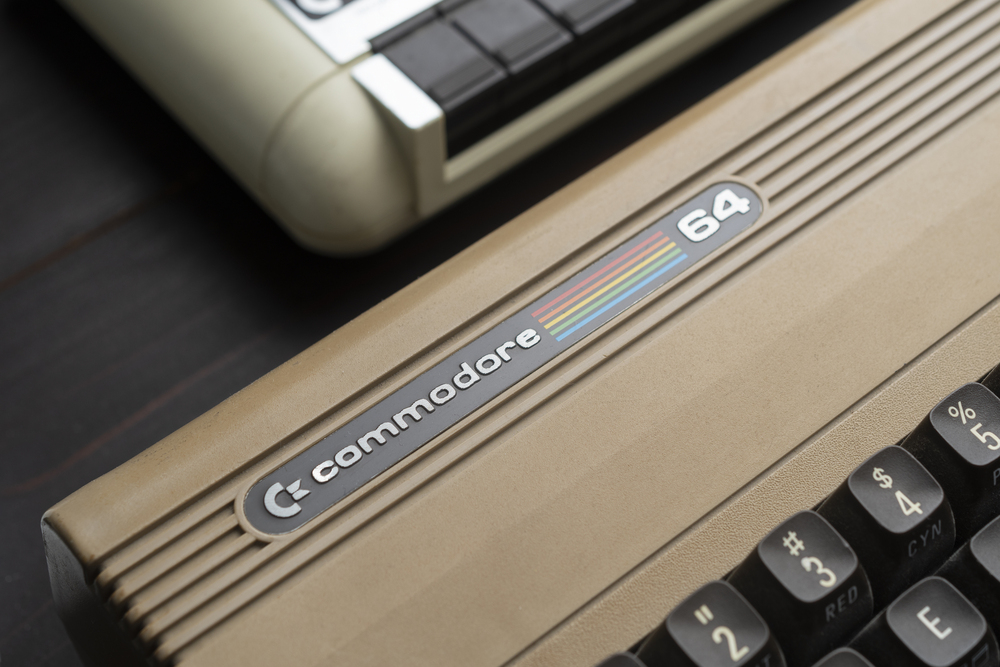
The Commodore 64 arrived like a patient tutor who expected nothing from you — you could load a game in minutes, or, if something in you was wired differently, you could spend an afternoon typing BASIC commands into a machine that corrected you without judgment. It became the best-selling personal computer of all time, a record that still stands, which is saying something for a beige box that weighed nearly ten pounds.
And yet the C64 offered something no slick modern device quite replicates: the feeling that the machine was a collaborator, not a service.
VHS Camcorder
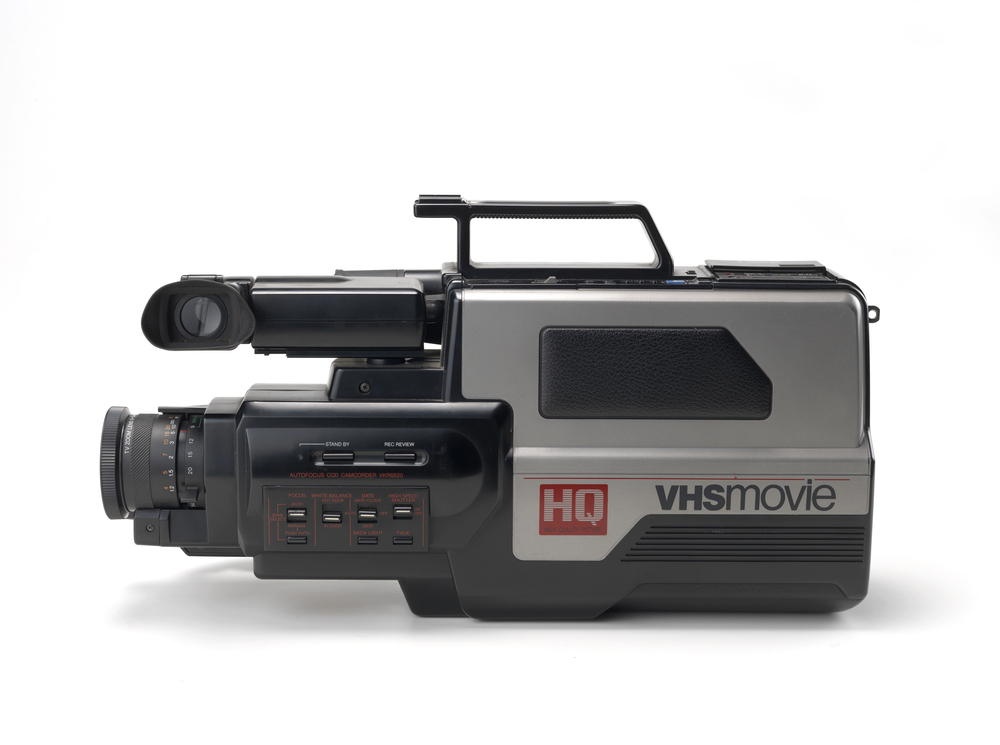
The VHS camcorder was a shoulder-mounted declaration that your life was worth documenting. It weighed enough to be a workout and produced footage with the visual clarity of looking through a screen door in fog.
But those tapes — stacked in milk crates in basements across the country — are now the only moving images most families have of the people they’ve lost.
Nintendo Entertainment System
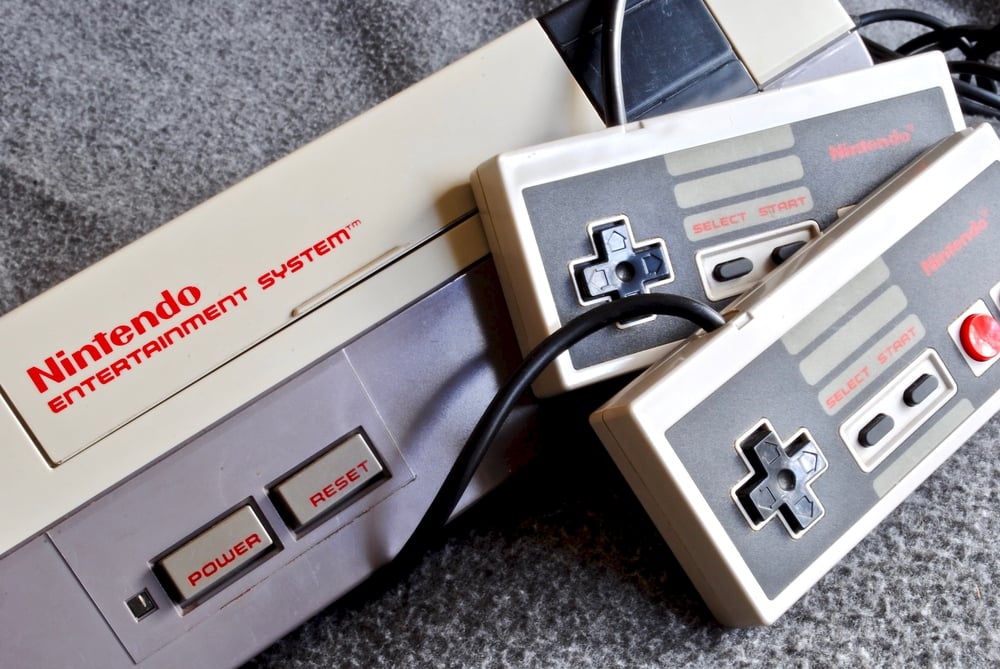
The NES rescued home gaming from the rubble of the 1983 video game crash, which is a sentence that sounds absurd until you realize entire retail categories had collapsed. It came with R.O.B., a small robot peripheral that served almost no practical purpose but broadcast the message that this machine was something different.
The NES was right. It was.
Casio Calculator Watch
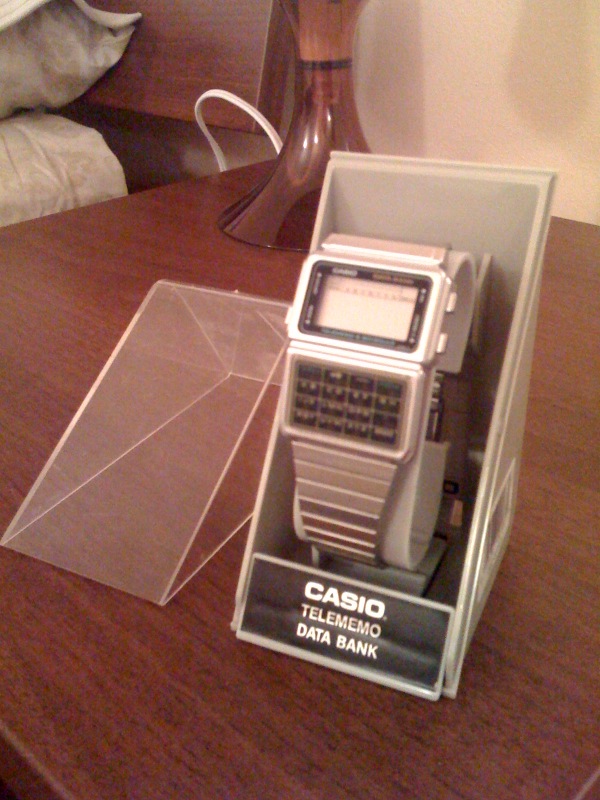
Wearing a calculator on your wrist in 1983 was a quiet act of allegiance — you were on the side of science, of technology, of a future where information was always within reach. The Casio CA-53W became the one that stuck in cultural memory, tiny enough to be genuinely useful and nerdy enough to matter.
It turned out that wearing your intelligence on your sleeve — literally — had a certain appeal that never fully went away.
Sony Discman
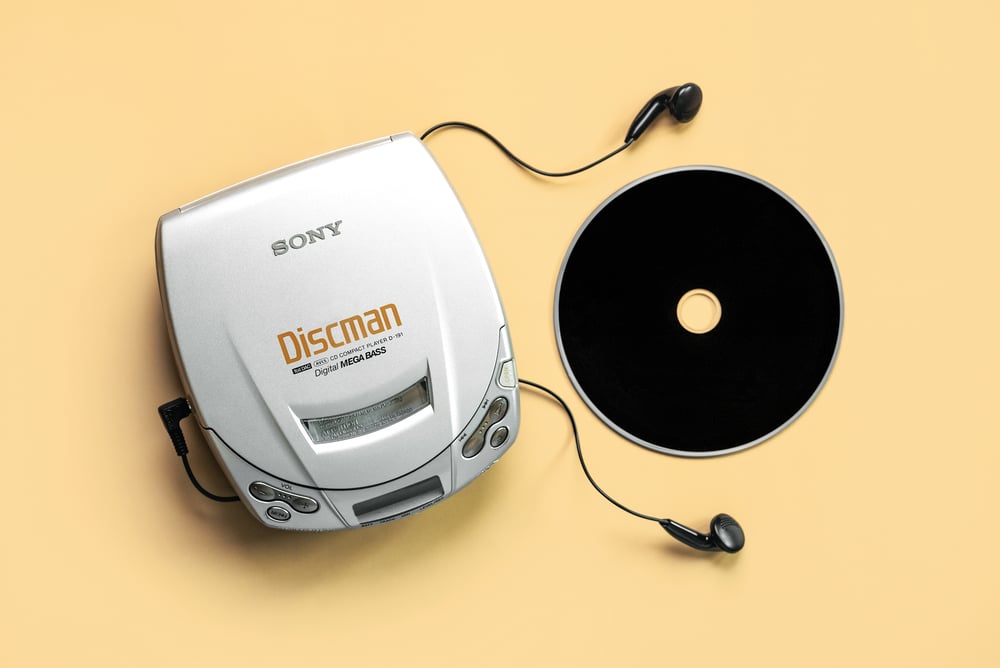
The Discman (officially the D-50, launched in 1984) was smaller than a hardcover novel and held exactly one CD, which was more than enough to feel like science fiction made of plastic. It skipped if you breathed wrong near it, which anyone who owned one will remember with a specific, resigned frustration.
But the sound quality — clean, digital, uncompressed — was genuinely startling compared to cassette tape hiss.
Apple Macintosh
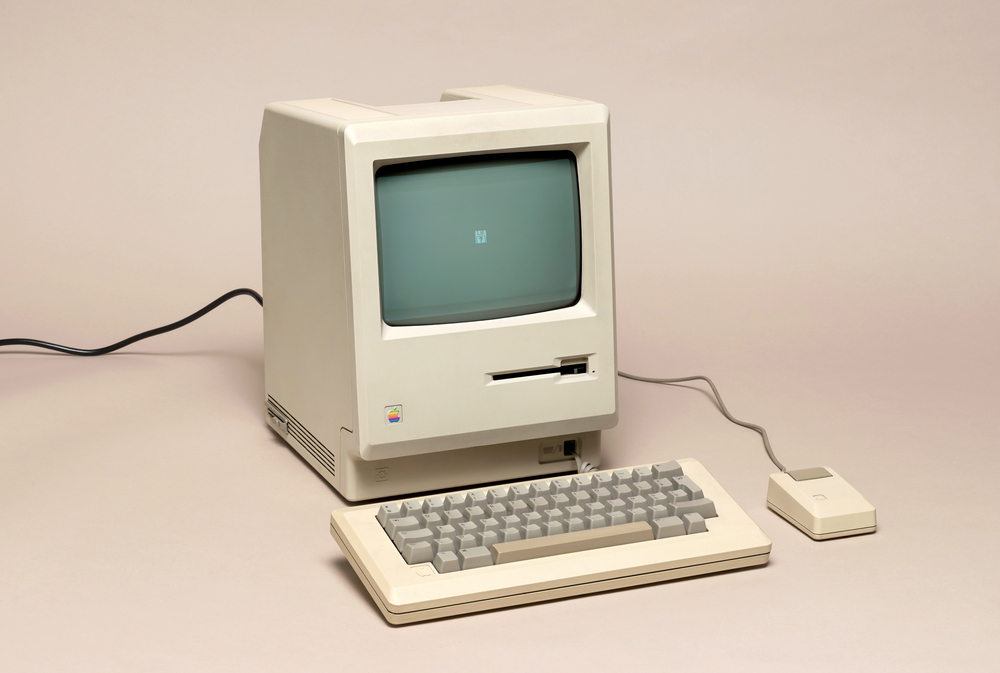
The original 1984 Macintosh is the rare product that arrived with a personality already intact — not a personality grafted on by marketing, but one embedded in the rounded beige casing, the tiny fan, and the cheerful startup chime that sounded less like a computer booting and more like a small creature waking up. Steve Jobs introduced it during a Super Bowl ad that aired exactly once, which turns out to be all the airtime a legend needs.
The Mac didn’t invent the graphical user interface, but it introduced it to everyone who hadn’t grown up inside a research lab.
Texas Instruments TI-99/4A
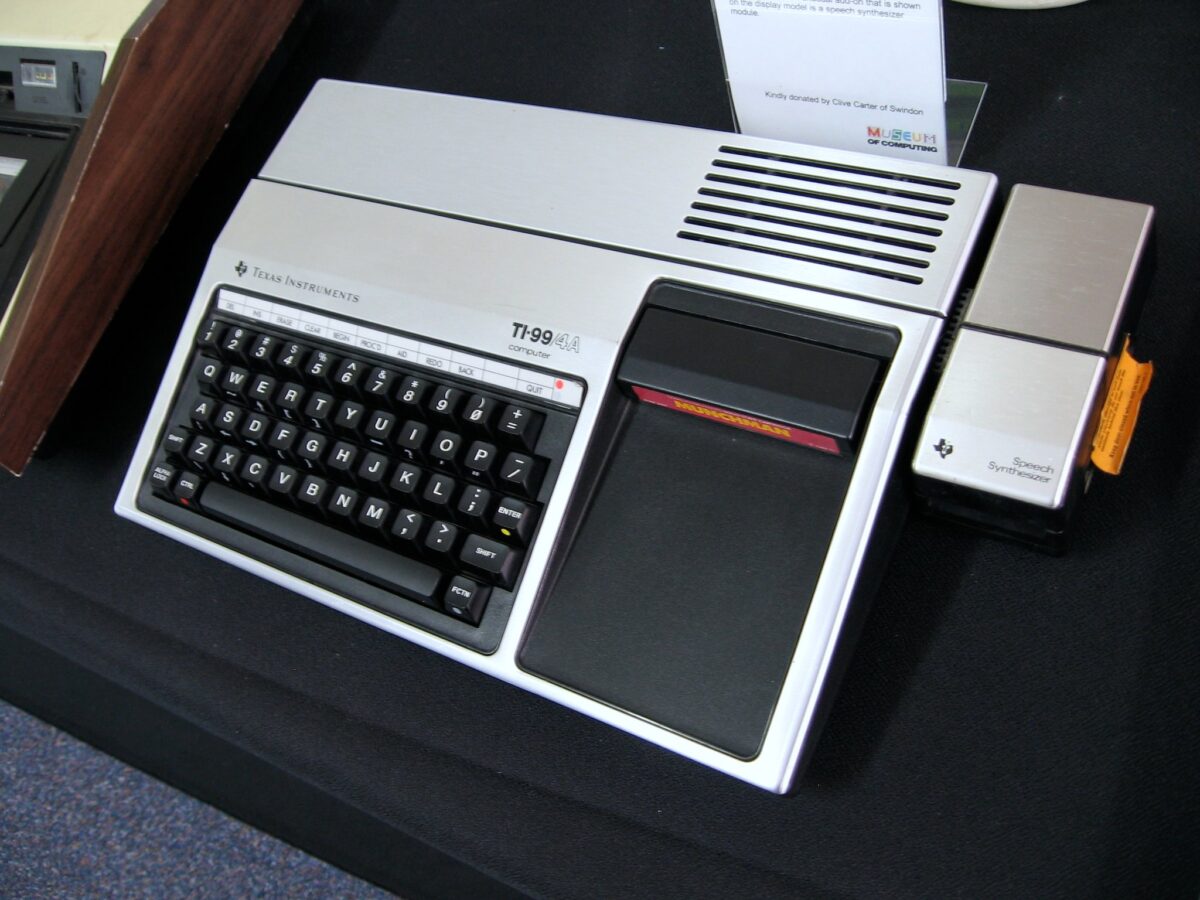
The TI-99/4A was the first home computer to ship with a 16-bit processor, a fact that its manufacturers apparently forgot to explain to anyone, because the machine still lost the market-share war to the Commodore 64 on price alone. It had a speech synthesizer module that could make it talk — an accessory that felt genuinely unsettling in 1981 in the best possible way.
The TI-99/4A was a machine slightly ahead of its audience, which is a peculiar and underappreciated kind of failure.
Car Phone
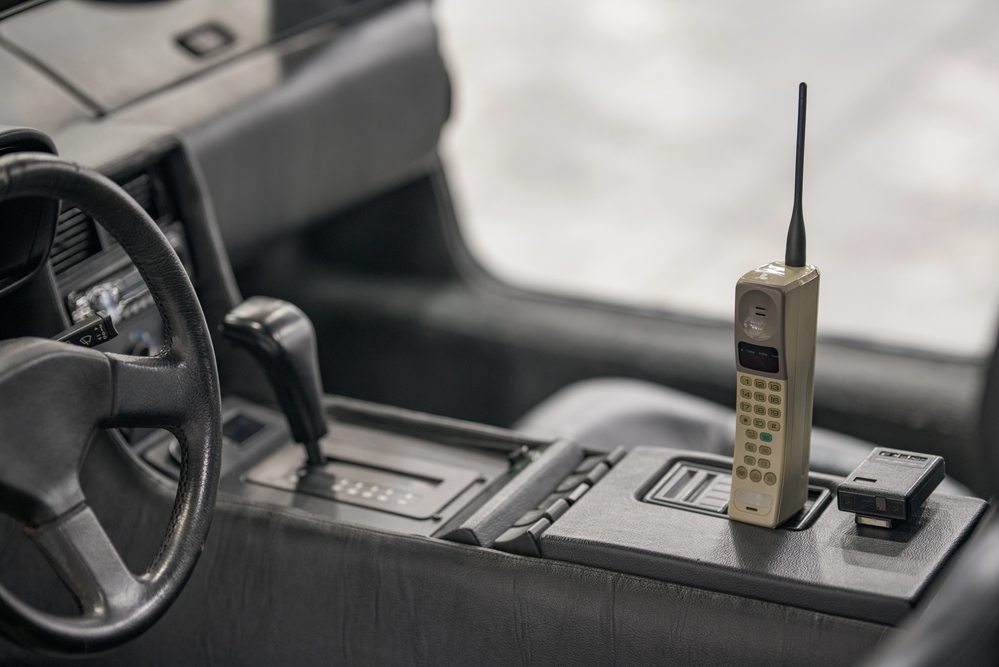
The car phone of the early ’80s was less a gadget and more an announcement — it lived in a leather case bolted between the front seats and told every passenger that the driver was the kind of person who received calls during commutes. The hardware weighed several pounds, calls cost roughly a dollar a minute, and the service coverage was so patchy that conversations dropped somewhere around exit 12.
And yet people paid for it, because the idea of being reachable anywhere felt like it was worth any price.
Laser Disc Player
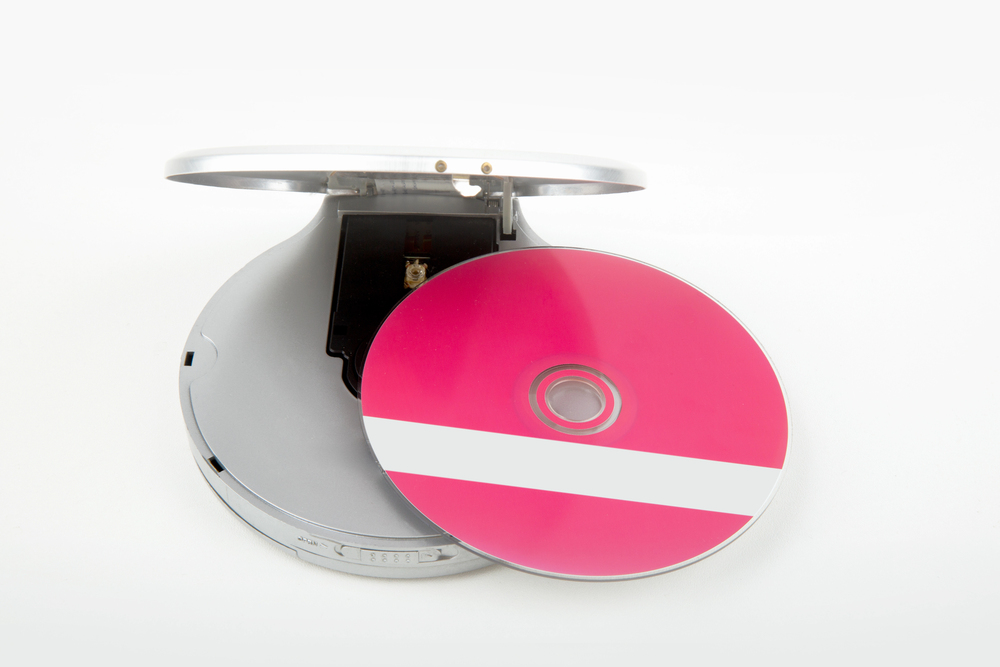
The LaserDisc player was cinema-quality home video delivered on a platter the size of a vinyl record, and it demanded that you treat it accordingly. It produced a picture that crushed VHS into embarrassment — sharper, cleaner, with none of the tracking artifacts that turned dramatic movie moments into stuttering noise.
LaserDisc was right about everything except the format war, which it lost to a smaller, cheaper, inferior option, as often happens.
Polaroid OneStep
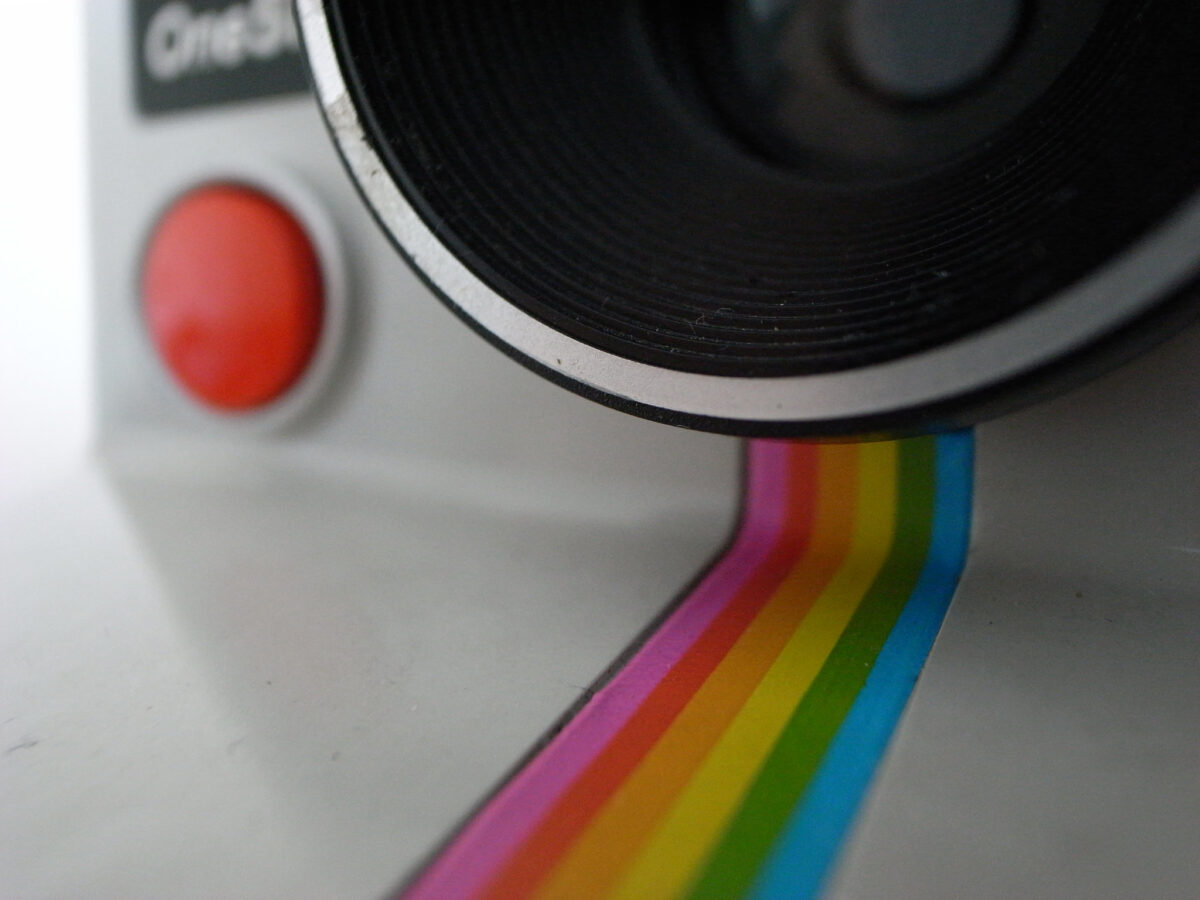
The Polaroid OneStep is a camera that understood something about human impatience that most technology was still ignoring. You pressed the button, a white rectangle slid out of the bottom like a playing card, and you stood there shaking it — knowing, even then, that shaking didn’t help — watching a face slowly materialize out of chemical fog.
That delay, brief as it was, made the image feel earned in a way that digital photos never quite do.
Speak & Spell
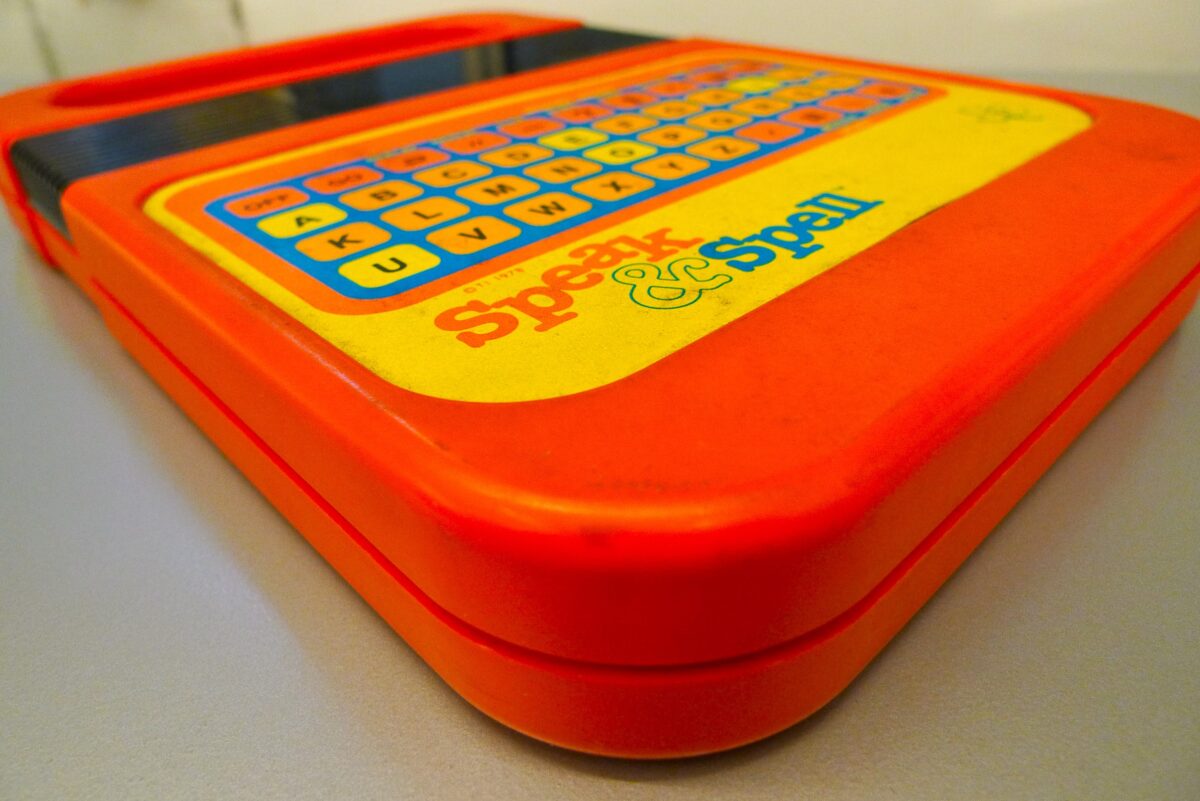
Texas Instruments’ Speak & Spell had a voice that sounded like it was assembled from spare parts — flat, deliberate, slightly threatening — and children loved it anyway. It was among the first consumer devices to use a digital signal processor for speech synthesis, which in 1978 was the kind of engineering that belonged in a university laboratory, not a kindergartner’s backpack.
The toy corrected you without embarrassment, which made it a surprisingly honest teacher.
Simon
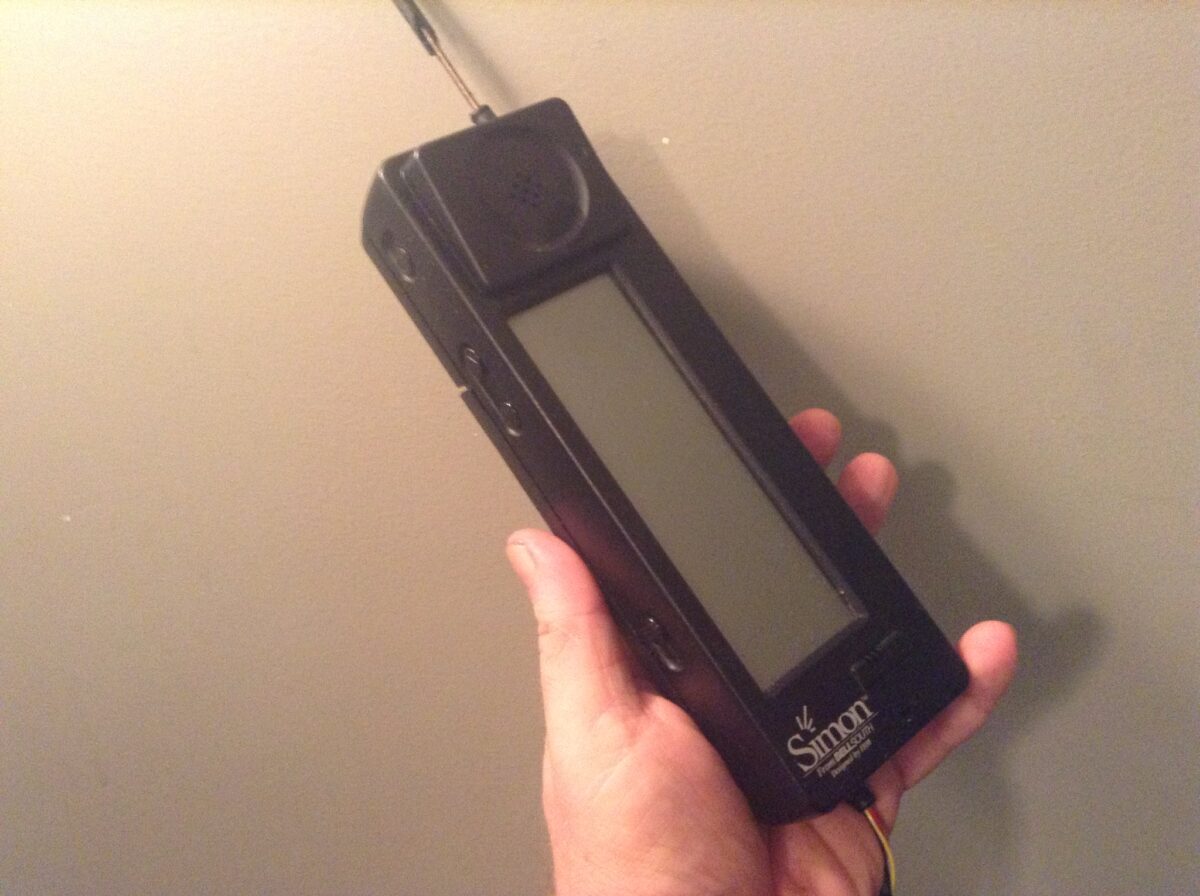
Simon is four colored buttons and a beeping sequence, and somehow that’s enough to reduce grown adults to nervous wrecks within three rounds. Milton Bradley released it in 1978 and it rode the ’80s like it owned them — compact, relentless, oddly hypnotic.
The game has no difficulty ceiling, which means it ends only one way: Simon wins.
Betamax Recorder
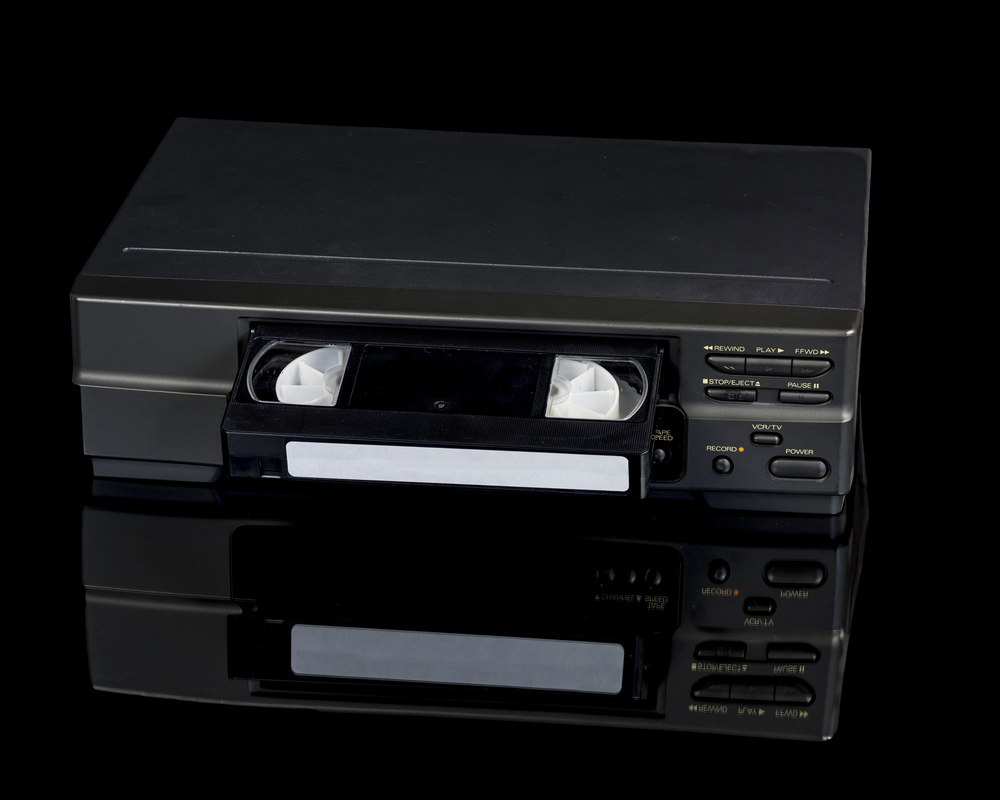
Betamax was the better format. The picture was sharper, the cassettes were smaller, and the engineering was tighter — but Sony priced it higher and licensed it more selectively, and the market went with VHS instead.
It’s the kind of story that gets taught in business schools as a cautionary tale, the moral being that the technically superior product is the one that loses if the inferior one is cheaper and more available. Turns out quality has always had a price problem.
Magnavox Odyssey²
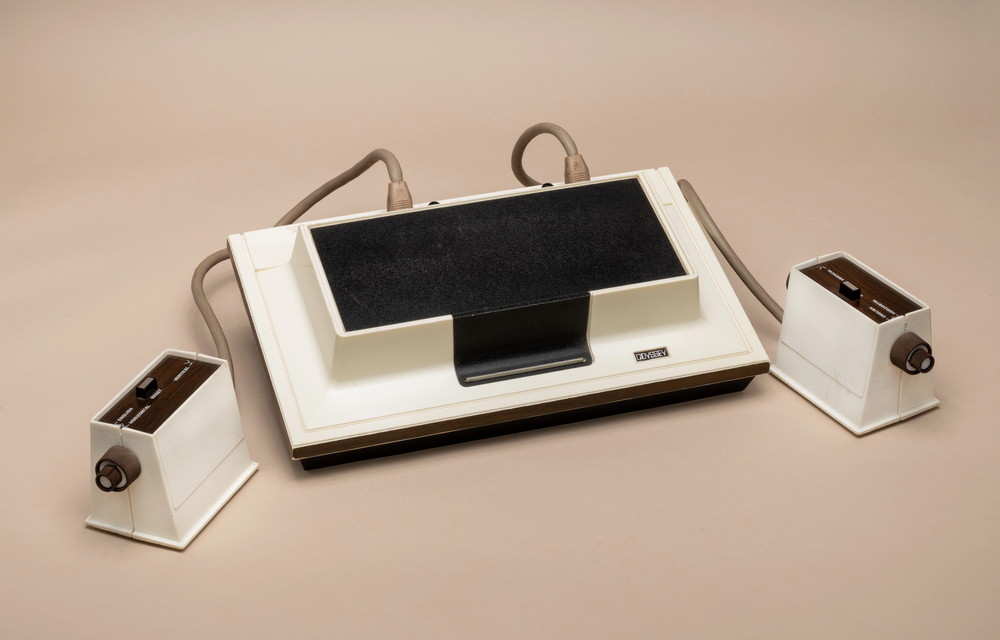
Before Nintendo, before Sega, the Magnavox Odyssey² was trying to be a game console and a computer at the same time — and mostly managing neither convincingly. It had a membrane keyboard built into the unit, which gave it the air of a machine that expected to be taken seriously.
The Odyssey² didn’t become iconic, but it pointed at something real: the idea that a game console should also be able to do other things with your afternoon.
Radio Shack TRS-80
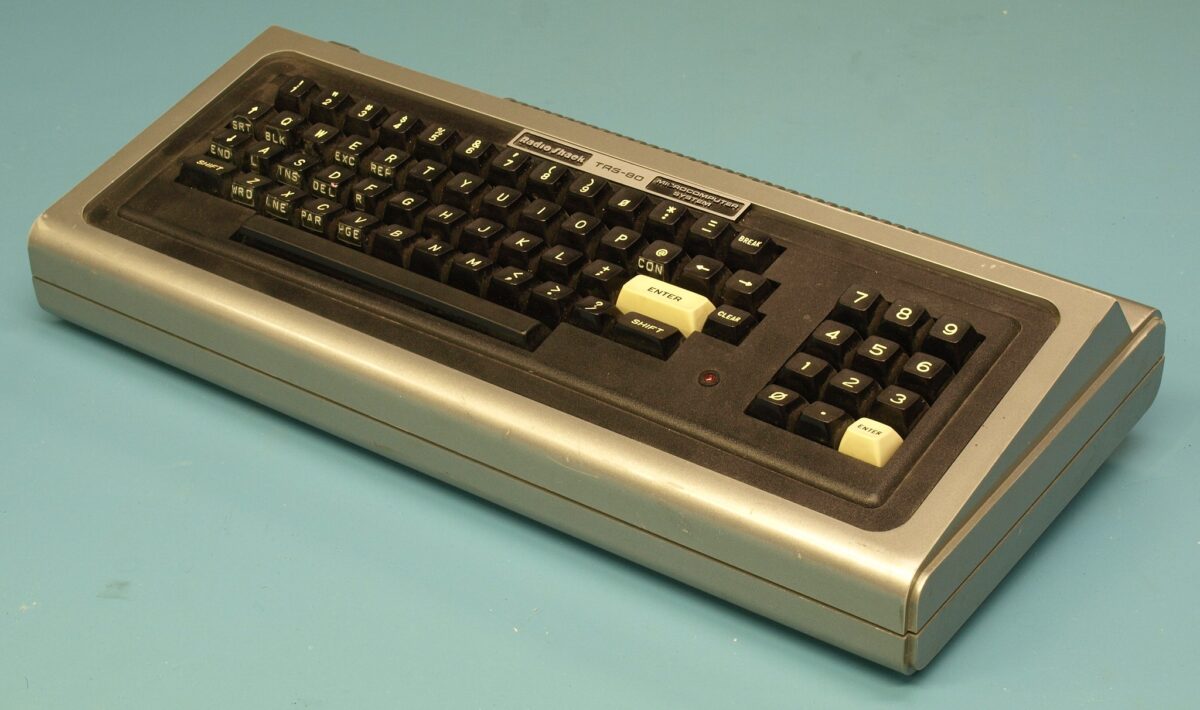
The TRS-80 — affectionately and cruelly nicknamed the “Trash-80” — arrived in 1977 and spent the early ’80s quietly populating classrooms and small businesses that couldn’t afford an Apple II. It was unglamorous to the point of being almost aggressively plain: grey, boxy, with a keyboard that felt like typing on a cafeteria tray.
But for hundreds of thousands of people, the TRS-80 was the first computer they ever touched, and first impressions, for better or worse, have a long memory.
Game & Watch
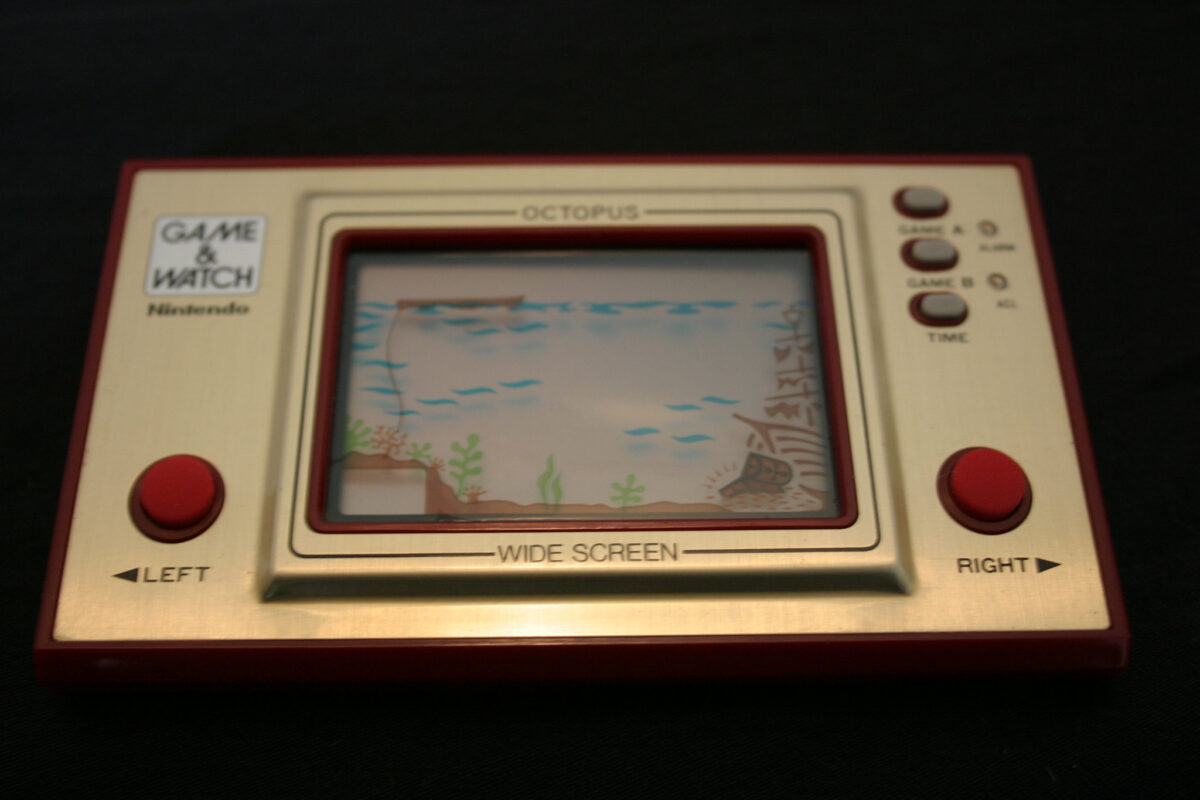
Nintendo’s Game & Watch handhelds were the first devices that made waiting feel optional — a subway platform, a waiting room, a long car ride all became something to fill rather than endure. The dual-screen model released in 1982 was the prototype, conceptually, for everything Nintendo would build for the next four decades.
Shigeru Miyamoto would later cite the Game & Watch as the origin point for the D-pad, which went on to appear on essentially every game controller ever made.
Answerphone / Telephone Answering Machine
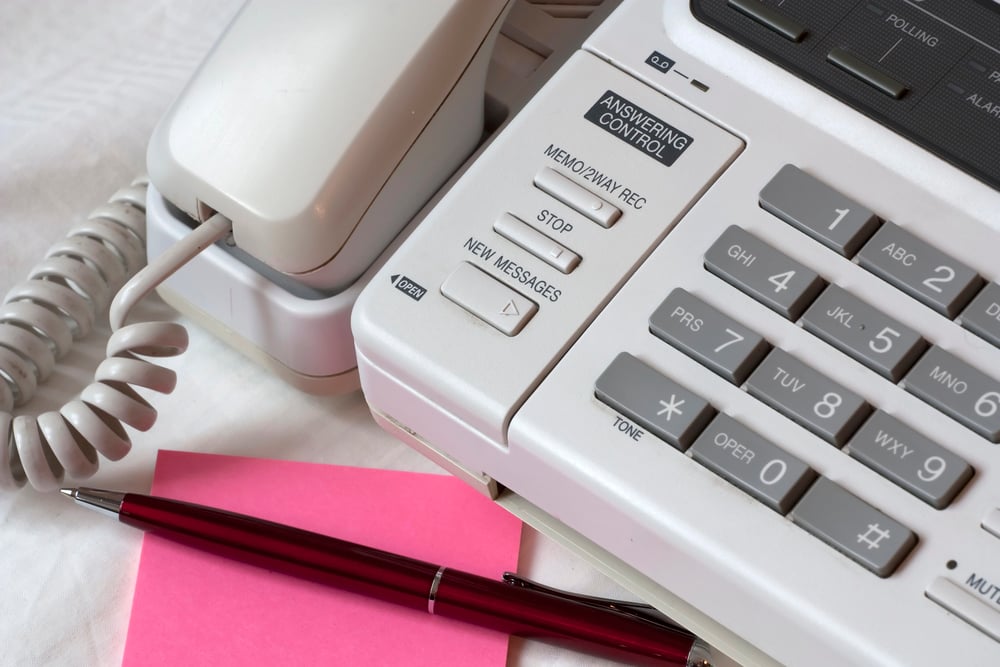
The answering machine transformed absence from a social failure into a scheduling convenience, which sounds minor until you consider how much anxiety used to live in a missed call. By the mid-’80s, a blinking red light on a countertop unit from Panasonic or GE meant someone, somewhere, had thought of you and left a record of it.
The cassette tape inside those machines held whole relationships — arguments, apologies, birthday greetings — all of them eventually erased.
Sony Trinitron Television
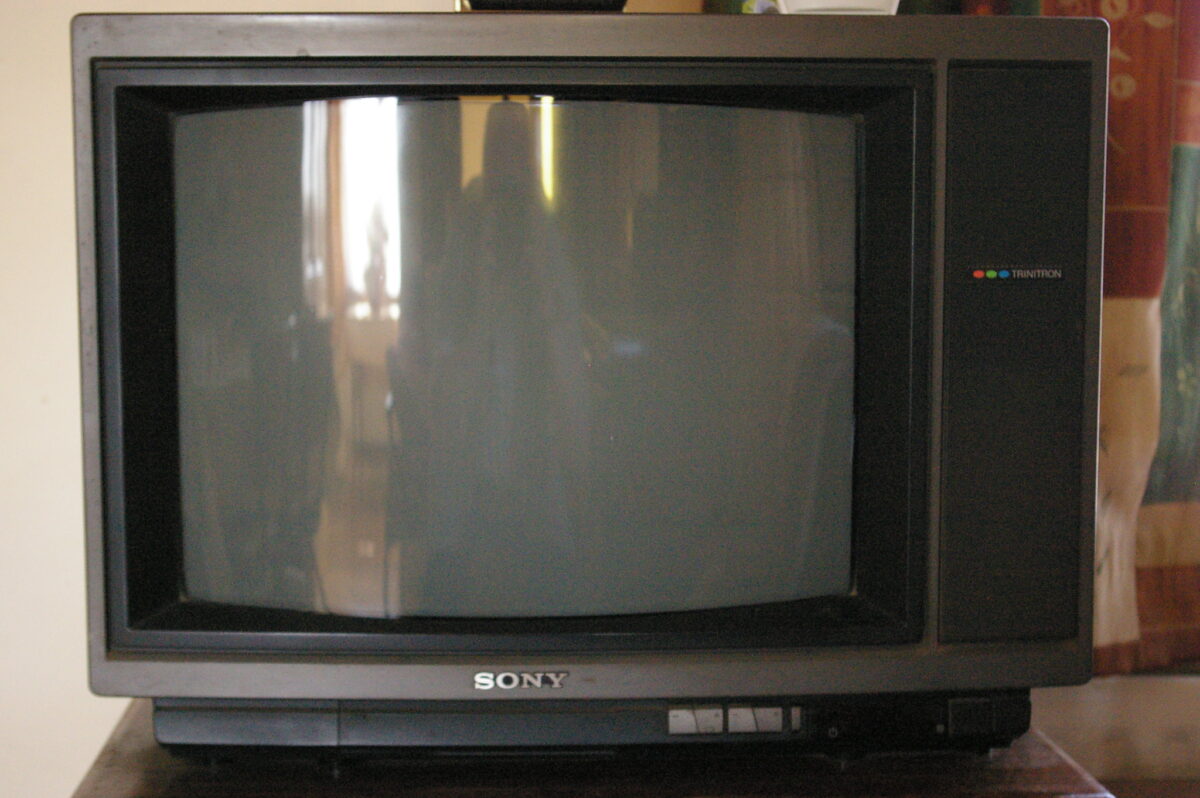
The Trinitron tube wasn’t just a television — it was a correction. Sony’s aperture grille technology produced colors that were genuinely richer and a picture that was noticeably sharper than the flat-shadow competition sitting next to it on the showroom floor.
Owning one in the early ’80s meant having the screen that everyone who came to your house eventually commented on, and there’s a specific domestic pride that lives inside that moment.
Overhead Projector
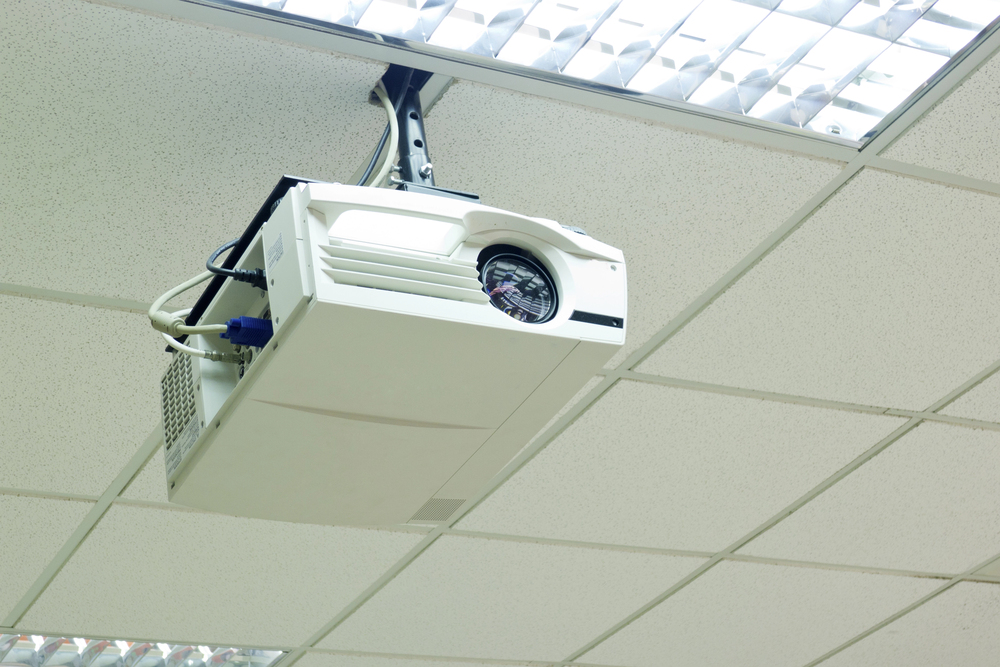
The overhead projector — ubiquitous in every classroom and boardroom of the ’80s — was, for its moment, a genuinely powerful broadcasting tool. A teacher could write in real time on a transparent sheet and throw the image across an entire room, which sounds modest until you remember that the alternative was a chalkboard and squinting from the back row.
The machine worked by being simple and direct, which is still the most underrated quality in any technology.
Mattel Electronics Football
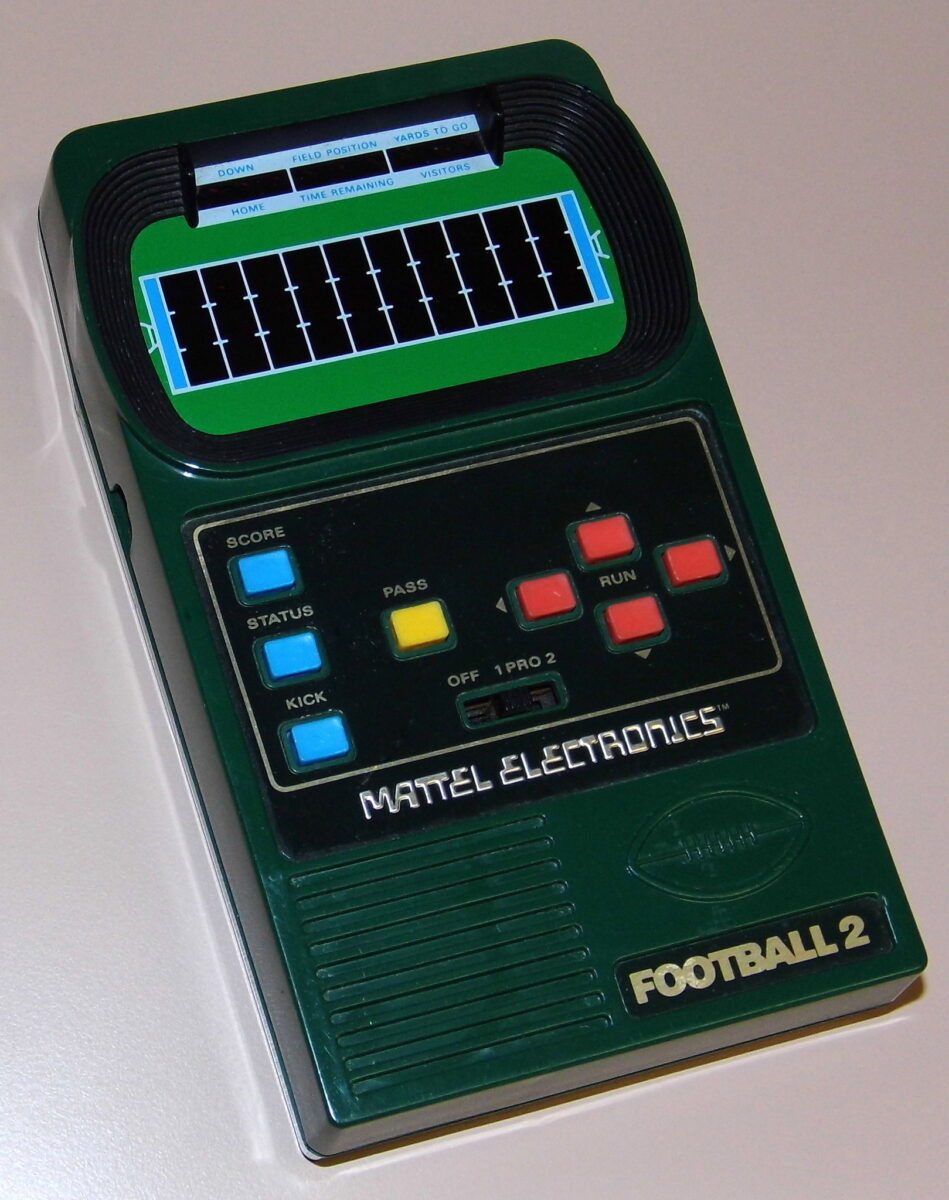
Mattel Electronics Football — the handheld game released in 1977 that peaked through the early ’80s — had six red LED blips on a black background, and it was enough to make people furious with happiness. The “players” were indistinguishable from each other except by position, the field had no visible yard lines, and the crowd noise was a single repeating tone.
None of that mattered: it was football in your hand, which had never been possible before.
Sega Master System
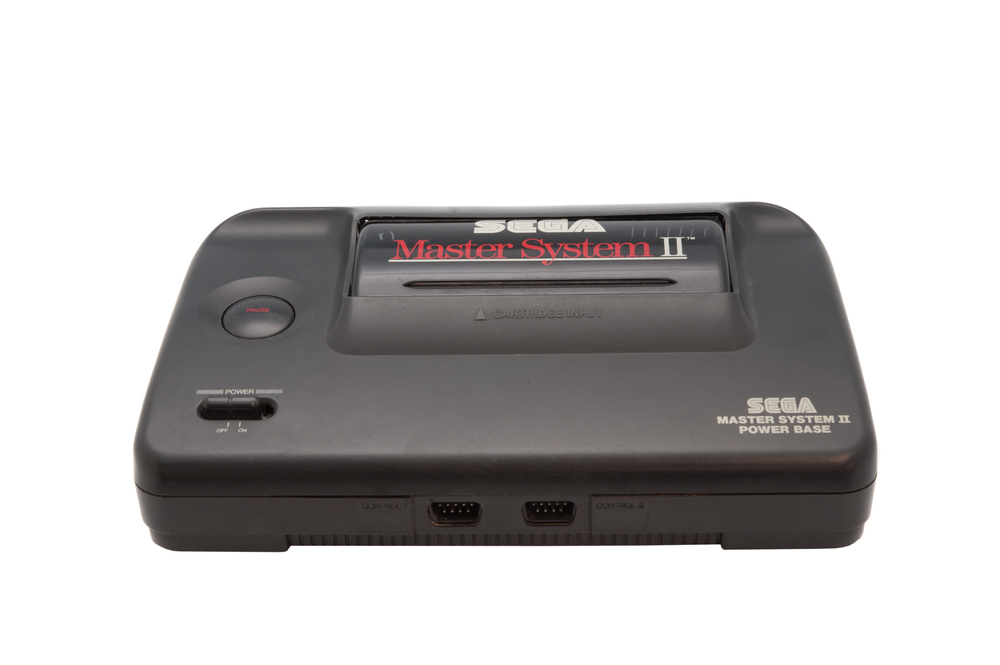
Sega released the Master System in North America in 1986, trailing the NES by a year and never quite closing the gap. The hardware was stronger — better color depth, a slightly more capable processor — but the game library was thinner, and the market had already made up its mind.
The Master System found its real audience in Brazil and Europe, where it outsold the NES handily, which is one of those geography-dependent outcomes that the American version of video game history tends to skip over.
Data East Arcade Machines
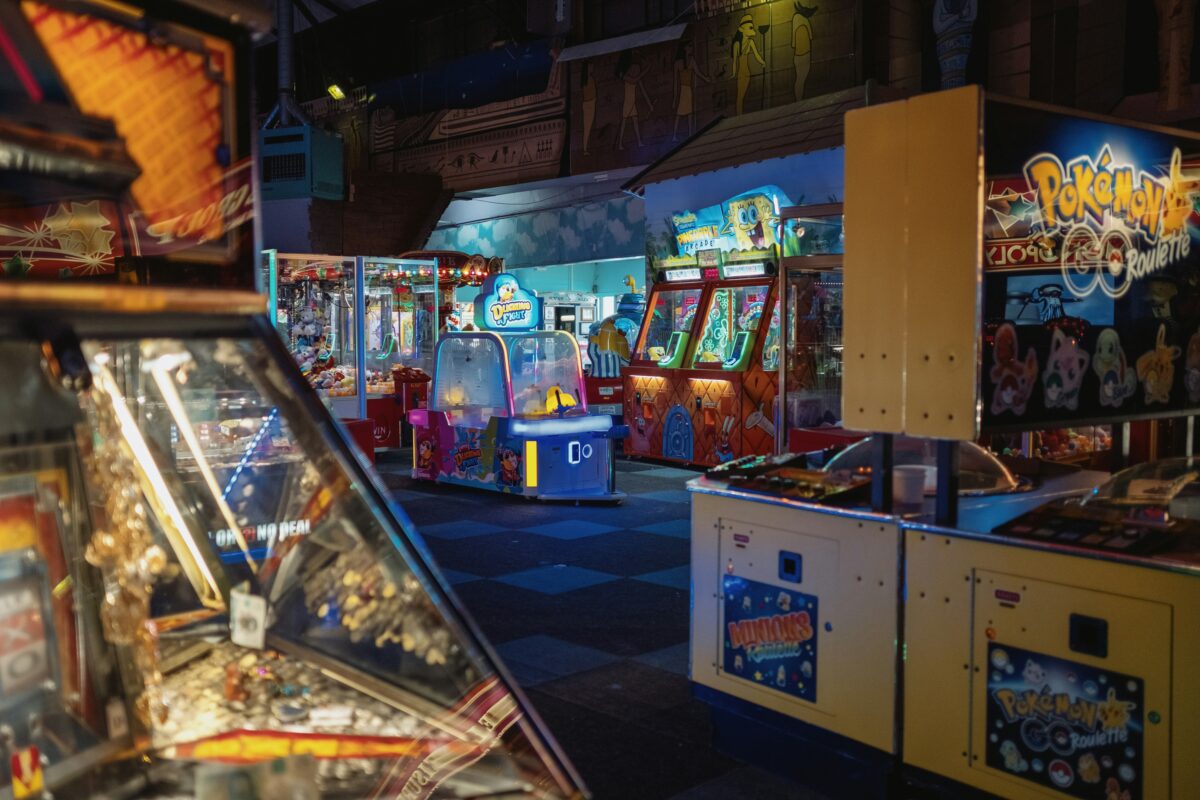
Data East didn’t build the most famous arcade cabinets of the ’80s — that distinction went to Pac-Man and Donkey Kong — but titles like BurgerTime and Karate Champ carved out a specific corner of arcade memory that’s proved surprisingly durable. BurgerTime asked you to be a chef fleeing anthropomorphic hot dogs and eggs, which is a premise that somehow no one questioned.
Data East understood that the premise was secondary to the feel of the controls — and the feel, on those cabinets, was right.
When the Future Felt Close Enough to Touch

What’s striking about the ’80s, looking back, isn’t how wrong the gadgets got it — it’s how many of the instincts were sound. Portable music, personal computing, home video, wireless communication: the decade was circling the exact same problems that Silicon Valley would spend the next forty years pretending to solve fresh.
The hardware was clunkier, the batteries were worse, and the price of admission was steep. But the hunger for technology that fit inside a life — that traveled, that entertained, that kept you connected — was already fully formed.
The ’80s didn’t predict the future so much as they wanted it badly enough to start building it by hand.
More from Go2Tutors!

- The Romanov Crown Jewels and Their Tragic Fate
- 13 Historical Mysteries That Science Still Can’t Solve
- Famous Hoaxes That Fooled the World for Years
- 15 Child Stars with Tragic Adult Lives
- 16 Famous Jewelry Pieces in History
Like Go2Tutors’s content? Follow us on MSN.