Campaign Slogans from Past Elections That Aged Terribly
Political slogans are supposed to capture the zeitgeist, rally the faithful, and make voters feel something stirring in their chest when they hear those carefully chosen words. They’re meant to distill complex policy positions into memorable phrases that stick around long after the last ballot is counted.
Sometimes they work exactly as intended, becoming part of the historical record in all the right ways. Then there are the others — the slogans that seemed brilliant in the moment but now read like unintentional comedy, tragic irony, or uncomfortable reminders of how quickly political fortunes can shift.
These are the campaign promises that reality had other plans for, the rallying cries that history decided to mock, and the confident declarations that time turned into punchlines. Here are some of the most spectacularly poorly aged slogans from American political history.
Prosperity is just around the corner
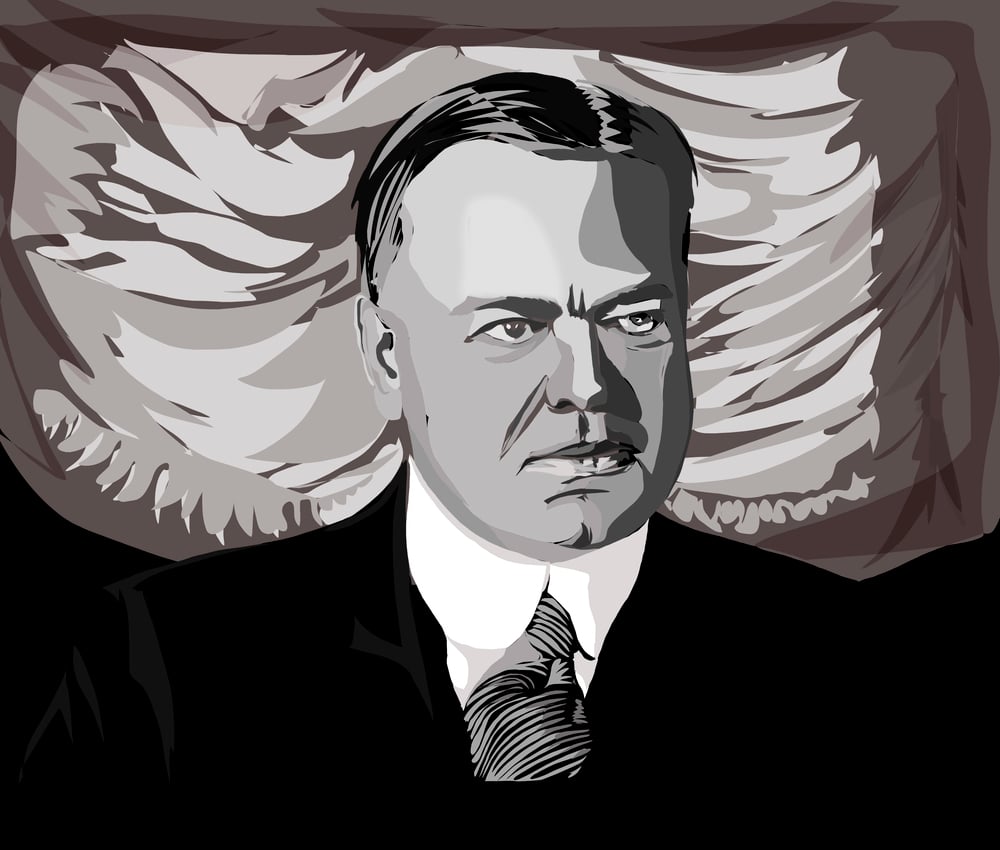
Herbert Hoover’s 1932 reelection campaign clung to this optimistic phrase even as breadlines stretched around actual corners and unemployment soared past 20 percent. The slogan became so synonymous with tone-deaf political messaging that “just around the corner” turned into shorthand for promises that would never materialize.
Hoover lost in one of the most lopsided presidential defeats in American history.
Stay the course

Ronald Reagan’s midterm slogan in 1982 seemed reasonable until unemployment hit double digits and the country slid deeper into recession. The phrase (which would later haunt George W. Bush during the Iraq War) became a liability so quickly that Reagan’s team abandoned it mid-campaign and pivoted to “It’s beginning to work.”
Even Reagan knew when to fold a losing hand.
Morning again in America

Reagan’s 1984 reelection slogan worked beautifully at the time, but the Iran-Contra scandal that broke two years later cast a different light on all that sunny optimism about American renewal and restored faith in government. The phrase now reads like the last moment of innocence before a series of revelations about secret arms deals and congressional testimony featuring phrases like “I do not recall” (Oliver North’s favorite three words, as it happens — which became something of an unintentional slogan itself).
So much for that morning glow.
Read my lips: No new taxes

George H.W. Bush’s 1988 pledge became the gold standard for campaign promises that spectacularly backfire. Bush raised taxes in 1990 to address the federal deficit, and his Democratic opponents replayed this clip so often during the 1992 campaign that it might as well have been their official slogan.
The phrase lives on as a cautionary tale about making absolute promises in politics.
It’s the economy, stupid

This one aged terribly for a different reason — it worked too well and became a cliché that every political consultant has beaten to death for three decades. James Carville’s internal campaign memo for Bill Clinton in 1992 was never meant to be a public slogan, but it leaked and became shorthand for obvious political strategy.
Now every election cycle brings a parade of pundits declaring what “it’s really about,” usually followed by “stupid.”
Bridge to the 21st Century
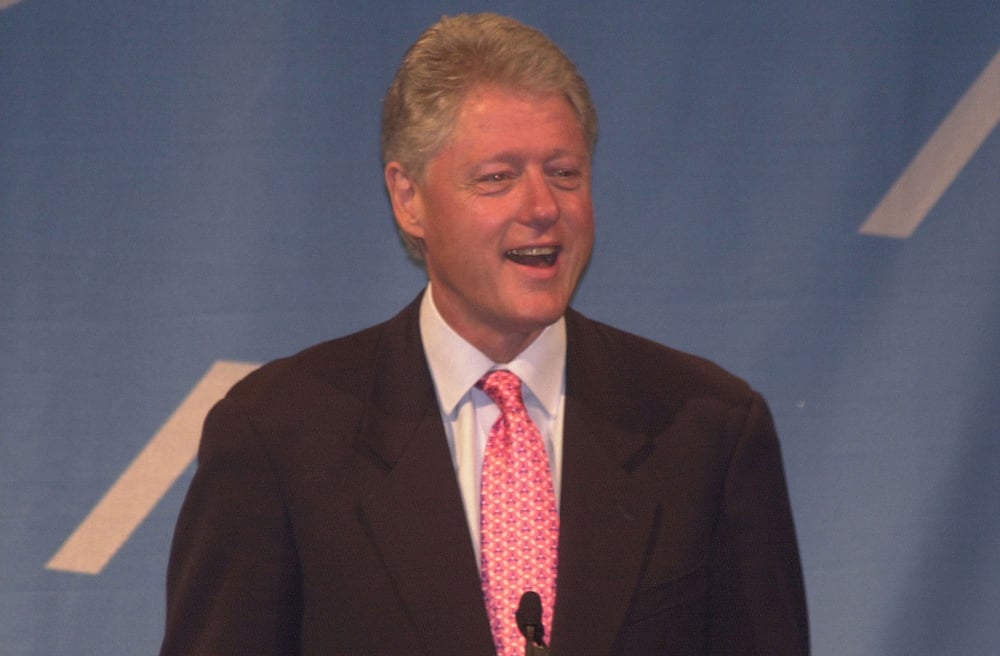
Clinton’s 1996 reelection slogan sounds quaint now that we’re nearly a quarter of the way through the 21st century, but it felt cutting-edge at the time. The phrase captured the dot-com optimism and technological revolution of the mid-90s, back when the internet seemed like it would solve more problems than it created.
That bridge led to places Clinton probably didn’t anticipate.
Compassionate conservatism
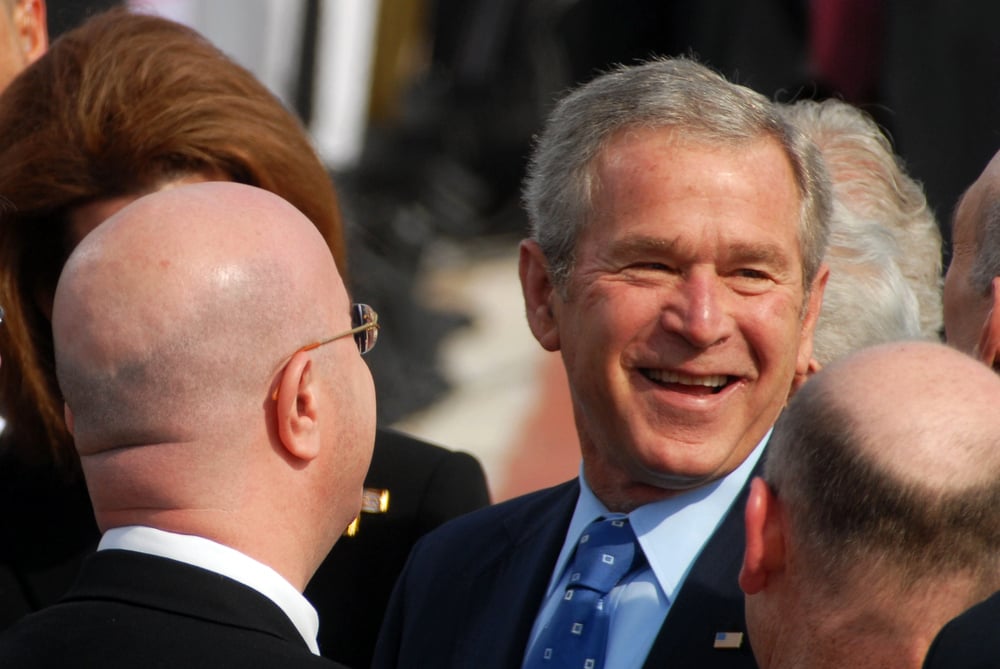
George W. Bush’s signature phrase from 2000 was designed to soften the Republican brand and appeal to moderate voters who wanted conservative policies with a human face. Then came the Iraq War, Hurricane Katrina, and the 2008 financial crisis.
The phrase disappeared so completely from Republican vocabulary that it now sounds like ancient history, abandoned like a campaign button at the bottom of a junk drawer.
Hope
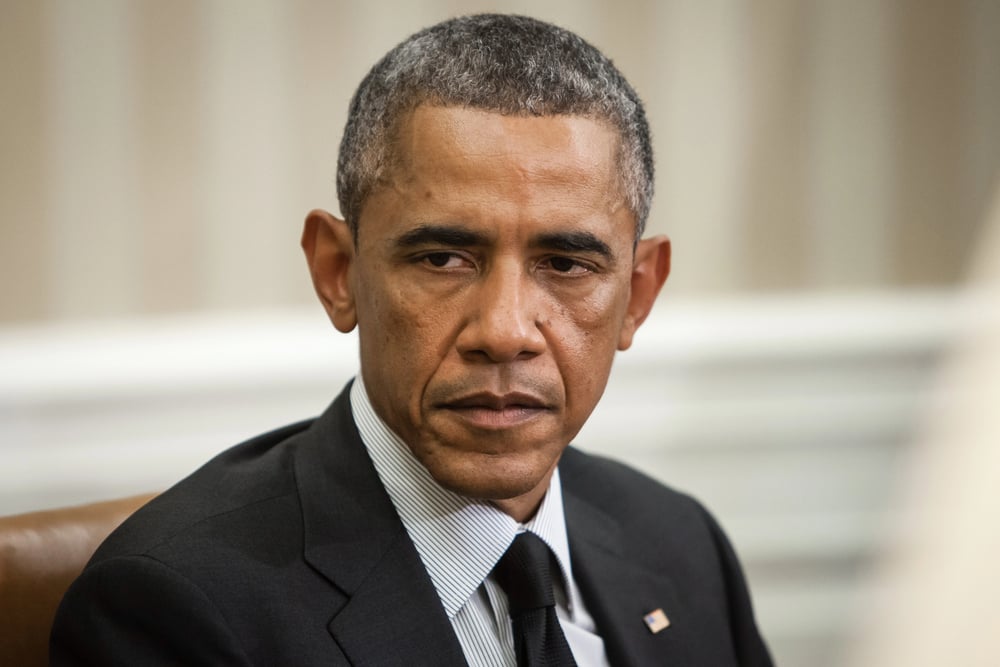
Barack Obama’s 2008 slogan embodied the change election perfectly, but eight years of Republican obstruction and partisan gridlock made that single word feel almost naive in retrospect. The famous poster design became iconic, but the sentiment behind it crashed into the reality of governing in a polarized system.
Hope, it turned out, wasn’t a strategy (though it wasn’t a bad starting point, to be fair).
Make America Great Again

Donald Trump’s 2016 slogan seemed like standard nostalgic political messaging until it became the rallying cry for January 6th and election denial conspiracies. The phrase now carries so much baggage that it’s hard to remember when “MAGA” was just another campaign acronym.
Four years of presidency and two impeachments later, the slogan reads less like a promise and more like a warning.
Lock her up

This wasn’t Trump’s official slogan, but it might as well have been given how often it appeared at rallies and on merchandise. The chant referred to Hillary Clinton and various alleged crimes that were never prosecuted, which makes it awkward now that Trump faces multiple felony indictments.
The irony writes itself, and reality has a sense of humor about these things.
Stronger together
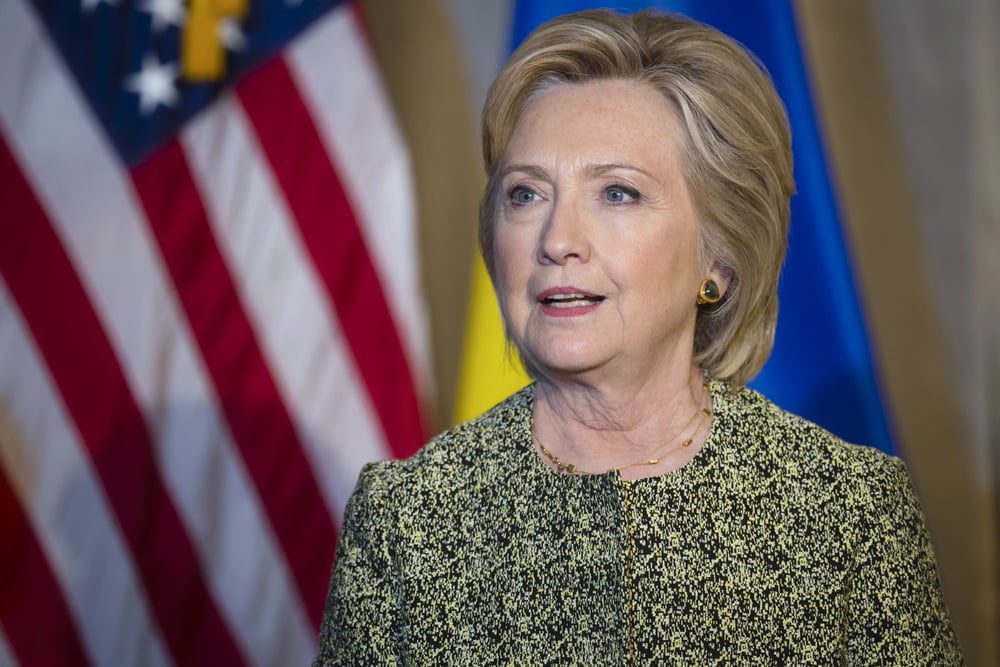
Hillary Clinton’s 2016 slogan was focus-grouped to perfection and delivered with all the enthusiasm of a corporate mission statement. The phrase was technically accurate but emotionally flat, which turned out to be a problem when running against a candidate whose slogan people shouted at rallies.
“Stronger together” sounds like something a management consultant would put on a motivational poster.
Experience counts
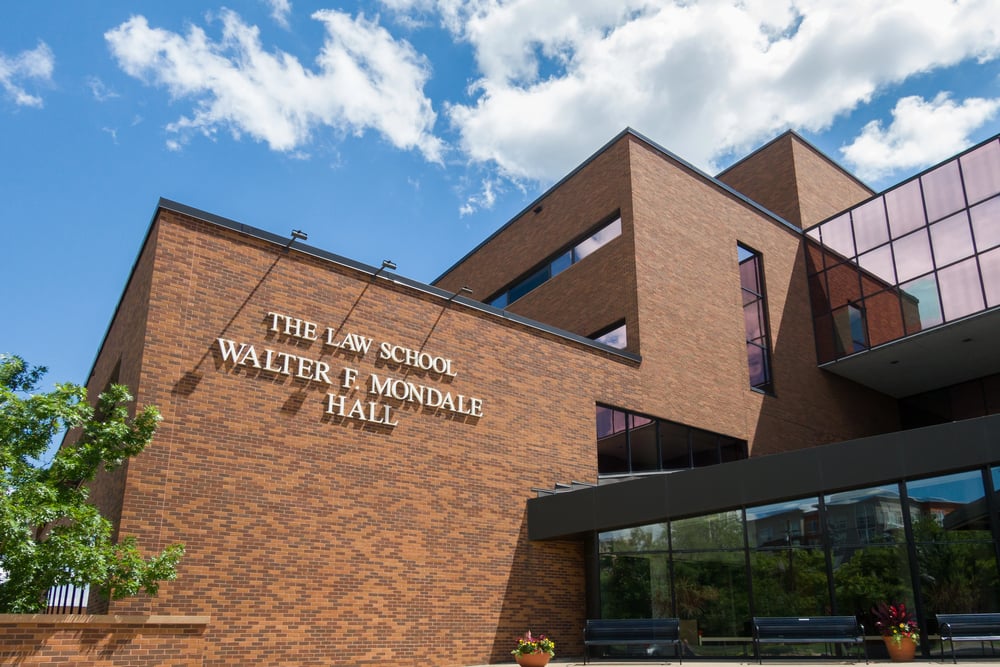
Walter Mondale’s 1984 primary slogan against Gary Hart was meant to highlight his decades in Washington, but it backfired spectacularly in a change election. Mondale won the nomination and then lost 49 states to Reagan, proving that sometimes experience counts for very little.
The slogan became a reminder that résumés don’t vote and that “experience” can sound like “more of the same” when voters want something different.
Are you better off than you were four years ago?
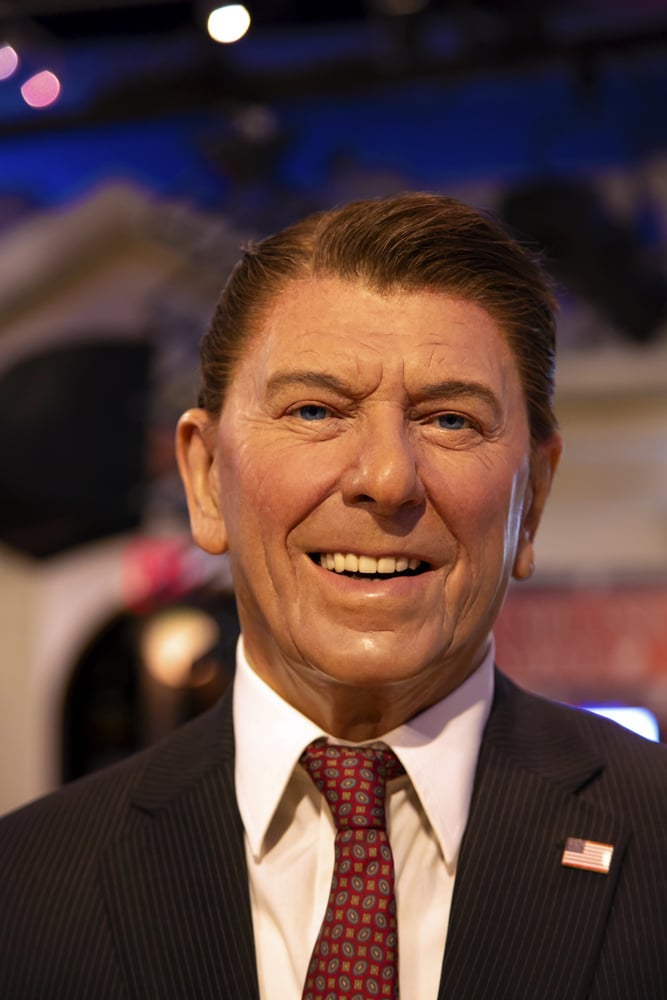
Reagan used this question to devastating effect against Jimmy Carter in 1980, but the phrase has aged into a double-edged sword that cuts both ways. Every challenger since has tried to use some variation of it, usually with diminishing returns.
The question works when the answer is obviously “no,” but it becomes awkward when the answer is complicated or when your own record is mixed.
Trust but verify
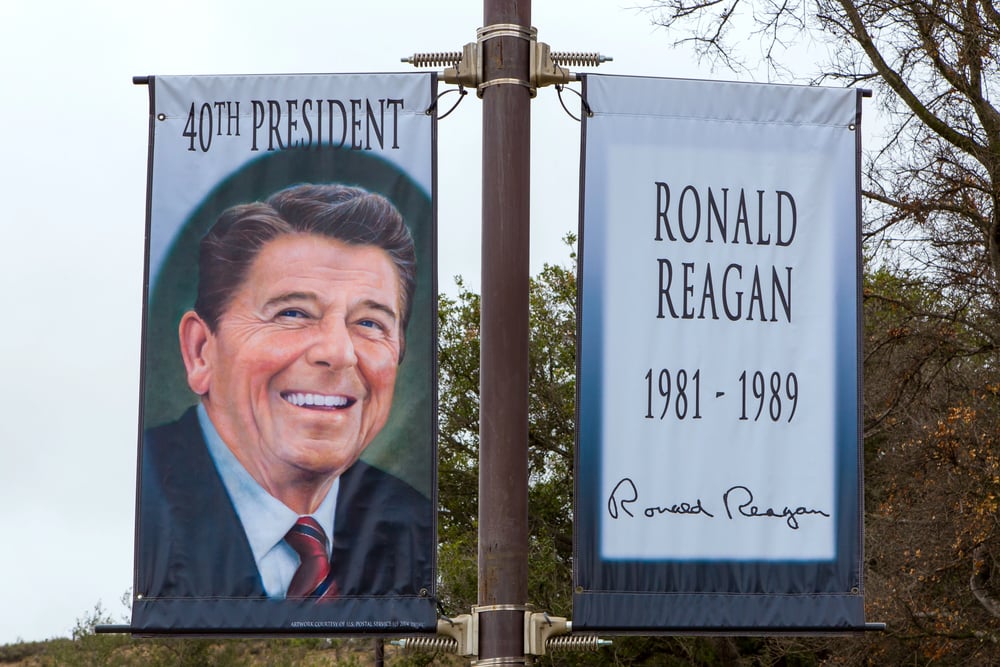
Reagan’s foreign policy slogan about nuclear negotiations with the Soviet Union seemed wise and measured at the time. The phrase suggested a sophisticated approach to international relations that balanced hope with realism.
Then the Cold War ended, and the slogan became a relic of a simpler time when America’s main adversary was another superpower with nuclear weapons rather than a diffuse network of threats that don’t respond to traditional diplomacy.
A chicken in every pot

Herbert Hoover’s 1928 campaign promise (borrowed from Henry IV of France, though most Americans didn’t know that) became a symbol of misplaced optimism when the Great Depression hit a year later. The phrase now sounds almost comically modest compared to modern campaign promises, but it carries the weight of good intentions crushed by economic reality.
Sometimes the chicken doesn’t make it to the pot.
The buck stops here

Harry Truman’s motto wasn’t from a campaign, but it became associated with his presidency and political brand. The phrase aged terribly not because Truman failed to live up to it, but because so few politicians since have embraced that level of accountability.
“The buck stops here” now sounds like something from a different era of American politics, back when taking responsibility was considered a virtue rather than a liability.
Where echoes become voices

This reflection brings us back to something fundamental about political slogans and the promises they represent. They’re not just marketing copy or focus-grouped phrases designed to move poll numbers in swing states.
At their best, they capture something real about the moment when they were written — the hopes, fears, and assumptions that seemed reasonable at the time but that history decided to judge harshly. The slogans that aged terribly often did so not because they were dishonest when they were written, but because the future had different plans than the people who crafted them.
Campaign promises collide with governing realities, confident predictions meet unexpected events, and stirring rhetoric encounters the messy business of actual politics. What sounded inspiring in a convention hall can sound hollow a few years later when the bills come due and the unintended consequences start piling up.
More from Go2Tutors!

- The Romanov Crown Jewels and Their Tragic Fate
- 13 Historical Mysteries That Science Still Can’t Solve
- Famous Hoaxes That Fooled the World for Years
- 15 Child Stars with Tragic Adult Lives
- 16 Famous Jewelry Pieces in History
Like Go2Tutors’s content? Follow us on MSN.