24 Job Titles That Vanished Within a Generation
Most jobs fade out slowly, over decades, as technology gradually makes a task unnecessary. A smaller number vanishes fast, wiped out within a single working lifetime by one new invention or business model.
The following occupations were common, respected, and often unionized professions that essentially disappeared within about 20 to 30 years.
Lamplighter

Before electric streetlights, cities employed lamplighters to manually light, extinguish, clean, and refuel gas street lamps every evening and morning, walking fixed routes with a long pole and a small flame. The profession, which had employed thousands across major cities in Europe and North America, largely disappeared within a few decades of electric lighting’s rollout in the late 19th and early 20th centuries.
A small number of ceremonial gas lamplighters still work in cities like London for historic districts.
Switchboard Operator
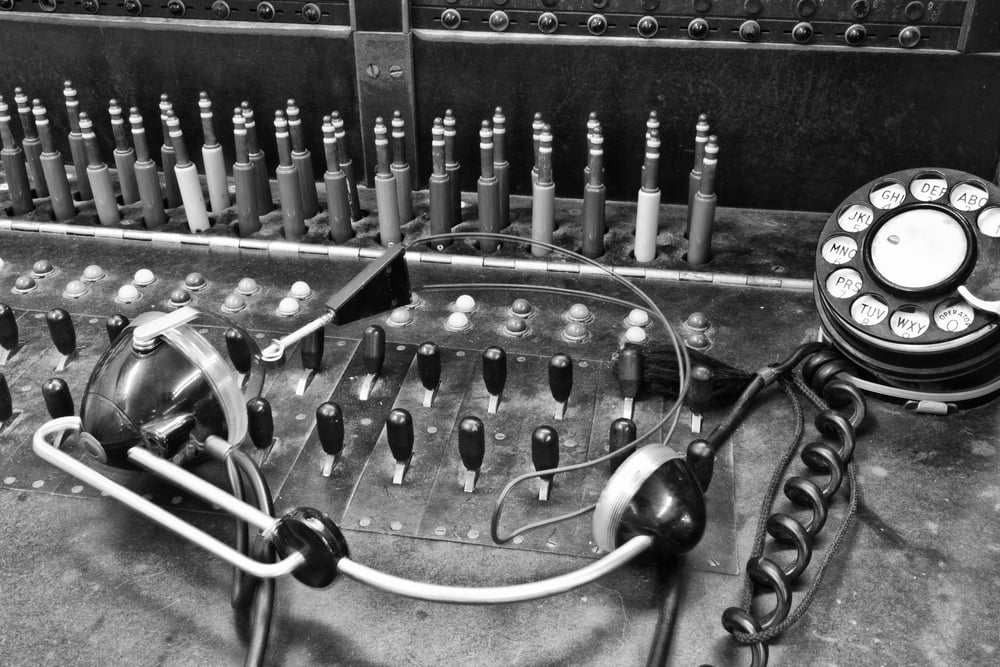
Telephone switchboard operators manually connected calls by plugging cables into a board, a role that employed hundreds of thousands of workers, overwhelmingly women, through the mid-20th century. The introduction of direct-dial automatic switching systems, which spread widely across the United States from the 1940s through the 1960s, eliminated most of these positions within a generation.
AT&T’s last manual switchboard exchange in the United States closed in 1978 in a small Maine town.
Elevator Operator
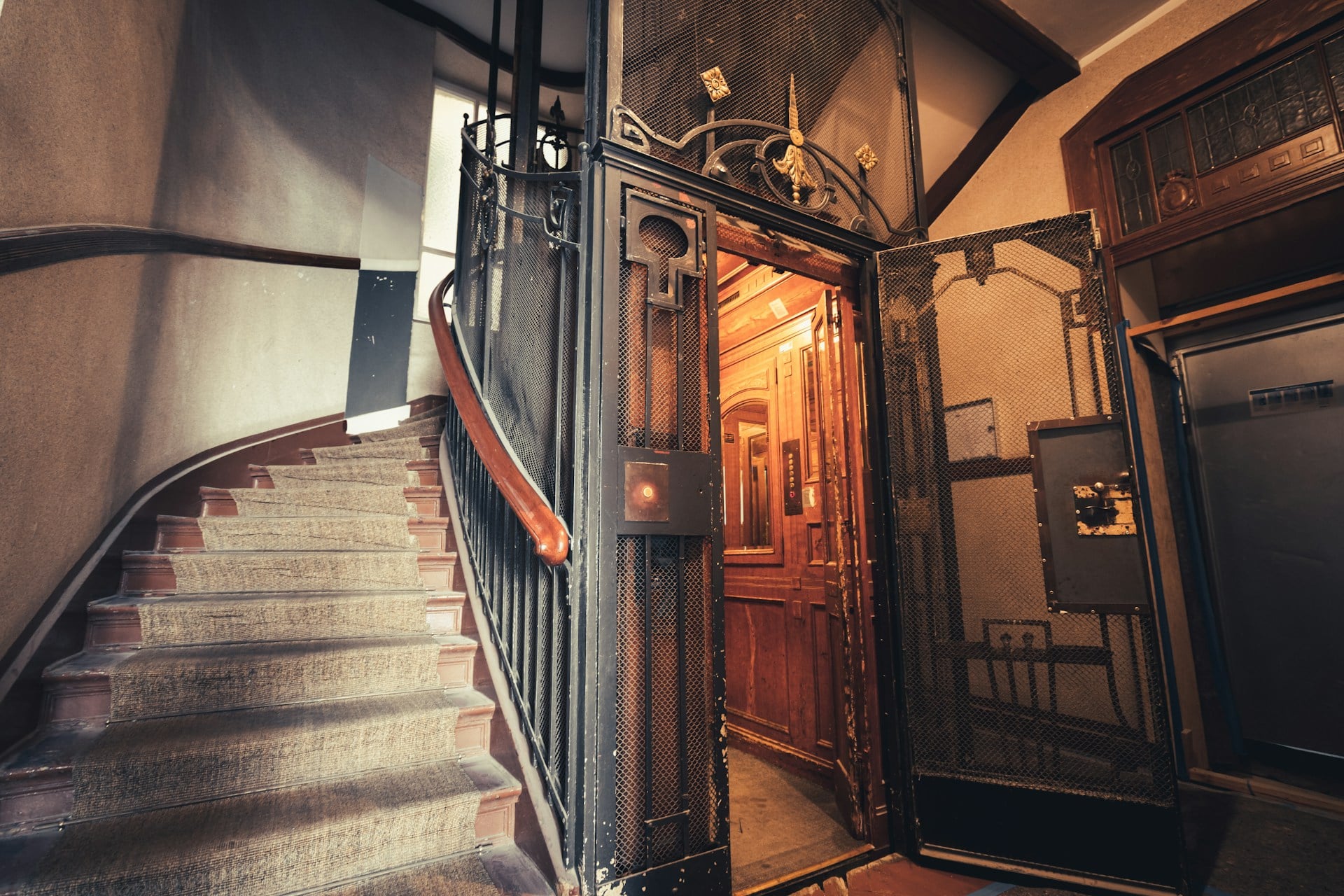
Elevator operators manually controlled the speed and stopping position of elevator cars using a lever, a skilled job that required precise timing to align the car with each floor. Automatic push-button elevators, which became standard through the 1950s and 1960s, made most human operators unnecessary within a couple of decades.
A handful of ceremonial or historic-building elevator operators still work in cities like New York.
Human Computer

Before electronic computers, “computer” was a job title held by people, disproportionately women, who performed complex mathematical calculations by hand for scientific, military, and aerospace projects, including NASA’s early space program.
Electronic computers, which became widely available to research institutions through the 1950s and 1960s, made the human version of the role obsolete within roughly a generation. The role was the subject of the book and film “Hidden Figures.”
Icebox Deliveryman
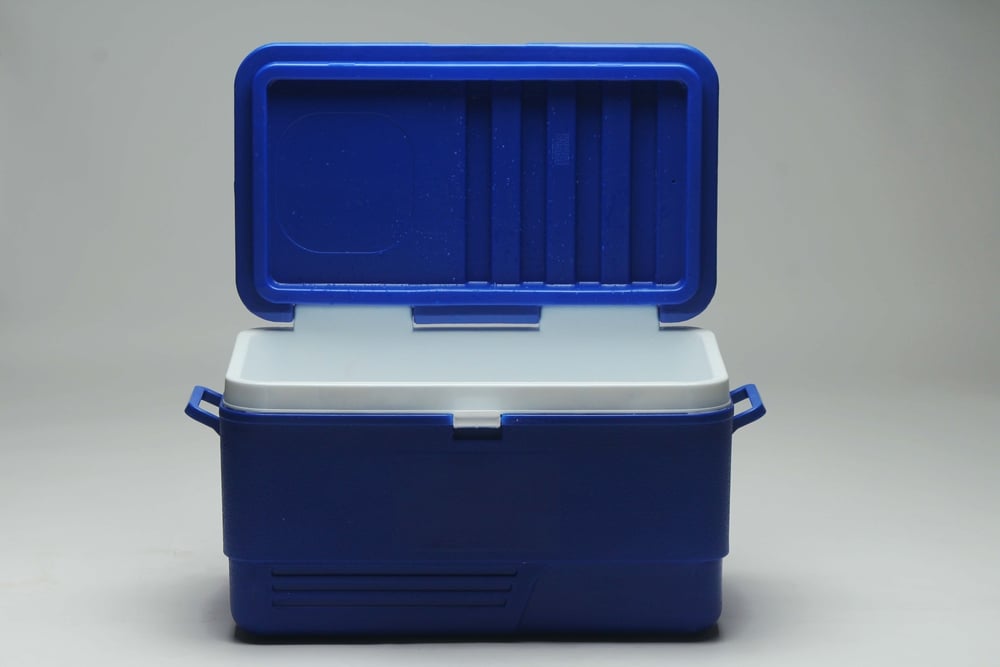
Before electric refrigerators became affordable and widespread, households relied on iceboxes cooled by large blocks of ice, delivered regularly door-to-door by icemen who carried blocks into homes with metal tongs.
Electric refrigerator adoption, which accelerated through the 1930s and 1940s in the United States, eliminated most demand for regular home ice delivery within about 20 years.
Typesetter

Typesetters manually arranged individual metal letters into print forms, a specialized trade requiring years of training that had existed in roughly its traditional form since the invention of movable type. The rapid adoption of computerized phototypesetting and later desktop publishing software through the 1970s and 1980s eliminated most traditional hot-metal typesetting jobs within about two decades.
Pinsetter

— Photo by mulevich
Before automatic pin-resetting machinery, bowling alleys employed pinsetters, often teenagers, to manually reset fallen pins and send the bowling equipment back to players between frames. The widespread introduction of automatic pinspotter machines, commercialized by AMF starting in the 1950s, eliminated most of these jobs within roughly a decade across the American bowling industry.
Milkman

Door-to-door home milk delivery employed a large dedicated workforce through the mid-20th century, supported by dairies that ran daily delivery routes to individual households. The rise of supermarket refrigeration and personal automobile ownership, which reshaped American grocery shopping through the 1950s and 1960s, caused home milk delivery to collapse from a near-universal service to a niche one within about a generation.
Telegraph Operator
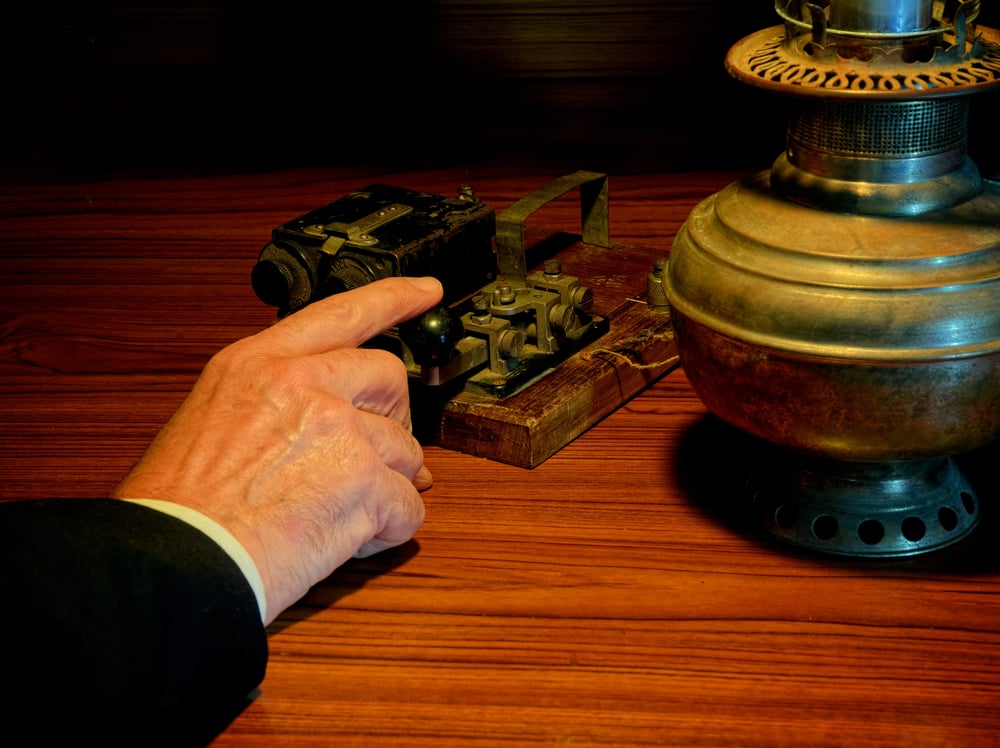
Telegraph operators translated messages into and out of Morse code for transmission over telegraph lines, a skilled profession central to news, business, and personal communication for most of the 19th and early 20th centuries. The spread of direct-dial telephone service and later fax machines through the mid-20th century sharply reduced demand, and Western Union discontinued its telegram service entirely in 2006, ending the role’s last commercial remnant.
Rat Catcher

Municipal rat catchers were formally employed by cities and, in Victorian Britain, sometimes by royal households, to control urban rodent populations using traps, ferrets, and trained dogs, a role considered a specialized trade with its own guild-like traditions.
Modern pest control companies using chemical rodenticides and standardized extermination methods, which became dominant through the 20th century, absorbed the trade and eliminated the traditional independent rat catcher role within a few decades.
Video Rental Clerk
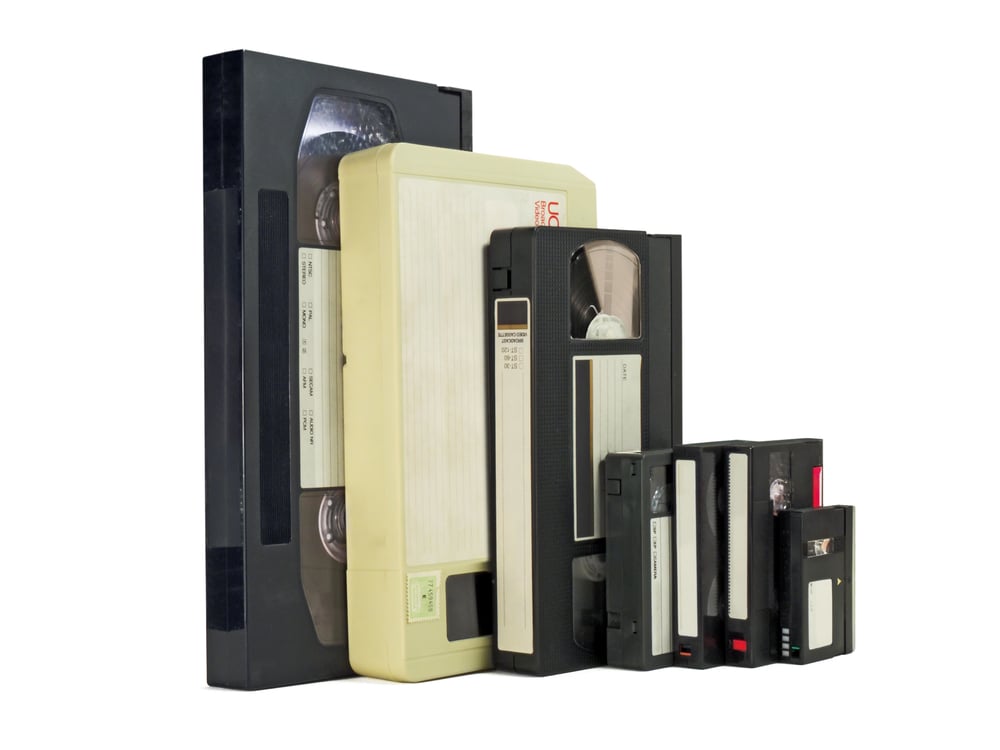
Video rental store clerks, who helped customers browse physical VHS and later DVD inventory and processed returns, were a fixture of American retail through the 1980s and 1990s, with chains like Blockbuster employing tens of thousands of workers nationally. The rapid shift to streaming video and DVD-by-mail services in the 2000s and 2010s collapsed the industry, with Blockbuster’s corporate stores closing entirely by 2014.
Encyclopedia Salesperson

Door-to-door encyclopedia sales was a substantial profession through much of the 20th century, with companies like Encyclopaedia Britannica and World Book employing large national sales forces to sell multi-volume print sets directly to households. The rise of CD-ROM reference software in the 1990s, followed quickly by free online resources, collapsed the door-to-door encyclopedia sales industry within about 15 years.
Bowling Alley Pin Boy

Related to but distinct from mechanical pinsetting, the informal “pin boy” role in smaller American bowling venues, often filled by local youths for tips, persisted in some smaller alleys even after larger chains automated. As liability concerns and insurance standards tightened through the mid-20th century, remaining informal pin-boy arrangements were phased out almost entirely within a couple of decades.
Film Projectionist

Movie theater projectionists manually loaded, threaded, and monitored large reel-to-reel film projectors throughout a screening, a unionized skilled trade in many American cities through most of the 20th century. The film industry’s shift to digital cinema projection, largely completed in American theaters between 2005 and 2015, automated most of the technical work the role required, sharply reducing demand for trained projectionists within about a decade.
Court Stenographer’s Predecessor: The Longhand Court Reporter
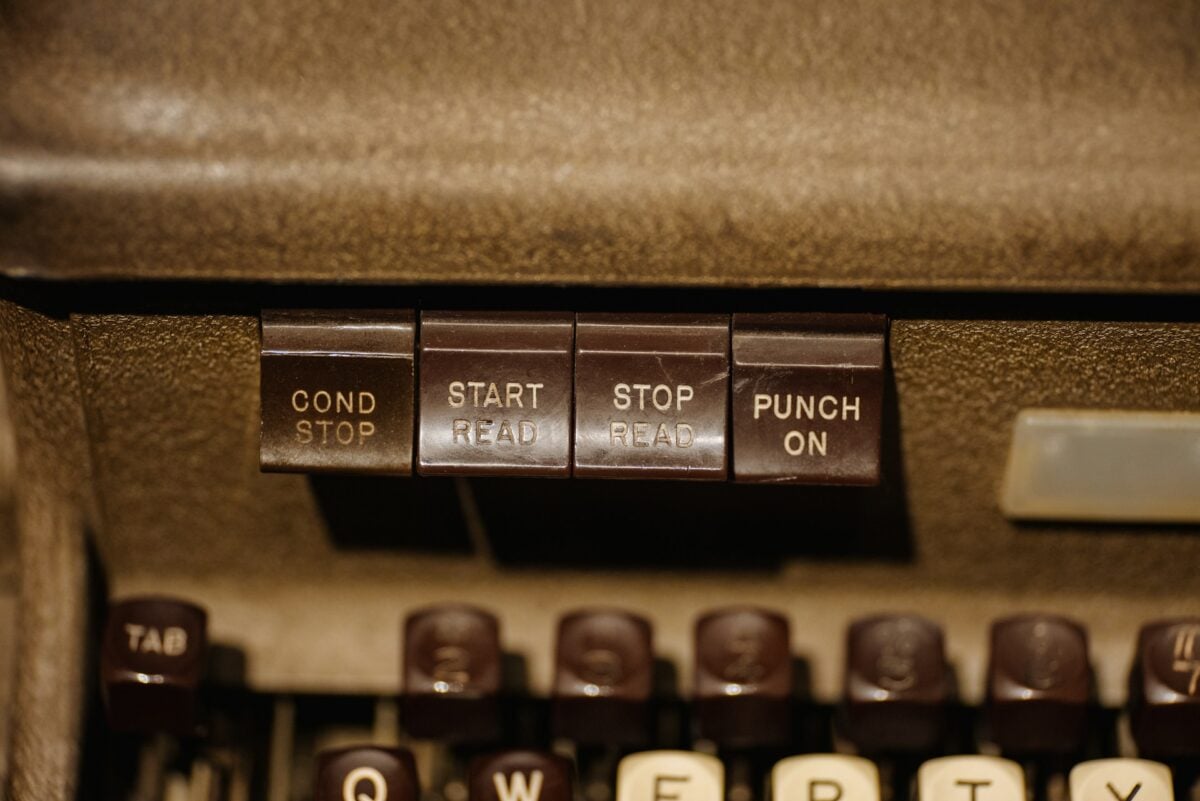
Before shorthand machine stenography became standard, courts employed longhand reporters who wrote testimony by hand in real time, a demanding role with significant error rates on fast-paced testimony. The widespread adoption of the stenotype machine, which became the courtroom standard through the early 20th century, eliminated the longhand reporting role within a couple of decades of the machine’s spread.
Toll Booth Collector

Toll booth collectors staffed highway and bridge toll plazas to manually collect cash and make change from passing drivers, a role that employed thousands across major American and European toll roads through the late 20th century. The rapid rollout of electronic toll collection systems like E-ZPass beginning in the 1990s, followed by fully automated all-electronic tolling in many regions by the 2010s and 2020s, eliminated most manual collector positions within about a generation.
Linotype Machine Operator
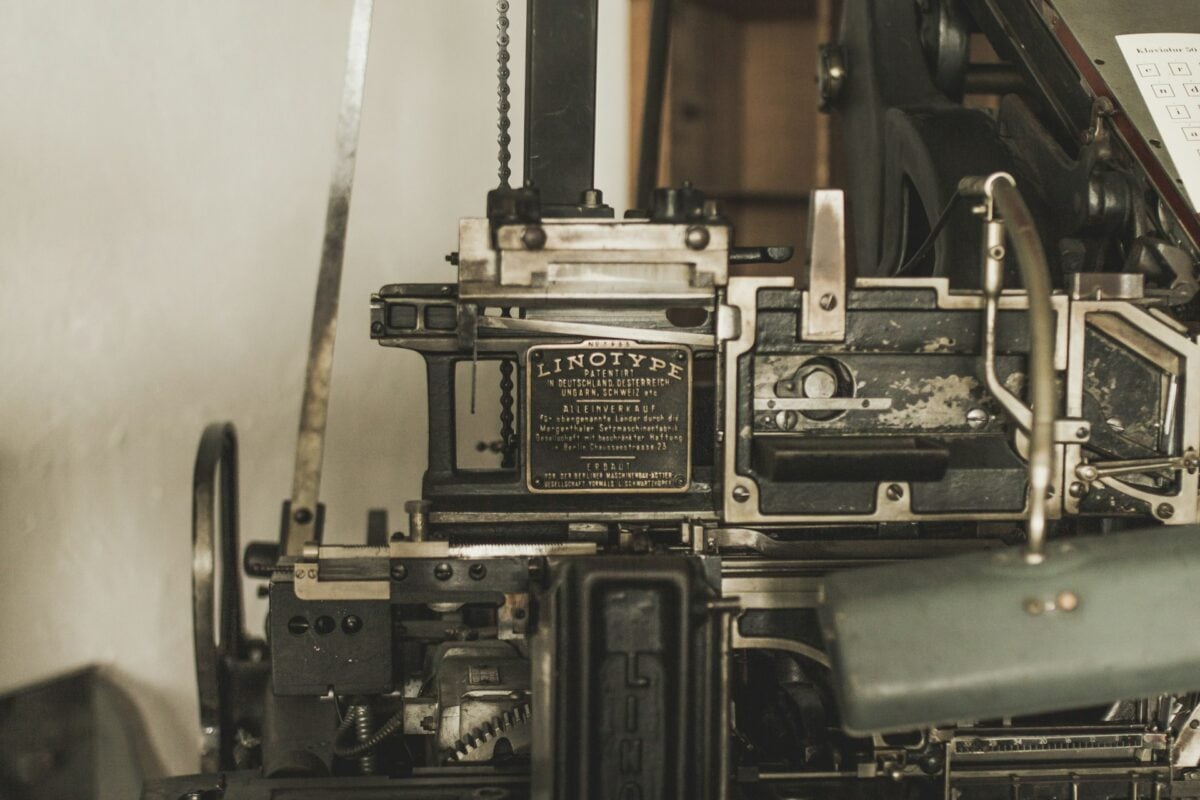
Linotype operators ran large mechanical typesetting machines that cast entire lines of text in molten metal, a specialized newspaper-industry trade requiring extensive training that dominated print production from the 1880s through much of the 20th century. The rapid industry-wide shift to offset printing and computerized typesetting through the 1970s made linotype operation nearly obsolete within about two decades.
Radio Repairman
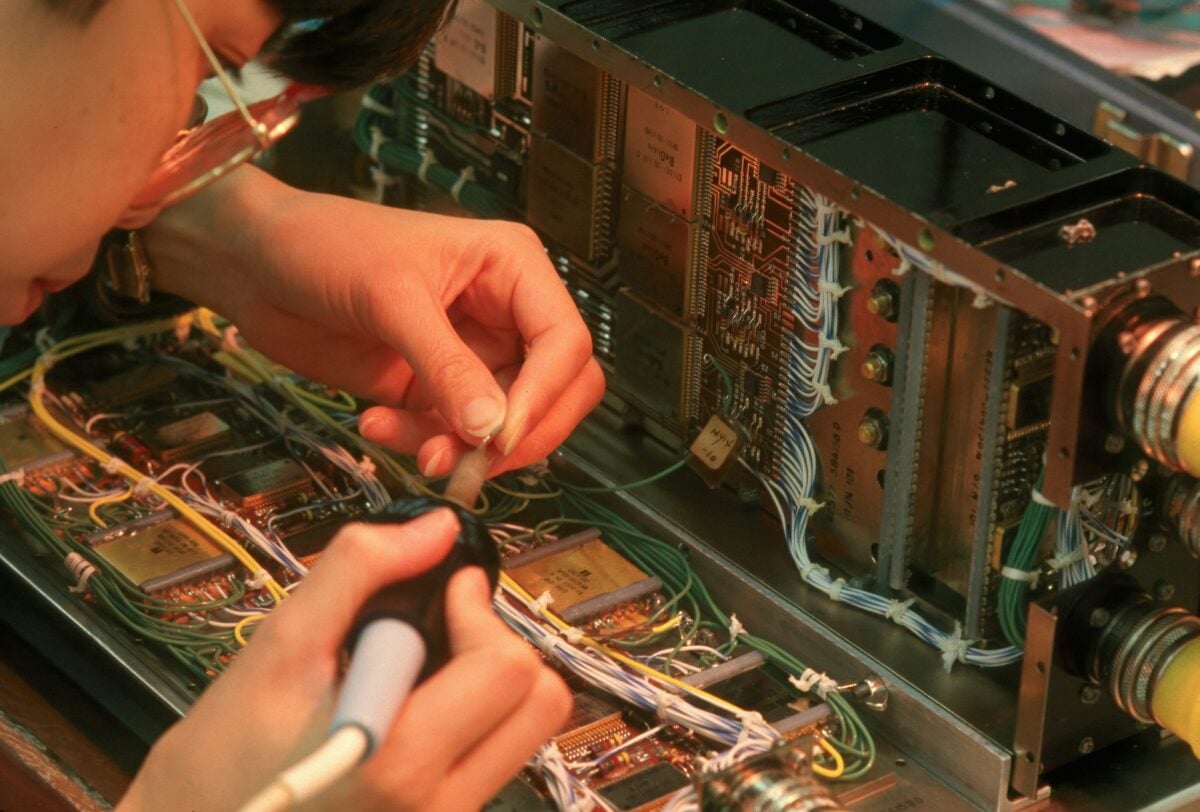
Home radio repair was a common independent trade through the mid-20th century, when vacuum-tube radios frequently needed component replacement and required technical expertise to service. The shift to solid-state transistor electronics and, later, cheap mass-produced disposable devices through the 1960s and 1970s made most independent radio repair businesses commercially unviable within about two decades.
Bank Teller Machine Operator’s Predecessor: The Full-Service-Only Teller

Before automated teller machines became widespread, all routine banking transactions, including basic withdrawals and deposits, required an in-person teller, meaning banks employed far larger teller staff relative to their customer base than they do today. Widespread ATM adoption from the 1970s through the 1990s did not eliminate the teller role entirely, but it sharply reduced the staffing levels once considered standard within about a generation.
Steam Locomotive Fireman

Steam locomotive firemen shoveled coal into the engine’s firebox to maintain steam pressure throughout a journey, a physically demanding skilled role essential to rail operations for most of the industry’s history. The rapid conversion of American and European rail networks from steam to diesel and electric locomotives, largely completed between the 1950s and 1960s, eliminated the fireman role within about two decades.
Newspaper Copy Boy

Copy boys, and occasionally copy girls, ran physical drafts of news copy between reporters, editors, and the composing room in newsrooms before internal computer networks existed, a common entry-level newsroom job through much of the 20th century. The adoption of internal newsroom computer systems through the 1970s and 1980s made the physical relay role unnecessary within about 15 to 20 years.
Telephone Directory Compiler

Telephone companies once employed large dedicated staffs to compile, proofread, and format printed phone directories by hand, a labor-intensive annual undertaking for every service area. Digitized directory databases and, later, online search made most of this large-scale manual compilation work unnecessary within about two decades, and major American phone book publishers scaled down dramatically by the 2000s.
Travel Agent (Full-Service Storefront Model)

Storefront travel agencies employing large numbers of agents to book flights, hotels, and packages by hand or by phone were the dominant way most people planned travel through the 1980s and into the 1990s. The rapid rise of online booking platforms in the late 1990s and 2000s eliminated a large share of storefront travel agency jobs within about 15 years, though a smaller specialized travel advisory industry survives.
Slide Rule Instructor
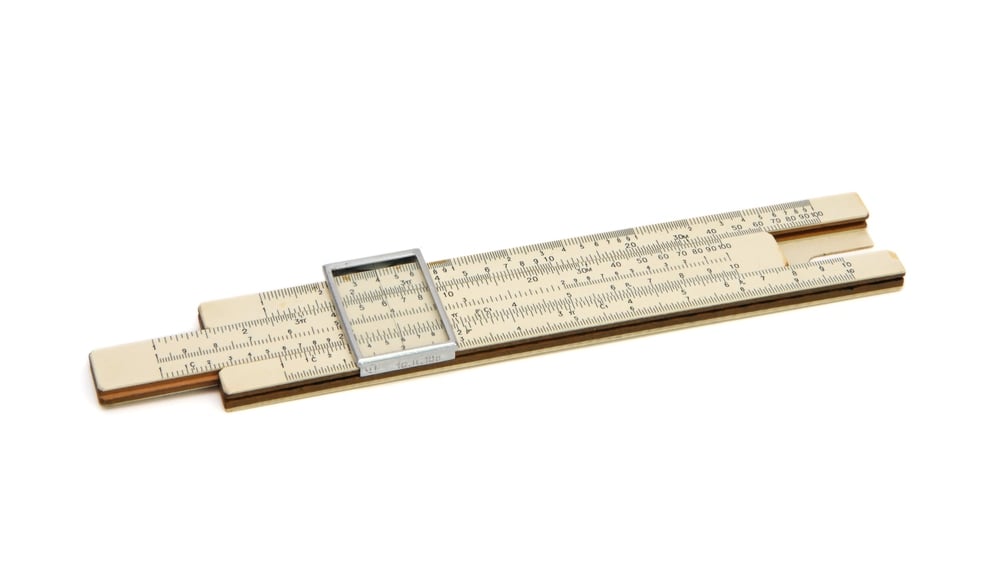
Slide rules were the standard calculation tool taught in engineering and science education for generations, and schools and universities employed dedicated instruction time and staff to teach their use. The rapid, near-total adoption of affordable electronic calculators through the 1970s made slide rule instruction essentially obsolete within less than a decade, one of the fastest occupational disappearances on this list.
Why Some Jobs Disappear Overnight and Others Never Do

The jobs on this list did not fade gradually the way most occupations do. Each was wiped out by a single specific technology that made the underlying task, not just the worker performing it, unnecessary. That distinction matters: automatic elevators did not make elevator operators more efficient, they made the operator’s core function irrelevant entirely.
What is striking in hindsight is how confident people were, at each point, that these jobs were permanent fixtures of working life. Millions of people built careers, pensions, and identities around roles that, from the vantage point of only one generation later, read like historical trivia.
It is a useful reminder that “essential” and “permanent” are not the same thing.
More from Go2Tutors!

- The Romanov Crown Jewels and Their Tragic Fate
- 13 Historical Mysteries That Science Still Can’t Solve
- Famous Hoaxes That Fooled the World for Years
- 15 Child Stars with Tragic Adult Lives
- 16 Famous Jewelry Pieces in History
Like Go2Tutors’s content? Follow us on MSN.



