24 Photos of Grocery Stores From the 1950s
The American supermarket came of age in the 1950s, when new stores opened at a pace of several a day and a trip for groceries became something families did by car rather than on foot. Photographers from newspapers, chains, and government agencies recorded the change, usually because someone wanted to sell something.
What those pictures show, decades later, is a world of paper bags, glass bottles, and prices stamped on by hand. Each image below captures a detail that has since disappeared or changed beyond recognition.
The Turnstile at the Piggly Wiggly Entrance
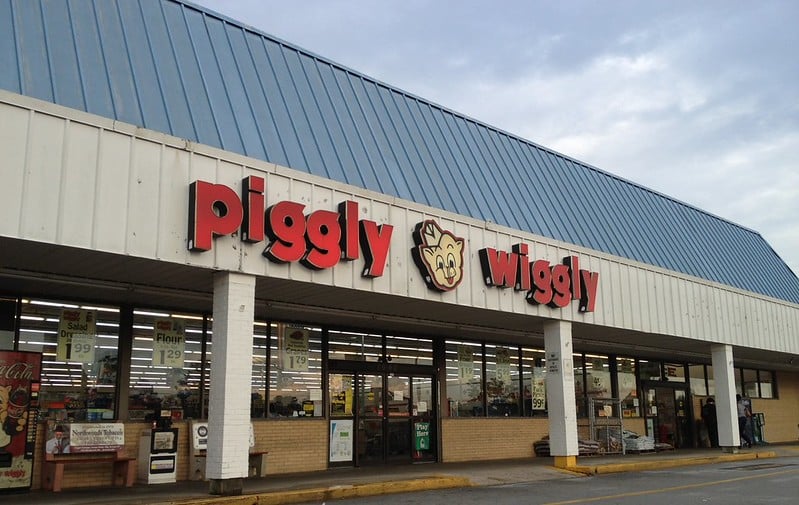
Photographs of Piggly Wiggly stores from the decade show a turnstile at the door, a holdover from the chain’s 1916 Memphis original, where founder Clarence Saunders introduced the idea of customers picking their own goods off the shelf. The turnstile forced everyone to walk the entire aisle path before reaching the register.
Later stores dropped it, but the one-way layout it enforced is still with us.
The A&P Storefront With Its Red Lettering

The Great Atlantic & Pacific Tea Company was the largest grocer in the country, and its red-and-gold signs appear in countless street photographs from the 1950s. The chain was so dominant that it had just survived a federal antitrust case, which is part of why it was shifting from small neighborhood stores to larger supermarkets.
The old corner stores in the photos were being closed by the hundreds.
The Checkout Before Scanners
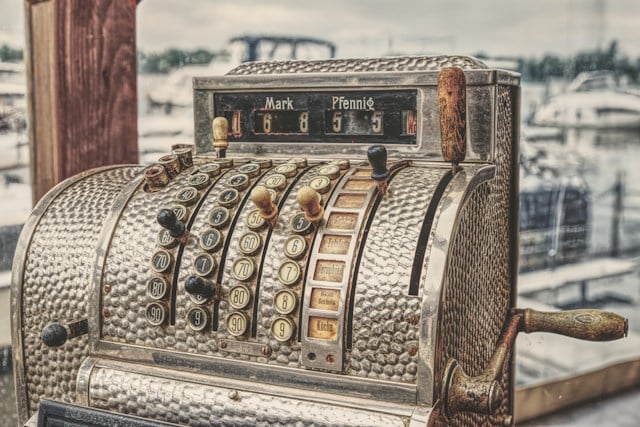
Pictures of checkout lanes show a clerk reading each price off the package and keying it into a mechanical register, with a second employee bagging. Prices were stamped onto every can and box by hand, usually with a purple ink stamper.
The barcode scanner would not reach a checkout until 1974, so a long line was a long line.
S&H Green Stamps at the Register
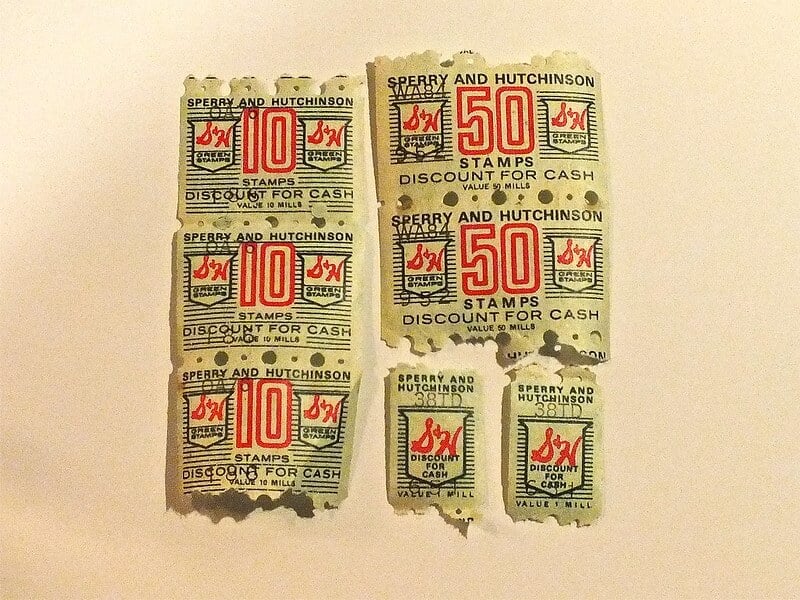
A huge share of supermarkets handed out Sperry & Hutchinson trading stamps with every purchase, and photographs show the stamp dispensers bolted next to the register and the catalog racks near the door. Shoppers licked the stamps into booklets and traded them for toasters and lamps at redemption centers.
At the peak, the company claimed to print more stamps each year than the Post Office did.
Shopping Carts With a Seat for the Baby
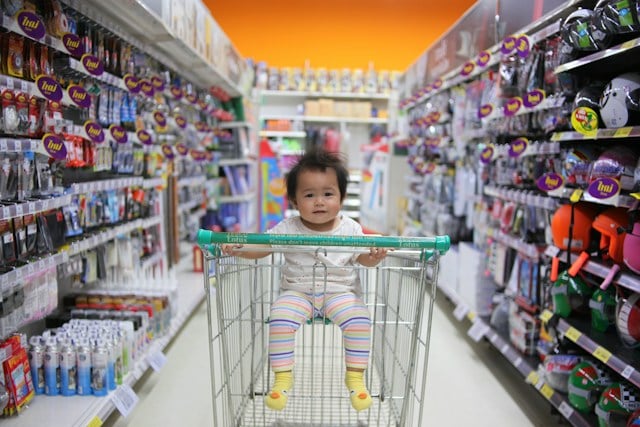
The nesting shopping cart had been invented in Oklahoma in 1937, and by the 1950s it had grown a fold-down child seat. Photos of stores from the decade show carts with a single basket and a child perched facing the parent, which freed both hands for shopping.
Stores loved the carts because customers bought more than they could carry.
Pyramids of Canned Goods
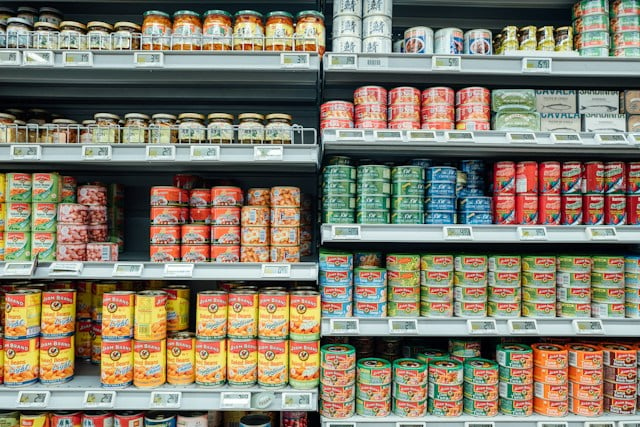
End-of-aisle displays stacked cans into pyramids and towers that took a stock clerk an hour to build and a child a second to topple. The displays were a sales tool, since a wall of a single brand at a sale price moved product faster than a shelf tag.
Photographs from grand openings show pyramids that reach nearly to the ceiling.
The Frozen Food Chest
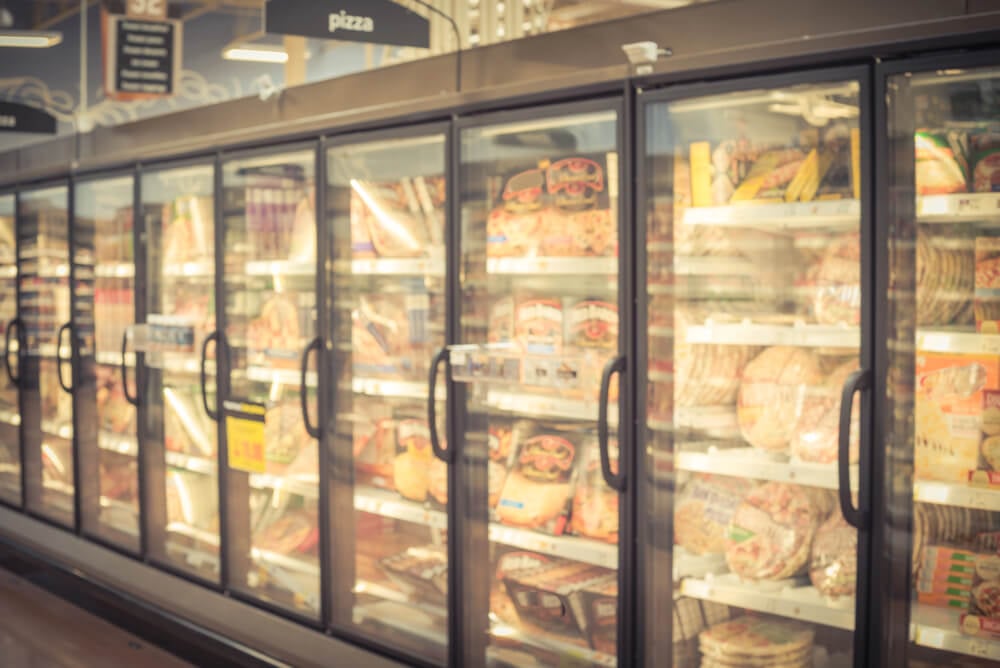
Frozen food was still a novelty for many families, and photos show open-top chest freezers in the middle of the floor with Birds Eye peas and fish sticks stacked inside. Many homes had only a tiny freezer compartment above the refrigerator, which limited how much anyone could buy.
The upright glass-door case was still mostly in the future.
The TV Dinner Display
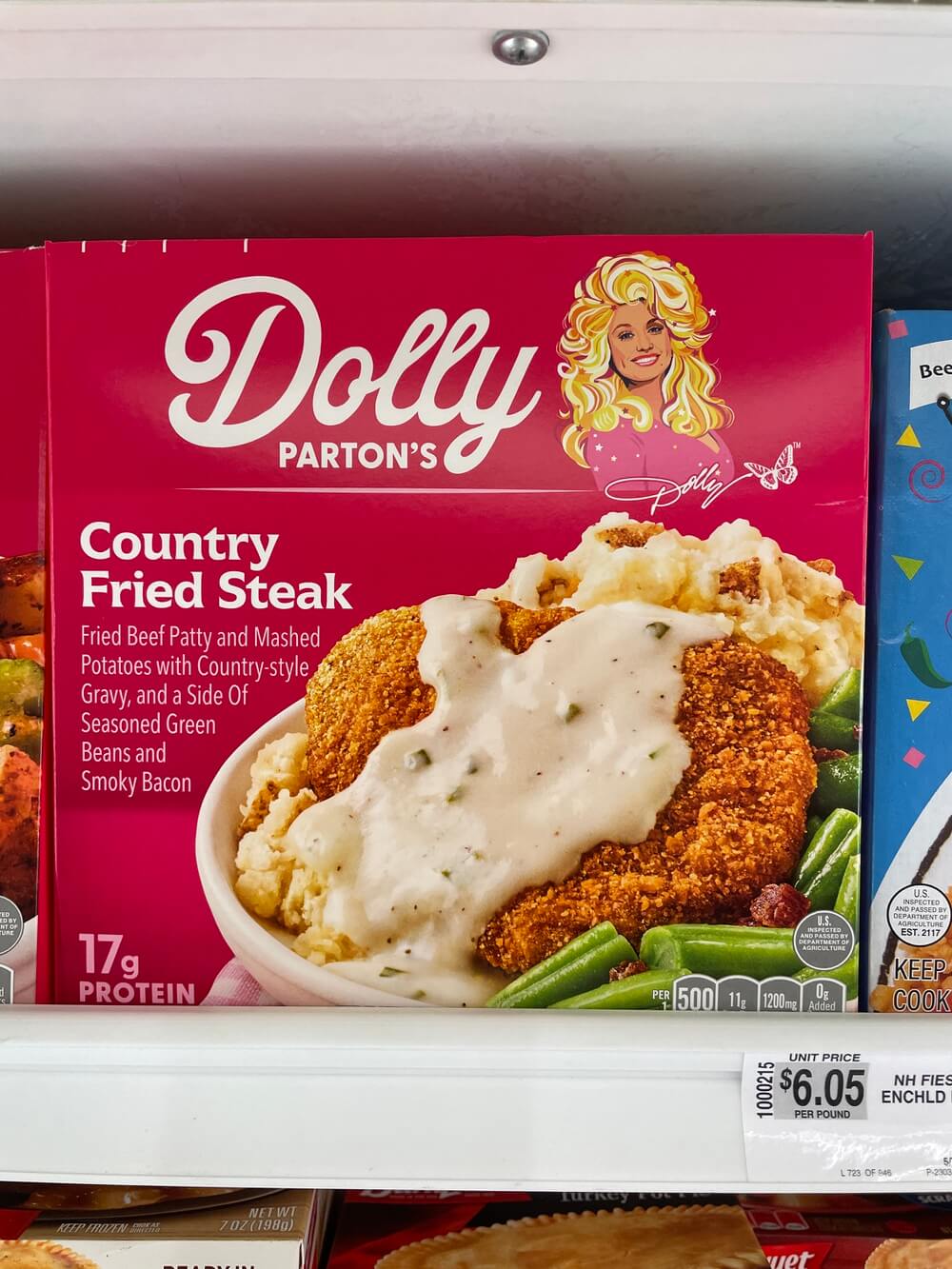
Swanson introduced its turkey TV dinner in 1954, packaged in an aluminum tray and sold in a box designed to look like a television set. Pictures from the mid-decade show displays of them stacked in the freezer cases with signs promising a complete meal in twenty-five minutes.
The first year’s production reportedly sold out far faster than the company expected.
The Butcher Counter in White Coats
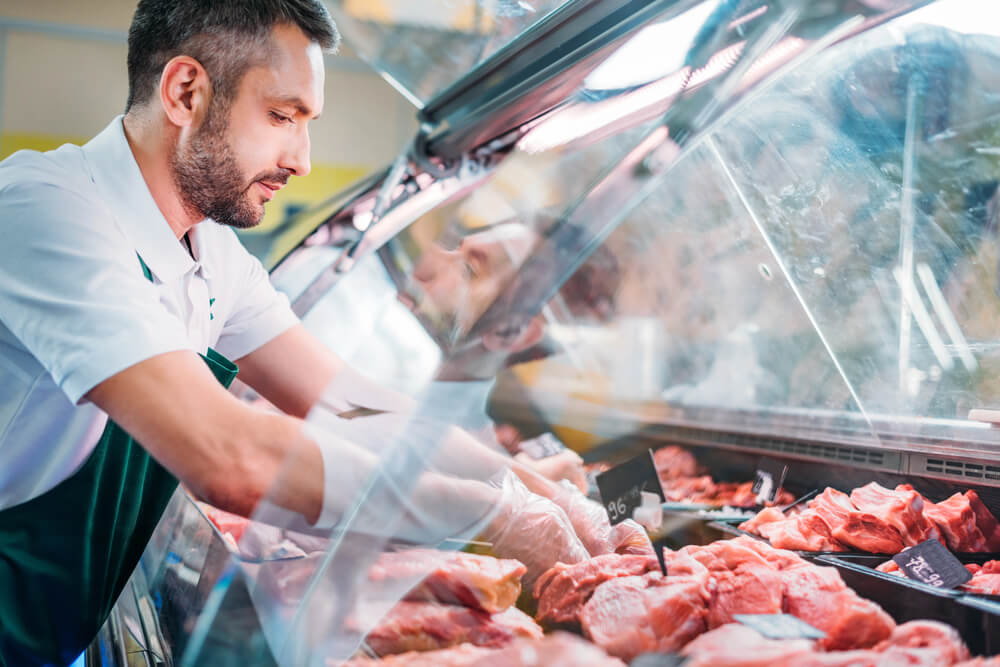
Most supermarkets still had a service meat counter, and photographs show butchers in white coats and paper hats behind glass cases of cuts wrapped in butcher paper. Prepackaged meat on foam trays was spreading quickly, however, and chains advertised self-service meat as a modern convenience.
The butcher who knew your name was on his way out.
The Hanging Produce Scale
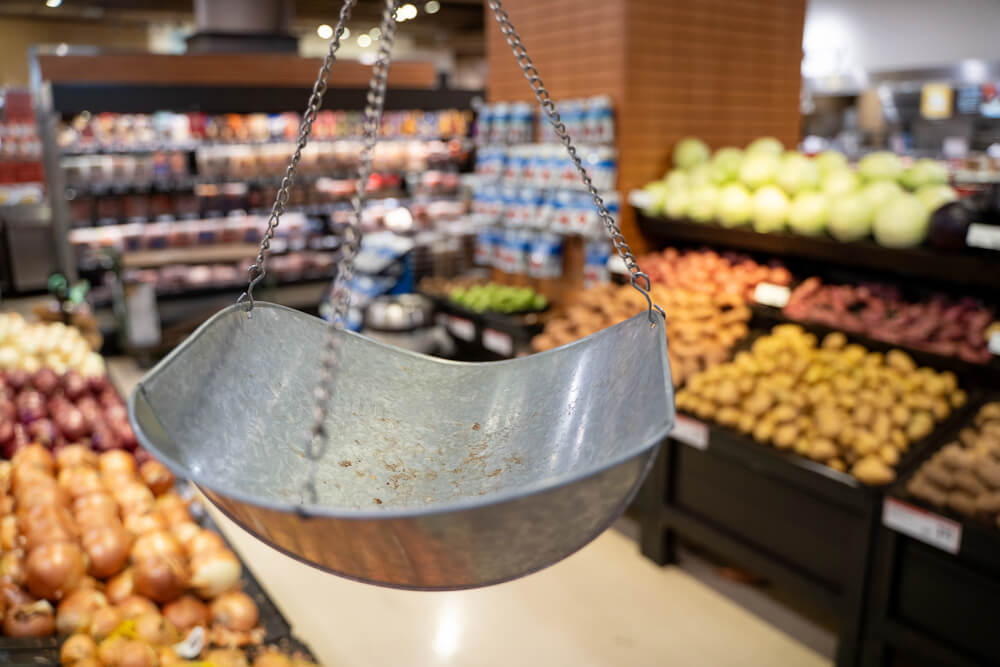
Produce was sold loose and weighed on a dial scale that hung from the ceiling over the bins, and photographs almost always show one. Clerks weighed and bagged the produce, then marked the price on the bag with a grease pencil.
Prepackaged produce in plastic film was being tested but was not yet common.
Milk in Glass Bottles in the Dairy Case
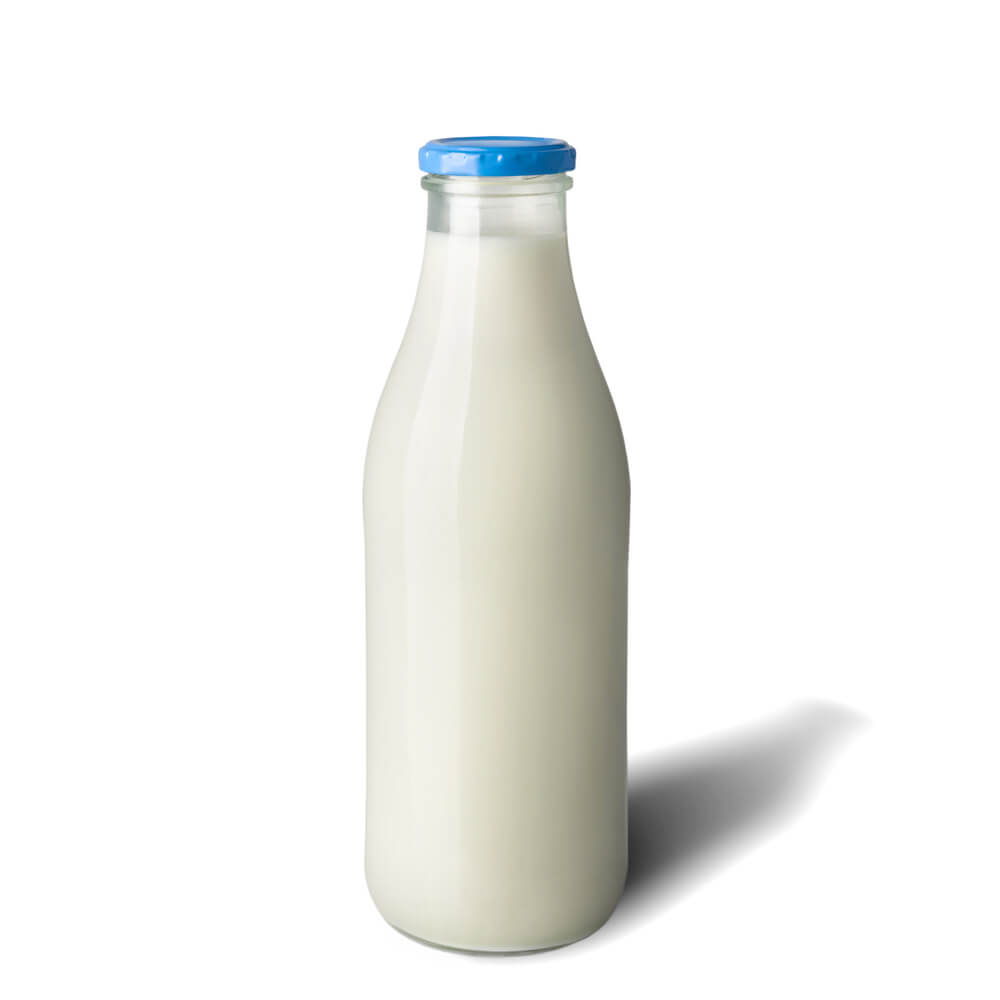
The dairy case held milk in glass quart bottles with cardboard caps, and customers paid a deposit they got back on the next trip. Paper cartons were gaining ground through the decade, which is why photos from 1950 and 1959 look so different on this point.
Home delivery was still common, so the dairy case was smaller than it would later become.
The Bread Aisle of Soft White Loaves
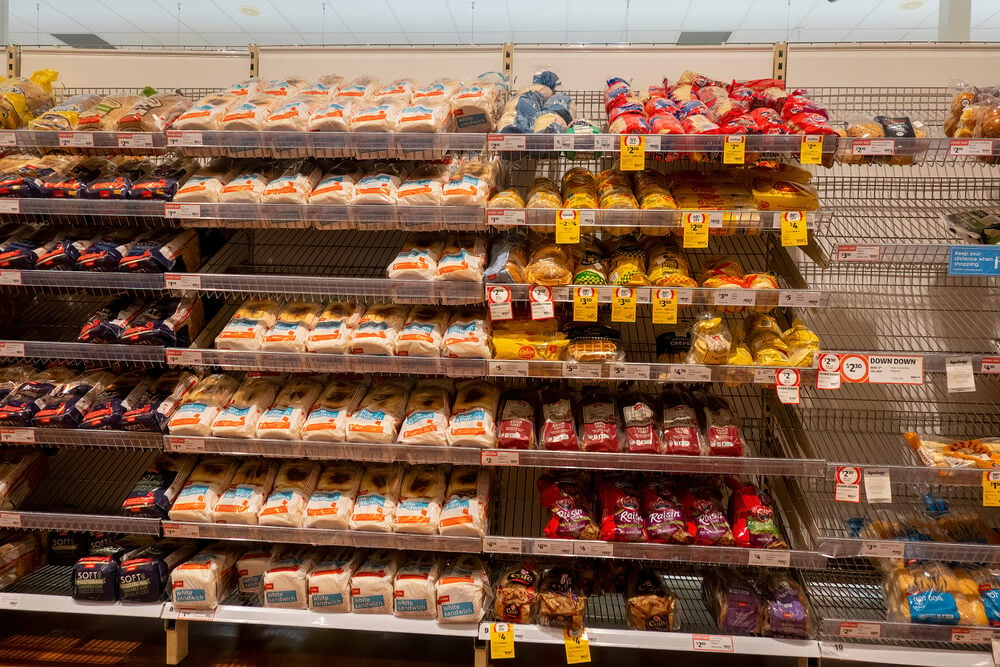
The bread aisle was a wall of sliced white bread in waxed paper and printed plastic, with Wonder Bread’s red, blue, and yellow circles among the most recognizable packages of the era. Bakeries delivered daily and pulled the day-old loaves themselves.
The aisle looks oddly uniform to modern eyes because nearly every loaf was the same kind.
The Clerk With the Price Stamper
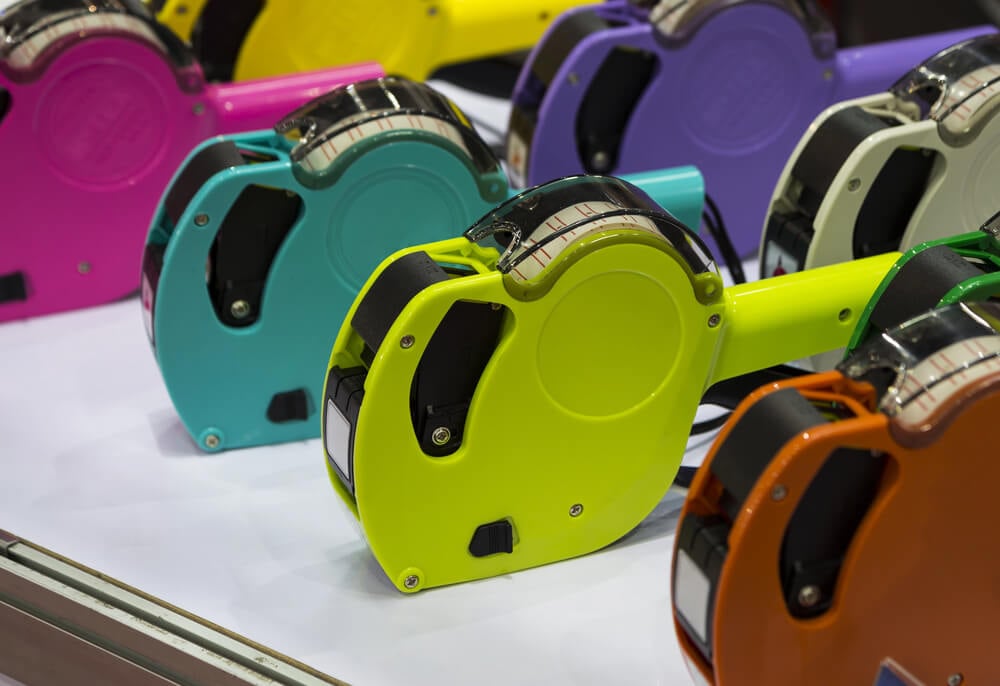
A favorite subject of store photographers was the stock clerk crouched in an aisle with a case of cans and a hand-held ink stamper, marking each item one by one. The stamps were purple because the ink was cheap and showed up on any label.
A clerk could mark hundreds of cans an hour, and a price change meant doing them all over again.
Grand Opening Day With Searchlights
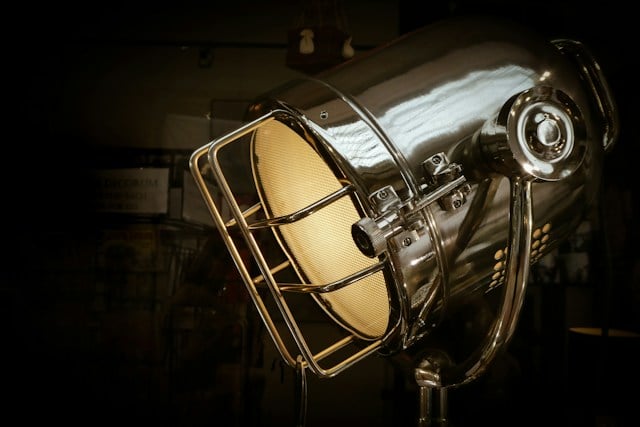
New supermarkets opened with brass bands, searchlights, giveaways for children, and sometimes a local celebrity cutting a ribbon. Newspapers sent photographers because the opening was an event and the store was an advertiser.
Many of the photos show crowds spilling into the parking lot, which was itself a new idea for a grocery store.
The Parking Lot Full of Fins
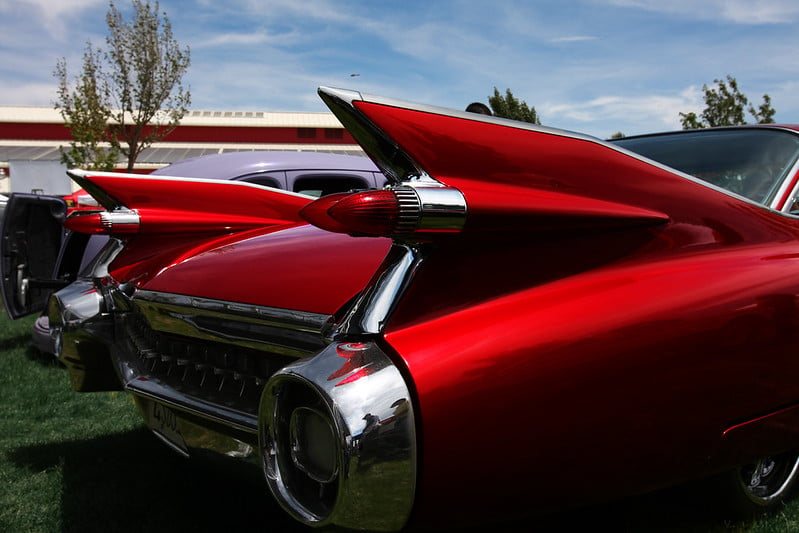
Pictures taken from across the street show rows of two-tone sedans and station wagons with tail fins parked in front of a long, low building with a flat roof. The parking lot was the real innovation, since a family with a car could buy a week’s groceries at once.
Stores that lacked parking were the ones being closed.
Soda in Wooden Crates
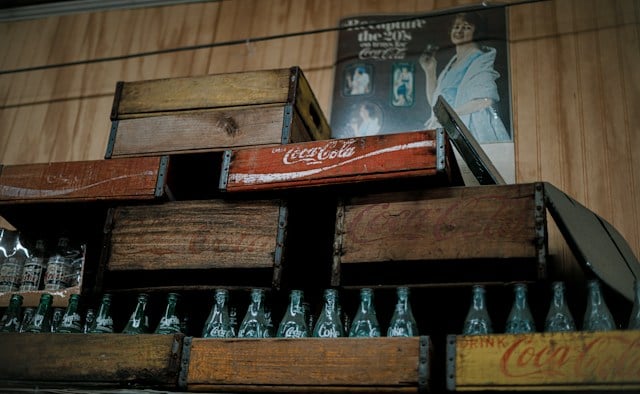
Soft drinks came in glass bottles packed in wooden crates, and photos show stacks of Coca-Cola and Pepsi crates near the front of the store. Customers returned empties for the deposit, and the crates went back to the bottler.
Cans existed but were not yet standard, and the six-pack carton was still a cardboard novelty.
The Cereal Aisle Aimed at Children
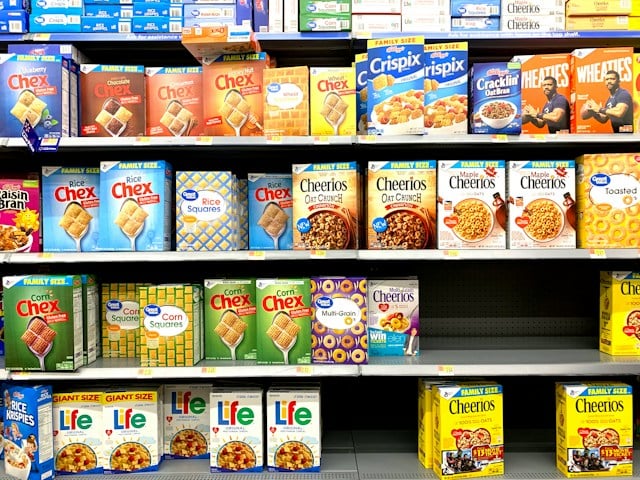
Cereal boxes with cartoon characters and prizes inside were placed on lower shelves where children in the cart could see them, and photographs show kids reaching for them. Tony the Tiger arrived in 1952 and Trix after 2 years.
The box prize was often the point of the purchase.
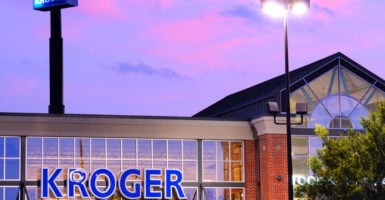
The Kroger Neon Sign
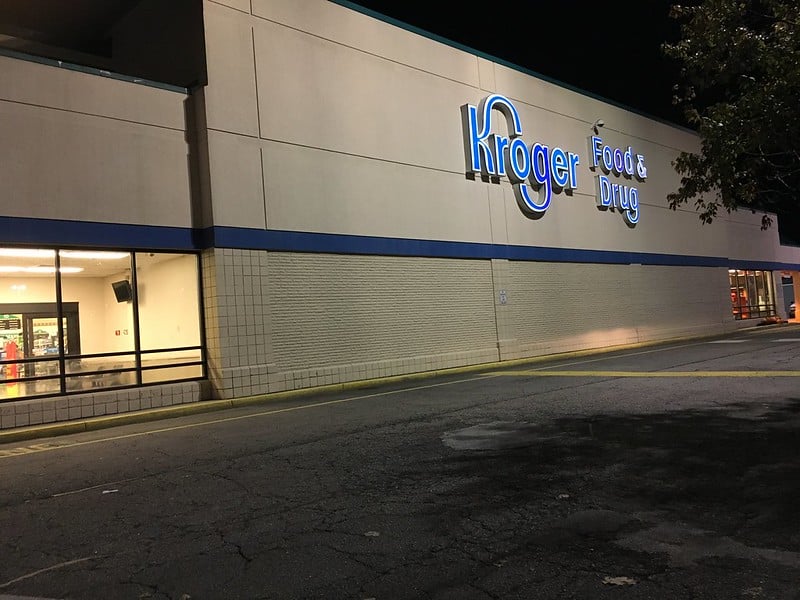
Kroger’s blue script sign glowed in neon over hundreds of stores across the Midwest, and it shows up in color photographs from the late 1950s as one of the few things on the street lit up at night. The chain had been in business since 1883, and the 1950s were when it built most of the supermarkets that replaced its older shops.
The sign has been redesigned several times since.
The Store in the Shopping Center
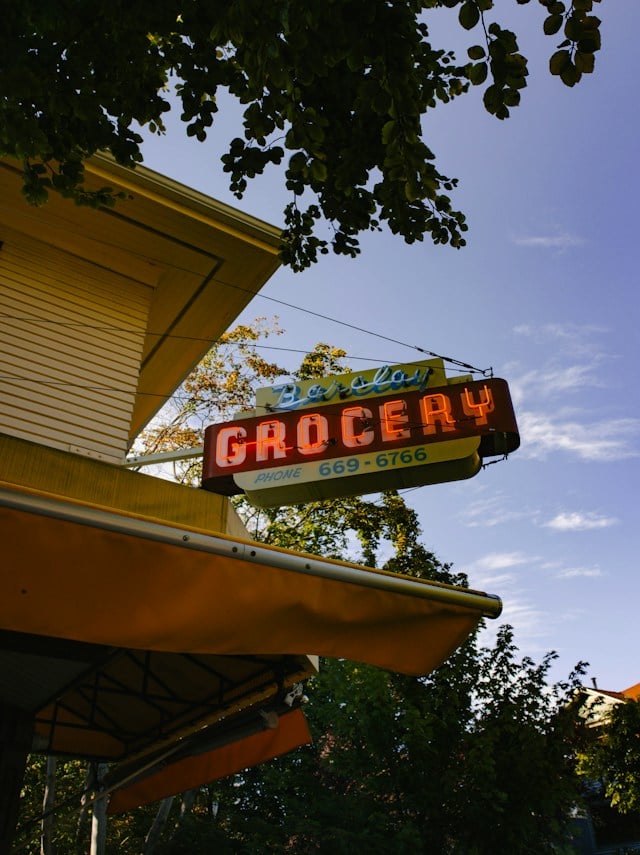
Supermarkets anchored the new strip shopping centers that followed the suburbs outward, and aerial photographs show the grocery at one end and a drugstore, a five-and-dime, and a hardware store strung along beside it. The developer wanted the supermarket because it brought cars every week.
Everything else in the center lived off that traffic.
The Coffee Grinder in the Aisle
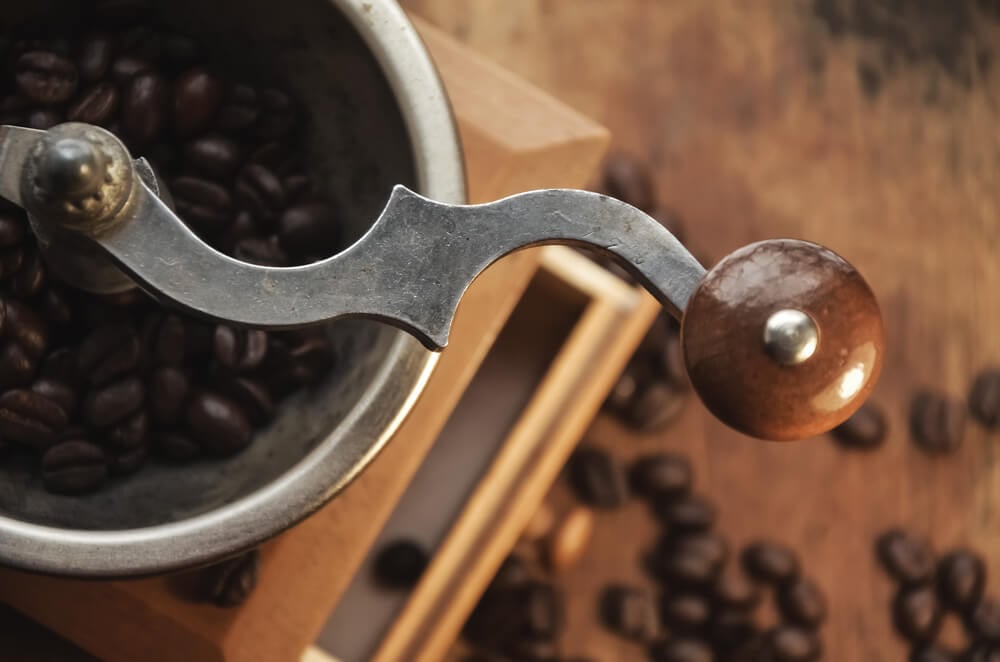
A&P sold its Eight O’Clock coffee as unground beans and provided electric grinders in the aisle, so customers ground their own bag before heading to the register. Photographs show the red grinders with their hoppers and the smell is easy to imagine.
The practice lasted for decades and gave A&P stores an aroma that competitors could not match.
The Carry-Out Boy With the Paper Sacks
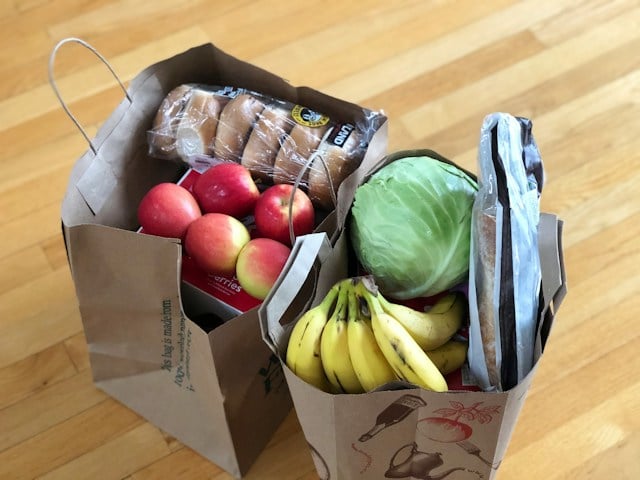
Groceries were bagged in brown paper sacks, and teenage boys in white aprons carried them to the customer’s car. Photos show them wheeling carts across the lot and loading trunks, a job that paid a little above minimum wage and a lot in tips.
The plastic bag did not appear in supermarkets until the late 1970s.
Shoppers in Hats and Gloves
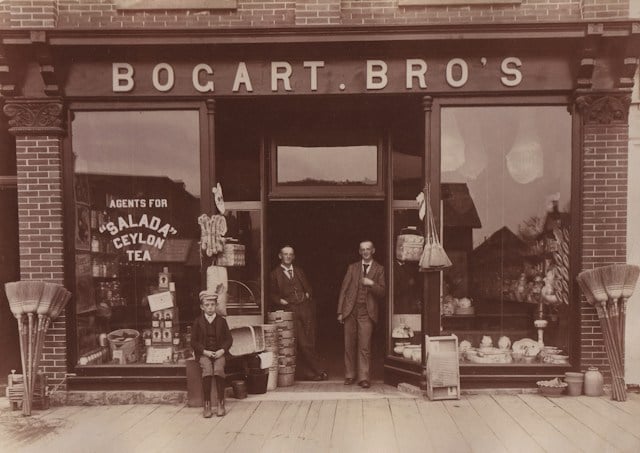
Women in the photographs are often dressed for town, with hats, gloves, and handbags, because a trip to the store was still a public outing. The casual uniform of later decades had not arrived.
Men appear mostly in the background, often holding a child or waiting by the car.
The Jell-O Display and Its Molds
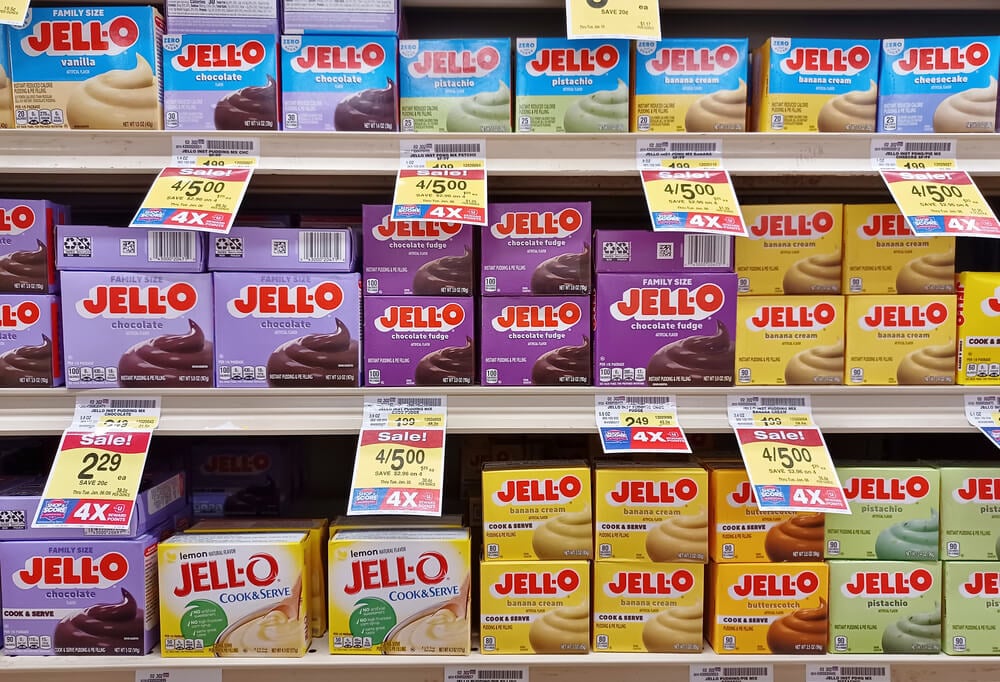
Gelatin desserts were at their peak, and stores built displays of Jell-O boxes alongside copper molds and recipe cards for salads that suspended vegetables in lime gelatin. Photographs show the boxes arranged by flavor in rainbow order.
A hostess who could unmold a layered salad cleanly was considered accomplished.
The Candy Rack at Child Height
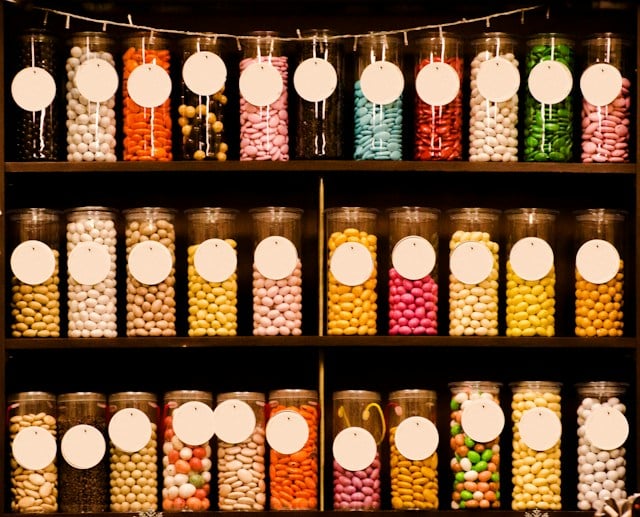
Candy bars and penny candy were placed at the checkout where a child in the cart could reach them, and photographs show the rack of Hershey bars and gum at precisely that level. The placement was not an accident, and stores defended it as a convenience.
Parents have been arguing with it ever since.
Everything Was New Once
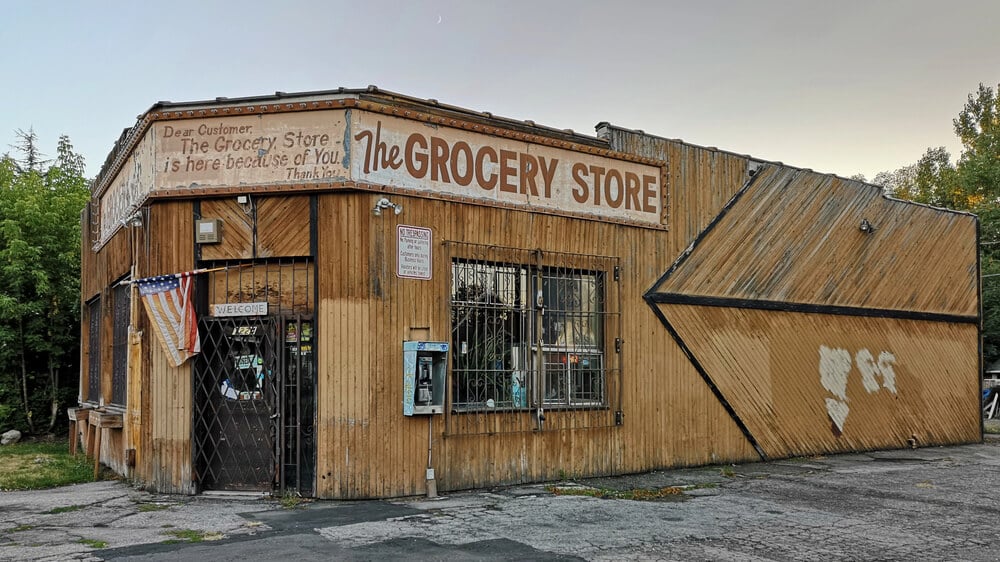
The supermarket in these photographs was itself the disruption, a vast bright box that put the corner grocer, the butcher, and the milkman out of business within a generation. The people in the pictures were not nostalgic. They were impressed.
Looking at the images now, the striking part is how much of the layout survives. The one-way entrance, the produce near the door, the candy at the register, and the cart with the baby seat were all worked out before 1960, and a shopper from that era would find a modern store strange mostly in its size.
More from Go2Tutors!

- The Romanov Crown Jewels and Their Tragic Fate
- 13 Historical Mysteries That Science Still Can’t Solve
- Famous Hoaxes That Fooled the World for Years
- 15 Child Stars with Tragic Adult Lives
- 16 Famous Jewelry Pieces in History
Like Go2Tutors’s content? Follow us on MSN.