15 Fascinating Chemistry Facts Seen in Kitchens
Every time you step into a kitchen, you’re entering a chemistry laboratory. The sizzling, browning, rising, and caramelizing that happens during cooking represents some of the most elegant chemical reactions taking place right under your nose.
From the moment you crack an egg to the final sprinkle of salt on your finished dish, molecular transformations are turning simple ingredients into something entirely new.
Maillard Reaction Creates Flavor
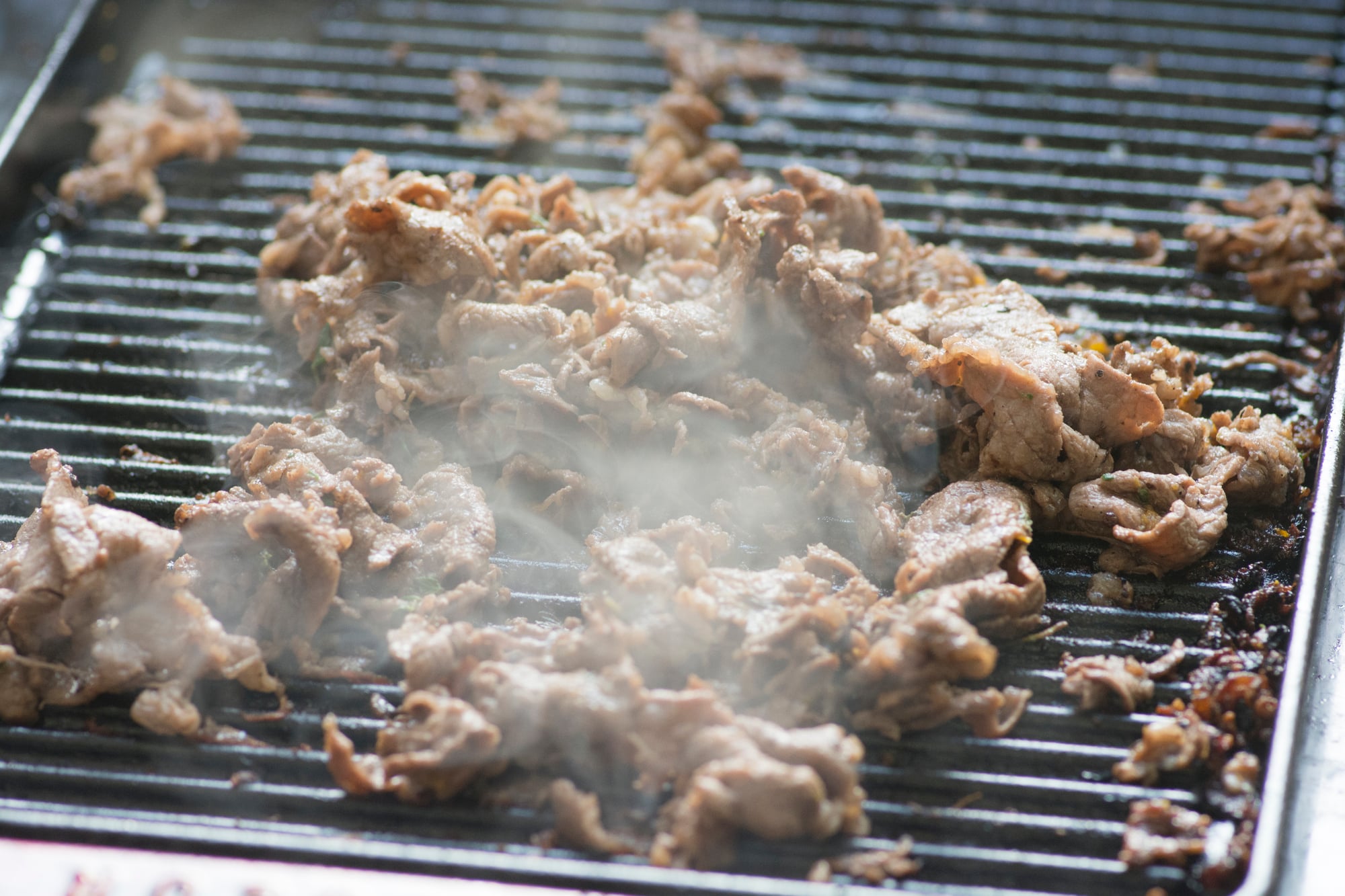
That golden-brown crust on your steak isn’t just pretty. It’s pure chemistry at work.
The Maillard reaction kicks in when amino acids and reducing sugars meet heat above 280°F, creating hundreds of new flavor compounds that didn’t exist before.
Salt Doesn’t Just Add Saltiness
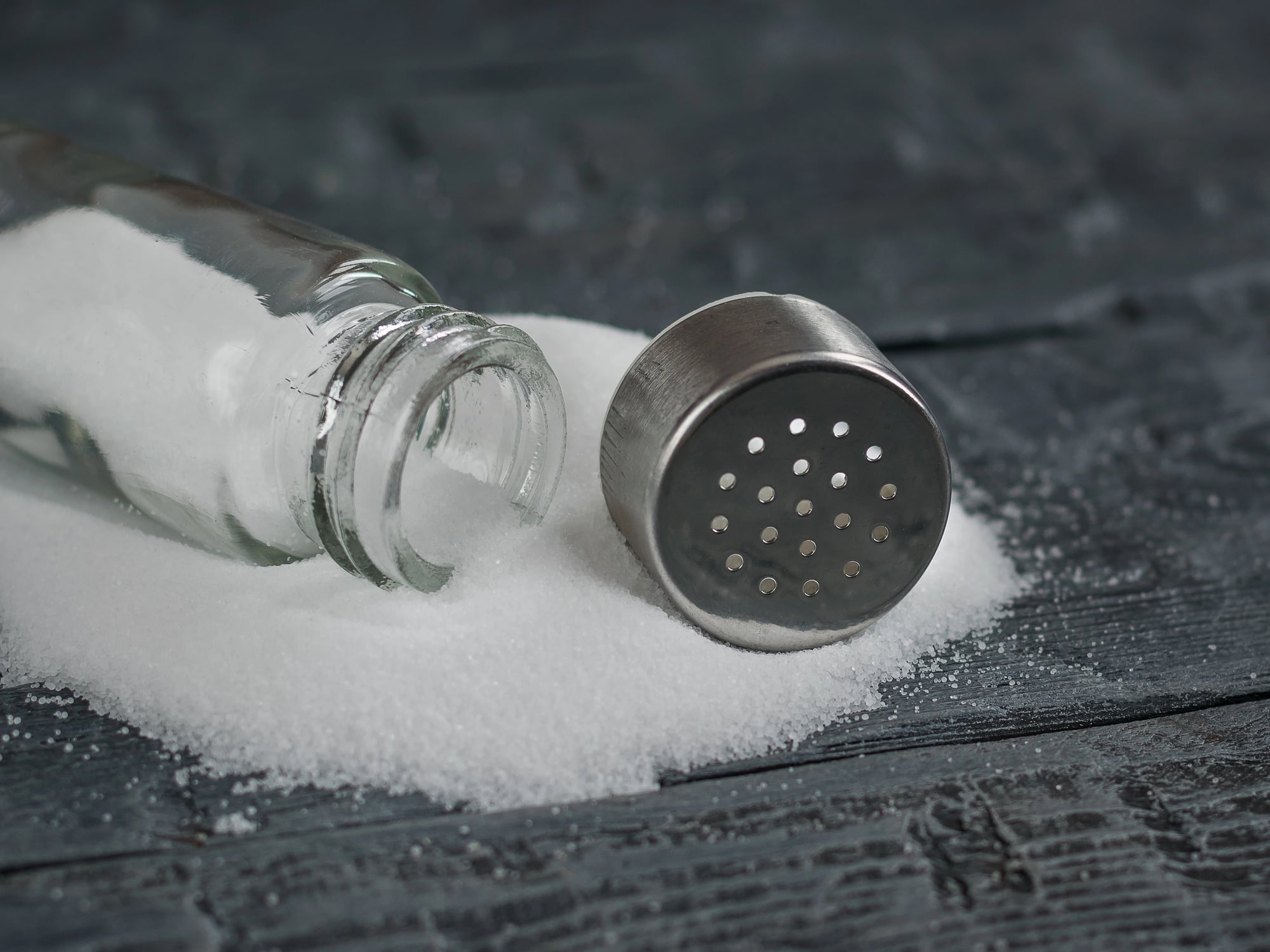
Salt restructures everything it touches. Drop it on vegetables and watch osmosis pull water right out of the cells.
Mix it into bread dough and gluten proteins get stronger, creating better texture. Salt doesn’t season food as much as it rewrites its molecular architecture.
Baking Soda Transforms Under Heat
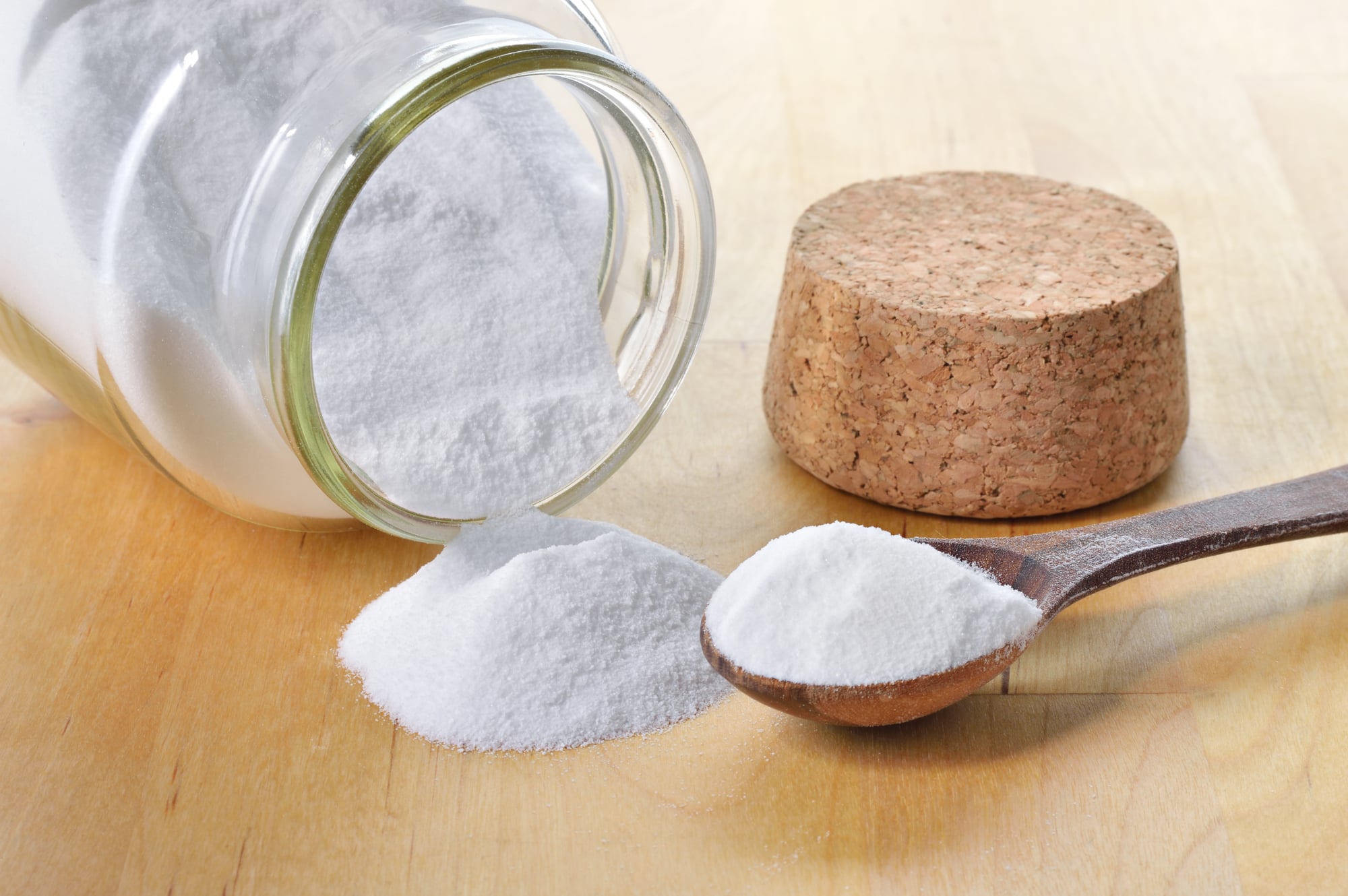
Here’s where kitchen chemistry gets genuinely fascinating: sodium bicarbonate (the technical name for what sits in your cabinet) starts decomposing the moment it hits 176°F, releasing carbon dioxide that makes your cookies rise — but the process doesn’t stop there, and the byproducts (which include sodium carbonate, a much more alkaline compound) continue altering the pH of whatever you’re baking, affecting both browning and flavor development in ways that most home bakers never realize they’re witnessing.
So every chocolate chip cookie represents a small chemical factory. Even the simplest recipes involve molecular chaos.
Oil and Water Hate Each Other for a Reason
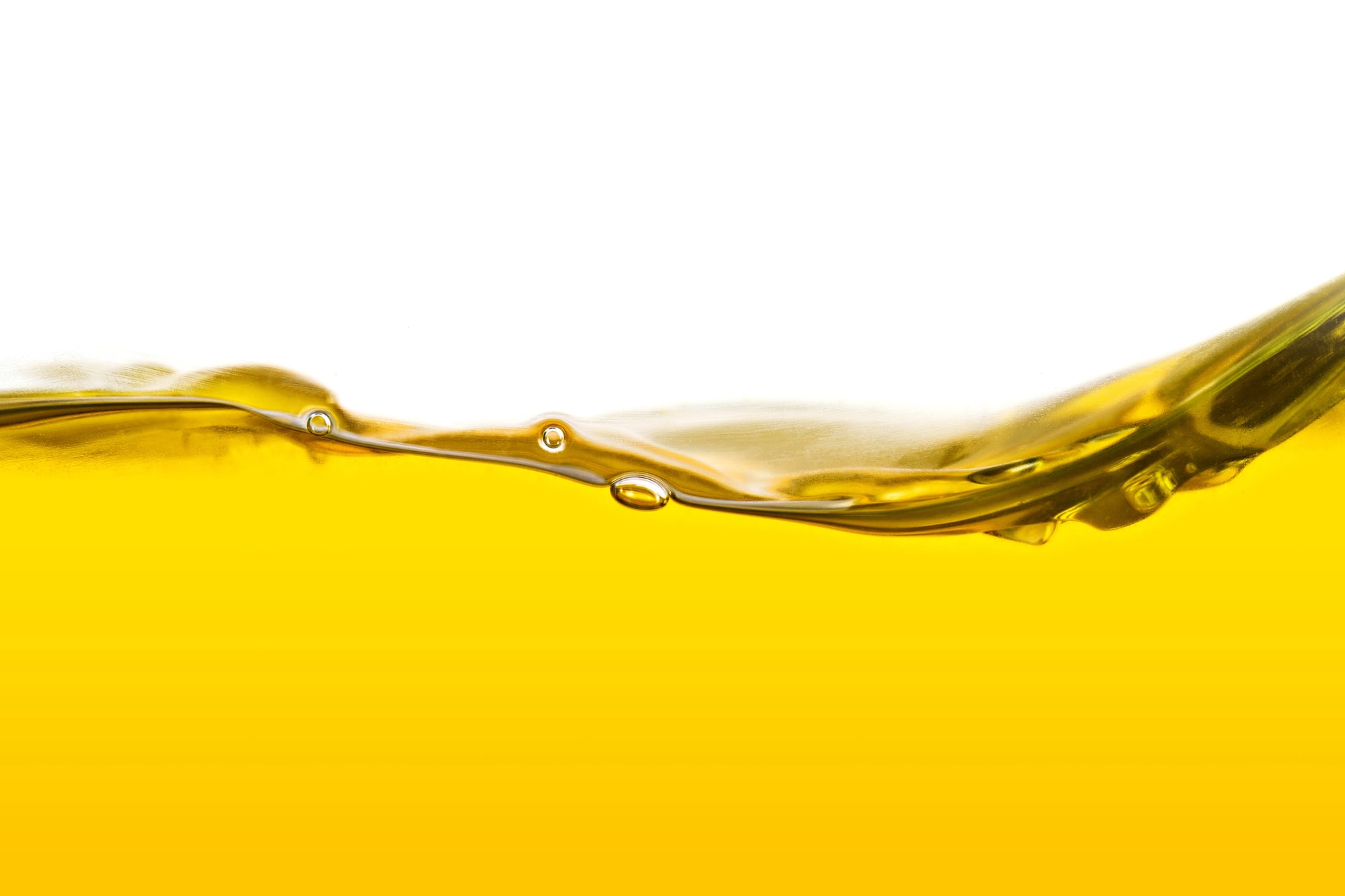
Polar versus nonpolar molecules. Oil molecules have no electrical charge distribution.
Water molecules do. They can’t mix because there’s no molecular attraction between them, which is why emulsifying agents like egg yolk lecithin are basically chemical diplomats.
Caramelization Is Sugar Decomposition
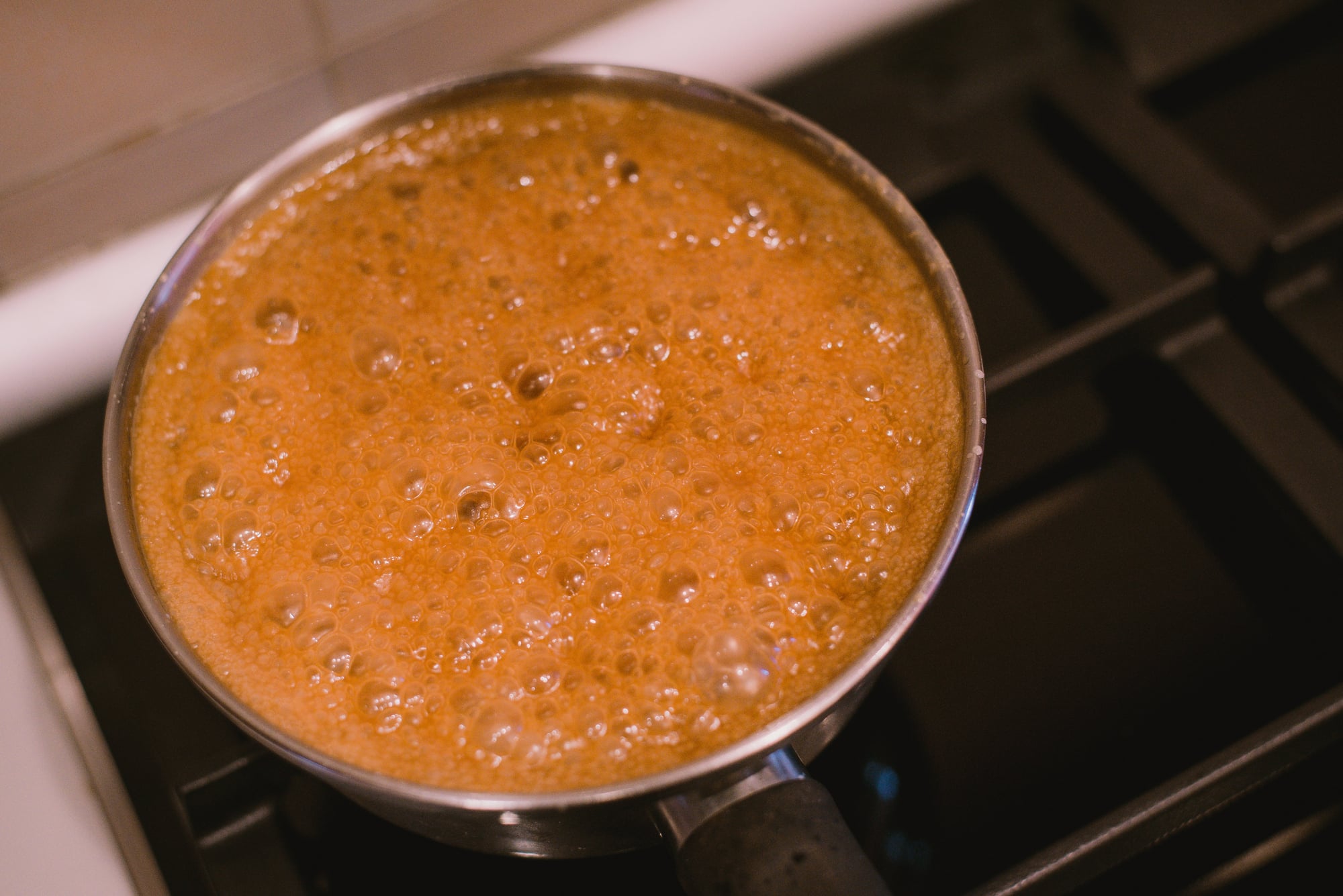
Sugar doesn’t just melt when you heat it — it falls apart in the most delicious way possible. Around 320°F, sucrose molecules start breaking down into smaller compounds, creating that distinctive caramel flavor through a process that’s essentially controlled destruction (and the specific temperature matters more than most people realize, because too hot and you get bitter compounds instead of the sweet, nutty ones you want).
And this happens whether you’re making candy or just letting onions cook low and slow. The chemistry stays the same.
Yeast Eats Sugar and Burps Gas
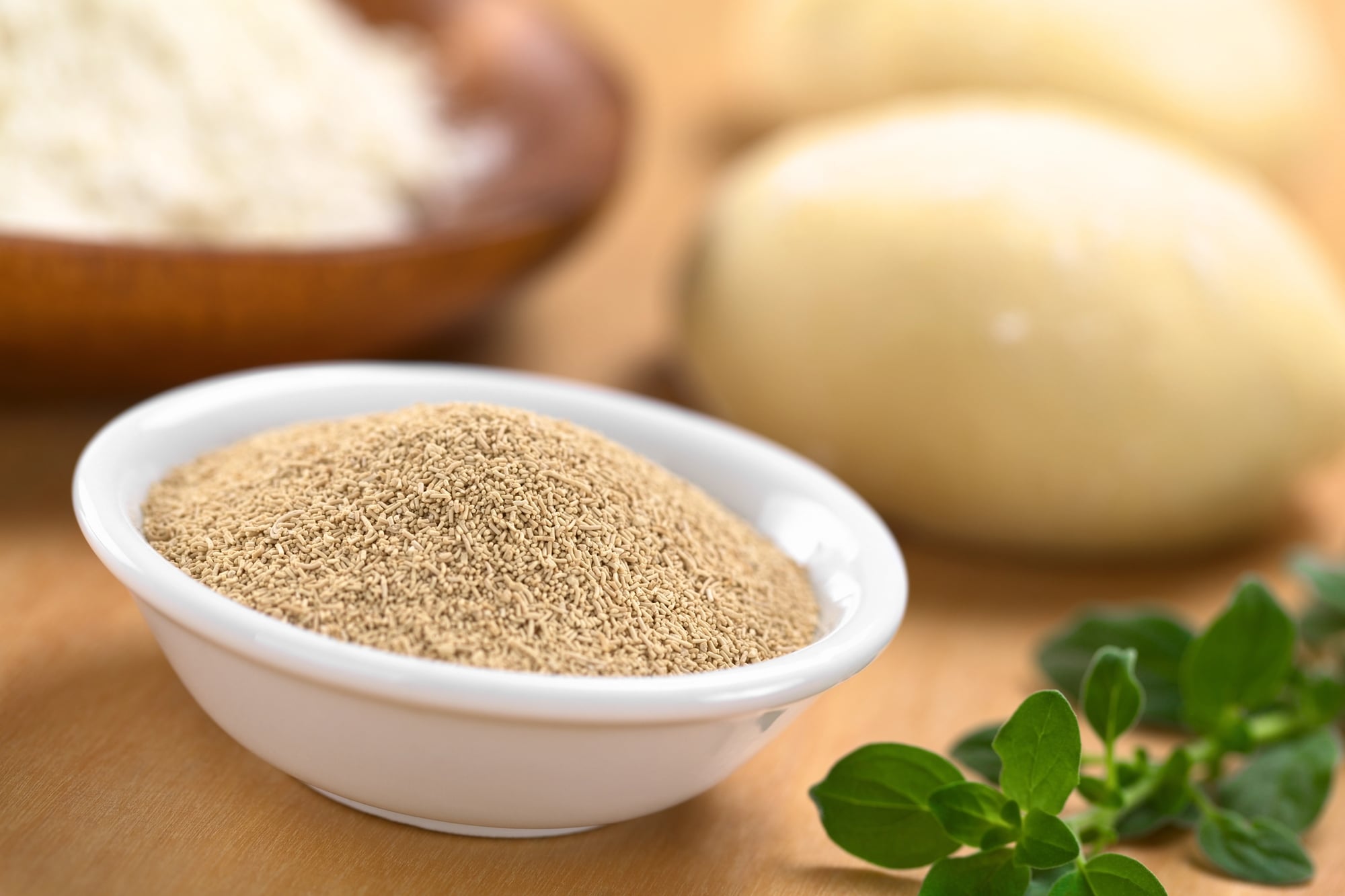
Fermentation is just yeast metabolism made visible. Those organisms consume sugars and produce carbon dioxide and ethanol as waste products.
Your bread rises from yeast waste gas. The ethanol burns off during baking, but the structure it helped create stays behind.
Eggs Are Natural Emulsifiers
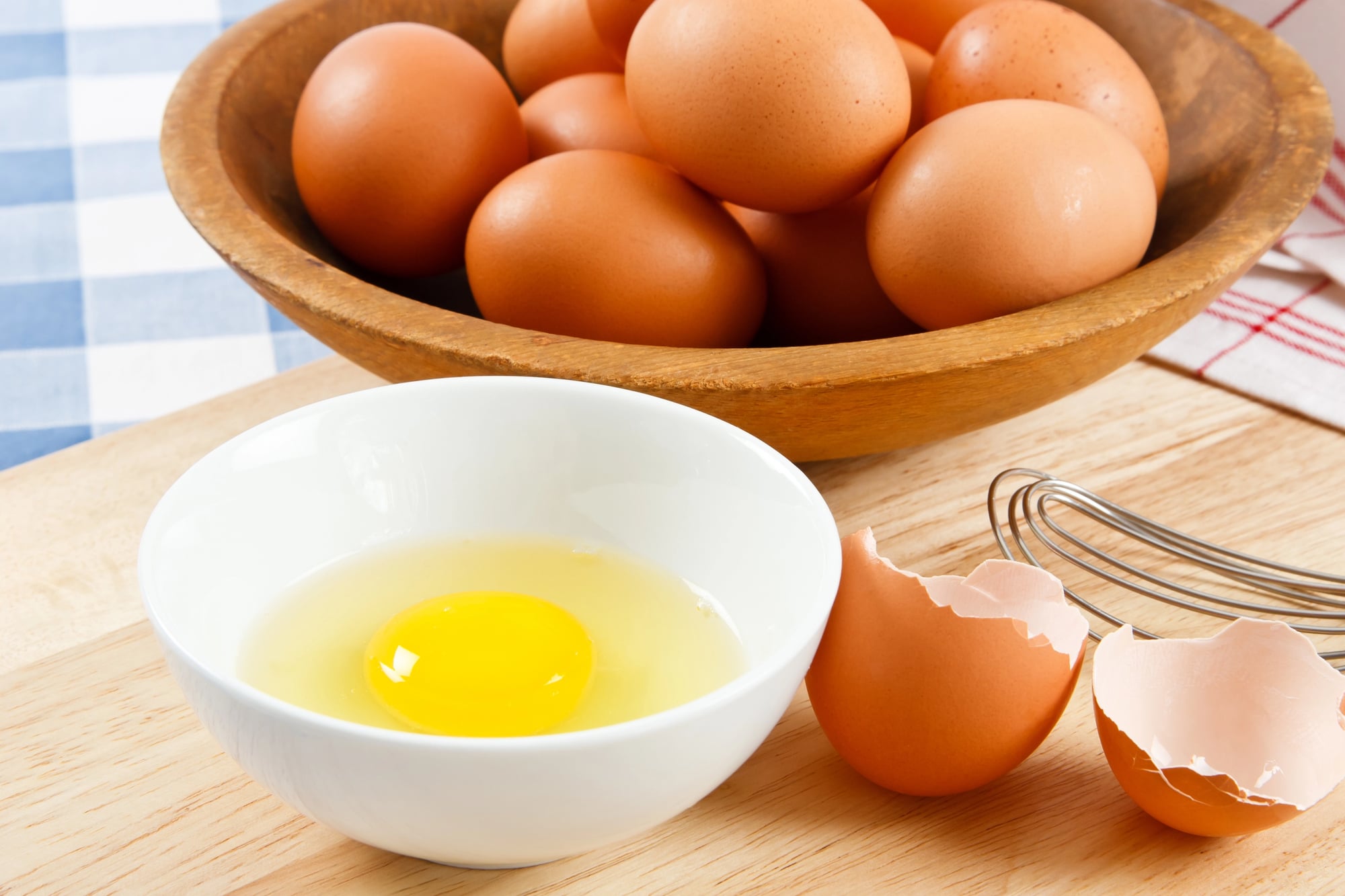
Lecithin in egg yolks allows oil and water to coexist peacefully in mayonnaise and hollandaise. The lecithin molecules have both hydrophilic and hydrophobic ends, creating molecular bridges between ingredients that would otherwise separate immediately.
Heat Changes Protein Structure Permanently
Cooking an egg demonstrates protein denaturation in real time — those long, folded chains of amino acids unfold and reorganize when heat breaks the bonds holding their original shape, which is why you can’t uncook an egg any more than you can unscramble it (the chemical changes are irreversible, unlike melting butter or dissolving salt, where the original molecular structure can be restored).
Temperature doesn’t just warm proteins. It rewrites them entirely.
Acids Make Things Tender

Marinades work through chemical breakdown. Acids like lemon juice or vinegar partially break down protein fibers in meat, making tough cuts more tender.
The same principle applies when you add acid to beans while cooking — it softens the cell walls.
Baking Powder Is a Delayed Reaction
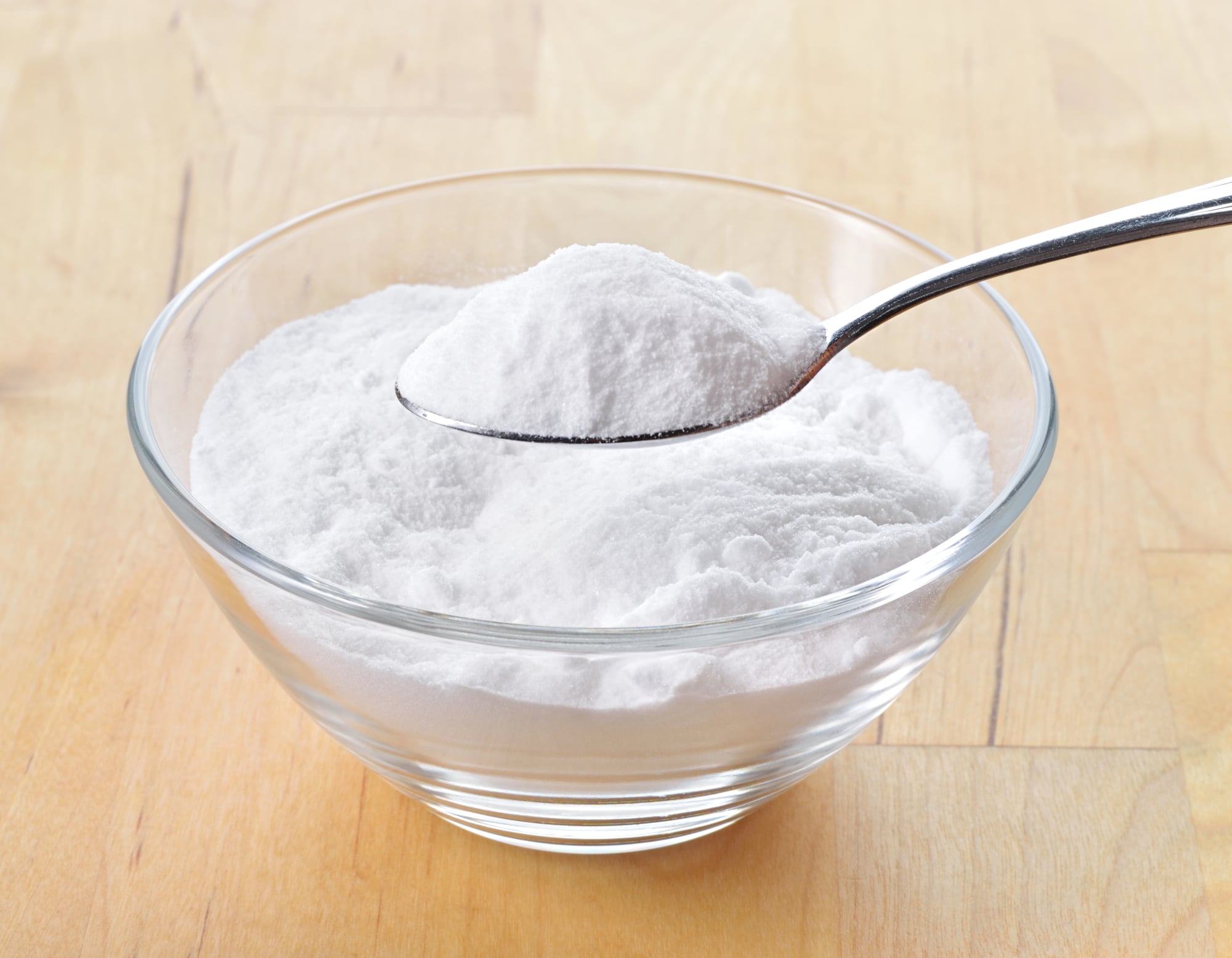
Double-acting baking powder releases gas twice: once when it meets moisture, again when it meets heat. This two-stage process prevents all the lift from escaping before your cake hits the oven, which explains why batters with baking powder can sit for a few minutes without going flat.
Gluten Forms Networks Under Pressure
Kneading bread isn’t just mixing — it’s chemistry through mechanical action. Working the dough aligns gluten proteins into elastic networks that can trap gas bubbles, creating the structure that lets bread rise and hold its shape (and this is why different flours, with their varying protein contents, behave so differently in identical recipes).
Overwork it and those networks become too tight. The dough fights back.
Chocolate Tempering Is Crystal Science
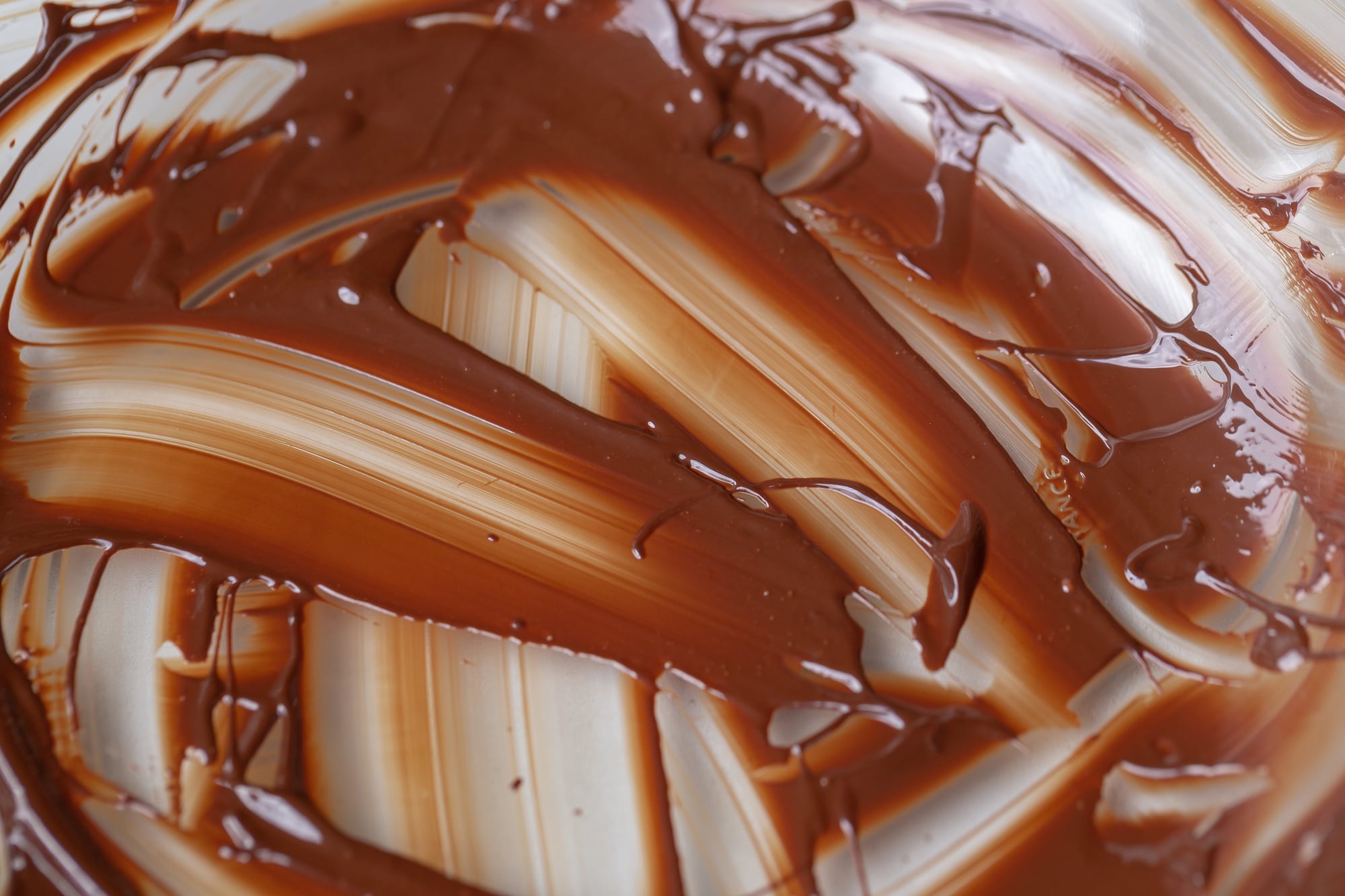
Cocoa butter can form six different types of crystals, but only one creates that perfect snap and glossy finish. Proper chocolate tempering controls which crystal structure forms by manipulating temperature in precise steps.
Get it wrong and your chocolate blooms or stays soft.
Onions Make You Cry Through Chemical Defense
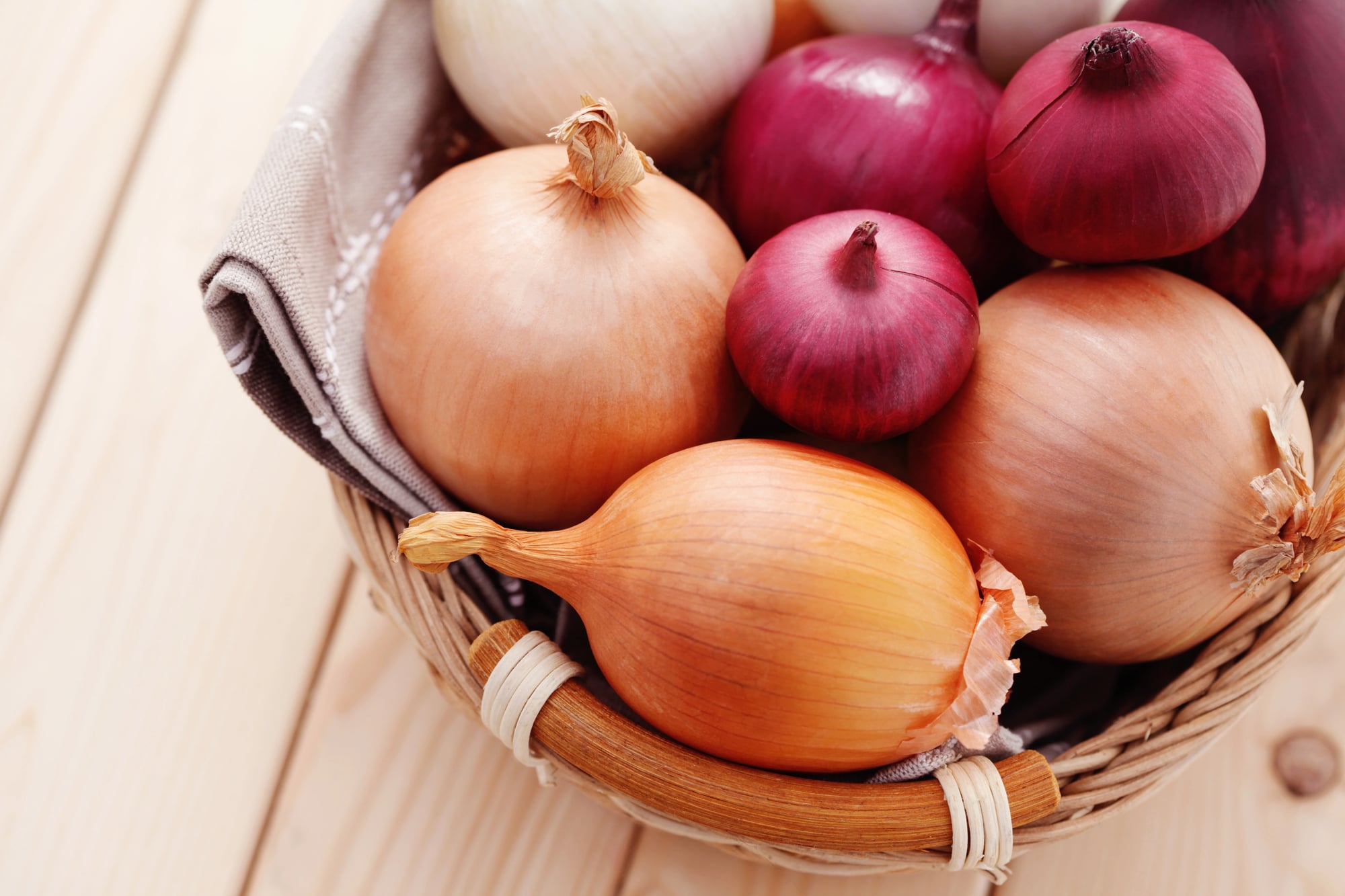
When you cut an onion, you’re breaking cells that release enzymes. These enzymes convert sulfur compounds into volatile gases that react with the water in your eyes, forming a mild sulfenic acid solution.
The tears are your eyes trying to flush out the irritant.
Garlic’s Flavor Comes From Damage
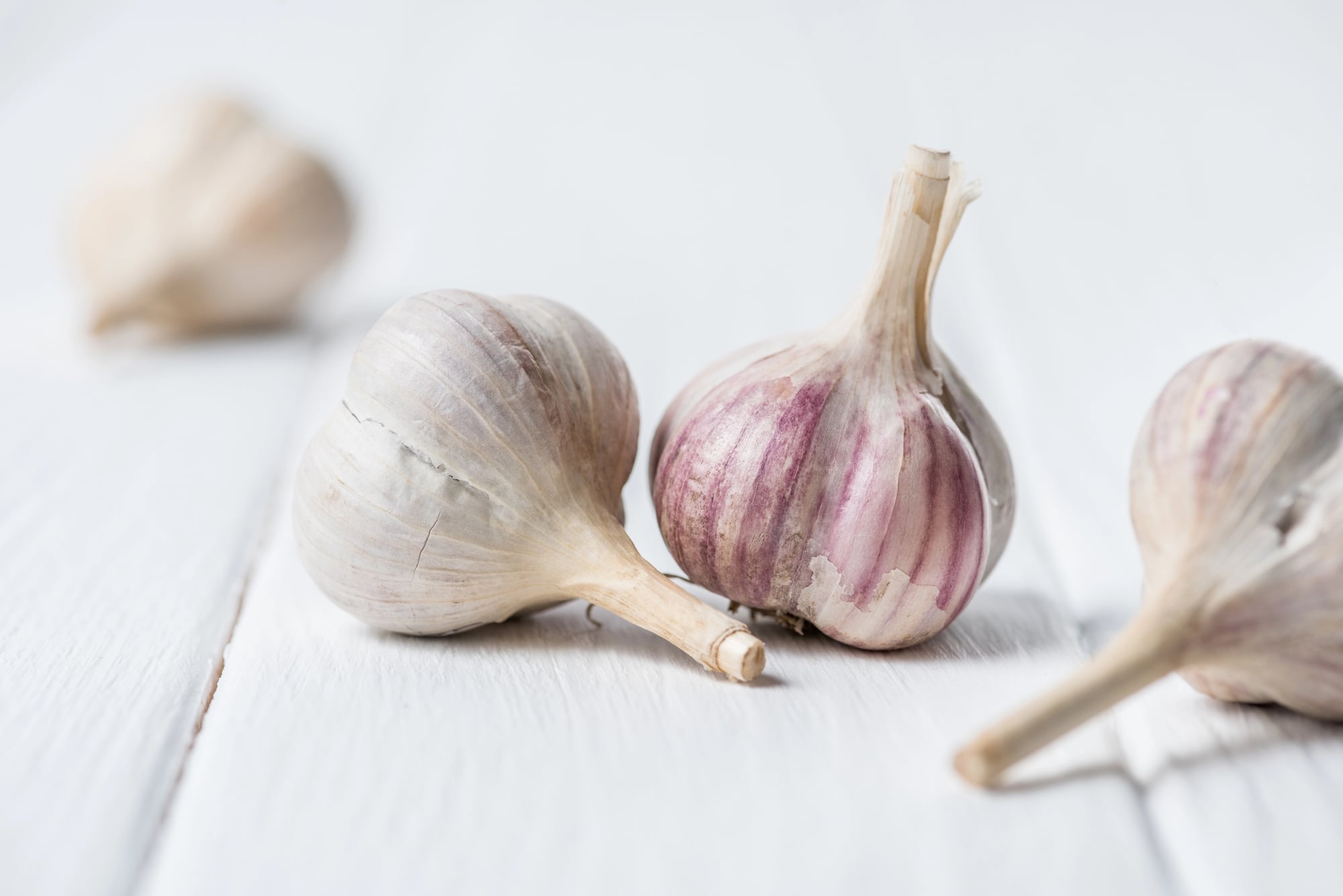
Intact garlic cloves are relatively mild. Crushing or chopping them breaks cell walls, allowing the enzyme alliinase to convert alliin into allicin — the compound responsible for garlic’s distinctive bite and aroma.
More damage means stronger flavor.
Boiling Water Doesn’t Get Hotter
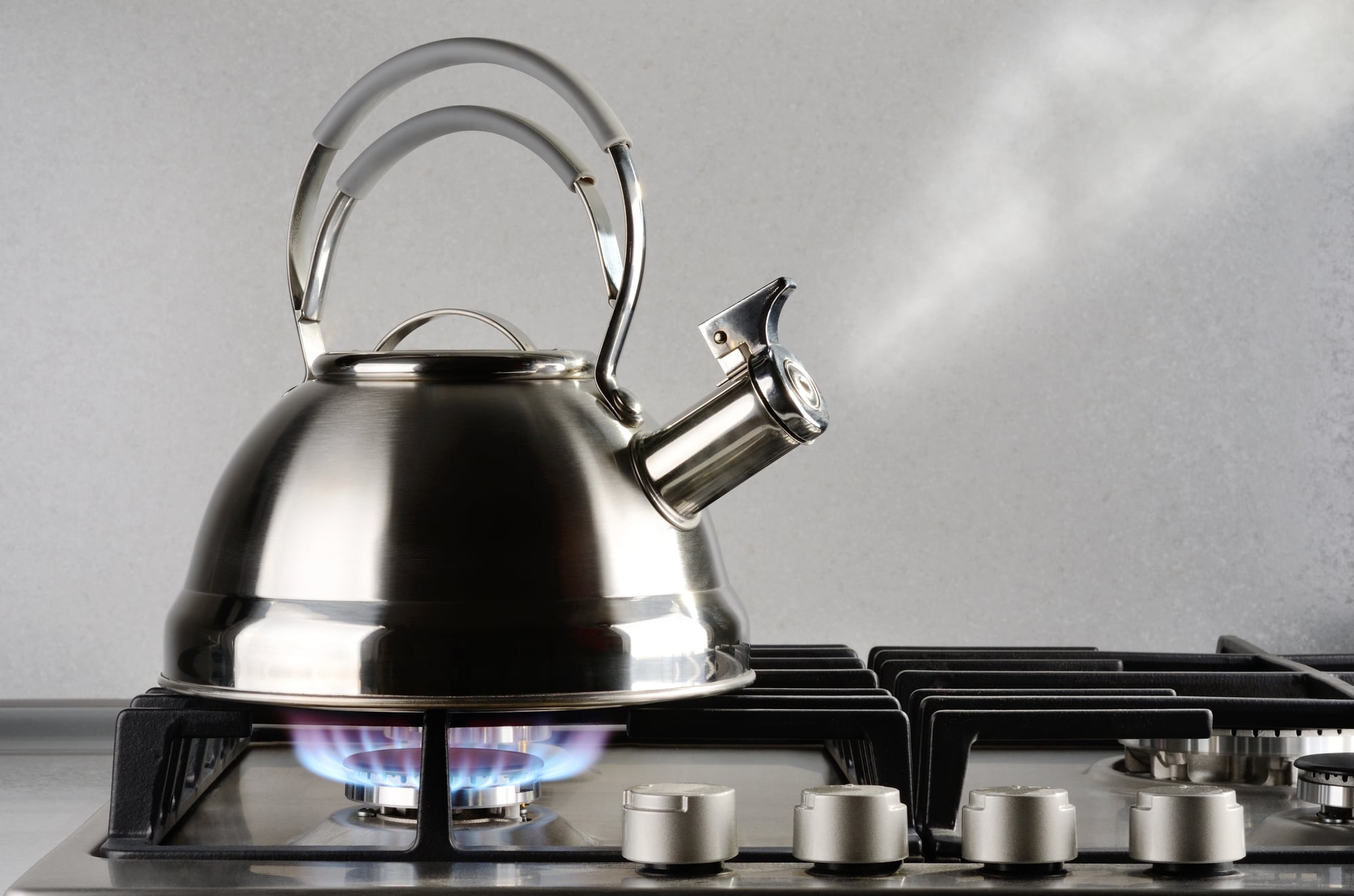
Once water reaches 212°F at sea level, additional heat doesn’t raise the temperature — it just converts more liquid to steam. This is why pasta water stays at a consistent temperature whether you’re at a gentle boil or a rolling one.
And why altitude affects cooking times.
Where Science Meets Satisfaction

These reactions happen whether you understand them or not, transforming raw ingredients into meals that nourish and delight. Understanding the chemistry doesn’t diminish the magic of cooking — it reveals that the magic was always deeper than it appeared, written in the fundamental language of how molecules behave when they meet heat, time, and each other.
More from Go2Tutors!

- The Romanov Crown Jewels and Their Tragic Fate
- 13 Historical Mysteries That Science Still Can’t Solve
- Famous Hoaxes That Fooled the World for Years
- 15 Child Stars with Tragic Adult Lives
- 16 Famous Jewelry Pieces in History
Like Go2Tutors’s content? Follow us on MSN.