25 Ancient Cities Lost for Centuries Before Someone Stumbled Onto Them
There’s something almost embarrassing about losing an entire city. Not a building, not a neighborhood — a full city, with streets and temples and the accumulated weight of thousands of lives, just swallowed up by jungle or sand or time until someone tripped over it centuries later.
And yet it kept happening, over and over again, across every continent and every era. The stories of how these places were found are sometimes as strange as the cities themselves — a farmer digging a well, a teenager exploring a hillside, a colonial officer following rumors through the jungle.
What they uncovered, each time, was a world that had been sitting quietly in the dark, waiting for someone to notice it was still there.
Machu Picchu
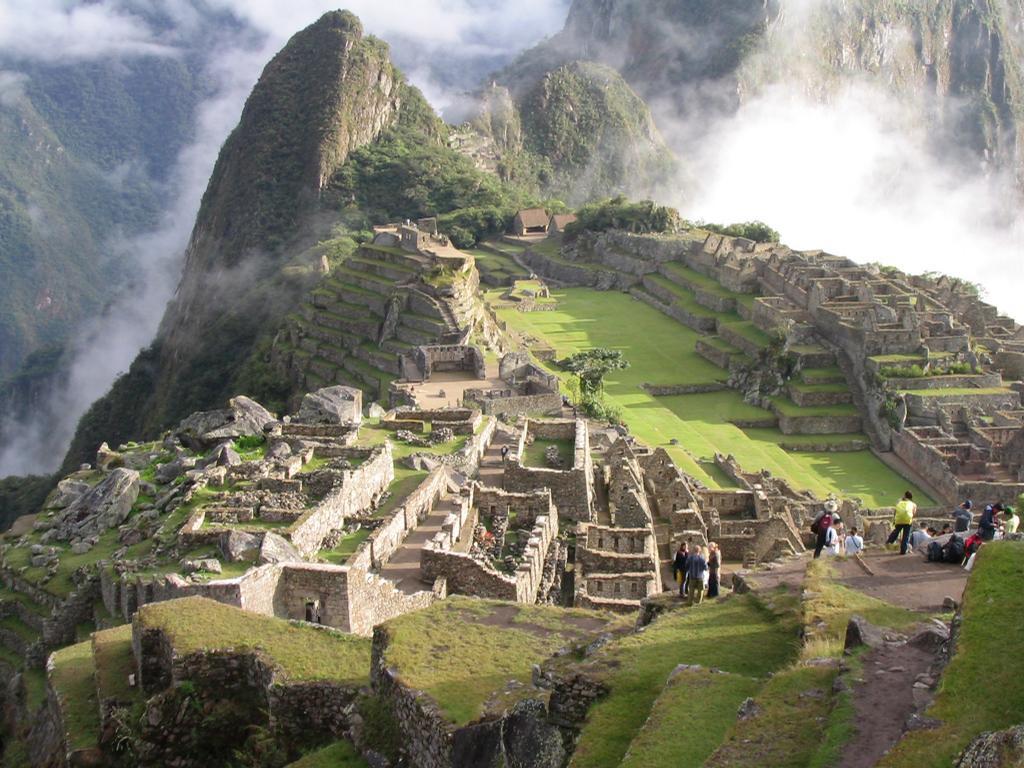
Hiram Bingham III didn’t discover Machu Picchu in 1911 — local farmers already knew it was there. But he’s the one who introduced it to the outside world, climbing a steep ridge in the Peruvian Andes and finding a 15th-century Inca citadel so precisely engineered that its stone walls still hold without mortar.
Petra
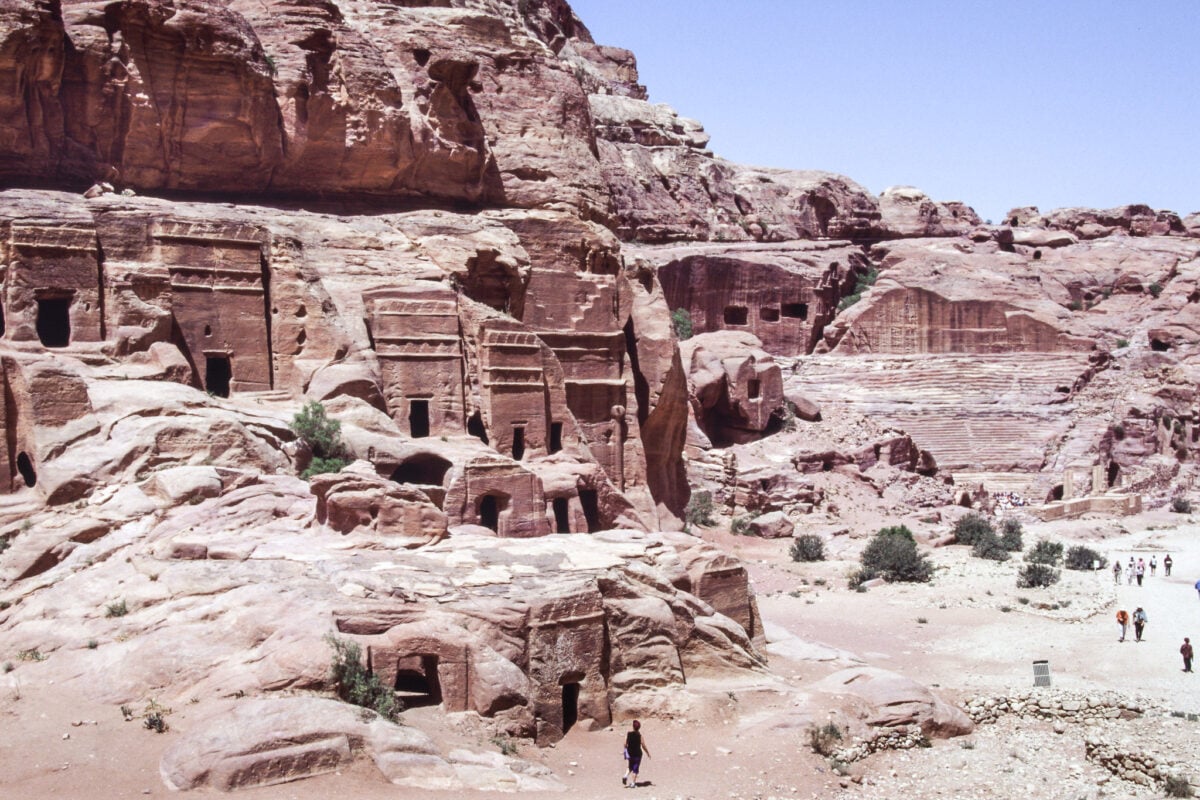
A Swiss explorer named Johann Ludwig Burckhardt disguised himself as an Arab pilgrim in 1812 and talked his way into a desert canyon in what is now Jordan. What he found there was a city carved directly into rose-red sandstone cliffs — temples, tombs, and a treasury facade cut into living rock by the Nabataean people roughly 2,000 years ago.
Pompeii
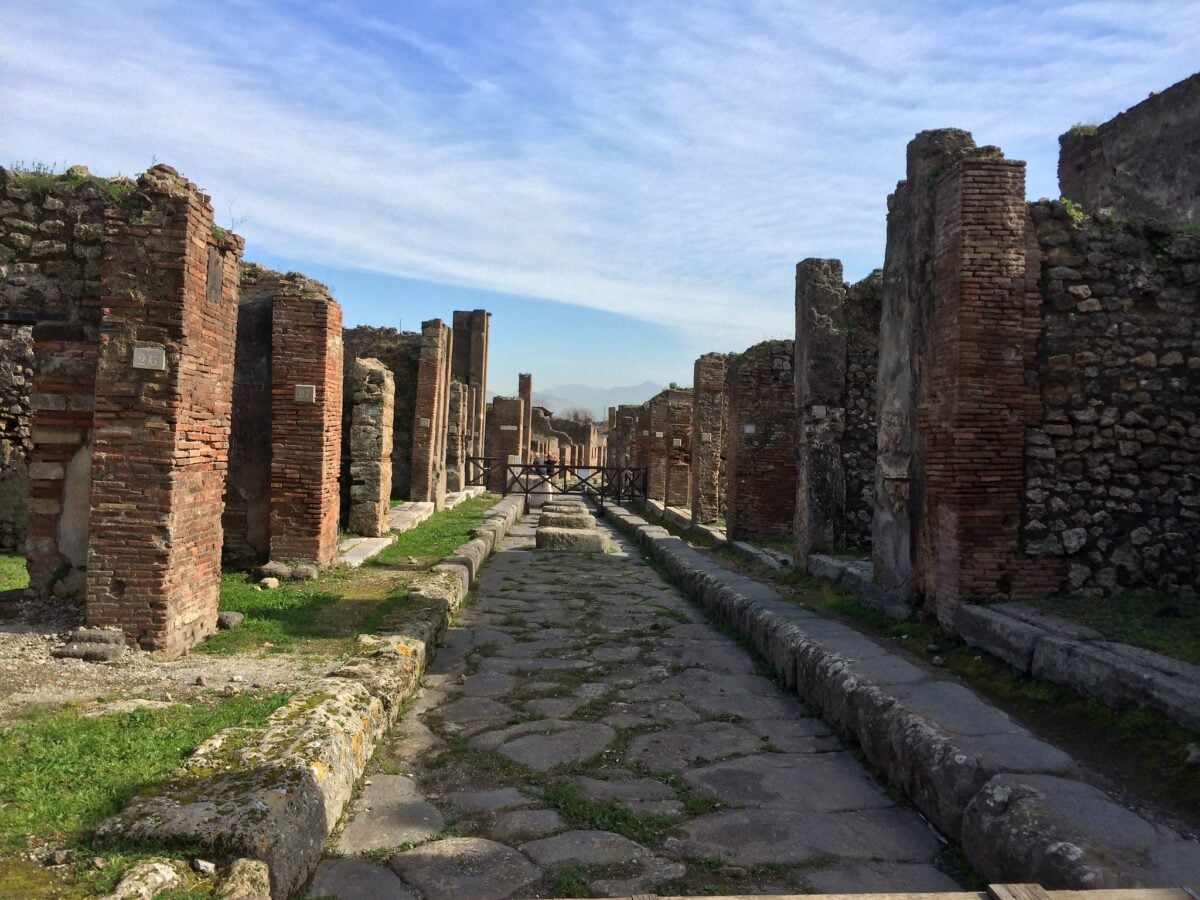
Pompeii is the rare ancient city that destroyed itself so thoroughly it accidentally preserved itself. Workers digging a canal in the late 16th century hit unusual walls, and formal excavations in the 18th century revealed a Roman city flash-frozen by volcanic ash from Vesuvius in 79 AD — complete with bakeries, graffiti, and the hollow shapes of its citizens.
Angkor Wat
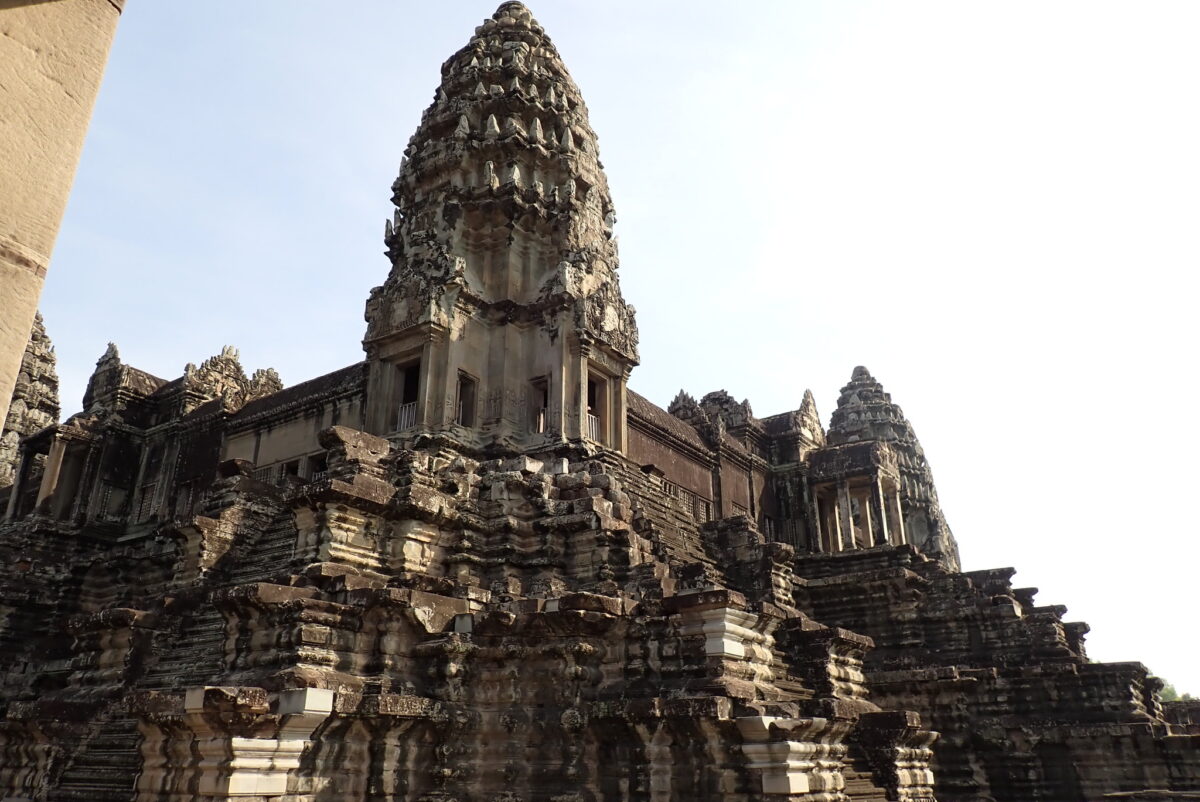
The jungle outside Siem Reap, Cambodia does not give things up easily — which is what makes it remarkable that French naturalist Henri Mouhot stumbled into Angkor Wat in 1860 and found a temple complex so vast it still ranks as the largest religious monument on Earth. Khmer kings built it in the 12th century, and the forest had been quietly dismantling it ever since, pushing tree roots through stone walls with a patience that borders on stubborn.
Troy
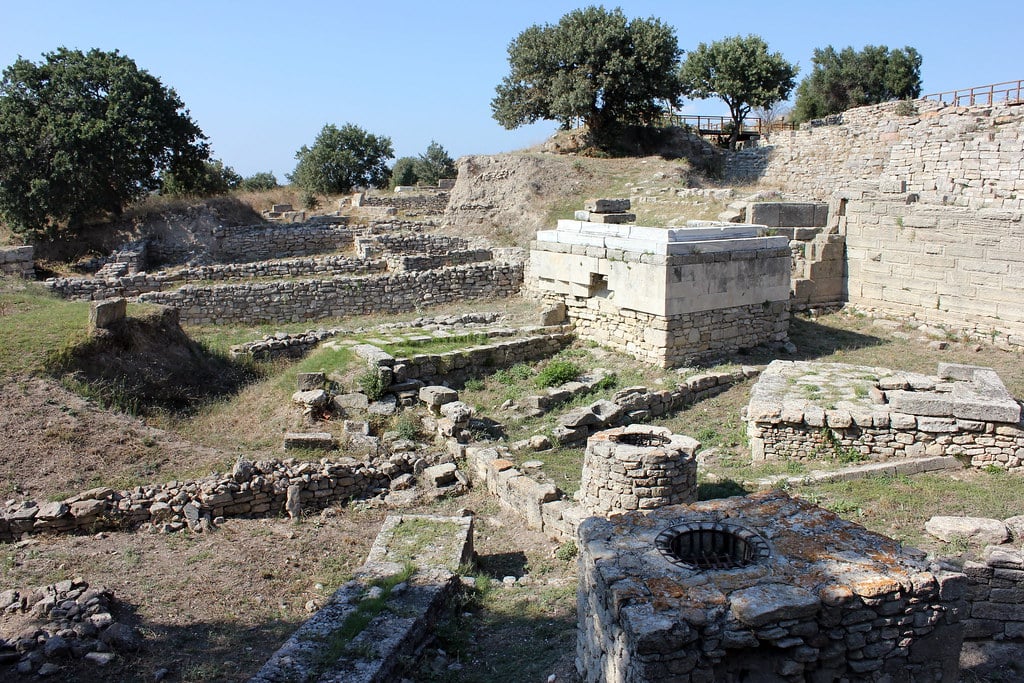
For a long time, the city of Troy was considered fiction — a dramatic invention in Homer’s Iliad, useful for poetry and nothing more. Heinrich Schliemann, a self-funded amateur archaeologist, disagreed loudly enough to start digging at Hisarlik in northwestern Turkey in 1870, where he found not one Troy but nine, layered on top of each other like a geological argument about which era mattered most.
Chichen Itza
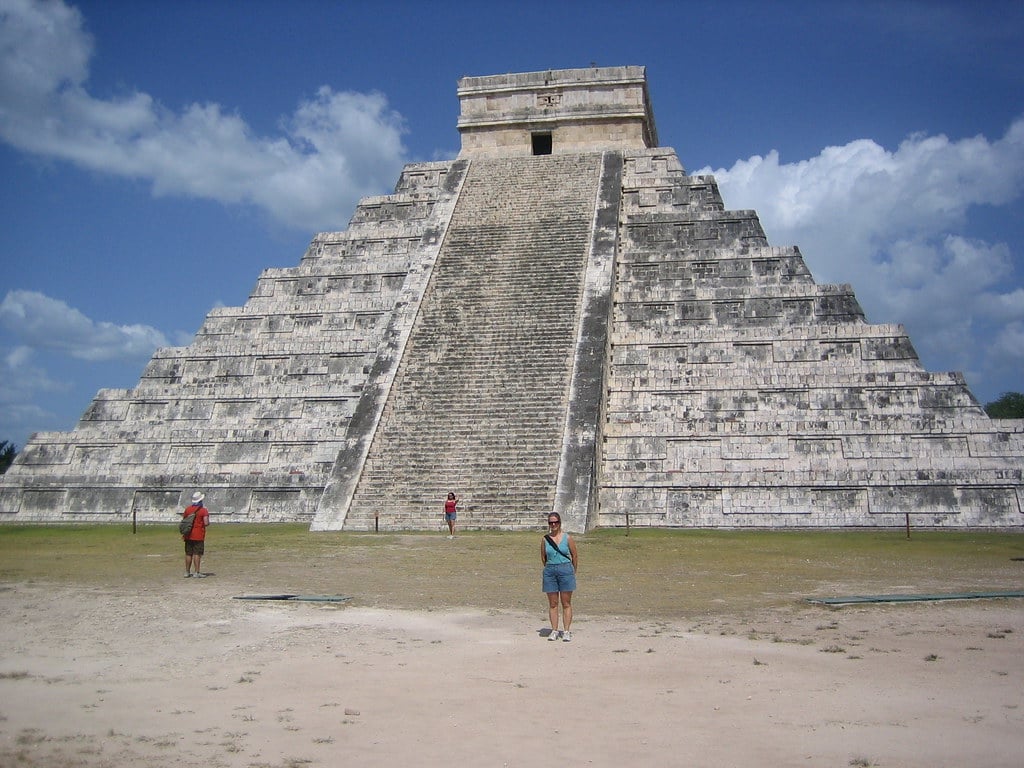
Chichen Itza never fully disappeared — local Maya communities always knew it was there — but it was invisible to the wider world until John Lloyd Stephens and Frederick Catherwood documented it in 1841. The site in Mexico’s Yucatán Peninsula contains El Castillo, a pyramid so precisely aligned to the sun that twice a year, during the equinoxes, a shadow crawls down its staircase in the unmistakable shape of a serpent descending.
Tikal
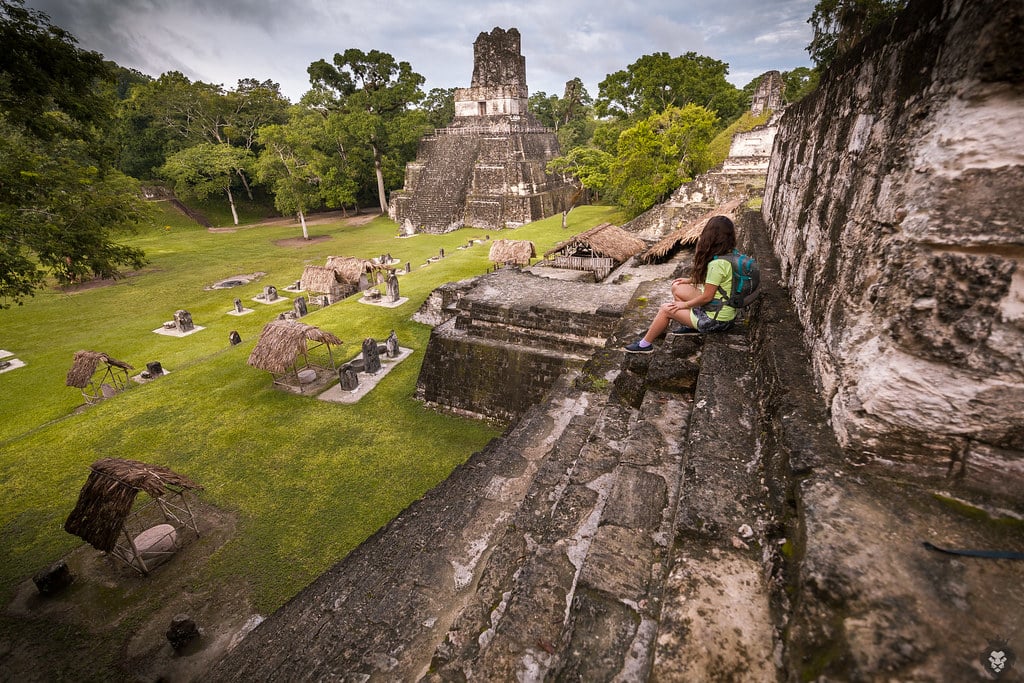
Deep in the Guatemalan rainforest, Tikal sat under a canopy so thick that its pyramids were invisible from the ground until a local gum-tapper named Ambrosio Tut reported unusually large stone structures to Guatemalan authorities in 1848. The site turned out to be one of the most powerful Maya cities in history, covering roughly 23 square miles, with temples that punch through the jungle canopy like stubborn stone fists refusing to accept that the civilization they belonged to was over.
Herculaneum
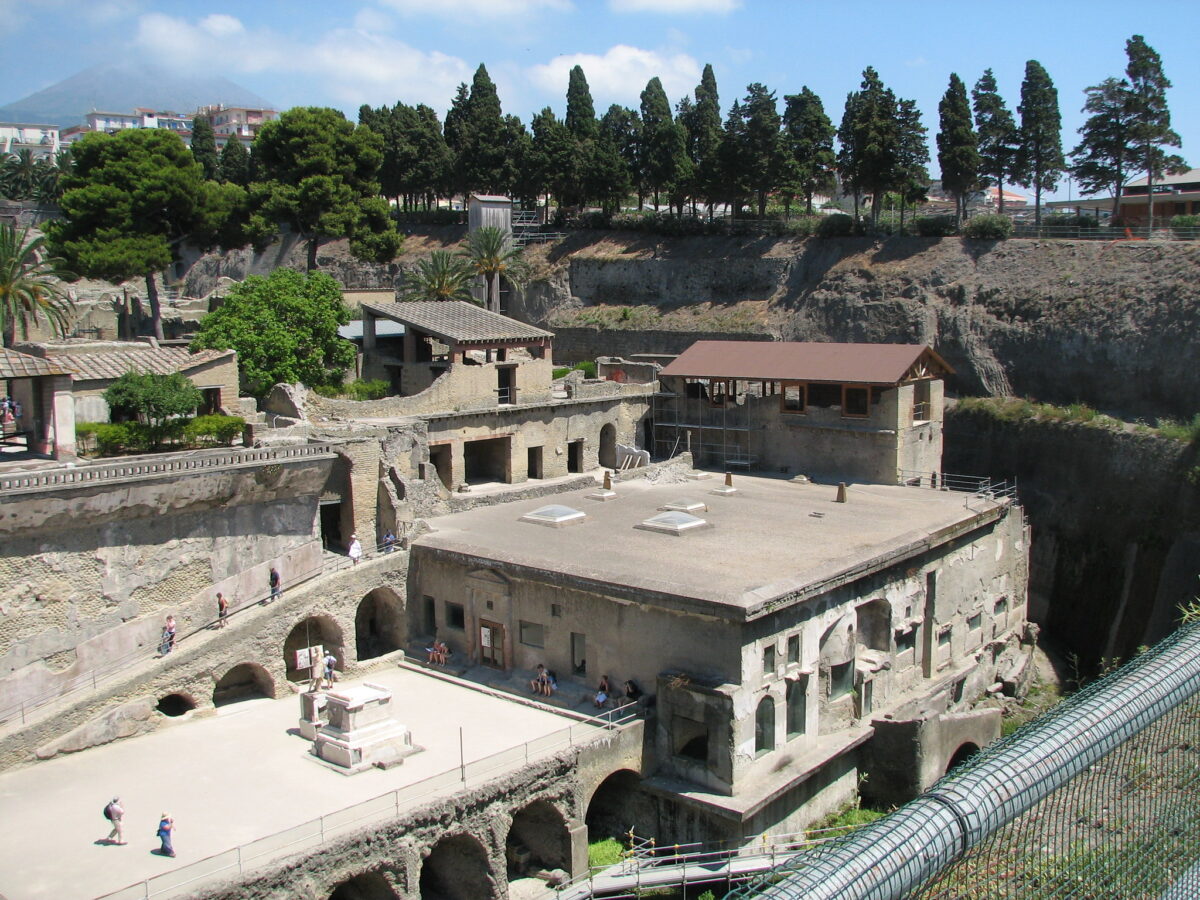
Herculaneum shares the story of Pompeii the way a quieter sibling shares everything — overshadowed but arguably more intact. It was buried under a far denser surge of volcanic material from Vesuvius, which meant it was harder to loot and better preserved, and when workers sank a well shaft in 1709, they hit the ancient theater and unwittingly opened one of the strangest archaeological sites in existence: a city that had been perfectly sealed inside superheated volcanic rock for 1,600 years.
Copán
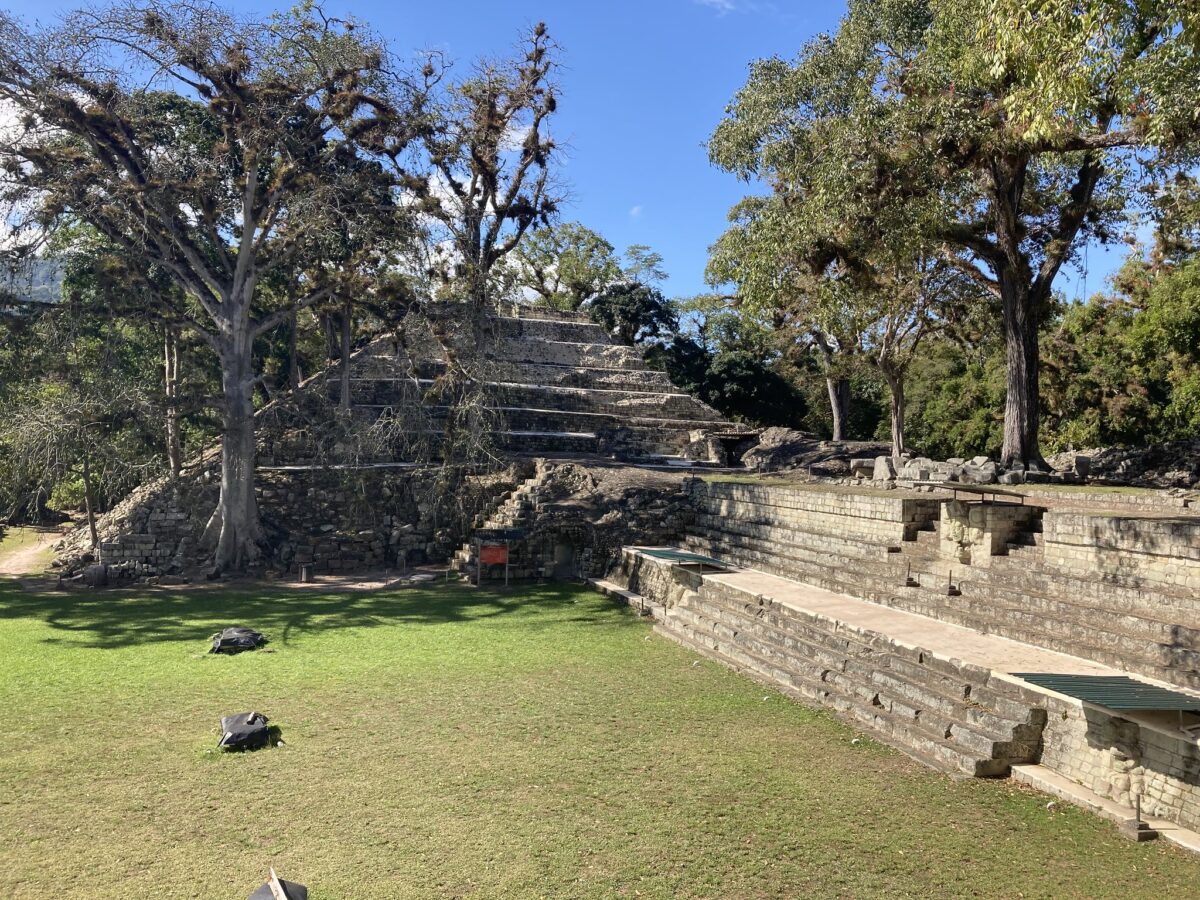
The ruins of Copán, tucked into a river valley in western Honduras, had been known to local people for generations before American diplomat John Lloyd Stephens bought the entire site for 50 dollars in 1839. Fifty dollars. What he got for that price was one of the most sophisticated Maya cities ever built — a place whose carved stelae and hieroglyphic staircase contain more Maya text in one location than almost anywhere else in the ancient world.
Çatalhöyük
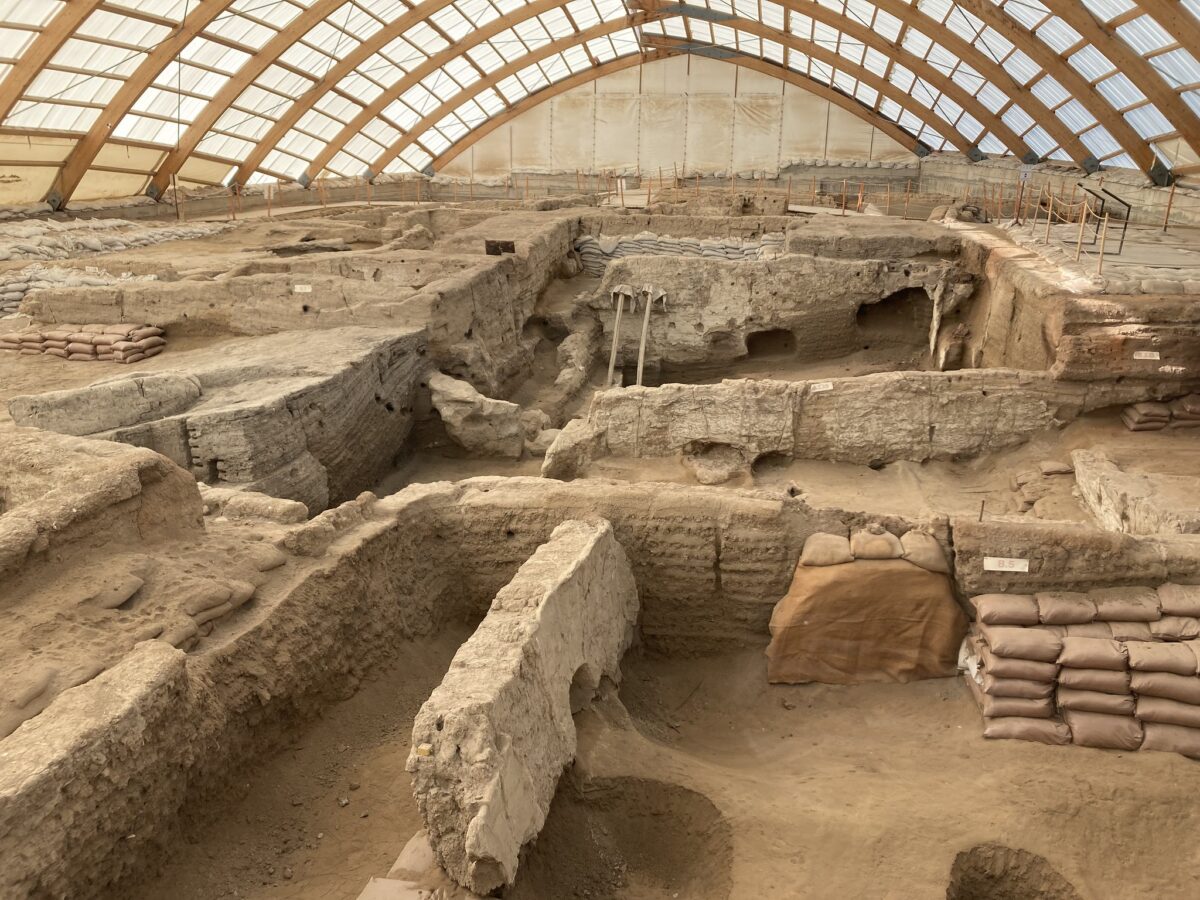
Çatalhöyük in central Turkey is one of the oldest cities ever found, and it breaks nearly every assumption about how early settlements worked. British archaeologist James Mellaart identified it in 1958, and what emerged from the excavation was a Neolithic city occupied around 7500 BCE where the residents entered their homes through openings in the roof rather than through doors — a city with no streets, no temples separated from houses, and the unsettling habit of burying the dead beneath the floors where people slept.
Mohenjo-daro
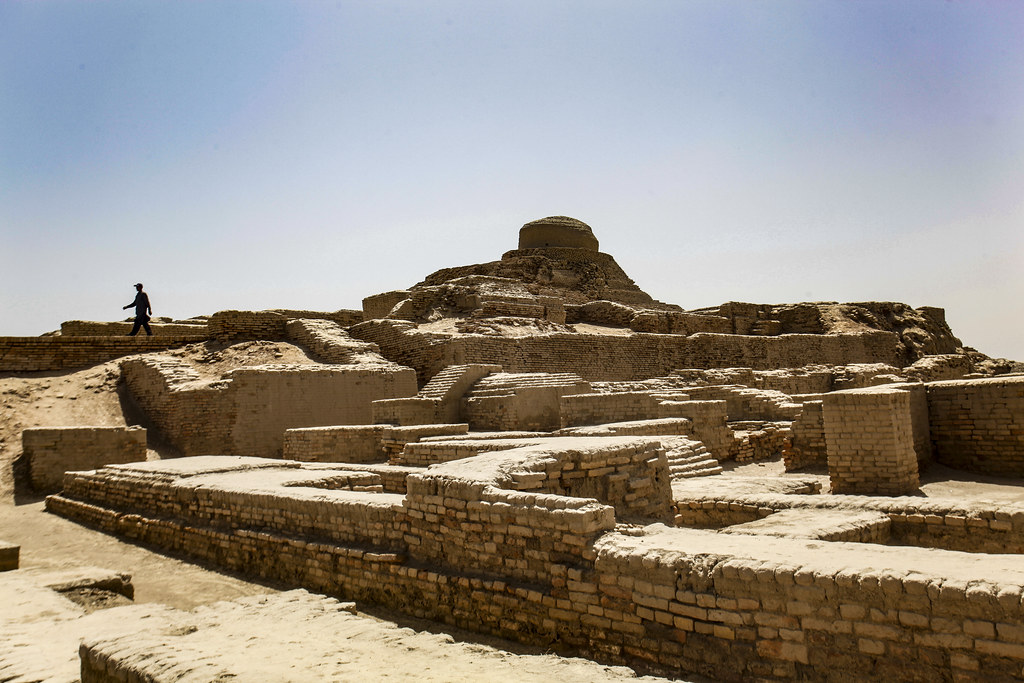
Mohenjo-daro sat under a mound in present-day Pakistan for roughly 3,700 years before R. D. Banerji noticed the unusual site in 1922. Excavations revealed a Bronze Age city planned with a precision that still surprises archaeologists: a grid-based street system, brick-lined drainage channels, and a population that may have reached 40,000 people at its peak — all flourishing around 2500 BCE, centuries before Rome was even an idea.
Teotihuacan
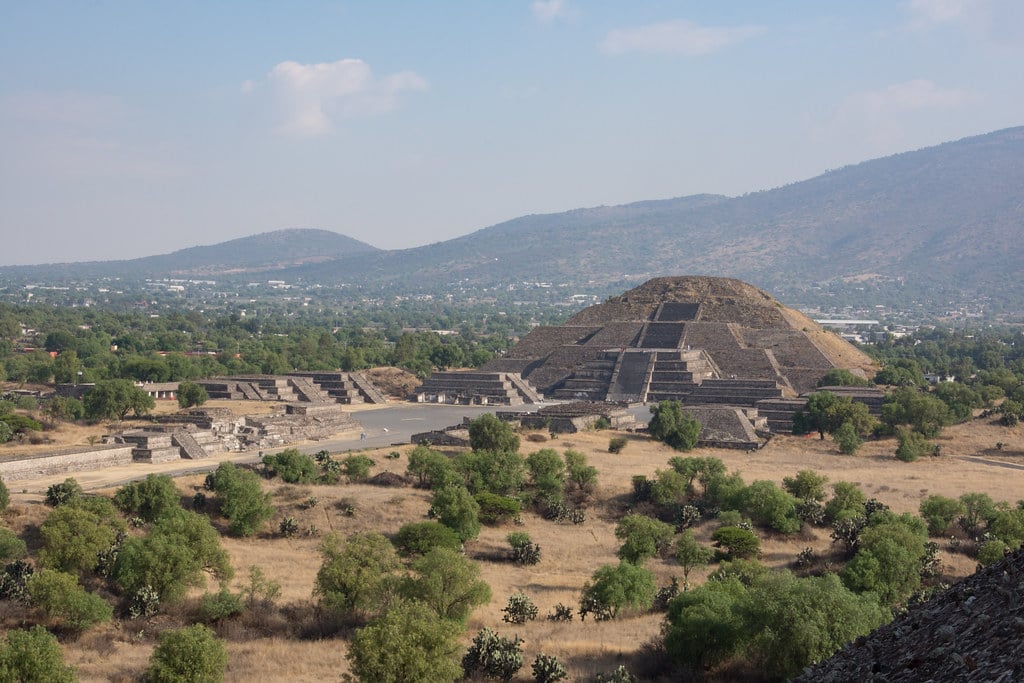
Teotihuacan was already ancient and abandoned when the Aztecs found it around 1300 CE, and they were so unsettled by its scale that they named it “the place where men become gods.” Spanish colonizers knew it existed from at least the 16th century, but serious archaeological excavation didn’t begin until the late 19th century — when workers started uncovering a city that at its height covered eight square miles and housed perhaps 125,000 people, aligned to astronomical events with an accuracy that feels less like engineering and more like obsession.
Persepolis
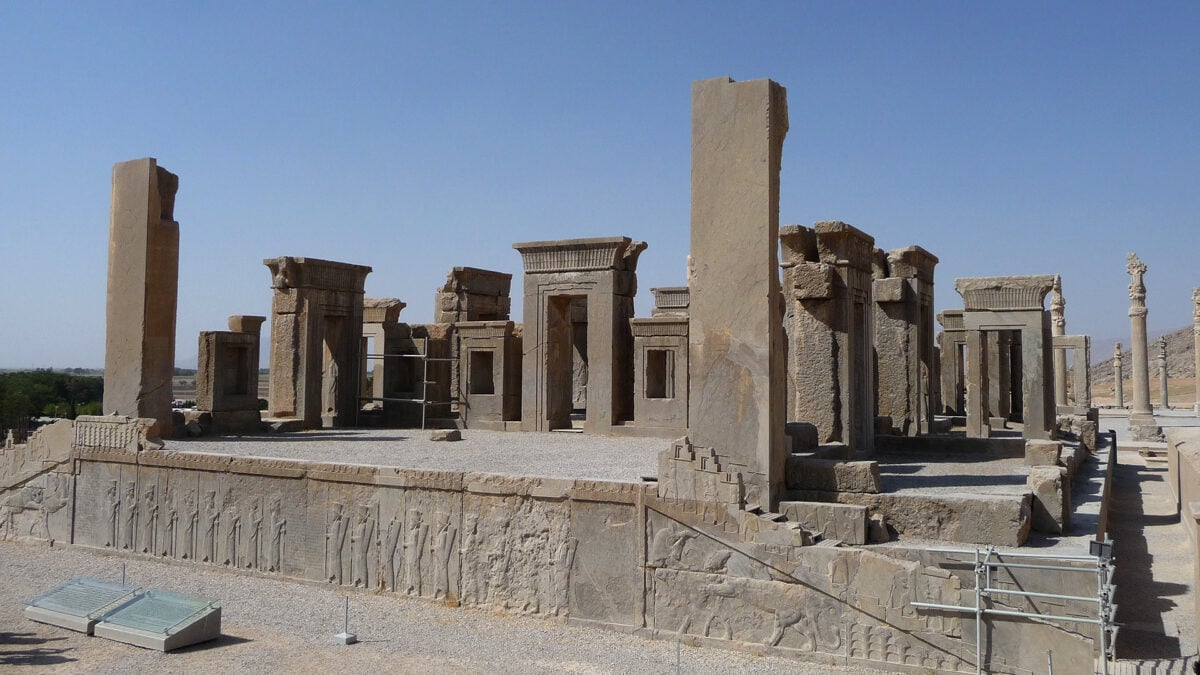
Persepolis, the ceremonial capital of the Achaemenid Persian Empire, was never truly buried — it was burned by Alexander the Great in 330 BCE and left open to the sky, slowly collapsing over centuries until European travelers began documenting its ruins in the 17th century. The site in modern Iran contains the remains of palaces, audience halls, and intricately carved stone staircases where delegations from across the known world once climbed to pay tribute to Darius and Xerxes.
Palenque
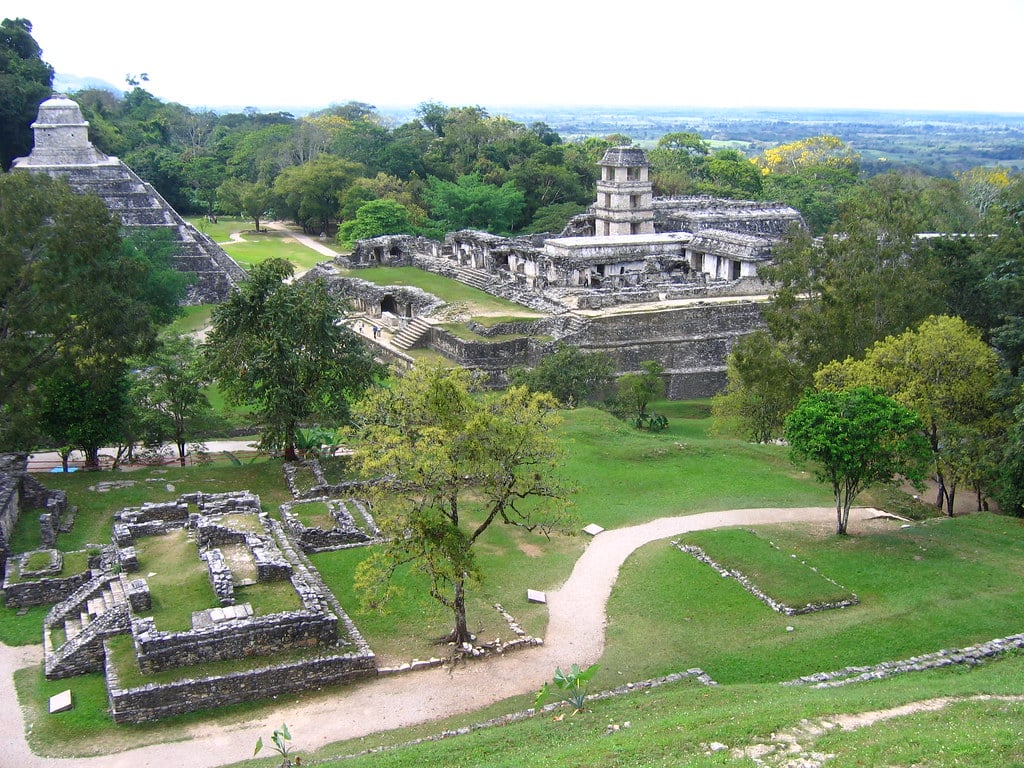
Palenque is a Maya city in Chiapas, Mexico that the jungle had been actively reclaiming for nearly a thousand years by the time Spanish priest Antonio del Río hacked through the undergrowth to reach it in 1787. What makes Palenque genuinely unsettling — in the best possible way — is that most of it is still buried: archaeologists estimate that only a small fraction of the city’s structures have been excavated, meaning the jungle above is still full of rooms no one has entered in over a millennium.
Vijayanagara
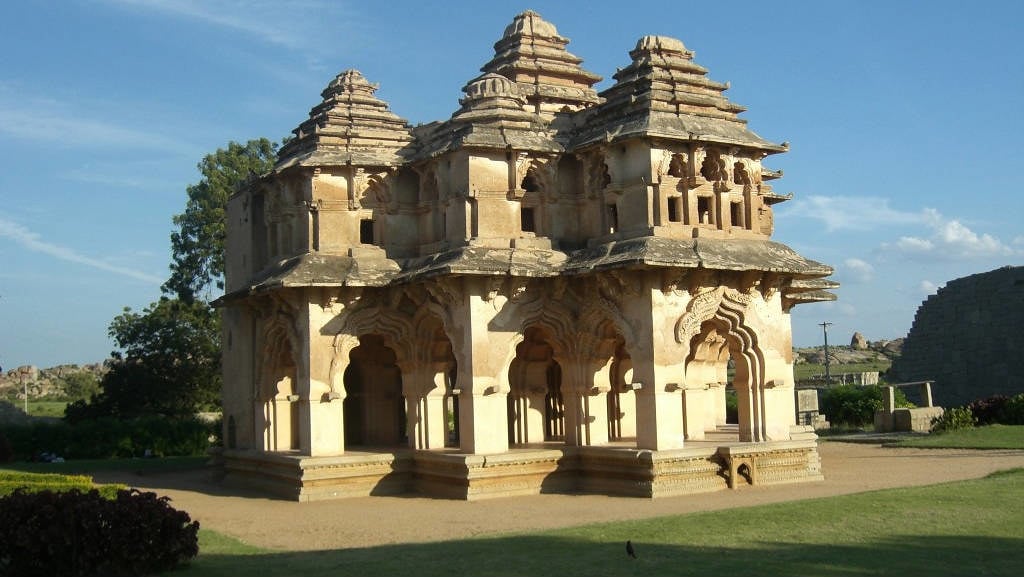
The ruined city of Vijayanagara sits along the Tungabhadra River in Karnataka, India, and its scale is difficult to absorb even in photographs. At its height in the 15th and 16th centuries, it was one of the largest cities in the world, with a population possibly exceeding half a million people — then Portuguese traveler Domingo Paes arrived in 1520, described a city of astonishing wealth, and within decades it had been sacked and abandoned, left to be rediscovered by British surveyors who couldn’t quite believe what the ruins were telling them about how large the city had actually been.
Great Zimbabwe
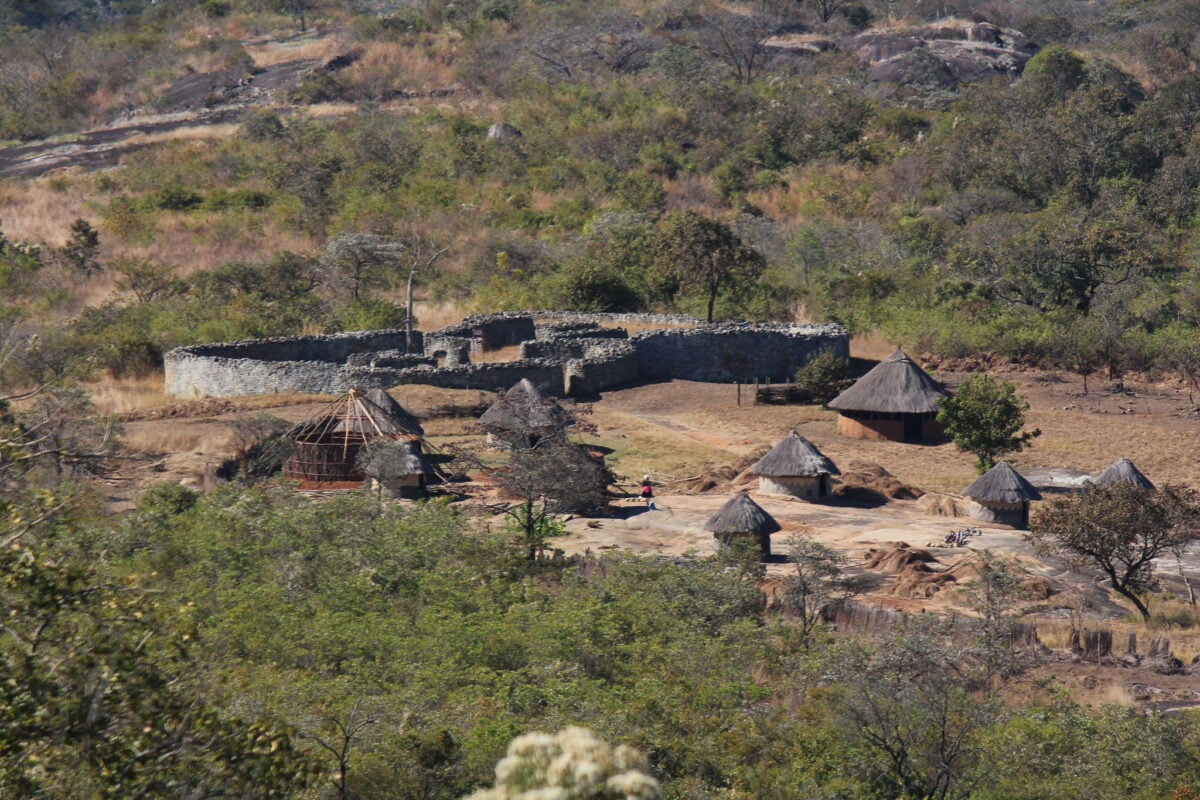
The colonial response to Great Zimbabwe, a stone city built by the Shona people in southern Africa between the 11th and 15th centuries, was stubborn denial. When European settlers encountered the massive dry-stone enclosures in the 19th century, many simply refused to accept that African builders had constructed something so sophisticated, inventing elaborate alternative theories that archaeology eventually dismantled entirely.
The site gives its name to a modern nation, which is one of the more pointed corrections history has delivered.
Skara Brae
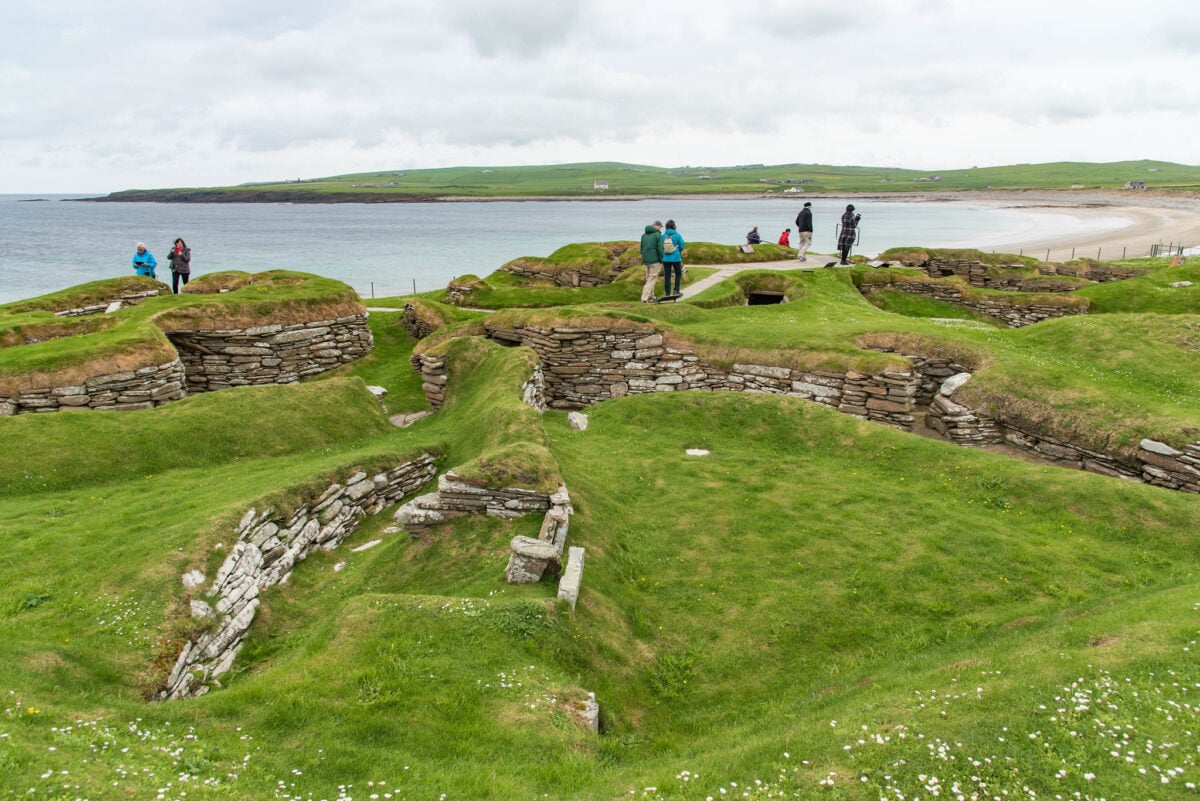
Skara Brae, a Neolithic village on the Orkney coast of Scotland, was hidden under a sand dune for nearly 5,000 years until a violent storm in 1850 peeled the dune away and revealed stone-built houses complete with furniture — dressers, bed frames, and storage boxes, all carved from the same stone as the walls. It predates Stonehenge and the Great Pyramid, which places it in a category of antiquity so remote it becomes abstract, and yet the houses feel startlingly domestic, like the people who lived there stepped out just a moment ago.
Nimrud
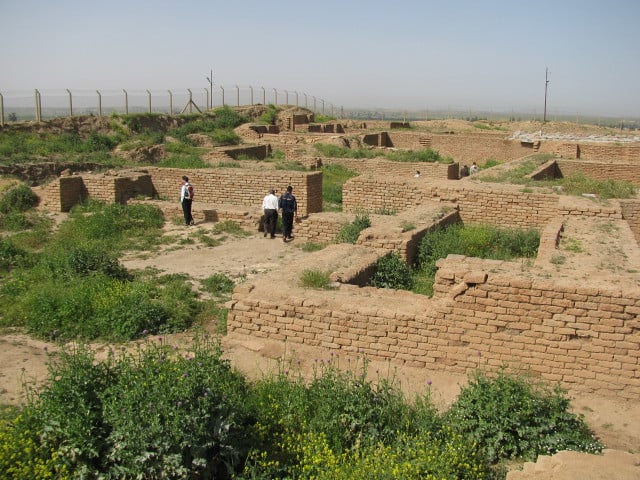
Nimrud, the ancient Assyrian capital in what is now northern Iraq, was identified by British archaeologist Austen Henry Layard in 1845, who began excavating and almost immediately hit colossal stone lamassu — winged bull figures with human heads that had been standing guard at palace doorways for nearly 3,000 years. The city reached its peak under the Assyrian king Ashurnasirpal II around 879 BCE, and what Layard found there became the foundation of the British Museum’s ancient Near East collection, shipped west in crates before anyone had fully decided what responsible archaeology was supposed to look like.
Ani
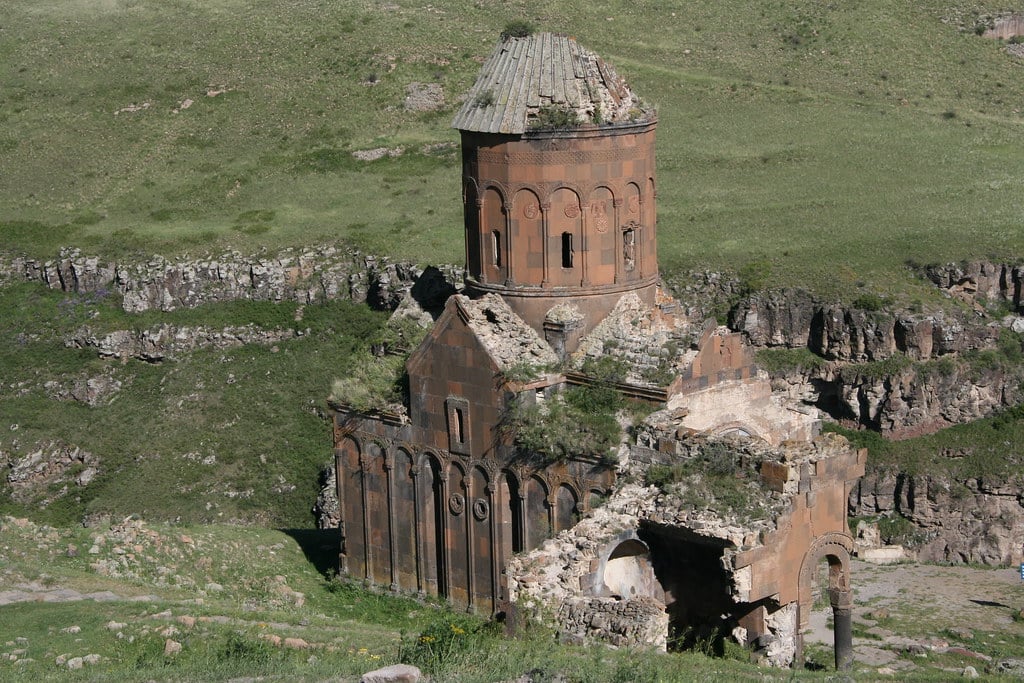
Ani sits on the Turkish-Armenian border atop a basalt plateau, and the silence around it now has a particular quality — like a room where something loud happened a long time ago and the air still remembers. At its peak around 1000 CE, it was the capital of a medieval Armenian kingdom and home to perhaps 100,000 people; invasions, earthquakes, and the rerouting of trade routes emptied it over the following centuries, and when European travelers rediscovered it in the 19th century, they found a skyline of churches and palaces standing roofless and unvisited, slowly being absorbed back into the plateau.
Leptis Magna
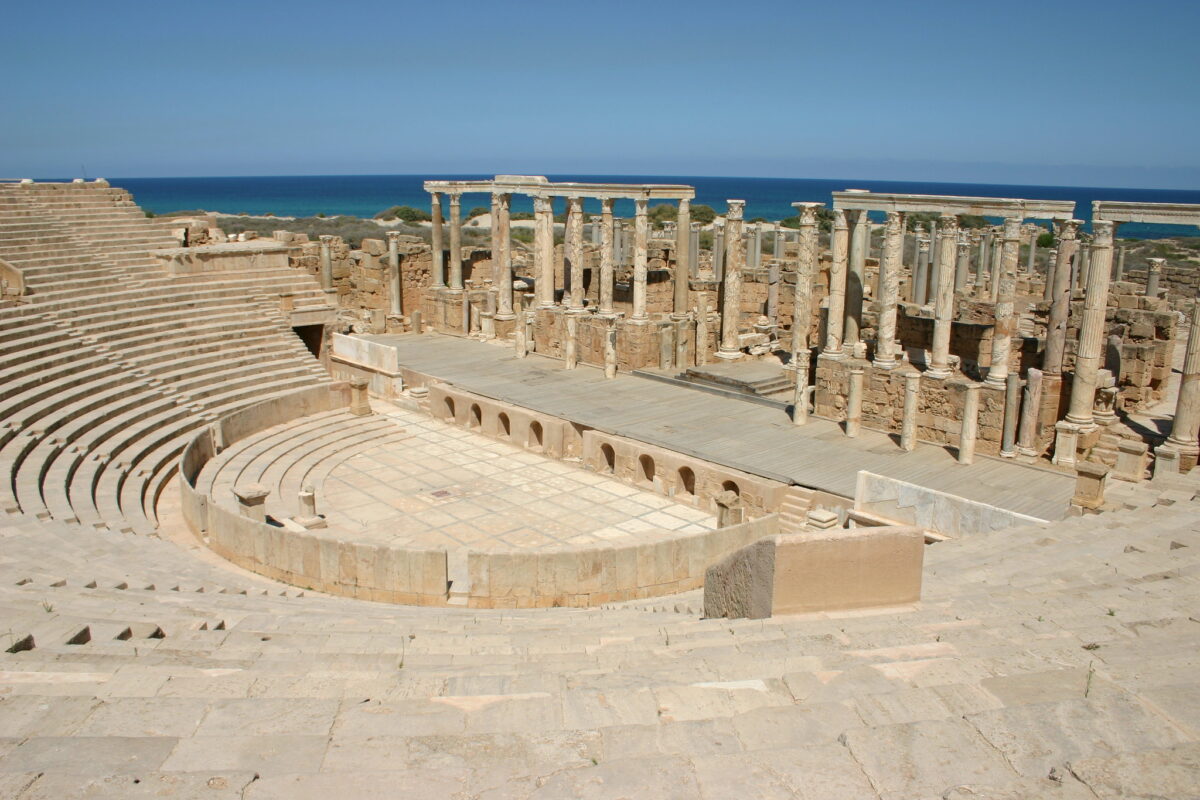
Leptis Magna on the Libyan coast was one of the greatest cities of the Roman Empire — the birthplace of Emperor Septimius Severus, adorned with a forum, a theater, and a harbor that could handle enormous trading volumes. Sand from the Sahara buried it so completely after the city was abandoned in the 7th century that the French consul Claude Lemaire stumbled onto its ruins in 1705 and found marble columns still standing at their original height, preserved by the sand that had sealed them off from both weather and looters for a thousand years.
Xanadu
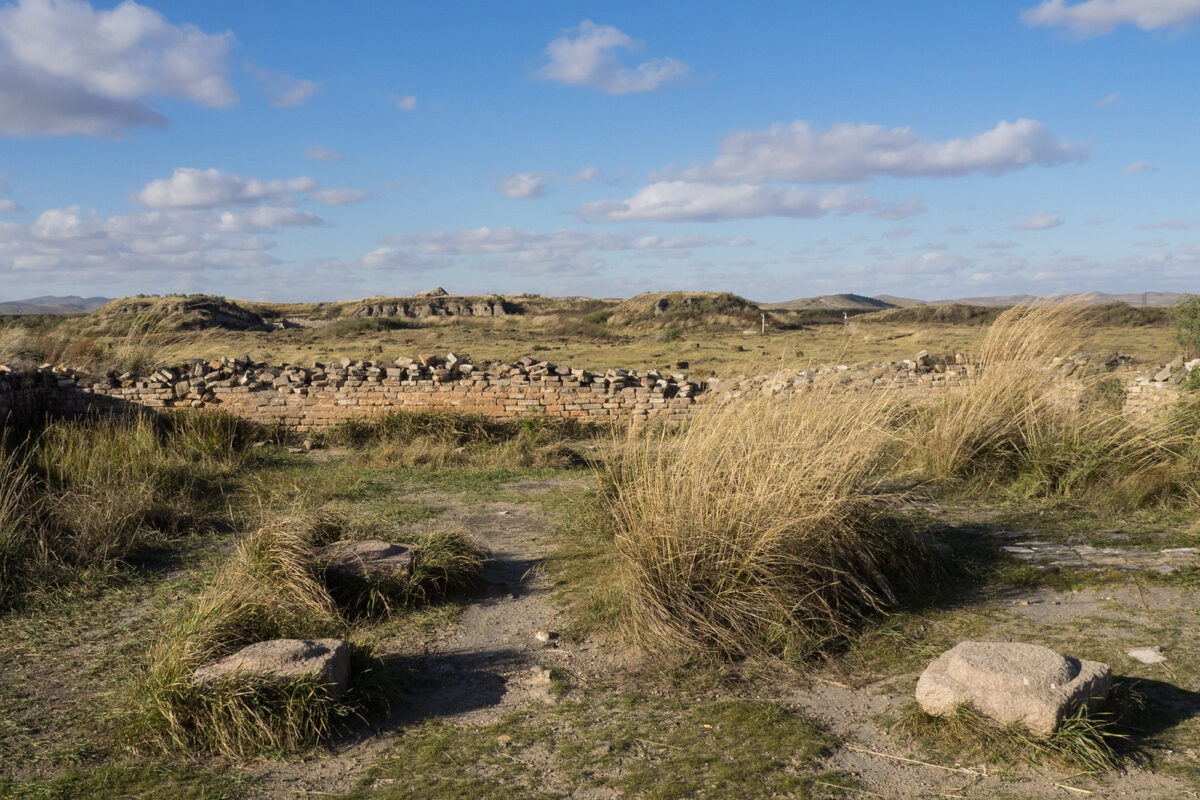
Xanadu — properly called Shangdu — was the summer capital of Kublai Khan in what is now Inner Mongolia, China, and Marco Polo described it in terms that sounded too extravagant to believe. British explorers confirmed the site’s existence in the 19th century, finding the earthen walls of a city that had been deliberately dismantled after the Ming dynasty ended Mongol rule in 1368.
The ruins sit on a grass steppe now, and there’s something specifically quiet about a place that was once the center of the largest contiguous empire in history.
Amarna
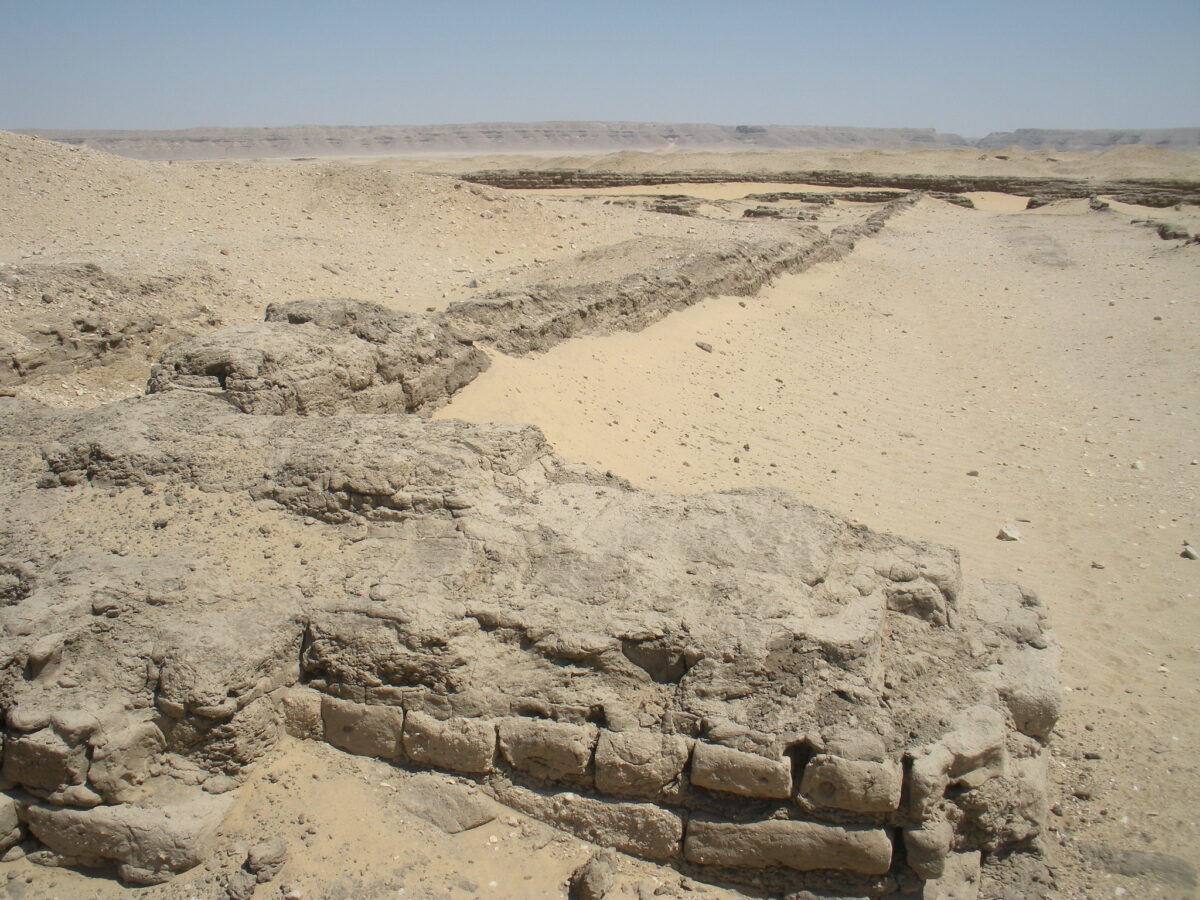
Amarna exists because the pharaoh Akhenaten decided, around 1346 BCE, to abandon Thebes and build an entirely new capital city in the Egyptian desert in honor of the sun disk Aten. He built it, ruled from it, died — and his successors erased it from the record with such thoroughness that it disappeared from history until flint fragments and carved blocks started turning up near the village of el-Amarna in the 1880s.
What emerged from excavation was not just a city but a document: the only surviving record of ancient Egypt’s brief, strange experiment with monotheism.
Taxila
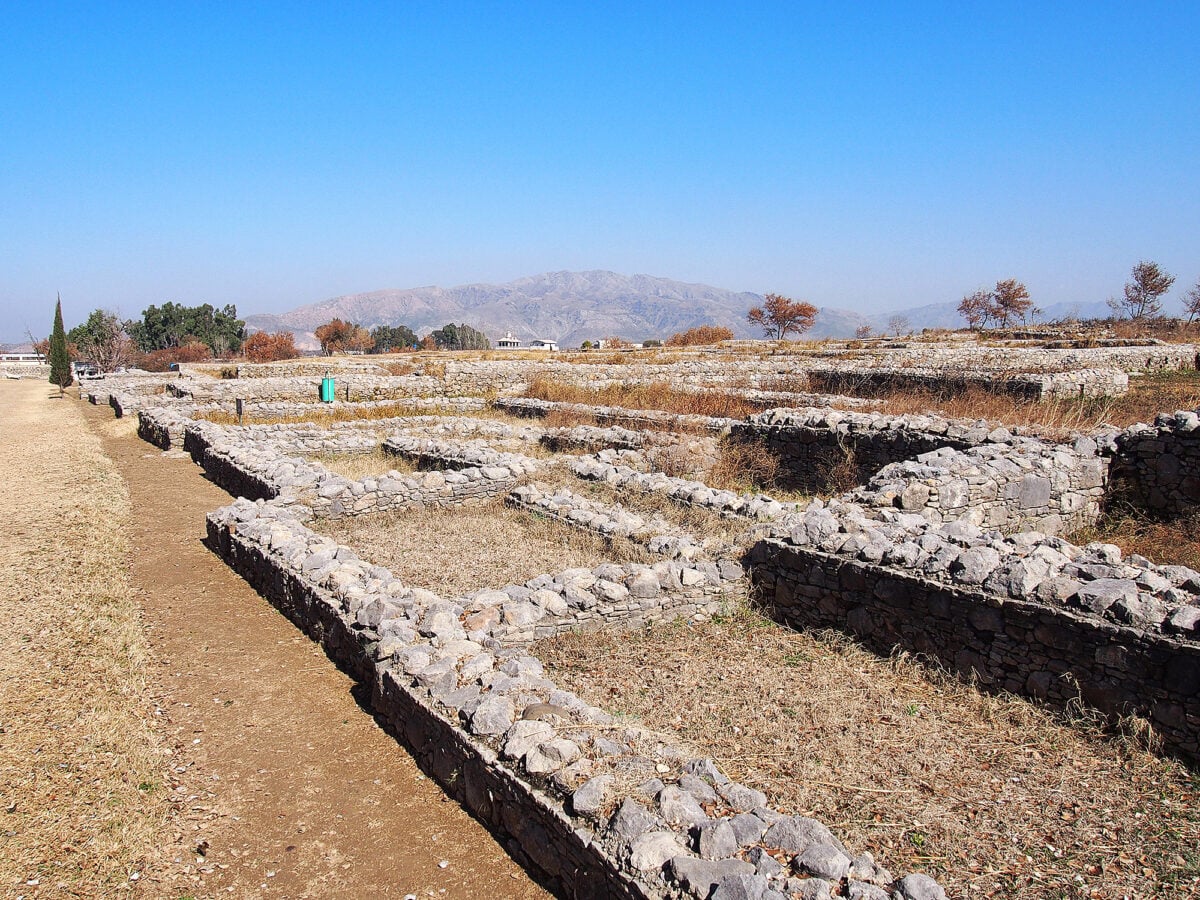
Taxila, in the Rawalpindi district of modern Pakistan, was a major center of learning in the ancient world — a place where scholars from Greece, Persia, and India gathered at the same time Alexander the Great was marching through the region in 326 BCE. British archaeologist John Marshall began systematic excavation there in 1913 and found not one city but three, built in sequence over roughly a thousand years, stacked geographically like chapters of the same long argument about which era had the best ideas.
Carthage
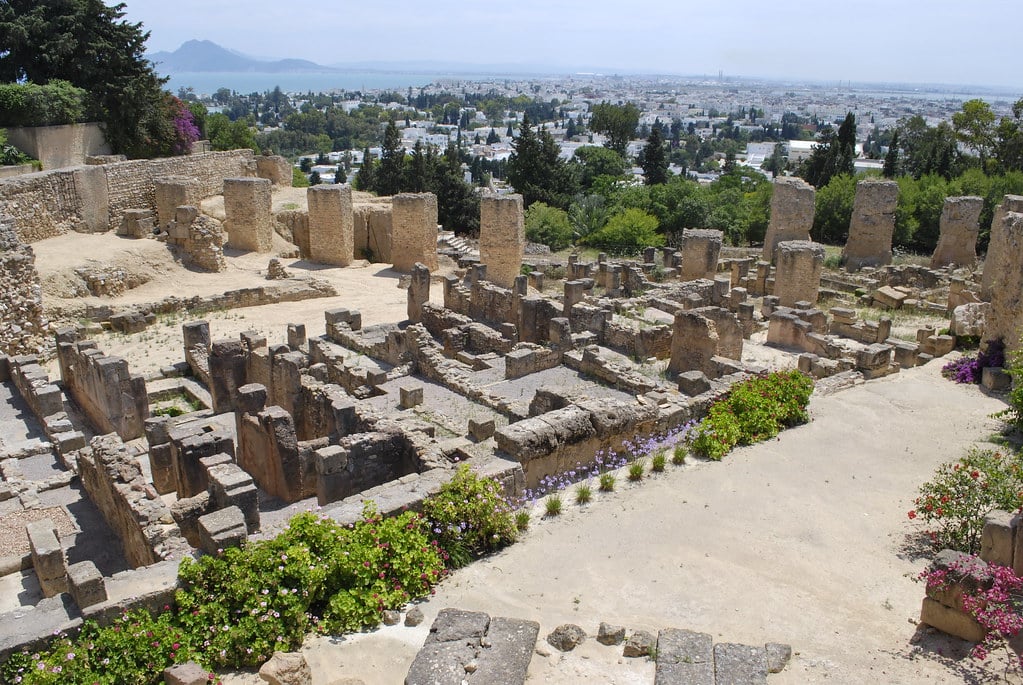
Carthage, the great Phoenician city that Rome spent most of its early history worrying about, was razed to the ground in 146 BCE after the Third Punic War — a destruction so thorough that the phrase “Carthage must be destroyed” became a rhetorical shorthand for obsession. European archaeologists working in modern Tunisia in the late 19th century found it beneath centuries of Roman construction that had been built directly over the older city, meaning Carthage was hiding under Rome’s own architecture: a city buried beneath the footprint of the civilization that destroyed it.
Ciudad Perdida
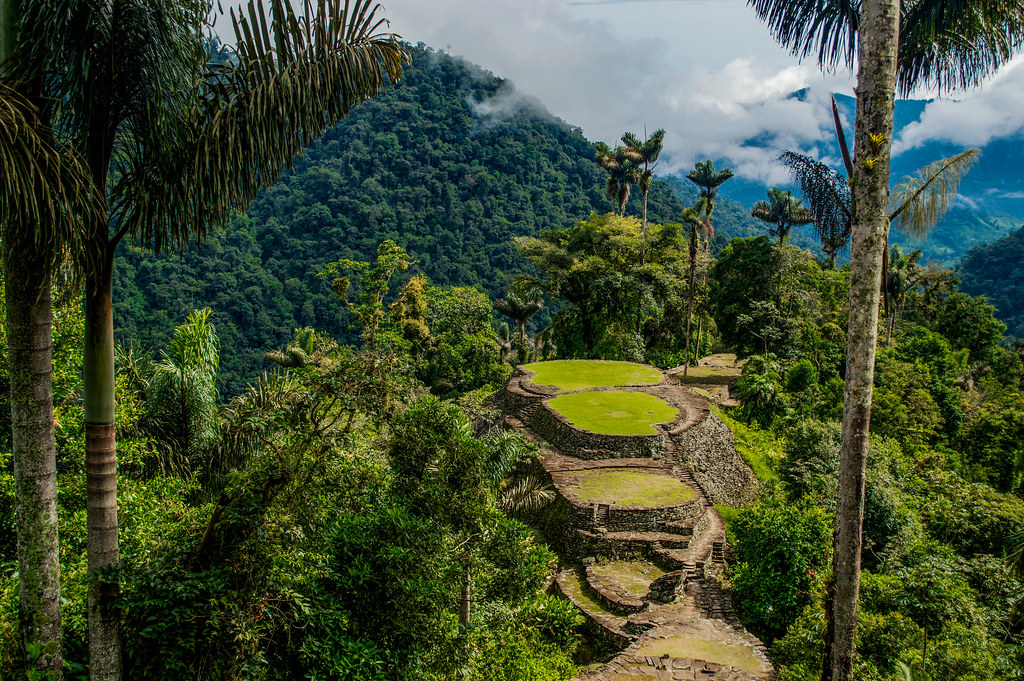
Ciudad Perdida — the Lost City — sits deep in the Sierra Nevada mountains of Colombia, accessible only by a multi-day trek through dense jungle. It was built by the Tairona people around 800 CE and is believed to predate Machu Picchu by roughly 650 years.
Treasure hunters stumbled onto it in 1972 and initially tried to quietly sell the artifacts before Colombian archaeologists intervened, which meant the city’s modern rediscovery came wrapped in a race between preservation and looting — a scramble that felt very different from the age of the explorers, but not necessarily more dignified.
What the Ground Keeps
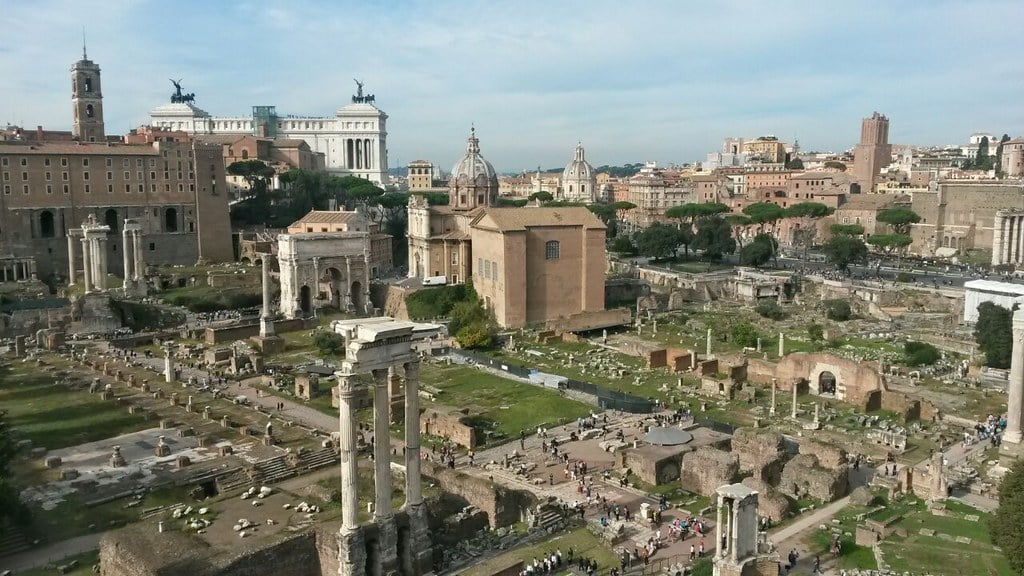
There’s a pattern running through all of these discoveries that has nothing to do with archaeology. The cities weren’t lost because no one cared — local people often knew exactly where they were, walking past the ruins or farming around them for generations.
They were lost to the broader world because the broader world wasn’t paying attention. And they were found, almost without exception, by accident: a storm, a well shaft, a bored naturalist following a rumor.
The ground kept its secrets not through any particular effort, just through the ordinary indifference of time — and then gave them up in the same way, without ceremony, to whoever happened to be standing in the right place.
More from Go2Tutors!

- The Romanov Crown Jewels and Their Tragic Fate
- 13 Historical Mysteries That Science Still Can’t Solve
- Famous Hoaxes That Fooled the World for Years
- 15 Child Stars with Tragic Adult Lives
- 16 Famous Jewelry Pieces in History
Like Go2Tutors’s content? Follow us on MSN.