Unexpected Collaborations in Music That Made History
Music has always been full of surprises, but nothing quite compares to when two artists from completely different worlds come together and create something unforgettable. These partnerships often seem impossible on paper, yet they end up producing tracks that define entire generations.
From rap meeting rock to country blending with pop, the most unlikely duos have given fans some of the best songs ever recorded. The beauty of these team-ups is that nobody sees them coming.
When artists step outside their comfort zones and work with someone totally different, the results can be pure gold.
Run-DMC and Aerosmith
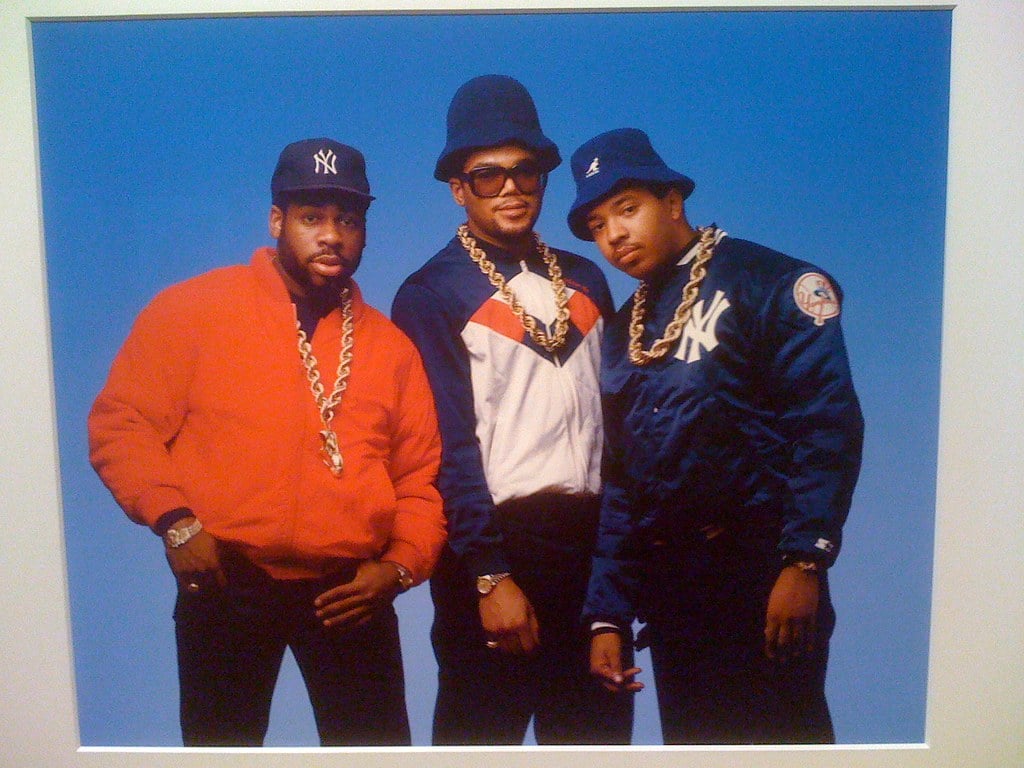
The 1986 remake of ‘Walk This Way’ literally broke down barriers between rock and hip-hop. Aerosmith was struggling to stay relevant while Run-DMC was dominating the rap scene, and neither genre really talked to the other back then.
Producer Rick Rubin had this wild idea to mash them together, and at first, both groups thought it was crazy. The track ended up on MTV in heavy rotation, introducing white suburban kids to rap and bringing rock fans into the hip-hop world.
It proved that different styles could not only coexist but actually make each other better.
David Bowie and Bing Crosby
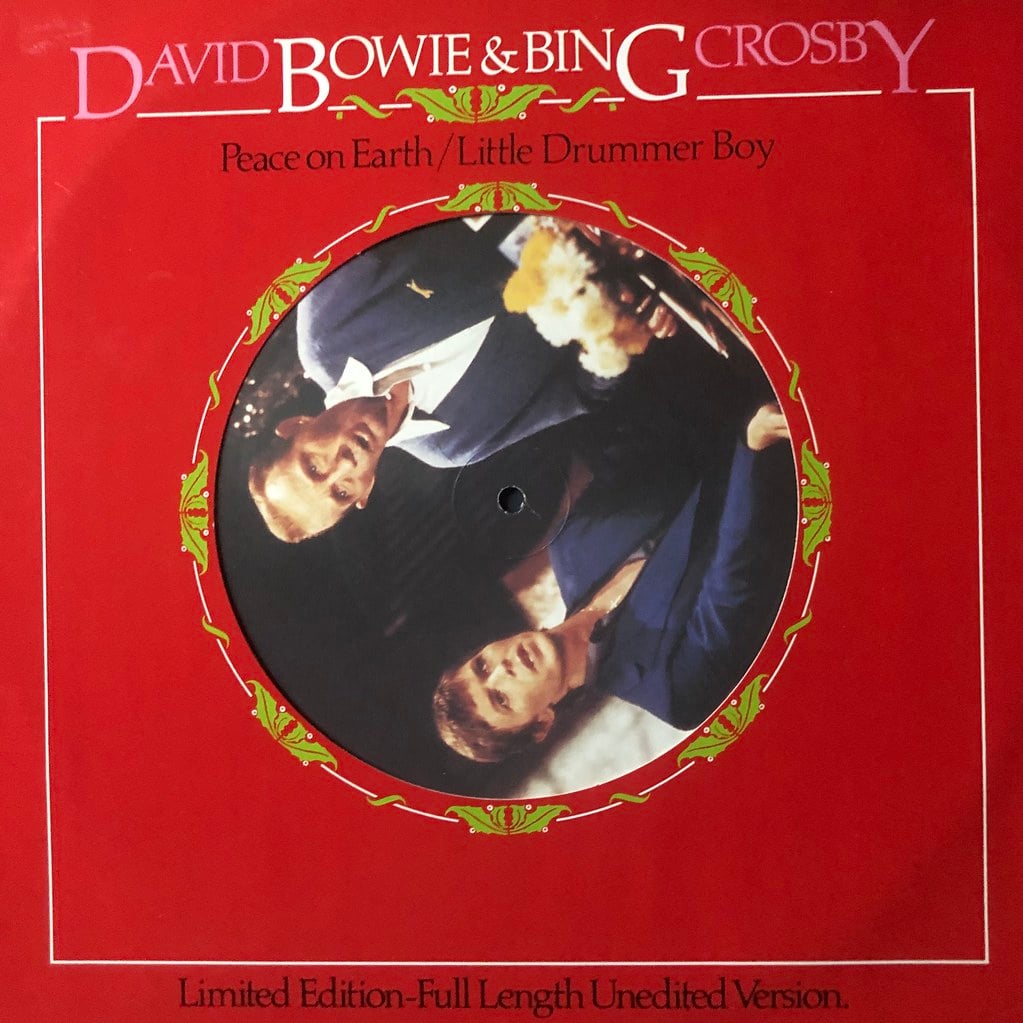
Picture this: a legendary crooner from the 1940s sitting down with a glam rock icon in 1977 to record a Christmas duet. Bowie initially didn’t even want to do ‘The Little Drummer Boy’ because he found it boring, so the producers wrote a counter-melody called ‘Peace on Earth’ just for him.
The age gap between them was 50 years, and their music couldn’t have been more different. Yet when they sang together on that TV special, something tender and genuine happened.
That performance became one of the most beloved holiday recordings of all time.
Santana and Rob Thomas
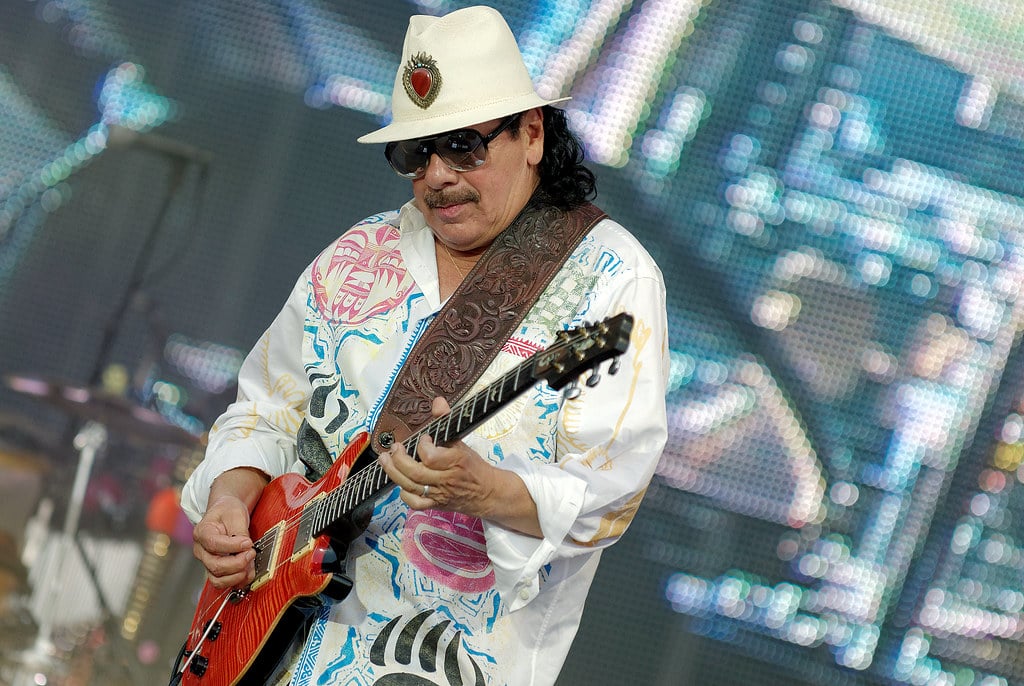
Carlos Santana had been a guitar legend since Woodstock, but by 1999, younger audiences had mostly forgotten about him. Enter Rob Thomas from Matchbox Twenty, a band that was huge with the alternative rock crowd at the time.
‘Smooth’ became the song that summer, hitting number one and staying there for weeks. Santana’s Latin-influenced guitar mixed with Thomas’s raspy vocals created something nobody knew they needed.
The track won three Grammys and reminded everyone that Santana still had plenty to offer.
Queen and David Bowie
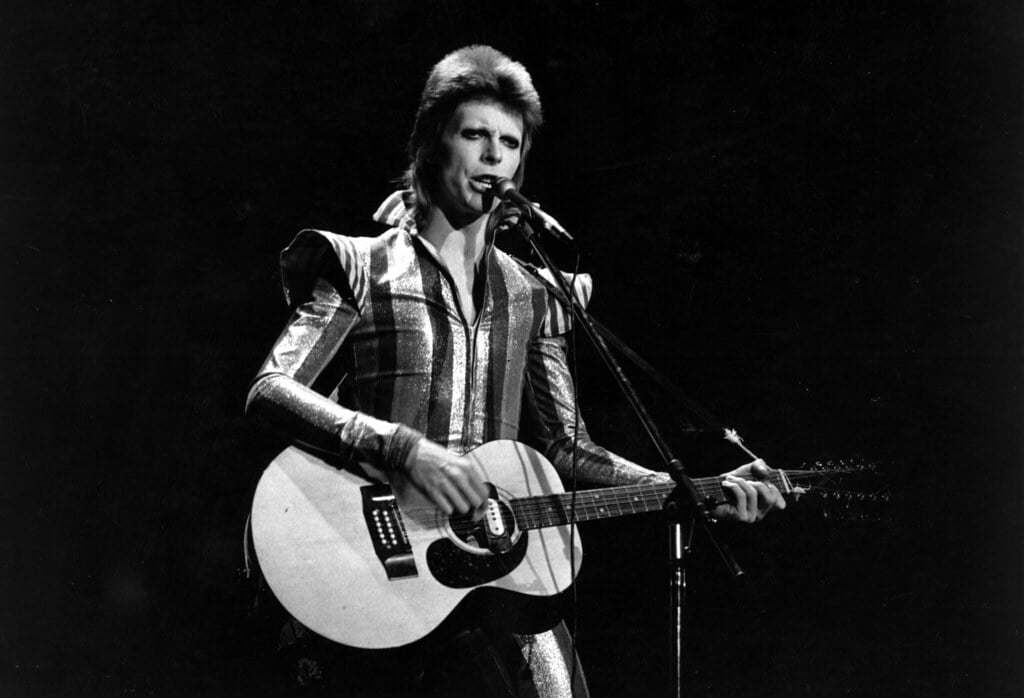
‘Under Pressure’ came together almost by accident when Bowie stopped by the studio while Queen was recording. They started jamming, and that famous bassline just appeared out of nowhere (later, Vanilla Ice would borrow it without permission, but that’s another story).
The song tackles heavy themes about stress and compassion, with Freddie Mercury and Bowie trading vocals in a way that feels like a conversation. Both artists were already superstars, but together they made something that outlasted everything else they did in that era.
The collaboration was so organic that it’s hard to imagine the song existing any other way.
Johnny Cash and Nine Inch Nails
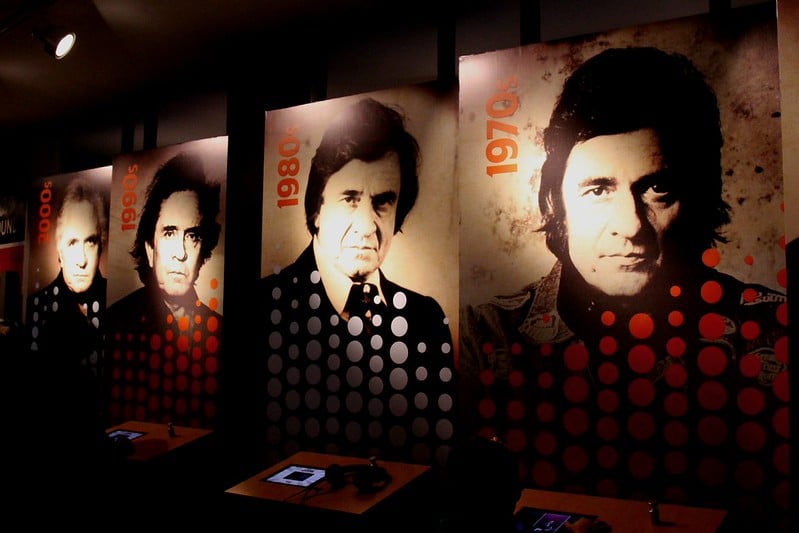
When Cash covered ‘Hurt’ in 2002, Trent Reznor from Nine Inch Nails was skeptical at first. The original song was dark, industrial, and deeply personal to Reznor, coming from a place of self-destruction and anger.
Cash, then in his seventies and facing his own mortality, turned it into something completely different. His weathered voice and the stripped-down acoustic arrangement transformed the track into a meditation on regret and the passage of time.
Reznor later said that the song didn’t belong to him anymore, and the music video, showing Cash’s frail condition, made it even more powerful.
Eminem and Elton John

The 2001 Grammys performance where these two shared the stage shocked everyone watching. Eminem had been under fire for lyrics that many called homophobic, while Elton John was one of the most prominent openly gay musicians in the world.
Instead of boycotting or criticizing, John agreed to perform ‘Stan’ with Eminem as a statement about art, friendship, and looking beyond controversy. They hugged at the end, and it became a moment that showed music could bring together people who seemed like opposites.
The collaboration started a real friendship that continues to this day.
Metallica and the San Francisco Symphony

Heavy metal and classical music don’t usually hang out together, but in 1999, Metallica decided to try it anyway. The band performed with a full 80-piece orchestra, turning their aggressive thrash anthems into something grand and almost operatic.
Some longtime fans thought they’d sold out, while others appreciated the ambition and complexity. The ‘S&M’ album went multi-platinum and proved that metal could be just as sophisticated as any other genre.
It opened doors for other rock bands to experiment with orchestral arrangements.
Paul McCartney and Stevie Wonder

‘Ebony and Ivory’ might seem a little on-the-nose now, but in 1982, it was a genuine attempt to address racial harmony through music. McCartney, one of the Beatles, and Wonder, a Motown legend, used the piano keys as a metaphor for how different people should coexist.
The song topped charts worldwide and became an anthem for unity during a time when those conversations were still uncomfortable for many. Critics called it cheesy, but millions of people connected with its straightforward message.
Sometimes the simplest ideas hit the hardest.
Jay-Z and Linkin Park

When ‘Collision Course’ came out in 2004, it felt like a risky experiment that could’ve gone terribly wrong. Linkin Park was the biggest band in nu-metal, and Jay-Z was at the peak of hip-hop royalty.
They mashed up entire songs from both catalogs, blending ’99 Problems’ with ‘Points of Authority’ and other combinations. The result was an EP that felt fresh instead of forced, appealing to fans of both genres.
It showed that hip-hop and rock had more in common than people realized, and the live performances had an energy that neither artist could create alone.
Willie Nelson and Snoop Dogg
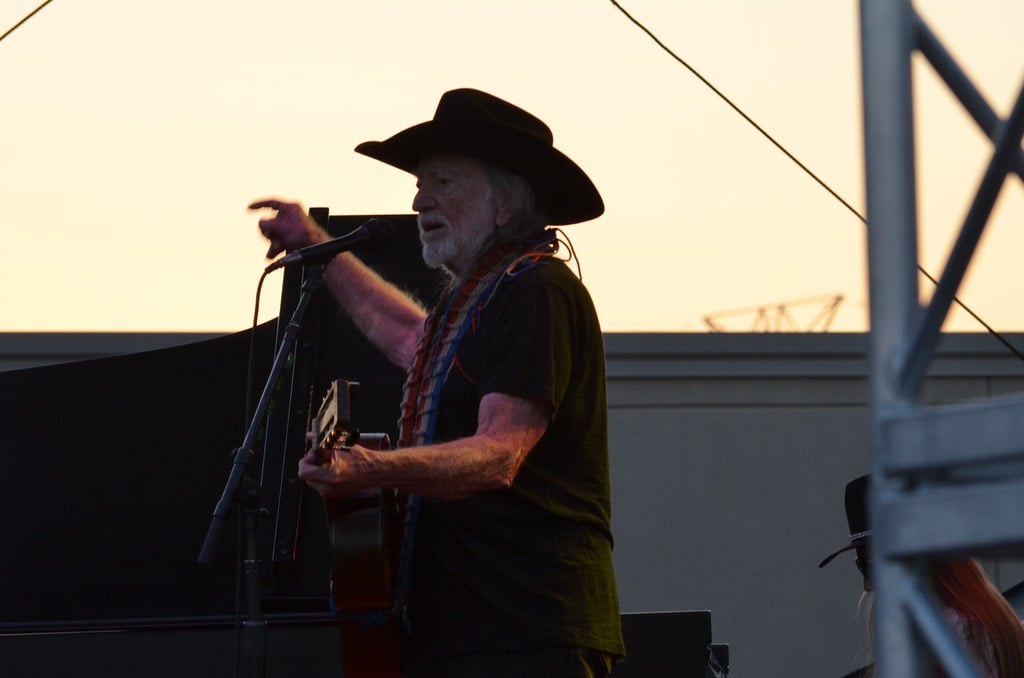
These two bonded over their shared appreciation for a certain herb (legal in some states, of course), and that friendship led to actual music. ‘Roll Me Up and Smoke Me When I Die’ is exactly what you’d expect from a country legend and a West Coast rapper getting together.
Nelson has always been open-minded about collaboration, but this one raised eyebrows even for him. The track is laid-back, funny, and proof that respect between artists matters more than genre labels.
Their genuine friendship makes the music feel authentic rather than like a publicity stunt.
Elvis Presley and the Jordanaires

This one might not seem that strange now, but when Elvis started working with a gospel quartet in the 1950s, it was pretty unusual. The Jordanaires added harmonies to rock and roll songs, bringing a spiritual quality to tracks like ‘Don’t Be Cruel’ and ‘Jailhouse Rock’.
Gospel music was sacred to many communities, and mixing it with the rebellious energy of rock raised concerns. But Elvis grew up on gospel, and the Jordanaires helped him bridge that gap naturally.
Their collaboration influenced how background vocals would be used in popular music for decades.
Gorillaz and basically everyone

Damon Albarn’s virtual band concept was weird enough on its own, but the collaborations made it even stranger. He brought in De La Soul, a hip-hop group, for ‘Feel Good Inc.’, which became one of the biggest hits of 2005.
Then came Bobby Womack for soul influences, Lou Reed for art rock, and even a full orchestra. Each album features artists from completely different backgrounds, yet somehow it all sounds like it belongs together.
The Gorillaz project proved that if you have a strong creative vision, you can mix anything and make it work.
Luciano Pavarotti and Bono

Opera and rock seemed like they belonged in totally different universes until these two performed together in the 1990s. Pavarotti had this series of concerts where he’d invite pop and rock stars to join him, but Bono from U2 was one of the most memorable.
Their version of ‘Miss Sarajevo’ combined Pavarotti’s operatic power with Bono’s emotional rock vocals. The song addressed the war in Bosnia, giving it weight beyond just being a novelty collaboration.
It showed that serious subjects could be tackled by artists from any genre working together.
Norah Jones and Danger Mouse

Not many expected much when Norah Jones joined forces with Danger Mouse, given their wildly different musical paths – she rooted in soft jazz, he deep in genre-bending experiments. What came next defied guesses: ‘Rome’ arrived like a faded movie reel set to music, pulling tones from vintage Italian cinema and threading them through today’s indie pulse.
Mood shadows stretched across each track, painting scenes more vivid than words ever could. This wasn’t the gentle background hum her fans once leaned on during quiet mornings. Instead, it pulled her voice into a new light, revealing depths listeners hadn’t heard before.
Her sound stepped beyond lounges and late-night study sessions, reaching somewhere bolder. The record proved that growth often hides in unlikely duos – the kind where comfort zones get quietly dismantled.
Iggy Pop and Debbie Harry

Out of nowhere, two rebels from different worlds met in the middle during the eighties. One sparked punk, the other shaped sound waves – yet their mix stunned quite a few.
A classic tune got torn open when they tackled ‘Well, Did You Evah!’ together. Raw nerves met sharp wit under the skin of a Cole Porter melody.
Neither ever backed down, never looked back, didn’t mind the noise they caused. Respect grew between them like cracks in concrete – slow, strong, unnoticed at first.
Risk was their rhythm, danger almost comfortable. Fans found something odd yet familiar in that recording later on.
Turns out rebellion wears many hats – even matching ones.
Lady Gaga and Tony Bennett

A surprise hit emerged when a singer famous for outrageous outfits joined forces with a veteran crooner old enough to be her great-grandfather. Though worlds apart in age, both shared a deep respect for timeless melodies written long before either was famous.
Instead of synthesizers and dance beats, the record leaned on live horns, pianos, and honest phrasing. Released nearly a decade into her mainstream career, it revealed a different side of her voice – unprocessed, precise, strong.
He’d already spent decades on stage by the time she released her first single. Still, their harmonies felt natural, like two eras clicking into place.
Critics didn’t see it coming; fans bought enough copies to push it straight to the top spot. Later that year, gold-plated proof arrived in the form of an award engraved with their names
That moment showed Gaga had depth beyond the flash, while quietly introducing Bennett to listeners who’d never heard his voice before.
Tupac and Elton John
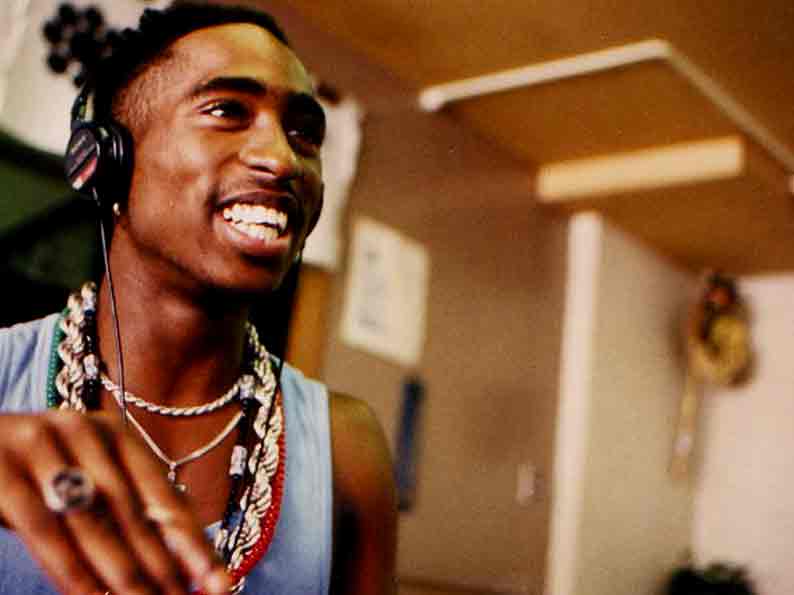
Long after he passed, pieces of sound brought them together – unexpected, yet real. Built on Elton John’s quiet chords from ‘Indian Sunset,’ the song took shape slowly, like smoke rising.
Poverty painted in words by Tupac met soft piano notes that seemed too gentle at first glance. Voices separated by time somehow reached across silence.
Hope flickered within verses about hardship, shaped by rhythm and sorrow. One man never knew the other, still their art leaned into the same truth.
Listeners felt it – a weight, a whisper, something lasting emerged. This track stood apart when his later work surfaced.
Aerosmith meets Run DMC once more just not the same way
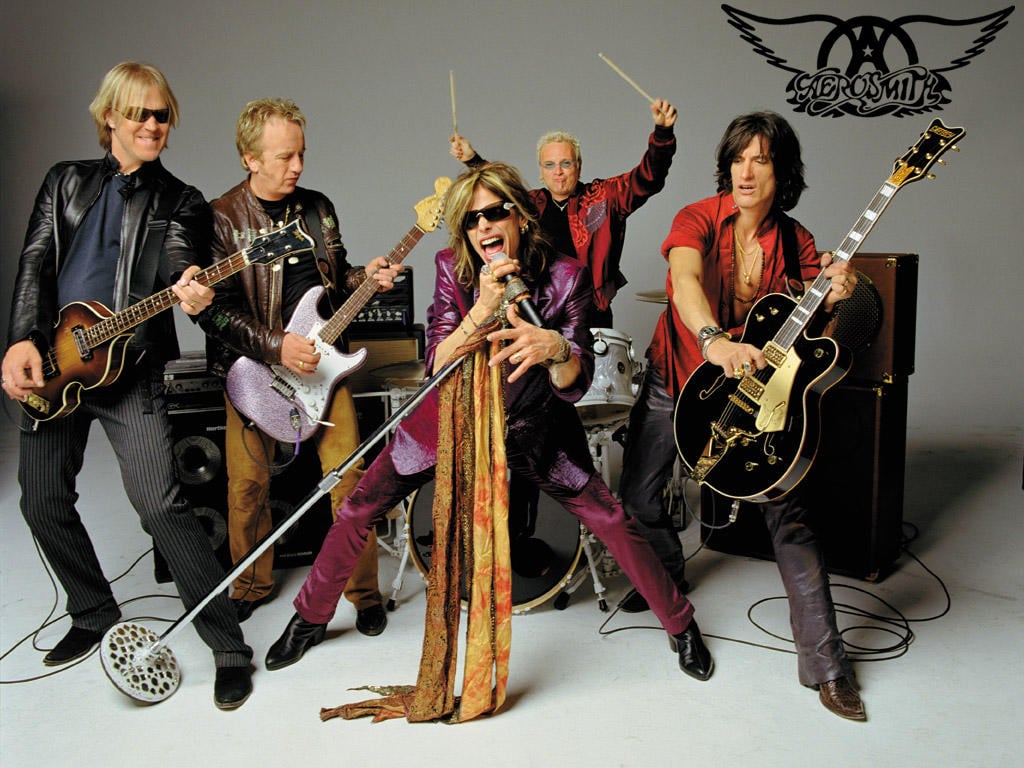
One hit led to lasting change when those acts kept shaping one another’s sound. Run-DMC began weaving in guitar-driven rhythms, whereas Aerosmith picked up beats and loops common in rap records.
Because of that early blend, rock and hip-hop stopped seeing each other as opposites. Soon enough, drum kits shared space with turntables, just like rhymes found homes inside distorted riffs.
A door cracked open back then remains unlocked even now.
When different worlds create something new

Musicians teaming up across styles show how sound ignores limits humans set. When creators step beyond familiar groups, they sometimes make what sticks longest in memory.
Spark appears where admiration joins wonder, with each person giving everything they’ve got. History keeps turning up odd pairings, every time showing masterpieces emerge wherever imaginations meet.
More from Go2Tutors!

- The Romanov Crown Jewels and Their Tragic Fate
- 13 Historical Mysteries That Science Still Can’t Solve
- Famous Hoaxes That Fooled the World for Years
- 15 Child Stars with Tragic Adult Lives
- 16 Famous Jewelry Pieces in History
Like Go2Tutors’s content? Follow us on MSN.



