25 Cereal Prizes Kids Dug Through Boxes For
The cereal was never the point. The point was somewhere near the bottom of the wax paper bag, and getting to it meant plunging an unwashed arm in up to the elbow while a parent objected from across the kitchen.
Cereal makers understood this perfectly. For most of the twentieth century they sold breakfast to adults by selling a small toy to children, and the toy often cost the company less than a penny. Some of those trinkets now outsell the vintage boxes they came in.
Skippy Trading Cards in Wheaties
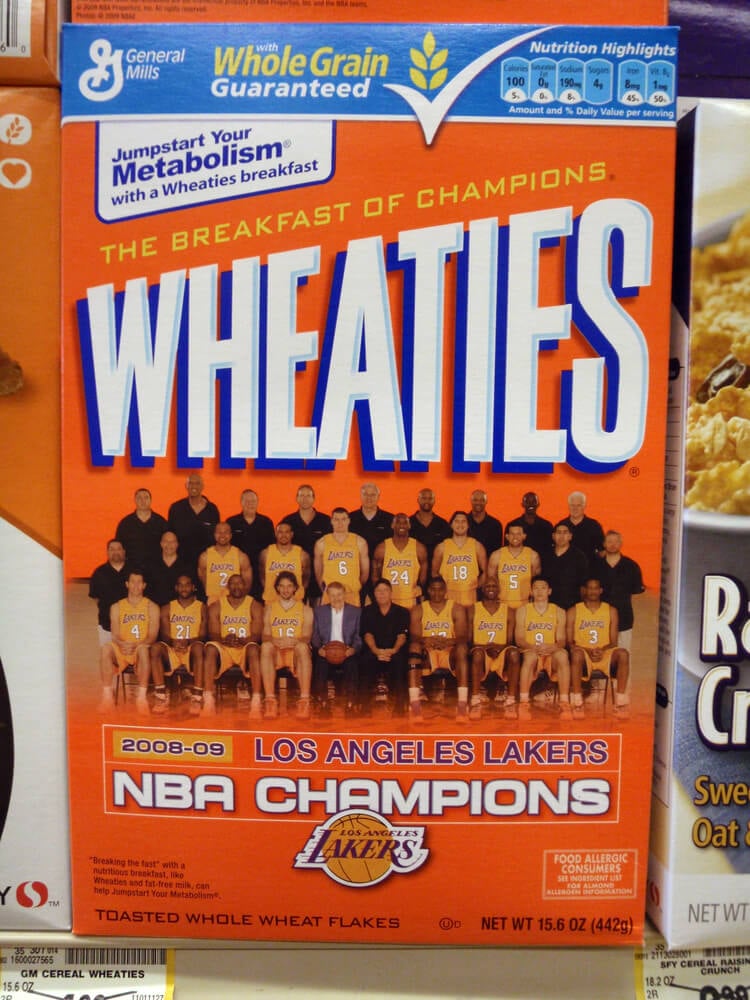
General Mills was putting prizes inside the box by the 1930s, and among the first were trading cards featuring Skippy, the comic strip boy drawn by Percy Crosby. A set ran to a dozen cards. The idea was simple and proved durable, since a numbered set meant one box was never enough. Skippy was enormously popular at the time, with a film adaptation that won an Academy Award for its director. Surviving cards are scarce, mostly because the children who owned them handled them constantly and nobody thought to keep them flat.
Pep Comic Character Pins
In 1945 Kellogg’s began dropping a small lithographed tin pin into every box of Pep, its vitamin-fortified wheat flake. The early pins carried military squadron insignia. The comic character series that followed is the one collectors remember, with five sets of eighteen pins featuring Superman, Popeye, Little Orphan Annie, and dozens of other newspaper strip regulars. Children wore them on beanies and jacket lapels. Most pins sell for a few dollars today, with rarer characters bringing more, and value depends heavily on whether the paint has chipped or the back has rusted.
Cheerios Disney Pocket Comics
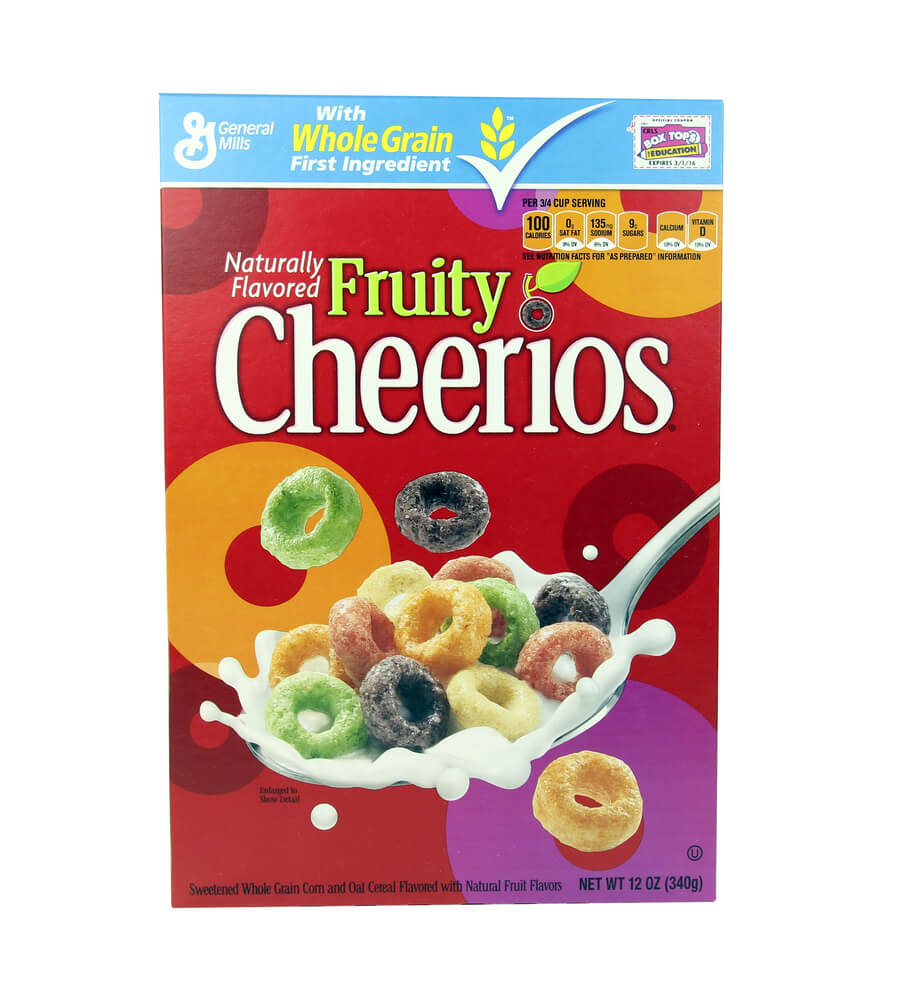
In 1947 Cheerios boxes carried miniature Disney comic books, each about the size of a playing card and thirty-two pages long. There were sixteen titles in four lettered series, starring Donald Duck, Mickey Mouse, Bucky Bug, and others. The stories were original and drawn by regular Disney comic artists, not cut-down reprints. General Mills repeated the idea several times over the next decade. Because the books were so small and so thoroughly read, clean copies are uncommon, and a complete run of all sixteen in good condition draws steady interest from comic collectors.
The Kix Atomic Bomb Ring
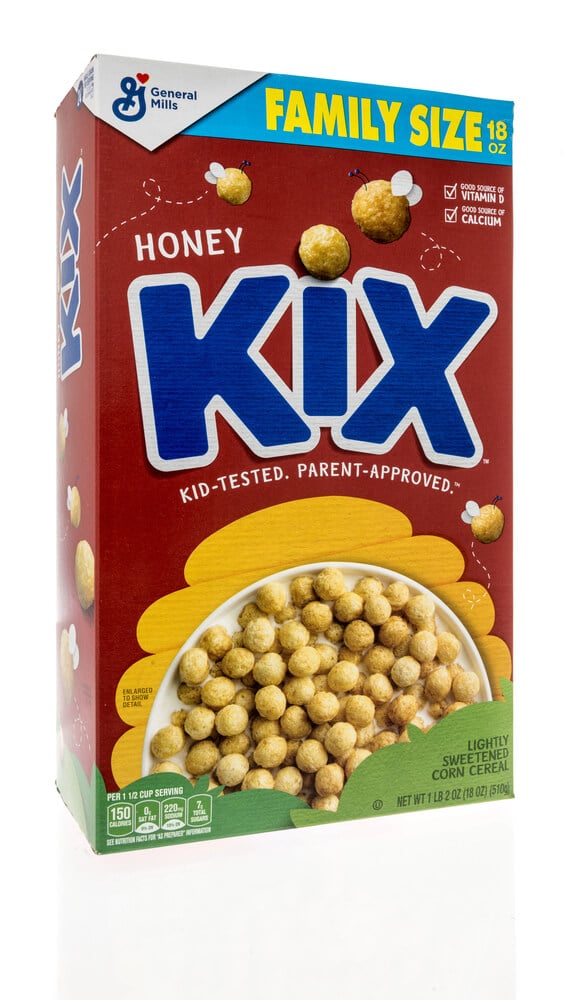
In 1947, for fifteen cents and a Kix box top, a child received an adjustable ring with a silver bomb-shaped top and a red tail fin. Pulling off the fin revealed a tiny viewing lens. In a dark closet, after the eyes adjusted, the viewer saw flashes of light caused by a trace of radioactive polonium striking a coated screen. It was a working spinthariscope, tied to the Lone Ranger radio show, and General Mills mailed out millions. The radioactive source decayed within a few years, so surviving rings no longer spark.
The Lone Ranger Frontier Town
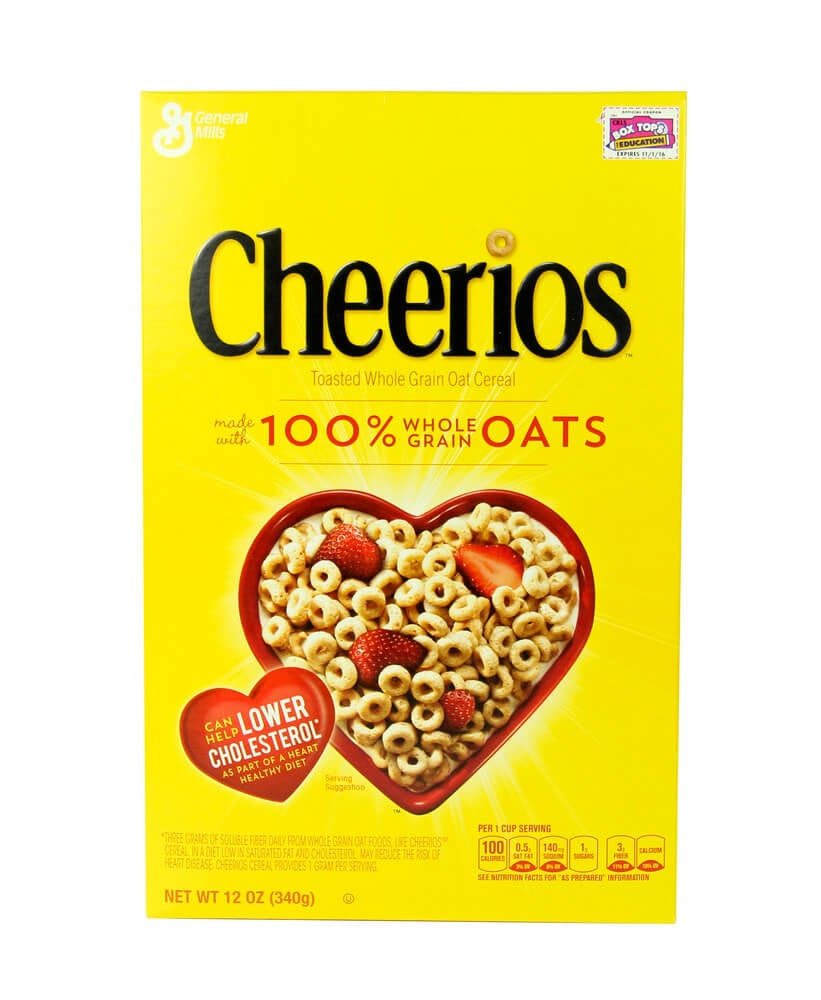
Cheerios ran this promotion in 1948, and it remains one of the most ambitious ever printed on a cereal box. Nine different box backs carried punch-out buildings, and four large map sections came by mail for a dime and a box top each. Assembled together, the maps and dozens of buildings formed a paper western town that covered a tabletop. The radio show wove the town into its scripts. Complete sets with uncut boxes are rare because cutting them up was the entire purpose, and prices swing widely with condition.
Straight Arrow Injun-Uity Cards
Nabisco Shredded Wheat came packed in layers, with a gray cardboard divider between each row of biscuits. From 1949 to 1952 those dividers carried illustrated how-to cards tied to the Straight Arrow radio program, covering camping, tracking, knots, and handicrafts. The cards ran through several numbered series called books. They cost Nabisco almost nothing, since the cardboard was already in the box. Children saved them by the stack. The portrayal of Native American life is dated by any current standard, which is part of why historians of advertising still study them.
Wheaties Miniature License Plates
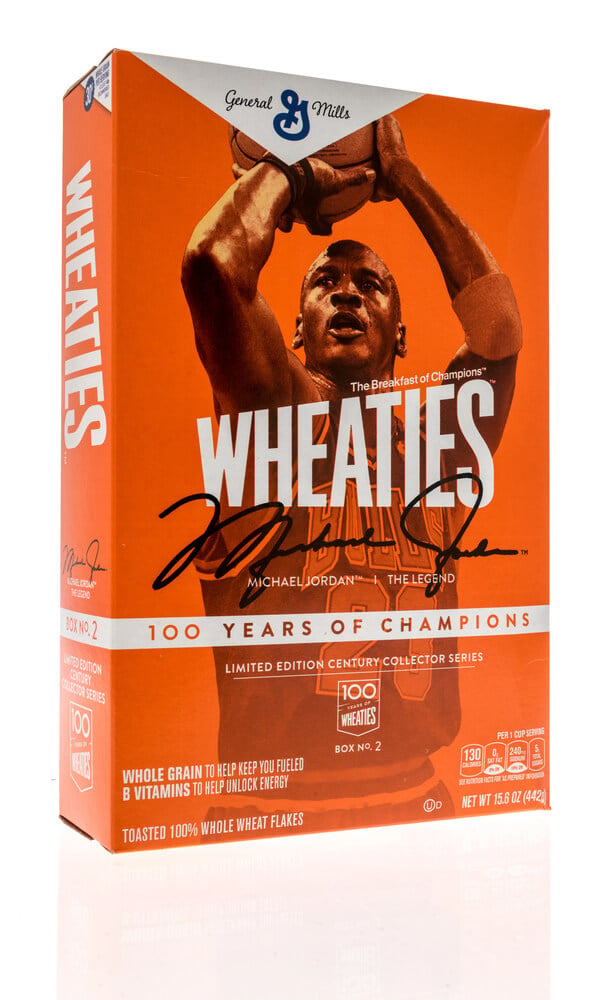
In 1953 and 1954, Wheaties boxes carried small embossed steel license plates, one for each of the forty-eight states, painted in that state’s actual colors for the year. They were sized to wire onto a bicycle seat or handlebars. Collecting the full run meant eating a great deal of Wheaties or trading aggressively at school. General Mills also offered sets by mail. The plates rusted quickly on bikes left out in the rain, so examples with bright paint are the ones collectors want, and common states in rough shape sell for very little.
Post Tin Railroad Emblemsà
Post packed lithographed tin emblems of American railroads into its cereals in the mid-1950s. Each was about the size of a silver dollar and carried the herald of a real line, such as the Santa Fe, the Union Pacific, or the New York Central, with small tabs on the back for attaching to a cap or a belt. Train-obsessed children of the period wanted every one. Post followed with automobile emblems in the same format. The tin scratches and bends easily, and condition matters a great deal to price.
Klondike Big Inch Land Deeds
In early 1955 Quaker Oats put a legal-looking deed into boxes of Puffed Wheat and Puffed Rice, each granting title to one square inch of land in the Yukon. The company had bought about nineteen acres near Dawson for a reported thousand dollars and divided it on paper into twenty-one million parcels. The promotion tied into the Sergeant Preston radio and television series. The deeds were never individually registered, so they conveyed nothing, and the Canadian government reclaimed the land for unpaid taxes in 1965. Deeds still turn up in family papers.
Baking Powder Submarines
Kellogg’s offered these small plastic submarines in the mid-1950s, and they worked better than any cereal toy had a right to. A compartment in the hull took a pinch of baking powder. Placed in a sink or bathtub, the sub sank, the powder reacted with water and released gas, and the boat rose to the surface, tipped, vented, and dove again. Diving frogmen using the same trick followed. Baking soda did not work, which caused a good deal of frustration in kitchens where only one of the two was on hand.
Nabisco Spoonmen
Nabisco introduced three small space creatures in the late 1950s to promote its spoon-sized shredded wheat. Named Munchy, Crunchy, and Spoon-Size, they were molded in bright single-color plastic with arms shaped to hook over the handle of a cereal spoon. They came in many colors, which meant a serious collector needed far more than three boxes. The figures appeared in television commercials as well. They are typical of the era’s thinking, in which the toy had no connection to anything except the breakfast table it would sit on.
F&F Plastic Cars
From the mid-1950s through the late 1960s, Post cereals carried small plastic models of real Ford Motor Company cars, made by the F&F Mold and Die Works of Dayton, Ohio. Thunderbirds, Mustangs, and Mercury Cougars appeared in the years those cars reached showrooms. Each was molded in a single color with rolling wheels and surprisingly accurate proportions. They served as advertising for Ford and Post at once. Collectors now sort them by model year and color, and the thin windshield posts break easily, so intact examples bring noticeably more than damaged ones.
Post Box-Back Big-League Cards
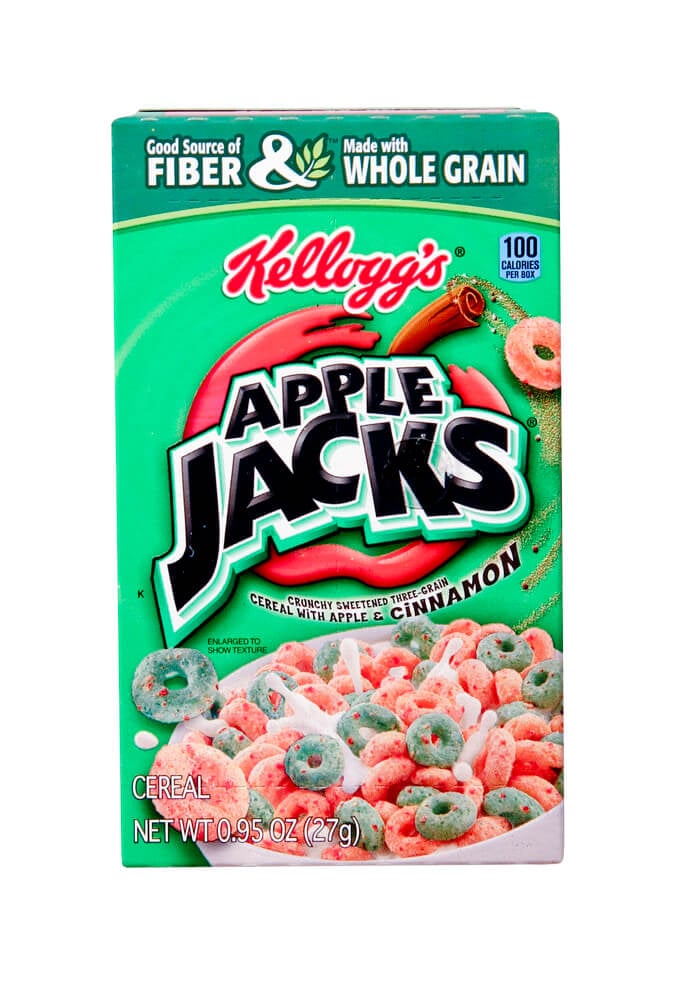
From 1961 through 1963, Post printed trading cards of major league players directly on the backs and side panels of its cereal boxes. A full set ran to two hundred cards and included Mickey Mantle, Roger Maris, Willie Mays, and Hank Aaron. Children cut them out with scissors, and that is the catch. Card collectors grade on centering and edges, and nearly every surviving example was trimmed by a seven-year-old. Neatly cut cards of the biggest stars can sell for real money, while ragged ones are worth a fraction, so condition decides almost everything.
The Cap’n Crunch Bo’sun Whistle
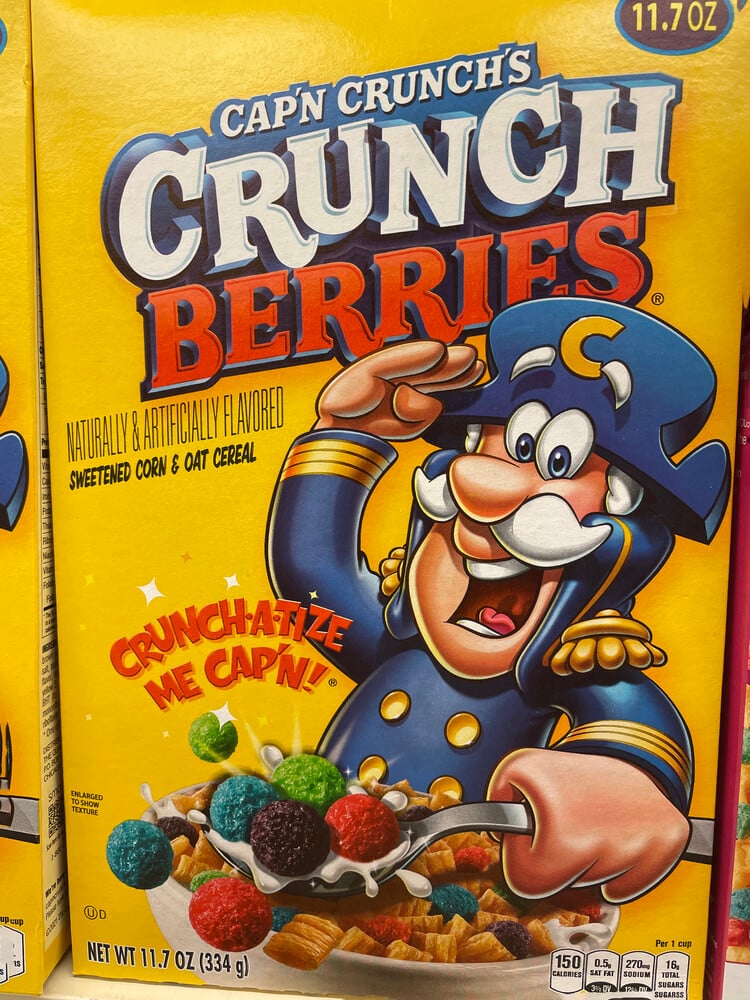
This plastic whistle came in Cap’n Crunch boxes in the 1960s, and it became famous for reasons Quaker Oats never intended. With one of its openings covered, it produced a tone at 2600 hertz, which happened to be the frequency the long-distance telephone network used to signal an idle line. Blowing it into a receiver opened the trunk to free calls. A phone hobbyist named John Draper took the nickname Captain Crunch from it, and a 1971 Esquire article about the practice inspired two young Californians named Steve Wozniak and Steve Jobs.
Archies and Jackson 5 Cardboard Records
In 1969 Post printed playable records on the backs of cereal boxes. A thin plastic film carrying the grooves was laminated to the cardboard, and the child cut along the line, punched the center, and played it at thirty-three and a third on a regular turntable. The Archies came first, timed to the cartoon band’s run of radio hits. The Jackson 5 and the Monkees followed on other Post brands in the early 1970s. Sound quality was poor and the cardboard warped, but uncut examples still on the box are what collectors pay for.
Crater Critters
Kellogg’s packed these one-piece plastic aliens into boxes around the turn of the 1970s. They came from the Australian firm Rosenhain and Lipmann, which designed cereal toys for Kellogg’s markets around the world. Each of the eight creatures had a name and a small personality sketched on the box. They were molded in assorted colors with no moving parts and no paint. Their charm lies entirely in the sculpting, which is odd and funny and clearly the work of someone enjoying the job. Common colors are cheap, and rare ones less so.
Yellow Submarine Rub-Ons
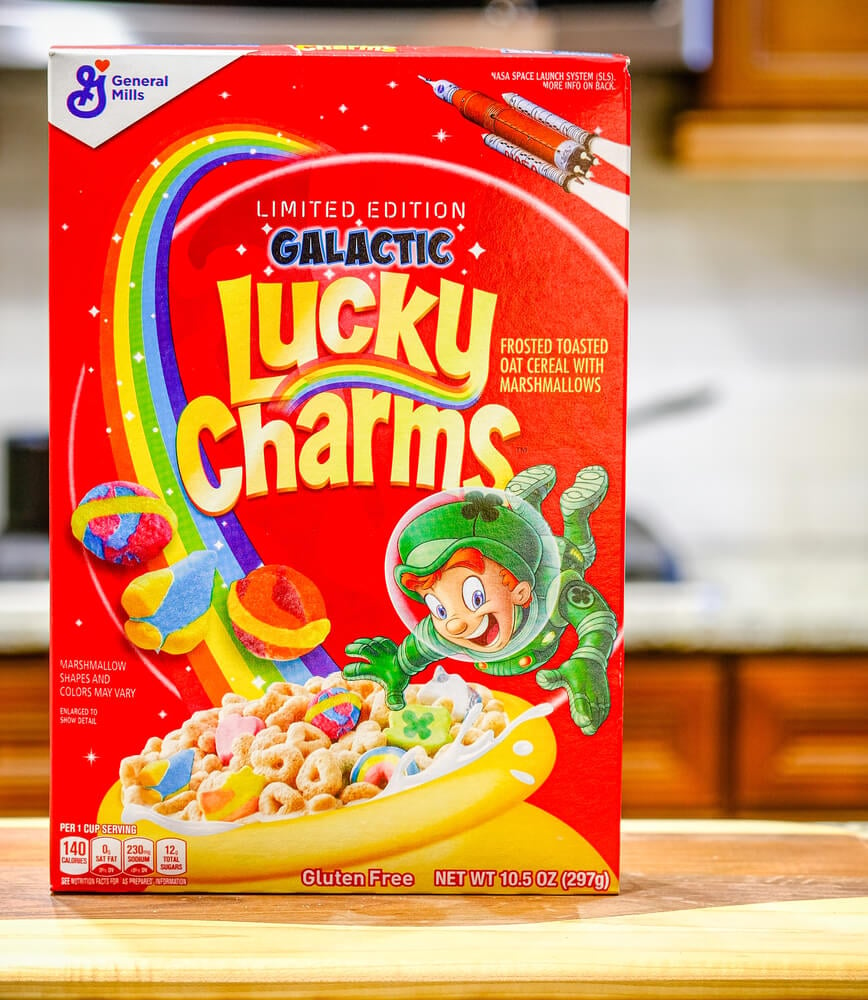
Nabisco tied its Wheat Honeys and Rice Honeys cereals to the Beatles’ animated film in 1969, packing sheets of rub-on transfers into the boxes. Each sheet carried characters from the movie, including the four cartoon Beatles and the Blue Meanies, to be burnished onto paper with a pencil. There were eight different sheets. The cereals themselves have long since disappeared, and the boxes from this promotion rank among the most valuable of all cereal packaging. Unused transfer sheets are the more affordable piece, and condition drives the price of both.
Kellogg’s 3-D Cards
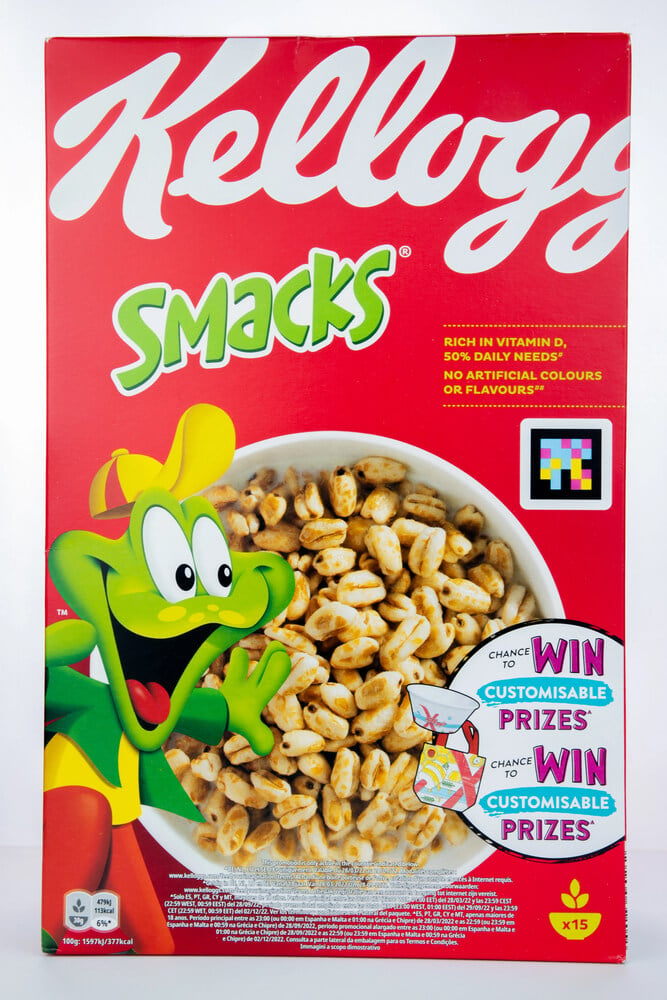
From 1970 to 1983, Kellogg’s put a plastic-coated sports card in its boxes that appeared to have depth. A ribbed lens layer over a blurred stadium background made the player seem to stand forward from the scene. The early sets were produced with a process called Xograph. Full sets could be ordered by mail, but most children built theirs one box at a time. The plastic coating shrinks at a different rate from the card stock beneath it, so the cards curl and crack with age. Uncracked examples carry a clear premium.
Freakies Figures
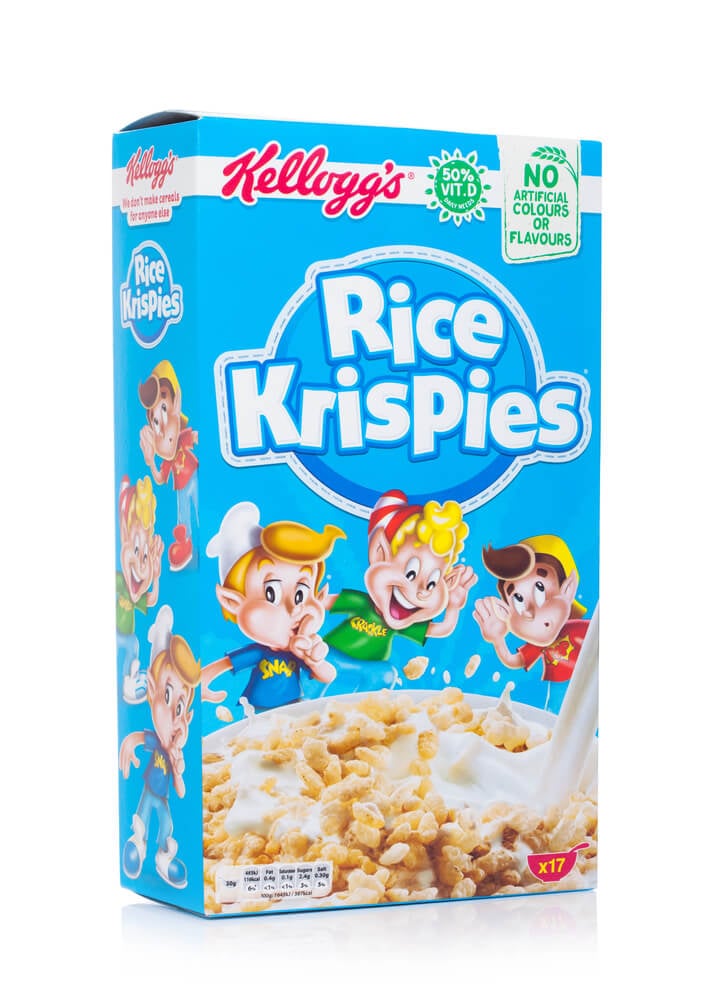
Ralston launched Freakies cereal in the early 1970s with a cast of seven lumpy creatures who lived in a tree that grew cereal. Copywriter Jackie End invented them, reportedly basing each on someone at her advertising agency. The boxes carried small plastic figures of BossMoss, Snorkeldorf, Hamhose, and the others, later joined by magnets. The cereal lasted only a few years. The characters outlived it by decades, with a devoted collector following, and a full set of seven original figures in clean condition sells for far more than the cereal ever cost.
Star Wars Cards From General Mills
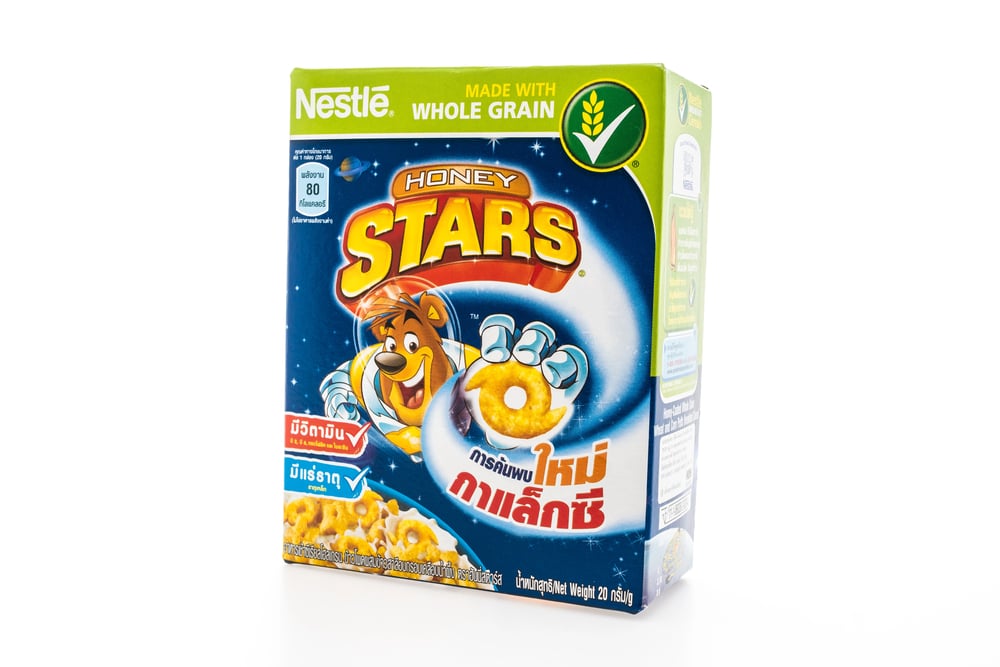
General Mills signed on early, and by 1978 its cereal boxes carried Star Wars trading cards and stickers. The cereal cards used their own numbering, separate from the bubble gum sets sold at the candy counter, which sent completist children back to the grocery store for months. Kellogg’s got its turn in 1984 with a cereal named for C-3PO. The cereal premiums were produced in smaller numbers than the gum cards and were handled roughly. As with every piece of early Star Wars merchandise, prices depend on condition and on whether the set is complete.
Pencil Toppers
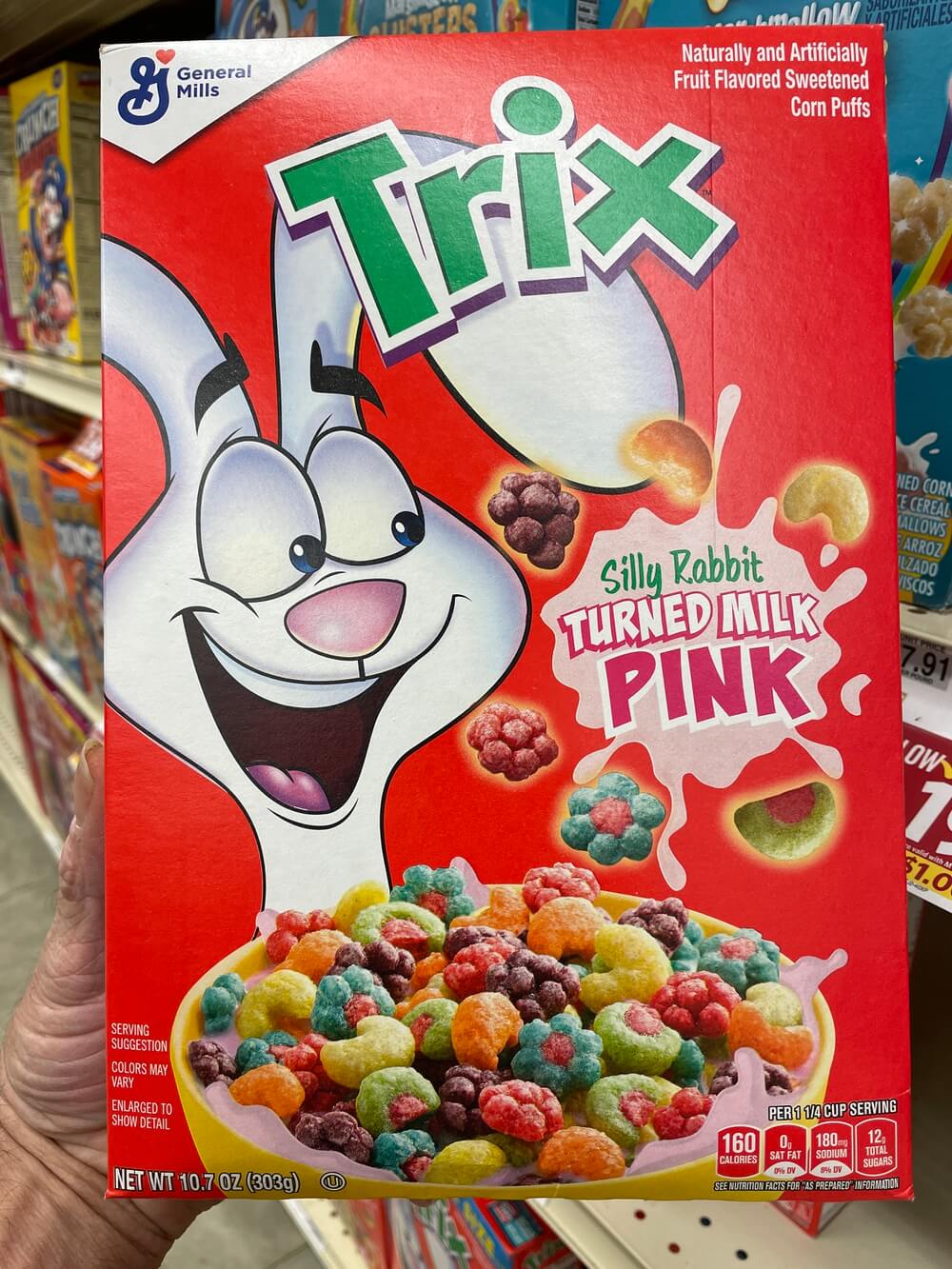
The pencil topper was the workhorse prize of the 1970s and 1980s. It was a small hollow figure of soft vinyl or hard plastic, shaped like the cereal’s mascot or a licensed cartoon character, that pushed onto the eraser end of a standard pencil. It cost almost nothing to mold and fit easily in the bag. It also traveled to school, where other children saw it, which was the entire marketing plan. Most were chewed beyond recognition within a week. Unchewed examples exist mainly because some child received a duplicate.
Monster Cereal Flexi-Discs
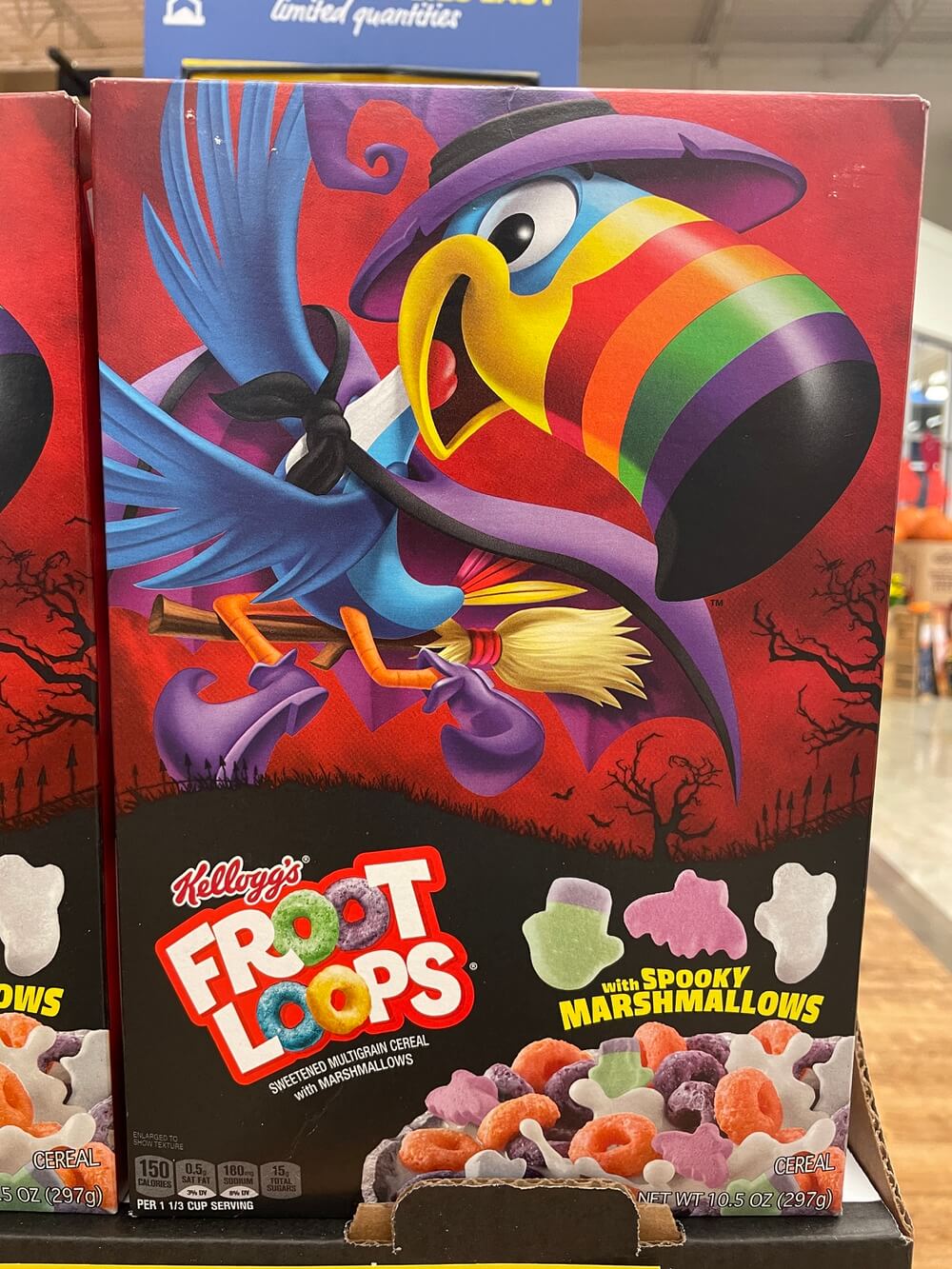
In 1979 General Mills packed thin flexible records into boxes of Count Chocula, Franken Berry, and Boo Berry. There were three titles, each a short comedy story with the monsters voiced as they were in the commercials. One sent the trio to outer space, one to Hollywood, and one to a disco, which fixes the date about as precisely as carbon testing. The discs played at thirty-three and a third on any household turntable, and they were thin enough to bend double without breaking. Copies still sealed in the original sleeve bring the strongest prices.
Wacky WallWalkers
Ken Hakuta bought the American rights to a sticky rubber octopus from Japan in the early 1980s, and it became one of the fastest-selling novelty toys of the decade, with sales reported in the hundreds of millions. Thrown against a wall, it clung and then tumbled slowly downward, one tentacle at a time. Kellogg’s packed them into cereal boxes at the height of the craze. They picked up lint almost immediately and had to be washed with soap to restore the stick. Parents found the greasy tracks on the wallpaper afterward.
Color-Changing Spoons
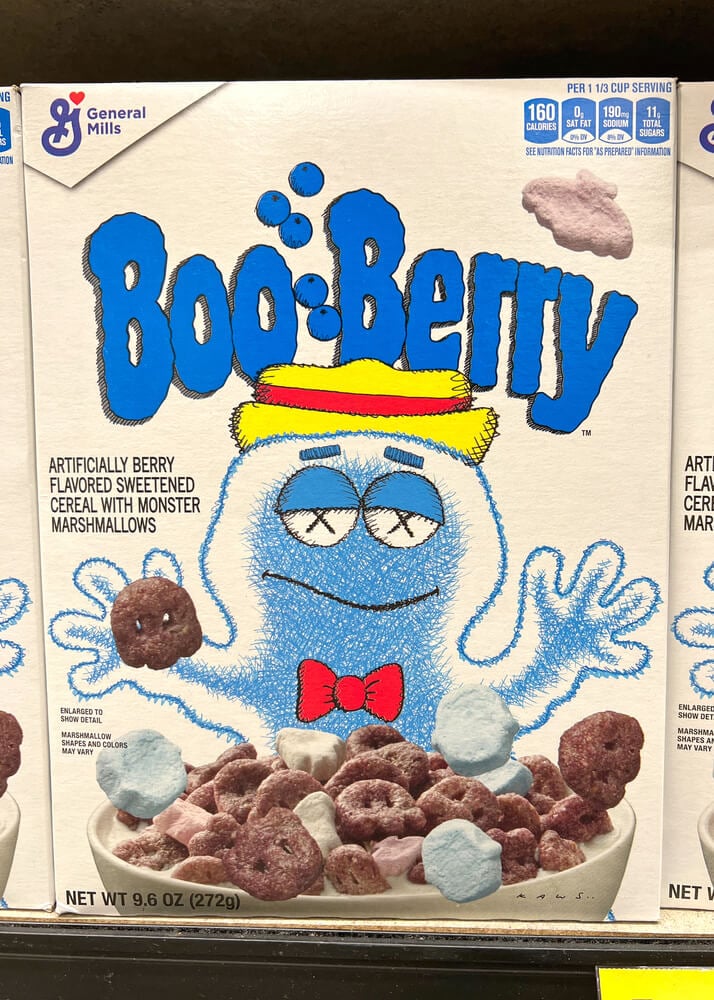
By the 1990s the prize was often the utensil. Cereal makers packed plastic spoons molded from thermochromic material, which shifted from one color to another when dipped into cold milk and shifted back as it warmed in the hand. Some carried a mascot on the handle. The effect wore out after enough trips through the dishwasher. These spoons marked a change in thinking, since a prize sealed in its own wrapper and too large to swallow answered the choking concerns that were steadily pushing small toys out of the box.
Chex Quest on CD-ROM
In 1996 Ralston put a computer game on a disc inside boxes of Chex, the first time a video game had shipped in a cereal box. Chex Quest was built on the engine of the shooter Doom, reworked so that the hero, dressed in cereal-shaped armor, zapped slimy green invaders back to their home dimension instead of killing anything. Roughly six million boxes carried it. The promotion won advertising awards and lifted sales sharply. Fans kept the game alive online for decades, and an official remake eventually followed.
A Box That Promised More Than Breakfast
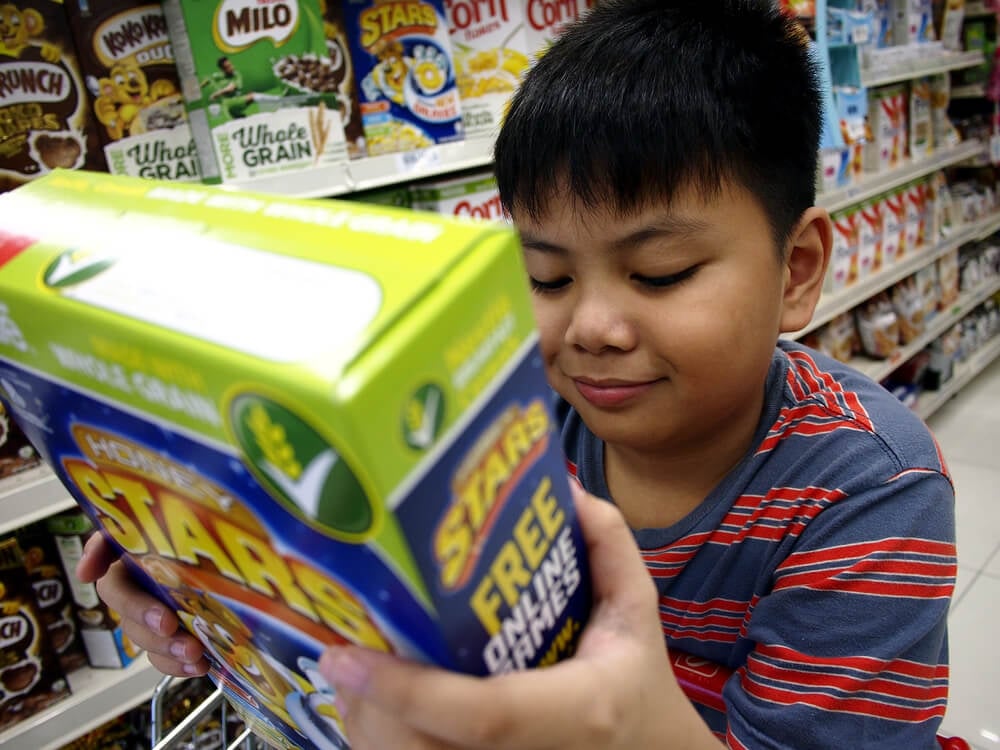
The prize in the box taught an entire generation how marketing works, long before any of them knew the word. It turned a grocery errand into a negotiation and a breakfast table into a trading floor. It also produced a surprising number of objects that were clever in their own right.
The toys faded as safety rules tightened and as printed codes for online rewards proved cheaper than molded plastic. A code cannot be found with a bare arm at seven in the morning. The thrill was always physical, and no website has managed to reproduce the feeling of cellophane under the fingertips.
More from Go2Tutors!

- The Romanov Crown Jewels and Their Tragic Fate
- 13 Historical Mysteries That Science Still Can’t Solve
- Famous Hoaxes That Fooled the World for Years
- 15 Child Stars with Tragic Adult Lives
- 16 Famous Jewelry Pieces in History
Like Go2Tutors’s content? Follow us on MSN.



