25 Chores Kids Did Before Modern Appliances
Before electricity and mechanical convenience, children’s labor was essential to household survival. Boys and girls were assigned work that would be unthinkable for modern children, yet these tasks shaped their competence, responsibility, and understanding of where food and cleanliness originated.
The chores were not punishment but participation in the family’s economic necessity, making children genuine contributors to household operations.
Hauling and Heating Water From the Well
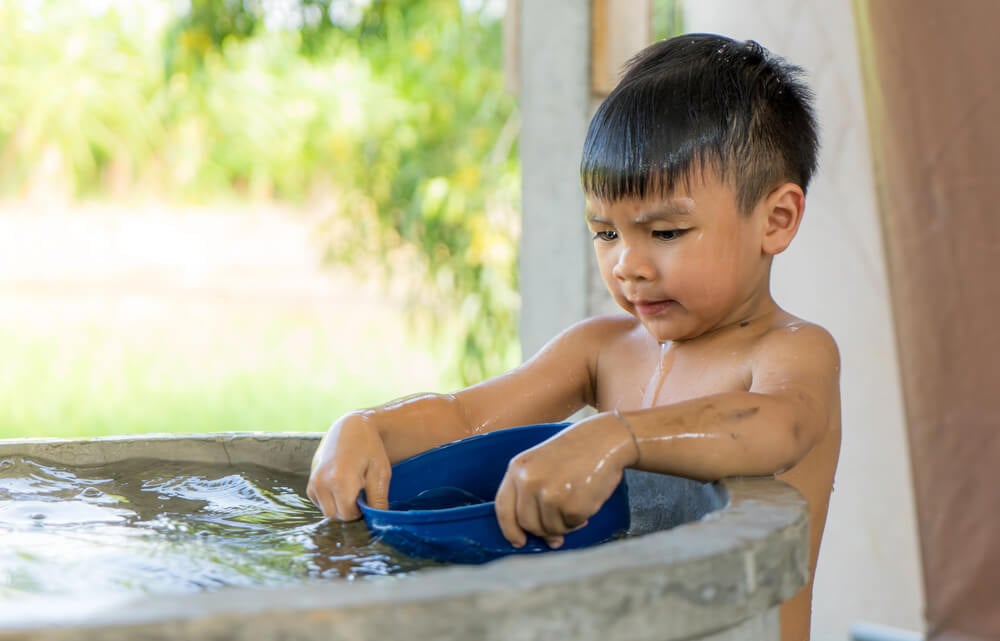
Children carried water from wells, pumps, or streams to fill large tubs and kettles for cooking, cleaning, and bathing. This work required understanding weight distribution, route efficiency, and the coordination of multiple trips to gather enough water for household needs.
A large family might require children to spend hours daily fetching water, making this chore essential to the household’s basic functioning.
Preparing Kindling and Tending the Fire

Young children gathered small branches and split kindling while older children maintained the cooking fire or stove throughout the day. Keeping a fire alive without modern fuel required constant attention, knowledge of wood dryness and burn rates, and quick response to sudden flare-ups.
Children learned that fire safety was not abstract—failure to tend properly could mean hunger or loss of heat during winter.
Churning Butter From Fresh Cream

Children churned cream in tall churn containers using repetitive up-and-down motion for an hour or more until fat globules separated into butter. This chore taught children patience, physical endurance, and the direct relationship between their labor and food production.
Many families depended on butter-making as a source of trade income, making children’s churn work economically significant.
Feeding Animals and Mucking Stalls
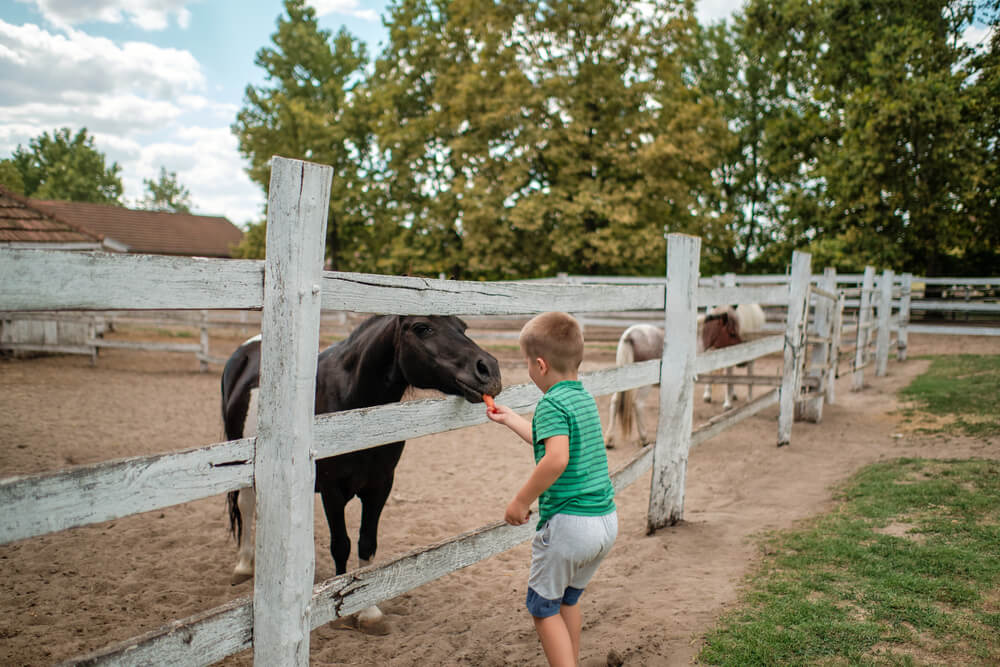
Children moved livestock between pastures, carried feed, and manually removed animal waste from stalls and shelters. This work was physically demanding and required understanding each animal’s behavior and dietary needs.
Children learned respect for animals through daily interaction and understood that neglecting livestock meant food shortage or animal death.
Preparing Vegetables for Preservation

Children helped garden, harvested vegetables at peak ripeness, and prepared produce for pickling, canning, or root cellar storage. This work required learning which vegetables stored well under what conditions and proper preparation timing.
Children’s participation in preservation ensured the family’s food security through winter months.
Soaking and Scrubbing Laundry by Hand

Before washing machines, children soaked clothes in lye or soapy water, scrubbed fabric against washboards, rinsed by hand in cold water, and wrung items dry. This work took an entire day and required understanding different fabrics’ needs and soap strength.
Children’s hands and arms became strong through this work, but the caustic nature of lye also risked chemical exposure.
Collecting Eggs and Maintaining Coops
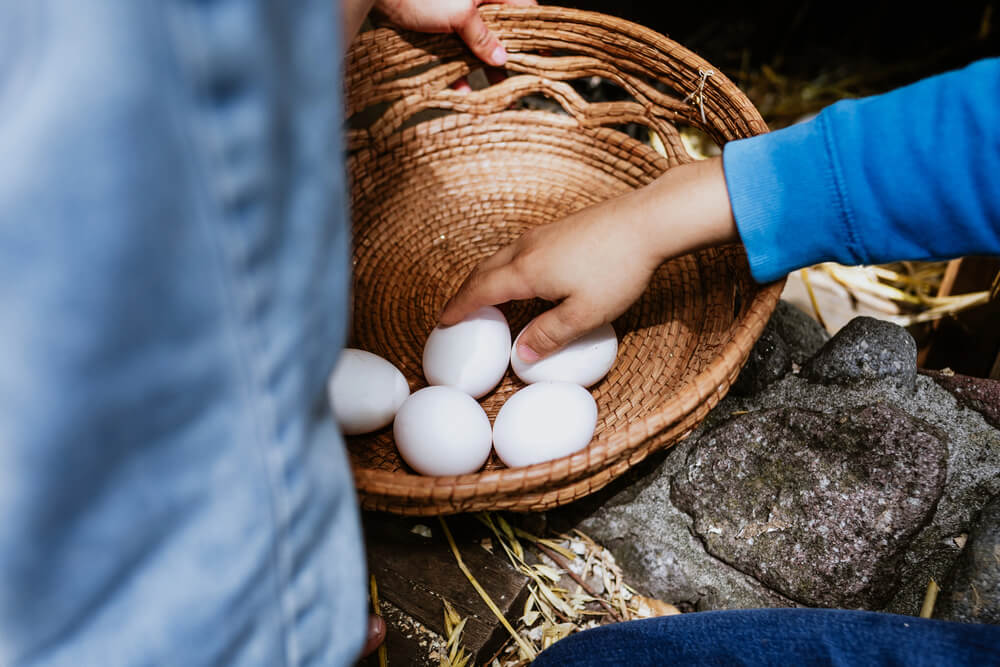
Children gathered eggs from nesting birds, cleaned coops of waste, and sometimes helped with hatching new chicks. This regular task required daily routine and attention to birds’ health and security.
Eggs provided essential protein and were often the most reliable food source a rural family could depend on.
Making Tallow Candles From Animal Fat

Children rendered fat from butchered animals into tallow, then repeatedly dipped rushes or rolled paper into the melted fat to create candles. This time-consuming process was necessary for any household lighting, and children’s participation was essential to the family’s evening illumination.
The smell and repetitiveness of candle-dipping made this among the least pleasant chores.
Carding and Spinning Wool Into Thread
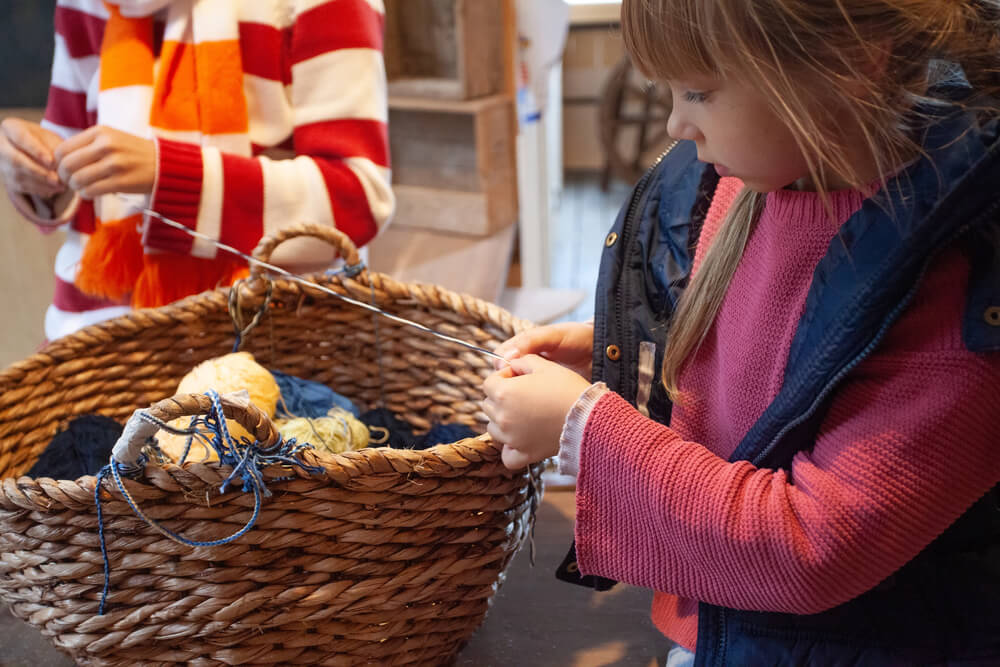
Girls primarily performed the work of straightening raw wool fibers with hand cards, then spinning the prepared fibers into thread using a spinning wheel. This skilled work required years of practice to achieve consistent thread thickness.
Some families earned income by spinning wool for local weavers, making this child’s work potentially profitable.
Sweeping, Scrubbing, and Beating Rugs

Children swept dirt floors or later wooden floors, scrubbed surfaces with brushes and water, and took rugs outside to hang on lines for beating with paddles. This physically demanding work was necessary to maintain minimal cleanliness standards.
The dust released during beating would cause coughing fits, but children performed this chore regularly regardless.
Mending and Patching Clothing
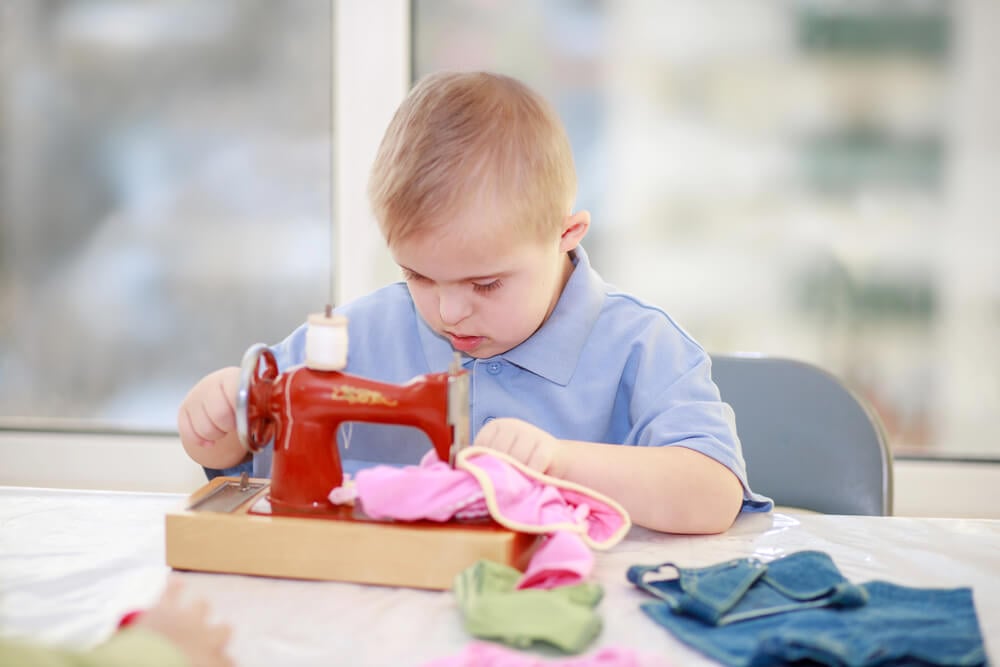
Children learned to sew early and spent time mending torn seams, replacing buttons, and applying patches to worn areas. This chore was necessary to extend clothing’s life when replacement was expensive.
Children’s fine needlework was often praised, and this early training established sewing competency necessary for adulthood.
Splitting and Stacking Firewood
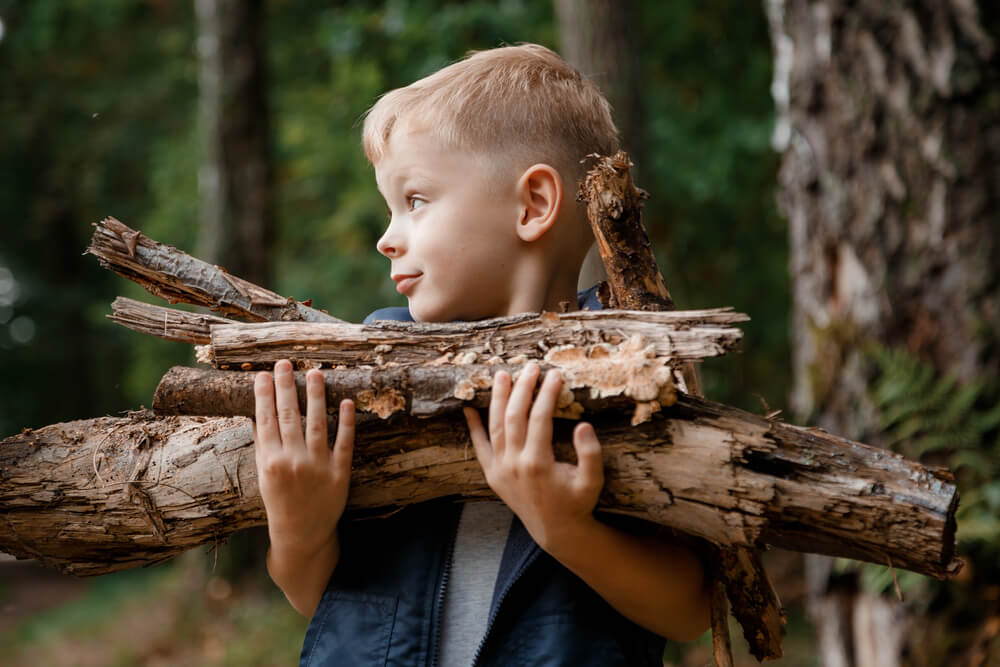
Older children split logs using axes and wedges, then stacked the split wood for drying and storage. This dangerous work required developing physical strength and careful technique to avoid injury.
The chore’s necessity meant it could not be postponed, and injuries were treated as unfortunate but acceptable risks.
Preparing Medicines and Herbal Remedies

Children helped identify, harvest, and process medicinal plants under an elder’s direction. This work required learning which plants had healing properties and when to harvest them.
Children’s botanical knowledge was essential since most families had no access to formal medicine and relied on traditional remedies.
Cleaning Produce and Removing Seeds

Children peeled vegetables, removed seeds and pits, and cleaned produce for cooking. This preparatory work was time-consuming and was among the most suitable tasks for younger children.
Many children spent an hour or more daily engaged in this basic food preparation work.
Carrying Messages and Small Goods Between Neighbors

Young children were sent to neighboring farms or town with messages, borrowed items, or trade goods. This work taught navigation skills and responsibility for items entrusted to them.
Children’s speed and reliability made them valuable for communication when written messages were impractical.
Helping With Slaughtering and Meat Preservation

Older children assisted with killing livestock and processing meat into cuts, salted portions, and rendered lard. This work was necessary for winter food security and was considered normal participation in family survival.
Children who shrank from this work were considered unfit for adulthood in rural societies.
Gathering Berries, Nuts, and Edible Plants
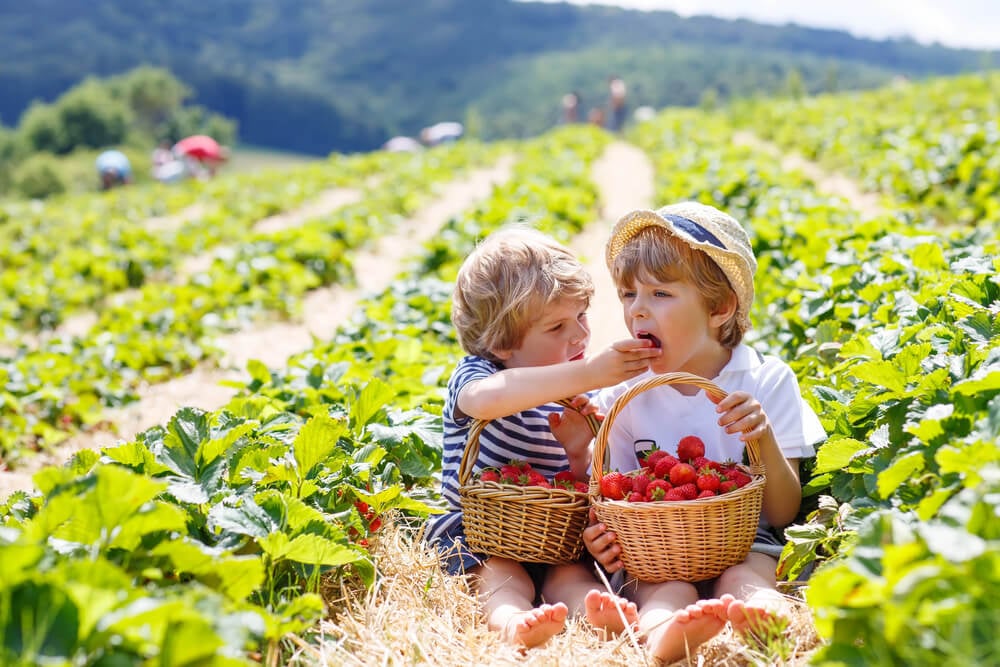
Children knew seasonal locations where wild fruits, nuts, and greens grew and spent time harvesting enough to supplement the family diet. This work required botanical knowledge and understanding of ripeness and seasonal timing.
Some families earned modest income by gathering and selling wild goods.
Scrubbing Kitchen Pots and Preparing Meals

Children cleaned cooking vessels and helped prepare food from raw ingredients. This included breaking down entire animals, shelling legumes, and starting simple cooking processes.
Children’s participation in cooking ensured they learned food preparation from necessity rather than as an optional skill.
Whitewashing and Lime-Washing Walls

Children helped apply whitewash to walls and outbuildings to maintain cleanliness and pest deterrence. This was seasonal work that required teamwork and careful application technique.
The work exposed children to caustic lime, and skin irritation was common though generally not serious.
Collecting and Bundling Rushes for Lighting

Before candles were available, children collected marsh rushes, dried them, and bound them into bundles for use as rush illumination. This work was especially important in areas where tallow was scarce.
Children understood that their rush-gathering work directly provided evening light for the household.
Helping With Textile Dyeing and Bleaching

Children prepared dye baths from plant materials, dipped cloth to achieve desired colors, and spread cloth for sun-bleaching. This work required understanding chemistry at a practical level and how heat, time, and sunlight affected fibers.
Some families earned income through specialized textile work in which children were essential.
Collecting Soil and Preparing Garden Beds

Children dug soil, removed rocks, and prepared ground for planting. This work was heavy and time-consuming but essential to spring farming.
Children understood that their garden work directly produced summer food and winter preservation stores.
Maintaining Tools and Sharpening Implements

Older children learned to sharpen blades, repair tool handles, and maintain equipment necessary for farm work. This skill was essential since tool failure could delay harvest or other critical work.
Teaching tool maintenance to children ensured the family’s equipment remained functional.
Attending Younger Siblings While Adults Worked

Older children were responsible for safety and care of younger siblings while parents engaged in field work or other labor. This responsibility required judgment and attentiveness and was considered genuine work that contributed to household functioning.
Younger children’s safety depended entirely on their older sibling’s attention.
Collecting and Preparing Kindling and Fuel Materials
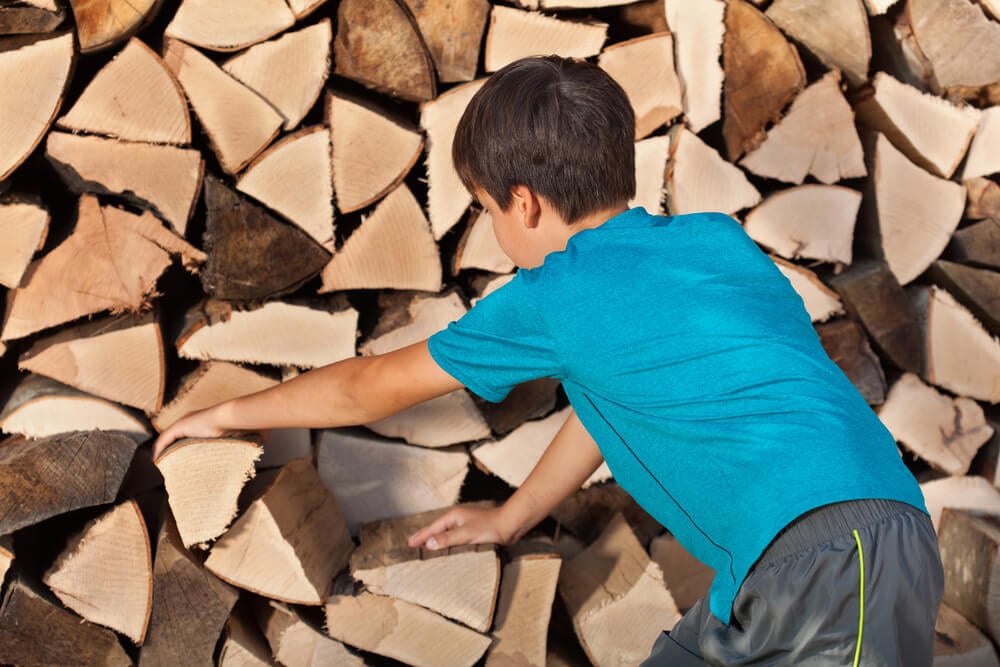
Children gathered branches, stripped bark for use in household processes, and collected fallen wood suitable for burning. This constant work ensured fuel supplies remained adequate for cooking and heating.
In areas with limited wood, children’s fuel-gathering work was essential to household survival.
Children as Productive Members

These chores were not designed to teach lessons but to fill genuine economic needs. Children who could not perform their assigned work endangered the family’s survival.
The labor was often hard, sometimes dangerous, and always essential—which is precisely why it shaped children so profoundly and why its absence from modern childhood represents such a fundamental shift in how children experience their relationship to household operations.
More from Go2Tutors!

- The Romanov Crown Jewels and Their Tragic Fate
- 13 Historical Mysteries That Science Still Can’t Solve
- Famous Hoaxes That Fooled the World for Years
- 15 Child Stars with Tragic Adult Lives
- 16 Famous Jewelry Pieces in History
Like Go2Tutors’s content? Follow us on MSN.