25 Department Store Features That Disappeared
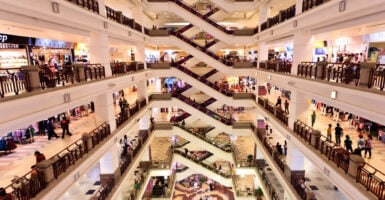
The big downtown department store was once a small city under one roof. Shoppers could eat lunch, get a portrait taken, store a fur coat, buy a record, pay a bill and have a tire changed, all without walking back out onto the sidewalk.
Most of those services faded so gradually that nobody noticed the last one leave. Looking back at them now shows how much a single store once tried to be for the people who walked through its doors.
Elegant Tea Rooms
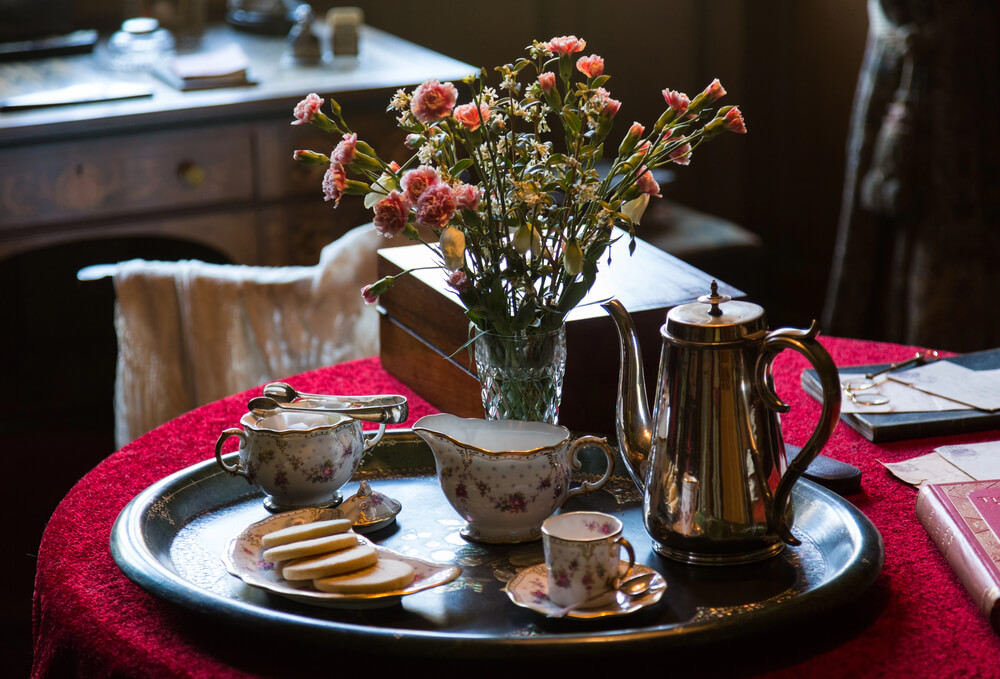
Department store tea rooms served lunch to shoppers under chandeliers, often with fashion models walking between the tables to show off new clothes. The Walnut Room at Marshall Field’s in Chicago opened in 1907 and became famous for its chicken pot pie and its enormous Christmas tree.
It still operates inside what is now a Macy’s, one of the rare survivors. Most other tea rooms closed as downtown stores shrank and shoppers moved to suburban malls with food courts.
For generations, lunch at the store tea room marked a special day out, often with white gloves and a hat.
Five-and-Dime Lunch Counters
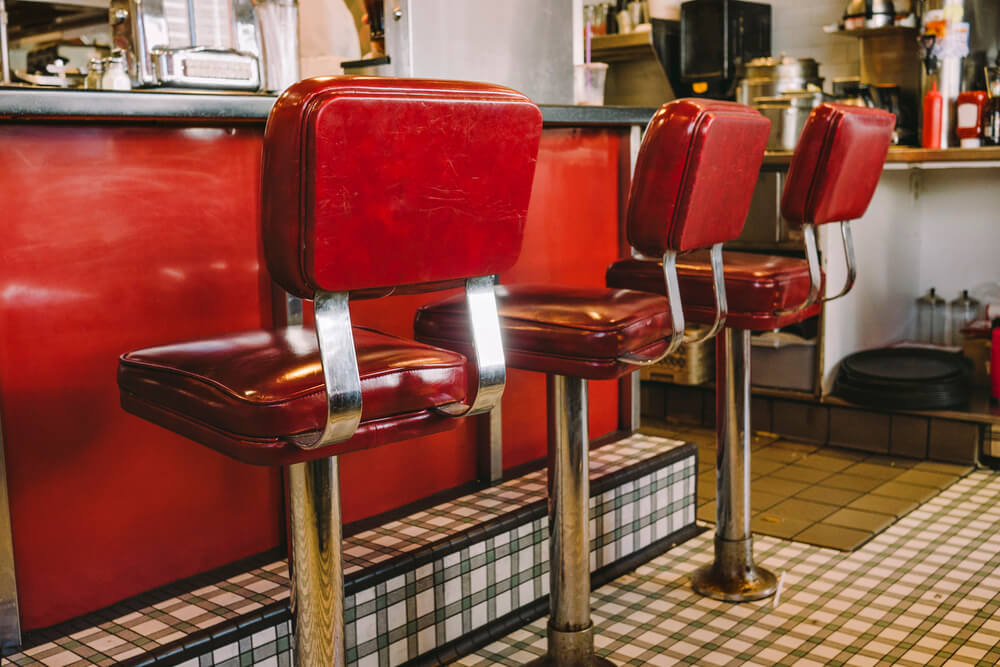
Lunch counters inside Woolworth’s, Kresge’s and similar stores served grilled cheese, malts and blue plate specials to shoppers on a short break. They also became a battleground of the civil rights movement.
On February 1, 1960, four Black college students sat down at the whites-only counter of the Woolworth’s in Greensboro, North Carolina, and asked to be served. Their sit-in spread across the South.
A section of that counter now belongs to the Smithsonian. The counters themselves disappeared as variety stores closed, and Woolworth ended its American five-and-dime business in 1997.
Elevator Operators
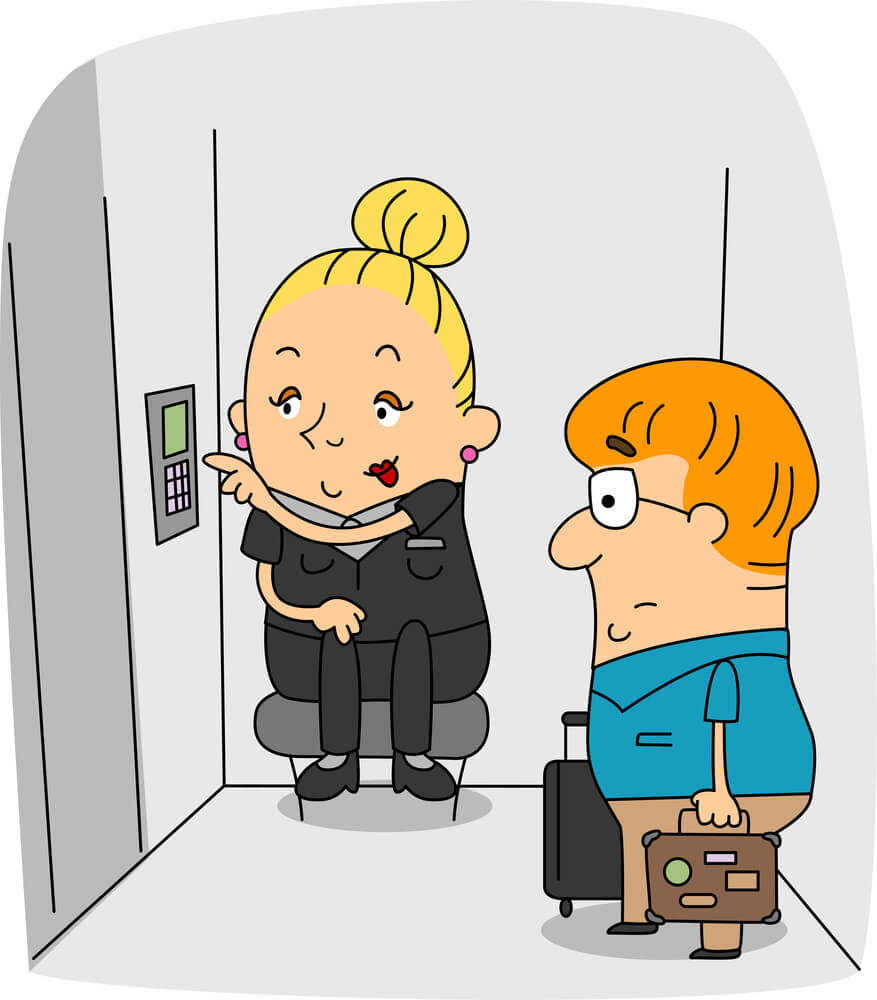
Uniformed elevator operators once stood inside every department store car, working a lever to stop at each floor and calling out the departments as the doors opened. Automatic elevators existed for decades before stores adopted them widely, partly because the public trusted human operators more.
A strike by elevator operators in New York City in 1945 showed building owners how vulnerable they were, and automation spread quickly afterward. By the 1970s, most operators were gone.
Announcements such as notions, housewares and ladies’ underwear on the third floor vanished with them.
Pneumatic Tube Cash Systems
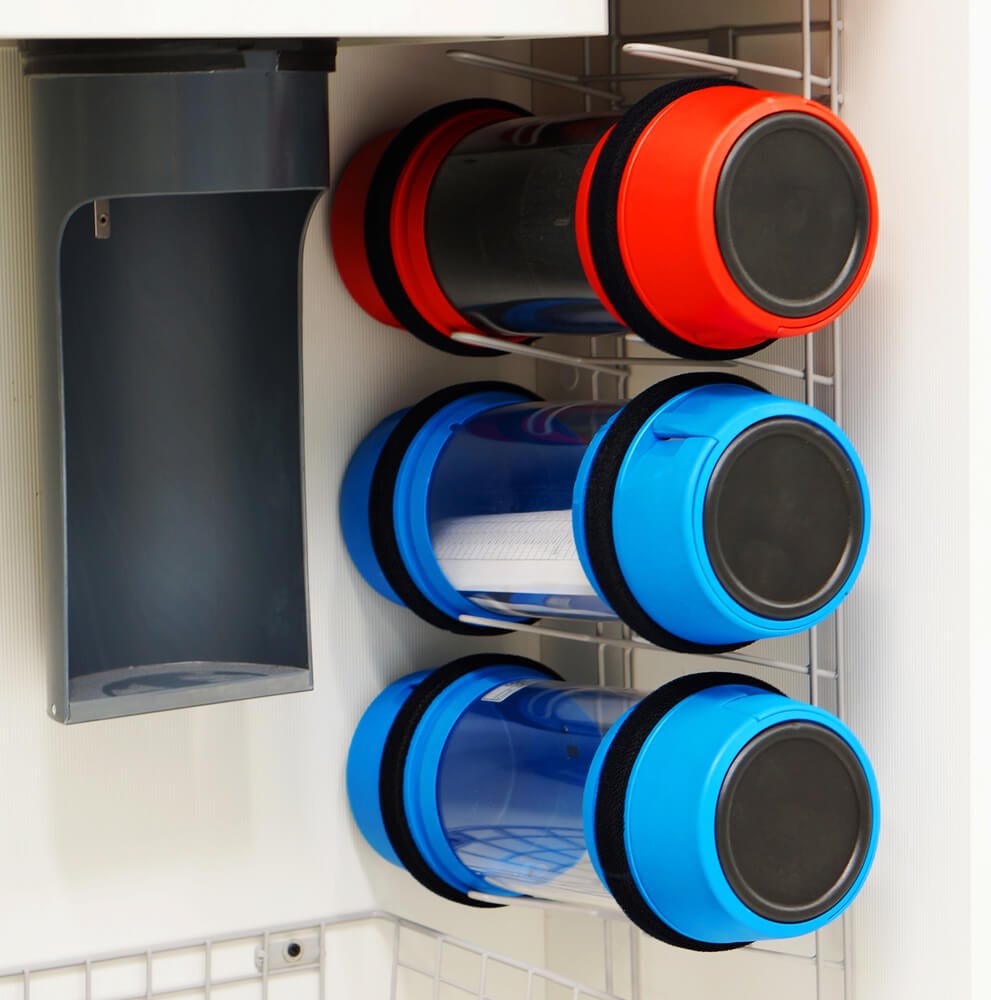
Many department stores once sent money from sales counters to a central cashier through pneumatic tubes. A clerk put the cash and sales slip into a canister, and air pressure whisked it through pipes hidden in the ceiling.
Minutes later, the canister returned with change and a receipt. Earlier stores used overhead wire carriers made by the Lamson Company, which zipped along cables above shoppers’ heads.
These systems let stores keep cash in one secure spot and reduced theft. Electronic cash registers made them obsolete, though the whoosh and thud of the tubes stayed in shoppers’ memories.
Catalog Pickup Desks
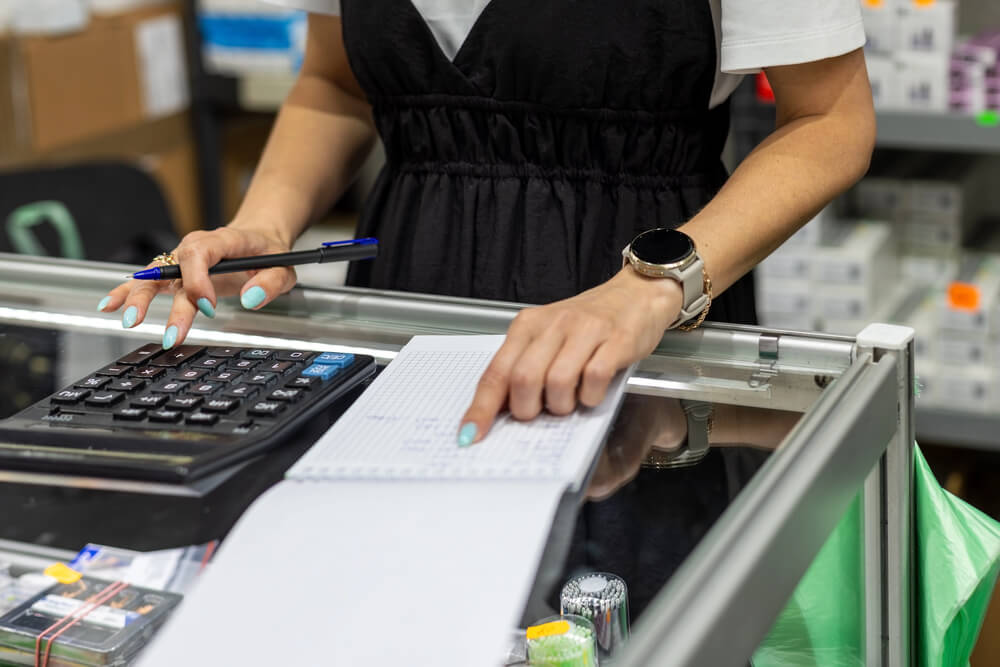
Sears, Montgomery Ward and JCPenney all ran catalog desks inside their stores, where shoppers could place orders from thick catalogs and pick them up days later. The Sears catalog once reached homes across the country and sold everything from clothing to house kits.
Sears ended its general merchandise catalog in 1993 after nearly a century. Catalog desks lingered for a while before disappearing entirely.
For rural families, those catalog pages had been a window into the wider world. Online shopping now fills the same role, but without the anticipation of a thick book arriving in the mail.
In-Store Portrait Studios

Portrait studios tucked into department stores photographed generations of babies, families and holiday cards. Sears Portrait Studios became one of the best known, with backdrops ranging from autumn leaves to Christmas trees.
Families scheduled appointments, dressed children in matching outfits and waited weeks for prints. In 2013, the company that ran the Sears studios, CPI Corp., abruptly closed all of them, leaving some customers without their prints.
Smartphones and digital cameras had already eroded demand. The stiff poses and laser backdrops of those portraits now attract a wave of nostalgia and some affectionate mockery.
Candy and Nut Counters
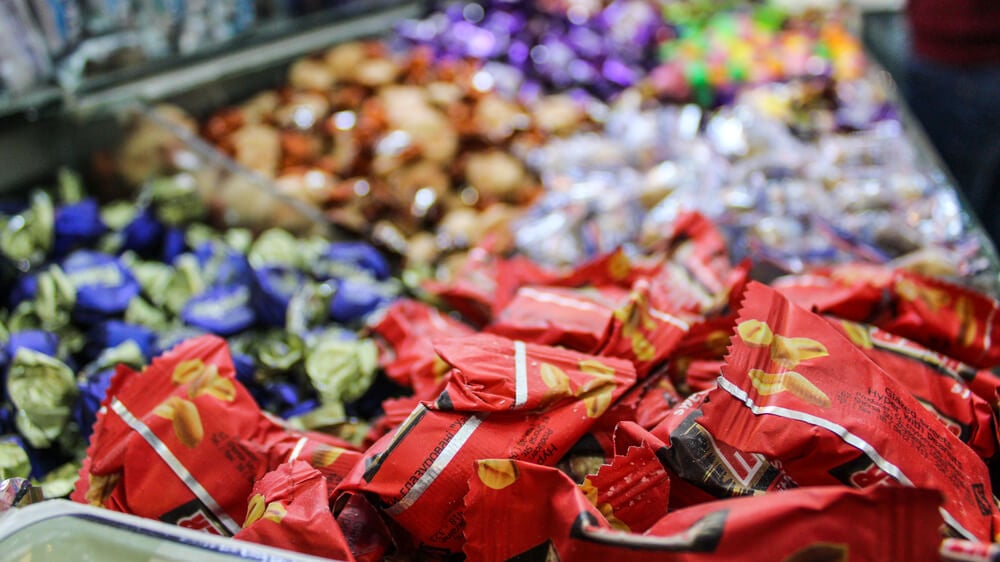
Candy counters in department and variety stores sold sweets by weight from glass cases. A clerk scooped chocolates, licorice, jelly beans or nonpareils into a paper bag and weighed them on a scale.
Many stores also kept warm roasted cashews and peanuts under heat lamps, filling the aisles with their smell. Shoppers often bought a small bag to eat while browsing.
Packaged candy at checkout lanes replaced most of these counters. A few specialty shops still sell candy by the pound, but the warm nut counter near the store entrance has largely vanished.
Sears Auto Centers
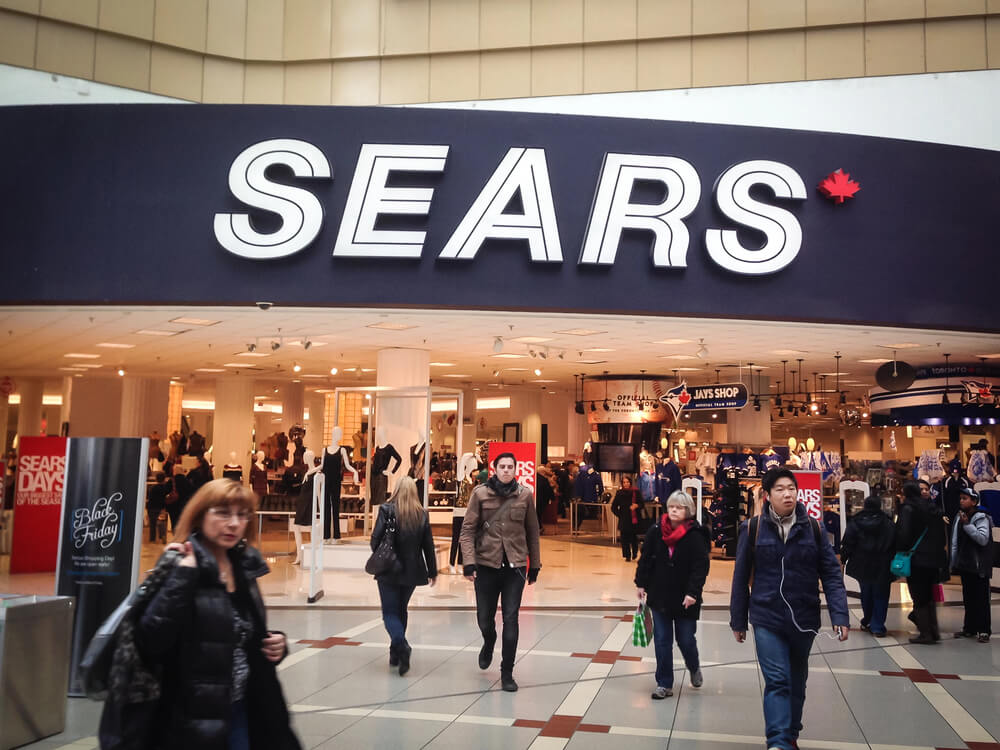
Sears Auto Centers sat beside many Sears stores, offering tire installation, batteries, oil changes and repairs while shoppers browsed inside. The company sold its own DieHard batteries and Craftsman tools there.
Montgomery Ward and other chains also had auto service centers. A shopper could drop off the family car, buy a dress and new towels, then drive home with fresh tires.
As Sears closed hundreds of stores in the 2010s, most auto centers closed with them. Independent tire shops and big-box retailers absorbed the business, but the one-stop convenience went away.
Record Departments With Listening Booths
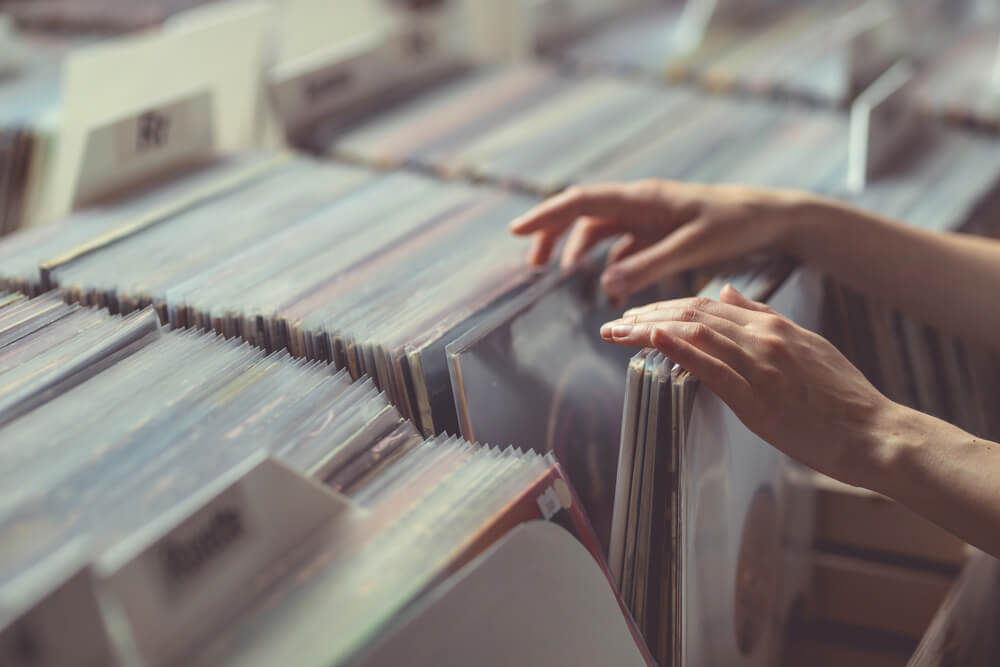
Records once sold alongside clothing and appliances, and many department stores offered listening booths where shoppers could play a record before buying it. In the 1940s and 1950s, small glass-walled booths let customers sample the latest releases.
Later, record departments offered headphones at listening stations. Teenagers spent hours there.
Music sales shifted to dedicated record stores and then to digital downloads and streaming. Department stores largely abandoned music sections by the 2000s, and the listening booth became a memory of a slower way of discovering songs.
Bargain Basements
Bargain basements offered discounted merchandise on the lowest floor of department stores. Filene’s Basement in Boston, opened in 1908, became famous for its automatic markdown system, which cut prices on a set schedule the longer items stayed unsold.
Shoppers raced through bins, and the annual Running of the Brides sale saw women grabbing wedding gowns at deep discounts. Other stores had similar basements.
Filene’s Basement closed its original location in 2007, and the chain later shut down. Off-price chains such as T.J. Maxx and Marshalls carry on the idea, without the basement.
Free Gift Wrapping Desks
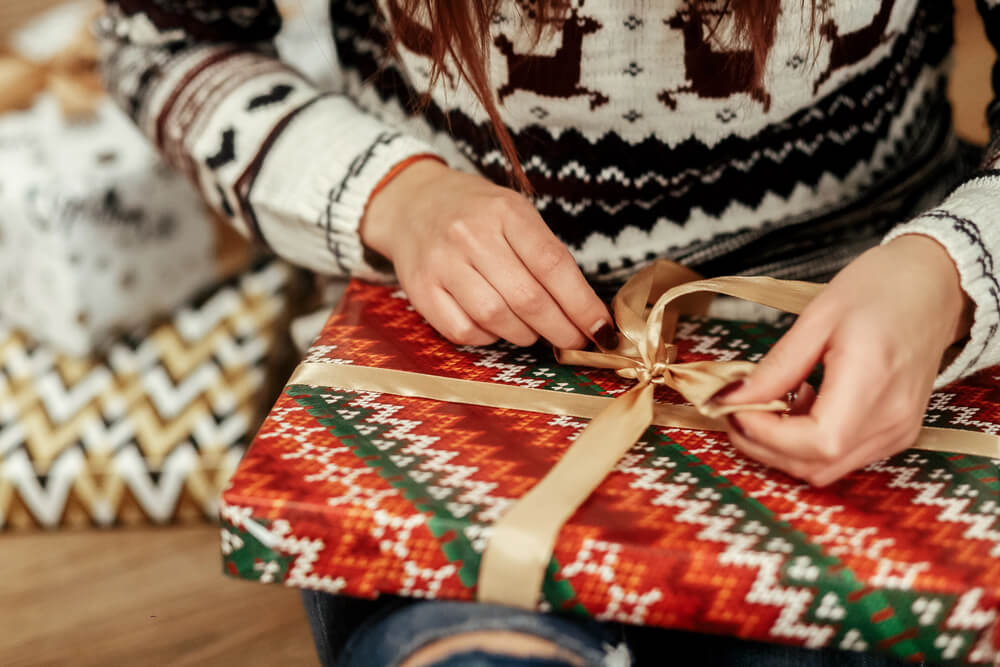
Free gift wrapping was once standard at many department stores, often at a dedicated desk staffed by skilled wrappers. Shoppers dropped off purchases and returned to find them wrapped in the store’s signature paper, with ribbons and bows.
The store boxes themselves carried prestige, and some shoppers reused boxes from expensive stores to wrap gifts from cheaper ones. Most stores now charge for wrapping or have dropped the service.
Gift bags and online shopping reduced demand. The elegant wrapping desk, piled with paper and ribbon at Christmas, has mostly disappeared.
Year-Round Layaway
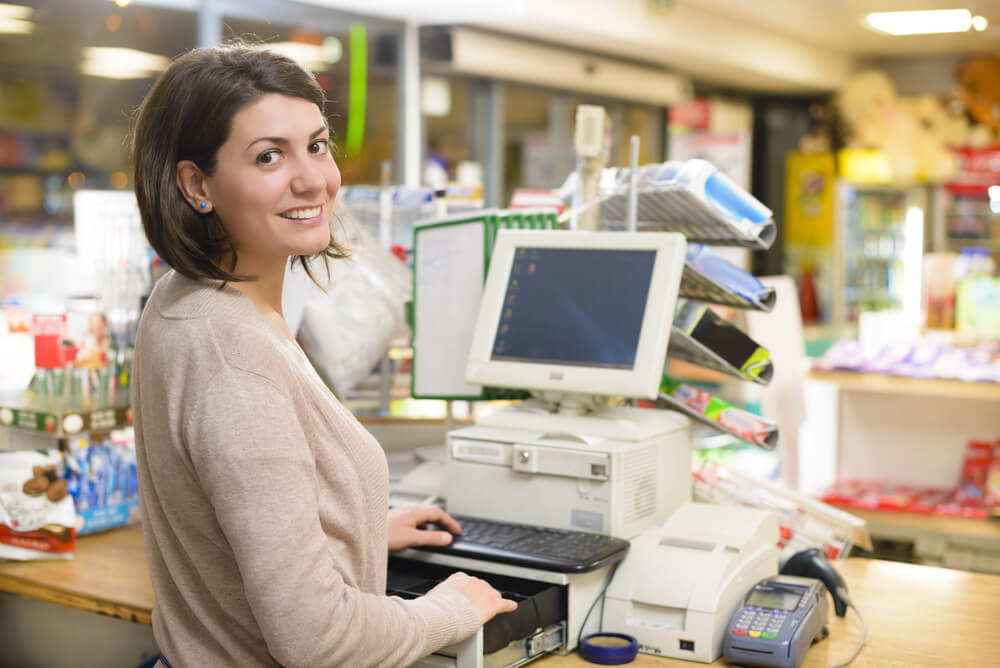
Layaway let shoppers reserve items by paying a deposit and making payments over time, picking up the merchandise once it was paid off. Department stores and discount chains offered it year-round, especially for big purchases and holiday gifts.
Walmart dropped year-round layaway in 2006, and many stores followed by limiting it to the holiday season or ending it. Credit cards and buy now, pay later services replaced layaway for many shoppers.
Layaway had one advantage those options lack, since no interest was charged and shoppers never went into debt.
Charga-Plates and Credit Windows
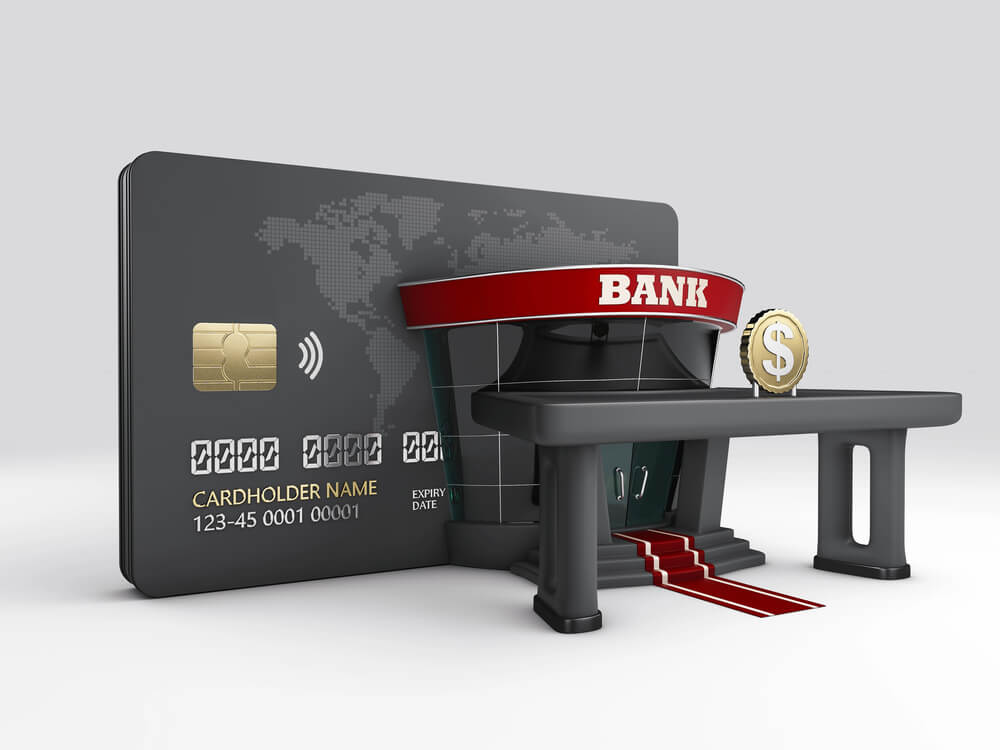
Before plastic credit cards, many department stores issued Charga-Plates, small metal plates embossed with a customer’s name and address. Introduced in the late 1920s, they worked like dog tags.
A clerk pressed the plate onto a sales slip to imprint the customer’s information. Customers paid their bills at the store’s credit window, often on an upper floor.
These systems disappeared as general-purpose credit cards spread in the 1960s and 1970s. Store credit cards still exist, but the metal plates and in-person payment windows are long gone.
Fur Storage Vaults
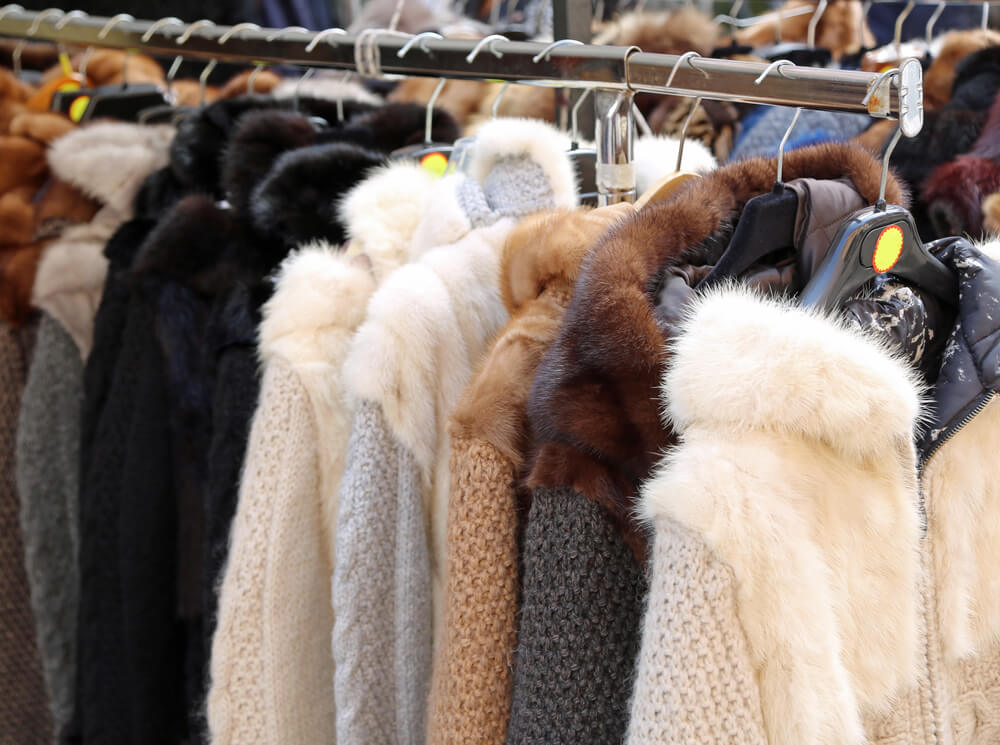
Cold storage for fur coats was once a routine summer service at department stores. Customers dropped off their furs in spring, and the store kept them in climate-controlled vaults to protect them from heat, humidity and moths.
The furs were cleaned and returned in the fall. The service reflected a time when fur coats were common among middle-class shoppers.
As fur fell out of fashion and stores shrank their fur salons, most of these vaults closed. Independent furriers still offer storage, but department stores largely abandoned the service.
Shoe-Fitting Fluoroscopes
From the 1920s through the 1950s, many shoe departments used fluoroscopes, machines that used X-rays to show how a foot fit inside a shoe. Customers, often children, put their feet into the machine and looked through a viewer to see their bones wiggling inside the shoe.
The machines were marketed as a modern way to ensure a proper fit. They also exposed customers and clerks to radiation.
Pennsylvania banned them in 1957, and many other states followed. By the 1970s, they had disappeared.
They remain one of the most unsettling relics of department store history.
Ladies’ Lounges
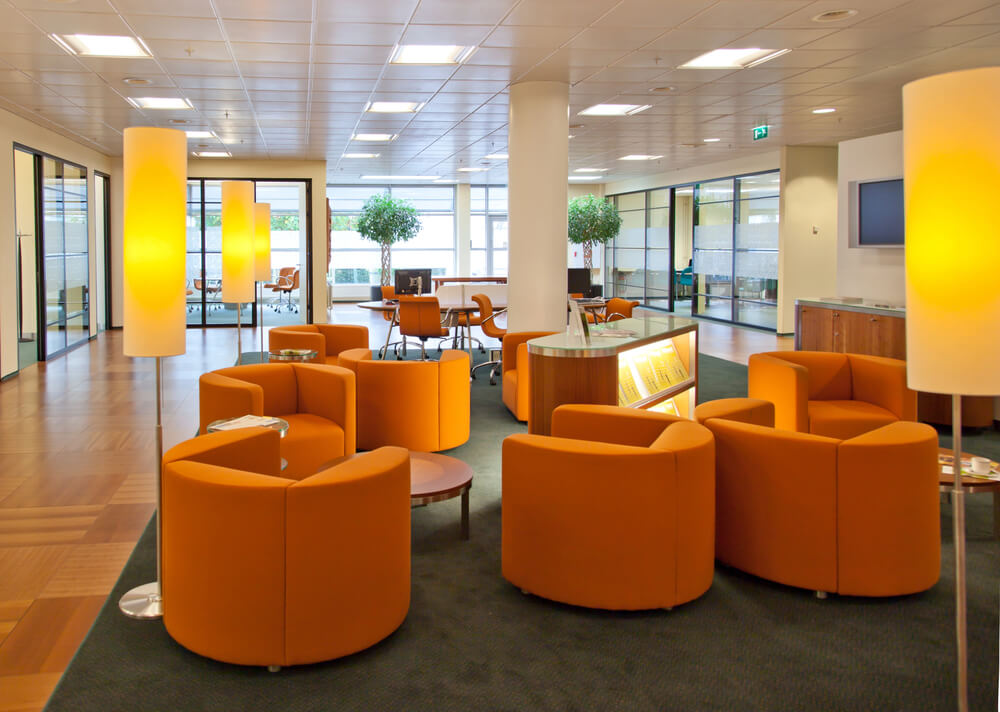
Ladies’ lounges, comfortable rooms near the restrooms with sofas, mirrors and dressing tables, were once a fixture of the better department stores. Shoppers rested, fixed their makeup and met friends there.
Some lounges had attendants and offered writing desks and telephones, and a few even had nurseries where mothers could tend to babies in private. The lounges reflected a time when shopping was an all-day outing, often by public transit.
As stores cut costs and shoppers drove to malls, lounges were converted into sales space. A few stores retain elegant restrooms, but the full-service lounge has mostly vanished.
Its closest modern relative may be the airport lounge, which charges for the comfort that stores once offered free.
Fabric and Pattern Departments
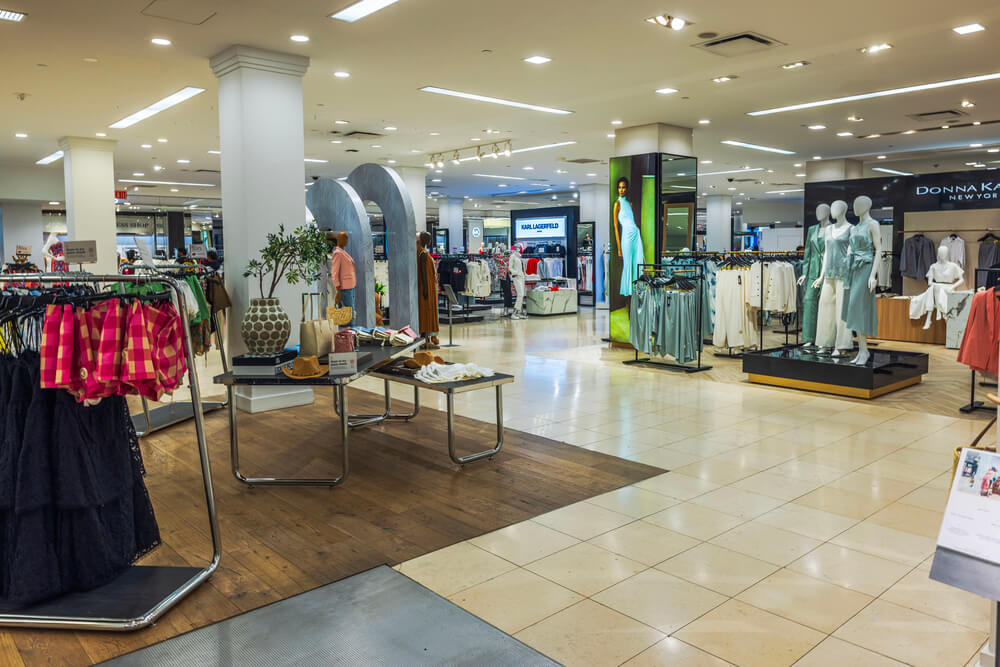
Large fabric departments once filled entire floors, with bolts of cotton, wool and silk alongside pattern catalogs from Simplicity, McCall’s and Butterick. Shoppers sat at tables flipping through pattern books, then bought fabric, thread, zippers and buttons.
Many stores also sold sewing machines. Home sewing declined as ready-made clothing became cheaper.
Department stores closed their fabric sections, leaving specialty chains such as Jo-Ann to fill the gap, and Jo-Ann itself closed in 2025. The fabric department was once a place where shoppers planned outfits rather than bought them.
Free Home Delivery
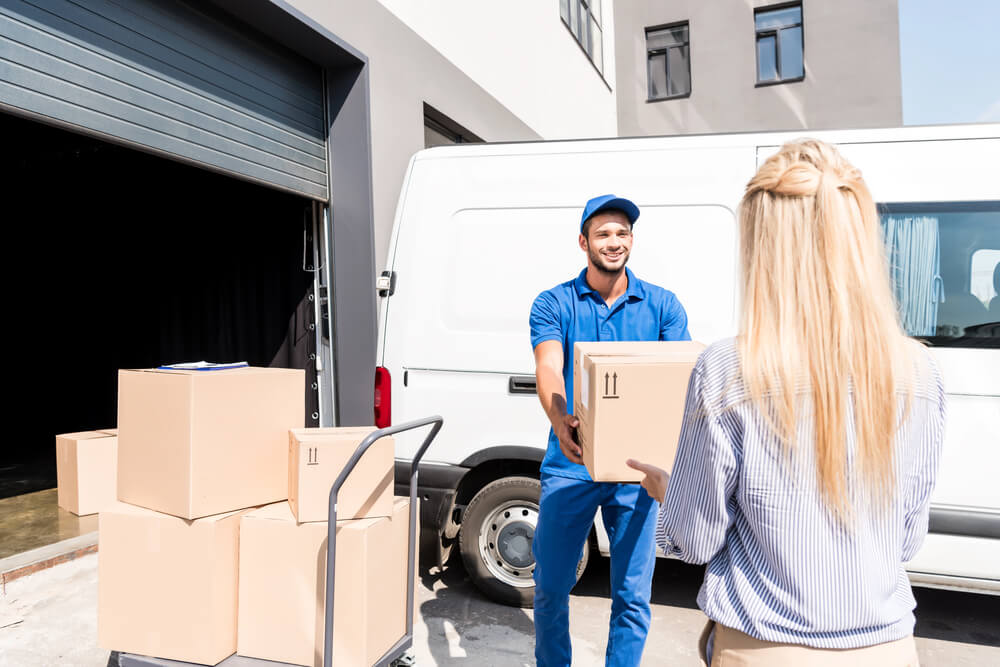
Store delivery once brought purchases to customers’ homes, often for free and sometimes on the same day. Delivery trucks painted with the store’s name were a common sight in cities and suburbs.
Shoppers could buy a small item downtown and have it arrive at home that afternoon. The service reflected a time when many shoppers did not drive.
As costs rose and shopping moved to suburban malls with large parking lots, stores cut back. Online retailers have brought delivery back, but the store-branded truck carrying a single hat box is gone.
Camera and Film Counters
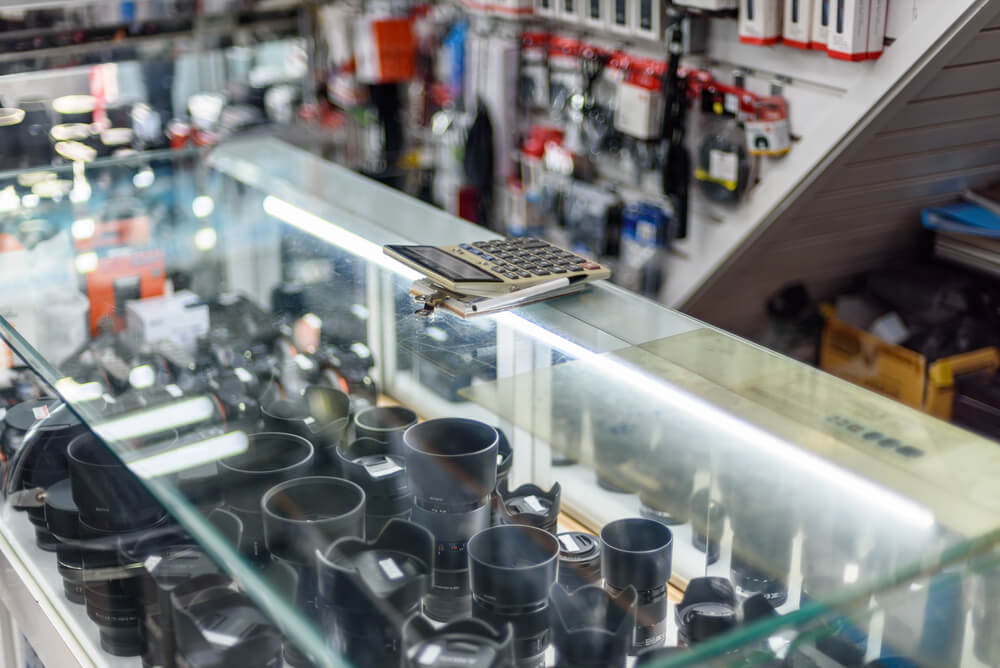
Camera departments once sold film, cameras, flashbulbs and photo processing under the same roof as towels and toasters. Shoppers dropped off rolls of film and picked up prints a few days later, and by the 1980s some stores offered one-hour processing.
Clerks helped customers choose cameras and lenses, and many explained the difference between 110 and 35mm film to puzzled parents. Digital cameras and smartphones made film processing rare.
Camera departments shrank or disappeared, and photo processing moved to pharmacies and online services. The envelope of prints, opened eagerly at the counter, has become a nostalgic memory, along with the disappointment of finding half the roll blurry or dark.
Rooftop and Toyland Rides
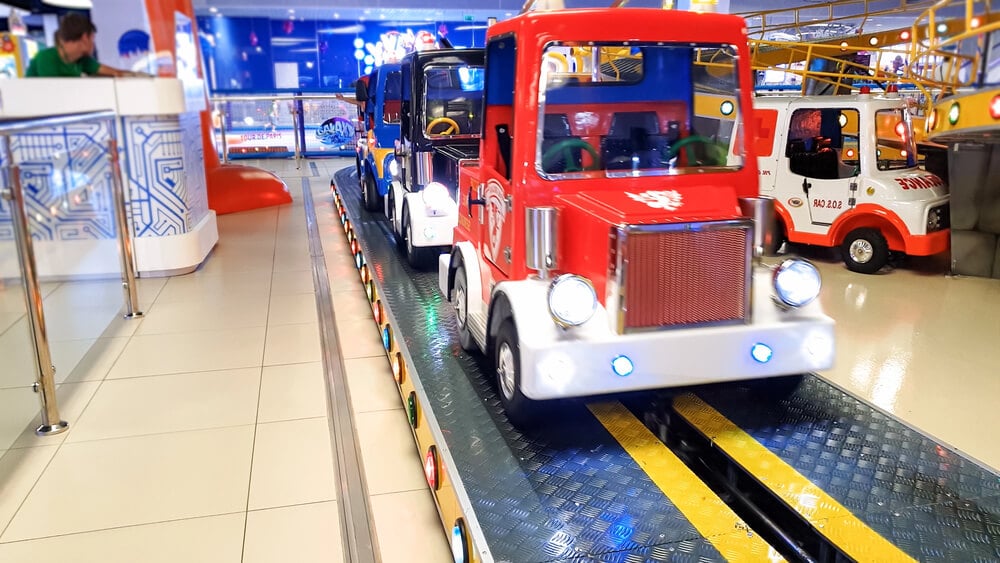
Some department stores built rides for children during the holiday season. Rich’s in Atlanta opened the Pink Pig, a monorail ride over its toy department, in 1953.
Children rode in a pig-shaped car while looking at toys below. Other stores offered small trains and rooftop amusement rides.
These attractions drew families downtown during the holidays. As downtown stores closed, most rides disappeared.
The Pink Pig survived several moves and now runs seasonally elsewhere in Atlanta, but most other store rides are gone. For many Atlanta families, a souvenir sticker reading that the child had ridden the Pink Pig was as much a holiday tradition as visiting Santa.
Glove Counters
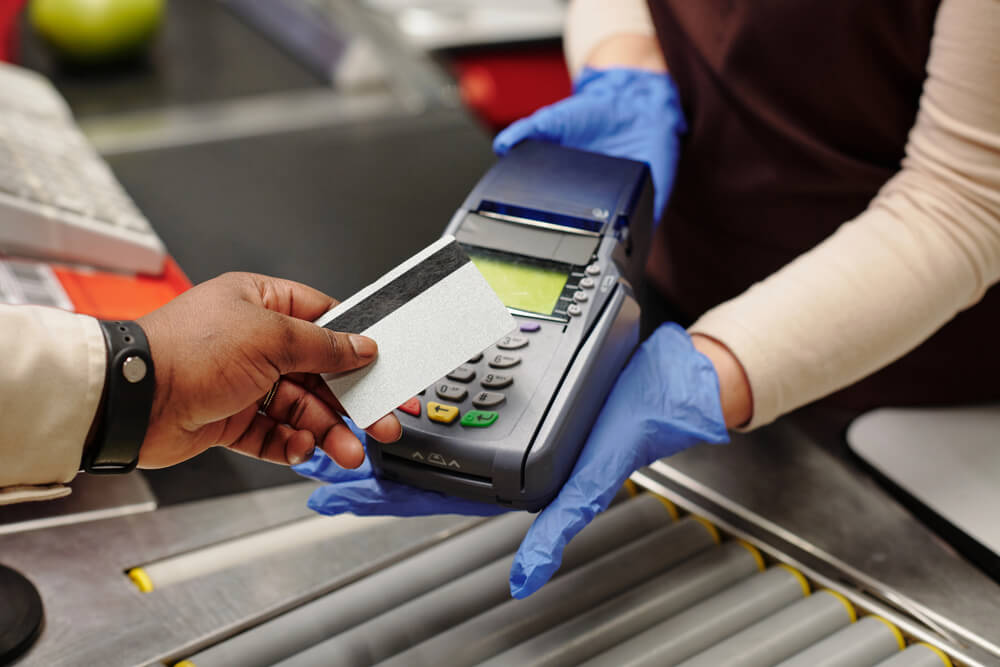
Dedicated glove counters once stood near the main entrance of most department stores, where clerks fitted shoppers with leather and fabric gloves. Customers rested their elbows on a small cushion while the clerk eased a glove over each finger.
Gloves were part of proper attire for women and men. Glove counters offered colors and lengths for every occasion, from short day gloves to opera-length evening gloves.
As formal dress declined in the 1960s, glove sales fell. The specialized glove counter vanished, leaving only a small rack of gloves in winter.
Few shoppers today would recognize the old practice of measuring a hand around the knuckles to determine glove size.
Millinery Departments
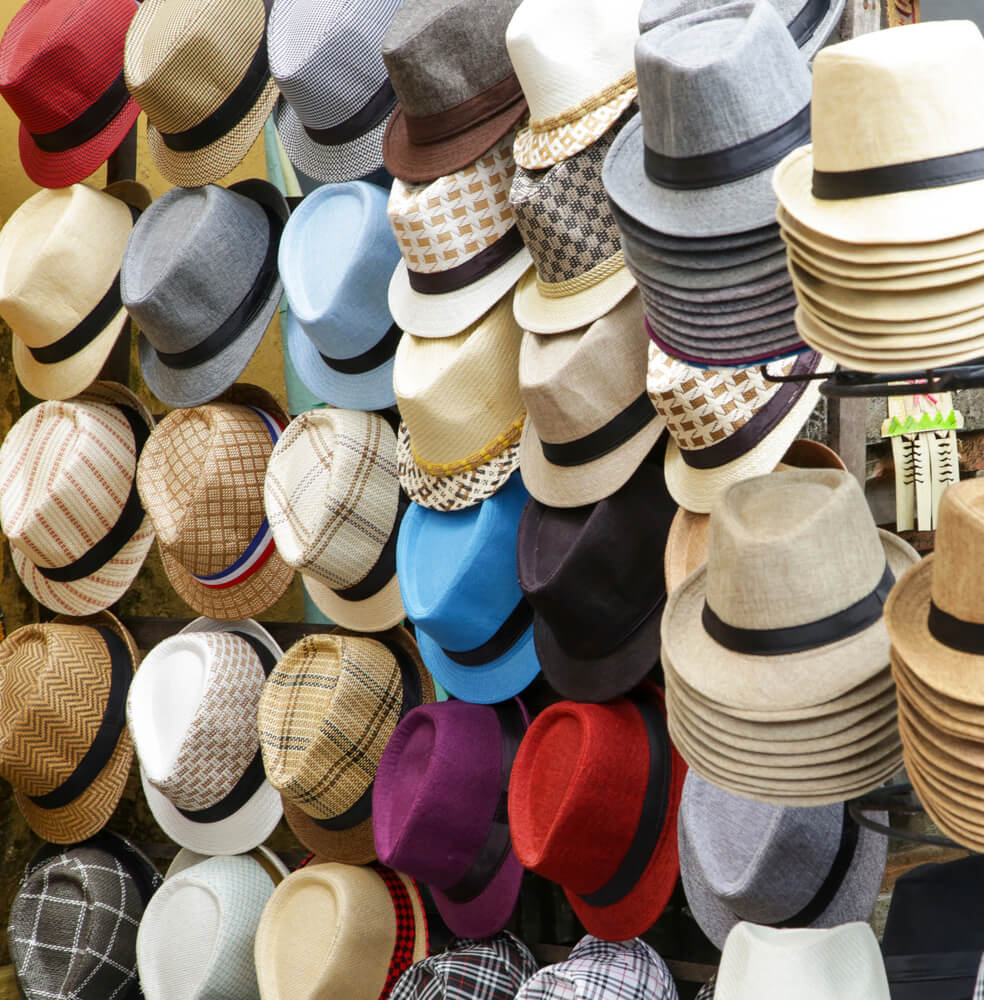
Millinery departments once employed skilled hat makers who created and trimmed hats on site. Women bought hats for church, work and special occasions, and many stores offered custom work.
Hats were essential to proper dress for decades. After the 1960s, hat wearing declined sharply.
Millinery departments closed, and hat makers became rare. A few specialty milliners remain, and hats still appear at weddings and horse races, but the department store hat salon is gone.
Many historians tie the decline partly to changing hairstyles, since teased and bouffant styles of the 1960s simply did not fit under a hat.
Store-Owned Radio Stations
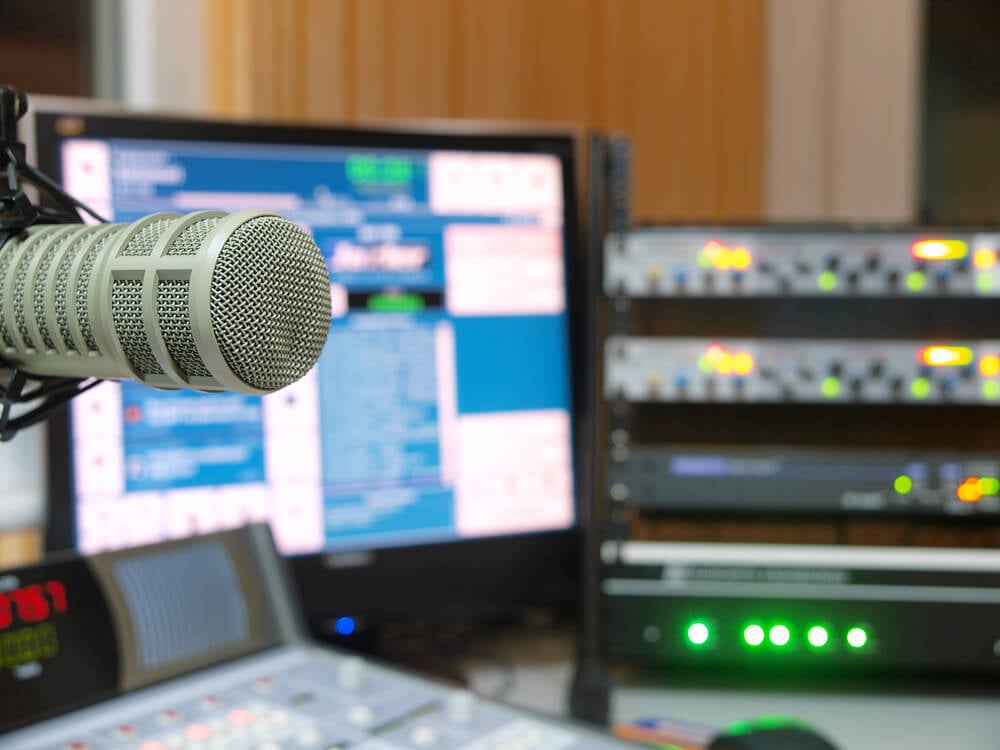
In the early days of radio, some department stores owned radio stations. Bamberger’s in Newark founded WOR in 1922, and Gimbels in Philadelphia launched WIP the same year.
Stores used the stations to promote merchandise and attract customers. Broadcasts often came from studios inside the store.
Over time, stores sold their stations as radio grew into a separate industry. WOR became one of the most important stations in New York.
The idea of a store owning a radio station now seems strange, yet it made perfect sense at the time. Radio sets were themselves sold in department stores, so a station gave customers a reason to buy a receiver and listen to the store’s own programs.
Postal Counters
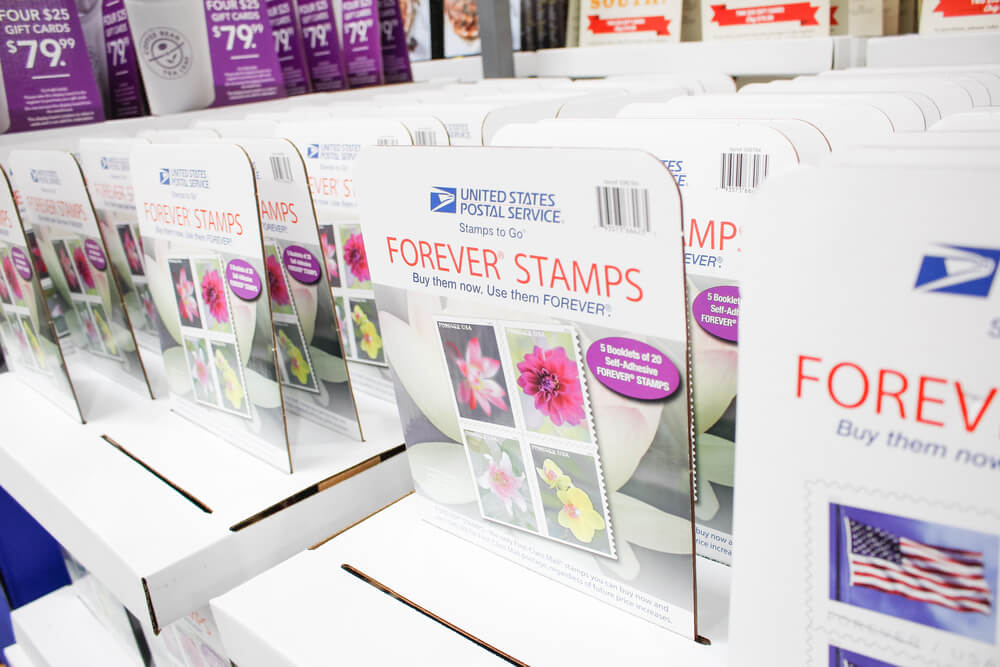
Postal counters once operated inside some department stores, where shoppers could buy stamps, mail packages and send letters without leaving the store. These counters operated under contract with the post office.
They were especially useful during the holiday season, when shoppers mailed gifts. As stores cut services and postal contracts changed, most of these counters disappeared.
Some pharmacies and grocery stores still offer postal services, but the department store post office is rare. Holiday shoppers once bought a gift, had it wrapped at one desk and mailed it at another without ever leaving the building, a convenience no single store matches today.
Ticket Outlets
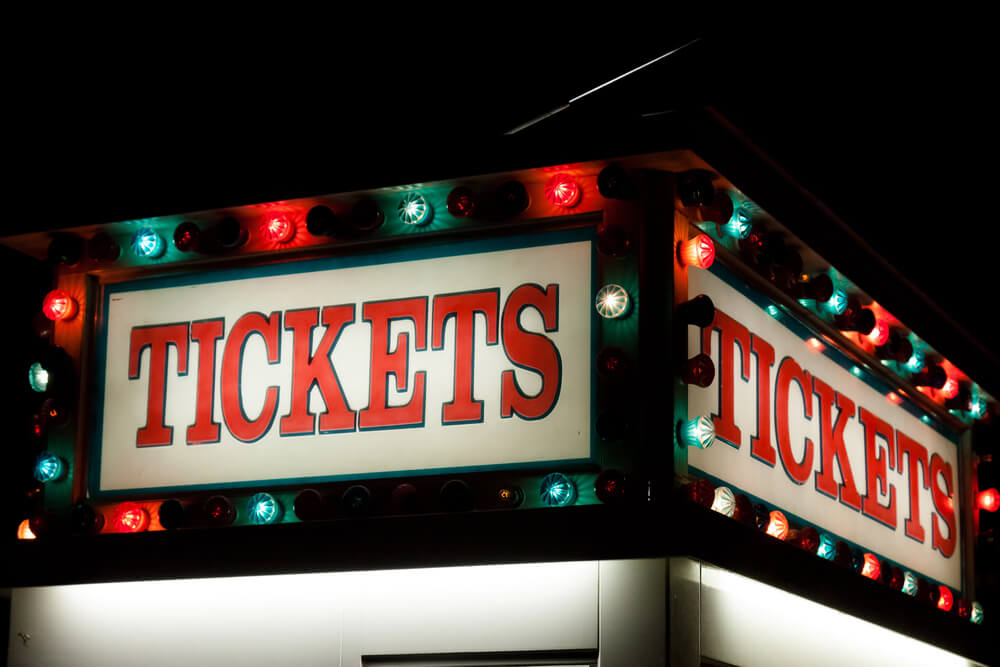
Tickets for concerts, sports and theater were once sold at counters inside department stores. Ticketron, an early computerized ticketing service, placed outlets in many stores during the 1970s, linking them to a central system that tracked available seats.
Shoppers waited in line to buy tickets for big events. Online ticketing replaced these outlets.
Ticketmaster bought Ticketron in 1991, and in-store ticket counters faded. The experience of camping out at a department store to buy concert tickets is now a memory for many.
Fans once lined up overnight on store sidewalks, hoping to reach the counter before a show sold out.
Aisles That Once Did Everything
The department store was once designed to keep shoppers inside for hours. It fed them, entertained them, photographed them and delivered their purchases home.
Each service gave a reason to come back. As shopping moved to malls and then online, those services became expensive extras.
Stores cut them one by one to save money. What remains is a smaller, simpler store, and memories of a time when a trip downtown could fill an entire day.
More from Go2Tutors!

- The Romanov Crown Jewels and Their Tragic Fate
- 13 Historical Mysteries That Science Still Can’t Solve
- Famous Hoaxes That Fooled the World for Years
- 15 Child Stars with Tragic Adult Lives
- 16 Famous Jewelry Pieces in History
Like Go2Tutors’s content? Follow us on MSN.