14 Magazines That Shaped Culture Before Vanishing
Walk into any bookstore today and you’ll notice something missing from the magazine section. The glossy publications that once ruled coffee tables and waiting rooms have mostly disappeared, taking with them the voices that shaped entire generations.
People argued about their articles over dinner and let their pages guide choices big and small—from what to wear on Saturday night to which candidate deserved their vote. Here is a list of 17 magazines that changed American culture before vanishing from newsstands forever.
Life
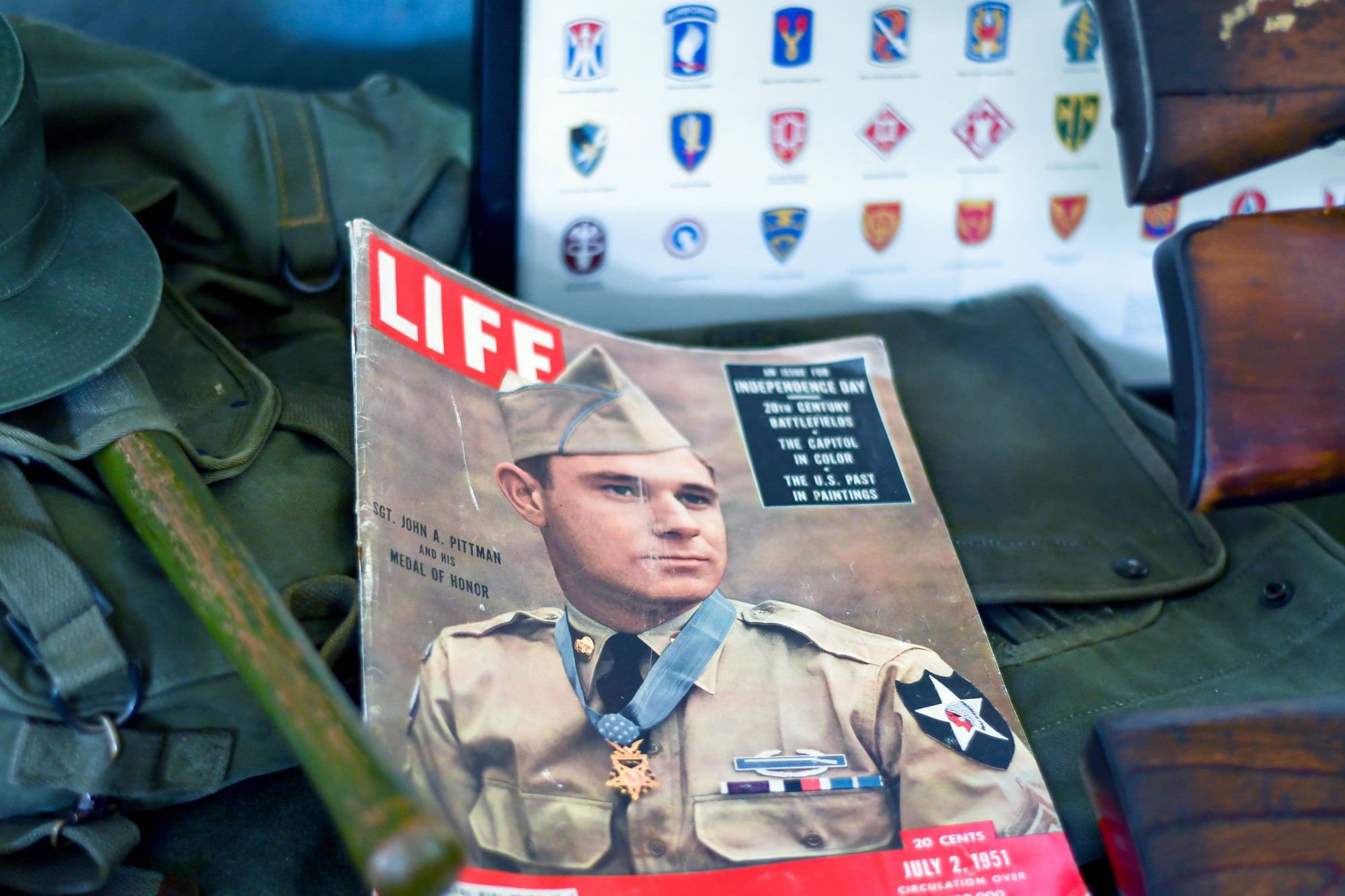
Life magazine didn’t just capture moments—it created them. From 1936 to 1972, this photojournalism powerhouse brought the world into American living rooms through stunning black-and-white spreads.
Staff photographers like W. Eugene Smith and Margaret Bourke-White became household names, capturing history as it unfolded from Normandy beaches to Hollywood studios. Suddenly, world events weren’t happening ‘somewhere else’—they were happening in your living room.
Look

Look competed directly with Life during its 34-year run from 1937 to 1971, though the two magazines couldn’t have been more different. Life chased breaking news around the globe, while Look preferred a gentler approach that combined celebrity interviews with social commentary.
The magazine’s colorful spreads and bold typography influenced graphic design for decades after it folded.
Like Go2Tutors’s content? Follow us on MSN.
Saturday Evening Post
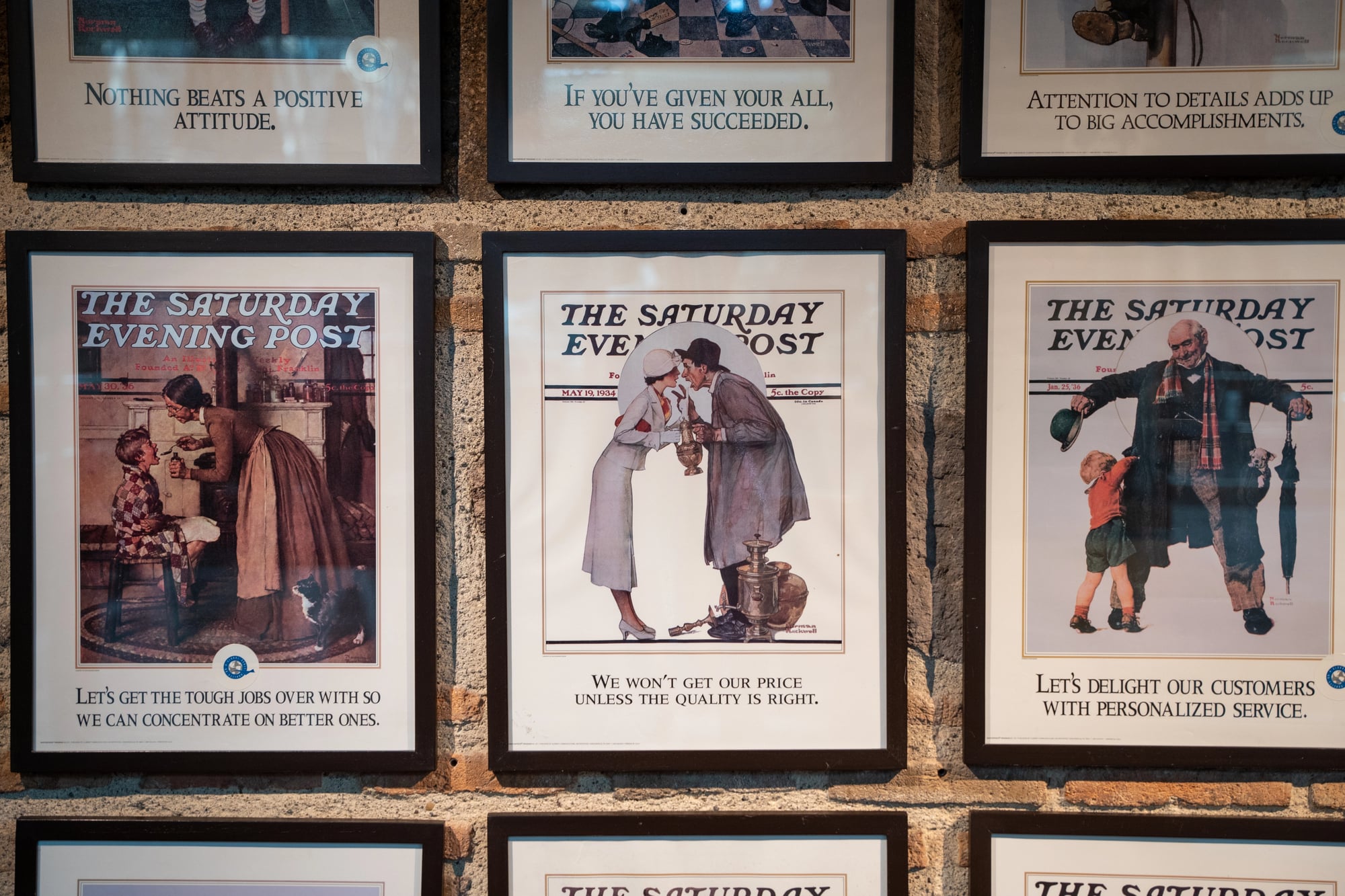
Nothing said ‘American family values’ quite like the Saturday Evening Post, which graced coffee tables from 1897 to 1969. Norman Rockwell’s covers became the visual definition of small-town America—those iconic paintings still evoke nostalgia today.
Inside, readers found fiction from authors like F. Scott Fitzgerald along with serialized novels that kept them coming back week after week. The magazine practically invented wholesome entertainment.
Collier’s

Collier’s Weekly ran from 1888 to 1957, earning a reputation as the magazine that wasn’t afraid to ruffle feathers. Their investigative journalism helped expose political corruption and social injustices, yet their fiction section published early works by writers who’d later become household names.
The magazine proved that serious journalism and popular entertainment could coexist beautifully.
Gourmet
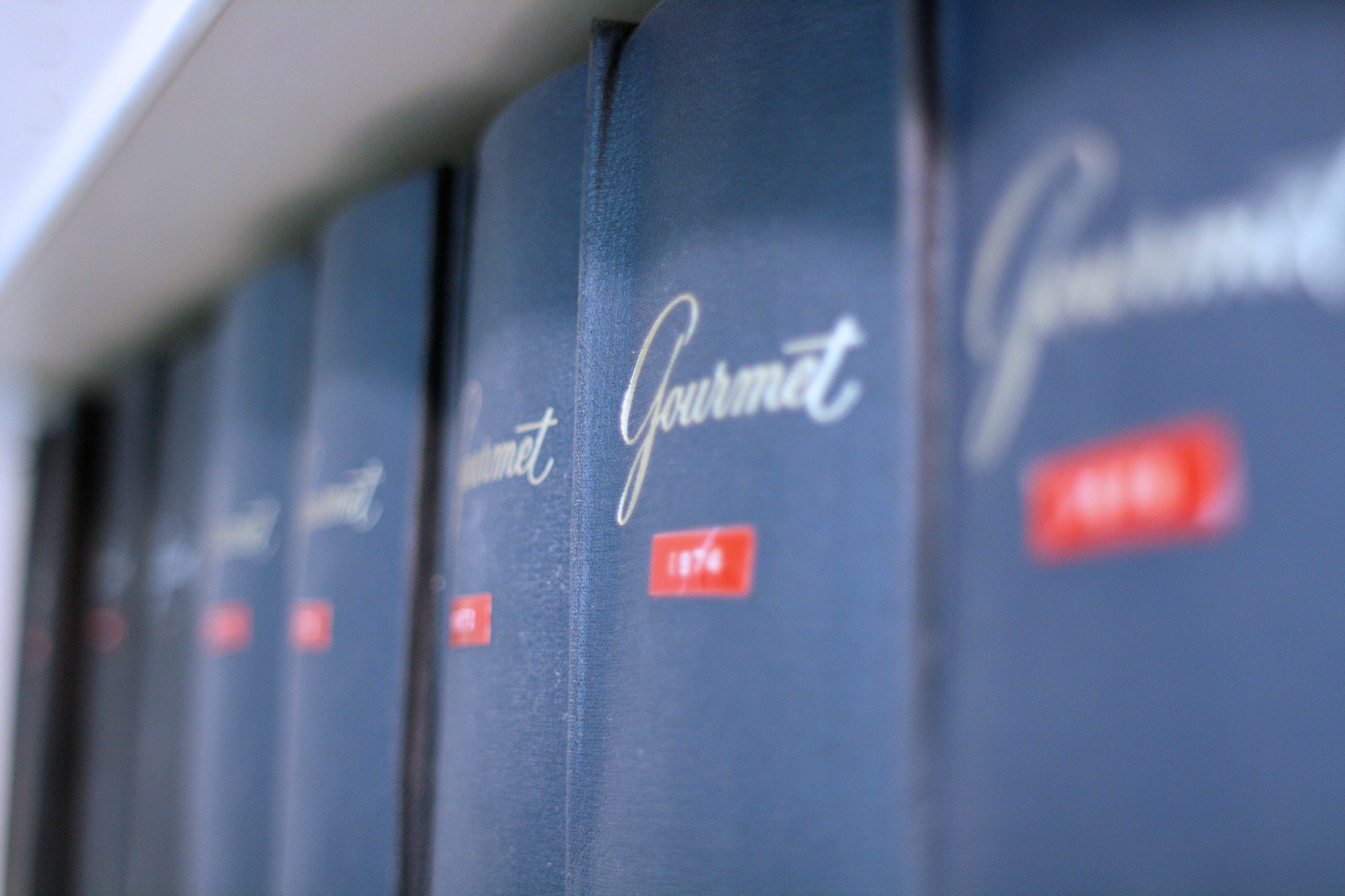
Long before food blogs and cooking shows dominated our screens, Gourmet magazine was teaching Americans how to eat well. Starting in 1941, Gourmet spent nearly seven decades changing how Americans thought about food.
Dining culture by introducing exotic ingredients to home cooks—ingredients that seemed almost magical at the time. Recipes came with stories about faraway places, and cooking became less about survival and more about adventure.
Like Go2Tutors’s content? Follow us on MSN.
McCall’s
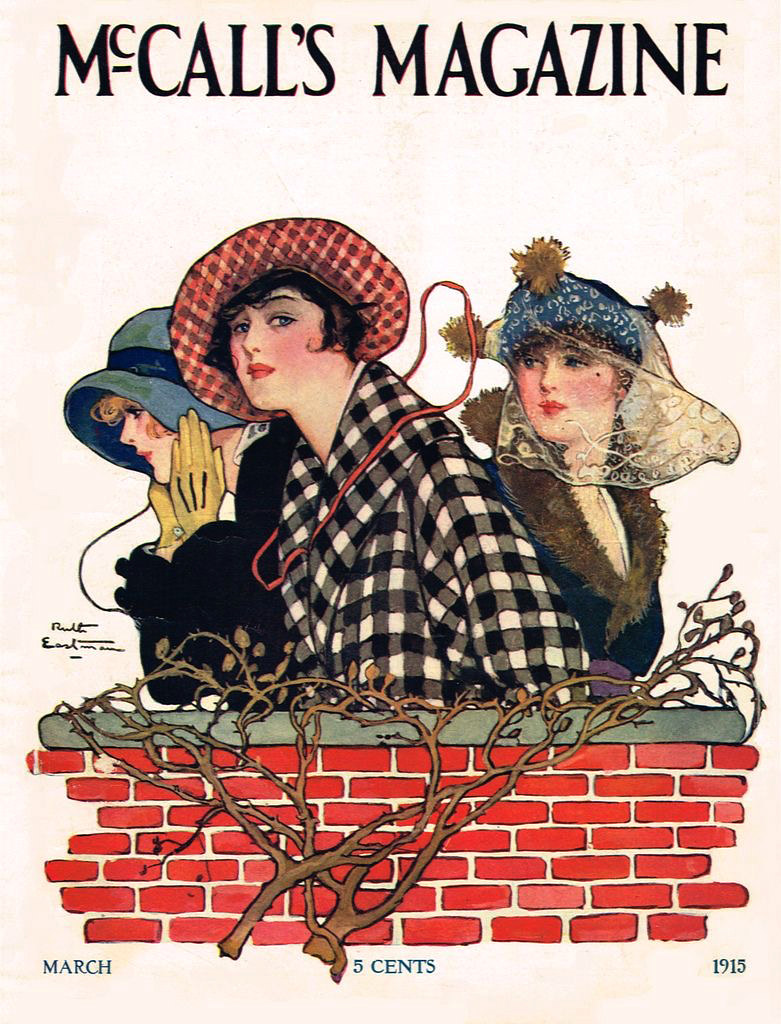
McCall’s magazine understood women’s lives in a way that felt genuine and practical. Running from 1873 to 2001, it balanced homemaking advice with career guidance while mixing fashion tips with political commentary.
The magazine grew alongside its readers, acknowledging that women’s roles were changing yet still celebrating traditional skills like cooking and decorating.
Ladies’ Home Journal

Ladies’ Home Journal was a powerhouse that ran from 1883 to 2014—making it one of the longest-running women’s magazines in American history. It shaped conversations about everything from child-rearing to women’s suffrage, often taking progressive stances that were ahead of their time.
The magazine’s ‘Can This Marriage Be Saved?’ column became a cultural touchstone that people quoted in everyday conversation.
Popular Mechanics
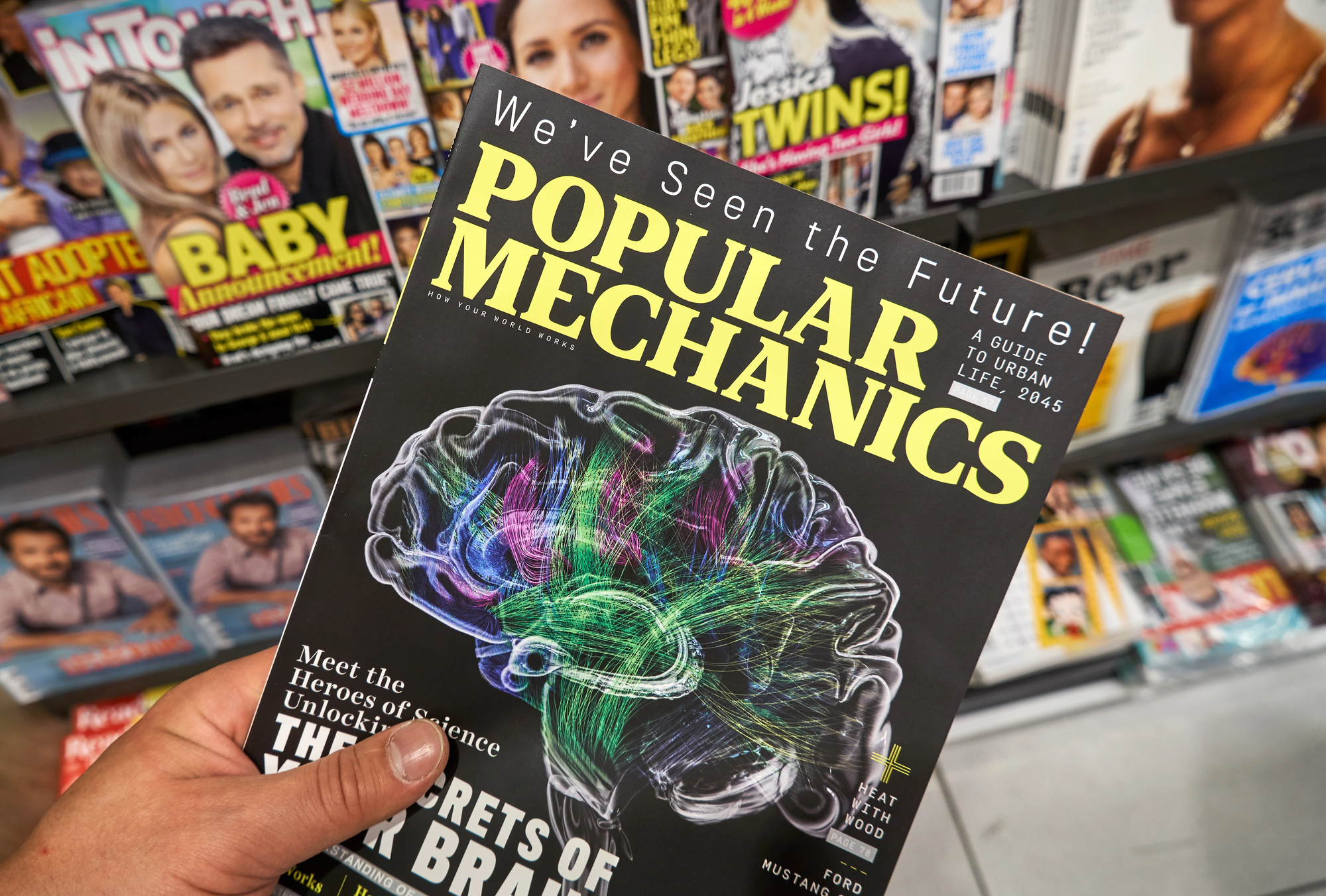
Popular Mechanics turned regular guys into weekend warriors and basement inventors. From 1902 to its print demise in recent years, the magazine fed America’s fascination with how things work.
It predicted future technologies with surprising accuracy while teaching readers practical skills that saved them money—skills that gave them confidence to tackle projects around the house.
Like Go2Tutors’s content? Follow us on MSN.
Photoplay
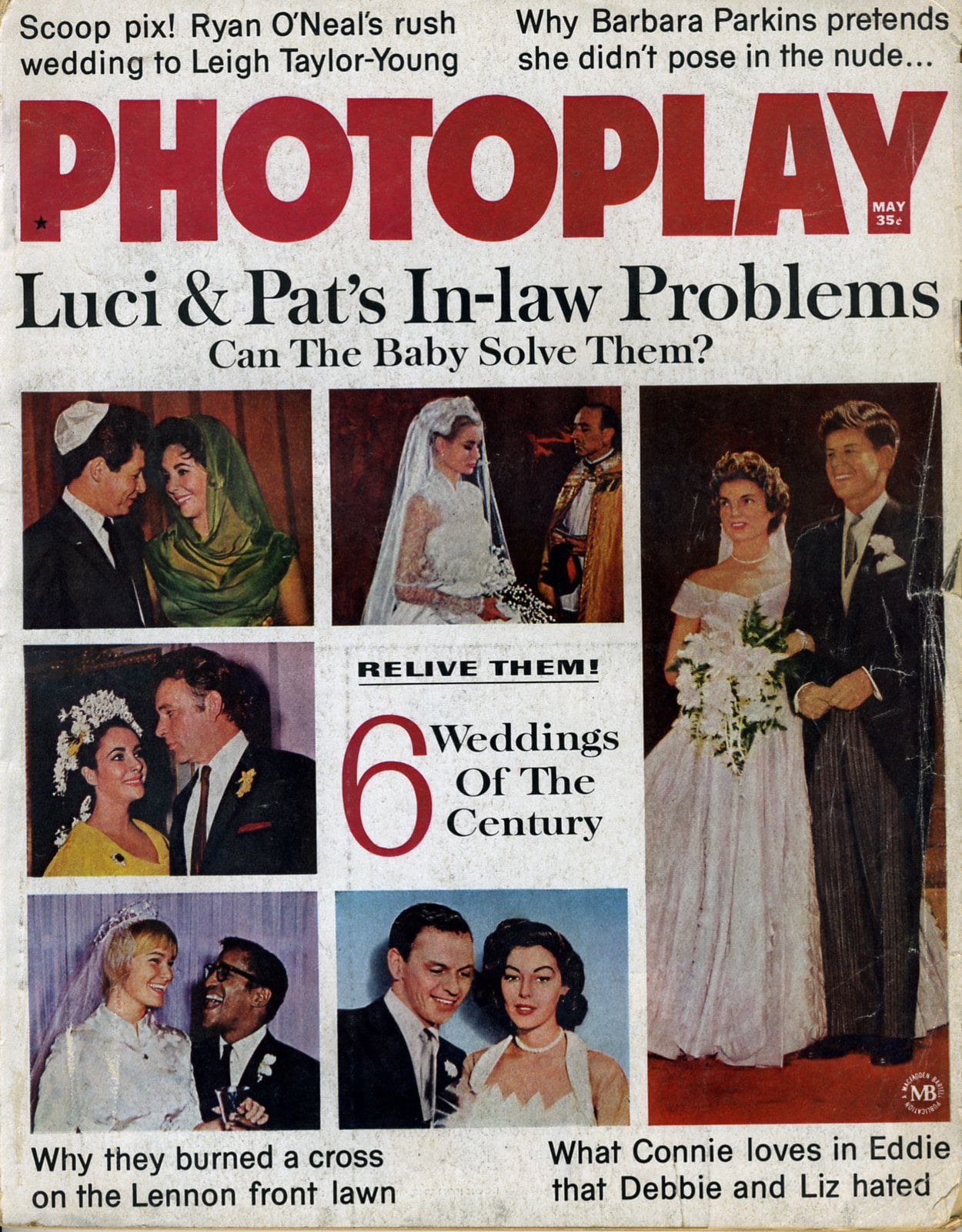
Photoplay magazine was Hollywood’s first gossip rag, running from 1911 to 1980 and setting the template for celebrity coverage we still see today. Before TMZ or Entertainment Tonight existed, Photoplay gave fans intimate access to their favorite stars through carefully staged photo shoots.
The magazine helped create the modern concept of celebrity culture—something we can barely imagine living without now.
TV Guide

TV Guide was more than just a listing of what was on television. It served as America’s entertainment bible from 1953 to 2005, though its influence extended far beyond simple programming schedules.
The pocket-sized magazine influenced viewing habits by featuring must-see shows and creating appointment television before anyone called it that. Its colorful covers became collectibles, while program descriptions shaped how we talked about our favorite shows.
Jet
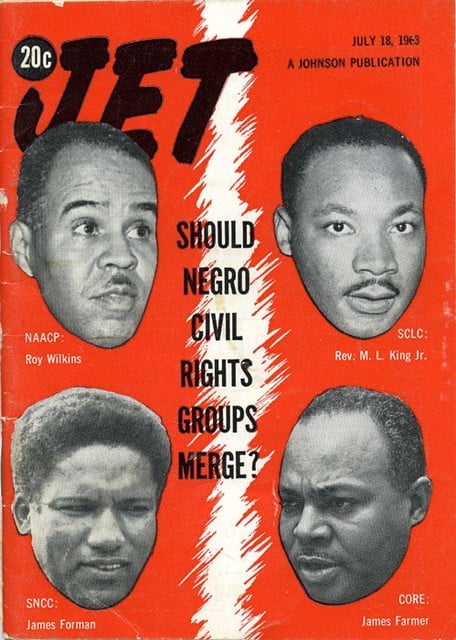
Jet magazine packed incredible influence into its digest-sized format during its run from 1951 to 2014. The weekly publication covered African American life and culture when mainstream media largely ignored these stories, becoming a vital source of news and pride for Black communities across America.
Jet’s celebrity features and social coverage helped define Black excellence for generations.
Like Go2Tutors’s content? Follow us on MSN.
Ebony
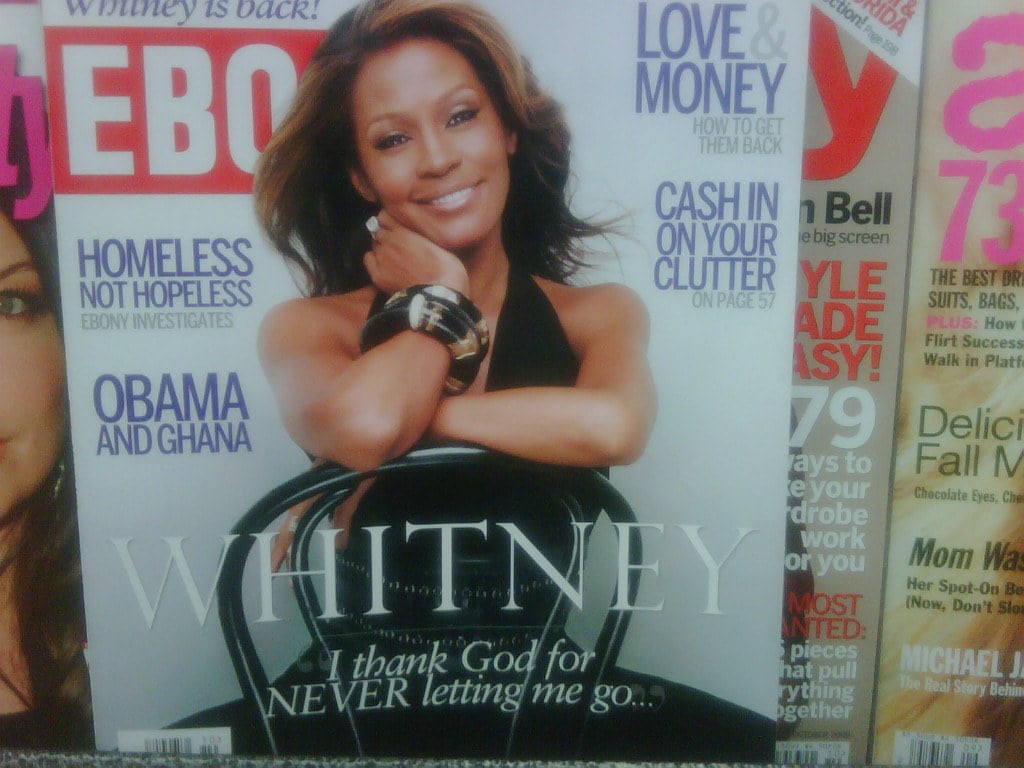
Ebony magazine was Jet’s bigger sibling, offering in-depth coverage of African American culture from 1945 to 2019. The monthly publication showcased successful Black professionals, artists, and families at a time when positive representation was rare in mainstream media.
Ebony’s glossy pages celebrated Black beauty and achievement while also tackling serious social and political issues.
National Lampoon
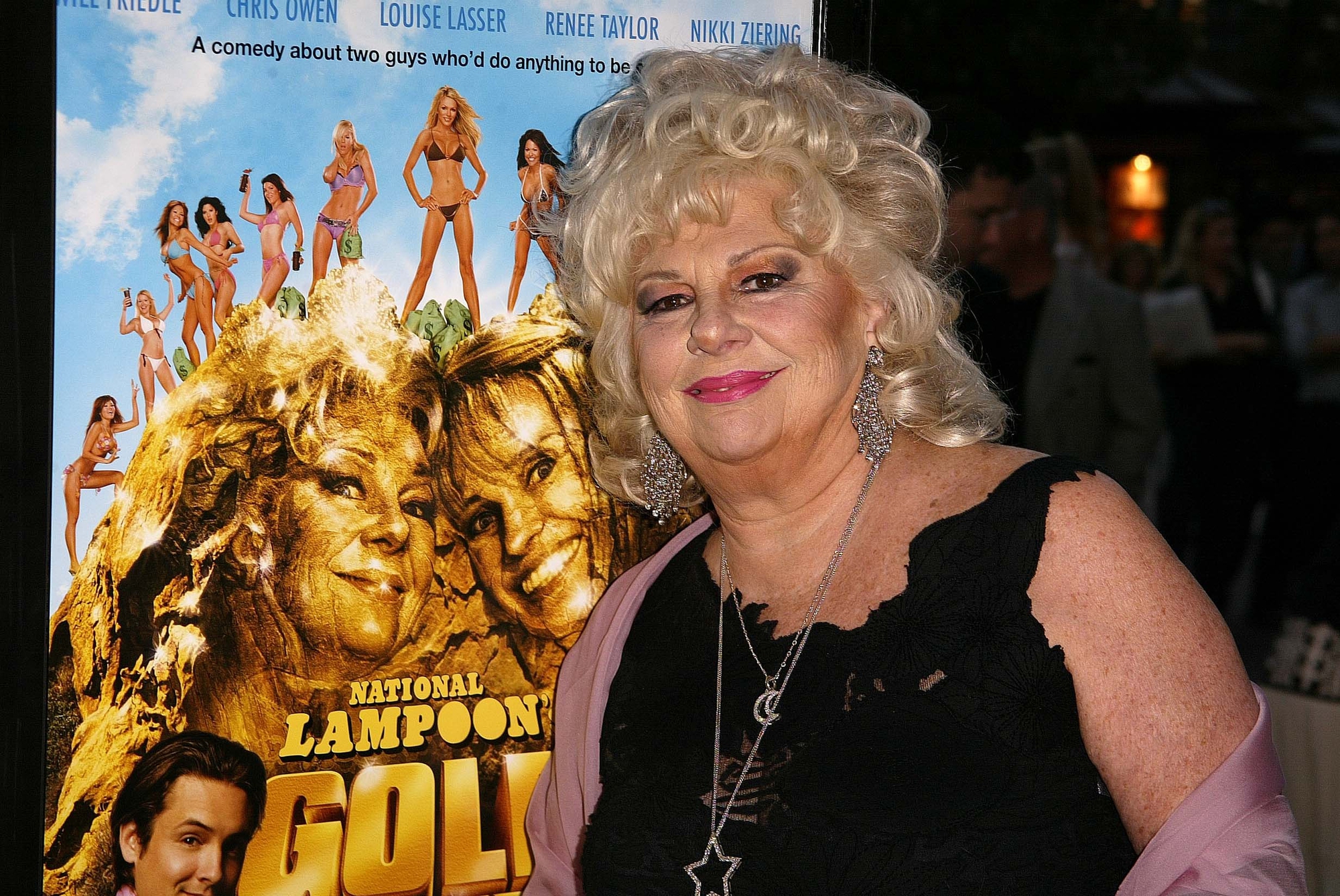
National Lampoon pushed comedy boundaries like no publication before or since during its heyday from 1970 to 1998. The magazine launched the careers of comedy legends and influenced everything from ‘Saturday Night Live’ to modern comedy films.
Its irreverent humor and willingness to mock everything sacred in American culture made it both beloved and controversial.
Mad Magazine
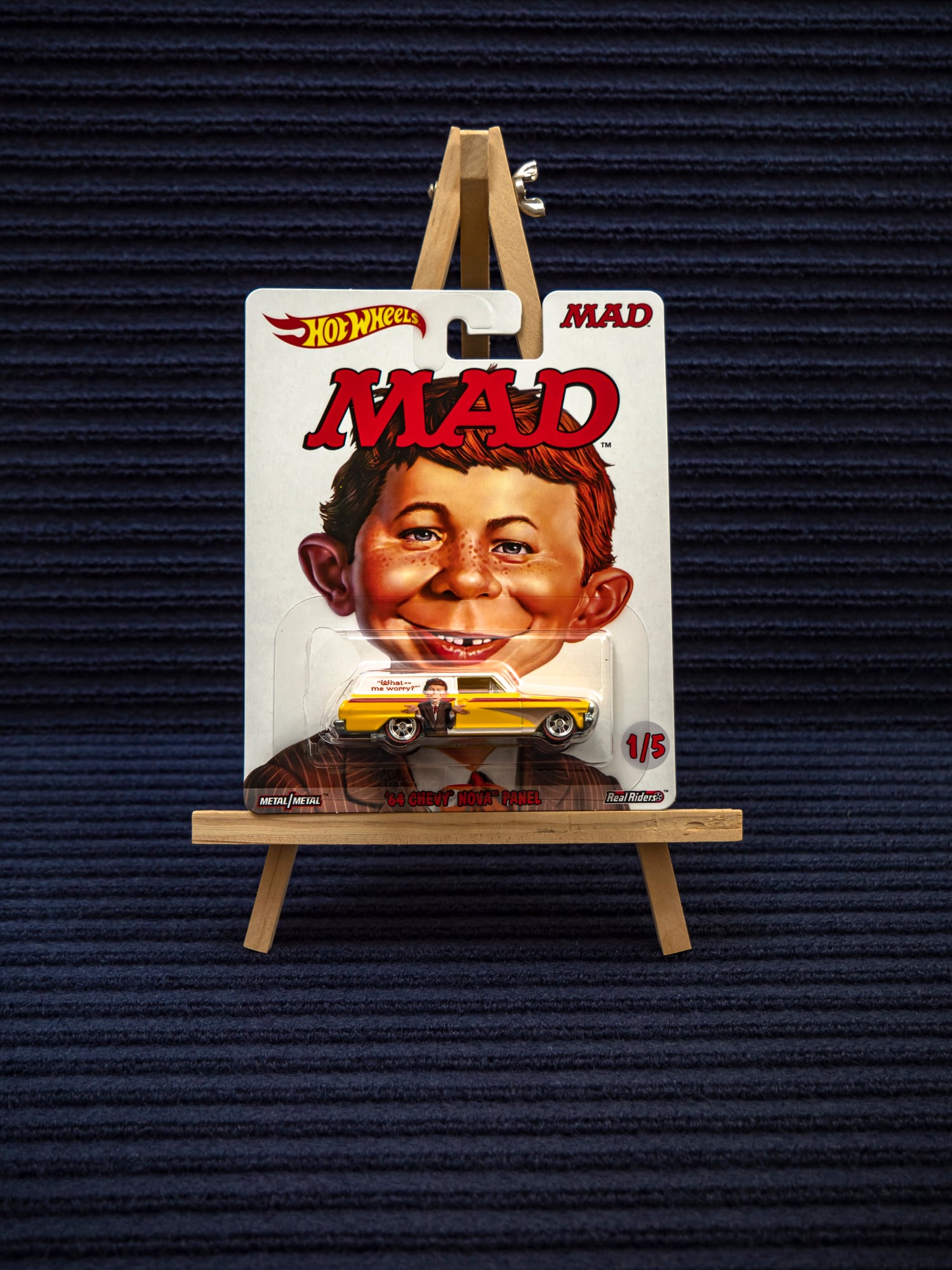
Mad Magazine turned irreverence into an art form, running from 1952 to 2019 and teaching generations of kids that it was okay to question authority. Alfred E. Neuman’s gap-toothed grin became an icon of American counterculture, though the magazine’s real power lay in its parodies of movies, TV shows, and advertisements.
These parodies shaped how young people viewed media and marketing.
Like Go2Tutors’s content? Follow us on MSN.
From Newsstands to Digital Memory
These magazines didn’t just reflect culture—they actively shaped it by deciding what stories deserved attention and how those stories should be told. Their editors became tastemakers who influenced everything from political conversations to fashion trends, yet their photographers and writers created the visual and narrative language we still use today.
Though most of these publications have vanished from newsstands, their DNA lives on in the blogs, podcasts, and digital platforms that continue to fight for our attention. The magazine industry may have transformed beyond recognition, but the hunger for curated content and authoritative voices remains as strong as ever.Tools
More from Go2Tutors!

- 16 Restaurant Chains That Went Too Fast
- 12 Things Sold in the 80s That Are Now Illegal
- 15 Strange Things People Have Tried to Ban (And Failed)
- 16 Collectibles People Tossed Out Too Soon
- 17 Myths from Your Childhood That Were Actually Based on Real Things
Like Go2Tutors’s content? Follow us on MSN.



