Movie Franchises That Reinvented Themselves
Some movie series keep making the same film over and over until audiences get bored and stop showing up. Others take risks and completely change their approach, sometimes turning a dying franchise into something fresh and exciting.
These bold moves can either save a series or send it crashing, but the ones that get it right often create some of the best films in their entire lineup. Let’s look at the franchises that weren’t afraid to shake things up.
Mad Max went from action to opera
The original Mad Max films with Mel Gibson were gritty action movies set in a post-apocalyptic Australia. Then George Miller came back in 2015 with Mad Max: Fury Road and created something completely different.
The new film was less about Max himself and more about Imperator Furiosa, played by Charlize Theron, who became the real hero of the story. Miller stripped away most of the dialogue and turned the movie into a two-hour chase scene with practical stunts that looked almost impossible.
The film won six Academy Awards and proved that a 36-year-old franchise could still feel brand new.
Thor ditched the serious drama

The first two Thor movies tried to be epic and dramatic, treating the Norse god stuff with complete seriousness. Director Taika Waititi threw all that out for Thor: Ragnarok and turned the character into a comedy.
He gave Thor a haircut, added bright colors everywhere, and let Chris Hemsworth show off his natural sense of humor. The film featured Jeff Goldblum as a bizarre villain and stripped away the heavy Shakespeare tone that weighed down earlier films.
Ragnarok made more money than the previous Thor films and completely changed how Marvel approached the character going forward.
Mission Impossible became about stunts

The first Mission: Impossible movie was a spy thriller with plot twists and mystery, directed by Brian De Palma in his signature style. Over time, the series transformed into a showcase for Tom Cruise doing increasingly dangerous stunts that seem designed to actually end him.
Cruise now hangs off planes during takeoff, climbs the tallest building in the world, and performs a HALO jump that required over 100 takes. The plots became simpler so the stunts could take center stage.
Each new film has to top the last one, and somehow they keep finding ways to put Cruise in more danger.
Fast and Furious went from street racing to spy games

The Fast and Furious franchise started as a relatively grounded story about illegal street racing in Los Angeles. By the fifth film, the series had transformed into a globe-trotting action spectacle with cars flying between skyscrapers and characters becoming basically superhuman.
The franchise killed off and brought back major characters, turned villains into heroes, and added The Rock and Jason Statham to the cast. Now the movies are more like superhero films that happen to feature cars.
The ninth film sent a car into space, which pretty much sums up how far the series has come from those early street races.
Planet of the Apes became motion capture drama

The original Planet of the Apes films featured actors in rubber masks delivering campy performances. The 2011 reboot Rise of the Planet of the Apes used modern motion capture technology to create realistic apes with genuine emotional depth.
Andy Serkis played Caesar through motion capture and delivered a performance so powerful that people campaigned for him to get an Oscar nomination. The new films focused on the apes as the main characters rather than the humans, flipping the entire perspective of the franchise.
What started as cheesy science fiction became a serious drama about revolution, family, and what it means to be intelligent.
Creed shifted Rocky’s spotlight

The Rocky series had run out of steam after six films about the Italian Stallion himself. Then director Ryan Coogler created Creed, which focused on the son of Apollo Creed, Rocky’s old rival and friend.
Sylvester Stallone took a supporting role as the mentor instead of the hero, and Michael B. Jordan brought fresh energy as Adonis Creed. The film addressed modern issues and updated the boxing scenes with long takes and dynamic camera work that the original films never attempted.
Creed became a critical and commercial success that spawned its own trilogy and gave new life to a franchise that seemed completely finished.
Star Trek went dark and action-heavy

The original Star Trek films were often slow, thoughtful science fiction about exploration and philosophy. J.J. Abrams rebooted the franchise in 2009 with a film that featured lens flares, explosions, and a much younger cast having adventures at high speed.
The new films appealed to action movie fans who had never watched Star Trek before, though longtime fans had mixed feelings about the changes. Kirk went from a thoughtful captain to someone who punched first and asked questions later.
The shift made Star Trek profitable again but sparked debates about whether the series had lost its identity in the process.
Deadpool made superhero films R-rated

Superhero movies had been playing it safe with PG-13 ratings for years to maximize ticket sales. Then Deadpool came along in 2016 with an R-rating, crude humor, and a character who knew he was in a movie.
Ryan Reynolds fought for years to make the film his way after a terrible version of the character appeared in X-Men Origins: Wolverine. The movie broke the fourth wall constantly, made fun of other superhero films, and proved that an R-rated comic book movie could make serious money.
Deadpool earned over $780 million worldwide and changed what studios thought was possible for superhero films.
Jurassic World updated the park for modern times
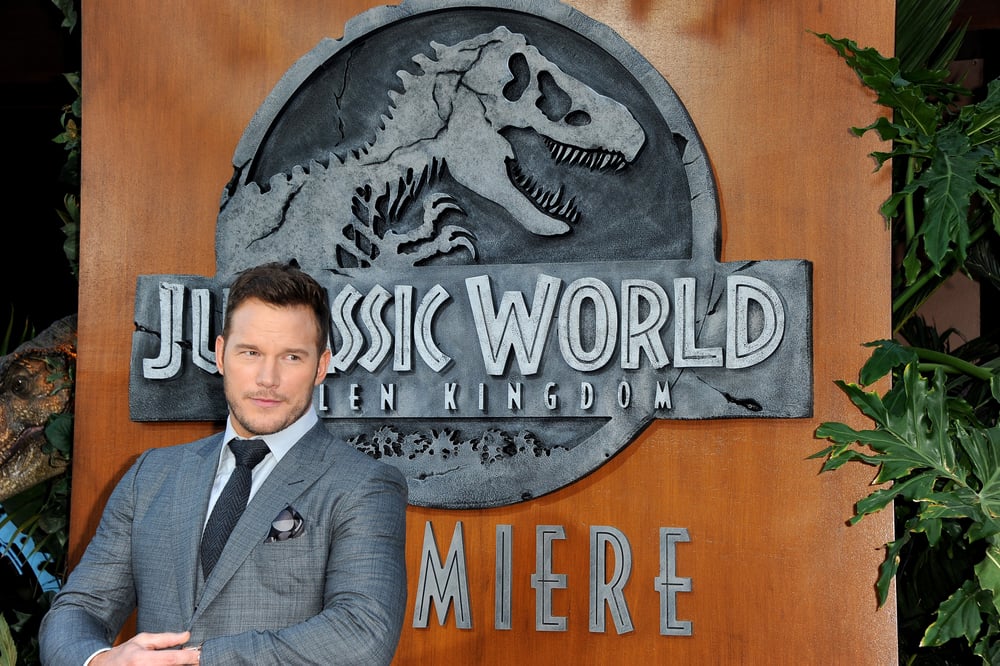
The original Jurassic Park films were about the dangers of playing God and creating dinosaurs. Jurassic World took the concept and asked what would happen if the park actually opened and became a functioning theme park.
The new films added genetic hybrids, corporate greed taken to extremes, and dinosaurs being used as weapons. Chris Pratt replaced the scientists and mathematicians from earlier films with a more action-oriented hero who trains raptors.
The shift toward spectacle over science rubbed some fans the wrong way, but audiences showed up in huge numbers to see a functional dinosaur park finally open.
Logan turned Wolverine into a Western

The X-Men films had always been colorful superhero adventures with teams of mutants fighting for justice. Logan took Wolverine, gave him a terminal illness, and dropped him into what was basically a Western.
The film was R-rated, violent, and dealt with aging and death in ways superhero movies typically avoid. Hugh Jackman and Patrick Stewart played broken versions of their characters in a world where almost all the mutants were dead.
Director James Mangold cited classic Westerns like Shane as inspiration, and the result was a superhero film that felt nothing like a superhero film. Logan proved that comic book movies could be genuine drama when filmmakers took risks.
Top Gun brought genuine feeling

Once just a shiny ad for the Navy, the first Top Gun dazzled with flight but stayed shallow. Thirty six years passed before Tom Cruise returned, now carrying weight – loss, time passing, the fear of fading out.
Grief shaped Maverick anew, especially his regret over Goose and the uneasy bond forming with Goose’s son, portrayed by Miles Teller. Real planes roared through sky under Joseph Kosinski’s direction; he demanded actual flights instead of digital tricks, which gave chase scenes raw force.
This second chapter found massive success not by speed or noise, but by letting feeling steer where thrill once ruled alone.
Peacemaker proved spinoffs could pivot
Peace started out as a killer clown, obsessed with harmony but quick with a bullet. A television story took that absurd figure and twisted him into something raw, uncomfortable, sometimes clumsy.
Toxic pride, broken homes, the weight of pretending to be strong – these shaped his world now. Wild stunts and dumb gags stayed, yet they floated above deeper currents.
John Cena acted with quiet cracks in his voice, showing softness where none should exist. What looked like a throwaway role suddenly carried real weight.
From formulas to freedom

Stuck in routine, those series start to feel stale. Risk takers among them dared moves that might have crashed hard.
One mixed laughs into heavy moments. Another dropped humor entirely, chasing raw feelings.
A couple swapped out the lead, shifting everything. What ties them together? People behind the camera actually gave a damn.
They respected old roots even as they built fresh ground. Fans tend to notice when effort feels real.
That spark – rare but powerful – is how tired brands get breathing room again.
More from Go2Tutors!

- The Romanov Crown Jewels and Their Tragic Fate
- 13 Historical Mysteries That Science Still Can’t Solve
- Famous Hoaxes That Fooled the World for Years
- 15 Child Stars with Tragic Adult Lives
- 16 Famous Jewelry Pieces in History
Like Go2Tutors’s content? Follow us on MSN.