25 Everyday Phrases With Military Origins That Most People Use Without Knowing the Background
Languages absorb the preoccupations of the cultures that speak them, and for much of recorded history, those cultures have been shaped by war. The result is that English — and particularly the English spoken in America — carries a heavy load of military vocabulary that has been so thoroughly domesticated it no longer registers as unusual.
People say these things in offices, on school runs, in text messages, with no awareness that the phrase was once spoken on a parade ground or a battlefield. A note on origins: etymology is rarely clean, and many of these phrases have competing theories about exactly when and where they first appeared.
What follows reflects the most widely documented and cited histories.
Roger That
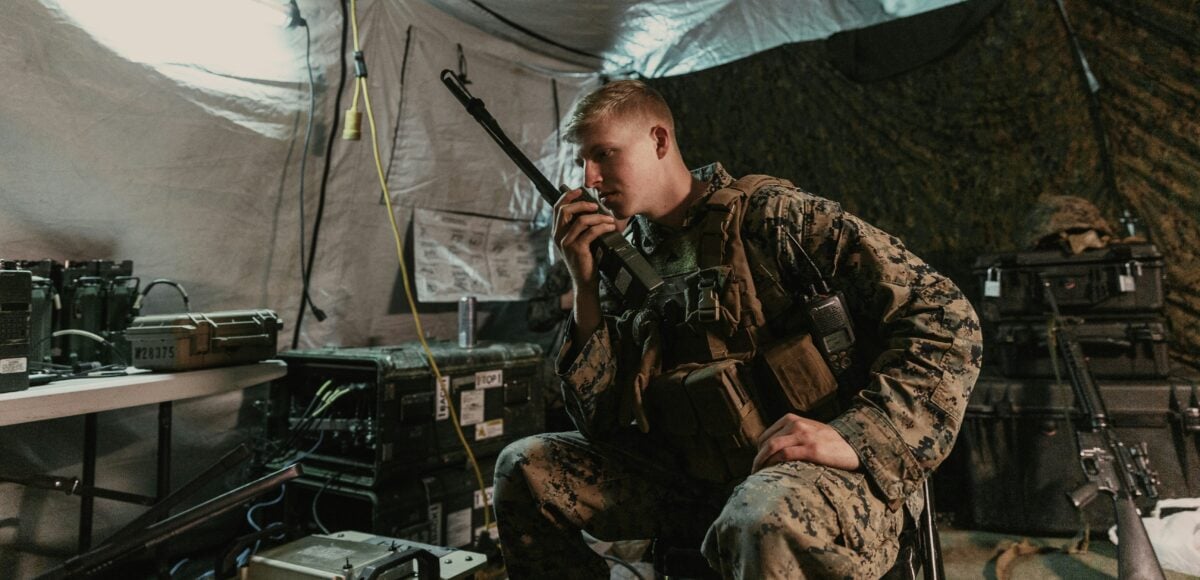
When you confirm that you’ve understood something by saying “Roger that,” you are using the phonetic alphabet of the old military radio system. In the Joint Army/Navy Phonetic Alphabet used during the Second World War, “Roger” was the letter R — specifically, R for Received. It indicated that a transmission had been heard and understood.
The phonetic alphabet changed later — R became “Romeo” — but “Roger” had already cemented itself in the popular imagination.
AWOL

“Gone AWOL” — absent without leave — is used casually to describe anyone who has disappeared or failed to show up. The military origin is not merely background history.
The term comes directly from the formal military designation for soldiers who abandoned their posts without permission, dating in British usage to at least 1767. During the First World War it was written as four separate letters.
By the Second World War it was being pronounced as a single word.
Deadline

In the publishing industry, a deadline is the point past which a piece of copy can no longer be accepted. The original meaning was considerably more final.
The term emerged from the American Civil War, where it referred to a line drawn around a prison camp. Any prisoner who crossed it — for any reason — was shot on sight.
The line marked death, not lateness. The word crossed into civilian usage in the printing industry, referring to a line on a printing plate beyond which text would not appear, before it eventually settled into its current meaning of a time limit.
No Man’s Land
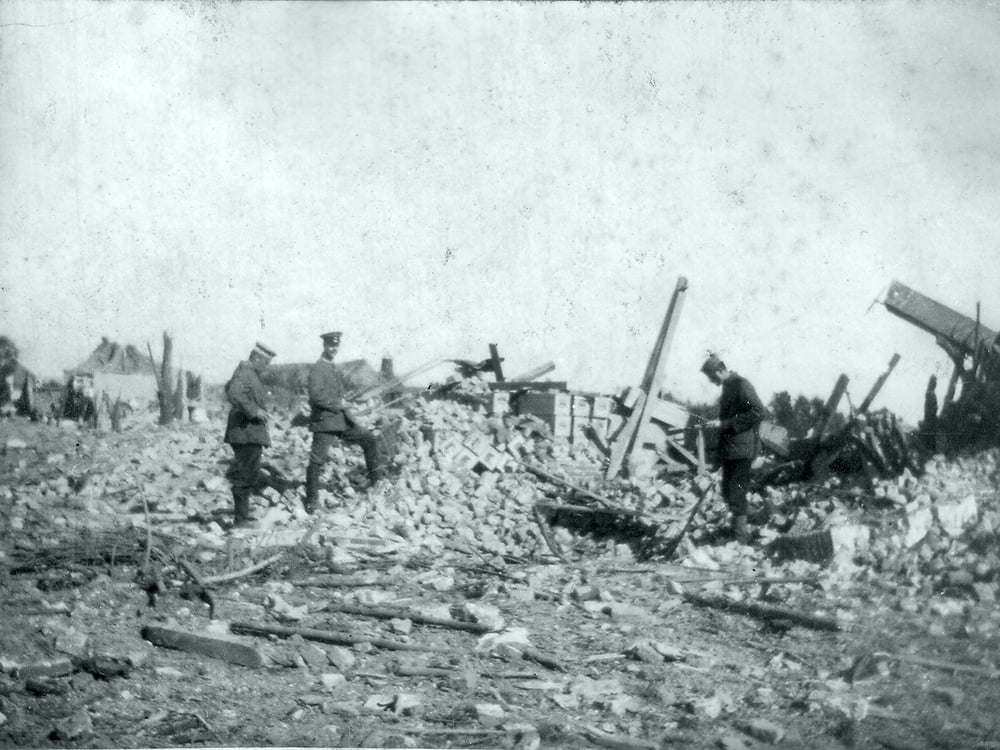
Used today to describe any ambiguous, uncomfortable, or contested territory — a bureaucratic grey area, an awkward social situation — the phrase dates from 14th-century England, where it referred initially to a tract of waste land outside London used for executions. By the time of the First World War, it had become the term for the ground between opposing trenches — exposed, shell-cratered, almost impossible to cross — and the imagery of that landscape has coloured the phrase ever since.
Gung Ho
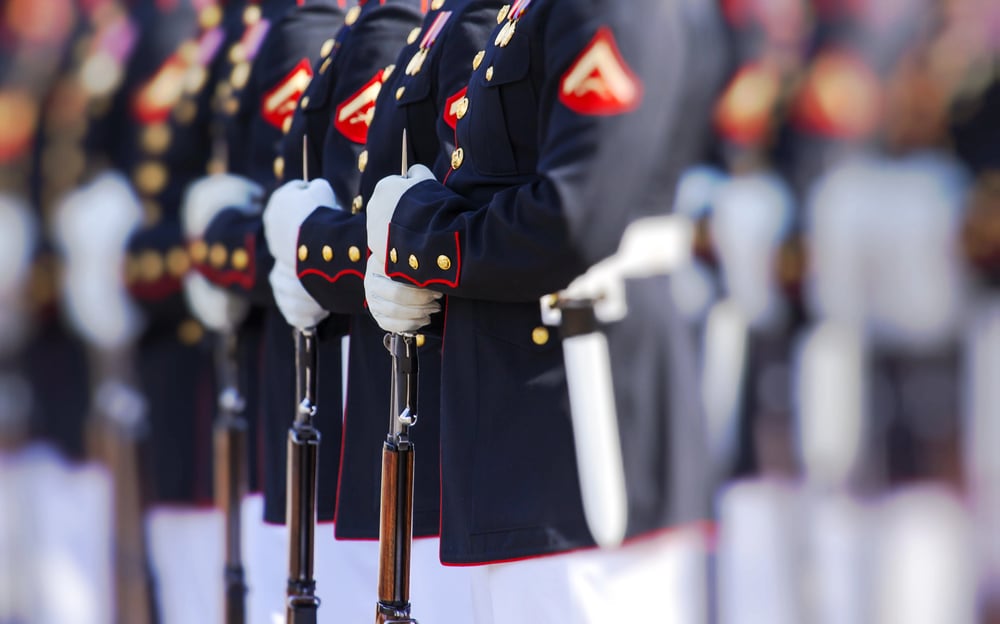
Enthusiastic, eager to act, intensely committed — all captured in two syllables. The phrase entered English from Mandarin Chinese: it is a shortening of gōngyè hézuòshè, meaning “industrial cooperative.” Lt. Colonel Evans Carlson of the United States Marine Corps adopted it as the motto of his 2nd Marine Raider Battalion in 1942, using it to encourage the kind of collective effort and shared purpose he admired in the Chinese cooperatives he had observed.
His unit’s reputation for aggression brought the term into wider American use.
Bite the Bullet
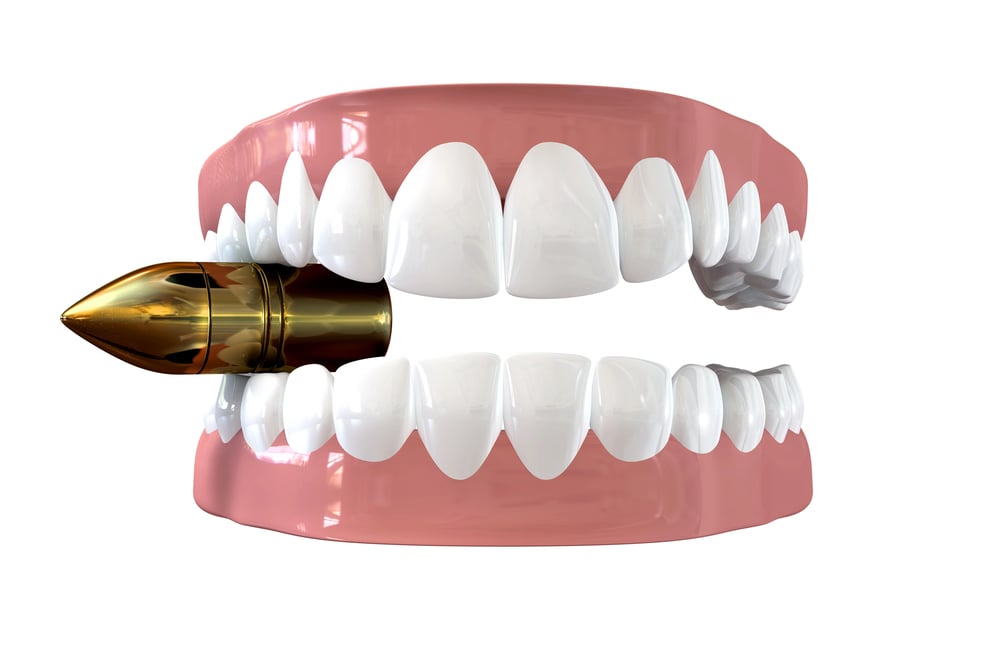
The instruction to endure something painful with stoicism comes from battlefield surgery in the era before anaesthetics. When a field amputation or extraction had to be performed without any available pain relief, the patient was sometimes given a bullet to clench between their teeth — partly to prevent them from biting their own tongue, partly to give them something to bear down on during the procedure.
The phrase is documented in use from the 19th century and appears in Rudyard Kipling’s 1891 novel The Light That Failed.
Hurry Up and Wait

This expression is used widely in civilian life to describe the frustrating experience of rushing to meet a deadline, then spending a long time doing nothing once you arrive. Its origins are in military logistics, where units were required to assemble and be ready at a specified time regardless of when the operation would actually begin.
The disconnect between readiness time and action time was a reliable feature of military scheduling, and the phrase captures the specific kind of institutional impatience it produced.
Heard It Through the Grapevine
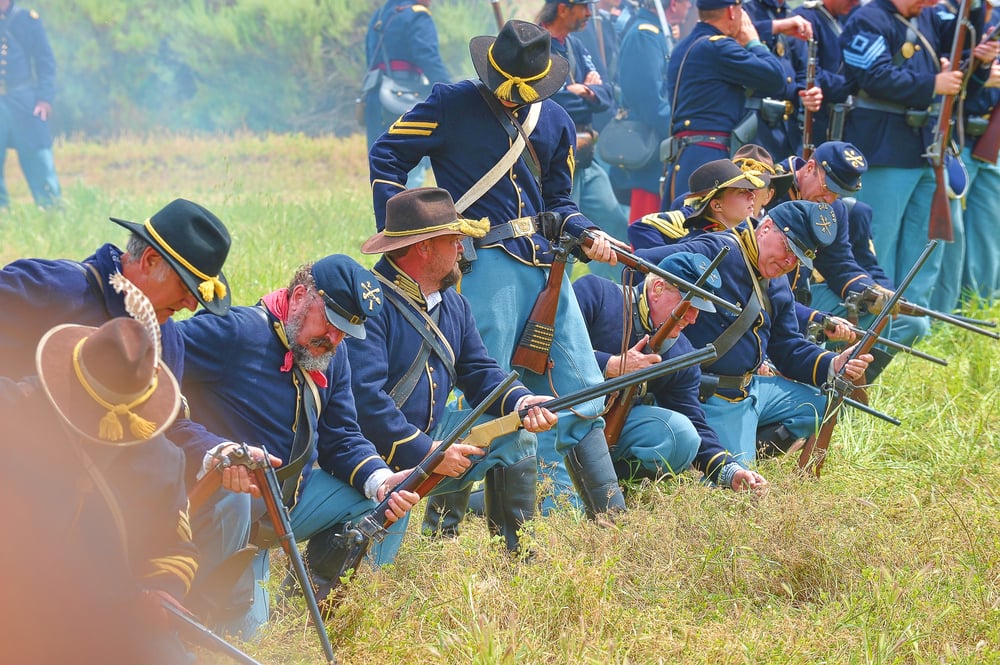
During the American Civil War, telegraph wires stretched across the country and were described as “grapevines” by soldiers because of the way they were strung between poles, looping and sagging like vines. Information passed along this network — some of it accurate, much of it distorted or exaggerated — was said to have come “through the grapevine.”
The phrase initially carried connotations of unreliable gossip, which is more or less how it is still used when rumours circulate informally.
Toe the Line
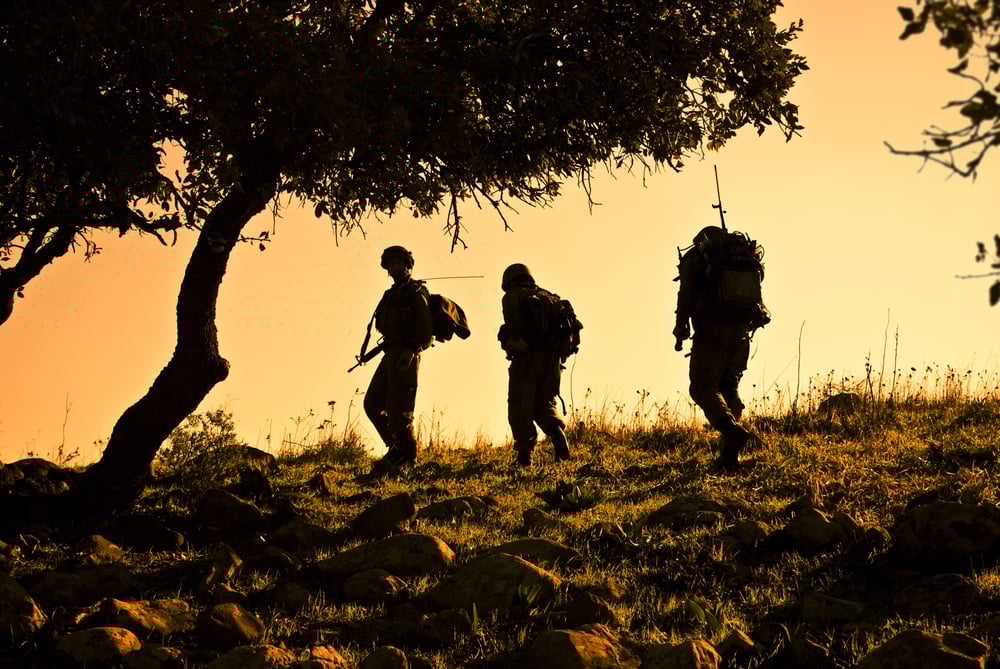
The expression for conforming, following the rules, or meeting expected standards comes from military drill. Soldiers and sailors were required to stand at inspection with their feet precisely aligned to a marked line on the deck or parade ground — toes touching the line, posture correct.
The earliest documented uses of the phrase in its metaphorical sense date to the early 19th century, during a period when naval and military discipline was a constant presence in British cultural life.
On the Double
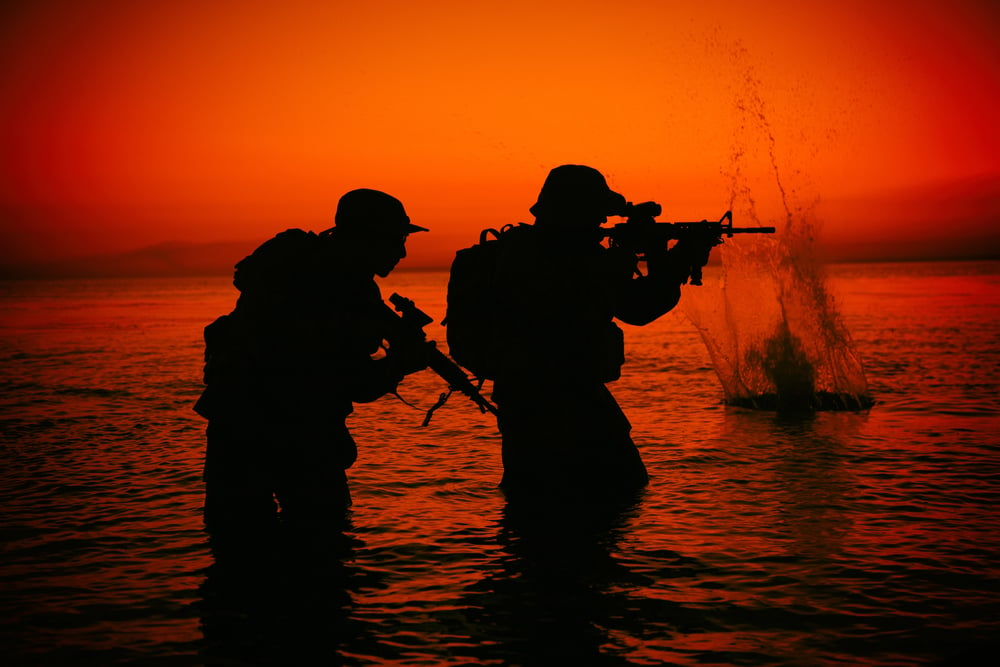
To do something “on the double” is to do it immediately and without delay. In military marching formations, “double time” referred to a pace twice the speed of a standard march — approximately 180 steps per minute.
An officer ordering troops to “move at the double” was demanding urgency. The phrase moved into civilian use during the 19th century and has remained in common currency since, still carrying the precise urgency of a drill sergeant’s command.
Friendly Fire
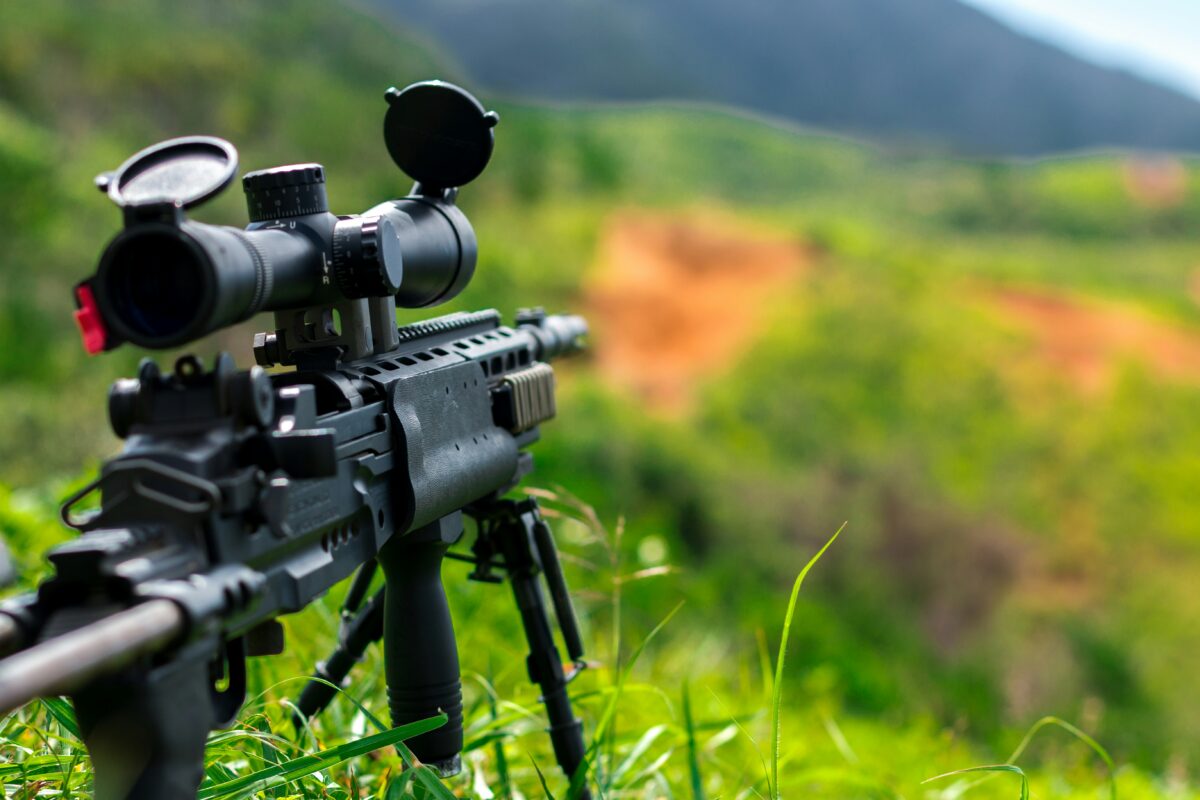
The term describes accidental attacks by military forces on their own side. It is a phrase of dark precision, deliberately softening something catastrophic through the neutrality of its language.
The first documented use in print appears in The New York Times in October 1918, during the First World War. Its use spread significantly during the Vietnam War era, as the scale of such incidents in complex modern warfare made a clinical term for them increasingly necessary.
Face the Music
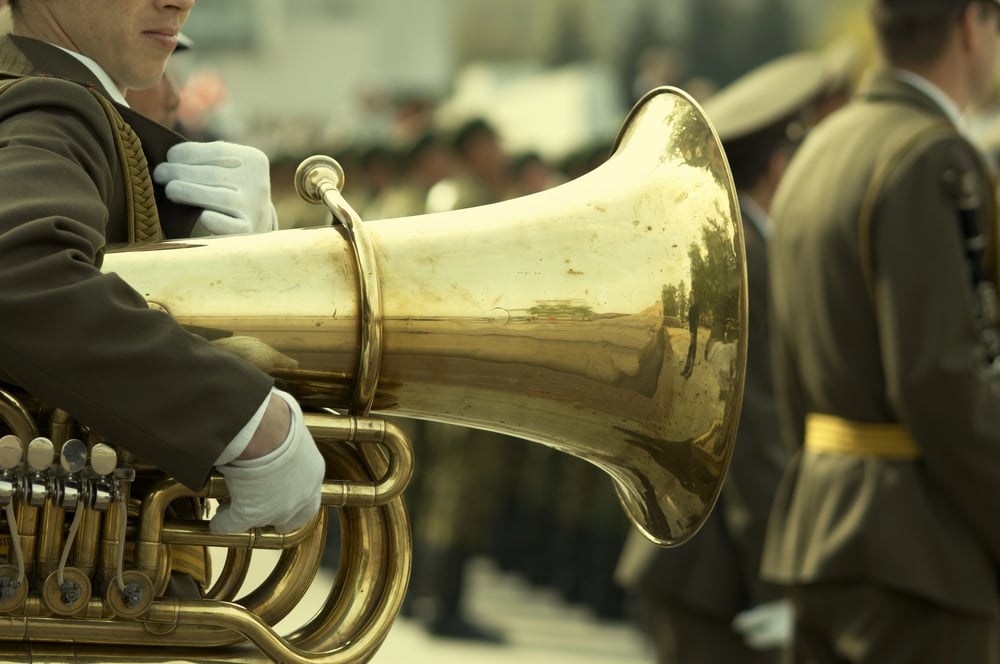
To accept the consequences of something, to meet a difficult situation without evasion. The military origin most commonly cited involves the drums and fifes that accompanied the formal expulsion of a disgraced soldier from his unit — the drumming out ceremony.
The expelled soldier was required to walk forward toward the assembled musicians, literally facing the music, as the proceedings marked his disgrace. The phrase appears in American newspapers from the 1850s onward.
Scuttlebutt
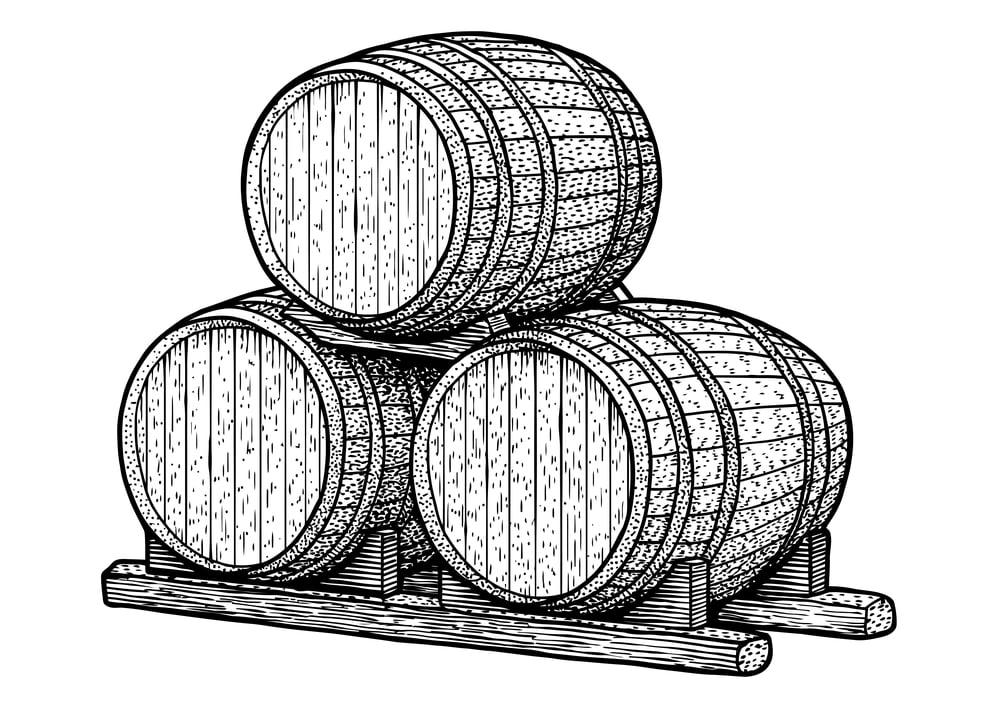
The word for gossip or rumour in contemporary American English comes from the Royal Navy. A scuttlebutt was a cask of fresh drinking water aboard a ship, kept on deck where crew members could gather around it.
The conversations that happened around the water cask were the primary informal information exchange on a ship, and the word eventually transferred from the object to the activity — from the cask to the conversation around it. It is the naval equivalent of water-cooler talk.
The Whole Nine Yards
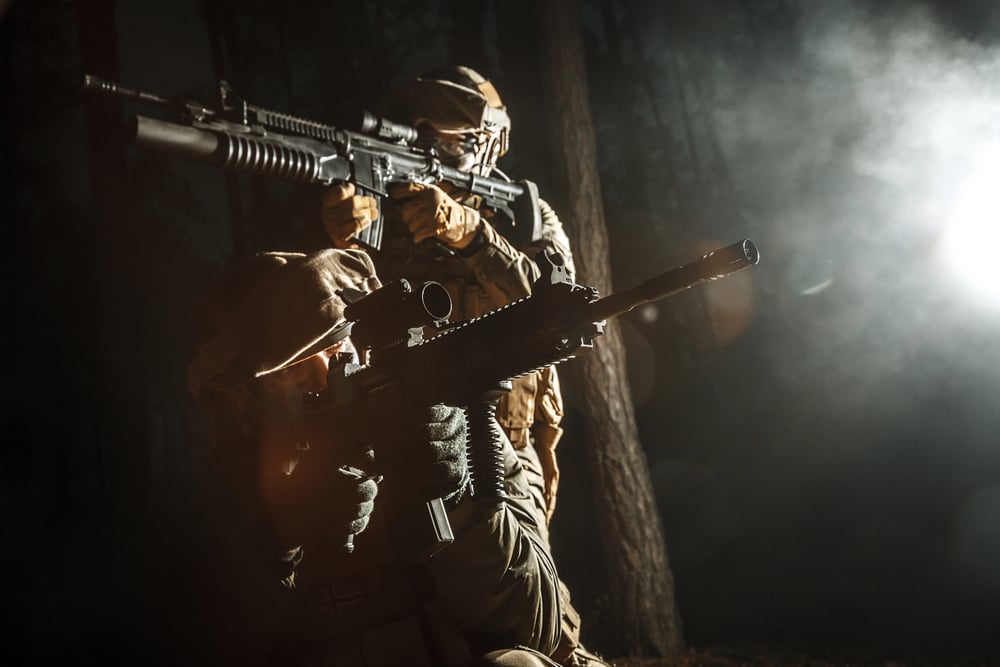
The phrase is used to mean the entirety of something, everything included, the complete version. The most widely accepted military origin places it in the Second World War, specifically with American aircraft machine gun belts, which were approximately 27 feet — nine yards — long.
A pilot who had used all his ammunition in a single engagement had “given them the whole nine yards.” The phrase is also sometimes attributed to concrete mixers or kilts, but the aviation origin has the most documentary support from the period.
Rank and File
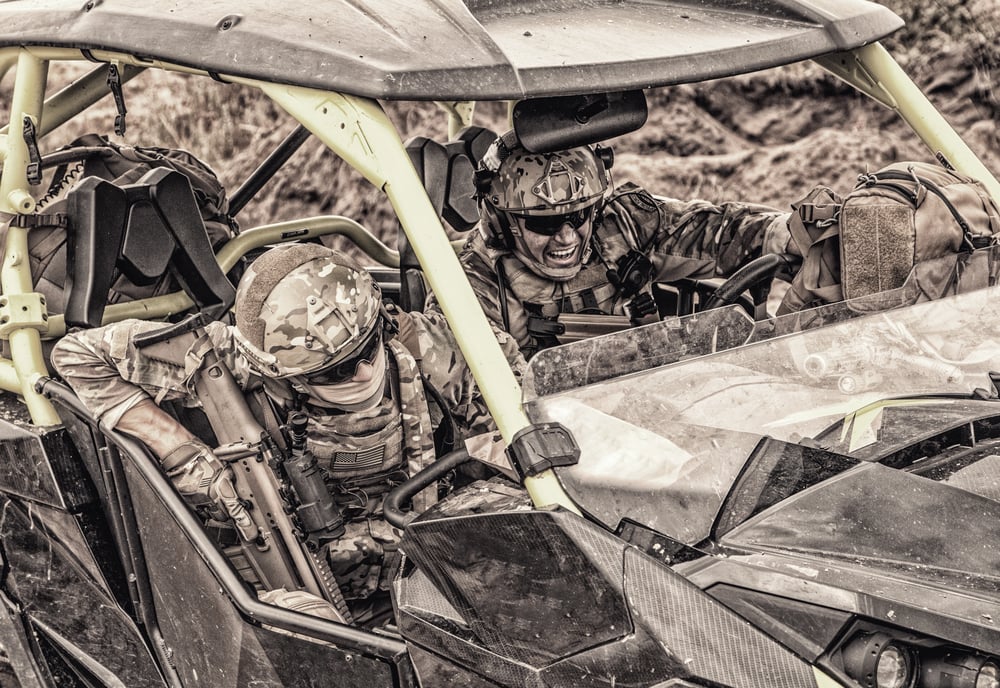
The phrase now refers to the ordinary membership of an organisation, as opposed to its leadership. In military use, it described the literal arrangement of infantry soldiers — ranks being the horizontal rows of soldiers, files being the vertical columns.
The distinction between officers and the rank and file was the distinction between those who gave orders and those who stood in formation and received them. The phrase entered civilian language in the 18th and 19th centuries as trade unions and large organisations began to need a term for their general membership.
Flash in the Pan

A flash in the pan describes something that shows promise but fails to deliver — an initial burst of excitement or apparent success that produces nothing lasting. The origin is in the flintlock musket, where the pan was the small compartment that held the priming powder.
When the trigger was pulled, the powder in the pan was supposed to ignite and send a flame into the main charge, firing the round. Sometimes the pan flashed but the charge failed to ignite. The gun had fired, in a sense, but done nothing.
FUBAR
The acronym — Fouled Up Beyond All Recognition, with the verb in question considerably stronger in its original usage — originated with American soldiers during the Second World War, who used it to describe situations of catastrophic disorganisation. It belongs to a cluster of military acronyms from the same period that attempted to describe the chaos of war with dark, sardonic precision.
The term entered civilian usage gradually after the war, and its precise original wording is now frequently replaced by politer alternatives in public contexts.
At Ease
In military contexts, “at ease” is the command given to allow soldiers to adopt a relaxed position after the rigid attention position. In civilian use, it means something close to “relax” or “don’t be uncomfortable on my account.”
The phrase retains its essential meaning almost unchanged — an instruction to loosen the posture, to stop performing formality. It is most often used with a gentle irony in situations where formality was never really required.
Best Man
The role of the best man at a wedding has a distinctly martial origin. In the early days of bride capture — and later in the era of clan rivalries, where weddings were occasions that attracted armed opponents — the groom needed the support of his most capable, most dependable fighter.
That man stood beside him during the ceremony to guard against disruption and to defend the couple during the retreat to their new home. The “best” in best man referred not to character but to fighting ability.
The role has since been reassigned from security to speeches and ring-keeping.
Foxhole
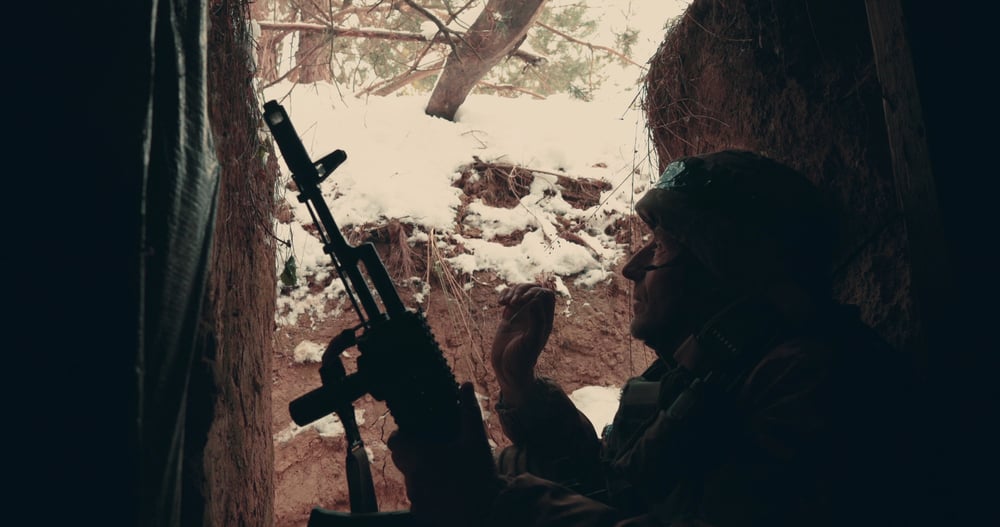
A fortified pit dug into the ground for individual cover and concealment — the foxhole is one of the fundamental forms of field fortification. “There are no atheists in foxholes” is perhaps the most famous phrase derived from it, attributed to American military chaplain William Thomas Cummings during the Second World War and quoted widely ever since.
The image of the foxhole as a place of extremity, where ordinary positions become irrelevant, has given the word metaphorical weight beyond its military meaning.
Mess
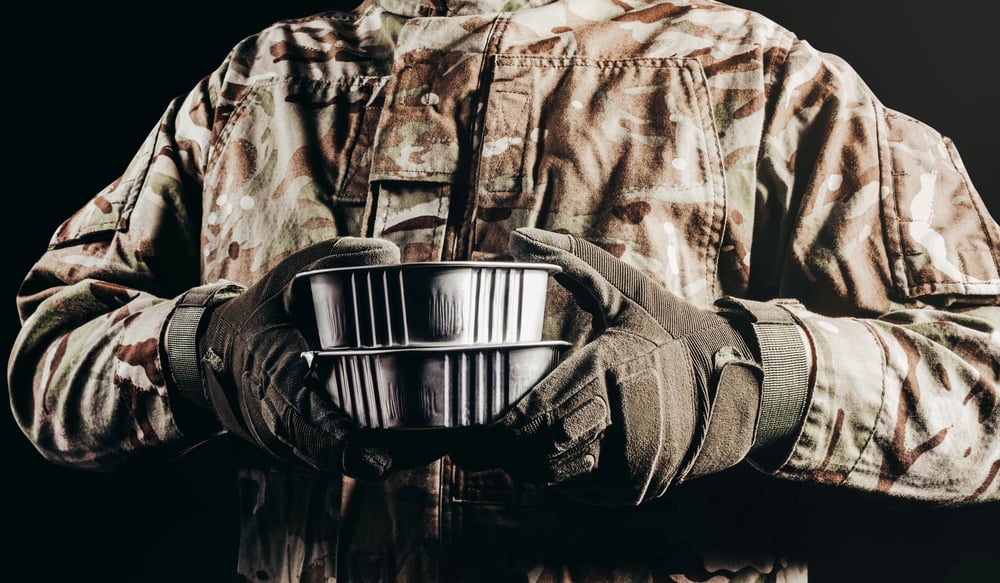
The military mess — the communal eating area — gives English both the informal meaning of disorder and the specific term for a military dining hall. The word derives from the old French mes, a portion of food, which became the term for the shared meal that junior officers and enlisted soldiers took together.
The combination of large numbers of people, improvised conditions, and communal eating produced the secondary meaning of disorder relatively naturally. “Making a mess” and “making a mess hall” share the same root.
Umpteen
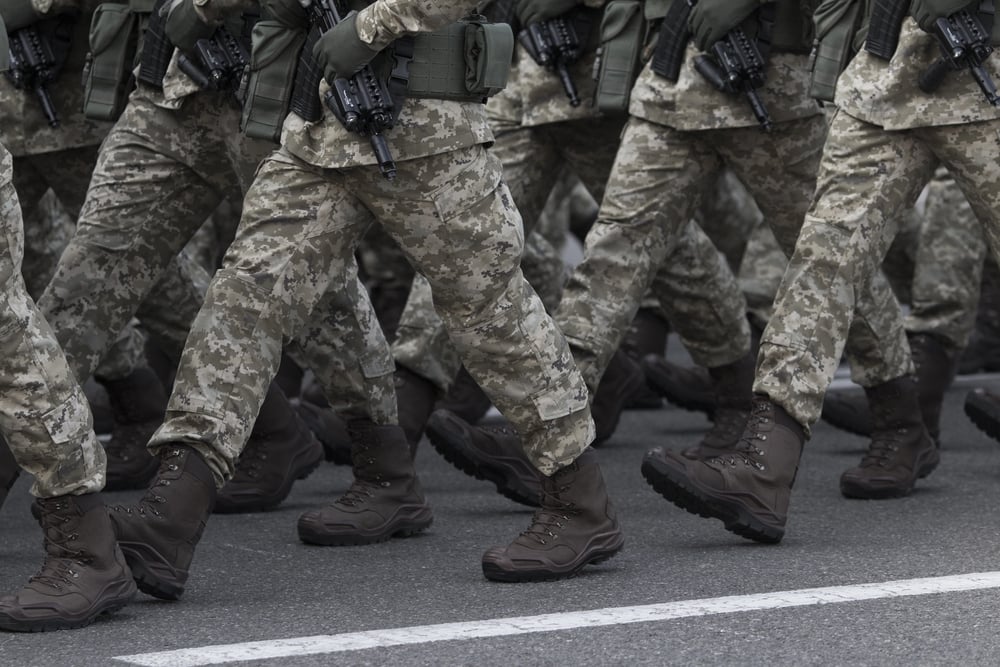
This word for an unspecified large number began as “umpty,” a First World War British Army slang term for a large, undefined quantity. It sounded like twenty or thirty — the “-teen” suffix was naturally tacked on — and entered civilian use after the war in the form most people still use.
It has no precise value and has never needed one. “I’ve told you umpteen times” communicates exactly the same exhausted repetition it did in 1917.
Blockbuster
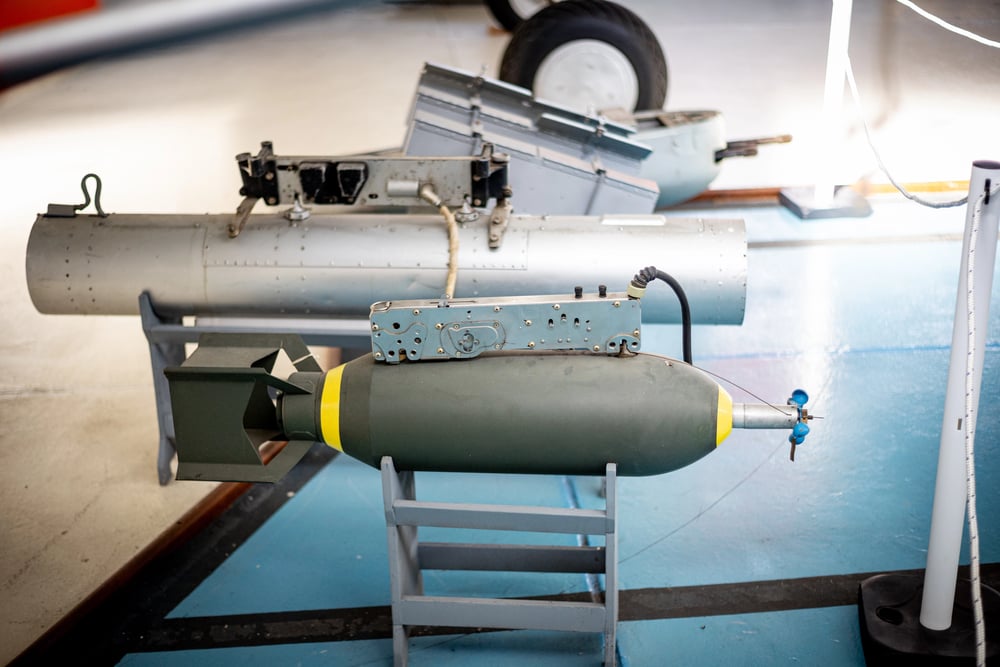
The word is used today to describe any major commercial success — a film with a huge opening weekend, a book that sells in millions. Its origin is the Second World War, where a blockbuster was a very large bomb — specifically, one powerful enough to destroy an entire city block.
The term was in use by British bomber crews from around 1942. It moved into advertising usage in the late 1940s, where it was applied to any product of overwhelming size or impact, and arrived at its current cultural meaning through the entertainment industry of the 1970s.
Going Over the Top
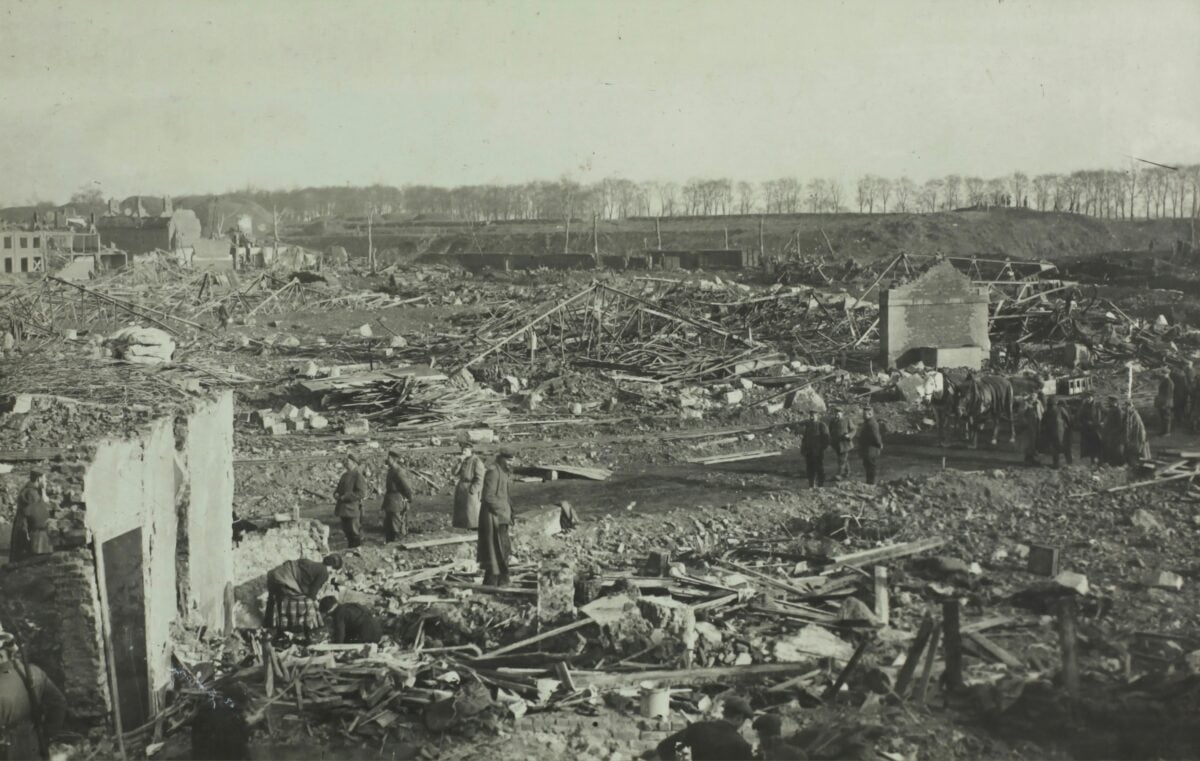
The phrase describes taking a bold, possibly reckless action, or overreacting to a situation. The military origin is among the most viscerally specific in this list.
Going “over the top” in the First World War meant climbing out of the trench and advancing toward the enemy across the open ground of no man’s land — an act of extraordinary exposure and, frequently, extraordinary mortality. The phrase is first recorded in this precise sense from around 1916, and the connotations of it as an extreme or daring action have persisted in civilian language.
Snafu
Like FUBAR, this acronym comes from Second World War American military slang and describes a situation that has gone entirely wrong — “Situation Normal, All Fouled Up.” The implication embedded in the phrase is that fouled-up situations are, in fact, the normal state of military operations.
It has since softened in civilian use, now commonly applied to minor administrative errors or scheduling problems rather than catastrophic organisational failures.
The Language of War Is the Language of Everything
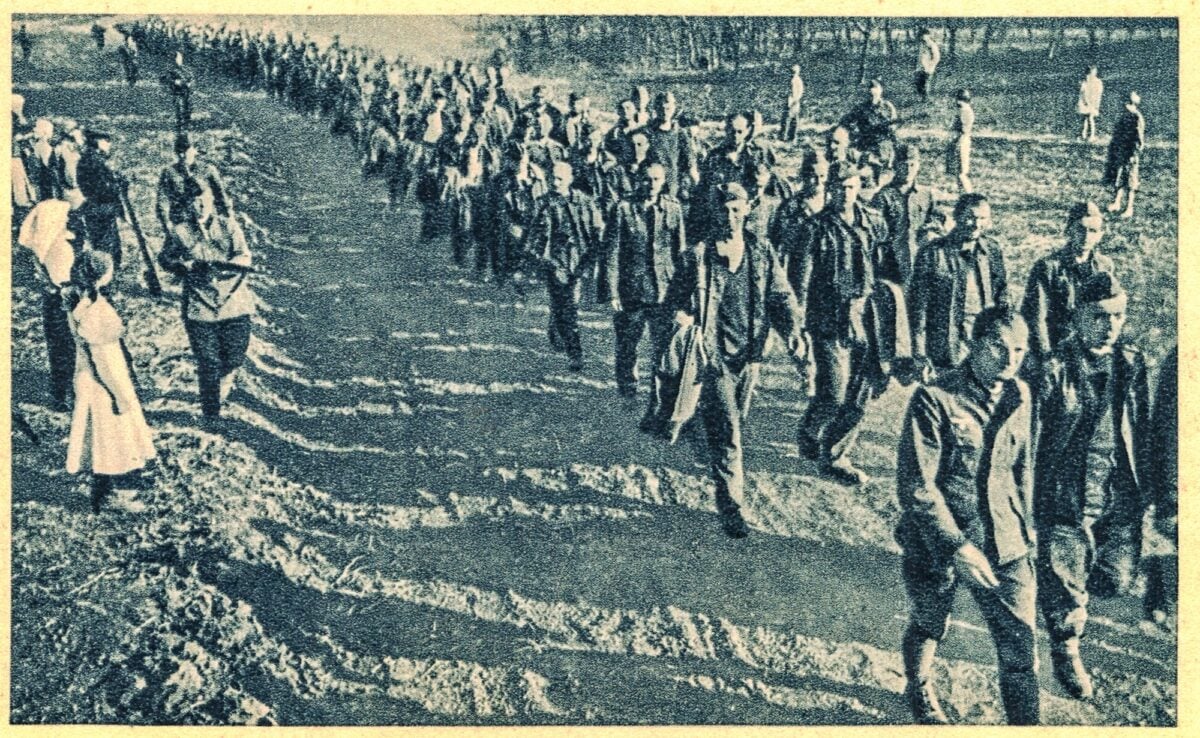
English-speaking cultures have fought enough wars, for long enough, that the vocabulary of combat has become the vocabulary of daily life. Deadlines, blockbusters, foxholes, rank and file, best men — the civilian versions of these words carry almost none of their original weight.
Most people who use them have never needed to distinguish between a rank and a file, have never stared down a flintlock pan, have never been told to face the music in the literal sense of the words. The original context has dissolved. What remains is the precision, the colour, the efficiency of meaning that came from situations where language had to be quick and clear and exact.
That the same words work so well in peacetime says something about the durability of military thinking, and something about how completely a society absorbs the language of its crises. War leaves many kinds of residue.
The phrases are among the most persistent.
More from Go2Tutors!

- The Romanov Crown Jewels and Their Tragic Fate
- 13 Historical Mysteries That Science Still Can’t Solve
- Famous Hoaxes That Fooled the World for Years
- 15 Child Stars with Tragic Adult Lives
- 16 Famous Jewelry Pieces in History
Like Go2Tutors’s content? Follow us on MSN.