25 Explorers Whose Discoveries Were Credited to Someone Else for Centuries
History has a bias toward the person who wrote the most compelling account, arrived with the most powerful sponsor, or happened to be standing at the right moment when a mapmaker needed a name. The actual first person through the door — the one who did the hard, dangerous, underfunded work of getting there — often found themselves written out of the story while someone more politically connected or narratively convenient took the credit.
Some of these substitutions were honest mistakes. Some were deliberate.
All of them have been repeated in textbooks long enough that correcting them requires more effort than the error did.
Leif Erikson and North America
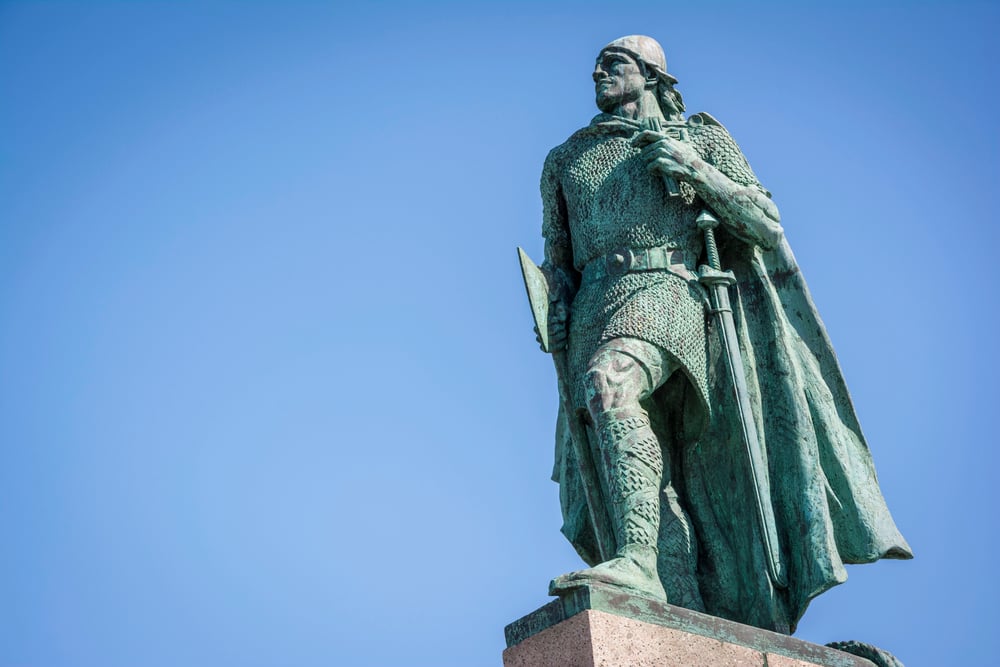
Norse explorer Leif Erikson reached the coast of North America around 1000 AD — nearly five centuries before Christopher Columbus arrived in the Caribbean in 1492. Erikson established settlements at a place he called Vinland, now identified with the archaeological site at L’Anse aux Meadows in Newfoundland, Canada, where Norse artifacts excavated in 1960 confirmed the visit beyond reasonable doubt.
Columbus received credit for “discovering” the Americas for centuries despite never having landed on the North American mainland and having died believing he’d reached Asia. Indigenous peoples, of course, had been living in the Americas for roughly 15,000 years before either European arrived.
Amerigo Vespucci and the Continental Realization
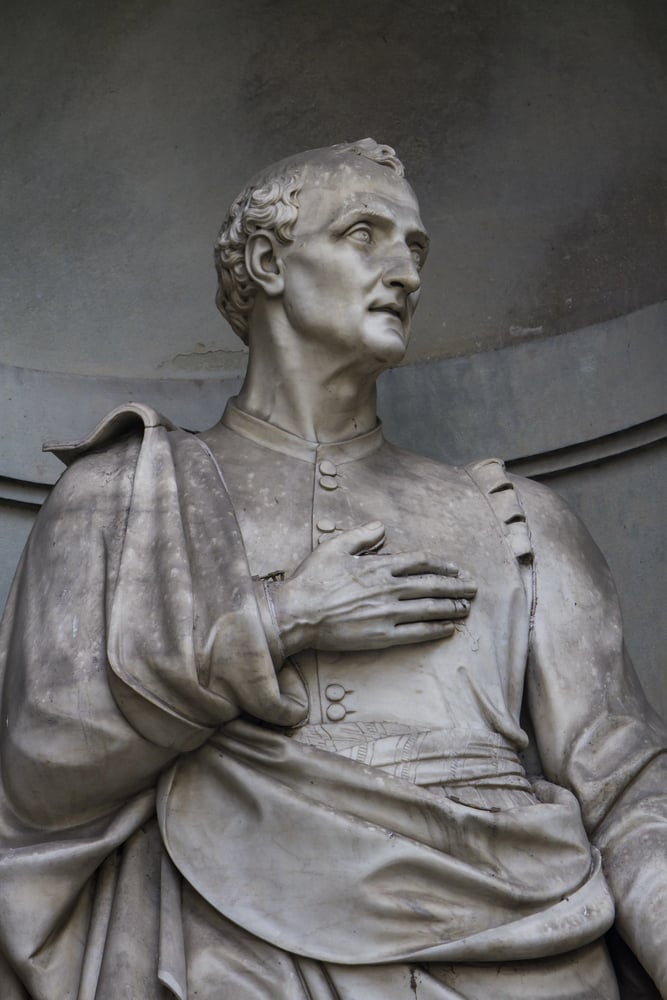
The two American continents are named for Amerigo Vespucci — and for most of history this has been treated as a somewhat unfair slight to Columbus. The more accurate reading is that Vespucci earned the naming.
While Columbus maintained until his death that he had reached Asia, it was Vespucci who recognized, from his coastal voyages of 1501–1502, that the land they were exploring was an entirely separate and previously unmapped continent. Without this conceptual shift, European expansion into the Americas would have proceeded under a systematic geographical misunderstanding.
The name America honors the person who understood what he had found, rather than the person who arrived first and misidentified it.
Bartolomeu Dias and the Cape of Good Hope
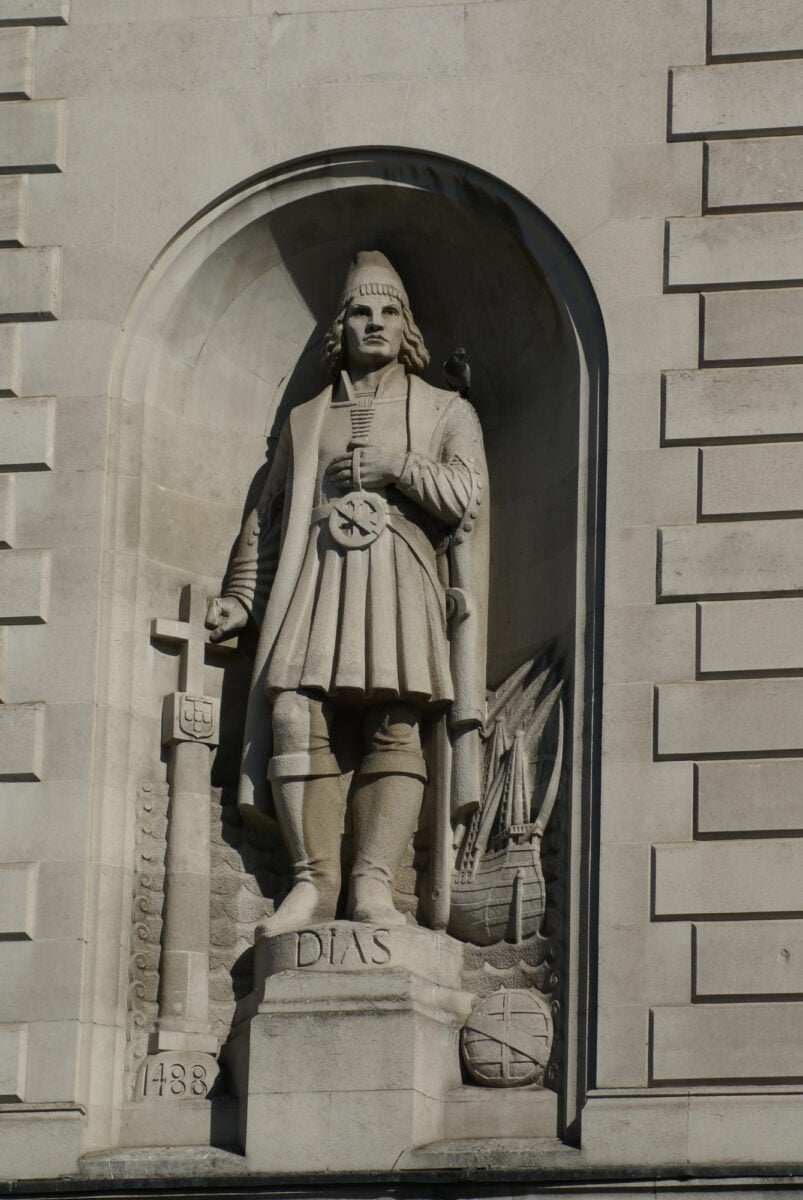
Bartolomeu Dias became the first European to round the southern tip of Africa in February 1488, opening the sea route between Europe and Asia that the Portuguese had been seeking for decades. He named the promontory the Cape of Storms.
King João II of Portugal renamed it the Cape of Good Hope — a piece of royal rebranding for obvious commercial reasons. When Vasco da Gama successfully reached India a decade later, in 1498, it was using the route Dias had proved viable.
Da Gama received the glory. Dias himself died at sea in 1500, in a storm near the cape he’d rounded twelve years earlier, largely unknown outside specialist histories.
Diogo Cão and the Congo River
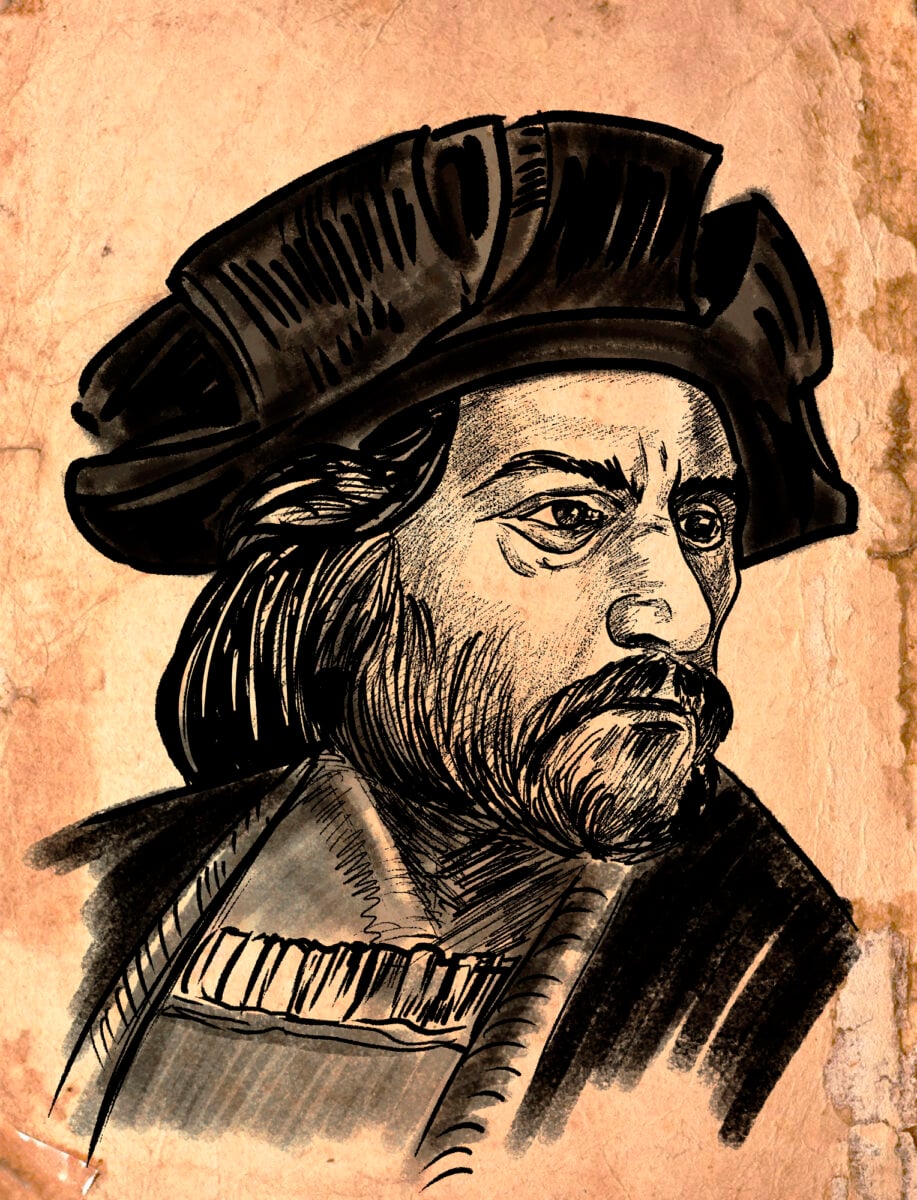
In 1483, Portuguese explorer Diogo Cão became the first European to sail up the Congo River and make contact with the Kongo Kingdom — one of the most significant encounters in African-European history. He also sailed further south along the African west coast than any European before him, placing stone markers at his turning points.
Cão’s contribution to the Portuguese mapping of Africa was essential to everything that followed. His name appears rarely in popular histories of African exploration, which tend to jump from Dias to da Gama, omitting the systematic coastal work that made the Cape route possible.
Zheng He and the Indian Ocean World
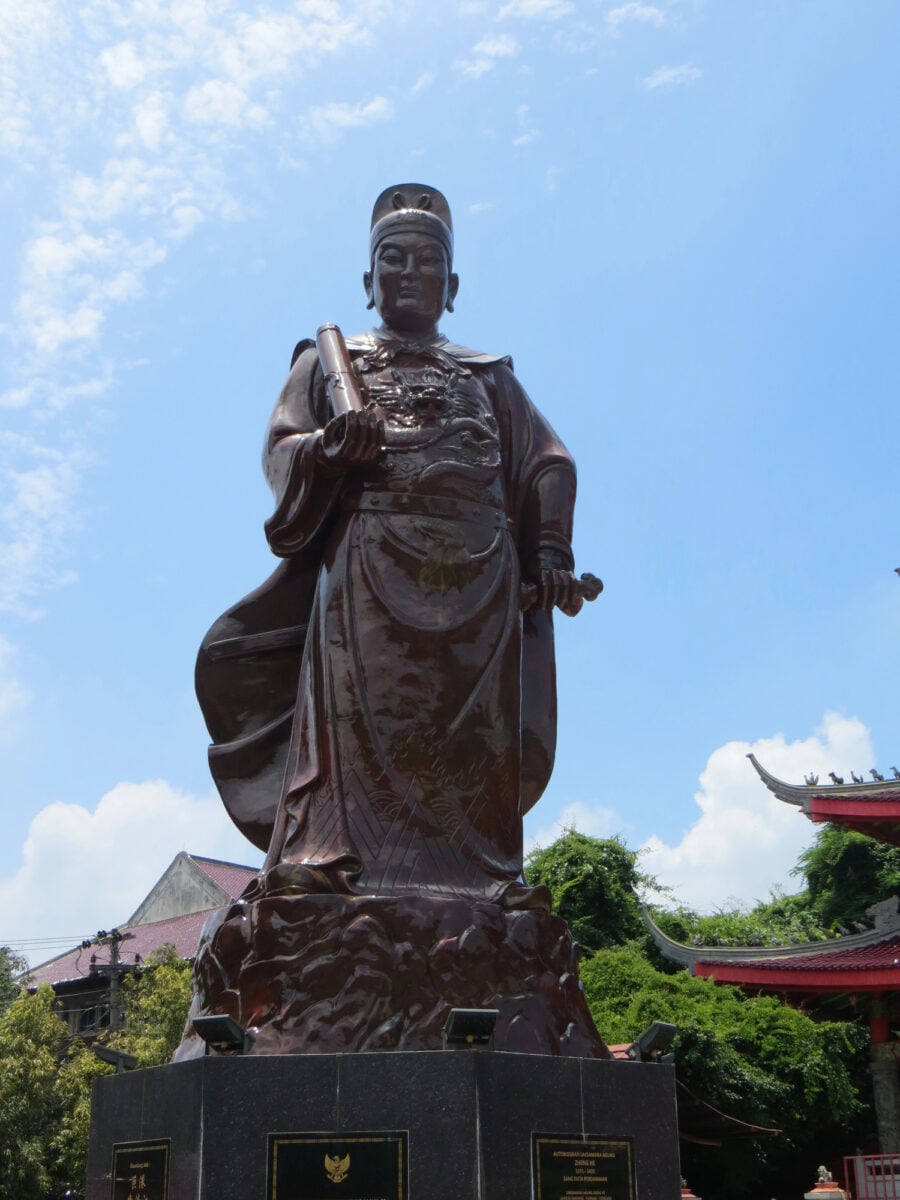
Between 1405 and 1433, the Chinese admiral Zheng He led seven naval expeditions with fleets of up to 300 ships and 28,000 crew members, reaching Southeast Asia, South Asia, the Middle East, and the east coast of Africa. These were among the largest naval operations in pre-modern history.
When the Ming dynasty reversed its maritime policy after 1433, Zheng He’s voyages were officially discouraged and their records suppressed. A century later, when Portuguese and Spanish navigators began reaching the same coasts, they were credited with “discovering” ports and trade routes that Zheng He’s fleets had visited decades earlier.
Ibn Battuta and the Known World
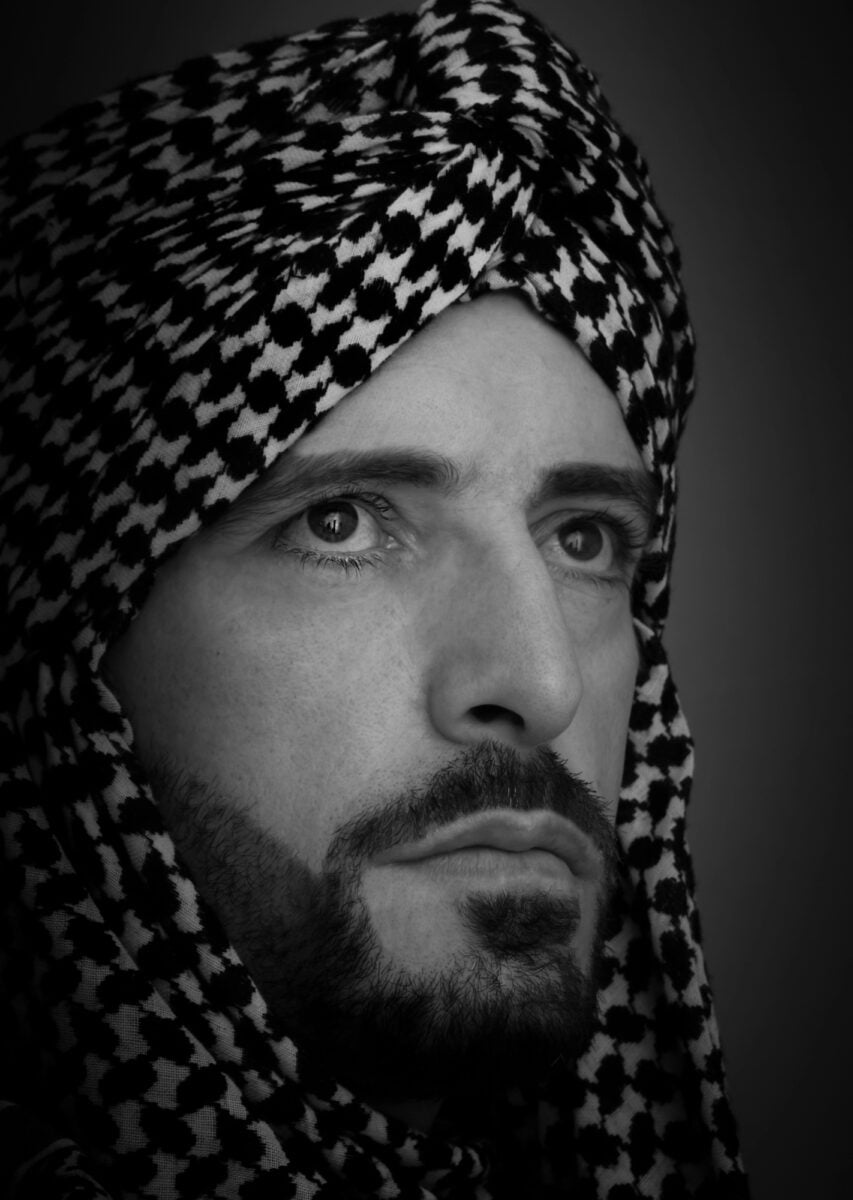
The Moroccan traveler Ibn Battuta covered more than 75,000 miles between 1325 and 1354, visiting the Sahara, East Africa, the Middle East, Central Asia, India, Southeast Asia, and China. His account, the Rihla, is among the most comprehensive descriptions of the medieval world from any source.
In Western historiography, he appears as a footnote to the Age of Discovery — which is a European-centered framing that places 15th-century Portuguese and Spanish voyages at the center of the history of exploration and treats everyone else as a precursor or curiosity. Ibn Battuta was doing what those later explorers are celebrated for — going into unknown territory and recording what he found — a century before they were born.
Vasco Núñez de Balboa and the Pacific Ocean
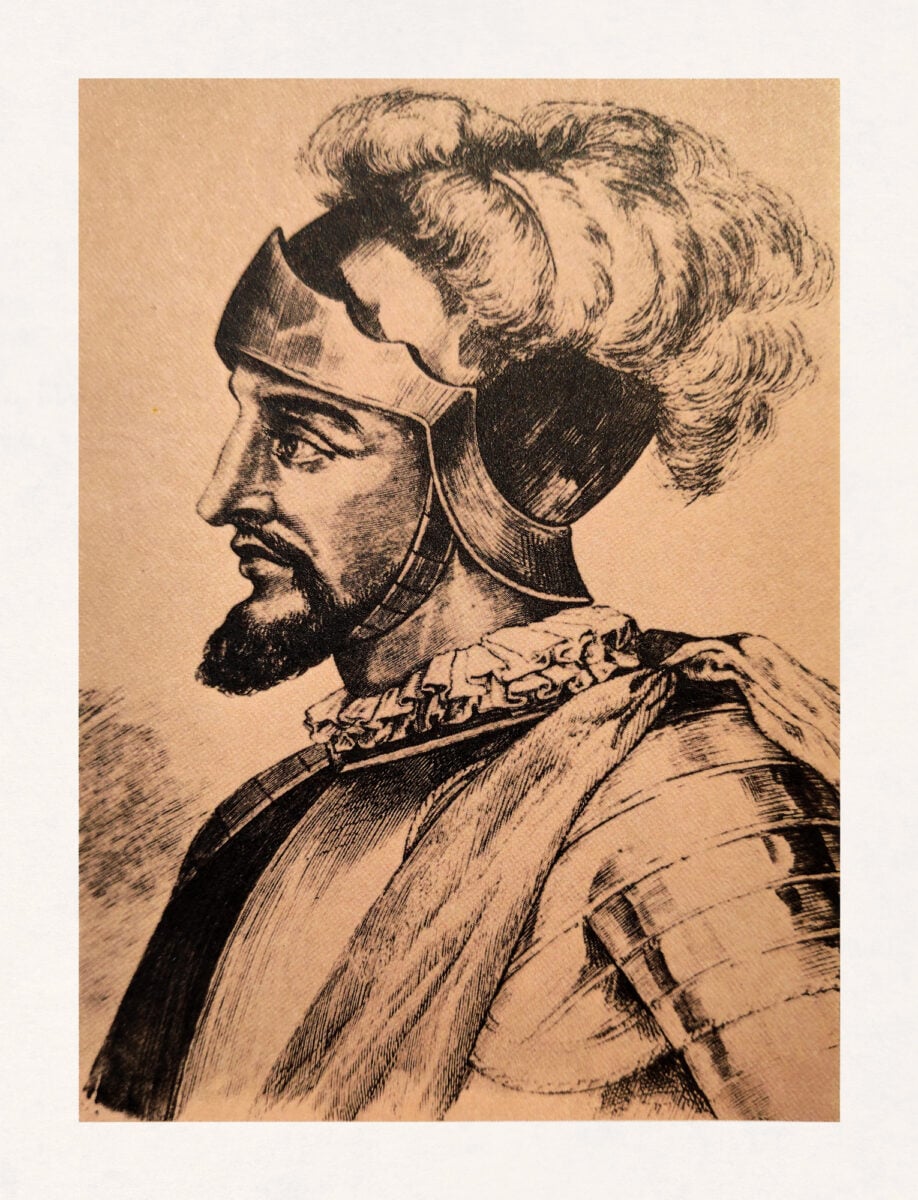
In September 1513, Balboa led an expedition of about 100 Spaniards and 1,000 indigenous allies across the Isthmus of Panama and became the first European to see the Pacific Ocean from its eastern shore. He waded into the water in full armor and claimed it for the Spanish crown.
Six years later he was executed on false charges of treason by the governor who replaced him, Pedro Arias Dávila. The ocean Balboa was first to see from America was named by Magellan, whose circumnavigation of 1519–1522 attracted far more narrative attention.
Balboa’s discovery was real, decisive, and almost entirely overshadowed.
Juan Rodríguez Cabrillo and California
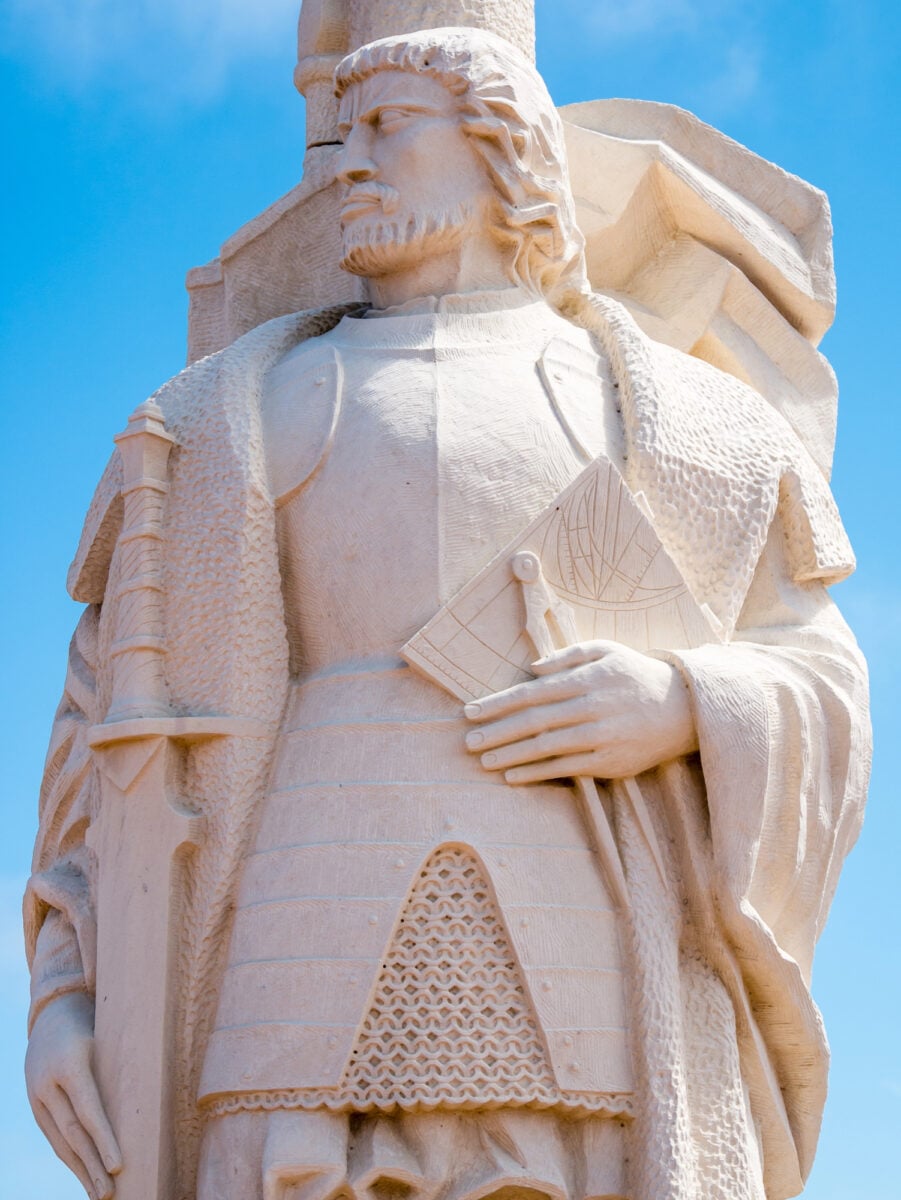
In 1542, Portuguese-born explorer Juan Rodríguez Cabrillo led the first European expedition to explore the coast of what is now California, reaching San Diego Bay and sailing as far north as Point Reyes. He died on the expedition from injuries.
His pilot, Bartolomé Ferrelo, continued north to Oregon before turning back. For most of California’s historical consciousness, the state’s European discovery story skips to Gaspar de Portolá and the Spanish missionary expeditions of 1769 — more than two centuries later.
Cabrillo is commemorated at a national monument near San Diego, but he remains obscure even by the standards of lesser-known explorers.
Henry the Navigator and the Exploration He Never Did
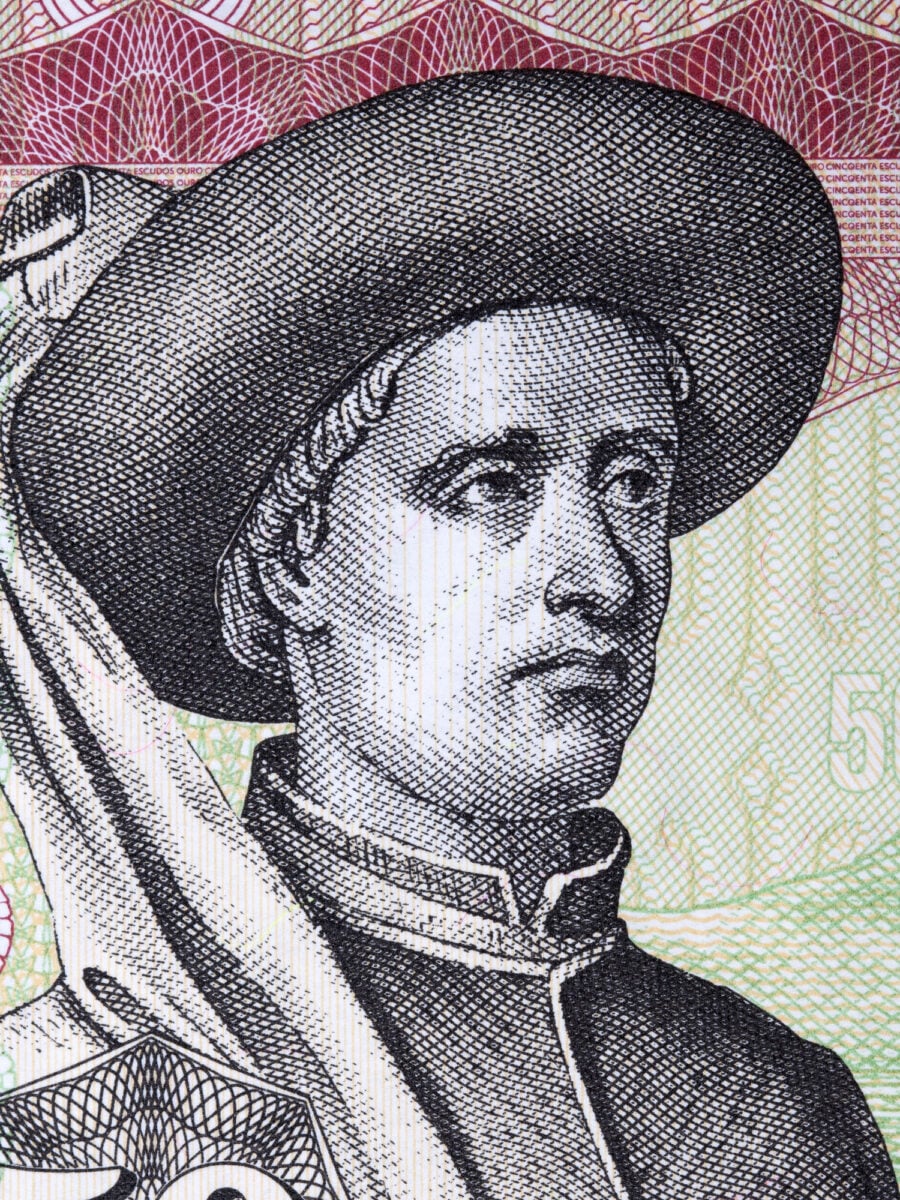
Prince Henry of Portugal, known as Henry the Navigator, is frequently described as an explorer. He organized and funded Portuguese expeditions down the African coast and is a genuine figure of historical importance in the Age of Discovery.
What he did not do was navigate. Henry never left European waters on any of the voyages he sponsored, and he never went anywhere that required navigation more demanding than a ship in Portuguese coastal waters.
The credit for the actual voyages — those made by Diogo Cão, Gil Eanes, and others — belongs to the captains who sailed them. Henry gets the name; the sailors get the danger.
Sacagawea and the Lewis and Clark Expedition
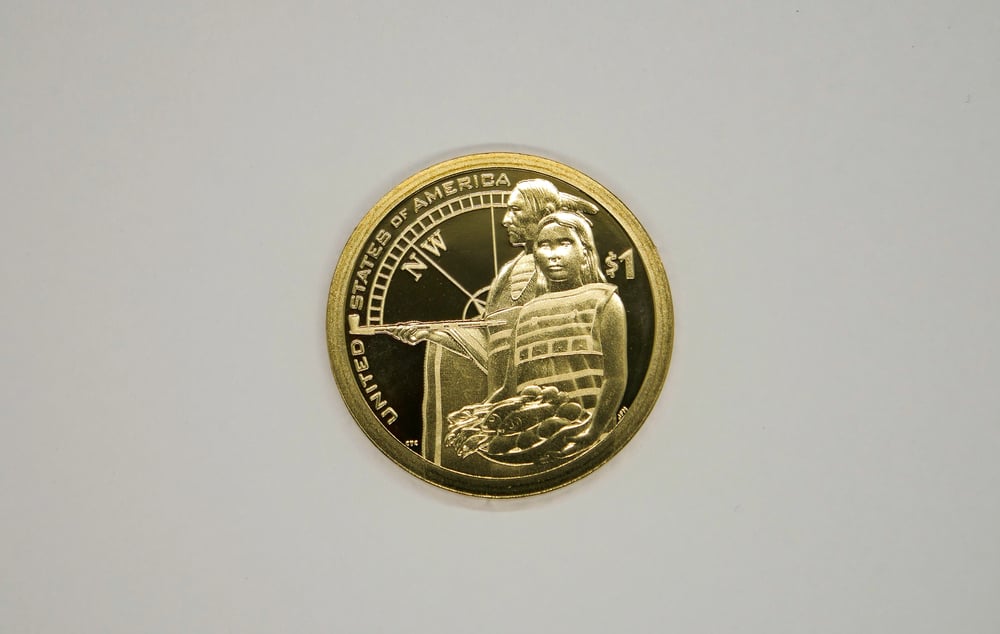
The Lewis and Clark Expedition of 1804–1806 is credited to Meriwether Lewis and William Clark in virtually every popular account. Sacagawea, a Shoshone woman who served as interpreter, negotiator, and geographical guide, provided knowledge without which the expedition would likely have failed — particularly in the negotiation with the Shoshone for horses that allowed the party to cross the Rocky Mountains.
Her infant son was on her back for most of the journey. The expedition’s journals credit her contributions specifically and repeatedly, but the naming convention of American history assigned the discovery to the men who held the commissions.
Gaspar and Miguel Corte-Real and Newfoundland
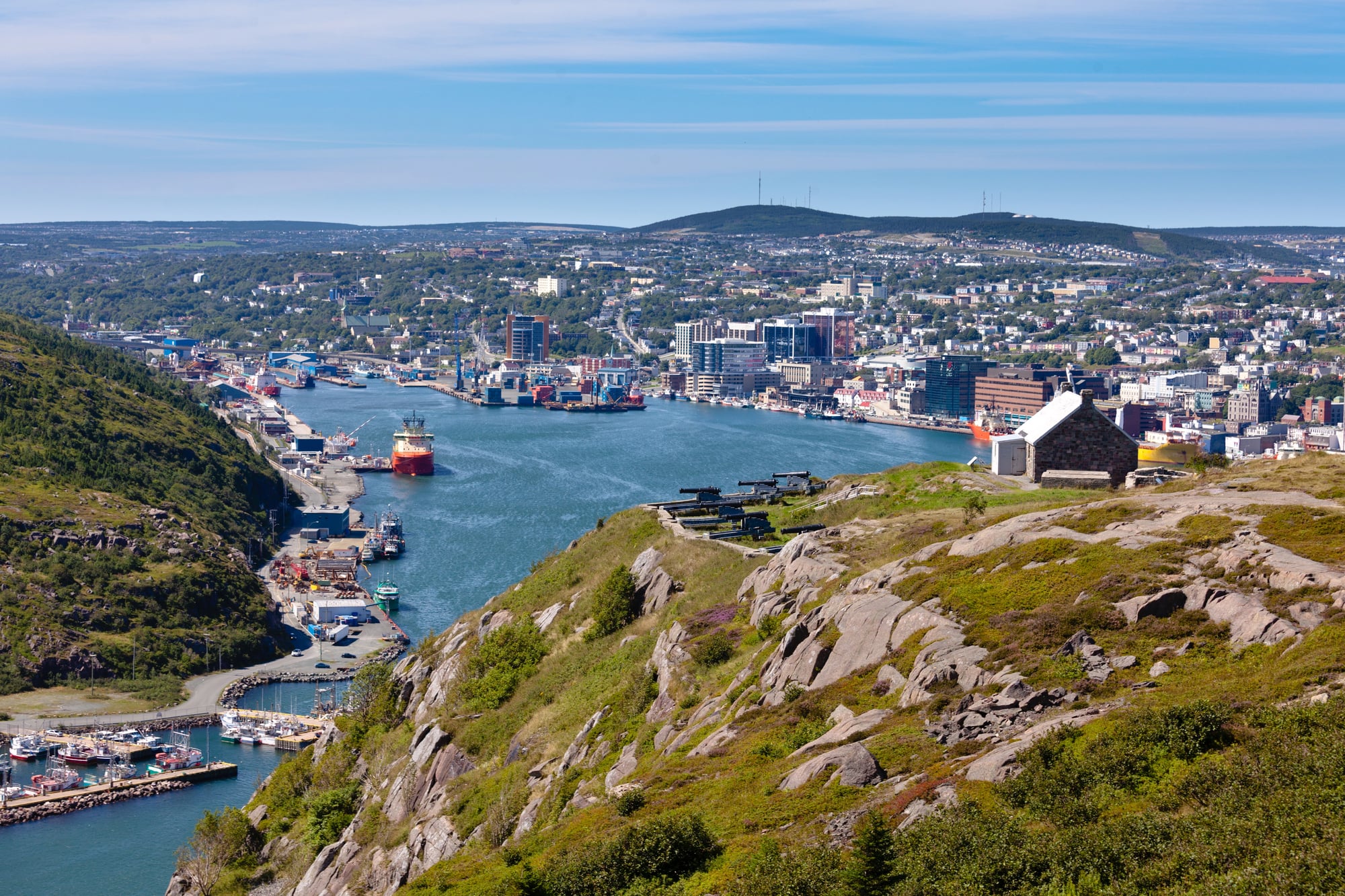
The Portuguese brothers Gaspar and Miguel Corte-Real made voyages to the coast of Newfoundland and Labrador in 1500 and 1501, reaching North America three years before any Italian explorer in the service of England did so in the same region. Both brothers subsequently disappeared on separate voyages, and without surviving accounts, their priority claims were not systematically advanced.
John Cabot — whose earlier 1497 voyage likely reached the same region — is better known largely because English colonial ambitions gave his memory institutional support.
Álvar Núñez Cabeza de Vaca and the American Southwest
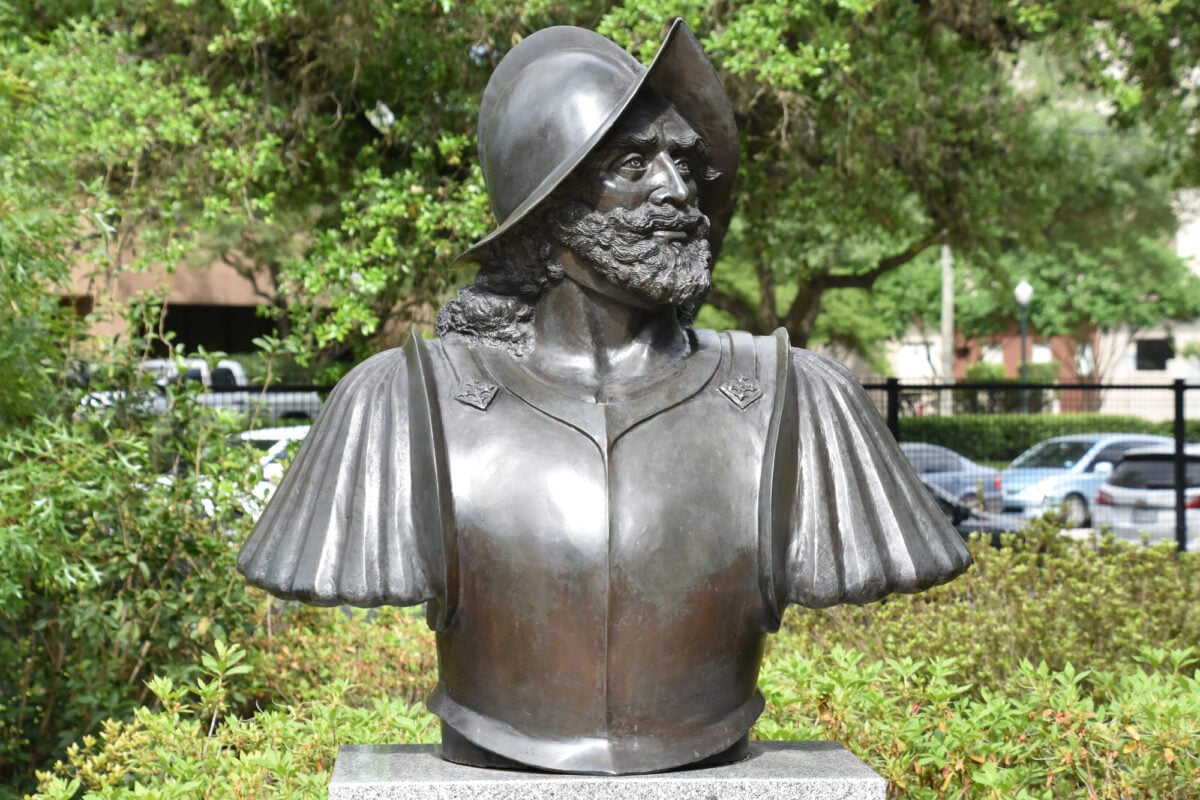
Shipwrecked on the Texas coast in 1528, Spanish explorer Álvar Núñez Cabeza de Vaca spent eight years traveling on foot across what is now the American Southwest and northern Mexico, becoming the first European to traverse a vast interior region. He arrived in Mexico City in 1536, having crossed a continent he was not trying to cross.
His account described indigenous populations, geography, and resources that subsequent expeditions used as their guide. Hernando de Soto and Francisco Vásquez de Coronado, who followed in his path with proper armies and royal commissions, are more frequently cited as the explorers of the region.
Estevanico and the Pueblo Southwest
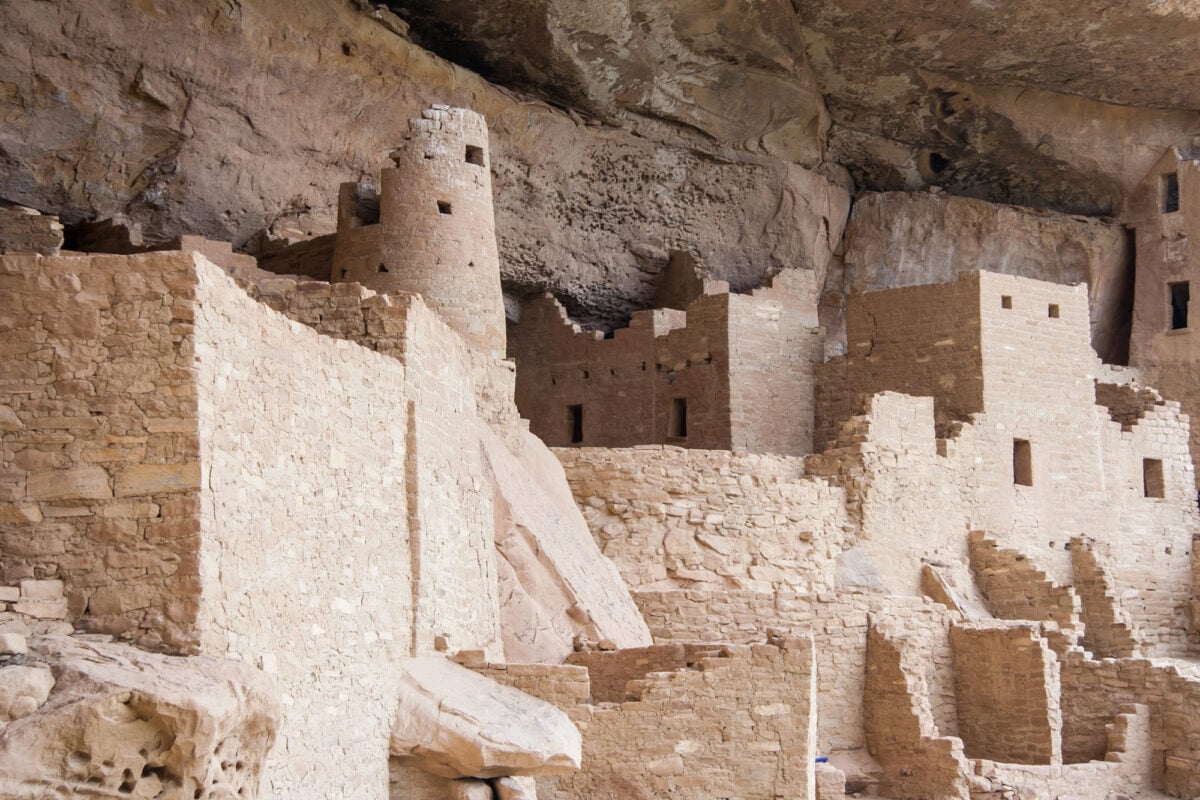
A formerly enslaved man from Morocco known as Estevanico traveled with Cabeza de Vaca and was among the first people of African descent to cross North America. When Cabeza de Vaca eventually made his account known to Spanish authorities, it was Estevanico who was selected as the advance scout for the 1539 Marcos de Niza expedition into the American Southwest, becoming the first non-indigenous person to enter what is now Arizona and New Mexico.
He was killed near Hawikuh, a Zuni settlement, likely as a result of his conduct with Zuni women. The expedition he led is often referred to as the Marcos de Niza expedition — named for the Franciscan friar who was following behind.
João Fernandes Lavrador and Labrador
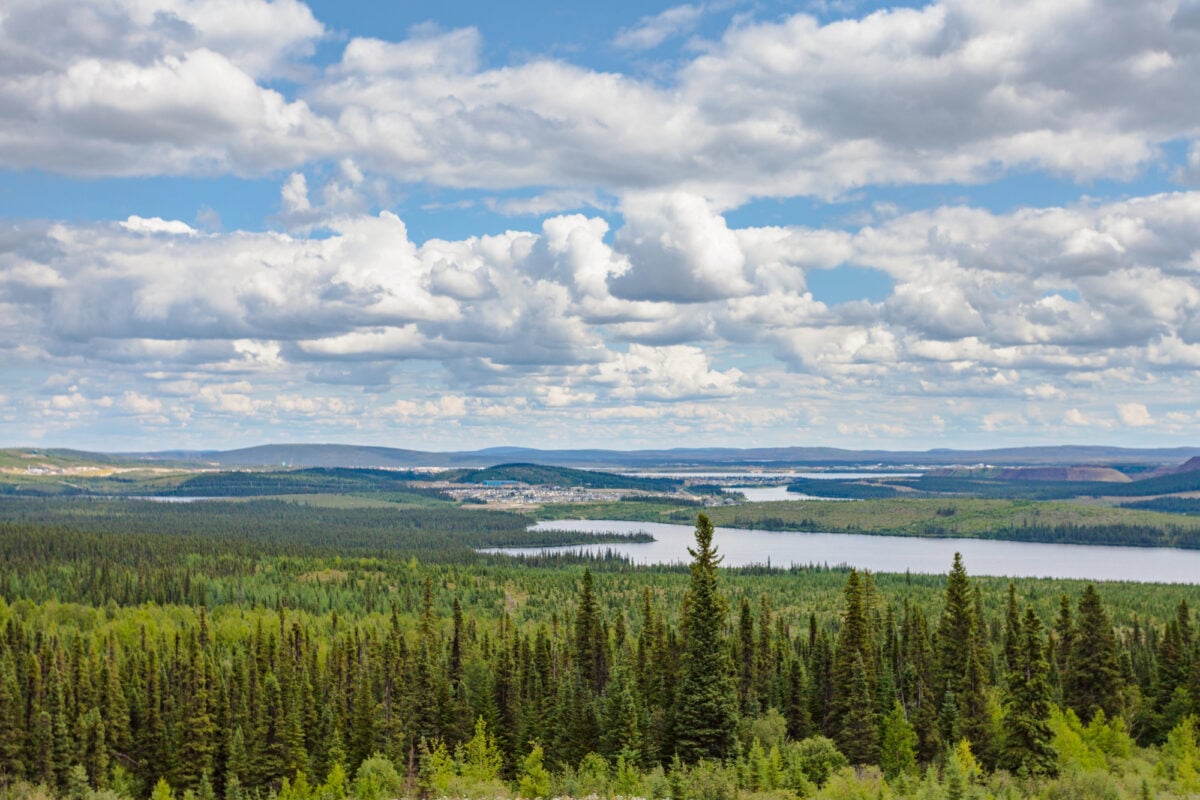
The Canadian province of Labrador takes its name from João Fernandes Lavrador, a Portuguese explorer who made landfall in northeastern North America around 1498–1499 — before either of Cabot’s often-cited voyages to the same region. Fernandes’s voyage is documented, but the documentation is limited enough that his specific route and landing points remain contested.
The naming of an entire geographical region after him is one of the more durable acknowledgments of a largely forgotten explorer.
Pero da Covilhã and the Route to India
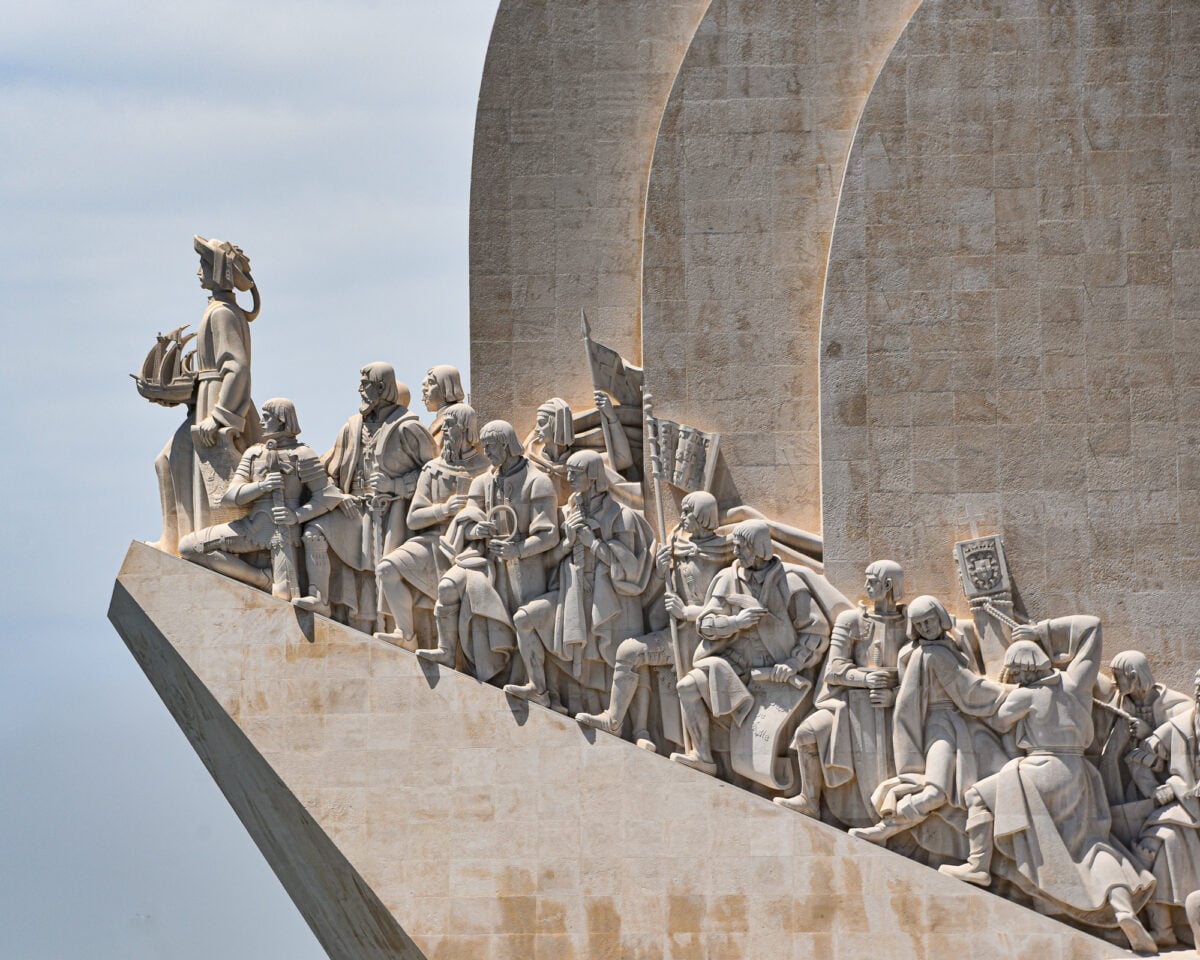
While Bartolomeu Dias was rounding the Cape of Good Hope by sea in 1488, Portuguese envoy Pero da Covilhã was traveling overland, reaching India via Arabia and the East African coast. He documented the Indian Ocean trade system and sent back intelligence about the viability of a sea route to India.
His intelligence was used by Vasco da Gama in planning the 1498 voyage. Da Covilhã himself was detained in Ethiopia, where the emperor — impressed by his knowledge and wishing to keep him — forbade him to leave.
He spent the rest of his life there, never receiving formal credit in Portugal for the reconnaissance that made da Gama’s voyage possible.
Fernão Mendes Pinto and East Asia
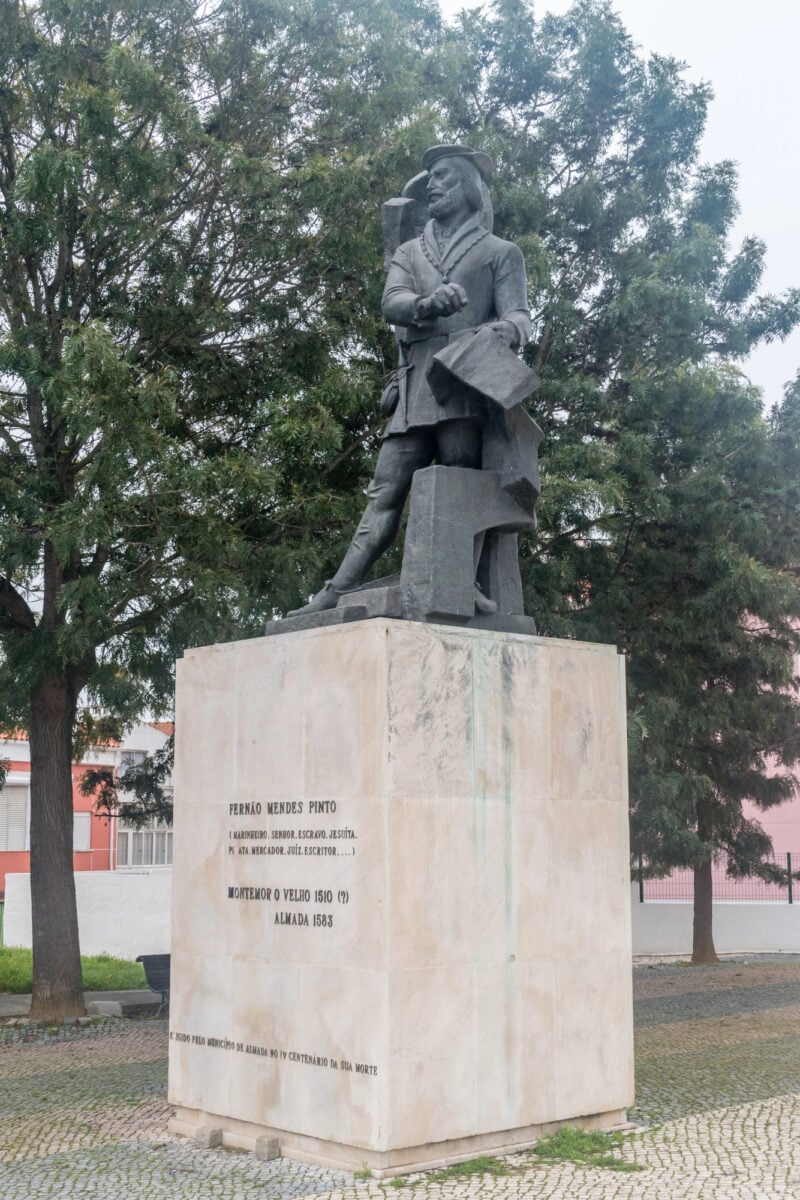
Portuguese adventurer Fernão Mendes Pinto spent over twenty years traveling through the Middle East, Central Asia, India, Southeast Asia, and Japan in the mid-16th century. His account, the Peregrinação, describes Japan in detail and includes what many historians believe to be the first recorded European account of firearms being introduced to Japan — a consequence of Pinto’s travels with Portuguese traders.
His narrative was dismissed for centuries as exaggerated fiction, partly because it conflicted with official colonial accounts and partly because his name in Portuguese sounded like a pun on mendacity. Modern scholarship has rehabilitated much of his account as substantively accurate.
Willem Janszoon and Australia
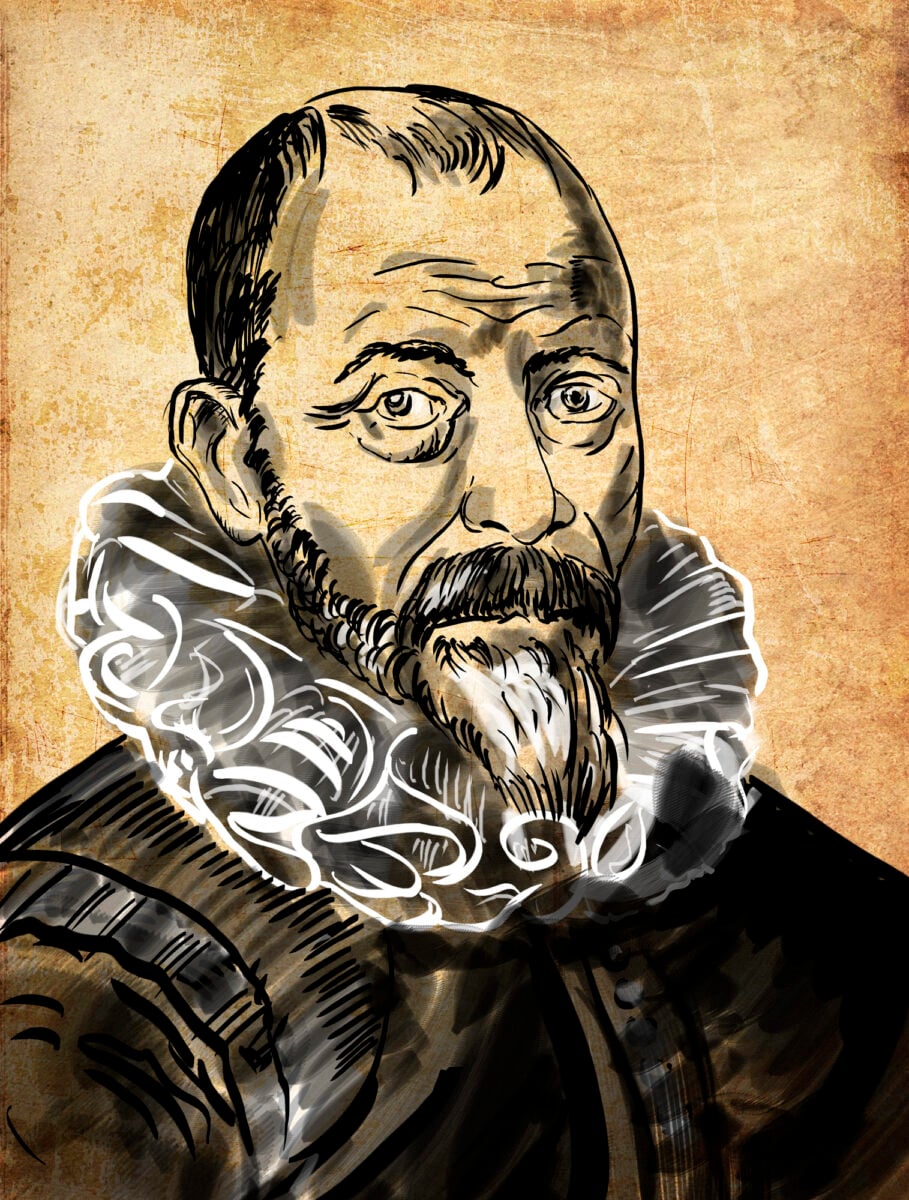
Dutch navigator Willem Janszoon landed on the western shore of Cape York Peninsula in Australia in 1606, making the first documented European contact with the Australian continent. He mapped part of the coast and made contact — hostile contact — with indigenous Australians.
Abel Tasman, whose 1642 voyage circled the continent without landing and who reached Tasmania, Van Diemen’s Land, and New Zealand, achieved greater fame. James Cook, who arrived in 1770, is often described in popular accounts as discovering Australia.
Janszoon arrived 164 years before Cook.
Abel Tasman and New Zealand
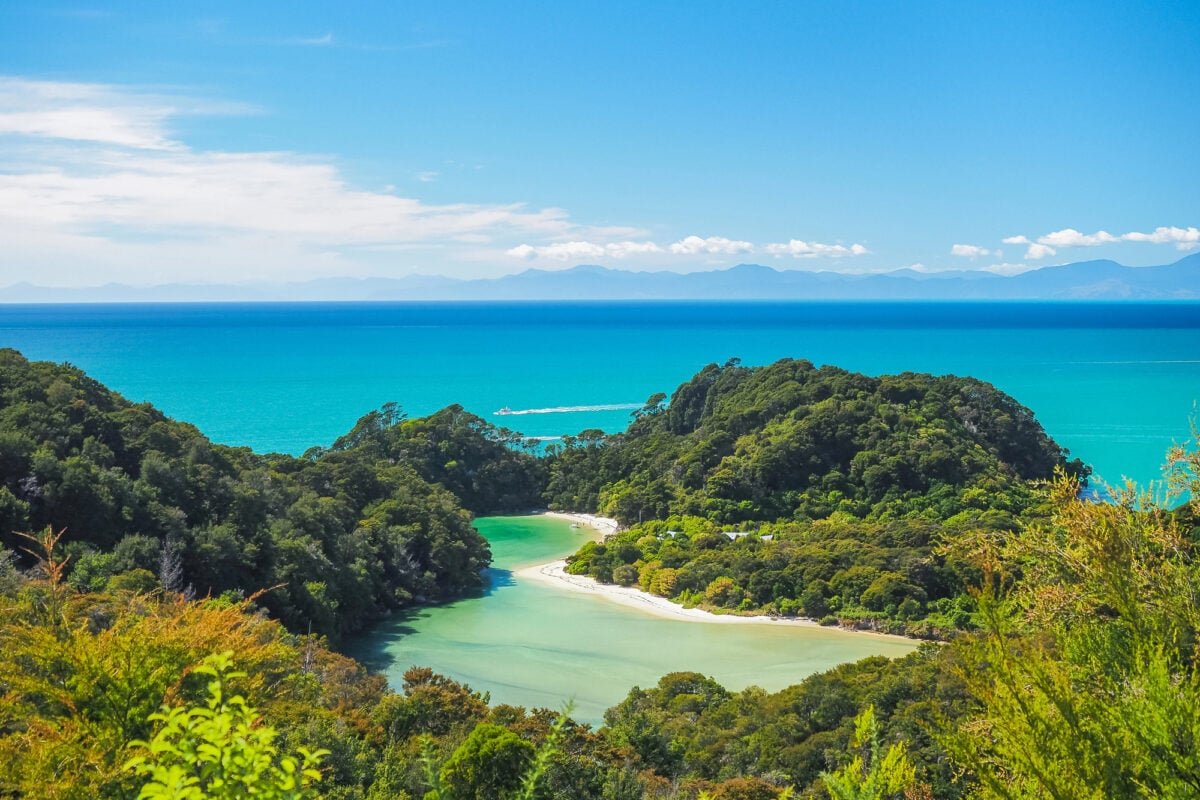
The Māori had inhabited New Zealand for roughly four centuries before Abel Tasman became the first European to reach the islands in 1642. Tasman made first contact at what is now Golden Bay, where a violent confrontation resulted in the deaths of four of his crew members.
He left without landing and named the country Staten Landt. His voyage was later built upon by James Cook’s more extensive surveys.
New Zealand carries the European name derived from Zeeland in the Netherlands — honoring Tasman’s nationality while being popularly associated in history with Cook, who arrived 128 years later.
Caroline Mikkelsen and Antarctic Interiors
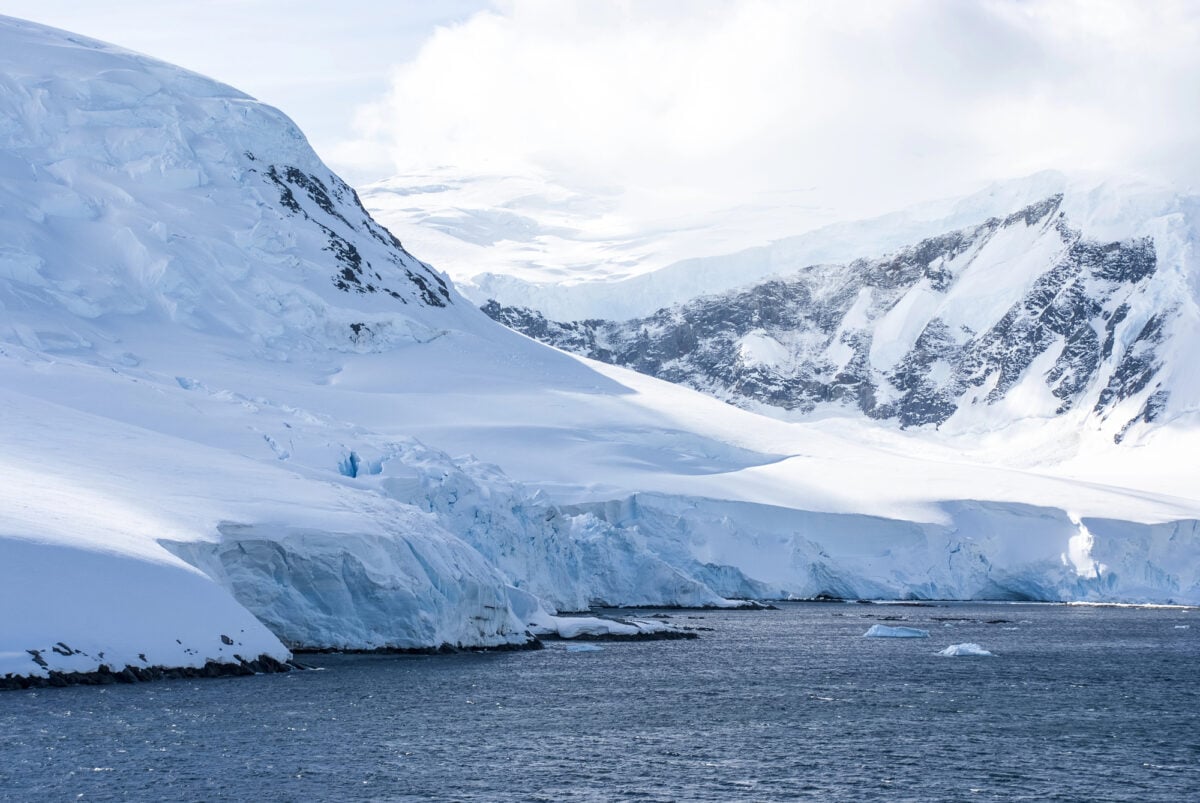
Many histories of Antarctic exploration begin with Cook’s circumnavigation of the continent without reaching it, then jump to the Heroic Age expeditions of the early 20th century. The contributions of the women who worked as scientists, researchers, and support personnel on early 20th-century Antarctic expeditions — and whose names appear nowhere in the popular narrative — is a systematic omission.
Caroline Mikkelsen in 1935 became the first woman to land on Antarctica, accompanying her husband’s whaling expedition. Her landing receives a footnote, if that, in expedition histories.
Zhang Qian and the Silk Road
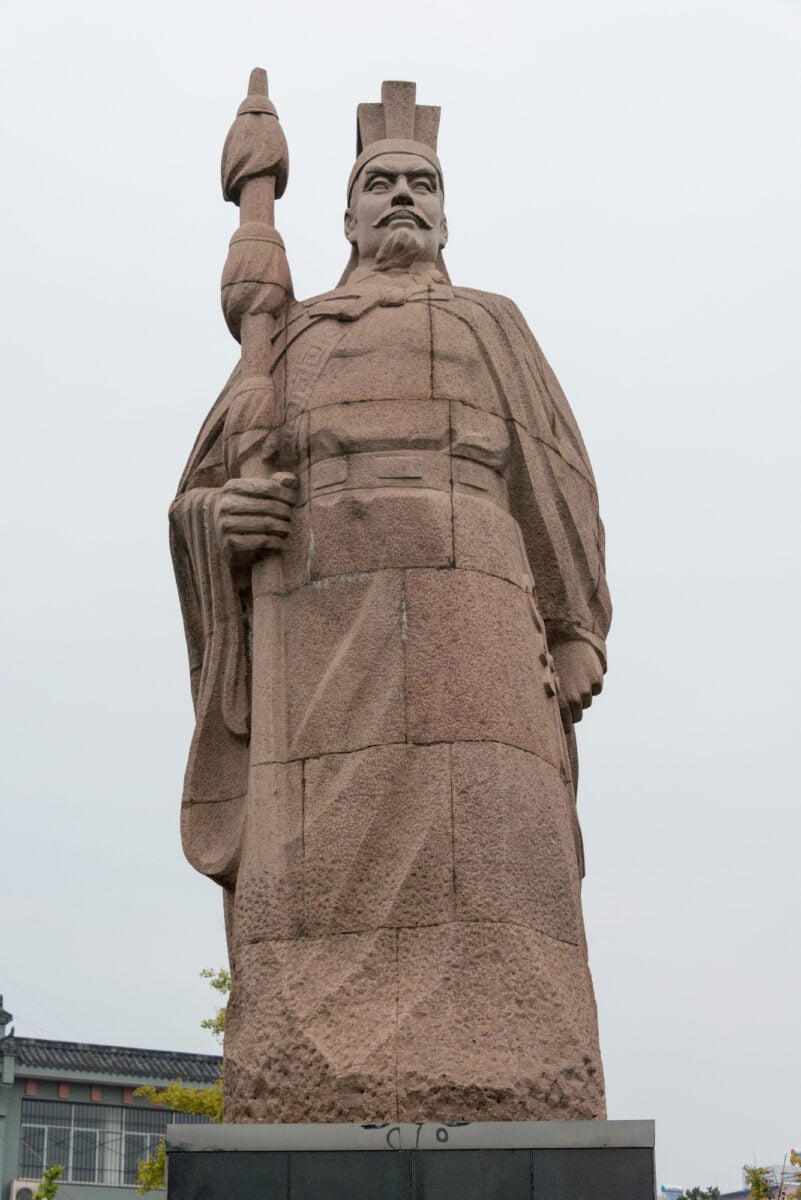
Chinese diplomat Zhang Qian undertook two major journeys westward in the 2nd century BC, commissioned by Emperor Wu of the Han dynasty to find allies against the Xiongnu. His missions opened the diplomatic and commercial contacts that became the Silk Road.
Zhang Qian’s accounts of Bactria, Parthia, and the lands west of China were the first systematic documentation of Central Asian geography from a Chinese perspective. In Western histories of the Silk Road, the network tends to be described as emerging from Roman commercial demand — which omits the foundational Chinese diplomatic initiative that made the routes coherent.
Rubrouck and the Mongol Empire
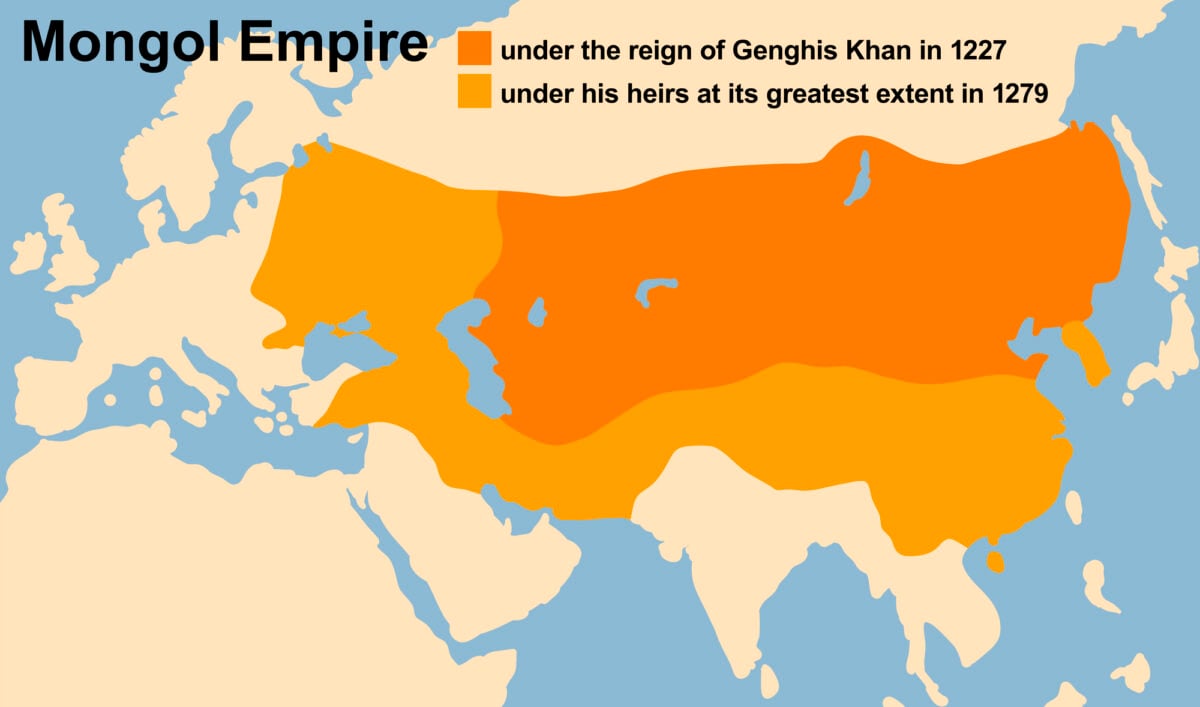
Flemish friar William of Rubrouck traveled from France to the court of the Mongol Great Khan at Karakorum in 1253–1255, sending back to Louis IX of France the most detailed European account of Central Asian geography and Mongol civilization of the medieval period. His account predated and informed Marco Polo’s more famous narrative by twenty years.
Marco Polo has become the canonical European traveler in Central Asia; William of Rubrouck, whose report was more precise and less embellished by later copying, remains known primarily to medievalists.
Jeanne Baret and the Circumnavigation
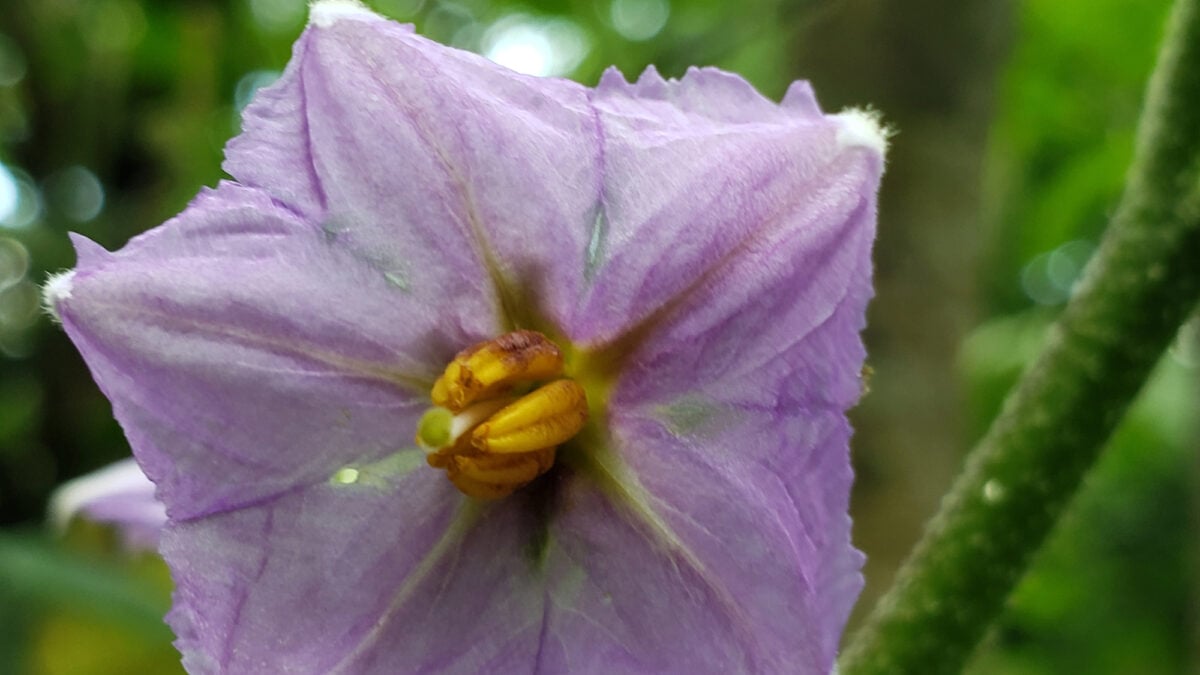
Jeanne Baret became the first woman to circumnavigate the globe, sailing with Louis-Antoine de Bougainville’s expedition from 1766 to 1769 disguised as a man. She was a trained botanist who collected and classified plant specimens throughout the Pacific.
The expedition’s botanist, Philibert Commerson, shared scientific credit with Bougainville; Baret’s contribution — including specimens that formed the basis of Commerson’s later published work — was unacknowledged in official accounts for two centuries. The flowering plant Solanum baretiae was named after her in 2012, 240 years after the voyage.
Apsley Cherry-Garrard and Antarctica
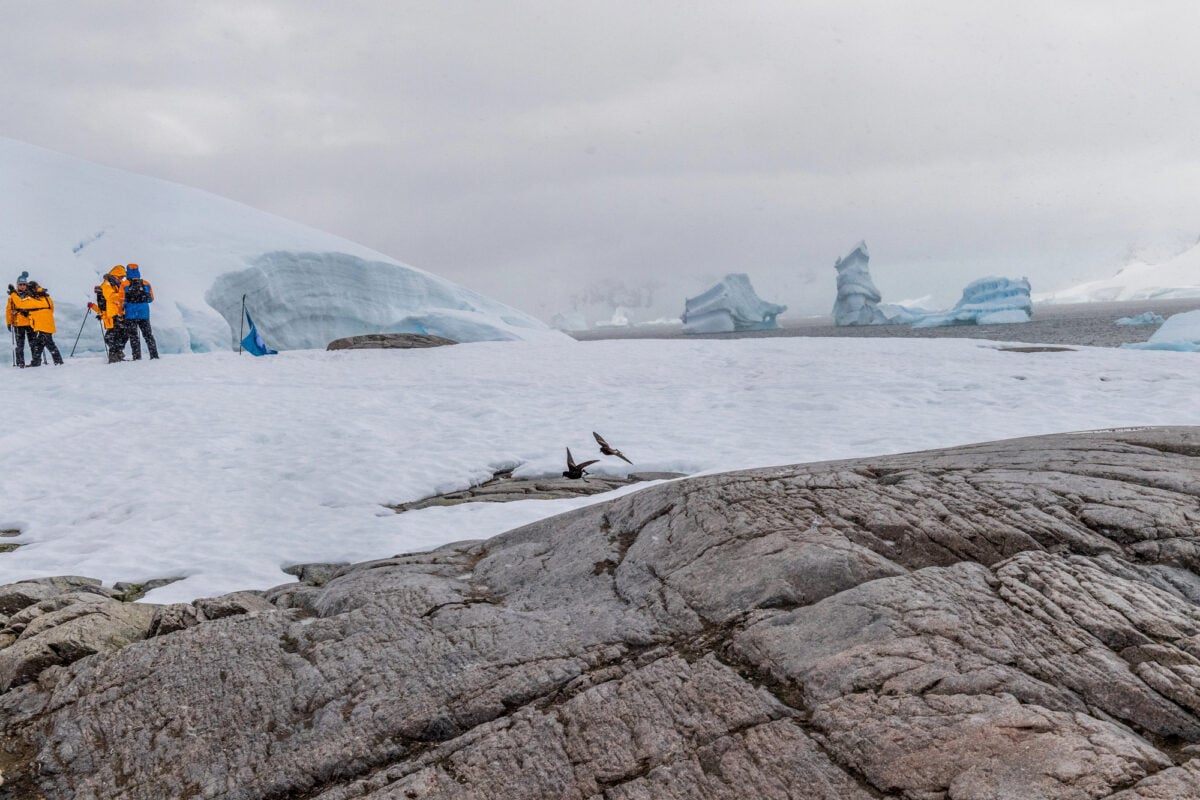
Apsley Cherry-Garrard is remembered, when remembered at all, as the author of The Worst Journey in the World, generally considered the finest account of Antarctic exploration. He was a member of Scott’s Terra Nova Expedition.
What is less consistently noted is that Cherry-Garrard, Wilson, and Bowers made the “Winter Journey” of 1911 — traveling overland to Cape Crozier in midwinter darkness and temperatures reaching -77°F (-61°C) to retrieve Emperor Penguin eggs for scientific study. The journey was undertaken purely for science, with no competition or commercial angle, and with a straightforwardness about its own pointlessness that is nearly unique in exploration literature.
Luis Váez de Torres and the Torres Strait
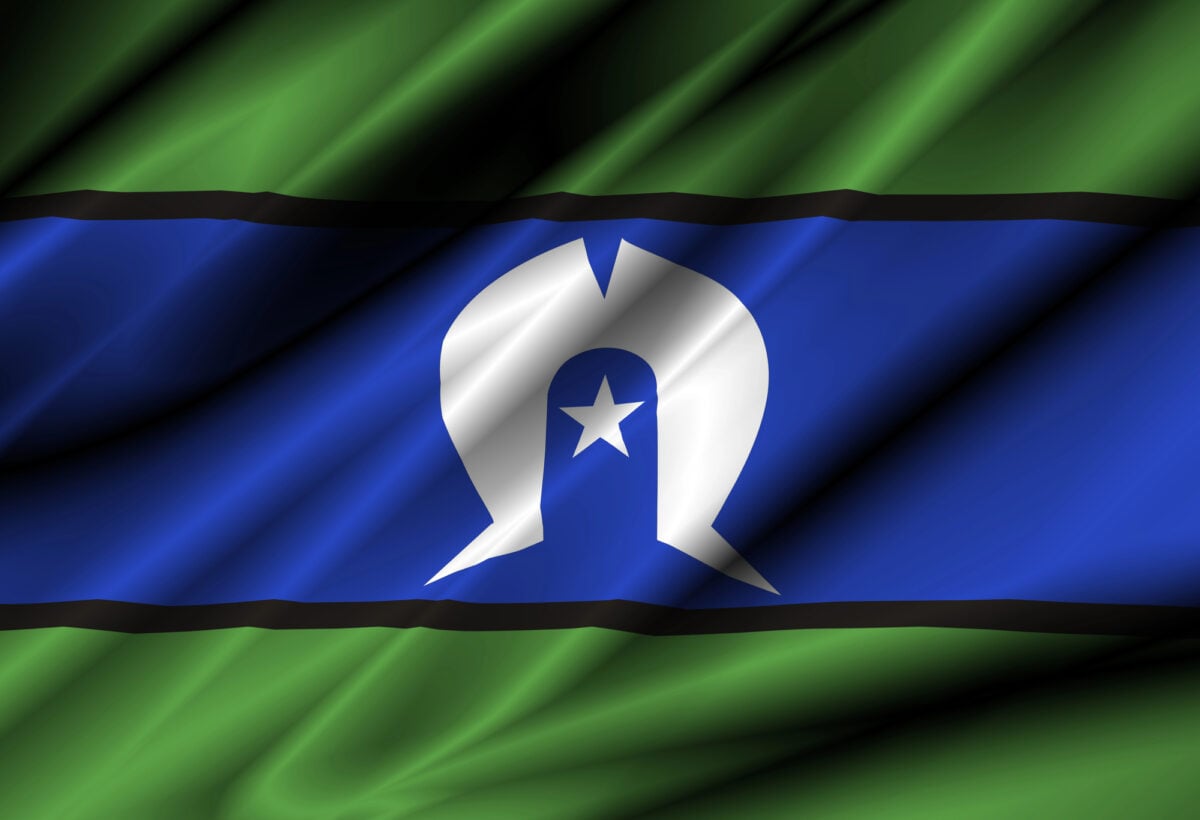
Spanish navigator Luis Váez de Torres sailed through the strait between New Guinea and Australia in 1606 — the same year Janszoon reached the Australian mainland — proving that New Guinea was a separate island from any southern continent. The strait between the two land masses now bears his name.
His discovery was known to Spanish authorities but kept secret to prevent other powers from using the passage. When Cook later mapped the strait, he was unaware of Torres’s prior survey.
The Torres Strait carries the name, but the knowledge of it was deliberately suppressed for over 150 years after Torres passed through it.
Sundiata Keita and West African Expansion
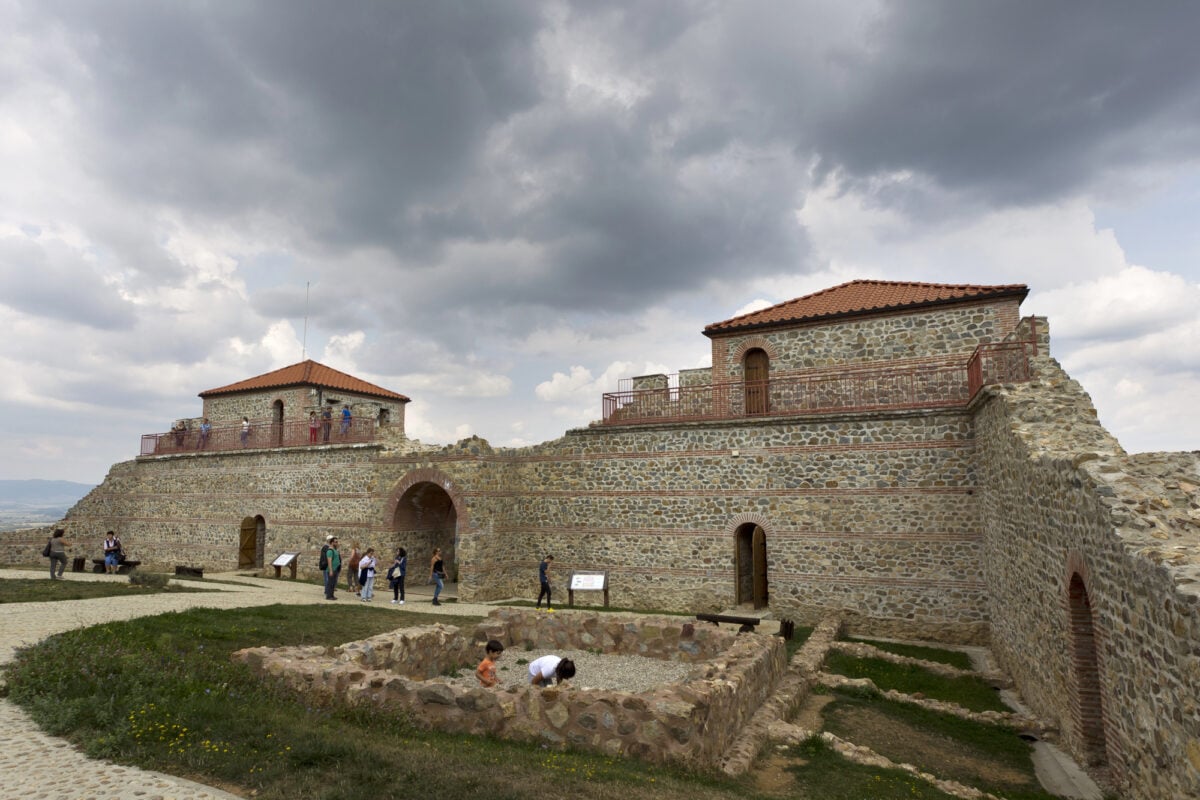
In the 13th century, Sundiata Keita founded the Mali Empire and expanded its territory through a combination of military conquest and diplomatic alliance, establishing one of the largest and most prosperous empires in African history. The expansion he directed covered territory that European explorers would not reach for another two centuries, and his empire’s control of the Saharan gold trade financed the pilgrimage of Mansa Musa — which briefly collapsed the gold price across North Africa and the Mediterranean — seventy years after Sundiata’s death.
In popular Western history, the Mali Empire is known through Mansa Musa; Sundiata, who built the empire Musa ruled, is rarely mentioned outside specialist African history.
John Rae and the Northwest Passage
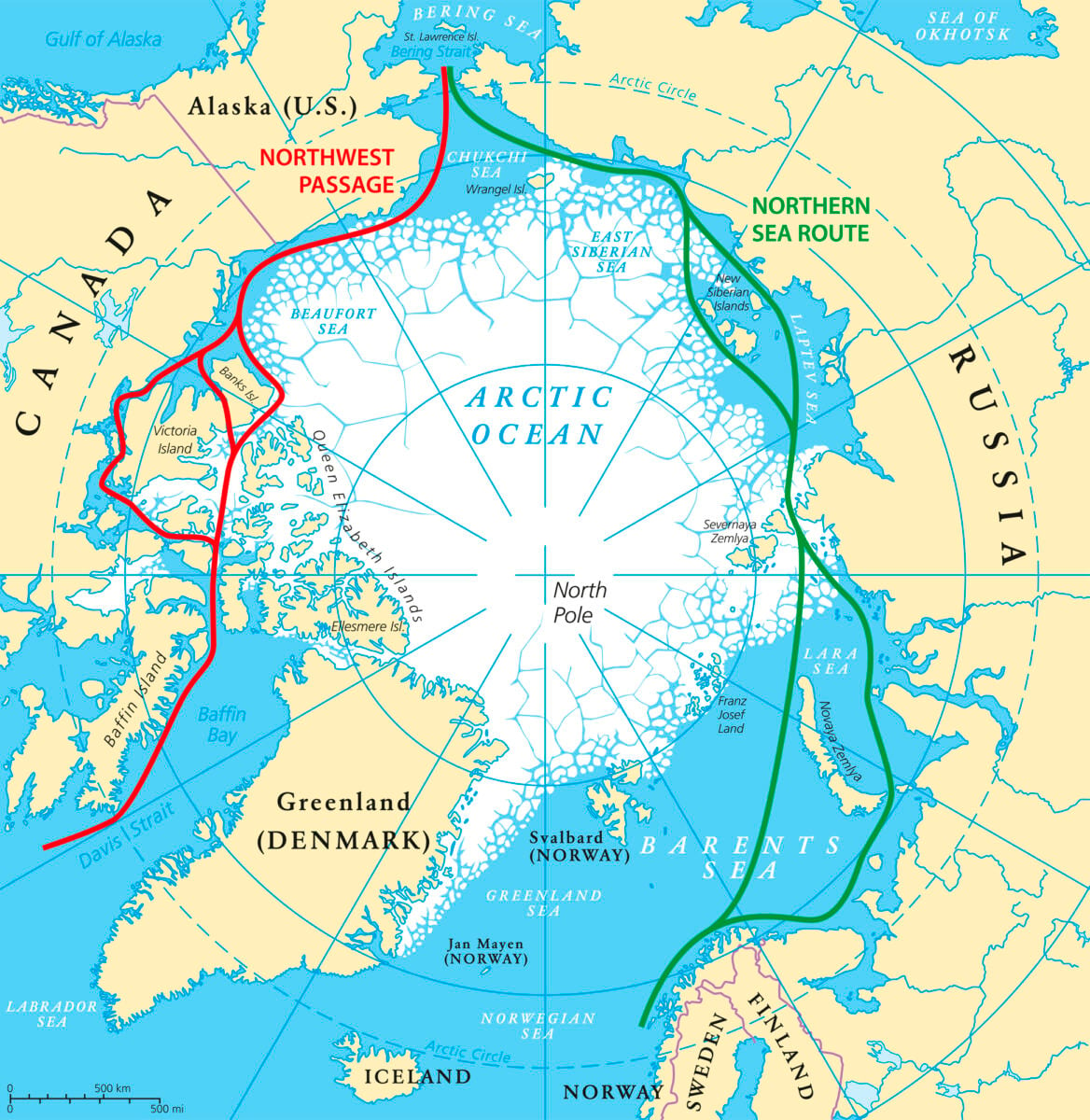
Scottish explorer John Rae was the first European to determine the fate of the lost Franklin Expedition of 1845, which vanished while attempting to navigate the Northwest Passage. In 1854, Rae interviewed Inuit witnesses and recovered artifacts that confirmed the expedition’s fate — all members had died, and cannibalism had occurred in the final stages.
His report was suppressed and attacked in England, partly because Lady Franklin and Charles Dickens objected to the evidence of cannibalism and refused to believe Inuit testimony. Rae also came closest to navigating the final section of the Northwest Passage of any 19th-century explorer, but the geographic feature he identified was named the Franklin Strait — after the man who failed to find what Rae found.
The Credited and the Overlooked
There is no neutral process by which discoveries get recorded. The same journey produces different stories depending on who controls the archives, who sponsors the official account, and whose political interests benefit from a particular narrative.
Explorers who worked for losing empires, who died before writing their accounts, who were women, who were not European, or who had their records deliberately suppressed ended up on the wrong side of the credit ledger — not because their discoveries were less real, but because they lacked the institutional machinery to make them stick.
What changes when you restore these names to the record is not just an abstract sense of fairness. It changes the story of how knowledge actually accumulates — not as a series of heroic individual firsts, but as a long, collective process in which many people did the work and far fewer received the acknowledgment.
The map was drawn by everyone. The cartouche bears fewer names.
More from Go2Tutors!

- The Romanov Crown Jewels and Their Tragic Fate
- 13 Historical Mysteries That Science Still Can’t Solve
- Famous Hoaxes That Fooled the World for Years
- 15 Child Stars with Tragic Adult Lives
- 16 Famous Jewelry Pieces in History
Like Go2Tutors’s content? Follow us on MSN.



