25 Fastest Cars Legal to Drive
Speed limits exist for good reasons, but car manufacturers keep pushing boundaries with vehicles that can reach absolutely wild velocities. These aren’t concept cars sitting in museums or track-only monsters that never see public roads.
Every single one of these machines can be registered, insured, and driven to the grocery store if someone really wanted to blow everyone’s mind in the parking lot. Here are the speed demons that somehow managed to stay street legal while leaving everything else in the dust.
Bugatti Chiron Super Sport 300+
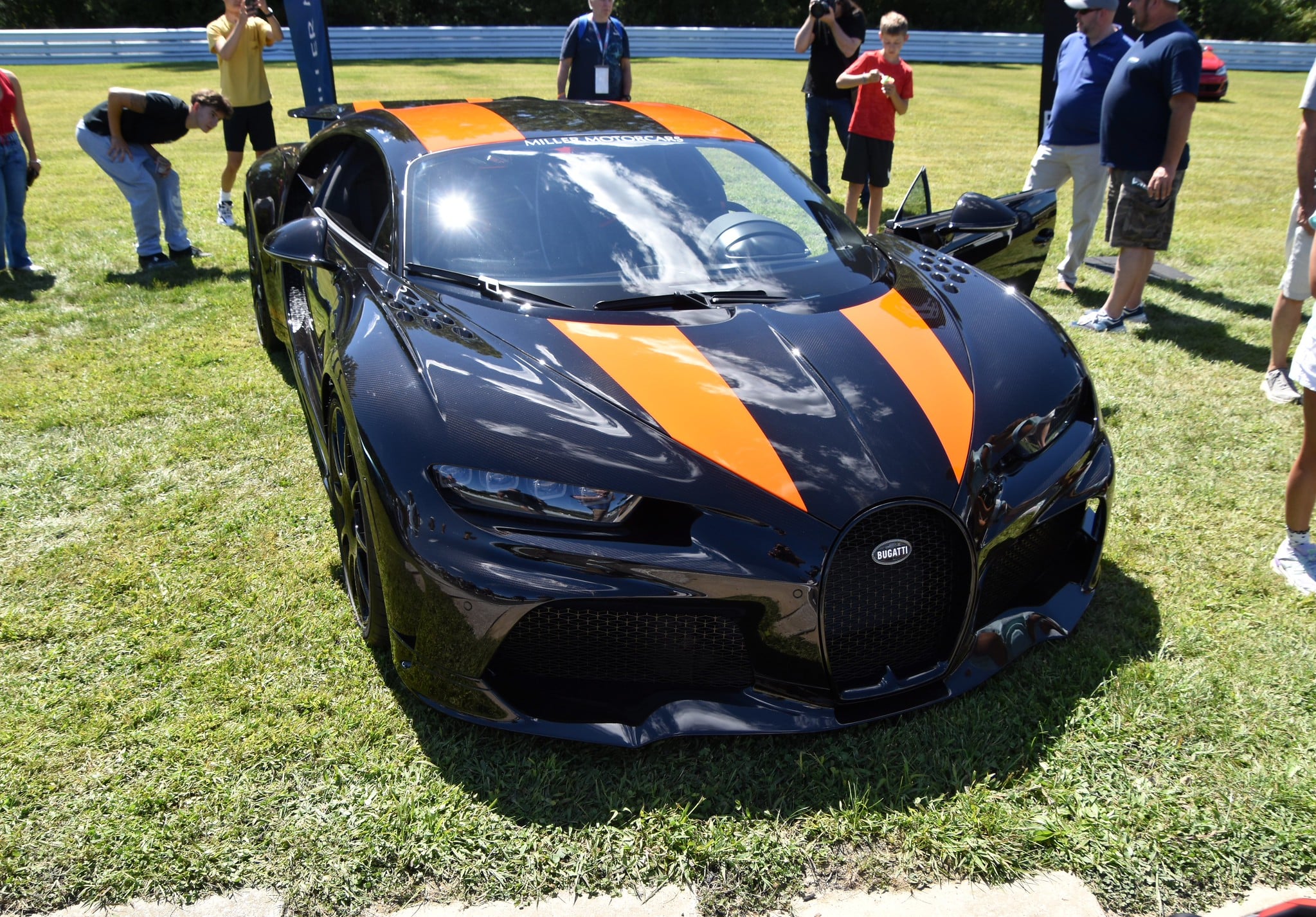
This French hypercar hit 304 miles per hour in 2019, making it the first production car to break the 300 mph barrier. The name isn’t just marketing hype either, since Bugatti actually achieved that speed with a professional driver at a test track in Germany.
The 8.0-liter W16 engine produces 1,578 horsepower, which is more power than four regular family sedans combined. Only 30 of these will ever be made, and each one costs over three million dollars.
Hennessey Venom F5
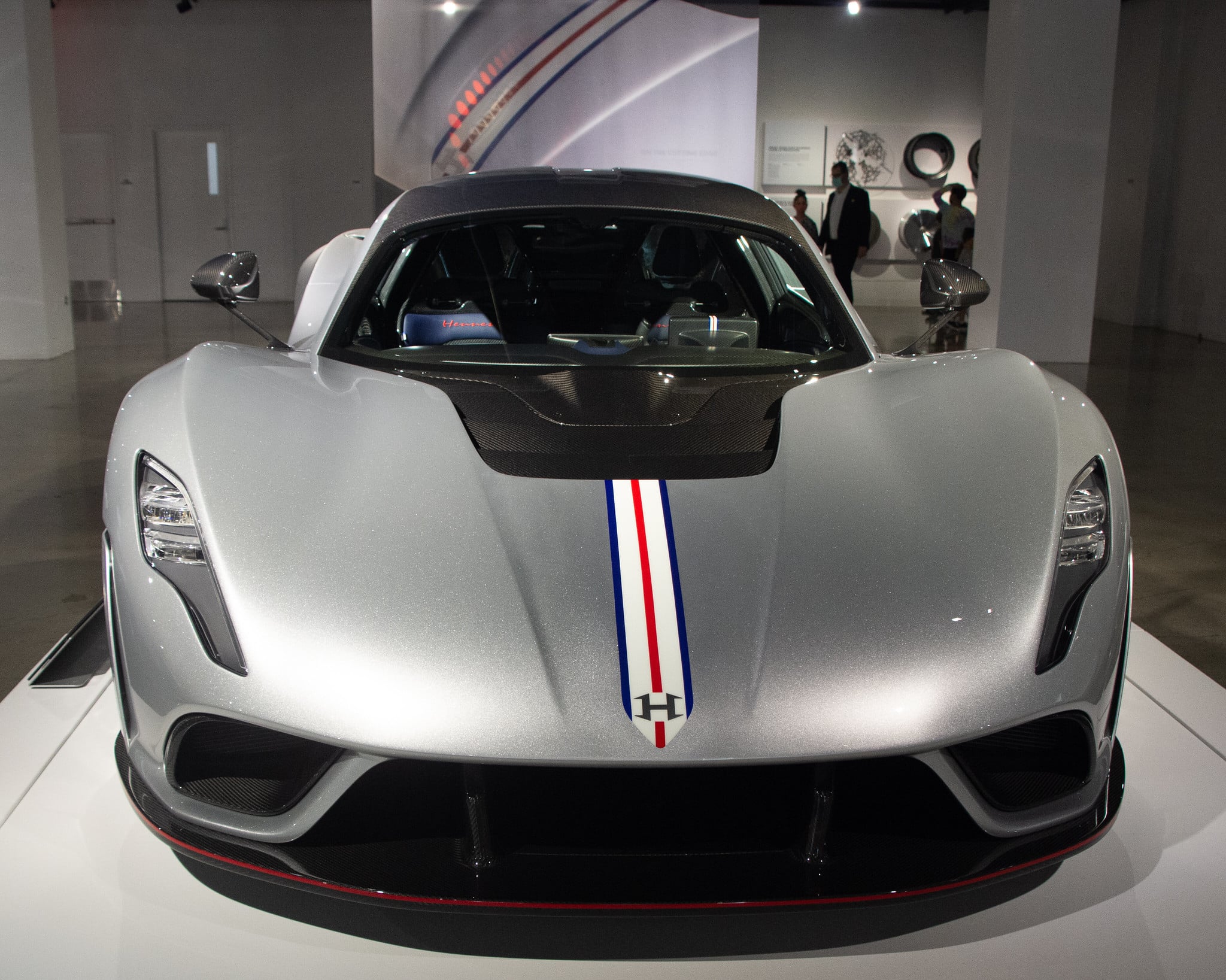
Texas-based Hennessey built this carbon fiber rocket with one goal in mind: beat everyone else’s top speed. The twin-turbo V8 cranks out 1,817 horsepower and the whole car weighs less than 3,000 pounds.
Engineers designed every curve and surface to slice through air resistance, and the company claims it can hit 311 miles per hour. The name comes from the most powerful category of tornado on the Fujita scale, which seems appropriate for something this extreme.
SSC Tuatara
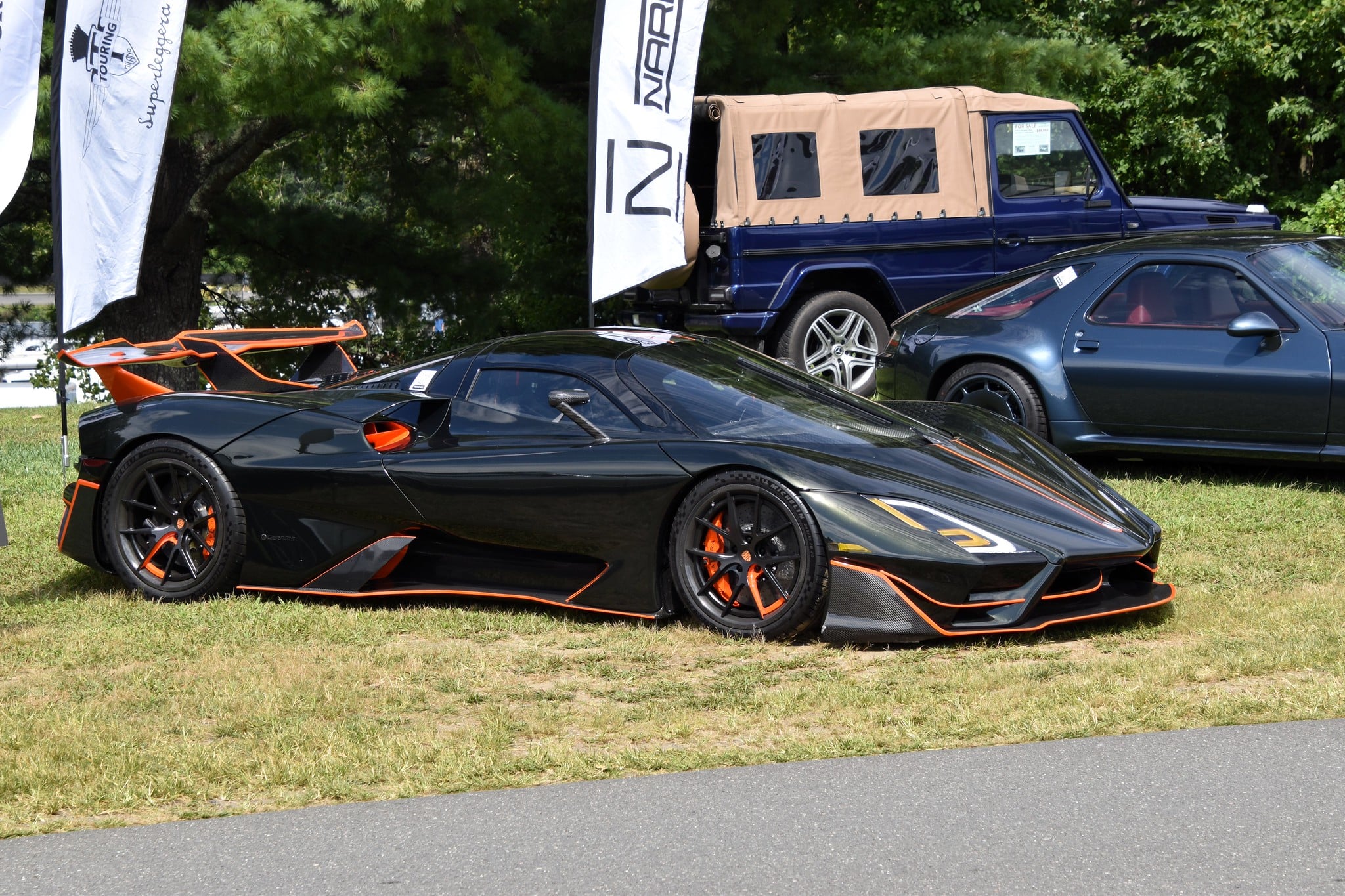
This American hypercar supposedly reached 316 miles per hour in 2020, though that claim sparked some controversy and debate. The company later did another run that hit 283 miles per hour, which is still incredibly fast by any measure.
The 5.9-liter twin-turbo V8 produces 1,750 horsepower on regular pump gas. Only 100 will be built, and the price starts around 1.6 million dollars before anyone adds any options.
Koenigsegg Jesko Absolut
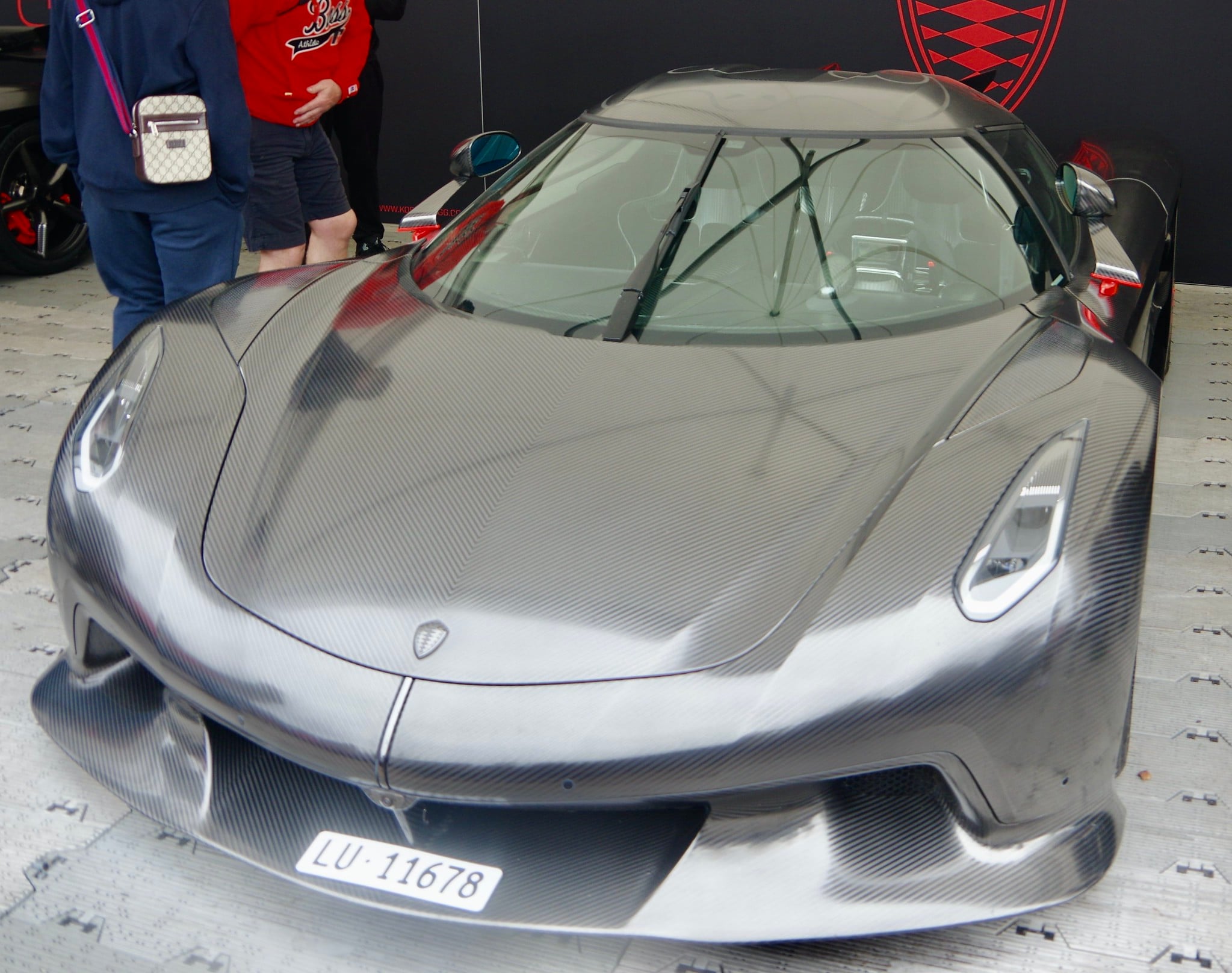
Swedish manufacturer Koenigsegg designed this car specifically for maximum velocity rather than track performance. The company’s computer simulations suggest it could theoretically reach 330 miles per hour under perfect conditions.
The 5.0-liter twin-turbo V8 makes 1,600 horsepower, and the entire body shape focuses on reducing drag to almost nothing. The rear end has no wing or spoiler because those would slow it down at extreme speeds.
Rimac Nevera
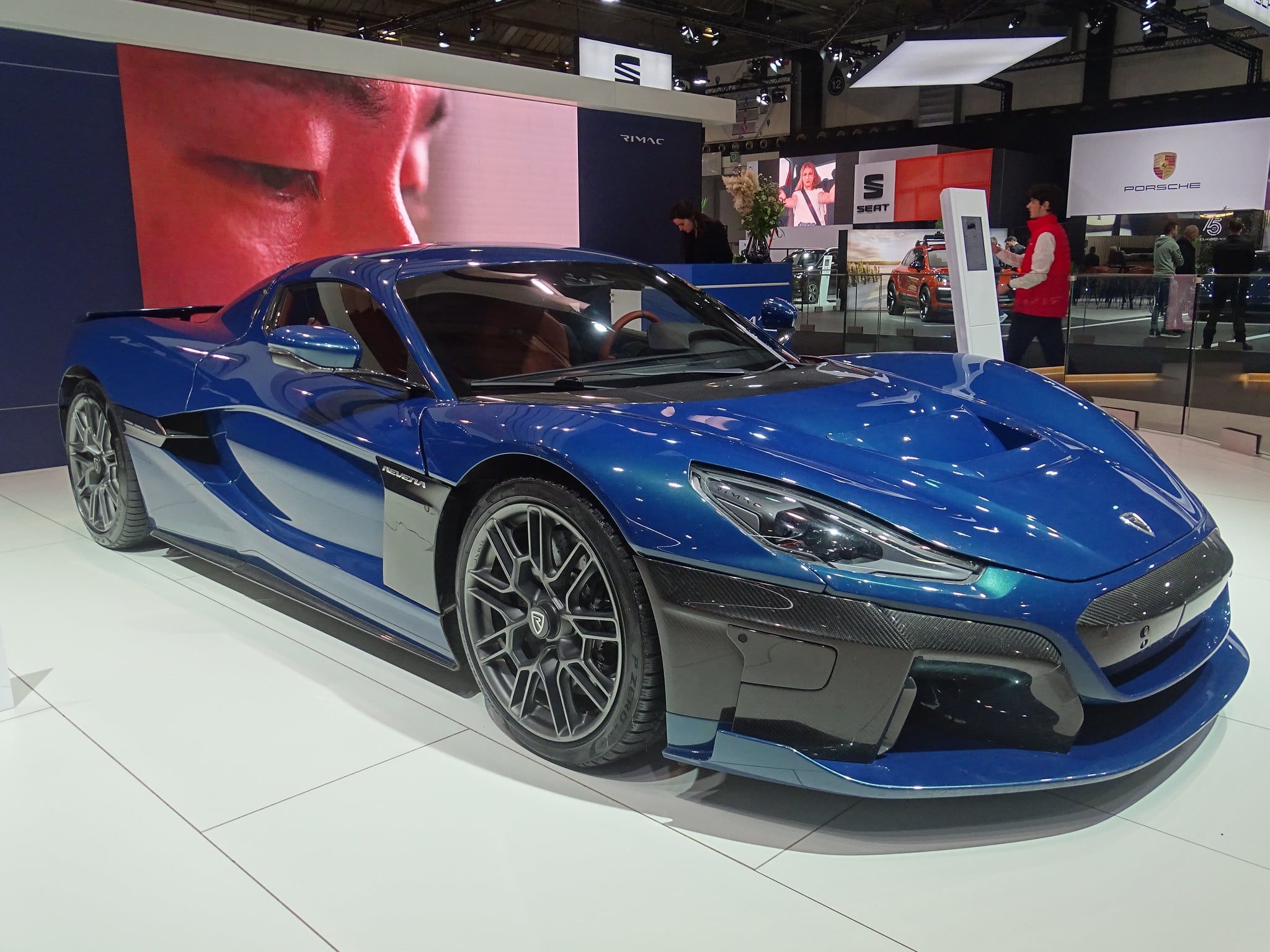
Electric cars usually get dismissed by speed enthusiasts, but this Croatian-built machine proves batteries can absolutely compete with gasoline. Four electric motors combine for 1,914 horsepower and the thing hits 60 miles per hour in 1.85 seconds.
Top speed reaches 258 miles per hour, making it the fastest electric production car ever made. The battery pack weighs over 1,400 pounds but the instant torque from electric motors gives it ridiculous acceleration.
Aston Martin Valkyrie
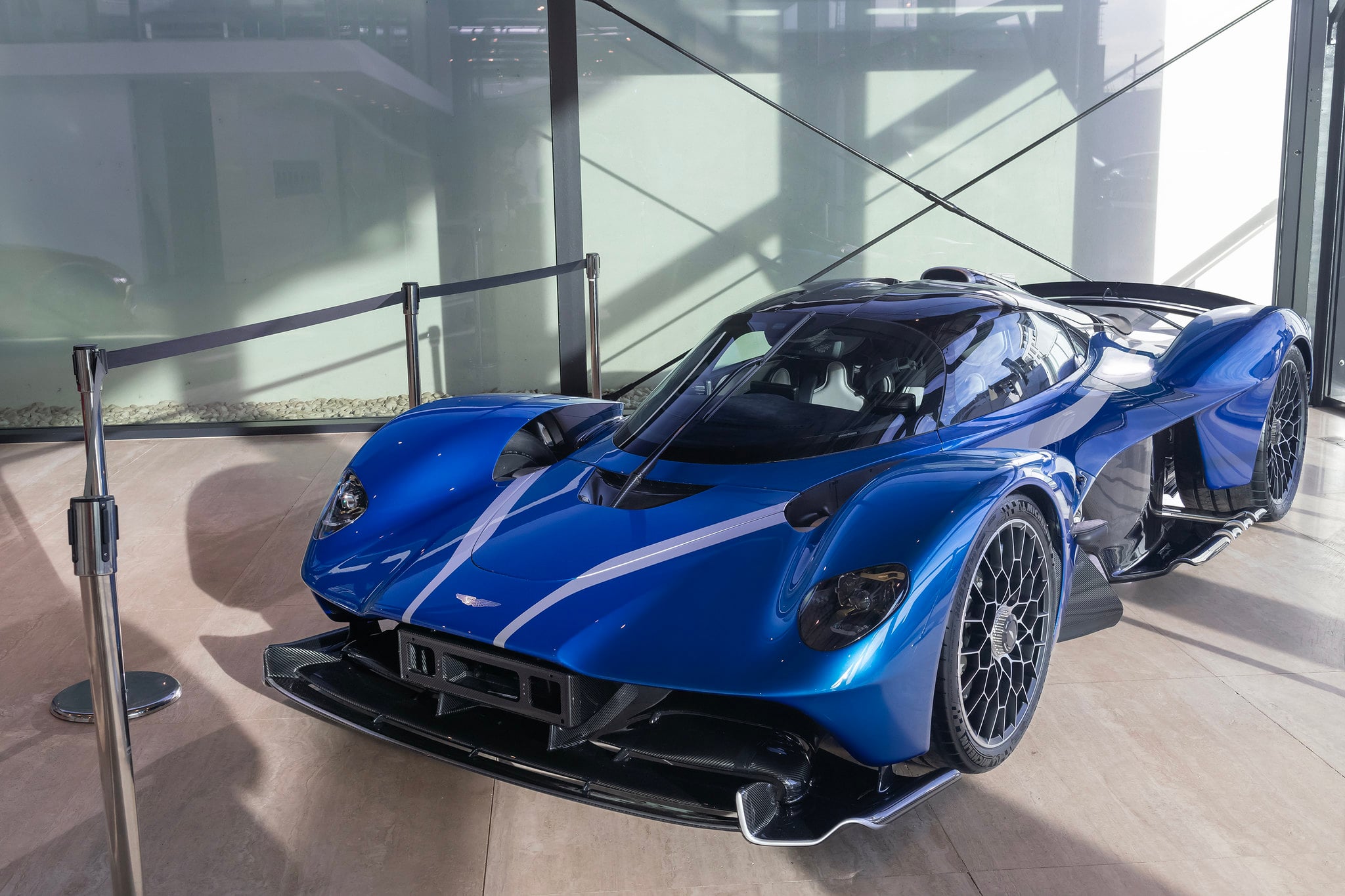
This British hypercar came from a partnership with the Red Bull Formula 1 racing team, and it shows. The naturally aspirated V12 revs to 11,100 rpm and combines with an electric motor for 1,160 horsepower total.
Top speed hits 250 miles per hour and the whole thing weighs just 2,270 pounds thanks to extensive carbon fiber construction. The interior is so tight that drivers sit in a reclined position like actual F1 cars.
Pagani Huayra R
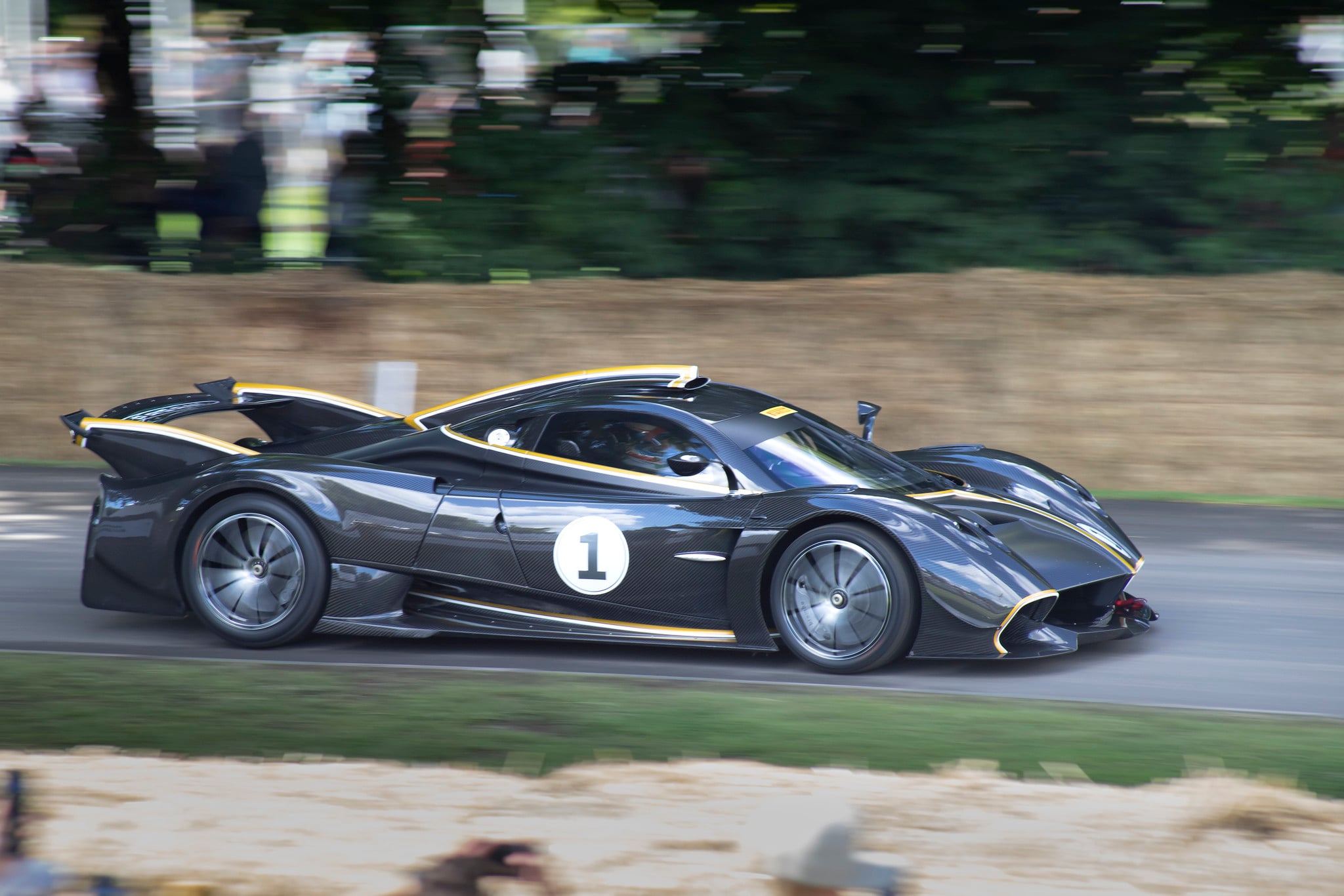
Italian manufacturer Pagani built this as a slightly tamer version of their track-only cars, though calling it tame seems ridiculous. The 6.0-liter V12 from Mercedes-AMG produces 850 horsepower and the car weighs only 2,315 pounds.
It reaches 238 miles per hour and every single component gets hand-assembled in a small factory near Modena. The interior features leather, carbon fiber, and metal work that looks more like art than automotive parts.
McLaren Speedtail
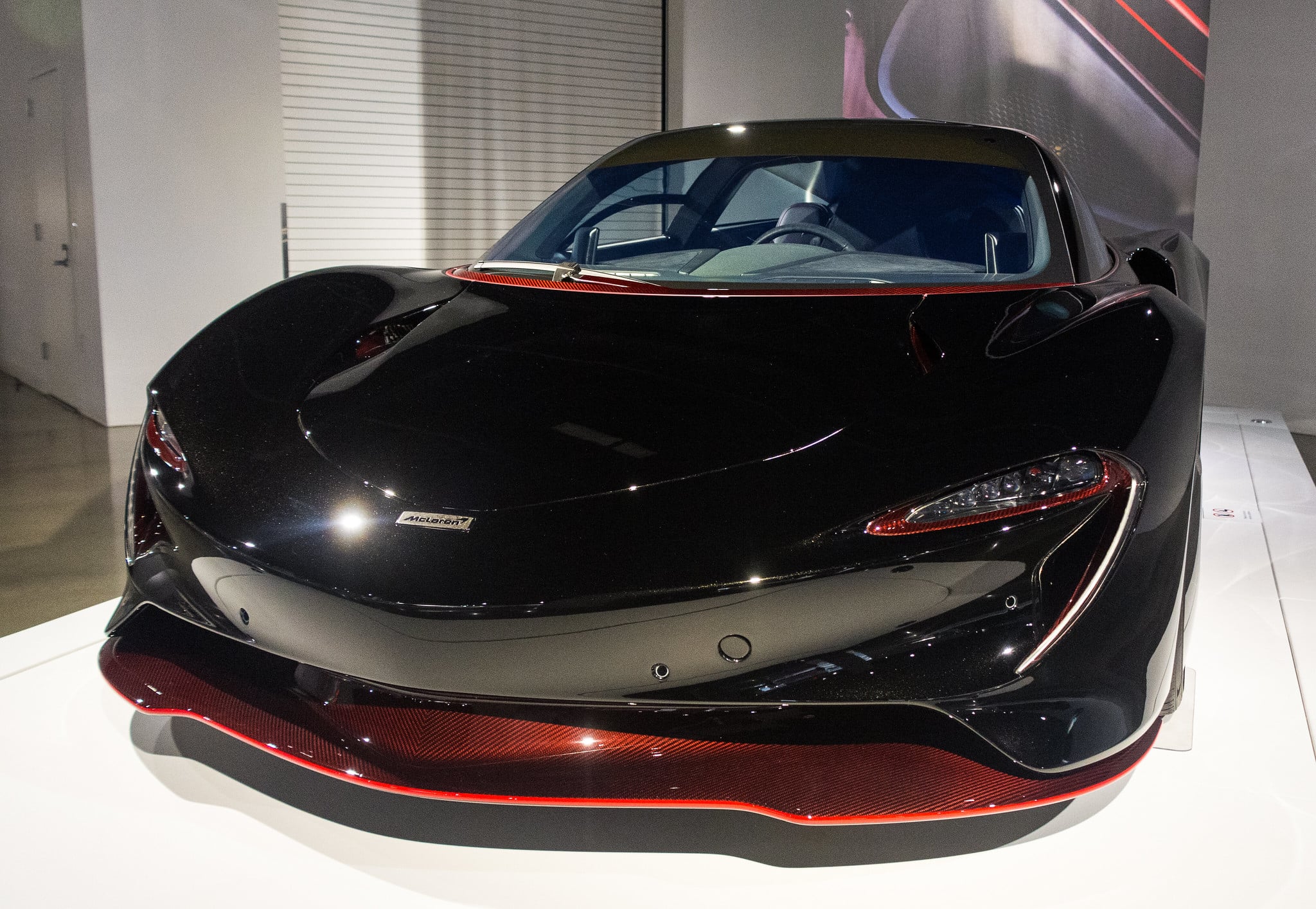
This British hypercar stretches over 17 feet long and uses a three-seat layout with the driver in the center. The hybrid powertrain combines a twin-turbo V8 with an electric motor for 1,035 horsepower total.
Top speed reaches 250 miles per hour and the side mirrors retract into the body to reduce drag. McLaren built exactly 106 of them, and every single one sold out before the company even showed the finished car to the public.
Lamborghini Aventador SVJ
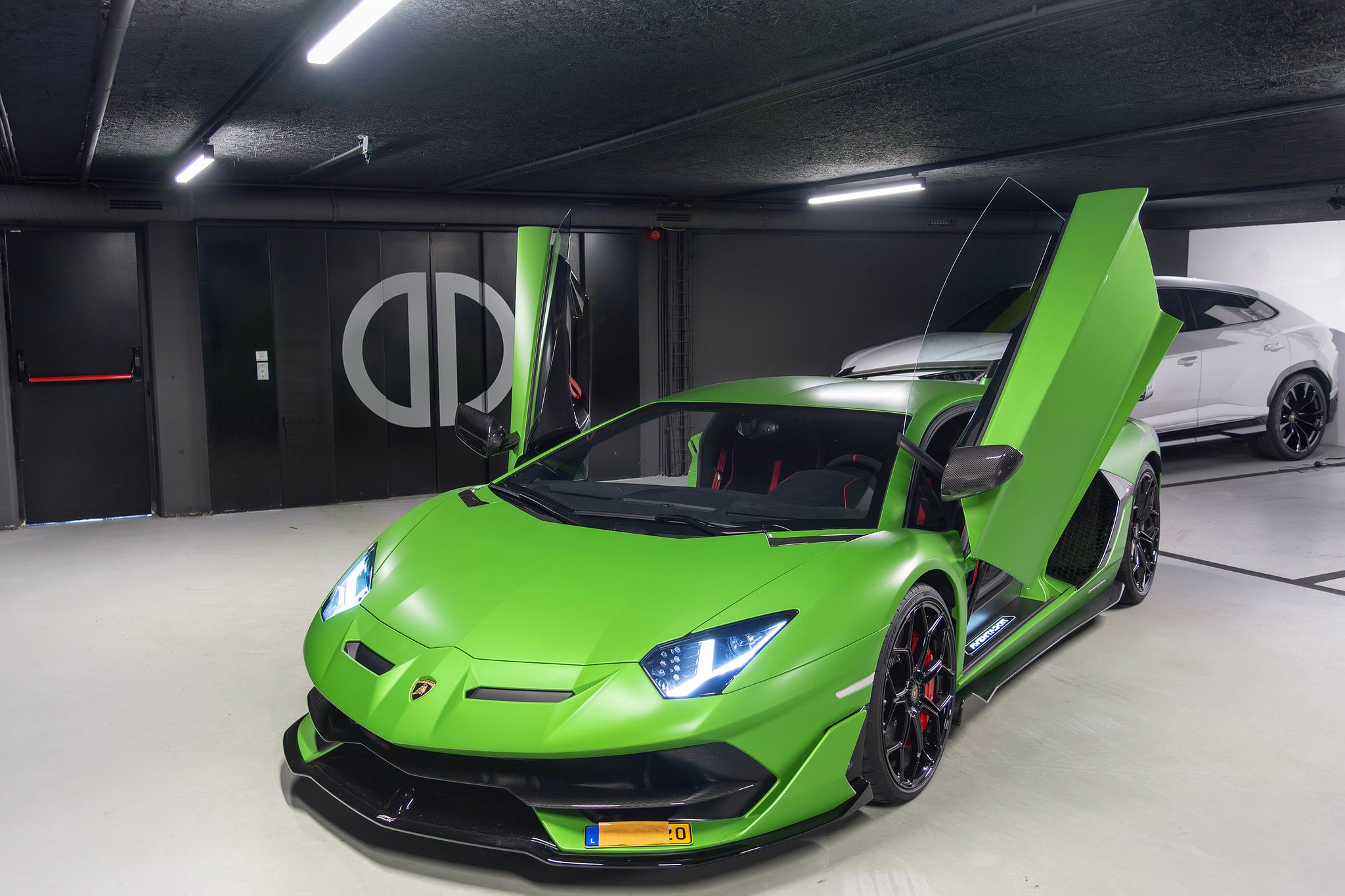
The final version of Lamborghini’s flagship V12 supercar pushes the naturally aspirated 6.5-liter engine to 770 horsepower. Top speed hits 217 miles per hour and it reaches 60 mph in 2.8 seconds.
The active aerodynamics adjust the front splitter and rear wing constantly to balance downforce and drag. This represents the end of an era since future Lamborghinis will all use hybrid powertrains.
Ferrari SF90 Stradale
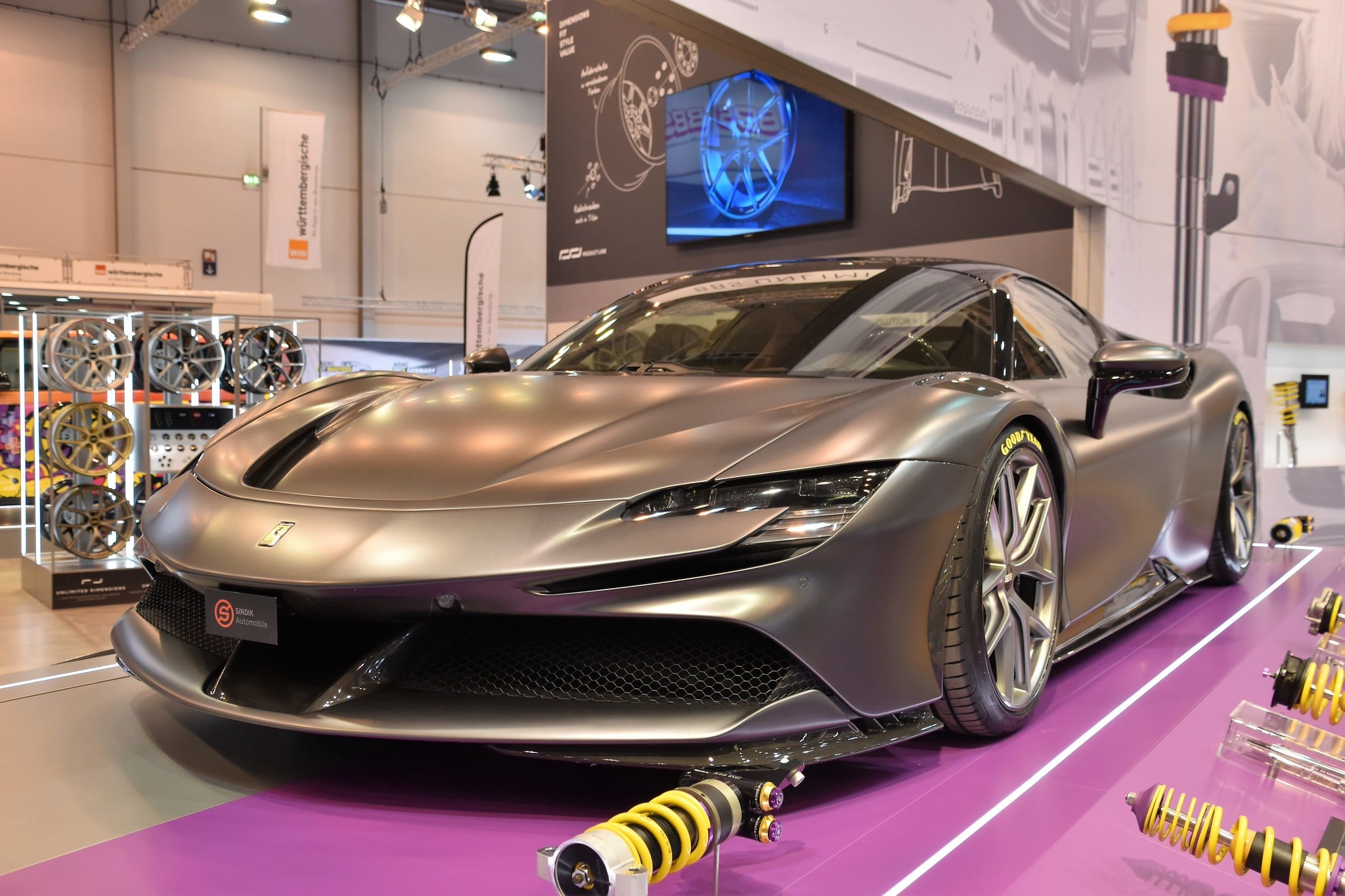
Ferrari’s first plug-in hybrid supercar combines a twin-turbo V8 with three electric motors for 986 horsepower total. It reaches 211 miles per hour and hits 60 mph in just 2.5 seconds.
The front wheels get their own electric motors, effectively creating an all-wheel-drive system that improves handling. Despite all this performance, it can also drive about 16 miles on pure electric power for quiet neighborhood cruising.
Porsche 911 GT2 RS
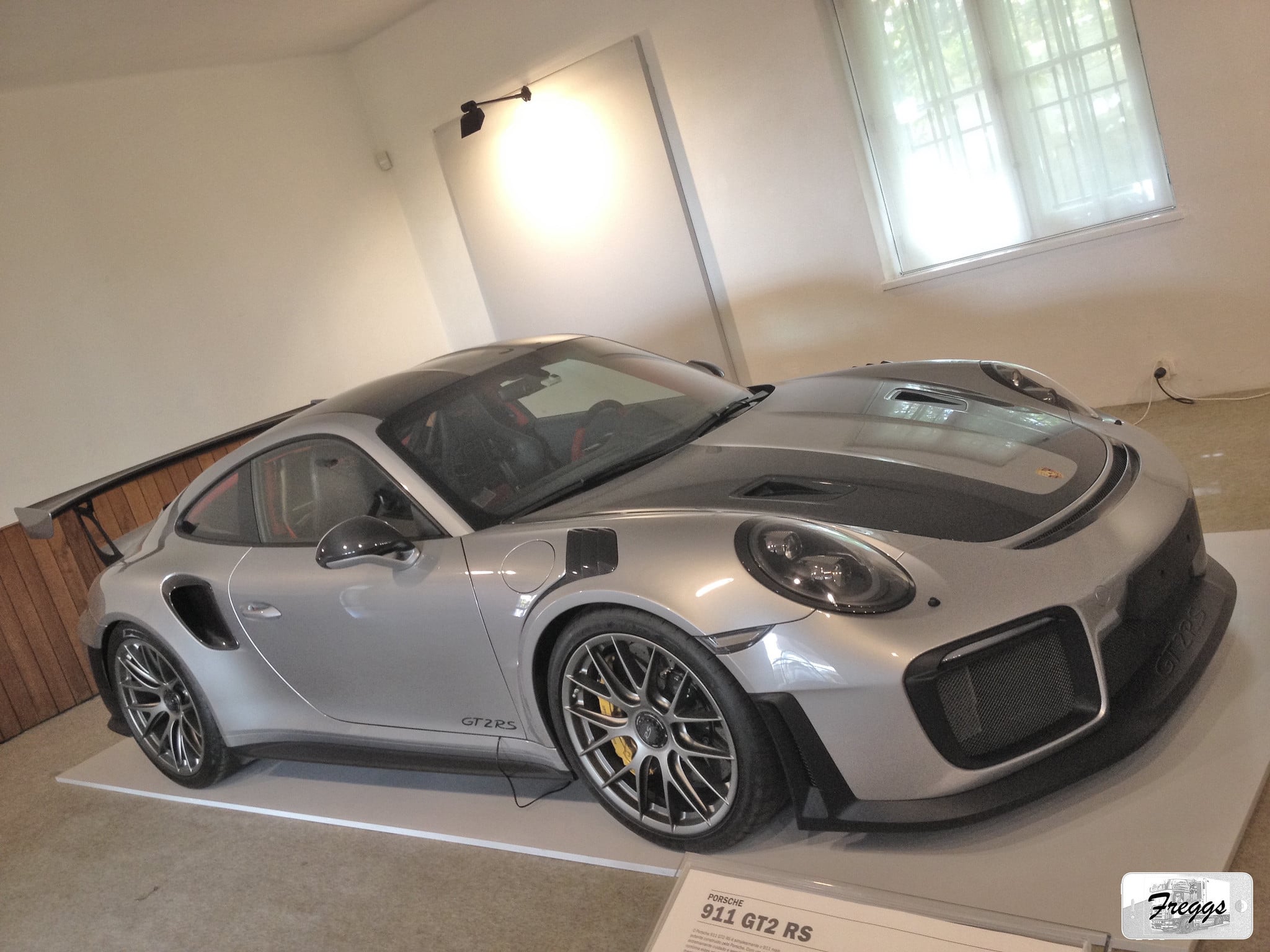
The most powerful 911 ever built by Porsche uses a twin-turbo 3.8-liter flat-six making 700 horsepower. Top speed reached 211 miles per hour and it set a lap record at the Nürburgring that stood for years.
Rear-wheel drive makes it more challenging to control than all-wheel-drive supercars, but also more rewarding for skilled drivers. The lack of a back seat saves weight and provides more space for the massive rear wing.
Dodge Challenger SRT Demon 170
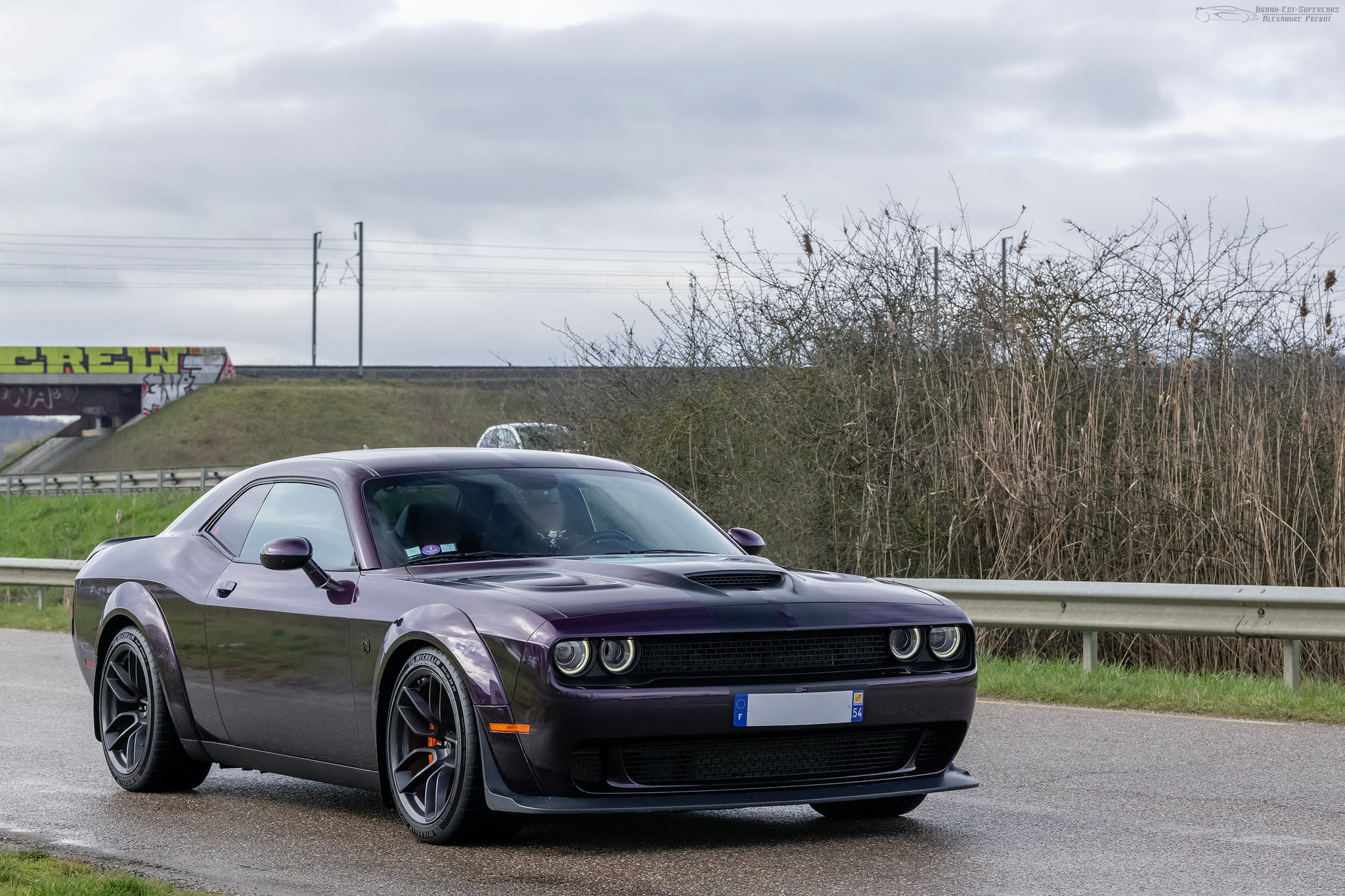
American muscle cars usually focus on straight-line speed rather than top velocity, but this monster deserves mention anyway. The supercharged 6.2-liter V8 produces an absolutely bonkers 1,025 horsepower on E85 fuel.
It reaches 60 mph in 1.66 seconds, making it quicker than most supercars costing five times as much. Top speed is electronically limited to 151 miles per hour, which seems almost slow compared to others on this list but still beats every speed limit in America.
Mercedes-AMG One
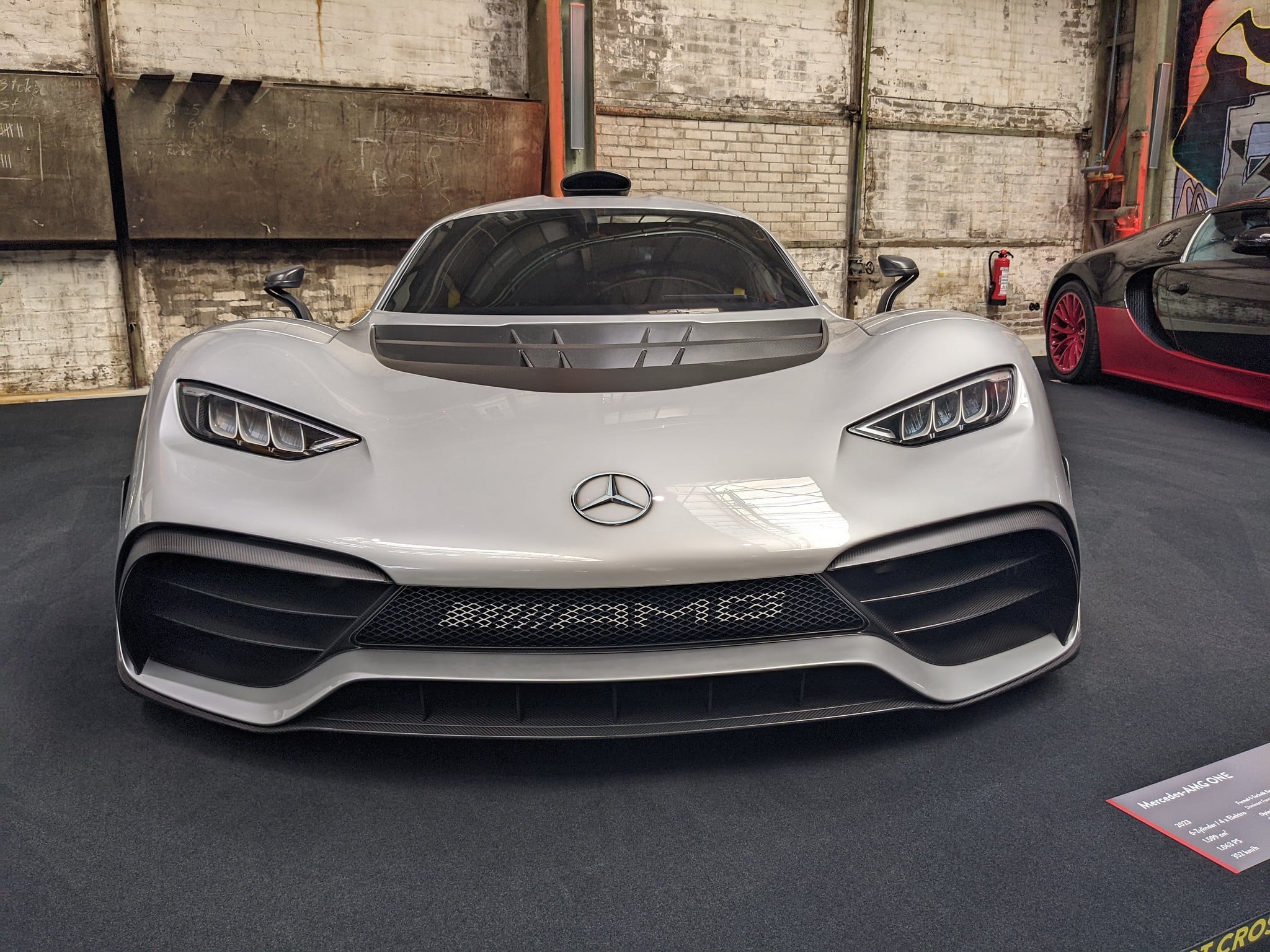
This German hypercar uses an actual Formula 1 engine that’s been modified to work on public roads. The 1.6-liter turbocharged V6 combines with four electric motors for 1,063 horsepower total.
Top speed reaches 219 miles per hour and the engine revs to an incredible 11,000 rpm. Mercedes originally planned to build 275 of them but production problems and delays have made that target difficult to reach.
Lotus Evija
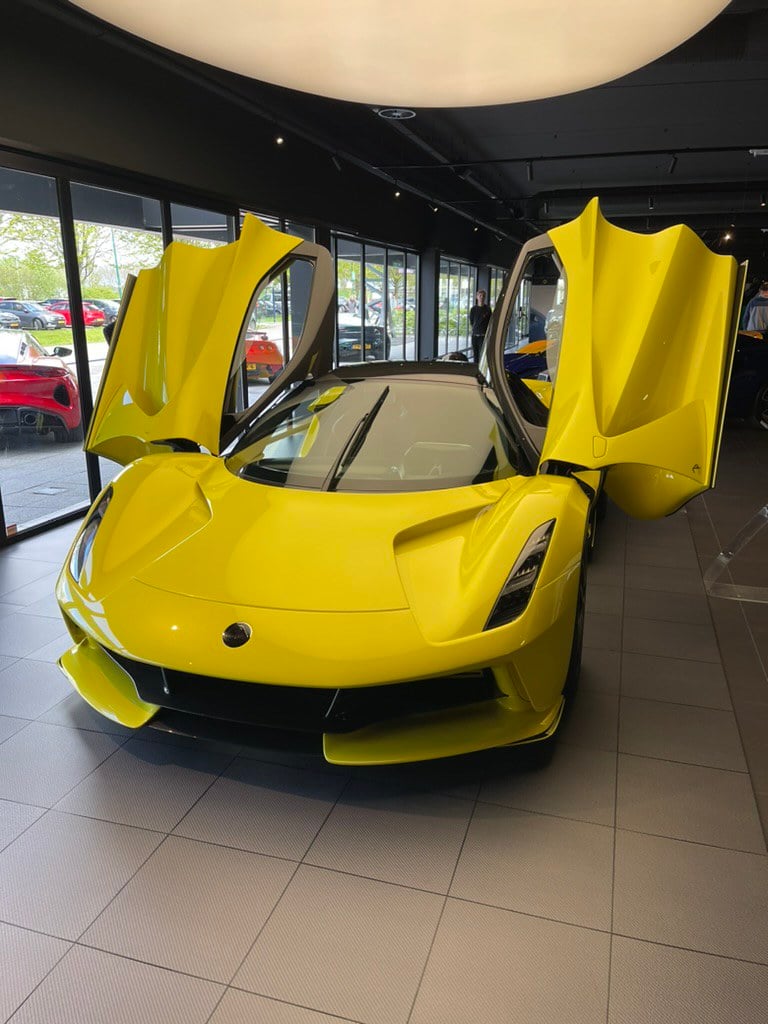
British manufacturer Lotus created this as their first all-electric hypercar with 2,011 horsepower from four electric motors. Top speed should reach 200 miles per hour and it weighs only 3,700 pounds despite the heavy battery pack.
The design features massive openings and channels to direct air through and around the body. Production has been extremely limited and the company faced financial difficulties that slowed deliveries.
Czinger 21C
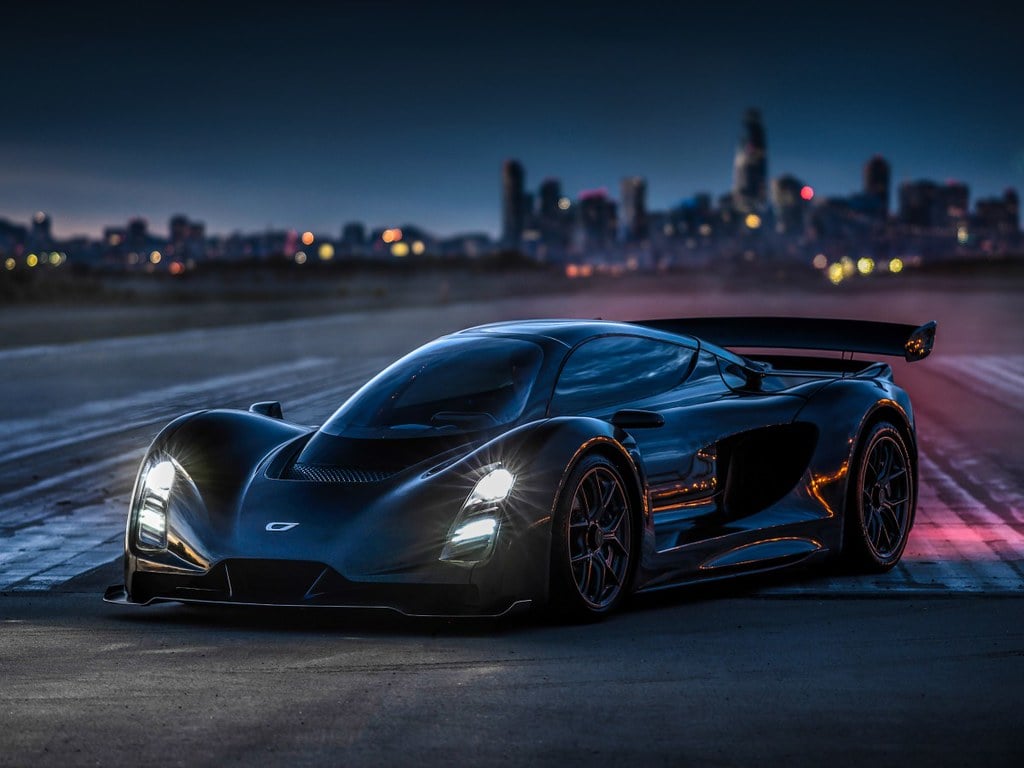
This California-built hypercar uses a hybrid powertrain with a twin-turbo 2.9-liter V8 and two electric motors. Total output reaches 1,250 horsepower and top speed hits 253 miles per hour.
The company uses 3D printing and artificial intelligence to design and manufacture components. Only 80 will be made and the starting price exceeds two million dollars.
Jaguar XJ220
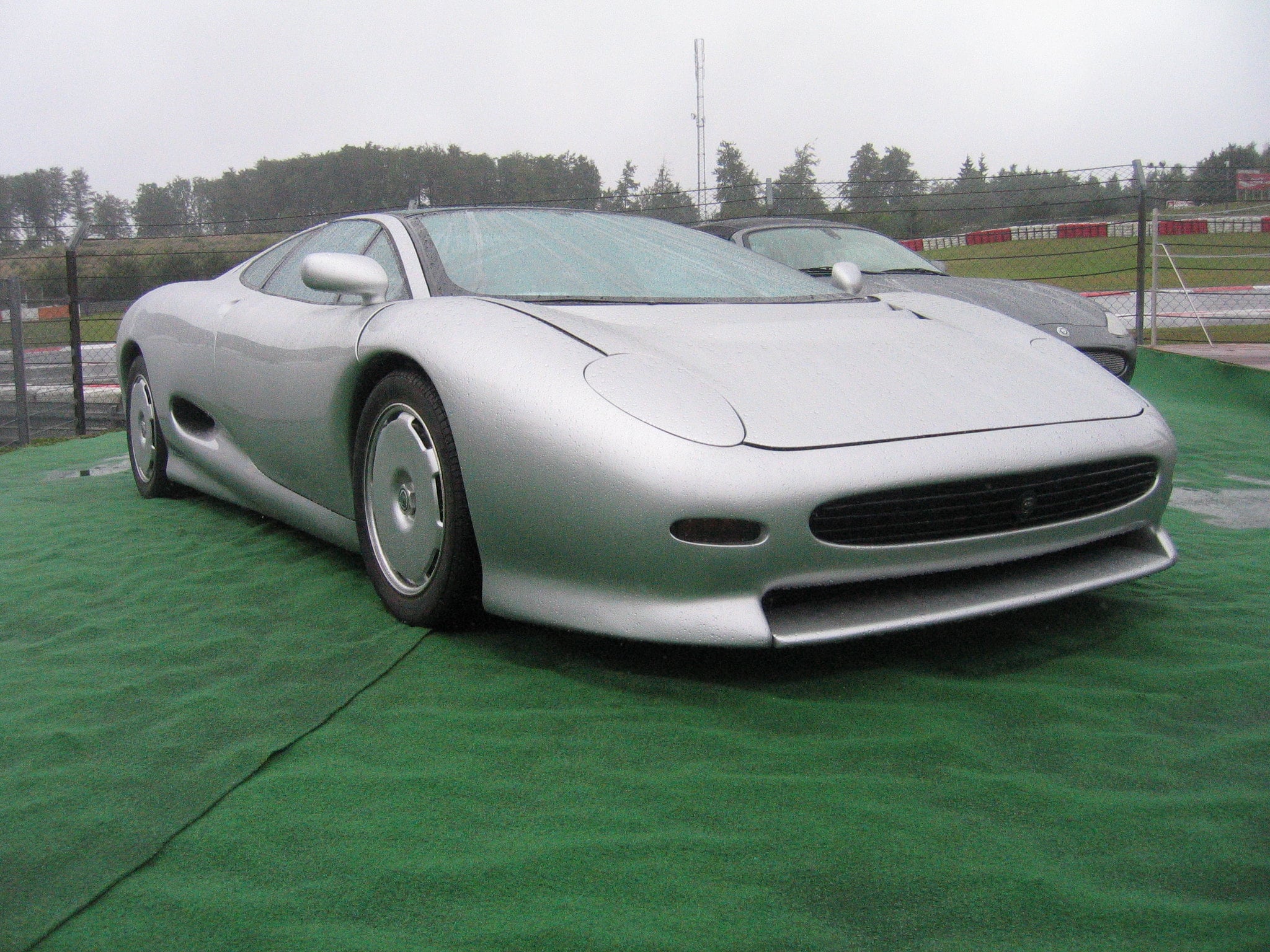
This British supercar from the 1990s still holds up today with a top speed of 217 miles per hour. The twin-turbo 3.5-liter V6 produces 542 horsepower, which was enormous for the early 90s.
Jaguar originally planned to use a V12 engine but switched to the V6 to save weight and improve reliability. Only 275 were built and values have climbed steadily as collectors recognize its significance.
Saleen S7 Twin Turbo
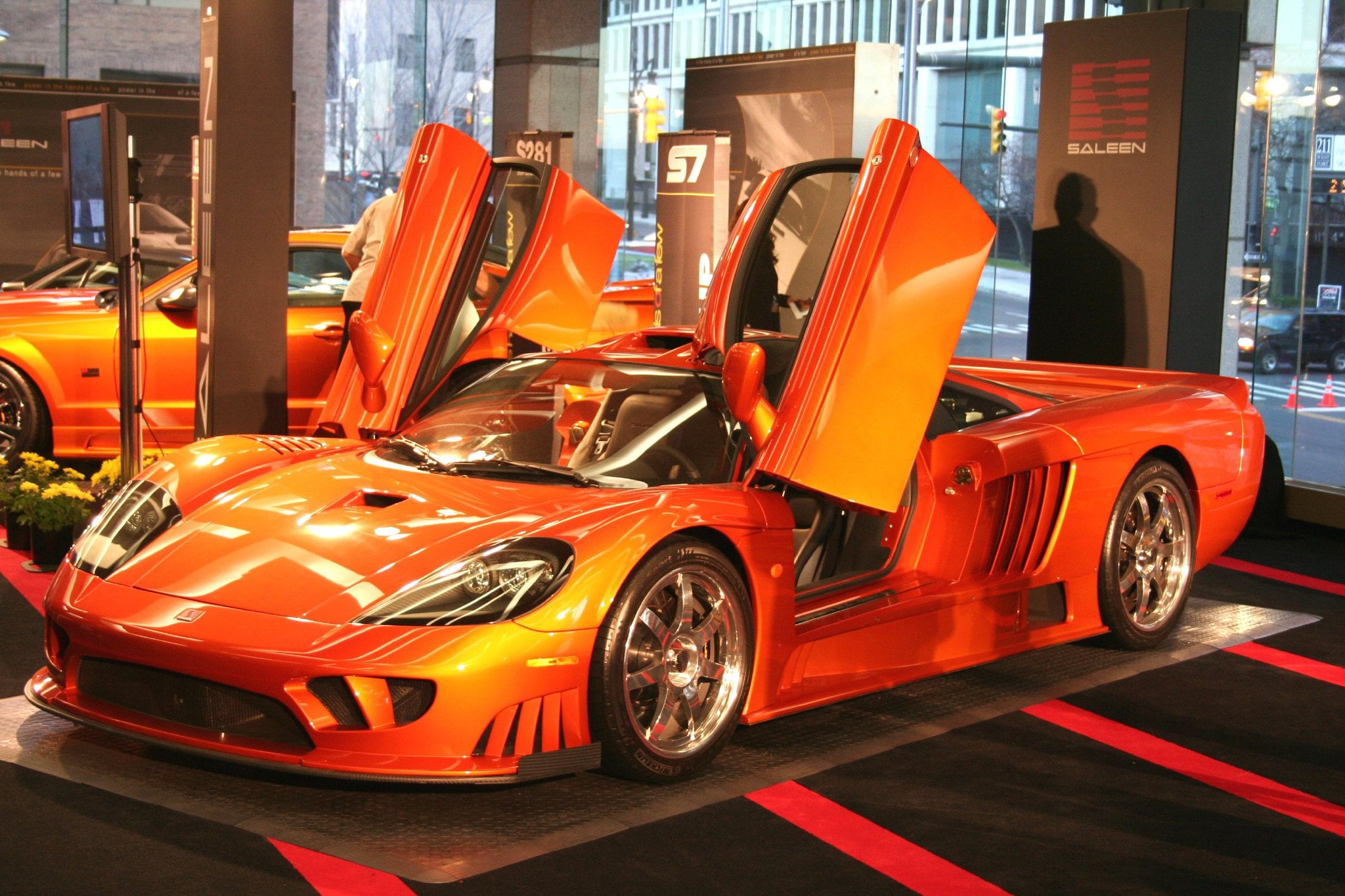
American manufacturer Saleen created this mid-engine supercar with a twin-turbo 7.0-liter V8 making 750 horsepower. Top speed reaches 248 miles per hour and the body creates enough downforce to theoretically drive upside down in a tunnel at high speed.
The company hand-built each one in California and production ran from 2000 to 2007. It remains one of the few American supercars that can compete with European exotics.
Noble M600
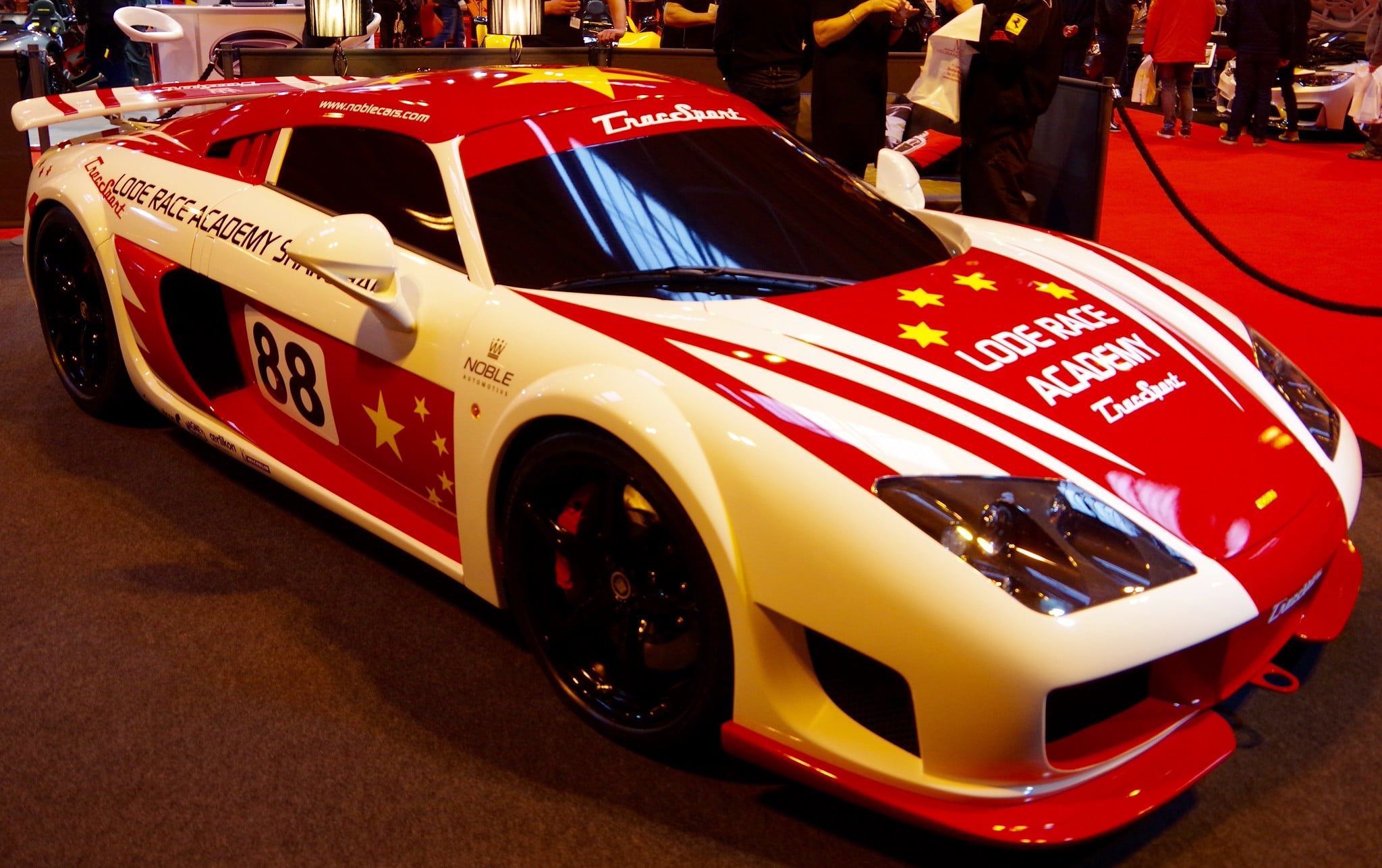
This small British manufacturer built the M600 with a twin-turbo 4.4-liter V8 producing 650 horsepower. Top speed reaches 225 miles per hour and the whole car weighs just 2,755 pounds.
Unlike most modern supercars, it offers a proper manual transmission for drivers who want complete control. The company builds only a handful each year in a small workshop in Leicester.
Zenvo TSR-S
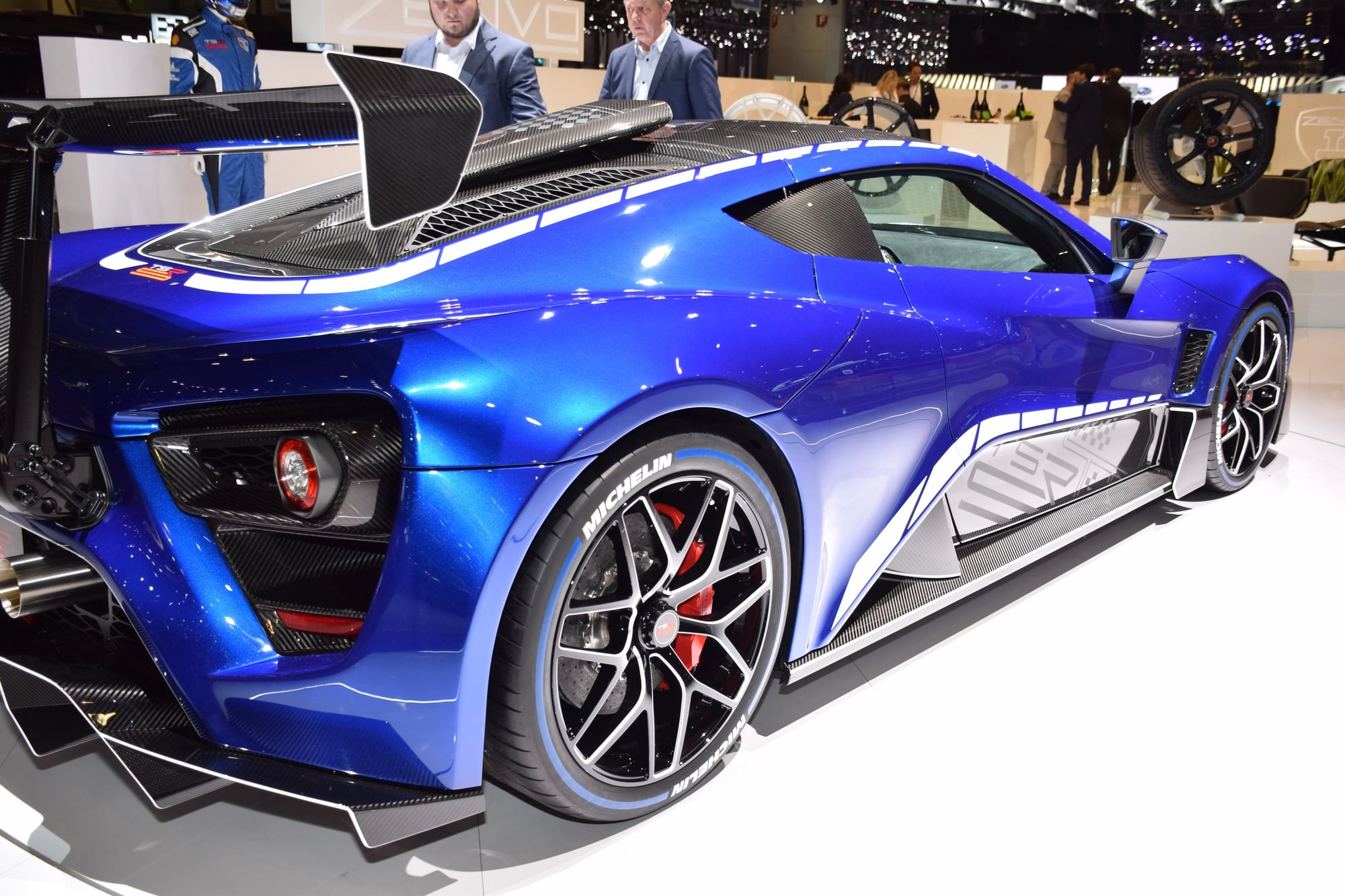
Danish manufacturer Zenvo created this hypercar with a twin-supercharged 5.8-liter V8 making 1,177 horsepower. The active rear wing can tilt side to side to create downforce in corners, which seems both clever and slightly terrifying.
Top speed reaches 202 miles per hour and production is extremely limited. The company hand-builds each car and customers can customize almost every detail.
Gumpert Apollo
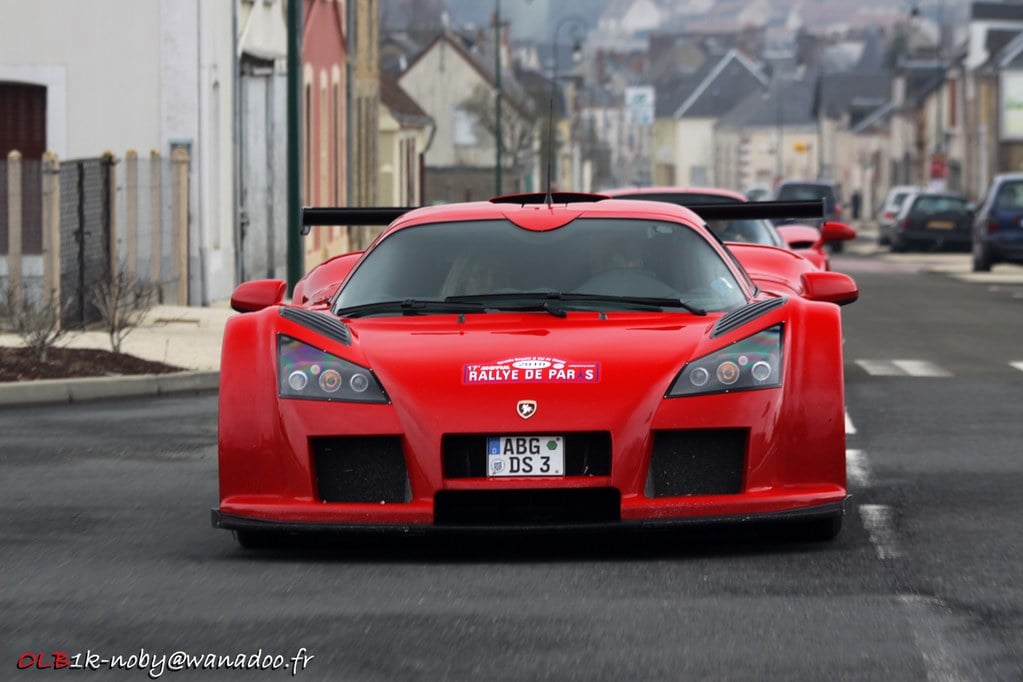
This German track car received just enough modifications to make it street legal in some countries. The twin-turbo 4.2-liter V8 produces 700 horsepower and the car weighs only 2,650 pounds.
Top speed reaches 224 miles per hour and the aerodynamics create enough downforce to stick the car to the road in high-speed corners. The company later changed its name to Apollo Automobil after the original founder left.
Vector W8
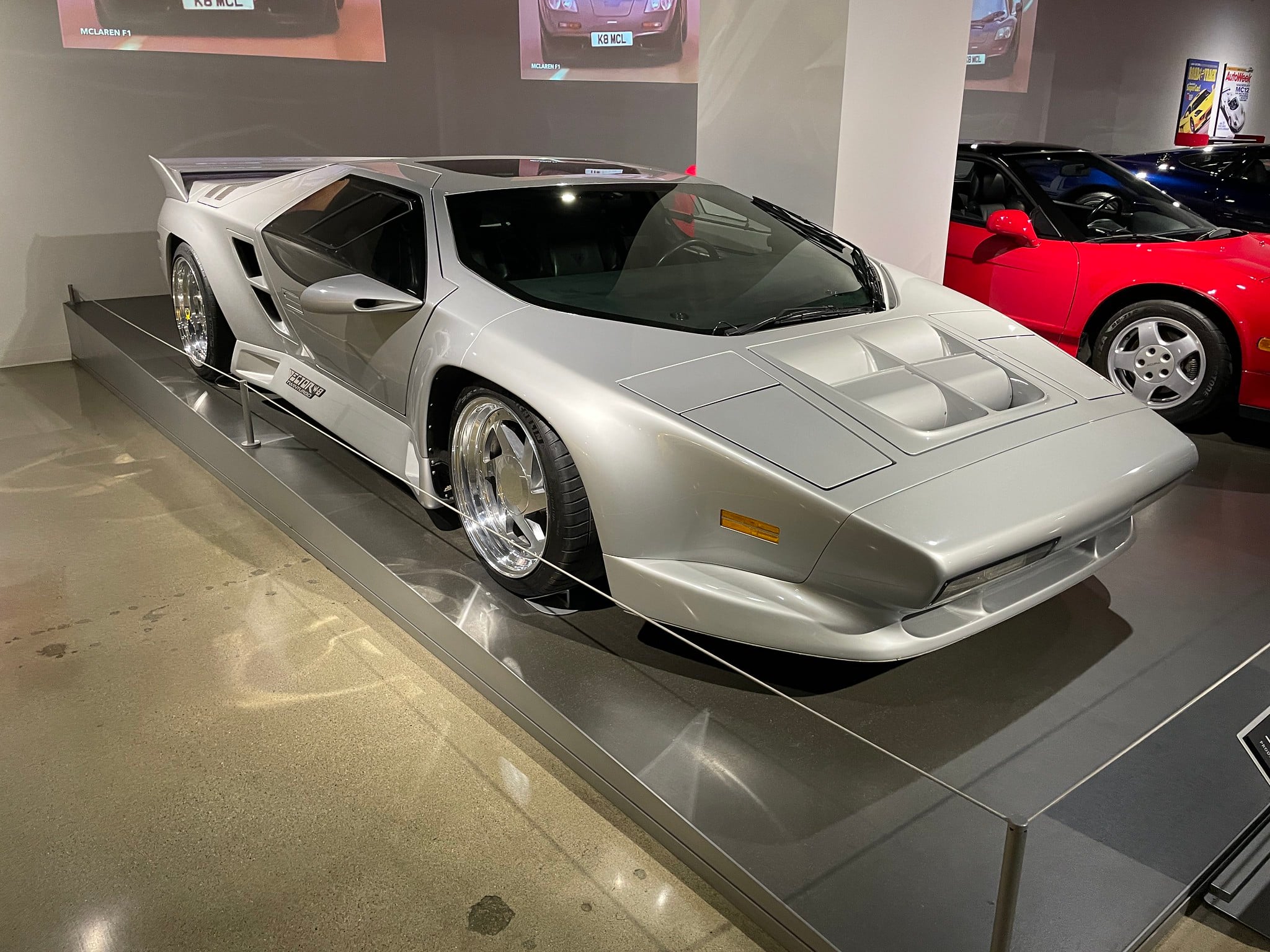
This American supercar from the late 1980s featured futuristic styling that still looks wild today. The twin-turbo 6.0-liter V8 produced 625 horsepower and pushed the car to 218 miles per hour.
The interior resembled a fighter jet cockpit with switches and gauges everywhere. Only 17 production models were built before the company collapsed in legal disputes.
Ultima RS
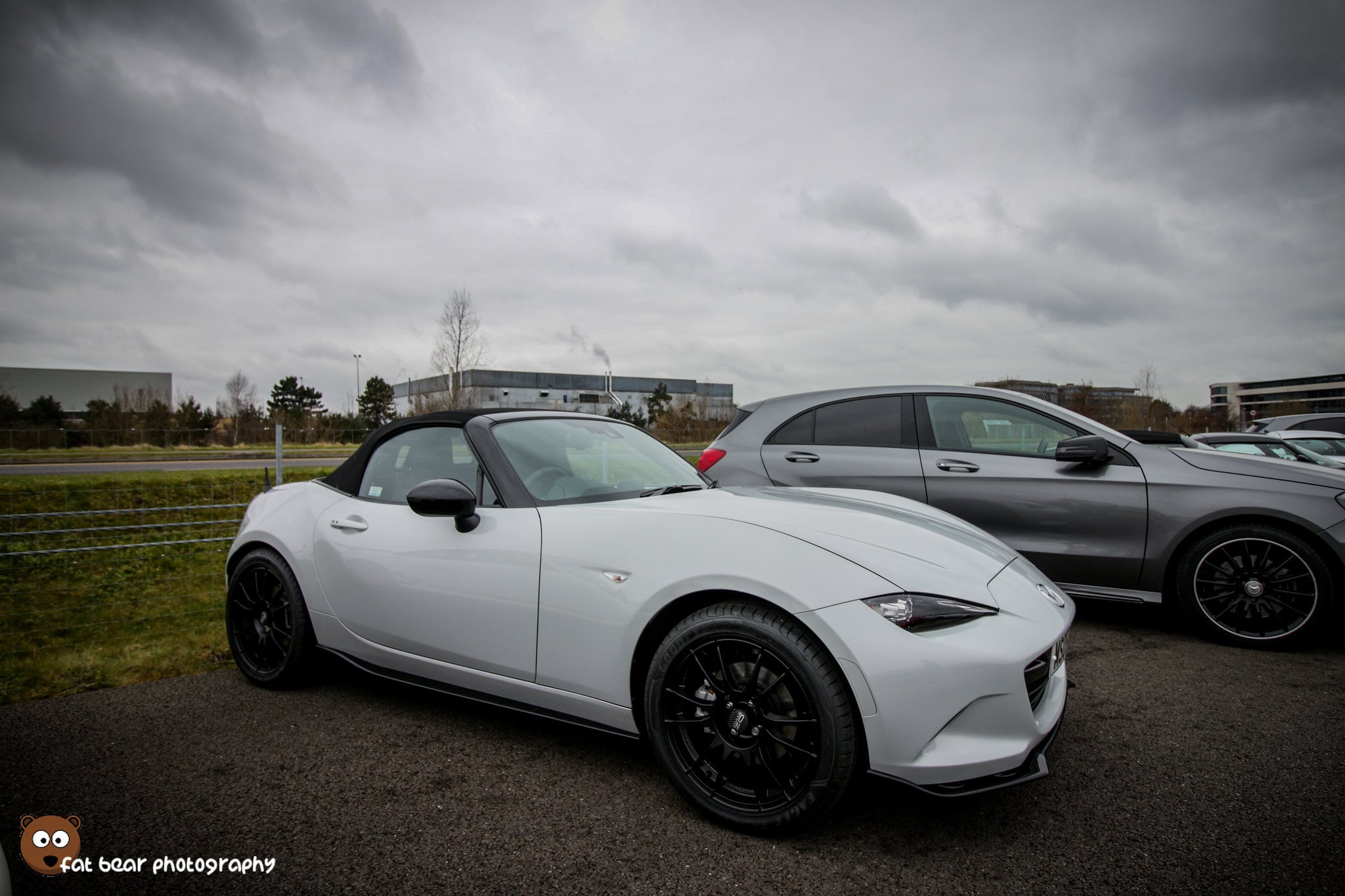
British kit car manufacturer Ultima offers this as a complete car or in component form for assembly. The supercharged 6.2-liter V8 can produce over 1,200 horsepower depending on the tune.
Top speed reaches 250 miles per hour and it holds multiple acceleration records. Building one yourself saves money but requires serious mechanical skills and workspace.
Devel Sixteen
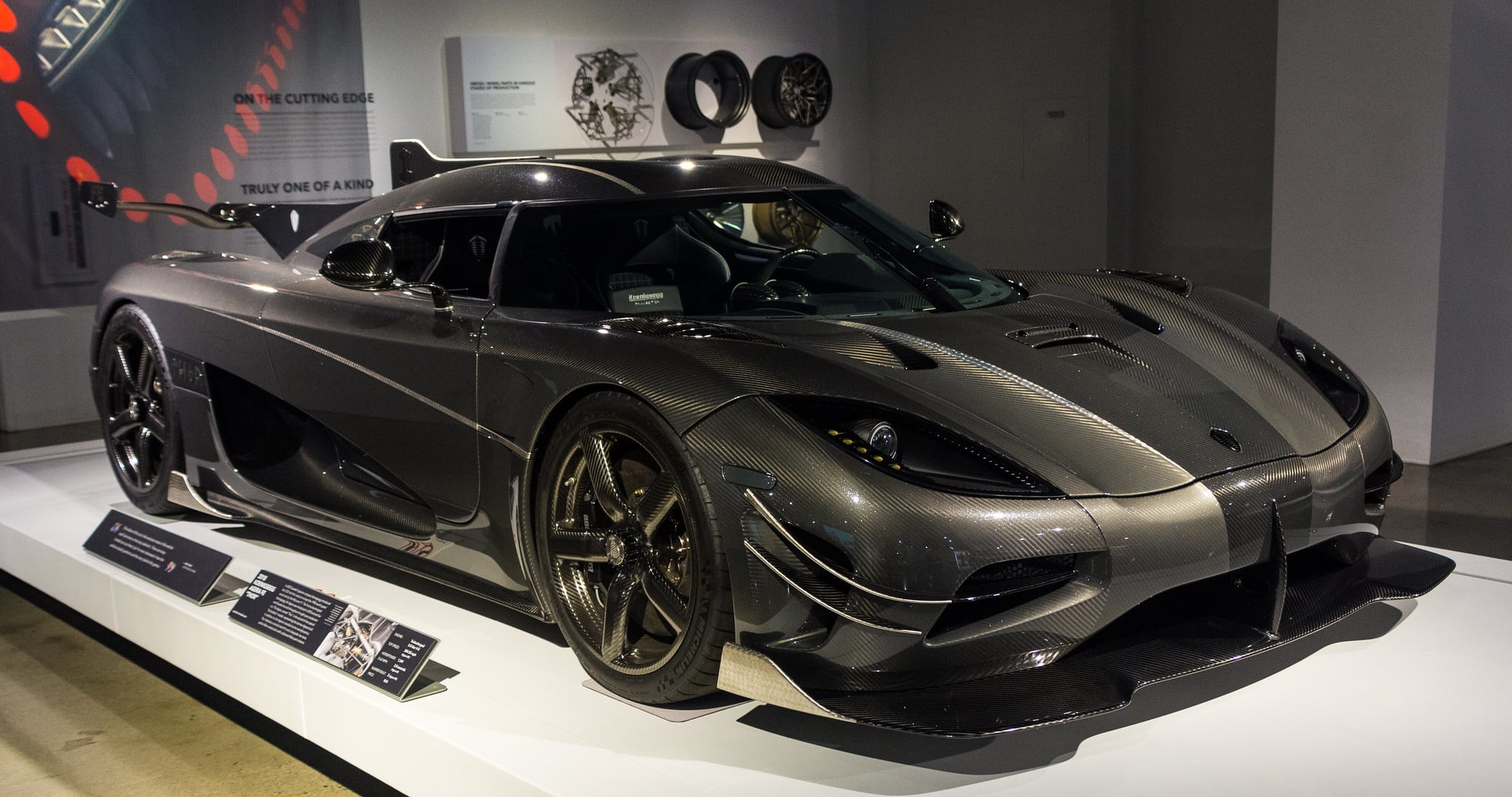
This UAE-based project claims its quad-turbo V16 engine produces 5,000 horsepower, though those numbers seem suspiciously high. The company has shown prototypes at car shows for years but actual production and customer deliveries remain unclear.
If the performance claims prove real, it could theoretically exceed 350 miles per hour. Skepticism remains warranted until independent testing confirms the specifications.
Arash AF10
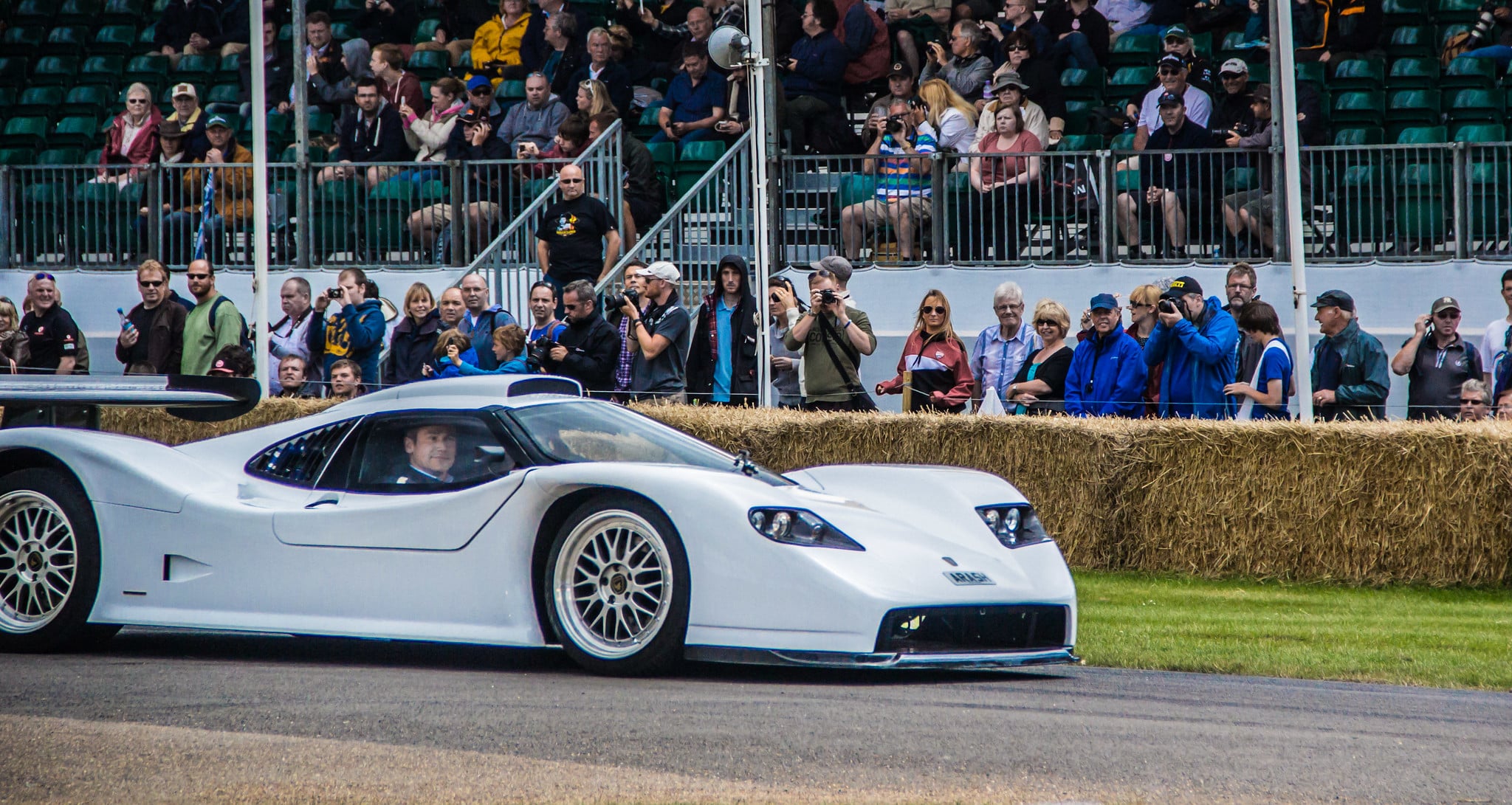
Out of Britain and Iran comes Arash, a carmaker shaping something wild. A supercharged V8 powers the core, while four electric motors jump in beside it.
Power lines cross at 2,080 horses roaring under the skin. Some say it touches 205 miles each hour when let loose.
Zero to sixty? Done before you finish reading this – 2.8 ticks of the clock. This machine does not roll off assembly lines by the thousands.
Big factories they are not; small batches tell their story instead.
TVR Griffith
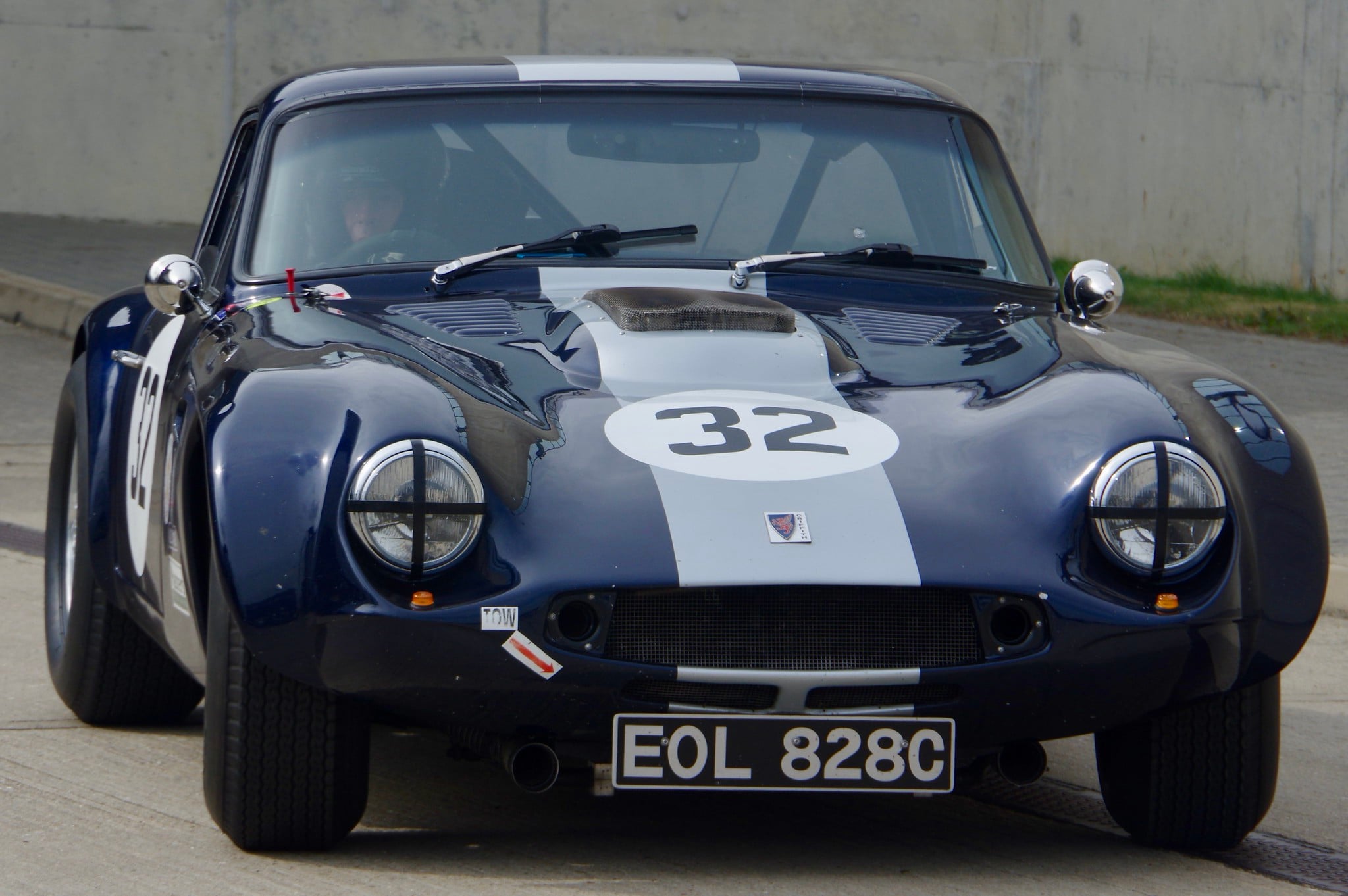
TVR, a British builder of sporty two-seaters, has brought back one of its older designs powered by a 5.0-liter V8 fine-tuned by Cosworth. Reaching 500 horses, the engine breathes freely, pushing the car past 200 mph at full tilt.
Instead of aiming for wild power stats, the team prioritized shedding every extra pound they could find. Even so, money troubles and slow manufacturing lines mean many who paid long ago still wait to get behind the wheel.
Where Speed Meets The Street
Top engineering talent pushes these machines right to the edge – yet they remain street legal. As tech evolves, fresh models emerge every few years chasing the speed crown.
Not if cars become quicker matters most – but whether road rules will keep tolerating such extreme performance beside ordinary family vans.
More from Go2Tutors!

- The Romanov Crown Jewels and Their Tragic Fate
- 13 Historical Mysteries That Science Still Can’t Solve
- Famous Hoaxes That Fooled the World for Years
- 15 Child Stars with Tragic Adult Lives
- 16 Famous Jewelry Pieces in History
Like Go2Tutors’s content? Follow us on MSN.