Mysteries Hidden in the Black Sea
The Black Sea doesn’t get the attention it deserves. Most people think of the Mediterranean when they picture ancient maritime history, but the Black Sea holds secrets that rival any body of water on Earth.
Its depths preserve stories that span thousands of years, and scientists keep finding things they can’t fully explain. The sea itself behaves differently from most oceans.
Its unique chemistry creates conditions that both destroy and preserve, revealing truths about our past while keeping other secrets locked away. You can’t understand this place by looking at the surface.
Ships Frozen in Time
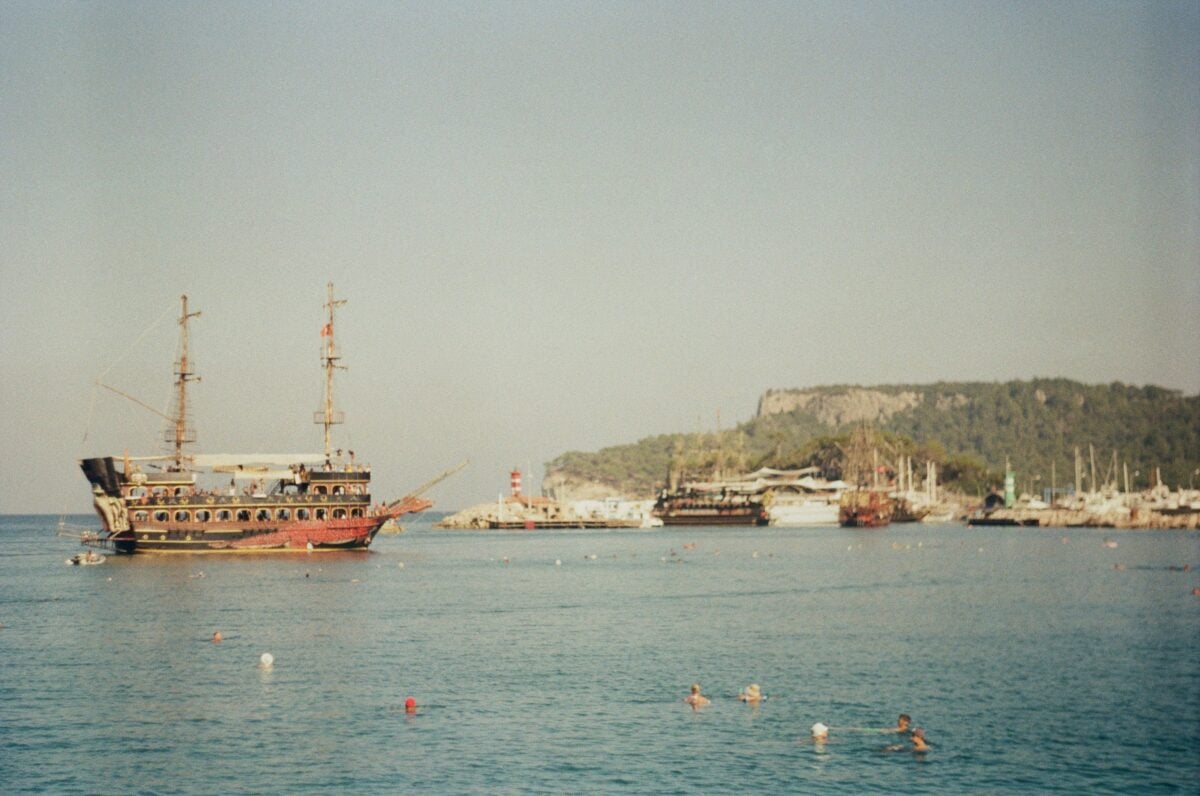
The Black Sea turns into a time capsule below 150 meters. The water there has almost no oxygen, which means the bacteria that normally break down organic material can’t survive.
Wooden shipwrecks that would crumble to nothing in the Mediterranean stay intact here. Archaeologists found a Greek trading vessel from 400 BCE sitting on the seafloor, perfectly preserved.
The mast still stands. The ropes hang in place.
Even the rudder system remains functional. It’s the oldest intact shipwreck ever discovered.
But that’s just one ship. Scanning technology has revealed more than 60 ancient vessels in Bulgarian waters alone, each one a snapshot of maritime life from different eras.
Roman grain ships, Byzantine warships, Ottoman galleys—they all rest in the darkness, waiting.
The Deadly Layer
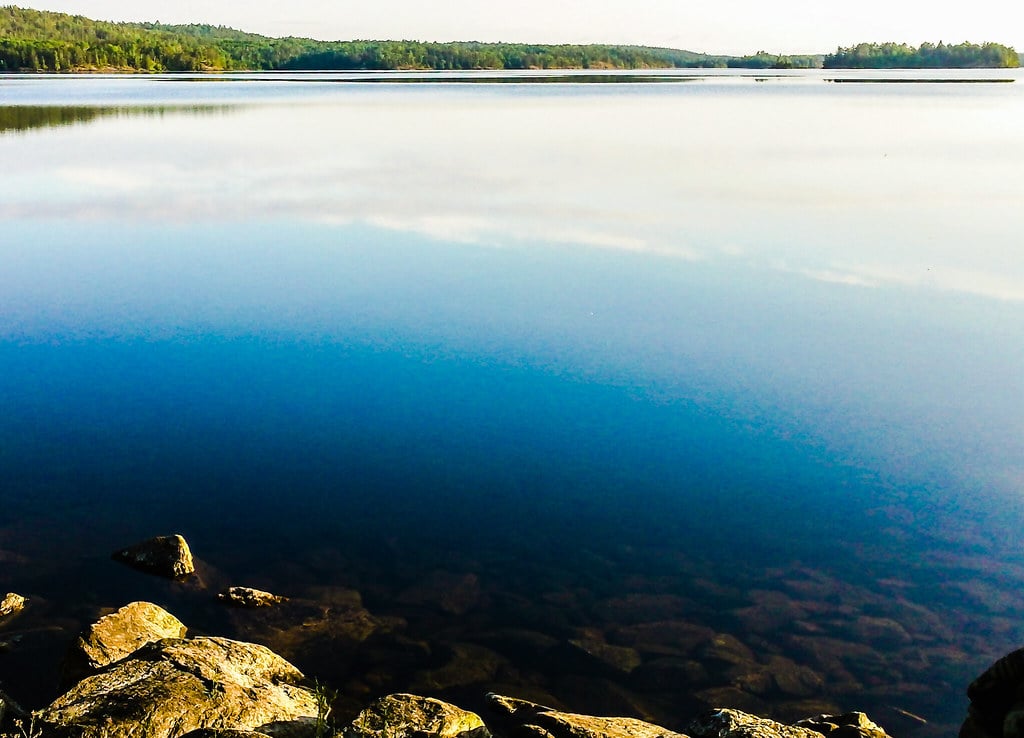
Something strange happens around 150 to 200 meters down. The water changes character completely.
Scientists call it the chemocline, but locals have darker names for it. Below this invisible boundary, hydrogen sulfide fills the water.
Nothing can live there. No fish, no plants, no microorganisms.
Just darkness and poison gas dissolved in seawater. This zone makes up about 90% of the Black Sea’s total volume.
The origins of this dead zone spark endless debate. Some researchers blame it on the sea’s unique geography—it’s almost landlocked, with limited water exchange through the narrow Bosphorus.
Others point to ancient climate shifts. A few suggest something more dramatic happened thousands of years ago, something that poisoned the deep waters and created this biological barrier.
Submerged Settlements
You might think people have always known the Black Sea’s current shape, but they haven’t. The coastline has changed dramatically over millennia.
Around 7,500 years ago, rising sea levels flooded massive areas of land. Communities that had thrived along ancient shores found themselves underwater.
Recent sonar surveys have detected structures that look remarkably like human settlements—rectangular foundations, organized streets, defensive walls. Near Bulgaria’s coast, divers have explored what appears to be a stone building complex submerged under 30 feet of water.
The stones show tool marks. The arrangement suggests deliberate construction.
Carbon dating indicates the structures predate the flooding that reshaped the Black Sea. These discoveries fuel speculation about lost civilizations and forgotten cultures.
The evidence sits there, but the logistics of underwater archaeology in these conditions make full excavation nearly impossible.
Ancient Harbor Networks
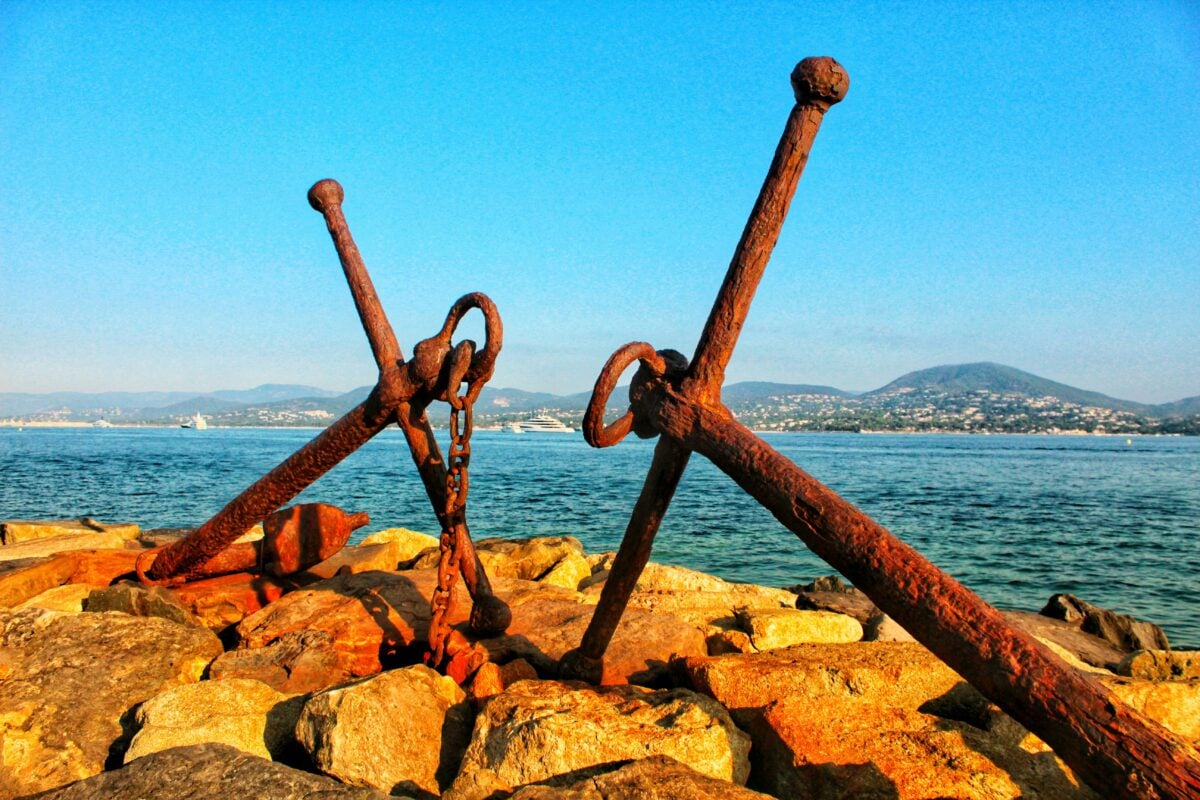
Trade routes crossed the Black Sea long before anyone wrote about them. Physical evidence reveals a sophisticated network of ports and harboring sites that served as waypoints for merchants traveling between East and West.
Some of these ancient harbors still exist as modern ports, their histories buried under centuries of continuous use. Others vanished completely, their locations only recently rediscovered through satellite imagery and underwater surveys.
The scope of ancient maritime commerce across these waters exceeds what historians previously believed. Ceramic fragments, anchor stones, and amphora fields suggest traffic patterns that rival Mediterranean trade routes.
Yet we have limited written records about who managed these networks and how they operated.
The Flood Hypothesis
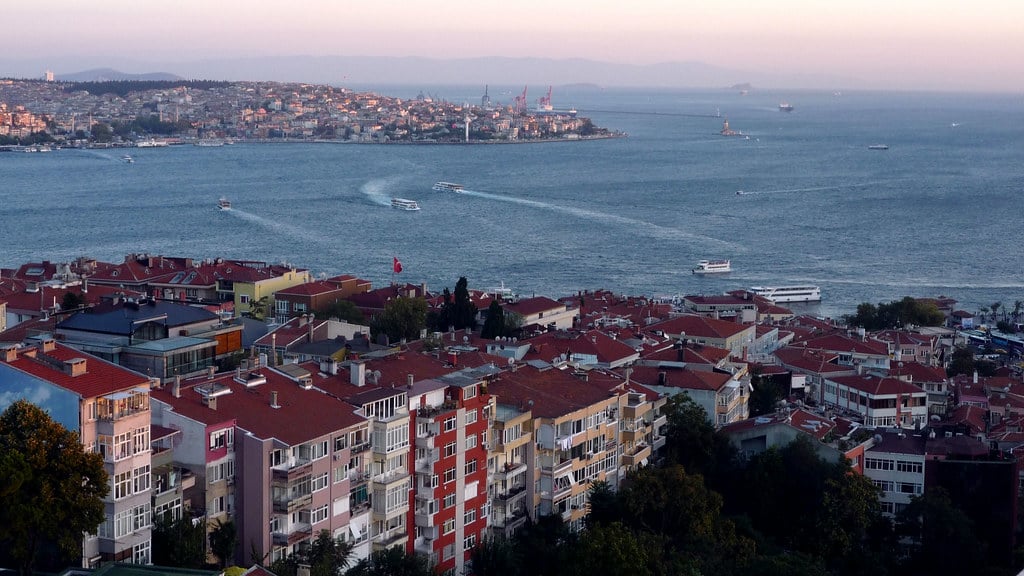
Two geologists sparked controversy in the 1990s with a bold claim. They suggested the Black Sea had once been a freshwater lake, isolated from the Mediterranean until catastrophic flooding broke through the Bosphorus around 7,500 years ago.
According to their theory, water poured through the breach with the force of 200 Niagara Falls. The flood would have raised the water level by inches per day, forcing coastal populations to flee.
Some researchers connect this event to ancient flood myths, including the story of Noah’s Ark. The evidence creates a complicated picture. Core samples show a freshwater-to-saltwater transition in the sediment record, but the timing remains disputed.
Some measurements suggest a gradual transition rather than catastrophic flooding. Others support the dramatic version.
What nobody disputes is that the Black Sea changed fundamentally around this period, and those changes affected everyone living nearby.
Byzantine Gold
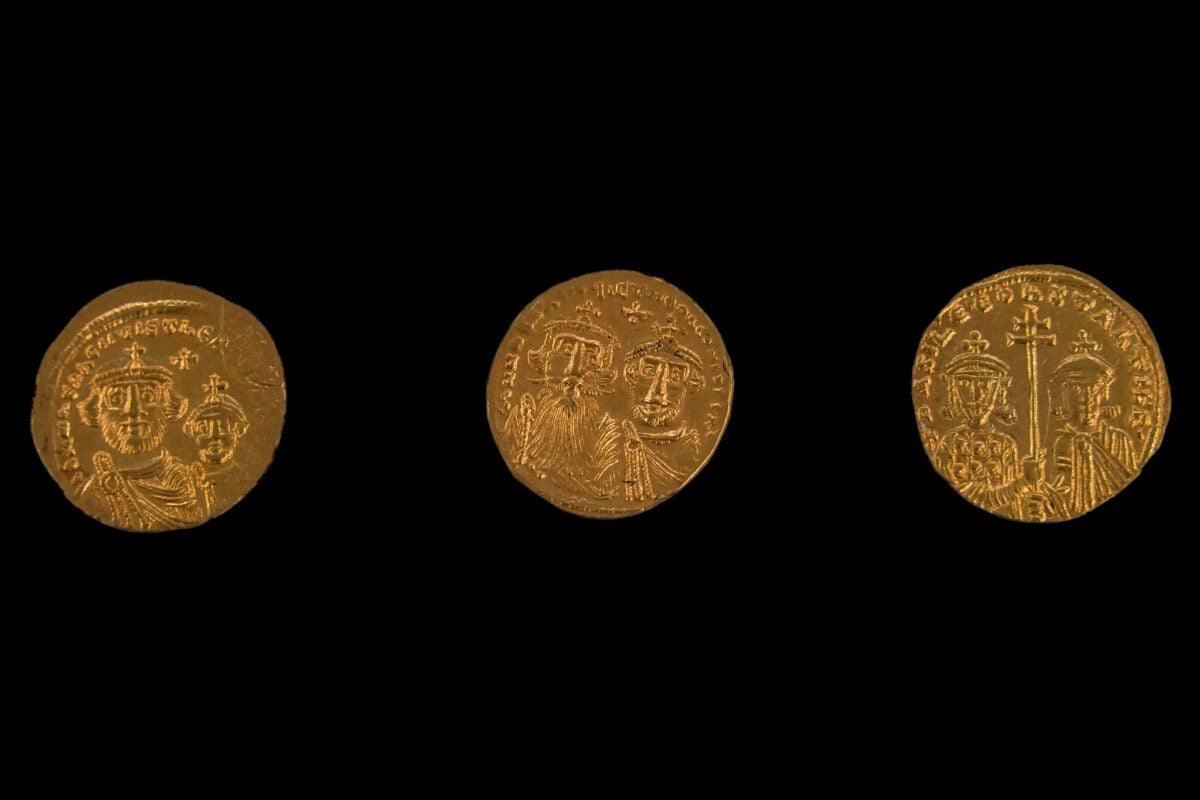
The Byzantine Empire dominated Black Sea trade for centuries, and their wealth traveled across these waters in countless ships. When those ships sank, they took treasure down with them.
Modern salvage operations have recovered coins, jewelry, and religious artifacts from Byzantine wrecks. The quantities suggest regular gold shipments between Constantinople and distant provinces.
Insurance didn’t exist in the modern sense, so every cargo that went down represented total financial loss. The anoxic waters preserve these artifacts beautifully.
Gold doesn’t corrode anyway, but the low-oxygen environment keeps organic materials intact, providing context for each discovery. Wooden chests, leather bags, and textile fragments survive alongside the treasure, telling stories about how Byzantine merchants packed and transported wealth.
Some of the richest wrecks remain deliberately undisclosed by archaeologists who fear looters. The Black Sea still holds fortunes that nobody has claimed.
Unexplained Disappearances
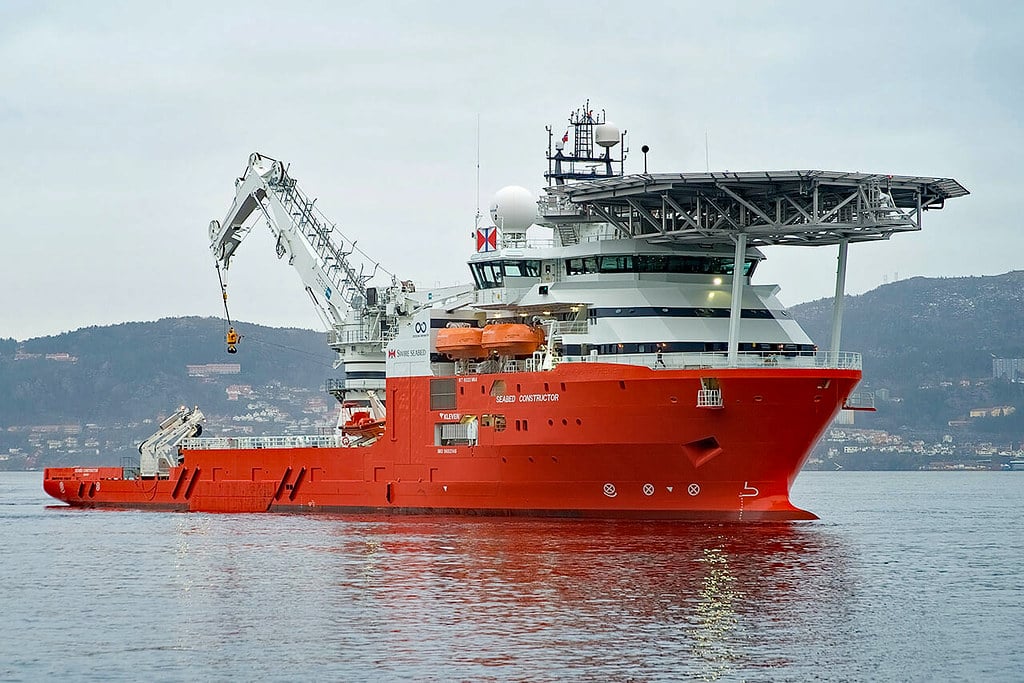
Ships vanish in the Black Sea more often than statistical probability suggests. Modern vessels with advanced navigation systems lose contact and disappear without leaving traces.
The sea’s weather patterns share some blame. Storms develop quickly here, and the relatively small size of the basin means waves build higher than in the open ocean.
But weather alone doesn’t explain all the losses. Some disappearances involve military vessels during the Cold War, and information about those incidents remains classified.
Others involve fishing boats and cargo ships that simply stop transmitting and never reach port. Search efforts often find nothing—no debris, no oil slicks, no bodies.
The deep anoxic zone complicates recovery efforts. If a ship sinks into those depths, it enters an environment where standard rescue techniques don’t work.
Even locating wreckage becomes difficult when you’re searching in waters that kill normal underwater equipment.
Cold War Secrets
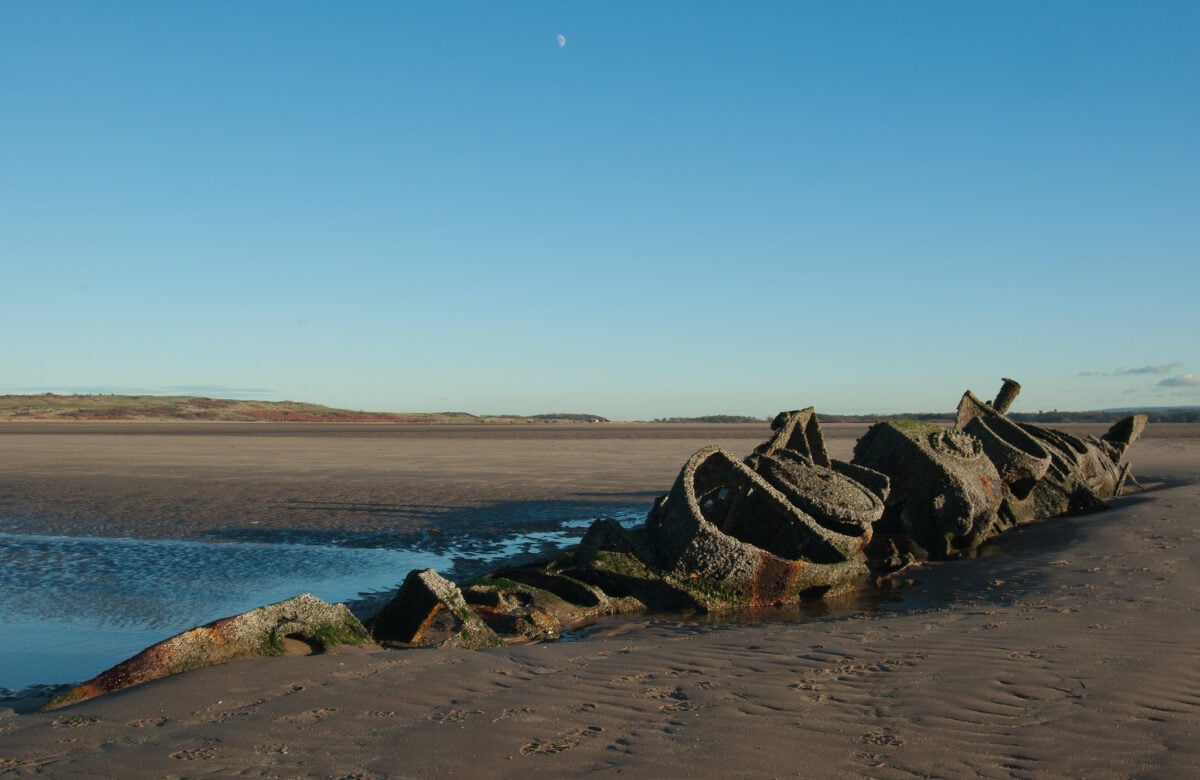
Both NATO and Soviet forces treated the Black Sea as a strategic battleground during the Cold War. What they left behind constitutes a different kind of mystery.
Submarines prowled these waters constantly, playing dangerous games with each other beneath the surface. Accidents happened.
Equipment failed. Ships collided.
The full record remains locked in classified archives, but enough information has emerged to confirm that the seafloor holds military hardware and possibly human remains. Abandoned listening posts dot the coast, their purpose obvious even though official records don’t acknowledge them.
Soviet naval bases decayed into ruins, leaving behind infrastructure that once served classified operations. Local fishermen occasionally snag nets on objects that shouldn’t be there—pieces of aircraft, unusual metal structures, equipment that doesn’t match anything commercial.
Nobody claims these items. Nobody explains their presence.
Biological Anomalies
The Black Sea’s unique chemistry creates ecological conditions found nowhere else on Earth. Scientists study organisms here because they’ve adapted to environments that should be impossible.
Certain bacteria thrive at the boundary between the oxygenated surface waters and the anoxic depths. They metabolize sulfur compounds and exist in a twilight zone that most life forms can’t tolerate.
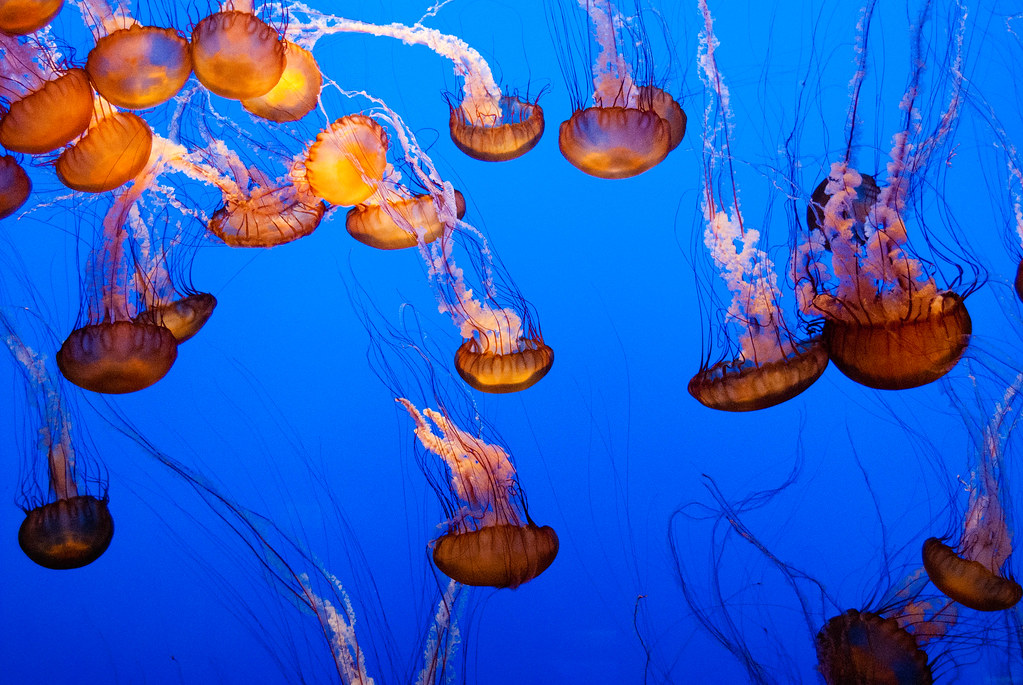
Understanding how they survive might have applications for studying extreme environments on other planets. Jellyfish populations explode periodically, turning the water into a gelatinous soup that clogs fishing nets and stings swimmers.
These blooms seem related to nutrient levels, but the exact triggers remain unclear. Some years they appear, other years they don’t, following patterns that scientists can’t quite predict.
Deep-water fish caught here sometimes show unusual characteristics—larger eyes than expected, strange coloration, unexpected behaviors. The isolated ecosystem has produced subtle evolutionary variations that marine biologists are only beginning to document.
Archaeological Technology Advances
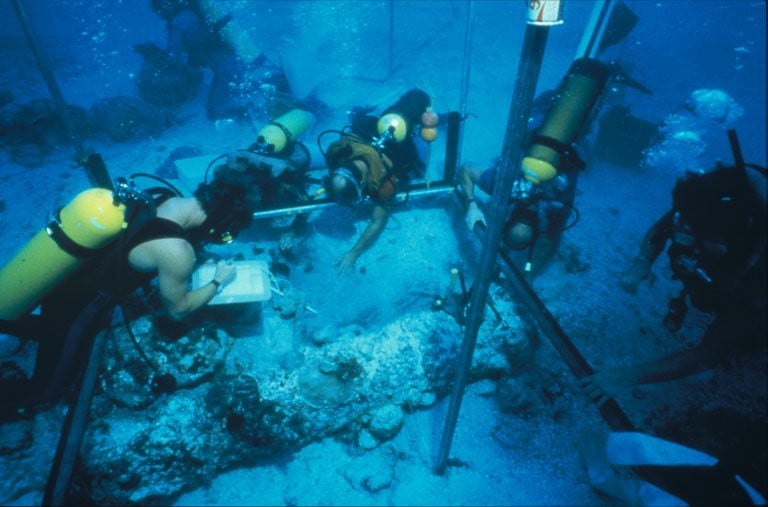
Recent technological developments have transformed Black Sea archaeology. Side-scan sonar, remotely operated vehicles, and advanced imaging systems let researchers explore depths that humans can’t reach directly.
These tools reveal details invisible to earlier generations of archaeologists. A shipwreck that looked like a wooden bump on early sonar scans now appears in high-resolution 3D, showing every plank and joint.
Researchers can virtually walk through ancient vessels without disturbing them. The Black Sea has become a testing ground for techniques that will eventually be used in other marine environments.
The preservation conditions here create ideal scenarios for developing new methods. Success in these waters translates to capabilities elsewhere.
But technology also reveals how much work remains. Each survey discovers dozens of new sites.
Each site requires documentation, analysis, and interpretation. The backlog grows faster than researchers can clear it.
Treasure Hunter Conflicts
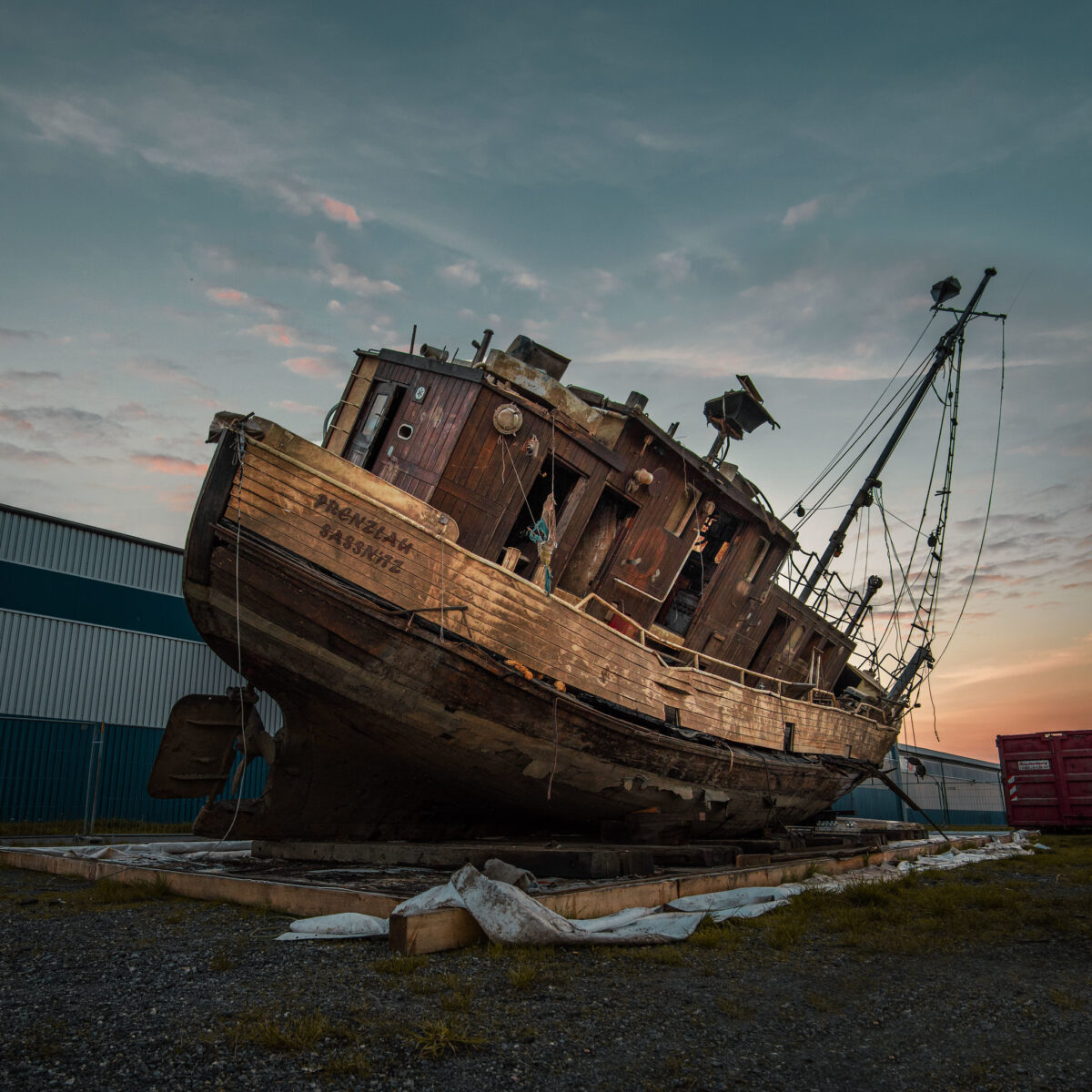
Legal battles rage over Black Sea discoveries. Who owns the artifacts?
Who has rights to salvage operations? The answers vary depending on which country’s waters you’re exploring.
Commercial salvage companies see potential profit in Byzantine gold and ancient artifacts. Archaeologists argue that profit-driven excavation destroys irreplaceable historical context.
Governments want control over cultural heritage found in their territorial waters. Descendants of ships’ original owners sometimes claim legal rights to cargo.
These conflicts have stalled promising research projects and encouraged illegal looting. Artifacts appear on black markets without proper documentation, their archaeological value destroyed by careless recovery methods.
International treaties attempt to govern underwater cultural heritage, but enforcement remains spotty. The Black Sea’s political complexity—six countries share its shores—makes unified policies nearly impossible.
Methane Mysteries
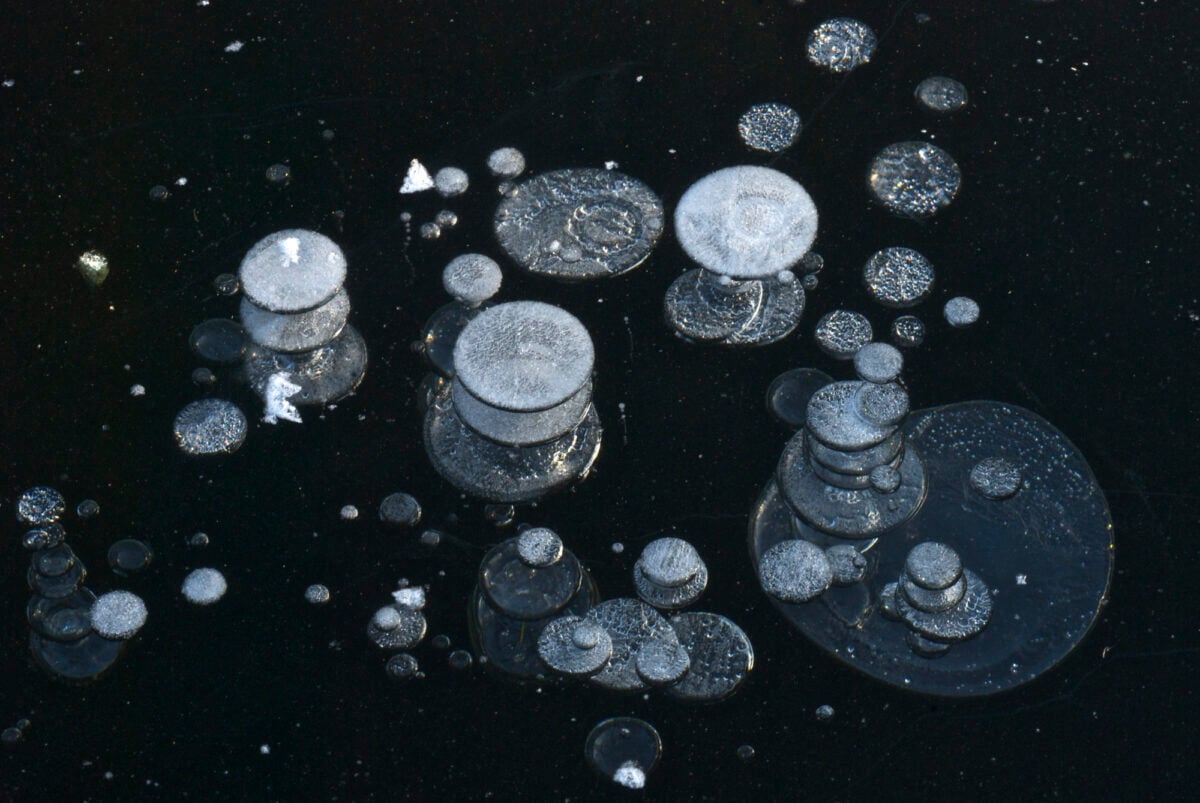
Methane seeps from the Black Sea floor in numerous locations. Natural gas bubbles rise through the water column, occasionally creating surface phenomena that look supernatural.
These seeps have practical implications for energy exploration, but they also pose puzzles. Some release points occur in patterns that don’t match geological predictions.
Others show variations in output that suggest complex underground systems feeding them. Local legends describe places where the water “boils” or where ships experience strange malfunctions.
Some of these stories correspond to known methane release sites. The gas can create pockets of reduced buoyancy that affect vessel stability—a phenomenon that might explain certain maritime accidents.
Climate scientists study these seeps carefully. Methane is a potent greenhouse gas, and warming waters could trigger larger releases from seafloor deposits.
Understanding how the Black Sea manages its methane budget matters for global climate models.
The Depths That Hide Everything
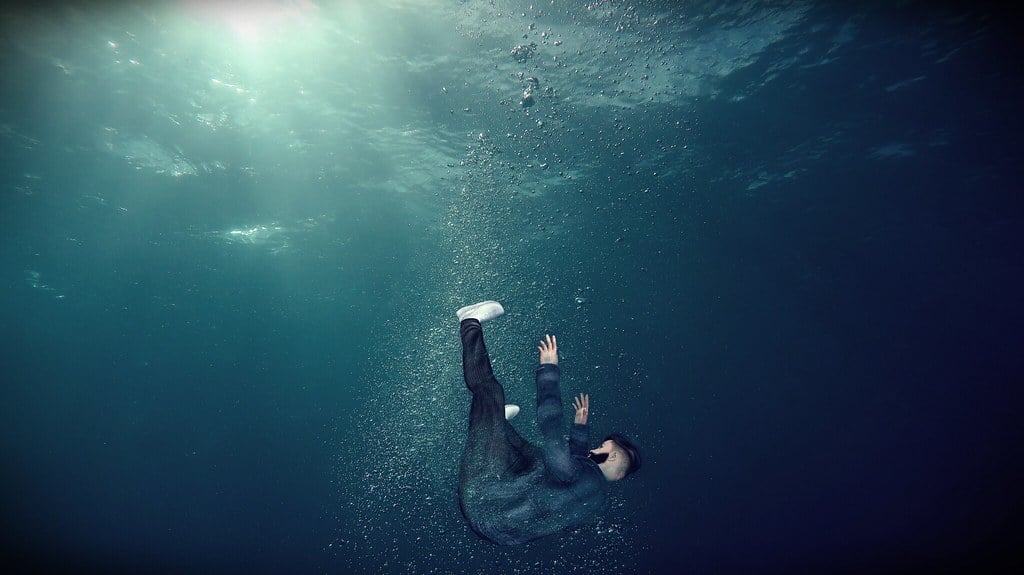
The anoxic zone is both a perfect preserver and a total barrier. Down there, whatever sank remains just like it landed – held still by chemical conditions that stop decay dead.
You can’t simply drop divers into that zone. Regular gear fails past specific depths – besides, hydrogen sulfide eats through metal while contaminating breathable air.
ROVs let us probe deeper, yet they cost a lot, plus deployment hinges on resources and cash flow. This means most of the Black Sea’s bottom hasn’t been checked out.
Yet thousands of sunken ships likely lie down there in the dark. Whole storerooms packed with old treasures stay sealed, never touched.
Ruins from times we know little about linger, kept safe by the deep. The tools needed to reach these deep areas are already around, yet high expenses and tricky setups limit how often they’re used.
Every trip down there calls for unique gear, skilled people, or serious financial backing. Because of this, a lot of what’s hidden in the Black Sea won’t be uncovered anytime soon.
Where Water Remembers
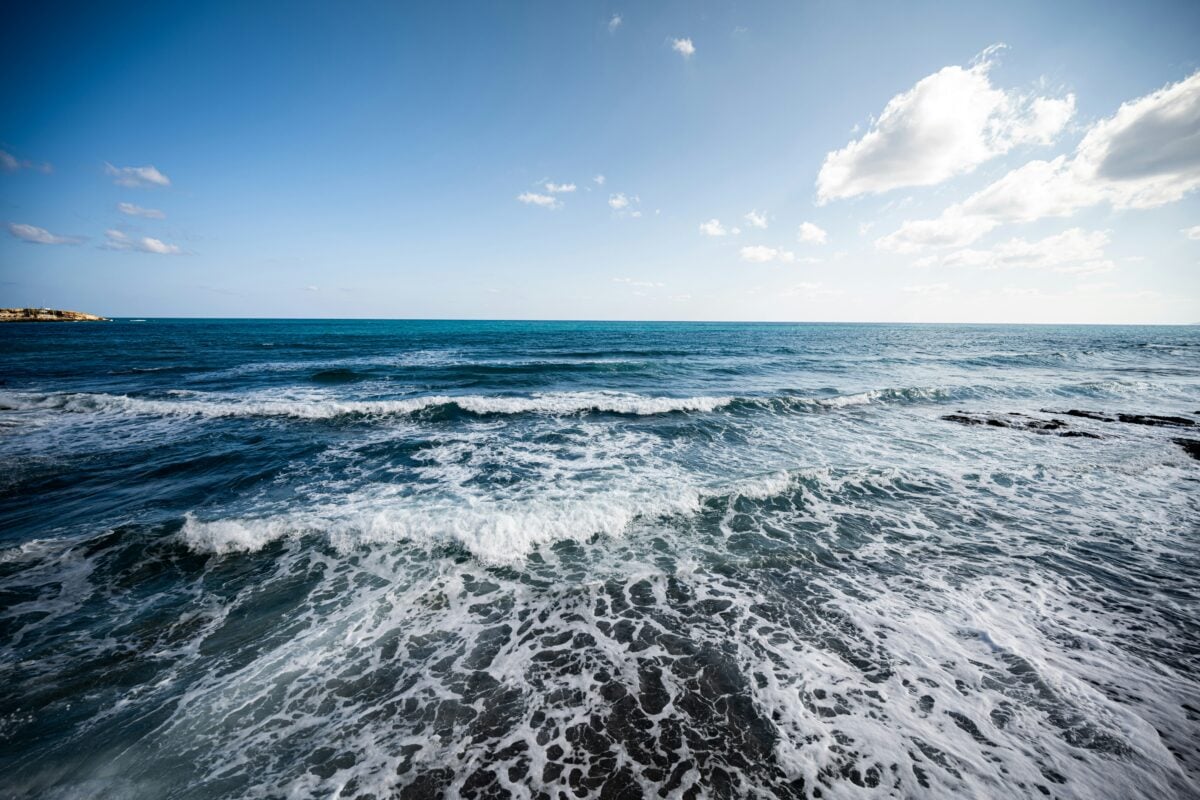
The Black Sea holds onto its past like stacked pages. Cores taken from the bottom carry traces – pollen, tiny life forms, clues locked in chemistry – that whisper old tales.
Every inch of muck stands for countless seasons piling up slowly. Scientists study the cores like stories, using small changes in makeup to piece together old weather, habitats, and happenings.
From them, we see spells of hotter or colder temps, eras when people stayed or left, differences in saltiness and air underwater. This record in layers gives clues to thoughts we’ve just started asking.
So how did old communities handle shifting weather patterns? Because what unfolded when societies broke down? While at what point did specific tools move across areas? The water holds onto whatever it meets. Not just creatures born or lost, yet also vessels dragged down, shifts in makeup – each detail sinks into the muck beneath.
We’re only starting to decode this archive, still so much slips past our grasp.
More from Go2Tutors!

- The Romanov Crown Jewels and Their Tragic Fate
- 13 Historical Mysteries That Science Still Can’t Solve
- Famous Hoaxes That Fooled the World for Years
- 15 Child Stars with Tragic Adult Lives
- 16 Famous Jewelry Pieces in History
Like Go2Tutors’s content? Follow us on MSN.