25 Food Facts You Won’t Believe
Food is full of surprises. Some are delightful, others a little strange, and a few sound almost impossible. Below are food facts that might challenge what you thought you knew about the things on your plate.
Honey
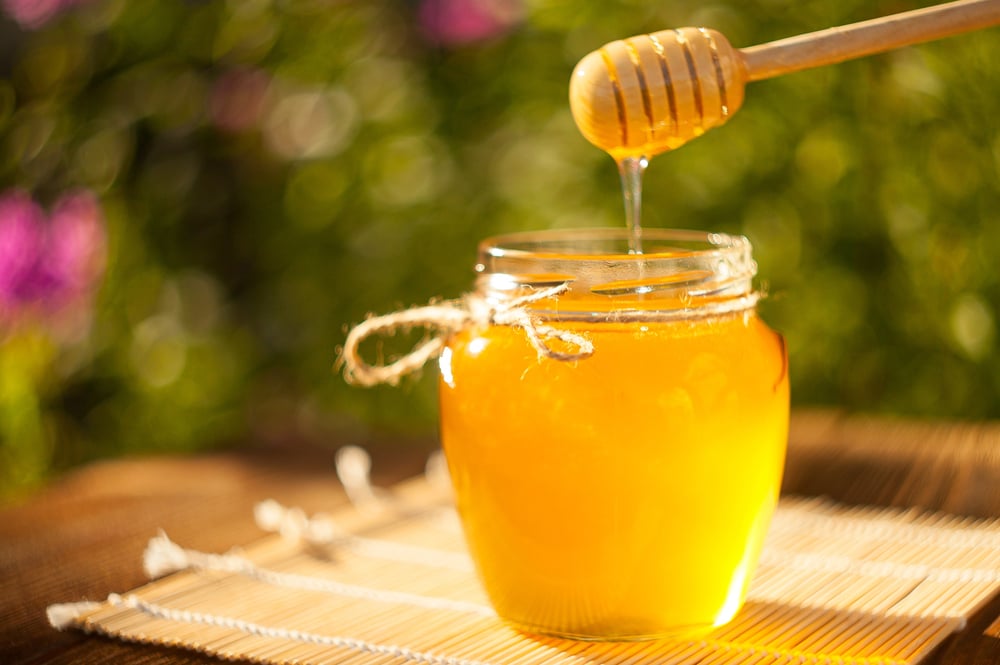
It never really spoils. Archaeologists have uncovered jars of honey thousands of years old — still edible, still sweet. That’s because its natural composition blocks bacteria from surviving.
Bananas
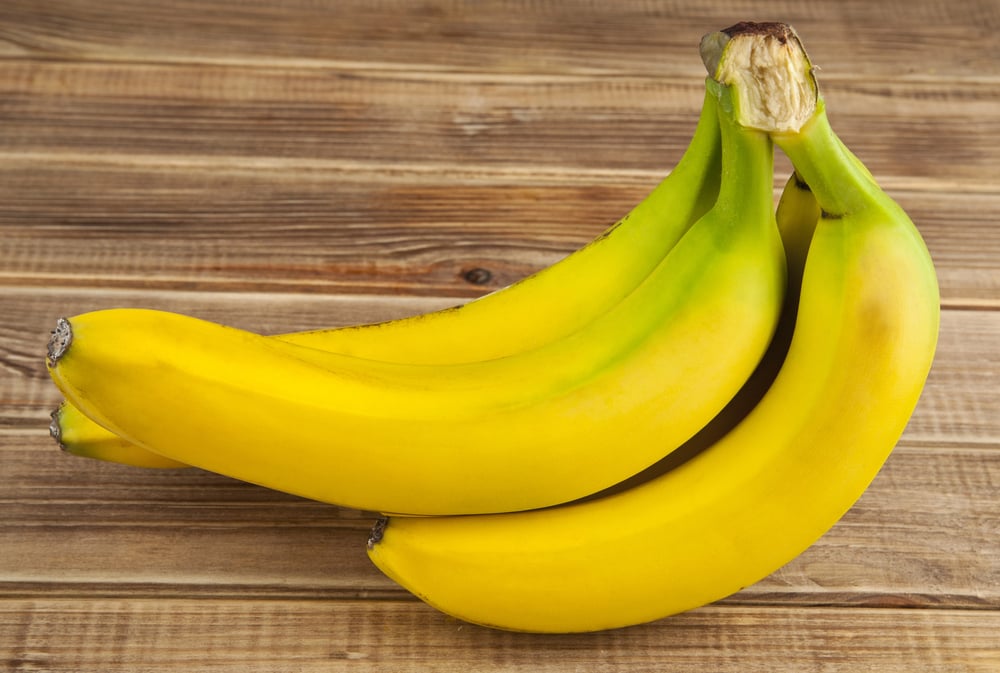
Technically berries. Whereas strawberries, oddly enough, are not. This quirk comes down to botanical definitions rather than everyday use.
Ketchup
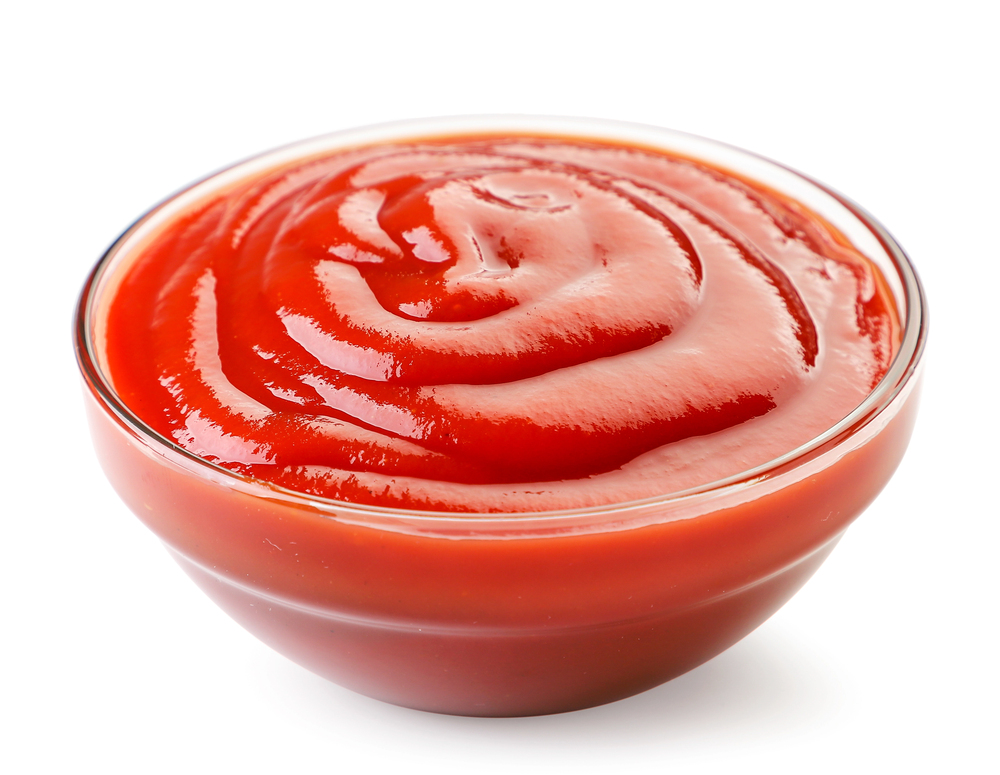
Once sold as medicine. In the 1800s, it was marketed as a cure for indigestion. Later, sugar was added, transforming it into the condiment known today.
Popcorn
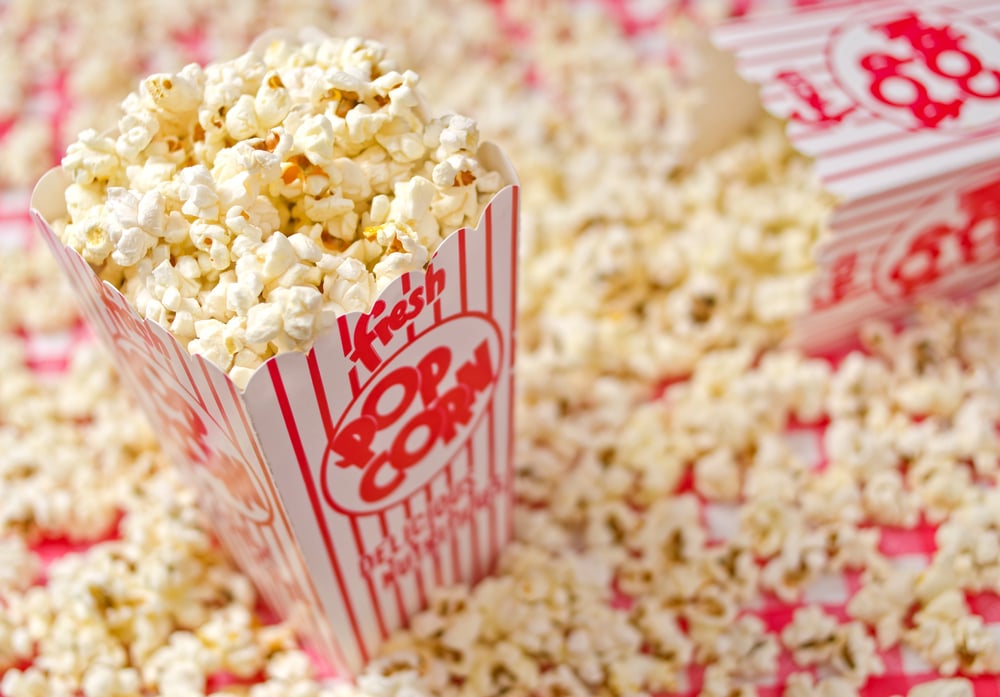
The oldest known popped kernels are over 5,000 years old. Crunchy, smoky, and found in caves once inhabited by Native Americans. It shows just how long humans have loved snacks.
Carrots
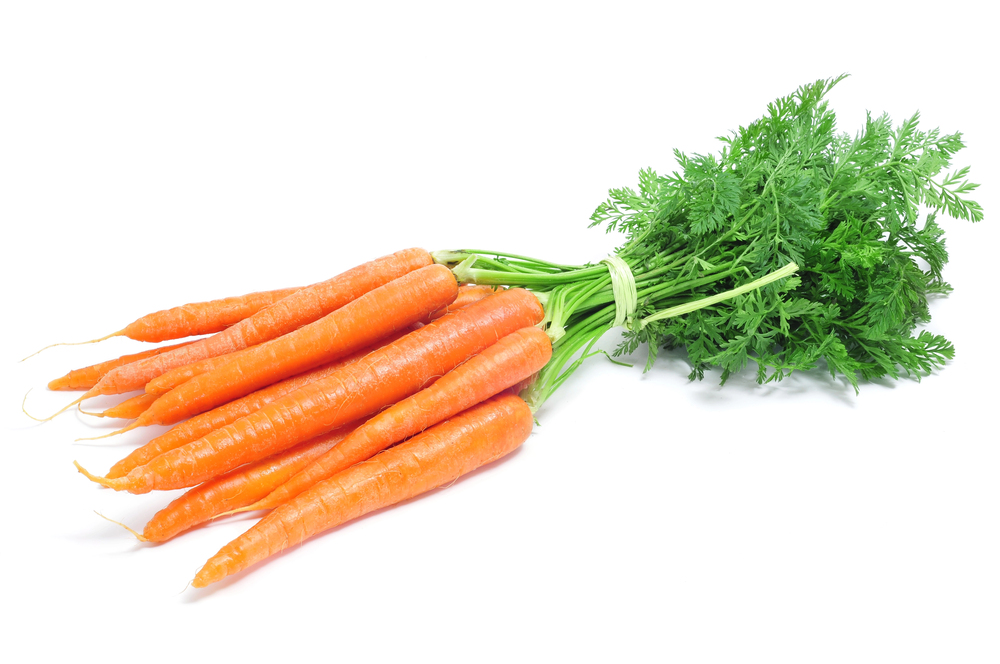
They weren’t always orange. For centuries, purple and yellow carrots dominated before Dutch growers popularised the orange variety. The colour shift was partly tied to symbolism and national pride.
Almonds
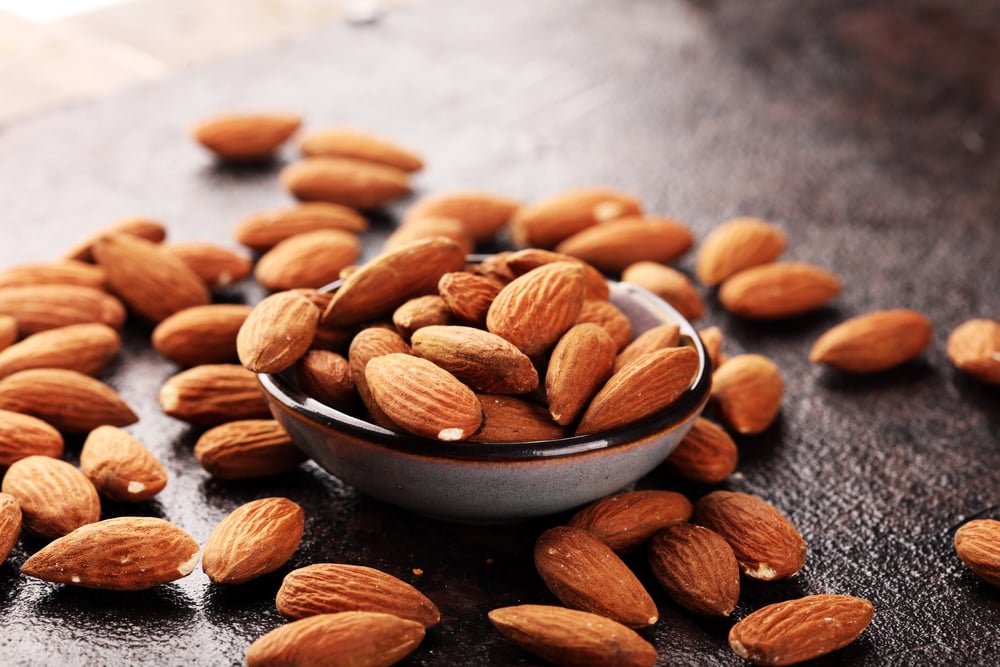
Related to peaches. The stone inside a peach pit looks suspiciously like an almond for a reason — they share the same botanical family. Their connection is obvious once you taste the subtle similarity.
Coffee
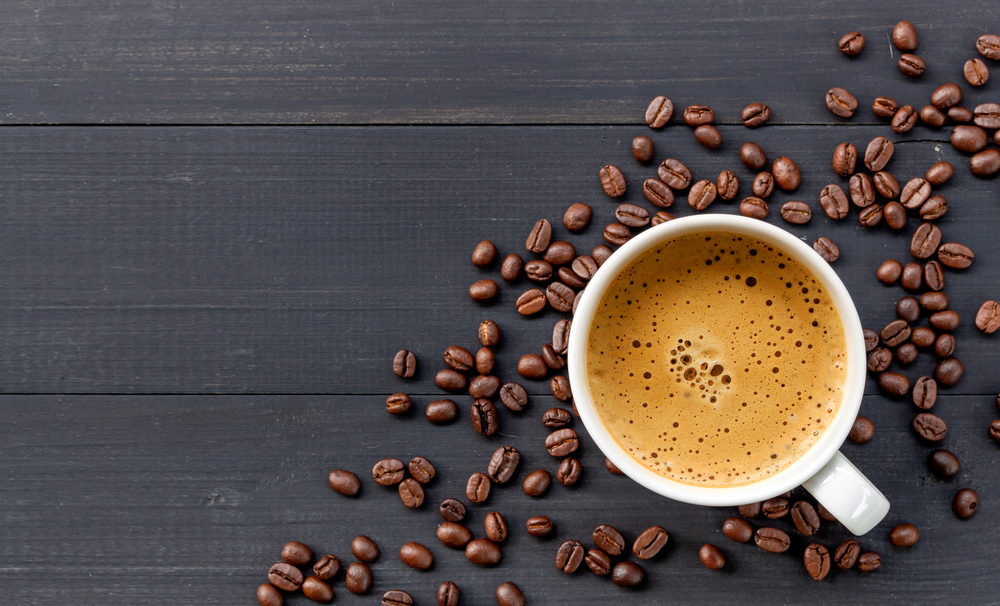
Bees like it too. Studies show bees are drawn to caffeinated plants, which makes sense considering the buzz they get. This natural stimulant also helps them remember where to find nectar.
Chocolate
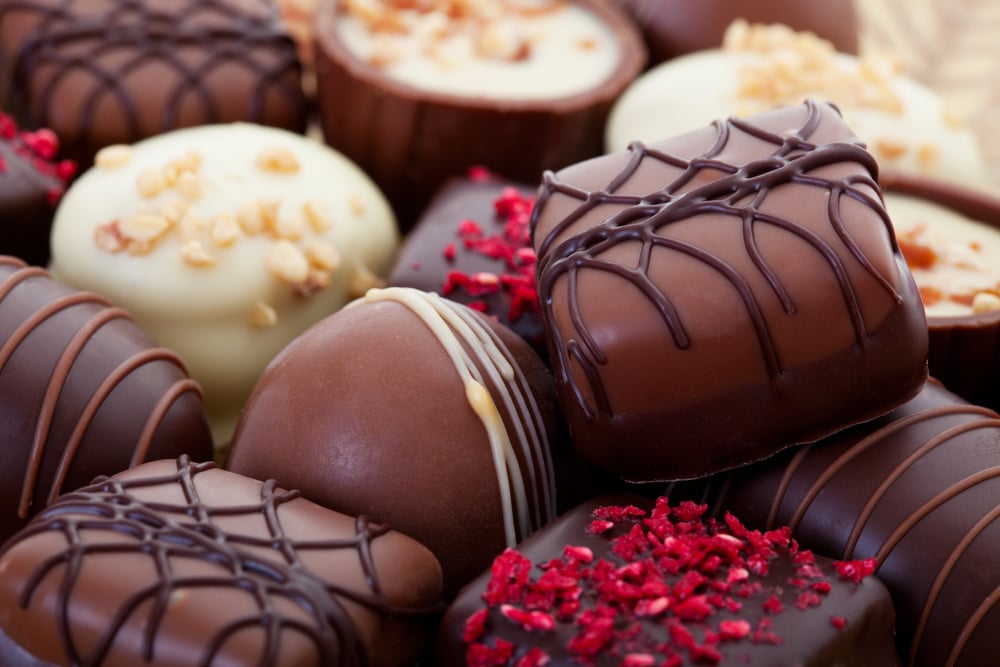
Once used as money. The Aztecs valued cocoa beans so highly they became a form of currency. The beans were worth so much they could buy basic goods and even pay taxes.
Potatoes
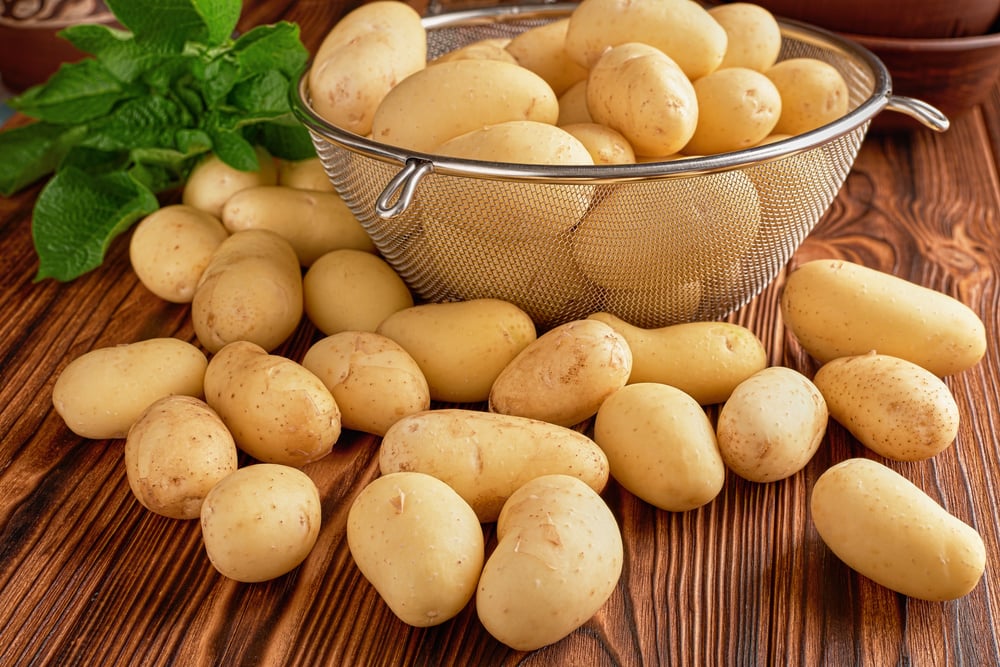
The first vegetable grown in space. They were cultivated aboard the Space Shuttle Columbia in the 1990s, proving spuds are hardy travellers. Their success hinted at future off-world farming.
Apples
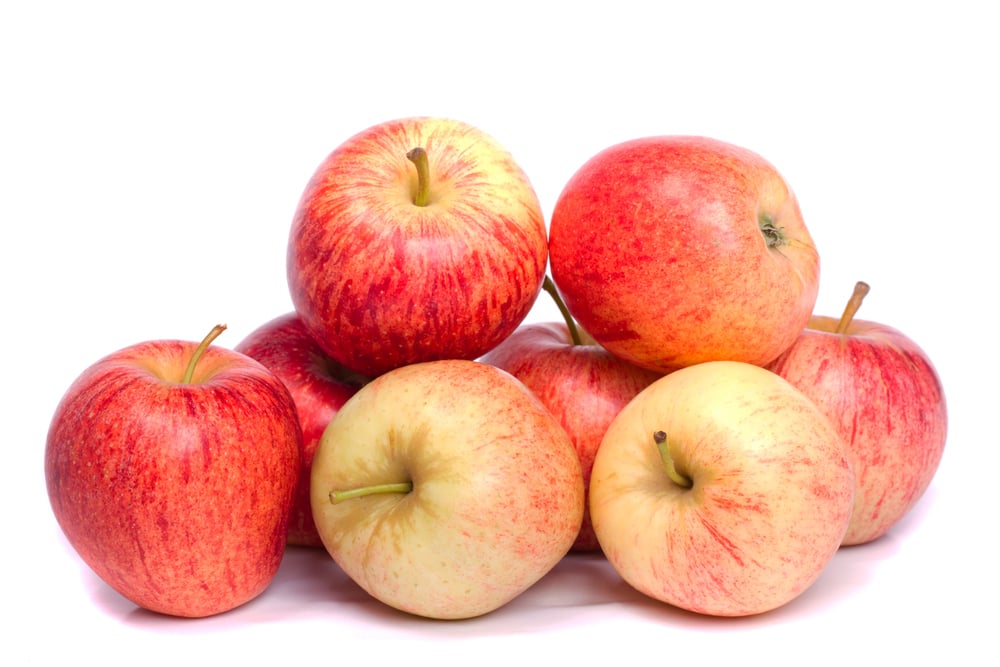
Float because they’re 25% air. Bite into one and you can hear the crispness — that hollow snap. This airy structure also makes them refreshing and light to eat.
Worcestershire Sauce
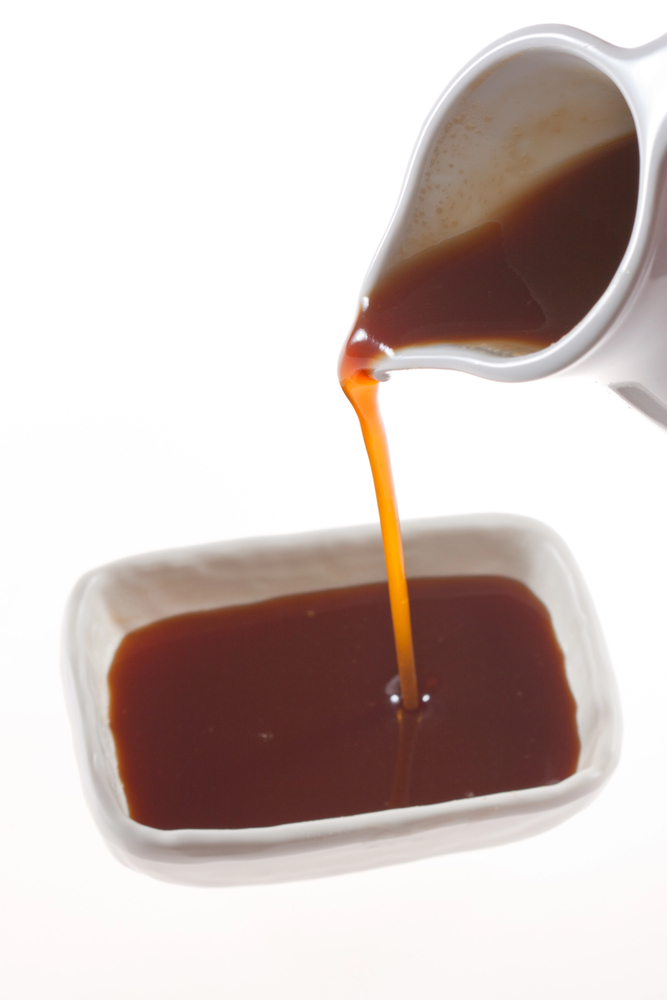
Contains anchovies. The rich, savoury flavour owes much to fermented fish, hidden in the ingredient list. Without them, the sauce wouldn’t have the same depth.
Rice
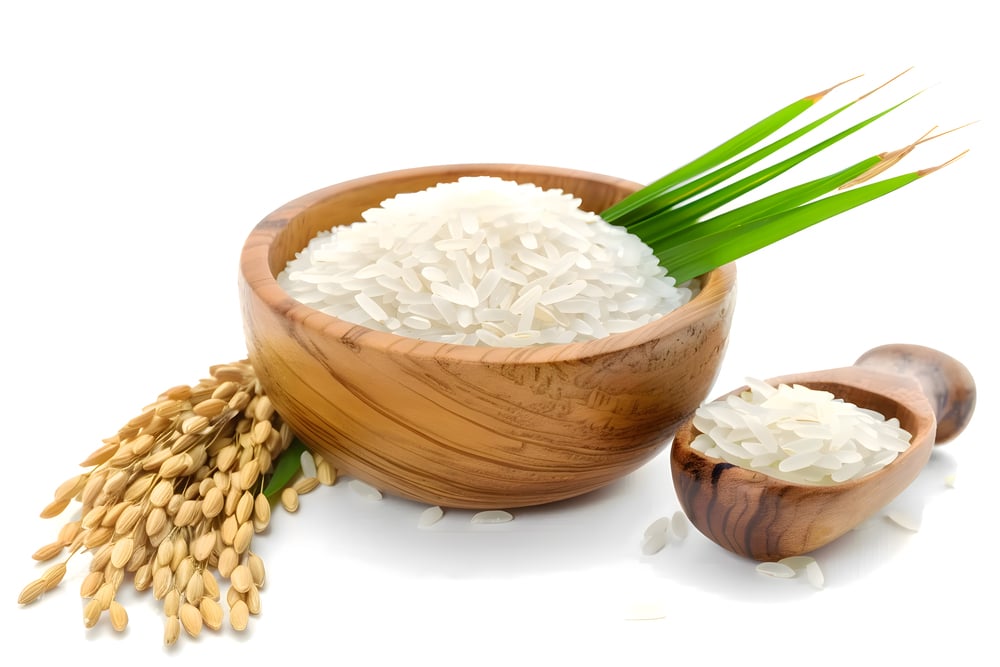
More than half the world’s population relies on rice as a daily staple. Despite this, it begins as a grass, quietly sprouting in watery paddies. It’s one of humanity’s most enduring crops.
Peanut Butter
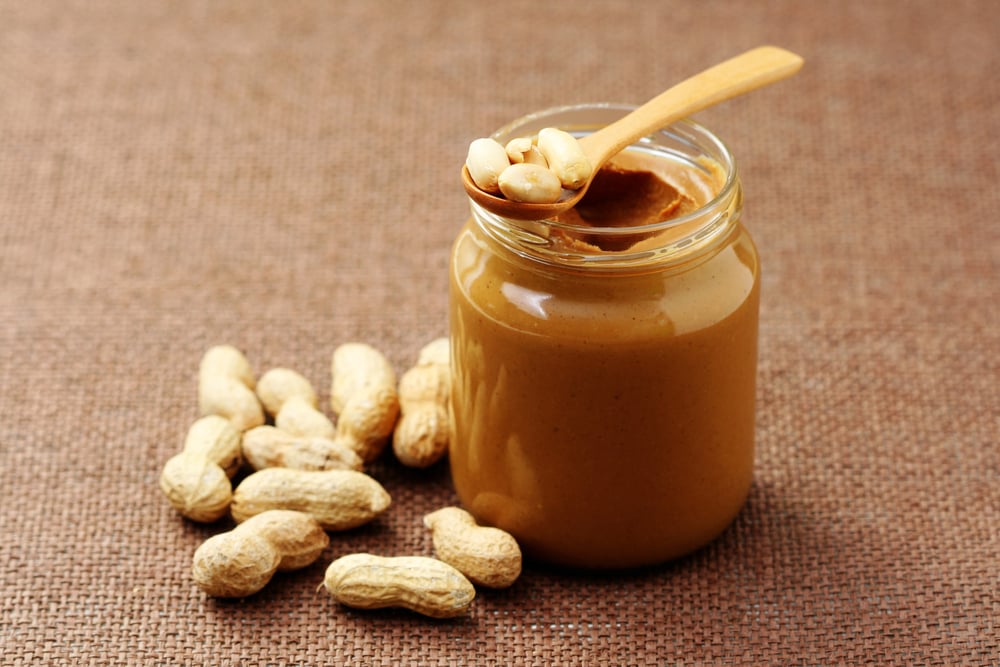
In some countries, it’s considered a luxury item. Whereas in the U.S., it’s a basic pantry staple — proof that culture changes how food is valued. It remains a versatile source of protein worldwide.
Cheese
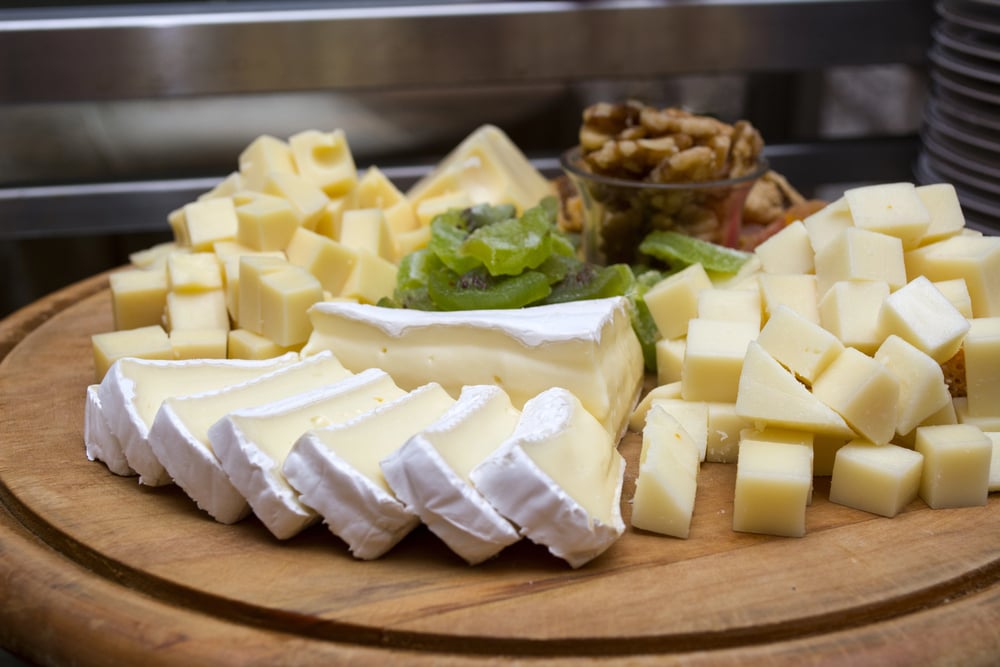
There are over 1,800 types worldwide. Soft, hard, blue, smoked. Endless combinations of milk, bacteria, and patience. This variety makes it one of the most diverse foods on earth.
Lobsters
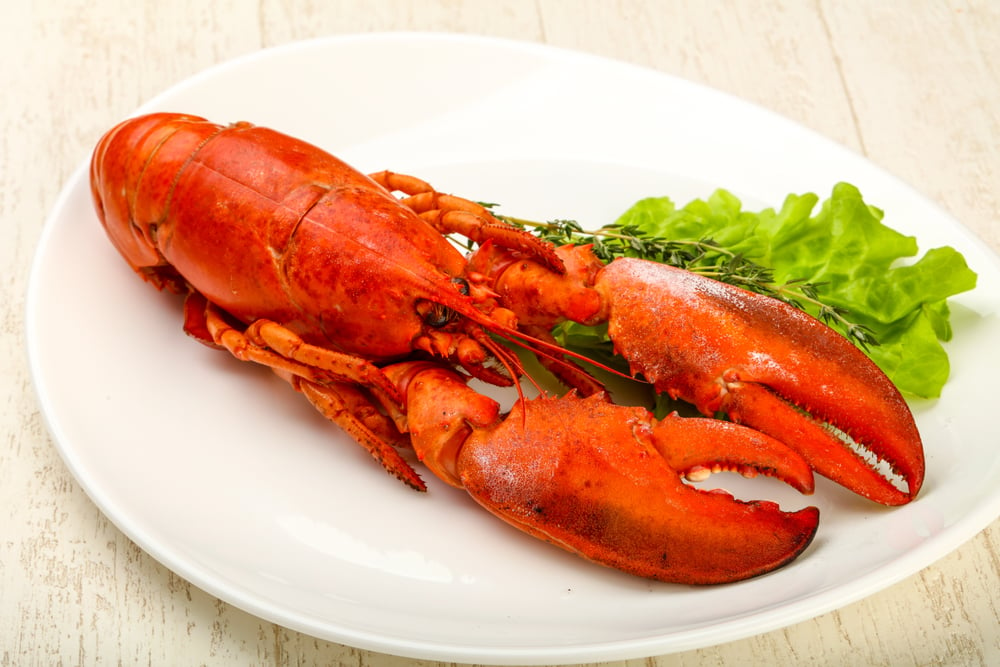
Once considered food for the poor. In colonial America, they were fed to prisoners and servants. Today, they’re a symbol of fine dining and coastal luxury.
Pineapples
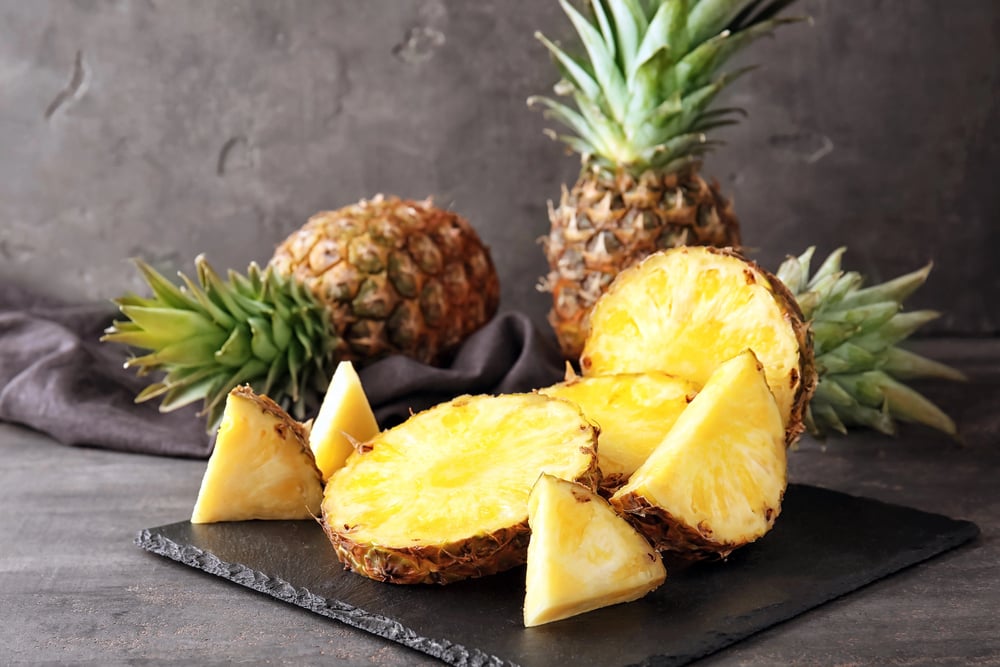
They take up to two years to grow. Slow work for something eaten in minutes at a summer picnic. Their spiky crowns also make them a striking fruit on any table.
Bread
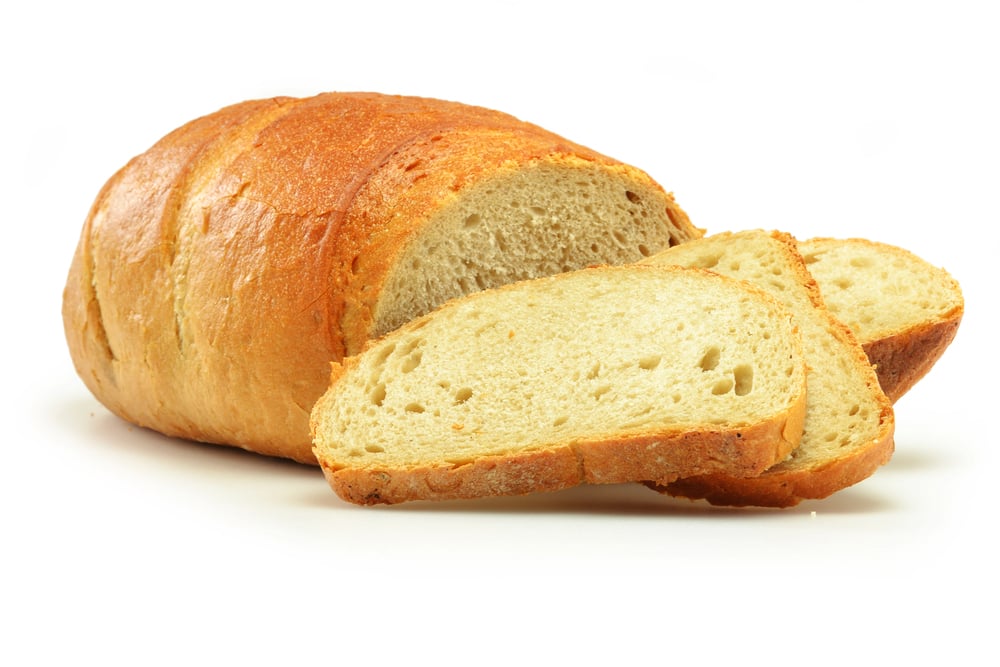
In ancient Egypt, bread was sometimes used as currency. Pay your dues with a loaf. And maybe sneak a bite before handing it over. Bread’s value shows just how central it was to daily life.
Saffron
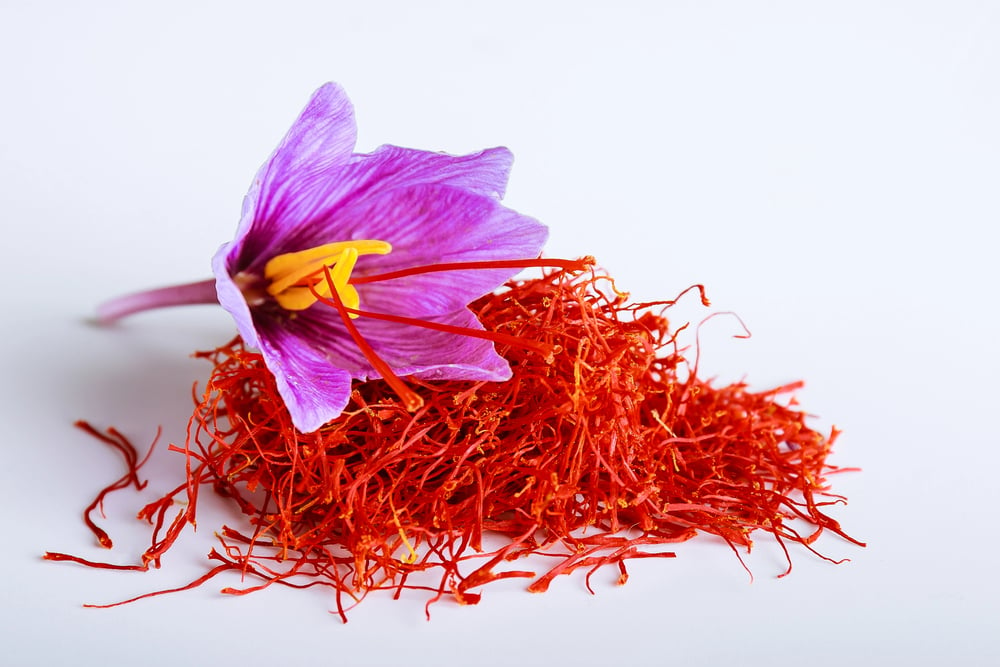
The most expensive spice in the world. Each thread comes from the stigma of a crocus flower, hand-picked with painstaking care. Just a small pinch adds colour and aroma to dishes.
Tomatoes
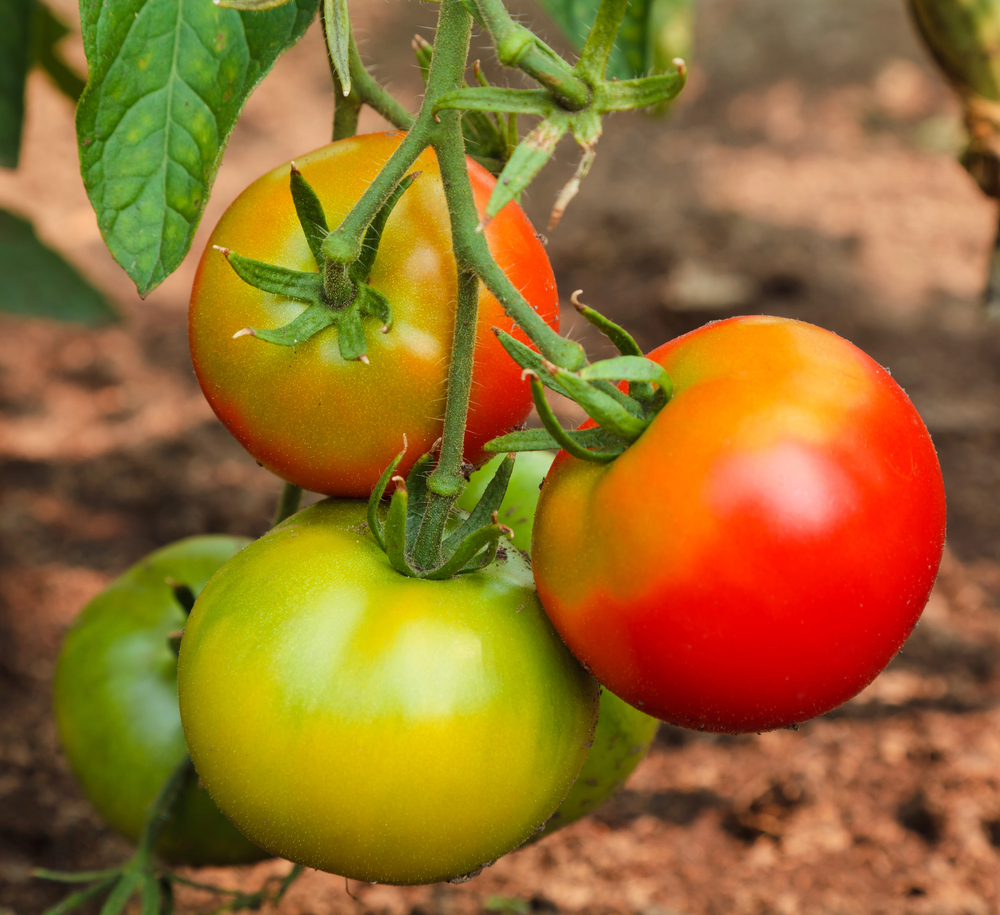
Once feared as poisonous in Europe. The plant’s resemblance to deadly nightshade spooked people, despite its eventual fame as a kitchen staple. Eventually, they became the backbone of cuisines from Italy to Mexico.
Oysters
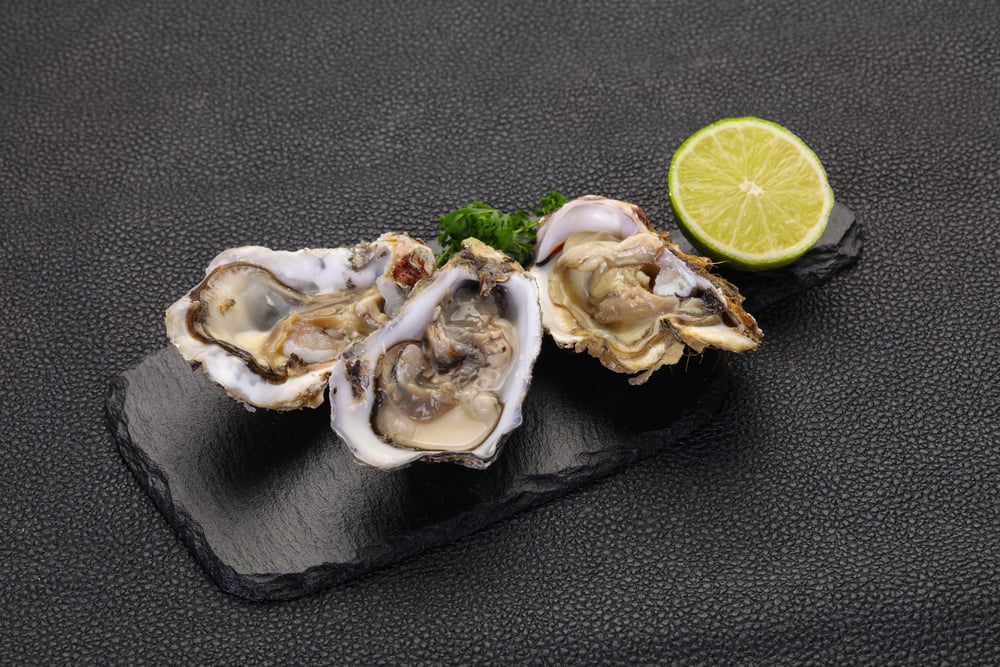
They can change gender. Male oysters can become female and back again, depending on what helps them reproduce. This adaptability helps keep their populations steady.
Cucumbers
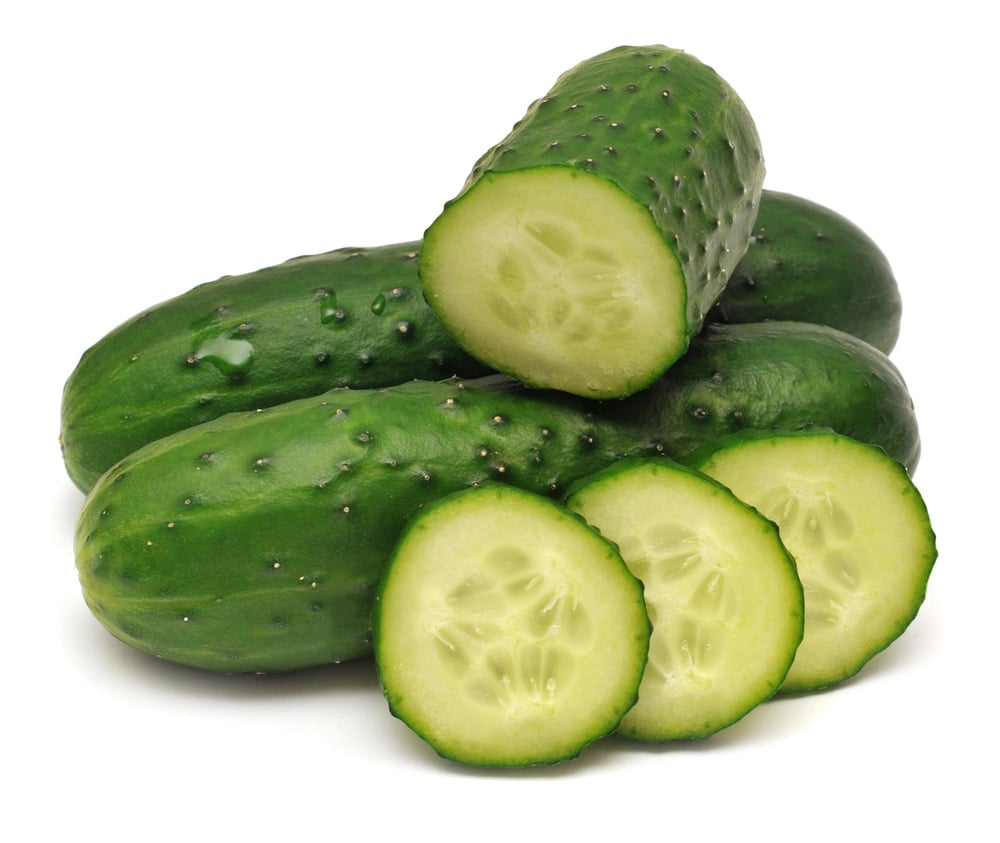
About 95% water. No wonder they feel so refreshing in the heat. They’re often used in skincare because of this high water content.
Salt
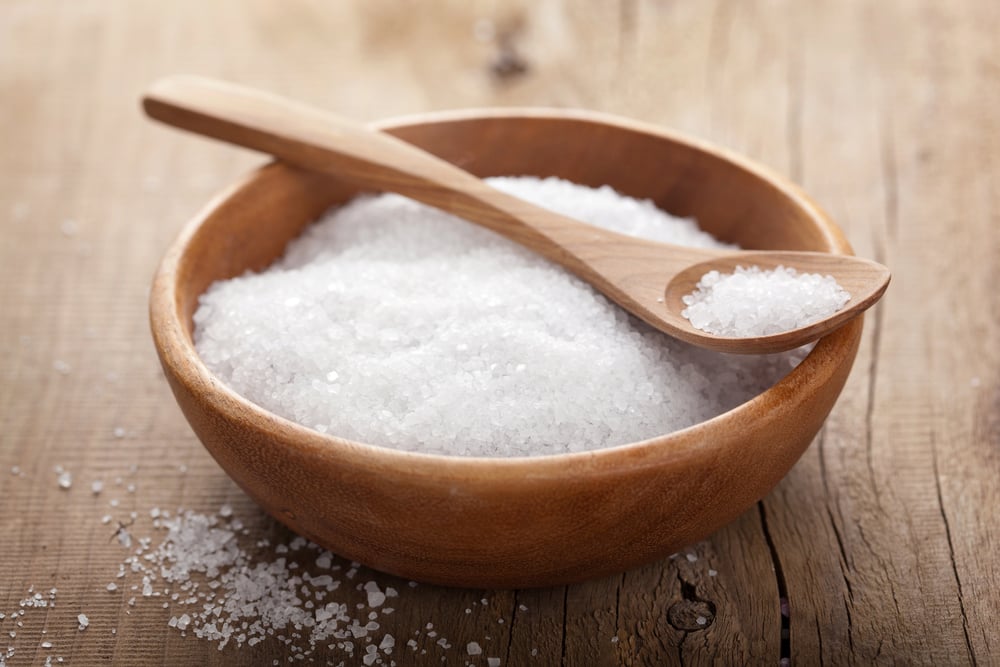
At one time, it was so valuable it was called “white gold.” Roman soldiers were sometimes paid with it, giving rise to the word “salary.” Today, it’s still essential for both flavour and preservation.
Peppers
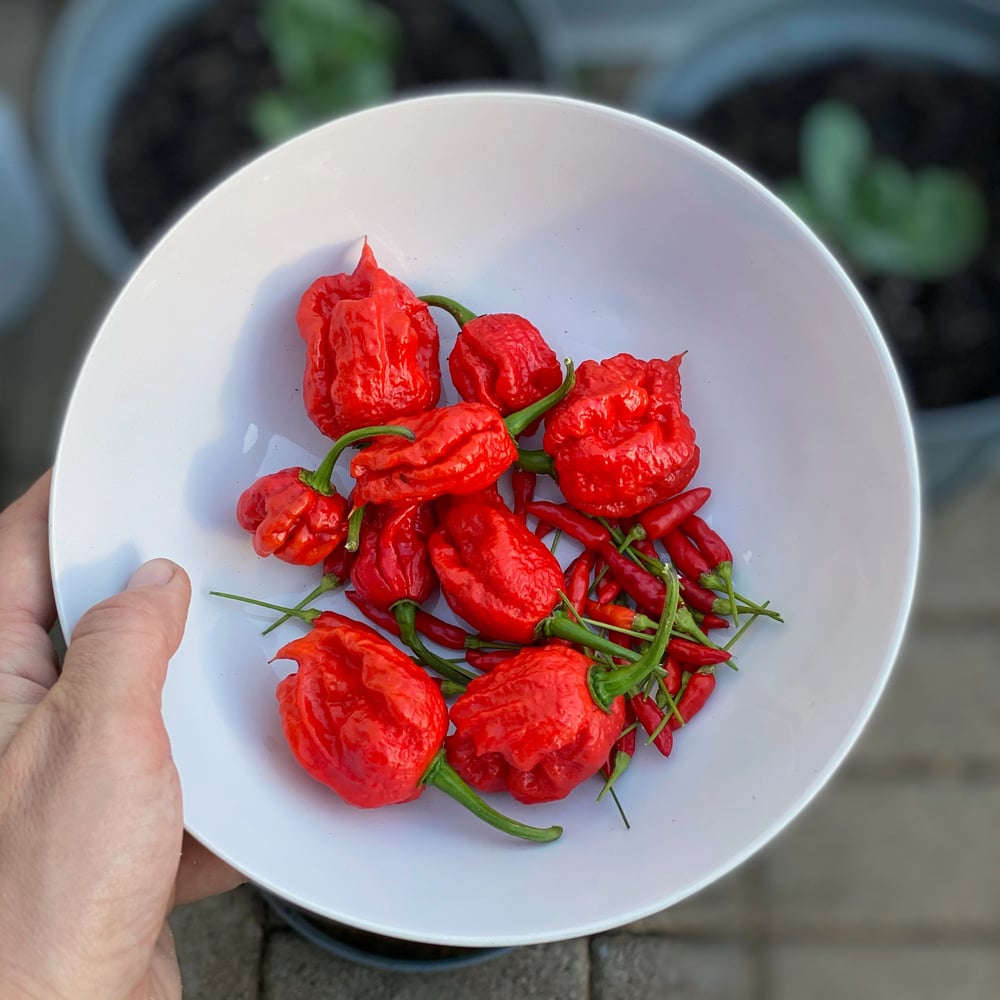
The world’s hottest pepper, the Carolina Reaper, can measure over 2 million Scoville units. Enough to make anyone sweat just by holding it. Eating one requires serious caution.
Ice Cream
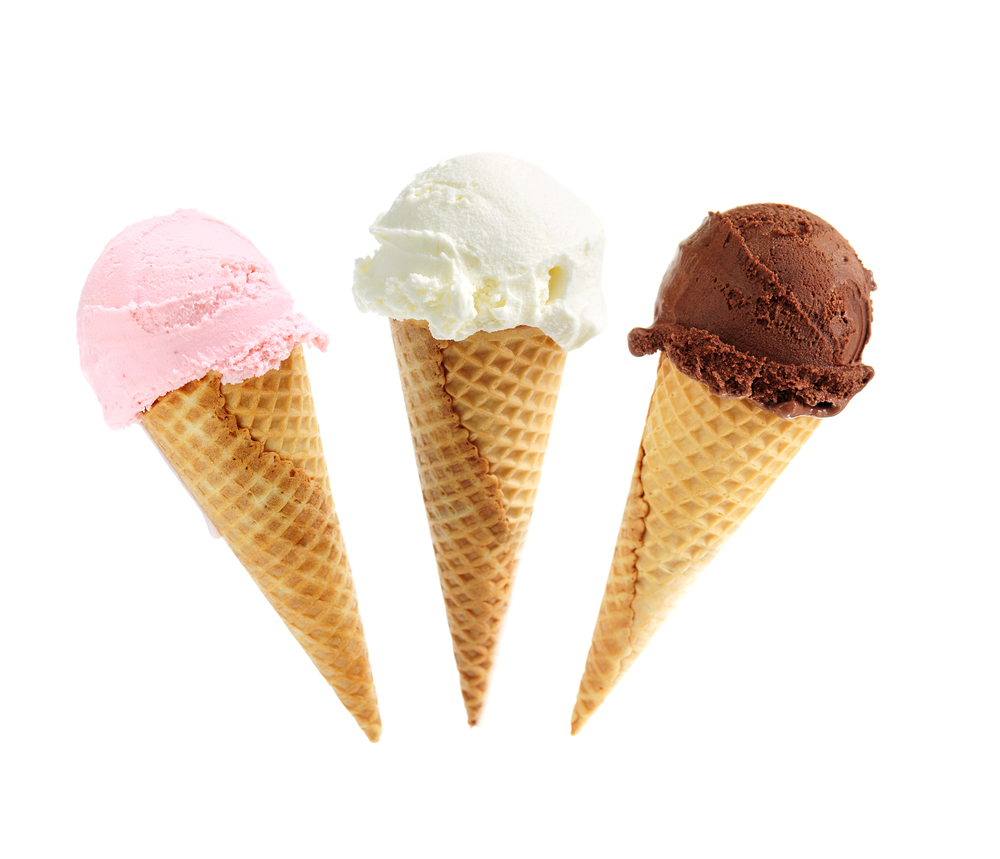
The cone was popularised at the 1904 World’s Fair in St. Louis. Waffle sellers improvised when ice cream vendors ran out of dishes. That happy accident spread across the world in no time.
Cinnamon
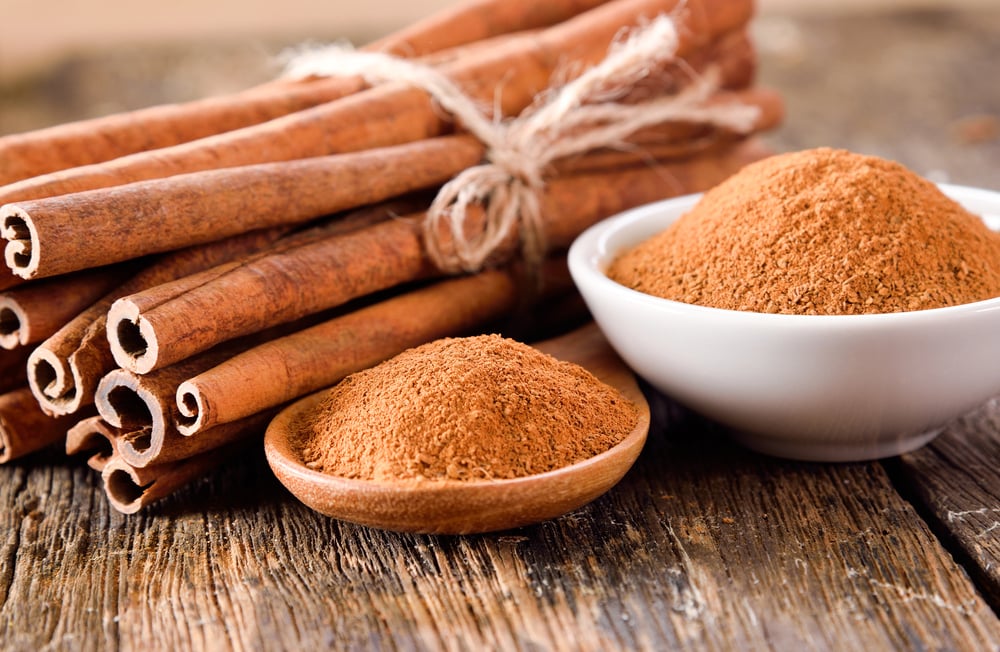
Comes from the inner bark of a tree. Strips are peeled, dried, and rolled into those familiar sticks. It’s one of the oldest known spices, traded for thousands of years.
Food Wonders

From currency to medicine, space travel to luxury, food’s role goes far beyond filling a plate. Each bite carries history, science, and stories most never see. It proves that food is as much about culture as it is about survival.
More from Go2Tutors!

- 16 Historical Figures Who Were Nothing Like You Think
- 12 Things Sold in the 80s That Are Now Illegal
- 15 VHS Tapes That Could Be Worth Thousands
- 17 Historical “What Ifs” That Would Have Changed Everything
- 18 TV Shows That Vanished Without a Finale
Like Go2Tutors’s content? Follow us on MSN.