25 Foods That Were Once Reserved Exclusively for Royalty
There’s something deeply satisfying about eating like a king. Not just the indulgence of it, but knowing that what sits on your plate was once so precious that ordinary people could only dream of tasting it.
These foods carried power beyond nutrition — they were symbols of status, wealth, and divine favor. Wars were fought over spice routes, explorers risked their lives for new flavors, and entire economies built themselves around delivering luxury to royal tables.
What makes this even more remarkable is how many of these once-forbidden foods now fill supermarket shelves, transformed from symbols of monarchy into everyday groceries.
Sugar
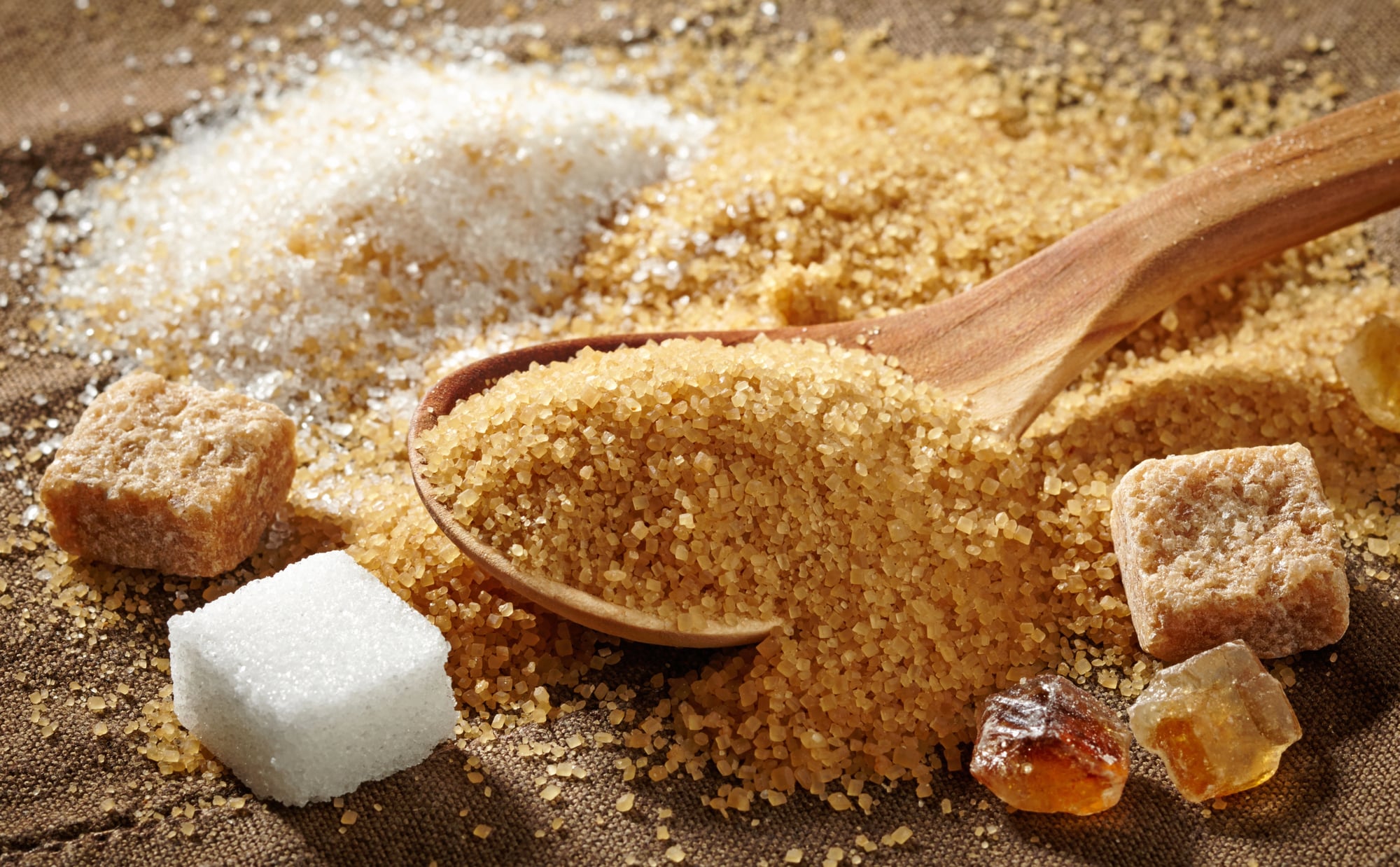
Sugar was liquid gold before it became table staple. Medieval European royalty paid fortunes for tiny amounts of this crystalline treasure, imported at enormous cost from distant lands where sugarcane grew under foreign suns.
Common people sweetened their food with honey or fruit — if they sweetened it at all. Sugar remained so rare that it appeared in royal wills as inheritance, passed down like jewels or land.
Chocolate

The Aztec emperor Montezuma reportedly drank fifty cups of chocolate daily from golden goblets. He wasn’t indulging a sweet tooth — he was consuming liquid power, a bitter brew reserved for gods and kings that common people were forbidden to taste.
When chocolate reached European courts, it maintained its exclusive status for centuries (rulers jealously guarded recipes and controlled imports), and even then it bore little resemblance to modern candy bars — this was a complex, spiced drink that required elaborate preparation and extraordinary expense.
But here’s what’s fascinating: chocolate’s journey from sacred beverage to everyday treat mirrors humanity’s relationship with luxury itself. And yet somehow, mass production never quite erased chocolate’s fundamental promise of indulgence.
Pineapple
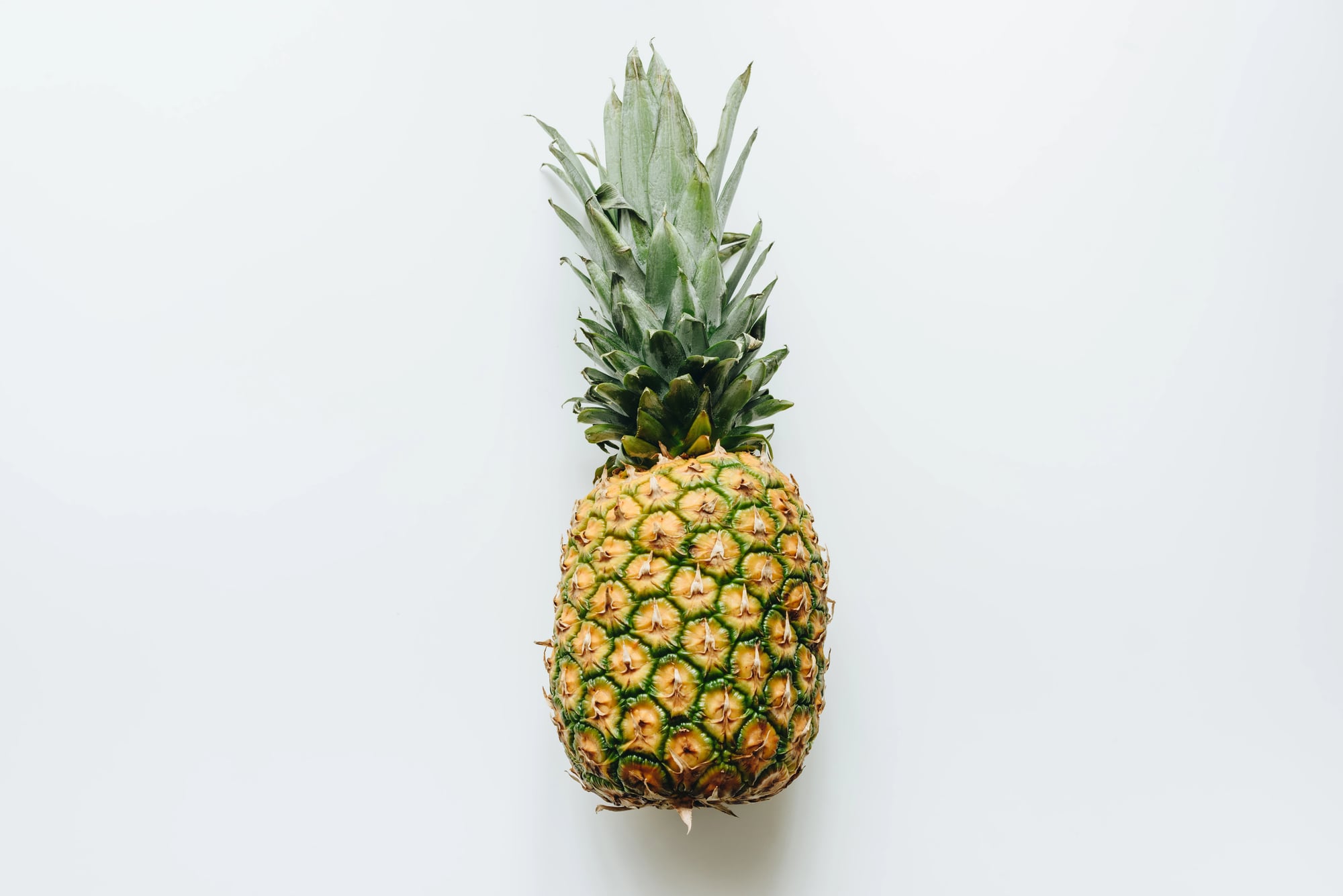
Pineapples became the ultimate status symbol in 18th-century Europe. A single fruit cost the equivalent of thousands of today’s dollars, and wealthy hosts displayed them as centerpieces before serving them to only the most honored guests.
The fruit’s journey from Caribbean islands to European tables took months, with many rotting en route. Those that survived commanded astronomical prices, making them accessible only to royalty and the extremely wealthy.
White Bread

White bread represented purity and refinement when only the wealthy could afford grain so processed that all nutrition had been stripped away. Peasants ate dark, coarse bread made from whatever grains they could grow or afford.
The whiter the bread, the higher the social status. Millers charged premium prices to sift flour repeatedly, removing every trace of bran and creating the pale loaves that graced royal tables while common people made do with dense, dark alternatives.
Salt

There’s a reason we still say someone is “worth their salt” — for thousands of years, this mineral commanded prices that made it more valuable than gold in some regions. Roman soldiers received part of their pay in salt (the origin of the word “salary”), but even they couldn’t access the pure, refined varieties reserved for emperors and kings.
Salt’s power extended beyond the kitchen: it preserved food, making survival possible through harsh winters, and controlling salt meant controlling populations. So when royalty feasted on delicately salted dishes, they weren’t just enjoying flavor — they were consuming power itself, crystallized into something you could hold in your palm.
The irony cuts deep. What once toppled governments now costs less than the container it comes in.
Vanilla

Pure vanilla commanded higher prices than silver in 16th-century Europe. The Spanish crown monopolized vanilla trade after discovering it in Mexico, where the Aztecs had reserved it for royal chocolate drinks.
The vanilla orchid proved impossible to cultivate outside Mexico for centuries because it required a specific bee for pollination. This scarcity made vanilla pods worth their weight in precious metals, accessible only to the wealthiest European courts.
Black Pepper
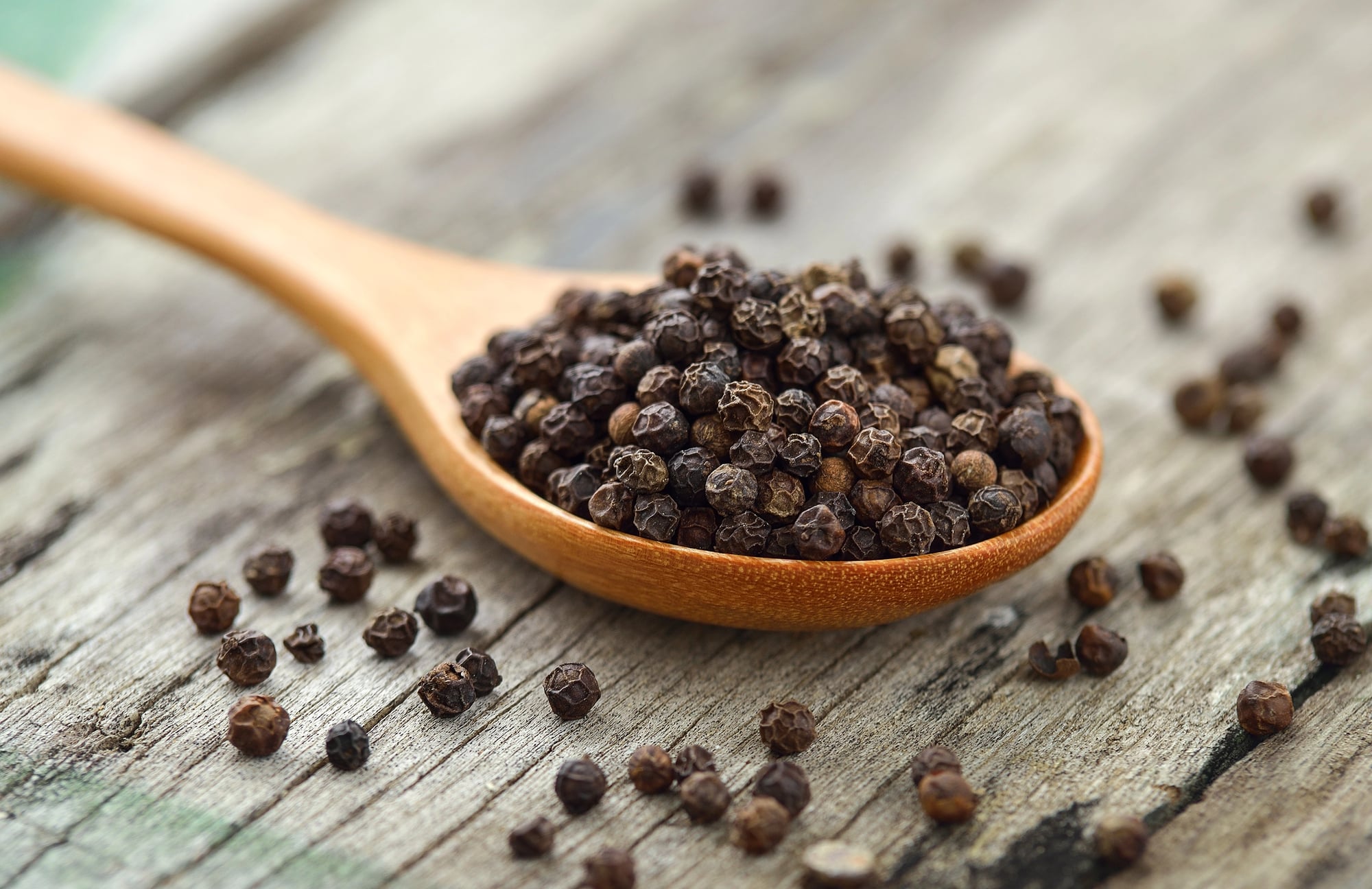
Medieval European nobles paid ransoms in black pepper. This small, wrinkled spice drove exploration, launched trading empires, and established Portugal’s dominance in the Indian Ocean.
Pepper corns were literally counted individually and stored in locked boxes. Common people never tasted real pepper — they made do with local herbs and whatever wild seasonings they could forage.
So valuable was pepper that it served as currency in many transactions. A handful of peppercorns could buy land or livestock.
Saffron
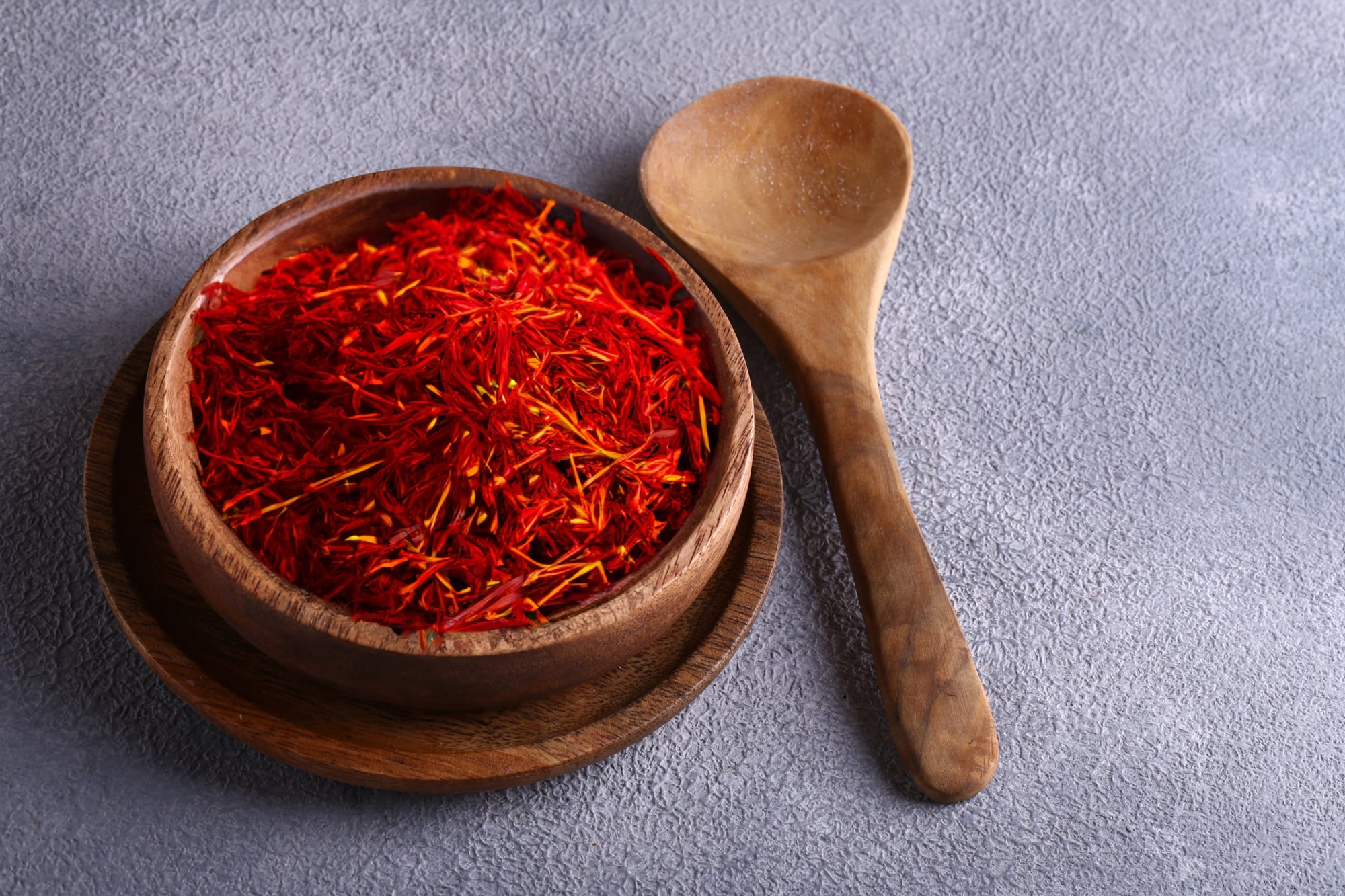
Saffron remains expensive today, but nothing compared to its historical exclusivity (each flower produces only three stigma threads, and it takes roughly 150 flowers to produce a single gram of saffron — which explains why ancient Persian kings hoarded it like treasure and why Cleopatra bathed in saffron-infused water as the ultimate display of wealth).
The spice’s golden color became synonymous with divinity and royal power, so much so that in some cultures, wearing saffron-colored clothing was restricted to religious leaders and monarchs.
Medieval European royalty paid astronomical sums to import saffron from distant lands, and the spice often appeared in dowries and peace treaties alongside gold and land. And yet there’s something almost mystical about how this tiny thread transforms whatever it touches — not just the color, but the very essence of a dish changes.
Which perhaps explains why kings and emperors guarded it so fiercely.
Nutmeg
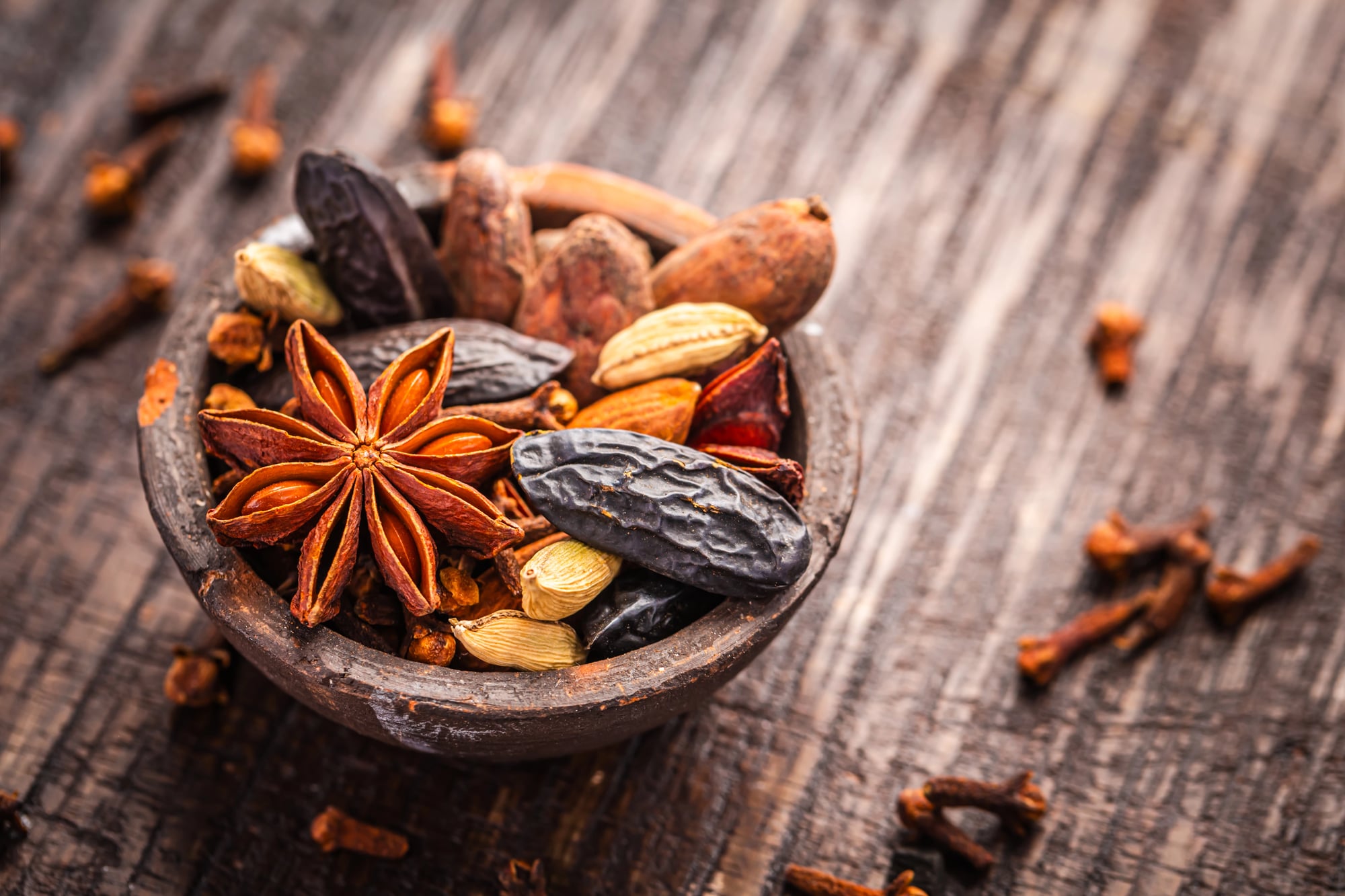
The Dutch literally went to war over nutmeg. They controlled the Banda Islands, the only place nutmeg grew naturally, and executed anyone caught smuggling the precious seeds.
A single nutmeg could buy a house in 17th-century Europe. The spice’s rarity made it more valuable than gold, and only royalty could afford to use it in their elaborate feasts.
Cinnamon
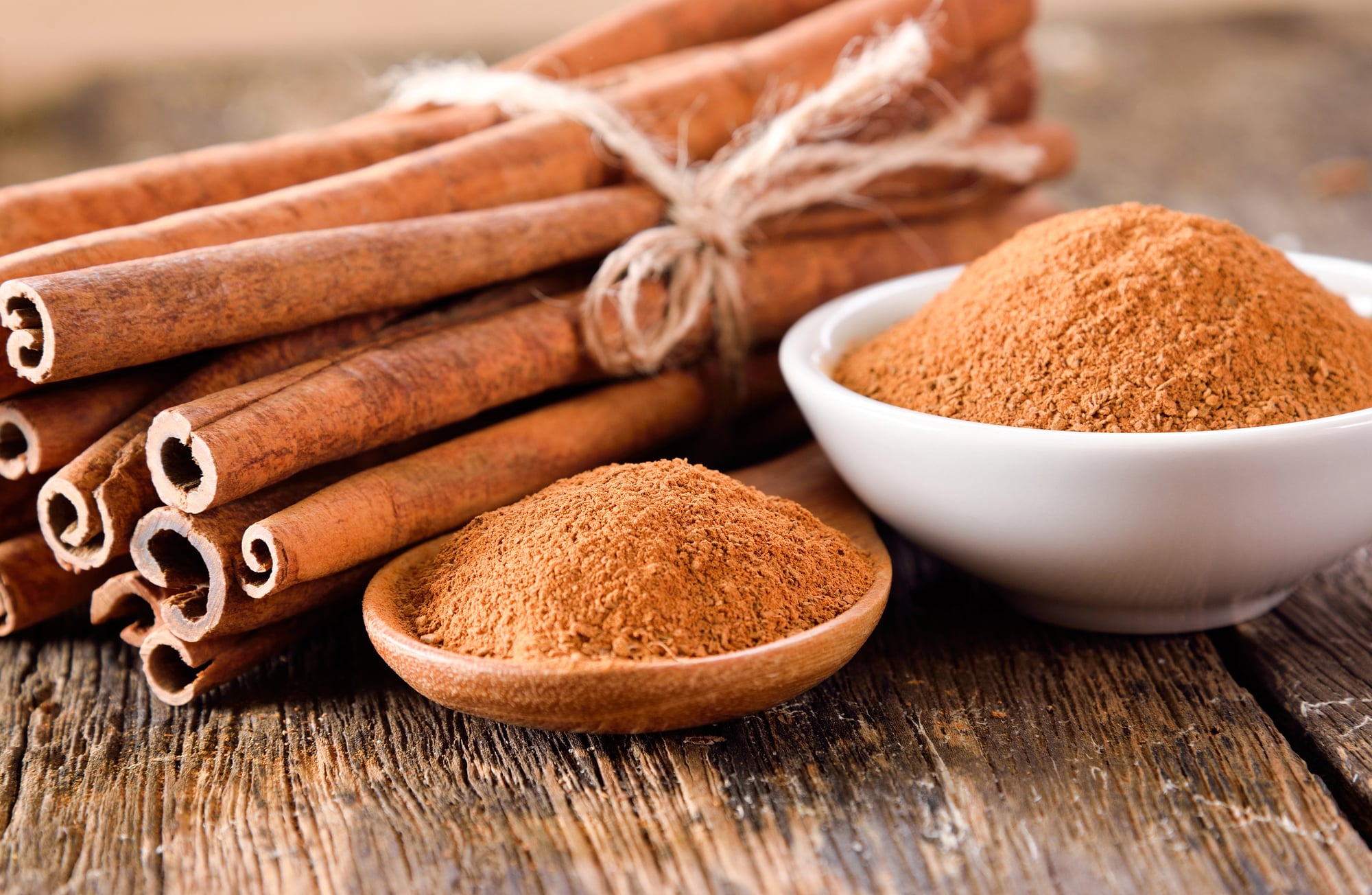
Cinnamon’s journey to European royal tables reads like an adventure novel. Arab traders controlled the spice routes and spread elaborate myths about cinnamon’s origins to maintain their monopoly — they claimed it came from giant bird nests on impossibly high cliffs.
Portuguese explorers eventually discovered cinnamon in Sri Lanka and immediately established royal monopolies. The spice became so valuable that the Dutch and Portuguese fought bitter wars for control of cinnamon-producing regions.
Tea

Chinese emperors treated tea as sacred medicine reserved for imperial consumption. The elaborate tea ceremonies developed around this precious leaf reflected its status as a divine beverage unfit for common people.
When tea reached European courts, it maintained its exclusive status for centuries. A single pound cost more than most people earned in a year, making tea parties the ultimate display of wealth and sophistication.
Coffee

Coffee’s path to European royalty began in Ethiopian highlands, where legend claims a goat herder discovered coffee beans — but it was in the Ottoman Empire that coffee became a royal obsession, with sultans maintaining elaborate coffee ceremonies and employing dedicated coffee makers who held prestigious court positions.
European merchants smuggled coffee seeds out of Yemen at great personal risk (the penalty for stealing coffee plants was often death), and when coffee finally reached European shores, it remained so expensive that only aristocrats could afford daily consumption.
But coffee houses eventually democratized this royal drink in ways that probably horrified the original gatekeepers. The bitter irony? What once required royal decree to taste now fuels minimum-wage workers through overnight shifts.
Bananas
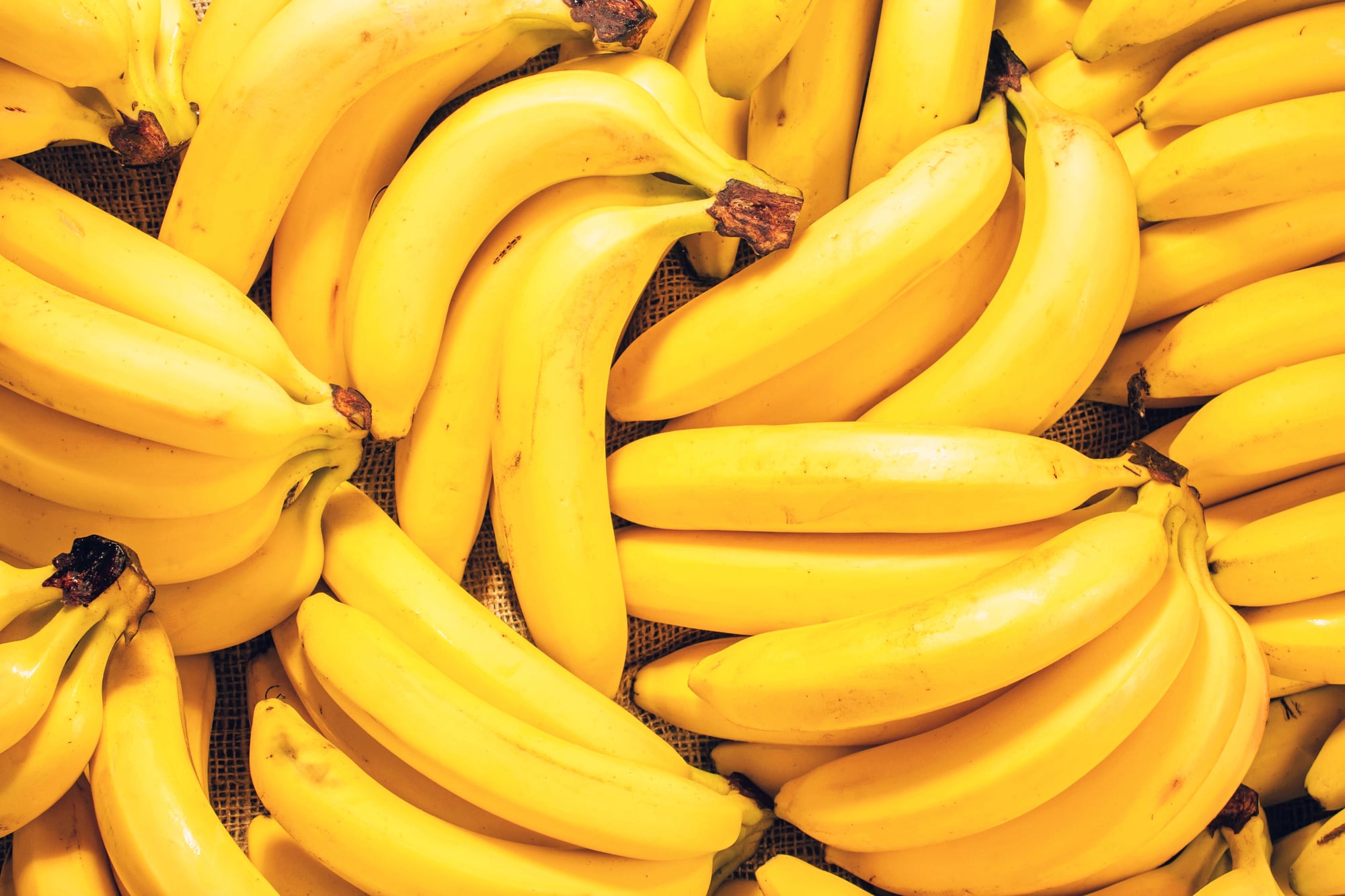
Bananas were such exotic curiosities that wealthy Europeans built elaborate heated greenhouses just to grow single plants for display. The fruit rarely survived the journey from tropical regions, making fresh bananas nearly impossible to obtain.
When bananas did reach royal tables, they commanded extraordinary prices and were often served at state banquets as symbols of the host’s international reach and unlimited resources.
Ice Cream

Persian royalty enjoyed frozen desserts made with snow carried down from mountain peaks, mixed with rosewater and fruits. These early ice creams required armies of servants to transport and preserve ice in desert climates.
European courts adopted ice cream with similar extravagance, building elaborate ice houses and employing teams of specialists to create frozen desserts that defied nature and season.
Tomatoes
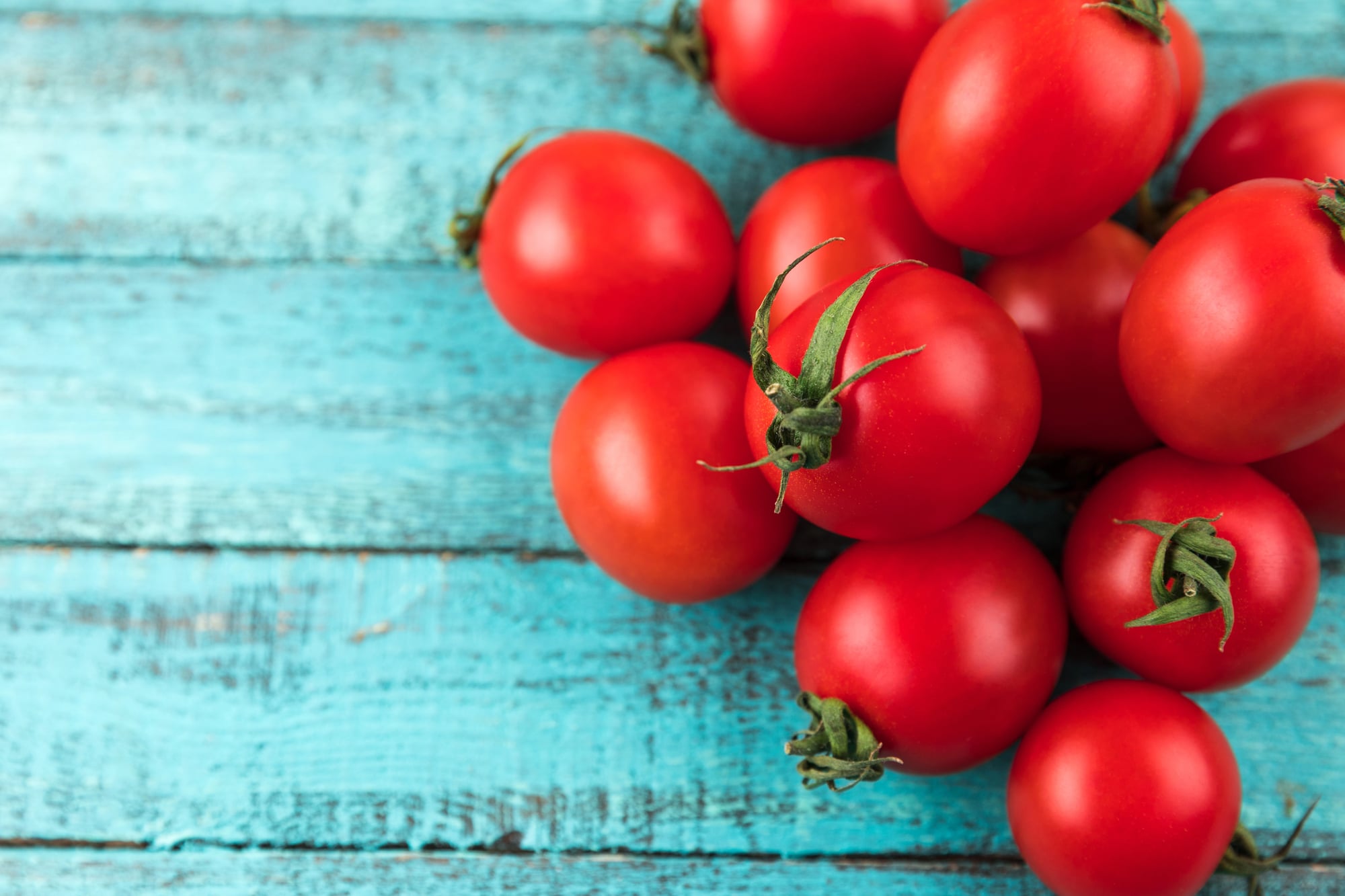
Wealthy Europeans served tomatoes on expensive pewter plates, not knowing the fruit’s acidity leached lead from the metal — the resulting poisoning made tomatoes seem deadly, which only enhanced their mystique as a food too dangerous for common consumption.
Tomatoes remained exotic ornamental plants in royal gardens for centuries, prized more for their beauty than their flavor. Only the very wealthy dared to eat what they called “poison apples.”
Potatoes
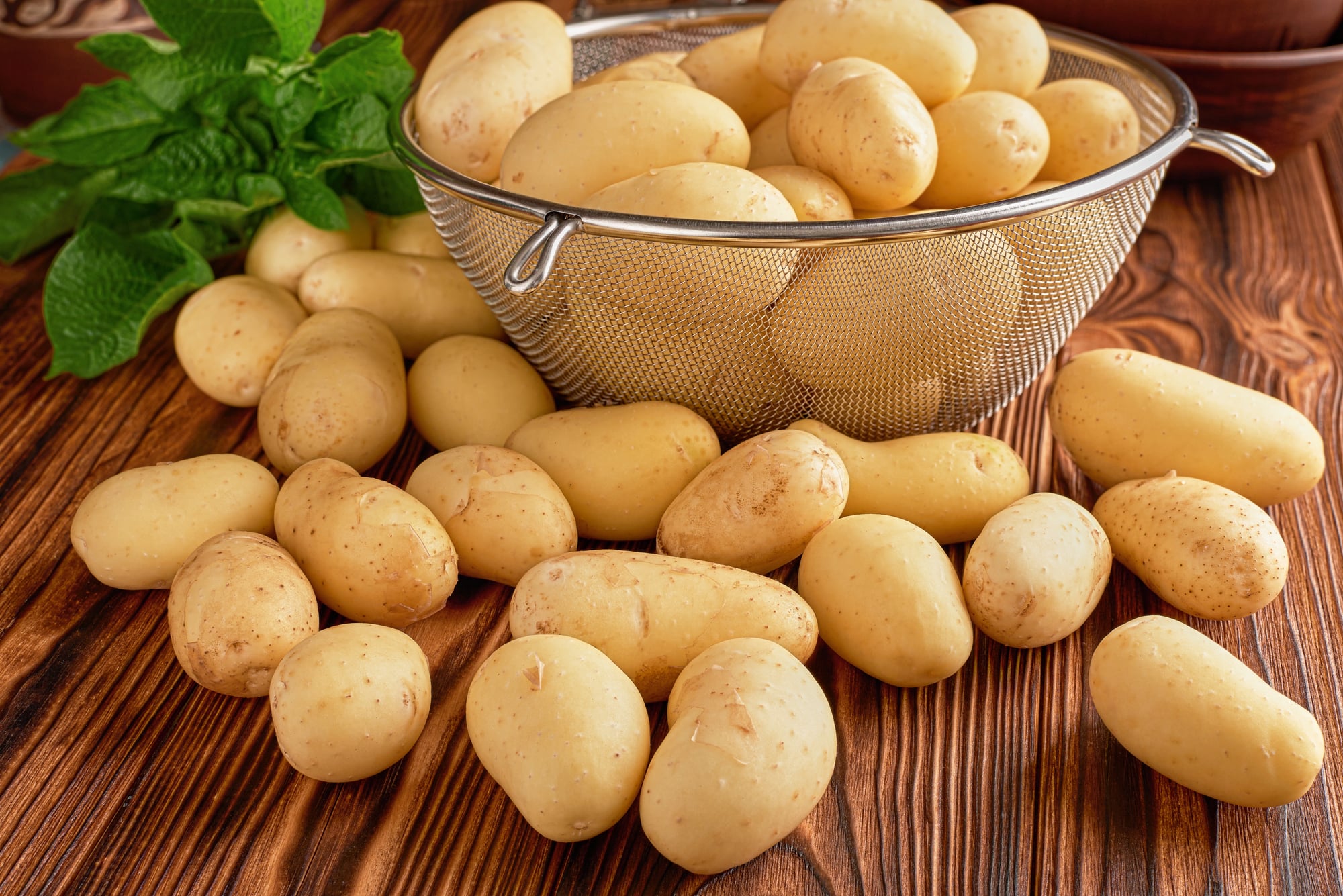
French royalty treated potatoes as exotic curiosities from the New World. King Louis XVI reportedly wore potato flowers in his buttonhole to promote the unusual tuber, while Marie Antoinette adorned her hair with potato blossoms.
The potato’s journey from royal novelty to peasant staple took centuries. European aristocrats initially grew potatoes in ornamental gardens, serving them at elaborate dinners to showcase their access to mysterious New World foods.
Rice
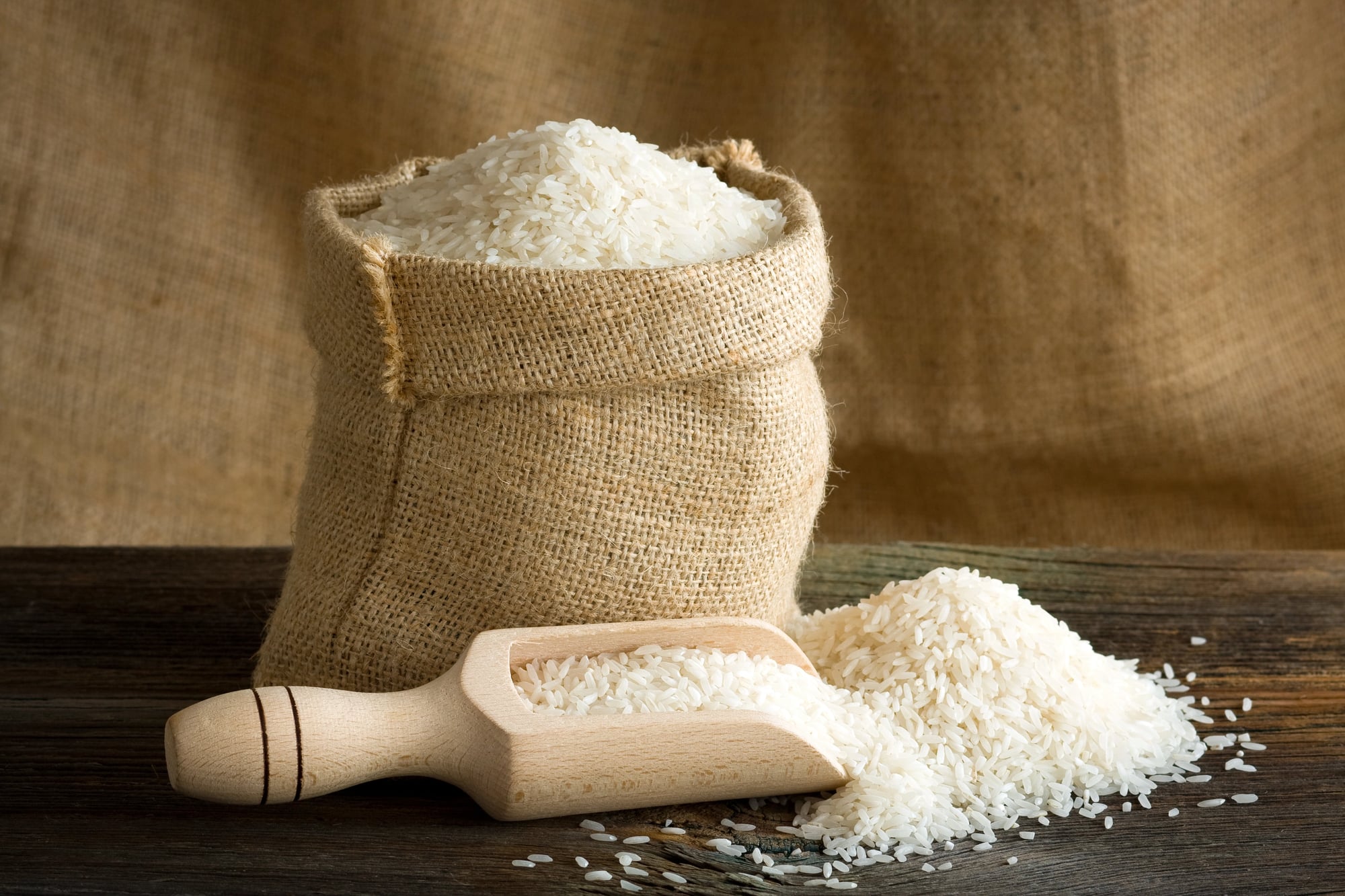
In medieval Europe, rice arrived as an expensive import from distant Asia, affordable only to those who could pay premium prices for this exotic grain. Noble households used rice sparingly in elaborate puddings and ceremonial dishes, treating each grain as precious as a pearl.
The cultivation techniques remained mysterious to Europeans for centuries, adding to rice’s mystique as a food that required ancient Eastern wisdom to produce. Common people had never seen rice, much less tasted it — they made do with barley, oats, and whatever coarse grains grew in European soil.
Oranges
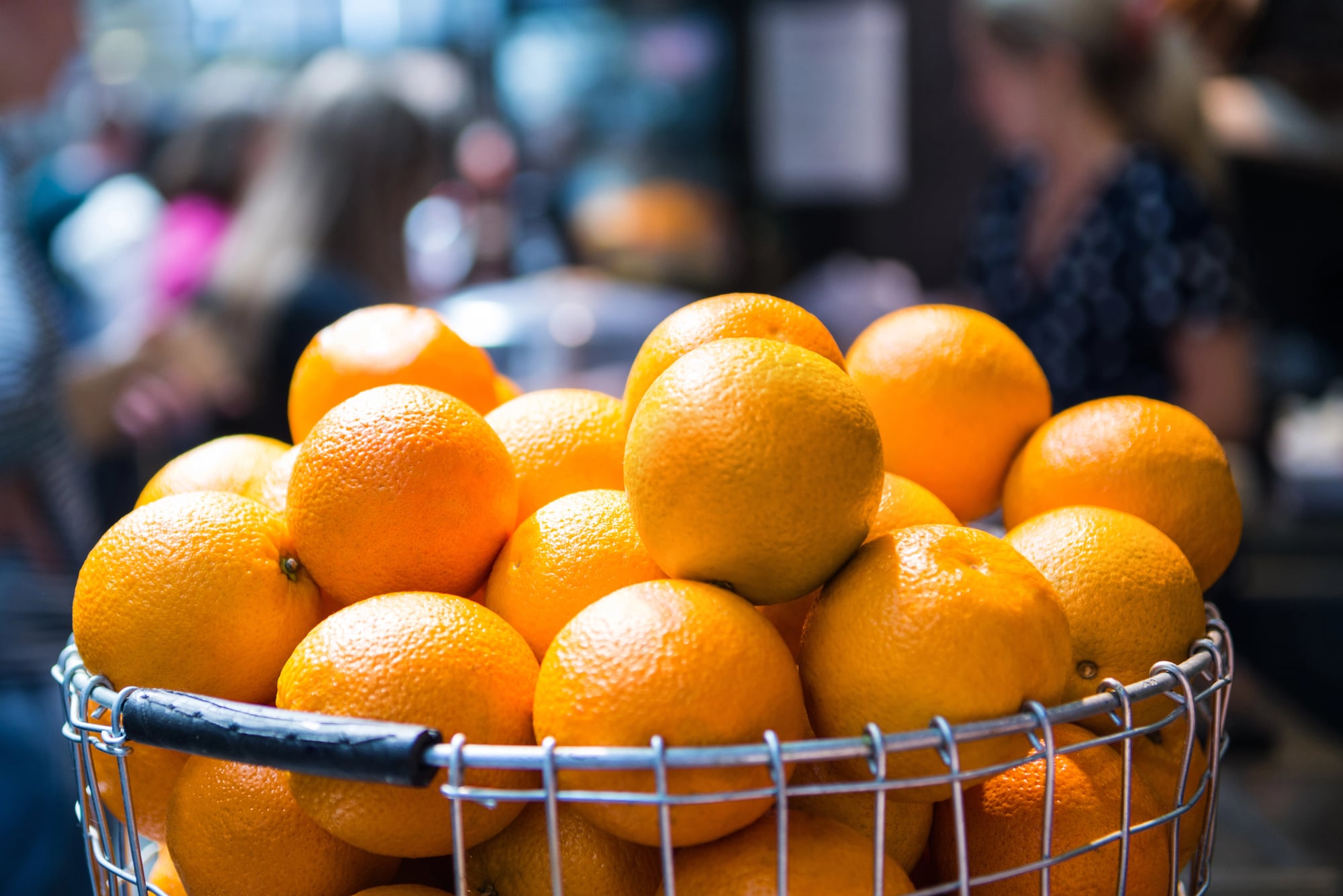
Spanish royalty built entire palace wings around orange trees, creating elaborate courtyards where the precious citrus could survive European winters. These orangeries became symbols of royal power over nature itself, demonstrating the ability to command sunshine and warmth even in the coldest months.
A single orange could cost what a laborer earned in weeks (the fruit’s journey from Mediterranean groves to northern courts required careful planning, specialized transport, and enormous expense — most oranges rotted before reaching their royal destinations, which only drove prices higher).
But there’s something almost heartbreaking about those first orangeries — all that architectural grandeur, those heated glass houses, just to taste something that would eventually cost pocket change at any corner store. The wealthy literally reshaped their homes around citrus.
Cheese
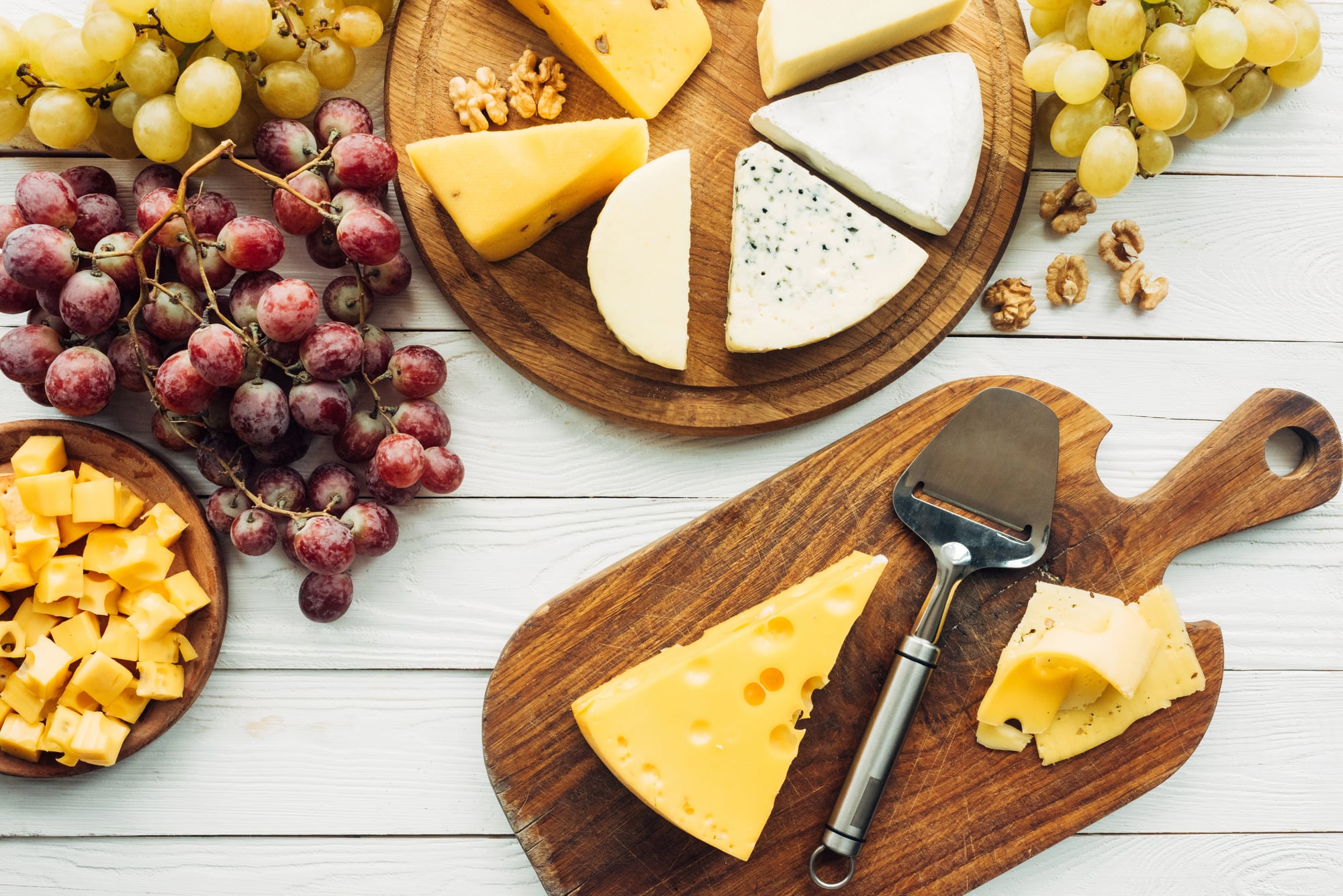
Aged cheeses represented time itself transformed into luxury. Wealthy Romans paid fortunes for cheeses aged in specific caves, while medieval nobility commissioned master cheese makers to create unique varieties that required years of careful attention.
The knowledge of advanced cheese making remained closely guarded secrets, passed down through generations of specialists who served only the wealthiest families. Common people ate simple, fresh cheeses — if they could afford cheese at all.
Honey

Before sugar’s arrival, honey represented the pinnacle of sweetness available to European royalty. Medieval nobles controlled vast apiaries and employed master beekeepers who guarded their techniques like state secrets.
Different honeys commanded different prices based on their origin and the flowers that produced them. Royal households maintained extensive honey cellars, storing varieties from across their territories like wine collections.
Wine
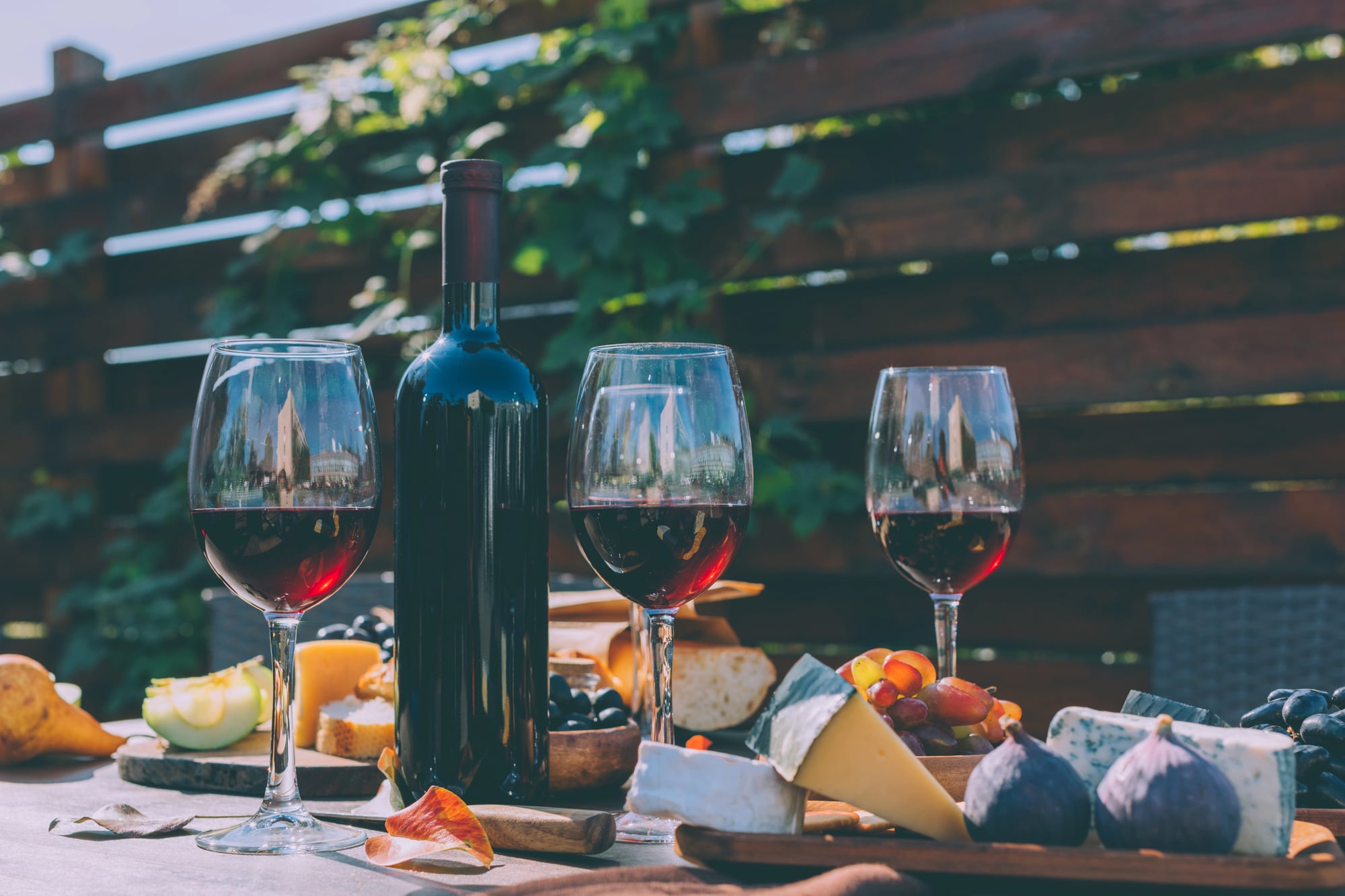
The finest wines were reserved for royal celebrations and diplomatic occasions. Vintages from specific regions and years became legendary, with some wines worth more than entire estates.
Royal wine cellars contained thousands of bottles from the world’s most exclusive vineyards. The knowledge of winemaking remained closely controlled, with master vintners serving exclusively wealthy patrons who could afford years-long aging processes.
Salmon

Fresh salmon required either proximity to rivers or elaborate preservation methods that only the wealthy could afford. Royal households employed teams of fishermen and developed sophisticated techniques for transporting fish across great distances.
Salmon’s seasonal availability made it even more precious, with royal feasts timed around salmon runs. The fish became so associated with wealth that sumptuary laws in some regions restricted salmon consumption to the nobility.
Oysters
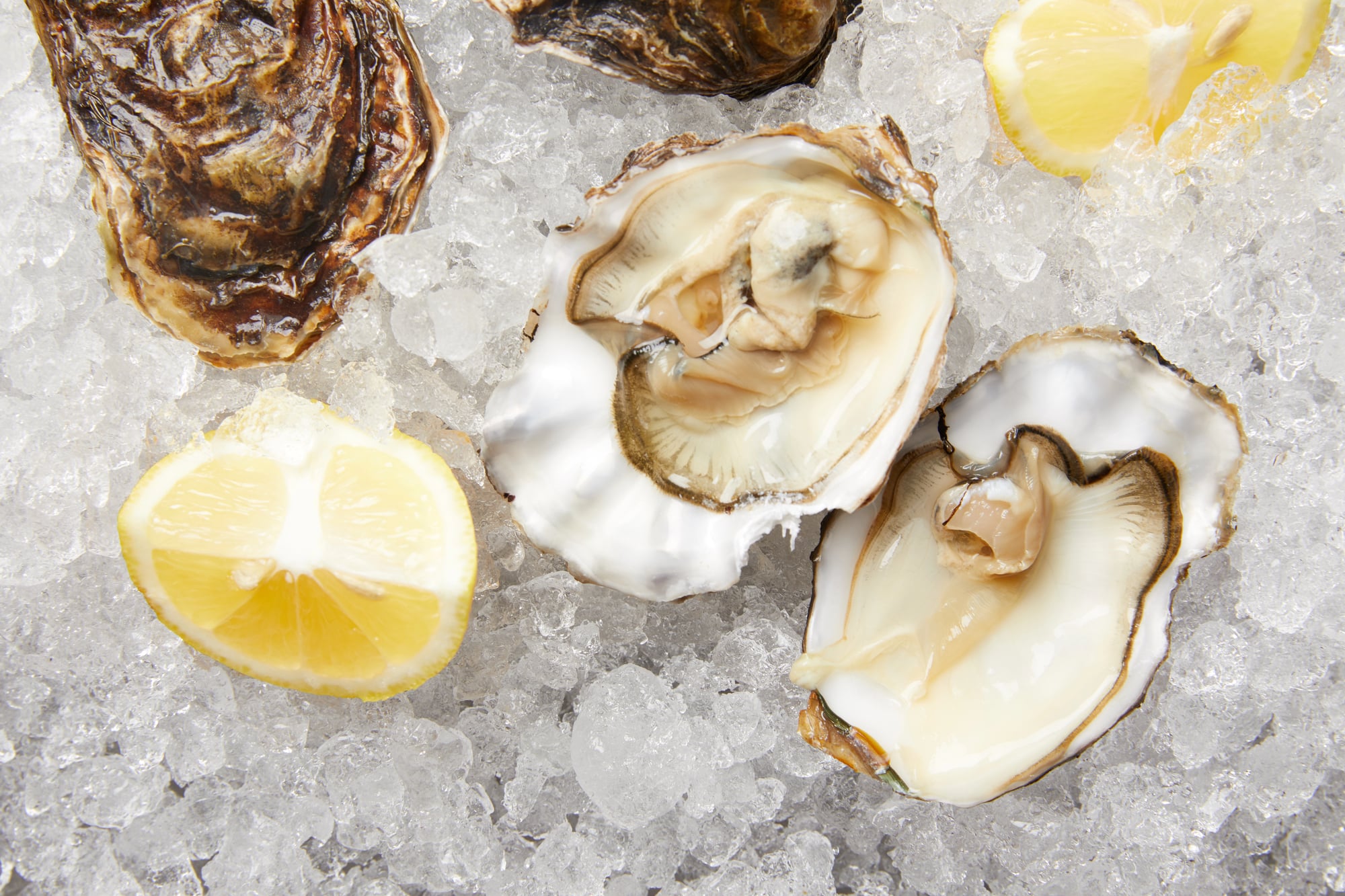
Oysters demanded immediate consumption after harvesting, making them accessible only to those living near coasts or wealthy enough to pay for rapid transport. Roman emperors imported oysters from British waters at enormous expense.
The delicate nature of oyster transport created natural exclusivity — most oysters spoiled before reaching inland destinations, making fresh oysters a luxury that no amount of money could guarantee.
Sturgeon

Known as the “royal fish,” sturgeon was so valuable that English law declared all sturgeon caught in British waters property of the crown. The fish’s eggs became caviar, another delicacy reserved exclusively for the highest levels of society.
Sturgeon’s size and rarity made each catch an event worthy of royal attention. The fish could live for decades and grow to enormous sizes, making mature sturgeon extraordinarily valuable and correspondingly rare.
Peacock

Medieval European banquets featured roasted peacocks as centerpiece displays, with the birds’ elaborate plumage reconstructed after cooking. These dramatic presentations required skilled cooks and enormous expense, making peacock dinners symbols of ultimate royal extravagance.
The peacock’s association with beauty and immortality in various cultures elevated it beyond mere food to religious and ceremonial significance. Only the most powerful rulers could justify the cost and effort required to serve peacock at state occasions.
A Taste Of Democracy

Every grocery run offers proof of how completely the world has changed. The sugar that once bankrupted kingdoms costs less than the gas to drive to the store.
Chocolate that emperors hoarded now fills discount bins. Spices that launched a thousand ships sit forgotten in kitchen cabinets until they expire and get thrown away.
What took months of dangerous ocean travel to obtain now crosses continents overnight, transforming yesterday’s impossible luxuries into today’s mundane choices. The real magic isn’t that these foods became affordable — it’s that they became so ordinary that most people never think about the emperors and kings who would have killed for a single taste.
More from Go2Tutors!

- The Romanov Crown Jewels and Their Tragic Fate
- 13 Historical Mysteries That Science Still Can’t Solve
- Famous Hoaxes That Fooled the World for Years
- 15 Child Stars with Tragic Adult Lives
- 16 Famous Jewelry Pieces in History
Like Go2Tutors’s content? Follow us on MSN.