Obsolete Classroom Technology We Miss Using
Remember the satisfying click of inserting a floppy disk or the anticipation of watching a filmstrip advance to the next frame? Today’s classrooms are filled with smart boards, tablets, and cloud-based everything, but there’s something undeniably charming about the analog tools that once defined the educational experience. These weren’t just teaching aids — they were rituals, sounds, and tactile experiences that made learning feel different.
Here’s a look back at the classroom technology that time left behind, but memory refuses to forget.
Overhead Projectors
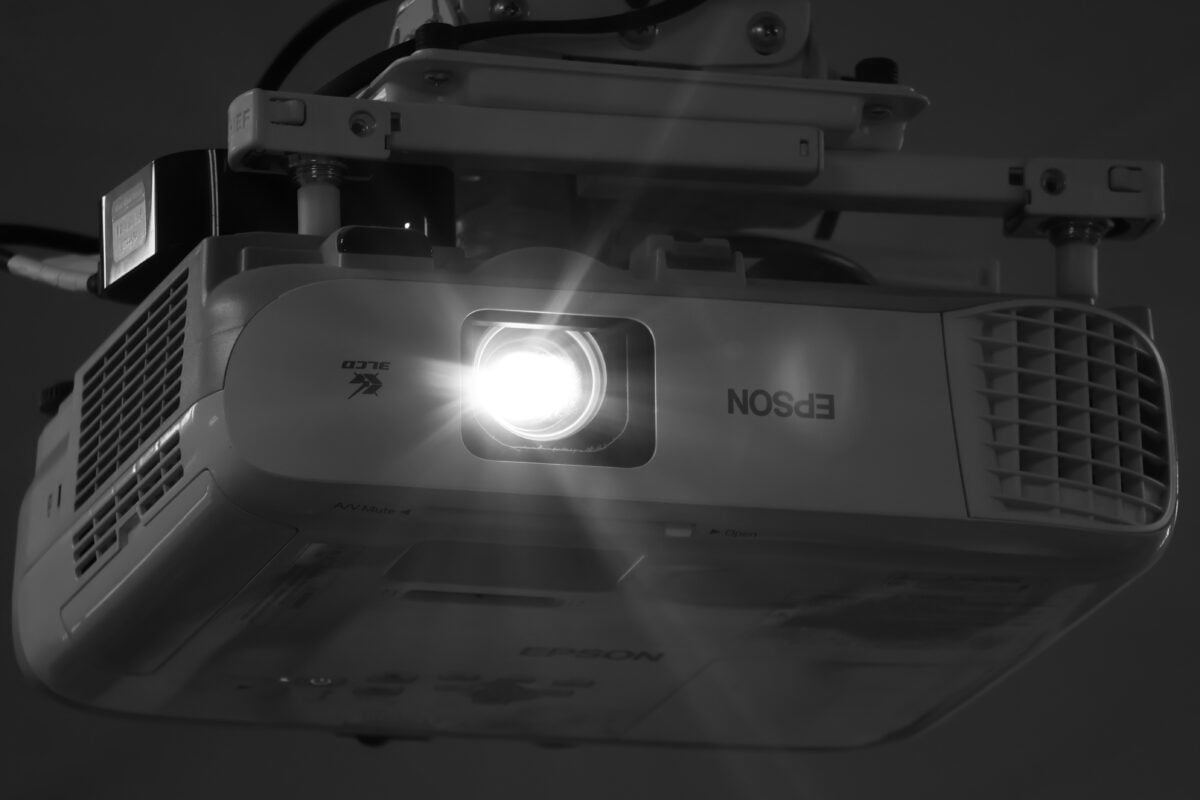
The overhead projector ruled the classroom like a benevolent dictator. Teachers would flip that switch, and the machine would hum to life with a gentle whir that meant serious learning was about to happen.
The ritual was half the appeal — placing the transparency just right, adjusting the focus until the text sharpened on the wall, maybe adding a dramatic flourish with a colored marker mid-lesson.
Film Projectors
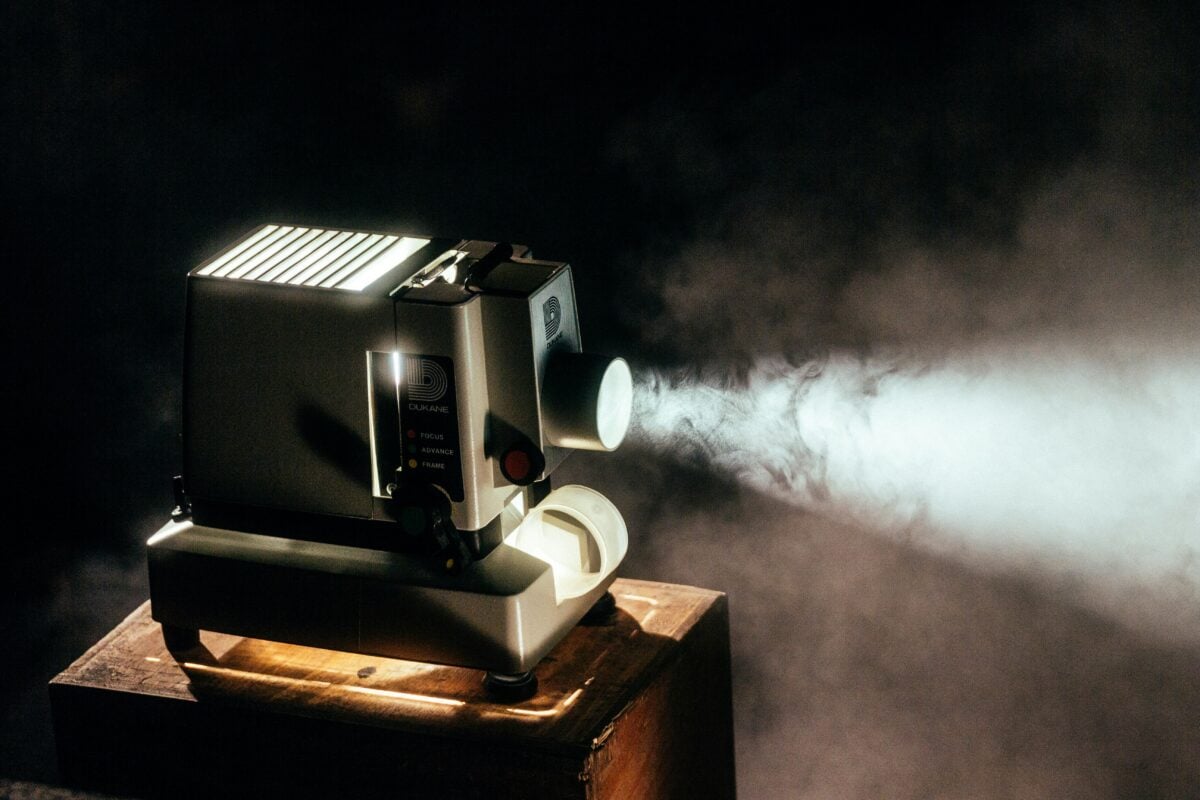
So there you were, sitting in a darkened classroom (which already felt like a small miracle since it meant regular work was suspended), watching your teacher thread film through a maze of mechanical guides that looked impossibly complex but somehow always worked. The projector would click and whir as each frame advanced, and that rhythmic mechanical heartbeat became the soundtrack to countless educational films about everything from photosynthesis to the founding fathers.
And the best part — which every student knew but never mentioned — was that threading the film wrong meant the whole period might be consumed by technical difficulties, a possibility that hung in the air like unspoken hope.
Filmstrips
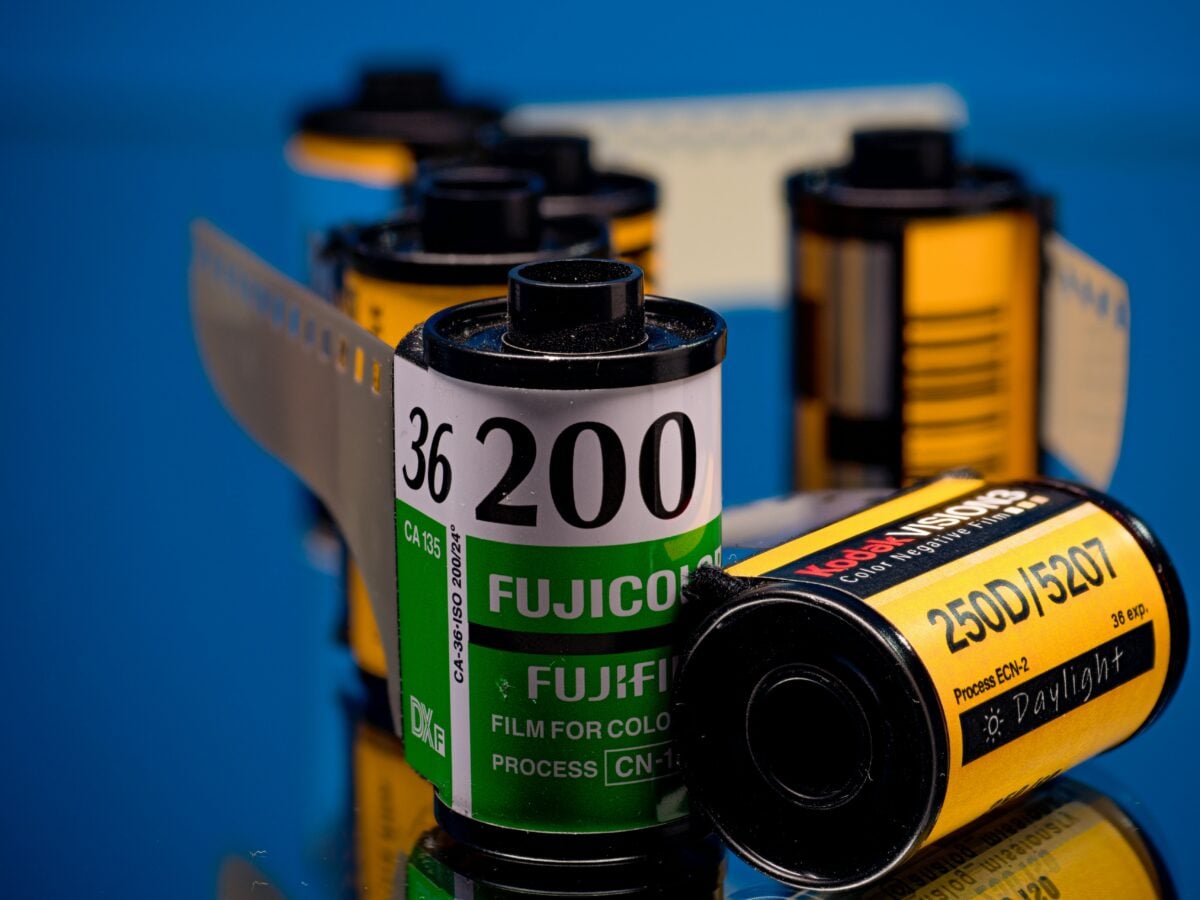
There’s something about anticipation that gets lost in our instant-access world, and filmstrips understood this perfectly. Each frame sat there, deliberately still, while the teacher read the corresponding text or played the accompanying audio cassette. The image wouldn’t budge until someone decided it was time — no skipping ahead, no rewinding to catch what you missed.
You moved through the story at exactly the pace it demanded, frame by careful frame.
Mimeograph Machines
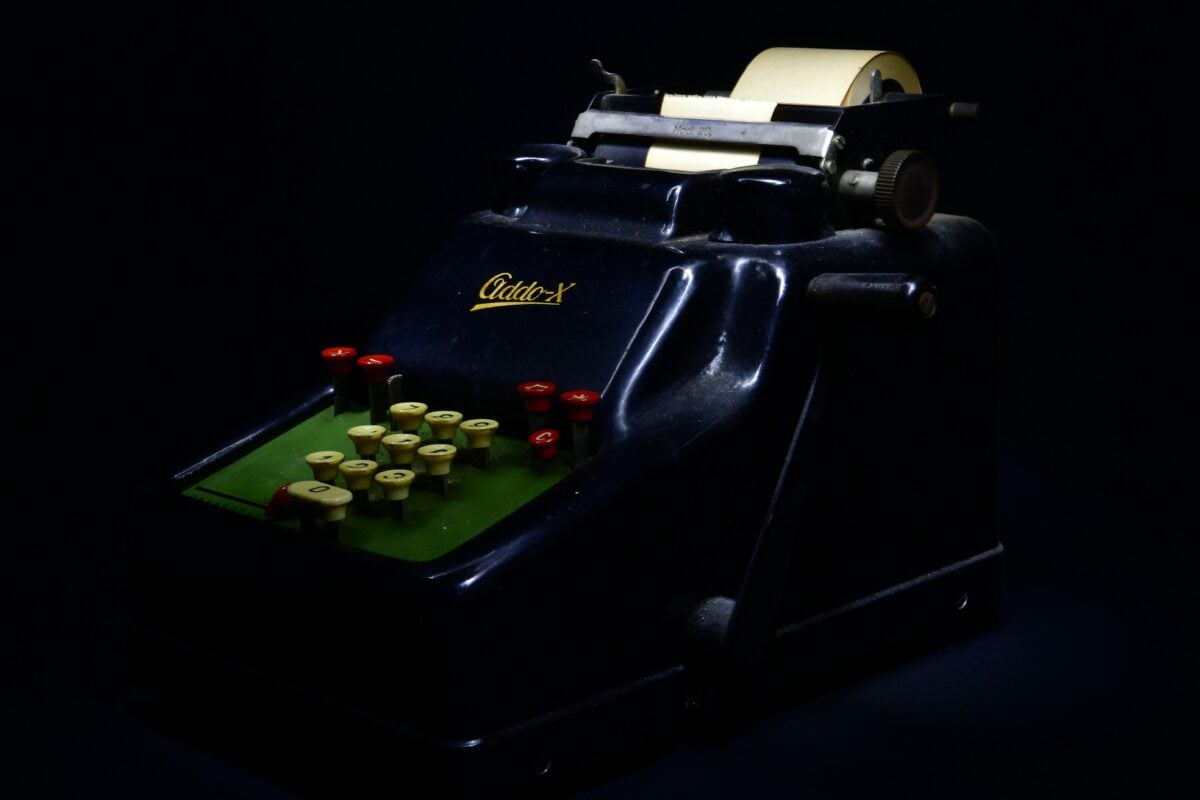
The mimeograph machine produced the most distinctive smell in educational history. That sharp, chemical tang hit you the moment fresh worksheets landed on your desk, still slightly damp and tinged with purple ink.
Teachers would crank out copies by the dozen, and students would instinctively lift the paper to their noses — not because anyone told them to, but because that smell somehow signaled that learning was officially underway.
Cassette Players
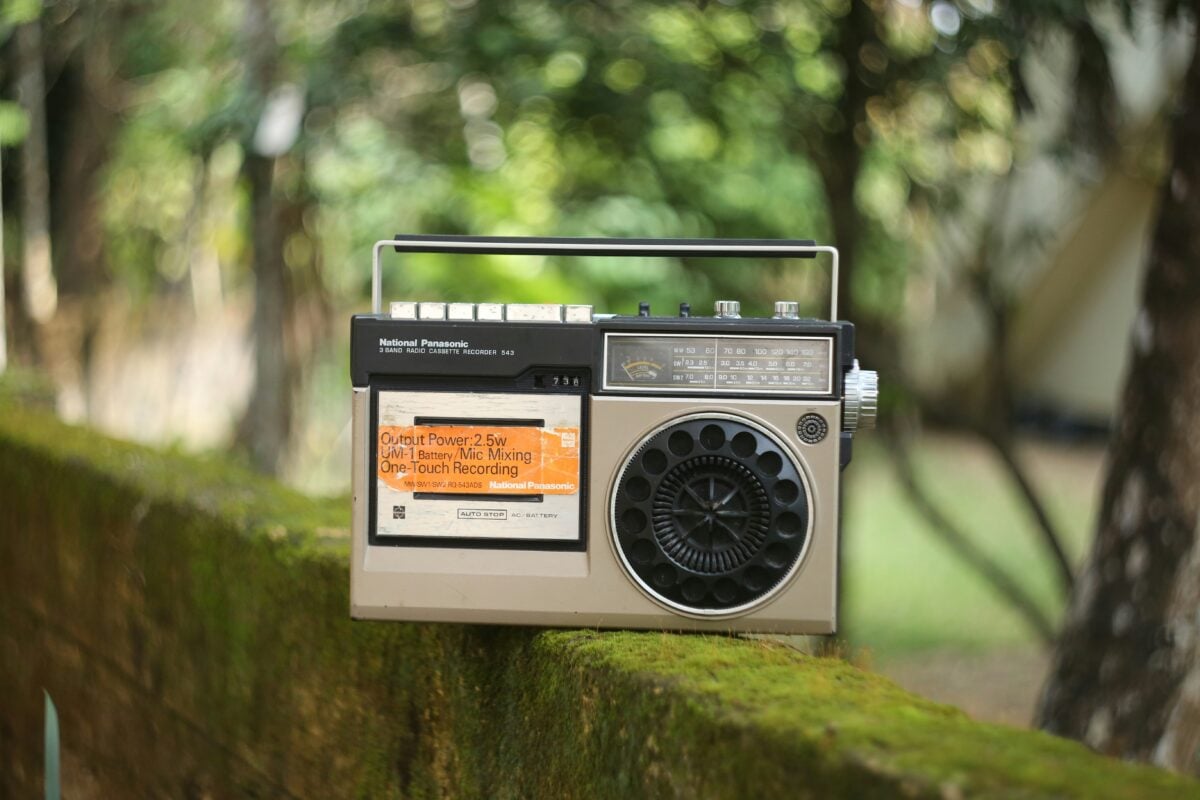
Before streaming and digital downloads, classroom audio meant cassette players — those sturdy, button-heavy machines that sat on every teacher’s desk like faithful companions. The chunky mechanical buttons required actual pressure to engage, and each one made a satisfying click that announced your intention to the entire room.
Rewind meant really rewinding, the tape spooling backward with a whirring sound that let everyone know someone was searching for the right spot.
Record Players
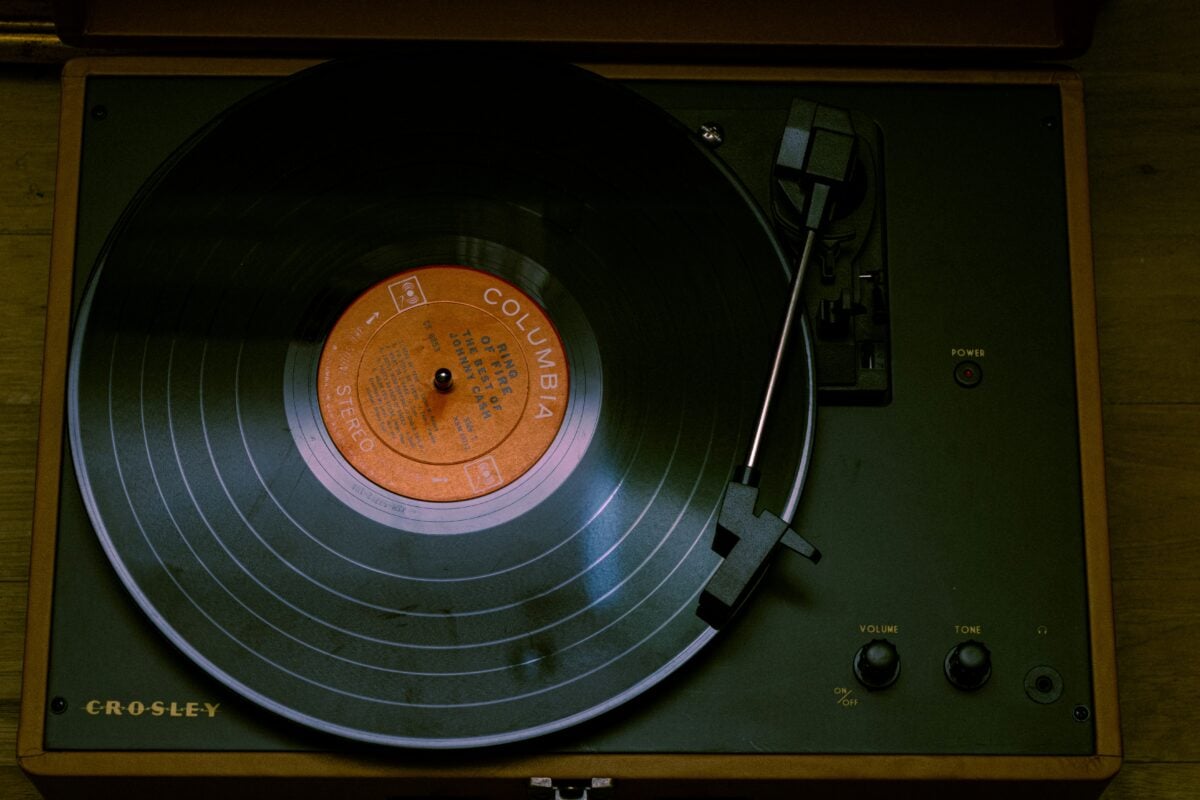
The record player transformed any lesson into something that felt almost ceremonial (because handling vinyl demanded a certain reverence that digital files simply can’t match). Teachers would lift the needle with the care of someone defusing a small bomb, position it just so, and lower it gently onto the spinning disc.
That brief crackle before the audio began was like a drumroll — you knew something worth hearing was about to emerge from those classroom speakers that never quite delivered the fidelity the music deserved, but somehow made every folk song and historical speech feel more important than it might have otherwise.
Slide Projectors
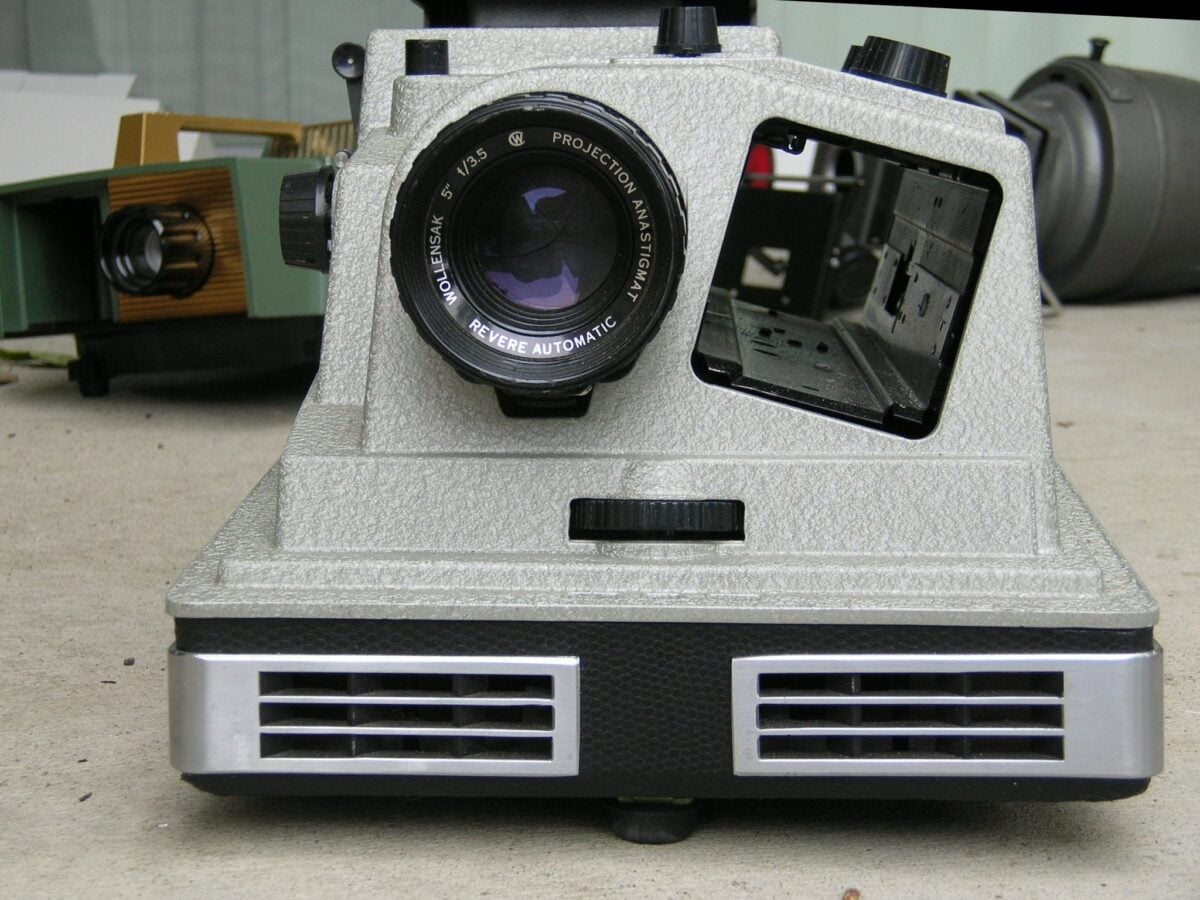
Slide projectors were the classroom’s way of making every lesson feel like a minor theatrical production. The teacher would load the carousel, dim the lights, and suddenly the room transformed into something closer to a small auditorium.
Each click advanced to the next slide with mechanical precision, and there was something satisfying about that rhythm — click, new image, pause for discussion, click again. The slides themselves had a particular quality, slightly warm from the projector bulb, with colors that seemed deeper and more saturated than what modern screens deliver.
Ditto Machines
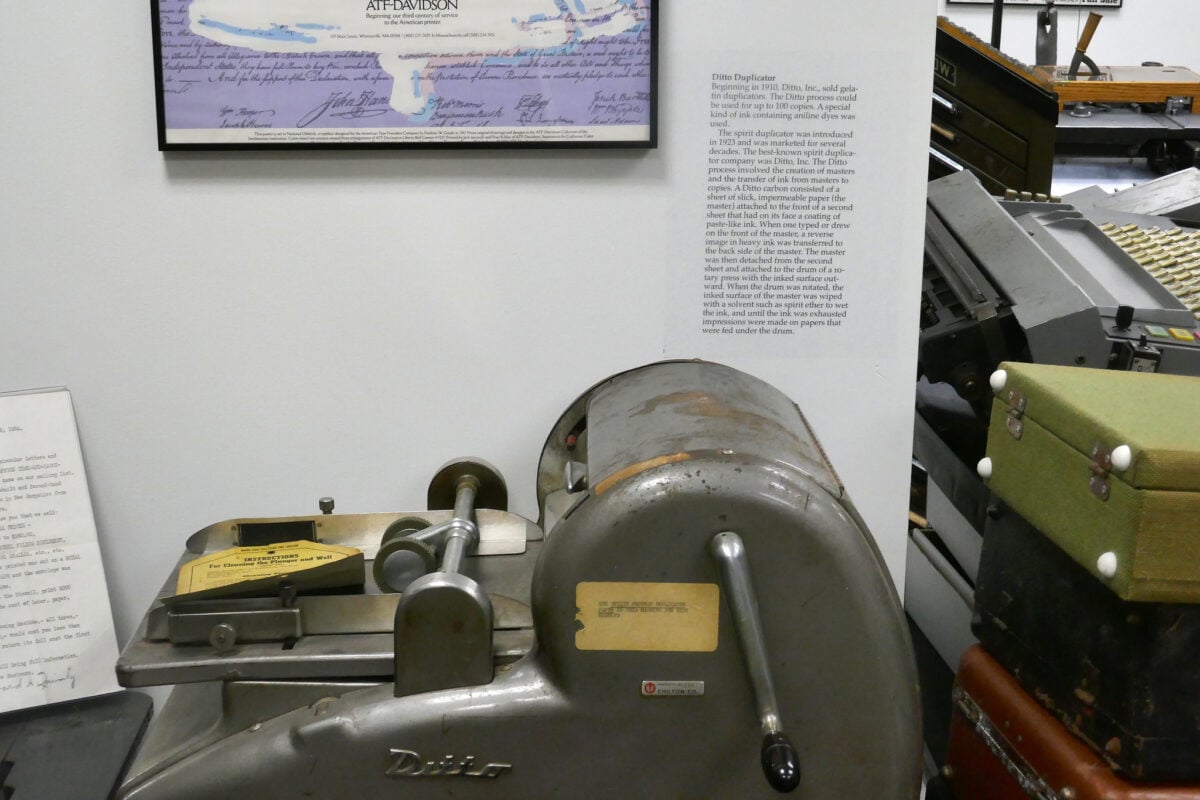
Ditto machines belonged to that era when making copies was still enough of a production that it required its own special room and a teacher who knew the arcane process of creating a master sheet. The copies emerged with that distinctive purple ink that would fade over time, turning sharp text into something ghostly and mysterious.
Students learned to handle ditto sheets carefully because the ink would smudge if you weren’t gentle, and there was something oddly precious about a worksheet that could be damaged by too much handling.
Television Carts
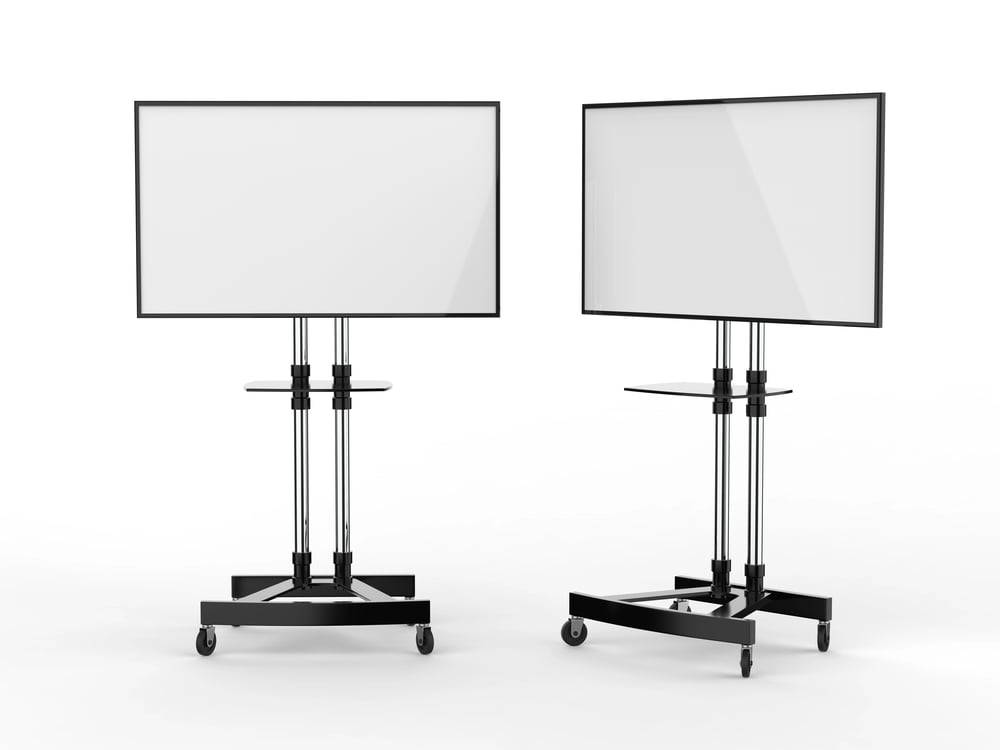
The television cart rolling down the hallway was like a herald announcing that regular programming was suspended. These weren’t just TVs — they were events.
The cart itself, usually featuring a chunky monitor perched on a metal stand with wheels that inevitably pulled to one side, had to be maneuvered through doorways with the skill of someone parallel parking a small truck. But once it was positioned just right in the front of the classroom, plugged in, and humming to life, it commanded attention in a way that built-in screens never quite manage.
Chalk and Chalkboards

Chalk requires commitment. Every letter drawn with chalk was deliberate because erasing meant actually erasing — creating a small cloud of dust and leaving ghost traces that never quite disappeared completely.
The sound of chalk on the board could be music or nails-on-a-chalkboard torture, depending on the writer’s technique. Teachers developed their own chalk personalities: some pressed hard and left bold, confident strokes, others wrote with the light touch of someone sketching.
The chalkboard showed everything — hesitation, confidence, corrections, and the accumulated history of lessons that came before, faintly visible beneath each day’s fresh content.
Manual Pencil Sharpeners
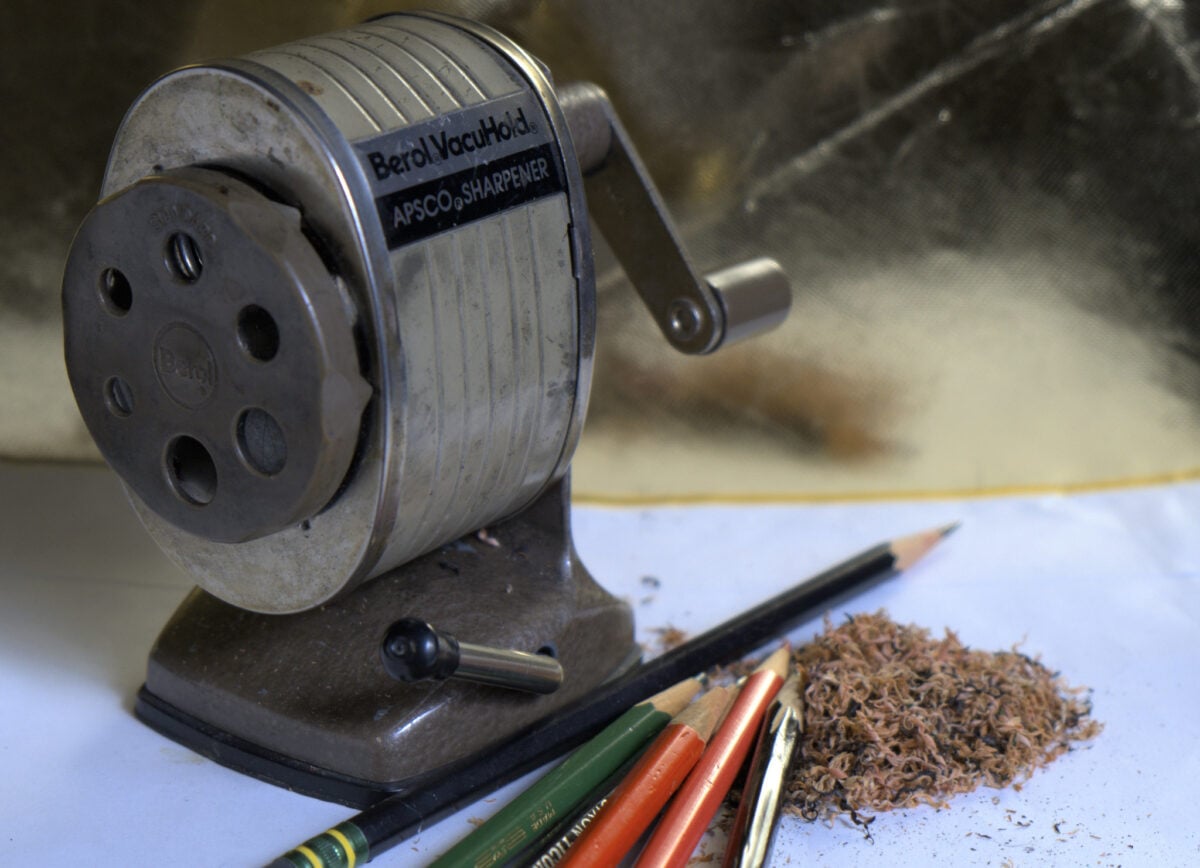
Before electric sharpeners and mechanical pencils, there were those hand-crank models bolted to the wall like small mechanical sculptures. The metal was always slightly warm from friction, and the handle required just the right amount of pressure — too gentle and nothing happened, too aggressive and you’d grind your pencil down to nothing.
The sharpener produced curls of wood and graphite that fell into a small compartment, creating a satisfying pile of evidence that work was being done.
Typewriters
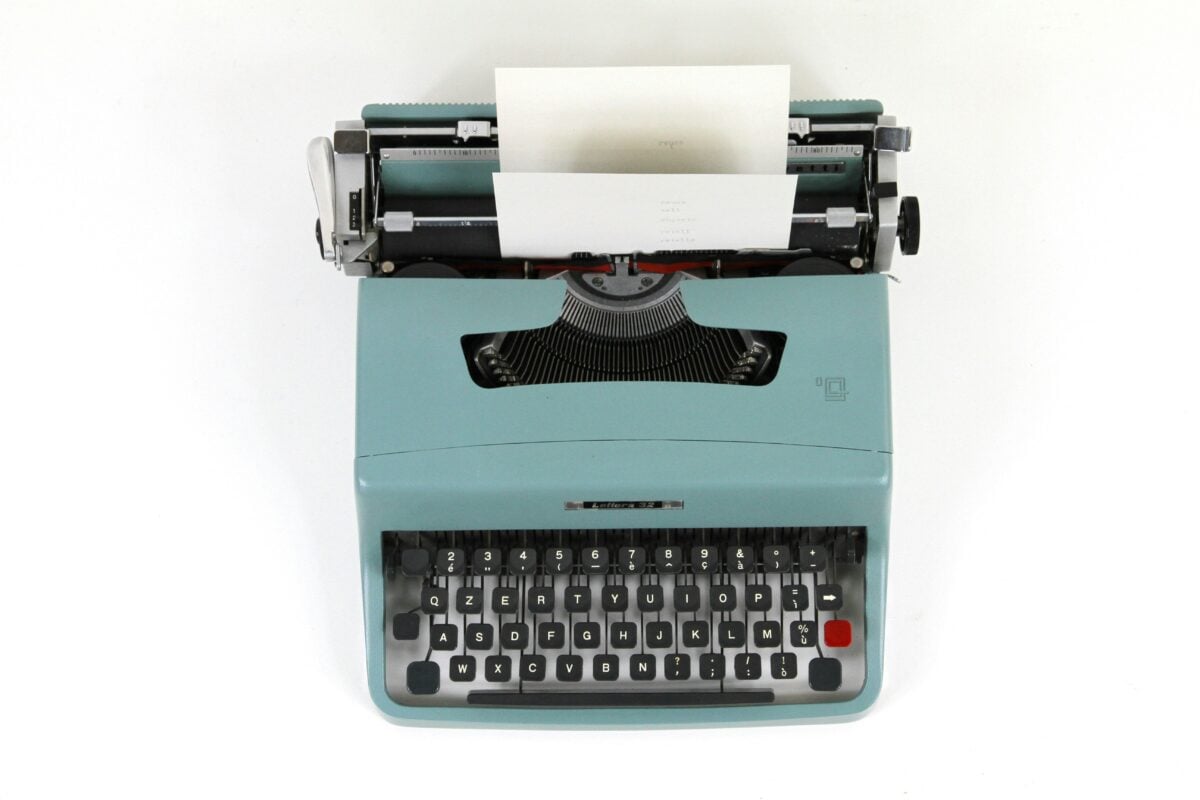
Typewriters in the classroom weren’t just machines — they were instruments that demanded respect. Each key required deliberate pressure, and mistakes couldn’t be undone with a simple backspace.
Students learned to think before typing because correction fluid was messy and starting over meant starting completely over. The sound of a classroom full of typewriters was like a percussion ensemble, each student contributing to a rhythm of learning that you could actually hear.
The bell that rang near the end of each line wasn’t just functional — it was a small celebration of progress, line by line.
Card Catalogs
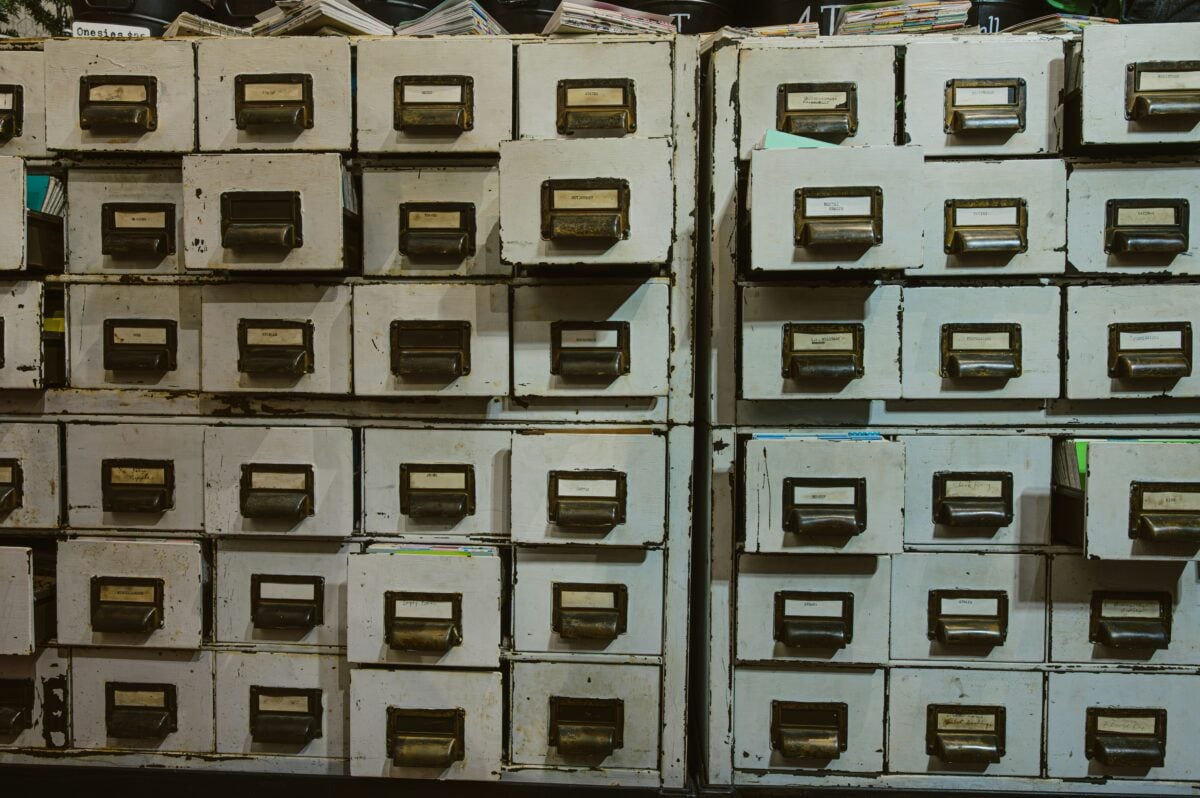
The card catalog was a physical database that required actual navigation skills. Finding information meant understanding the system — author, title, subject — and working through drawers of cards that had been typed, filed, and maintained by hand. Each card was a small piece of craftsmanship, with information carefully arranged in a specific format that librarians and students learned like a shared language.
There was something satisfying about flipping through cards with your finger, the slight resistance of each one, the anticipation of finding exactly what you needed buried somewhere in that wooden cabinet that held the entire library’s organizational system in thousands of small paper rectangles.
When Simple Was Enough

These tools weren’t faster, smarter, or more efficient than what replaced them. They were something else entirely — tactile, deliberate, and oddly personal.
They required skills that had nothing to do with passwords or software updates, and they broke in ways that could often be fixed with basic mechanical understanding rather than technical support. Maybe what we miss isn’t the technology itself, but the way it made learning feel like something that happened in the physical world, with sounds and smells and small mechanical rituals that marked the difference between ordinary time and the time set aside for discovering something new.
More from Go2Tutors!

- The Romanov Crown Jewels and Their Tragic Fate
- 13 Historical Mysteries That Science Still Can’t Solve
- Famous Hoaxes That Fooled the World for Years
- 15 Child Stars with Tragic Adult Lives
- 16 Famous Jewelry Pieces in History
Like Go2Tutors’s content? Follow us on MSN.



