Most Satisfying Collectibles in Gaming History
There’s something about spotting a glowing item tucked behind a waterfall, or hearing that little chime when a percentage ticks up, that never gets old. Collectibles have been part of gaming almost as long as gaming itself.
Some feel like chores. But the best ones? They keep you up until 2am, squinting at every corner of a map you thought you already knew.
These are the ones worth remembering.
Jiggy Pieces – Banjo-Kazooie

Few collectibles have ever felt as rewarding as the golden jigsaw pieces scattered across Banjo-Kazooie’s worlds. Each Jiggy was a puzzle piece — literally — and when you finally slotted the last one in, you got to watch the next world’s entrance puzzle assemble itself.
It was tactile satisfaction built right into the design. The levels hid them in genuinely clever spots.
Some required specific moves. Others were locked behind mini-games or tucked inside characters you had to help out.
Every single one felt earned.
Chaos Emeralds – Sonic the Hedgehog
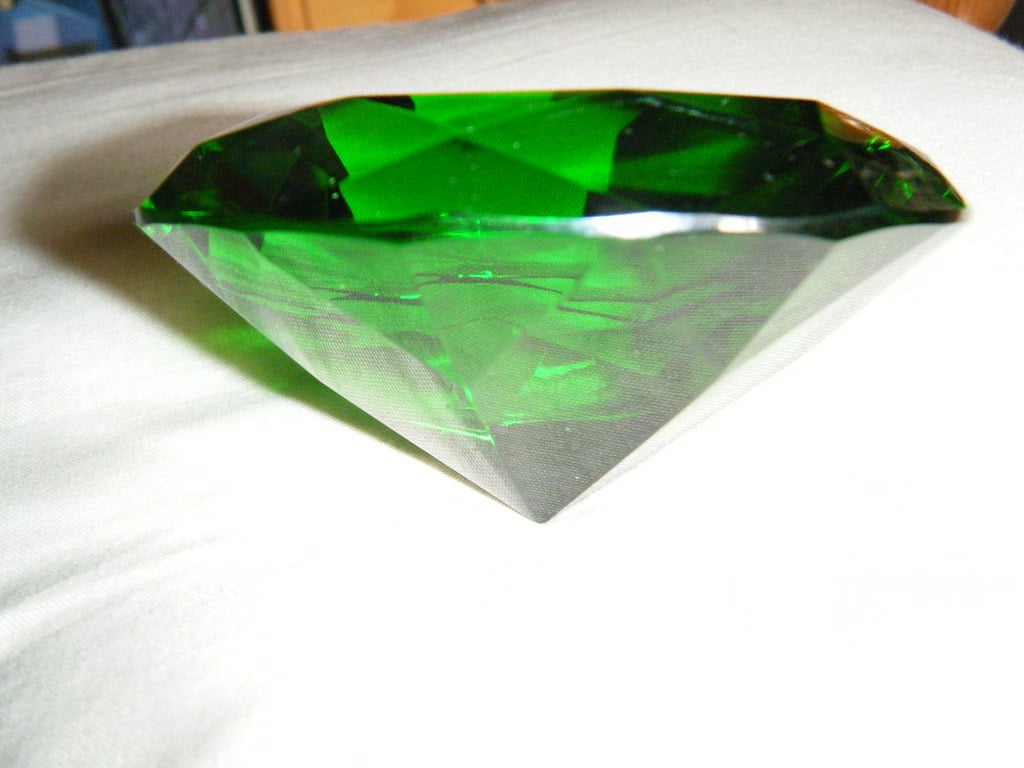
The Chaos Emeralds started as a simple bonus goal in the original Sonic, but they became one of the most iconic collectibles in all of gaming. The idea was straightforward: find all seven and unlock the true ending. But getting there was never simple.
The special stages used to find them were their own kind of game. Whether you were running through rotating mazes in Sonic 2 or grinding rails in Sonic Adventure 2, the Emeralds always felt like trophies you actually had to fight for.
And once you had all seven? Super Sonic was worth every second.
Stars – Super Mario 64
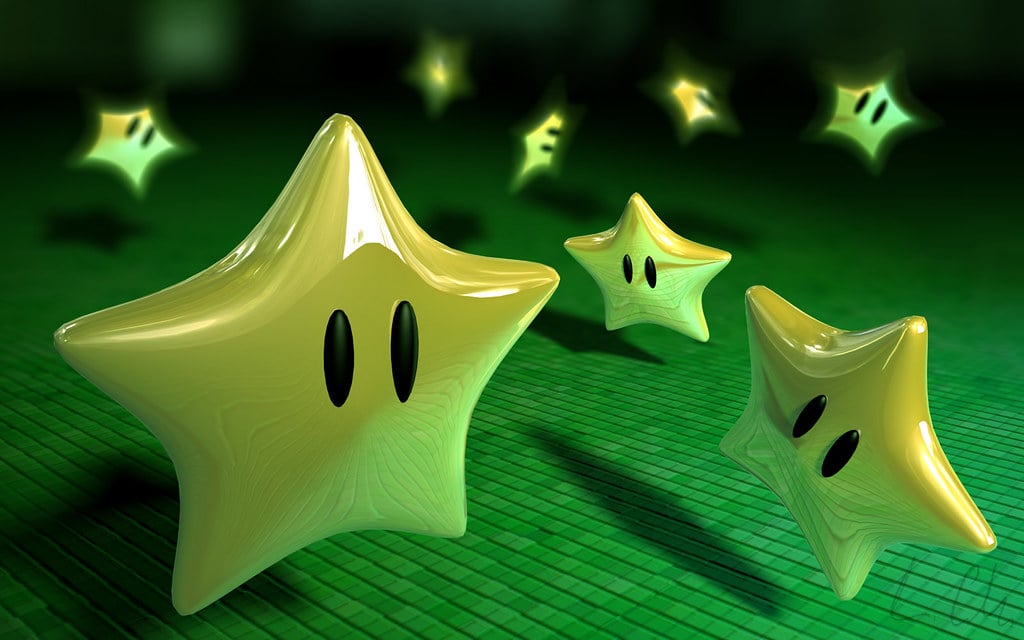
Mario 64 didn’t just ask you to collect stars — it built entire worlds around them. Each of the 120 stars had a name, a story, and a specific challenge attached to it.
You weren’t just grabbing things. You were completing objectives.
That distinction matters. The stars gave every level a sense of depth.
You’d visit the same world six or seven times, each time with a different goal, and the level would feel new each time. It was one of the first games to make collectibles feel like missions.
Power Moons – Super Mario Odyssey
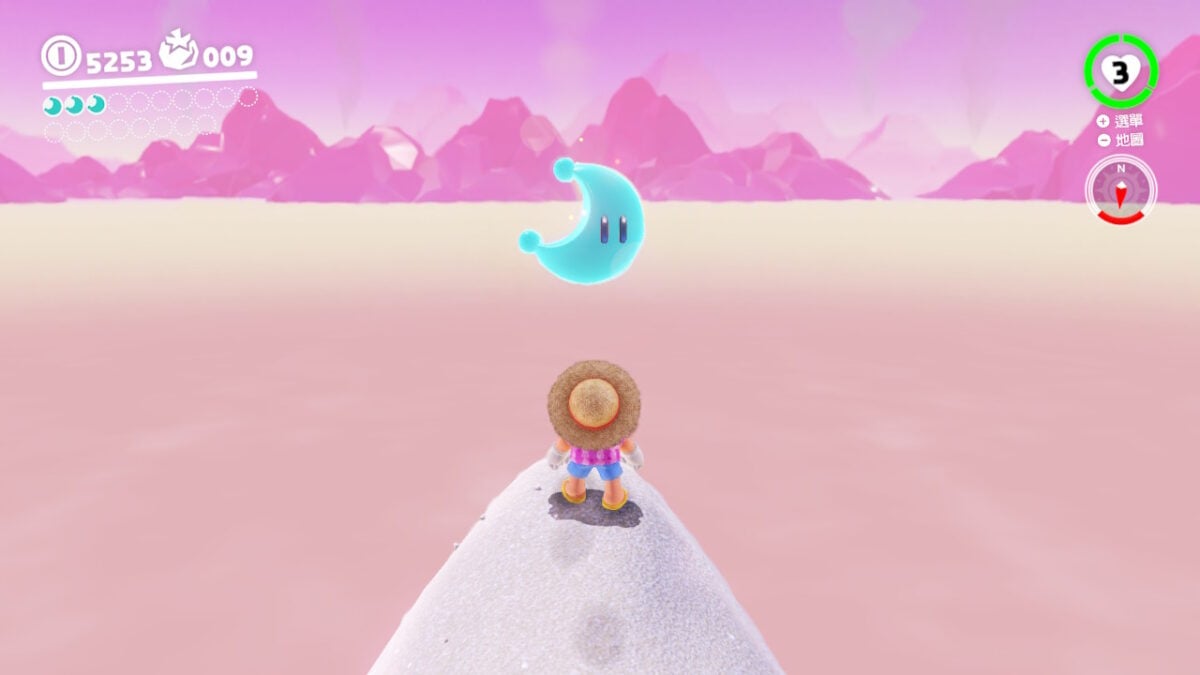
Mario Odyssey took the star formula and ran with it. There are over 800 Power Moons hidden across the game’s kingdoms, and finding them never gets boring. Some are obvious. Many are buried in the environment, hiding in plain sight.
A few require you to pay close attention to the world around you — a suspicious-looking patch of ground, a character behaving oddly, a shadow that doesn’t quite match anything. The sheer density of them means you’re almost always on the edge of finding something new.
That feeling rarely lets up.
Shine Sprites – Super Mario Sunshine
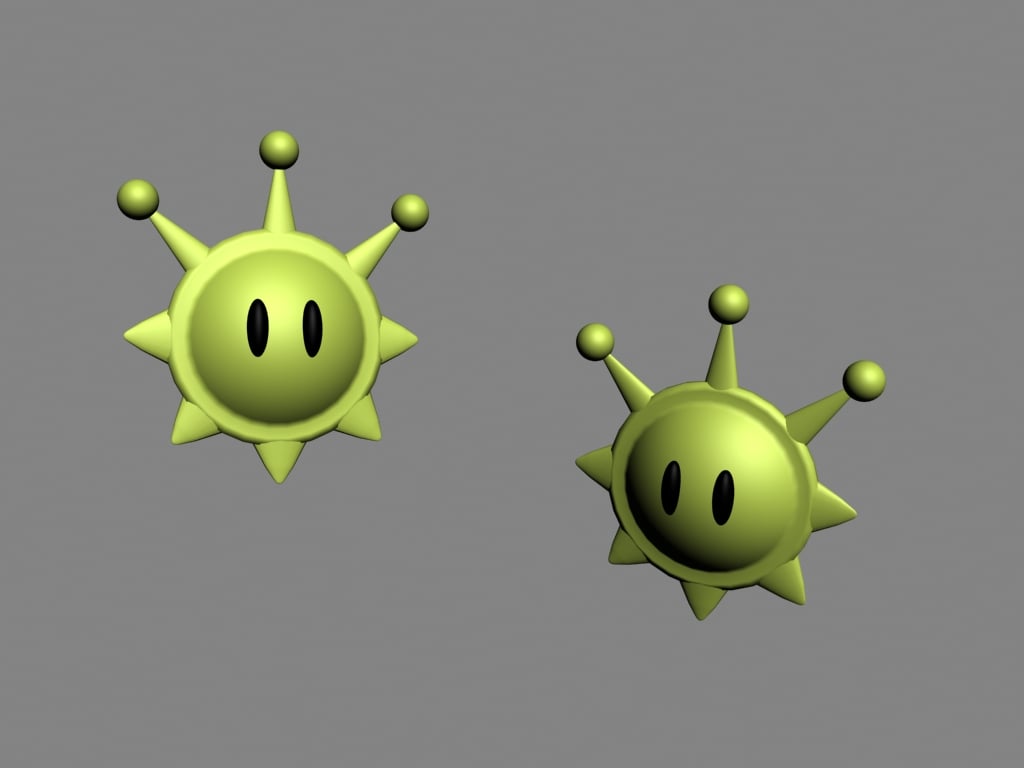
Sunshine’s Shines are a more polarizing collectible than its Mario peers, but for the people who love them, the love runs deep. The tropical setting of Delfino Island gave every Shine a distinct visual character.
The island opened up more as you collected them. And some of the bonus stages — stripped down, platforming-only levels — are some of the tightest challenges in Mario’s history.
There’s a specific tension to the timed platforming stages that nothing else in the series quite replicates.
Riddler Trophies – Batman: Arkham Series
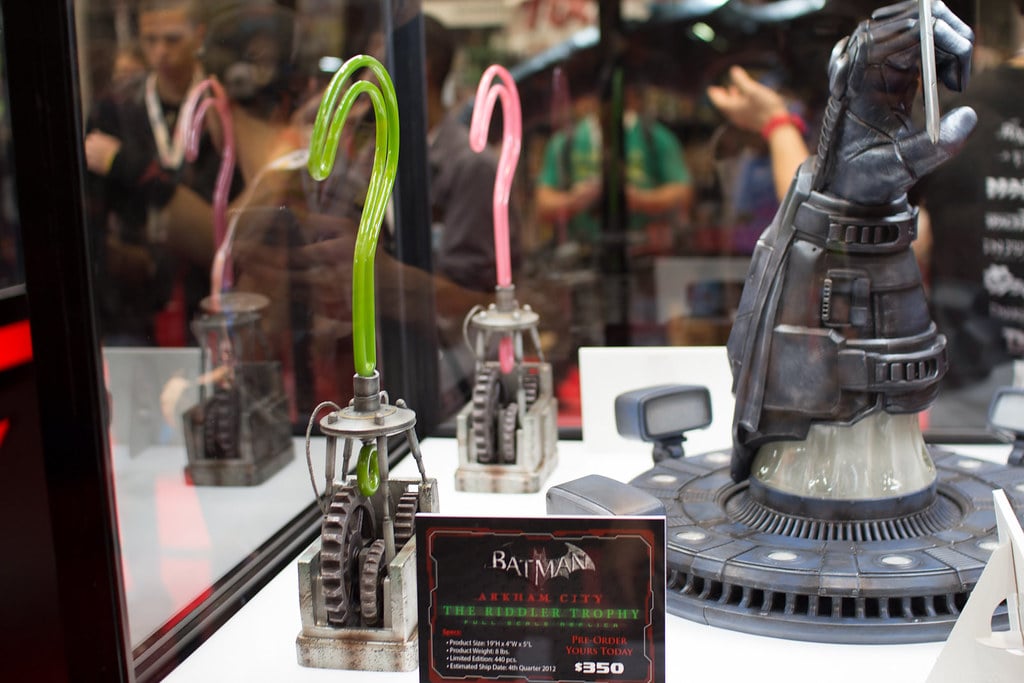
The Riddler Trophies are infamous. There are hundreds of them scattered across Gotham, and completing them all is a genuine commitment.
But the design philosophy behind them is worth appreciating. Most of the trophies aren’t just sitting around waiting to be grabbed.
They require you to understand Batman’s gadgets, think through environmental puzzles, and use abilities you might not have tried otherwise. The Riddler himself taunts you as you go.
The collectibles become a personal rivalry. And when you finally lock him up in the final Arkham game, having tracked down every last trophy, it lands harder than any story boss.
Hidden Packages – GTA: Vice City
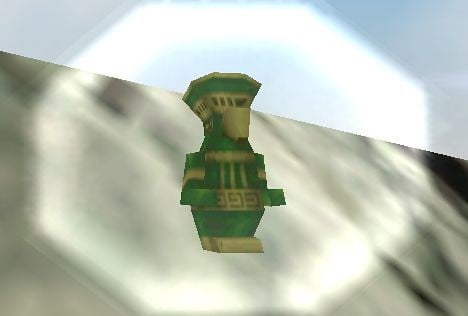
The Hidden Packages in Vice City were crude by modern standards — little floating icons scattered around a city map with no hints and no markers. But that was the point.
You had to look for them. You had to learn the city.
Every ten packages you found rewarded you with a weapon spawn at your safehouse. It was a direct, tangible reward for exploration.
Finding one tucked under a pier or on a rooftop you’d never noticed before felt like discovering a secret the city had been keeping from you.
Feathers – Assassin’s Creed II
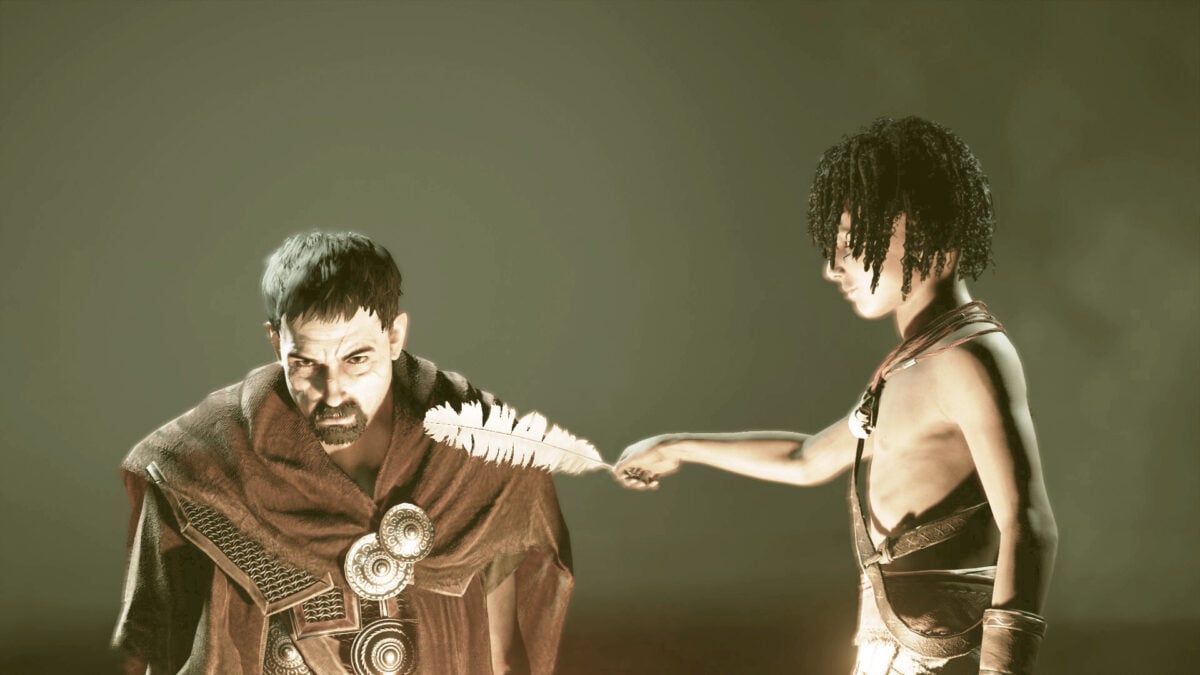
Most collectibles in the Assassin’s Creed series were forgettable. The feathers in AC2 were different, not because of what they were, but because of why you collected them.
Ezio’s younger brother Giovanni loved birds. He was killed early in the game.
Collecting feathers and filling a box in his old room was a quiet act of grief. It wasn’t telegraphed loudly.
It was just there for the players who noticed. That kind of emotional weight is rare in a collectible.
Audio Logs – BioShock
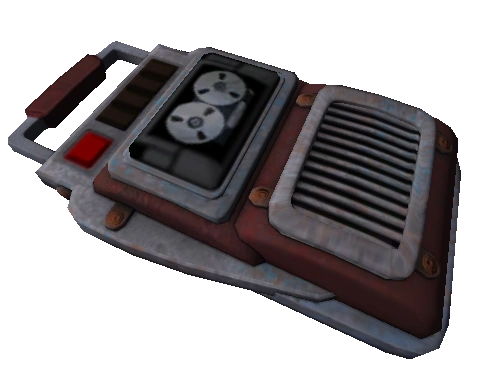
BioShock’s audio diaries weren’t collectibles in the traditional sense — no completion percentage, no unlock tied to finding them all. But the pull to find every last one was just as strong.
The city of Rapture told its story almost entirely through these recordings. Each tape you found was a piece of a puzzle that stretched across the whole game.
Finding one in a flooded corner of a level, hearing a character’s voice crack as they described what went wrong — that hit differently than any cutscene.
Korok Seeds – Breath of the Wild
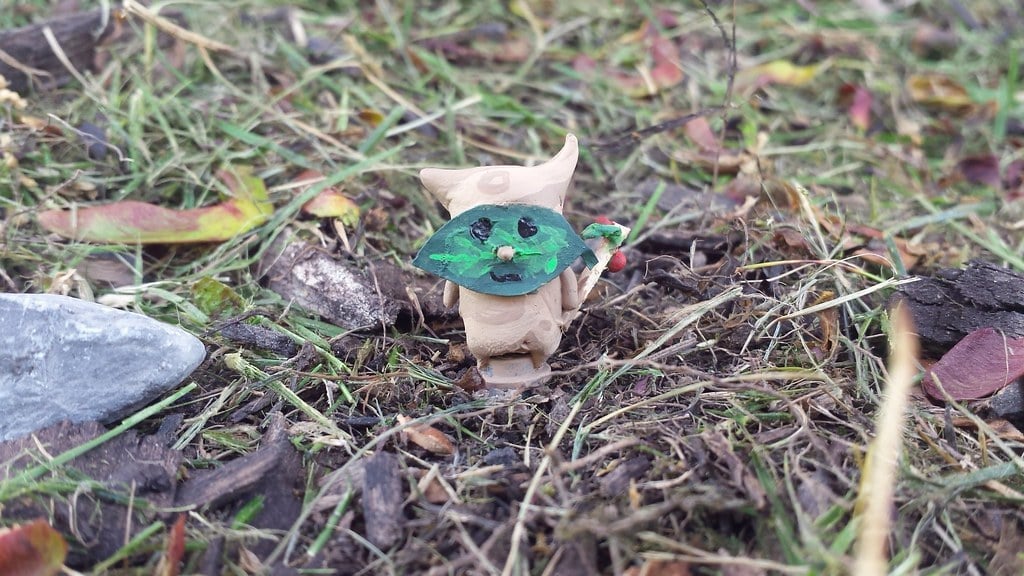
Nine hundred seeds tucked throughout Hyrule wait to be found. Though the prize for gathering everyone feels small – almost silly – that’s exactly what makes it fitting.
The low-key payoff isn’t an accident; it quietly matches the spirit of the search. Finding each little marker becomes its own reason to keep going.
A total of nine hundred waits, scattered, silent, just out of sight. What do you get at the end? Barely anything.
And yet somehow, that means everything. A path through rustling grass led somewhere quiet.
Then – color blooming where water meets shore. Up high, something spun slowly in the wind.
Each step mattered more than the name on a map. A single rock felt out of place, then another.
Every seed fits somewhere, like pieces scattered across everything. Getting them wasn’t about winning anything.
It happened because Hyrule made looking feel worthwhile – which mattered more.
Jigsaw Pieces – Banjo-Tooie
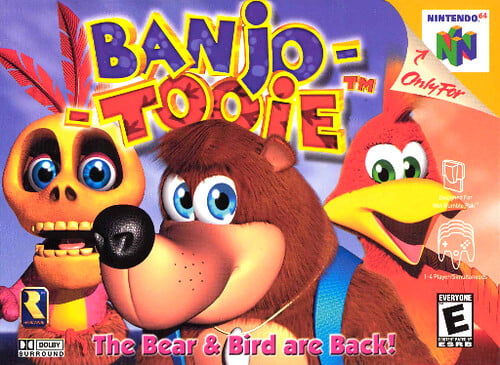
Inside each world, Kazooie stored its Jiggies neatly apart. Yet Tooie twisted that plan into something looser, stranger.
Carrying objects across distant areas became necessary for certain puzzles. Characters had to move from one realm to another just to unlock progress.
The layout linked zones like threads in cloth. A solution in Mumbo’s village could hinge on an act committed long before near the sea.
Past actions echoed where least expected. Collecting items became like solving a slow-burning riddle woven through every part of the experience.
Orbs – Marvel’s Spider-Man (PS4)
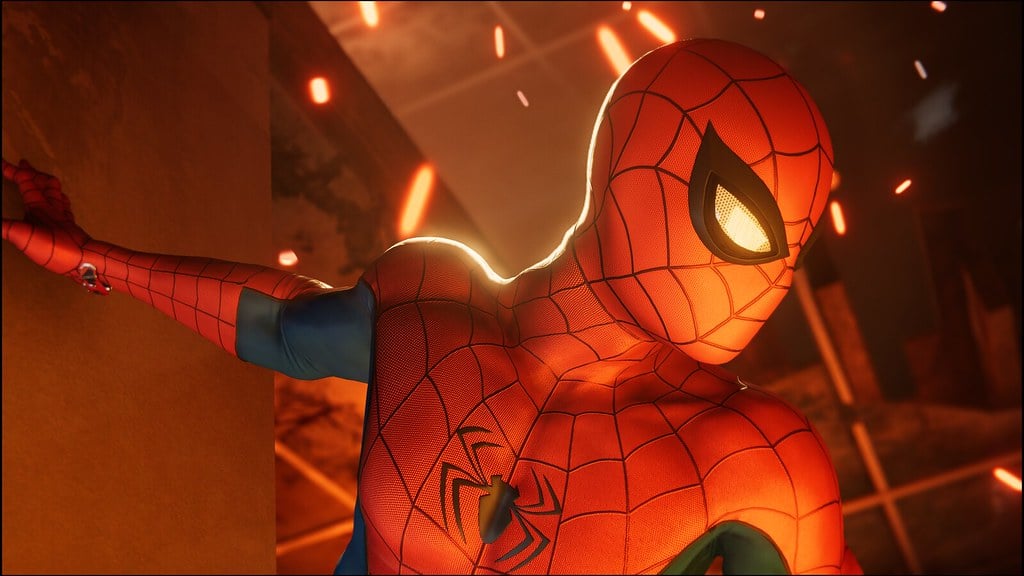
Across New York, Spider-Man spreads out three kinds of pickups – backpacks, tokens, and maybe a photo spot now and then. The real draw isn’t what they are but how you reach them.
Chasing one while swinging turns each grab into rhythm, a flow where nailing the web shot keeps momentum alive. These items? They quietly push you to sharpen moves.
And since moving through the city feels so smooth, even small tasks pull you back in. Inside the backpacks were pieces of Peter’s old diaries.
Uncovering those pages was like digging through time.
Lucky Emblems – Kingdom Hearts III
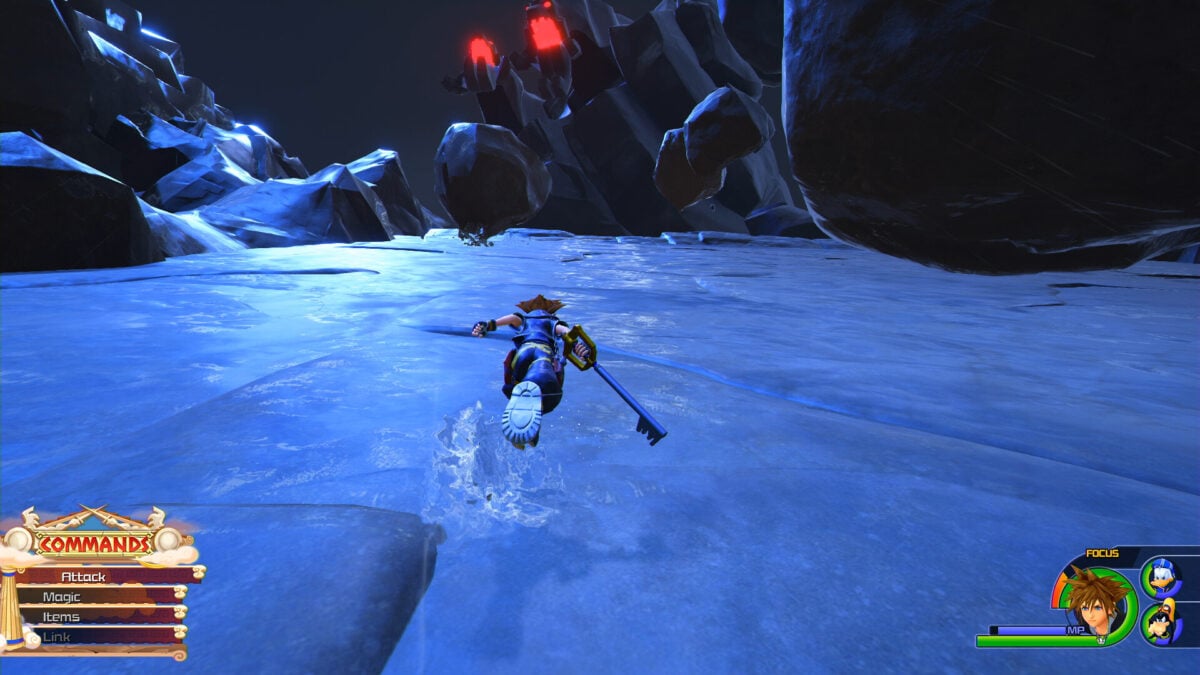
Lucky Emblems, tiny Mickey shapes, hide in each world of Kingdom Hearts III. You snap photos to collect them all.
At first glance, that feels pointless. Yet chasing these marks made you study corners as an artist would.
Spaces became scenes instead of paths. A shape darkens the plaster.
Not three fungi but their placement catches your eye. Stones grouped just so – seen before, never seen.
This world was shaped carefully, though few paused to see it. Lucky Emblems made people watch closer.
Intel – Call of Duty 4: Modern Warfare
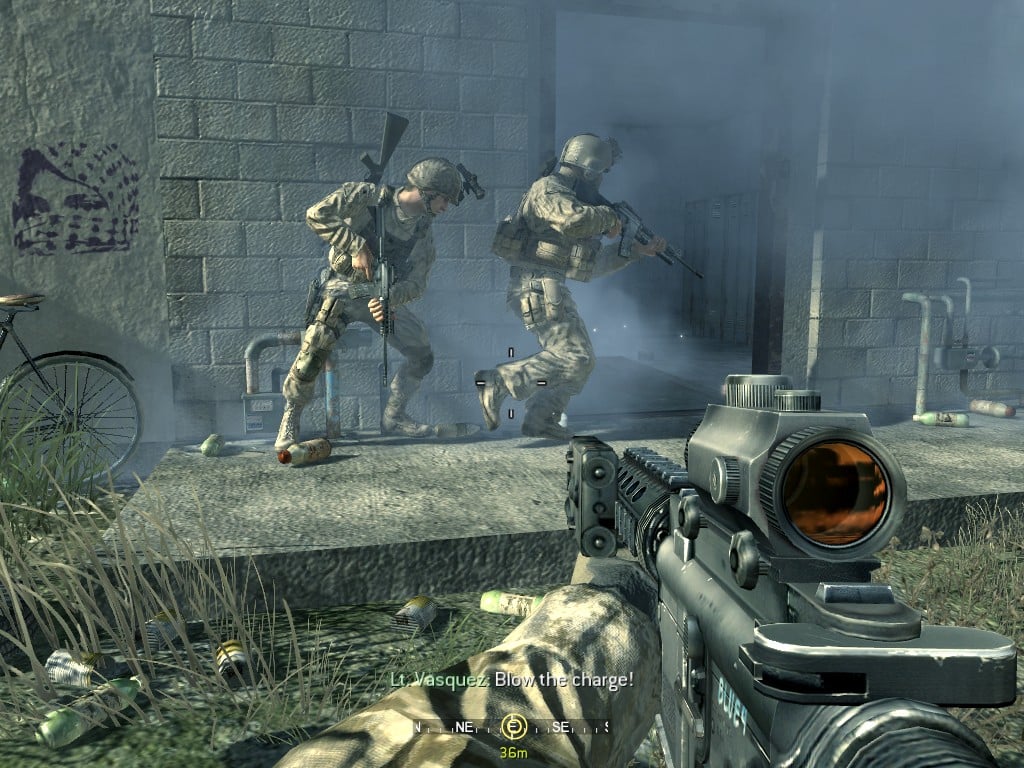
Hidden inside Call of Duty 4 were laptops scattered through each mission. These served as collectible items tied to intel.
To spot one, players often had to step off the main route – just a bit. A side room usually ignored, maybe a dead-end tucked behind cover.
Though the layout stayed focused, tiny detours still felt part of the plan. Grabbing every single one opened up a secret menu.
Simple stuff. Retro. Exactly how it should feel – clean, honest, done.
The Ones That Stay With You

Some items out there don’t really belong. Many exist just to fill space.
Ever seen a game map crowded with dots? Hundreds blinking back at you, waiting… and your shoulders slump before you even start.
Yet the strongest moments shift how you travel through life. Because they hand you a cause to glance upward, then drop your eyes, step inside spaces that appear irrelevant.
When you stay curious till you grasp where you are, they answer that urge. Floating there, unnoticed at first – just a tiny bright thing tucked into a forgotten edge – becomes the start of something huge.
Most times, it’s easy to miss. Only when picked up does the world seem different.
A sense completely unique to games, hard to find elsewhere. Not because it shouts, but because it waits.
More from Go2Tutors!

- The Romanov Crown Jewels and Their Tragic Fate
- 13 Historical Mysteries That Science Still Can’t Solve
- Famous Hoaxes That Fooled the World for Years
- 15 Child Stars with Tragic Adult Lives
- 16 Famous Jewelry Pieces in History
Like Go2Tutors’s content? Follow us on MSN.