Most Isolated Post Offices Still Operating
Getting mail seems simple when you live in a city. The carrier shows up six days a week, drops letters through a slot, and moves on.
But thousands of people live in places where that routine becomes an expedition. These post offices operate in locations most people will never visit.
Some sit on islands accessible only by boat a few times per year. Others perch on mountains where the air runs thin.
A few exist in places so remote that mules or helicopters deliver the letters.
Port Lockroy Stands Alone in Antarctica
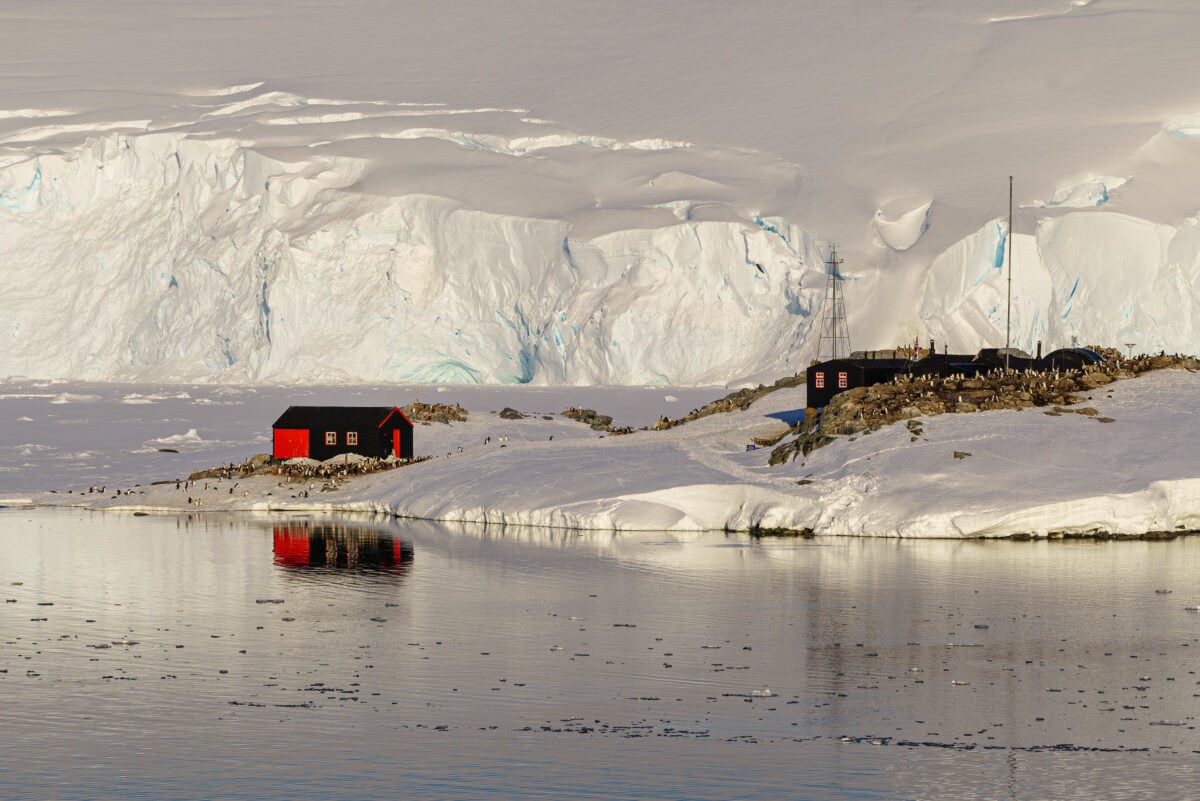
The red building sits on Goudier Island off the Antarctic Peninsula. Four women arrive each November to staff the facility for five months.
They share a single bedroom with no running water and no internet. About 18,000 tourists stop by each season, but the team spends most days surrounded by over 1,000 gentoo penguins who nest across the tiny island.
The post office processes postcards that visitors send home. The staff stamps everything with a special Antarctic postmark.
Ships deliver mail when they dock. The team also counts penguins as part of a long-term scientific study.
The buildings date back to 1944 when Britain established Base A here. They closed in 1962 but reopened in 1996 as a heritage site.
Heavy snow buried the facility four meters deep in December 2022. The Royal Navy had to dig it out before the new team could start work.
The place smells like penguin waste once the snow melts. Food comes mostly from cans and dried packages, though cruise ships sometimes bring fresh supplies and the chance for a hot shower.
Four thousand people applied for those four positions.
Mules Still Carry Mail into the Grand Canyon
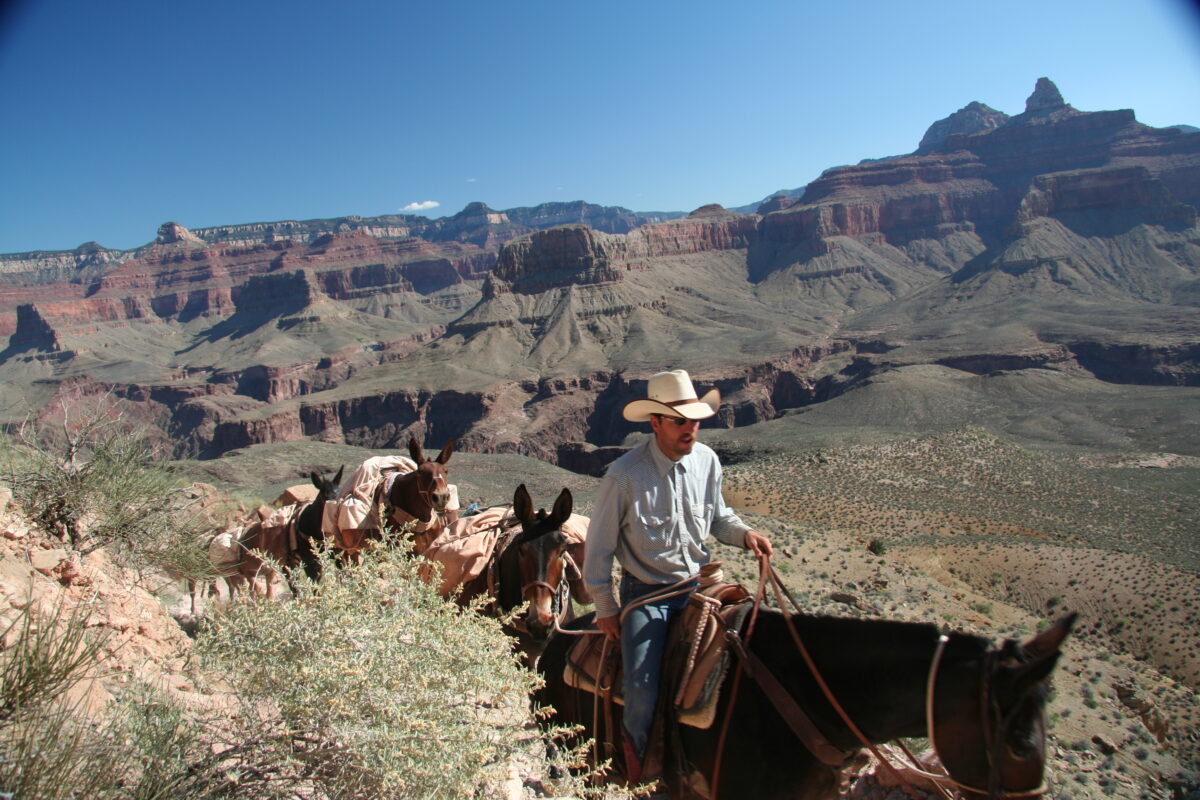
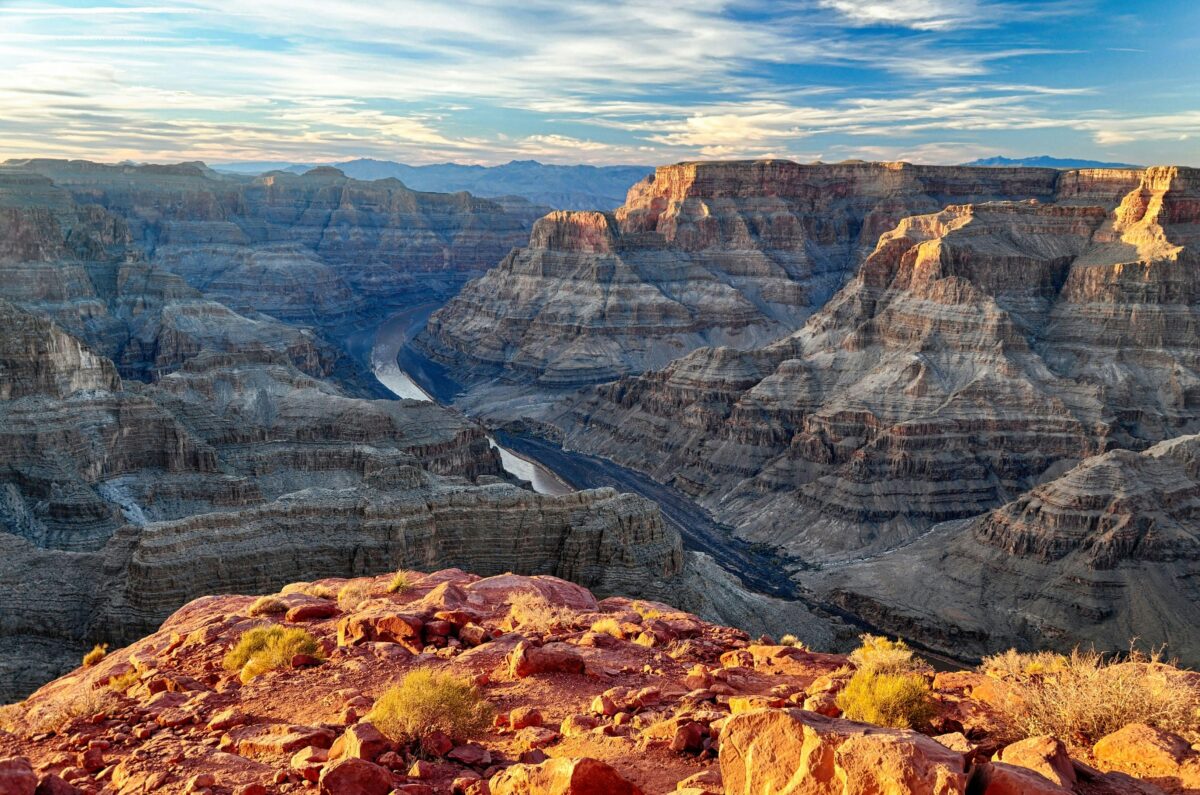
Supai sits at the bottom of the Grand Canyon on Havasupai tribal land. About 200 people live there.
No roads reach the village. The eight-mile trail from Hualapai Hilltop descends through switchbacks that take three hours going down and five hours climbing back up.
The post office opened in 1896. Charlie Chamberlain has lived in Supai for over 50 years.
His nephew Nate loads five mules each morning with plastic mail crates and rides up the trail. They move letters and packages, but most of what they carry is food.
Groceries, cases of water, canned goods, paper supplies—all of it gets strapped to the mules. One contractor has held the mail route for more than 25 years.
His son will probably take over when he retires. The job means dealing with rattlesnakes on the path and flash floods that can rise seven feet in minutes.
A helipad exists in town, but helicopters cost too much for regular mail service. The post office stamps everything with “Mule Train Mail” markings that tourists collect.
Pitcairn Island Waits for Ships
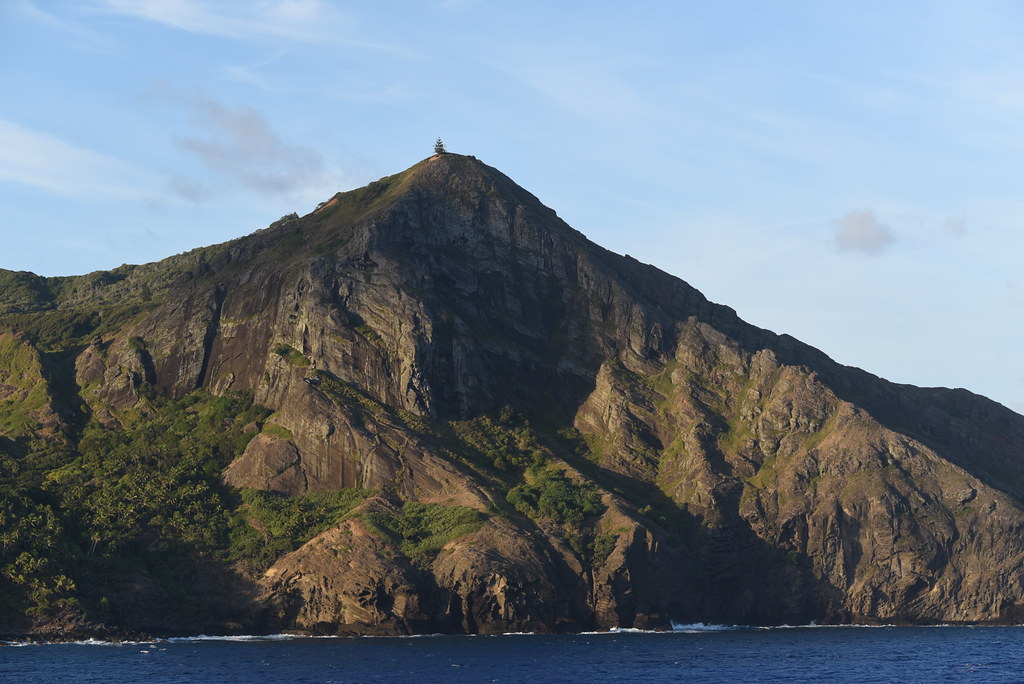
Four families live on Pitcairn Island in the South Pacific. They descend from the Bounty mutineers who settled here in 1790.
The island has no airport. Ships pass by roughly ten times per year.
When one approaches, islanders launch longboats and row out to meet it. They collect supplies and mail during these encounters.
The post office operates from a building in the main square. The staff processes letters and packages when ships arrive.
Like other isolated territories, Pitcairn produces its own stamps featuring local wildlife and historical scenes. The postal system here depends entirely on ship schedules.
Mail might sit for weeks waiting for the next vessel. But the islanders maintain the service because it connects them to the outside world.
For such a small population, that connection carries real weight.
Tristan da Cunha Holds the Record
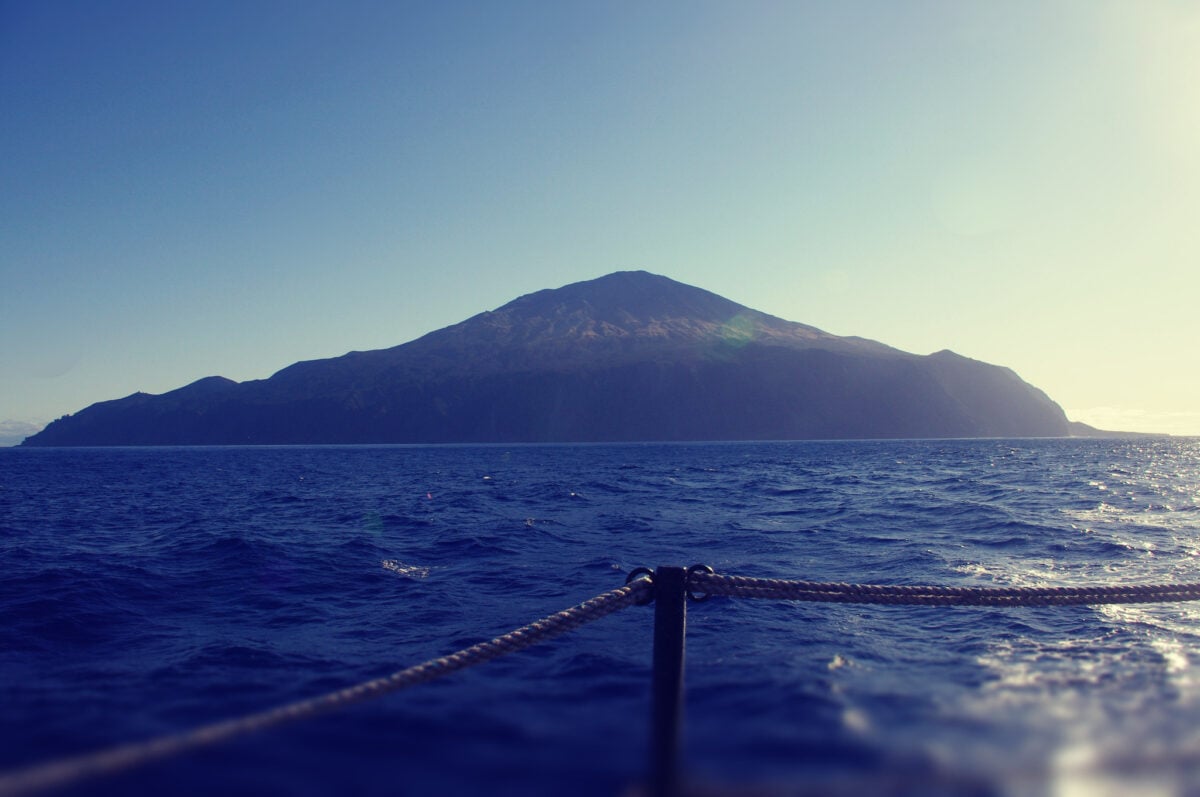
This volcanic island sits in the South Atlantic, 1,750 miles from South Africa. About 250 people live in Edinburgh of the Seven Seas, the only settlement.
Ships visit every few weeks. Planes do not land here.
The post office handles regular mail service and produces commemorative stamps that collectors prize. Recent issues show local wildlife, the 1961 volcano that forced evacuation, and island landscapes.
Iris Green runs the post office. The staff processes incoming mail when ships dock and prepares outgoing letters for the next departure.
Getting mail here requires patience. Letters take weeks or months to arrive.
Packages face the same delays. The island maintains phone and internet service through a satellite connection, but many residents still use the post office for official documents and packages that cannot arrive digitally.
Easter Island Balances Tourism and Isolation
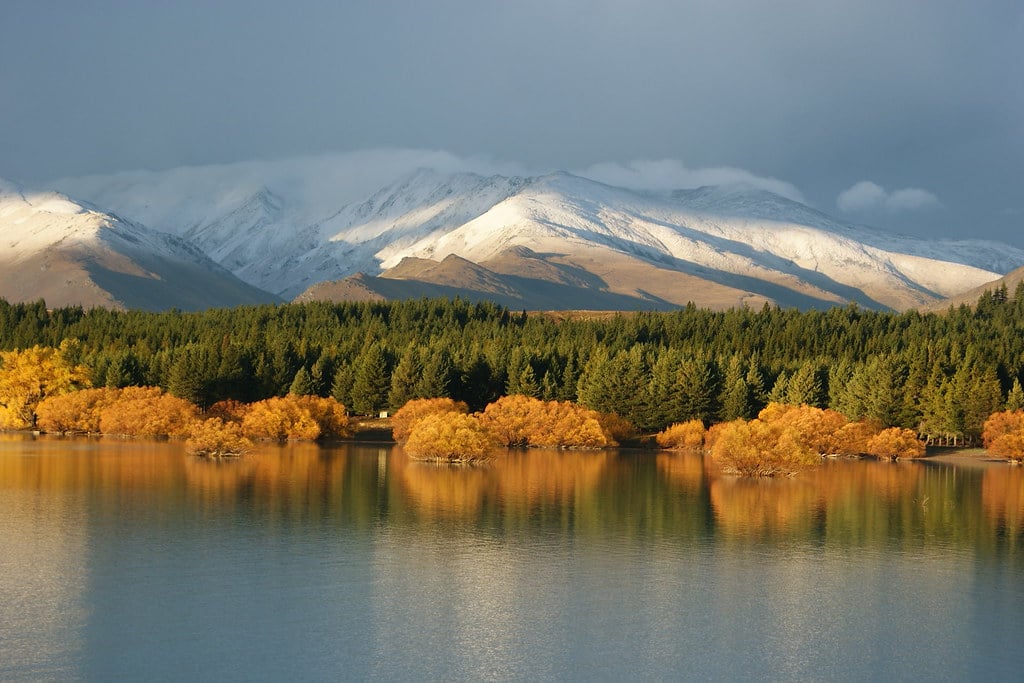
Rapa Nui sits 2,200 miles off Chile’s coast. The famous stone statues draw thousands of tourists, but 5,000 people actually live here year-round.
The post office in Hanga Roa serves both groups. Planes fly from Chile several times per week, crossing thousands of miles of Pacific Ocean.
When mail arrives, the postal workers separate tourist postcards from resident mail. Ships also bring packages, though flights handle most deliveries now.
The post office stays busy during tourist season. Visitors want postcards stamped from one of the world’s most isolated inhabited islands.
Residents depend on the service for supplies ordered from Chile and correspondence with mainland relatives. The dual purpose keeps the operation running.
The Cocos Islands Process Everything
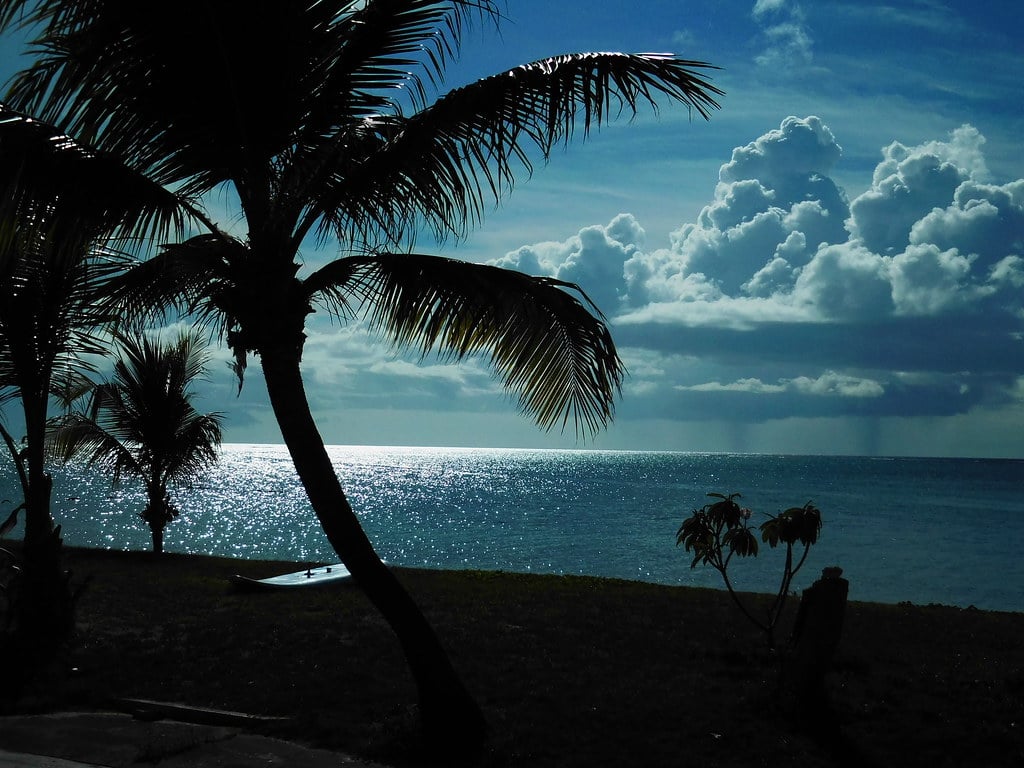
About 600 people live across two of the 27 islands that form this atoll in the Indian Ocean, halfway between Australia and Sri Lanka. The post office on West Island handles mail for the entire territory.
Ships visit every few weeks. Planes from Australia arrive twice weekly. Most mail comes by air, but large packages travel by sea.
The postal workers also handle customs and immigration from their small office. The islands produce stamps featuring local wildlife and scenes of atoll life.
For residents scattered across a coral formation thousands of miles from major landmasses, the post office provides a crucial service. Orders from Australia take time to arrive.
Letters from family take even longer. But the connection exists, maintained by postal workers who understand what that means for people this far from anywhere.
South Pole Station Operates Through Darkness
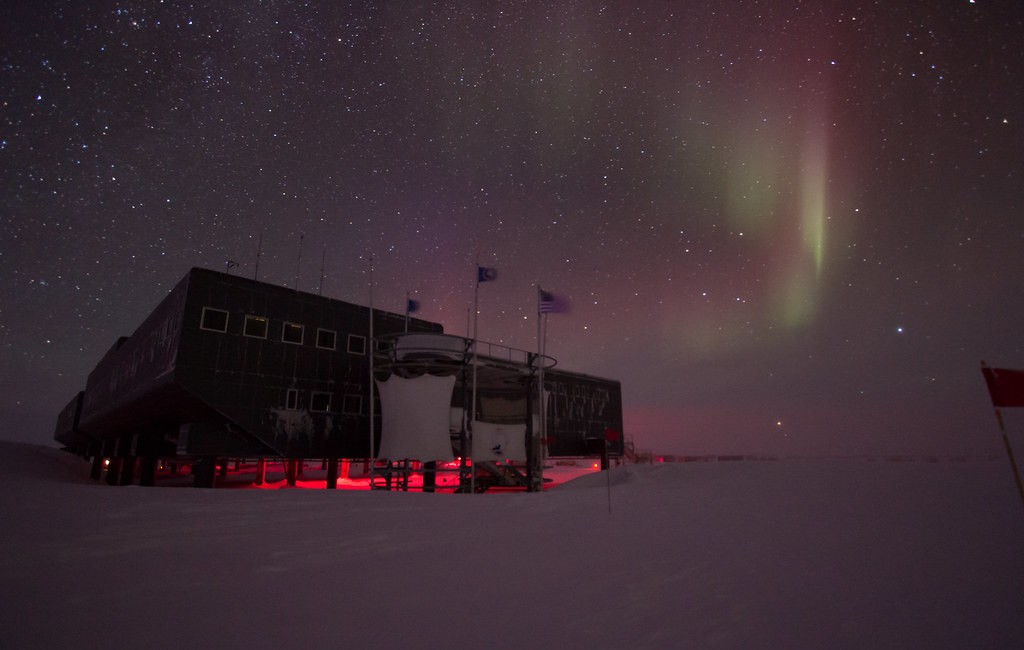
The research station sits at the bottom of the world. Scientists and support staff work here for months at a time.
The postal service processes everything with a South Pole postmark that visitors treasure. Temperatures drop well below freezing.
Darkness lasts for months during winter. Mail slots freeze shut. Ink stops flowing in pens.
The staff deals with these conditions while sorting through practical mail—letters from home, supply packages, forms requiring signatures. Planes arrive when weather permits.
During winter, the station is completely cut off. Mail accumulates until spring flights resume.
The workers here understand the value of connection when you’re stationed at the most extreme location humans have created.
Hikkim Post Office Reaches Higher
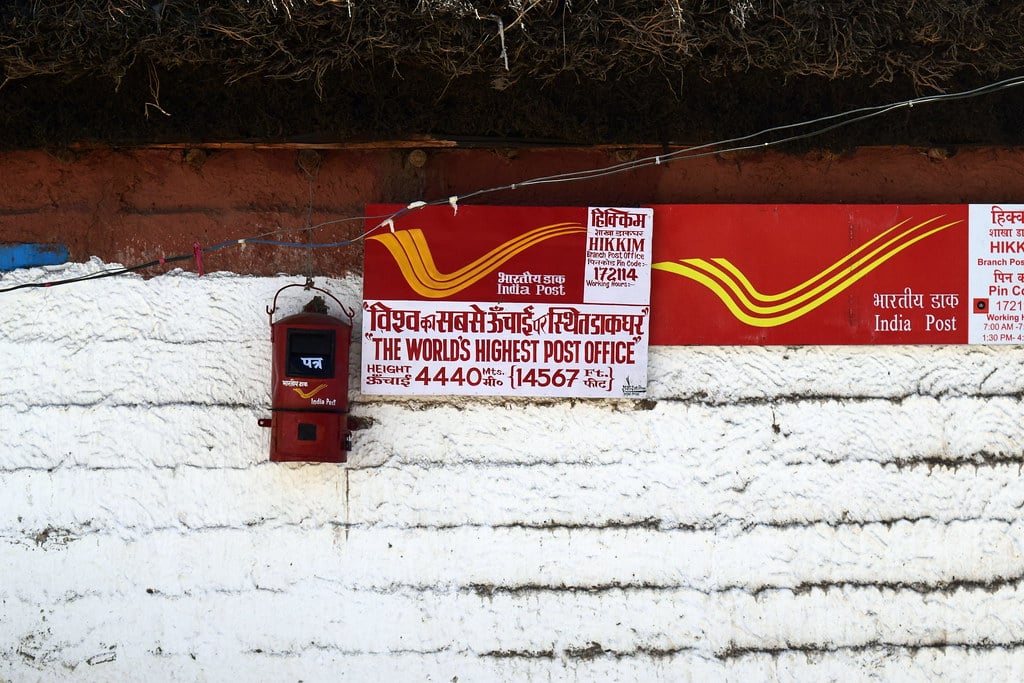
At 14,400 feet elevation in northern India, Hikkim runs the world’s highest year-round post office. The tiny village sits in a remote region of Himachal Pradesh.
Two postmen walk 46 kilometers daily across mountain passes to connect several villages. The original office opened in 1983.
A renovation in 2022 created a bright red building shaped like a letterbox. Tourists now visit specifically to send mail from the highest post office.
The altitude makes breathing difficult and weather unpredictable. But the service continues.
The postmen carry letters through conditions most mail carriers never experience. They cross passes where one wrong step means disaster.
They work through altitude sickness and storms. The villages they serve depend on this connection to the rest of India.
People Still Live in These Places
These post offices exist because someone calls these places home. Families raise children on Pitcairn Island.
Scientists conduct research in Antarctica. The Havasupai maintain their ancestral lands in the Grand Canyon.
The postal workers show up regardless of conditions. They sort mail in subfreezing temperatures.
They load mules in desert heat. They wait for ships that might not arrive on schedule.
They understand that a letter from home means everything when you live somewhere this remote. The service runs because connection matters.
A package arriving from the mainland brings needed supplies. A letter from a relative overseas carries news that makes isolation bearable.
Official documents processed through the post office enable people to conduct business with the outside world.
The Cargo Tells the Story
Mail at these outposts looks different from what arrives at your door. Supai receives cases of water and groceries.
The Cocos Islands process customs forms and immigration paperwork. Port Lockroy handles tourist postcards and scientific supply shipments.
Food dominates many deliveries. Frozen items require special handling—the Peach Springs post office in Arizona has a walk-in freezer just to keep supplies cold before mules carry them down into the canyon.
Canned goods travel more easily but still need careful packing for rough transport. Some locations process more practical mail than personal correspondence.
Forms requiring signatures, medical supplies, replacement parts for equipment—these items cannot arrive through email or instant message. The physical delivery service remains essential even in a digital age.
Isolation Comes With a Price
Running these post offices costs more than typical facilities. Port Lockroy requires a boat trip to reach.
Supai needs contractors willing to handle mule trains. Remote island post offices depend on infrequent ship schedules that make timing unpredictable.
Staff at these locations accept difficult conditions. Five months without running water in Antarctica.
Daily mule rides through the Grand Canyon. Weeks between ship arrivals on Pitcairn.
The positions attract people who understand the challenge and choose it anyway. The communities pay higher costs too.
Food and supplies cost more when they travel thousands of miles. Urgent deliveries become impossible.
Perishable items require special arrangements. Simple errands that take minutes elsewhere become major undertakings.
Weather Shapes Everything
Flash floods in the Grand Canyon can rise seven feet in minutes. Mule trains wait out storms before attempting the trail.
Snow in Antarctica buries buildings meters deep. Ships cannot dock in rough seas around Tristan da Cunha.
The postal schedule bends to natural forces. Mail waits when conditions turn dangerous.
Delivery dates become estimates rather than guarantees. Workers develop skills for reading weather patterns and knowing when to postpone trips.
Extreme conditions damage equipment. Freezing temperatures crack containers. Salt air corrodes metal parts.
Wind tears at buildings. The post offices survive through constant maintenance and staff members who know how to improvise repairs with limited resources.
Stamps Become Art and Revenue
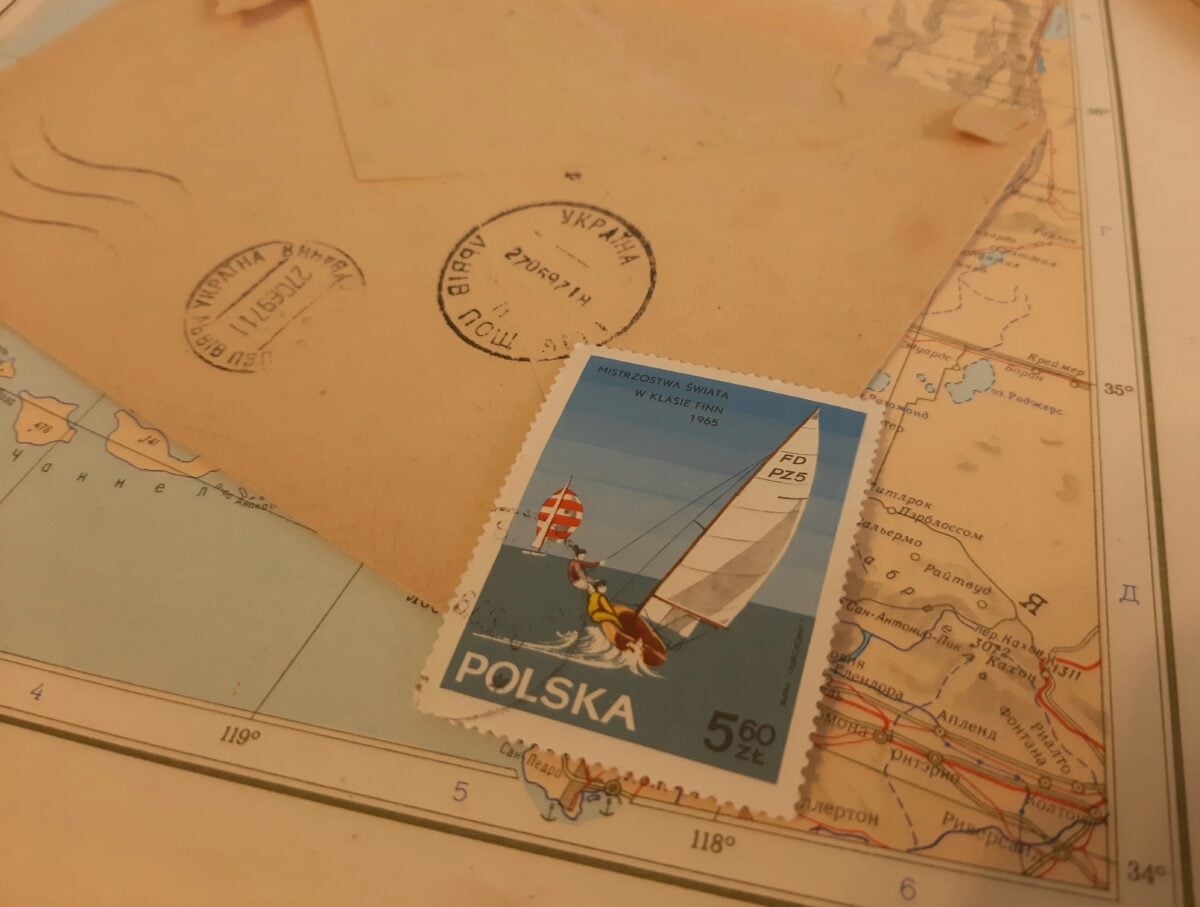
Isolated territories produce distinctive stamps that collectors value. Tristan da Cunha issues stamps showing volcanic landscapes and island wildlife.
Pitcairn features scenes from its mutineer history. Port Lockroy sells stamps with Antarctic imagery.
These stamps generate revenue for small communities. Philatelists order sheets of new issues directly from the post offices.
First-day covers command premium prices. The artwork showcases local culture and natural beauty.
The postal service in these locations serves a dual purpose. Residents get mail delivery. Collectors get unique stamps.
The revenue from stamp sales helps fund operations in places where maintaining a post office costs more than it would anywhere else.
The Digital Age Changed Little

Email and satellite phones reach most of these locations now. Internet service connects even Antarctica and remote Pacific islands.
You might think this would reduce the need for physical post offices. But packages still require delivery.
Official documents still need signatures and stamps. Supplies still must arrive by ship or mule train.
The digital revolution made some communications faster but did not eliminate the need for physical logistics. If anything, modern technology highlights the value of these services.
Online shopping means more packages arriving in Supai. Scientists in Antarctica order specialized equipment that must be delivered.
Island residents communicate instantly online, then wait weeks for the physical items they ordered to arrive by ship.
Postcards Carry Meaning Beyond Words
Tourists at these post offices send postcards home bearing unique postmarks. The “Mule Train Mail” stamp from Supai.
The Antarctic postmark from Port Lockroy. Stamps from the world’s highest post office at Hikkim.
These postcards prove you reached somewhere special. The postmark authenticates your journey.
Friends and family receive tangible evidence of your adventure. In an era of instant digital photos, a postcard arriving weeks later carries different weight.
The postal workers know this. They carefully stamp each postcard.
They understand people save these items for years. A letter mailed from the bottom of the Grand Canyon or the edge of Antarctica becomes a keepsake worth keeping.
Where the Mail Runs, Life Persists
The mail continues because people refuse to leave. The Havasupai will not abandon their canyon home.
Tristan islanders rebuilt after the 1961 eruption. Antarctic researchers return season after season.
These places remain inhabited because people choose them. The post office marks that commitment.
As long as mail arrives, the community persists. The service proves someone remembers these remote populations exist.
Letters connect scattered families. Packages deliver needed supplies.
Official documents enable residents to participate in the larger world. In places where everything else seems impossible, the mail still arrives.
Mules still descend into canyons. Ships still pull up to rocky shores.
Planes still land on ice runways. The postal workers who make this happen understand they maintain more than a service—they maintain the possibility of life in places others abandoned long ago.
More from Go2Tutors!

- The Romanov Crown Jewels and Their Tragic Fate
- 13 Historical Mysteries That Science Still Can’t Solve
- Famous Hoaxes That Fooled the World for Years
- 15 Child Stars with Tragic Adult Lives
- 16 Famous Jewelry Pieces in History
Like Go2Tutors’s content? Follow us on MSN.