25 Grocery Store Products Barely Recognizable Compared to Decades Ago
There’s something quietly disorienting about standing in a grocery store aisle you’ve shopped your whole life and realizing the products on the shelf are nothing like what you remember. The brand name is the same. The packaging might even look familiar. But the ingredients list has shifted, the texture has changed, the flavor sits somewhere slightly off from where it used to live in your memory.
Grocery stores are treated as constants — reliable, familiar, every-Tuesday-after-work dependable — but the products inside them have been quietly, sometimes dramatically, rewritten over the decades. Some changes came from cost-cutting. Some came from health trends. Some came from the slow disappearance of ingredients that nobody bothered to announce were leaving. These are 25 products that, if your younger self could taste them side by side with what’s on shelves today, would feel like meeting a distant relative who has the same last name but shares almost nothing else.
Oreos
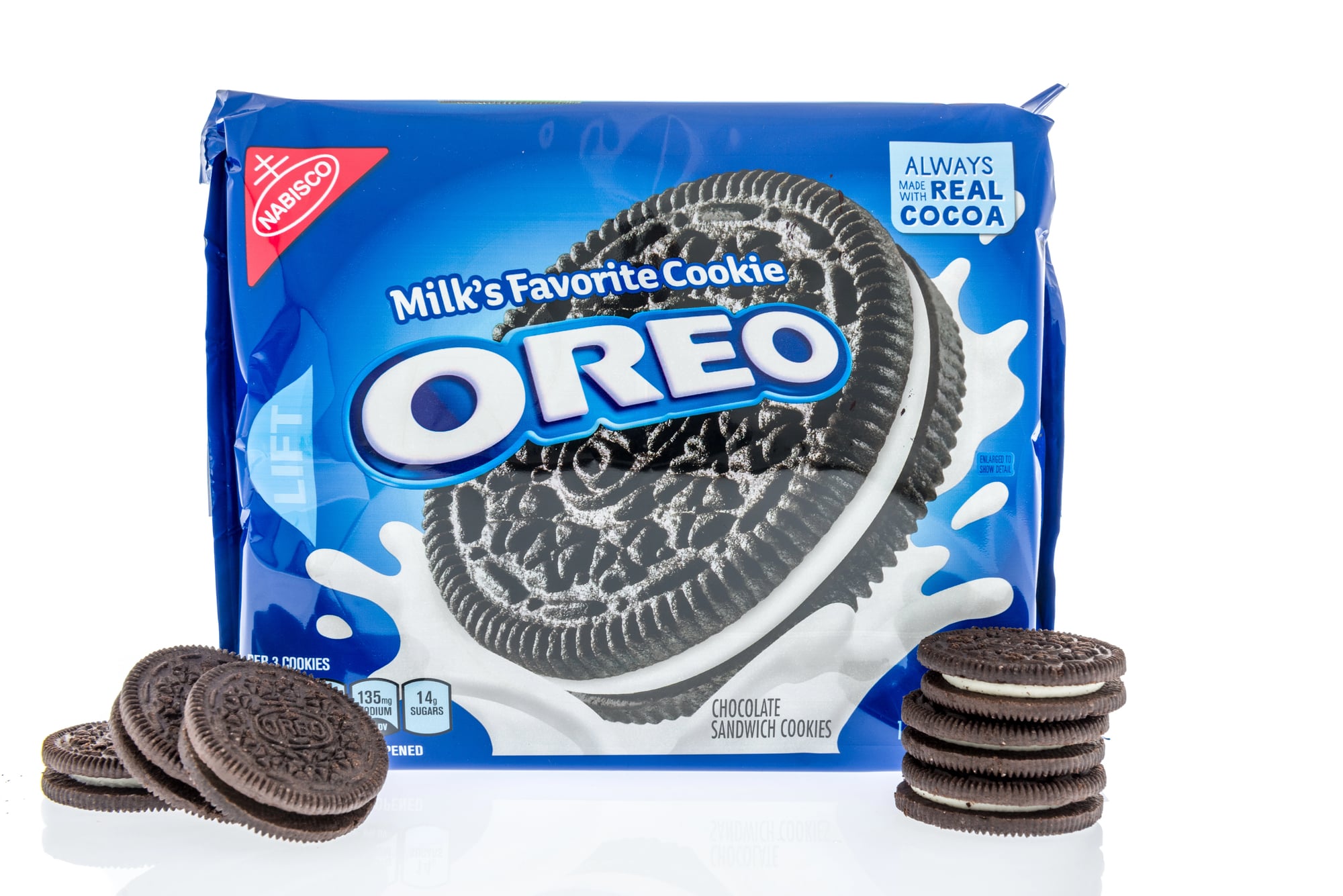
Oreo cookies were made with lard until the mid-1990s, when Nabisco replaced the animal fat with partially hydrogenated vegetable oil — a change driven partly by health trends and partly by the desire for kosher certification, which lard prevented. By January 2006, Nabisco eliminated the partially hydrogenated oil entirely, replacing it with non-hydrogenated vegetable oil following trans fat labeling requirements.
So the Oreo is still an Oreo — in name, in shape, in the satisfying snap — but its fat chemistry has been revised at least twice in living memory, and many longtime fans insist the filling has a different mouthfeel than it once did.
Wonder Bread
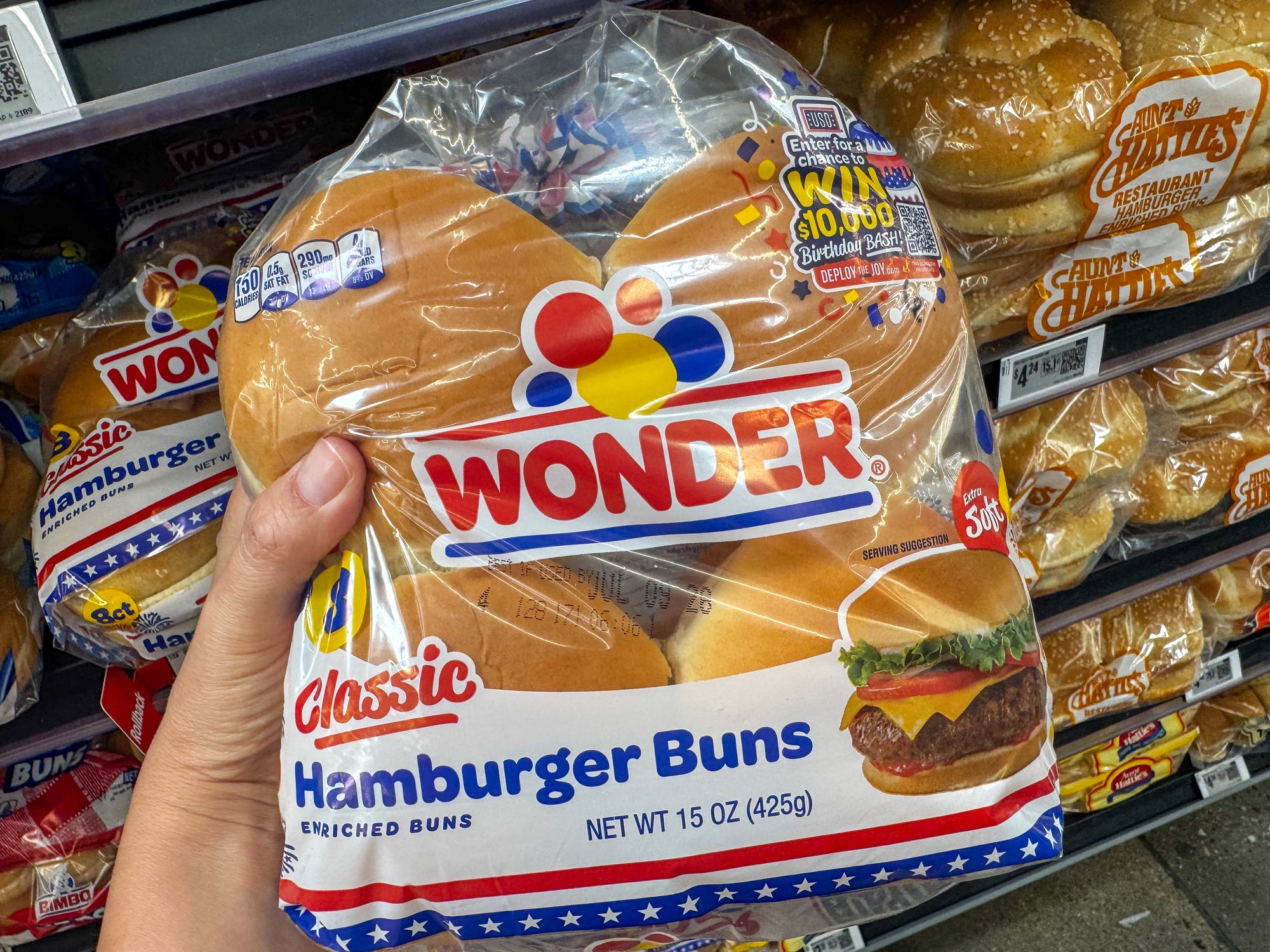
Wonder Bread was built on a gimmick that turned into gospel: enriched white bread, fortified with vitamins, marketed to postwar America as a nutritional achievement. The original recipe used a specific blend of emulsifiers and conditioners that gave it that characteristic cloud-soft, nearly spongy texture that sticks to the roof of your mouth in a very specific way.
After Hostess filed for bankruptcy in 2012 and the brand was eventually revived, the formula that came back wasn’t quite the same — slightly different ingredients, slightly different behavior when toasted. It’s still white bread, but it’s not that white bread.
Heinz Ketchup
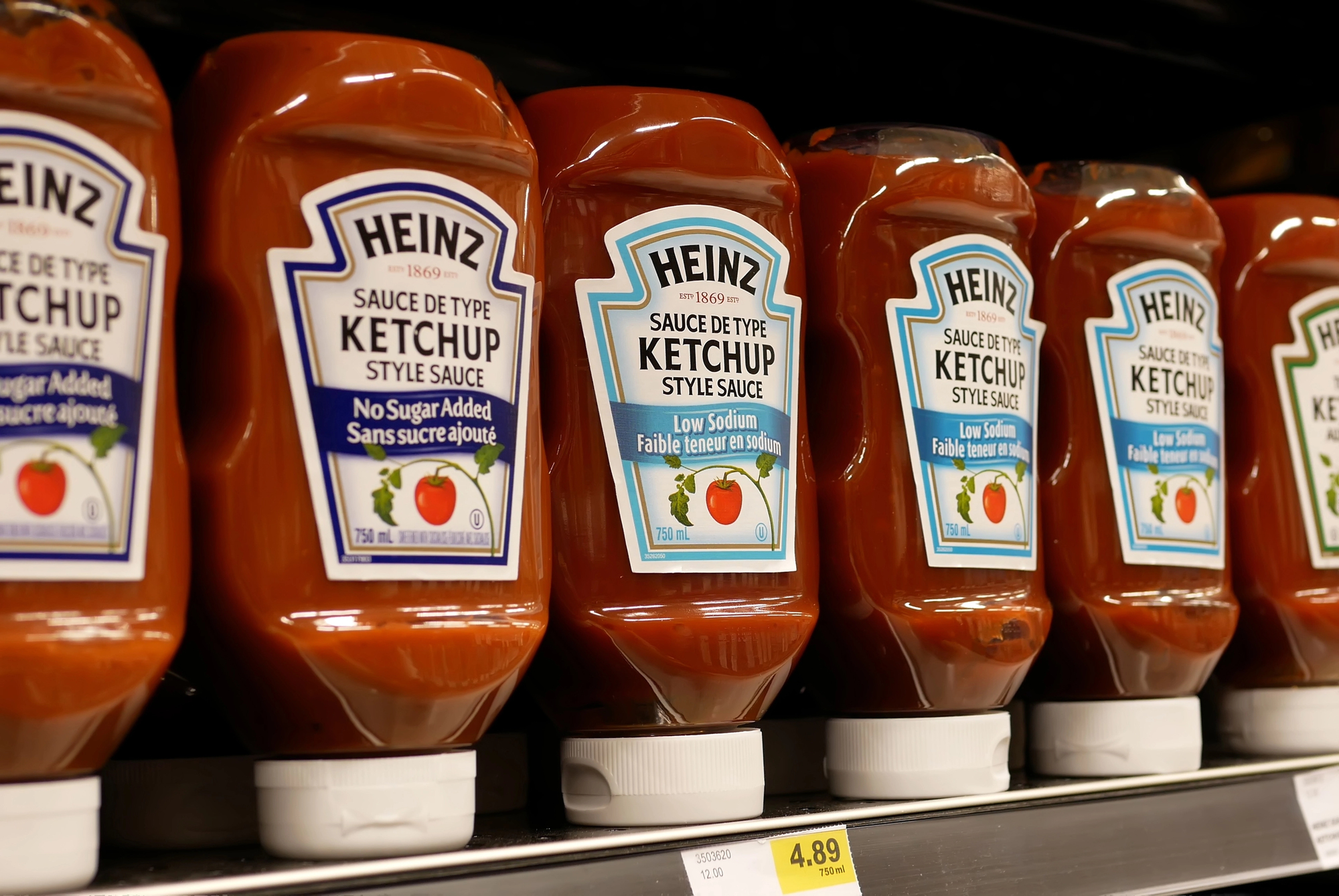
Heinz has changed its ketchup recipe more than it would like to admit. The most controversial shift came when the company swapped out cane sugar for high-fructose corn syrup in the United States — a change that generated enough backlash that a “Simply Heinz” line using cane sugar was eventually introduced to appease the loyalists.
The flavor difference is subtle but real, the kind of thing you’d notice if someone swapped your usual ketchup without telling you and you spent the rest of the meal slightly unsatisfied without being able to say why. Two nearly identical sweeteners make a difference that’s more psychological than chemical — and yet people taste it every time.
Nabisco Saltines
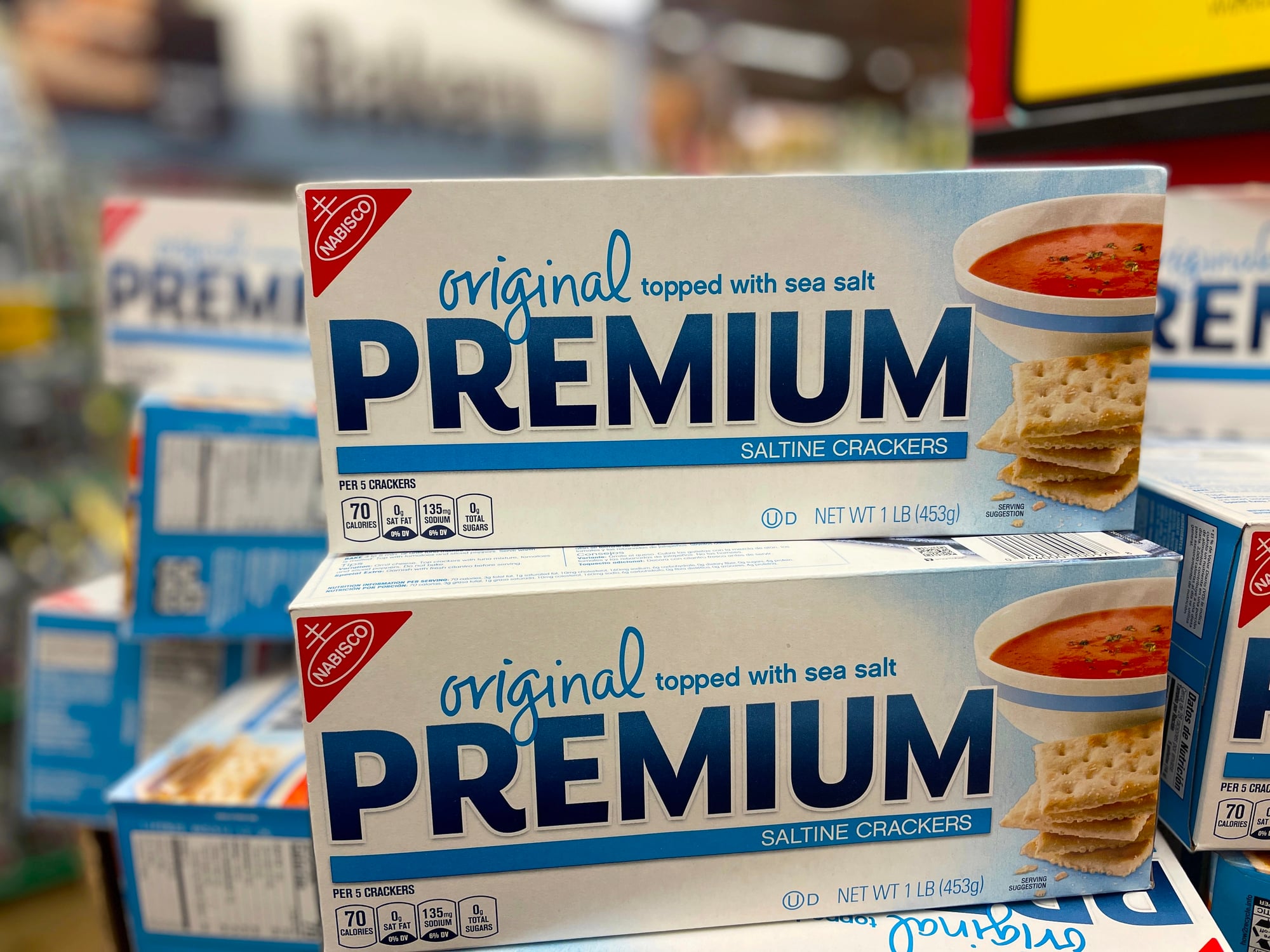
A saltine is a saltine until you find out that the original Premium Saltines from Nabisco contained a meaningfully higher fat content, including partially hydrogenated oils that gave the cracker a specific richness — almost buttery, despite the name — that current versions don’t replicate. The reformulation happened in stages as trans fat regulations tightened through the 2000s and into the 2010s, and the cracker that emerged is crisper, lighter, and somehow blander in a way that’s hard to quantify but easy to taste.
Old soup recipes that specifically called for crackers as a thickener often behaved differently with the reformulated version. That’s not a minor detail.
Campbell’s Tomato Soup
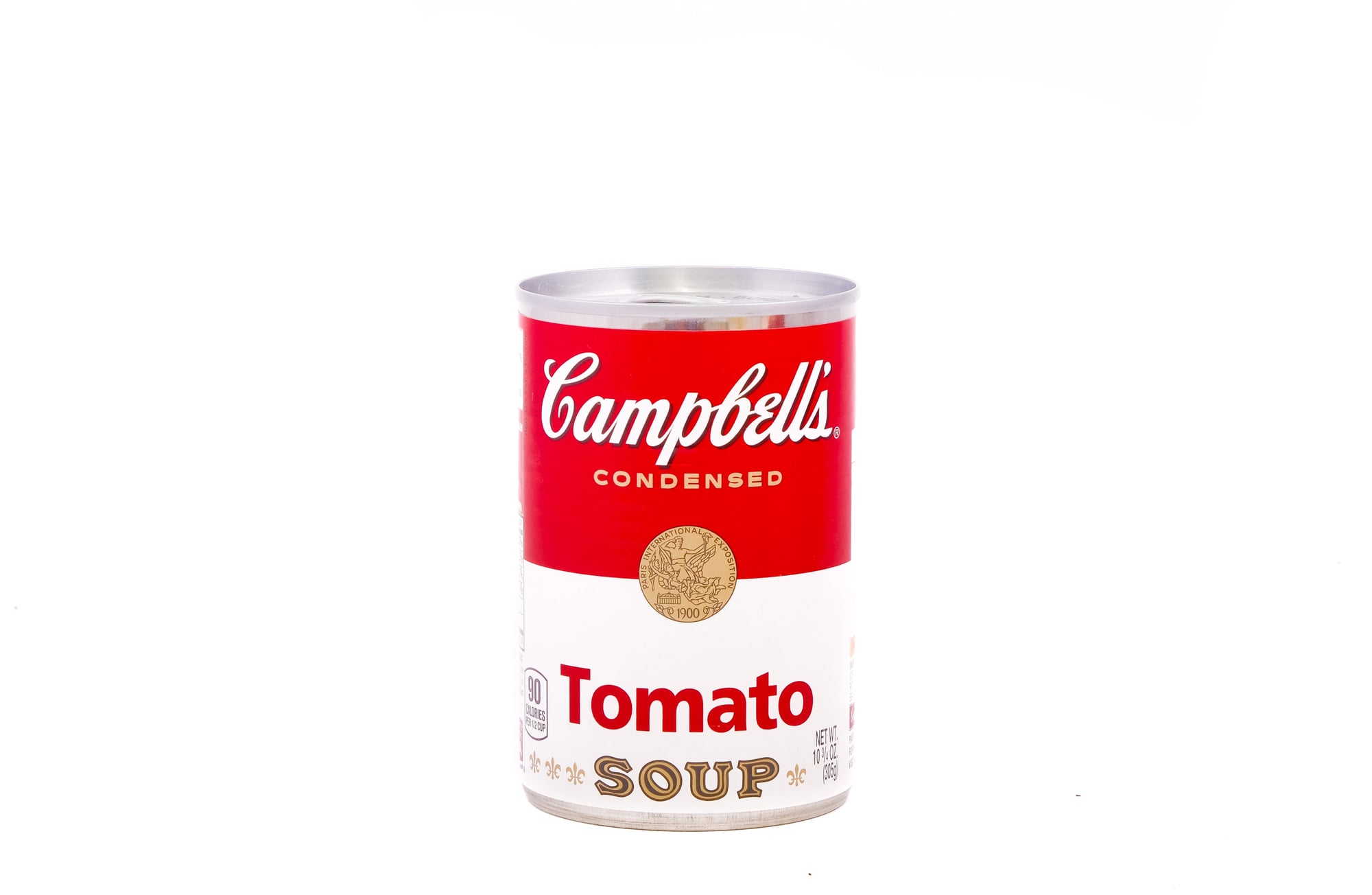
Campbell’s Tomato Soup in the 1970s and 1980s was a different kind of sweet than what sits in a can today — richer, with a slightly heavier concentrate and a sodium level that the current health-conscious era would find alarming. The company has reformulated the product multiple times, most significantly in the late 2000s when sodium reduction became a public priority.
The problem Campbell’s learned the hard way was that lower sodium made the soup taste thinner to millions of people who grew up with the original, leading to partial corrections and ongoing quiet adjustments that have never quite settled into a definitive version everyone agrees on.
Jif Peanut Butter
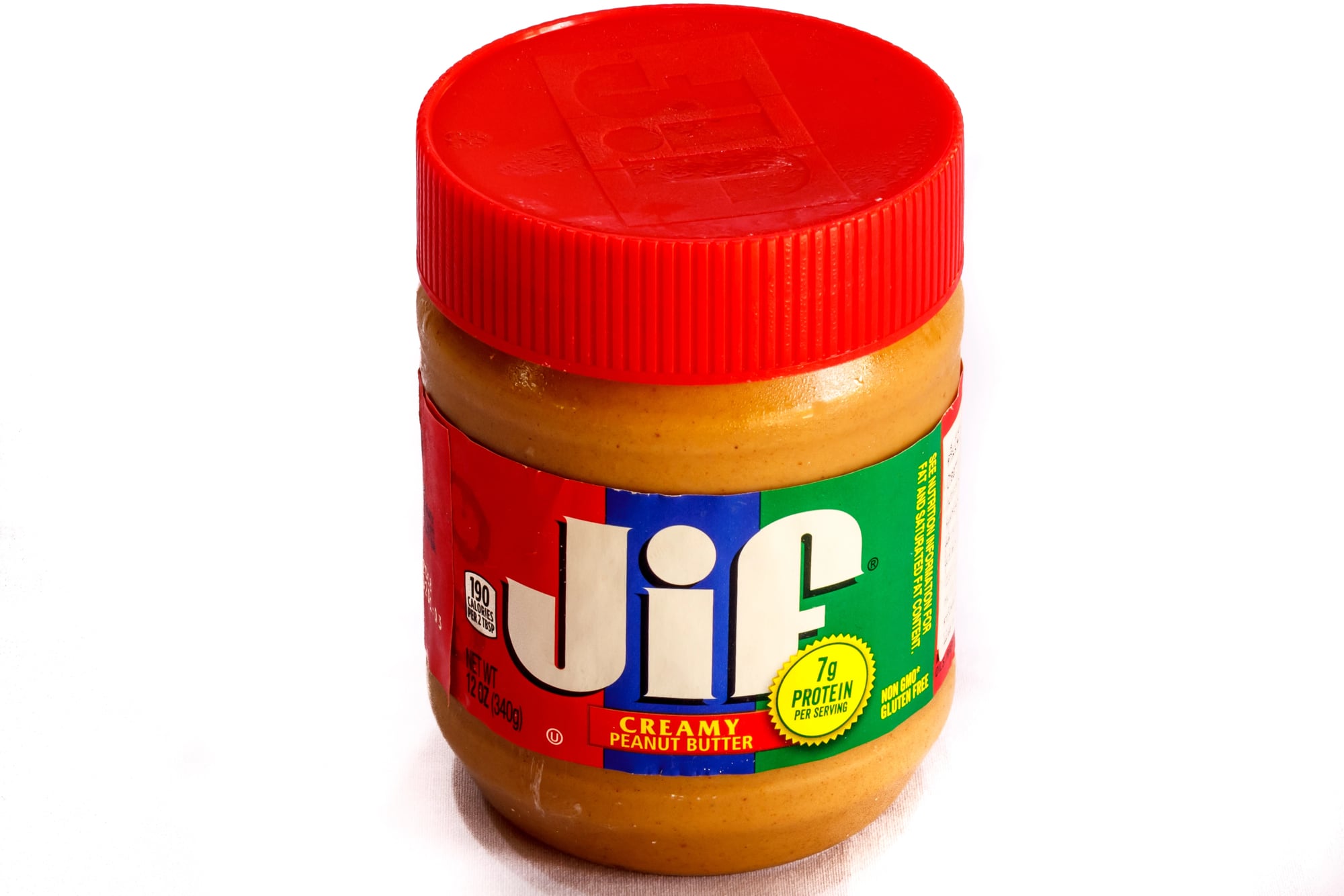
Jif’s identity was always built on a peanut butter that was distinctly sweeter and more spreadable than natural competitors. What made it spreadable was partially hydrogenated vegetable oil — the same ingredient that the FDA effectively regulated out of existence with a compliance deadline of 2018.
The resulting reformulation replaced hydrogenated oils with fully refined alternatives, and the product has a slightly different texture today: still creamy, but with less of that specific resistance-then-give that the old jar had. It’s a small mechanical difference that a serious peanut butter person notices immediately.
Wheaties
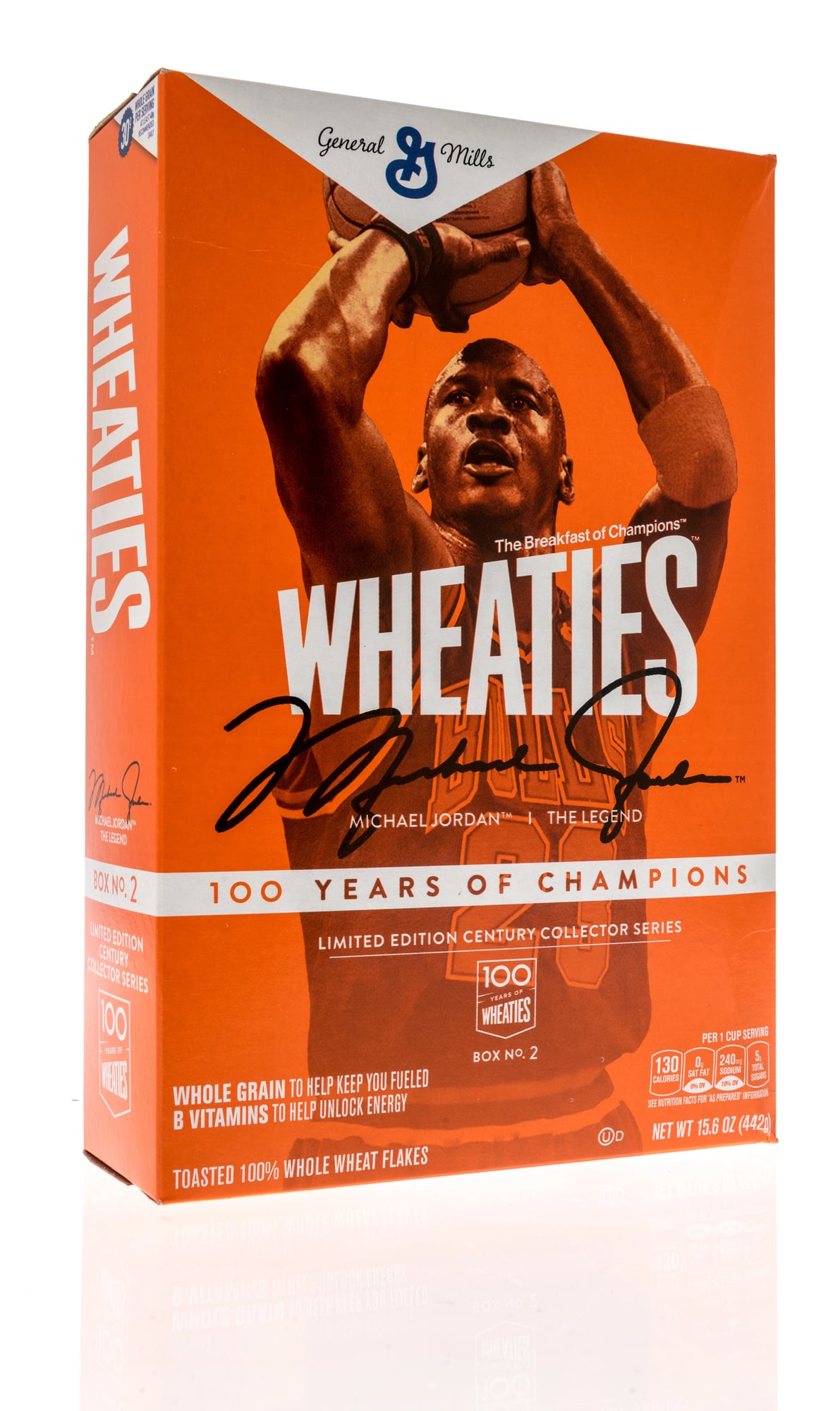
Wheaties earned its “Breakfast of Champions” identity partly on the strength of a cereal that had a distinctive wheat-forward flavor and a flake that went properly soggy after a few minutes in milk — not immediately, not never, but at a specific controlled rate that felt almost designed. Modern Wheaties has adjusted its sugar content, its sodium levels, and the thickness of the flake at various points over the decades, and the cereal that exists today is noticeably less assertive than what landed on tables in the 1950s and 60s.
The box still has an athlete on it. The cereal inside has been quietly renegotiated.
Crisco
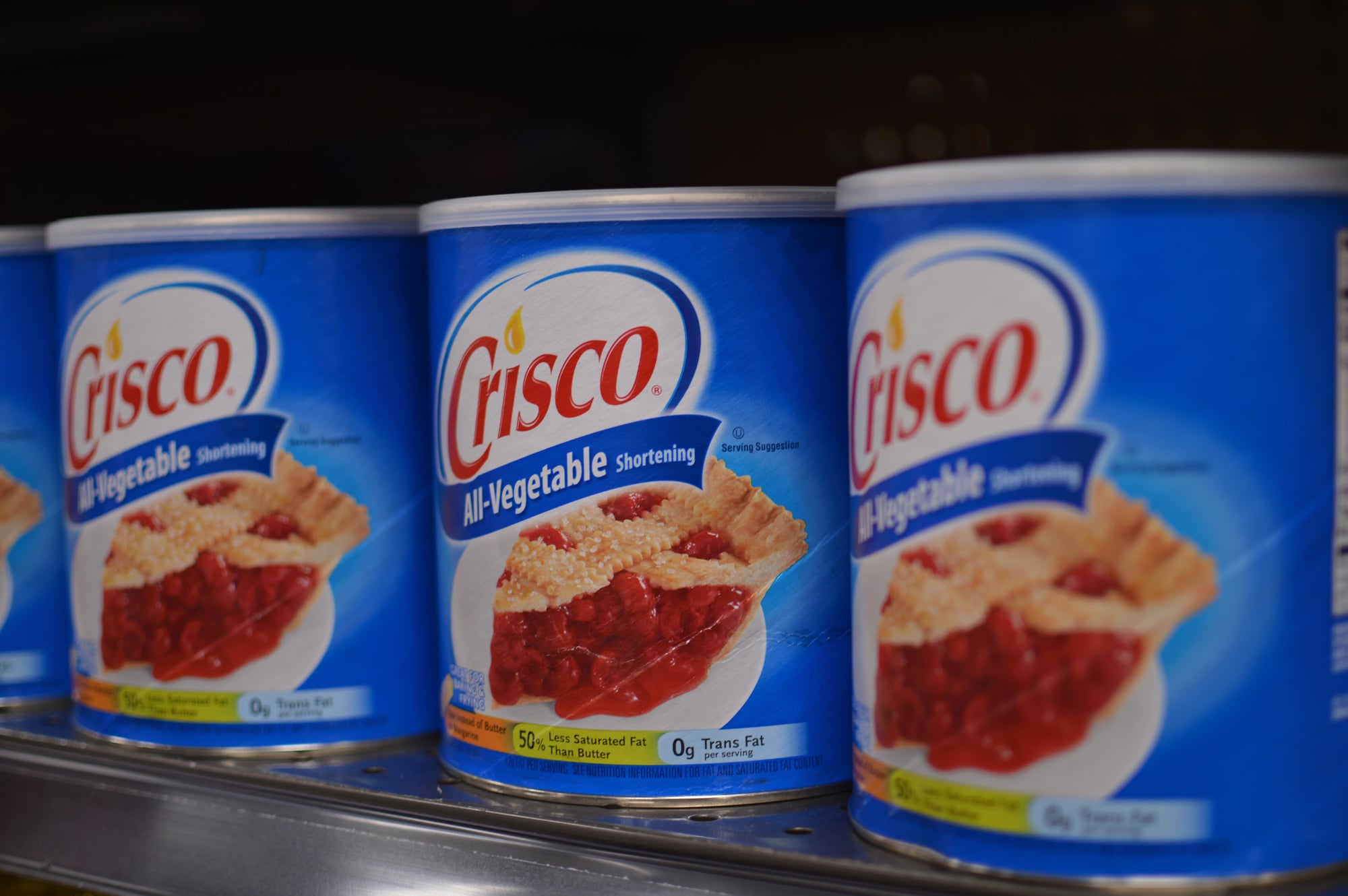
Crisco’s entire identity was originally built on hydrogenation — the process that turned liquid vegetable oil into solid shortening and gave mid-century American baking its specific texture. Pie crusts, biscuits, fried chicken: all of them had a characteristic flakiness or crunch that came directly from Crisco’s original formula.
In 2007, Crisco reformulated to remove trans fats, replacing the hydrogenated base with a blend of fully refined palm, soy, and other oils — and bakers immediately noticed. The new Crisco behaves differently at temperature, produces a slightly different crumb structure, and has sent generations of recipe-followers into frustrated experimentation trying to figure out why grandma’s pie crust doesn’t work the same way anymore.
Tropicana Orange Juice
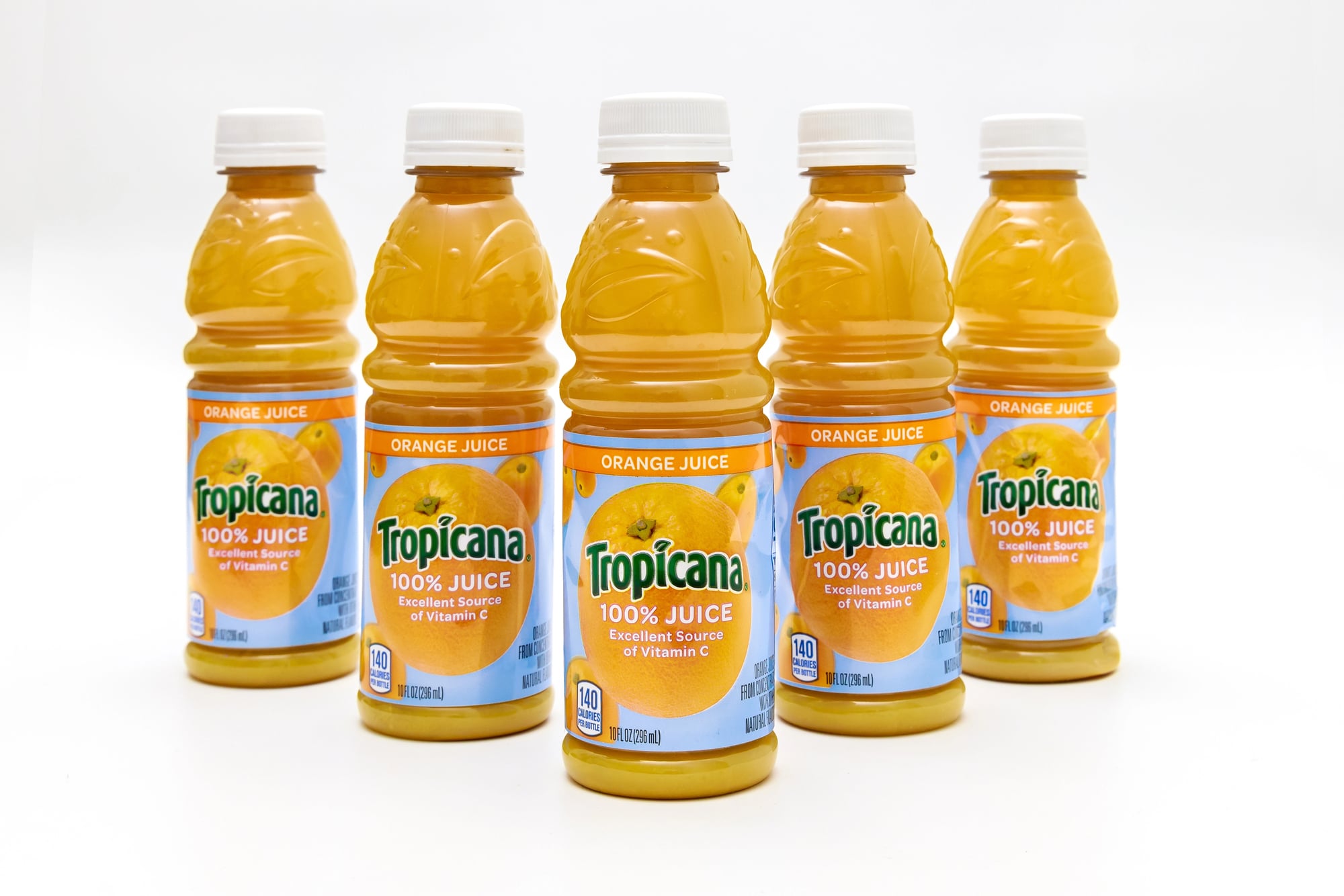
Tropicana’s original “not from concentrate” pitch was a genuine differentiator in an era when most orange juice came from a frozen cylinder. But “not from concentrate” doesn’t mean unprocessed — the juice is pasteurized, then de-oxygenated and stored in massive tanks for up to a year, then re-flavored using “flavor packs” derived from orange byproducts to restore what the storage process removes.
The specific flavor packs and blends have changed as orange sourcing has shifted, Florida groves have declined, and Brazilian imports have filled the gap. The orange juice tasted different in 1985 because the oranges — and the process — were meaningfully different.
Hershey’s Chocolate
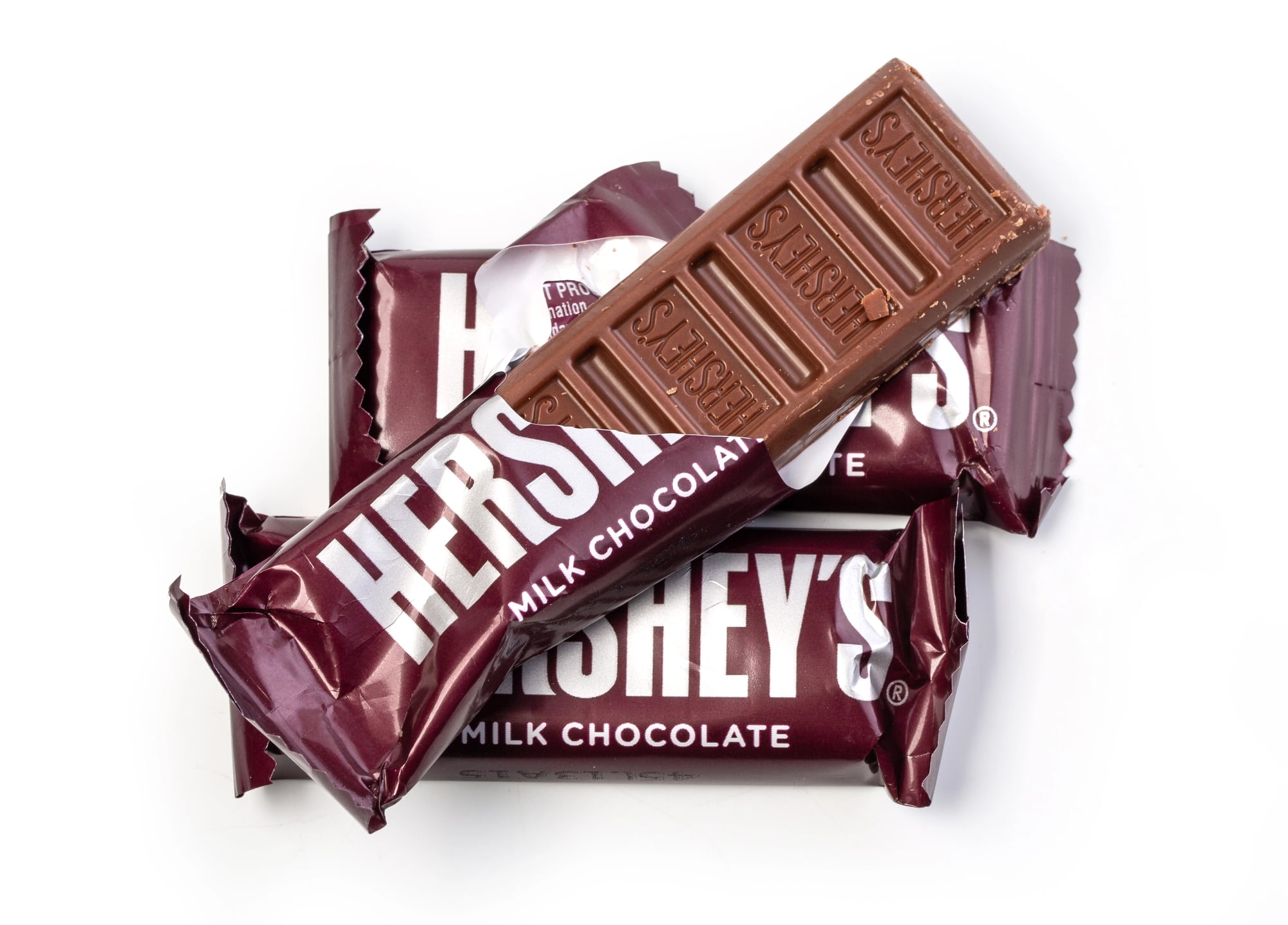
Hershey’s has a flavor that chocolate purists describe, somewhat uncharitably, as “barnyard” or “slightly sour” — a quality that comes from the controlled lipolysis of milk fats used in their manufacturing process, which was standardized decades ago and became, essentially, the taste Americans learned to associate with chocolate. That taste has remained Hershey’s signature even as the company has adjusted cocoa ratios and sourcing over the years.
But the deeper change has been the gradual shift in some Hershey’s products toward “cocoa butter substitute” — a palm-oil-based replacement that the EU actually prohibits from being called chocolate at all. Whether today’s Hershey bar is worse or just different: that’s a debate, but it’s not a close one for anyone paying attention.
Kraft Singles
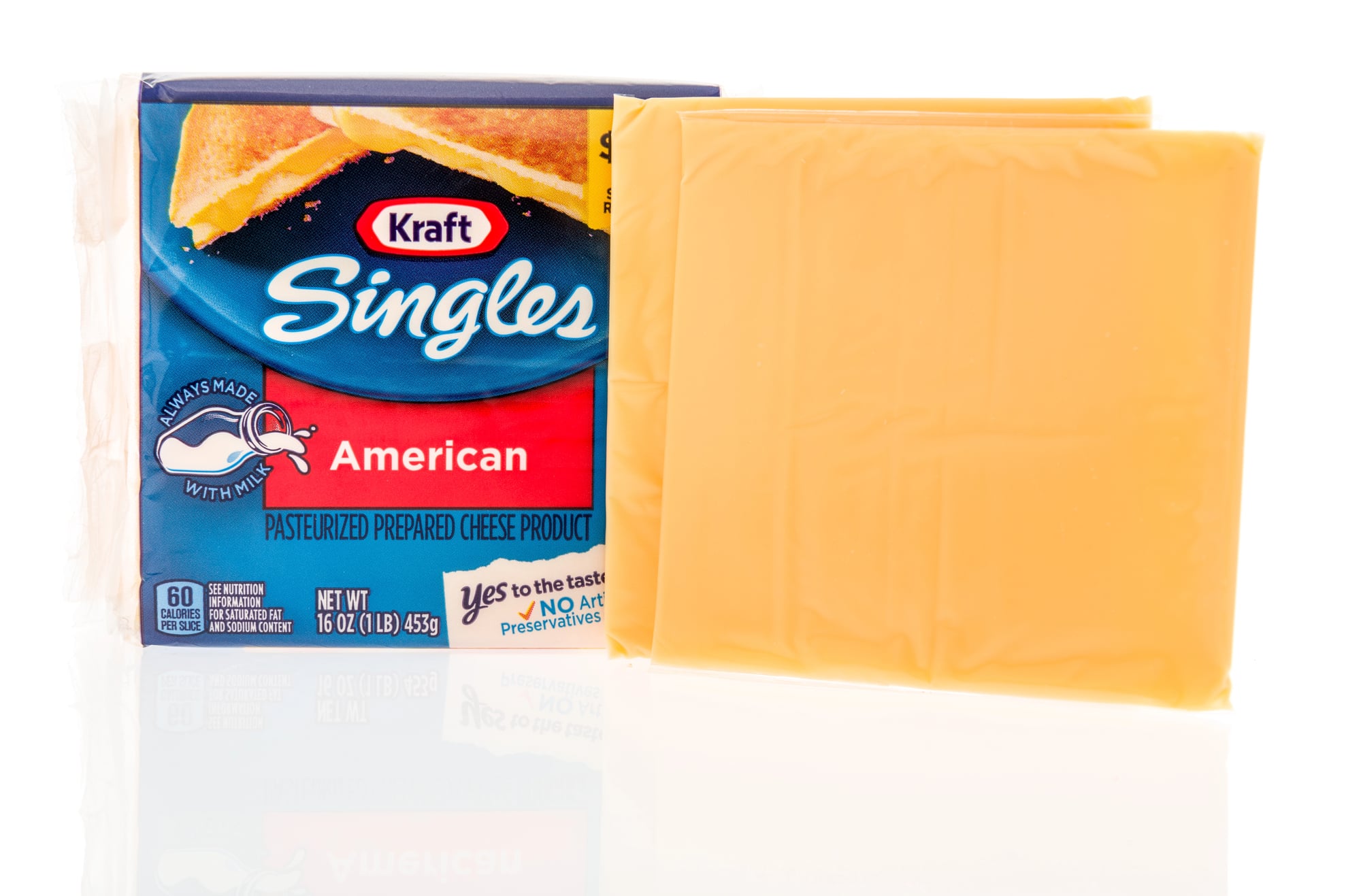
Kraft Singles were never cheese in the traditional sense — they’ve always been a “processed cheese product” — but the formula has shifted in ways that even processed-cheese loyalists have noticed. The original slices had a specific melt behavior: slow, even, with a slight resistance that made them ideal for grilled cheese sandwiches that needed to hold structure.
Reformulations over the decades have altered the emulsifying salts and fat ratios, and the current product melts faster, pools more readily, and has a slightly different flavor profile than the slices from the 1970s and 80s. It’s still a useful product. It’s just not the same useful product.
Birds Eye Frozen Vegetables
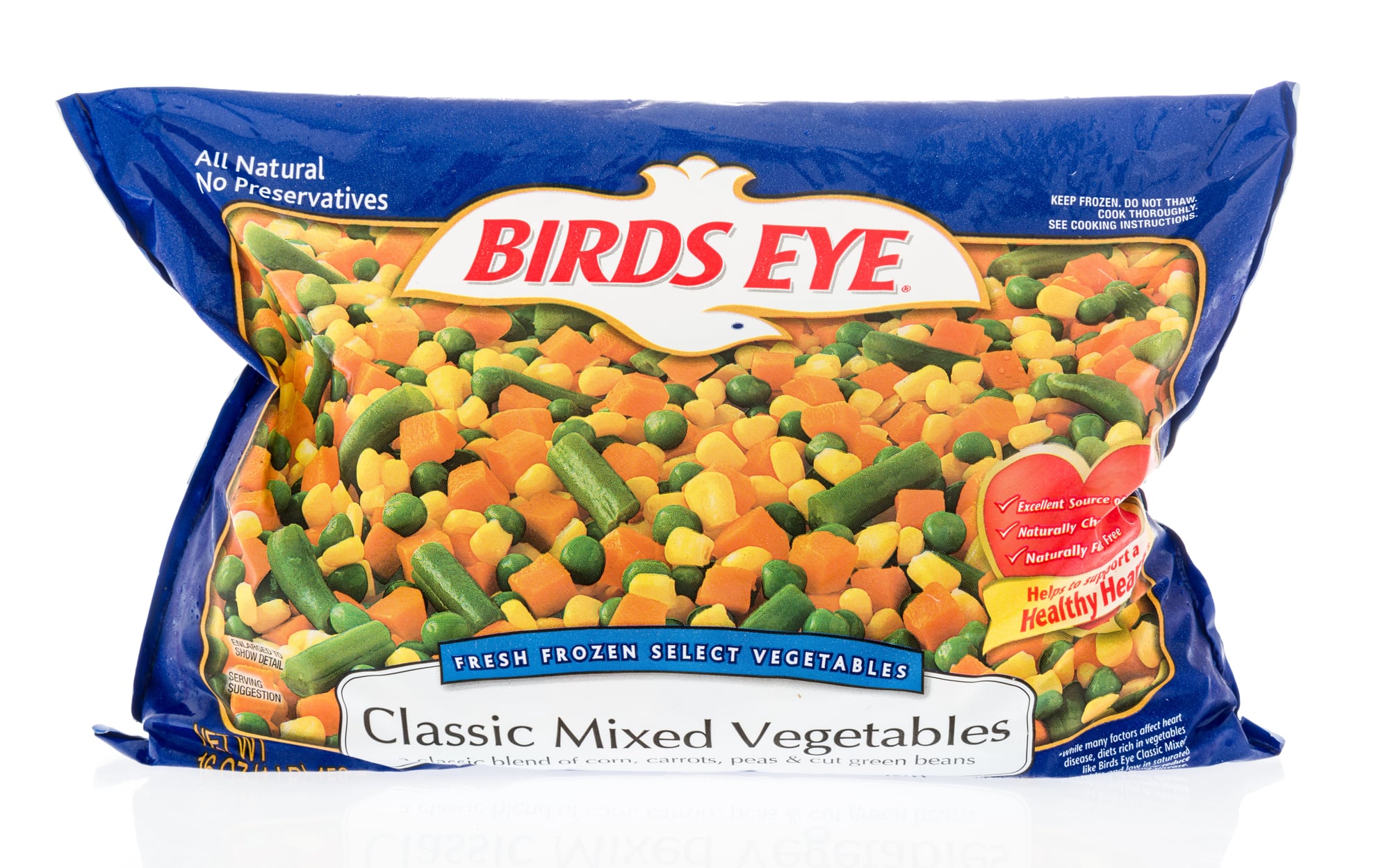
Frozen vegetables in the mid-20th century were genuinely revolutionary — Birds Eye’s flash-freezing technology locked nutrients and texture at a time when fresh produce availability was geographically limited and deeply seasonal. The early Birds Eye peas, corn, and green beans had a specific quality that came from sourcing local seasonal vegetables at peak ripeness before immediate freezing.
Modern Birds Eye products, while still flash-frozen, source from global supply chains that prioritize consistency and yield over peak-ripeness flavor. The peas taste fine. They just taste like peas that were grown to be frozen rather than peas that happened to be frozen at exactly the right moment.
Quaker Instant Oatmeal
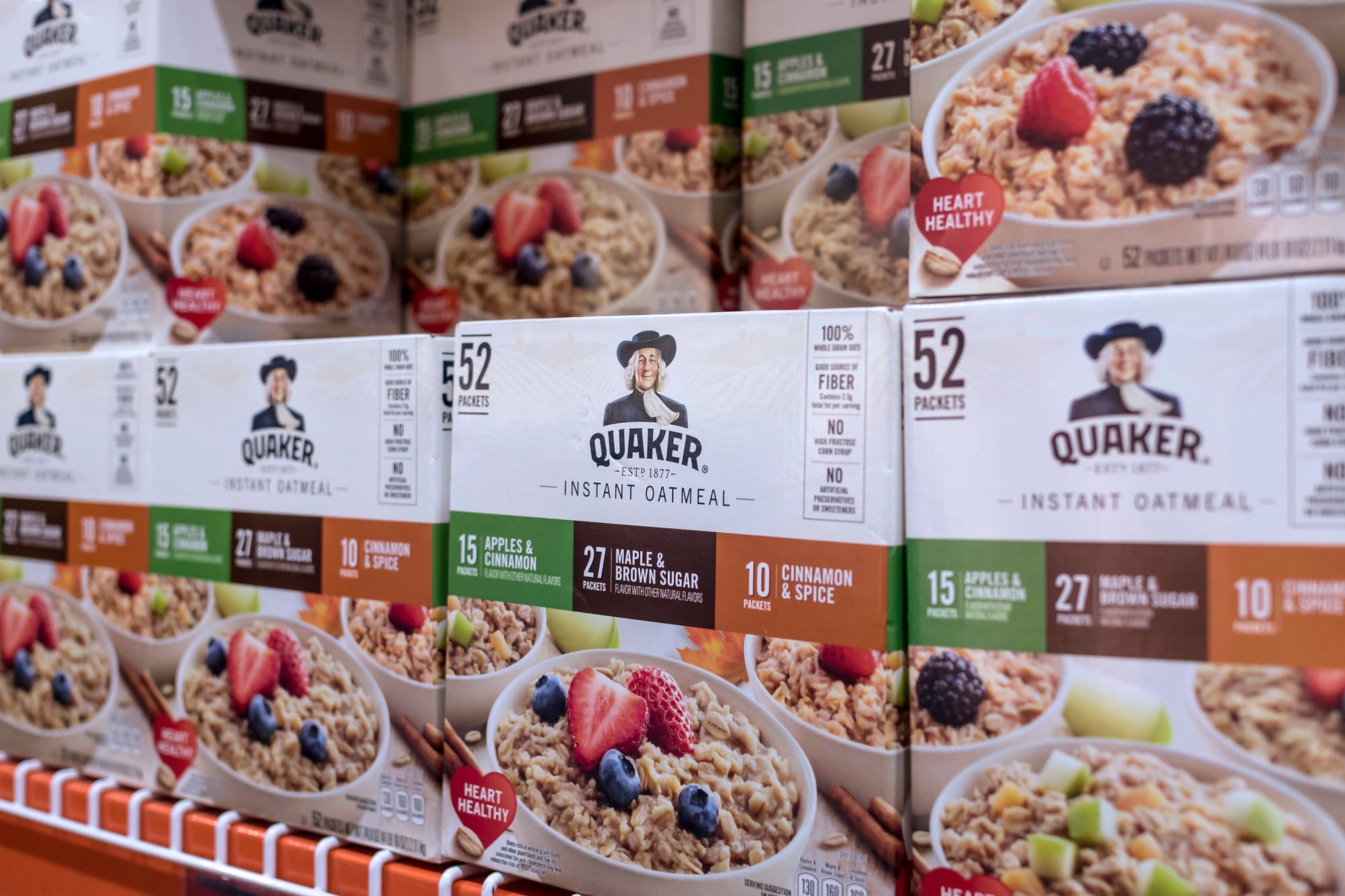
Quaker Instant Oatmeal carries the authority of a Quaker on the box — patient, wholesome, vaguely frontier-adjacent — but the product has drifted considerably from the rolled oats that gave the brand its credibility. The instant oatmeal packets introduced in 1966 were a processing shortcut; the oats were pre-cooked and thinned to allow rapid rehydration, creating a texture that old-fashioned oat advocates have always found too soft.
Since then, the sugar content of flavored varieties has climbed, the packet sizes have subtly shrunk, and the artificial flavoring in options like “Maple & Brown Sugar” has intensified to the point that a real maple syrup user would find the scent faintly synthetic.
Miracle Whip
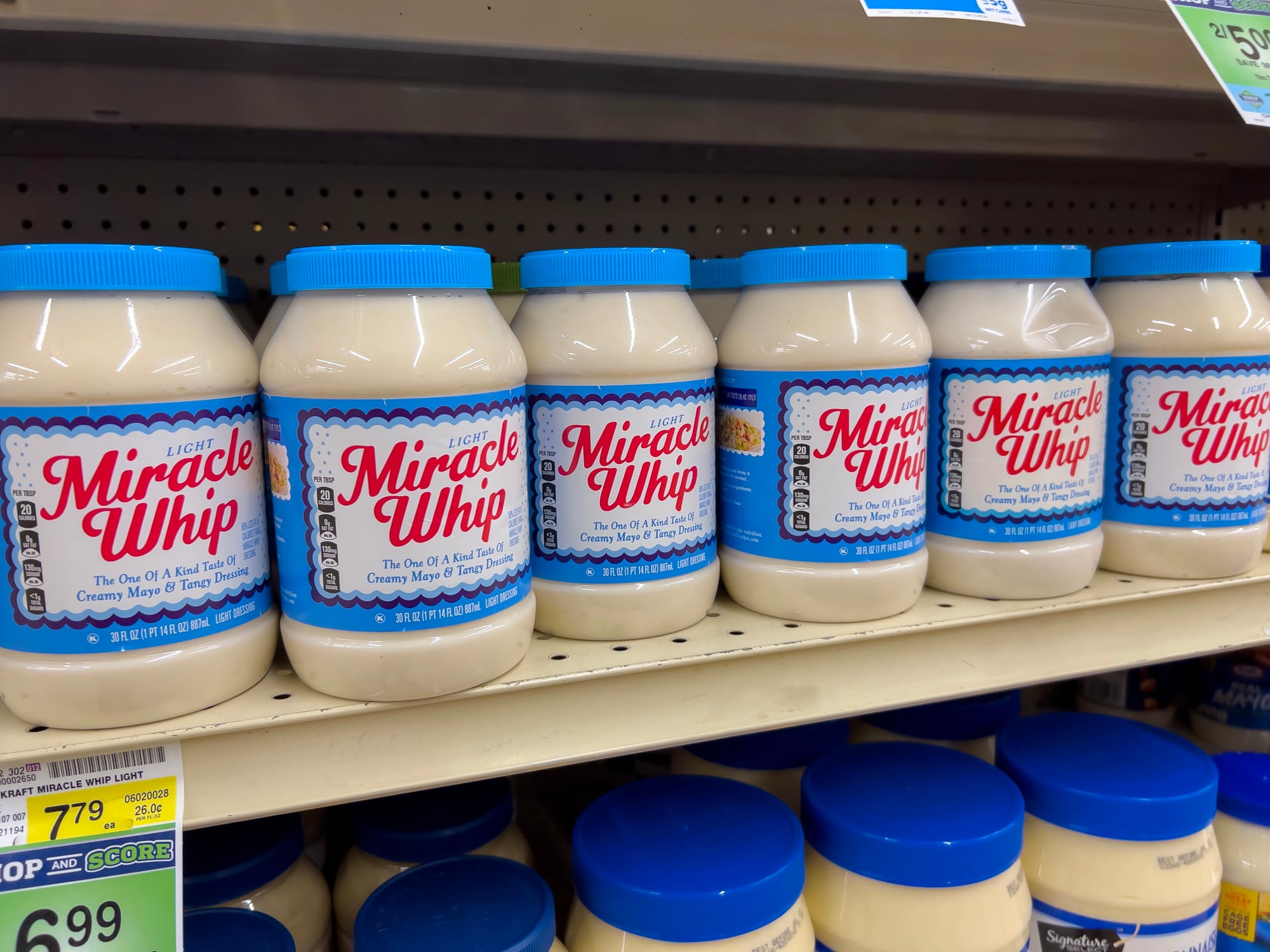
Miracle Whip was introduced in 1933 as a cheaper alternative to mayonnaise — tangier, slightly sweet, built for depression-era budgets — and for decades it occupied its own specific lane in American refrigerators. The formula held fairly steady through the mid-20th century, but Kraft’s various cost-reduction efforts and the push toward reduced-fat versions in the 1990s produced a product that veterans of the original insist tastes noticeably thinner and less distinct.
The reduced-fat Miracle Whip is a different product functionally — it doesn’t behave the same way in salads or on sandwiches, and the flavor compromise required to make it “light” was not, by most accounts, worth it.
Pepperidge Farm Goldfish
Goldfish crackers in the 1960s were made by a company still operating with a genuine artisanal identity — Pepperidge Farm founder Margaret Rudkin had built the brand on real-ingredient commitments that were unusual for commercial baking. The original Goldfish had a denser, more buttery character than the airy, lightweight crackers that dominate snack bags today.
After Campbell’s acquired Pepperidge Farm in 1961, the slow drift toward mass-production efficiency gradually altered the recipe, and the Goldfish that emerged from the 1990s onward — lighter, more uniform, with a more pronounced fake-cheddar flavor — is a fundamentally different snack wearing the same smile.
Vlasic Pickles
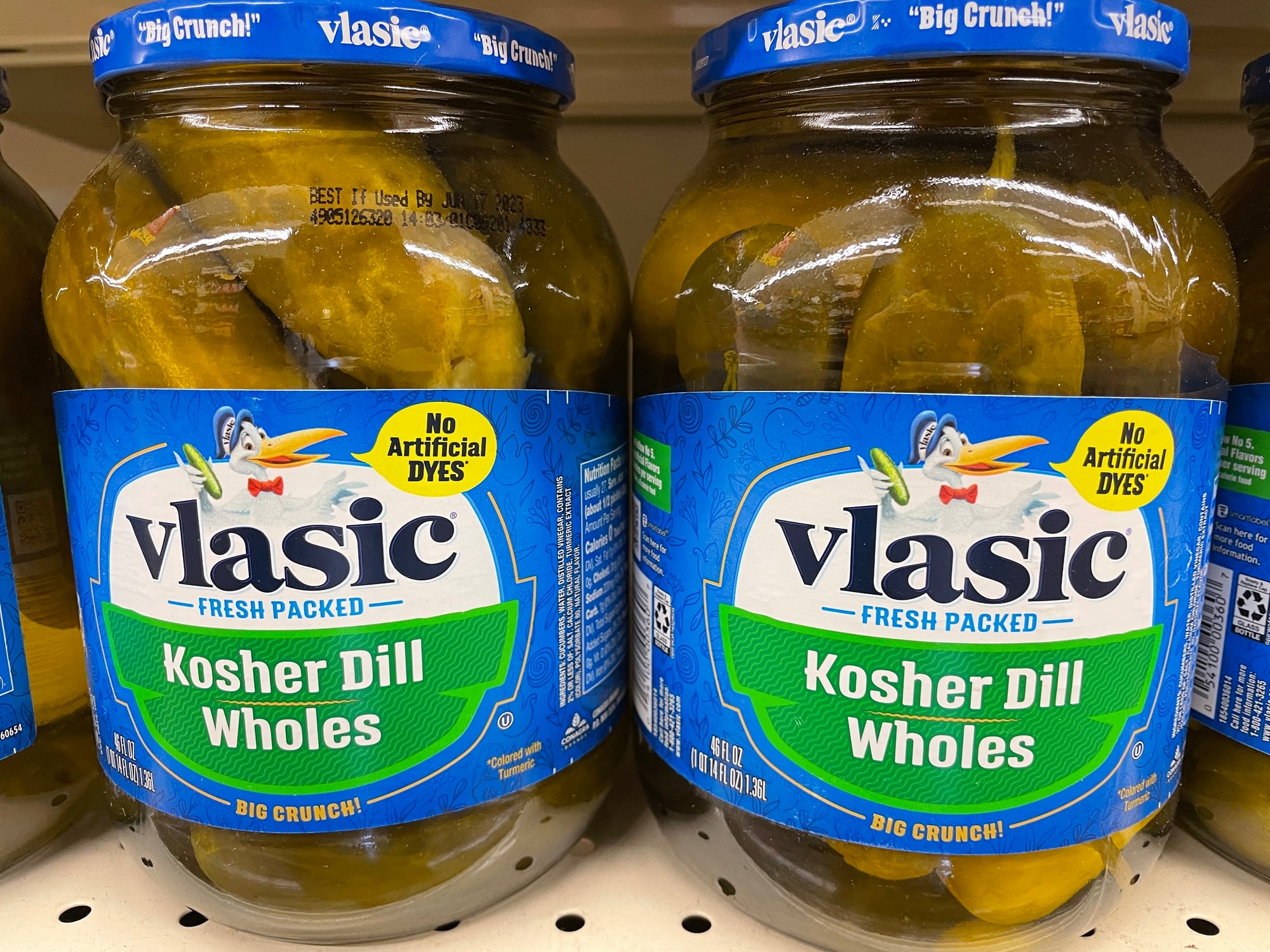
Vlasic Pickles built an identity on a specific crunch that came from a longer, more traditional brining process using whole cucumbers that spent real time in the brine. As production industrialized through the 1980s and 90s, faster processing methods using calcium chloride and other additives replaced much of what the long brine accomplished naturally.
The resulting pickle crunch is firmer in some ways, but less complex — a mechanical crispness rather than the particular resistance that comes from a cucumber slowly transformed by fermentation. Walmart’s demand for pricing that took Vlasic to a gallon jar for less than $3 in the early 2000s accelerated these production shortcuts considerably.
Lipton Onion Soup Mix
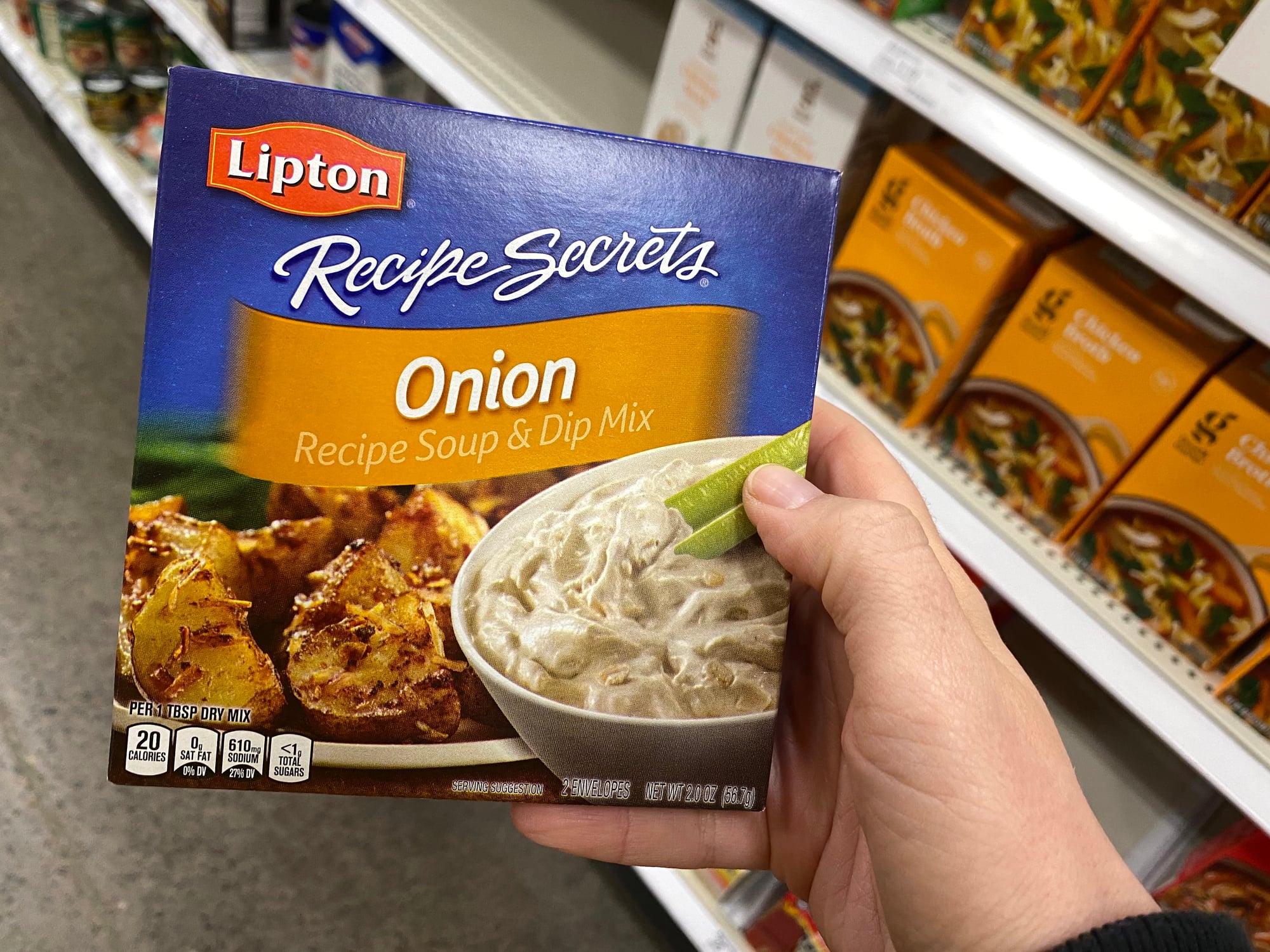
Lipton Onion Soup Mix was the secret weapon of mid-century American cooking — stirred into sour cream for dip, folded into meatloaf, dissolved into pot roasts with unashamed abandon. The original formula had a specific aggressive saltiness and concentrated onion intensity that came from a simpler ingredient profile.
Modern versions have adjusted sodium levels, reformulated the flavor bases to meet current food additive standards, and quietly removed some of the MSG that gave the original its specific savory depth. It still works as a recipe ingredient. But the cooks who grew up using the original mix would tell you, without hesitation, that the pot roast isn’t quite the same anymore — and they’d be right.
Pillsbury Crescent Rolls
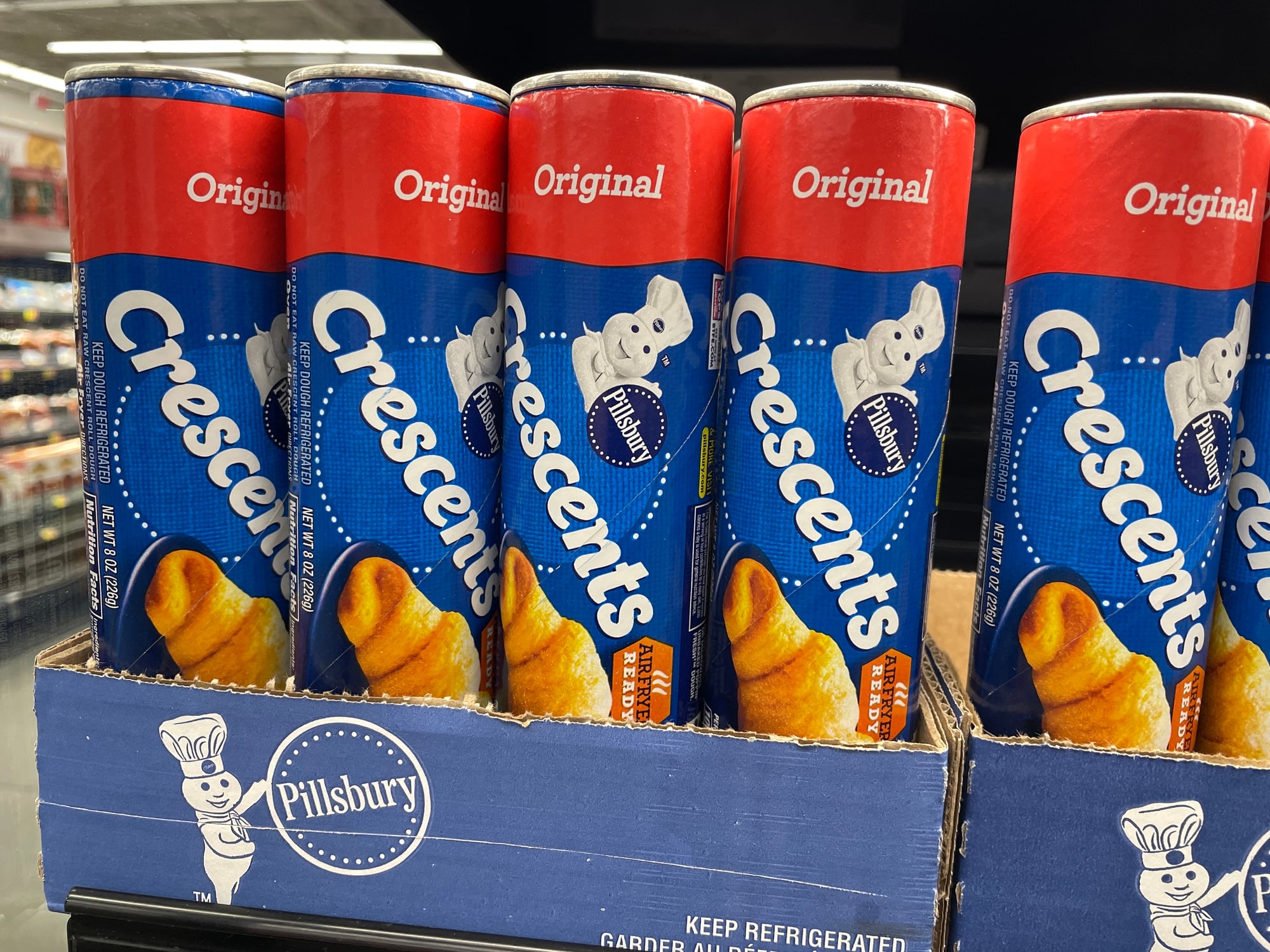
Pillsbury Crescent Rolls have been a refrigerator-aisle staple since 1965, and the pop of the tube is one of the more specific sensory memories a certain generation of American home cook carries without realizing it. The early crescent rolls had a higher fat content and a layers-that-actually-separate quality that the current formula, built around cheaper oil blends, achieves less convincingly.
The texture today is softer and more uniform, which sounds like an improvement until you miss the slightly ragged, pull-apart quality that made the original feel like it was trying to be something a little more ambitious than a tube crescent roll.
Dole Canned Pineapple
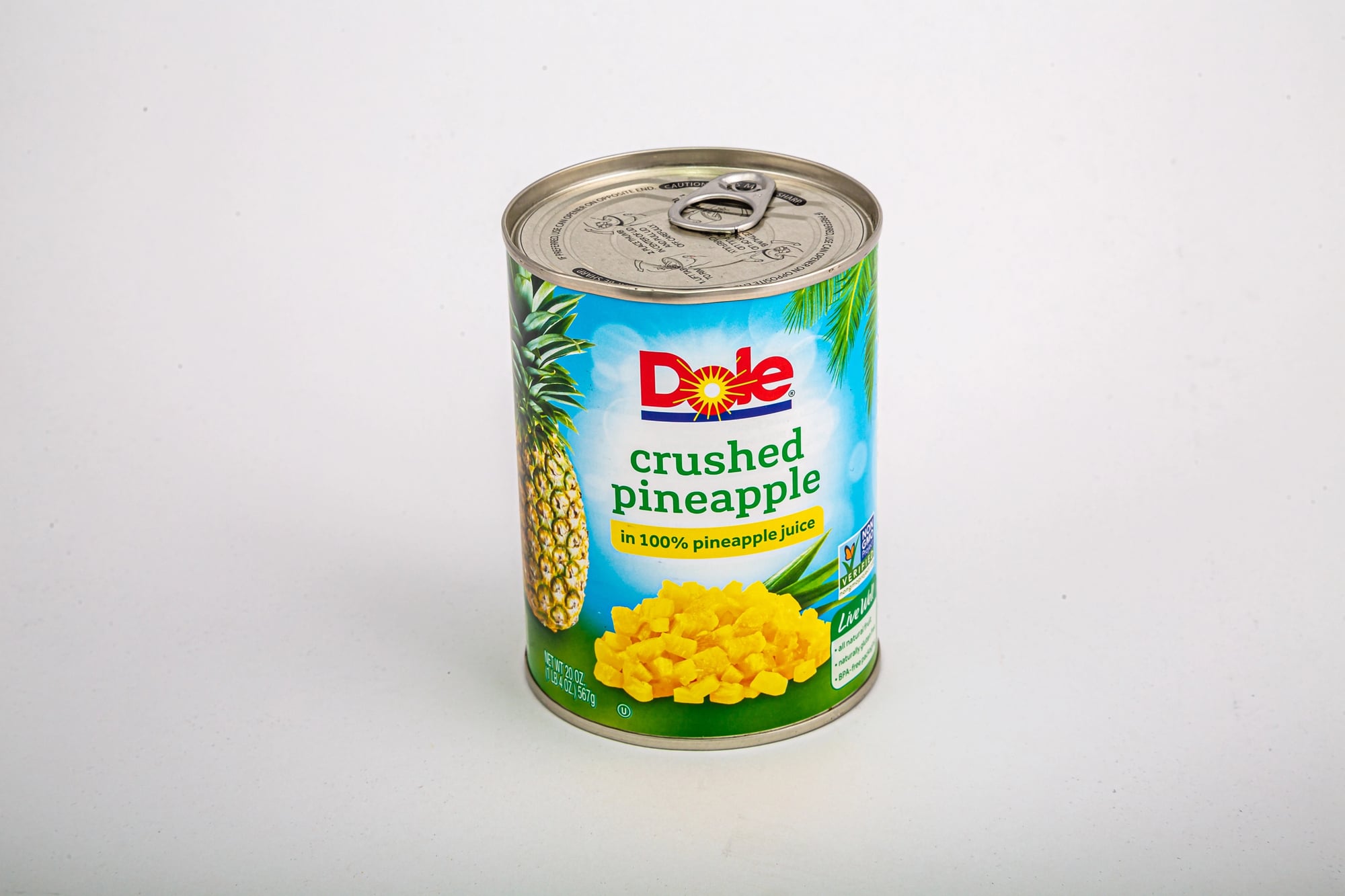
Dole’s canned pineapple once meant Hawaiian pineapple, almost without exception — the company had dominated the Hawaiian pineapple industry for most of the 20th century, and the fruit packed into those rings was grown in volcanic soil at altitude, with a specific sugar-acid balance that set it apart. After Dole closed its last Hawaiian cannery in 1991, production shifted to the Philippines, Costa Rica, and Honduras, where growing conditions produce a fruit that’s sweeter, less acidic, and slightly softer in texture after the canning process.
The label still says Dole. The pineapple is no longer the pineapple.
Cool Whip
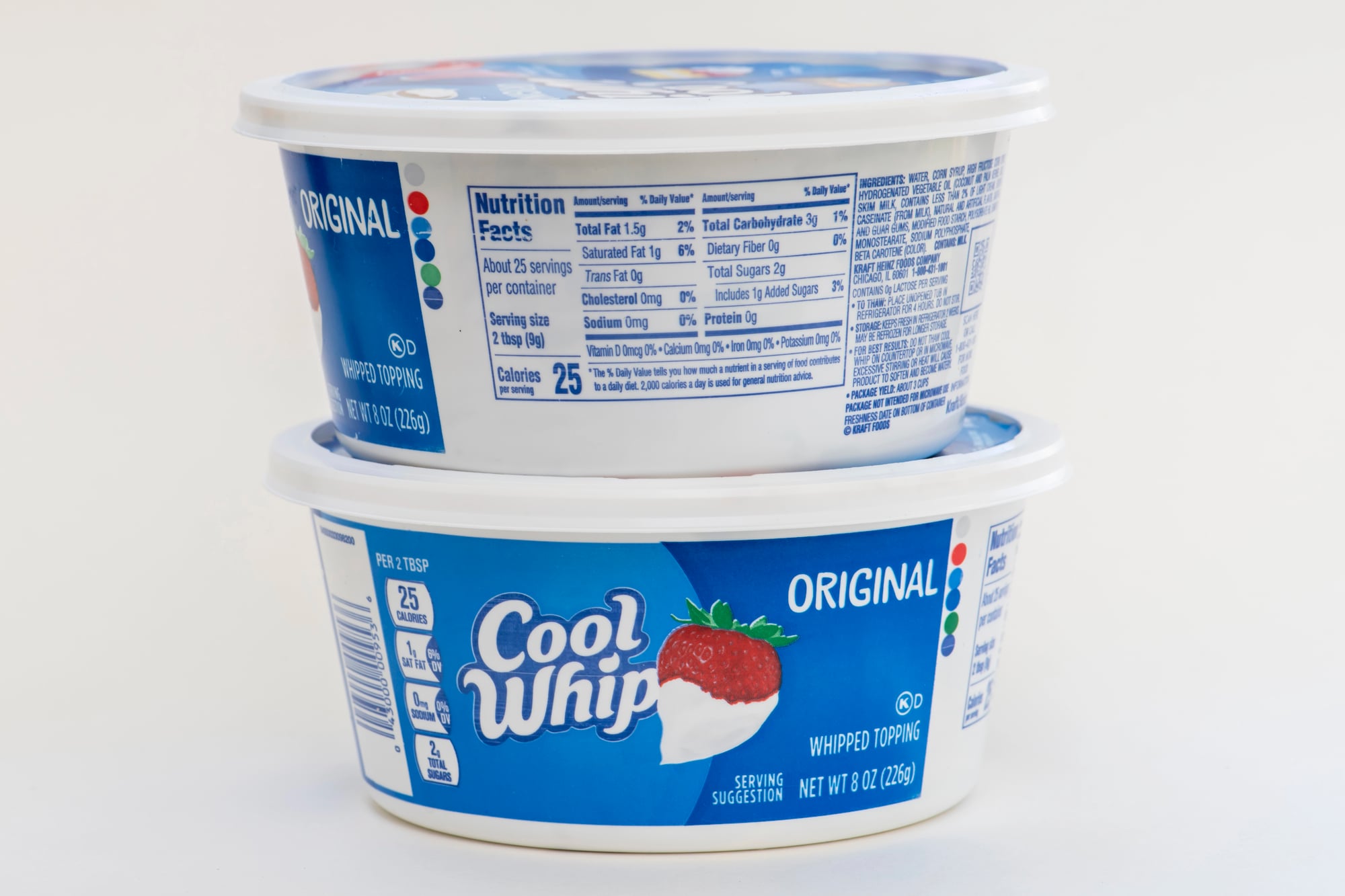
Cool Whip was launched in 1966 as a non-dairy whipped topping built on hydrogenated vegetable oil and a list of stabilizers that kept it shelf-stable in a way no real cream could manage. The formula held relatively steady for decades, but a 2010 reformulation changed the fat base as trans fat regulations tightened, replacing hydrogenated oil with fully refined alternatives that altered the product’s freeze-thaw behavior and characteristic mouthfeel.
Long-time Cool Whip users noticed that the reformed version didn’t hold its shape as reliably and had a slightly less sweet, slightly less rich character than the tub they’d been spooning onto Jell-O salads since the Carter administration.
Stouffer’s Macaroni and Cheese
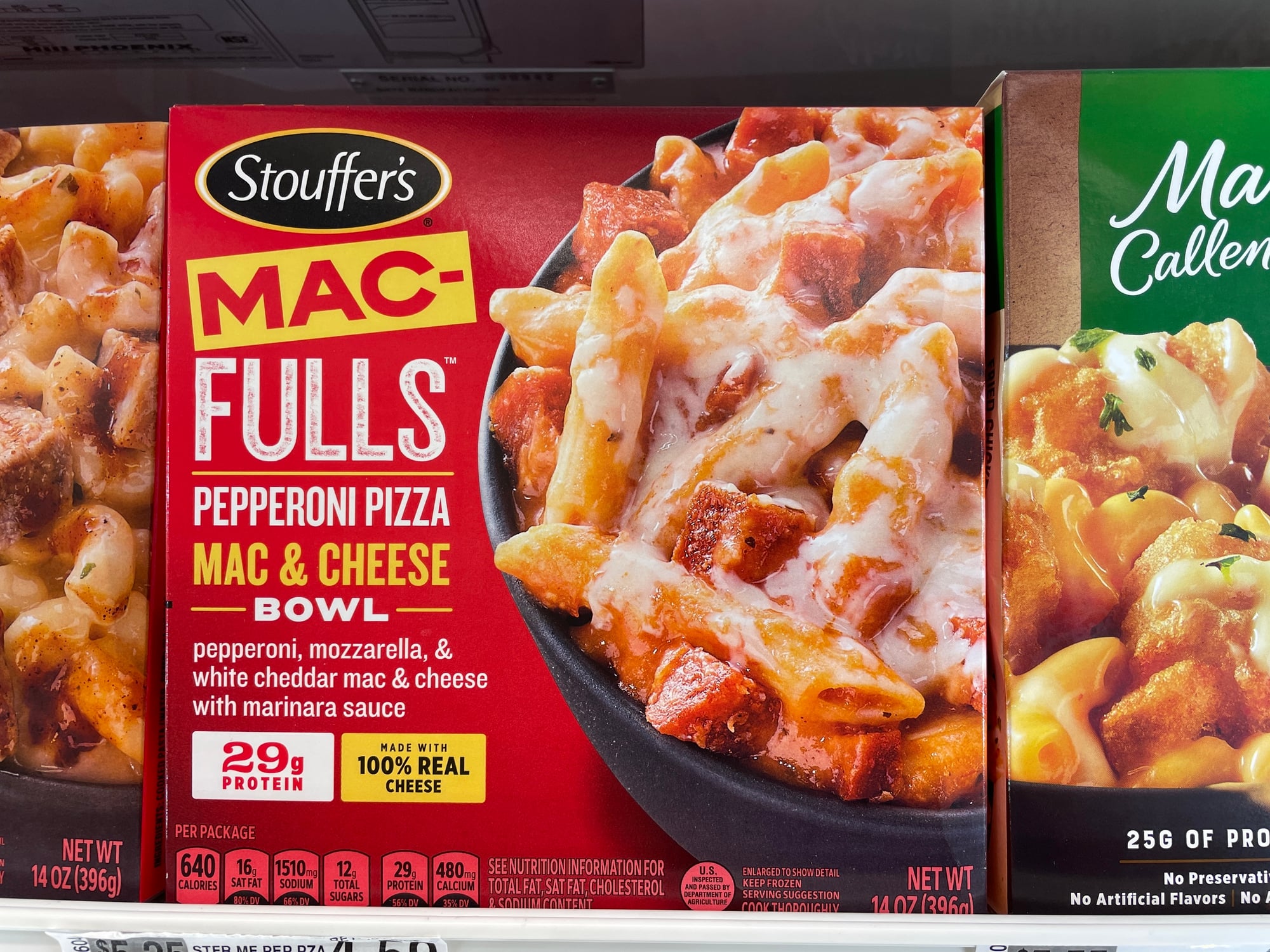
Stouffer’s frozen macaroni and cheese was a different animal in its earlier decades — a product made in a relatively straightforward way with a cheese sauce that behaved like cheese sauce when reheated. As the product scaled through the 1990s and 2000s, stabilizers and modified starches entered the formula to manage the freeze-thaw cycle at mass production volumes, and the sauce’s behavior shifted from something that stayed loose and creamy to something that thickens aggressively at the edges of the tray.
It’s still the category leader. But the macaroni and cheese from a 1970s Stouffer’s catalog and the product in the freezer aisle today have a meaningful formulation distance between them.
Kellogg’s Corn Flakes
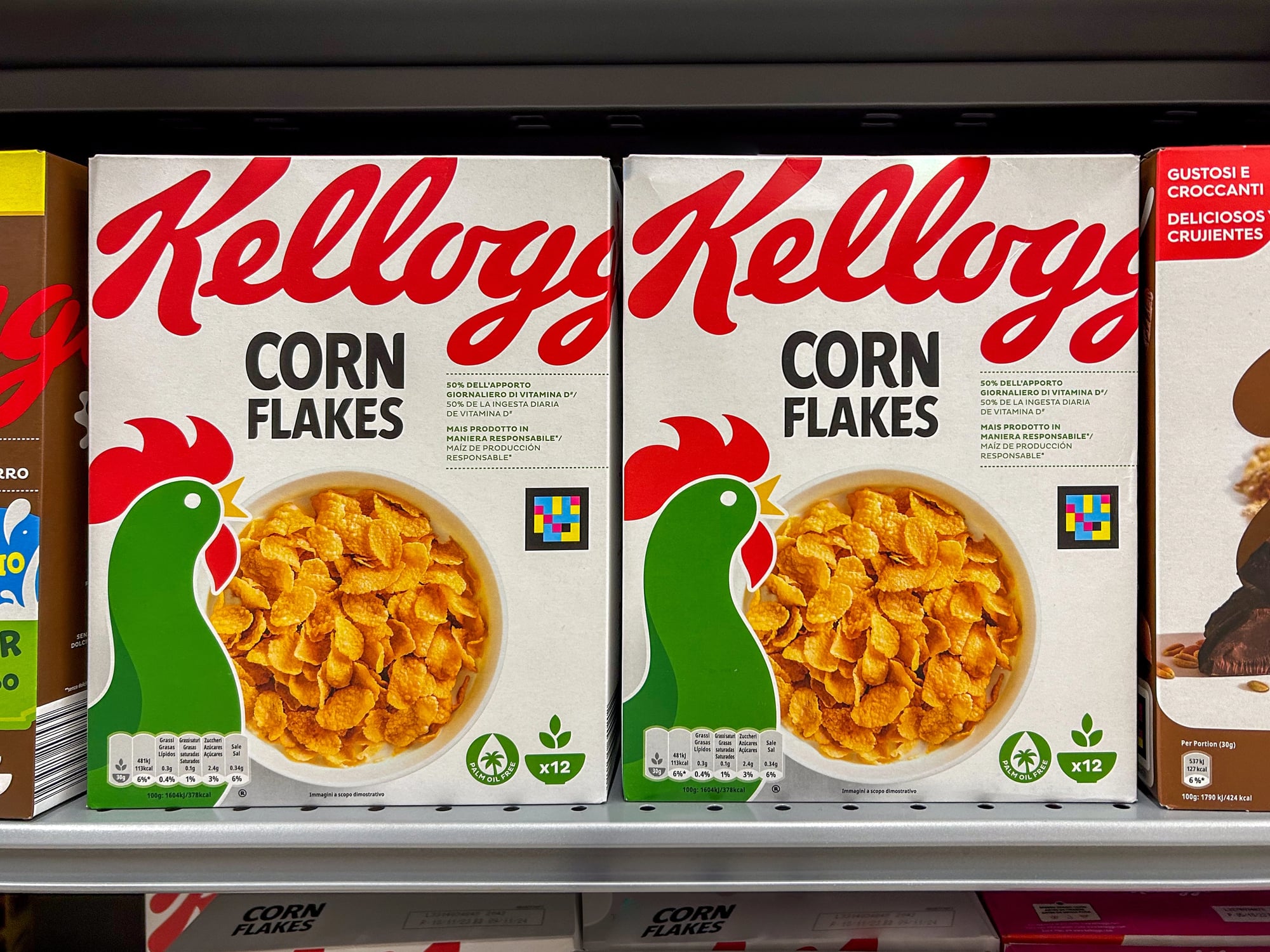
Kellogg’s Corn Flakes were born from a very specific philosophy — John Harvey Kellogg’s belief that plain, unseasoned grain food was morally and physically corrective — and the original product had almost no sugar and a stark, straightforward corn flavor that was kind of the point. The formula has been adjusted over decades to add sugar, adjust sodium, and change the flake thickness to improve shelf stability and out-of-the-bag crunch.
The corn flake that sits in a bowl today is more palatable by conventional standards but further from its own origin than almost any other cereal on the shelf, which is the kind of irony that John Harvey Kellogg would have found both predictable and insufferable.
Hunt’s Tomato Sauce
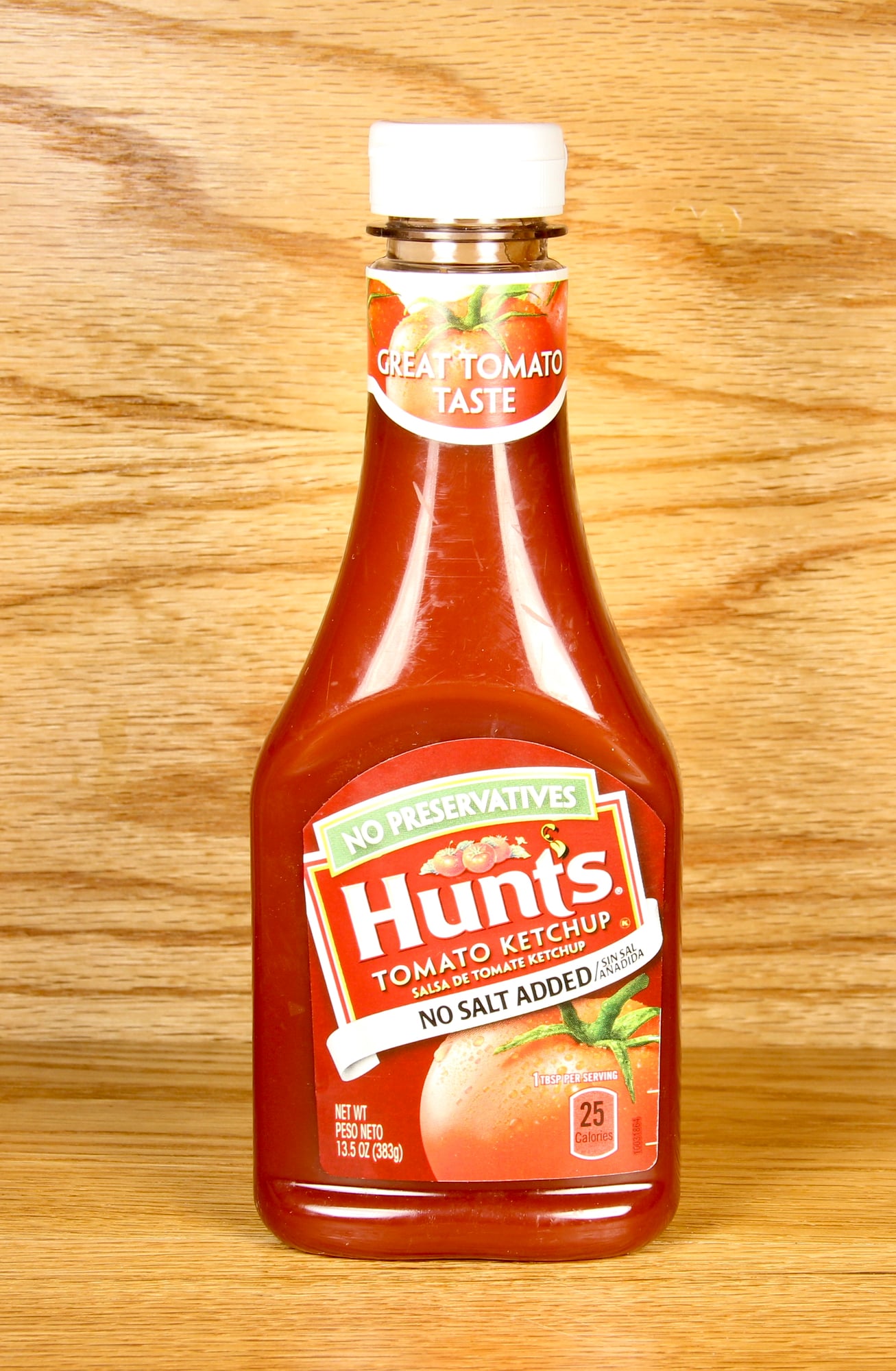
Hunt’s built its reputation on a “flash-cooking” process that sealed in fresh tomato flavor, and for years the product had a cleaner, brighter tomato character than competitors who processed their tomatoes more aggressively. As ConAgra acquired and scaled the brand through the 1990s, sourcing expanded, processing adjusted, and the specific California tomato that had defined Hunt’s flavor became harder to guarantee at volume.
The sauce that comes out of a Hunt’s can today is serviceable and consistent, but it has the slightly flattened quality of a product optimized for uniformity rather than character — the flavor equivalent of a photograph taken under fluorescent light instead of natural sun.
Lay’s Potato Chips
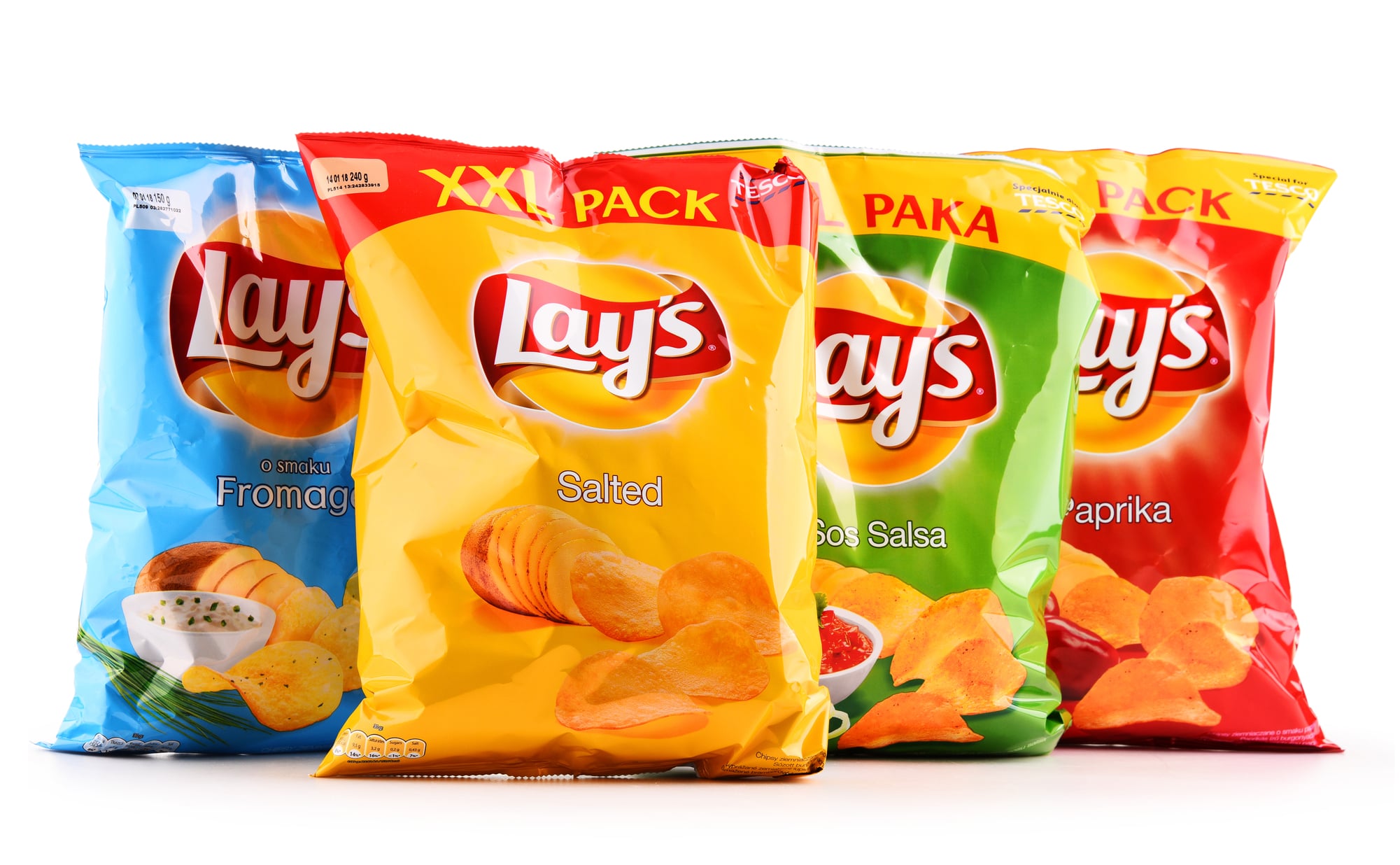
Lay’s potato chips in the mid-20th century were fried in cottonseed or lard-based oils that gave them a distinct richness — a flavor depth that cheap vegetable oils and later the introduction of Olestra (in the disastrous “WOW chips” era of the late 1990s) couldn’t replicate. The current formula uses a sunflower and corn oil blend that produces a clean, neutral fry, which is technically more heart-friendly but noticeably less interesting.
The chip is thinner too — a gradual shrinkage in thickness and size that the company attributes to manufacturing efficiency and that longtime chip eaters attribute to something less flattering.
Pepsi
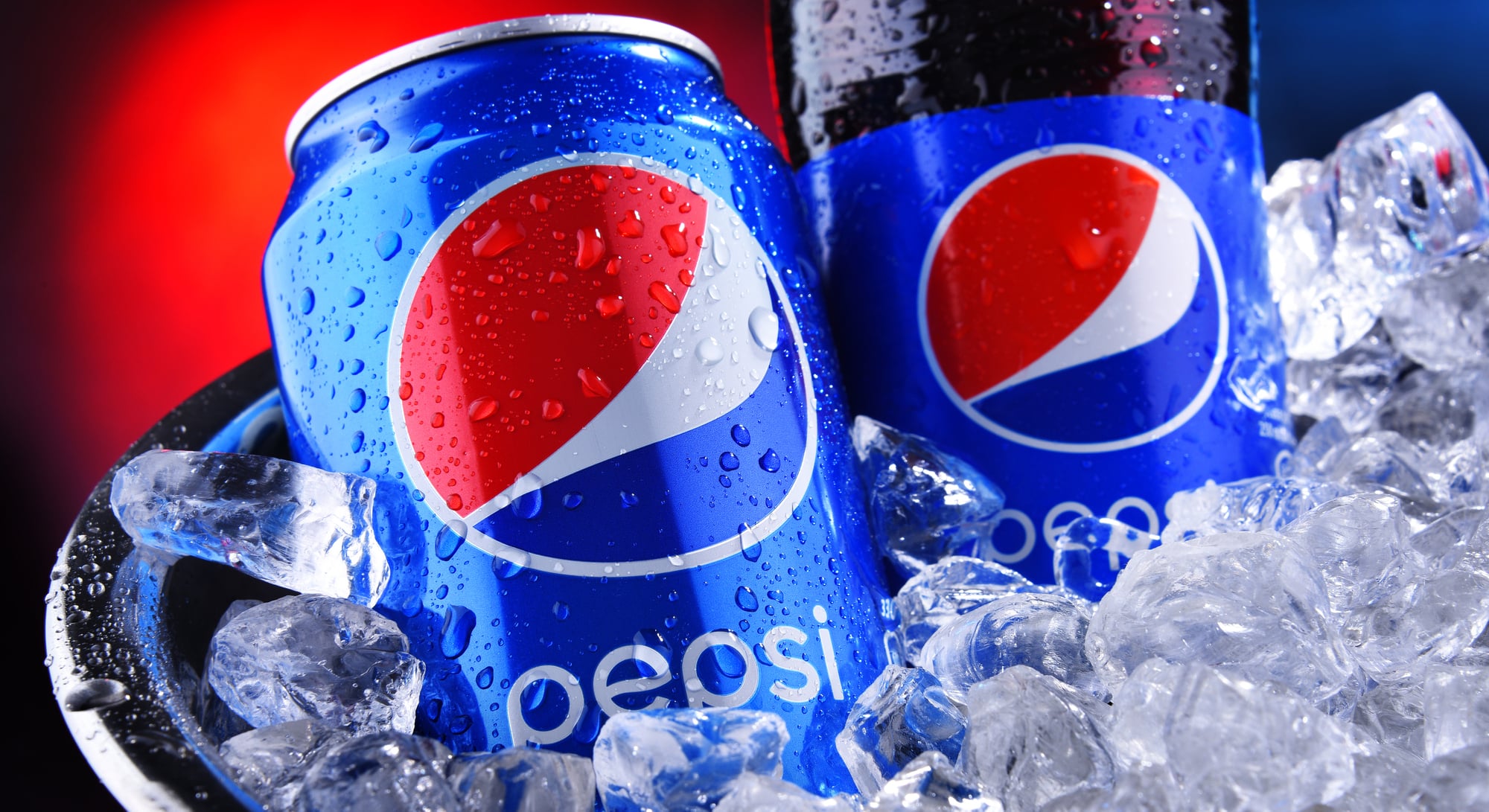
Pepsi’s formula in the era of the “Pepsi Challenge” — the 1970s and early 80s taste tests that showed consumers preferred Pepsi in blind comparisons — was sweeter and more fruit-forward than it is today. The switch from cane sugar to high-fructose corn syrup in American formulations happened gradually through the 1980s, and the product settled into a slightly different flavor profile that divided loyalists.
Pepsi has periodically released “Pepsi Made With Real Sugar” in throwback packaging, which functions as an implicit acknowledgment that the two sweeteners aren’t interchangeable — while also proving that the original formula is still out there, available, and different enough that people seek it specifically.
When the Label Stays the Same and the Product Doesn’t
Every product on this list is still on the shelf, still in its recognizable packaging, still filling the same general role it always filled. The changes weren’t announced with press releases or fanfare — they were made quietly, a formula adjustment here, a sourcing shift there, a regulatory compliance that required swapping one ingredient for another.
The cumulative effect is a grocery store full of products that fulfill their basic function while tasting, in many cases, like a careful copy of what they used to be. That’s not always a bad thing — some reformulations removed genuinely harmful ingredients and the products are healthier for it. But the products that changed for purely economic reasons, the gradual down-specifications driven by cost pressure and supply chain efficiency, leave something harder to name: not quite nostalgia, not quite betrayal, but the specific mild disappointment of a thing that used to taste better without anyone deciding it should stop.
More from Go2Tutors!

- The Romanov Crown Jewels and Their Tragic Fate
- 13 Historical Mysteries That Science Still Can’t Solve
- Famous Hoaxes That Fooled the World for Years
- 15 Child Stars with Tragic Adult Lives
- 16 Famous Jewelry Pieces in History
Like Go2Tutors’s content? Follow us on MSN.