25 Hand-Me-Down Items That Traveled Through Three Generations
There’s something quietly stubborn about certain objects. They outlast the people who first used them, move through households that look nothing alike, and somehow still feel at home on a kitchen shelf or hanging from a nail on the wall.
These aren’t the items anyone planned to keep forever — they just refused to go. Some of them are beautiful. Some of them are battered.
All of them carry the particular weight of having been touched by hands you never got to hold. Here are 25 hand-me-down items that have made the full three-generation journey — and what it is about them that makes letting go feel so impossible.
Cast Iron Skillets

A cast iron skillet doesn’t really belong to you. It belongs to the decades of meals that have been pressed into its surface — the sausage grease, the cornbread, the Sunday eggs — and you’re just the current caretaker.
So when your grandmother’s skillet lands in your cabinet, it arrives already seasoned, already broken in, already carrying a flavor that no amount of cooking on your part could have built from scratch.
Wedding Rings
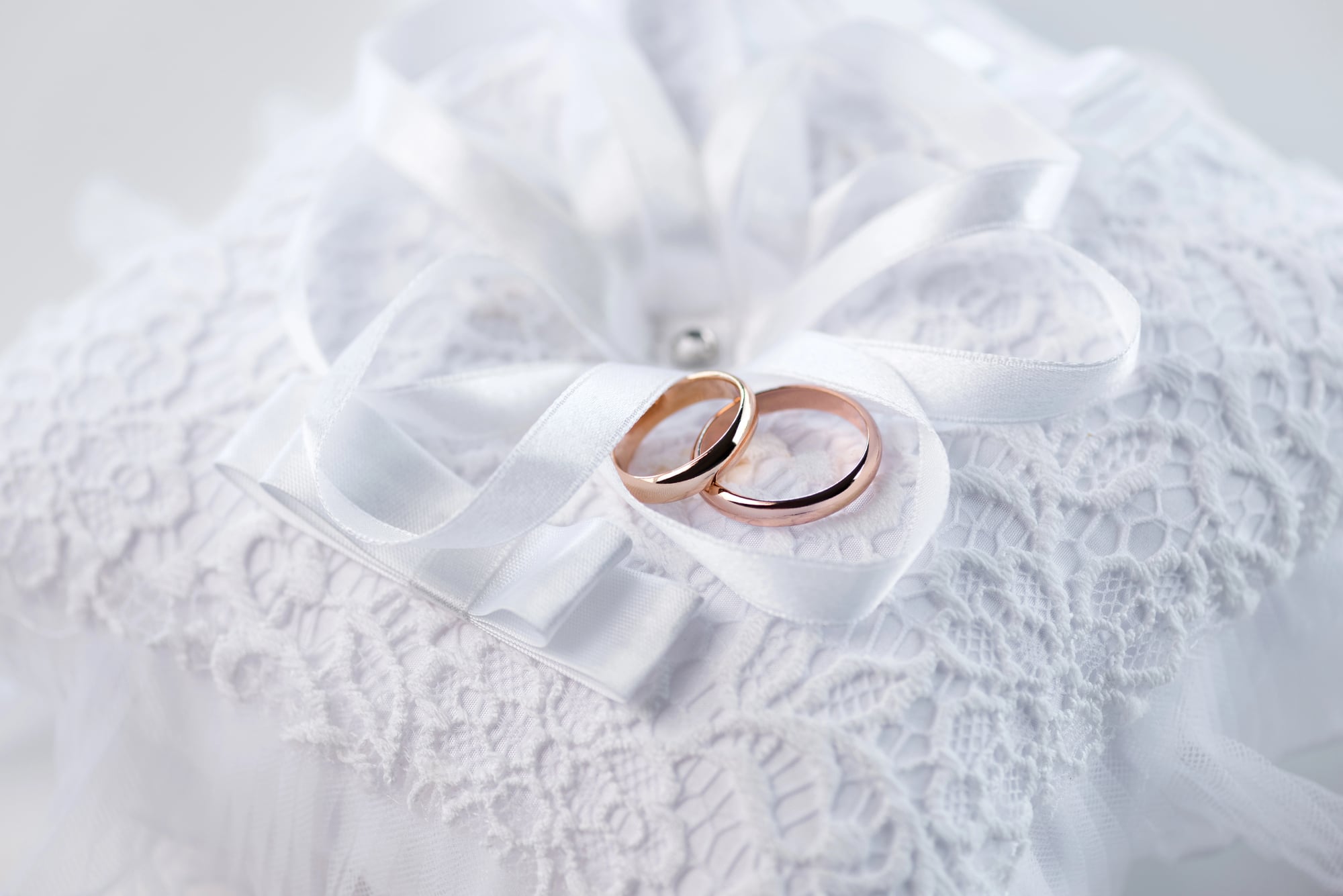
Few objects travel through generations as loaded as this one. A ring that started on the hand of a woman who married in 1942 carries not just sentiment but also the entire shape of a life — the Depression, the war, the children, the years of ordinary Tuesday mornings that no one recorded but everyone felt.
And yet there it is, small enough to fit in a coat pocket, stubbornly surviving everything that person went through.
Quilts
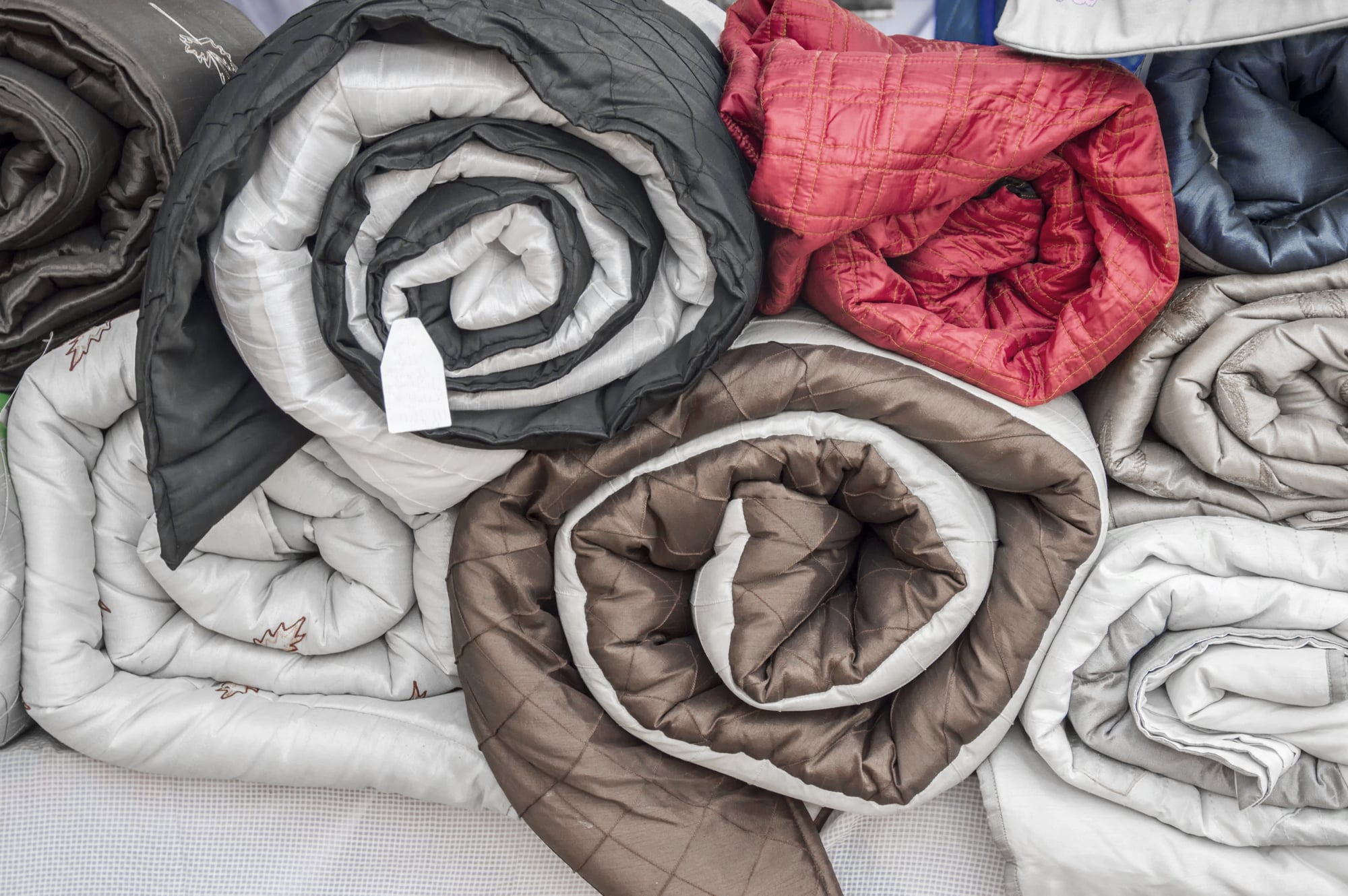
A quilt is less like a blanket and more like an argument against forgetting. Each fabric square — pulled from a worn-out dress, a child’s outgrown pajamas, a man’s old work shirt — represents a decision someone made to preserve a thing instead of throwing it away, and that decision compounding over decades is how you end up sleeping under something that technically contains your great-grandmother’s Sunday best.
The stitching isn’t always even. That’s part of what makes it honest.
Pocket Watches
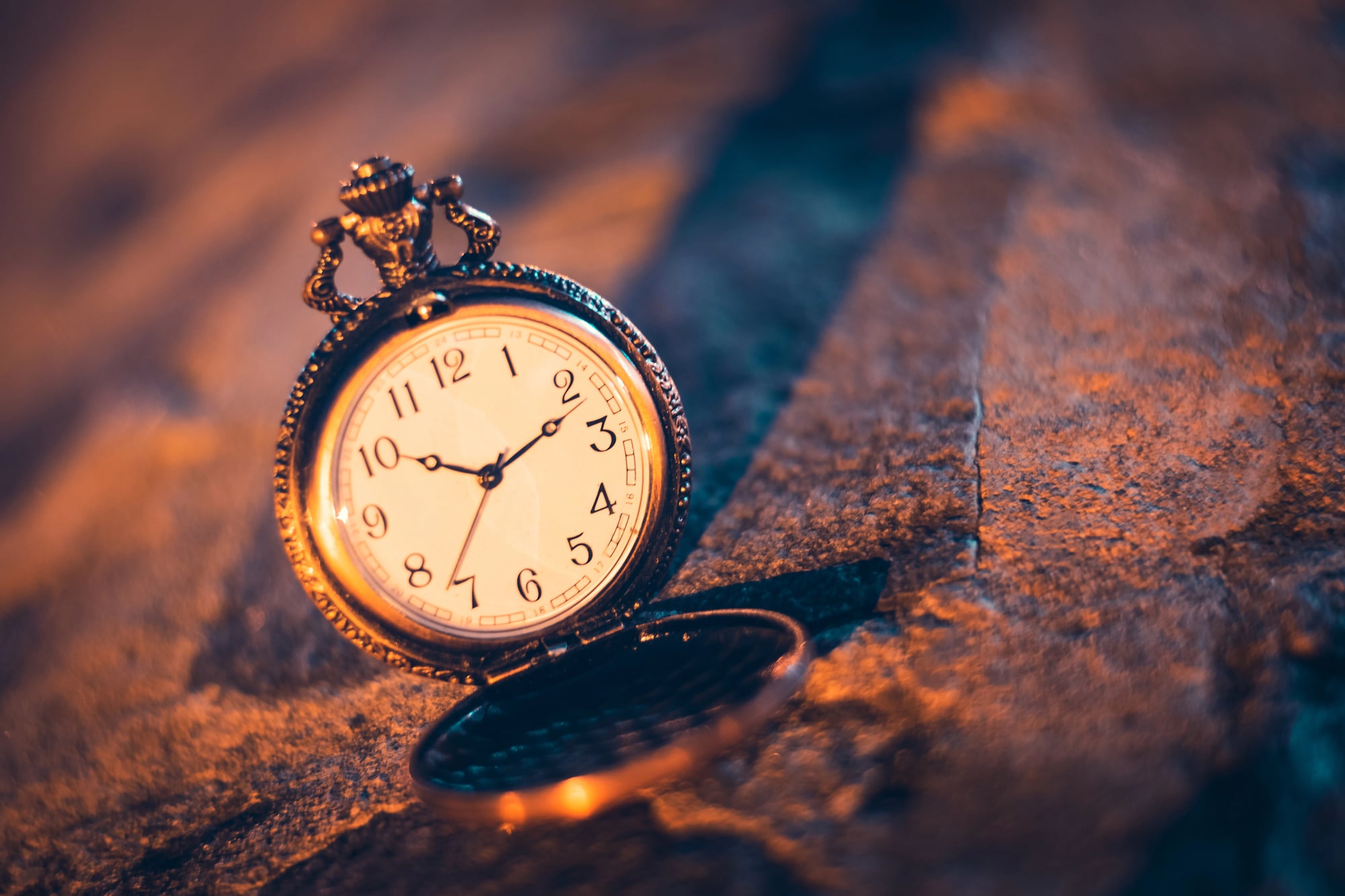
Pocket watches are the rare object that improves with age in ways that have nothing to do with function. The scratches on the case, the slight resistance in the winding crown, the faint dent on one edge — these aren’t flaws that diminished the watch; they’re the accumulated record of every pocket it ever lived in, every moment it was pulled out to check the time at something important.
Recipe Boxes
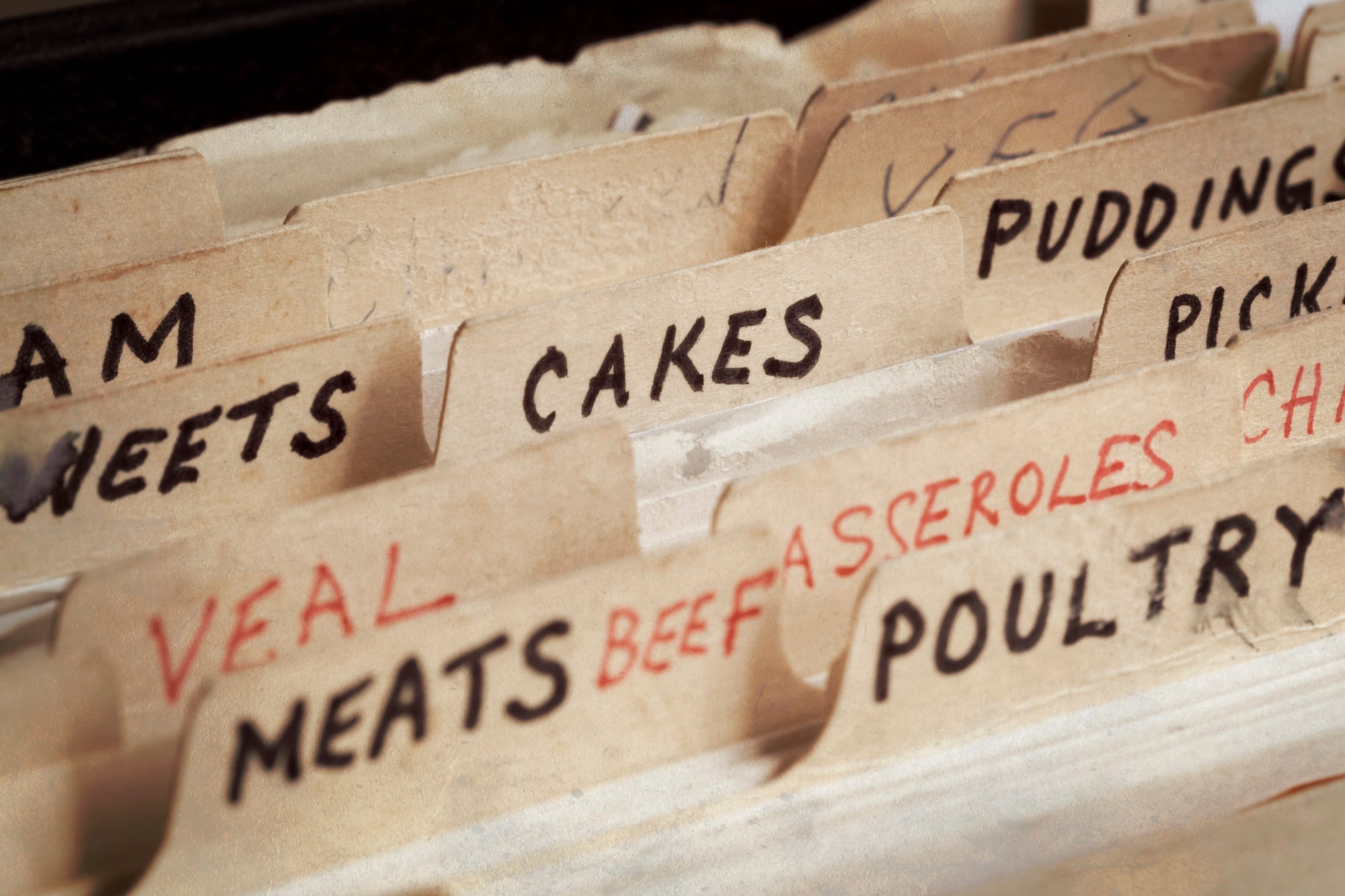
Recipe boxes are archives, full stop. Inside the best ones you’ll find index cards written in three different hands — the original owner’s cursive, her daughter’s blocky printing, and a grandchild’s annotations in pencil — and together they form a document more honest about a family’s tastes than any photograph.
The recipe for a particular pie crust, crossed out twice and rewritten, tells you more about how that kitchen ran than most diaries could.
Rocking Chairs
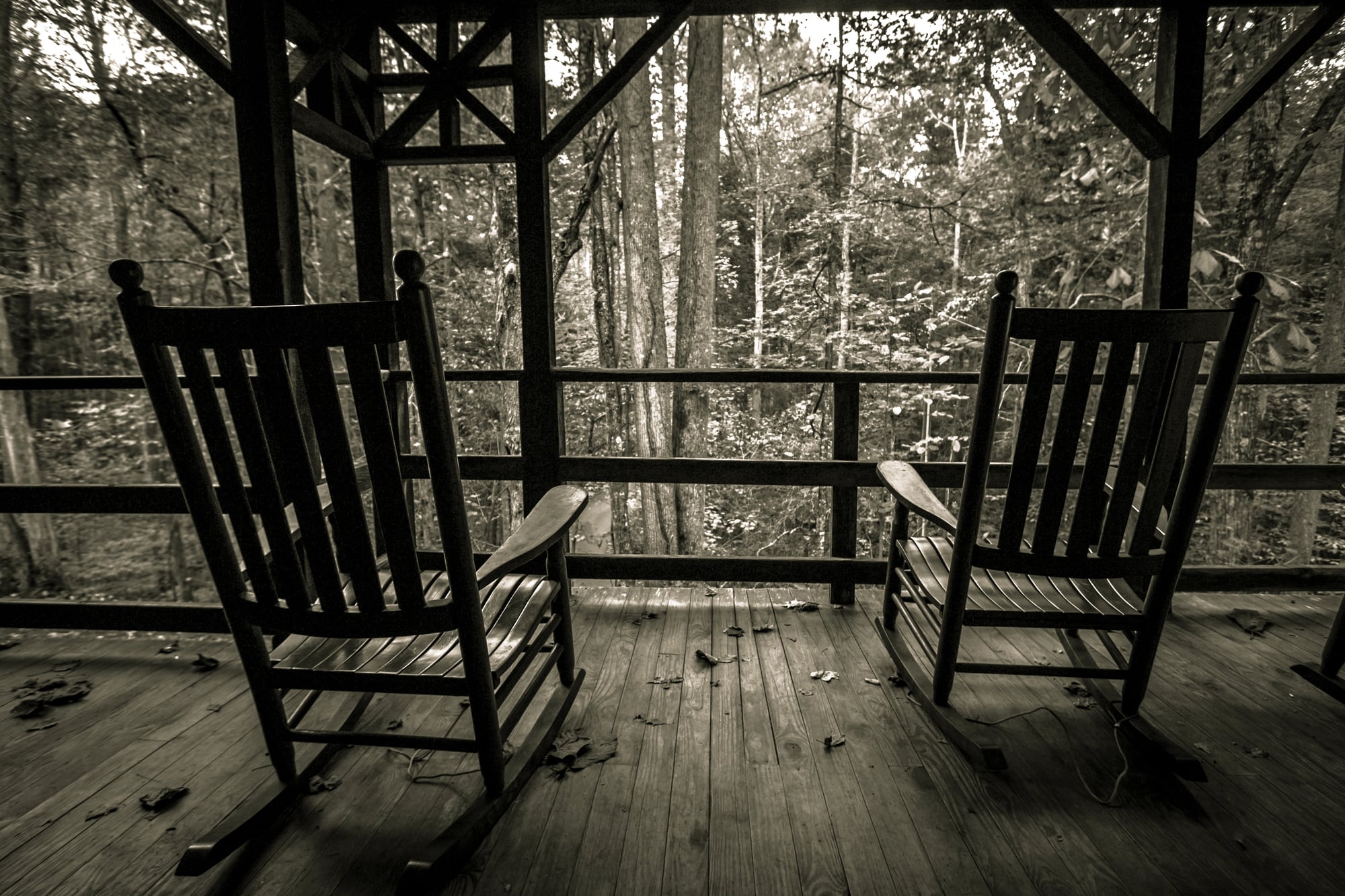
A rocking chair earns its place through sheer duration. Grandmothers rocked babies in it, those babies grew up and rocked their own, and now it sits in a corner of a house in a city that didn’t exist when the chair was made — still functional, still creaking at the same point in the arc, still doing exactly what it was built to do.
To be fair, very few pieces of furniture can claim that kind of unbroken usefulness across seventy years.
Sewing Kits
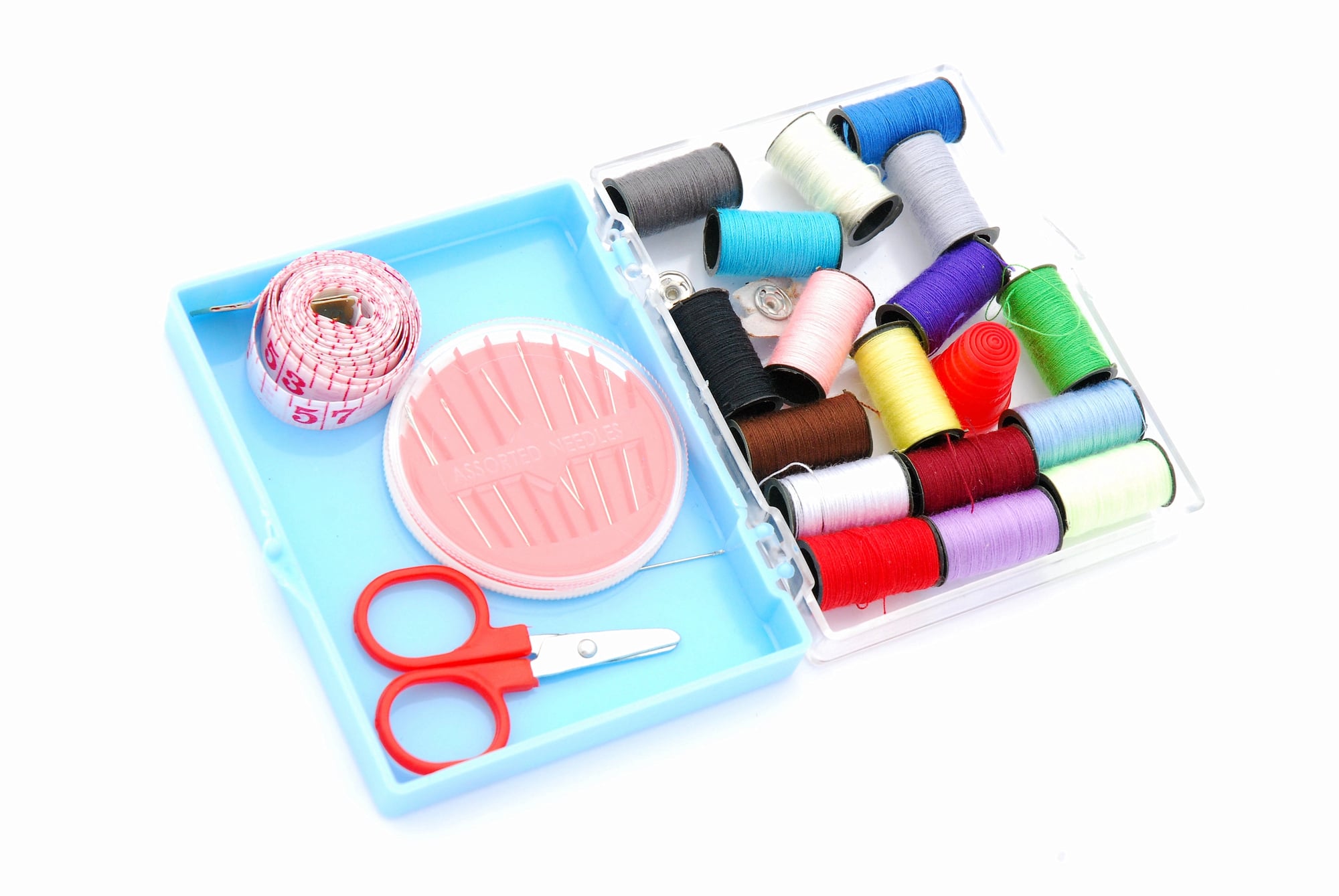
Sewing kits survive because they’re useful and because no one ever mistakes them for something they should throw away. The ones that travel through generations tend to be tins — old butter cookie tins or cig tins, repurposed with the particular thriftiness of people who never wasted a container — and inside them you’ll find mismatched buttons, hand-cut fabric patches, needles with thread still threaded through them from some unfinished job decades ago.
Clocks
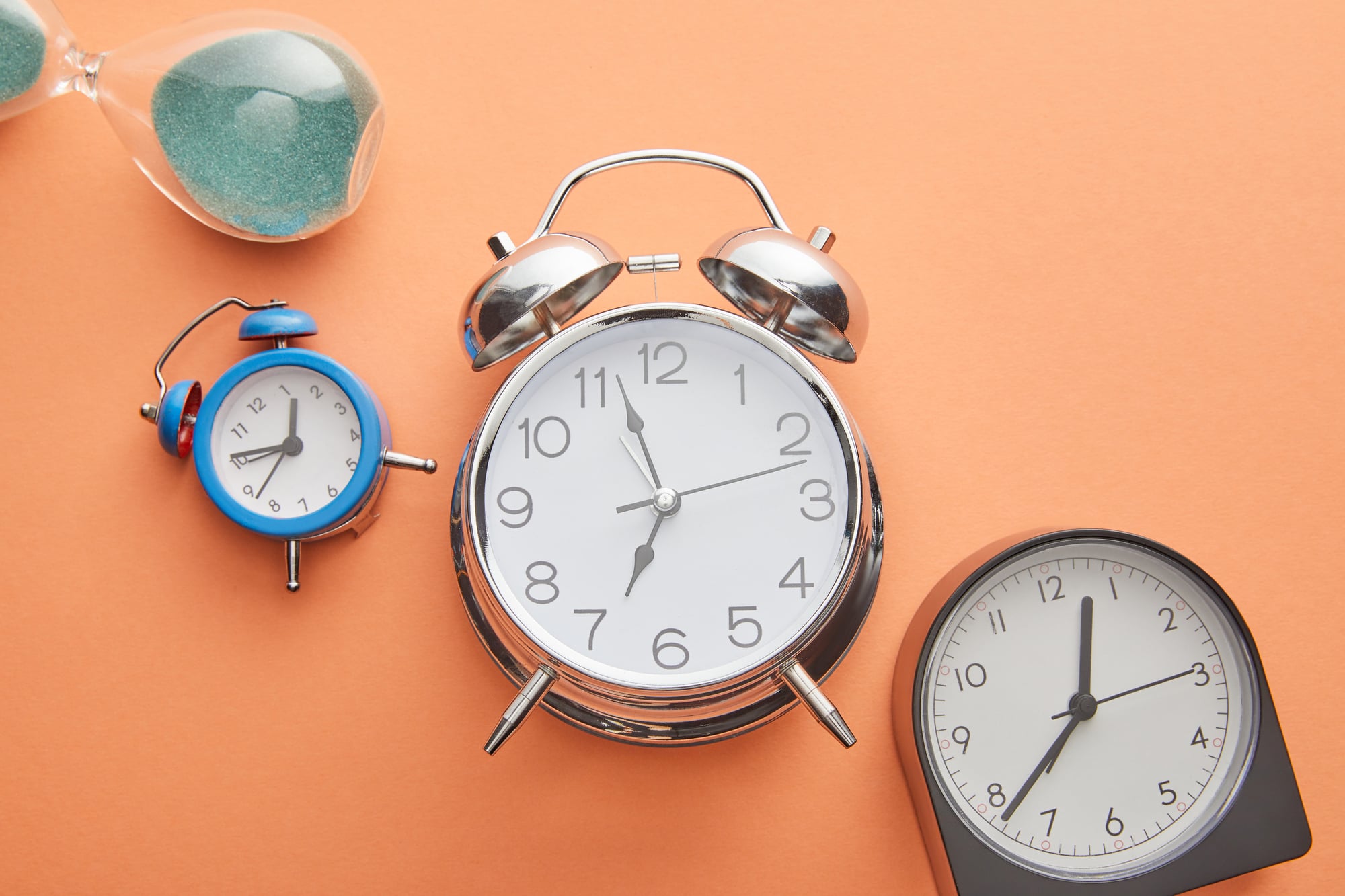
There’s a reason a ticking clock in an old house feels different from a digital display on a microwave — one counts time as something mechanical and present, and the other just reports it. A mantel clock or a cuckoo clock passed through three households carries the sound of three different living rooms: the silence around it changes, the people who learned to ignore it change, but the tick itself stays constant, indifferent to all of it.
Christmastime Ornaments

Christmas ornaments are the great exception to the rule that fragile things don’t last. Glass orbs painted by hand, small wooden figures, a single tin star with a bent loop — somehow these survive moves, children, storage in damp garages, and the general carelessness of December unpacking.
And every year they come out of the box and get placed on a tree by someone who didn’t make them, and the tree looks right anyway.
Wooden Spoons
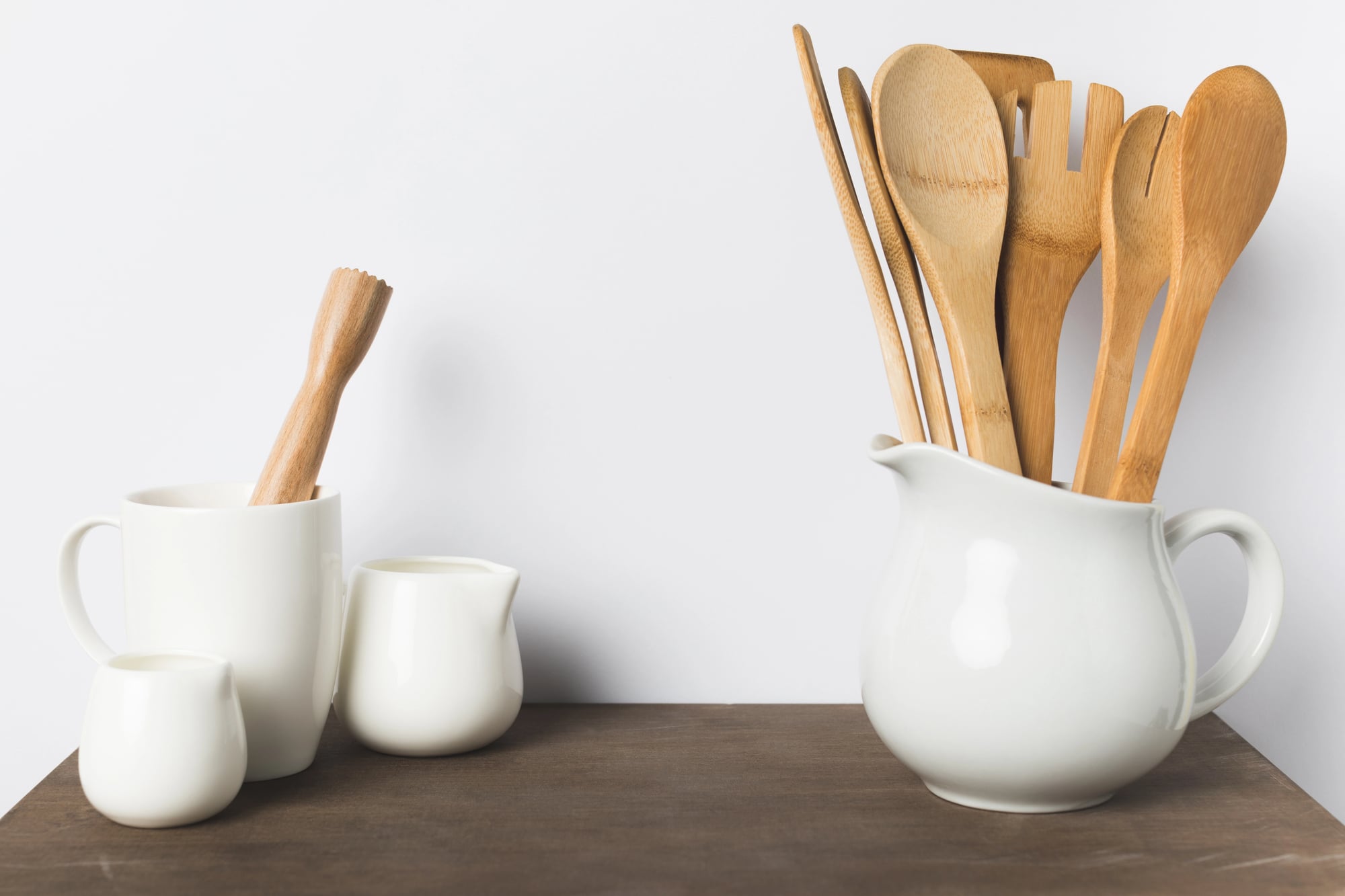
Wooden spoons are the most underestimated object in any kitchen. They absorb everything — oils, spices, the faint char from a pan that ran too hot — and over decades that absorption becomes something close to identity: a spoon that has stirred soup and sauce and jam in the same family for sixty years is genuinely different from a new one, even if you can’t technically prove it.
Turns out, use is its own kind of quality.
Leather Belts
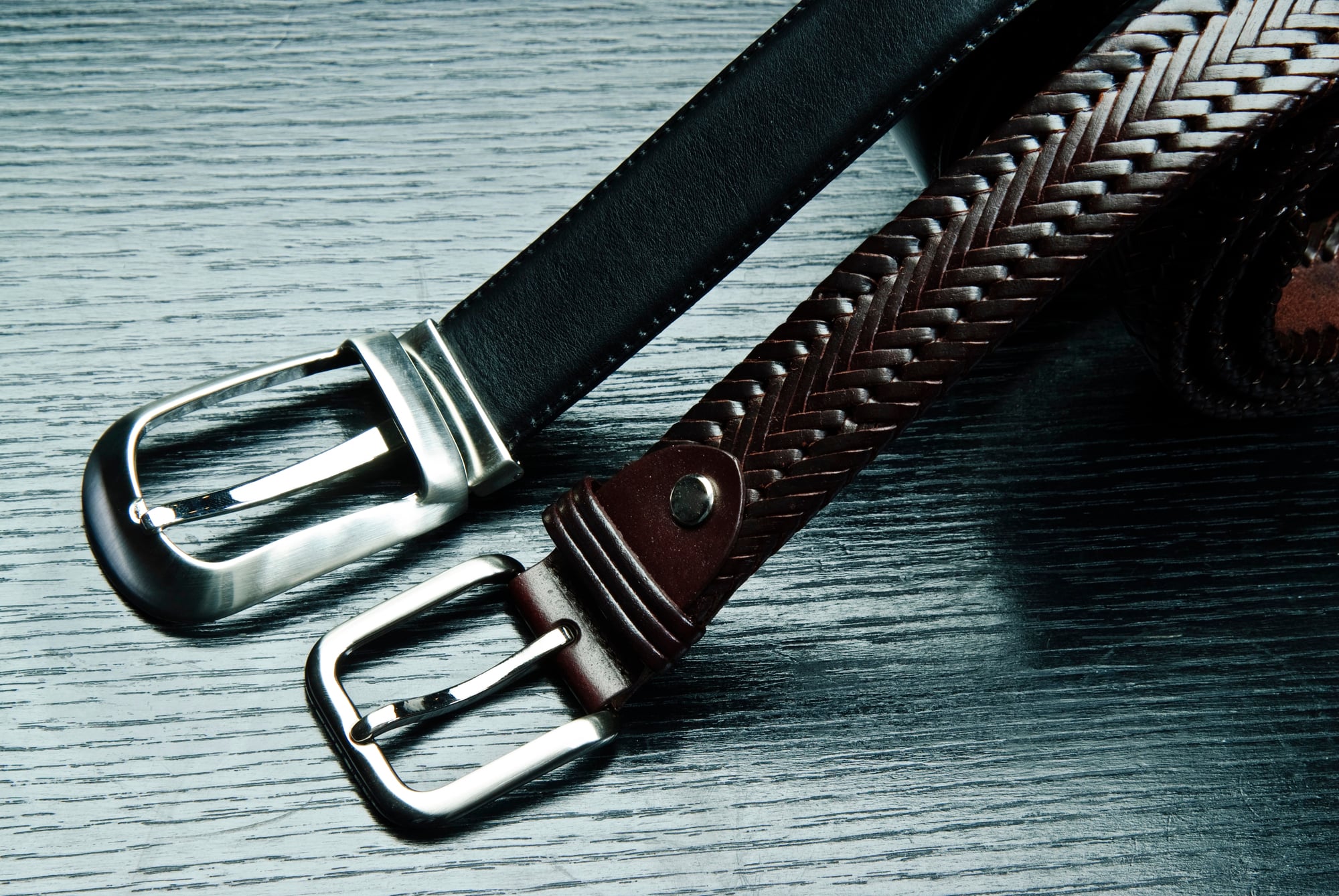
A good leather belt is nearly impossible to destroy on purpose, which explains how so many of them end up outlasting the people who bought them. The leather softens in exactly the spots where it bent most often, the openings acquire a slight stretch from decades of use, and the buckle — usually solid brass, usually scuffed — still works perfectly because hardware that old was overbuilt for reasons no one remembers.
Jewelry Boxes
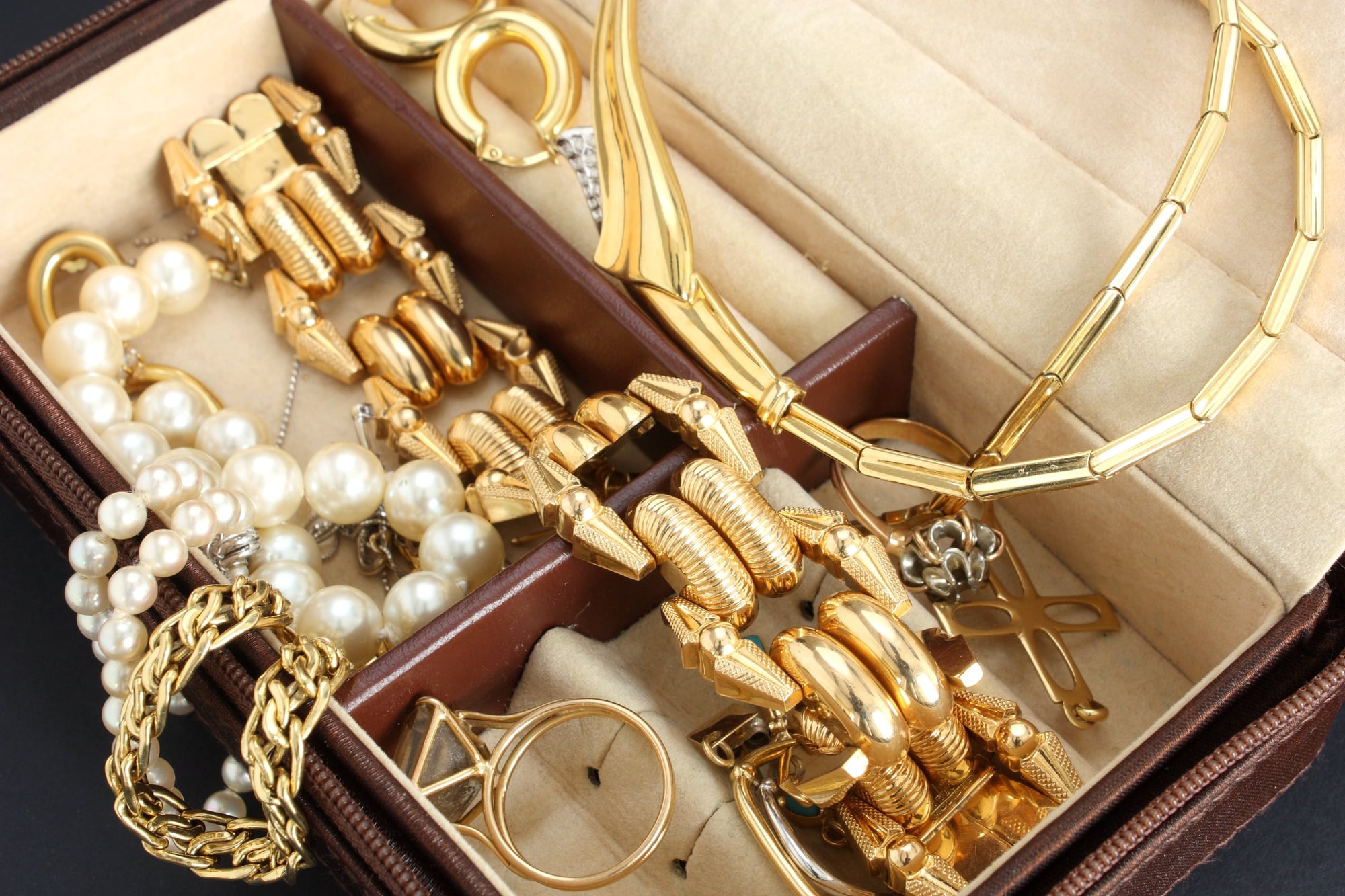
A jewelry box is really a container for containers — it holds the things that hold meaning, and so the box itself becomes meaningful by proximity. The velvet lining flattens over time, the mirror inside fogs slightly at the edges, the little drawer sticks on one side — and none of that makes the box worth less; it makes it worth more to the person who opens it and recognizes all three stages of wear as something they’ve watched happen.
Handkerchiefs
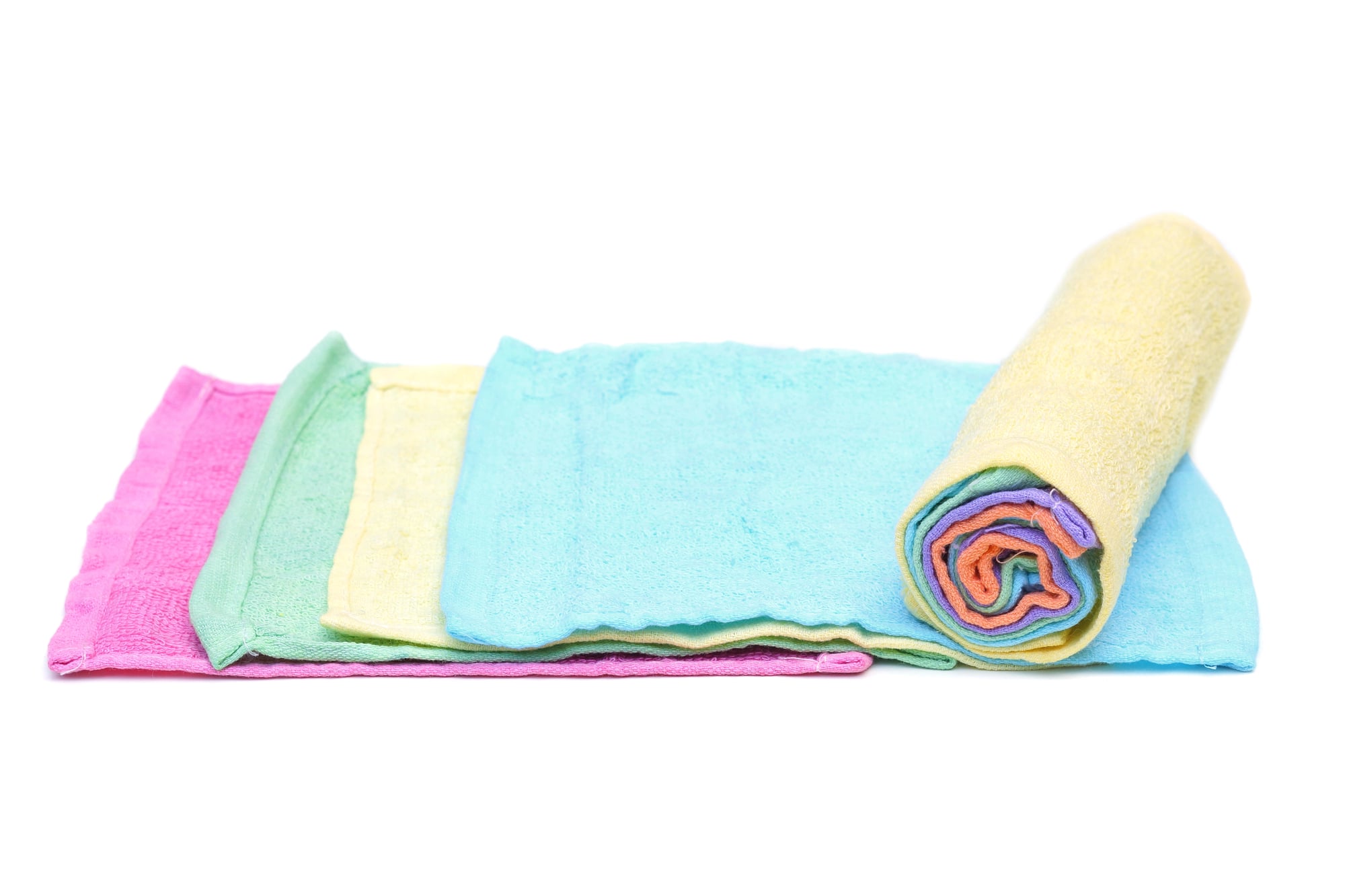
Handkerchiefs shouldn’t be interesting, and yet here they are, turning up in coat pockets and cedar chests three generations later. The monogrammed ones are the survivors — embroidered with initials that no longer have a face attached to them, folded in the same square they were folded in the last time someone used them — small, white, and somehow carrying more gravity than their size warrants.
Typewriters

A typewriter is an object that announces itself the moment it enters a room. The mechanical clatter, the resistance of the keys, the satisfying slam of the carriage return — these are experiences that belong to a specific era, and yet the machines themselves are nearly indestructible, which is why a 1947 Underwood still works exactly as advertised.
The ribbon needs replacing. Everything else is fine.
Silverware Sets
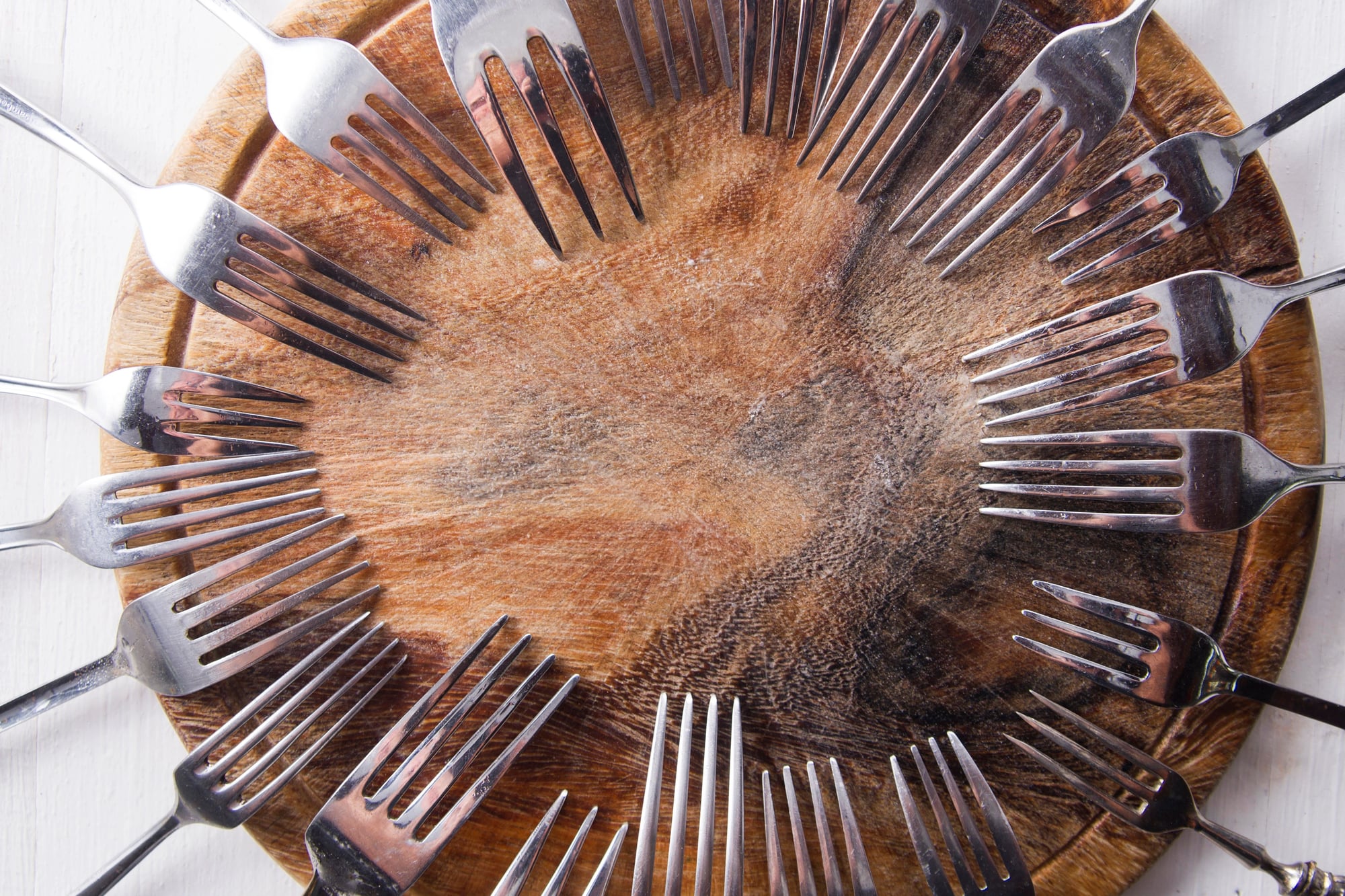
Silverware sets are passed down with ceremony and used with guilt. The good silver — the kind that came in a velvet-lined wooden box and was reserved for company — travels through generations still mostly in its box, handled twice a year, polished by someone who finds the process more meditative than they’d like to admit.
It’s the only set of utensils that gets its own dedicated ritual just to be cleaned.
Wool Blankets
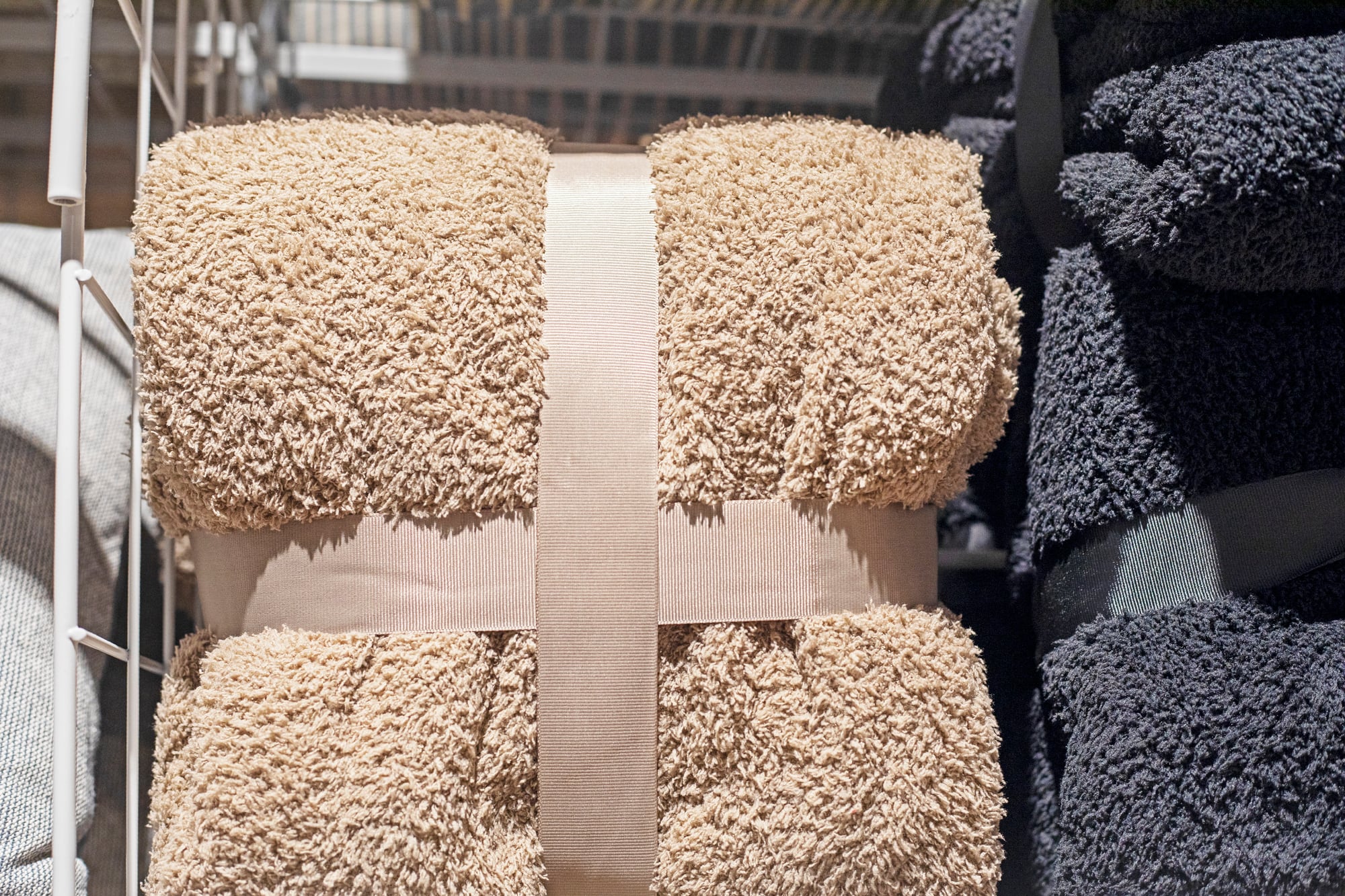
Wool blankets are stubborn the way only truly functional things can be — they don’t need to be beautiful to justify their survival, they just need to keep working, and they do. A Hudson’s Bay blanket or a heavy military surplus blanket from the mid-20th century still traps heat the same way it did when someone’s grandfather used it on a cot, and that simple reliability, repeated across sixty years and three households, is its own kind of legacy.
Tool Chests
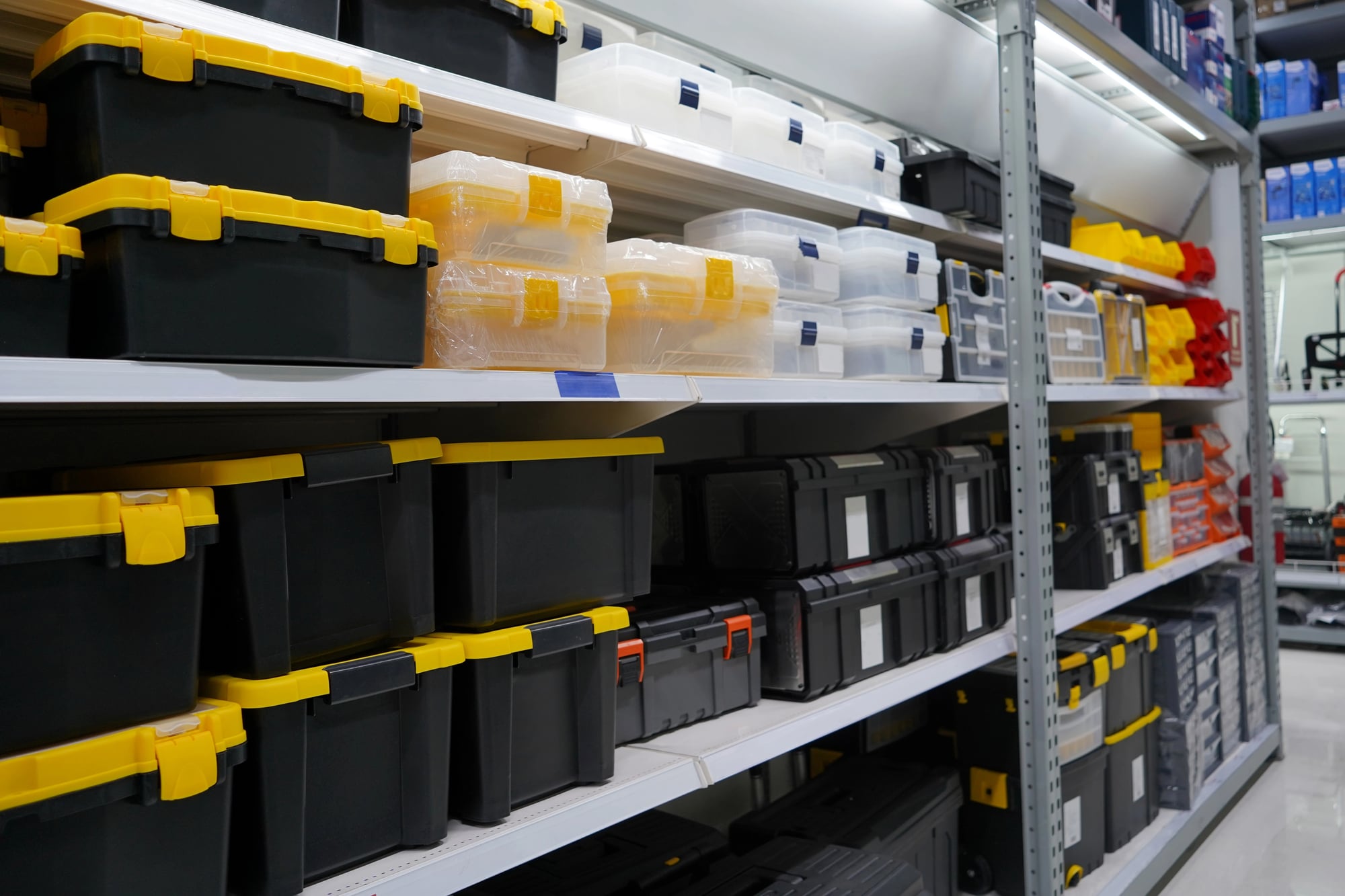
A tool chest passed from grandfather to parent to child carries the assumption of competence. The hand plane, the set of chisels, the brace and bit — these are tools that require skill to use well, and so inheriting them feels less like receiving a gift and more like receiving a challenge.
Some people rise to it. Some keep the chest in the garage and look at it every few years.
Pocket Knives
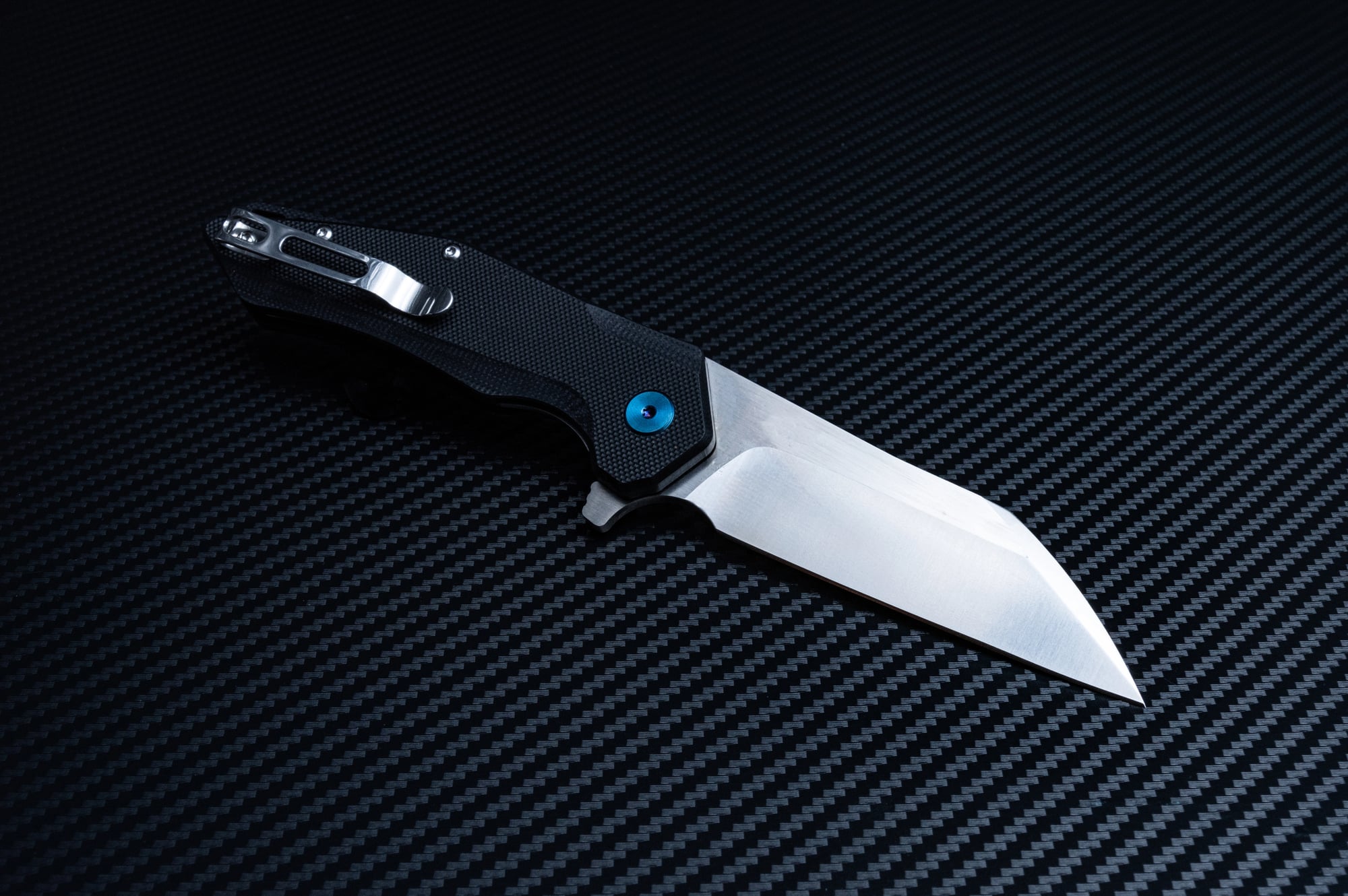
A pocket knife is the most personal of all the small hand-me-downs. The handle wears to the exact grip of the person who used it longest, the blade holds an edge in ways that factory-new knives don’t quite manage, and the whole thing fits in a palm with the settled weight of something that has been used and cared for and used again.
There’s no ceremony in inheriting one — it just lands in your hand and feels like it was already yours.
Linen Tablecloths
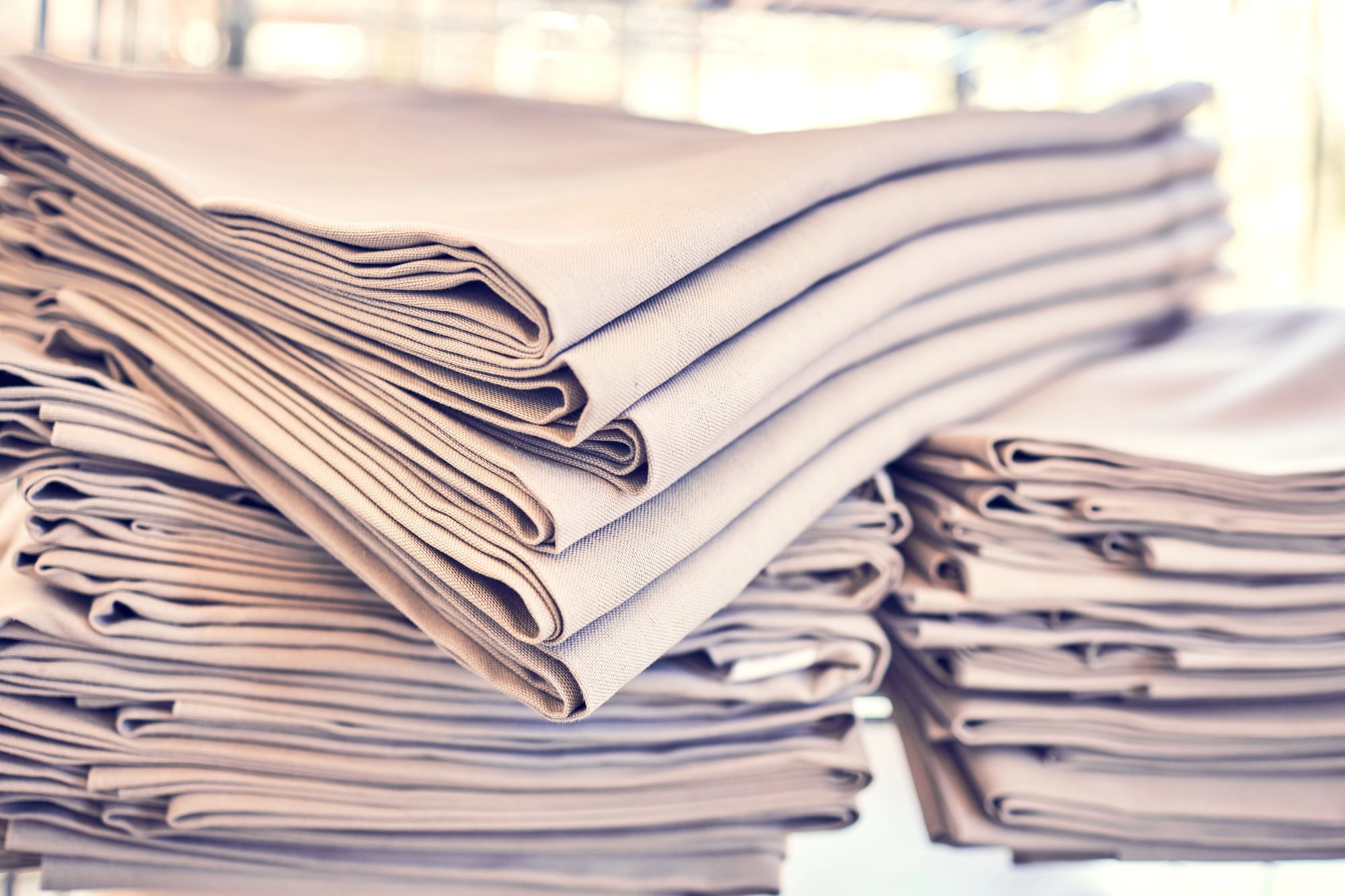
Linen tablecloths take decades to reach their best version of themselves, which is why the ones that survive three generations are also the ones that feel unmistakably right on a table. The fabric softens without losing its body, the faint creases from decades of the same fold lines become part of the texture, and the stains — if they’re still visible — have faded to the kind of ghost marks that suggest history rather than carelessness.
Books

Some books carry three generations of marginalia. The original owner underlined in pencil, the second read it in a different country and added notes in the margins in a different hand, and the third — probably you — finds all of it and suddenly the book is doing two things at once: telling its own story, and telling a story about everyone who read it before.
That’s a lot to ask of a paperback.
Rocking Horses
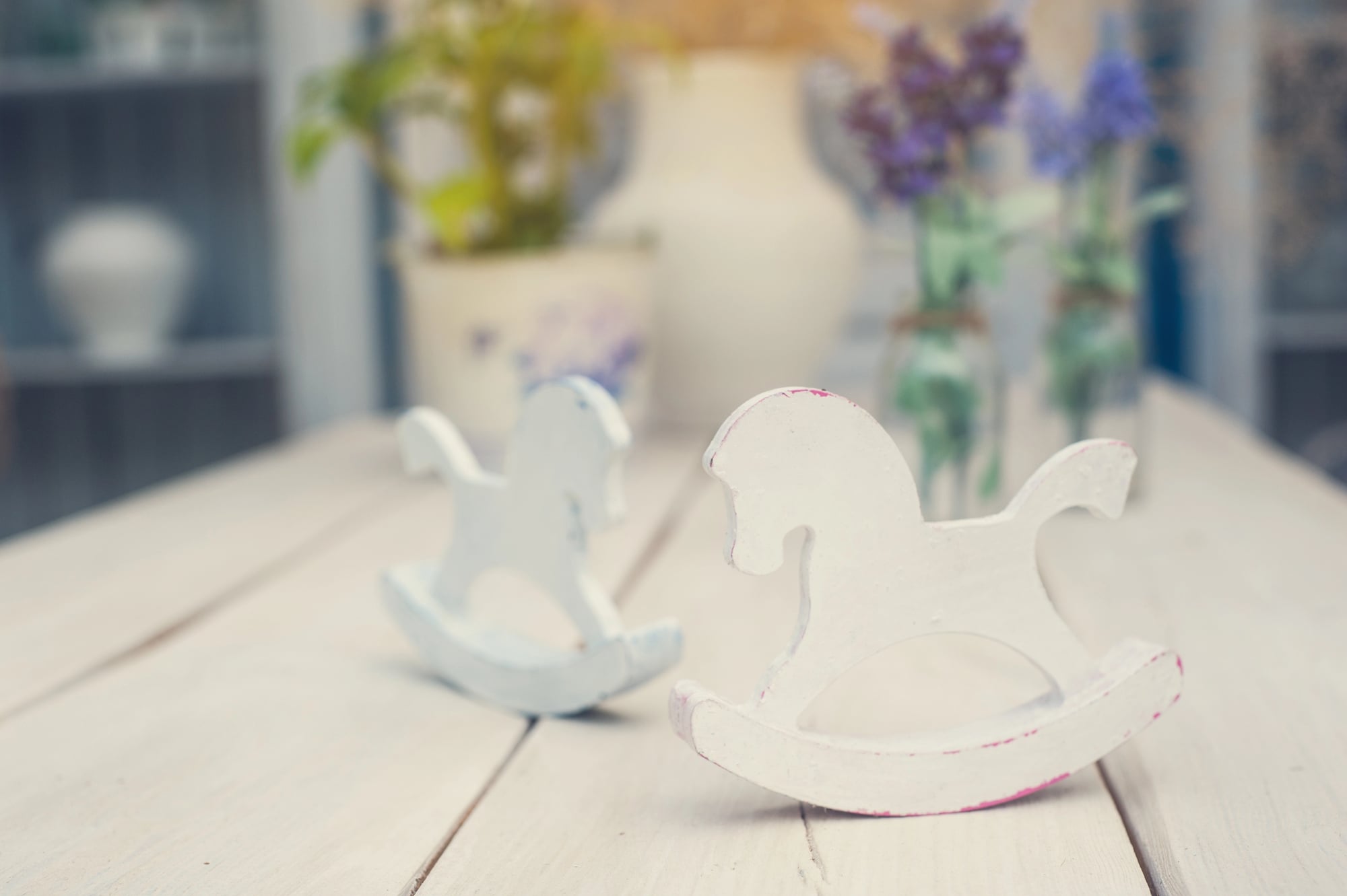
A rocking horse is built to take punishment, which is why so many of them survive it. Repainted, re-maned, repaired at the joints — the same horse that terrified a child in 1955 with its slightly unnerving glass eyes is still in the corner of someone’s nursery now, smaller than everyone remembered, still rocking on the same arc.
Objects built for children tend to outlast the children, which is its own strange kind of victory.
Mirrors
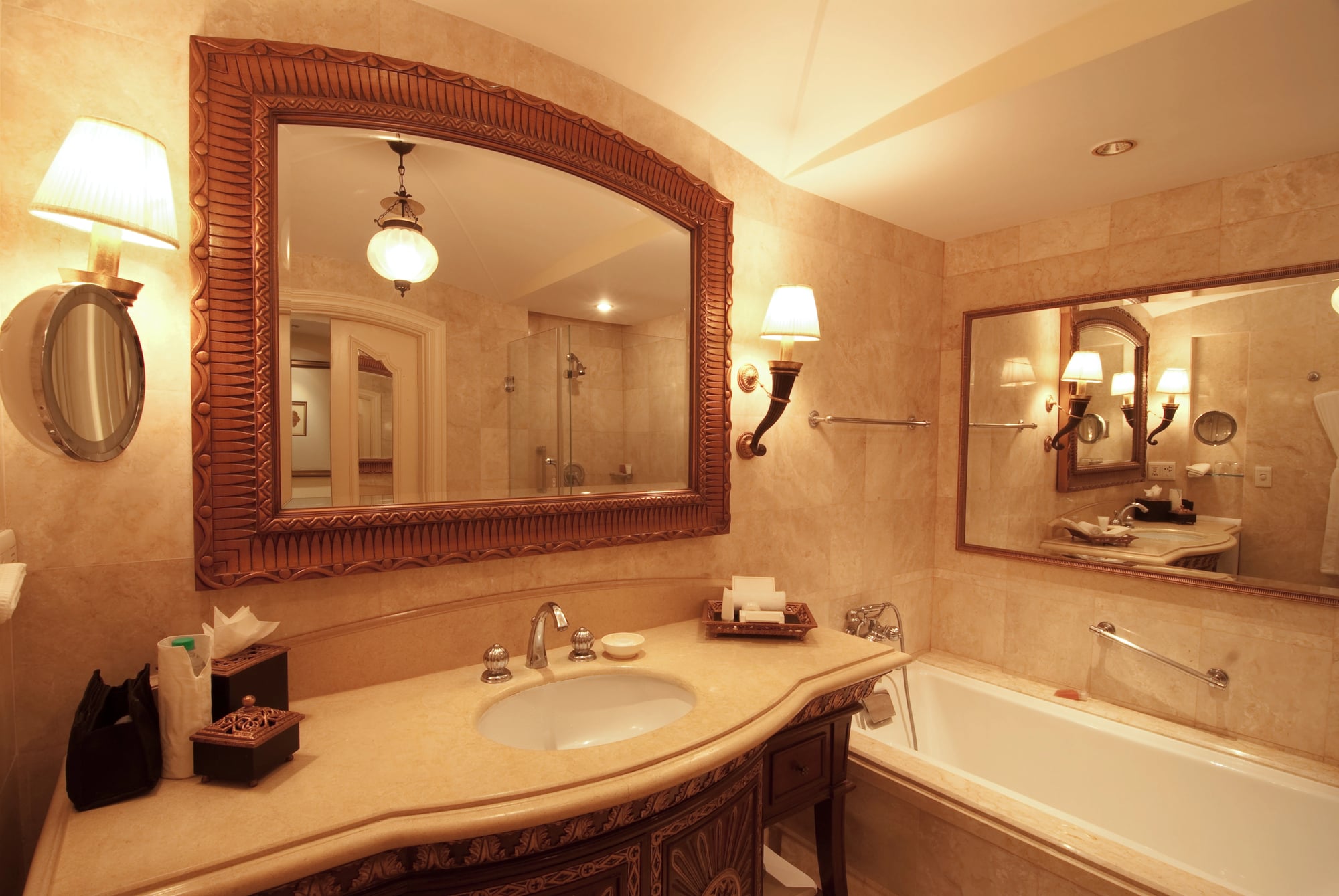
An old mirror doesn’t just reflect — it distorts slightly, the silver behind the glass having aged into something that softens the image at the edges. Three generations of faces have looked into the same oval frame, each one seeing themselves in a glass that was already old when their grandparents stood in front of it, and the frame itself — carved wood, painted, carved again — carries the fingerprints of every adjustment made to get the angle right.
China Sets
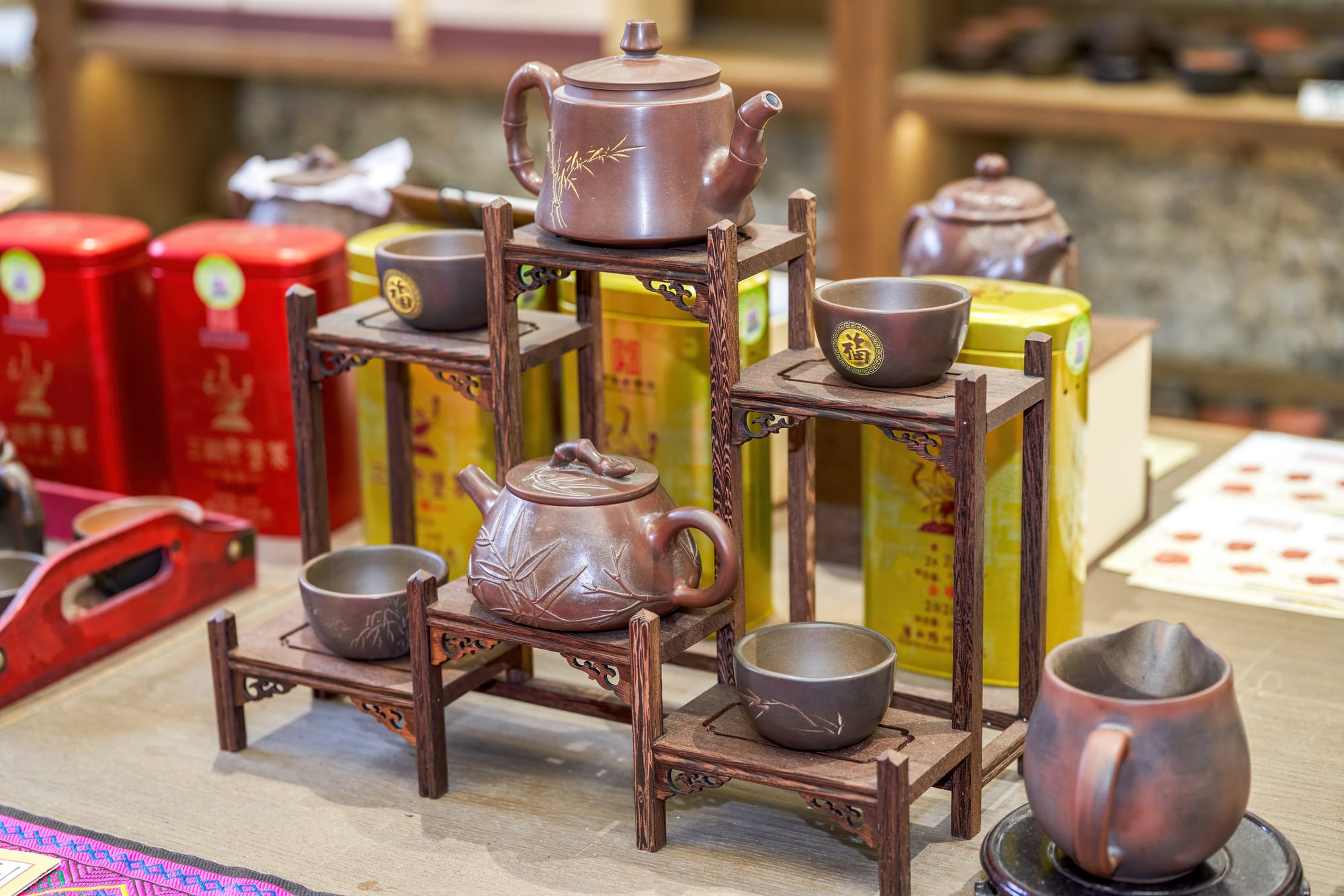
China sets are the objects most likely to arrive incomplete. A set that started with twelve place settings passes to the next generation as ten, then eight, and by the time it reaches the third household it’s a mismatched collection of serving pieces and odd plates that no longer constitute a “set” in any formal sense but remain irreplaceable anyway.
Every missing piece has a story. Nobody talks about the stories.
The remaining pieces stay in the cabinet regardless.
Wristwatches
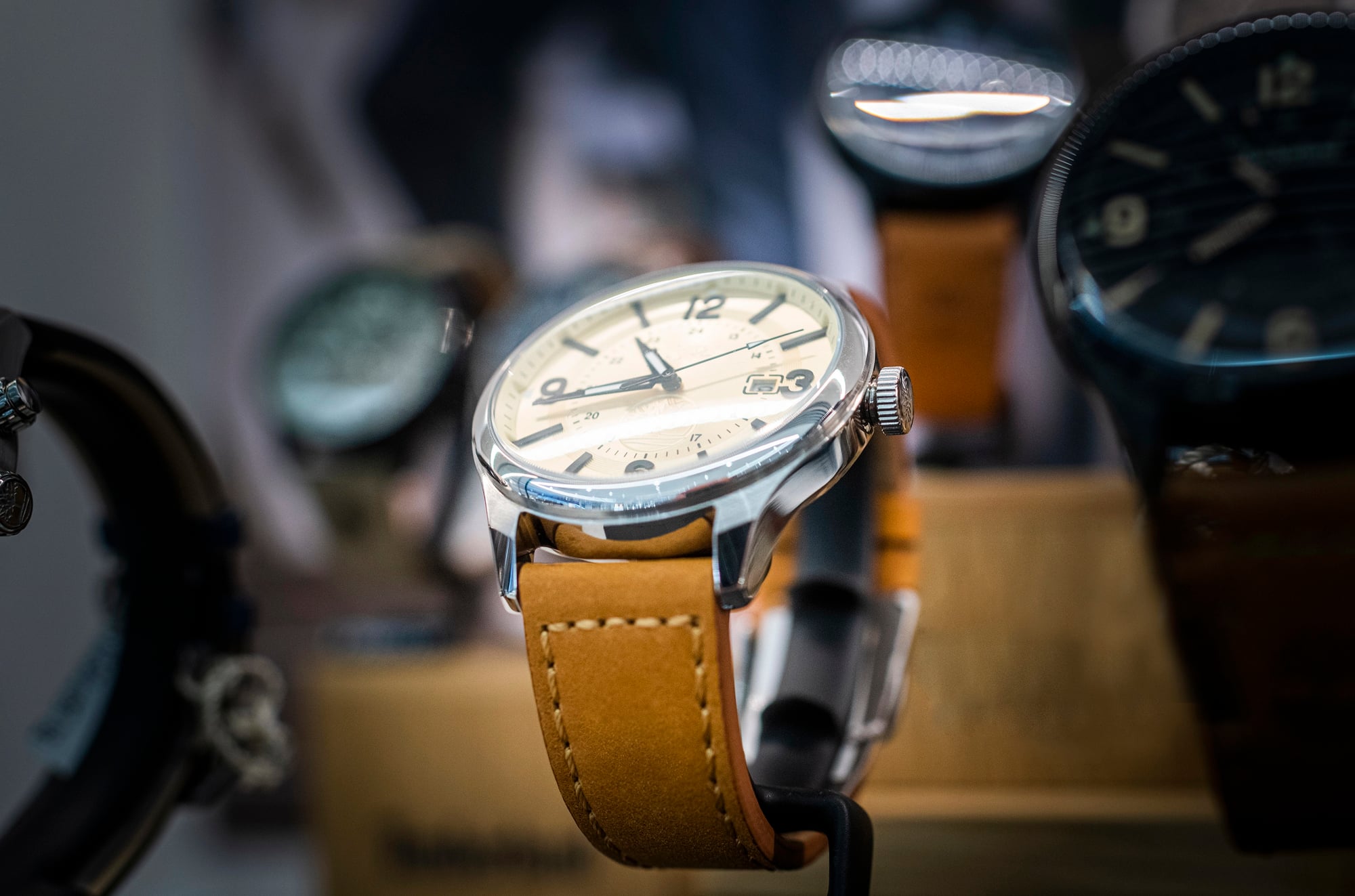
A mechanical wristwatch, properly maintained, has no natural lifespan. The movement can be cleaned and serviced indefinitely, the crystal replaced, the strap swapped out — and so the watch that a grandfather wore to his office every morning in 1962 can sit on a grandchild’s wrist in a completely different century and tell accurate time.
That particular continuity — the same mechanism, still running — is difficult to replicate with anything made of plastic or pixels.
Letters
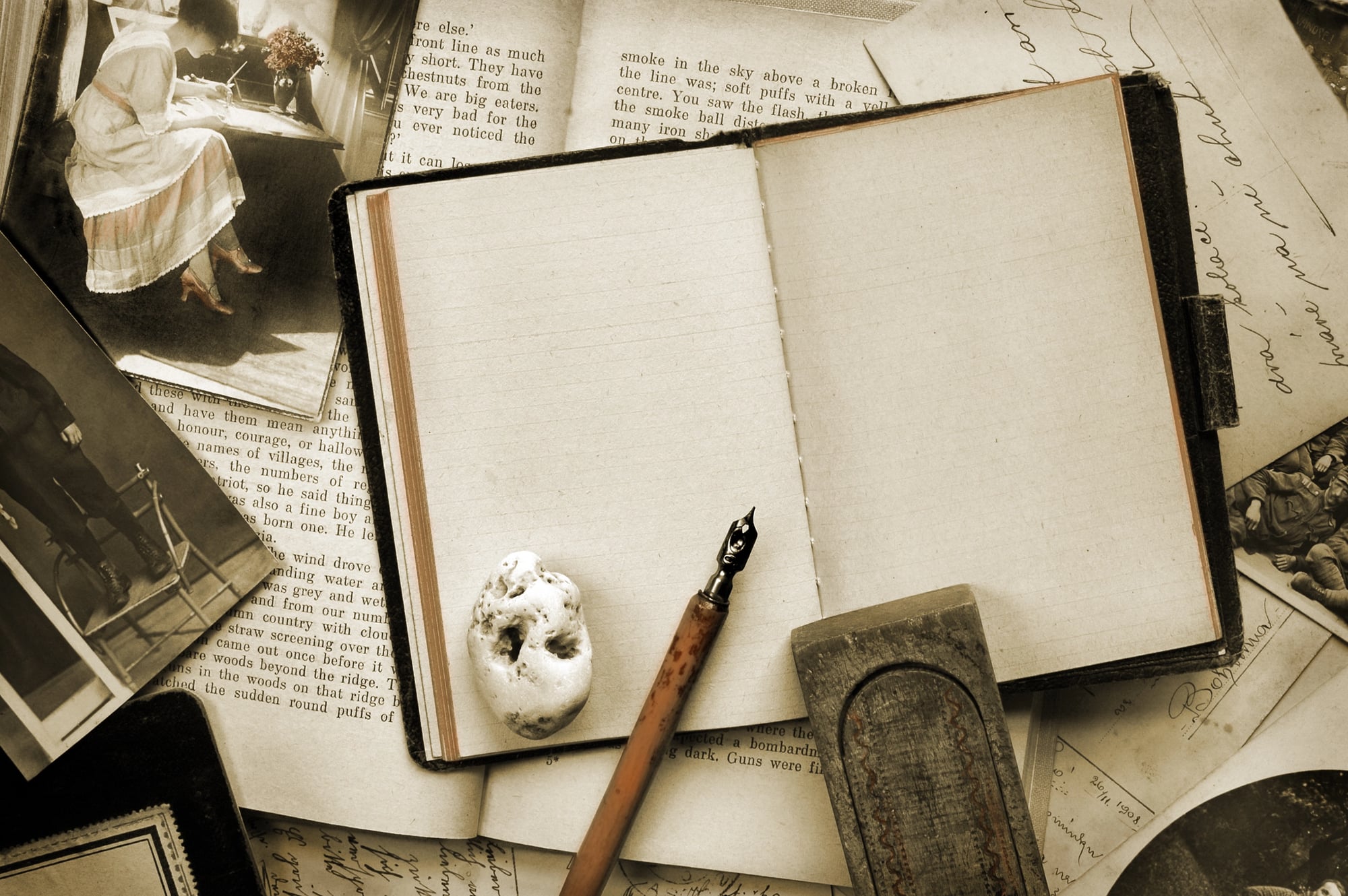
There’s a reason people kept letters in shoeboxes under the bed for decades. A handwritten letter from 1943 carries information that no photograph can — the specific pressure of the pen, the word crossed out and rewritten, the ink that ran slightly where a drop of something landed — and three generations later it reads less like a document and more like a transmission from a frequency that no longer exists.
The person who wrote it believed someone would read it. Turns out, they were right.
What Gets Kept Says Everything

The things that survive three generations aren’t always the most expensive or the most beautiful — they’re the ones that proved impossible to discard. A skillet that cooks better than anything new. A letter that still sounds like someone’s voice.
A ring worn until the engraving inside went smooth. Objects that outlast the people who loved them carry something harder to name than sentiment — something closer to proof that a life was lived in full, and that someone on the other end of it thought it was worth remembering.
You can’t buy that at an estate sale. You can only inherit it.
More from Go2Tutors!

- The Romanov Crown Jewels and Their Tragic Fate
- 13 Historical Mysteries That Science Still Can’t Solve
- Famous Hoaxes That Fooled the World for Years
- 15 Child Stars with Tragic Adult Lives
- 16 Famous Jewelry Pieces in History
Like Go2Tutors’s content? Follow us on MSN.