25 High School Traditions from the ’80s That Have Completely Disappeared
High school in the 1980s was a different world. Between the frosted hair, neon colors, and the constant threat of nuclear annihilation, teenagers found ways to create their own rituals and traditions that bound their communities together.
These weren’t just activities—they were rites of passage that defined what it meant to be a teenager in Reagan’s America.
Most of these traditions have vanished completely, casualties of technology, changing social norms, and liability concerns. Some deserved to die.
Others carried a particular magic that today’s students will never experience. Here are the high school traditions from the ’80s that have disappeared entirely.
Decorating Lockers for Birthdays
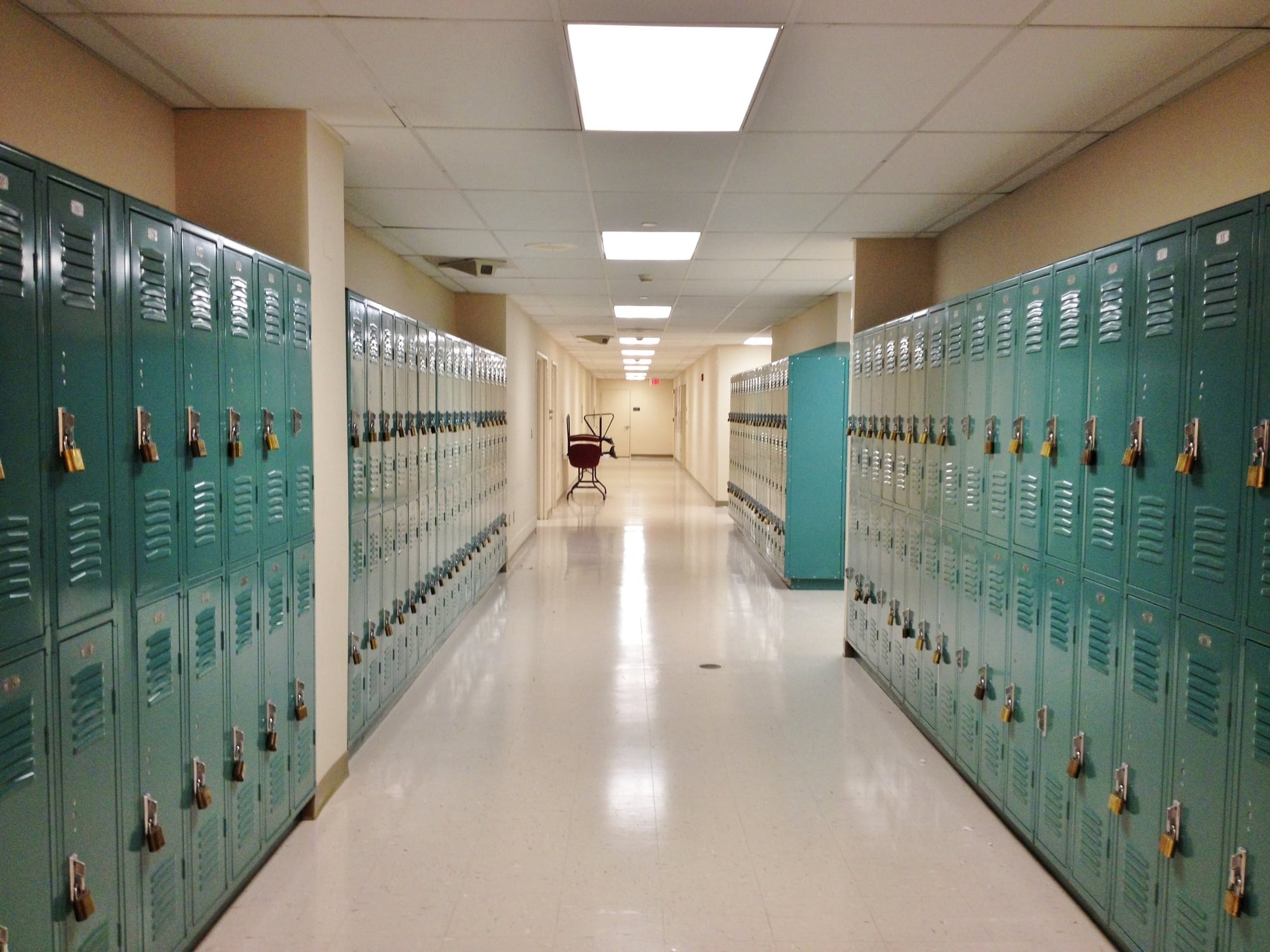
Your locker was your kingdom. Friends would arrive early to wallpaper it with wrapping paper, balloons, and handwritten notes before the birthday kid arrived.
The janitors hated it.
Passing Notes in Class

Folding paper into elaborate origami shapes became an art form. Teachers confiscated thousands of these daily communications, though most were just gossip about who liked whom and complaints about cafeteria food.
Slow Dancing to Power Ballads at School Dances

So here’s the thing about slow dancing to “Every Rose Has Its Thorn” in a gymnasium decorated with crepe paper streamers: it was awkward, your palms got sweaty, and the moment felt like it might last forever (which was sometimes good, sometimes terrible, depending on your partner). The ritual had rules nobody taught but everyone knew—where to put your hands, how close to stand, what to do when the song ended but the next slow song started immediately.
And yet the whole enterprise carried a weight that today’s teenagers, with their elaborate promposal videos and choreographed TikTok dances, might find quaint. There was something honest about swaying uncertainly in a room that smelled like floor wax and teenage desperation, hoping the person in your arms might like you back.
Calling Radio Stations to Request Songs
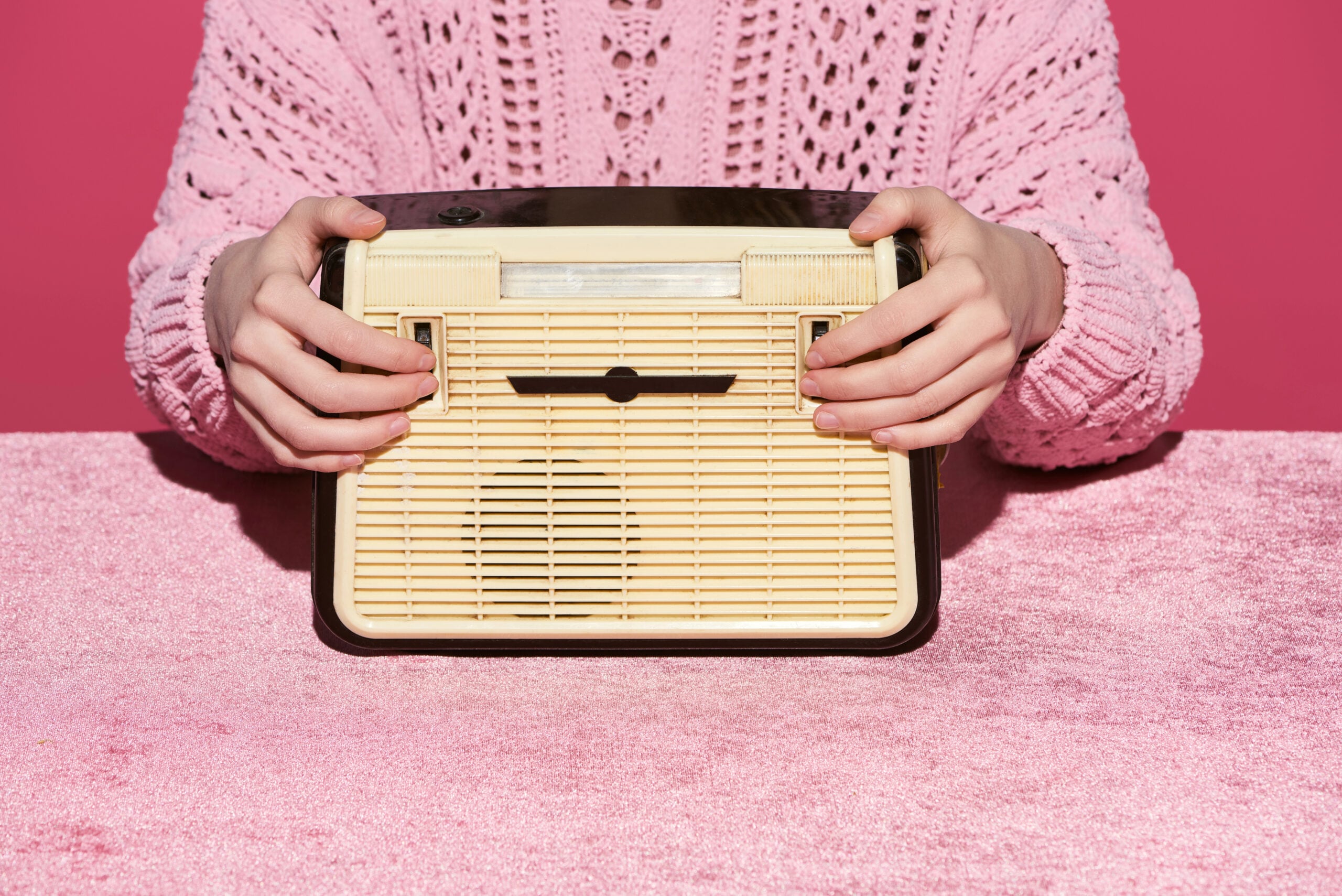
Local radio DJs knew students by their first names. Requesting dedications required strategy—you had to call during specific windows and hope your song made it on air before your crush left for work.
Making Mixed Tapes for Friends and Crushes
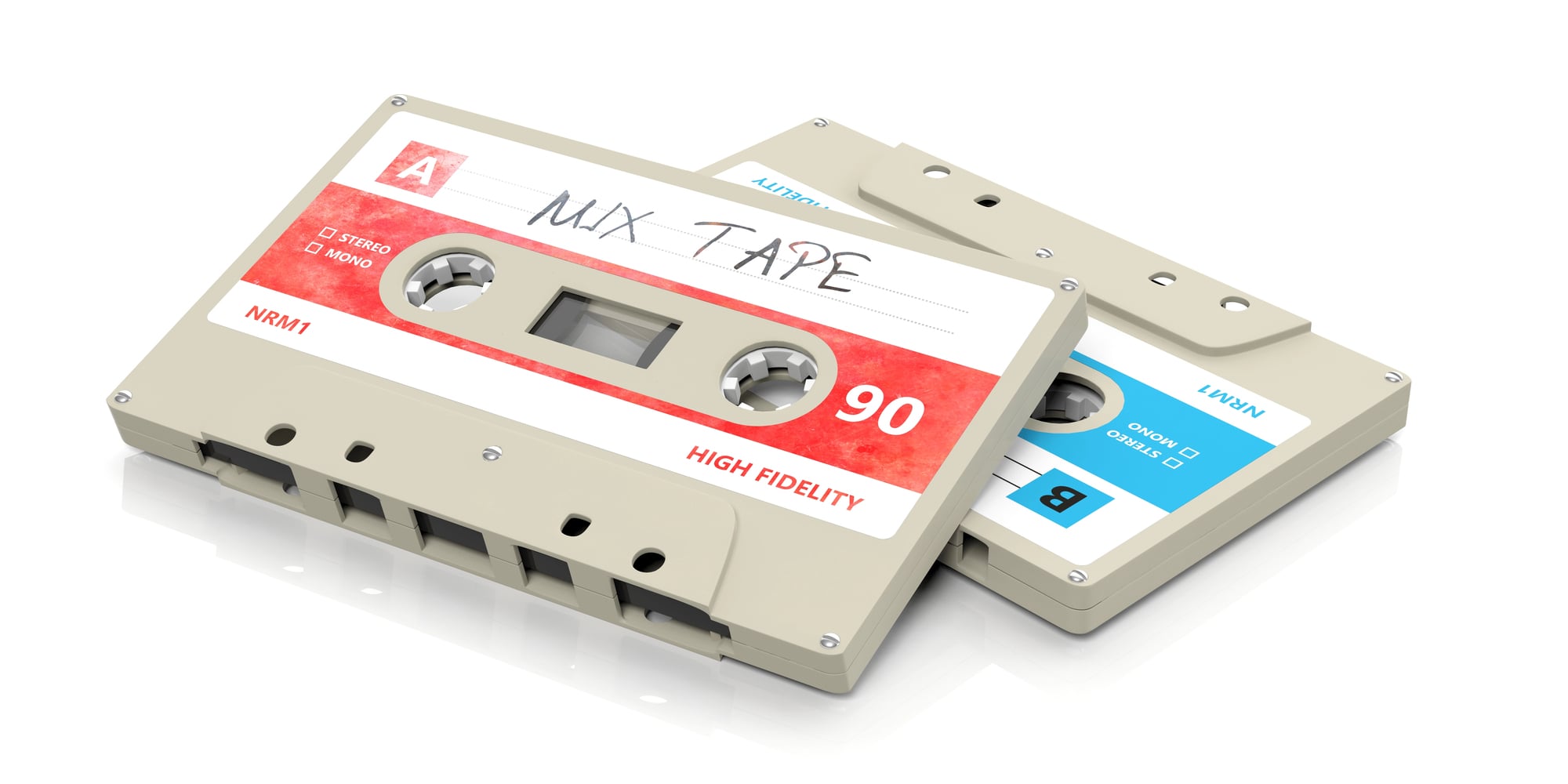
The mixed tape represented hours of careful curation. You recorded songs off the radio, timed them perfectly to avoid cutting off endings, and wrote track listings in your best handwriting on the J-card.
Getting one meant someone cared enough to spend real time on you.
Smoke Areas on Campus
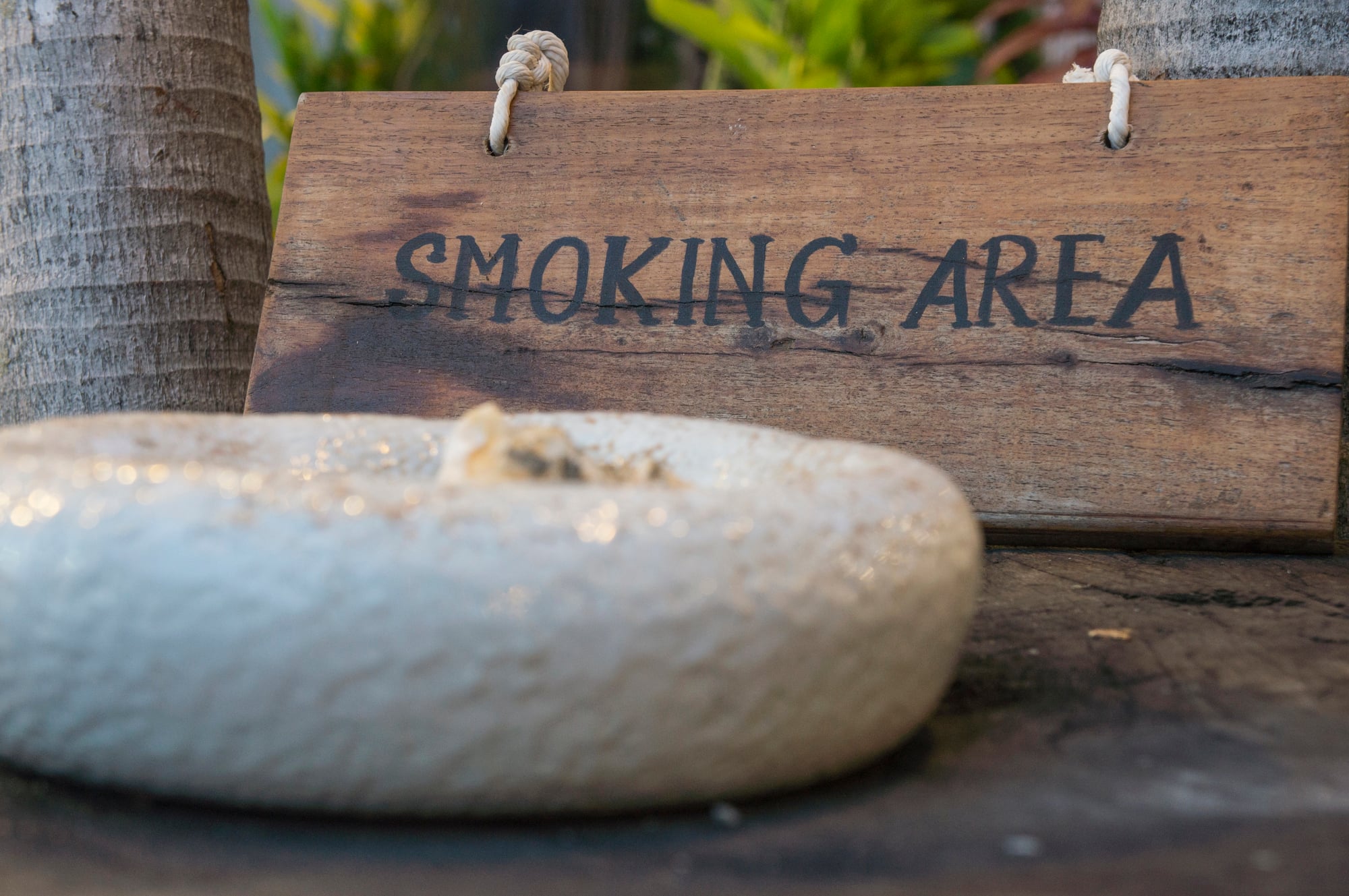
Most high schools had designated smoke areas where students could legally light up during lunch and between classes (because the legal smoke age was 16-18 in most states, and schools hadn’t figured out liability yet). Teachers sometimes joined students there—which sounds insane now but felt perfectly normal then, like finding your math teacher at McDonald’s: slightly weird but not worth freaking out about.
So you’d have these bizarre moments where the burnouts and the honor roll kids would end up standing next to Mr. Henderson from chemistry, all of them puffing away while discussing weekend plans or complaining about the cafeteria’s mystery meat. The areas usually consisted of a few picnic tables and some large ashtrays that the maintenance crew emptied daily.
Pep Rally Human Pyramids
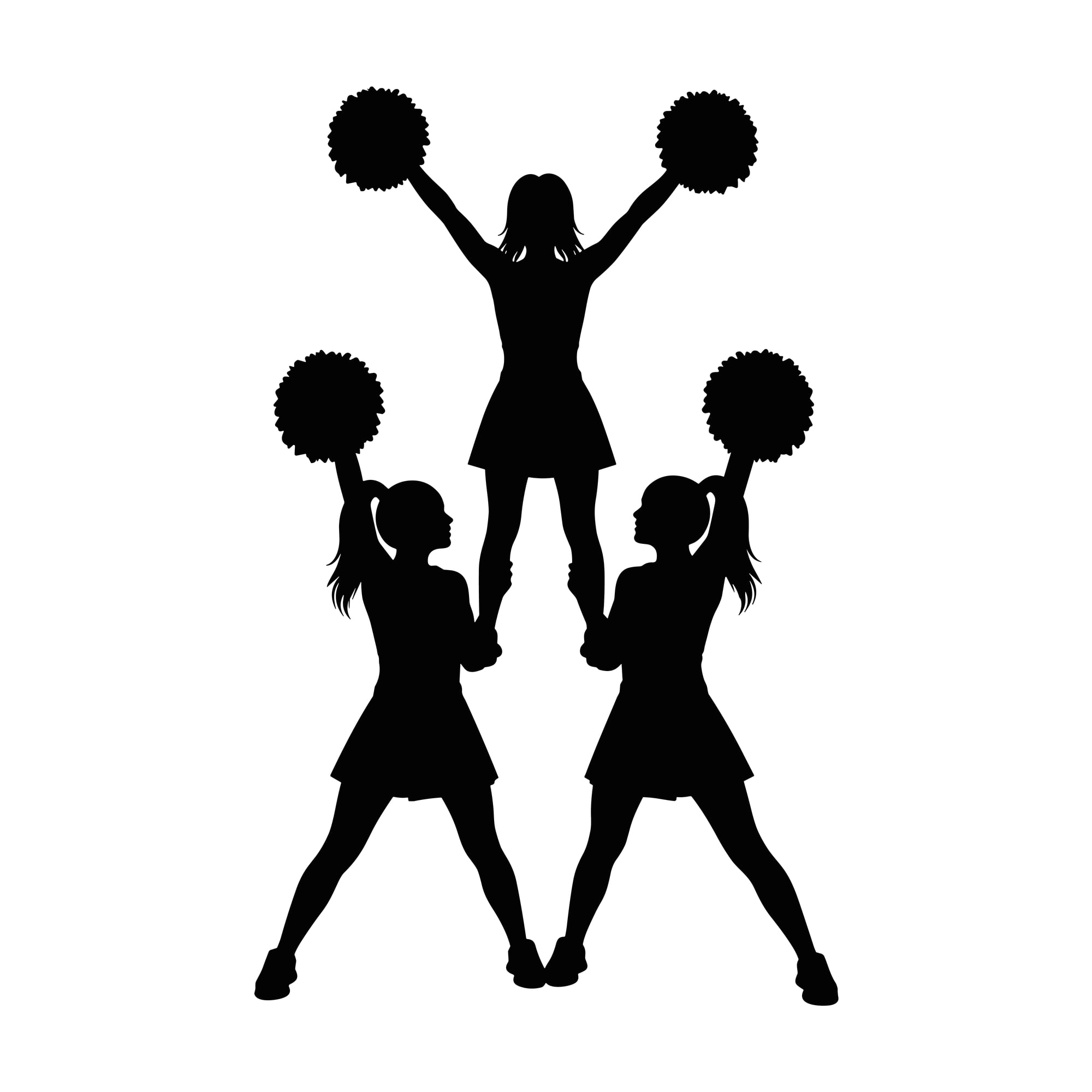
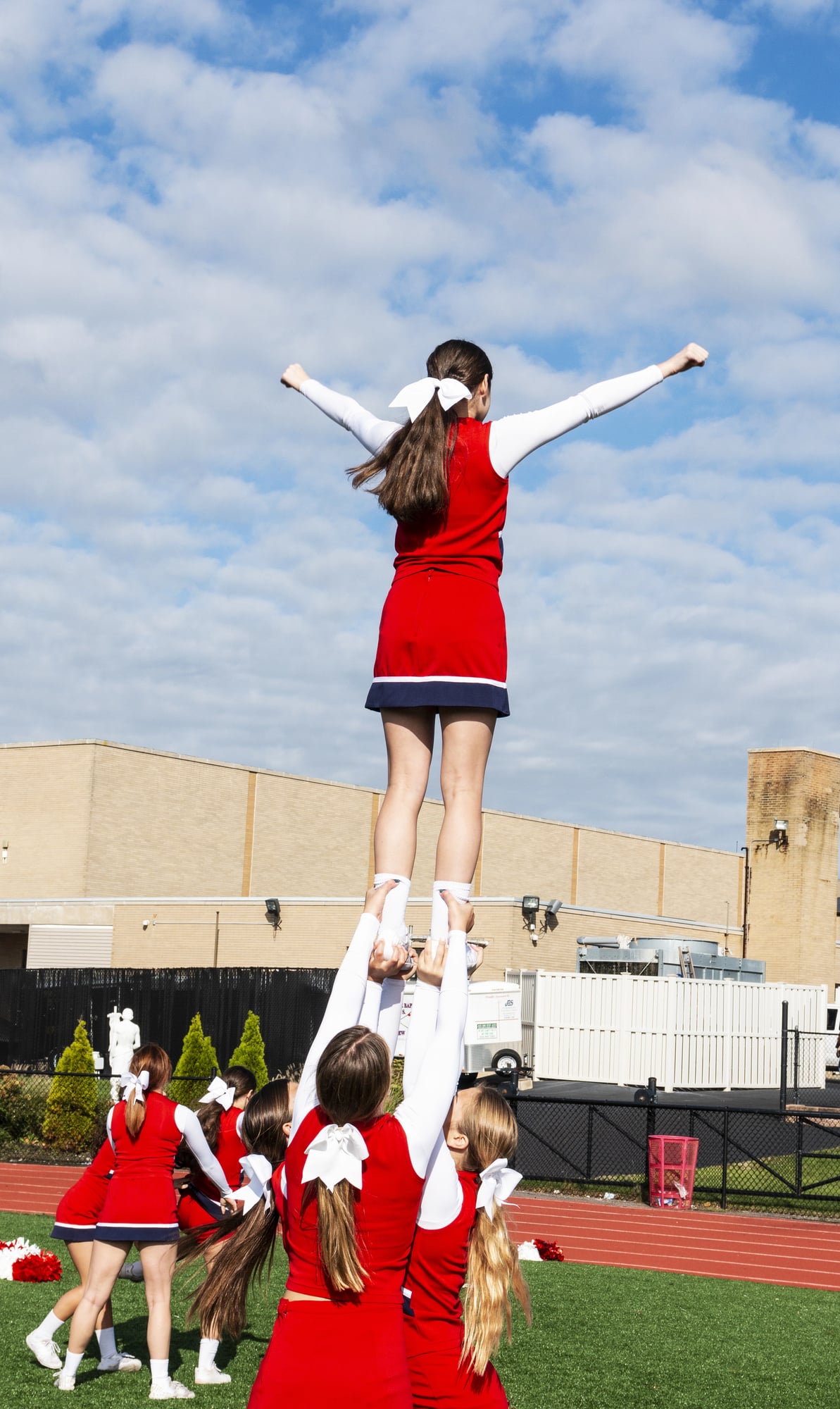
Cheerleaders built increasingly dangerous human formations while the entire school watched. No safety mats, no spotters, just teenage confidence and crowd pressure.
Falls happened regularly.
Senior Pranks That Actually Disrupted School

Schools tolerated elaborate pranks that would result in arrests today. Seniors filled hallways with balloons, released farm animals, or turned entire classrooms into beach scenes.
Administrators rolled their eyes and cleaned up afterward.
Homecoming Mums
In many regions, especially Texas, homecoming mums grew into massive corsages decorated with ribbons, bells, and trinkets that could weigh several pounds. Boys wore smaller versions called garters.
The tradition peaked in the ’80s before becoming unwieldy.
Class Rings as Status Symbols

A class ring from Jostens was like carrying around proof of your commitment to the future—you were going to graduate, you belonged somewhere, and you had $150 to prove it. The rings were massive chunks of gold-plated metal that left green marks on your finger and served no practical purpose whatsoever, but wearing one signaled that you took your high school identity seriously enough to make it permanent.
Kids would order them junior year and spend months agonizing over details: what stone color, which activities to include, whether to get your name engraved on the inside. The rings arrived in ceremonial presentations during lunch periods, complete with velvet boxes and order forms for family members who wanted to buy smaller versions.
And then, inevitably, five years later, most of them ended up in jewelry boxes, too embarrassing to wear but too expensive to throw away.
Actual Film Photography for School Events
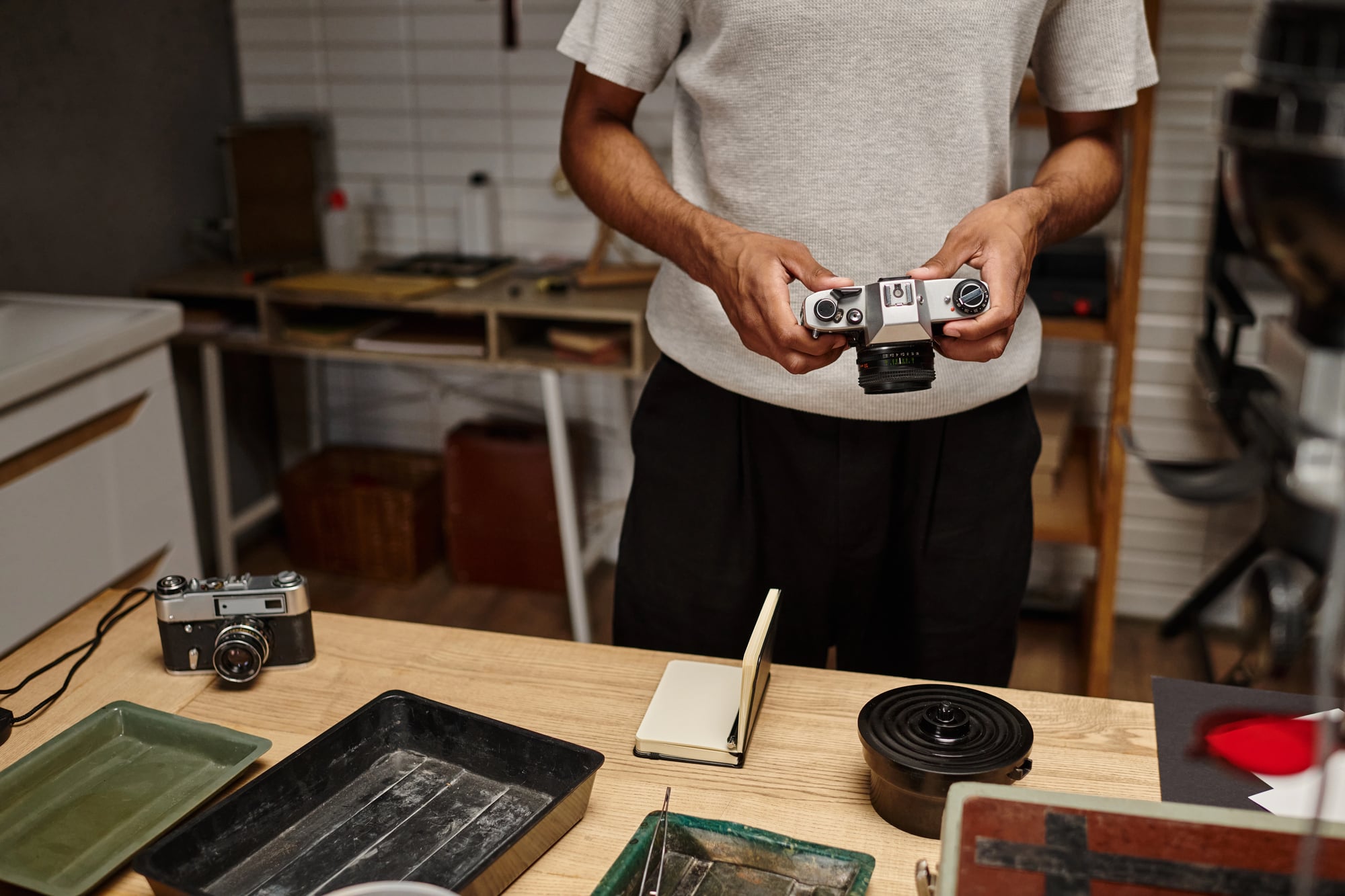
Every photo required film, developing, and waiting. Yearbook photographers shot rolls of film at school events, then spent hours in darkrooms developing contact sheets.
Bad photos stayed bad forever.
Drive-In Movies for Dates
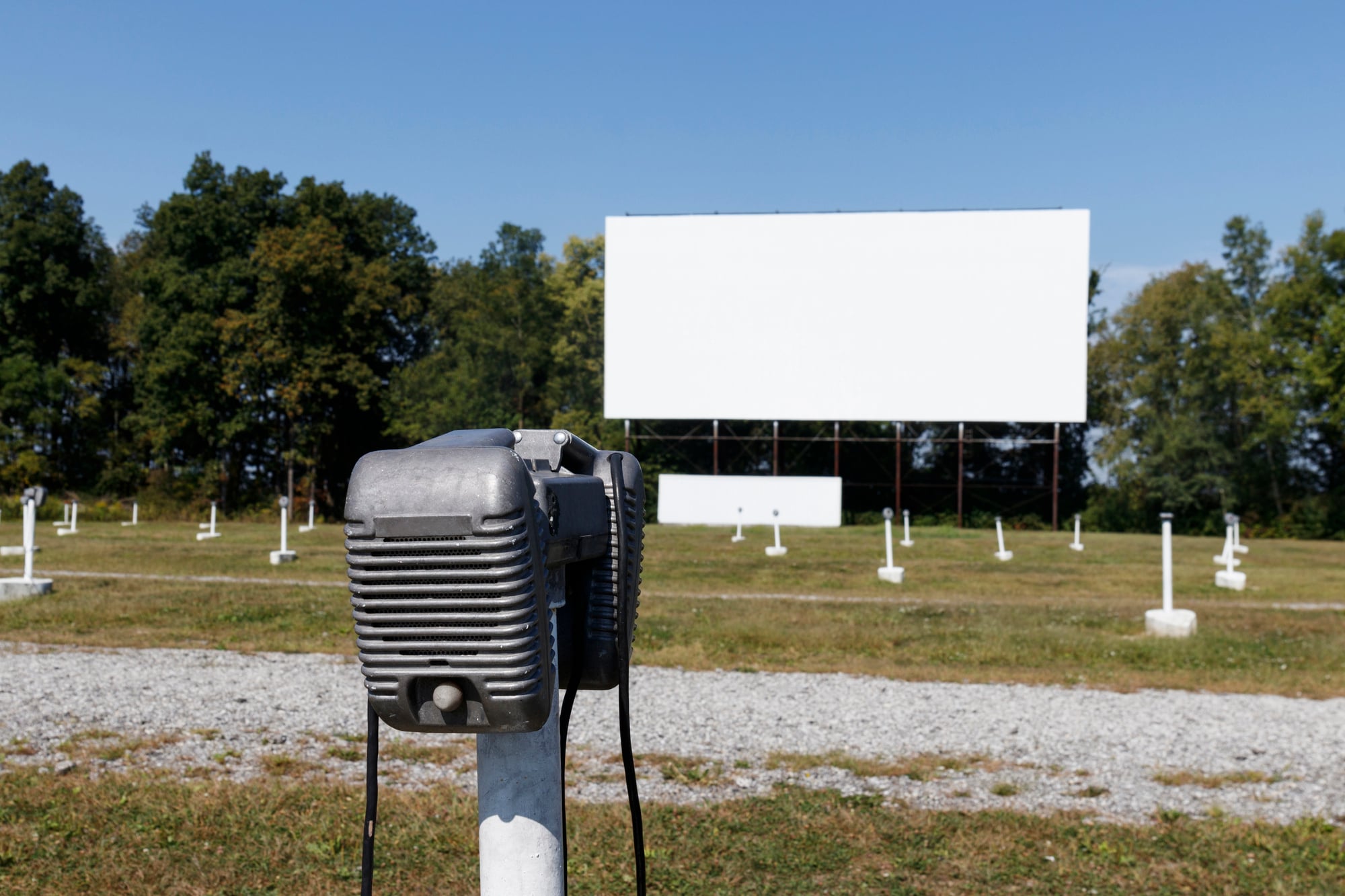
Drive-in theaters served as unofficial extensions of high school social life. Students would pile friends into car trunks to avoid paying admission, then spend more time talking than watching whatever was on the double feature.
Study Hall as Social Hour

Study hall wasn’t for studying—it was for catching up on gossip, finishing homework due next period, and passing more notes. Teachers who actually enforced silence were considered tyrants.
Talent Shows That Showcased Actual Student Talent
The school talent show was serious business, and not just because of the questionable musical choices (though hearing “Paradise City” performed acoustically by someone who’d been taking guitar lessons for six months was its own form of entertainment). Students spent weeks preparing acts that ranged from genuinely impressive to courageously terrible, and the audience—composed entirely of people they’d have to face in the hallways the next day—would either make them legends or provide ammunition for years of gentle mockery.
But the whole enterprise had an earnestness that’s hard to find now. Kids would get up there and perform magic tricks with shaky hands, sing Whitney Houston songs that were clearly out of their range, or do comedy routines that died spectacular deaths, and somehow it all felt important and real.
Waiting by the Phone for Calls

Before caller ID or cell phones, answering the phone was a gamble. Students would race to answer first, hoping it was someone they wanted to talk to rather than a parent’s work colleague or telemarketer.
Memorizing Friends’ Phone Numbers

Everyone knew at least a dozen phone numbers by heart. Losing your address book was a genuine crisis because there was no way to reconstruct contact information for casual acquaintances.
School Dances in the Gymnasium
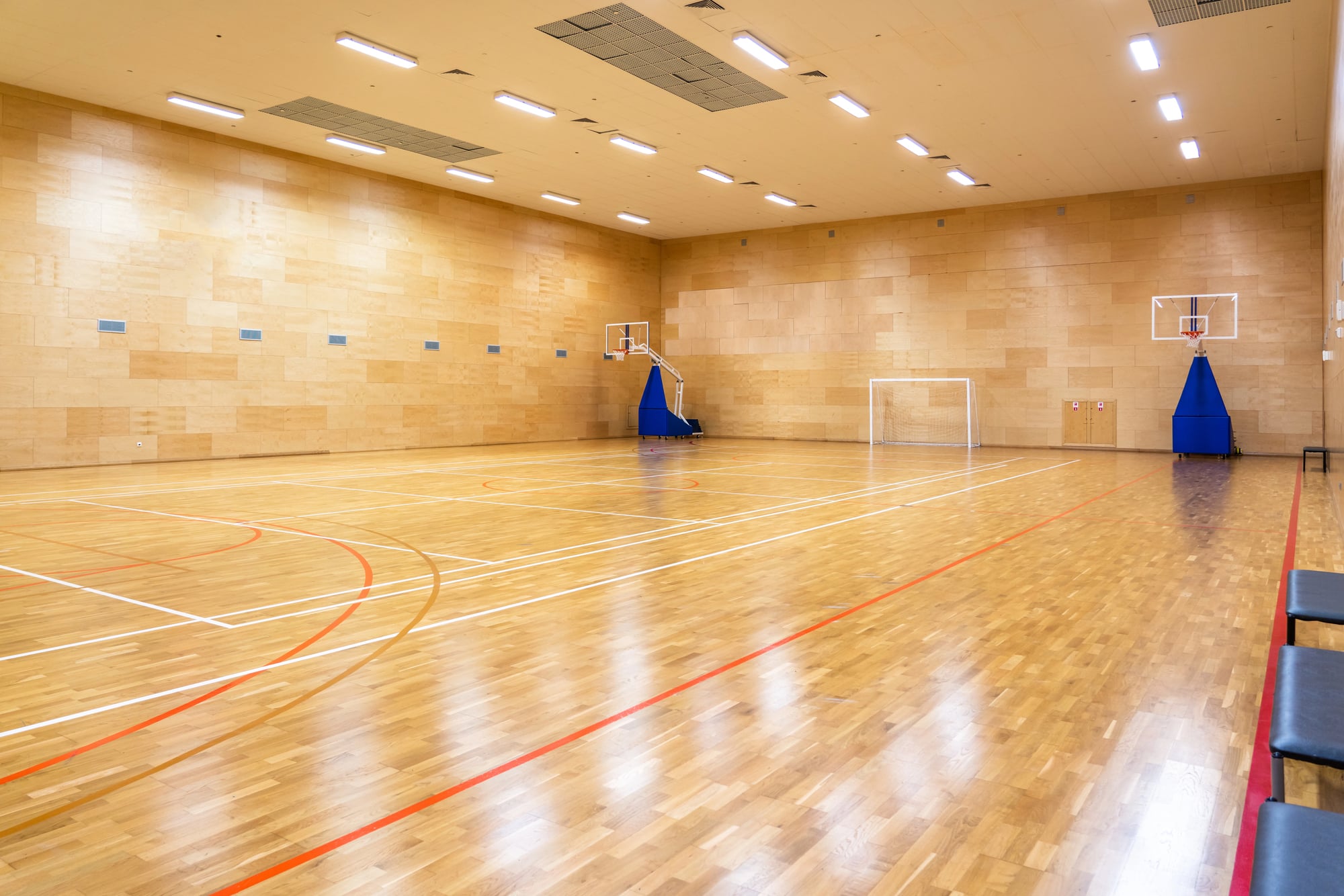
Every formal dance happened in the gym, transformed with elaborate decorations that never quite hid the basketball hoops. The floor would be covered with butcher paper or plastic sheeting to protect the court, and the decorating committee would spend days hanging streamers and balloons from the rafters.
The result was always slightly shabby and completely magical—like attending prom in a warehouse, but somehow that made it feel more authentic than renting a hotel ballroom. And at the end of the night, students would help tear down decorations, rolling up miles of crepe paper while still in their formal wear, because using the gym meant everyone had to pitch in to restore it for Monday morning basketball practice.
Elaborate Senior Skip Days

Entire senior classes would coordinate mass absences for trips to beaches, amusement parks, or just hanging out at someone’s house with a pool. Schools knew exactly what was happening but treated it as an unofficial holiday.
Typing Class on Manual Typewriters

Students learned proper finger placement on mechanical keyboards that required actual force to operate. Making mistakes meant using correction tape or starting over completely.
The classroom sounded like a newsroom.
Hall Passes as Precious Currency
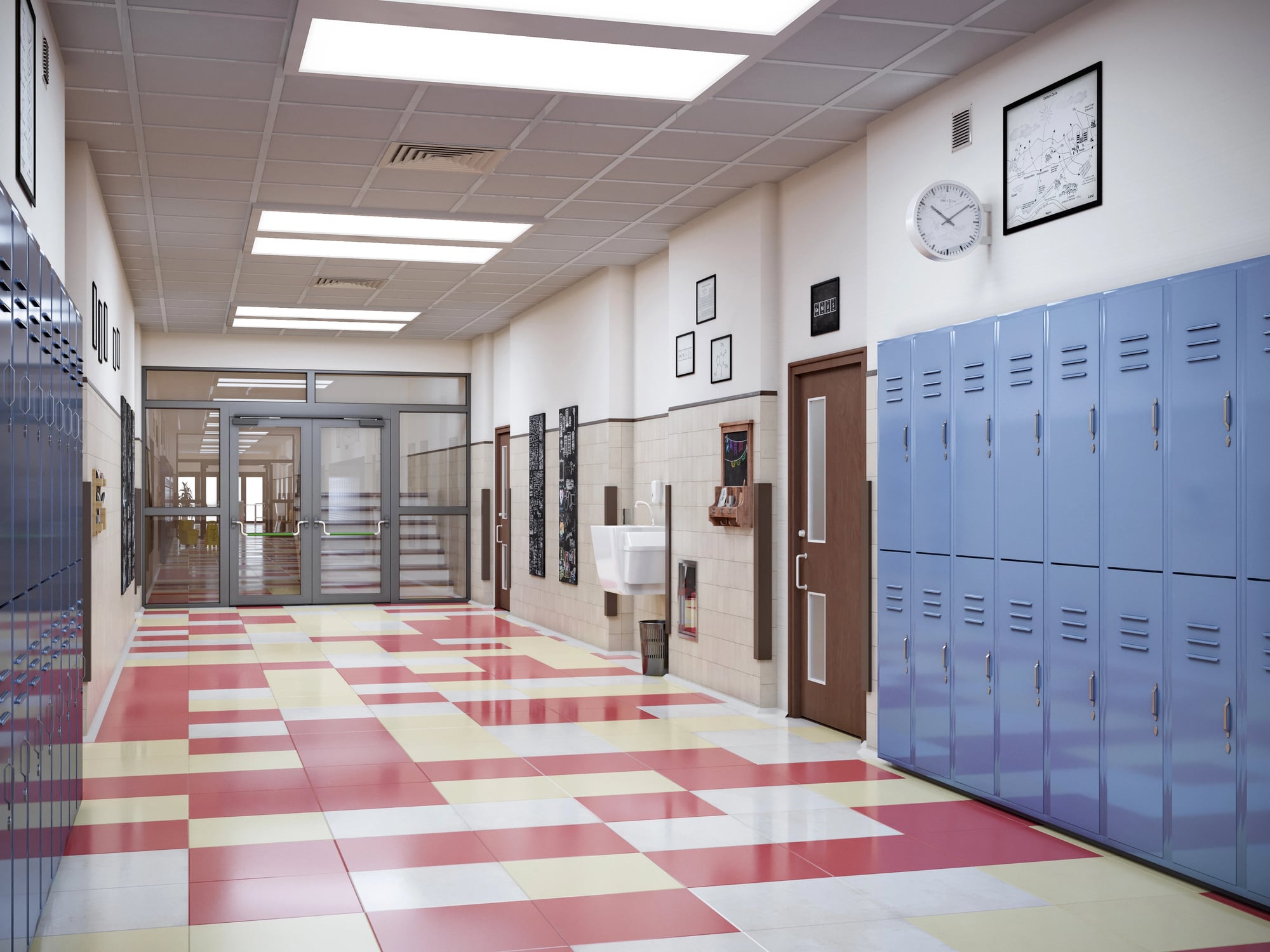
Teachers had limited hall passes, and students hoarded them for strategic use. Running out meant being stuck in class for the rest of the semester, unable to visit friends during study periods.
Car Decorating for Graduation

Seniors decorated their cars with shoe polish messages, streamers, and balloons for the last day of school. Parking lots looked like parade routes, and everyone drove around town honking horns and creating traffic jams that local police tolerated once a year.
Yearbook Signing Parties

Getting your yearbook signed was a production that required strategy, timing, and genuine social navigation skills—not the casual “sign mine!” exchange it became later. Students would carry their yearbooks for weeks, hunting down classmates to write messages that ranged from inside jokes to heartfelt paragraphs about friendship.
The popular kids’ yearbooks became heavy with signatures, while others had to work harder to fill their pages. There were unspoken rules about real estate: close friends got full pages, casual acquaintances got a corner, and everyone tried to avoid the dreaded “Have a great summer!” from people who clearly didn’t know what else to write.
Teachers would get mobbed by students wanting adult validation in the form of a signed message, and by the end of it all, yearbooks became these strange time capsules filled with handwriting, inside jokes, and promises to stay in touch forever.
Physical Locker Cleanouts
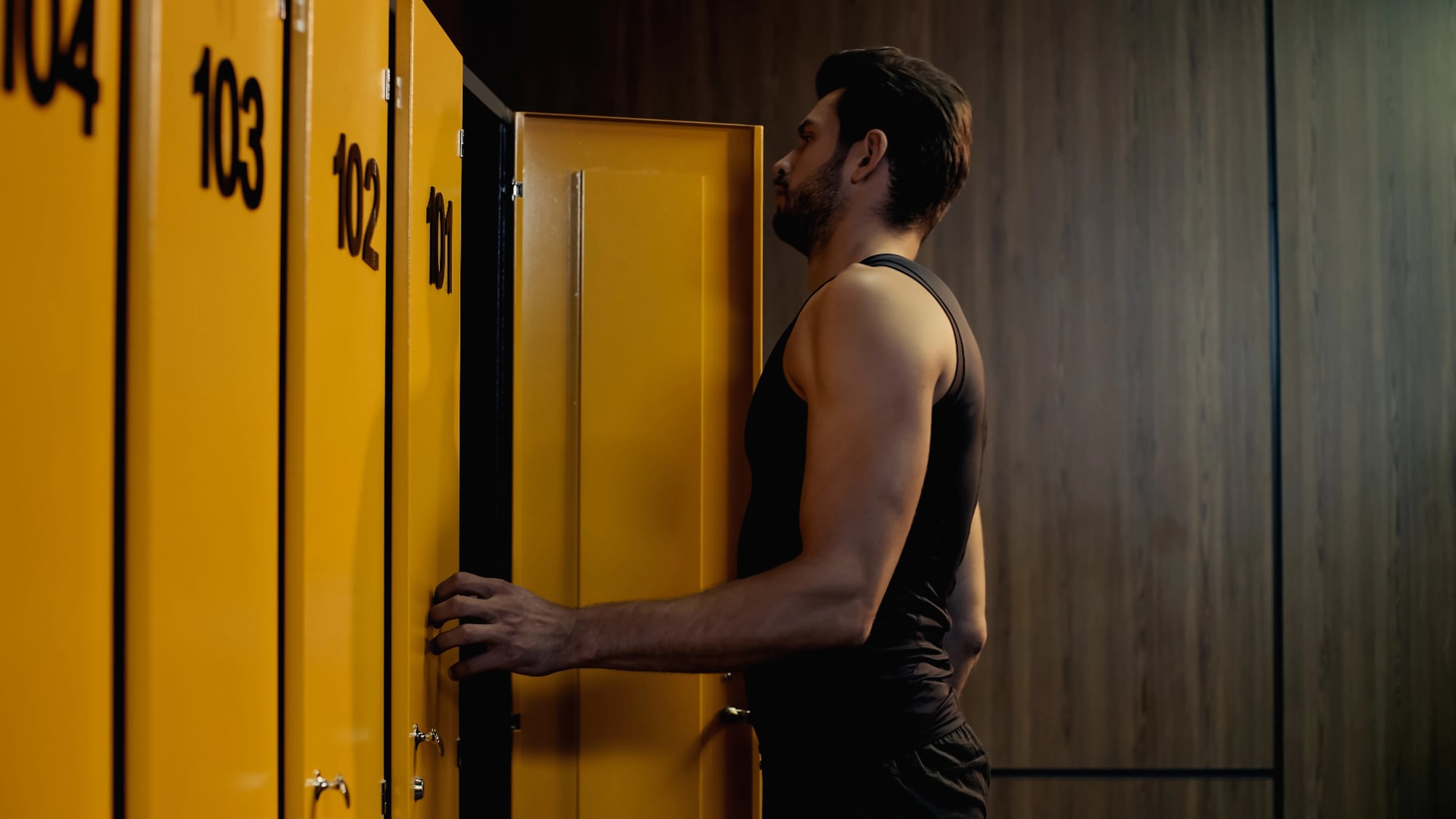
The end of the school year meant emptying lockers of months’ worth of accumulated junk. Students would discover moldy sandwiches, forgotten textbooks, and layers of notes and photos taped to locker doors.
Everything went into trash bags.
Saturday Detention
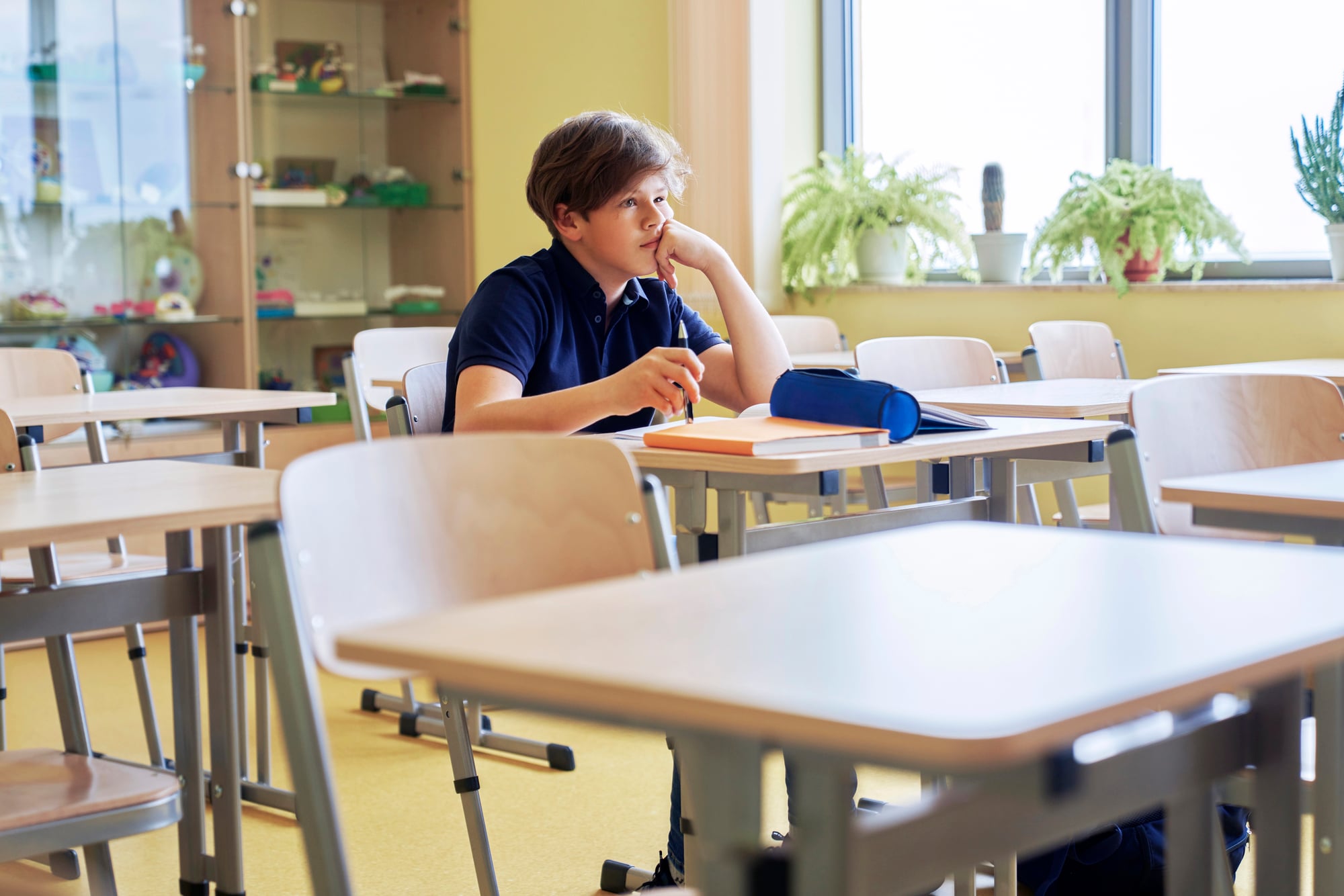
Made famous by “The Breakfast Club,” Saturday detention was real punishment. Students would sit in silence for four to eight hours, supervised by teachers who clearly didn’t want to be there either.
No phones, no entertainment, just time to think about poor choices.
Senior Parking Spot Privileges
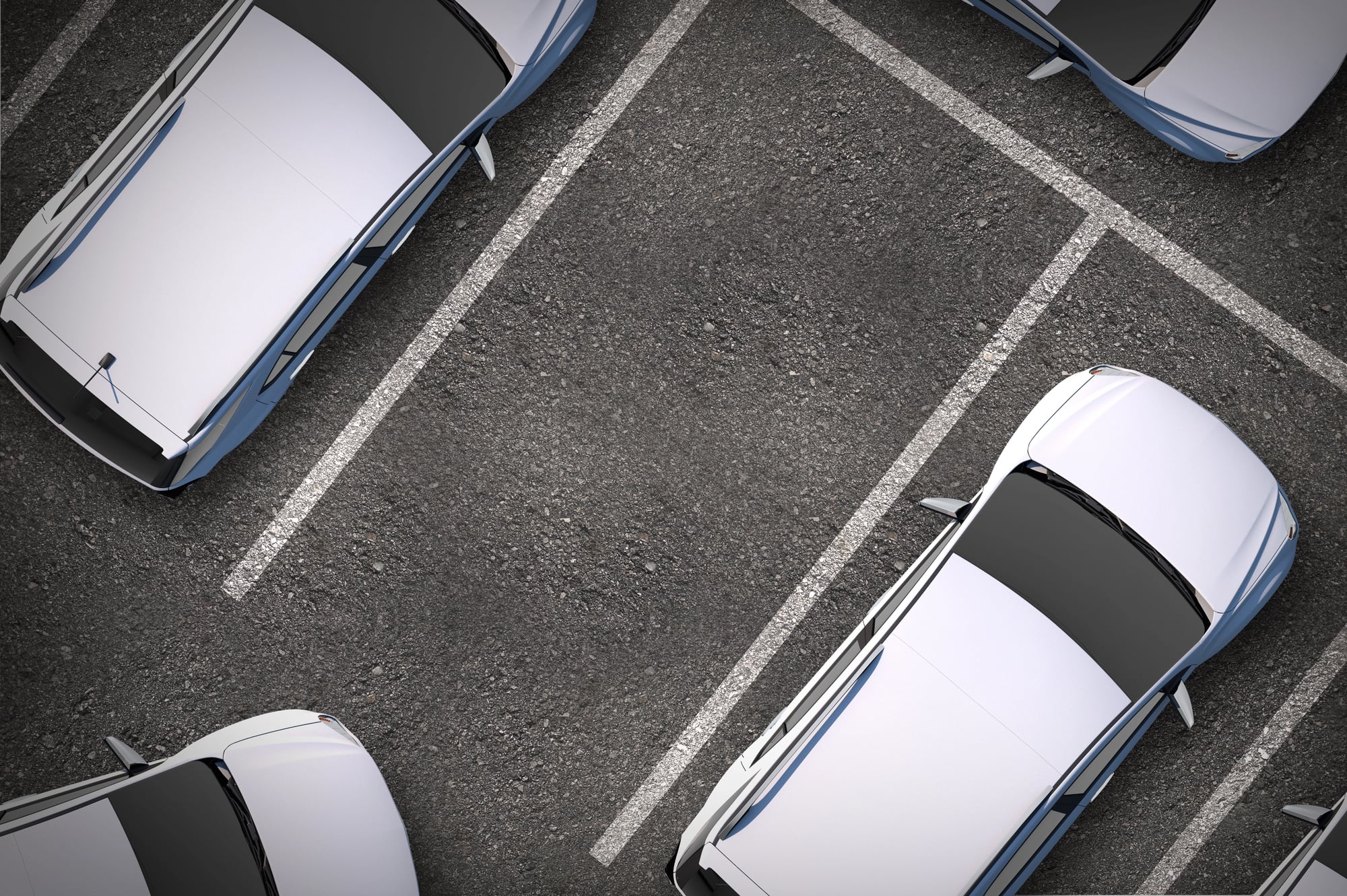
Seniors got designated parking spots close to school, often painted with their names or decorated throughout the year. Underclassmen who parked in senior spots faced social consequences that went far beyond official punishment.
When Time Stood Still

These traditions shaped entire generations of Americans who learned to wait for phone calls, treasure handwritten notes, and find magic in gymnasium dances that cost five dollars and featured a DJ with two turntables and a microphone. The rituals were smaller then, more personal, bounded by geography and limited by technology in ways that forced creativity and genuine connection.
Today’s students have promposals and social media and instant everything, but they’ll never know the particular anticipation of waiting by a locker for someone to show up, or the weight of a mixed tape made specifically for them. Some things are better now.
Many things are easier. But nothing will ever again move quite so slowly, or matter quite so much, as high school did in 1985.
More from Go2Tutors!

- The Romanov Crown Jewels and Their Tragic Fate
- 13 Historical Mysteries That Science Still Can’t Solve
- Famous Hoaxes That Fooled the World for Years
- 15 Child Stars with Tragic Adult Lives
- 16 Famous Jewelry Pieces in History
Like Go2Tutors’s content? Follow us on MSN.



