Bizarre History Trivia Your History Tutor Left Out
History classes tend to stick to the safe stuff — wars, presidents, dates you’ll forget after the test. But the real story of humanity is far weirder than any textbook admits. The margins of history are packed with absurdities that sound too strange to be true, yet somehow are.
These aren’t the footnotes that got cut for space. These are the stories that got buried because they make the past feel less dignified and more human than anyone expected.
The Great Molasses Flood

Boston, 1919. A tank holding 2.3 million gallons of molasses burst open, sending a sticky tsunami through the North End at 35 miles per hour.
Twenty-one people died. Buildings collapsed under the weight of the syrup wave, which reached heights of 25 feet in some places.
The cleanup took weeks, and locals claimed you could still smell molasses on hot summer days decades later.
Dancing Plague Victims
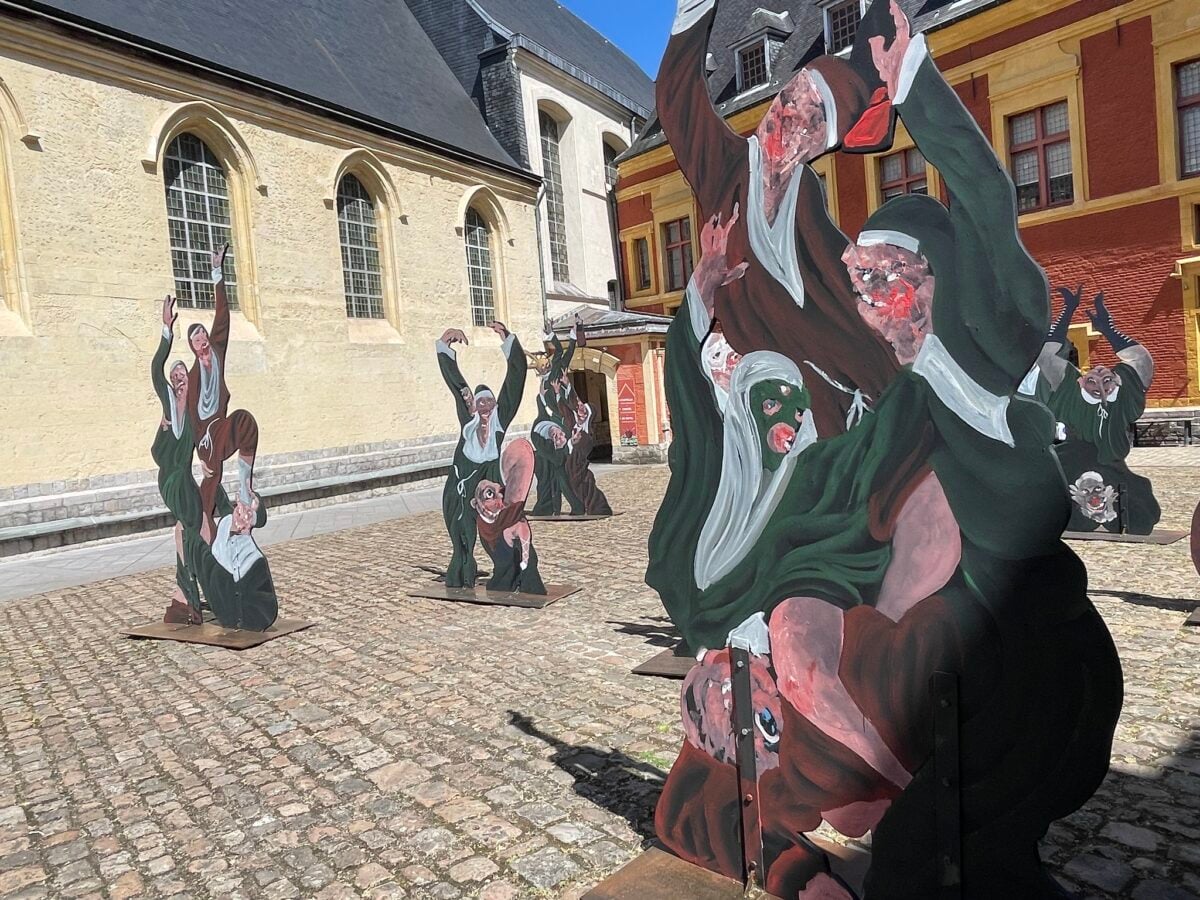
So there was this thing that happened in Strasbourg (back when it was part of the Holy Roman Empire, which tells you how long ago this was) where a woman named Frau Troffea stepped into the street in July of 1518 and began dancing — not the kind of dancing you do at weddings, but the kind that suggests something has gone very wrong with your nervous system — and she didn’t stop. Day after day.
And then (because history has a sense of humor that borders on cruel) others joined her, until dozens of people were dancing themselves toward exhaustion, some allegedly toward death, though the records get murky on the exact body count because medieval record-keeping wasn’t exactly rigorous about distinguishing between “danced until they dropped” and “dropped for other reasons while dancing.” The authorities, displaying the kind of logic that makes you wonder how our species survived this long, decided the cure for uncontrolled dancing was more dancing — they hired musicians and built stages, thinking the dancers just needed to get it out of their systems.
Which is like treating a fever by lighting yourself on fire.
War of Jenkins’ Ear

Wars get named after the dumbest things. This one started because a Spanish coast guard captain allegedly cut off British merchant Robert Jenkins’ ear in 1731, and Jenkins had the foresight to preserve it in a jar.
When tensions between Britain and Spain escalated years later, Jenkins testified before Parliament and reportedly pulled out his pickled ear as evidence. The British public was so outraged that they pressured their government into declaring war in 1739.
Thousands died over an ear in a jar that may not have even existed.
Pope Joan
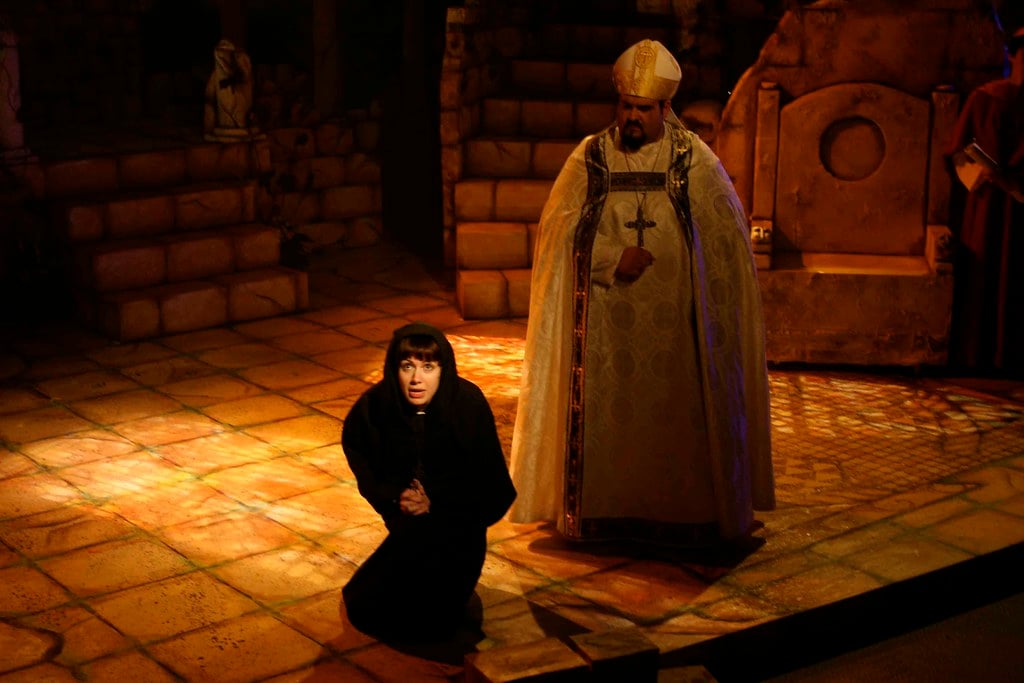
The Vatican would rather you not know this, but medieval chronicles insisted that a woman disguised herself as a man, rose through church ranks, and became Pope in the 9th century.
She reportedly gave birth during a papal procession, which rather gave the game away. The story persisted for centuries until the Church decided it was inconvenient and scrubbed most references.
Whether Pope Joan actually existed remains debated, but the fact that people believed it happened for hundreds of years says something about medieval church politics. The Church later installed a special chair with an opening in the seat to verify the gender of future papal candidates.
Because dignity was apparently negotiable.
Byzantine Purple Obsession

Purple wasn’t just a color in Byzantium — it was a weapon of social control wrapped in silk and mystique, the kind of thing that reveals how arbitrary power really is when you strip away the pageantry. Only the emperor could wear true purple, extracted from thousands of murex shells in a process so expensive it made gold seem practical.
The consequences for wearing unauthorized purple could include death. Imagine dying for your fashion choices in a way that wasn’t metaphorical. The emperor’s children were called “porphyrogennetos” — born to the purple — because even babies needed to know their place in the color hierarchy.
Citizens would go bankrupt trying to afford purple-adjacent shades just to signal their status. An entire economy revolved around gradients of a single hue, which makes modern luxury brands look almost reasonable by comparison.
The Bone Wars

Paleontology used to be a blood sport. Othniel Marsh and Edward Cope, two prominent American fossil hunters in the late 1800s, turned scientific discovery into personal warfare.
They bribed each other’s workers, dynamited fossil sites to prevent rivals from accessing them, and published papers attacking each other’s competence. Cope once accused Marsh of putting a dinosaur head on the wrong end of the skeleton.
The feud consumed both their fortunes and probably set paleontology back by decades. Science is supposed to be objective, but scientists are still human enough to hold grudges over dinosaur bones.
Roman Concrete Mystery
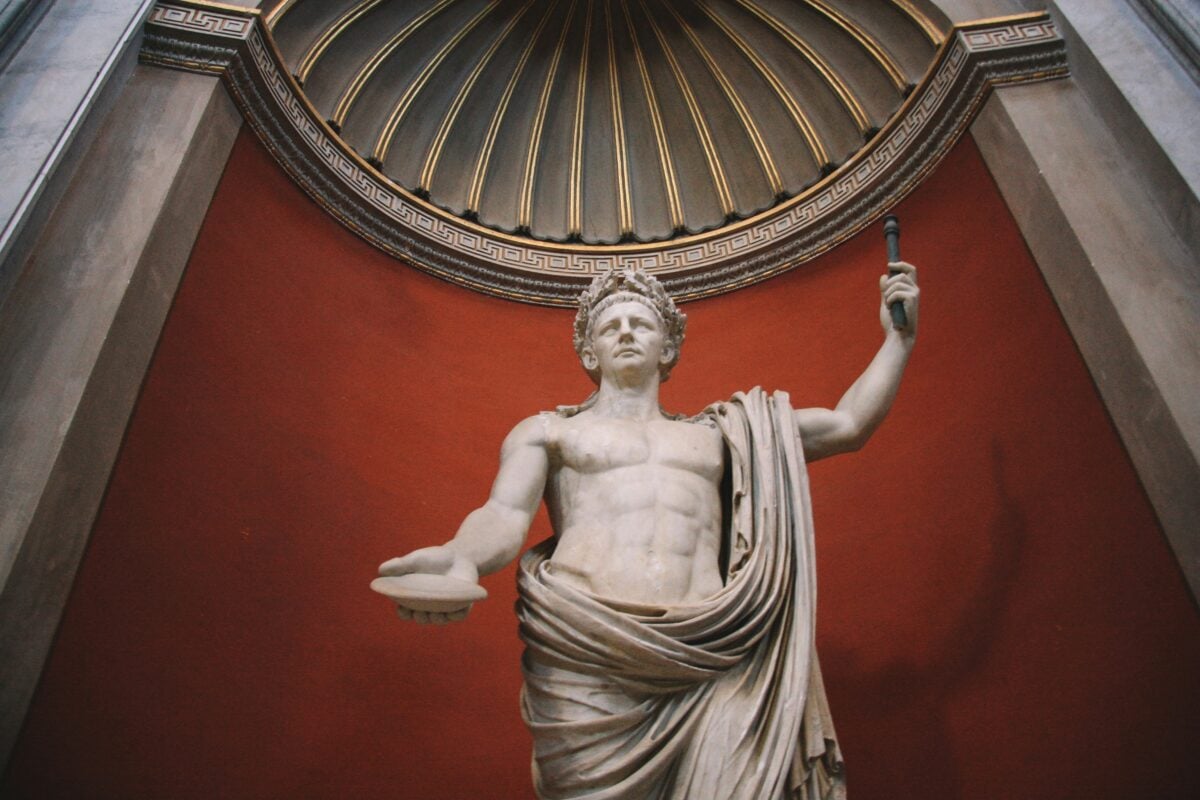
Romans built structures that have lasted two thousand years (the Pantheon’s dome remains the world’s largest unreinforced concrete dome, and it’s still standing strong), while modern concrete starts cracking after a few decades — which is the kind of technological regression that makes you wonder what exactly we’ve been doing with all that innovation we’re so proud of. Their secret ingredient was volcanic ash, specifically from Pozzuoli near Naples, mixed with lime and seawater in proportions they never bothered to write down because apparently job security wasn’t a concern for Roman engineers.
But here’s where it gets strange: Roman concrete actually gets stronger over time when exposed to seawater, while ours dissolves. The volcanic ash creates a chemical reaction that continues for centuries, essentially making their structures self-healing.
Modern scientists only figured this out recently, which means we spent the better part of two millennia building inferior concrete while the recipe was literally carved in stone all around the Mediterranean. And yet the Romans treated this knowledge so casually that when their empire fell, the formula went with it.
No patents, no trade secrets, no desperate attempts to preserve the information. Just gone.
Dancing Mania Spreads
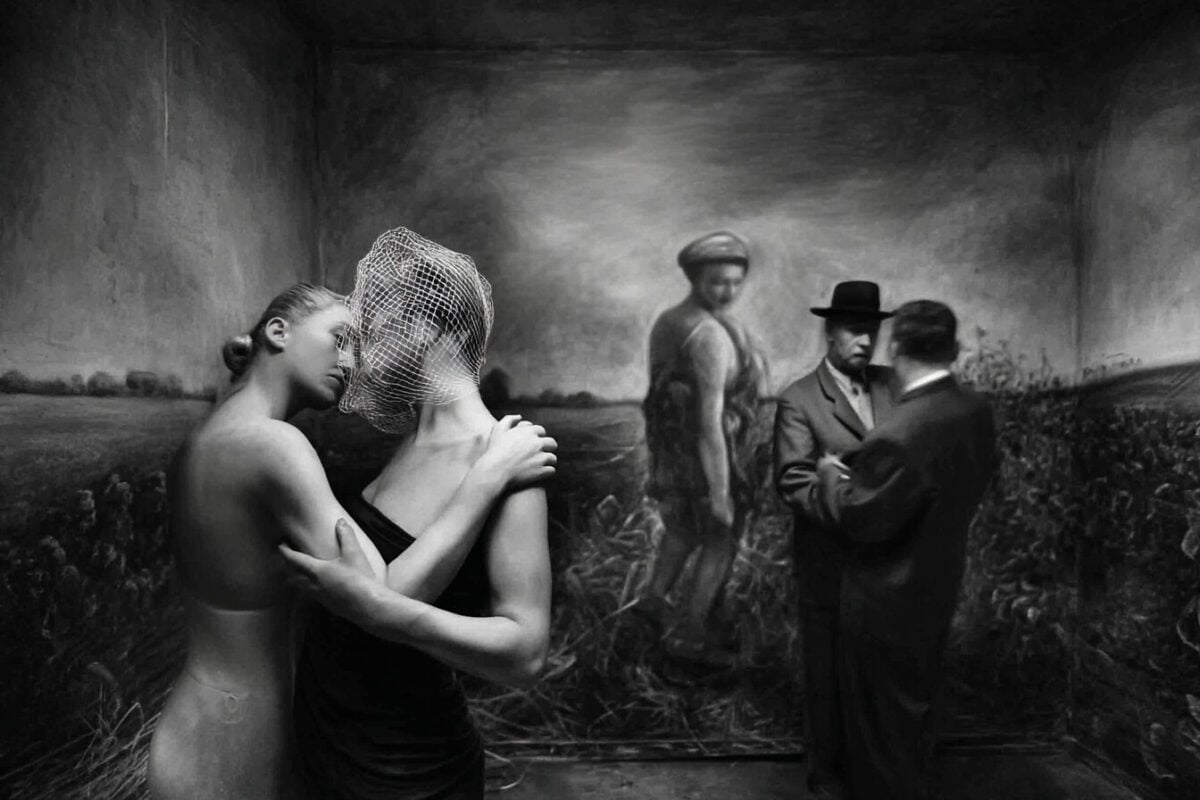
Medieval Europe had a recurring problem with spontaneous dance outbreaks. Not just Strasbourg — entire regions would succumb to uncontrollable dancing fits that lasted for days or weeks.
The causes ranged from ergot poisoning (a fungus that grows on rye and causes hallucinations) to mass hysteria triggered by social stress. Religious authorities blamed demonic possession. Medical experts had no clue.
Towns hired musicians, thinking music would cure the dancers, which predictably made everything worse. Some dancers reportedly died of exhaustion, though medieval medicine wasn’t great at determining cause of death.
Nero’s Golden House
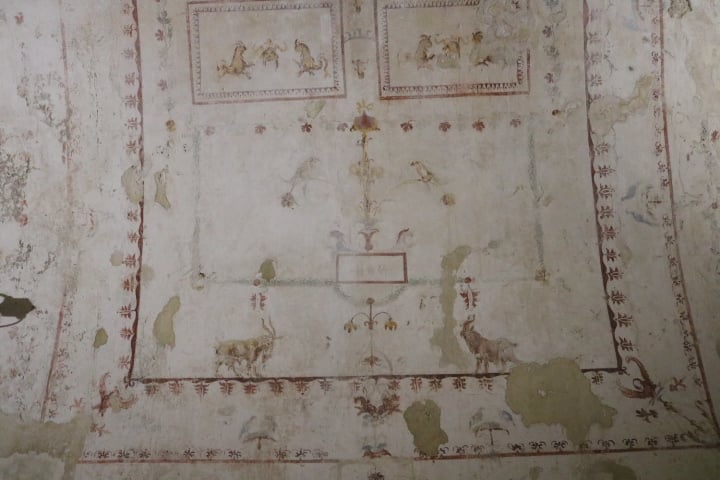
After the Great Fire of Rome in 64 AD, Nero built a palace complex so obscene it covered roughly one-third of the city (imagine if a modern president decided to turn Manhattan into his personal residence and you’ll get the scale of the audacity involved). The Domus Aurea featured a 120-foot-tall bronze statue of Nero himself, rotating dining rooms that mimicked the movement of celestial bodies, and artificial lakes where the Colosseum now stands.
The entrance hall was large enough to house the giant statue, which gives you some perspective on how Nero viewed proportion and restraint. After his death, subsequent emperors were so embarrassed by the excess that they buried most of it and built public works on top.
The Colosseum sits directly over Nero’s private lake, which is either poetic justice or the world’s most expensive landfill project. But here’s the thing that gets lost in the scandal of the palace’s size: some of the artistic innovations Nero commissioned were centuries ahead of their time.
The rotating dining room operated on principles that engineers didn’t fully understand until the Renaissance. His architects created interior spaces that wouldn’t be matched until modern building techniques made large-span construction practical again.
Salem Witch Trial Accusers
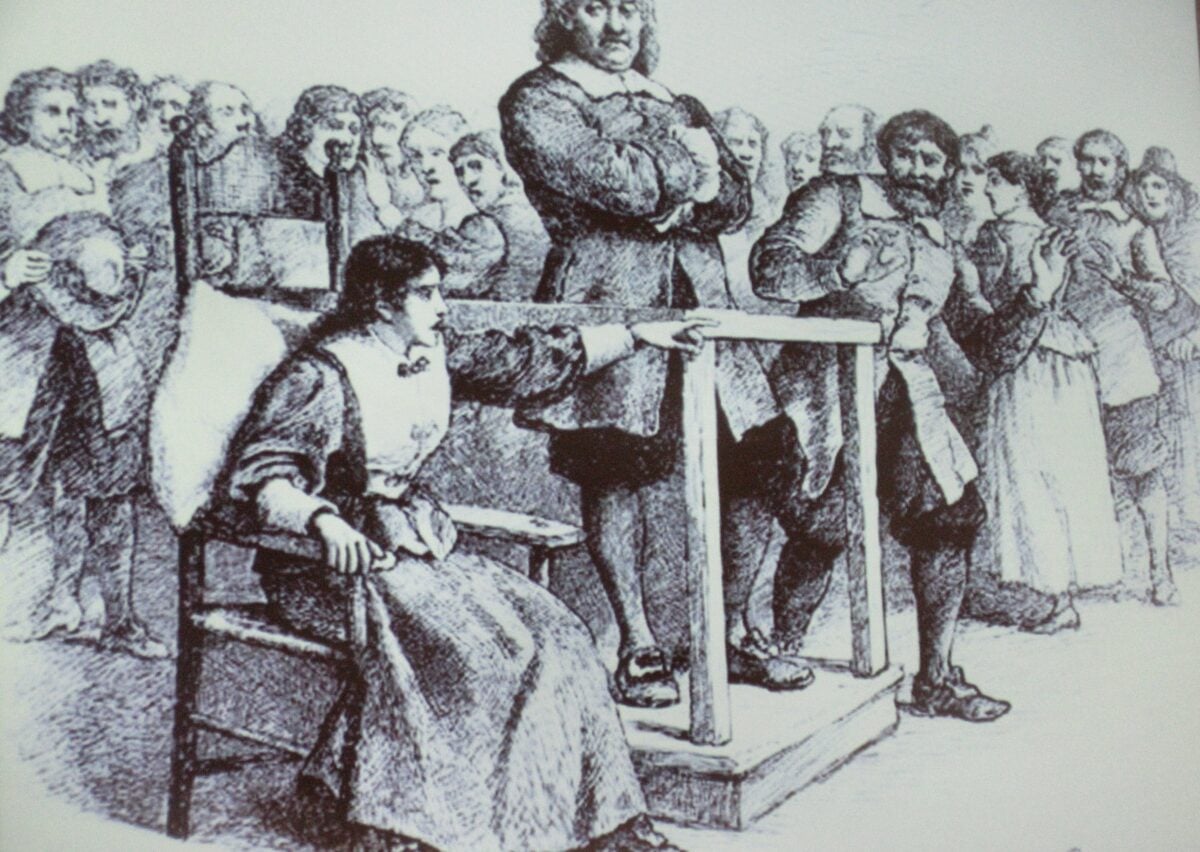
The Salem witch trials started when two young girls began having fits and accused their enslaved caretaker of witchcraft. Twenty people died before the madness ended.
Recent theories suggest the girls may have suffered from ergot poisoning — the same fungus that caused dancing mania in Europe. Ergot grows on rye in damp conditions, and Salem had experienced unusually wet weather.
The symptoms match: hallucinations, seizures, crawling sensations on the skin. The accusations might have stemmed from literal bread poisoning rather than supernatural activity.
The irony is brutal. A community so concerned with spiritual purity that it executed its own members may have been undone by moldy grain.
Victorian Mummy Parties
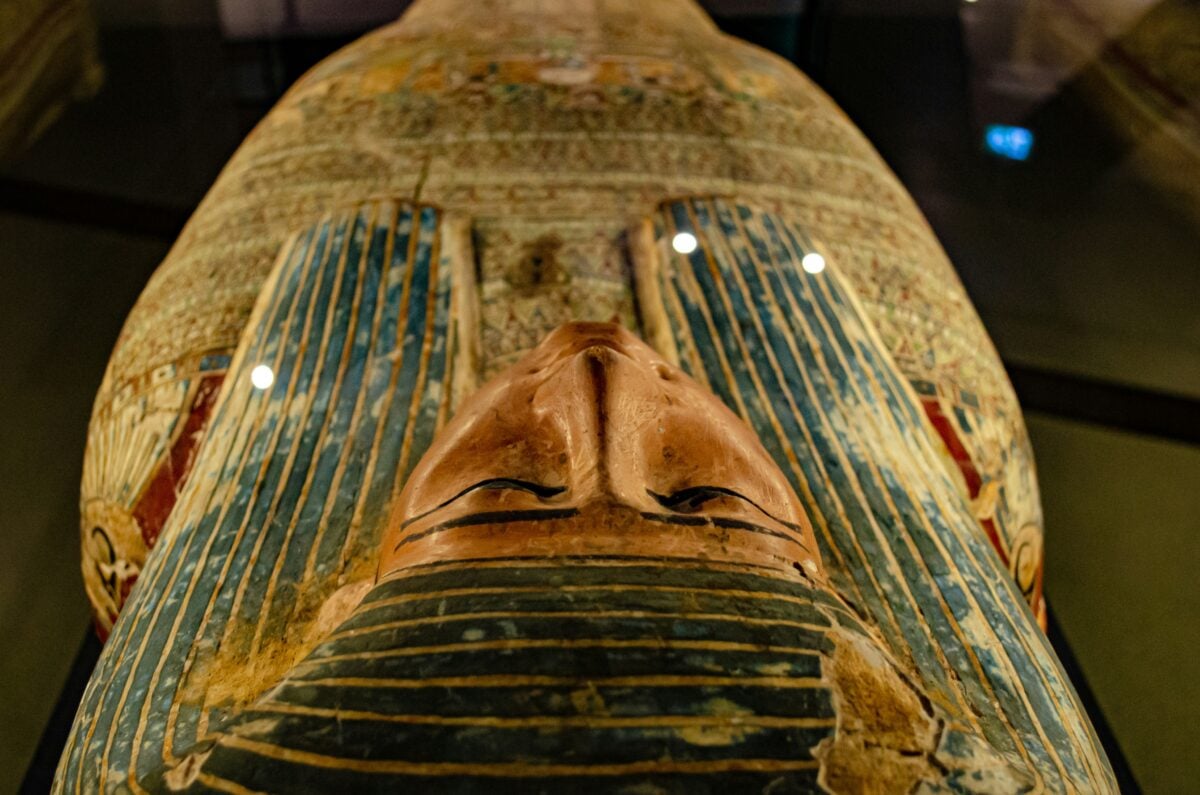
Wealthy Victorians threw parties centered around unwrapping Egyptian mummies. These weren’t archaeological expeditions — they were entertainment.
Hosts would purchase a mummy (surprisingly easy to do in 19th-century London), invite friends over for dinner, then ceremoniously unwrap the corpse for dessert. Guests would take home bits of linen as souvenirs.
Some mummies were ground up and sold as medicine, because Victorian medical knowledge was about as reliable as their party planning. Thousands of mummies were destroyed this way.
Irreplaceable historical artifacts became parlor tricks because the Victorians thought ancient Egyptian burial practices were less important than having something to talk about at dinner parties.
Caligula’s Horse Senator
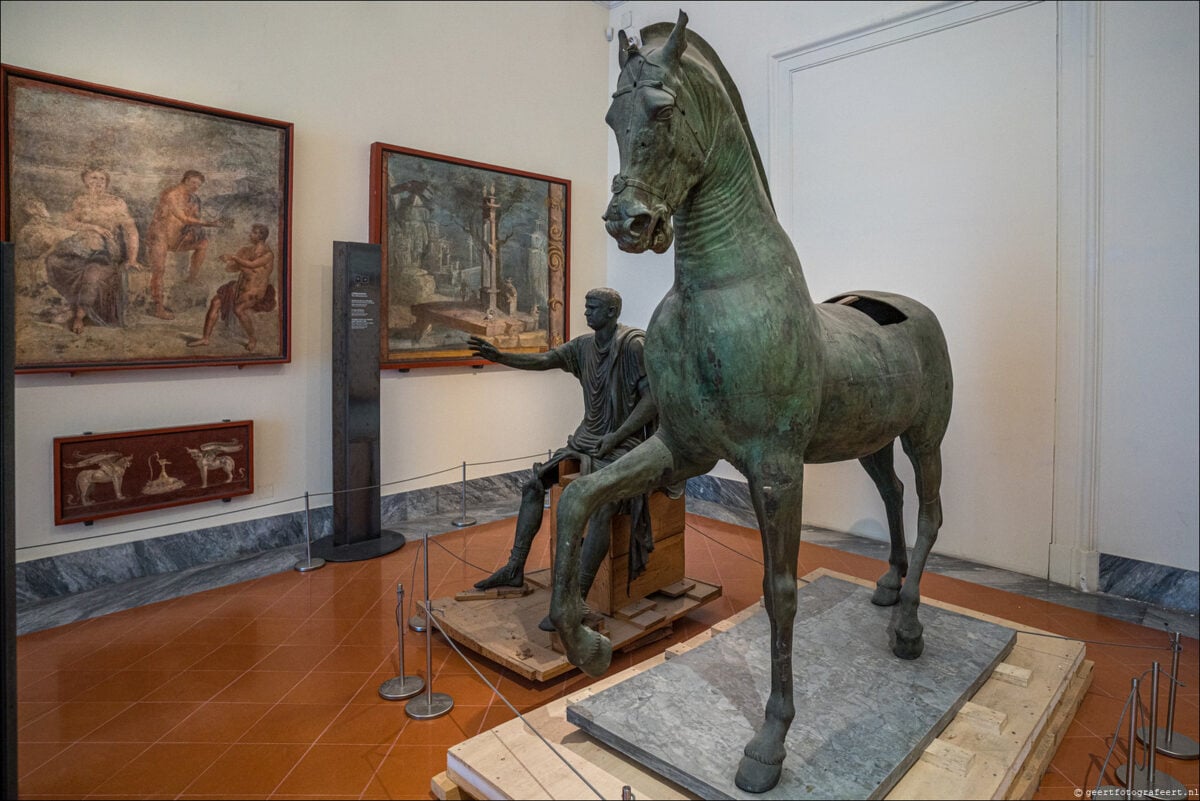
Roman Emperor Caligula allegedly planned to make his horse, Incitatus, a consul — one of the highest offices in the Roman government. The horse lived in a marble stable with an ivory manger and purple blankets.
Incitatus had its own house, complete with furniture and slaves to attend to its needs. Whether Caligula actually intended to appoint the horse to office or was just making a point about the worthlessness of the Roman Senate remains unclear.
Either way, it suggests that Roman politics had reached a level of absurdity where promoting livestock to high office seemed like reasonable commentary on the state of government.
Medieval Trial by Ordeal

Medieval justice operated on the assumption that God would intervene to protect the innocent during dangerous trials. Trial by ordeal required defendants to walk on hot coals, hold red-hot iron, or plunge their hands into boiling water.
If the wounds healed cleanly within three days, the defendant was innocent. If infection set in, guilt was proven.
This system persisted for centuries because it provided definitive answers to questions that had no clear evidence. The twisted logic almost makes sense: if you genuinely believe in divine intervention, then trial by ordeal becomes a direct appeal to higher authority.
The problem is that wound infection depends more on medieval hygiene standards than divine judgment.
The Year Without a Summer
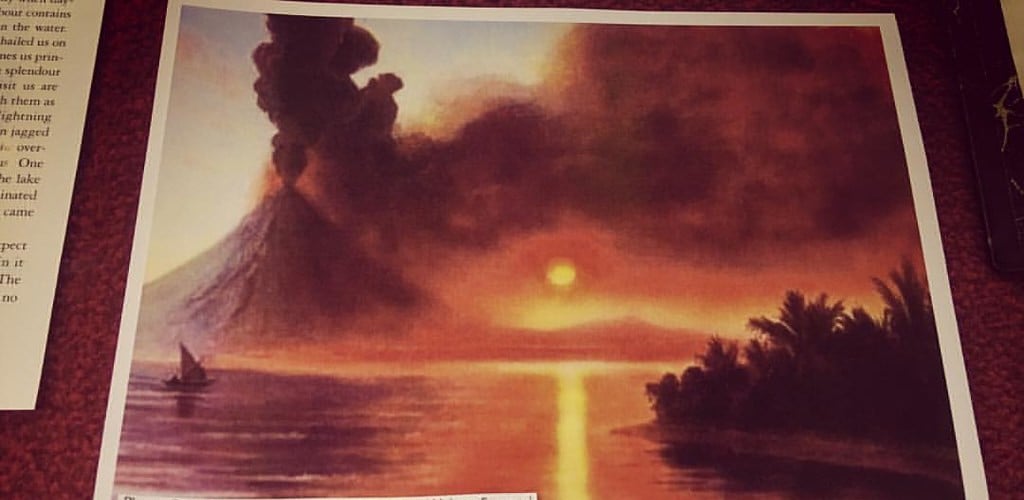
1816 became known as the Year Without a Summer after the eruption of Mount Tambora in Indonesia blocked sunlight across the Northern Hemisphere. Crops failed globally, causing famine and mass migration.
The weird part is how it shaped culture. Mary Shelley wrote “Frankenstein” during that gloomy summer while trapped indoors in Switzerland.
Lord Byron wrote “Darkness,” a poem about the end of the world. The literary Romantic movement partly emerged from a volcanic winter that killed thousands.
Climate disasters create unexpected cultural artifacts. A volcanic eruption in Indonesia led to Gothic horror novels in Europe, proving that global catastrophes have unpredictable consequences across time and geography.
When the Strange Becomes Normal

History’s weirdest moments reveal something essential about human nature: the capacity to adapt to absolutely anything and treat it as normal. Whether it’s dancing until you drop or making horses into senators, people find ways to rationalize the absurd until it becomes routine.
These stories didn’t make it into textbooks because they complicate the clean narratives we prefer about the past. But they’re more honest about who we actually are — a species capable of both remarkable ingenuity and spectacular foolishness, sometimes simultaneously.
More from Go2Tutors!

- The Romanov Crown Jewels and Their Tragic Fate
- 13 Historical Mysteries That Science Still Can’t Solve
- Famous Hoaxes That Fooled the World for Years
- 15 Child Stars with Tragic Adult Lives
- 16 Famous Jewelry Pieces in History
Like Go2Tutors’s content? Follow us on MSN.



