25 Iconic Photos from the 20th Century With Backstories Most People Never Heard
The most famous photographs often have stories as compelling as the images themselves. These are photographs that entered the cultural consciousness, but few people know the circumstances under which they were captured, the choices made in cropping or framing, or the strange coincidences that made them iconic.
The backstories reveal how luck, timing, and human decision intersect to create images that outlast their moment.
Lunch Atop a Skyscraper (September 20, 1932)
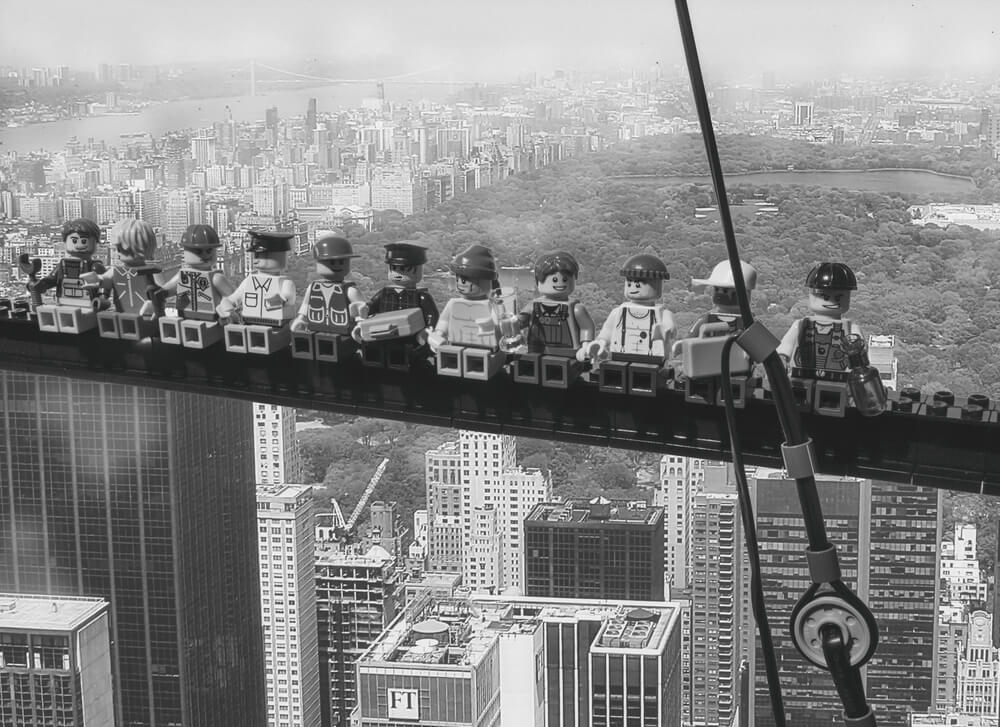
On the 69th floor of the under-construction RCA Building in New York, eleven ironworkers casually ate lunch while sitting on a steel beam 850 feet above the street. The image became a symbol of American resilience during the Depression.
What few knew was that the photograph was a publicity stunt. Three photographers—Charles C. Ebbets, William Leftwich, and Thomas Kelley—were present that day, arranged by Rockefeller Center’s promotion team to drum up excitement about the skyscraper’s completion.
The workers, mostly Irish, Italian, and Eastern European immigrants, and including Mohawk ironworkers from Canada, were instructed to pose. Some tossed a football; others pretended to nap.
The identities of the workers remained unknown for decades. The original photographer has never been conclusively identified.
The glass plate negative survived and was eventually preserved in a vault outside Pittsburgh, but for years historians credited the wrong photographer.
Guerrillero Heroico (March 5, 1960)

Cuban photographer Alberto Korda was at a funeral service in Havana for the victims of the La Coubre explosion when he spotted Ernesto “Che” Guevara staring over the crowd, his expression showing what Korda called “absolute implacability.” Korda loaded his Leica with Plus-X film and managed two frames—one vertical, one horizontal—before Che stepped away.
The newspaper Revolución chose not to publish Korda’s Che photo; instead, they ran shots of Fidel Castro with French philosophers Jean-Paul Sartre and Simone de Beauvoir. Korda cropped and enlarged his Che image, framed it in his studio, and gave prints away as gifts.
For seven years, the photograph languished in relative obscurity. It was not until 1968, after Che’s execution, that Italian publisher Giangiacomo Feltrinelli placed it on the cover of Guevara’s Bolivian Diary.
The image exploded into global consciousness, becoming the most reproduced photograph of the 20th century.
Einstein’s Tongue (March 14, 1951)
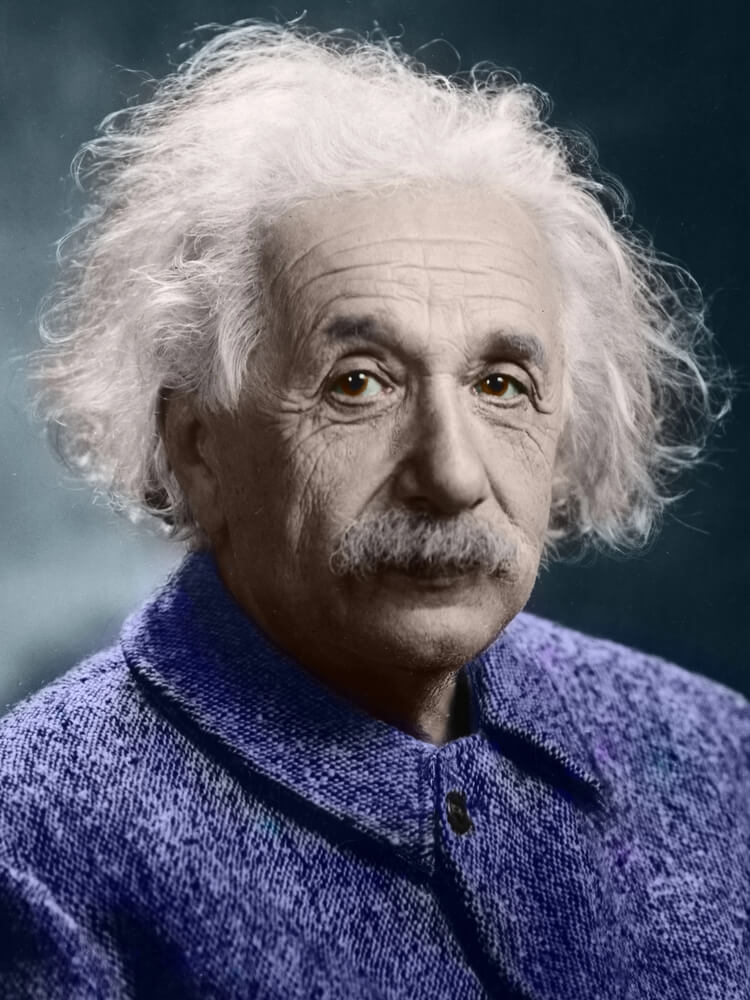
Albert Einstein, leaving his 72nd birthday party at Princeton, was tired of smiling for photographers. As yet another group of photographers advanced, he grew exasperated and stuck his tongue out at the crowd before turning away.
UPI photographer Arthur Sasse was the only photographer among the many surrounding the car who captured the split-second moment. The editors at UPI debated whether to publish the image.
One editor thought it disrespectful; another saw its charm. The photo was approved only after going to the chiefs upstairs.
Einstein himself loved the photograph so much that he requested nine prints and sent them as greeting cards to friends for the rest of his life. On one, he wrote in German, “This gesture you will like, because it is aimed at all of humanity.”
The original negative was later auctioned for $72,300, making it the most expensive Einstein photograph ever sold.
The Afghan Girl (December 1984)
Photographer Steve McCurry was photographing refugee camps along the Afghanistan-Pakistan border when he entered a makeshift school tent and encountered a class of fifteen girls. One girl stood out—her striking green eyes caught his attention immediately.
McCurry had only seconds before she left the tent. He exposed one frame on Kodachrome film.
The girl was Sharbat Gula, age 12. Her parents had been killed in a Soviet bombing raid; she had walked for weeks to reach Pakistan.
The photograph appeared on the cover of National Geographic in June 1985 and became the most recognizable magazine cover in the publication’s history. For seventeen years, Sharbat remained anonymous—a global icon with no name.
In 2002, National Geographic tracked her down using iris recognition technology. She was living in poverty in Afghanistan, the mother of three daughters, and had never seen the photograph that made her world-famous.
She had been identified by her eyes, the feature that McCurry had noticed in 1984.
V-J Day in Times Square (August 14, 1945)
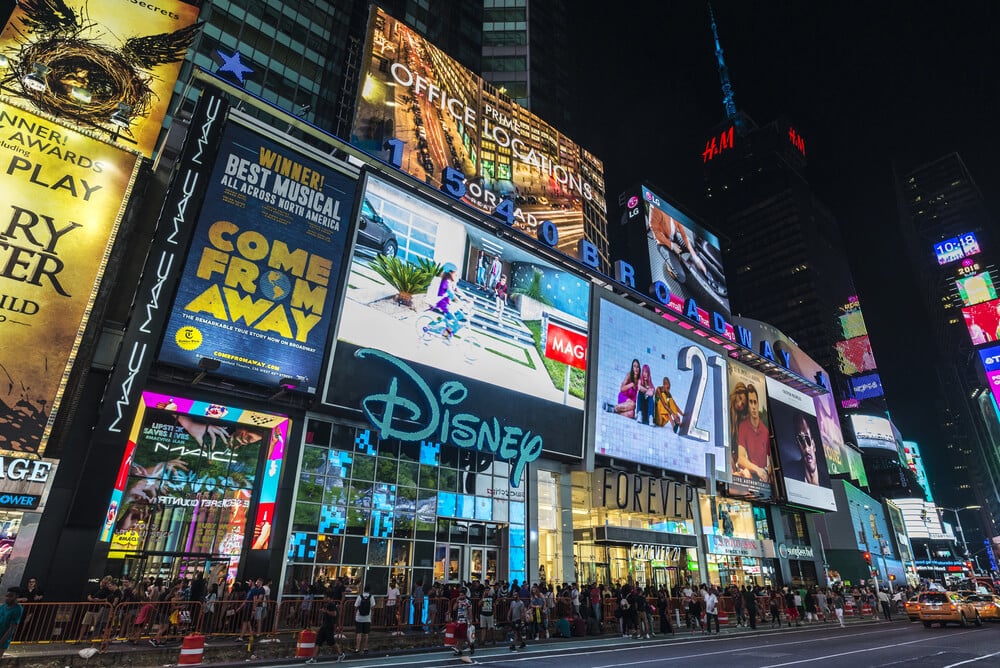
On the day Japan surrendered, Alfred Eisenstaedt captured a sailor kissing a woman in a nurse’s uniform amid the celebration in Times Square. The photograph appeared in newspapers worldwide and became the most iconic image of victory in World War II.
For sixty years, the identity of the couple remained debated. The woman eventually came forward and revealed that she had not consented to the kiss—she had been grabbed and kissed without permission by a stranger.
The photograph had been celebrated for decades as a symbol of romantic joy and American triumph. Its recontextualization as a non-consensual moment forced a reckoning with how photographs can be appropriated to tell false narratives about power and desire.
The Black Power Salute (October 16, 1968)
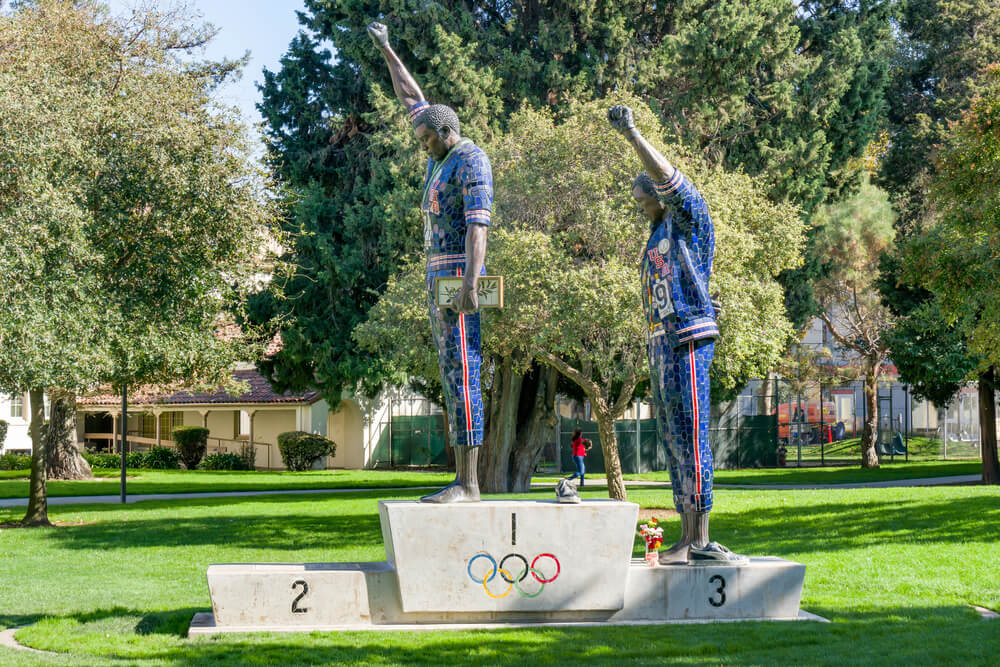
At the 1968 Summer Olympics in Mexico City, sprinters Tommie Smith and John Carlos mounted the podium for the 200-meter dash award ceremony, removed their shoes, wore black socks, bowed their heads, and raised their fists in a Black Power salute. Photographer John Dominis captured the moment as the national anthem played.
The image ignited immediate controversy. Carlos and Smith were condemned as disrespectful, un-American, and communist.
The International Olympic Committee banned them from the Olympics. Letters flooded the networks.
Yet for those few days the photograph circulated widely, millions of Americans saw athletes refusing to separate their athletic achievement from their political convictions. Fifty years later, that same photograph would be recontextualized during renewed racial reckoning as an act of principle and courage.
The Migrant Mother (March 1936)
Dorothea Lange was driving home after a month photographing Depression-era poverty when she saw a sign for a pea pickers’ camp near Nipomo, California. She turned around and approached a woman sitting in a tent with her children huddled around her.
The woman’s name was Florence Owens Thompson; she was 32 years old. She told Lange that her family had been living on frozen vegetables from the surrounding fields and birds that the children killed.
She had just sold her car’s tires to buy food. Lange made six exposures, working closer with each shot.
The woman seemed to know the photographs might help her. Within days, the FSA distributed the image to news outlets.
Thompson’s face became the face of the Great Depression and helped justify New Deal programs. Thompson spent decades in poverty, nameless, while her image circulated through history.
She was not identified publicly until 1978—42 years after the photograph was taken.
Falling Man (September 11, 2001)
As the North Tower of the World Trade Center burned on the morning of September 11, photographer Richard Drew shot a frame of a man falling through the air, one leg bent, his body inverted against a backdrop of office windows. The identity of the man was never determined.
His family never came forward. For a few days, the image was published in major newspapers across America.
Viewers found it too intimate, too much an invasion of a dying person’s final moments. The image was pulled from most American news outlets within days, though it was published internationally and circulated via email and fax.
The photograph raised immediate ethical questions about how much suffering photojournalists should document and publish. The image faded from view but has remained in memory—the particular tragedy of a single person captured in the moment of falling.
Robert Capa’s D-Day (June 6, 1944)

Photographer Robert Capa waded ashore at Omaha Beach with the first wave of American soldiers. Bullets tore marks in the water around him; he crouched low and took approximately 106 photographs.
After an hour and a half, he had exhausted his film and himself. Back on the ship, a lab technician was developing Capa’s film when a colleague dropped an entire pack of film in the ocean—the film of nine other photographers and cinematographers, including Bob Landry’s, was lost.
Capa’s film survived only because he carried it off the beach himself. Only a handful of Capa’s frames survived, and many are grainy, blurred by movement and the chaos of combat.
Yet these imperfect images became the definitive photographic record of D-Day. Published in Life magazine on June 19, 1944, they showed Americans on the home front the actual terror of war rather than a sanitized narrative.
The Burning Monk (June 11, 1963)

Buddhist monk Thich Quang Duc sat down on a Saigon street corner, poured gasoline over himself, and set himself alight in protest of South Vietnamese government persecution of Buddhists. Photographer Malcolm Browne captured the moment.
The image circulated worldwide within hours and shocked Americans into reassessing U.S. support for the Diem regime. President John F. Kennedy reportedly said no news picture in history had generated such emotional response globally.
Browne was photographing from across the street when the monk self-immolated. The image shows not a moment of violence in the traditional sense but a moment of self-sacrifice and political protest rendered visible through the camera’s lens.
The photograph proved that the Vietnam War was not a simple ideological struggle between democracy and communism but involved complex religious and political suppression.
The Starving Child and Vulture (March 1993)

South African photographer Kevin Carter traveled to famine-stricken Sudan and photographed a frail, collapsed child being circled by a hooded vulture. The image appeared in the New York Times and won Carter the Pulitzer Prize.
Yet it also sparked immediate ethical outrage: Why didn’t Carter help the child instead of taking the picture? Was he exploiting suffering for a prize?
The debate about the photograph became as important as the photograph itself. Carter was haunted by the criticism and struggled with depression stemming from his years documenting wars and disaster.
Three months after winning the Pulitzer, Carter died by self-harm. The photograph remains controversial and powerful—a document of suffering and a record of photojournalism’s ethical complexity.
Einstein and Artur Compton (1940)
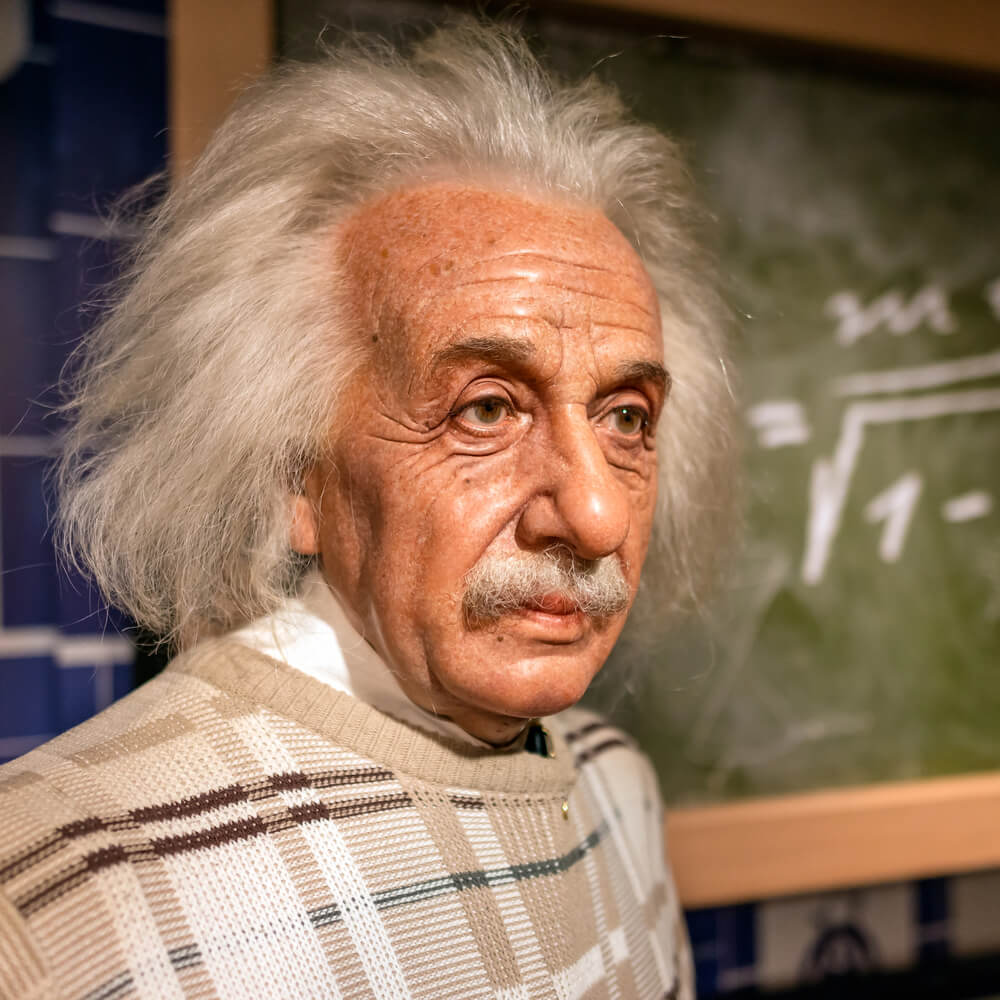
A photograph shows Albert Einstein and physicist Artur Compton sitting in conversation in Princeton. Most people know this photograph as a simple documentation of two great minds.
What few know is that the photograph was taken as part of Einstein’s naturalization ceremony day. Einstein had fled Nazi Germany and was becoming a U.S. citizen.
The photograph captures a moment of scientific camaraderie and belonging, though the historical context of refugee immigration and Jewish escape from persecution is invisible unless you know to look for it.
The Blue Marble (December 24, 1968)

Astronaut William Anders, orbiting the Moon aboard Apollo 8, turned his camera back toward Earth and captured an image of the planet rising above the lunar surface—blue and white against the black void of space. The photograph was not intended to be historic; it was a fortunate shot.
Yet the image changed how humanity perceived itself. The Blue Marble showed Earth not as a collection of competing nations but as a single, fragile, finite sphere shared by all people.
The photograph became the defining visual symbol of the environmental movement and contributed directly to the first Earth Day in 1970 and the creation of the Environmental Protection Agency. Philosophers have argued that this single photograph did more for environmental consciousness than decades of scientific warnings.
Tank Man (June 5, 1989)
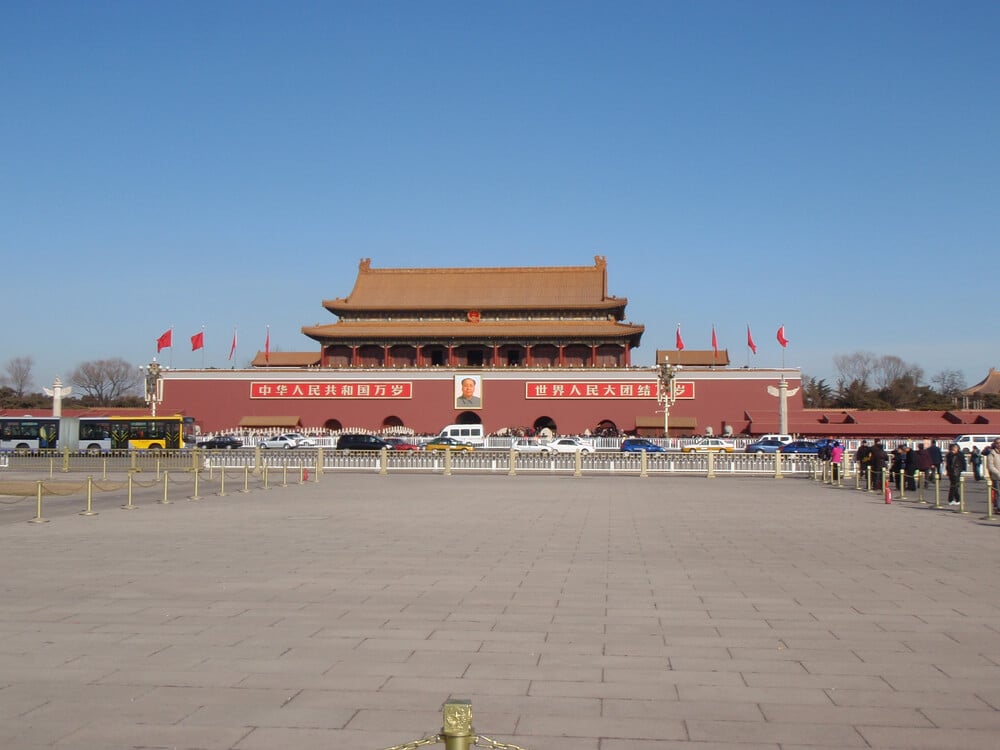
Early on the morning of June 5, 1989, a lone man in a white shirt stepped in front of a column of tanks withdrawing from Tiananmen Square after massacring pro-democracy demonstrators. Photographer Jeff Widener, stationed in a hotel window 800 yards away, initially found the man annoying—he was ruining the composition of the tank shot.
Widener added a doubler to his lens and took three frames. The man was never conclusively identified.
The Chinese government has censored all mention of him domestically for over 35 years. Yet the image spread globally within days, showing the world that unarmed dissent could stand against military power, if only for a moment.
The photograph did not stop the crackdown, but it ensured the crackdown would not be forgotten.
The Mushroom Cloud Over Nagasaki (August 9, 1945)

Navy photographer Charles Levy, aboard a ship miles offshore from Nagasaki, captured the rising mushroom cloud as the atomic bomb detonated. The image was classified initially and did not circulate widely until after the war ended.
When it was published, along with photographs of the devastation below, it became the most visceral proof of nuclear weapons’ destructive power. The image showed not just military infrastructure destroyed but a city—140,000 people, gone—in visual form.
For Americans who had supported atomic bombing as a means to end the war quickly, the photograph complicated that narrative. The mushroom cloud became the dominant symbol of nuclear weapons discourse and arms control debates for decades.
The Iwo Jima Flag Raising (February 23, 1945)
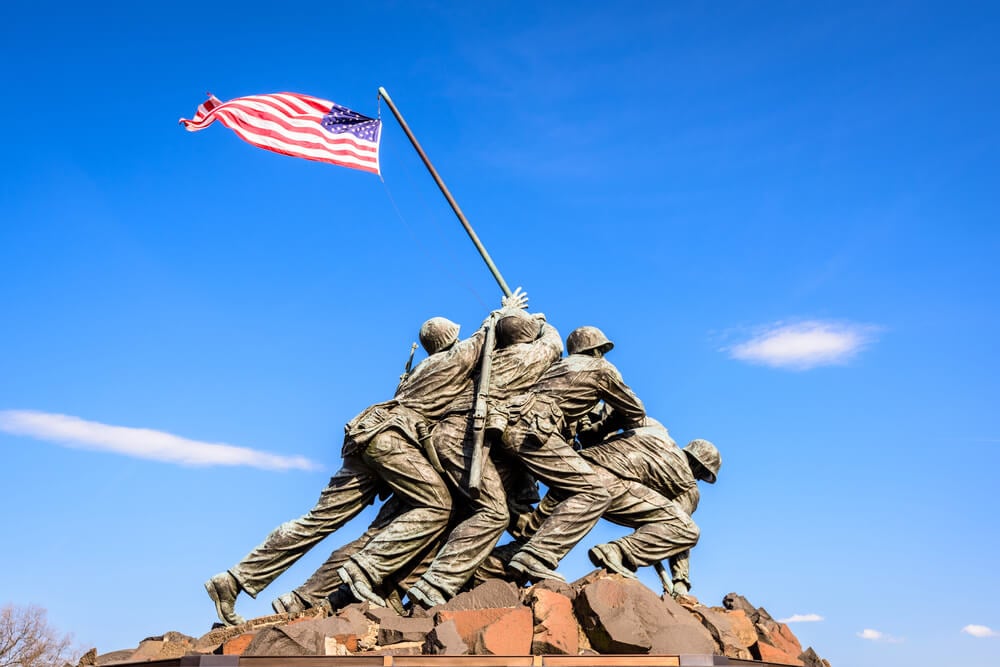
On Mount Suribachi, American soldiers planted the flag atop the mountain. Photographer Joe Rosenthal captured five men straining to raise the flagpole.
The image was published on front pages across America within 48 hours and became the most iconic photograph of World War II. Only years later did historians note that this was actually a re-enactment—the second flag-raising that day, which the soldiers had staged specifically for photography.
Rosenthal did not know he was photographing a staged moment; he captured what he believed to be a genuine action. The photograph’s authenticity was questioned, but its power to shape how Americans understood their sacrifice in the war remained unchanged.
Vivian Maier’s Undiscovered Masterpiece (1950s-1980s)
Vivian Maier worked as a nanny in Chicago for over 40 years, walking the streets in her leisure time with a camera, photographing the city’s urban landscape. She was a fiercely private person; her passion for photography was known to virtually no one.
She produced over 100,000 negatives, most of them never printed or even developed. When she died in 2009 at age 83, she left behind thousands of boxes of photographs, film rolls, and documentary material in storage lockers across the city.
A real estate agent and amateur historian named John Maloof purchased boxes of her negatives at an auction in 2007 for a book he was writing about Chicago neighborhood history. He discovered the name “Vivian Maier” on scraps of paper but could find no information about her online.
Only after Maloof posted her photographs on the internet did they begin to demand attention. Her work has been compared to Diane Arbus, Garry Winogrand, and Robert Frank.
She spent her entire life creating extraordinary photographs in complete anonymity, asking nothing of the world in return.
The Afghan Girl Reunion (2002)
Seventeen years after Steve McCurry photographed Sharbat Gula in a refugee camp, National Geographic sent a team to find her. They located her in a remote region of Afghanistan using iris recognition technology to confirm her identity.
McCurry finally met the woman whose face had become globally famous. She was now in her thirties, living in poverty, her youth erased by hardship.
She had no idea her photograph was known around the world. The reunion was filmed and published in National Geographic, transforming her from an anonymous symbol into a named individual with a life story.
Yet the reunion also raised uncomfortable questions about photojournalism’s ethics—Was it ethical to seek her out decades later? Had her anonymity protected her, or had the photograph’s exploitation required an eventual reckoning?
The Napalm Girl (June 8, 1972)
Photographer Nick Ut was on assignment covering a South Vietnamese napalm attack when he witnessed the attack itself. Nine-year-old Phan Thi Kim Phuc ran toward the camera, her skin burned by the chemical agent.
Ut’s photograph captured not a distant military operation but the human cost of warfare rendered visible on a child’s body. When Life magazine ran the image the following day, Americans encountered the Vietnam War not as abstract statistics but as a particular child’s agony.
The photograph worked faster and more effectively than antiwar speeches. Phuc survived, and years later became an advocate for peace and reconciliation.
The image became a turning point in American willingness to question government claims about the war’s necessity.
The Saigon Execution (February 1, 1968)
Photographer Eddie Adams captured the moment South Vietnamese General Nguyen Ngoc Loan executed a suspected Viet Cong officer on a Saigon street. The general’s pistol was raised; the man’s face showed fear a second before the shot.
The photograph appeared in newspapers the next day and transformed American public opinion on the Vietnam War. Viewers could no longer maintain the fiction that South Vietnam was fighting for democracy.
The photograph planted seeds of doubt in American public consciousness about the morality of the war.
The Concentration Camp Photographs (1945)
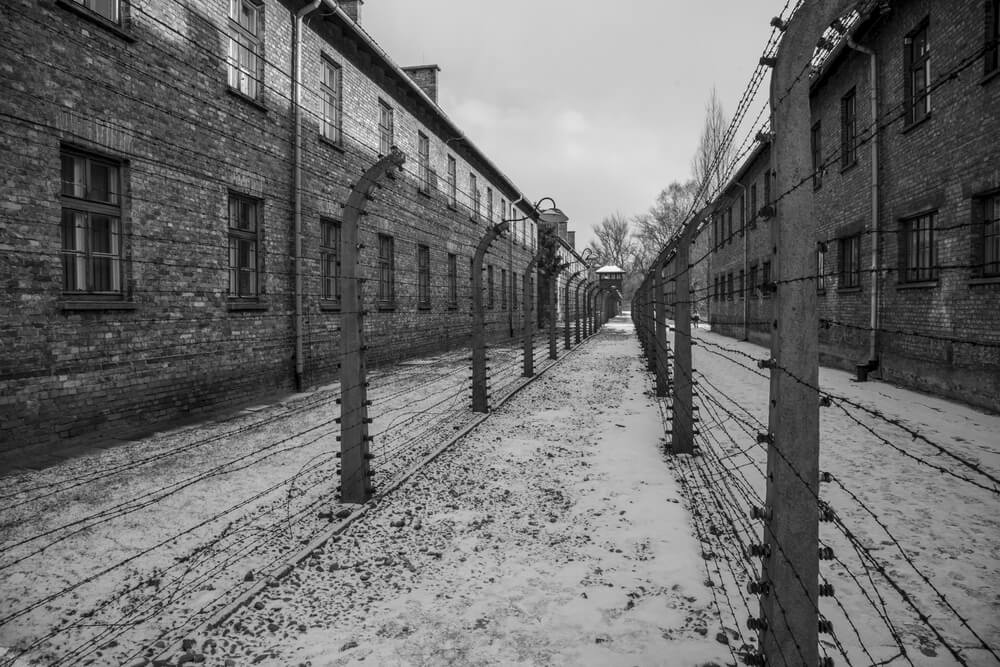
As Allied forces liberated Nazi concentration camps at the end of World War II, photographers documented the skeletal remains of prisoners, the gas chambers, and the crematoriums. The photographs were initially not published in American newspapers in their entirety—they were deemed too disturbing.
Instead, they were distributed to government, military, and educational institutions. The photographs proved that Nazi extermination camps existed, removing all plausible deniability.
The images became the undeniable visual proof of genocide and shaped post-war understanding of totalitarianism. They have been reproduced in countless history textbooks and museums, ensuring that future generations encounter the Holocaust’s reality in visual rather than abstract form.
The Cuyahoga River Fire (1969)

A photograph showed the Cuyahoga River in Cleveland, Ohio, burning—the culmination of decades of industrial dumping and pollution. A river so polluted it could literally ignite shocked Americans who believed nature’s abundance was infinite.
The identity of the photographer remains uncertain. Yet the image contradicted the assumption that industry and environmental health could coexist.
Congress received unprecedented pressure to act. Within years, the Clean Water Act was passed.
The burning river photograph provided the undeniable visual proof that the costs of ignoring pollution had become catastrophic.
The Earthrise (December 24, 1968)

On the same Apollo 8 mission as the Blue Marble photograph, William Anders captured Earth rising above the lunar horizon, half-illuminated, hanging in the void. The image showed Earth from beyond itself—the usual perspective inverted.
It became the visual symbol of humanity’s shared planetary home and contributed to the birth of the environmental movement. Philosophers have argued that this single photograph changed human consciousness more than any political speech or scientific paper, making environmental stewardship into something emotionally urgent rather than intellectually abstract.
The Lunch Atop a Skyscraper Reimagined (2024)
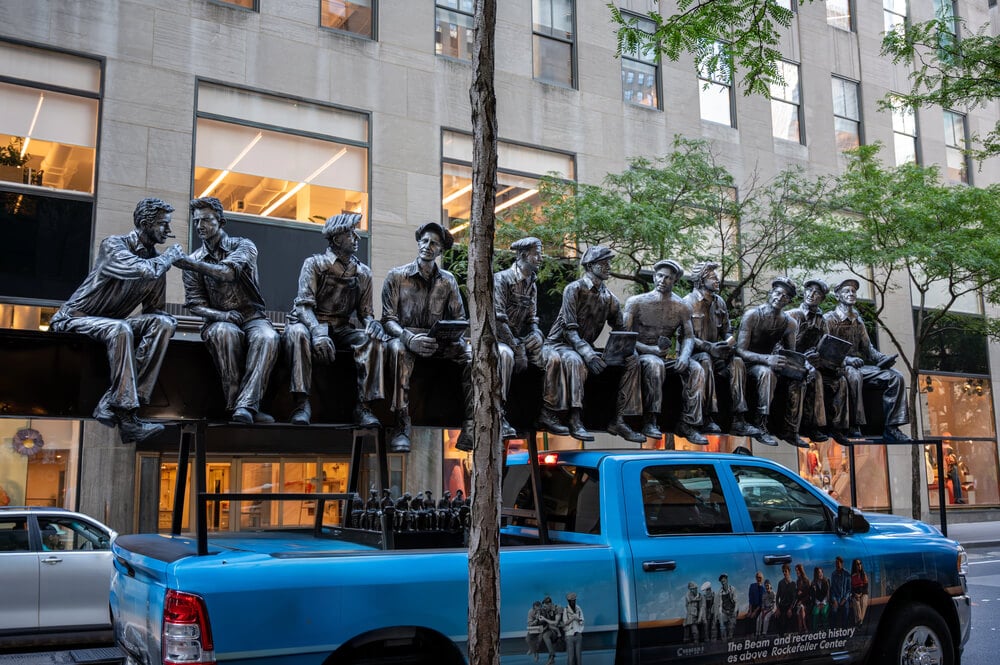
In 2024, Rockefeller Center unveiled “Top of the Rock: The Beam,” a ticketed experience allowing visitors to sit on a recreated steel beam on the building’s 69th floor and pose as the 1932 ironworkers did. The publicity stunt that once made history is now recreated for nostalgic tourism.
What was once genuine labor—men on a precarious perch earning $1.50 per hour—has become a staged historical experience for photograph-taking. The photograph’s journey from authentic moment to publicity stunt to historical icon to tourist attraction reflects how images transform over time, their meanings accumulating and shifting with the years.
The Images That Escaped Destruction

Many iconic photographs survived only by chance. Robert Capa’s D-Day negatives survived because he carried them off the beach; nine other photographers’ film was lost when dropped in the ocean.
The tank man photograph was captured because Jeff Widener was positioned perfectly at a moment he didn’t anticipate. Vivian Maier’s 100,000 negatives survived because they were stored in lockers that were auctioned after her death.
History is fragile; the photographs that persist are often the result of circumstances beyond the photographer’s control—chance positioning, technical luck, and the survival of fragile materials that might have been destroyed.
More from Go2Tutors!

- The Romanov Crown Jewels and Their Tragic Fate
- 13 Historical Mysteries That Science Still Can’t Solve
- Famous Hoaxes That Fooled the World for Years
- 15 Child Stars with Tragic Adult Lives
- 16 Famous Jewelry Pieces in History
Like Go2Tutors’s content? Follow us on MSN.